Glossary Item of The Month
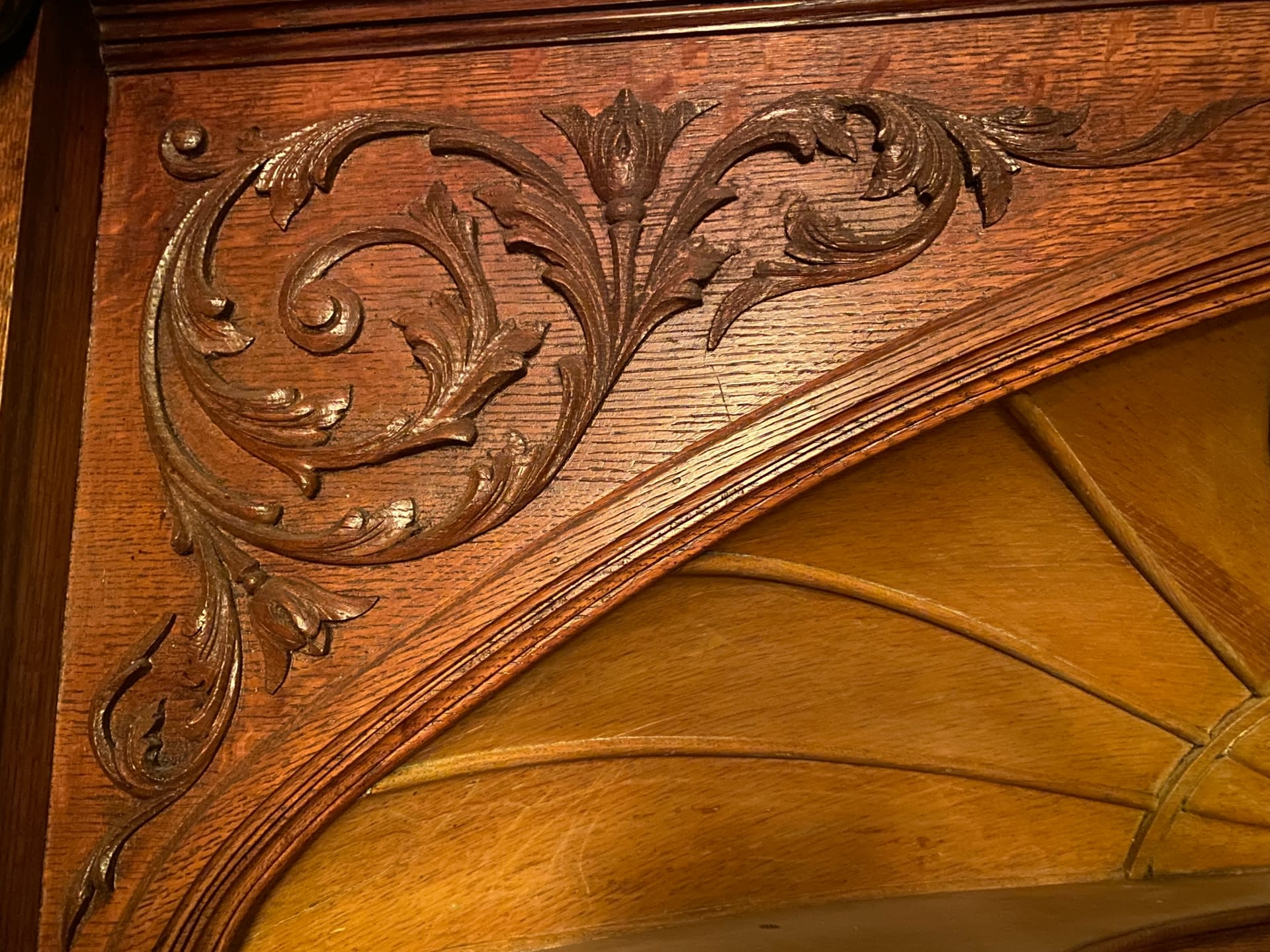
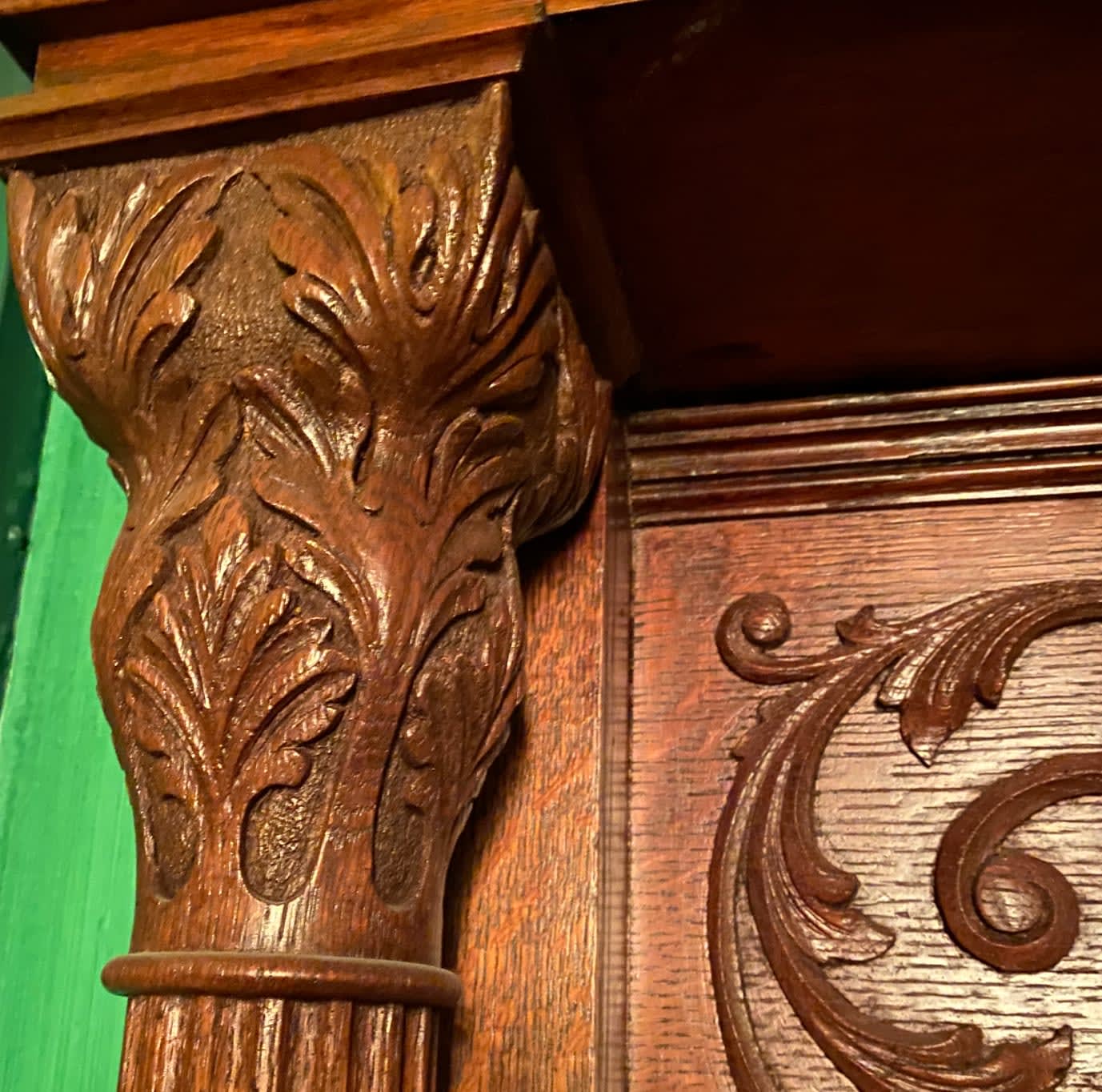
The Acanthus
The Acanthus

There are so many beautiful design elements and architectural features that make an authentic Victorian home so appealing. If you wanted to describe the details and features you like best, would you be able to do so? It may be difficult without knowing the correct terms. Courtesy of The Victorian Specialist, here are some common Victorian terms defined for you.
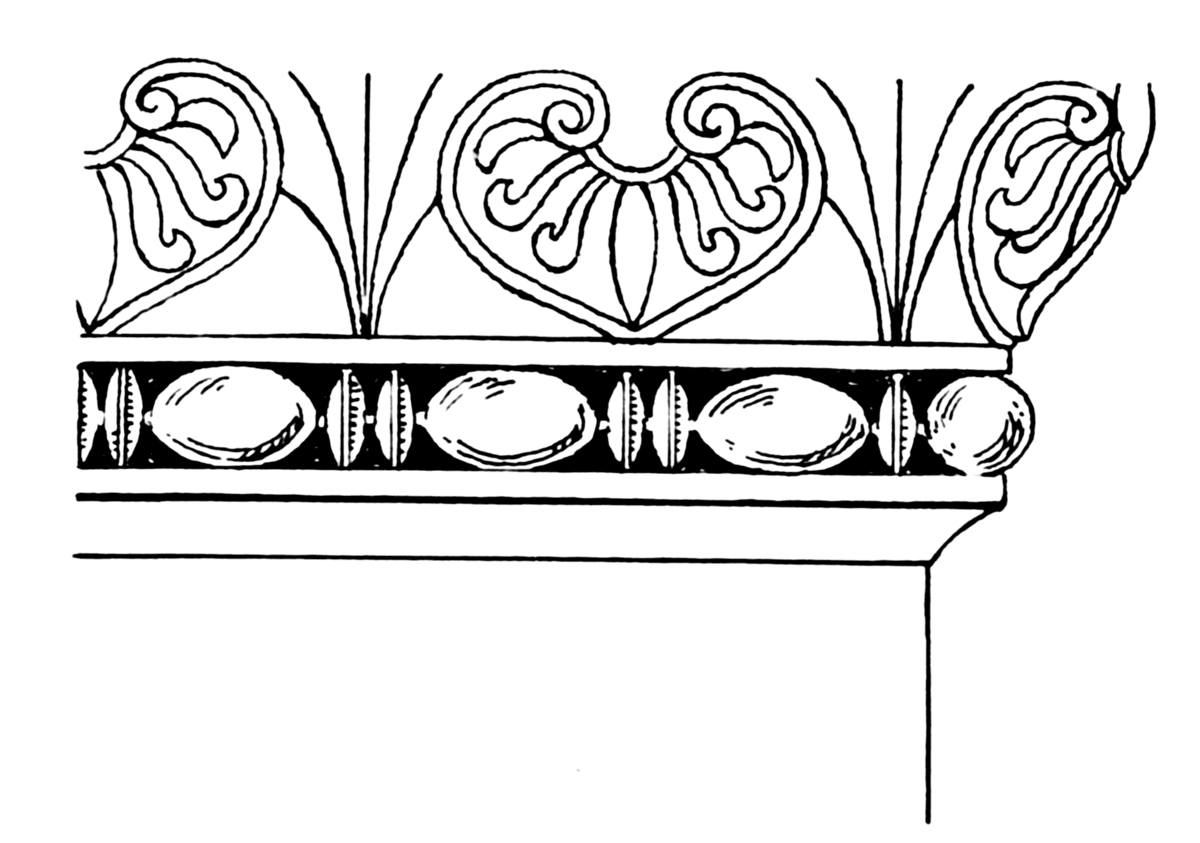
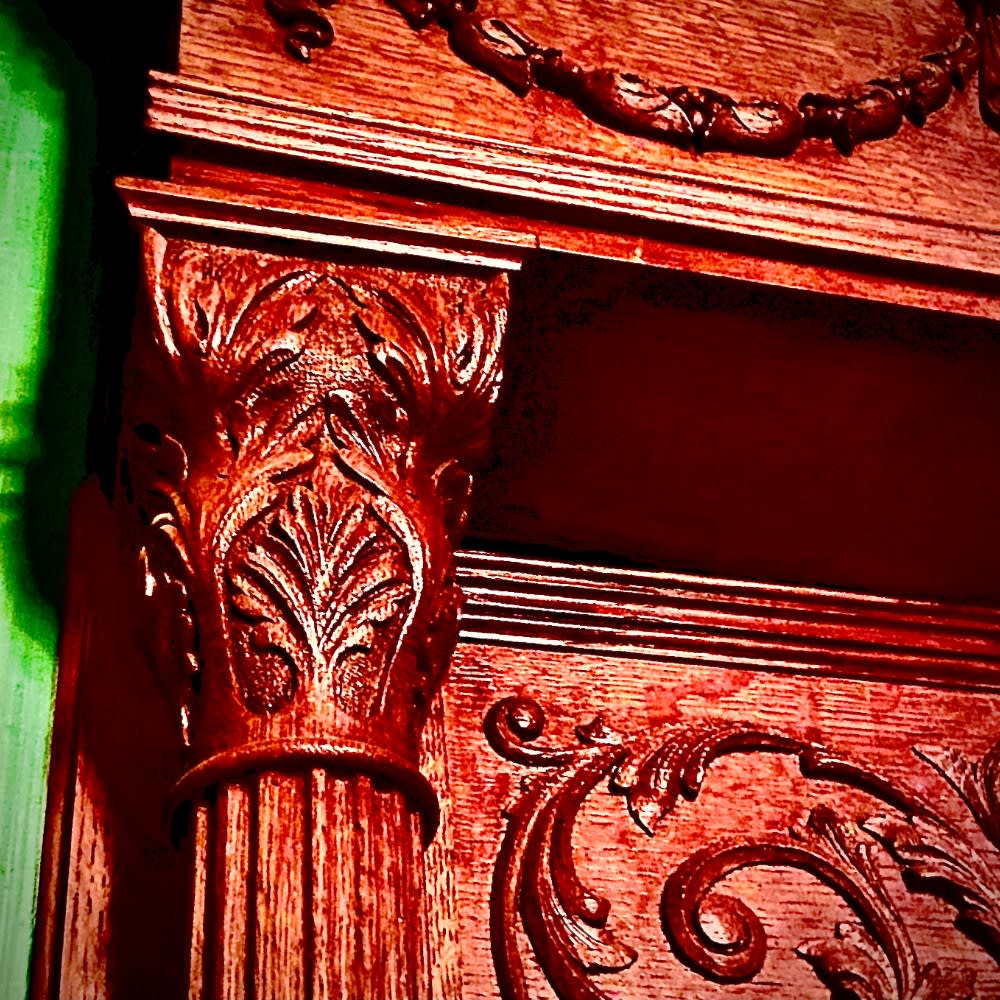
ACANTHUS LEAVES
Acanthus leaves are commonly found carved into the curves of 19th century furniture. These leaves are characteristic of arts during the Victorian period.

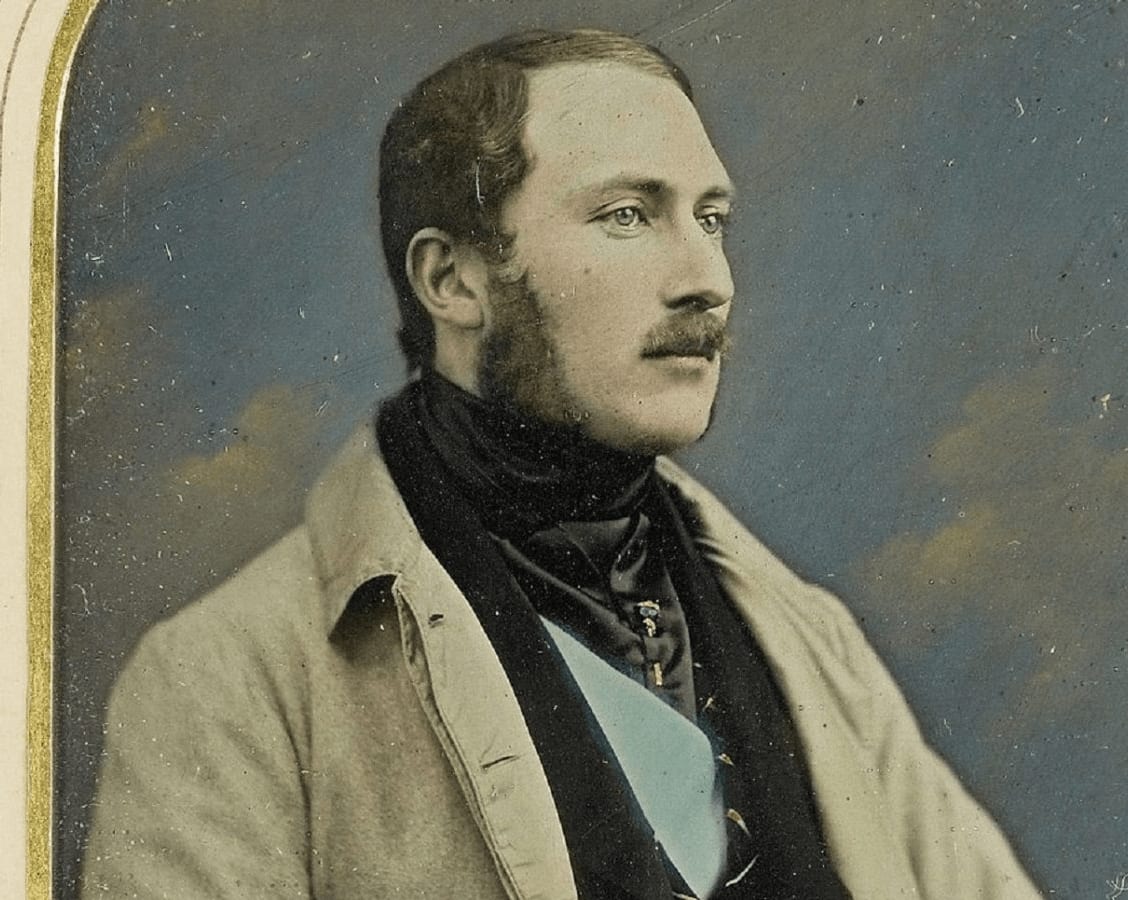
ALBERT, THE PRINCE CONSORT
Husband of Queen Victoria, Augustus Albert Emmanuel promoted advances in art throughout his life. Passionate about architecture and science as well, he was the mind behind the Crystal Palace Exhibition of 1851.
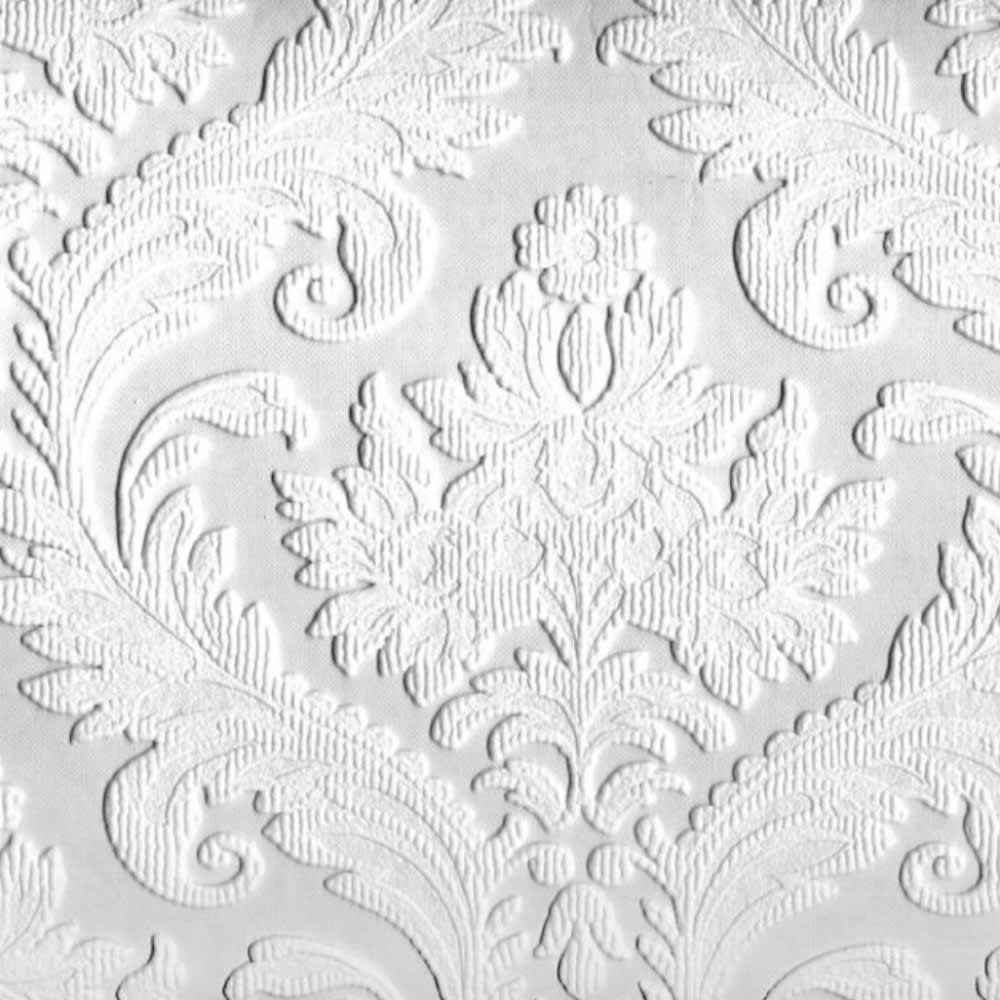
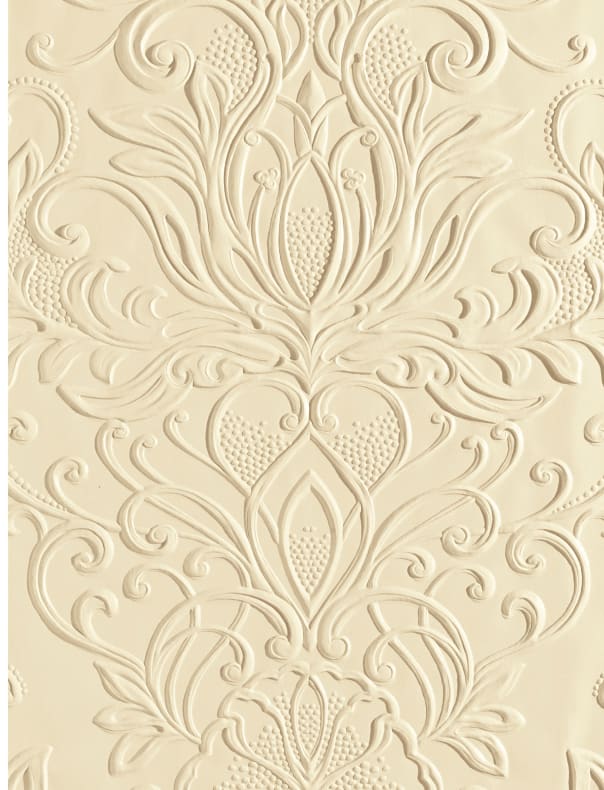
ANAGLYPTA
Patented in 1887, anaglypta is a paper-pulp product that is heavily embossed. It was created as a cheap and easy-to-install form of wallpaper, still used today.
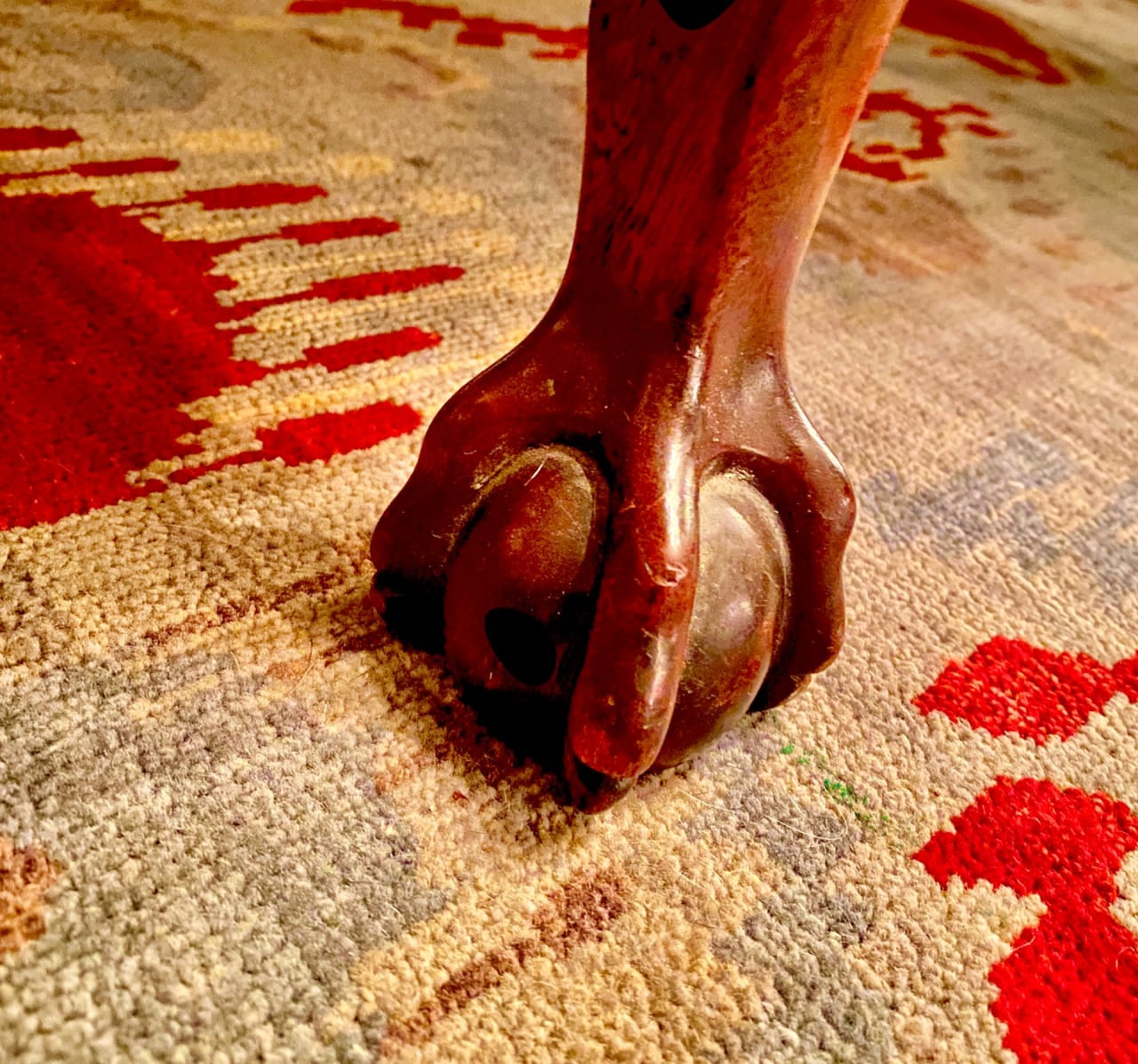
ANIMAL LEGS AND CLAWS
During the Victorian era, furniture legs needed to be decorative. Cabinetmakers got tired of creating the same styles over and over, so they began carving animal feet/hooves/claws into the legs of their furniture. This was an especially popular practice from the 1860's through the early 1900's.
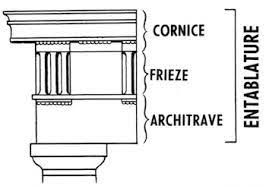
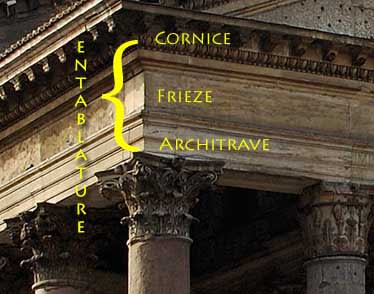
ARCHITRAVE
1. The group of moldings above and on each side of a door or window, especially if the window or door is square-shaped. 2. The lower part of an entablature, which is the part that rests on top of a column.
ASTRAGAL
A type of molding with a tapered, symmetrical shape. It is used for horizontal banding or creating panels in wainscoting, pilaster, and cornice assemblies.
BACK BAND
This type of molding is used on the outside edge of a casing, increasing thickness and adding a square edge (necessary for some types of wainscoting).
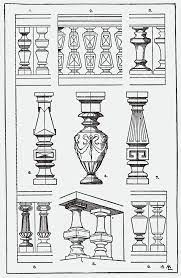
BALUSTER
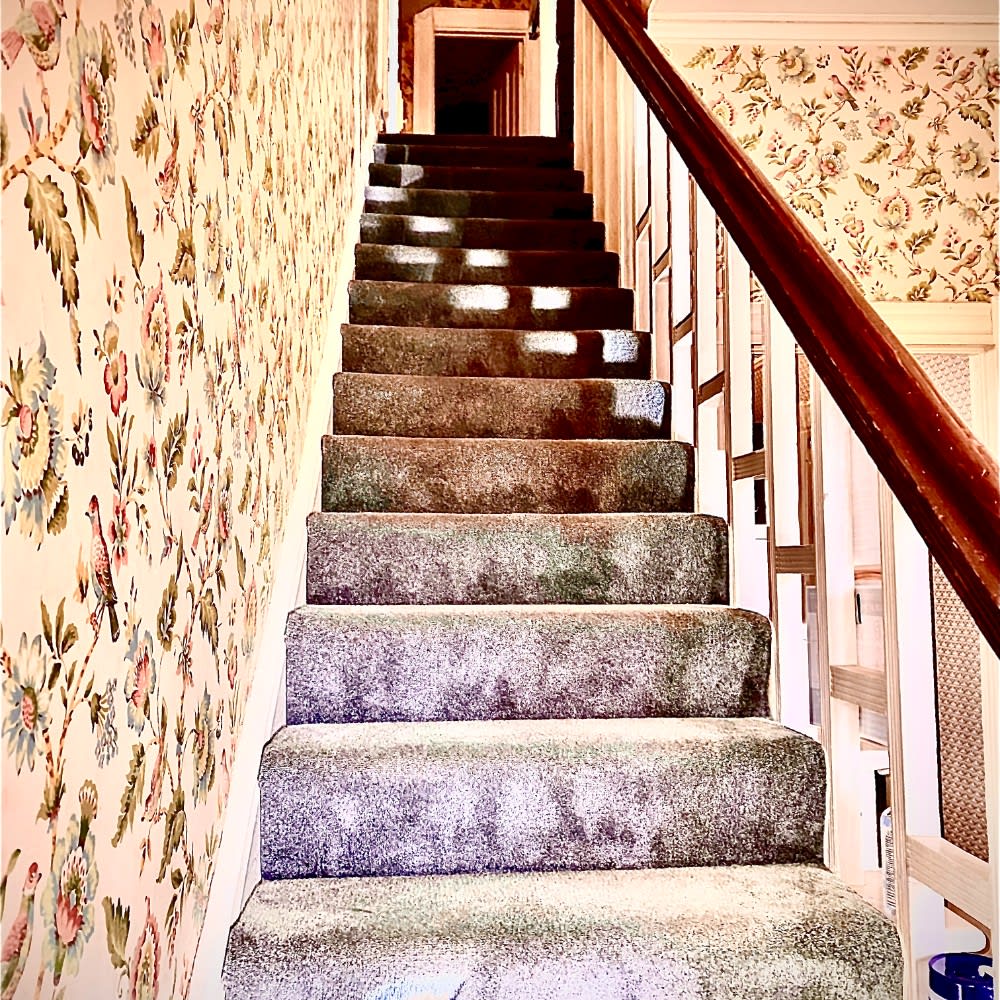
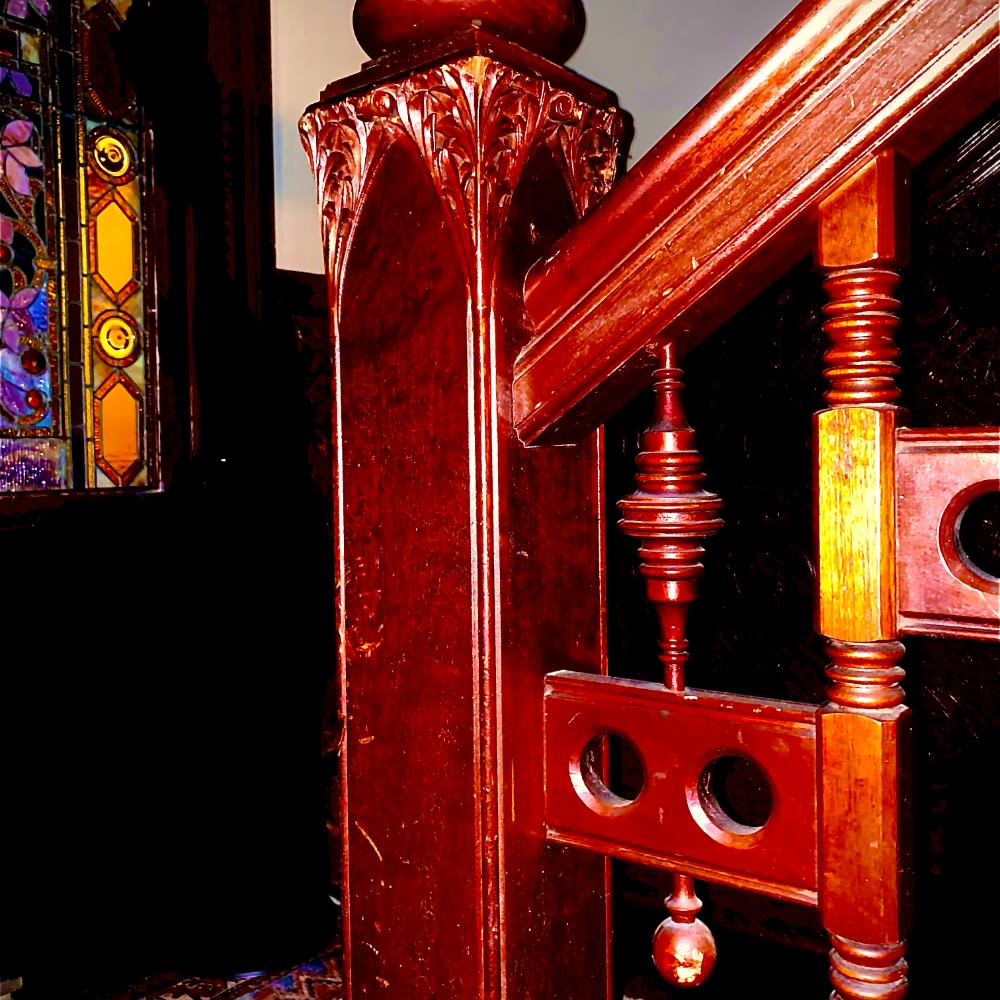
Located underneath the handrail on a stair rail, a baluster is a square, upright piece with a beaded profile.
BASE BLOCK
A block at the base of a doorway. It is thicker than casing and baseboards and used as a transition point.
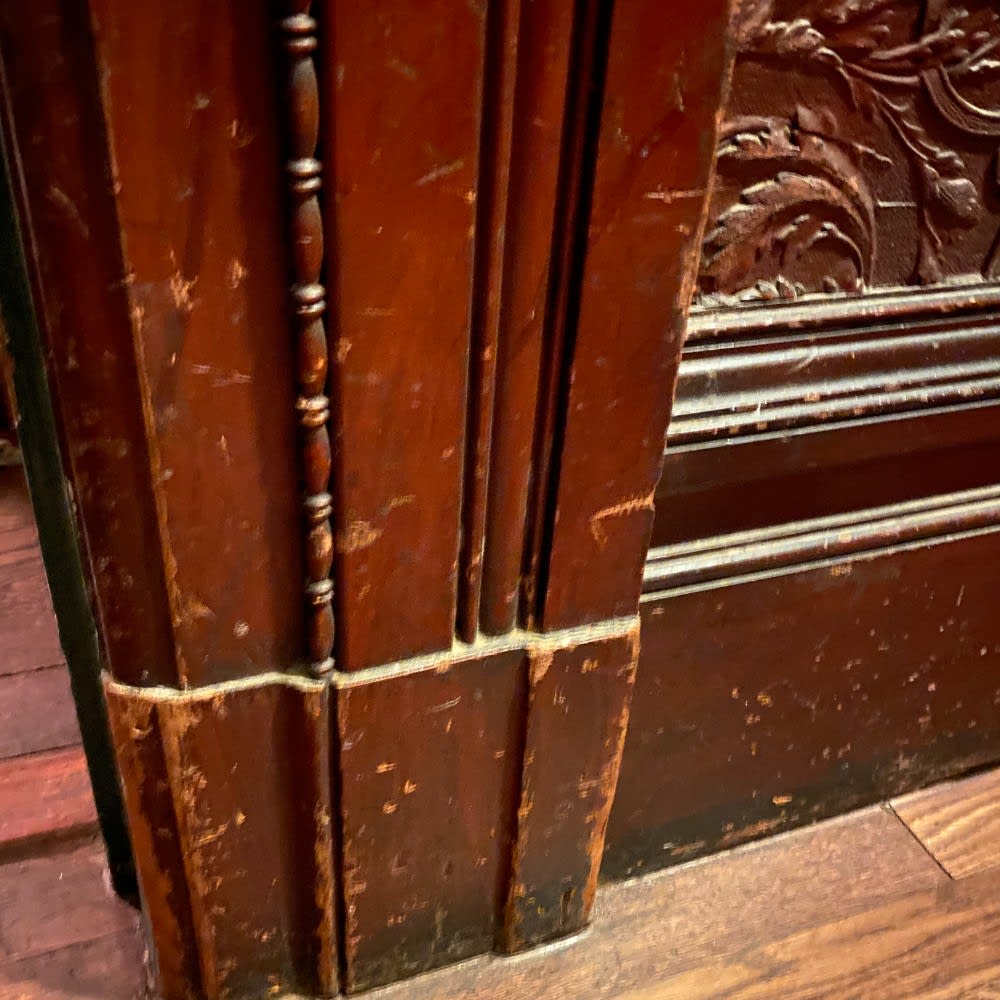
BASEBOARD
A horizontal type of molding or group of moldings that is installed at the base of a wall or cabinet.
BASE CAP
The cap part of baseboard molding, often used with a base to add extra height and detail.
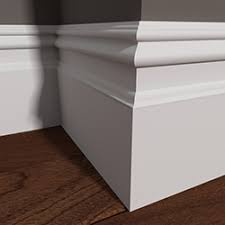
BATTEN
A flat, long, square piece of wood or metal used to cover seams in molding.
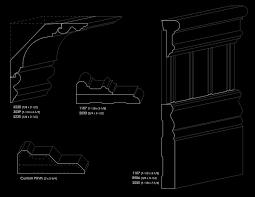
BED MOLDING
A horizontal piece of molding used to smooth transitions of right angles. Also used to add definition underneath a ledge or overhang.
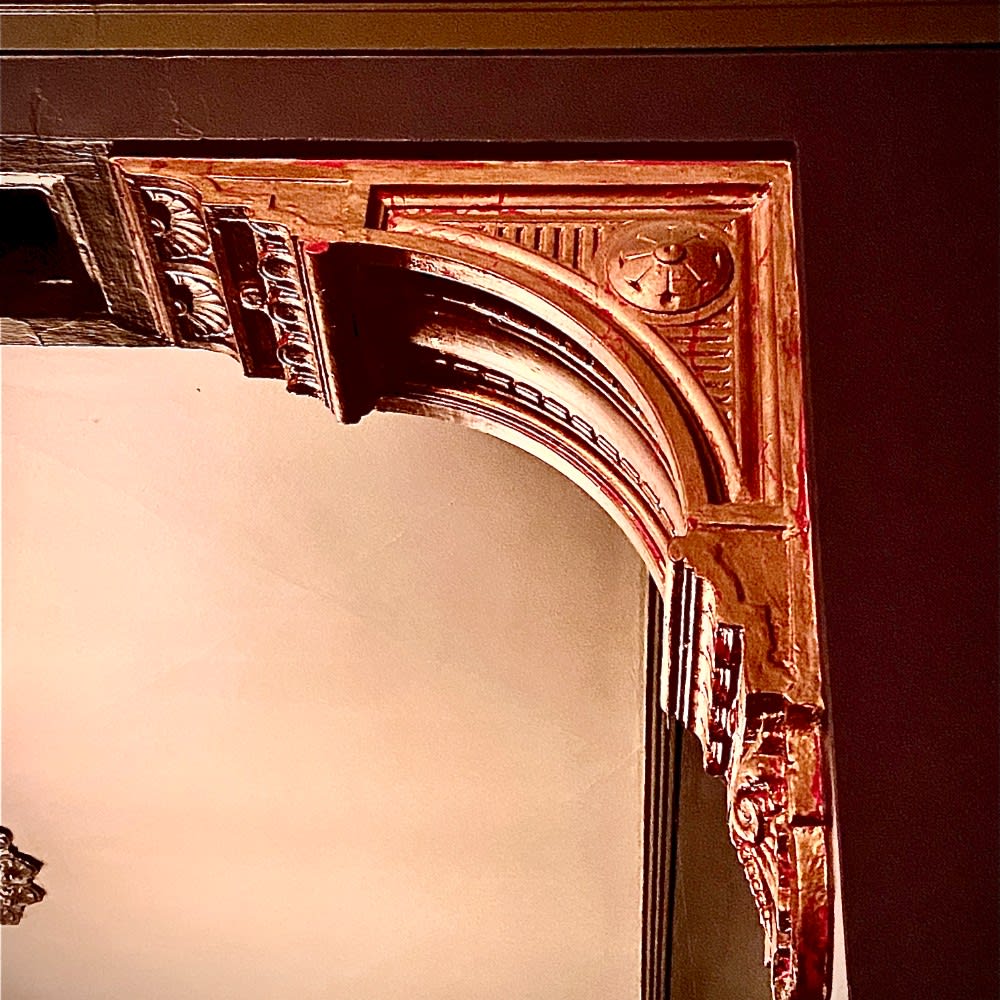
BRACKET
A type of decorative ornament installed at a right angle to create an arch or add support. It is typically used under hallways, bay windows, under shelves, and in openings between rooms.
CAPITAL
The decorative top part of a cupping column. Used on pilasters against walls, on freestanding columns, or on door/cabinet framing.
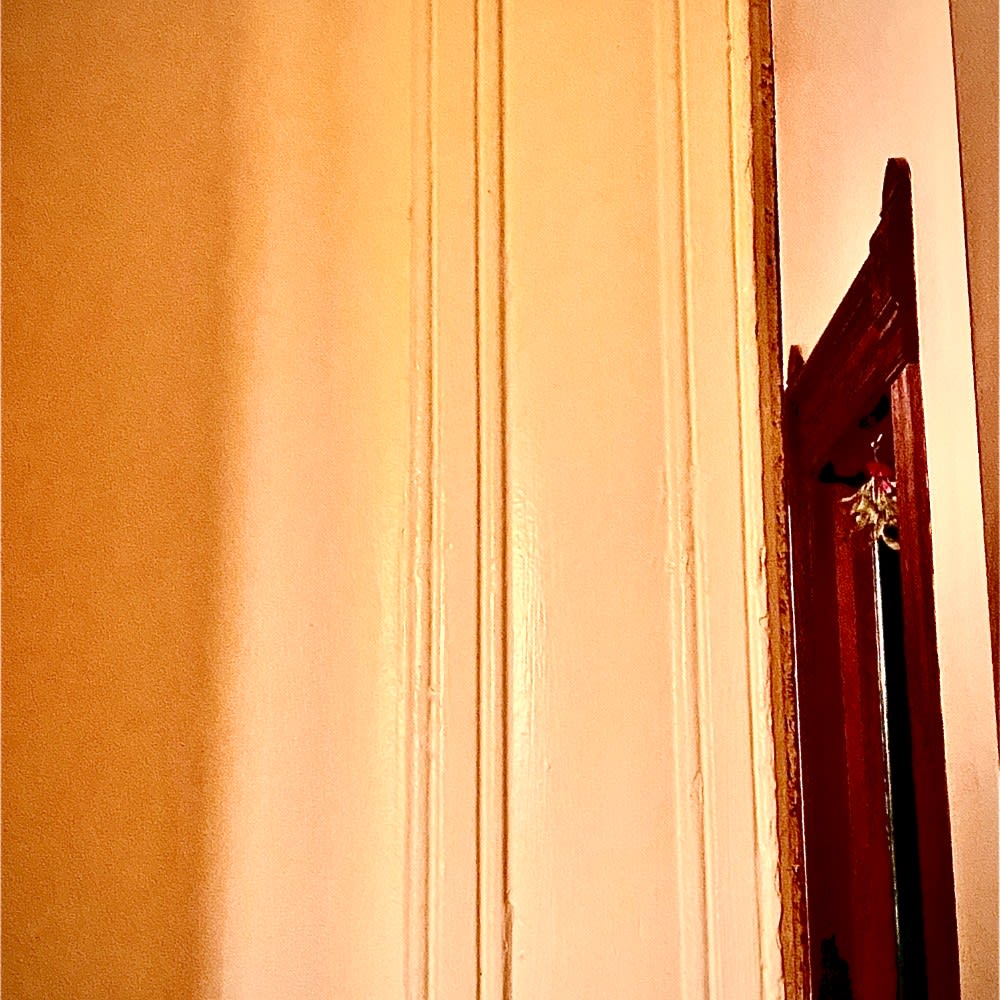
CASING
A type of molding that frames a door or a window. It can vary in width and thickness based on certain styles or architectural periods.
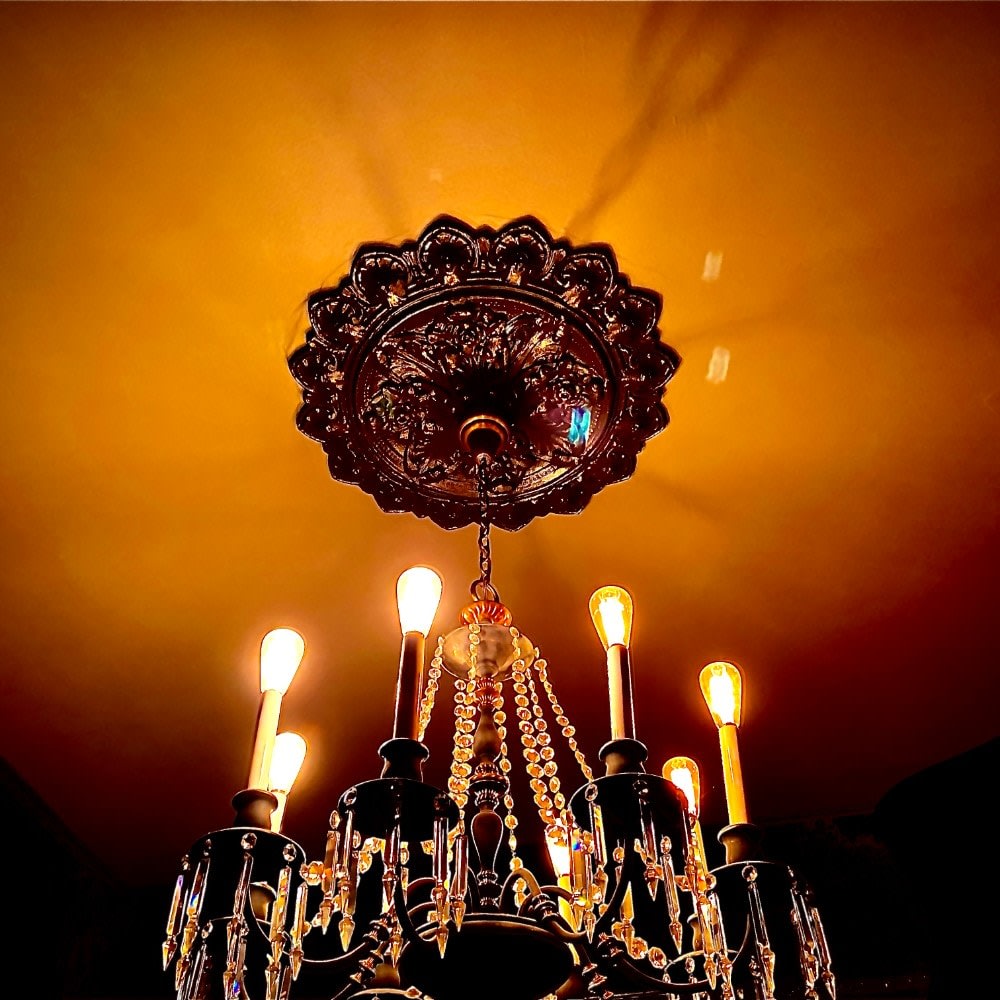
CEILING CENTERPIECES
A round or square-shaped decoration that is attached to the center of the ceiling, softening the point where a light fixture or fan is attached.
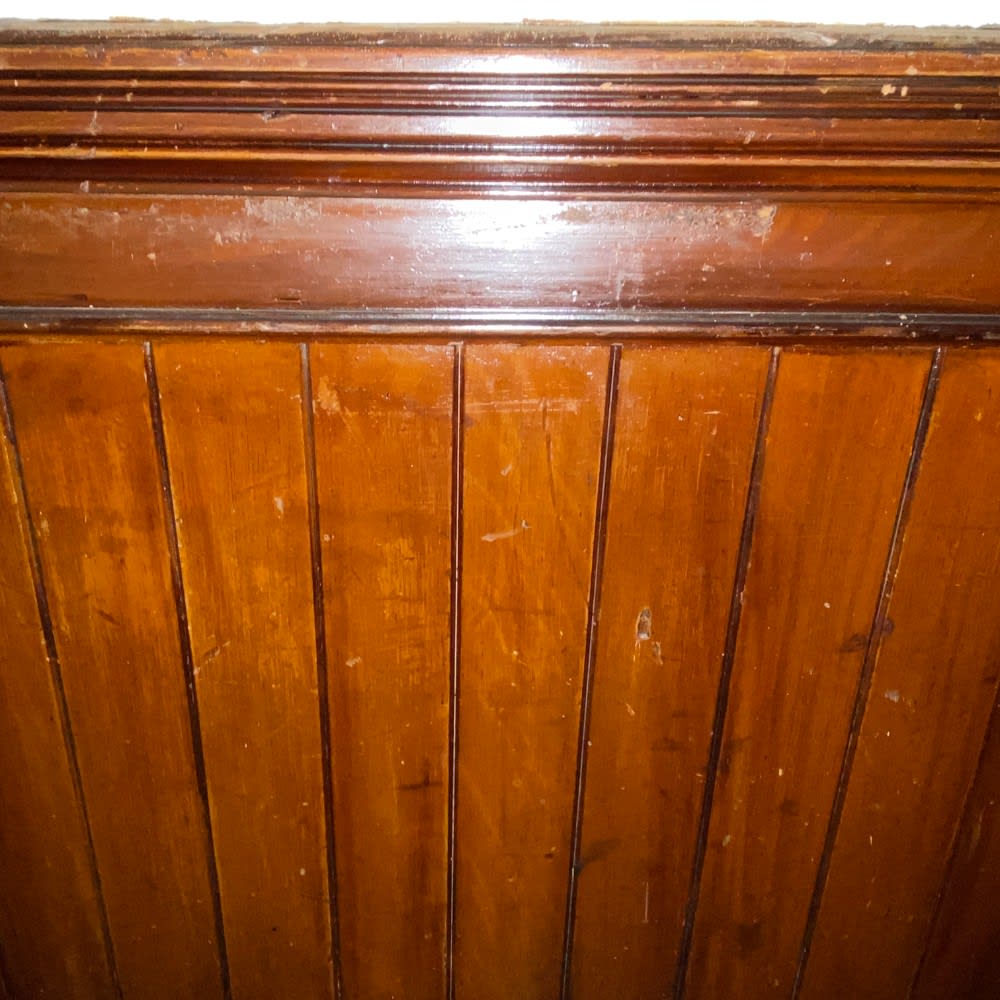
CHAIR RAIL
A type of molding attached directly to the wall, horizontally. It is usually attached 30 to 48 inches above the floor, which protects the wall from chair backs and adds definition to the room.
CORNER BEAD
A type of molding used to finish a corner in a decorative manner.
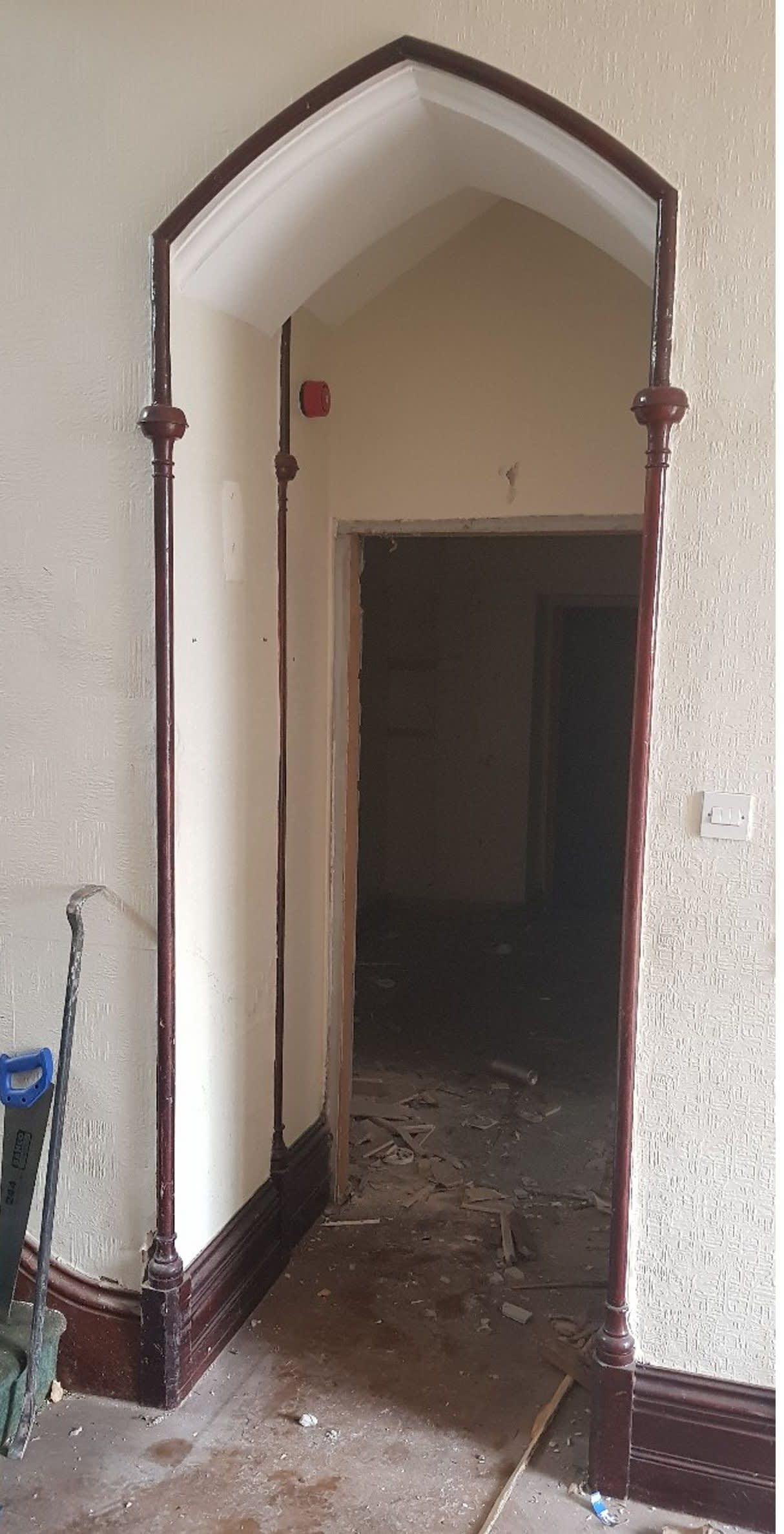
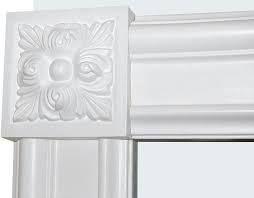
CORNER BLOCK
A decorative stop for casings, this square block is used at top corners of doors or windows.
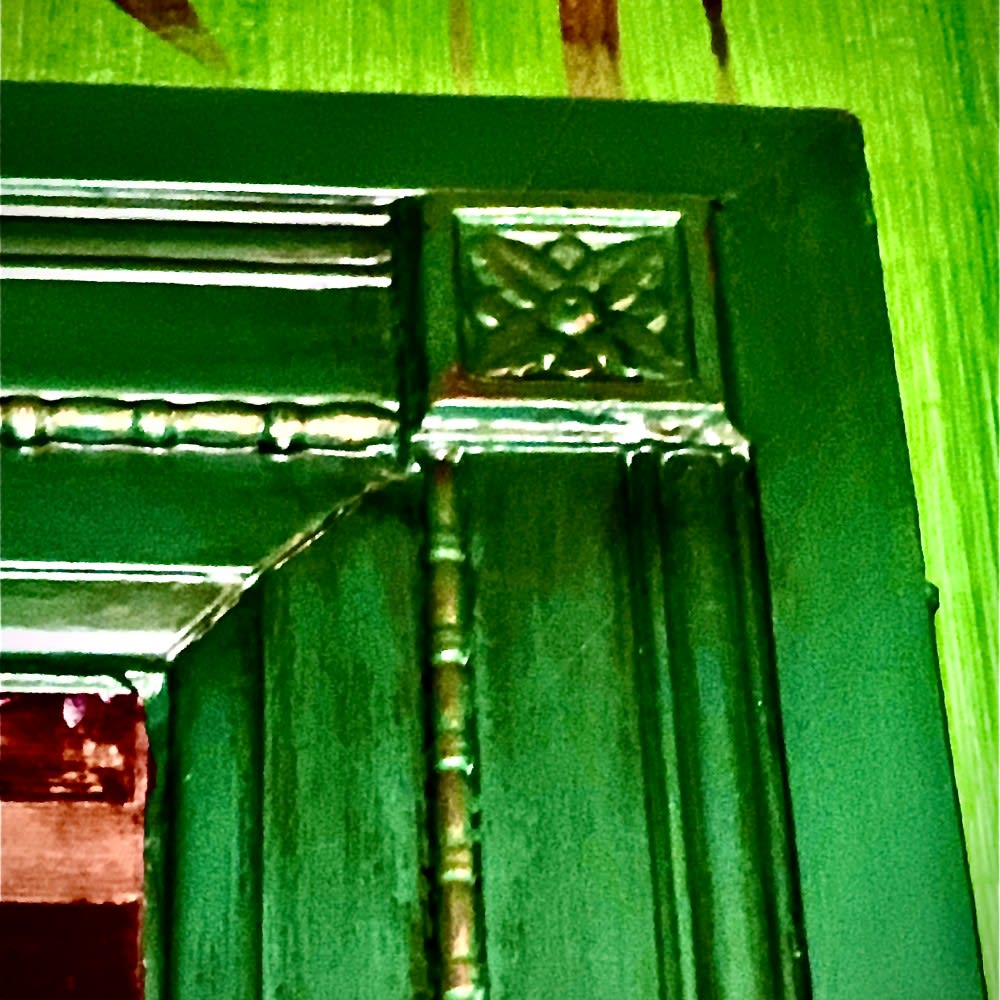
CORNICE
This type of molding is attached where the wall meets the ceiling. It crowns the wall and adds detail to make the transition between the wall and ceiling greater. The size of the cornice depends on the ceiling height.
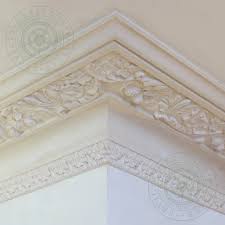
COVE MOLDING
It is a type of concave-shaped molding, used to soften transitions from different surfaces to others.
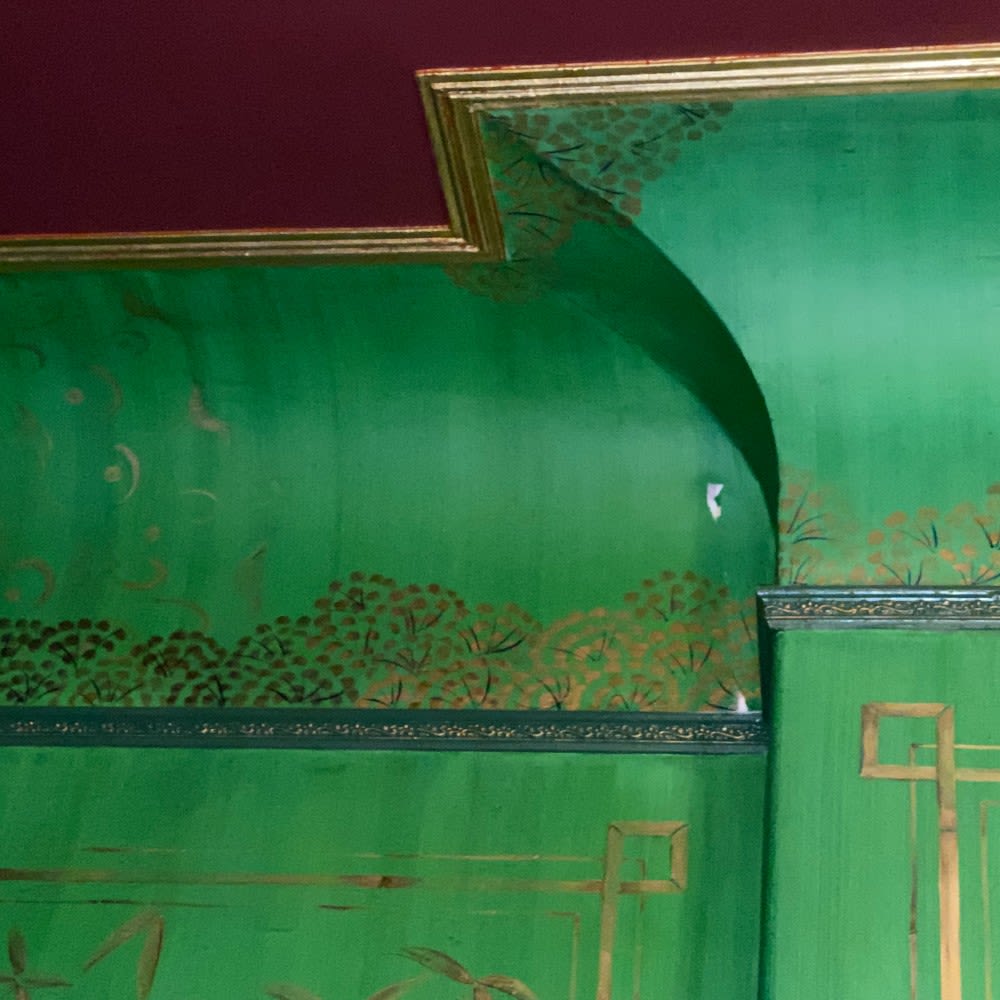
CROWN MOLDING
A large group of moldings that are used to cap walls, cabinets, and pilasters. They create a soft flare and a finished top edge, most commonly used where a wall meets the ceiling.
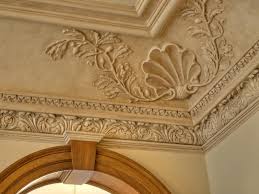
DENTIL MOLDING
A molding that has a repeating and projecting block pattern, used to decorate cornice assemblies.
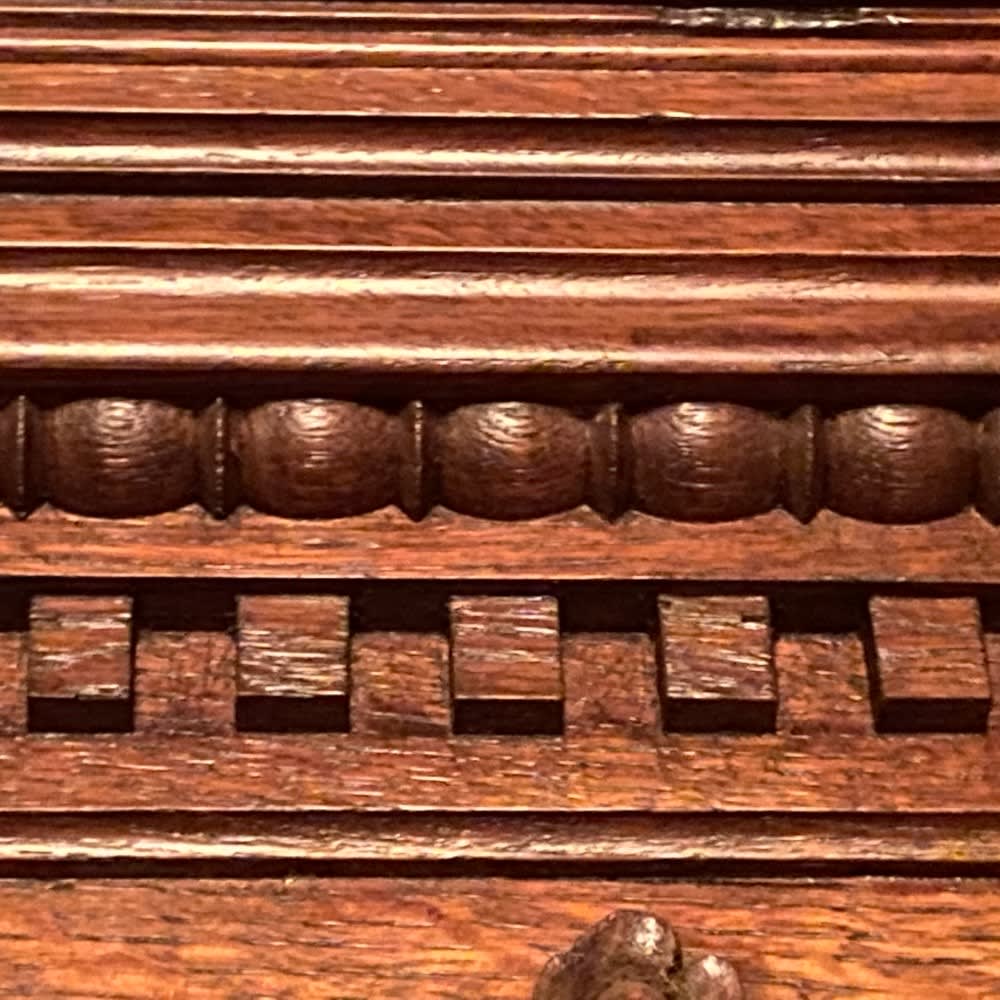
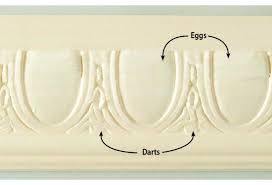
EGG & DART
A type of molding that alternates between an egg-shaped figure and a dart shape. It is a relief molding that can smooth transitions of fight angles or add definition to ledges or overhangs.
ENTABLATURE
This is a piece of a classical temple, located above the columns and between a capital and the roof. It is a horizontal piece made up of the architrave, frieze, and cornice.
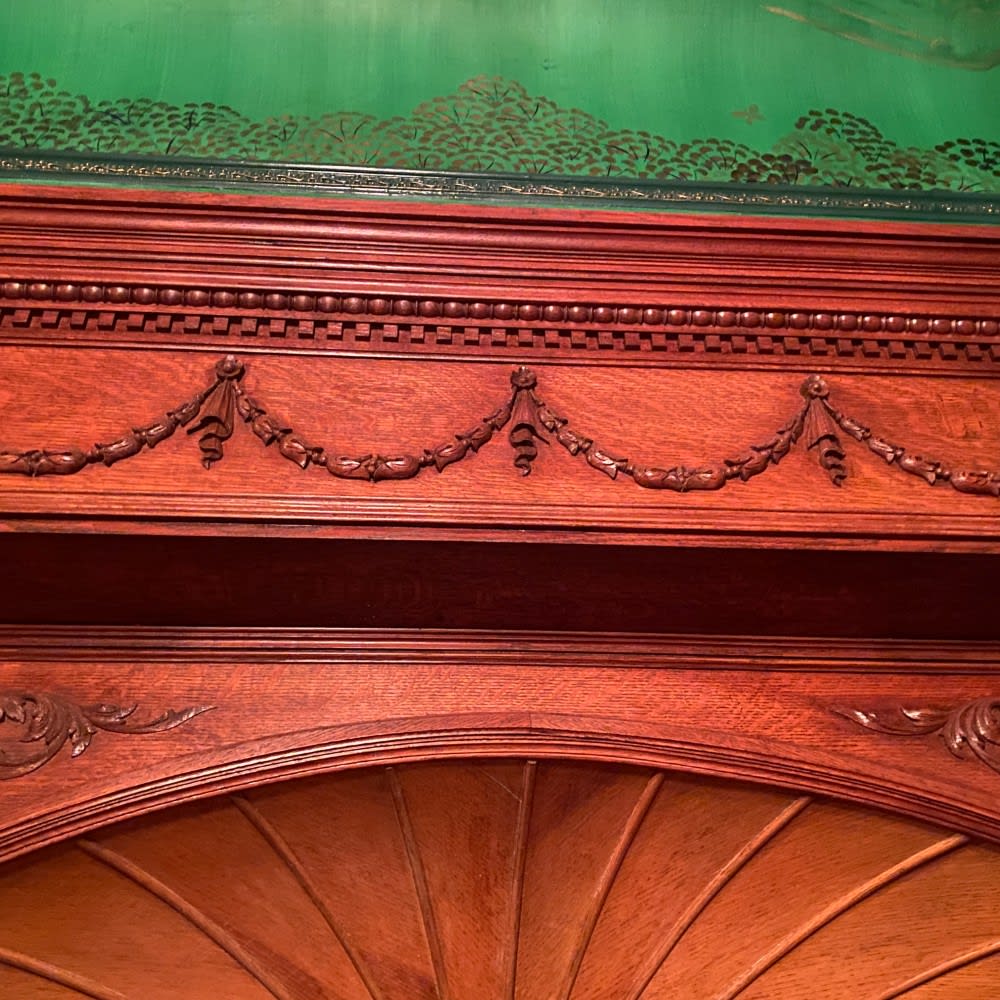
FESTOON
A decorative cluster or chain that hangs between two points on a wall. It is typically attached on exterior walls, centered inside wall panels and underneath roof overhangs.
FIREPLACE SURROUND
A type of heavy molding that is used to frame a fireplace.
FLAT STOCK
A random piece of a flat board with no details, used to construct an assembly of molding.
FRIEZE
A heavily decorated or sculptured band in a building. It is usually part of the entablature, made up of a flat member or face.
FISHSCALES & FRETWORK

GROUNDS
Pieces of molding with detail on one edge only; used in combination with other pieces of molding.
HALF ROUND
A type of molding with half-circle profiles, of varying diameters. A half round is used to create horizontal/vertical bands or to provide relief on flat molding surfaces.
HANDRAIL
The top part of a stair balustrade, used to hold onto when walking up or down the stairs.
HEAD BLOCK
A rectangular-shaped block that is used as decoration at the top corners of doors and windows. The block has a turned center profile that can be found in more formal areas of the house.
LINCRUSTA
Lincrusta was the ingenious invention of Frederick Walton, who had pioneered the development of linoleum floor coverings in the 1860’s. Heralded as the first washable wallcovering, Lincrusta was an instant success, replacing painstaking artisan plasterwork and appealing to Victorian England’s tastes because of its sanitary properties as well as its beauty, practicality and durability.
NEWEL POST
This is the main post in a stair balustrade, used at the beginning of the handrail to support the components.
NOSING
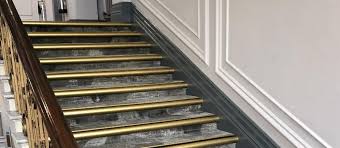
A type of molding that is half round and half cove-shaped. It is used to enhance or define horizontal lines, such as those on stair treads or shelf edges.
PANEL MOLDING
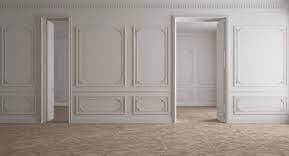
A type of molding, of different sizes and details, used to define or create panels on flat surfaces. They can be used both inside and outside on panels, wainscoting, cornices, and baseboards.
PICTURE RAIL
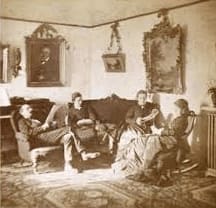
A type of molding that is attached horizontally onto a wall, at varying distances from the ceiling. Often used to hang pictures or to define a frieze area of a wall.
PILASTER
A rectangular, vertical piece attached to a wall to simulate a column.
PLATE RAIL
A shelf made out of molding with grooves cut into the top of it for holding plates or decorative dishes. It is attached at least six feet from the floor.
QUARTER ROUND
A quarter-circle piece of molding that is used in eight angles to make the transition from one surface to another easier.
ROSETTE
Small, sculptured details, often flower-shaped.
SILL
A type of molding that runs horizontally underneath a window to form a base ledge.
STOP MOULDING
A very thin type of molding that is used to hold a window in place or to stop a door on a closure.
STUCCO MOLDING
A type of molding used to cover the end of the exterior stucco on a window, door, or wall opening.
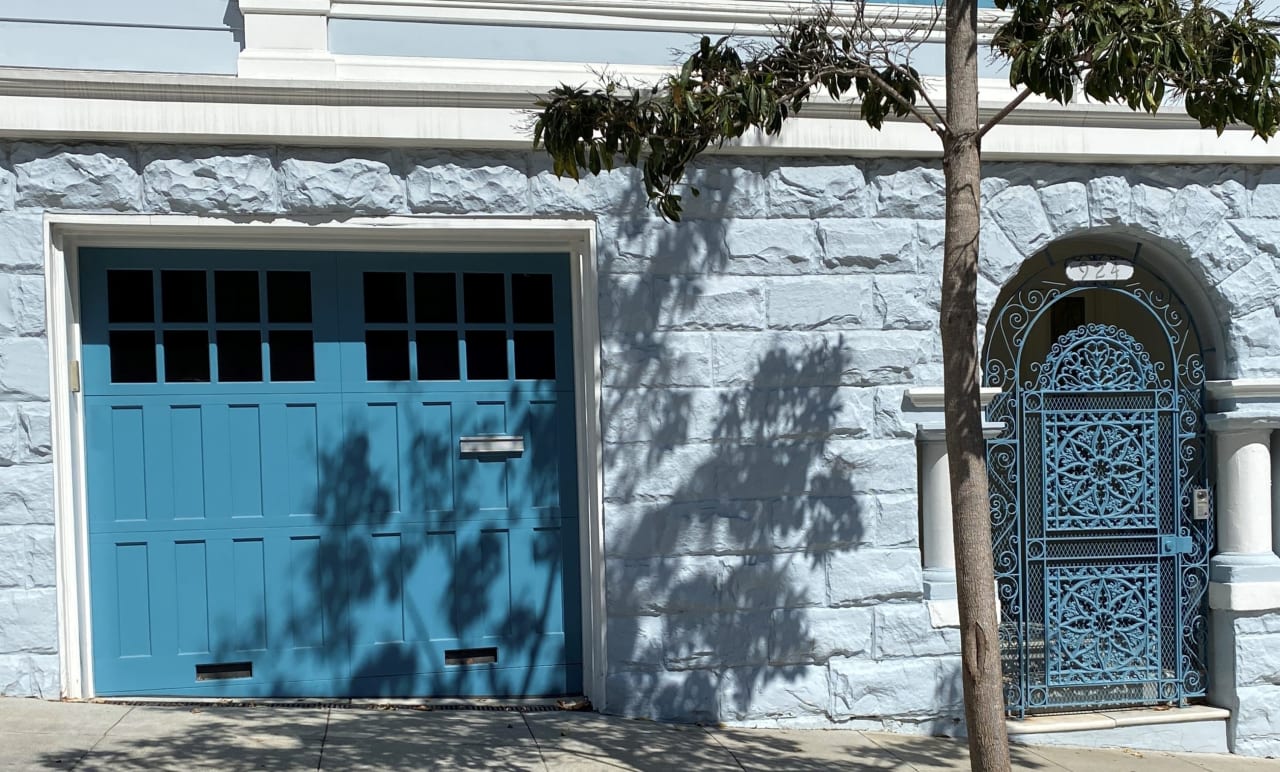
TONGUE & GROOVE
A type of molding with a repeating pattern that interlocks with other pieces. It is used to cover walls or within a wainscoting assembly.
TOWER
An exceptionally tall portion of a building.
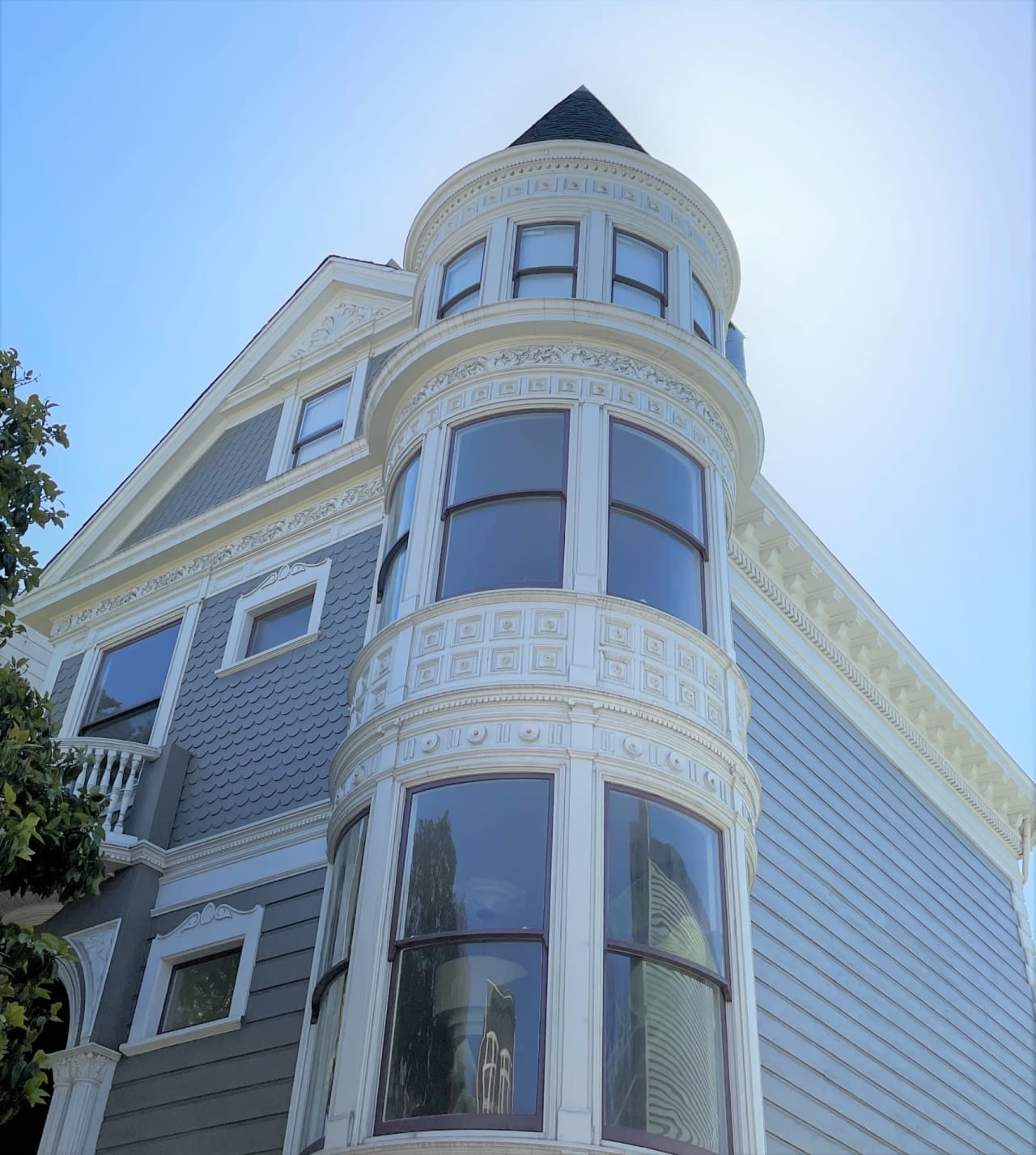
TURRET
A little tower, specifically: an ornamental structure at an angle of a larger structure
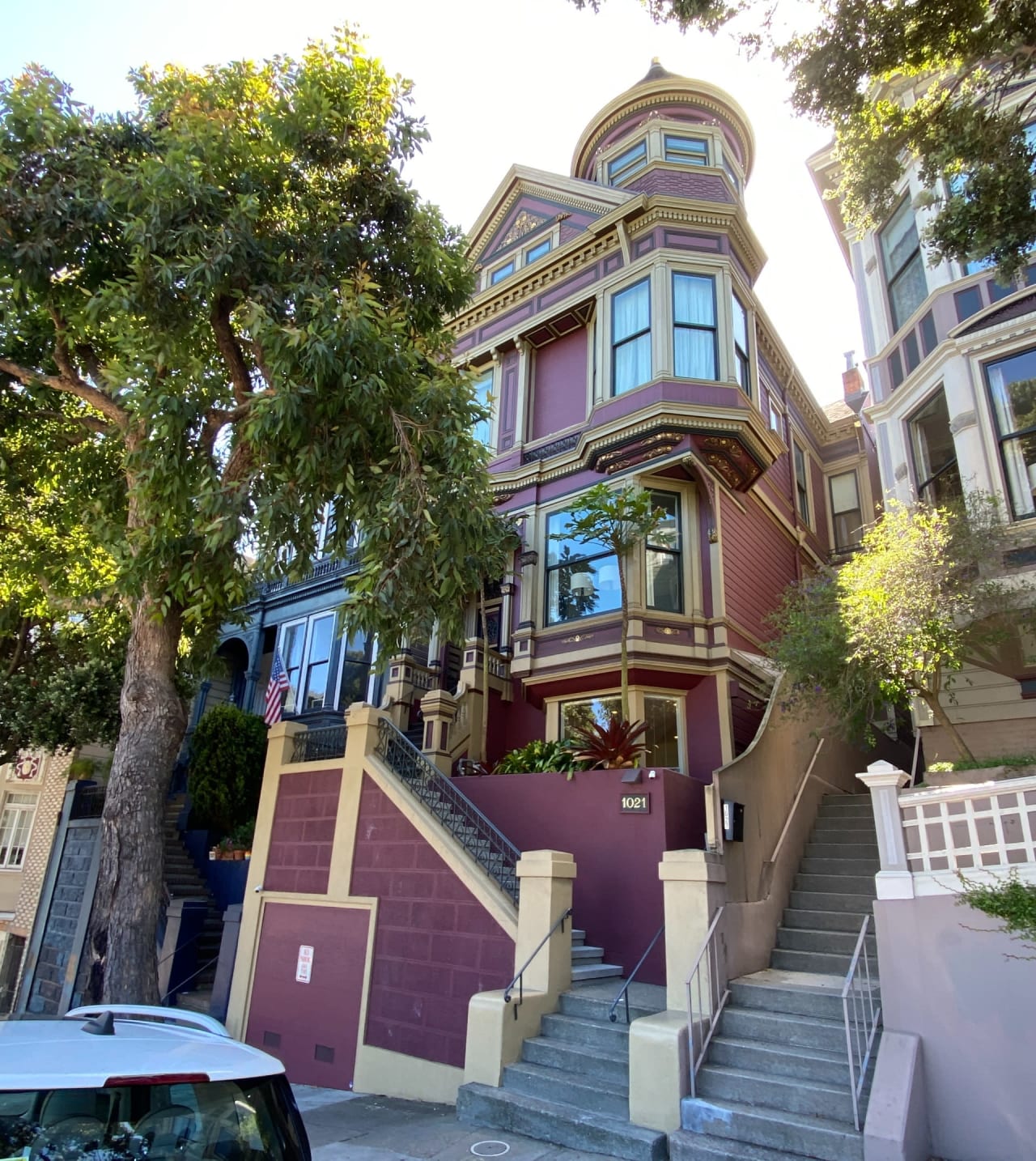
VICTORIAN ERA
The reign of Victoria, Queen of the United Kingdom of Great Britain and Ireland, which commenced upon the coronation of Queen Victoria on June 20, 1837 and concluded upon her death on January 22, 1901 (Victoria was also crowned the Empress of India on May 1, 1876). These years marked the height of both the British Empire and the Industrial Revolution, when the United Kingdom became a global power, and its culture, including its architecture, assimilated influences from all over the world.
WAINSCOTING
A group of moldings that can be used to cover lower portions of walls or enhance the overall look. The thickness will vary, but they are generally attached between 30 and 60 inches from the floor.
Bonnie Spindler has sold more Victorian homes in San Francisco than almost anyone. Whether you want a pristine Queen Anne or a Stick Style project, we have the inventory.
Confused by Corbels vs. Cornices? Ask Bonnie directly.
Bonnie Spindler has sold more Victorian homes in San Francisco than almost anyone. Whether you want a pristine Queen Anne or a Stick Style project, we have the inventory.
Fully restored, turnkey Victorians with modern systems and preserved details.
View Restored HomesThe ProjectUnpolished gems waiting for your vision. Get access to off-market fixers.
Find a FixerConfused by Corbels vs. Cornices? Ask Bonnie directly.