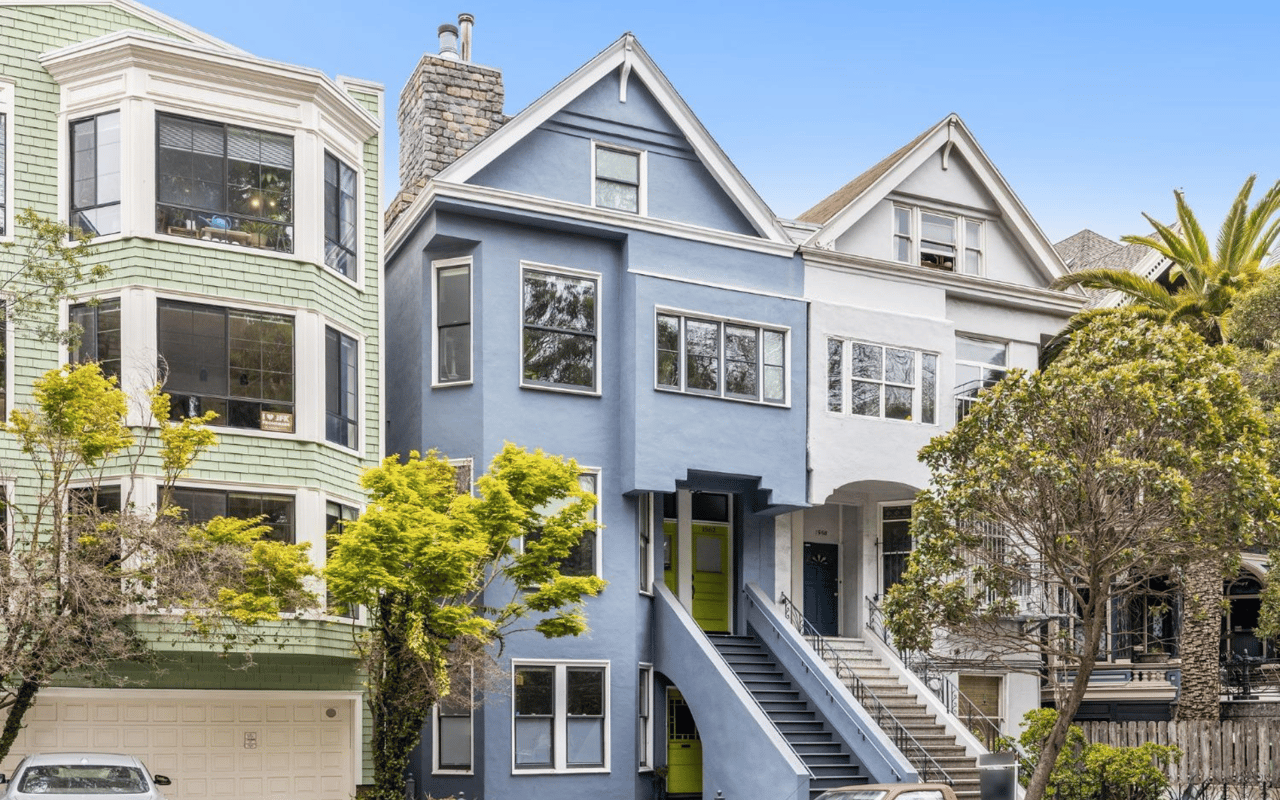
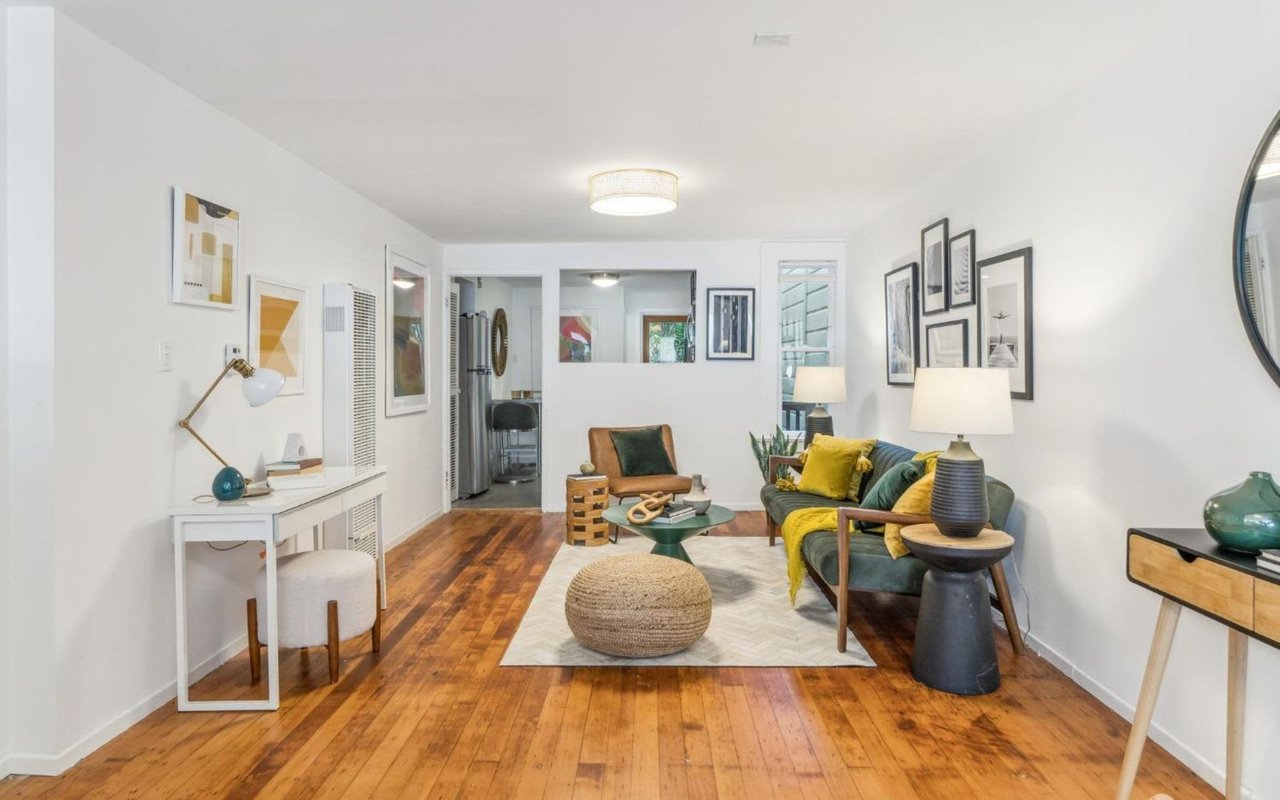
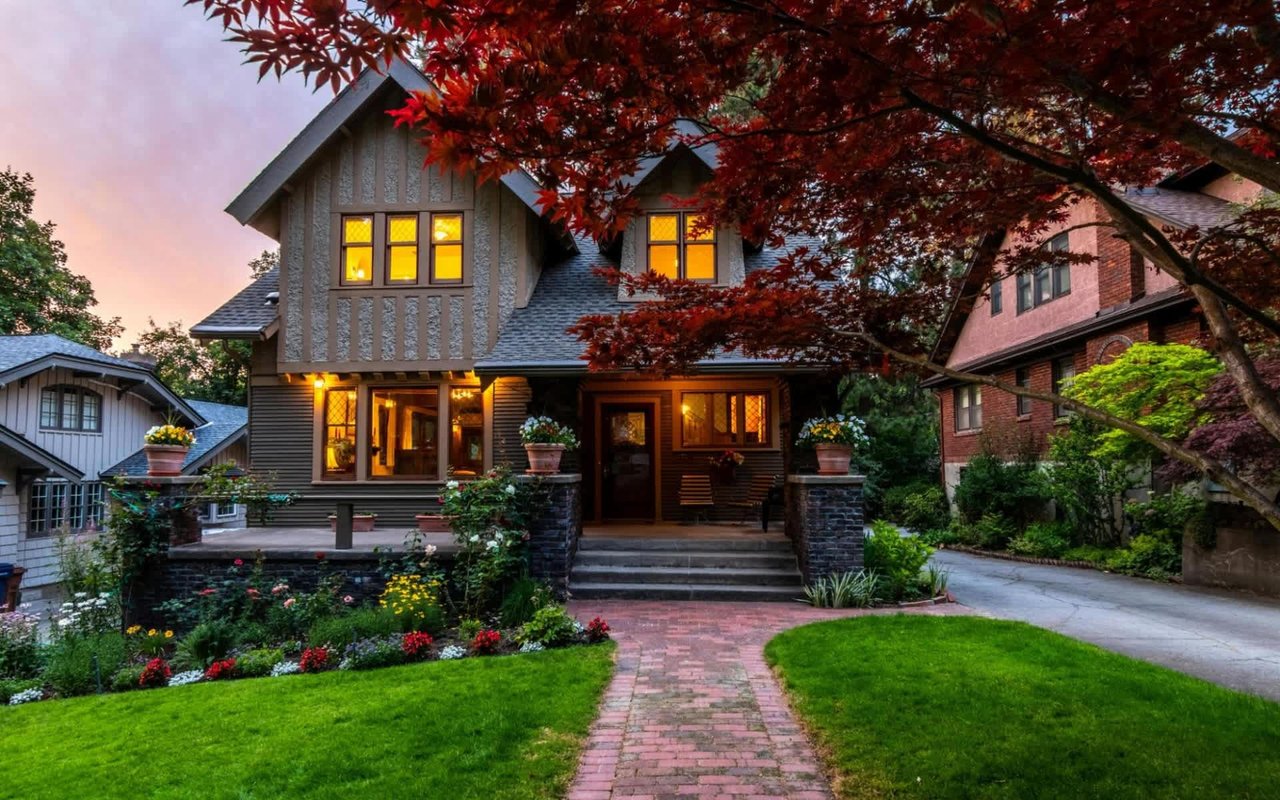
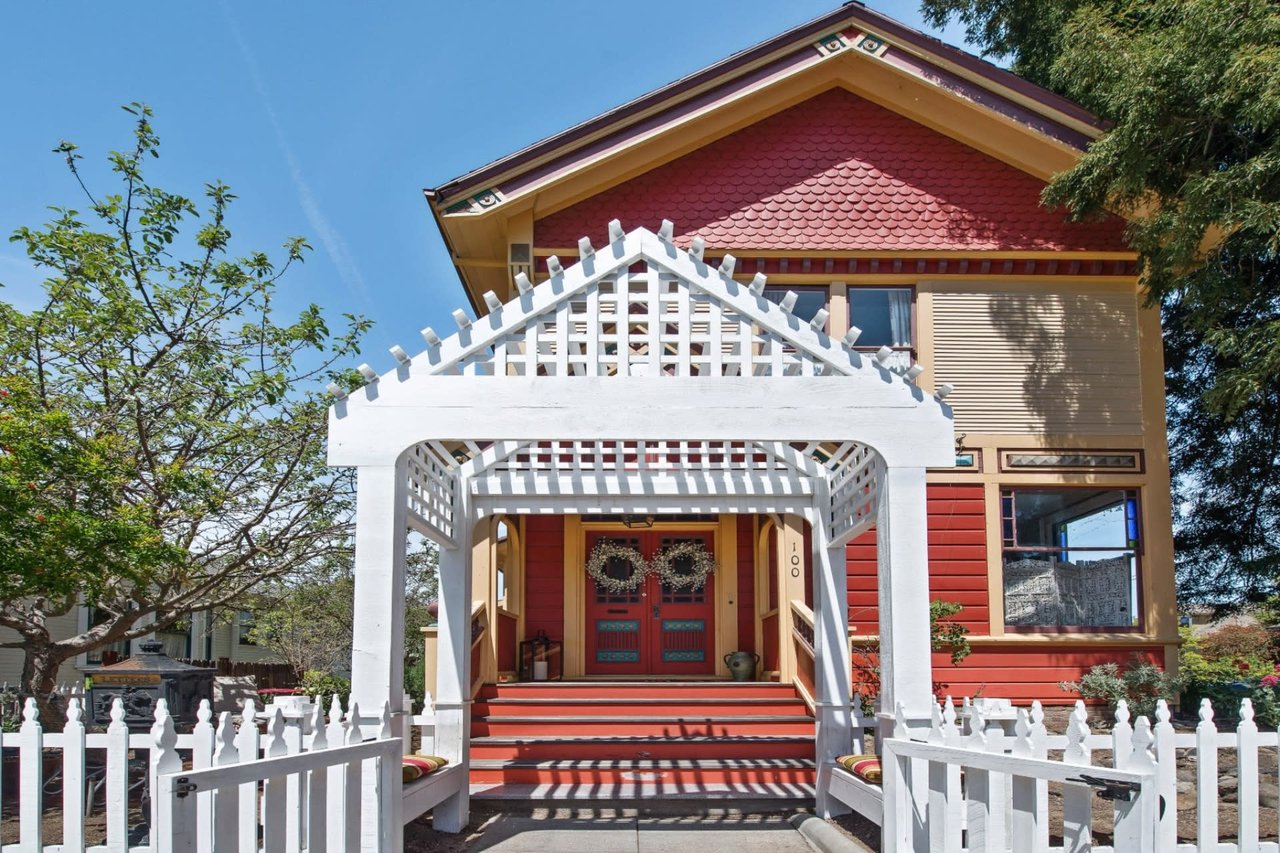
For many of you, buying a house is one of the largest purchases you will make in your lifetime. With such a huge purchase, it is so important to make sure you are happy with your new home. Bonnie Spindler will ensure that everything—from the location to the price to the size of the backyard—meets your standards and expectations. Below, you’ll learn exactly how the home buying process works, from the time you decide to buy a house to getting your new keys and calling the place your own. Read on to find out more information about buying a house. We are here to mentor and guide you through each step of the home buying process.
San Francisco Buyer Advisory
Buying a home in San Francisco requires navigating a median single-family home price of $1,425,000, 2026 jumbo financing thresholds, and specialized structural due diligence. Successful acquisition hinges on early mortgage underwriting, analyzing 300-page disclosure packets, budgeting 1.18% in base property taxes, and assessing pre-1926 architectural considerations, including seismic bolting and knob-and-tube electrical systems.
Strategic Transition
Select your current acquisition horizon to access off-market listings or calculate complete closing capitalization.
Core financial parameters, escrow benchmarks, and municipal inspection requirements for 2026 buyers.
Acquisition Factor | San Francisco Benchmark | Regulatory / Technical Requirement | Buyer Action Plan |
|---|---|---|---|
Median Home Price | $1,425,000 (SF Single-Family) | Exceeds standard conforming limits; mandates jumbo financing | Secure direct portfolio underwritten approval with 20% to 30% down |
Property Tax Assessment | ~1.18% base ad valorem tax rate | California Proposition 13 baseline plus local voter-approved bonds | Reserve capital for supplemental tax bills issued in year one |
Structural Inspection Protocol | $600 to $1,200 general inspection | Seismic bolting, unreinforced masonry, knob-and-tube wiring | Commission independent sewer scope and foundation engineering reviews |
Sewer Lateral Ordinance | $3,500 to $12,000 replacement cost | SFPUC inspection ordinance on title transfer or major renovations | Verify Certificate of Compliance in disclosure package prior to offer |
Preservation Incentives | 20% to 70% property tax reduction | California Mills Act historic contract (10-year binding term) | Audit Article 10 landmark status to determine contract eligibility |
San Francisco residential real estate operates under micro-market conditions where municipal ordinances, structural preservation mandates, and century-old construction typologies dictate property valuation. Navigating this acquisition landscape requires a rigorous evaluation of neighborhood comps, specialized architectural due diligence, and disciplined capital structuring. Whether considering an Italianate Victorian in Duboce Triangle, an Edwardian flat in the Inner Richmond, or a mid-century home in West Portal, buyers must approach the market with verified data rather than generalized national home buying assumptions.
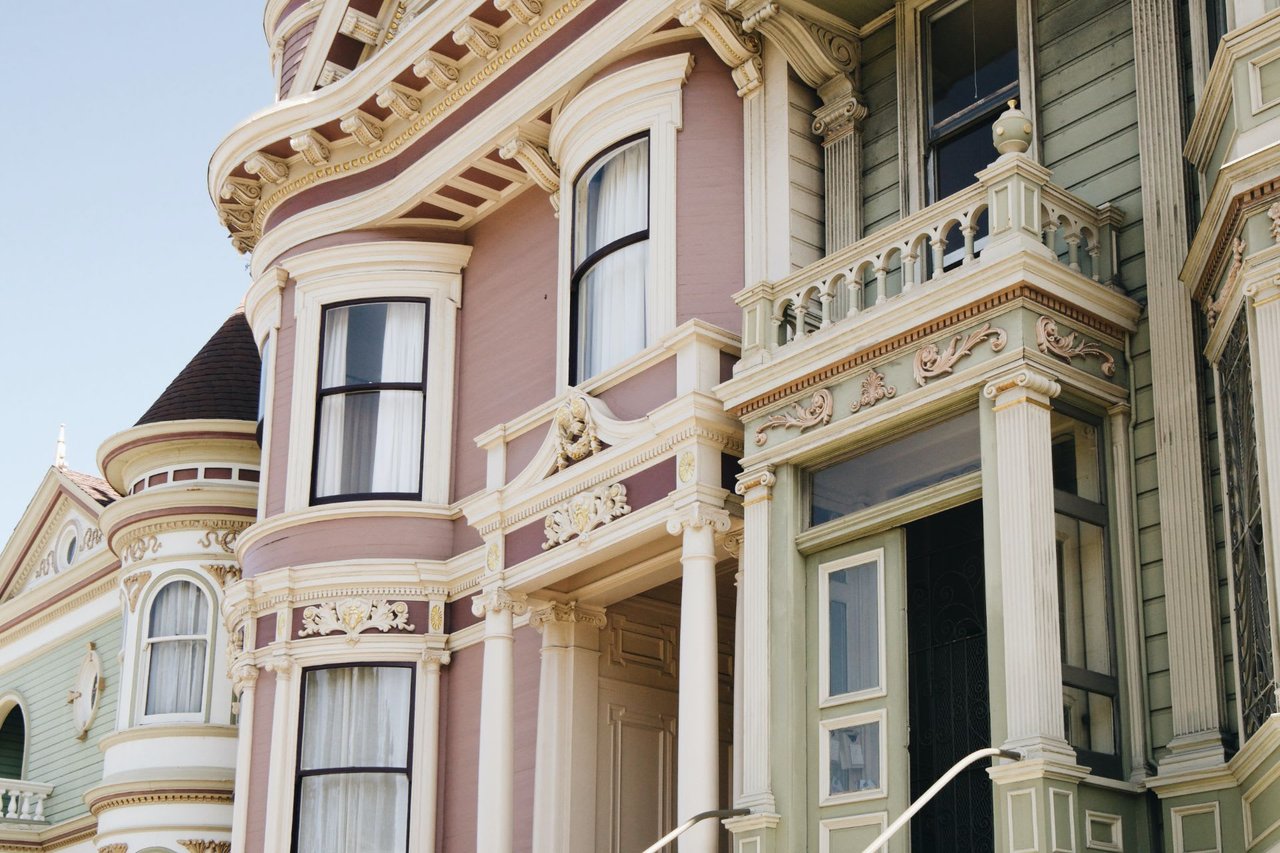
Purchasing property in San Francisco, especially pre-1926 historic homes, Queen Annes, and Edwardian flats, requires technical inspection protocols that extend far beyond standard residential reviews. Older properties present distinct structural realities: unreinforced masonry or brick foundations requiring seismic bolting to the mudsill, active knob-and-tube electrical circuits that restrict modern insurance underwriting, and aging sewer laterals that must comply with the San Francisco Public Utilities Commission inspection ordinance prior to property transfer.
Prospective buyers must review disclosure packets thoroughly before drafting a purchase contract. In competitive micro-neighborhoods such as Buena Vista, Pacific Heights, and Noe Valley, disclosure packages often span 300 to 500 pages. These packages detail structural pest inspection reports, subterranean termite activity, foundation settlement history, 3R report zoning verifications, and past permits pulled from the Department of Building Inspection. Understanding these capital expenditure items allows buyers to structure competitive offers while accurately reserving capital for necessary structural retrofits.
Municipal Building and Planning Agencies
Capital allocation in San Francisco relies heavily on non-conforming jumbo mortgage products. Because local single-family home prices regularly exceed Federal Housing Finance Agency baseline limits, buyers must secure fully underwritten pre-approvals rather than generic automated pre-qualification letters. Portfolio lenders typically require 20 to 30 percent down payments and 6 to 12 months of post-closing liquid reserves to satisfy strict underwriting standards.
Beyond the initial down payment, transaction capitalization includes San Francisco county transfer taxes, escrow fees, title insurance, and prepaid property tax prorations. Property taxes under California Proposition 13 are assessed at approximately 1.18 percent of the enrolled purchase price, with supplemental tax bills issued within the first year to reconcile the delta between the seller's prior assessment and the newly recorded acquisition value. Historic properties certified under the California Mills Act can provide substantial property tax relief, often lowering annual property tax liabilities by 20 to 70 percent in exchange for a binding 10-year preservation agreement registered with the city.
Offer formulation in San Francisco micro-markets requires balancing strategic pricing against contract contingencies. In high-demand architectural enclaves, standard inspection and financing contingencies are frequently waived by competing purchasers. To mitigate risk when submitting non-contingent offers, buyers should conduct thorough pre-offer inspections, review historical permit archives through the DBI database, and verify clear title reports before offer presentation. Partnering with a dedicated buyer specialist ensures purchase offers are calibrated to recent local sales velocity and specific parcel characteristics.

Related Acquisition Guides and Neighborhood Studies
Essential mechanical and structural inspection protocols for vintage San Francisco homes.
San Francisco Inspection Checklist →Understanding seller expectations, contract terms, and San Francisco transfer tax brackets.
Selling a House in San Francisco →Historical landmark registries, Article 10 guidelines, and architectural heritage in the city.
San Francisco Landmarks Study →Evaluating historic Victorians, lot sizes, and equity migration across the East Bay.
Alameda Island Real Estate →Market Specialist Advisory
Bonnie Spindler
Corcoran Icon Properties | DRE #01064366
Recognized as The Victorian Specialist with more than 30 years representing buyers and sellers of historic residential property throughout San Francisco. Specializing in pre-1926 architectural typologies, seismic retrofitting advisory, Article 10 preservation ordinances, and strategic contract negotiations across the Bay Area.
Common Inquiries
As of 2026, the median single-family home price in San Francisco is approximately $1,425,000, while two-bedroom condominiums average around $1,150,000. Beyond the contract purchase price, buyers must budget for 20% to 30% in down payment capital, approximately 1% to 2% in closing costs, and 1.18% in annual property taxes.
Buyer closing costs in San Francisco typically range from 1% to 3% of the total purchase price. In San Francisco County, the seller customarily pays the city and county transfer tax, while the buyer covers loan origination fees, title insurance premiums, escrow charges, prepaid interest, and initial escrow impound reserves.
Buyers purchasing pre-1926 historic homes should commission a general home inspection, a structural pest control inspection, an independent foundation engineering audit, an ungrounded electrical or knob-and-tube review, and a video sewer lateral inspection. Verifying seismic bolting to the mudsill is critical for securing property insurance coverage.
The California Mills Act allows owners of qualified historic properties to enter into a 10-year preservation agreement with the City and County of San Francisco. In exchange for actively maintaining and restoring the building, owners receive property tax reductions between 20% and 70%, which substantially decreases long-term ownership carrying costs.
Yes. Given the speed of the San Francisco market and the prevalence of non-contingent offers, serious buyers must obtain a comprehensive, underwritten jumbo pre-approval letter prior to touring private listings. Listing agents routinely require verified proof of funds and pre-approval verification before presenting purchase offers to sellers.
Strategic Representation
Schedule a strategic buyer consultation with Bonnie Spindler to review neighborhood inventory, analyze micro-market disclosure packets, and formulate competitive acquisition strategies.