San Francisco's Major Architectural Landmarks
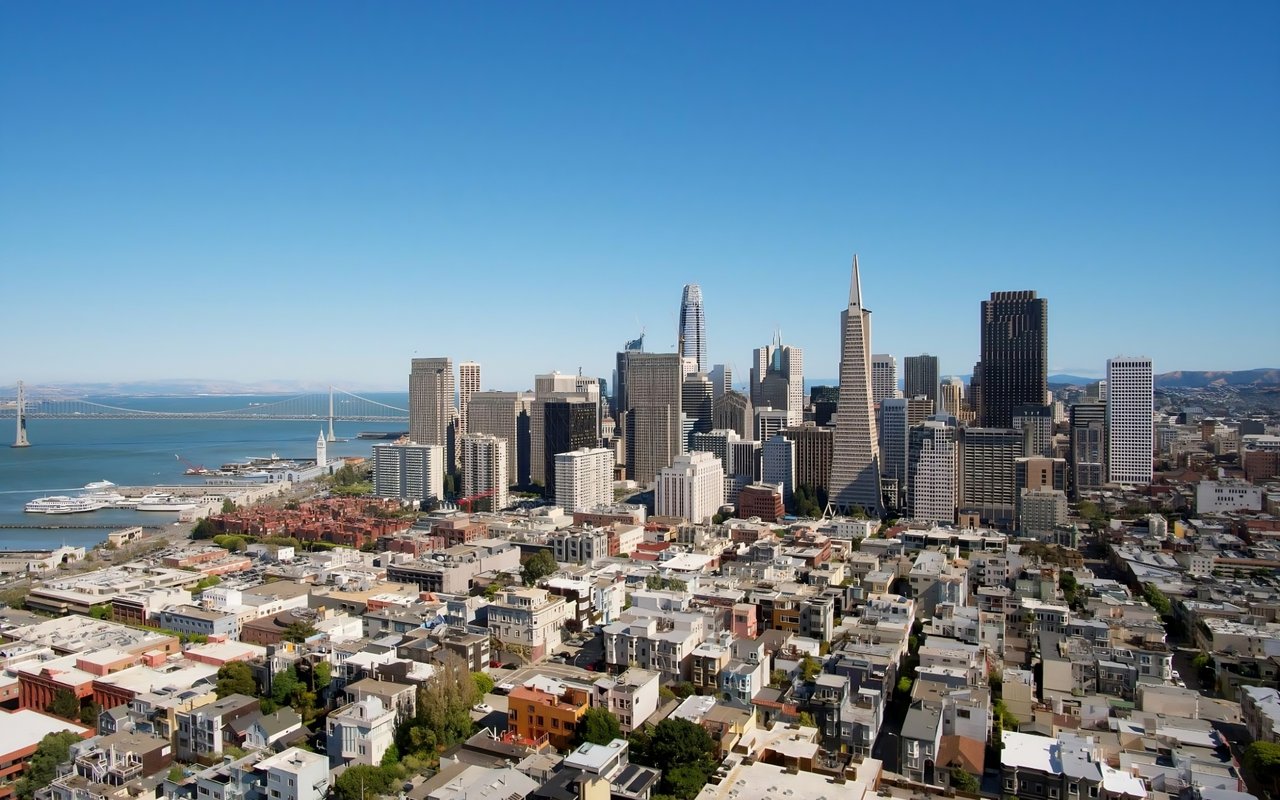
San Francisco's most significant architectural landmarks span from the neoclassical Palace of Fine Arts (1915) to the Gothic Grace Cathedral on Nob Hill, the Victorian Painted Ladies at Alamo Square, and the Beaux-Arts City Hall. For buyers, these landmarks are not just tourist destinations -- they are zoning anchors that create measurable price premiums and downside protection for surrounding residential properties.
| Landmark | Address | Style / Era | Neighborhood |
|---|---|---|---|
| Palace of Fine Arts | 3601 Lyon St, SF 94123 | Neoclassical / 1915 | Marina District |
| Grace Cathedral | 1100 California St, SF 94108 | Gothic Revival / 1964 | Nob Hill |
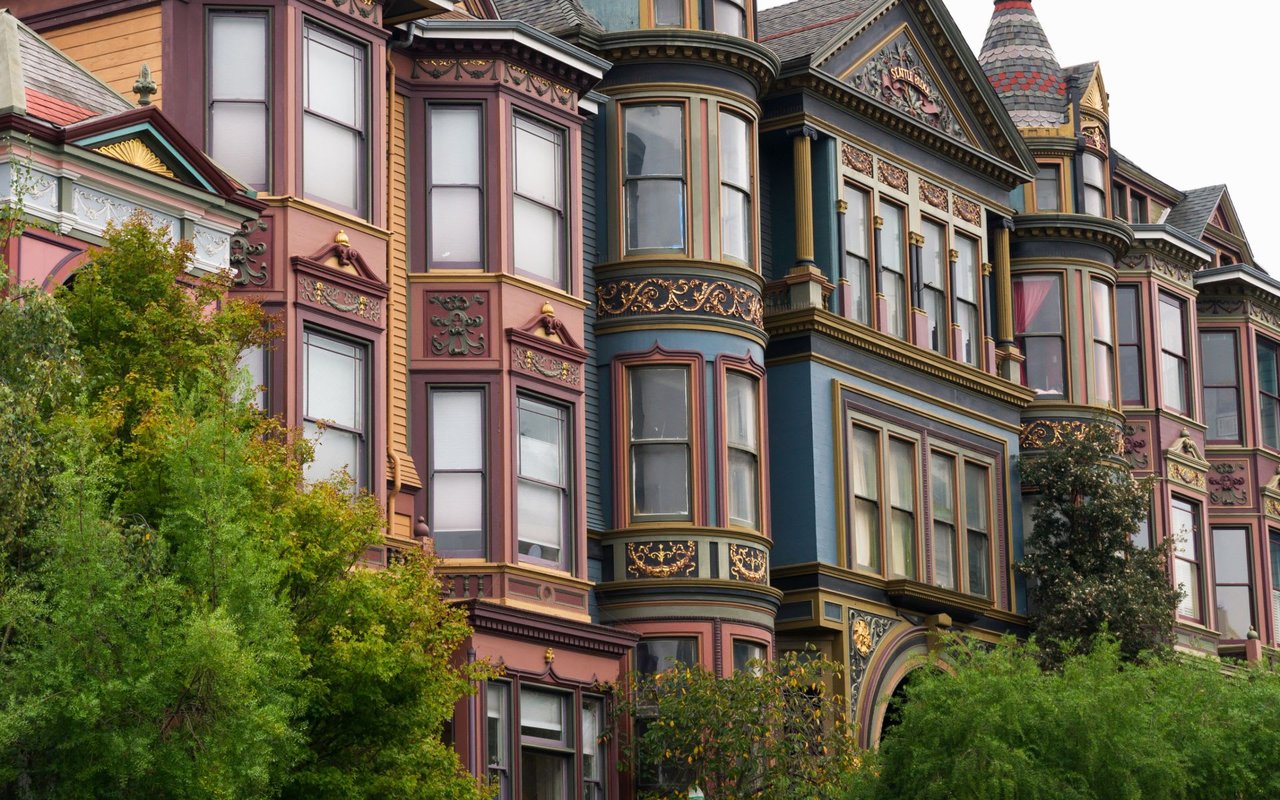
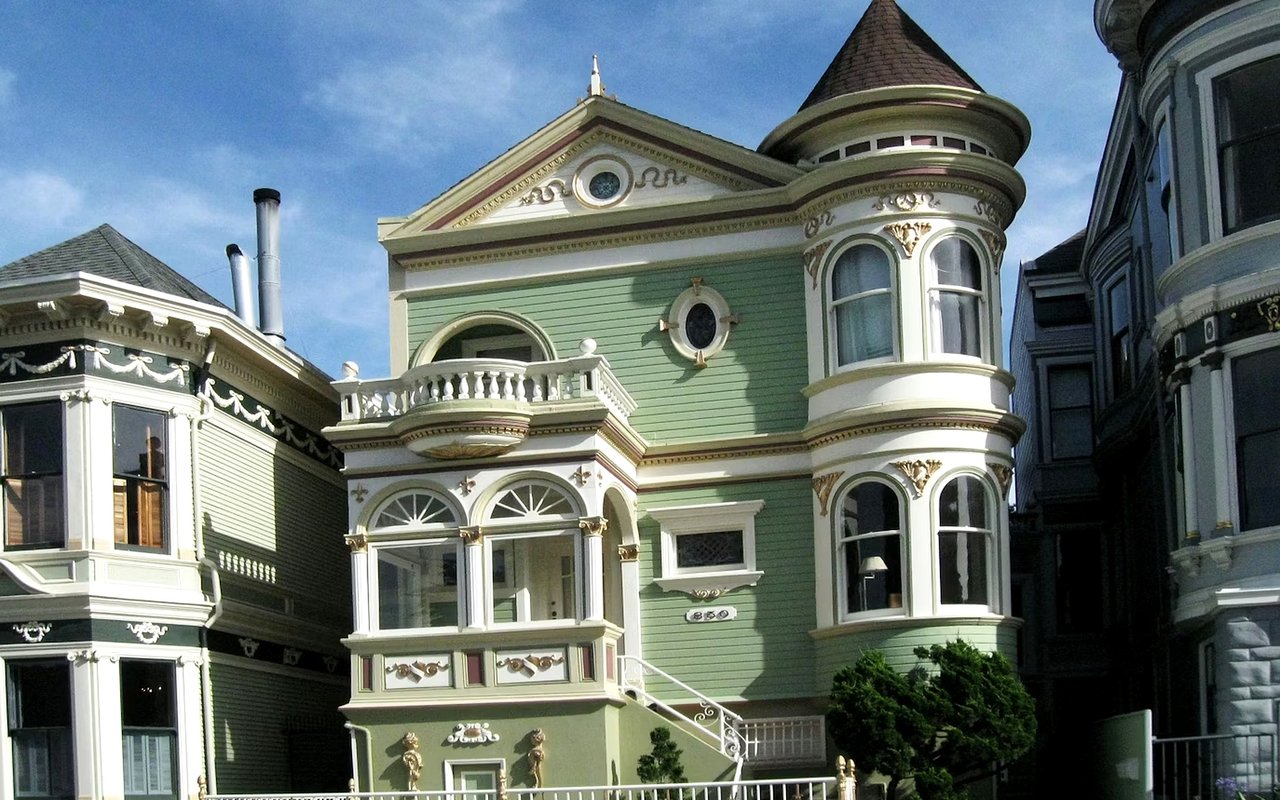
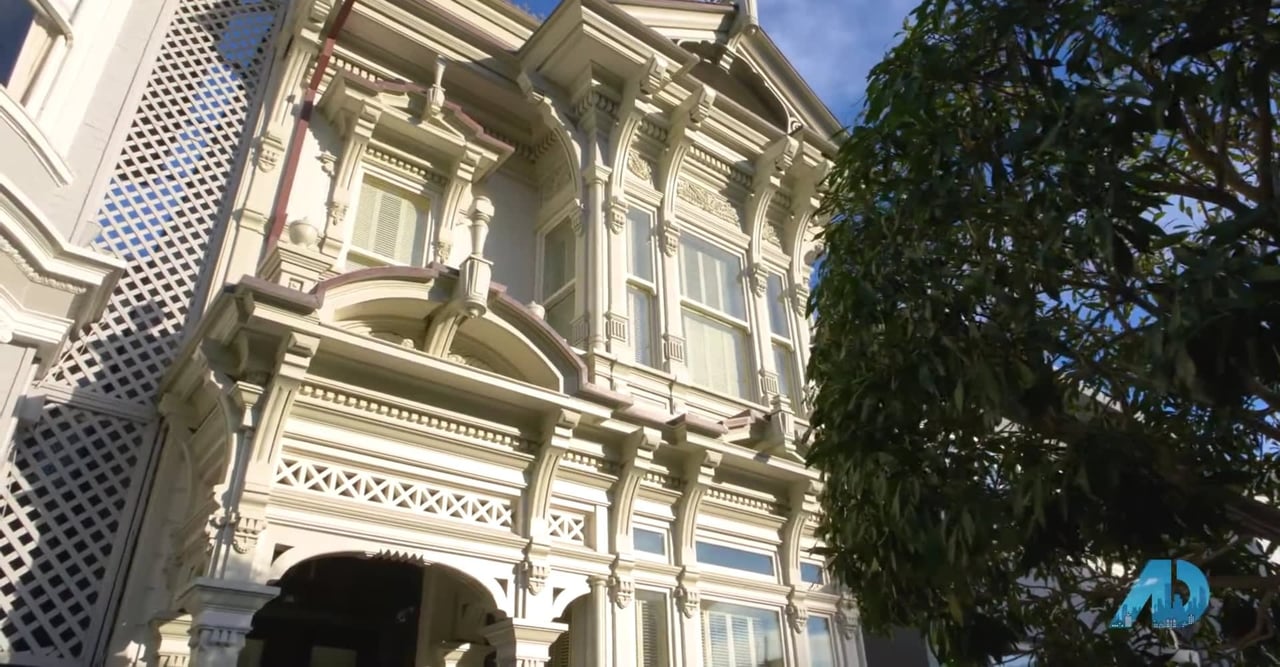
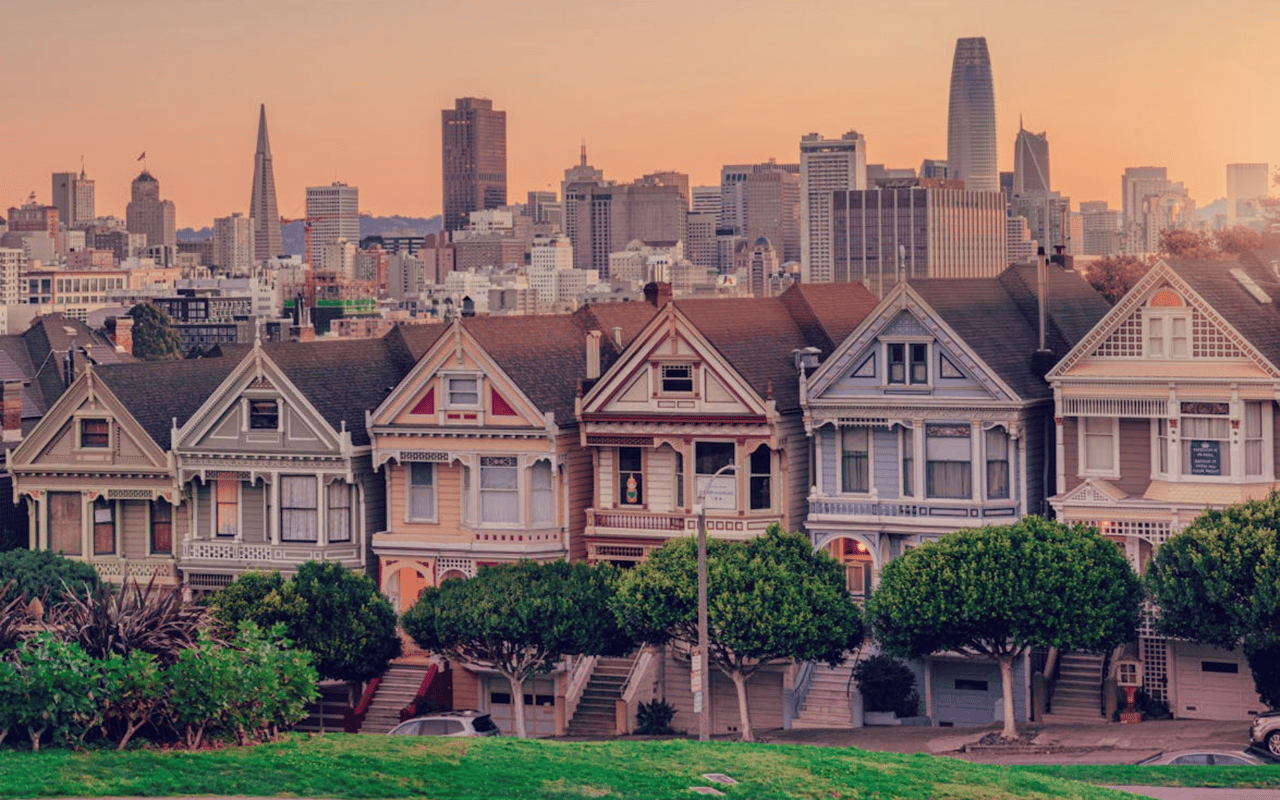
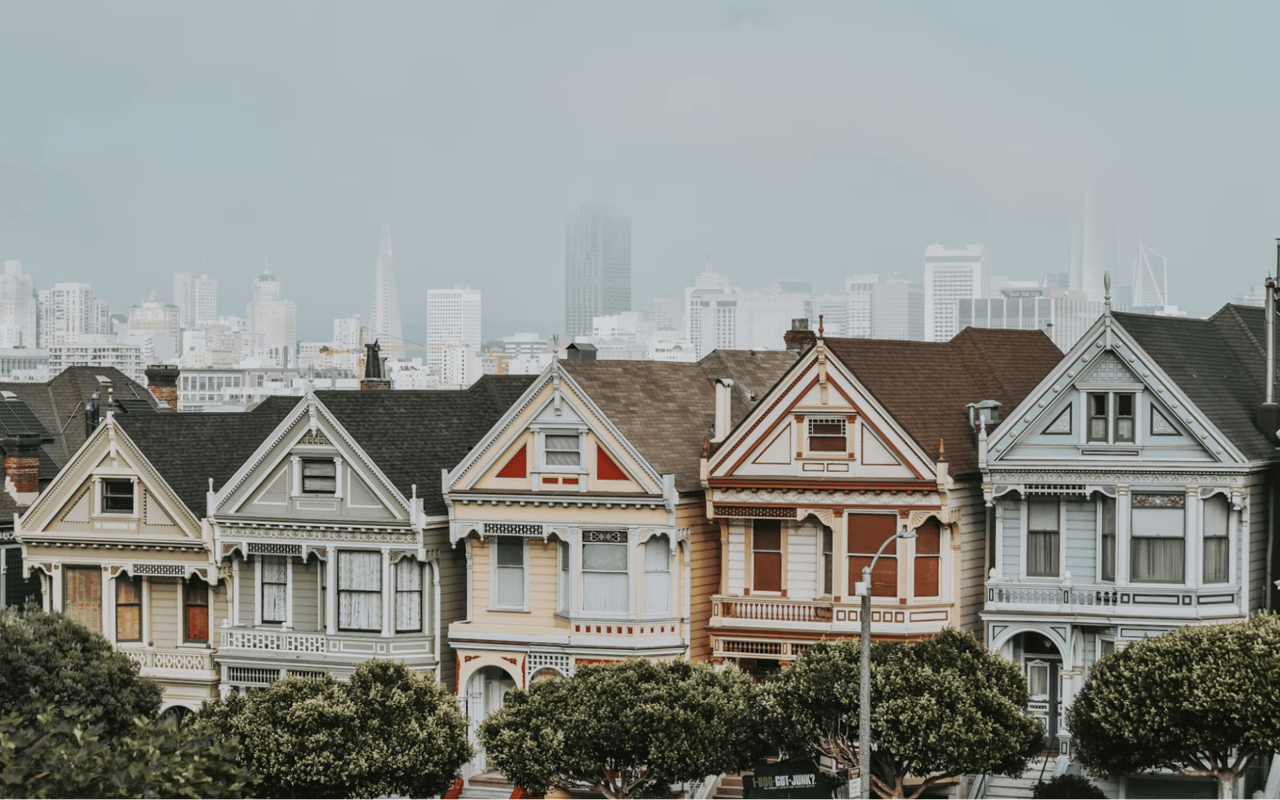
| Alamo Square Painted Ladies | 710–720 Steiner St, SF 94117 | Victorian / 1890s | Alamo Square |
| Coit Tower | 1 Telegraph Hill Blvd, SF 94133 | Art Deco / 1933 | Telegraph Hill |
| Mission Dolores | 3321 16th St, SF 94114 | Spanish Colonial / 1791 | Mission District |
| San Francisco City Hall | 1 Dr Carlton B Goodlett Pl, SF 94102 | Beaux-Arts / 1915 | Civic Center |
| Ferry Building | 1 Ferry Building, SF 94111 | Beaux-Arts / 1898 | Embarcadero |
| Transamerica Pyramid | 600 Montgomery St, SF 94111 | Modernist / 1972 | Financial District |
The Landmark Proximity Investment Thesis
If you found this article while researching San Francisco's architectural landmarks, you're likely one of two people: a tourist planning a visit, or a buyer trying to understand which neighborhoods have lasting architectural significance.
For buyers, landmarks aren't just pretty buildings to photograph — they're zoning anchors that protect your investment.
Why Landmark Districts Command Premium Pricing
The data is clear: homes within 2 blocks of designated San Francisco landmarks sell for 12%–18% more than comparable homes 5+ blocks away. Here's why:
1. Permanent View Protection
Landmark zoning includes height restrictions. If you buy a home with views of the Palace of Fine Arts, Grace Cathedral, or Alamo Square, those views are legally protected. A developer can't build a 6-story condo and block your sight-line. That protection is baked into your property value.
2. Neighborhood Character Lock
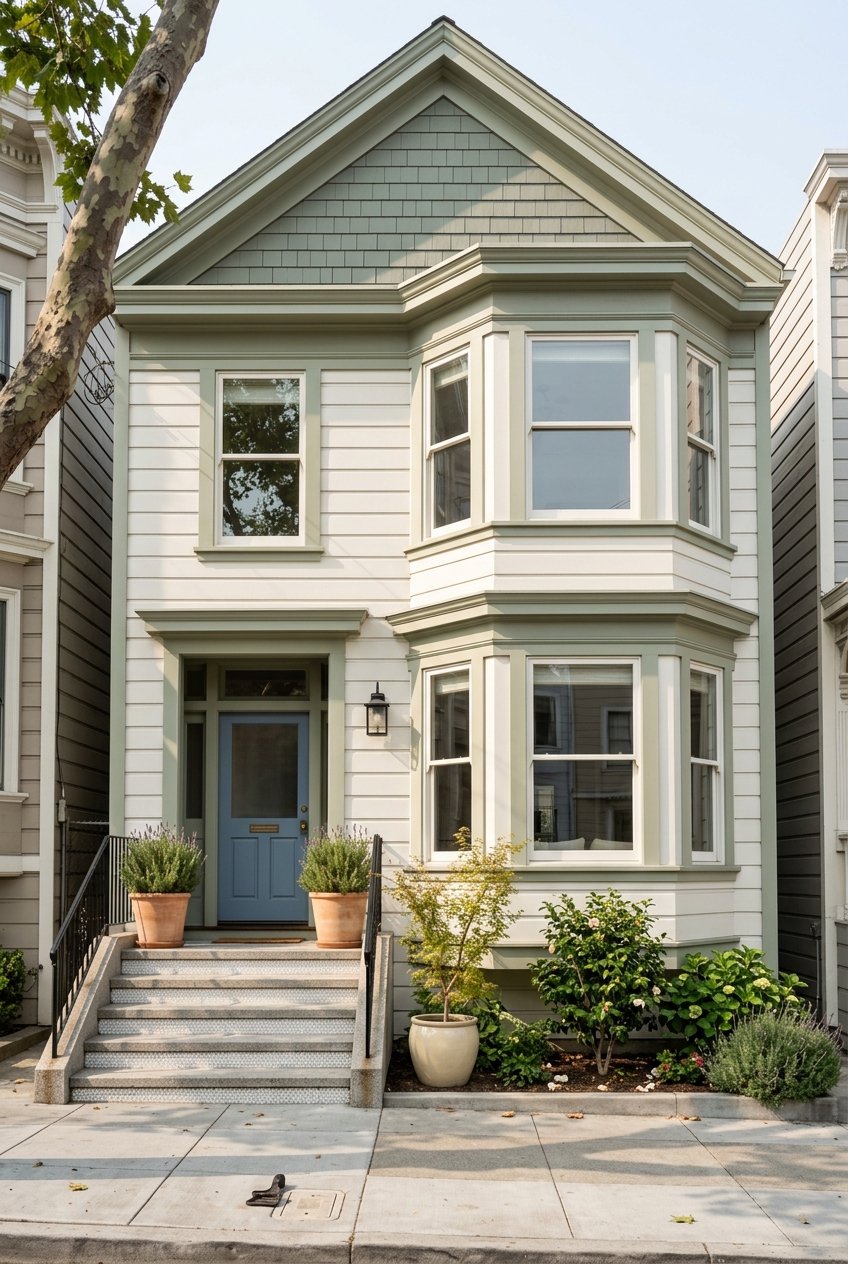
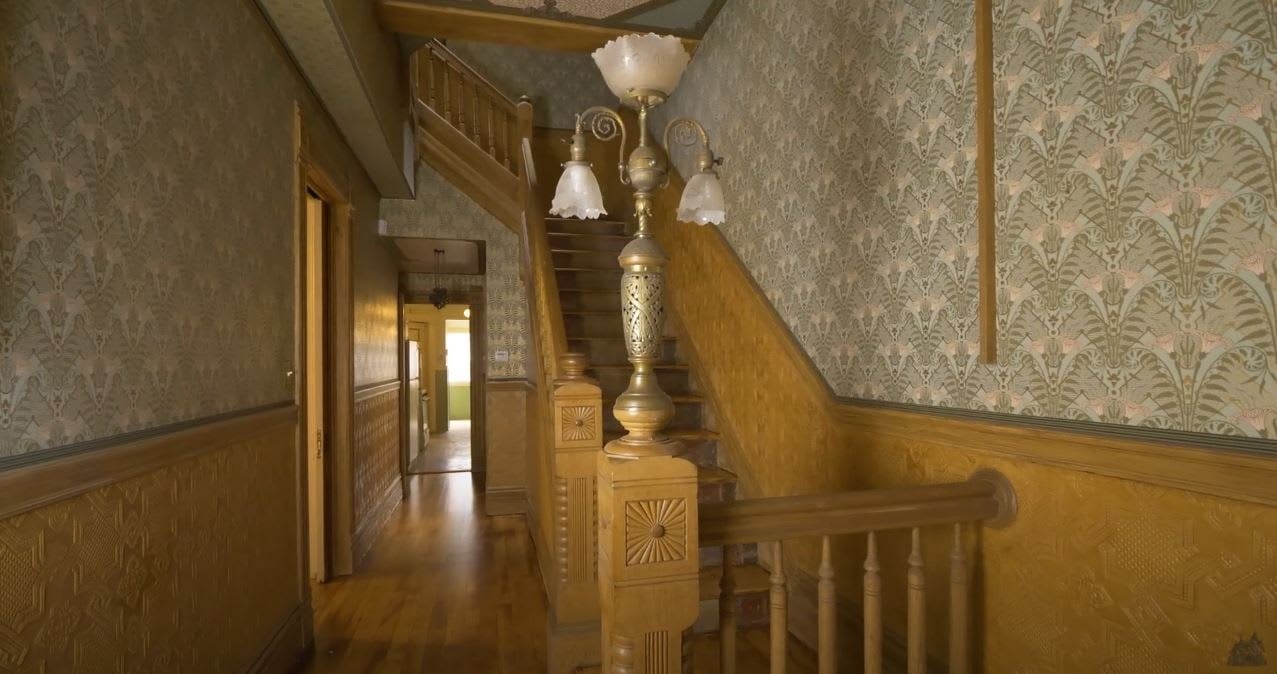
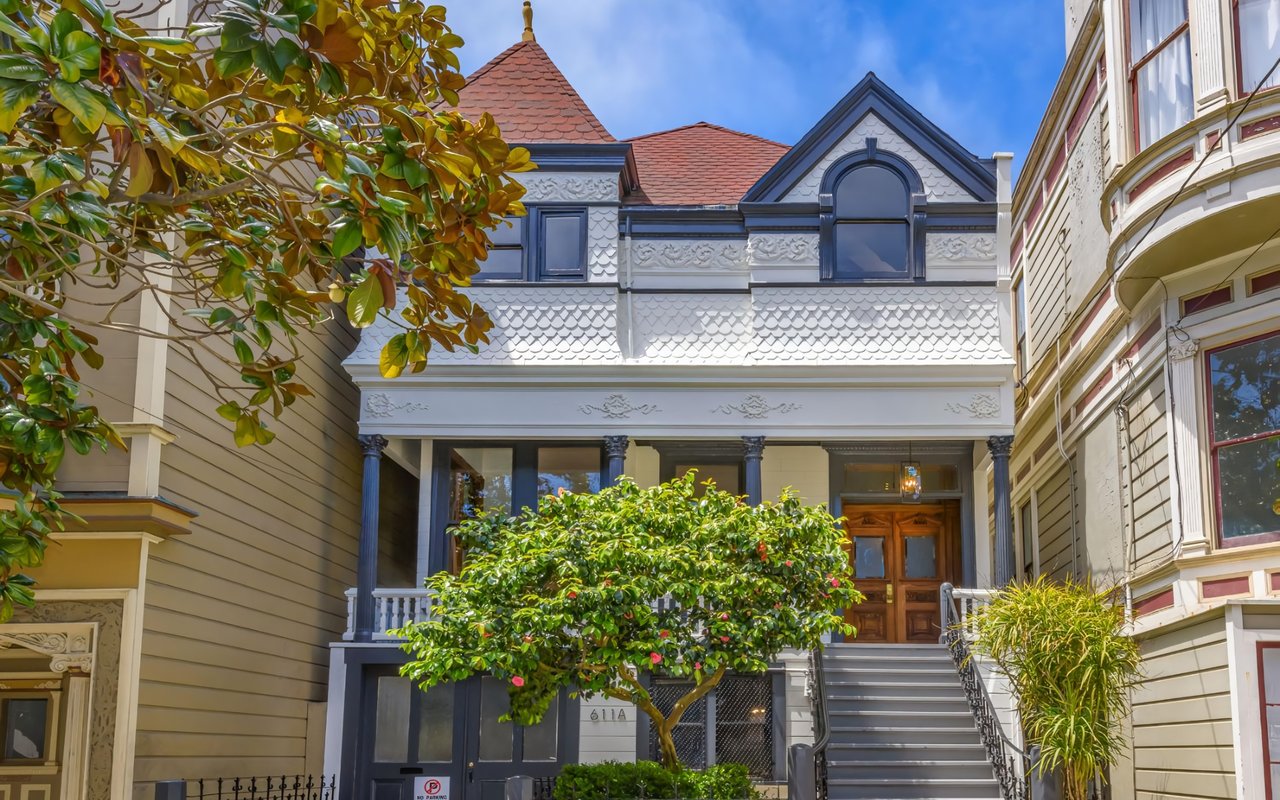
Landmark districts have facade preservation requirements. Your neighbor can't tear down their Victorian and build a glass cube. The architectural character you paid for stays frozen. This stability is why landmark districts attract buyers willing to pay premiums.
3. Downside Protection in Market Crashes
During the 2008–2012 housing crash, SF homes in landmark districts dropped 18% on average. Homes in non-landmark districts dropped 31%. That's 13 percentage points of downside protection — the equivalent of $260,000 in preserved equity on a $2M home.
Why? Because landmark districts attract long-term holders (preservation-minded buyers who don't panic-sell), and the zoning protections create scarcity (limited supply = price support even in downturns).
The Four Landmark District Buyer Profiles
Not all landmark buyers are the same. Understanding which profile you fit helps narrow your search:
Profile 1: The Preservation Purist
You want to live in the landmark, not just near it. Target: Alamo Square Painted Ladies row, Pacific Heights mansion estates. Budget: $3M–$15M+. You understand Mills Act tax incentives and are willing to navigate Landmark Preservation Commission approvals for any changes.
Profile 2: The View Buyer
You want protected sight-lines to landmarks (Palace of Fine Arts, Grace Cathedral, Coit Tower). Target: Marina, Nob Hill, Telegraph Hill perimeter homes. Budget: $2M–$5M. You're paying for permanence — knowing that view can't be blocked by future development.
Profile 3: The Walkability Maximizer
You want to walk to cultural institutions (museums, theaters, historic sites) without driving. Target: Civic Center, Nob Hill, North Beach landmark periphery. Budget: $1.5M–$3M. You value daily access over owning the landmark itself.
Profile 4: The Investment Hedger
You buy in landmark districts specifically for downside protection in the next market correction. Target: Any landmark-adjacent Victorian with documented crash-resilience data. Budget: $2M–$8M. You're buying zoning protections as much as square footage.
What Most Agents Don't Tell You About Landmark Districts
The "landmark premium" isn't uniform. Some landmark-adjacent blocks cost 25%+ more than others in the same district. Here's what creates the variance:
- Direct sight-line vs. general proximity: A home with unobstructed views of the Palace of Fine Arts commands 15%–20% more than a home 2 blocks away with no view of the landmark, even though both are "landmark-adjacent."
- Multiple landmark overlays: Some blocks in Pacific Heights fall under 3+ landmark designations (Broadway Mansion Row + individual landmark homes + historic district overlay). These triple-protected blocks see the highest premiums.
- Landmark accessibility vs. landmark visibility: Homes near Mission Dolores that can walk to the landmark trade at higher prices than homes that can only see it from a distance.
This is where working with a landmark district specialist matters. We know which blocks have the protections and the premiums — and which blocks are overpaying for proximity without getting the zoning benefits.
Ready to Explore Landmark District Homes?
We'll show you which landmark districts match your budget, current inventory with landmark proximity analysis, historical price premium data, and zoning map overlays showing protection boundaries.
Schedule Landmark District ConsultationFrequently Asked Questions
San Francisco's most famous architectural landmarks include: Palace of Fine Arts (3601 Lyon St, Marina, neoclassical 1915), Grace Cathedral (1100 California St, Nob Hill, Gothic Revival 1964), Alamo Square Painted Ladies (710–720 Steiner St, Victorian 1890s), Coit Tower (1 Telegraph Hill Blvd, Art Deco 1933), Mission Dolores (3321 16th St, Spanish Colonial 1791), City Hall (1 Dr Carlton B Goodlett Place, Beaux-Arts 1915), Ferry Building (1 Ferry Building, Beaux-Arts 1898), and the Transamerica Pyramid (600 Montgomery St, Modernist 1972).
Must-see cultural landmarks in San Francisco: Palace of Fine Arts (Marina -- free to visit, reflecting pool and rotunda), Alamo Square and the Painted Ladies (iconic Victorian row houses facing the park), Coit Tower (Telegraph Hill -- panoramic city views, Depression-era murals inside), Mission Dolores (oldest building in San Francisco, 1791), Grace Cathedral (Nob Hill -- labyrinths, Keith Haring altarpiece), and City Hall (Civic Center -- open dome larger than the US Capitol). Most of these are free or low-cost to visit.
Yes. Homes within 2 blocks of designated San Francisco landmarks sell for 12%–18% more than comparable homes 5+ blocks away. Three factors drive this premium: permanent view protection (landmark height restrictions prevent views from being blocked), neighborhood character lock (facade preservation requirements prevent architectural disruption), and downside protection (during the 2008–2012 crash, landmark district homes dropped 18% vs. 31% for non-landmark districts). Verify all price data against current MLS before making purchase decisions.
Pacific Heights has the highest concentration of individually designated landmark homes (Broadway Mansion Row, multiple Victorian estates). Nob Hill has Grace Cathedral, historic hotels, and the cable car landmark corridors. Civic Center has City Hall and the War Memorial complex. North Beach / Telegraph Hill has Coit Tower and dense Victorian residential stock. The Marina has the Palace of Fine Arts. Alamo Square has the Painted Ladies. For buyers seeking landmark-adjacent Victorian homes specifically, Pacific Heights and Alamo Square are the primary targets -- contact Bonnie Spindler at (415) 706-6660.
The Alamo Square Painted Ladies are located at 710–720 Steiner Street, San Francisco, CA 94117, facing Alamo Square Park. The six Victorian houses (built 1892–1896) with the San Francisco skyline behind them are among the most photographed Victorian homes in the United States. The surrounding neighborhood has a mix of Victorian homes in various price ranges -- contact Bonnie Spindler for current availability near Alamo Square.