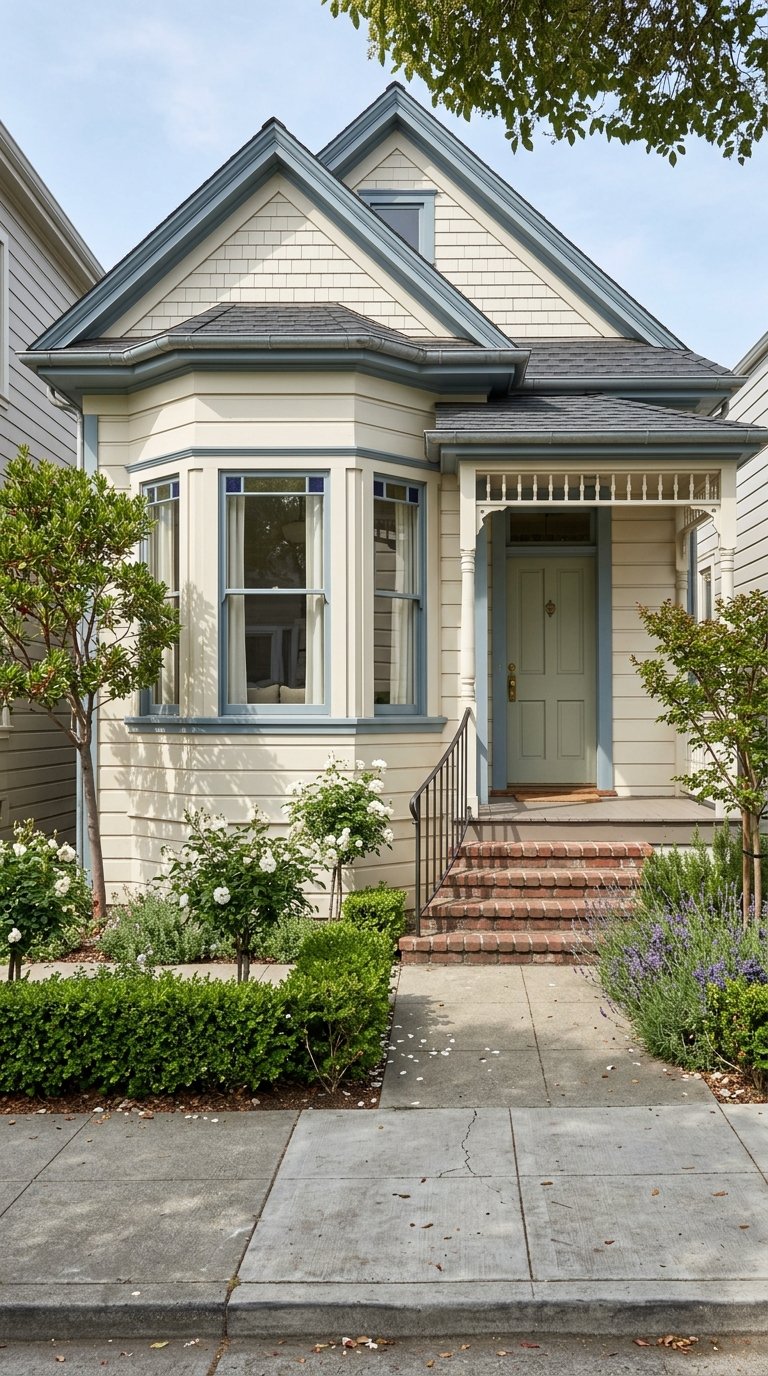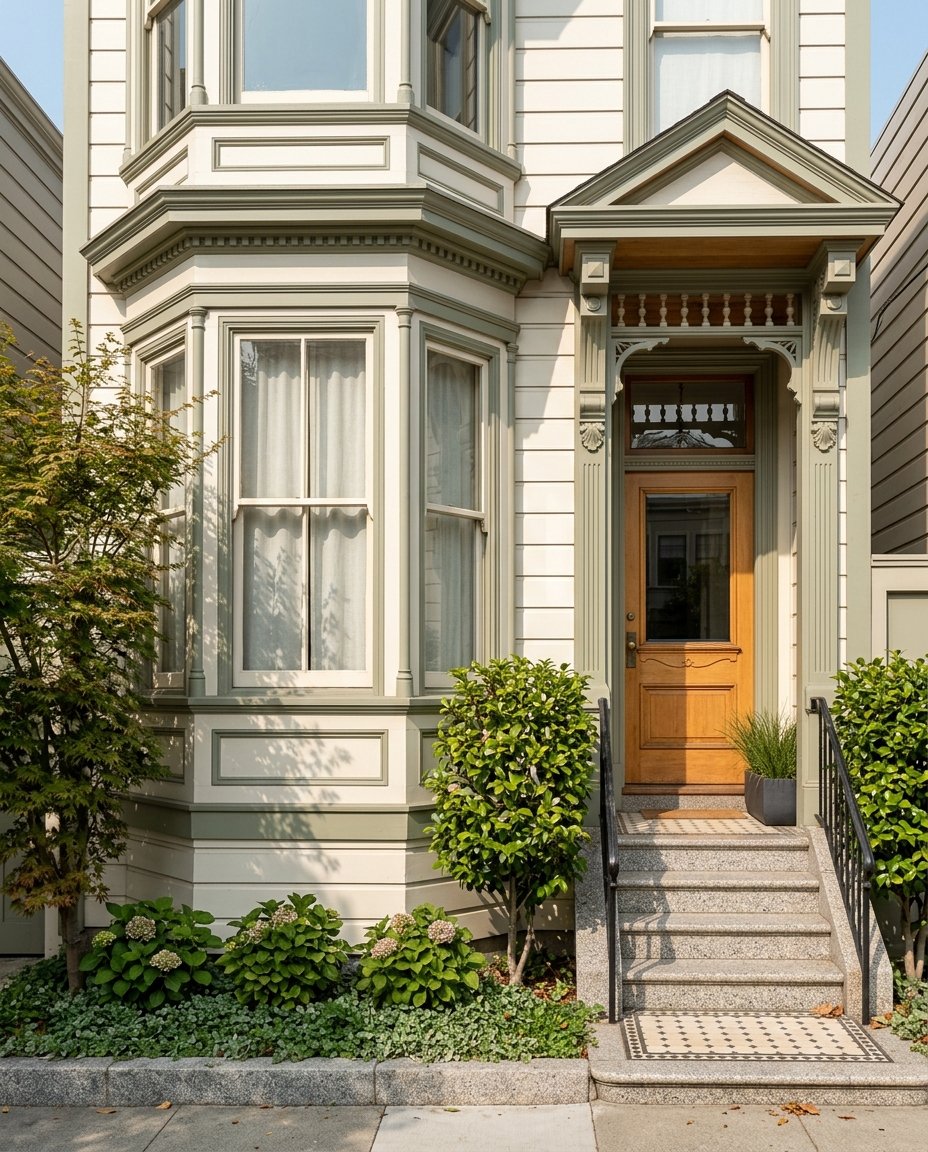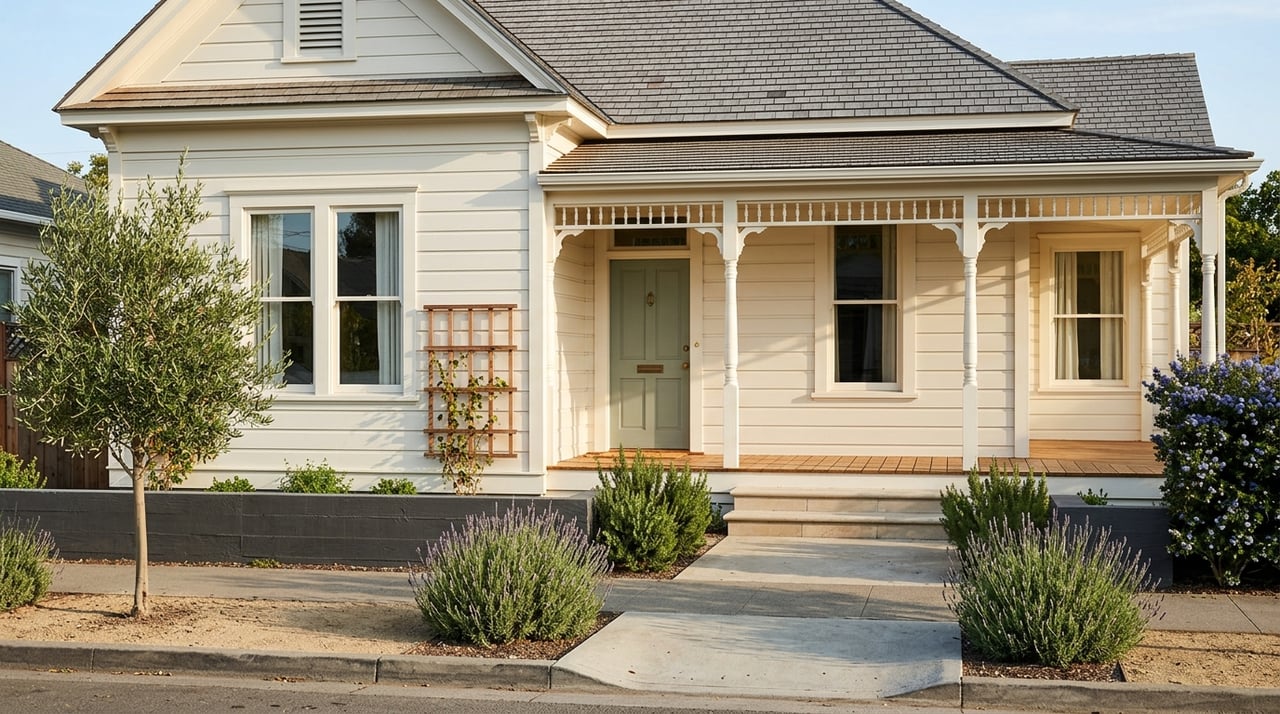
Determining your home’s market value in San Francisco requires more than checking a few online listings. If you're preparing to sell, planning to refinance, or simply curious about your home’s financial position, getting an accurate valuation is essential. In a city where property values shift quickly and every block tells a different story, your pricing strategy should reflect both data and local insight.
You don’t need to figure it all out alone. With the right steps, you can understand what buyers are willing to pay for a home like yours—and how to make sure your property stands out in a highly competitive environment.
Understand the Role of Online Estimates
Many homeowners start with online tools to get a general idea of value. Some platforms use algorithms to calculate estimated prices based on recent sales, tax assessments, and public data. While convenient, those figures often miss the nuances that define San Francisco real estate.
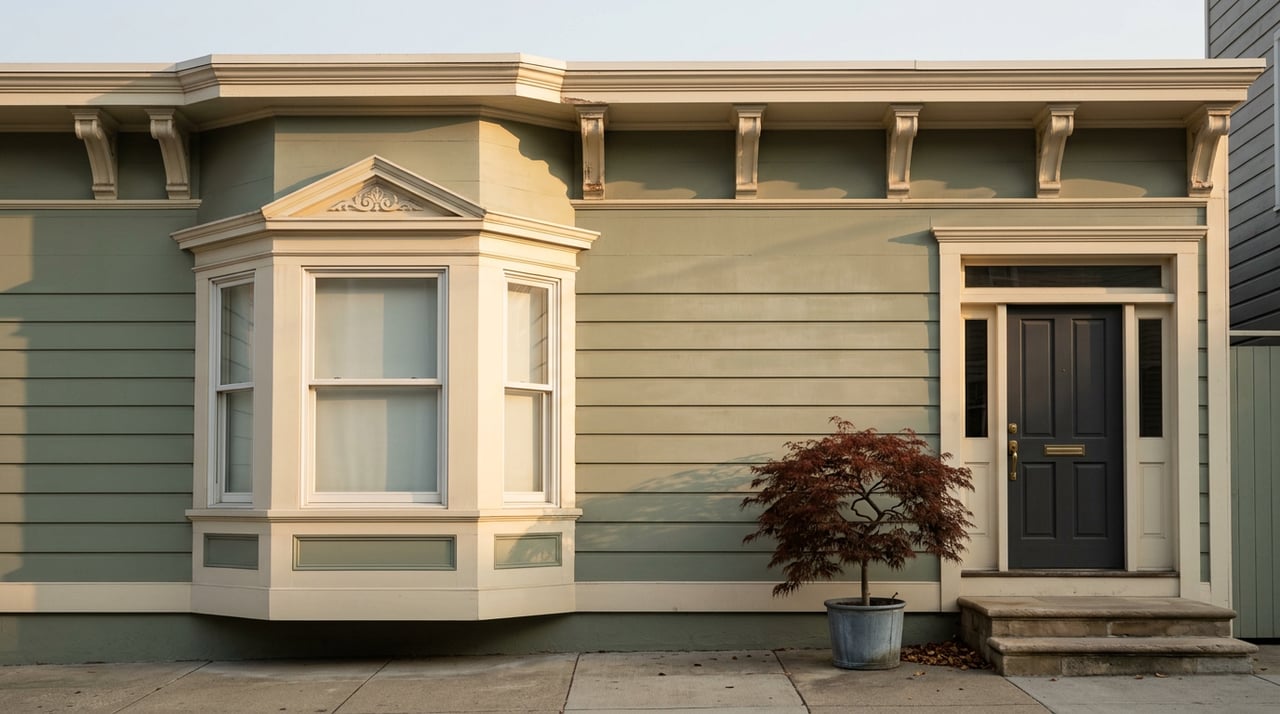
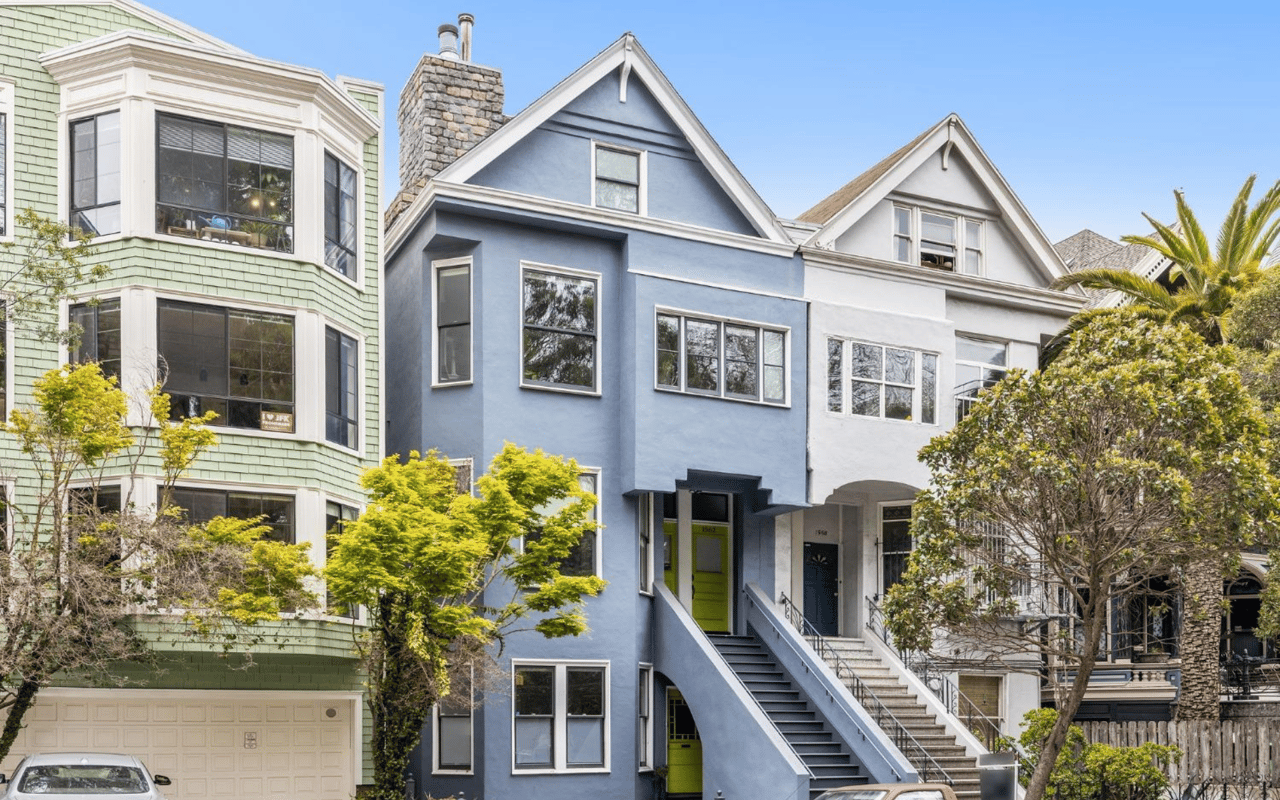
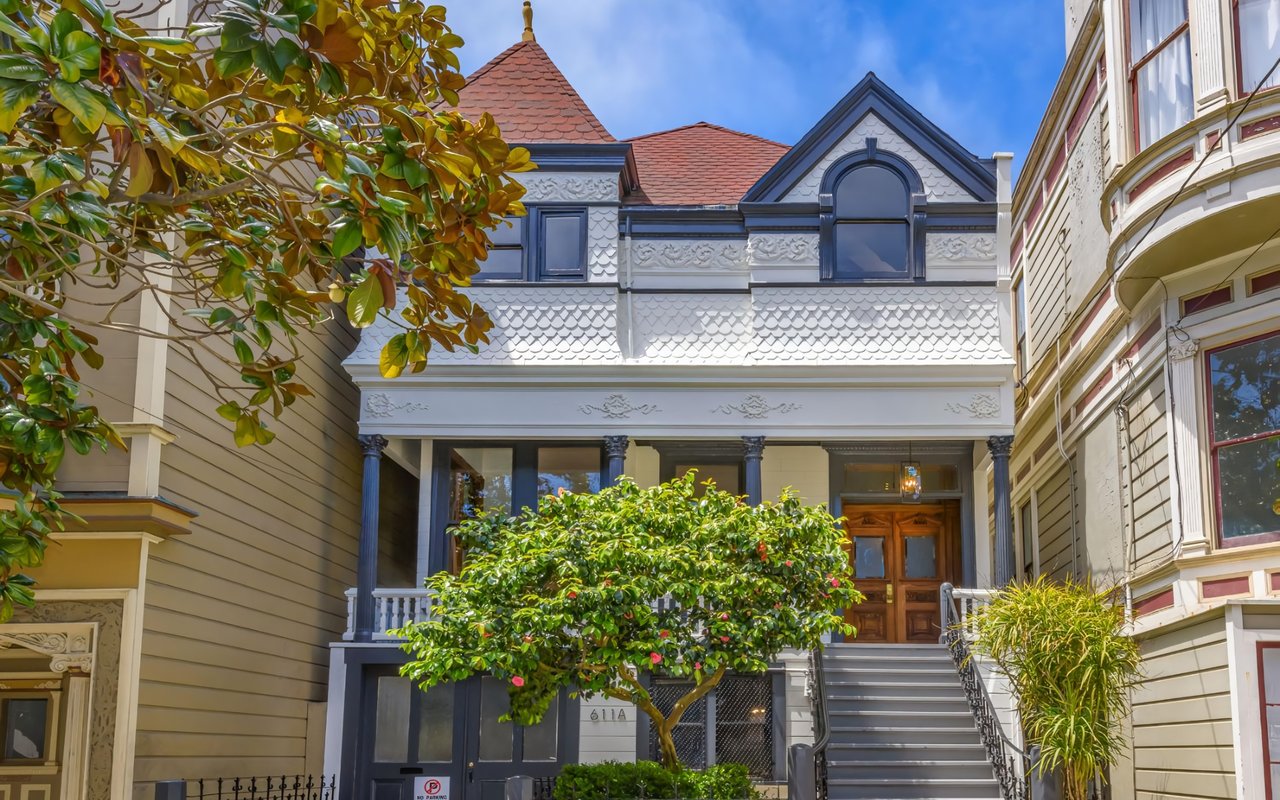
Online estimates rarely account for your home's condition, upgrades, architectural significance, or location-specific premiums. If your home is a Victorian with original details or sits on a street with limited through traffic, those characteristics can significantly influence what buyers are willing to pay. Consider online valuations as a starting point, not a final word.
Request a Comparative Market Analysis (CMA)
A Comparative Market Analysis (CMA) offers a more accurate look at your home's value by comparing it to recent sales of similar properties nearby. An experienced San Francisco real estate agent can prepare a detailed CMA that factors in square footage, floor plan, finishes, and condition.
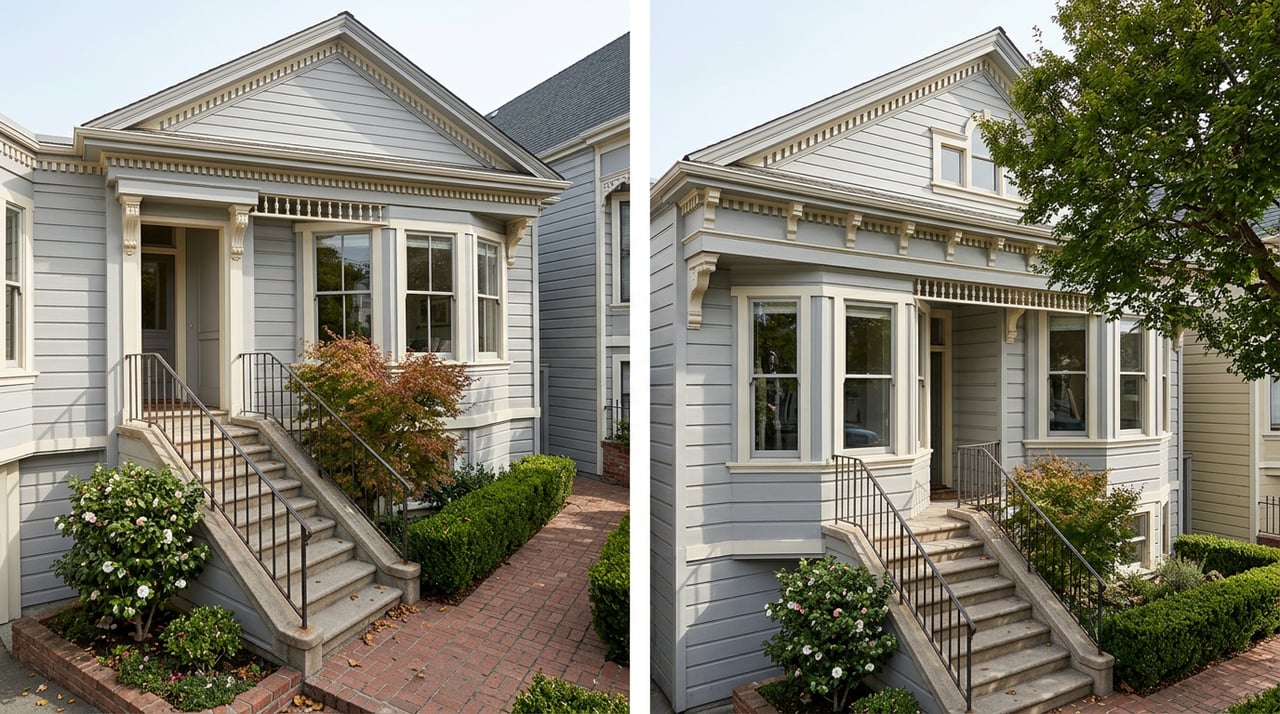
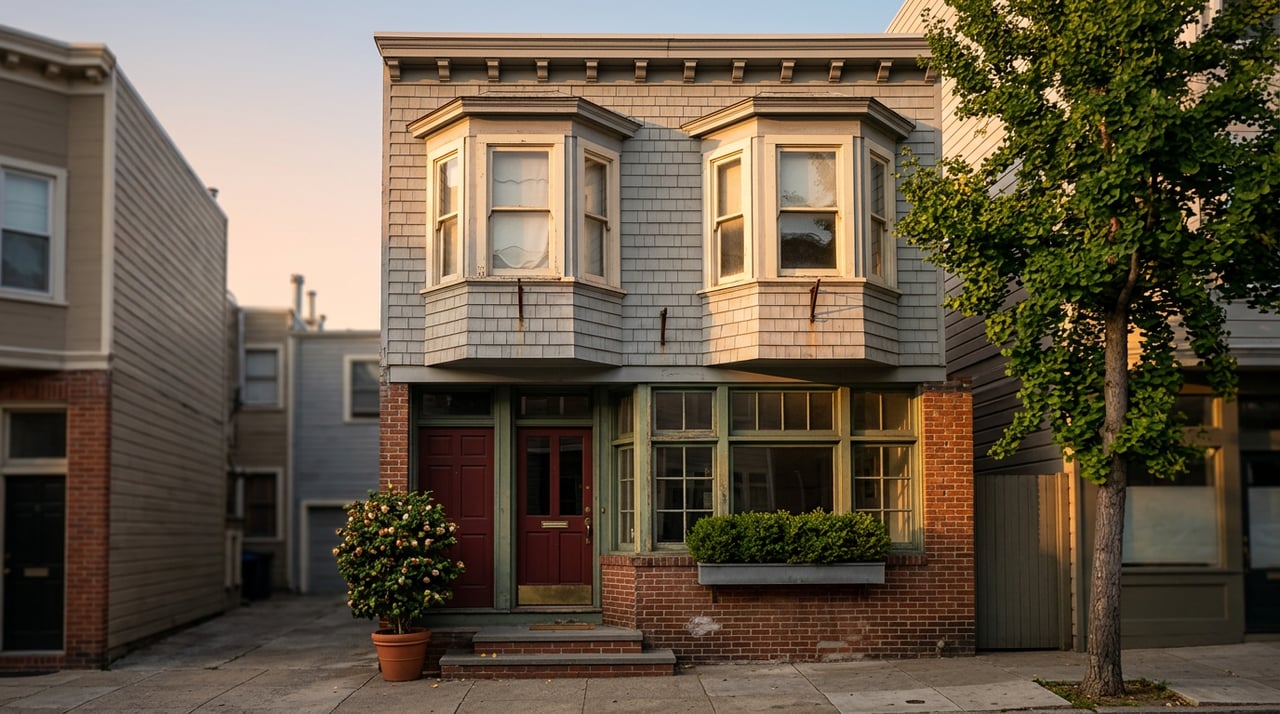
In areas where the housing stock includes a mix of classic Edwardians, mid-century buildings, and modern renovations, comps need careful selection. A one-bedroom TIC in the Mission will not compare directly to a single-family home in Noe Valley, even if square footage is similar. A well-constructed CMA makes sure those distinctions are accounted for.
Consider a Broker Price Opinion (BPO)
If you need a more formal valuation without a full appraisal, a Broker Price Opinion (BPO) can be a useful option. Often used by banks or institutional investors, a BPO involves an agent evaluating your home’s features, taking photos, and comparing recent sales. This method can provide an impartial, third-party perspective on your property’s market position.
Keep in mind, however, that a BPO is not always accepted by lenders or buyers as a substitute for an appraisal. It's best used for internal planning, investor analysis, or in preparation for a future listing.
Schedule a Professional Appraisal When Necessary
When accuracy is critical—for example, during a refinance or divorce settlement—you’ll want to bring in a licensed appraiser. A professional appraisal includes an on-site inspection, a detailed review of comparable sales, and an evaluation of the home’s structural and mechanical systems.
In San Francisco, appraisers also consider zoning designations, views, and lot orientation. A home with a rear garden, southern exposure, or proximity to transit may command a premium over otherwise similar homes. These are the details only an in-person appraisal can confirm.
Adjust for Local Market Dynamics
San Francisco’s real estate market doesn’t follow national trends. Seasonal shifts, tech hiring booms, IPO activity, and interest rate fluctuations can cause property values to rise or dip within a few months. Knowing how these dynamics affect demand is crucial to establishing the right price.
If inventory is low and buyer competition is high, pricing slightly below market can drive multiple offers. During periods of reduced demand, it’s better to price more conservatively to avoid sitting on the market too long. Your pricing strategy should match current conditions, not assumptions from six months ago.
Factor In Property-Specific Features
Every detail of your home plays a role in determining its market value—especially in a city known for character architecture and small-lot ingenuity. Pay attention to the elements that set your property apart:
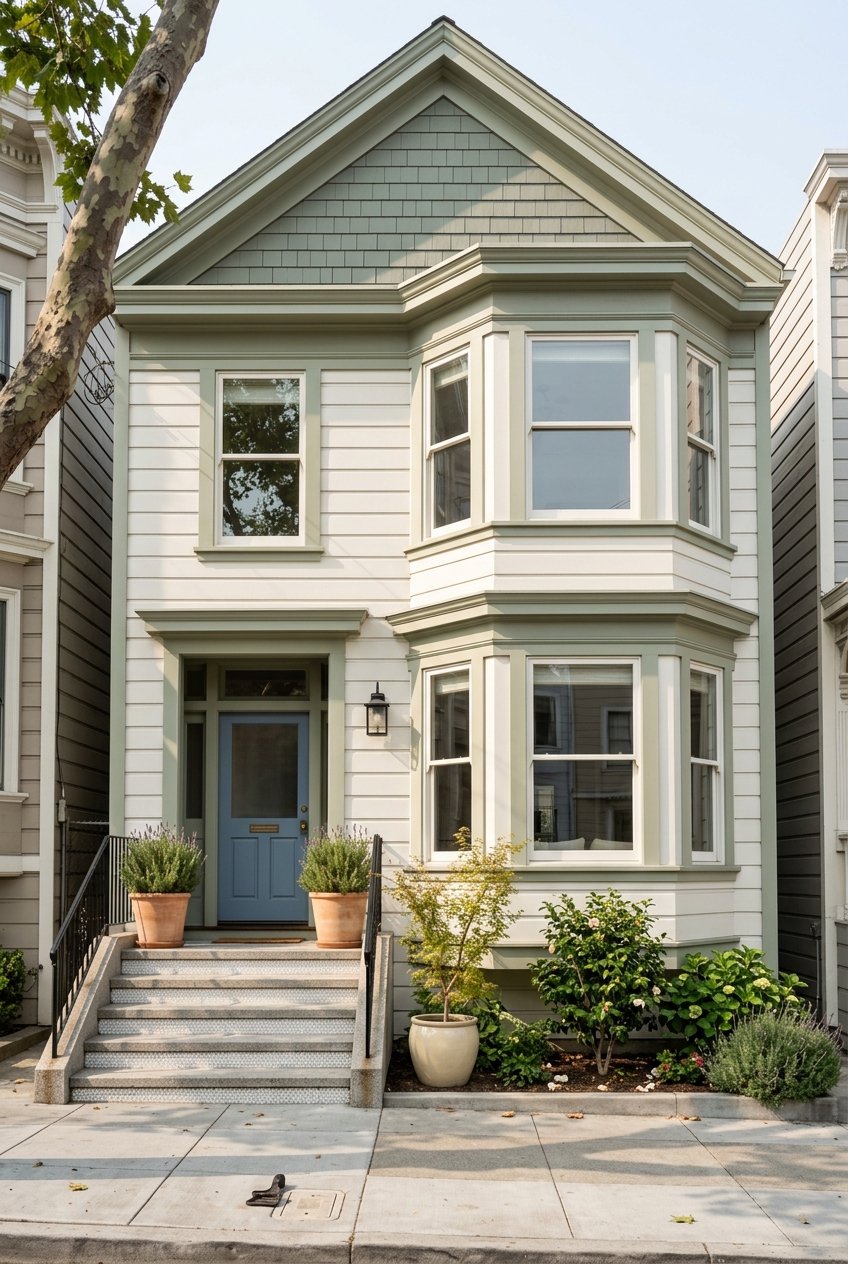
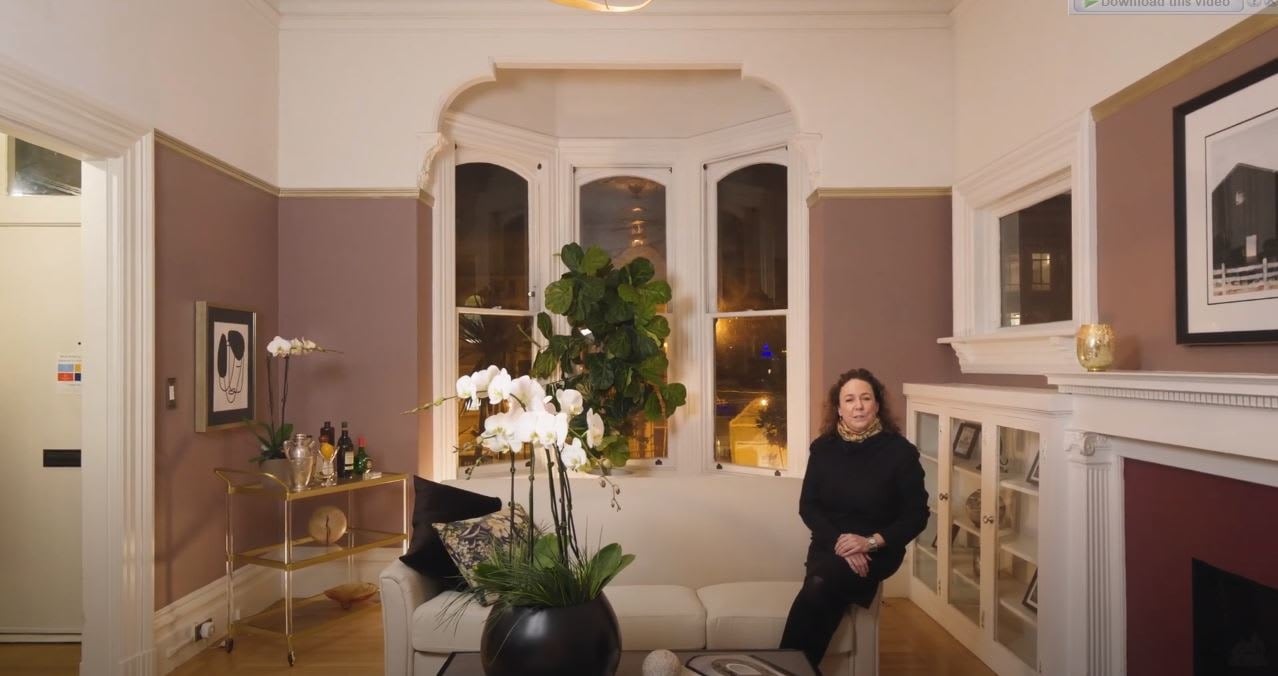
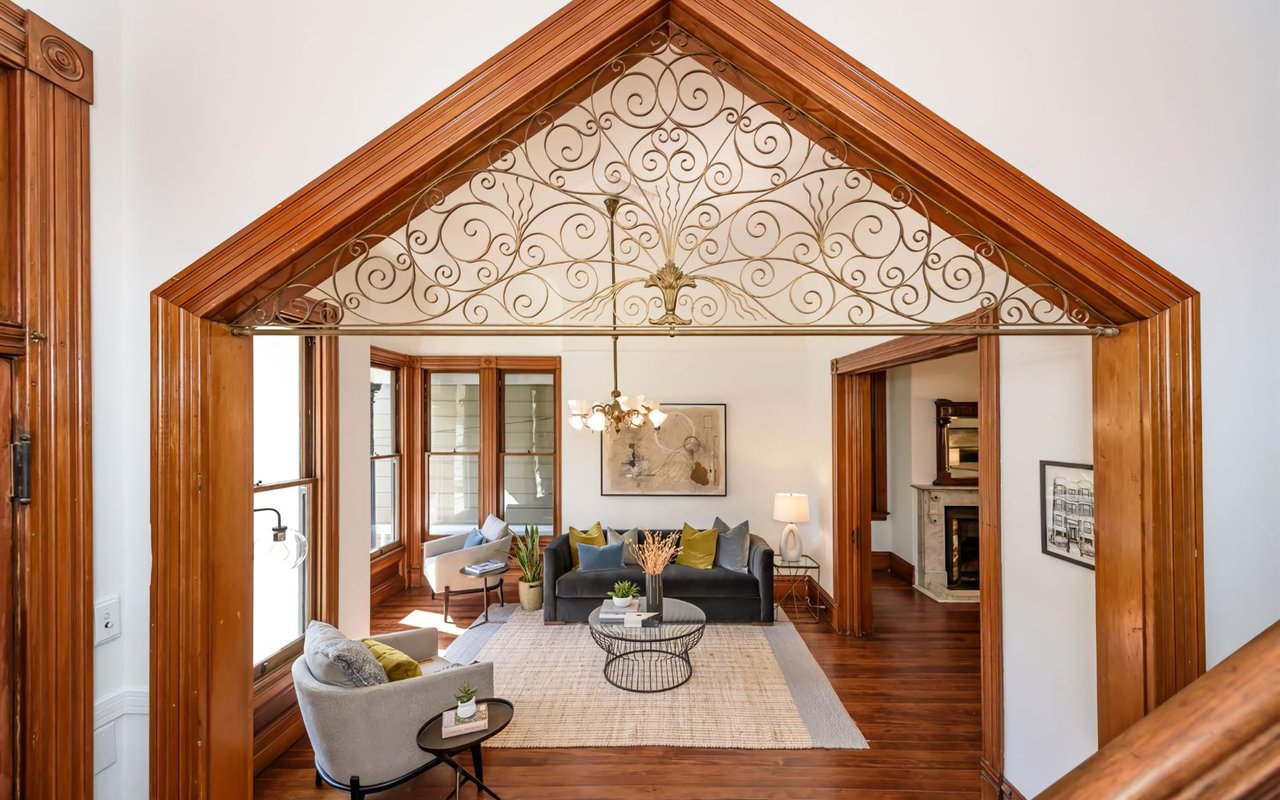
- Original Victorian or Edwardian features, like crown molding, stained glass, or period hardware, can be highly desirable.
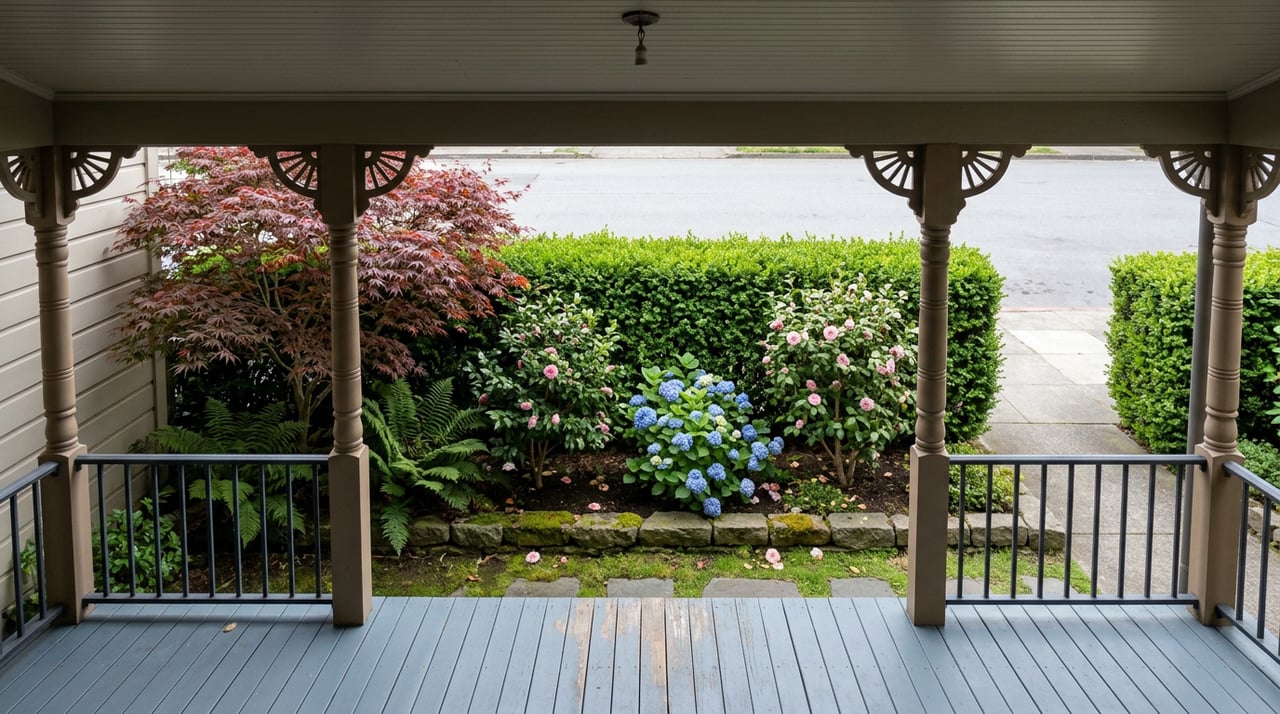
- Outdoor space is especially valuable in San Francisco. A private garden, usable deck, or patio will increase appeal.
- Parking adds measurable value, particularly in neighborhoods with limited street availability.
- Updated systems, such as new roofing, electrical panels, or plumbing upgrades, enhance buyer confidence and reduce post-sale negotiation.
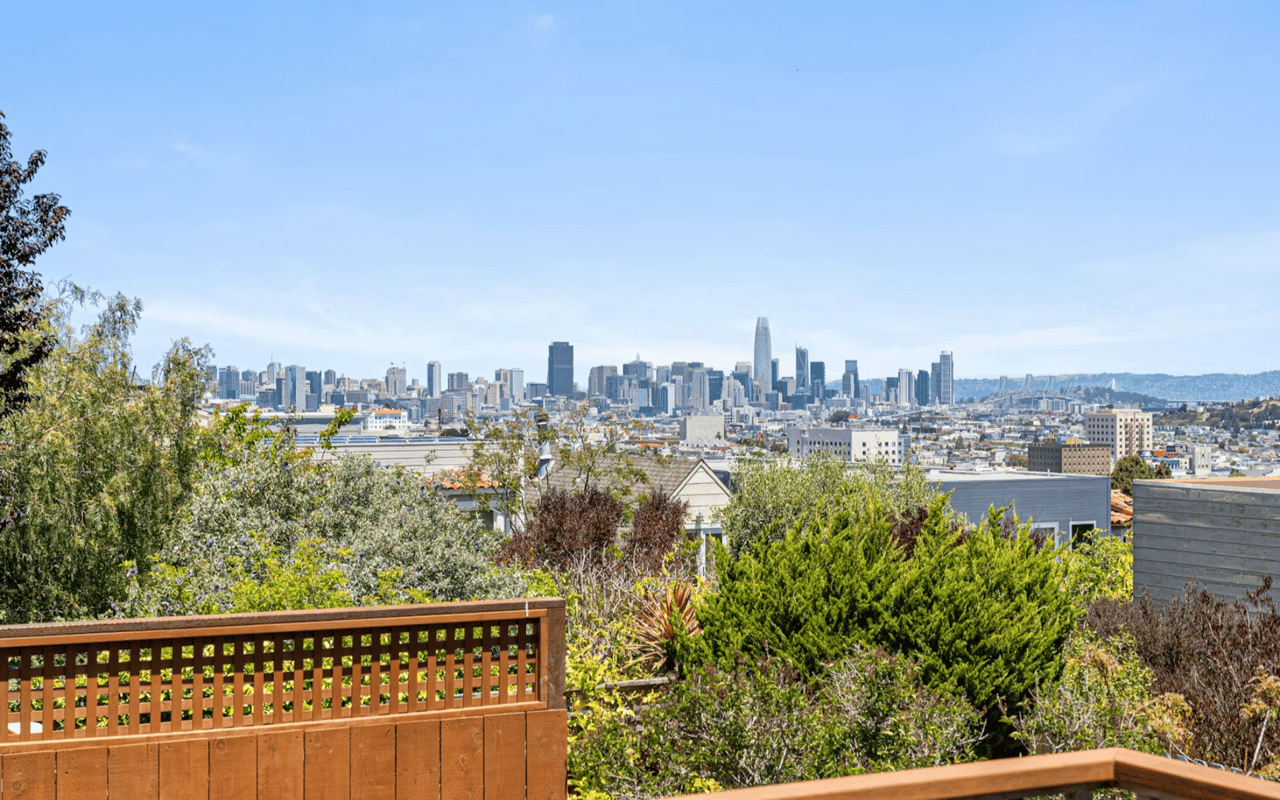
- Views of the Bay, downtown skyline, or surrounding hills often carry a premium.
Highlighting these features in your valuation process helps you understand how your home is likely to perform against nearby listings.
Prepare the Property Before Pricing
Small updates can make a big difference when determining and defending your home’s market value. Even before you list, take the time to address areas that influence perception:
- Apply a fresh coat of neutral paint and replace dated light fixtures.
- Stage the home to highlight flow, light, and space—especially in older floor plans.
- Deep clean windows, polish floors, and trim landscaping for curb appeal.
- Make sure any deferred maintenance issues are resolved to avoid red flags during buyer inspections.
These improvements help your home show well, which supports the valuation you’re targeting.
Watch for Timing and Seasonal Influence
San Francisco’s market follows its own rhythm. Spring and early fall tend to be the busiest seasons for listings, while the winter holidays and late summer often bring slower buyer traffic.
However, timing your sale doesn’t mean waiting for the perfect month. What matters more is how your home compares to other active listings at the time.
If inventory is low in your area, listing outside the traditional season can actually give your home more visibility. Work with an agent who understands these patterns and can position your home when buyers are most active in your price range.
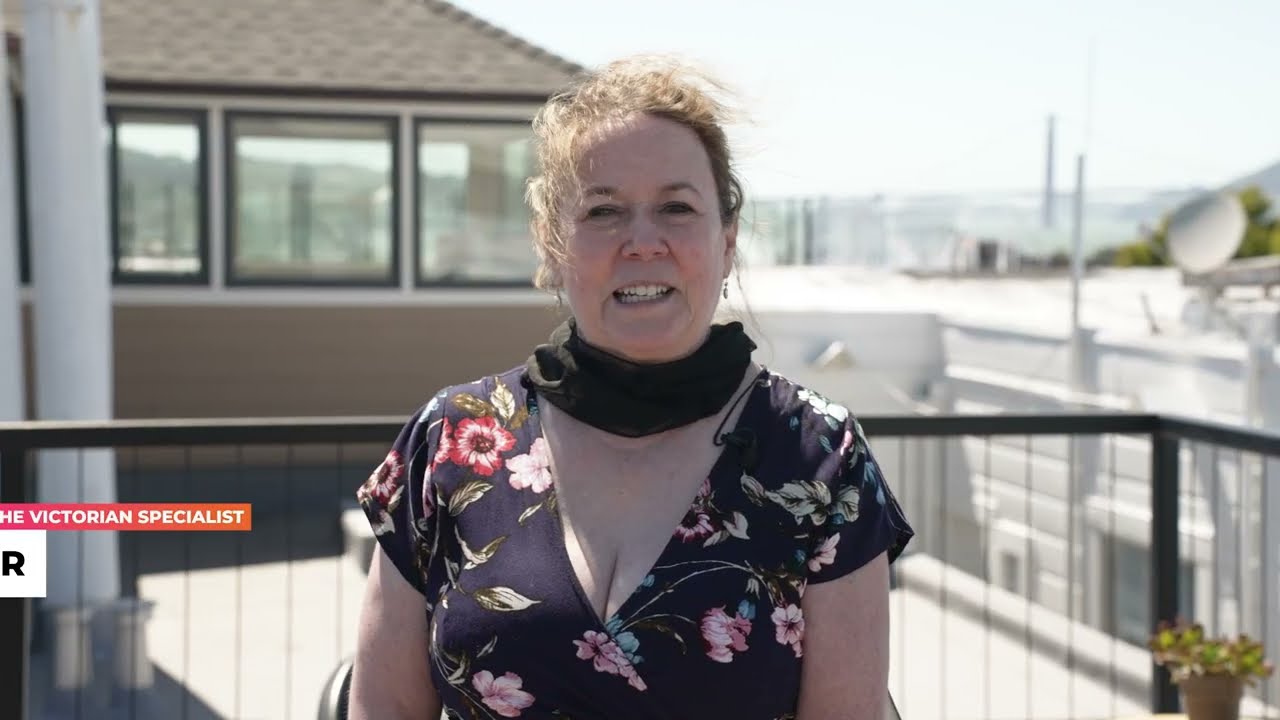
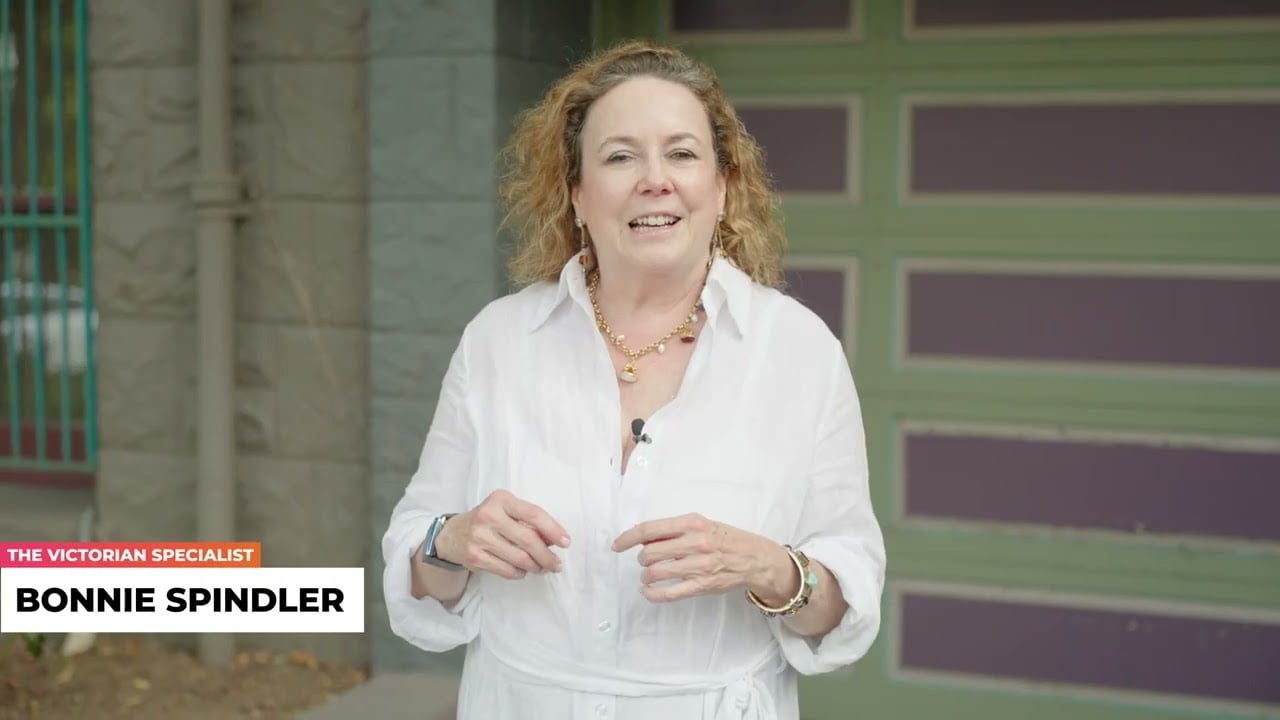
Reach Out to Bonnie Spindler, The Victorian Specialist
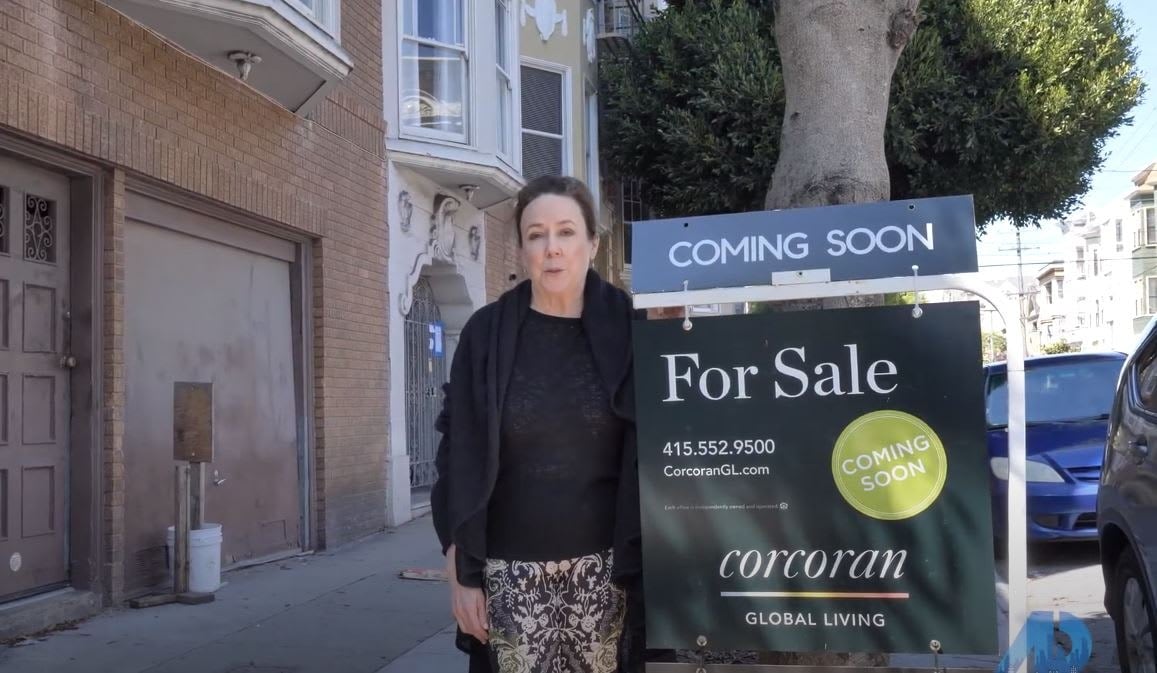
Bonnie Spindler, The Victorian Specialist, offers the expertise you need to navigate San Francisco’s unique pricing landscape. She brings years of experience in assessing historic and character homes and combines market data with deep local knowledge. If you're ready to understand your home’s current market value and position it for success, reach out to Bonnie Spindler today. She’ll help you make informed decisions with confidence—and guide you toward your next step in the San Francisco market.