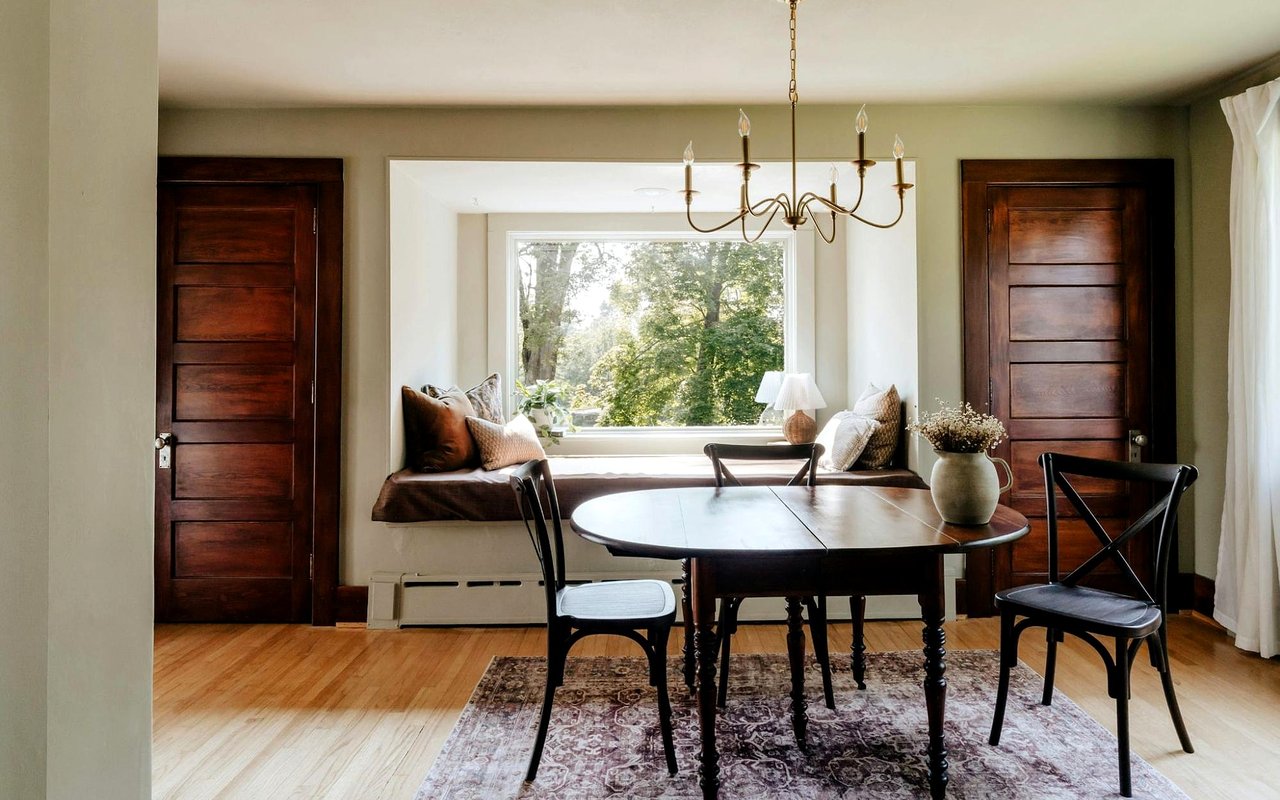
How to Market Your Historic Home to Attract the Right Buyers
Marketing a historic home in San Francisco requires targeting preservation-minded buyers through archival architectural provenance, documented restoration records, and hybrid staging. In 2026, well-marketed Victorian and Edwardian residences in Pacific Heights and Alamo Square command 15% to 35% premiums over unverified properties, averaging 21 days on market when paired with pre-sale inspections.
Planning to Sell a Historic San Francisco Property?
Position Architectural Heritage for Maximum Market Return
Highlighting intricate period woodwork, leaded glass, and seismic upgrades requires specialized narrative presentation. Connect with Bonnie Spindler to build your tailored preservation marketing campaign.
Marketing Component | Conventional Property Listing | Specialized Historic Home Strategy | Impact on Buyer Demand |
|---|---|---|---|
Architectural Provenance | Basic room dimensions and general lot square footage | Documented architect lineage, construction date, builder, and historic style taxonomy | Attracts heritage collectors willing to pay architectural price premiums |
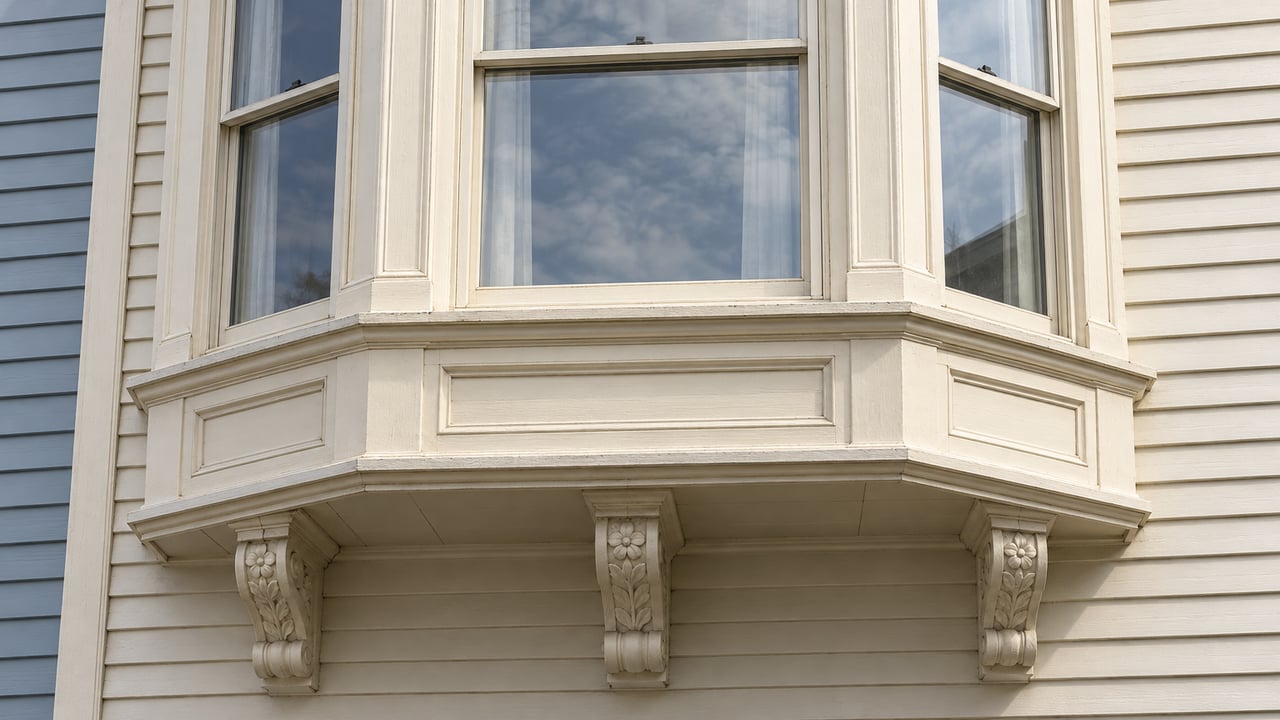
Visual Presentation | Standard wide-angle interior real estate photography | Detail vignettes of relief moldings, redwood millwork, art glass, and natural daylighting | Increases online engagement and qualified showing appointment conversions |
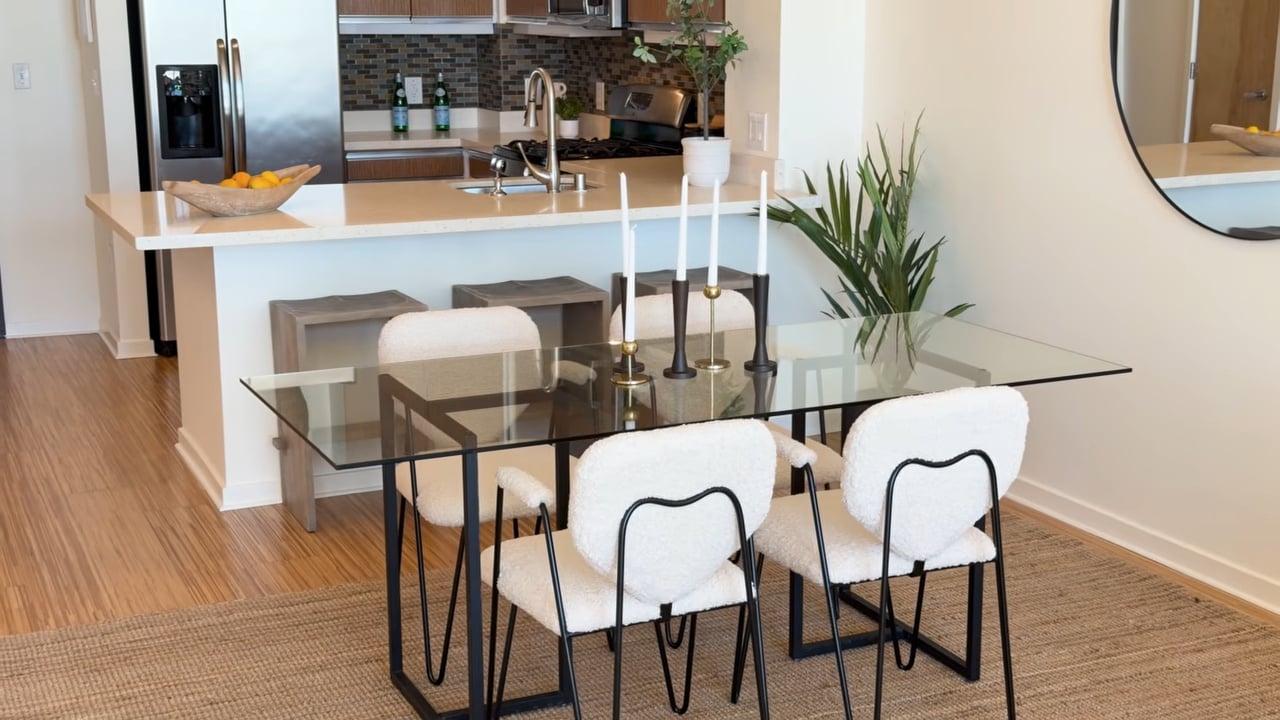
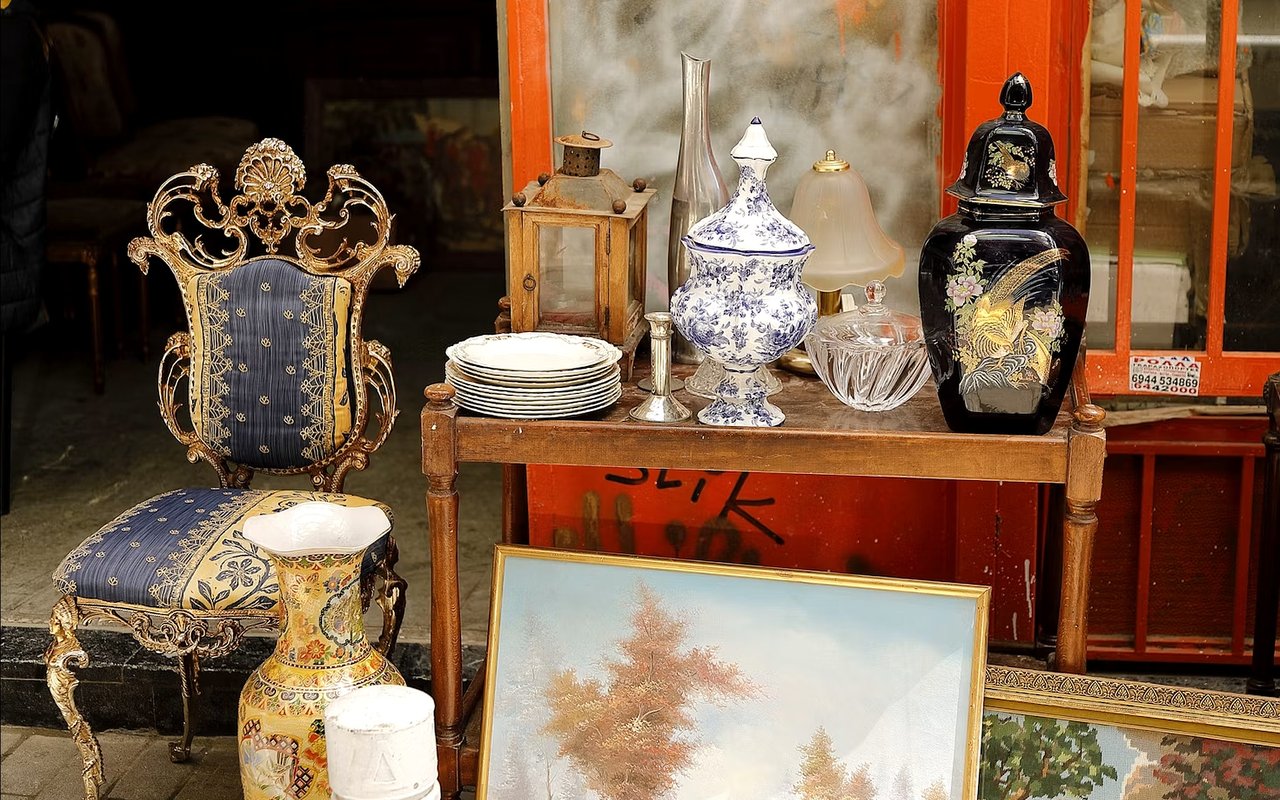
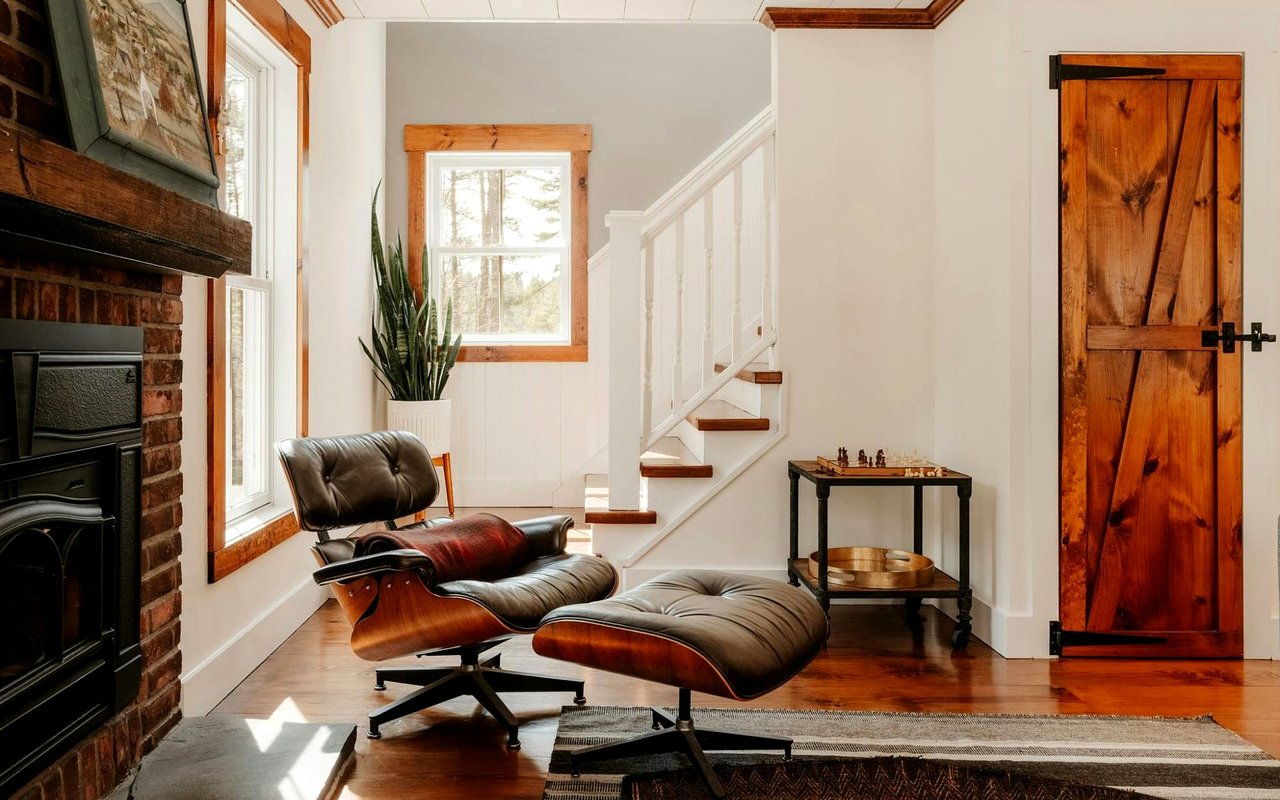
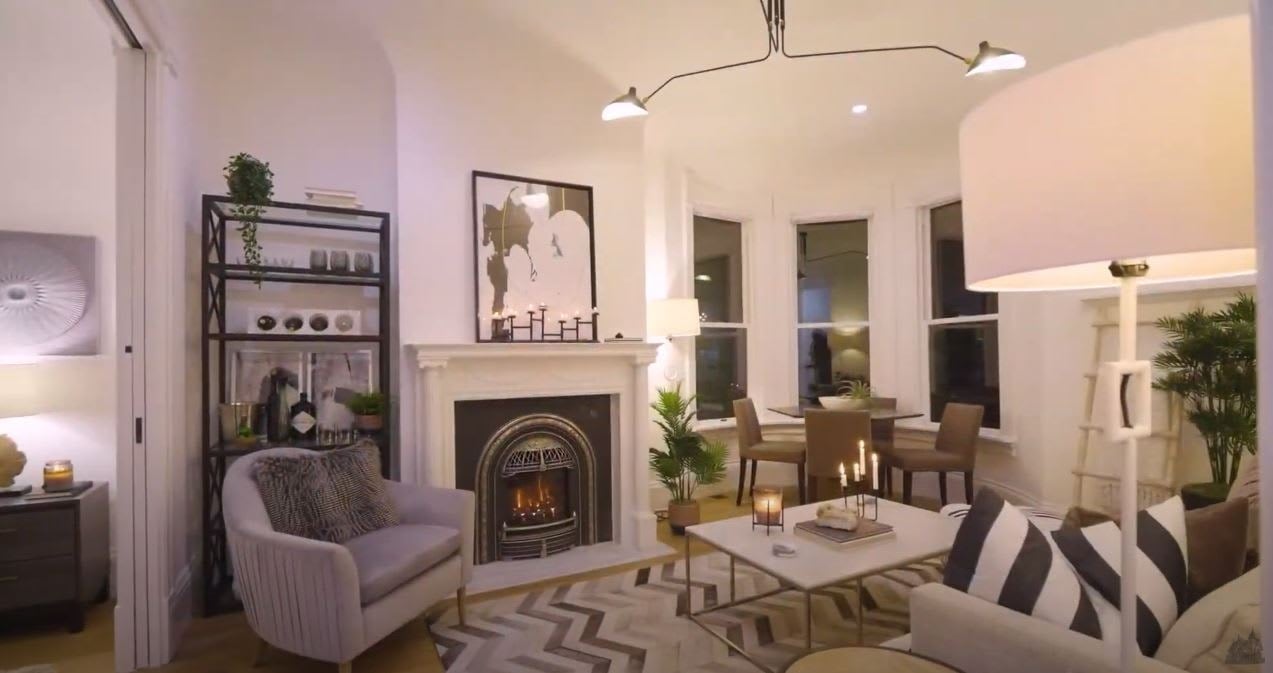
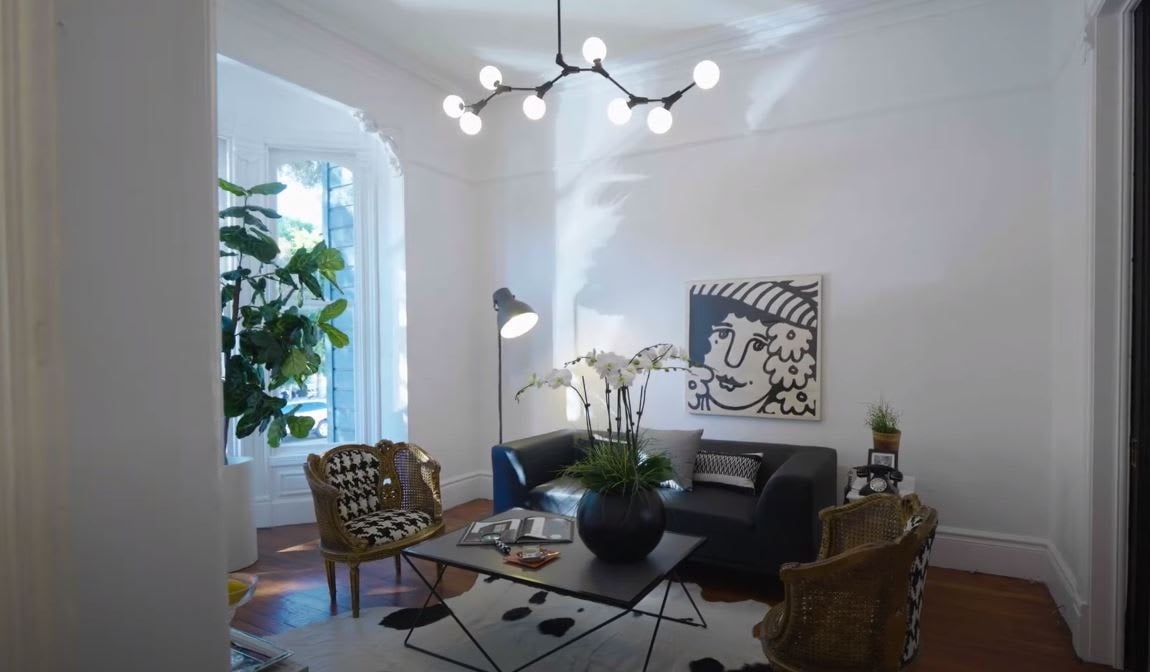
Staging Direction | Generic neutral contemporary furniture packages | Curated hybrid staging pairing clean-lined modern pieces with vintage period anchors | Demonstrates functional contemporary living without masking antique aesthetics |
Technical Disclosure Packet | Standard statutory TDS and SPQ forms provided upon request | Comprehensive dossier: pest reports, seismic records, permit timeline, and past restoration logs | Eliminates buyer hesitation regarding older mechanicals and speeds closing |
Target Audience Outreach | Broad MLS syndication across mass consumer portals | Preservation publications, architectural affinity groups, and specialized buyer rosters | Engages motivated pre-qualified buyers seeking authentic architectural pedigree |
Data sources: San Francisco Association of Realtors (SFAR) luxury transaction records, National Trust for Historic Preservation buyer studies, and Victorian Alliance historical sales archives.
Architectural Storytelling Commands Measurable Price Premiums
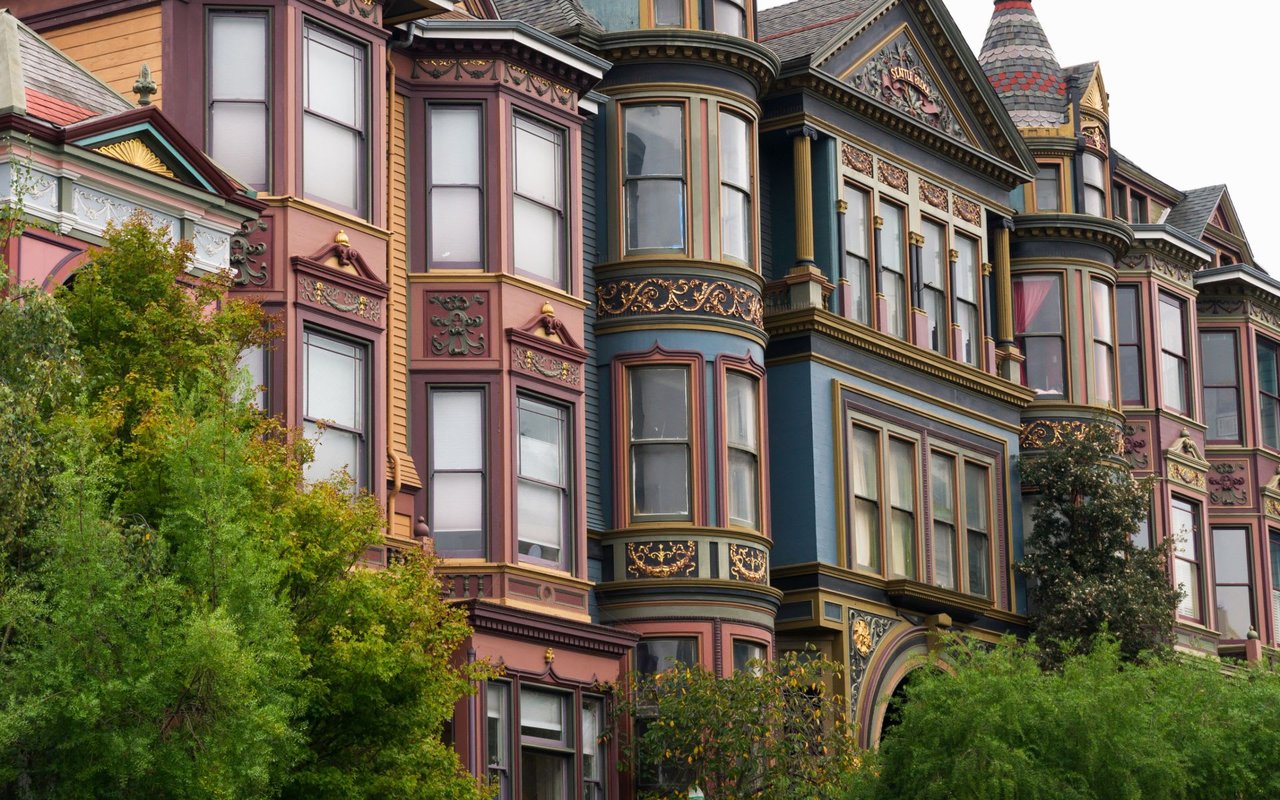
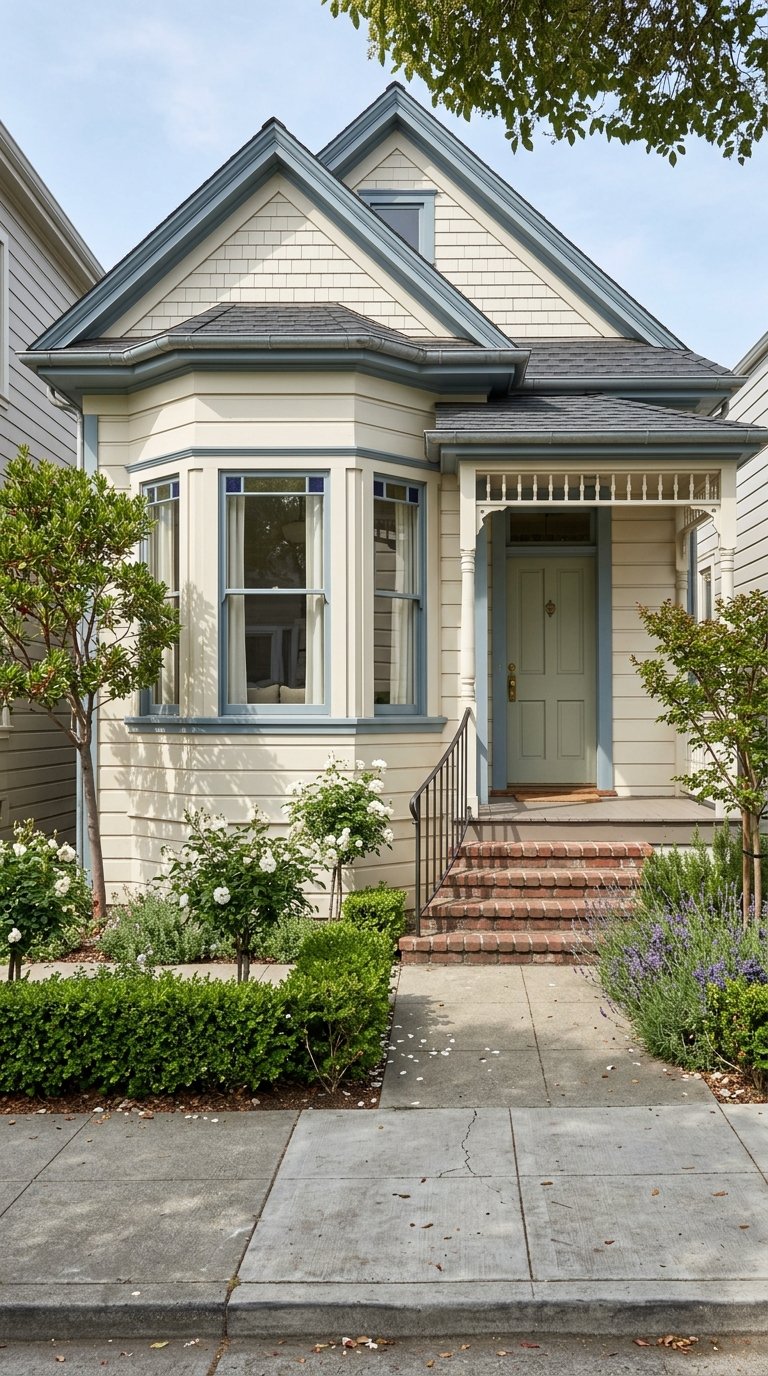
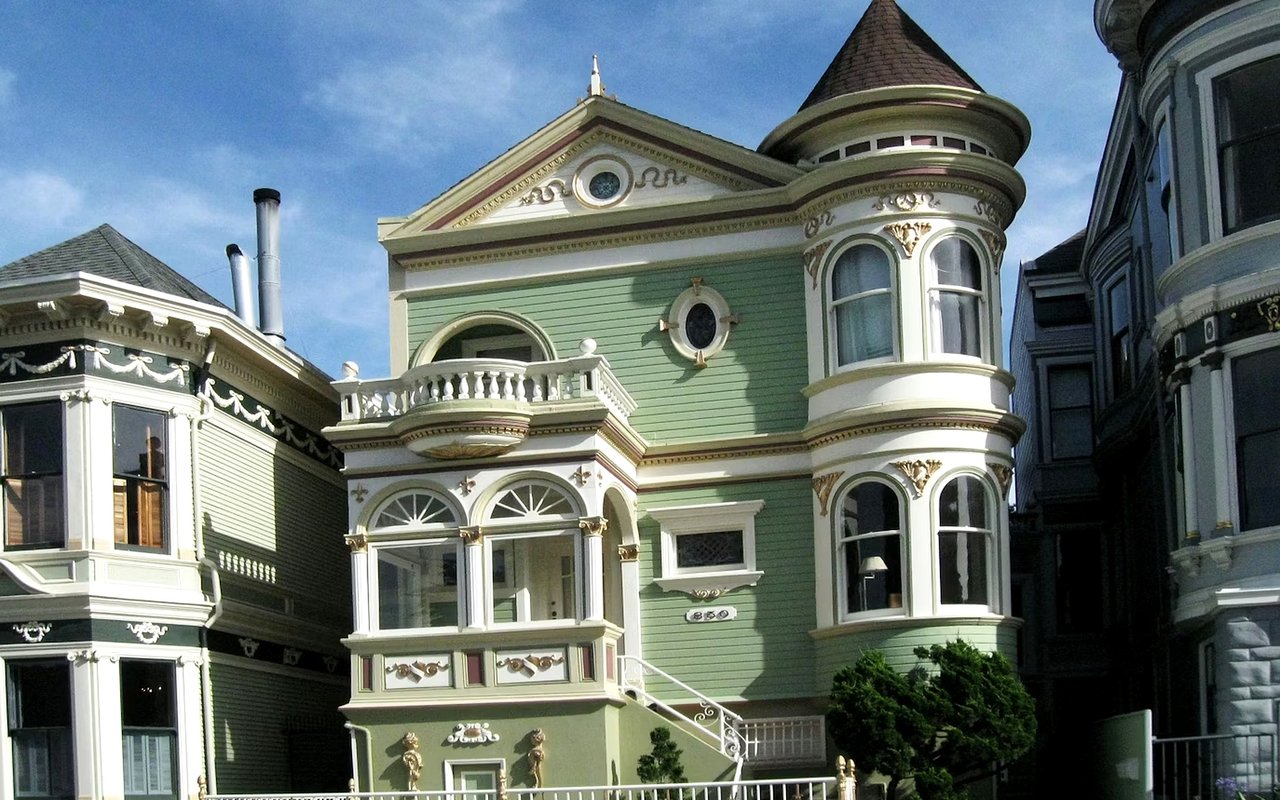
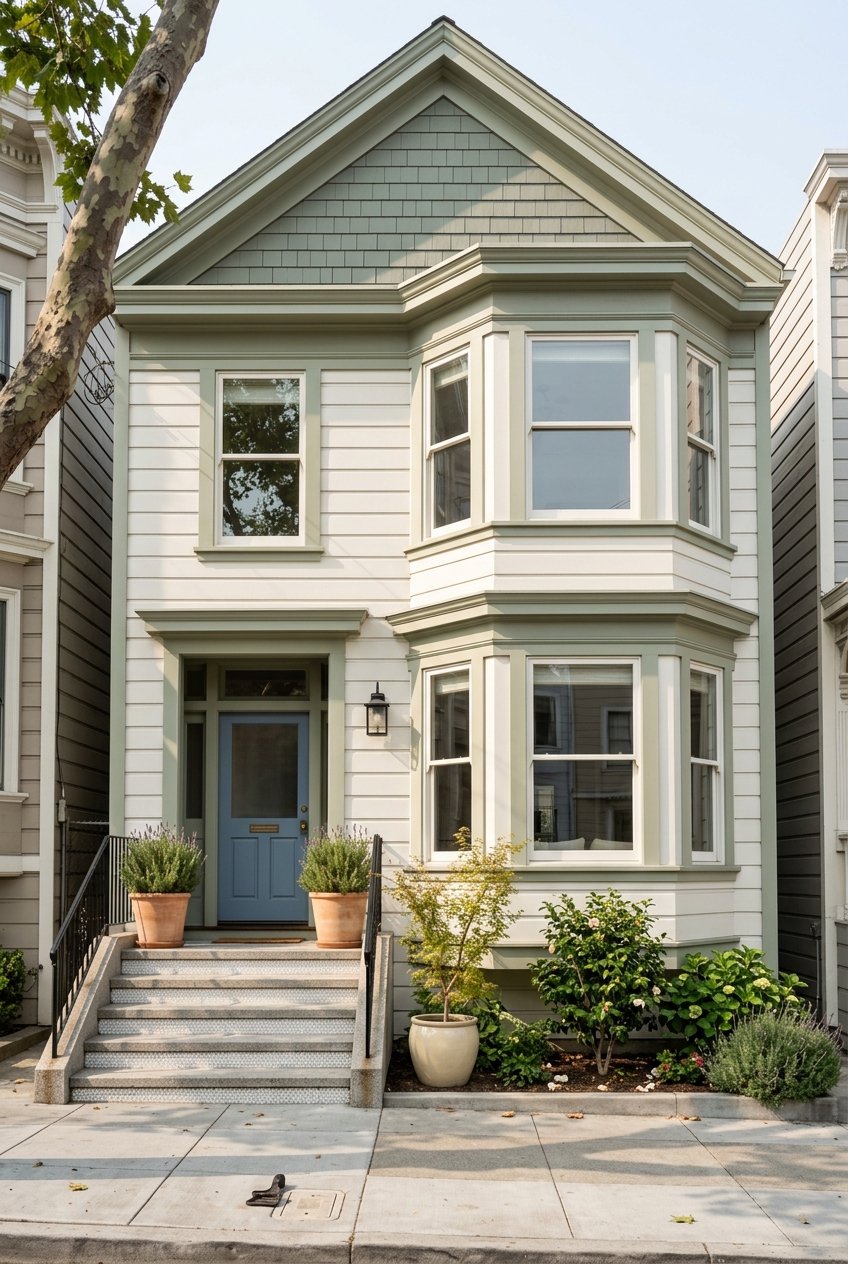
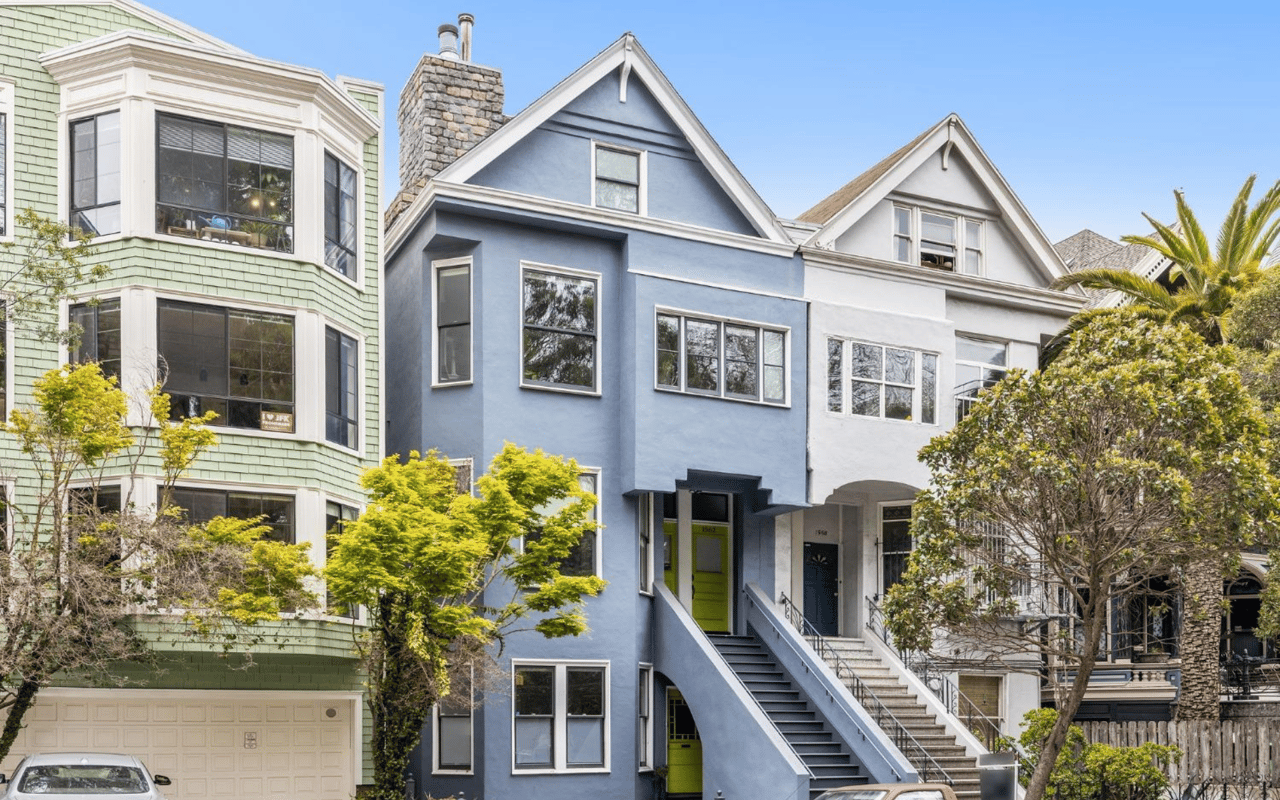
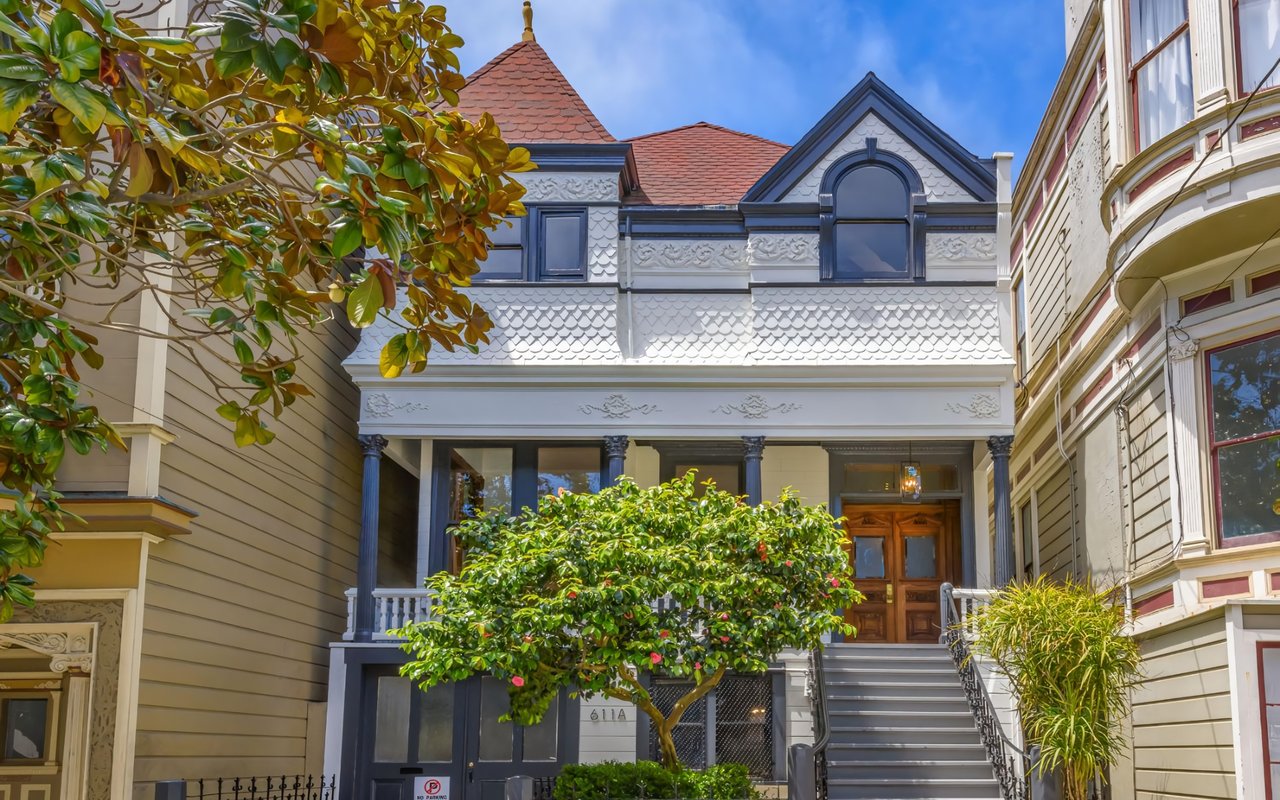
Selling a historic residence is fundamentally an exercise in narrative curation. In San Francisco premier heritage districts such as Pacific Heights, Alamo Square, and Buena Vista, buyers are not simply purchasing living space. They are investing in irreplaceable cultural patrimony. Presenting a property with verified architectural provenance, detailed past owner narratives, and documented restoration craftsmanship transforms an older home from an uncertain maintenance liability into a prized, enduring asset.
Explore neighborhood profiles and historical architecture across San Francisco Real Estate.
15% to 35%
Documented price premium commanded by meticulously restored historic homes in San Francisco when marketed to preservation-oriented buyer pools.
Four Strategic Pillars of Historic Home Presentation
Achieving exceptional sale results requires executing four targeted strategies designed to elevate period architectural integrity and reassure discerning purchasers.
Curate Architectural Detail Vignettes
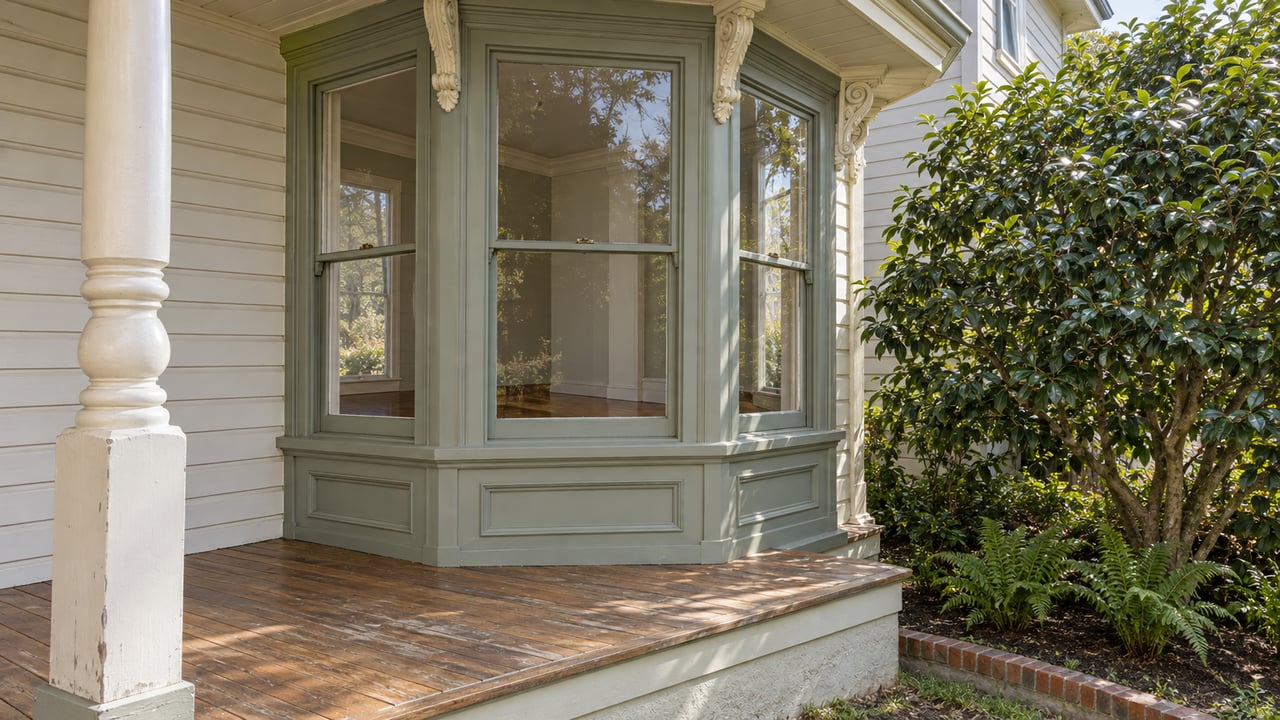
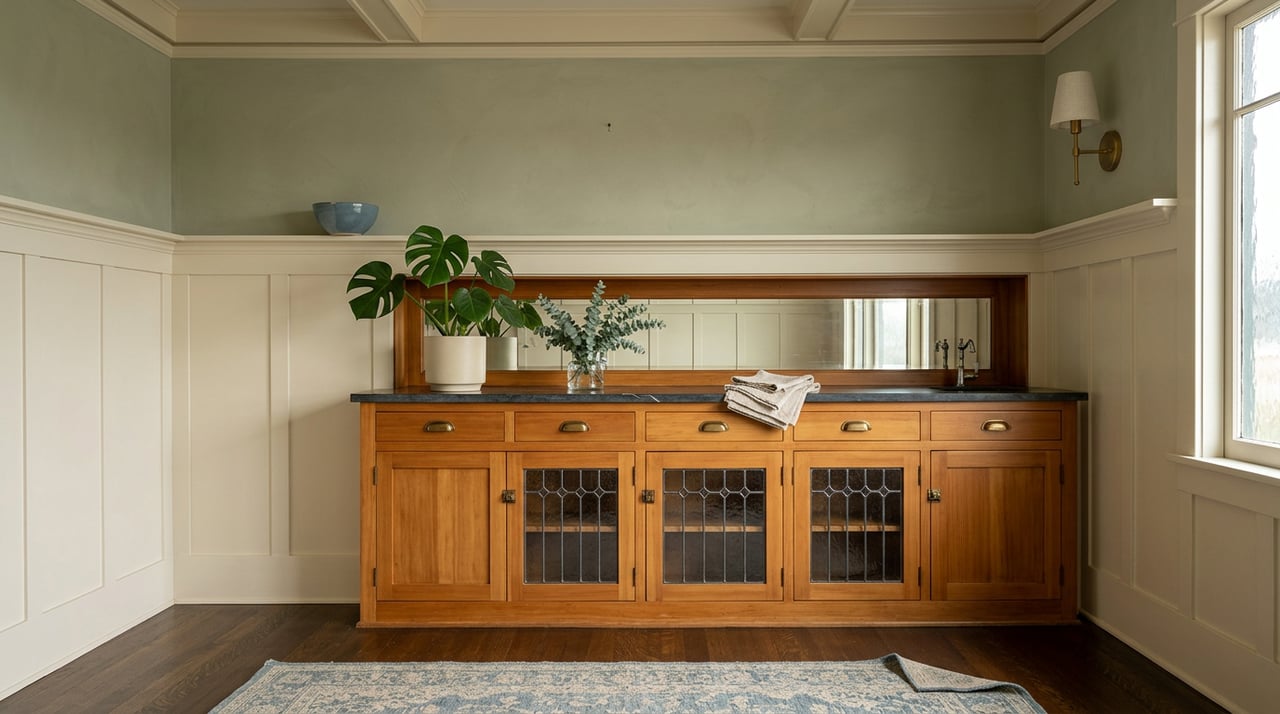
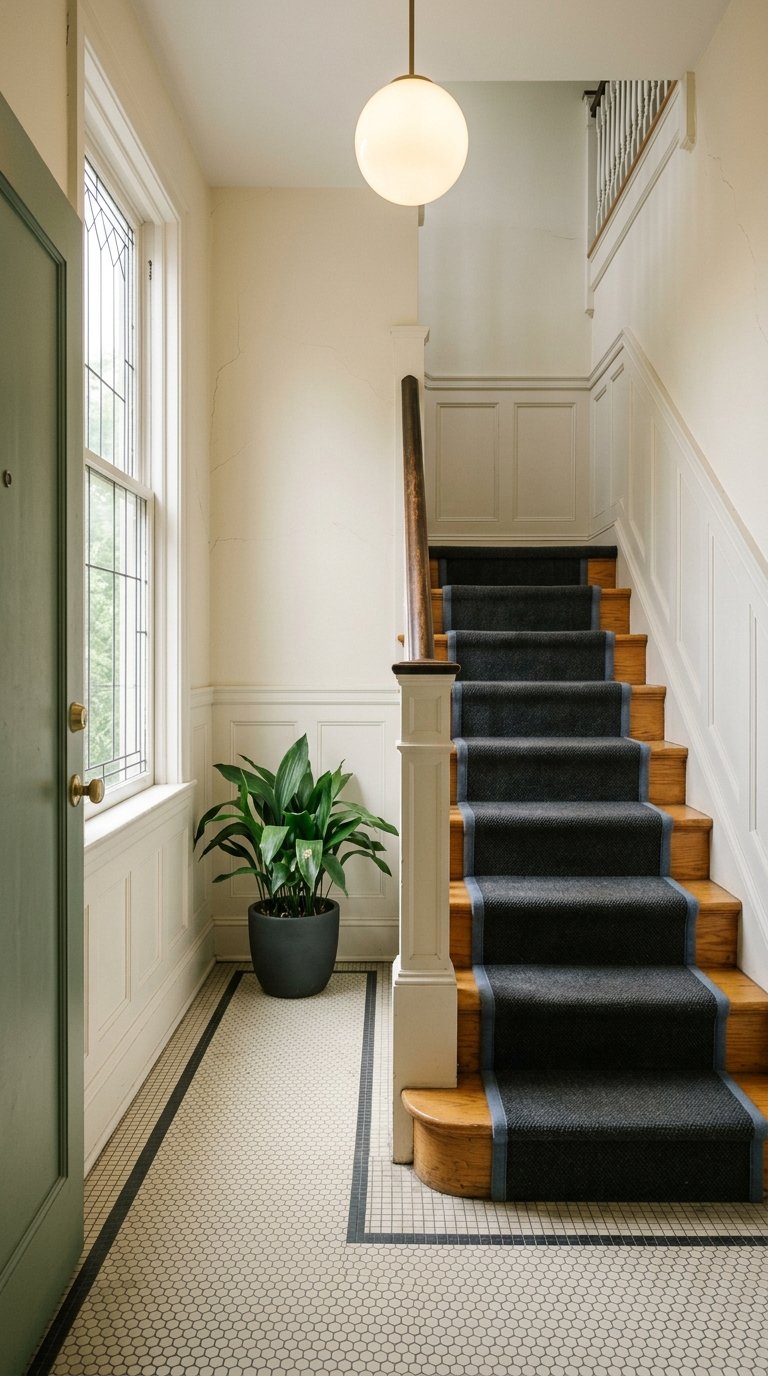
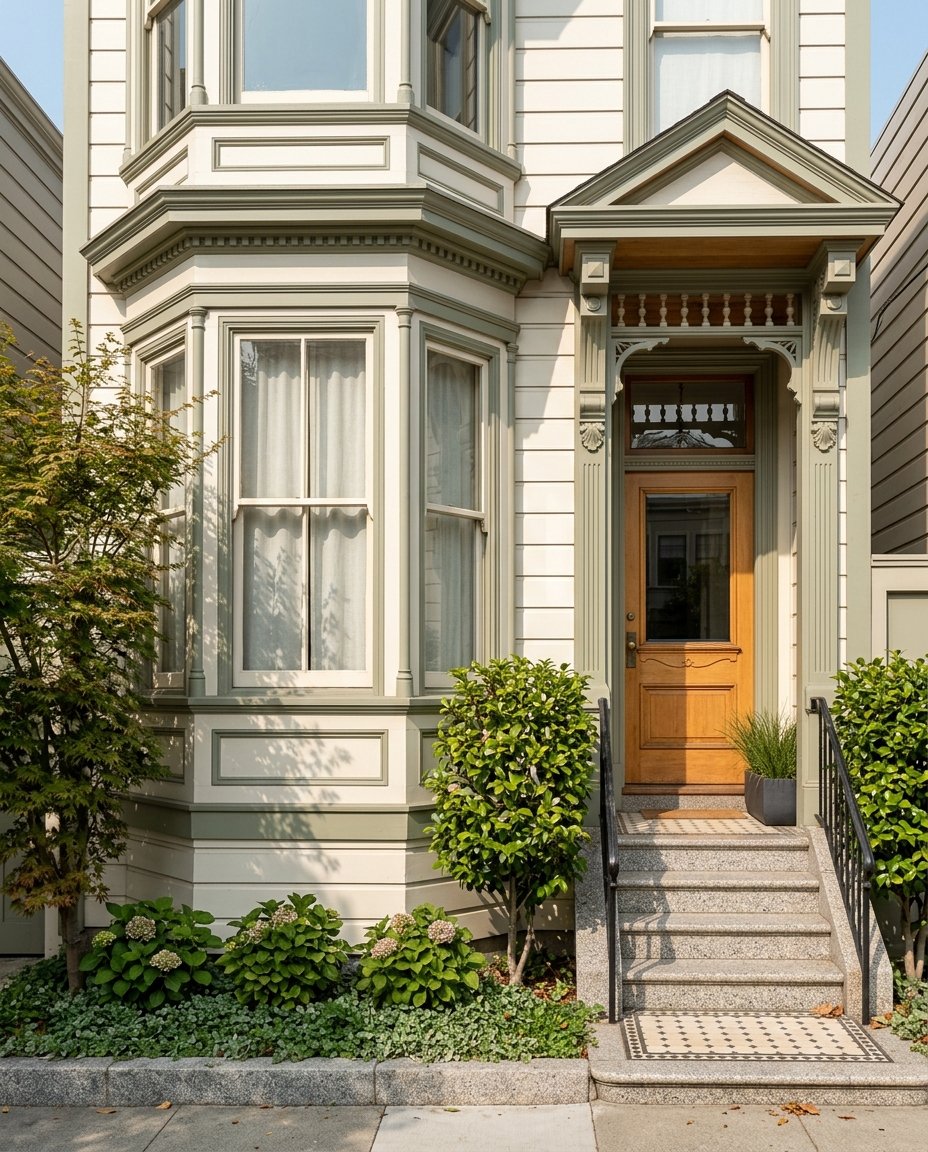
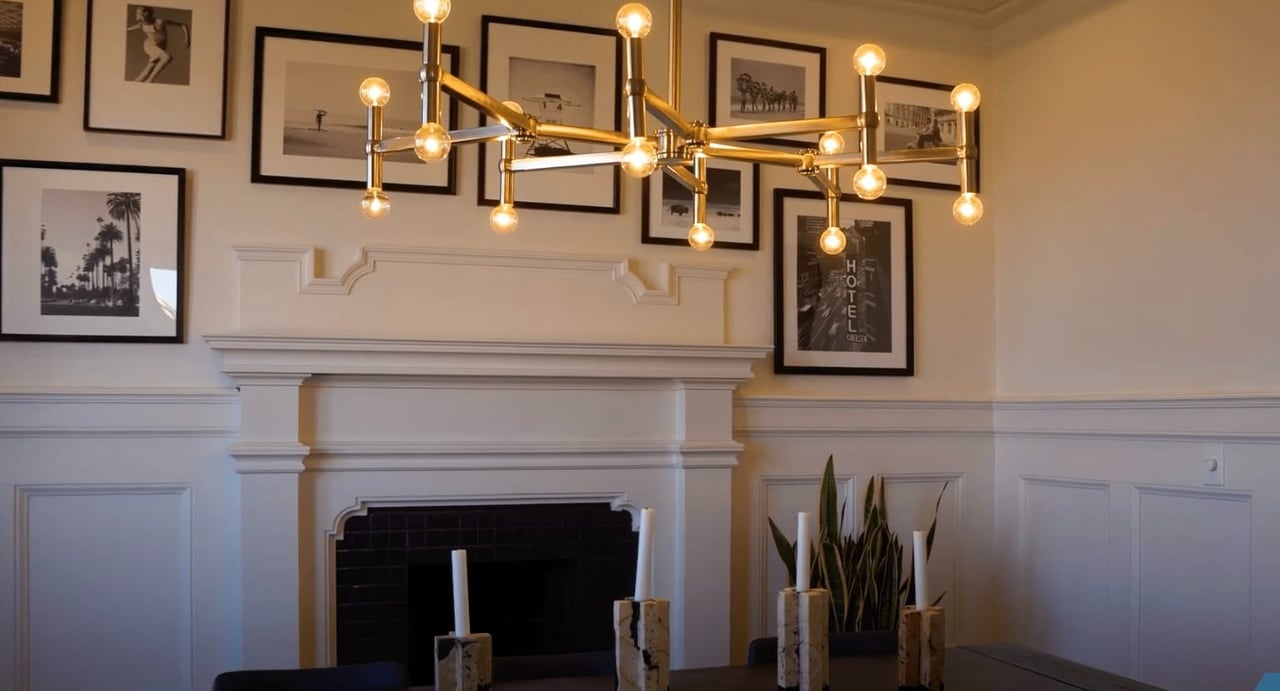
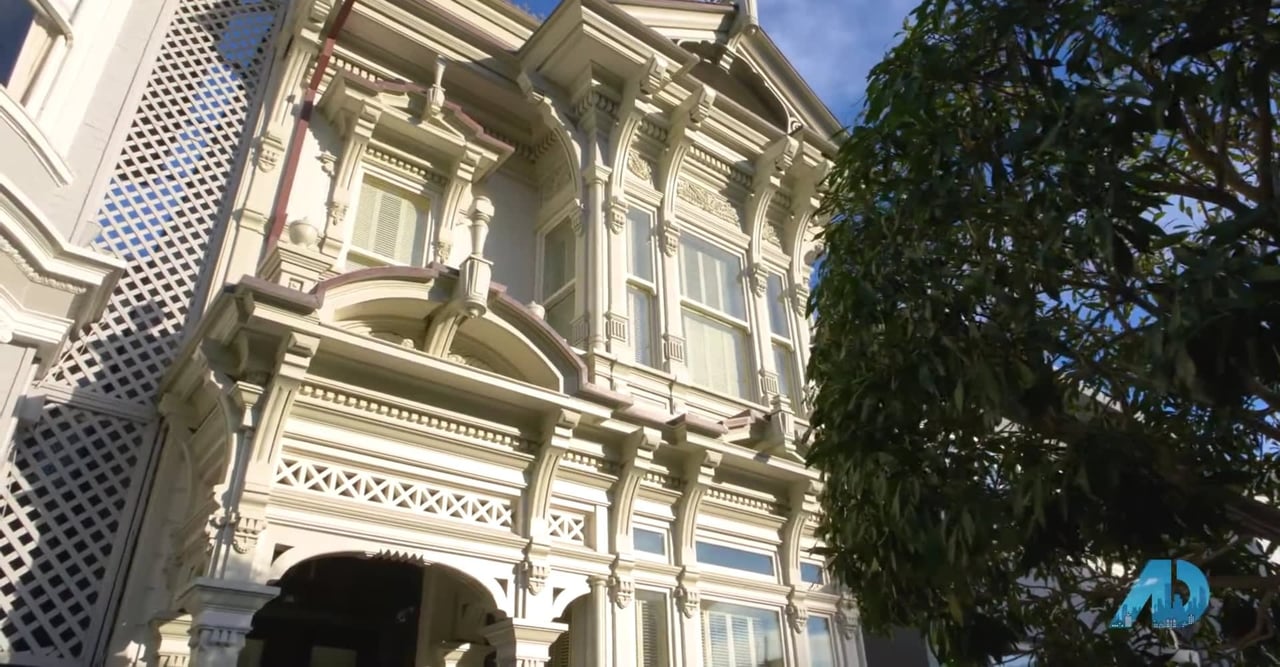
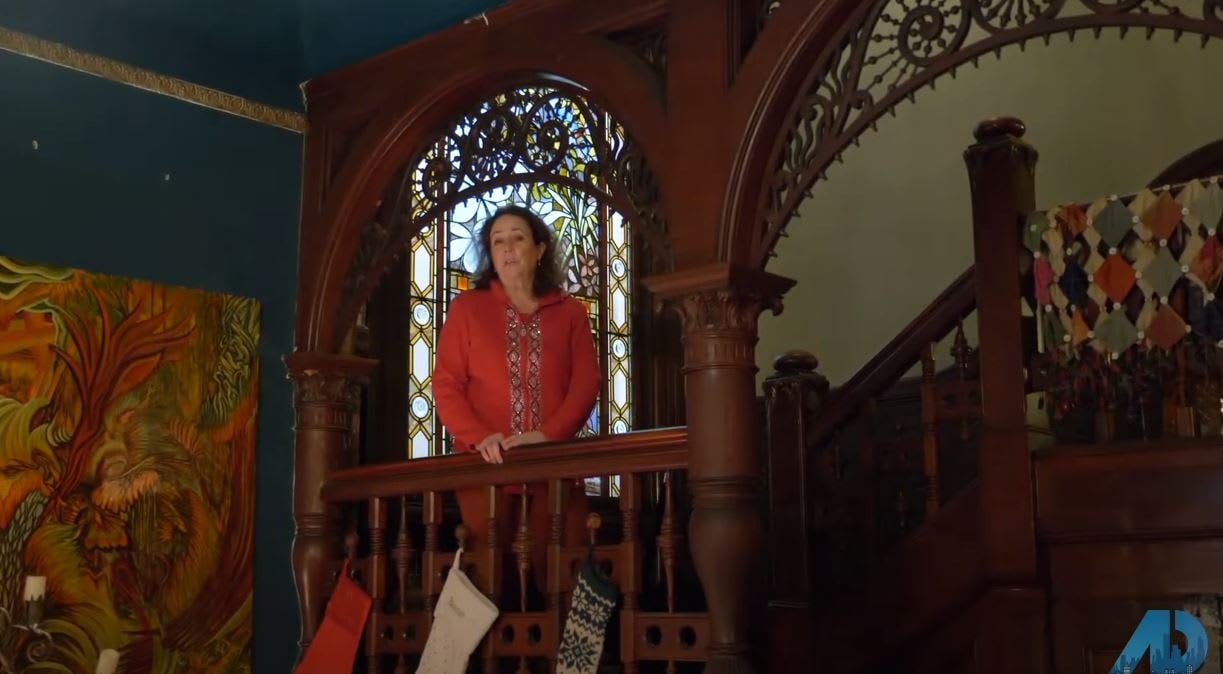
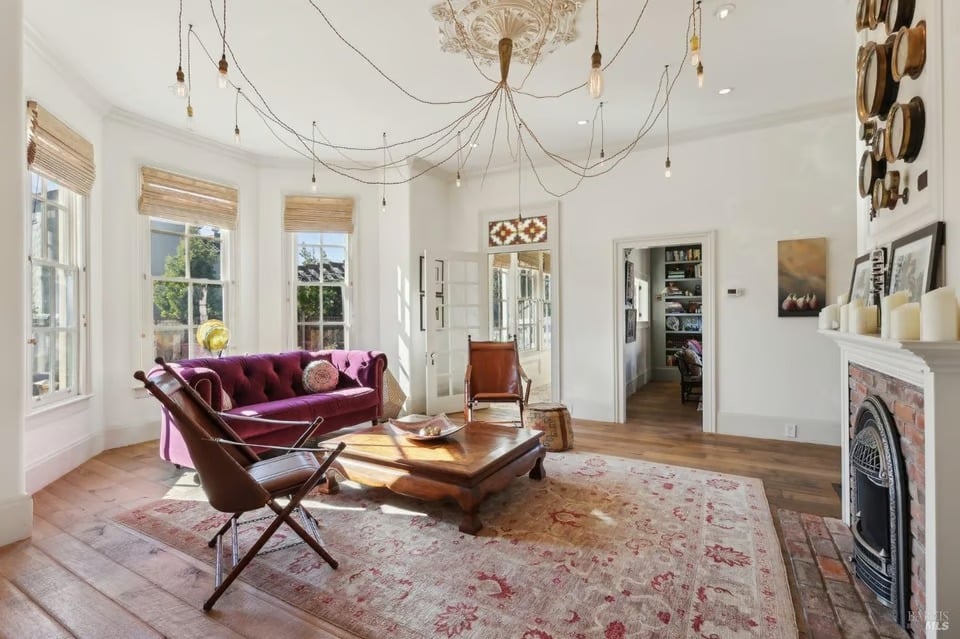
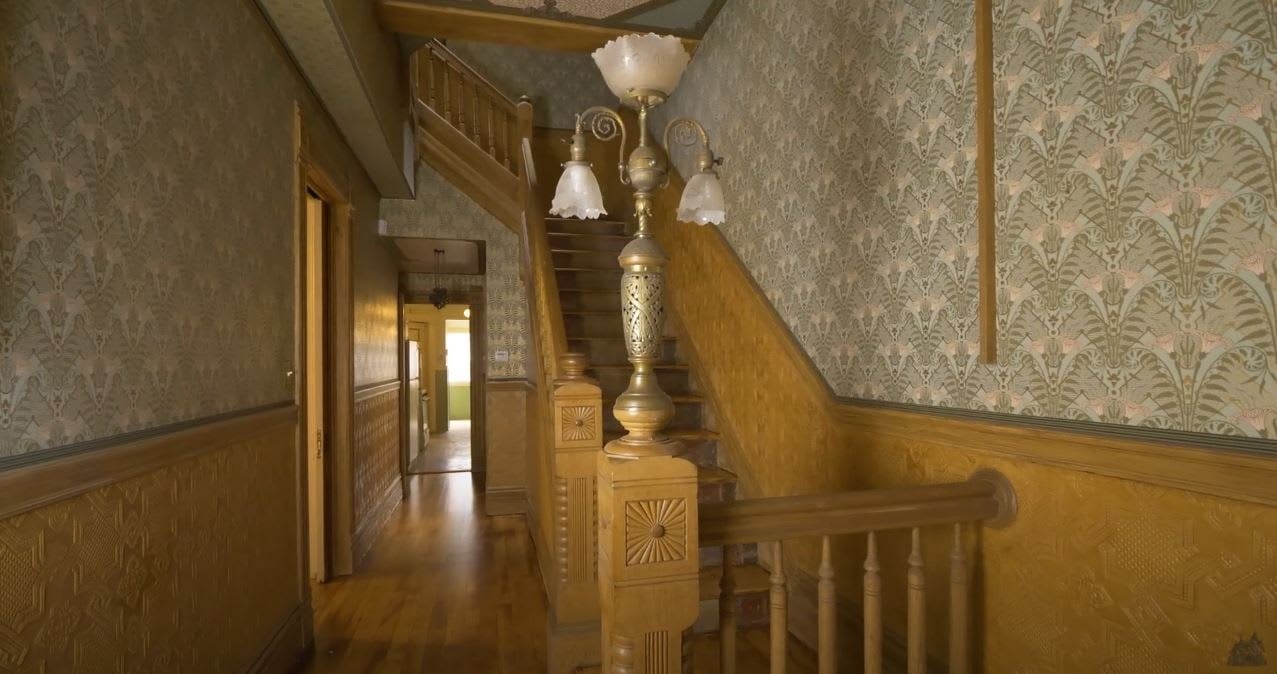
Historic buyers focus on period craftsmanship. Listings must showcase hand-carved redwood newel posts, original pocket doors, ornate ceiling medallions, lincrusta wall coverings, and decorative brass hardware. Detailed visual storytelling demonstrates that these features have been carefully preserved rather than painted over or removed.
Document Restoration & Seismic History
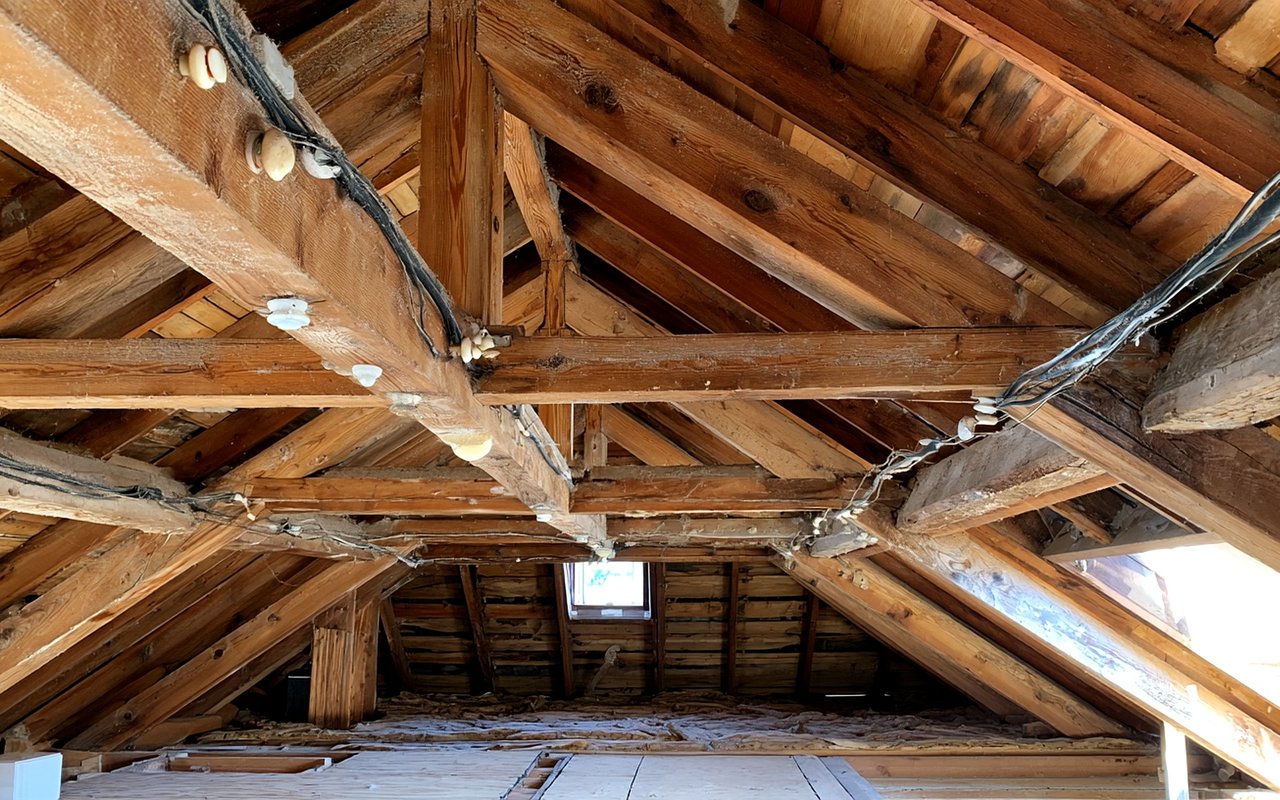
Informed buyers scrutinize older foundations and electrical systems. Providing documented permit archives for foundation bolting, copper repiping, chimney masonry repointing, and electrical upgrades builds immediate buyer confidence. Review our San Francisco home inspection guide to prepare disclosure files.
Deploy Sympathetic Hybrid Staging
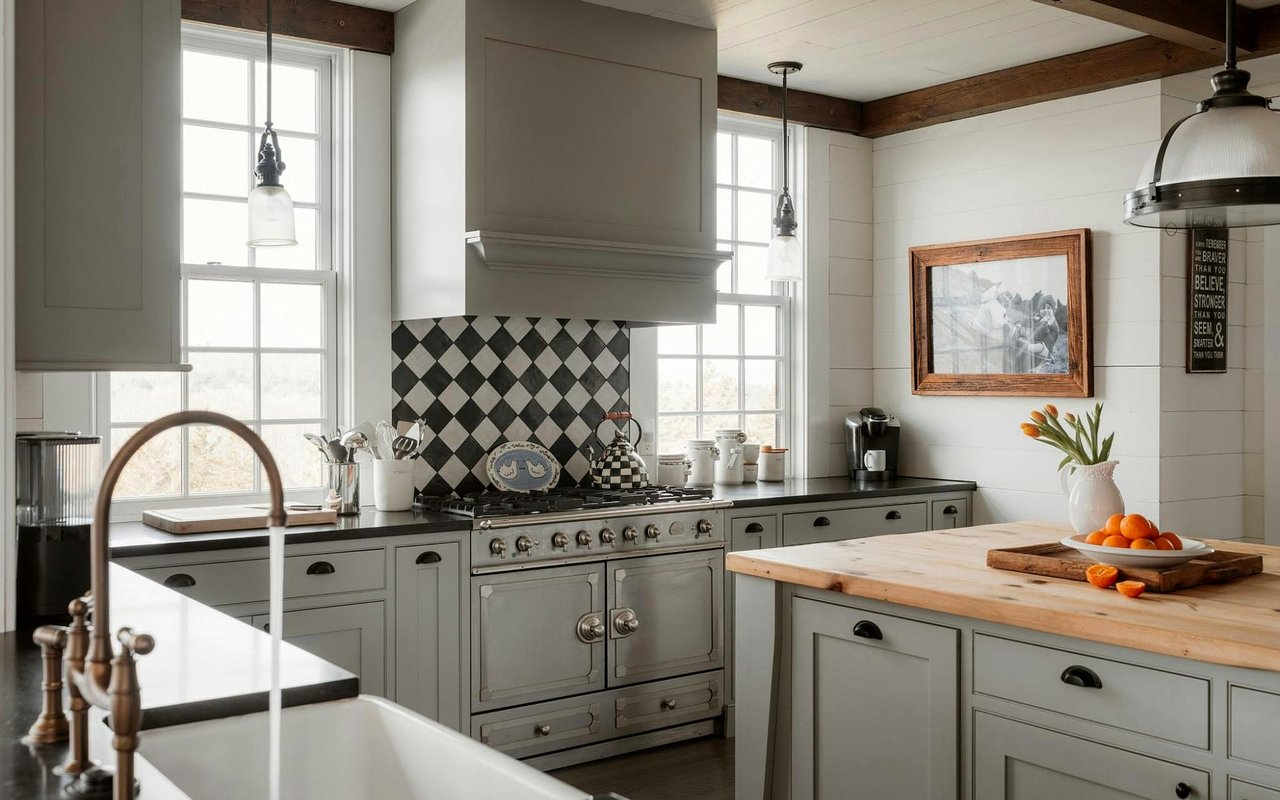
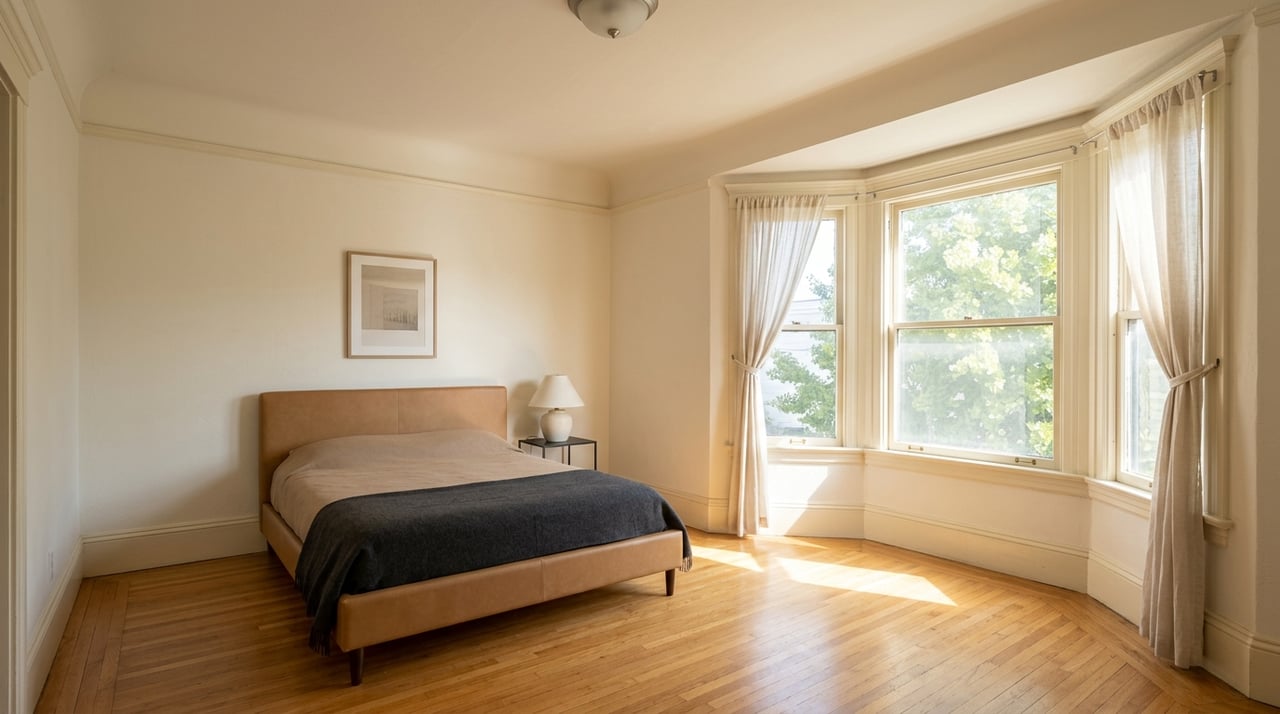
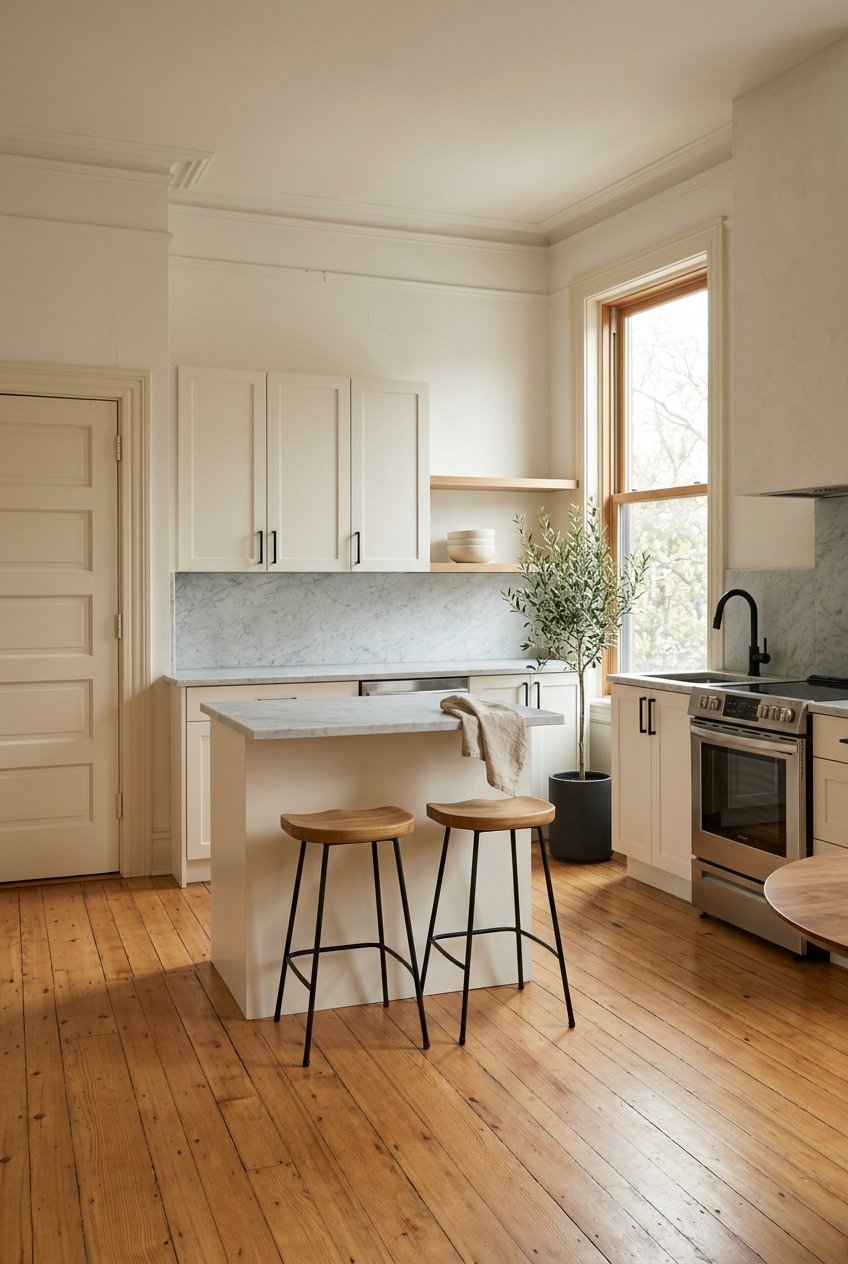
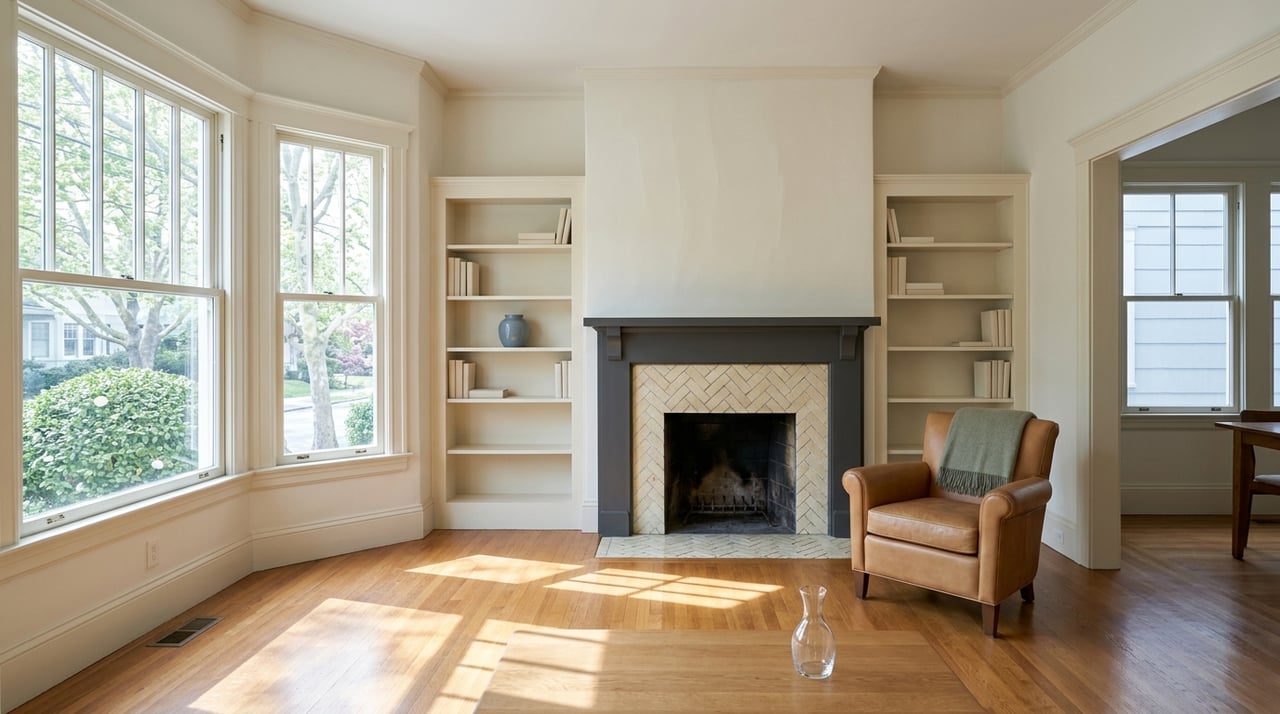
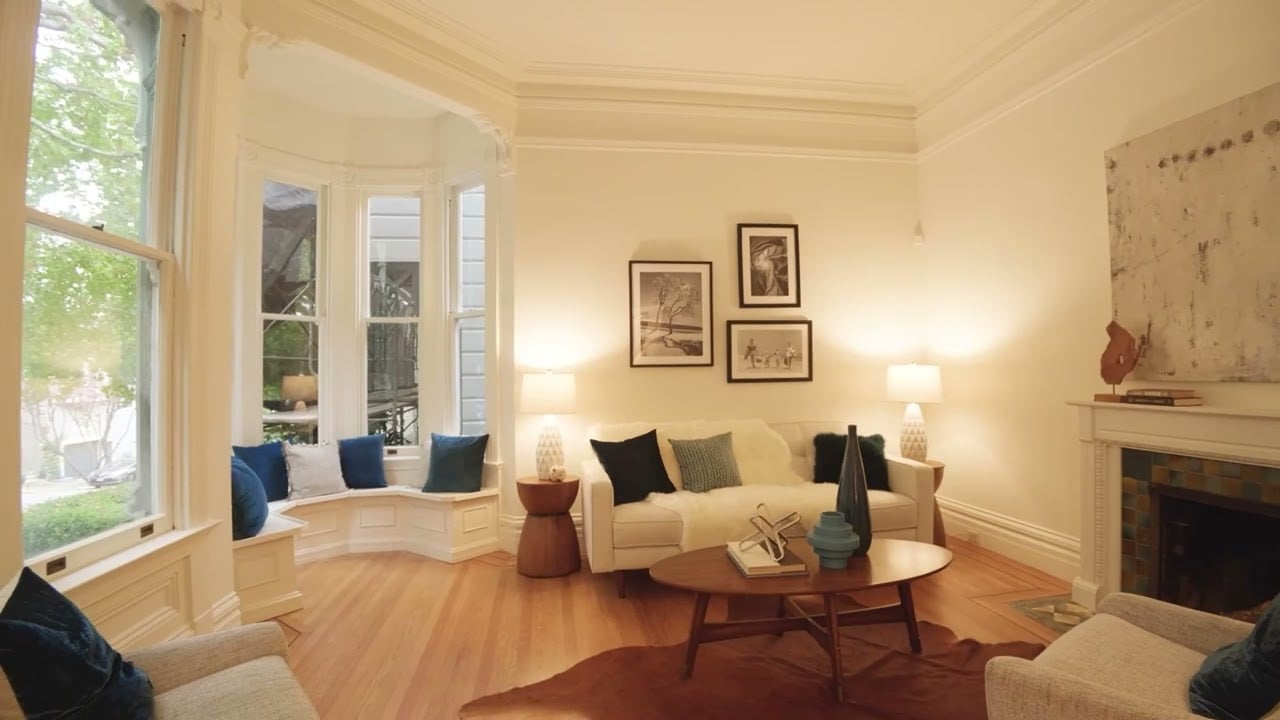
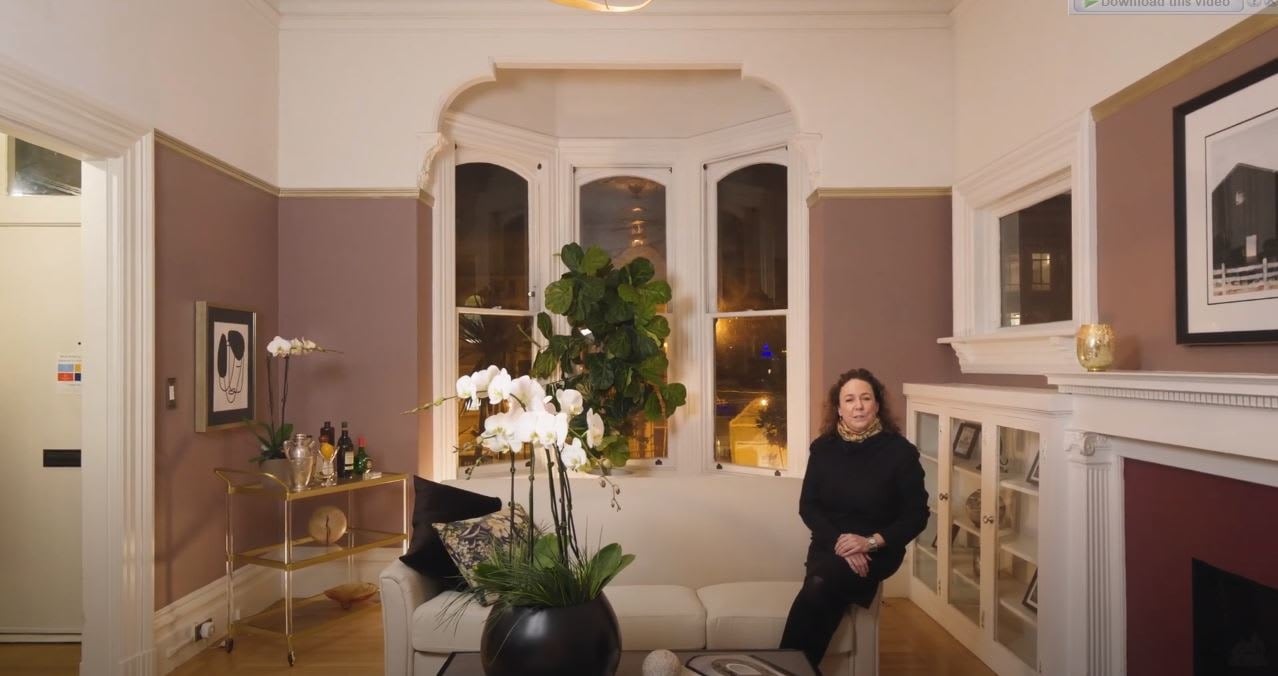
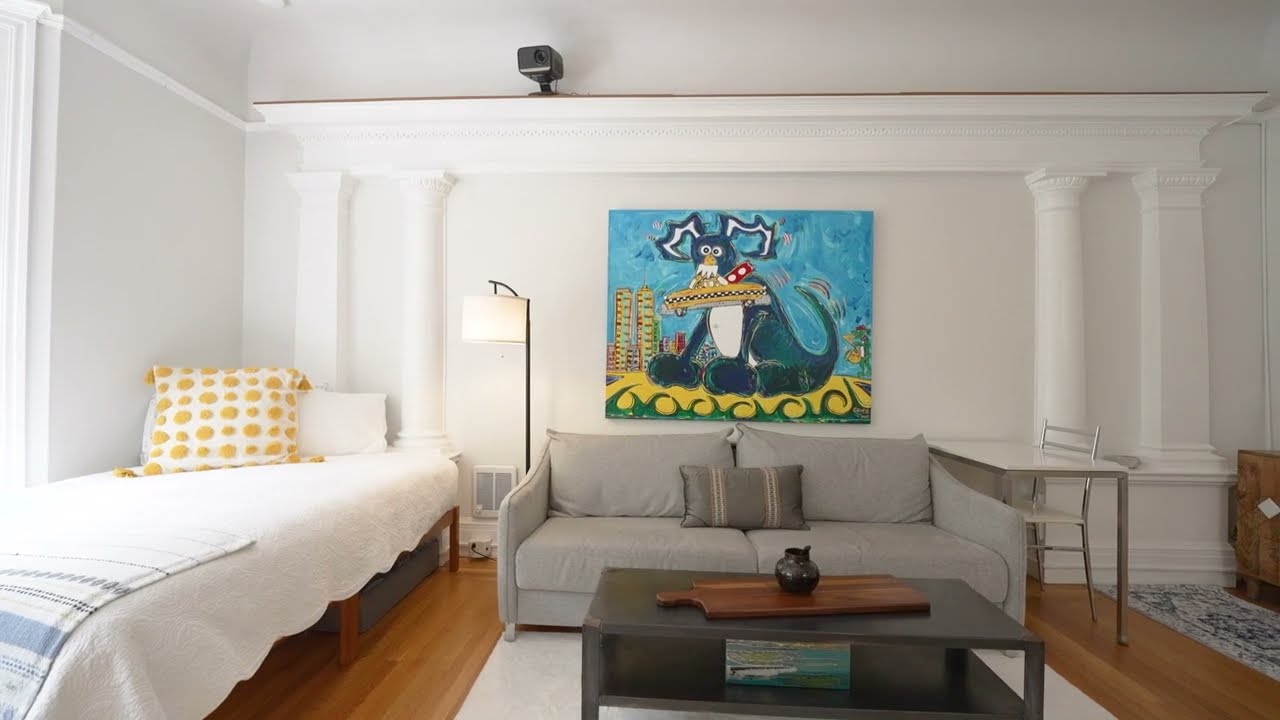
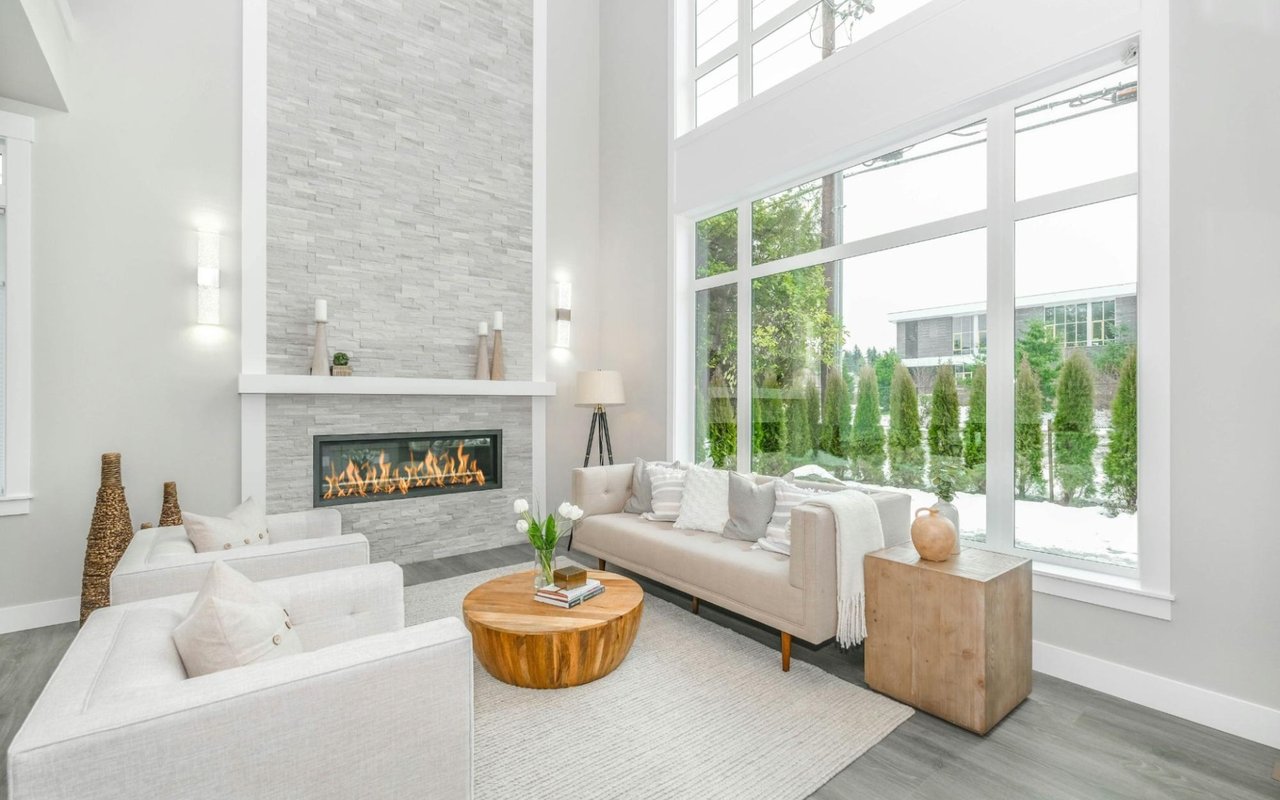
Avoid filling historic parlors with heavy dark antique clutter or discordant ultra-minimalist furnishings. Effective staging blends clean-lined contemporary sofas and contemporary art with restored marble fireplace mantels and bay window alcoves, illustrating that classic Victorian layouts adapt seamlessly to modern entertaining.
Engage Preservation Buyer Networks
A generic MLS blast misses passionate architectural enthusiasts. Marketing campaigns must reach preservation societies, architectural historians, and targeted digital channels dedicated to Victorian living. Direct outreach across these networks often generates multiple competitive offers before formal public open houses take place.
Pre-Listing Due Diligence, Disclosures and Architectural Compliance
Preparing historic property disclosures in advance minimizes buyer hesitation during escrow and safeguards against renegotiations.
Mandatory Pre-Sale Documentation
Compile a comprehensive disclosure packet tailored to older structures:
- + Hazard Disclosures: Complete federal Title X lead paint disclosures and California asbestos notices. See our lead paint and asbestos disclosure guide.
- + Underground Utilities: Include certified sewer lateral camera scoping reports and gas shut-off valve compliance certificates.
- + Transfer Tax Planning: Calculate city transfer taxes (up to 2.75%) using our San Francisco home selling blueprint.
Historic Designations and Tax Incentives
Surfacing historical designations can yield significant financial incentives for buyers:
- + Mills Act Contracts: Highlight existing or eligible California Mills Act property tax reduction contracts, which can save owners 40% to 60% on annual property taxes.
- + Article 10 Landmark Status: Clarify whether the property is individually landmarked or located within a designated San Francisco historic district.
- + Buyer Profiling: Understand how informed purchasers assess older homes via our San Francisco home buying guide.
- San Francisco Heritage (Haas-Lilienthal House): 2007 Franklin Street, San Francisco, CA 94109 | Phone: (415) 441-3000 | Primary non-profit preservation advocacy organization holding architectural survey files, photographs, and historical maps
- The Victorian Alliance of San Francisco: Founded 1973 | Dedicated non-profit volunteer organization fostering historic preservation, building education, and community restoration grants
- San Francisco Planning Historic Preservation Commission: 49 South Van Ness Avenue, Suite 1400, San Francisco, CA 94103 | Phone: (628) 652-7600 | Administers Article 10 landmark designations, Mills Act agreements, and Certificates of Appropriateness
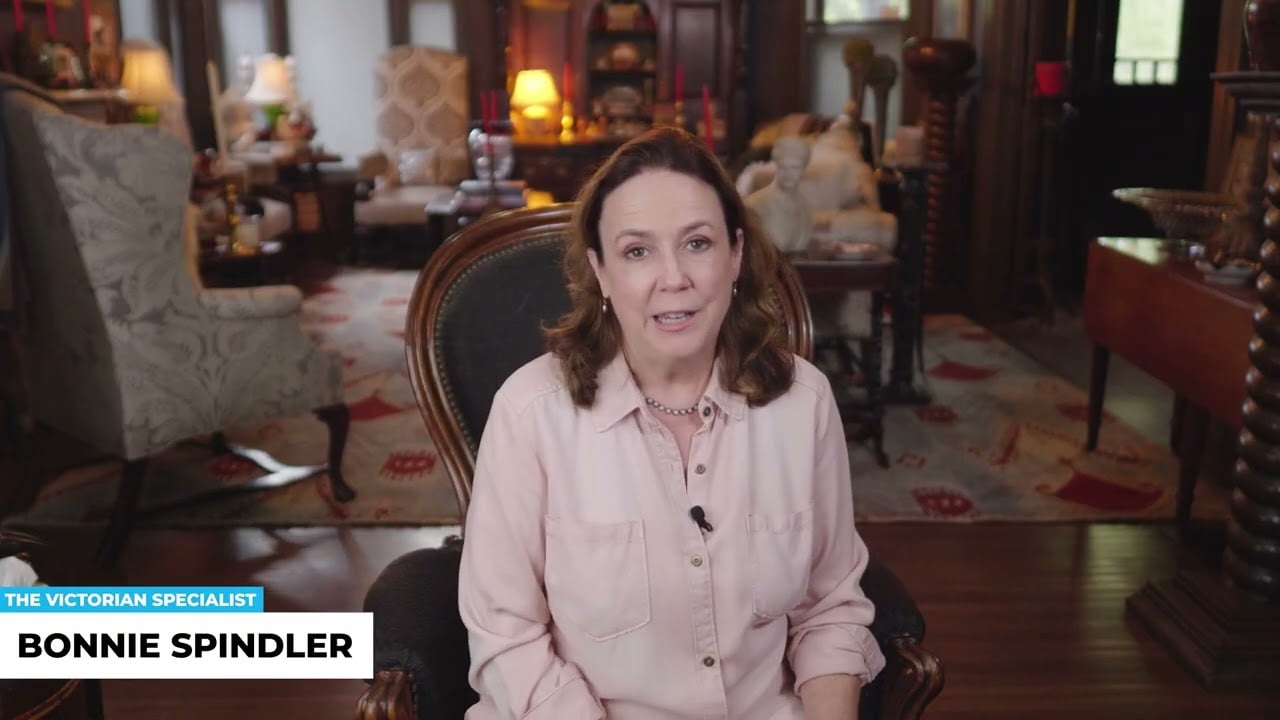
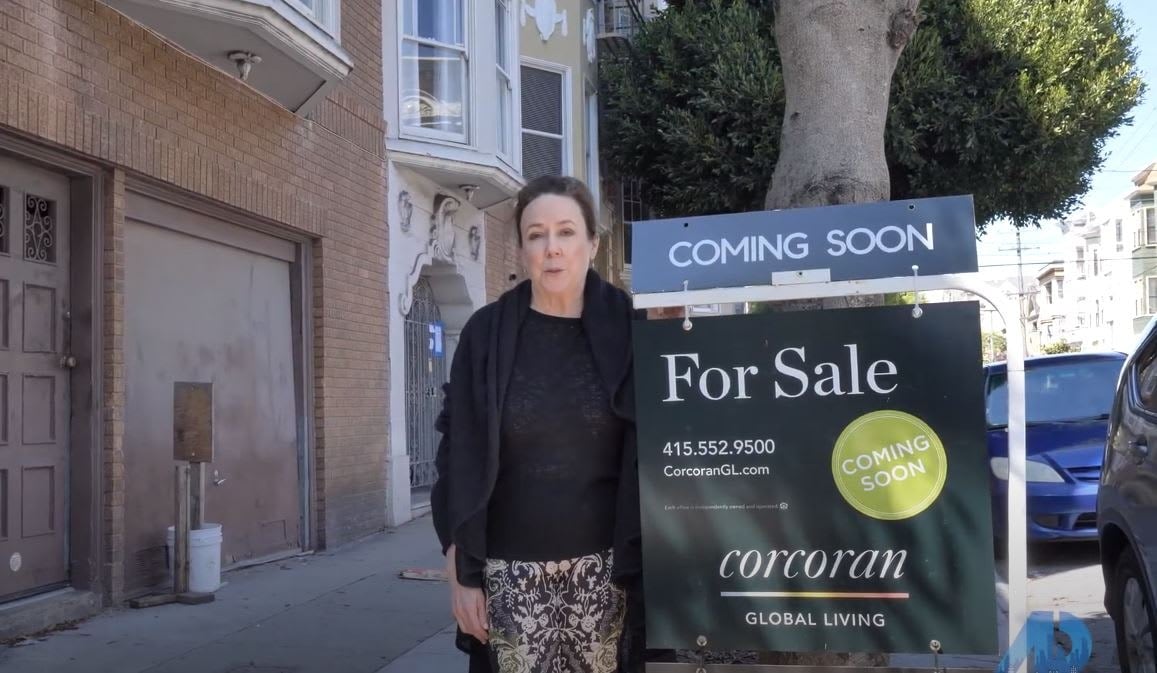
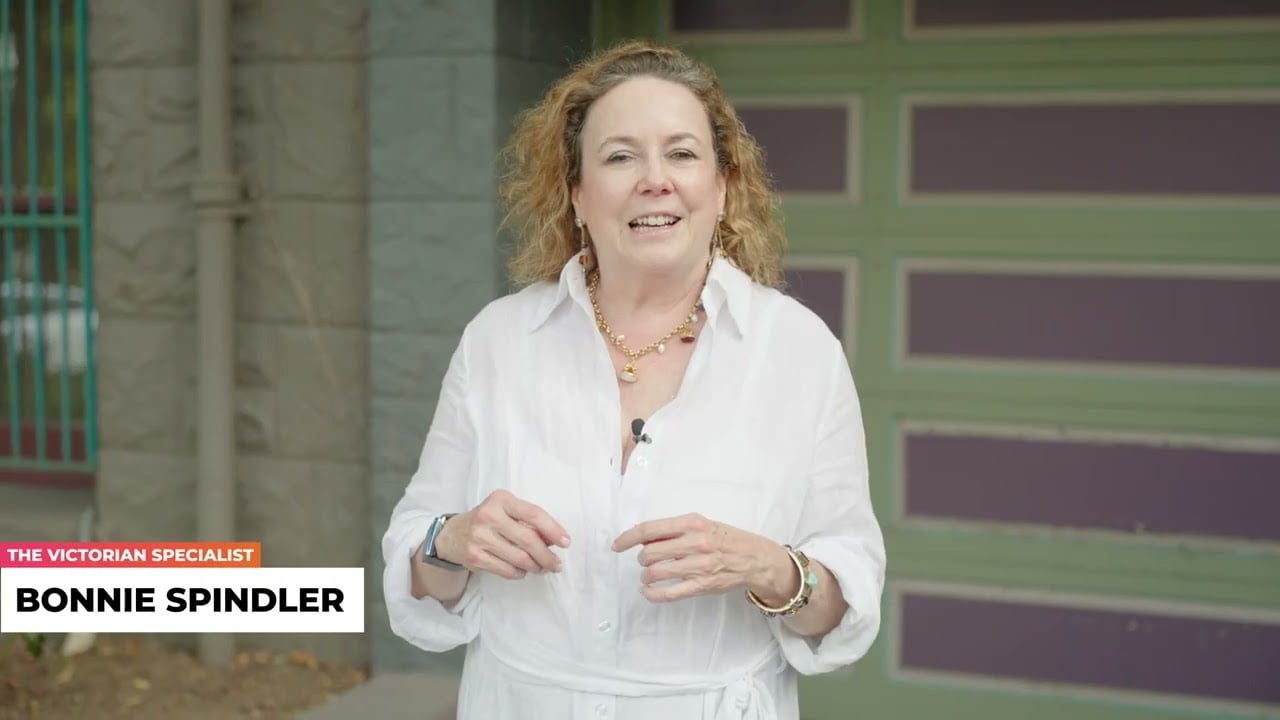
Bonnie Spindler · The Victorian Specialist
Corcoran Icon Properties · DRE Licensed · 30+ Years Experience
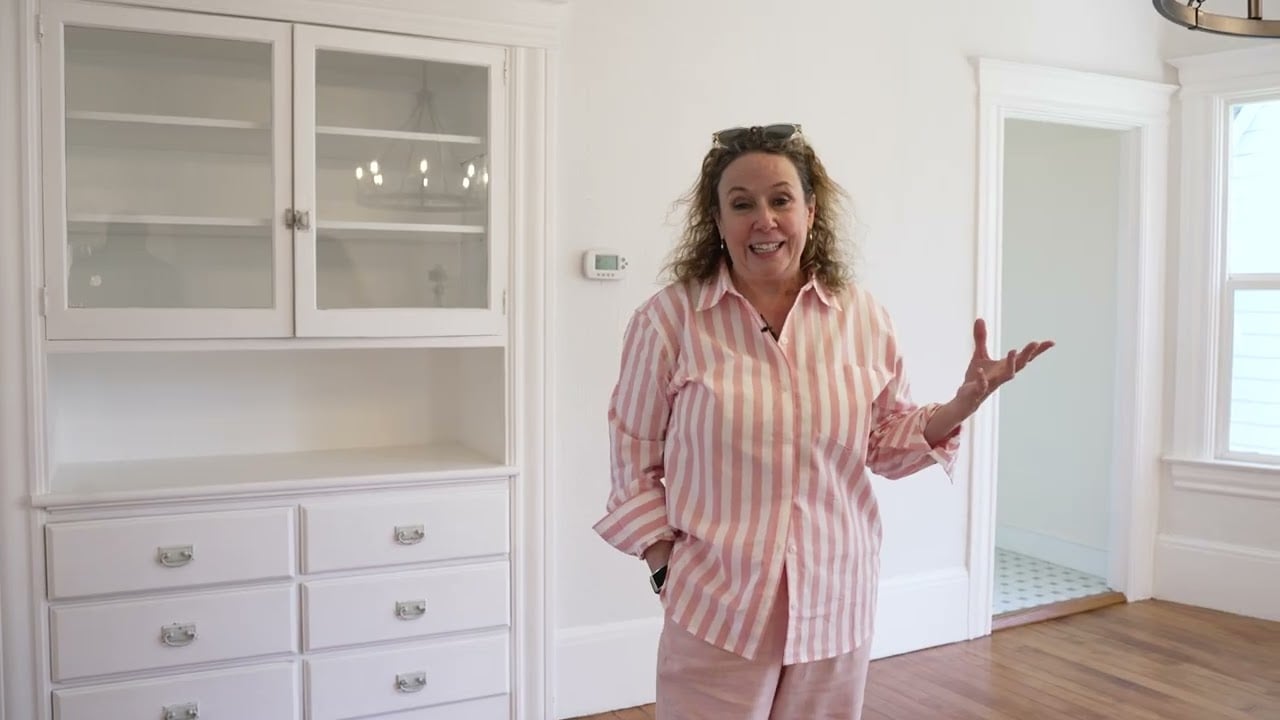
Known across the Bay Area as The Victorian Specialist, Bonnie Spindler has represented historic home sales for more than three decades. Serving on the board of the Victorian Alliance and advising on restoration projects throughout San Francisco and Petaluma, Bonnie combines architectural expertise with bespoke marketing strategies that attract qualified preservation-minded buyers.
Explore San Francisco Architectural Guides
Selling a House in San Francisco
Comprehensive guide to municipal transfer taxes, disclosure checklists, and marketing timelines.
Inspection ProtocolWhat to Expect From a Home Inspection
Prepare for San Francisco home inspections, structural pest reports, and sewer lateral testing.
Historic EnclaveBuena Vista & Ashbury Heights
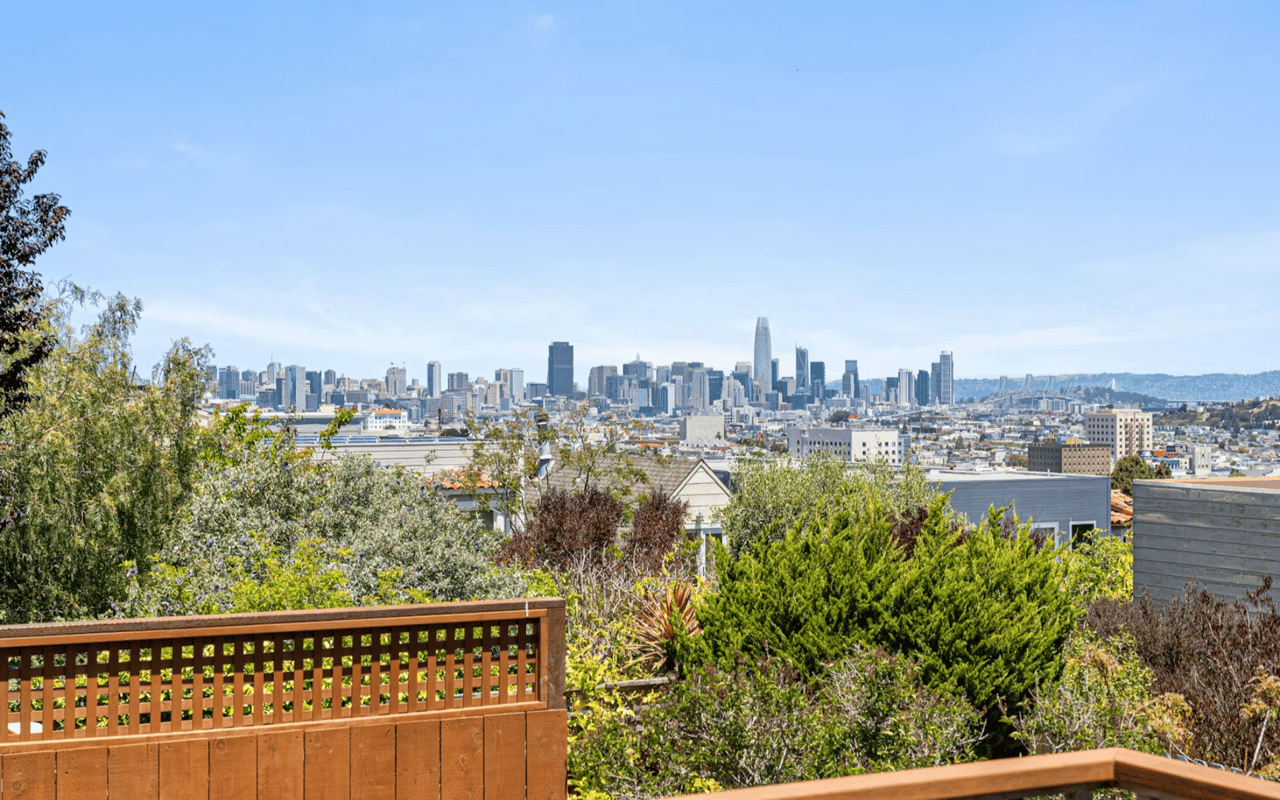
Explore Victorian mansions, parkside living, and panoramic city views in ZIP 94117.
Hazard DisclosuresLead Paint & Asbestos Disclosures
Review mandatory federal Title X regulations and California historic home disclosure mandates.
Architectural TermsVictorian Architecture Glossary
Essential terminology for San Francisco Italianate, Stick-Eastlake, and Queen Anne architecture.
Citywide HubSan Francisco Real Estate
Explore current luxury properties, historic Victorians, and single-family residences across the city.
Frequently Asked Questions: Marketing Historic Homes in SF
How do I determine the right listing price for my historic home? +
Historic home valuation accounts for architectural rarity, degree of original detail preservation, and past structural restoration rather than simple price-per-square-foot metrics. In San Francisco, authentic Victorian residences in Pacific Heights or Alamo Square frequently command 15% to 35% premiums over generic properties. A comparative market analysis must examine sales of comparable architectural integrity.
What documentation should I prepare before listing a historic home? +
Sellers should assemble building permit records from the Department of Building Inspection, architectural survey entries, maintenance logs for major mechanical systems, past structural pest reports, and documentation of any landmark or Mills Act contracts. Providing this organized dossier upfront instills confidence and accelerates closing timelines.
Should I renovate before selling a historic home in San Francisco? +
Strategic cosmetic refinements and infrastructure repairs yield the highest return, while gut renovations often destroy valuable historic character that architectural buyers prize. Focus on servicing heating and electrical systems, completing structural pest repairs, refinishing original Douglas fir or parquet hardwood floors, and refreshing paint with period-appropriate palettes.
How do I find buyers who appreciate Victorian and Edwardian architecture? +
Targeted marketing across architectural preservation channels, historical publications, and dedicated local networks is essential. Working with an agent recognized as an authority in pre-1926 homes provides direct access to pre-qualified buyers actively seeking authentic historical residences throughout the Bay Area.
What are the most common mistakes when marketing historic properties? +
Common pitfalls include generic photography that fails to capture intricate woodwork, staging that clashes with period proportions, concealing older mechanical systems rather than providing transparent inspection reports, and underpricing due to lack of familiarity with historical scarcity premiums. Partnering with a specialist prevents these costly oversights.
Showcase Your Historic Home to Discerning Buyers
Selling a historic home in San Francisco requires thoughtful storytelling, targeted marketing, and deep architectural understanding. Contact Bonnie Spindler for a private consultation.