good vibrations
NATURAL HEALING THROUGH THE SOUNDS YOU HEAR
WRITTEN BY BLAKE MILLER
Vibrational healing, also known as sound therapy, may seem like the latest wellness trend—but it’s anything but new. In fact, for thousands of years cultures have believed that sound therapy can heal the mind, body, and soul. Today, the research continues to grow proving sound therapy can have a healing effect on the body. It’s so popular that celebrities such as Meghan Markle, Charlize Theron, and Gwyneth Paltrow utilize sound therapy for relaxation, mental clarity, and balance.
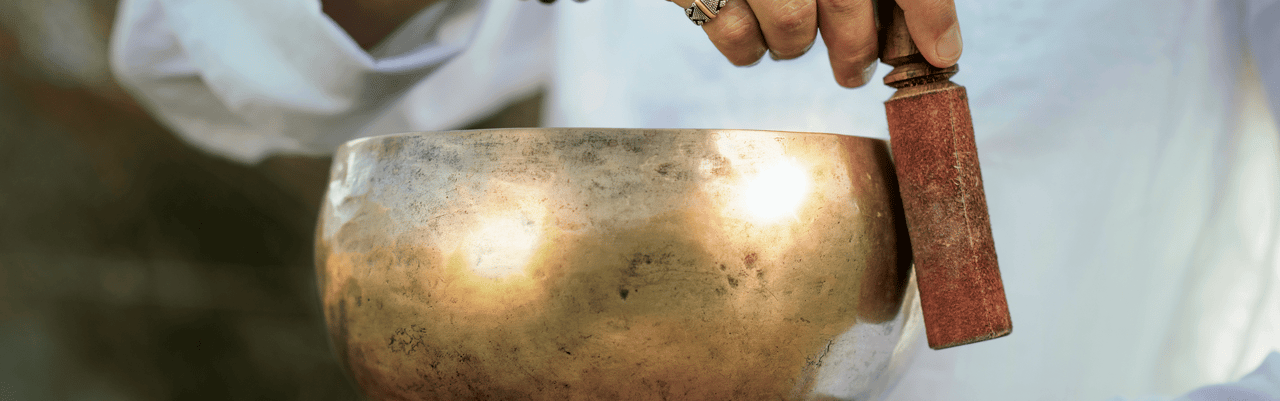
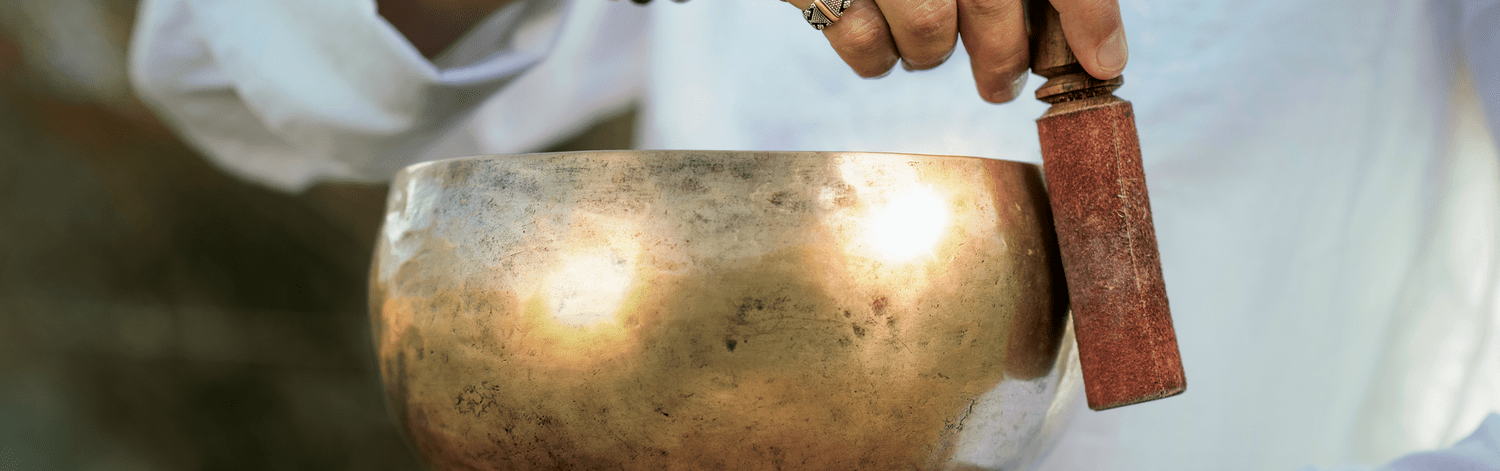
Sound/vibrational therapy utilizes tools such as tuning forks, singing bowls, gongs, and even the human voice to generate sound waves that move throughout the body and produce gentle vibrations. According to researchers, cellular processes (metabolism, for example), brainwave patterns, and the nervous system are all positively impacted by these vibrations. In other words, this type of therapy can naturally reset the body and reduce stress and inflammation, which are often drivers behind chronic diseases.
Despite the lack of abundant research, what is available shows the positive effects sound therapy can have as a natural mental and physical health healing option. Sound meditation using Tibetan singing bowls was shown to significantly decrease depression, fatigue, and tension, among other things, according to a study in the Journal of Evidence-Based Complementary & Alternative Medicine. What’s more, participants in that same study showed reductions in blood pressure and heart rate. Recent research in 2025 also found that sound-based vibration therapy improved joint mobility, reduced pain, and increased circulation in patients with chronic conditions.
The biggest impact, though, appears to be sound therapy’s calming effect on the mind and body. Similar to the positive effects of meditation, research indicates that low-frequency sounds can help shift brainwaves, increasing those associated with deep relaxation and creativity and decreasing those associated with alertness and ongoing thinking; this is why participants report feeling calmer and less stressed following a sound bath.
It’s easy to get started with vibrational therapy, especially at home. Beginner tools to try are a Tibetan singing bowl and a tuning fork. Tutorials on YouTube offer simple intros. Prefer in-person guidance? Look to local yoga studios or other healing-related centers for vibrational therapy sessions. For a more personalized experience, seek out a practitioner who has formal training in therapeutic sound or vibrational practices; they can tailor sessions to goals like relaxation, focus, or stress reduction. There are also introductory classes that teach how sound therapy works, how to use instruments, and how to integrate sound into daily rituals.
Photography provided by microgen/iStock/Getty Images
the case for vinyl
While most everything music related now feels like it’s digital, vinyl records are making a resurgence. The Recording Industry Association of America (RIAA)’s 2024 year-end report revealed that sales from vinyl records increased 7 percent (the eighteenth consecutive year of growth) and outsold CDs. Unlike digital streaming, vinyl provides a warm, rich sound quality that many argue feels more authentic. It also turns music into what some call a curated collection of art.
Find new vinyl at music and box stores alike. (Taylor Swift has driven demand for her albums with exclusive releases, varied cover art, and multiple colors of vinyl.) Vintage vinyl may be hard to come by, but luckily record stores still exist, while places such as Facebook Marketplace and antique shows are also great sources. Vinyl is still so popular that enthusiasts celebrate National Vinyl Day each August, proving that vinyl isn’t just a format—it’s an art form.