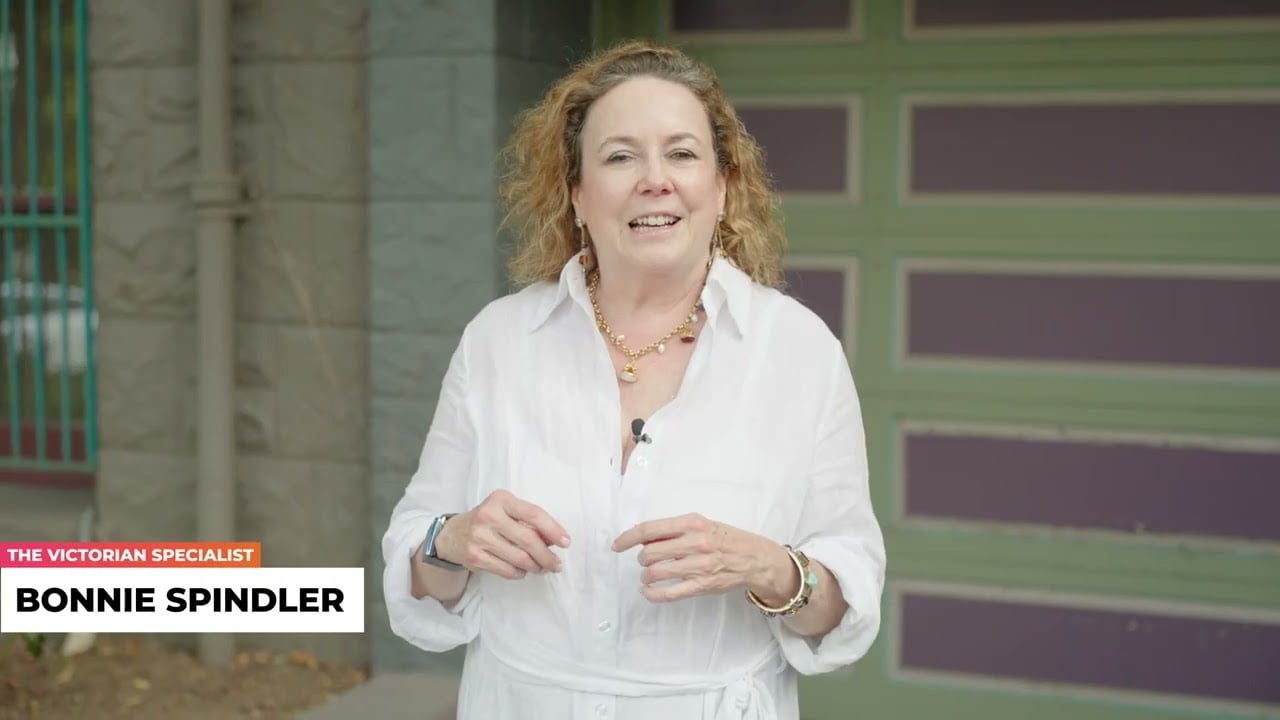
By Bonnie Spindler
Investing in San Francisco investment properties is unlike investing almost anywhere else in the country. I've been working in this market for over 30 years, and the thing I tell every investor I work with is the same: this city rewards patience, local knowledge, and a genuine understanding of what makes certain properties hold and grow their value over time. The investors who struggle here are almost always the ones who apply a generic playbook to a market that doesn't follow generic rules.
Key Takeaways
- San Francisco rewards long-term investors, not short-term speculators
- Neighborhood selection is one of the most critical decisions you will make
- Victorian and Edwardian homes are core investment assets with scarcity-driven value
- Local regulations significantly affect how you can use and profit from a property
- Appreciation consistently outweighs short-term cash flow in established neighborhoods
Why San Francisco Is a Long-Term Investment Market
San Francisco continues to attract capital from domestic and international buyers for reasons that are structural, not cyclical. The supply constraints here are severe and unlikely to change. New construction faces significant geographic, political, and regulatory obstacles that limit how much inventory can enter the market.
Structural drivers that support long-term value:
- Severe housing supply constraints that protect existing asset values
- Major employment centers in tech, finance, and biotech that sustain demand
- Consistent international buyer interest across multiple neighborhoods
- Lifestyle-driven desirability that persists across market cycles
This is a market that favors investors who prioritize durability and appreciation over short-term yield, particularly in well-established neighborhoods where supply is most constrained.
Choosing the Right Neighborhood
Not all San Francisco neighborhoods perform the same way, and the difference between a strong and mediocre investment can come down to a matter of blocks. Matching your target neighborhood to your investment horizon is one of the most important decisions you will make.
Neighborhoods with strong long-term investment track records:
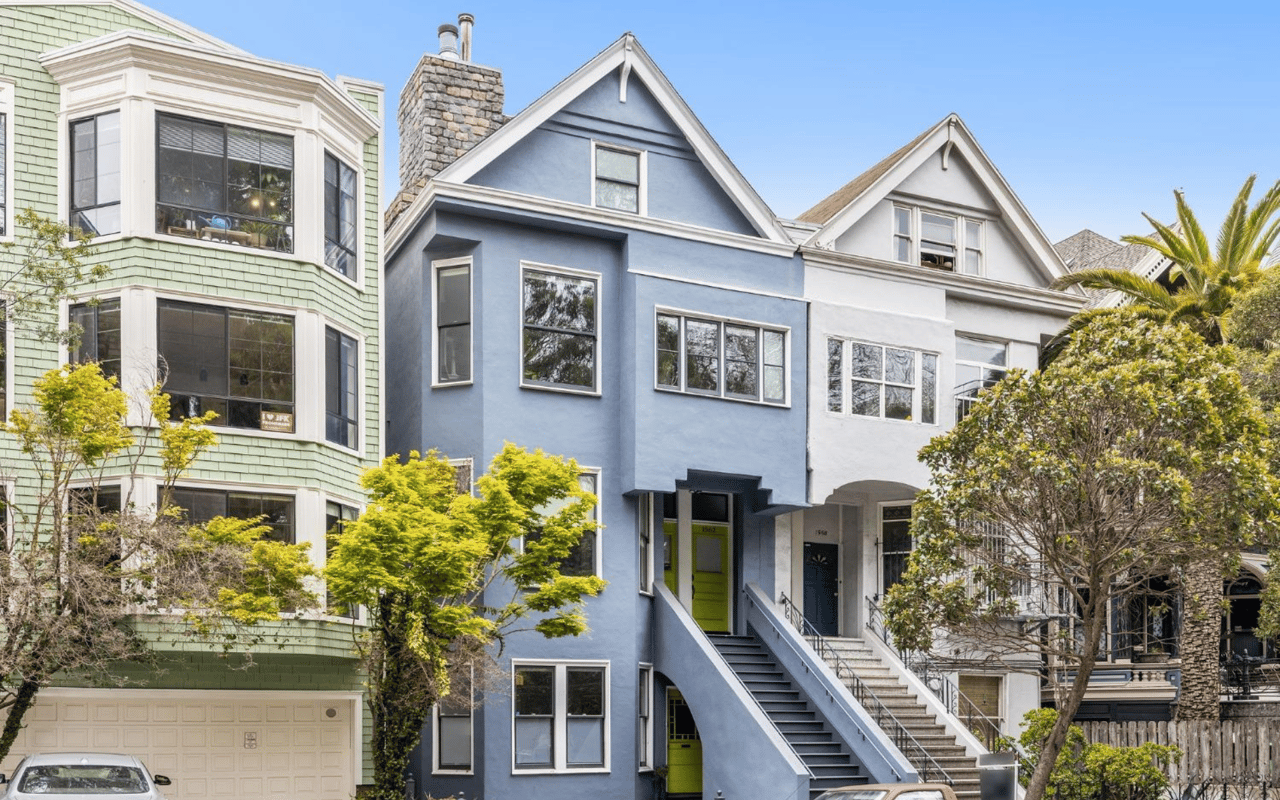
- NoPa (North of the Panhandle) — consistent lifestyle appeal anchored by classic Victorians and walkable access to the Panhandle and Divisadero corridor
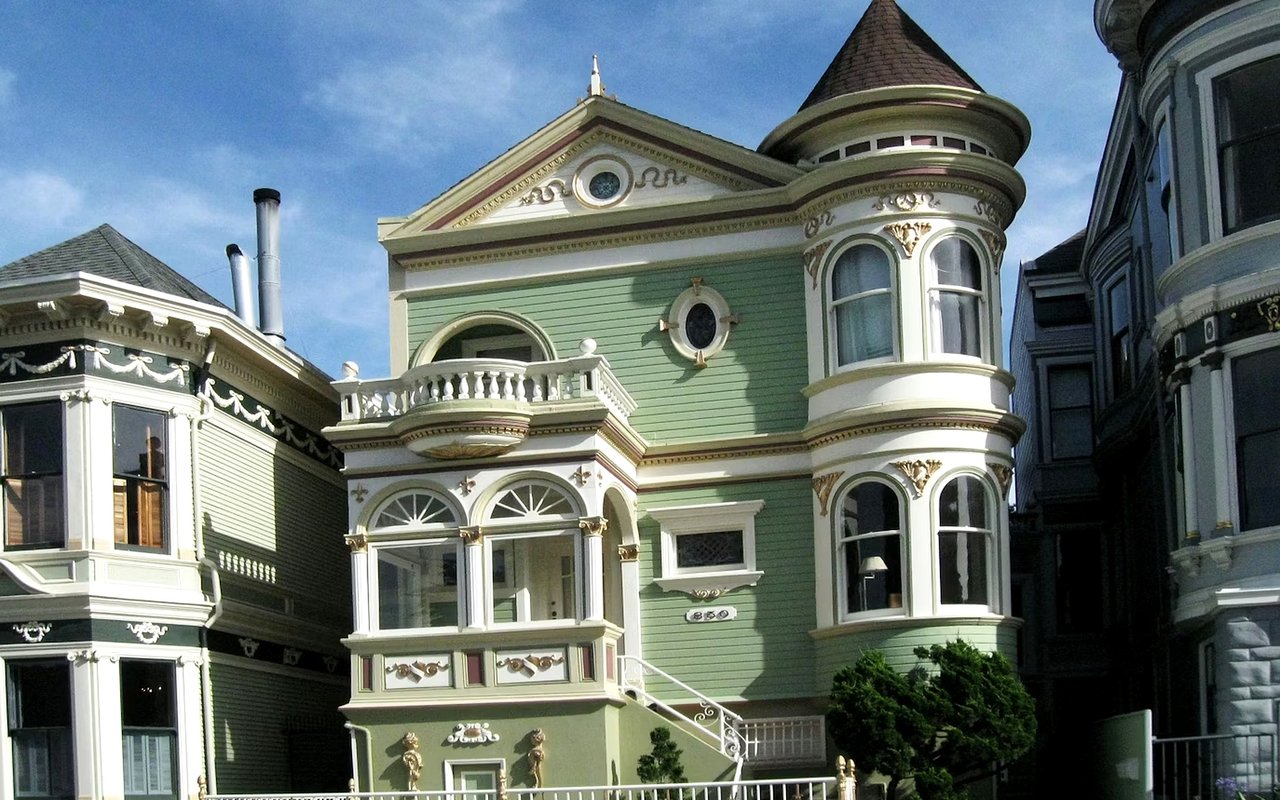
- Alamo Square — iconic architecture, enduring buyer demand, and one of the most recognizable streetscapes in the city
- Cole Valley — limited inventory, stable long-term buyers, and a neighborhood character that resists speculative pressure
- Pacific Heights and Presidio Heights — prestige-driven appreciation with some of the city's most significant single-family homes
- Noe Valley — family-oriented demand, consistent resale strength, and strong owner-user appeal
Each of these neighborhoods has characteristics that protect value over time. Understanding why matters as much as knowing which ones to target.
Investing in Victorian and Edwardian Homes
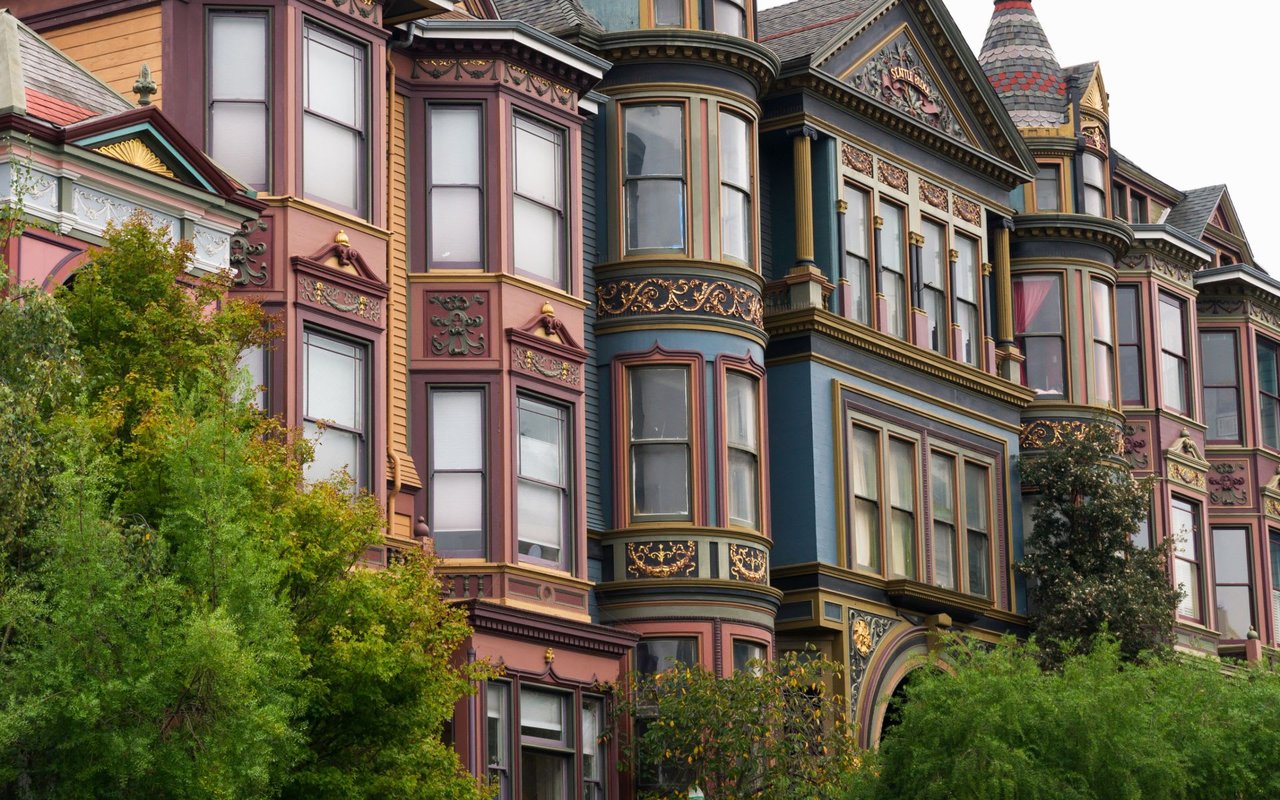
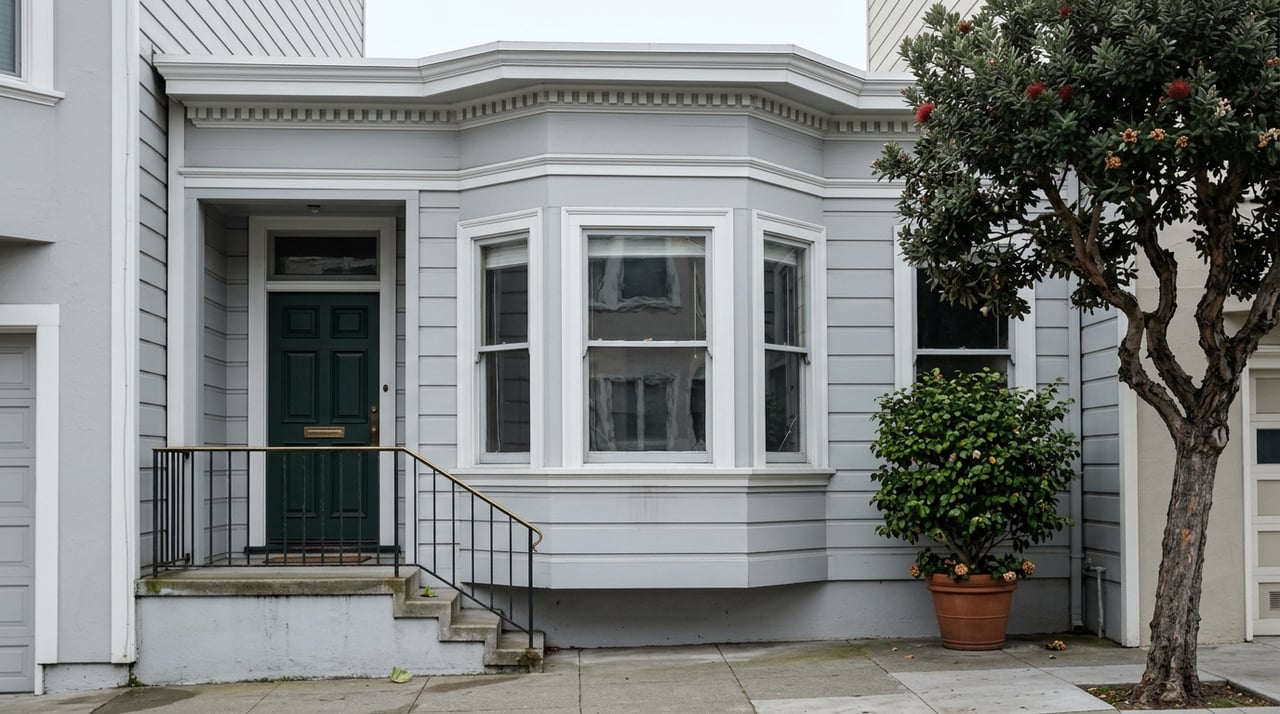
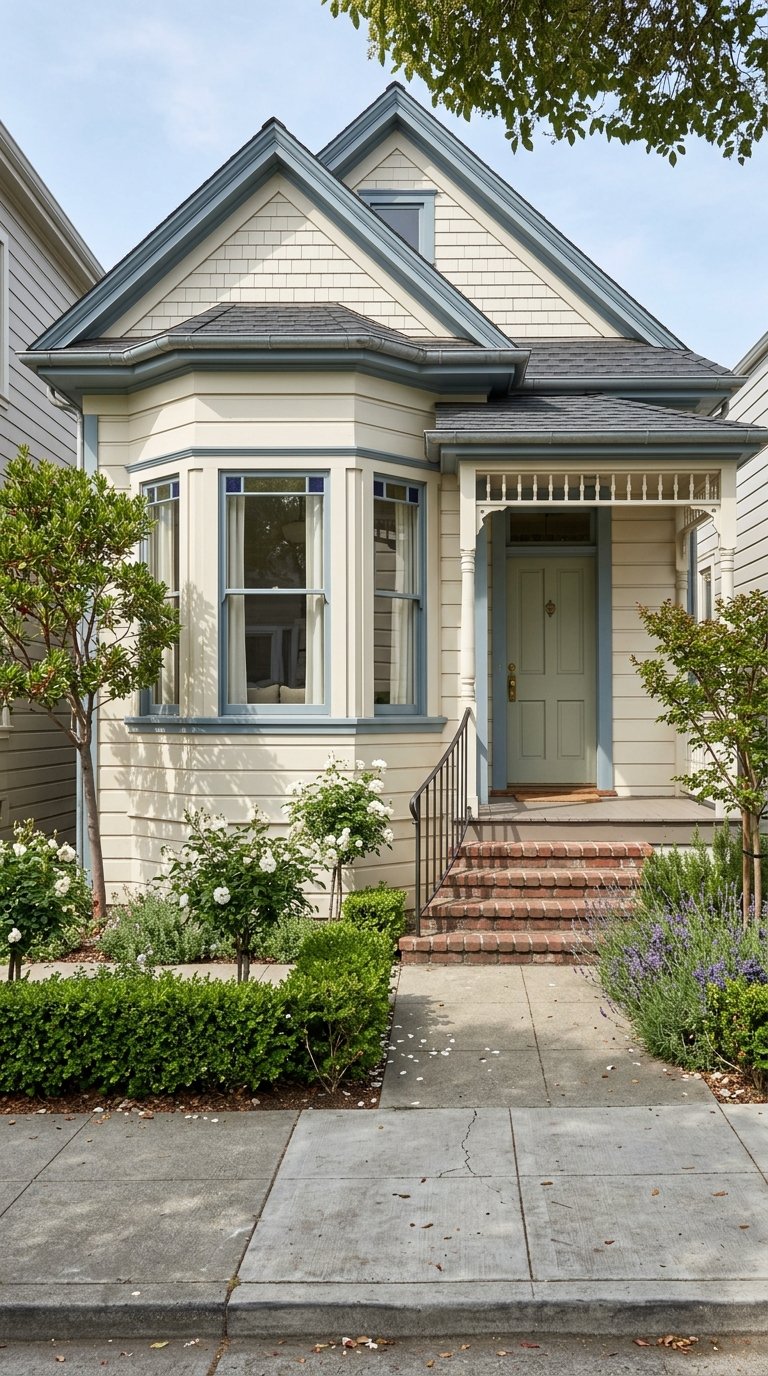
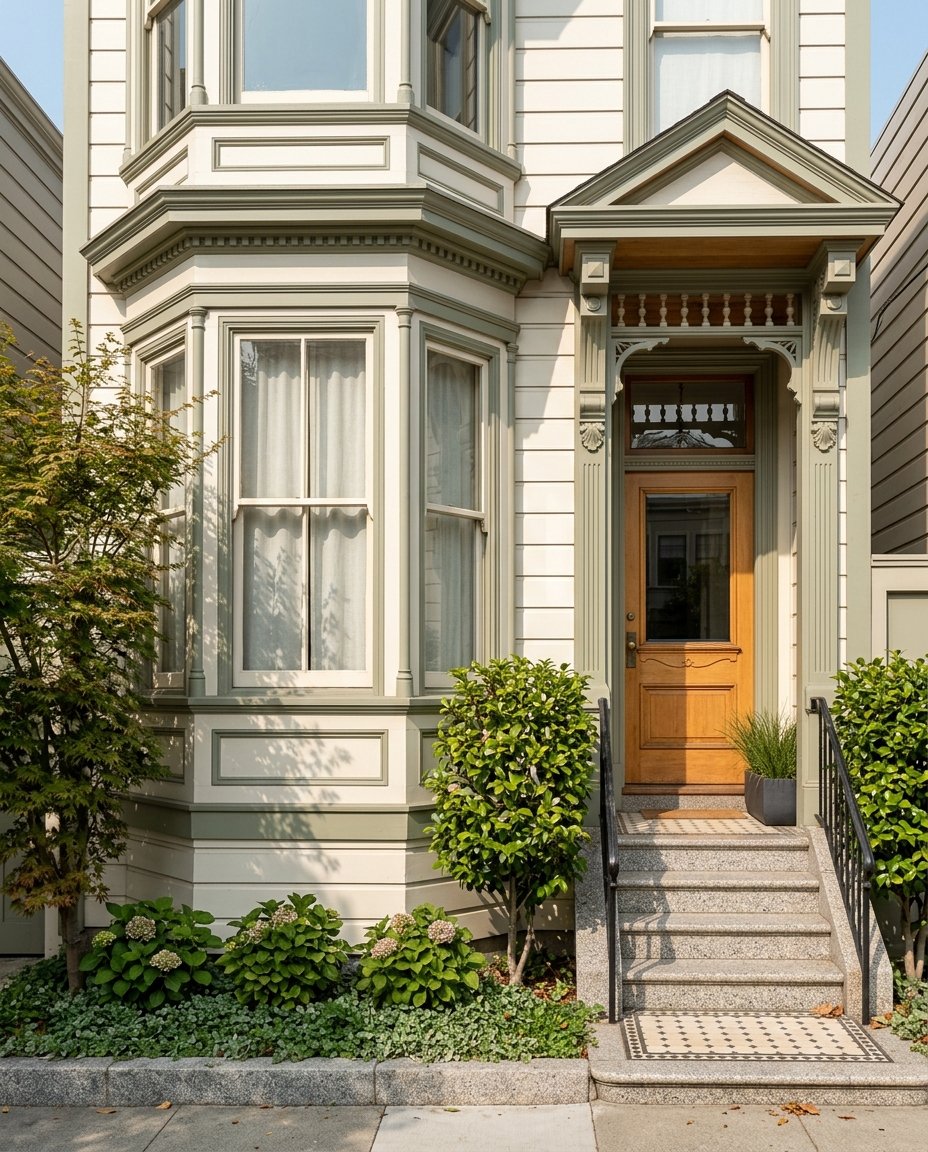
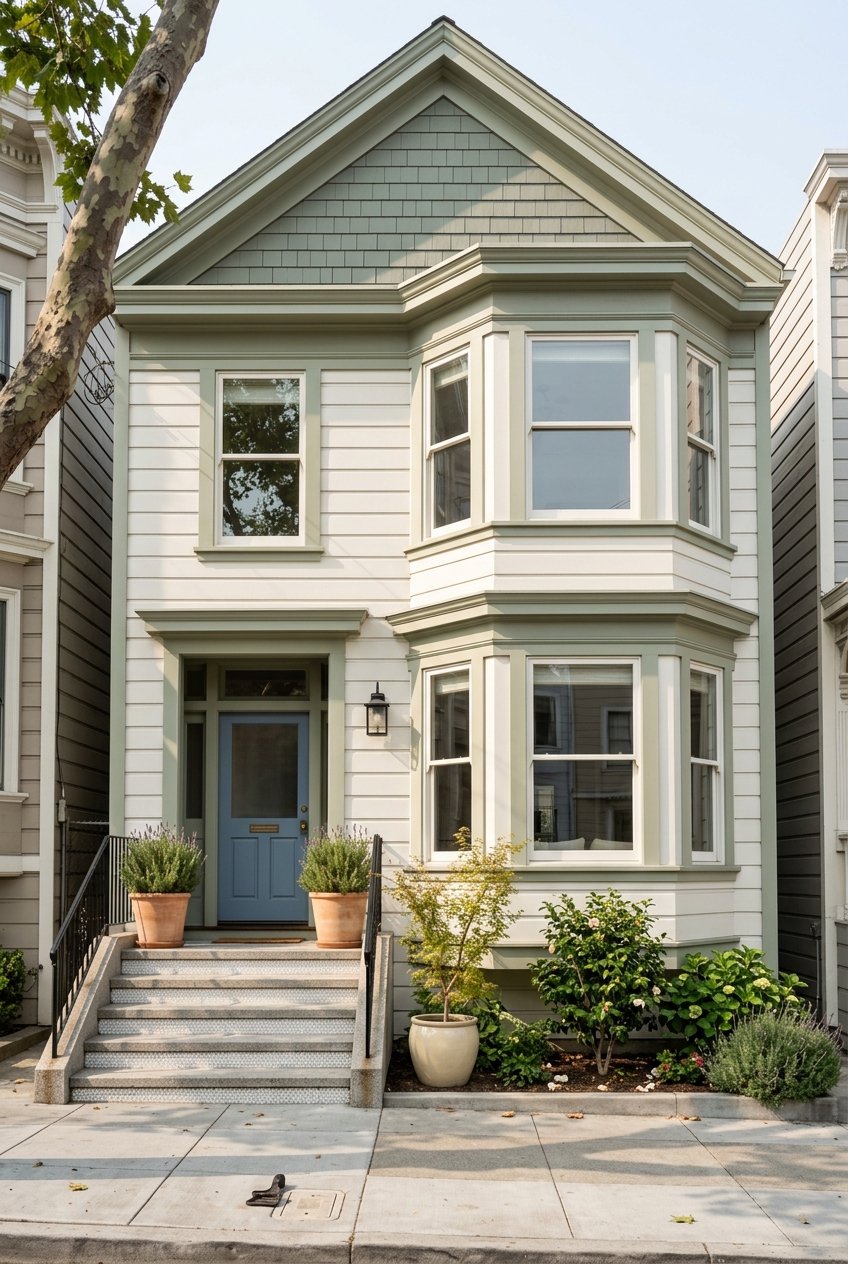
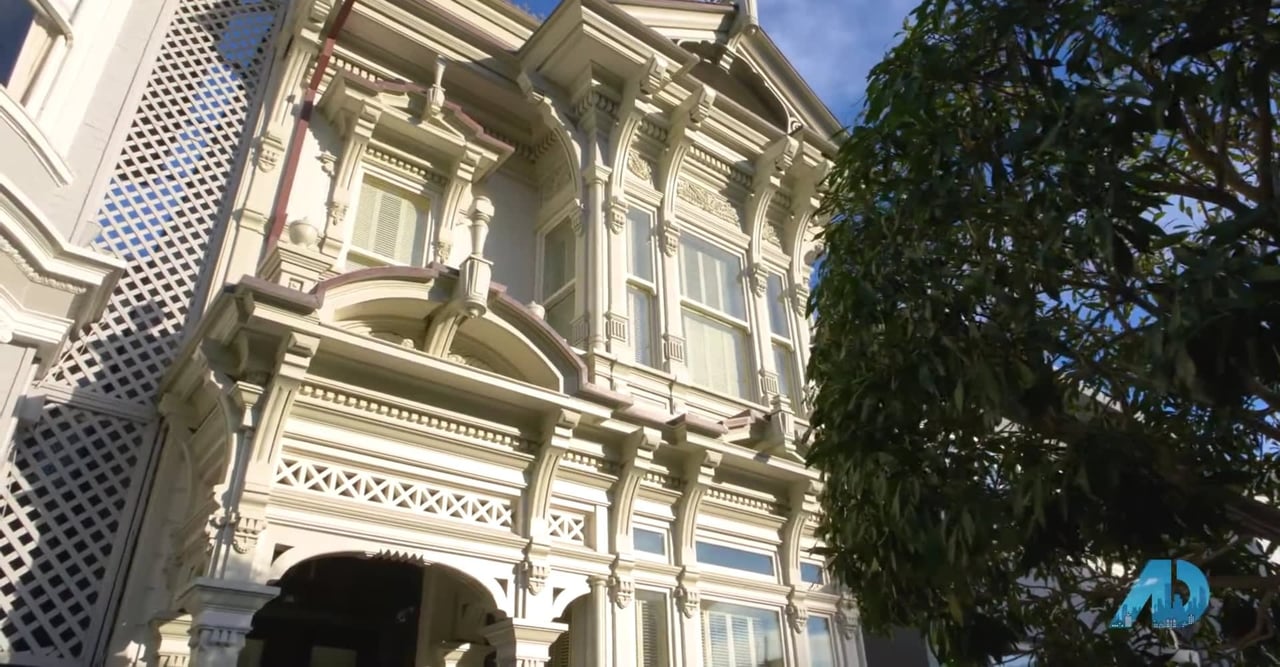
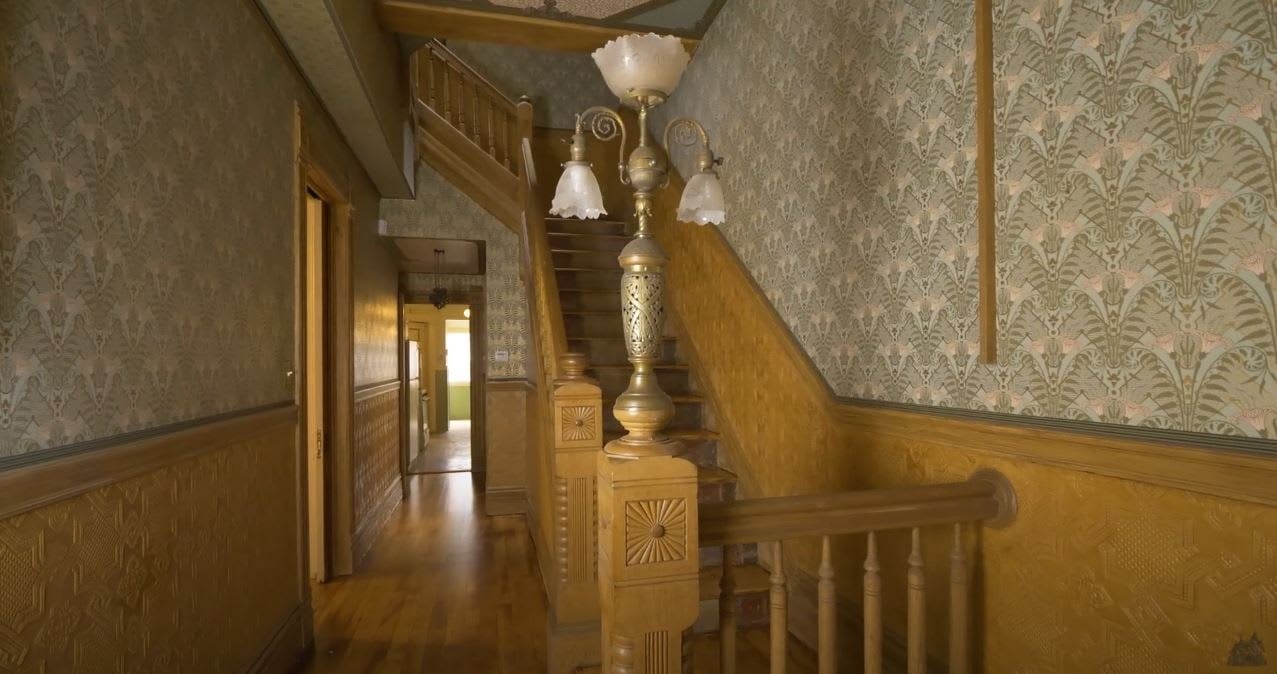
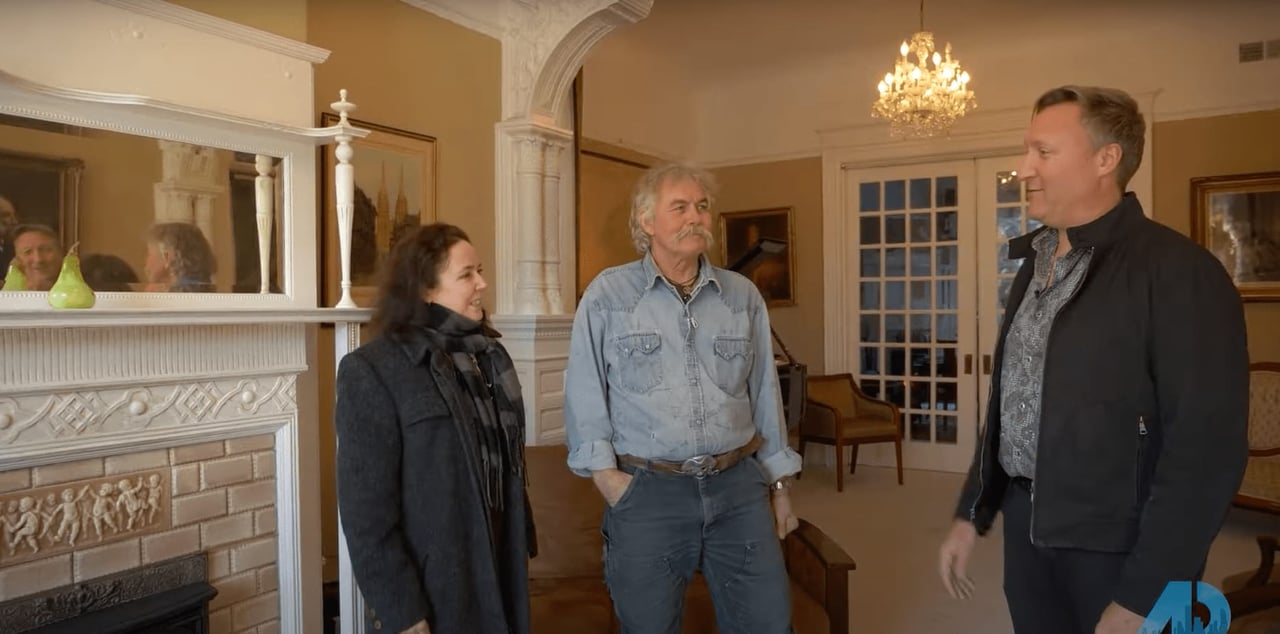
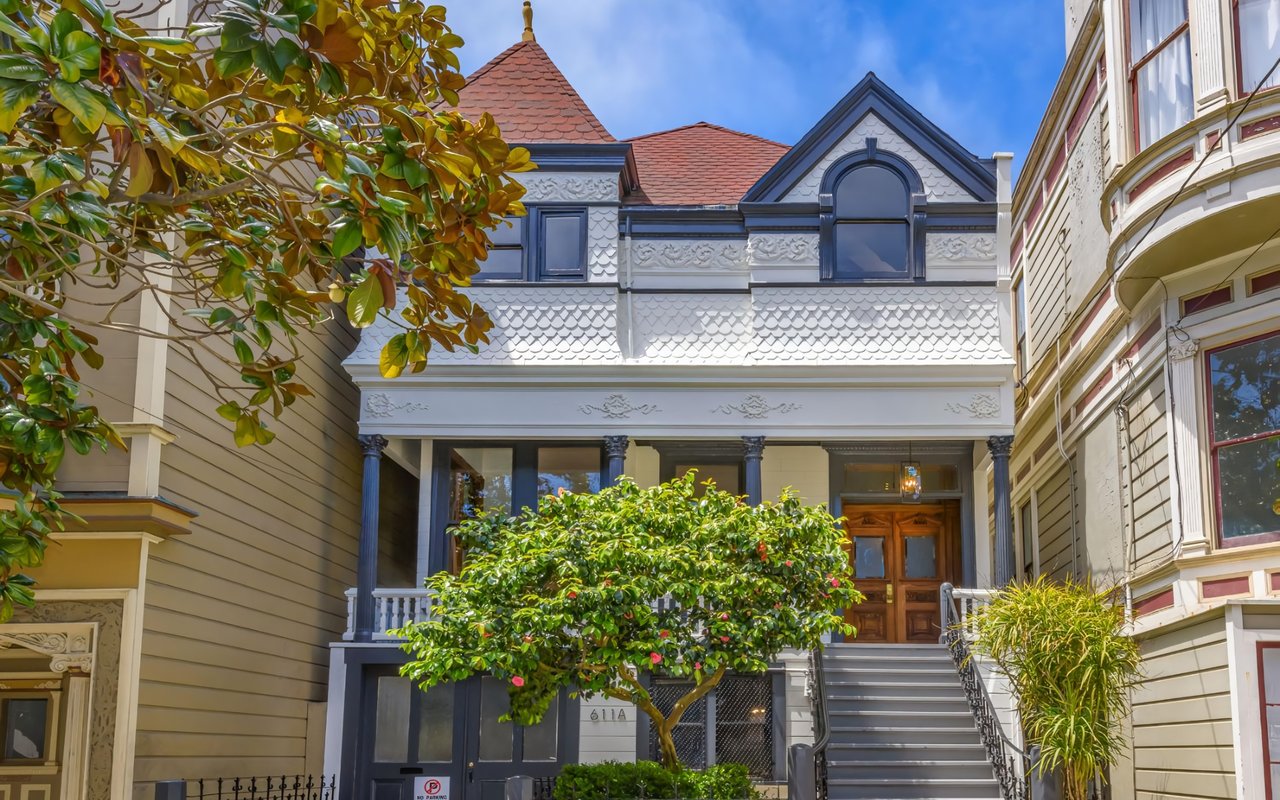
San Francisco's Victorian and Edwardian housing stock is a finite asset. These homes were built between roughly the 1870s and the 1910s, and the craftsmanship, scale, and architectural detail they represent cannot be replicated at today's costs. That scarcity is precisely what makes them compelling investment assets.
Why investors seek historic San Francisco homes:
- Scarcity-driven appreciation that benefits from a supply that only shrinks over time
- Strong owner-user demand that supports resale values across market cycles
- Demonstrated resilience during periods of market softness
- Premium resale potential, particularly in neighborhoods like NoPa and Alamo Square
Neighborhoods with concentrated Victorian and Edwardian stock consistently outperform for historic-home investments when properties are well maintained and updated with care. The key is understanding what to preserve and what to modernize.
Victorian vs. Modern Builds: San Francisco Investment Comparison
Buyers regularly ask me whether to pursue a historic property or something newer. Both can work, but they work differently.
What Victorian and historic homes typically offer investors:
- Higher long-term appreciation potential tied to architectural scarcity
- Strong lifestyle and design-driven demand from a deep buyer pool
- More involved ownership that rewards attentive, knowledgeable stewardship
- Rent control and preservation rules that require upfront understanding
What modern and newer construction typically offers:
- Easier day-to-day management and more predictable maintenance expenses
- Lower short-term carrying costs
- Greater exposure to new supply entering the market
- HOA limitations that shape how the property can be used and rented
For buyers focused on appreciation and legacy value, historic homes in San Francisco's most established neighborhoods have a strong track record of outperforming over time. For buyers who want lower management intensity and predictable expenses, newer construction serves a different but legitimate investment purpose.
Condos vs. Single-Family Homes in San Francisco
Condos offer convenience, but single-family and small multi-unit homes tend to benefit from stronger appreciation in San Francisco, largely because of land value and the scarcity of detached inventory in desirable neighborhoods.
Key distinctions that affect investment performance:
- HOA rules in condo buildings frequently limit rental flexibility and can change over time
- Single-family homes offer greater long-term control over the asset and its use
- Historic homes attract deeper, more motivated buyer pools at resale
- Land value appreciates independently of the structure and compounds over long hold periods
Rent Control and Local Regulations
San Francisco has one of the most regulated housing environments in the country. Understanding the rules that apply to a specific property before you buy is not optional — it is foundational to your investment thesis.
Areas investors must get clear on before closing:
- Which properties fall under rent control and what that means for tenant turnover
- Owner move-in rules and how they affect your flexibility
- Eviction regulations that govern your rights as a landlord
- Short-term rental restrictions under the city's host ordinance
- Historic preservation guidelines that apply to pre-1940 properties
Ignoring any one of these factors can significantly and permanently affect your returns. This is an area where local expertise matters more than anywhere else in the transaction.
Property Condition and Historic Upgrades
Condition matters more than many investors expect, and in San Francisco's historic neighborhoods, the relationship between condition and value is more nuanced than in newer markets.
Key considerations for historic investment properties:
- Seismic retrofitting, which protects the structure and is expected by informed buyers
- System modernization, including electrical, plumbing, and HVAC, done in a way that respects the building
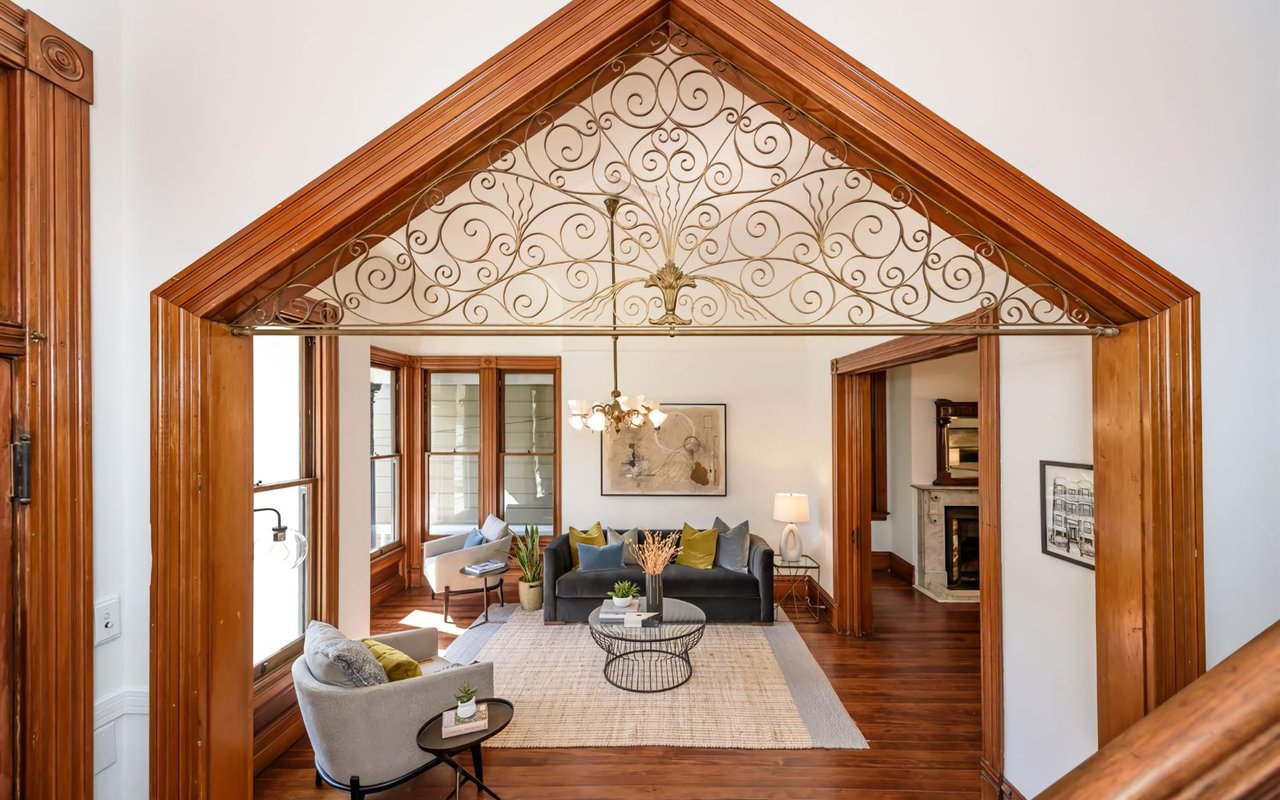
- Preservation of original details like millwork, plaster, and hardware that define the property's value
- Avoiding over-renovation that strips character and narrows the buyer pool
In neighborhoods like Alamo Square and Cole Valley, respecting architectural character and modernizing systems thoughtfully consistently produces the strongest long-term returns.
Timing the San Francisco Market
Rather than trying to time the market perfectly, experienced investors focus on opportunity windows created by shifts in buyer confidence or inventory levels. Some of the strongest San Francisco investments have been made during periods of temporary uncertainty when fundamentals remained intact.
Signs that an opportunity window may be opening:
- Reduced competition from other buyers in your target neighborhoods
- Quality properties sitting on the market longer than usual
- Long-term supply and demand fundamentals that remain strong despite short-term noise
The investors who build the most durable portfolios in San Francisco are the ones who stay informed, stay patient, and act decisively when the conditions are right.
Looking Beyond Cash Flow
San Francisco is rarely a pure cash-flow market, and investors who approach it as one tend to be disappointed. The real value here is built through appreciation, tax strategy, and the long-term flexibility that comes from owning a well-located, well-maintained property in a supply-constrained city.
Value drivers that matter most in San Francisco:
- Long-term appreciation as the primary engine of investment returns
- Tax strategy, including depreciation, 1031 exchanges, and capital gains planning
- Flexibility of future use, whether as a rental, primary residence, or eventual sale
- Legacy planning for multi-generational wealth in a city that consistently holds value
FAQs
Is investing in San Francisco still worth it?
Yes, for investors who bring patience, capital discipline, and a long-term outlook. This is not a market for short-term speculation, but for those committed to it, the fundamentals remain strong.
What types of properties perform best?
Well-located historic homes and carefully chosen single-family or small multi-unit properties in established neighborhoods have the strongest track records. The specific combination depends on your goals and hold period.
How does rent control affect my investment?
It affects tenant turnover, rental income growth, and your options if you want to reoccupy or sell. The rules are property-specific and require careful review before you buy. Working with an agent who knows this market well is the fastest way to avoid costly misunderstandings.
Invest in San Francisco Investment Properties With Bonnie Spindler
San Francisco investment properties require a level of local knowledge that most general real estate guides simply cannot provide. I've spent over 30 years working in this market, with a particular focus on Victorian and historic properties in neighborhoods like NoPa, Alamo Square, Cole Valley, and Pacific Heights.
Reach out to me to learn more about how I help investors find and evaluate San Francisco investment properties.