San Francisco Neighborhood Guide
Life in NoPA: San Francisco's Historic Small-Town Enclave Guide
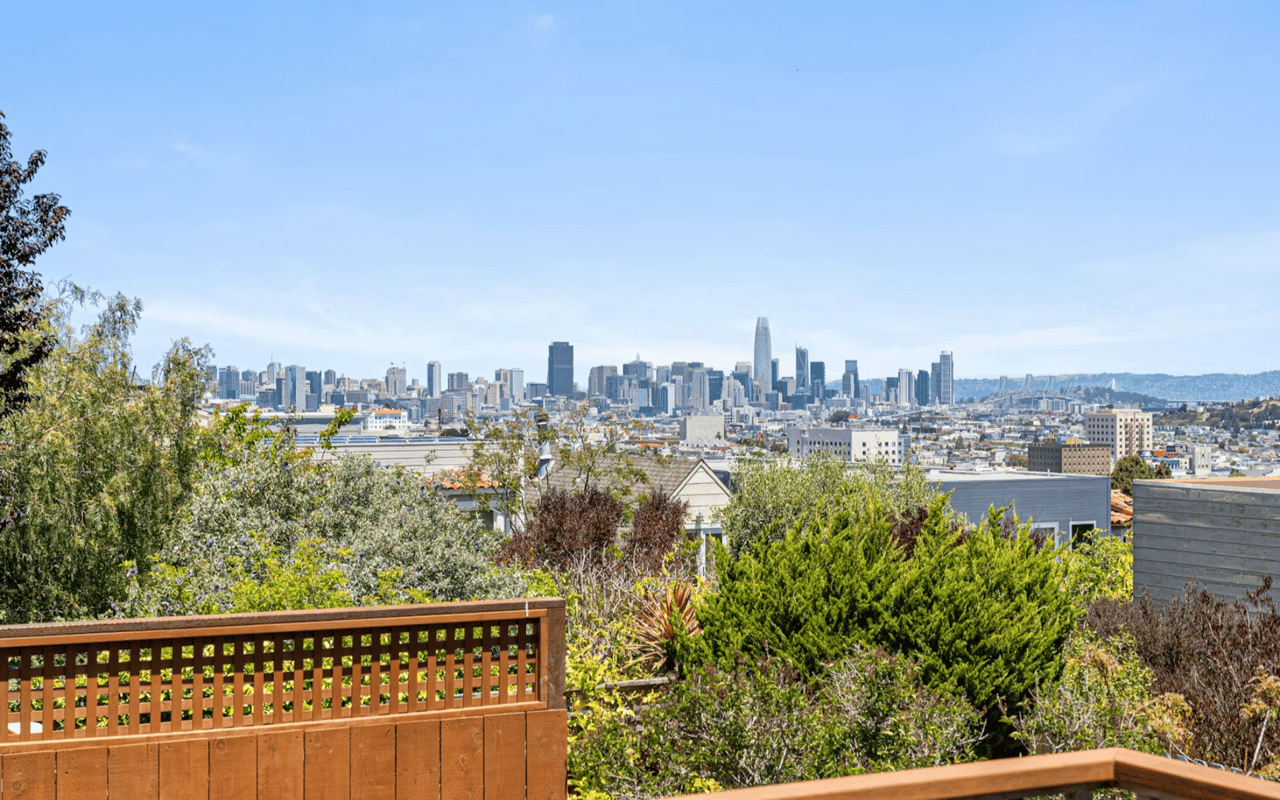
Living in NoPA (North of the Panhandle) offers an intimate San Francisco experience defined by 2 to 3-story Victorian and Edwardian architecture, thriving Divisadero corridor legacy businesses, direct 0.75-mile Panhandle park access, and a car-light transit score.
NoPA San Francisco Neighborhood & Real Estate Snapshot
Neighborhood Attribute | NoPA (North of the Panhandle) Benchmark |
|---|---|
Primary Boundaries | Fell Street (South), Turk Street (North), Stanyan Street (West), Divisadero Street (East) |
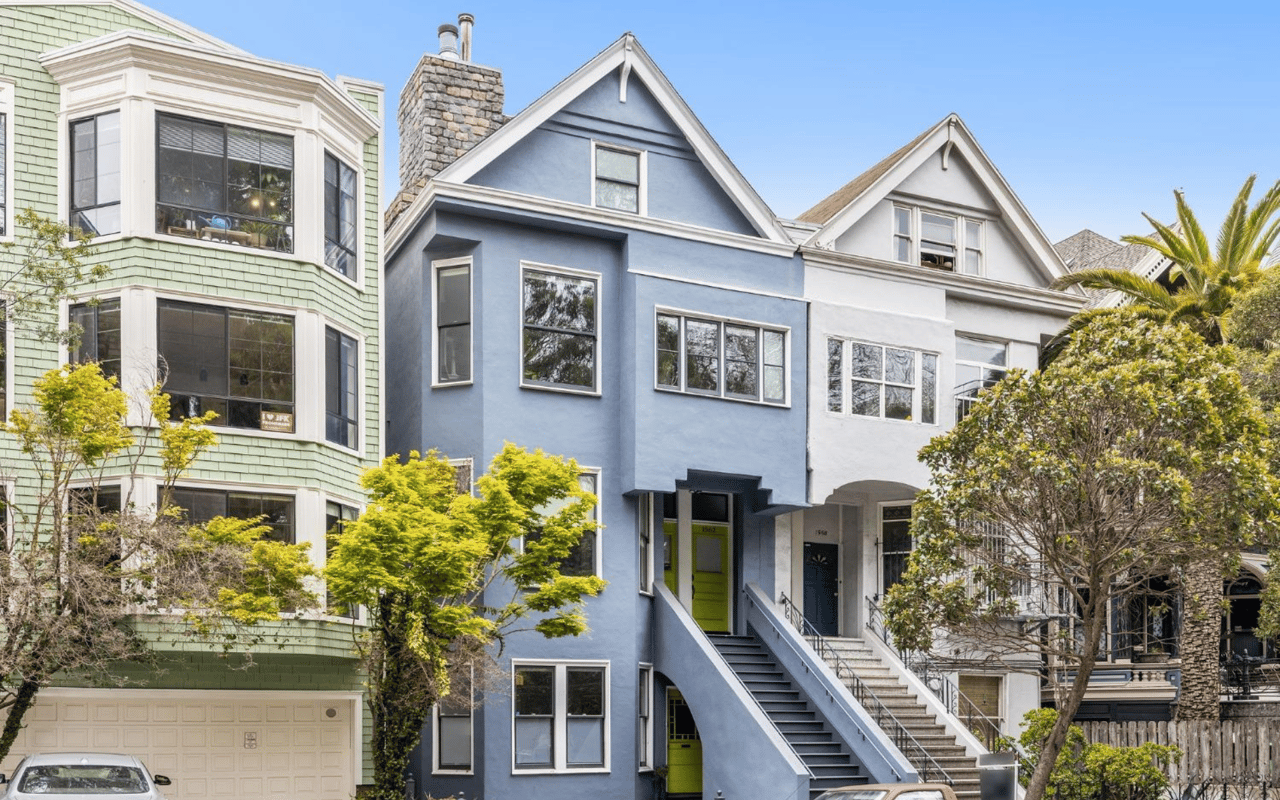
Housing Stock & Architecture | Pre-1926 2 to 3-story Victorian single-family homes, Edwardian multi-unit flats, and restored condos |
Parks & Open Space Access | Direct adjacency to the Panhandle (0.75 miles long, 1 block wide) connecting directly to 1,017-acre Golden Gate Park |
Commercial & Dining Corridors | Divisadero Street corridor featuring Nopa restaurant, Bi-Rite Market, and SF Legacy Businesses |
Transit & Commute Lines | SFMTA 5 Fulton (24-hour), 24 Divisadero (24-hour), 43 Masonic, and 6 Hayes/Parnassus |
Key Preservation Financials | Mills Act property tax reduction potential (40% to 60% savings on qualifying historic restorations) |
Data sourced from San Francisco Planning Department preservation registers, SFMTA transit schedules, and San Francisco Recreation and Parks reports.
Victorian Specialist Representation
Evaluating Historic Homes in NoPA?
Buying or selling pre-1926 architecture requires an expert who understands foundation engineering, soft-story compliance, Mills Act tax savings, and period detail restoration.
What NoPA Means in San Francisco
NoPA is short for North of the Panhandle, and that simple geographic name defines the neighborhood boundaries. It is a compact residential pocket situated directly north of the Panhandle greenway, rather than a dense high-rise commercial district.
In local usage, NoPA has largely replaced the longer North of Panhandle label. What matters most when exploring the area is that it functions as a human-scaled neighborhood with a distinct architectural identity, quiet tree-lined streets, and a strong sense of community.
Why NoPA Feels Like a Historic Small-Town Enclave
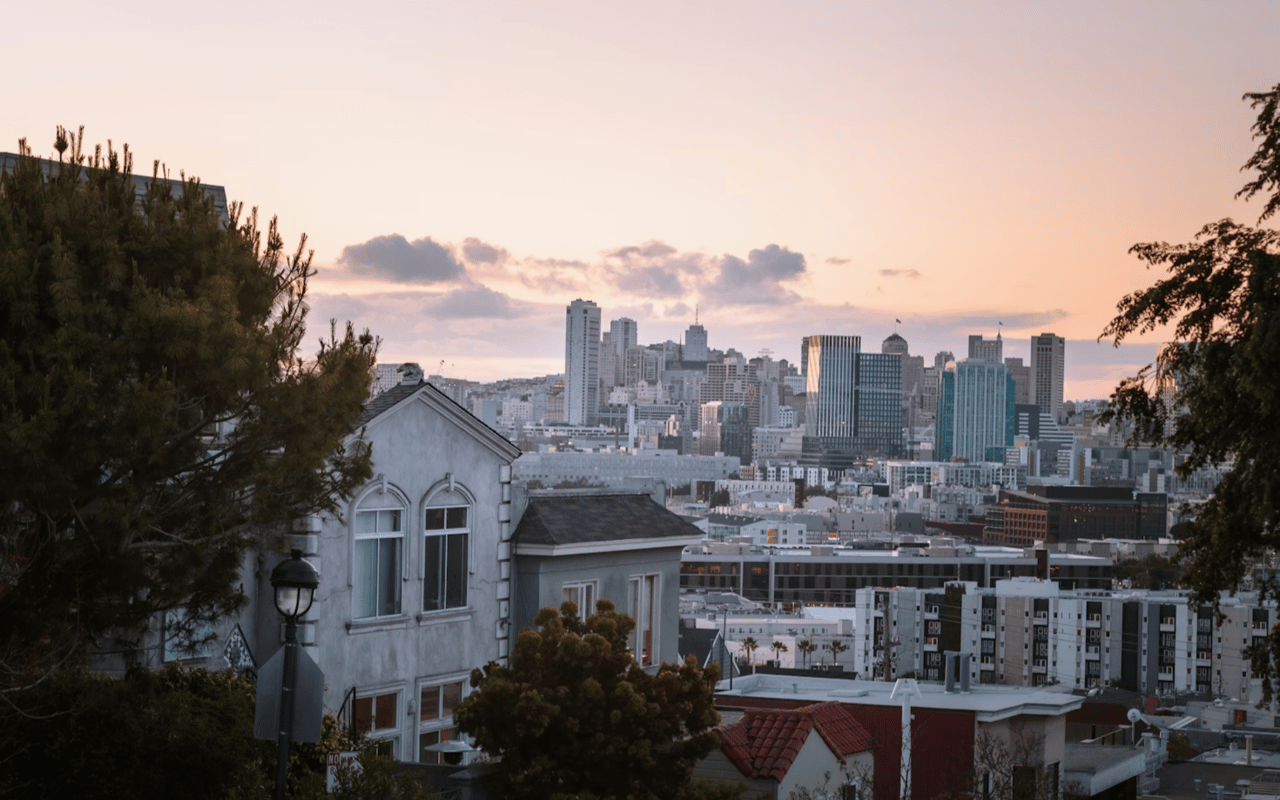
One of NoPA's biggest draws is its low-rise residential scale. City planning staff reports describe the area as consisting primarily of two- and three-story residential buildings, giving streetscapes an intimate feel compared to neighborhoods dominated by larger modern developments.
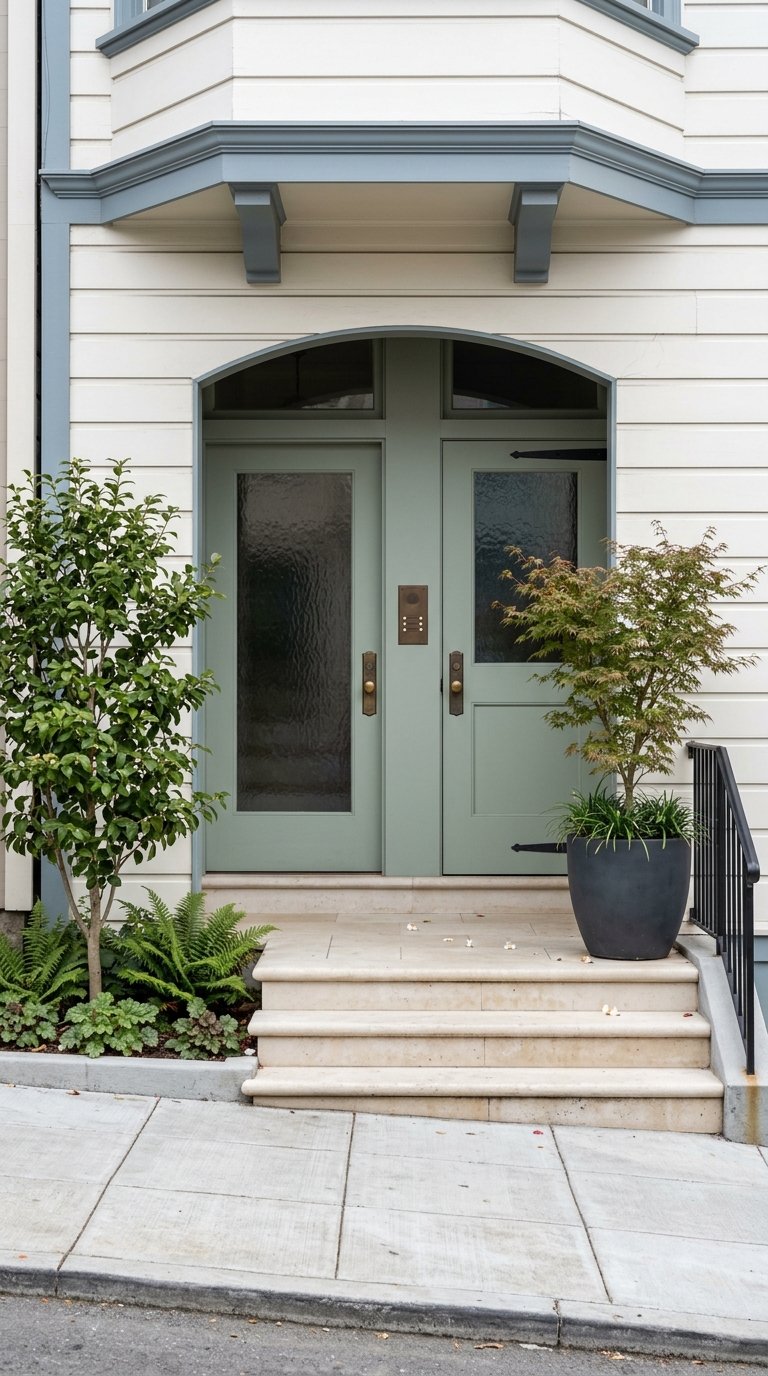
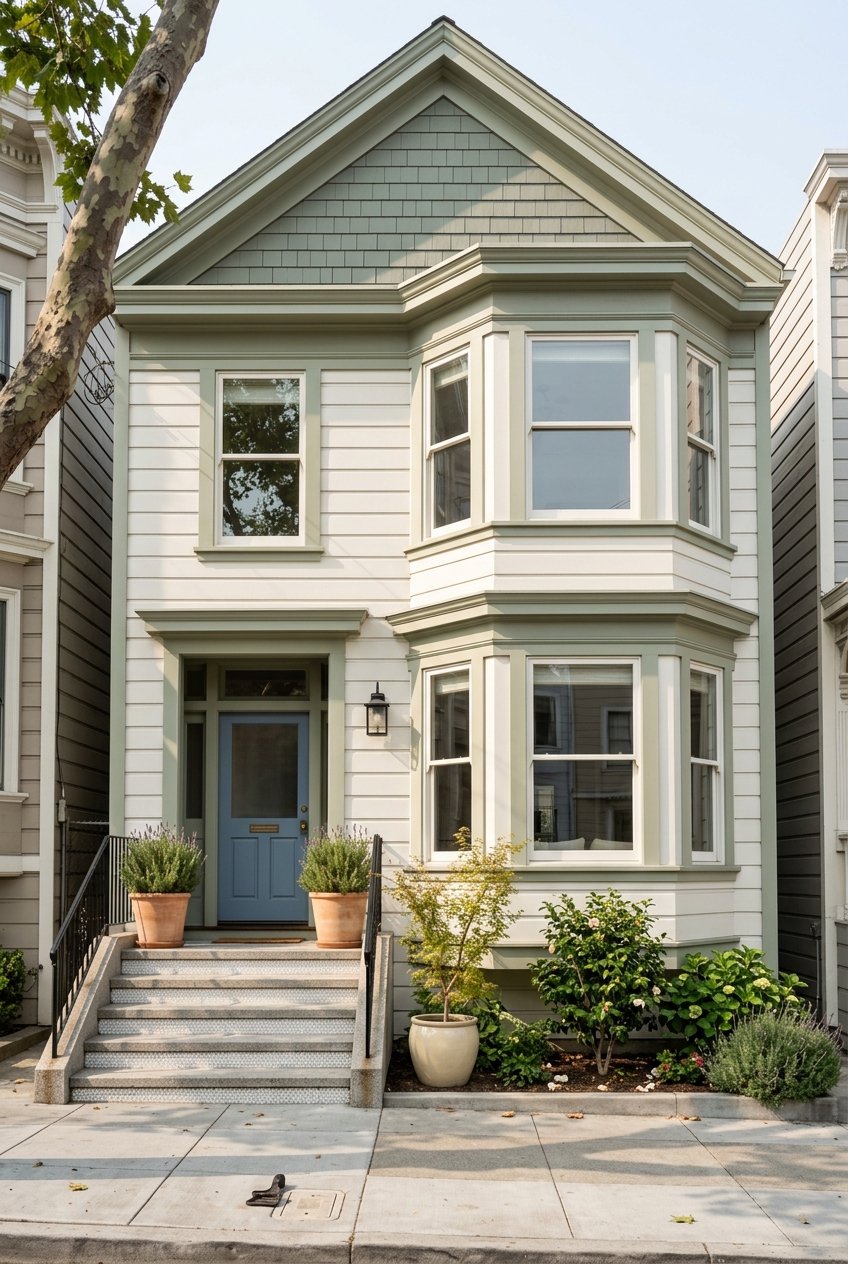
That lower-rise building pattern shapes daily life. Walking down Broderick, Baker, or Lyon Streets, you notice ornate facades, raised stoops, mature trees, corner markets, and a rhythm that feels residential first.
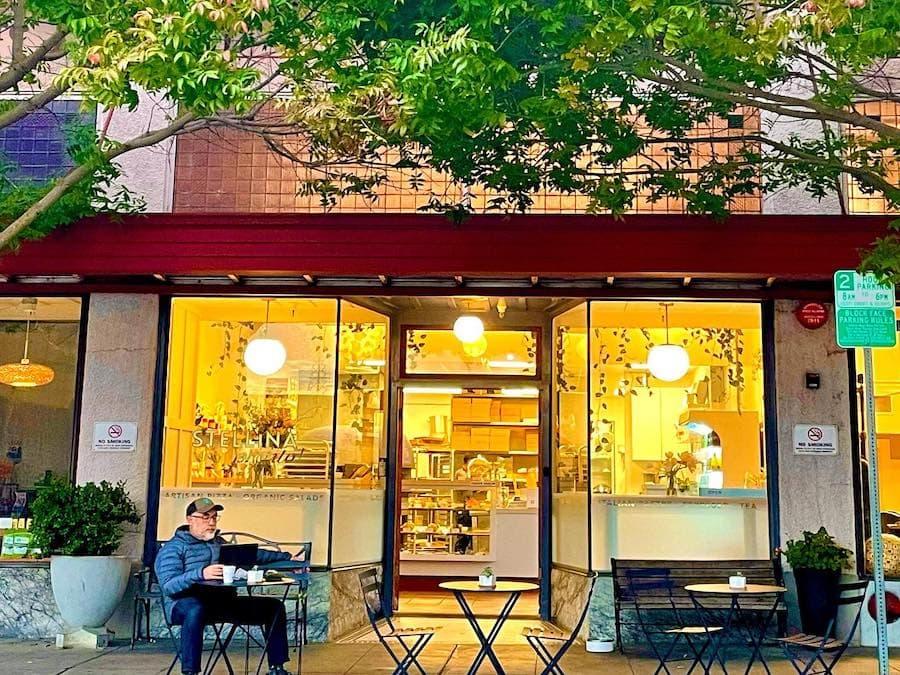
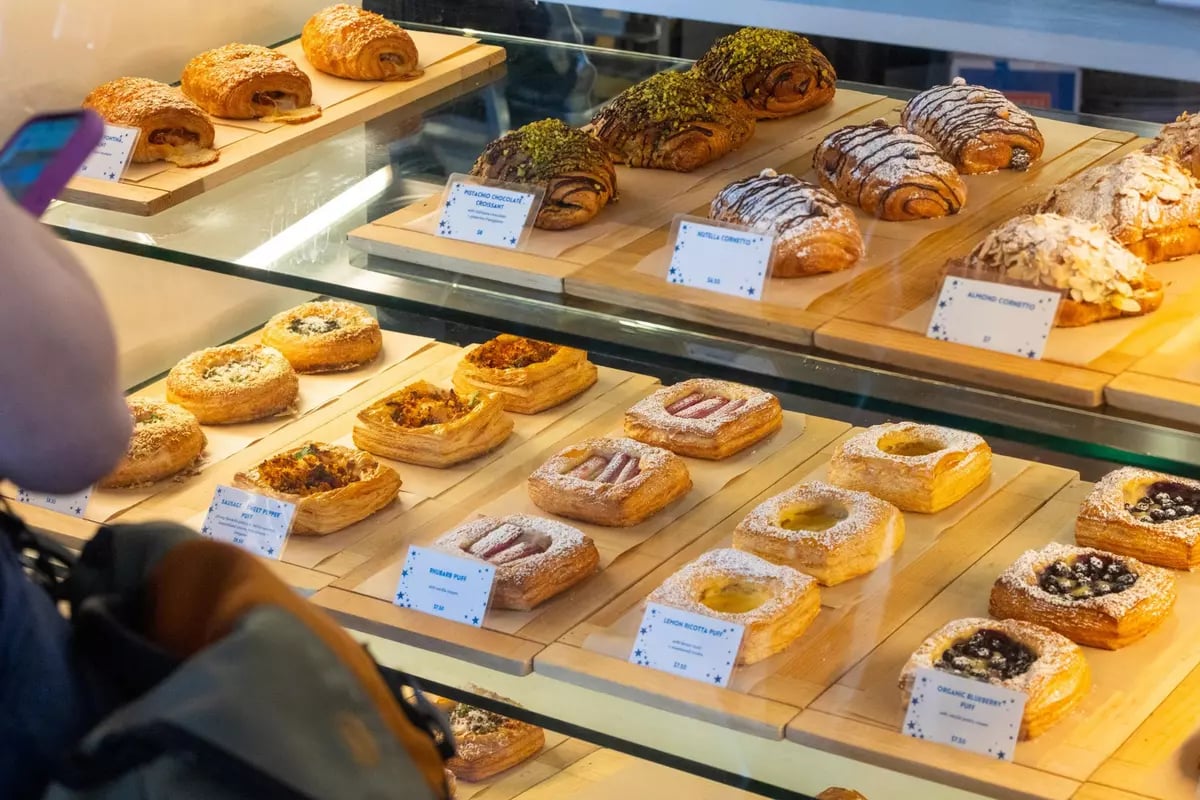
NoPA's identity is reinforced by long-running local businesses. Official San Francisco Legacy Business Program listings highlight enduring neighborhood anchors, including Bob's Donuts and Pastries on Baker Street, Sacred Grounds Cafe, and Eddie's Cafe on the Divisadero Street corridor.
NoPA Architecture & Pre-1926 Housing Character
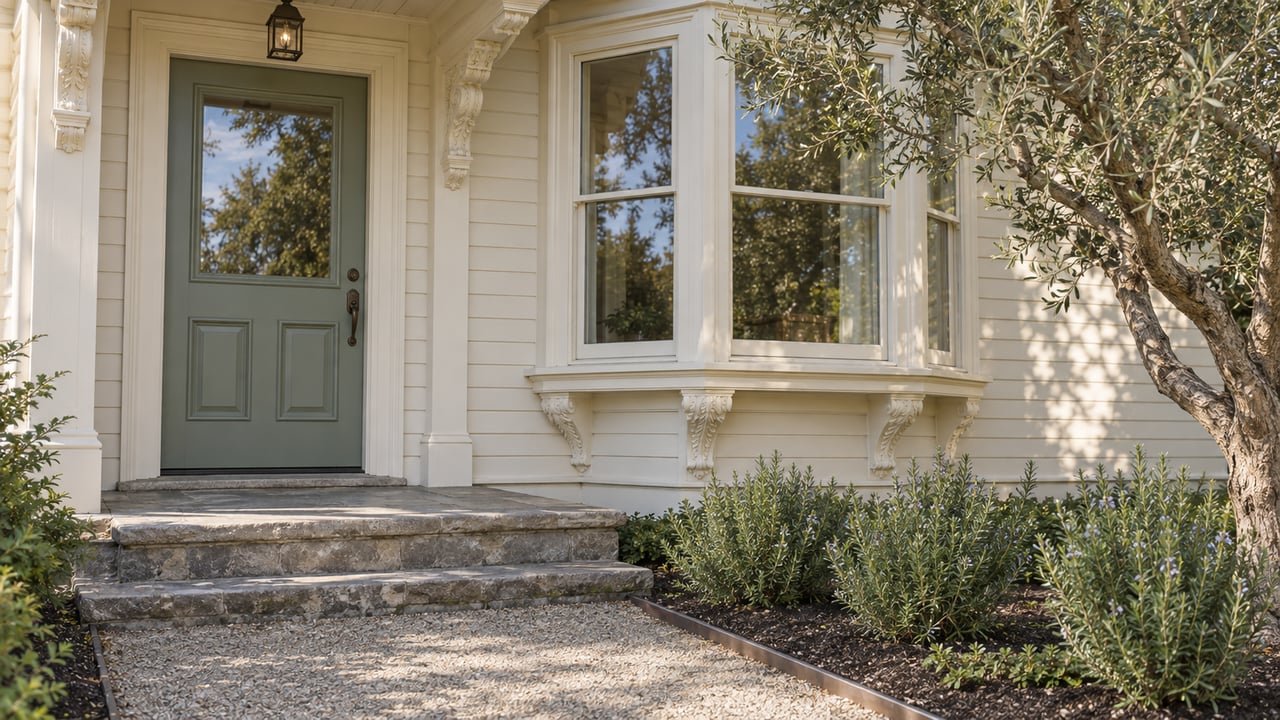
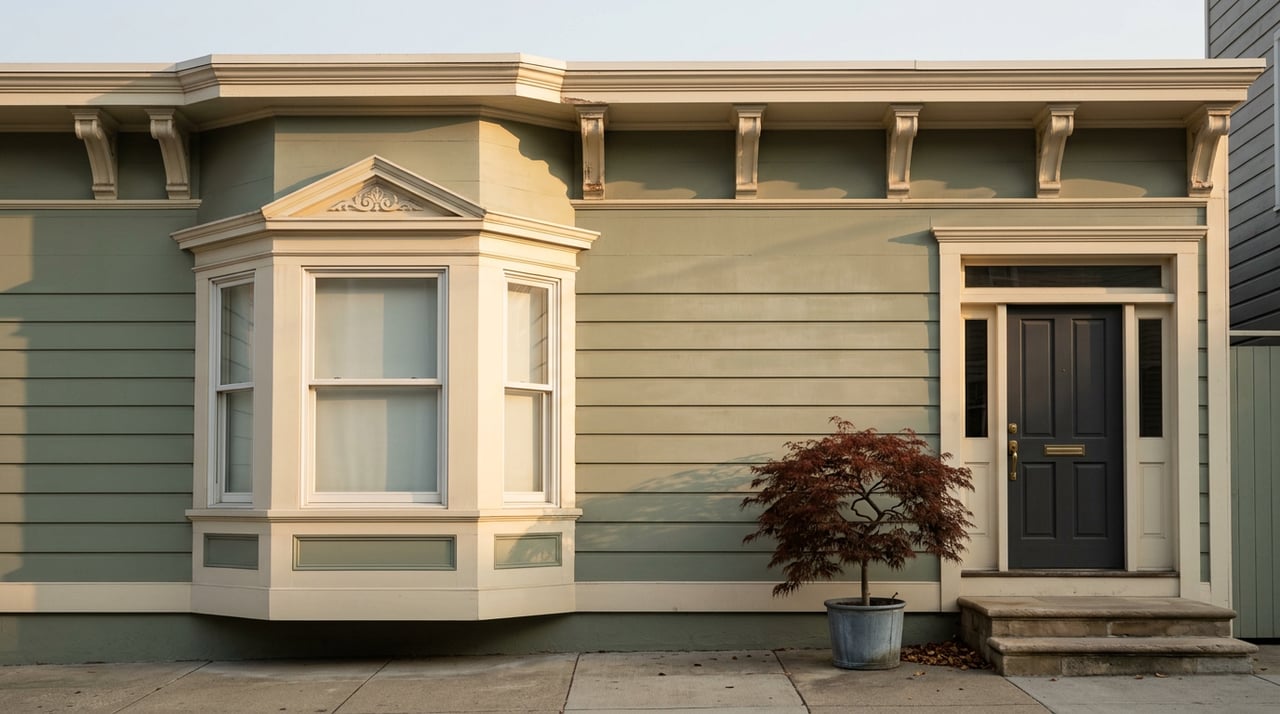
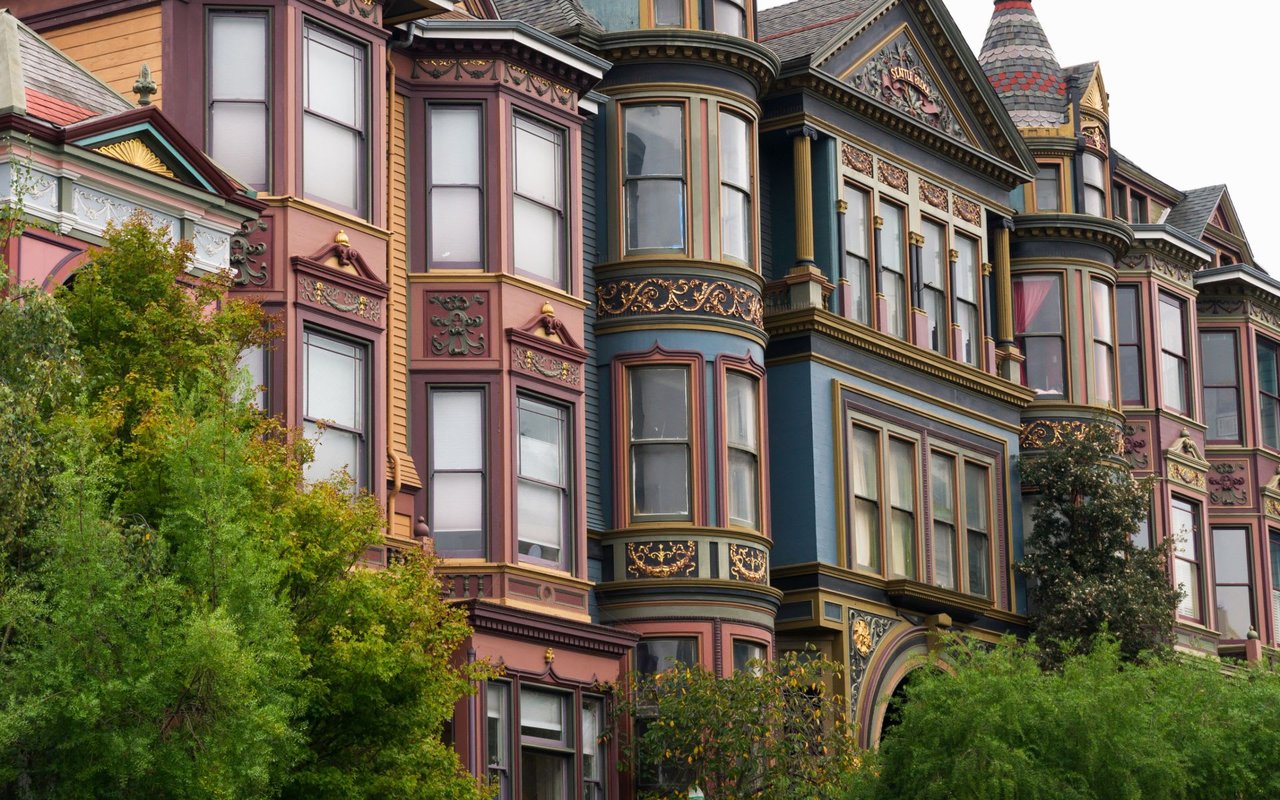
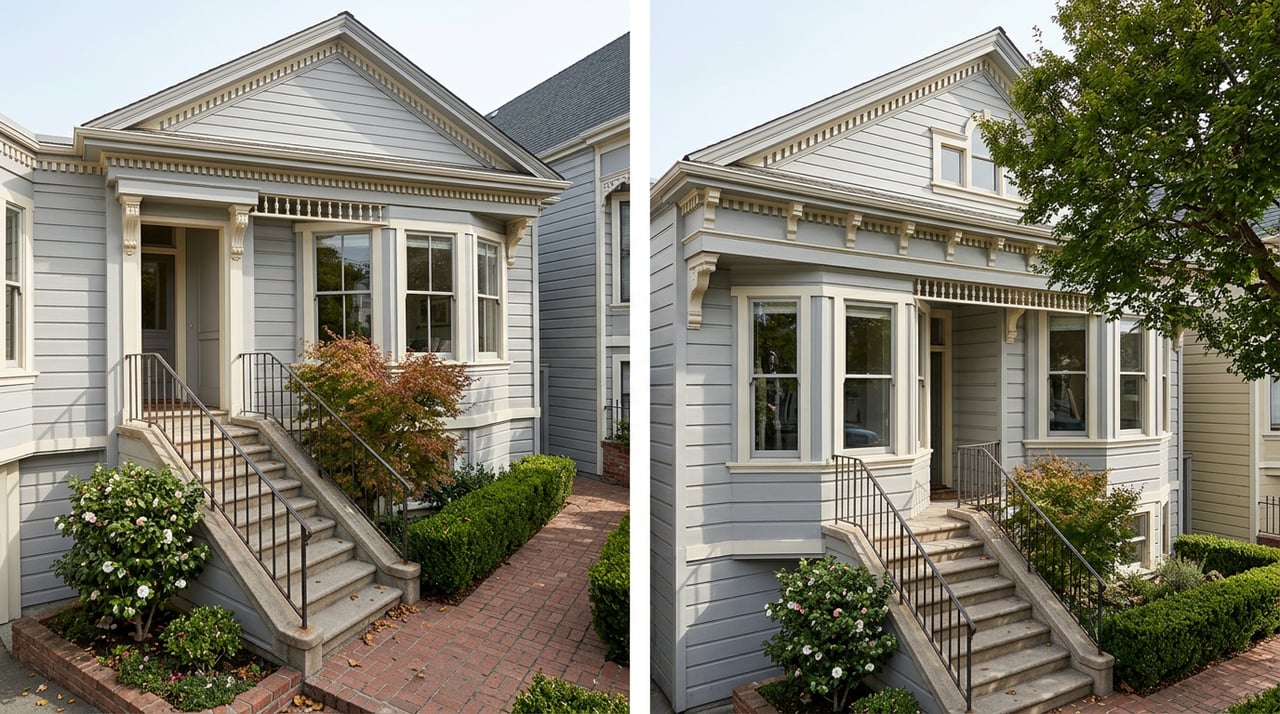
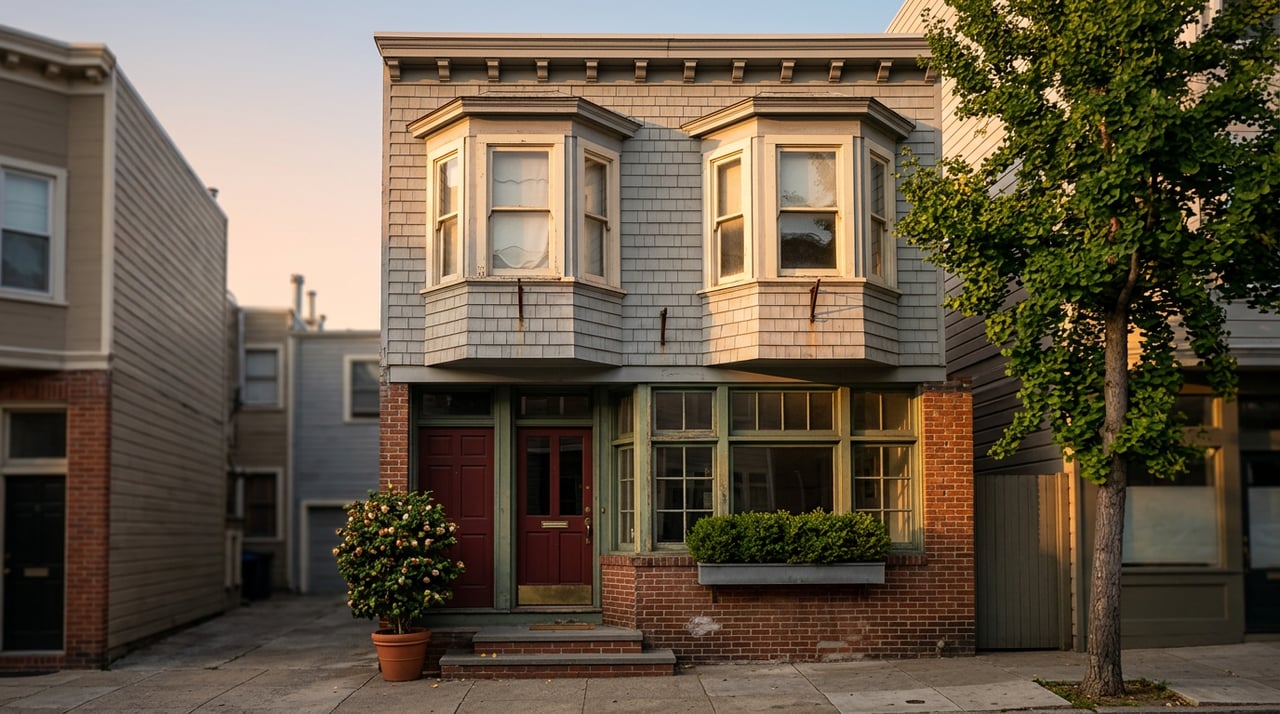
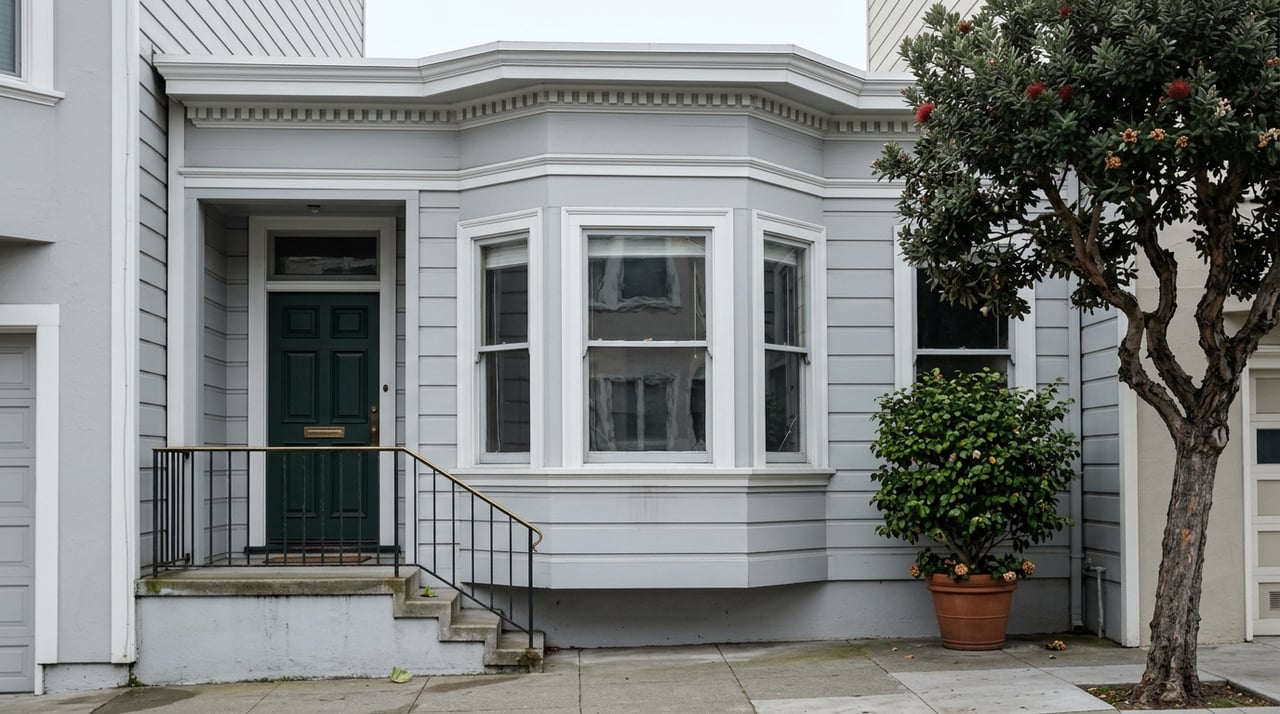
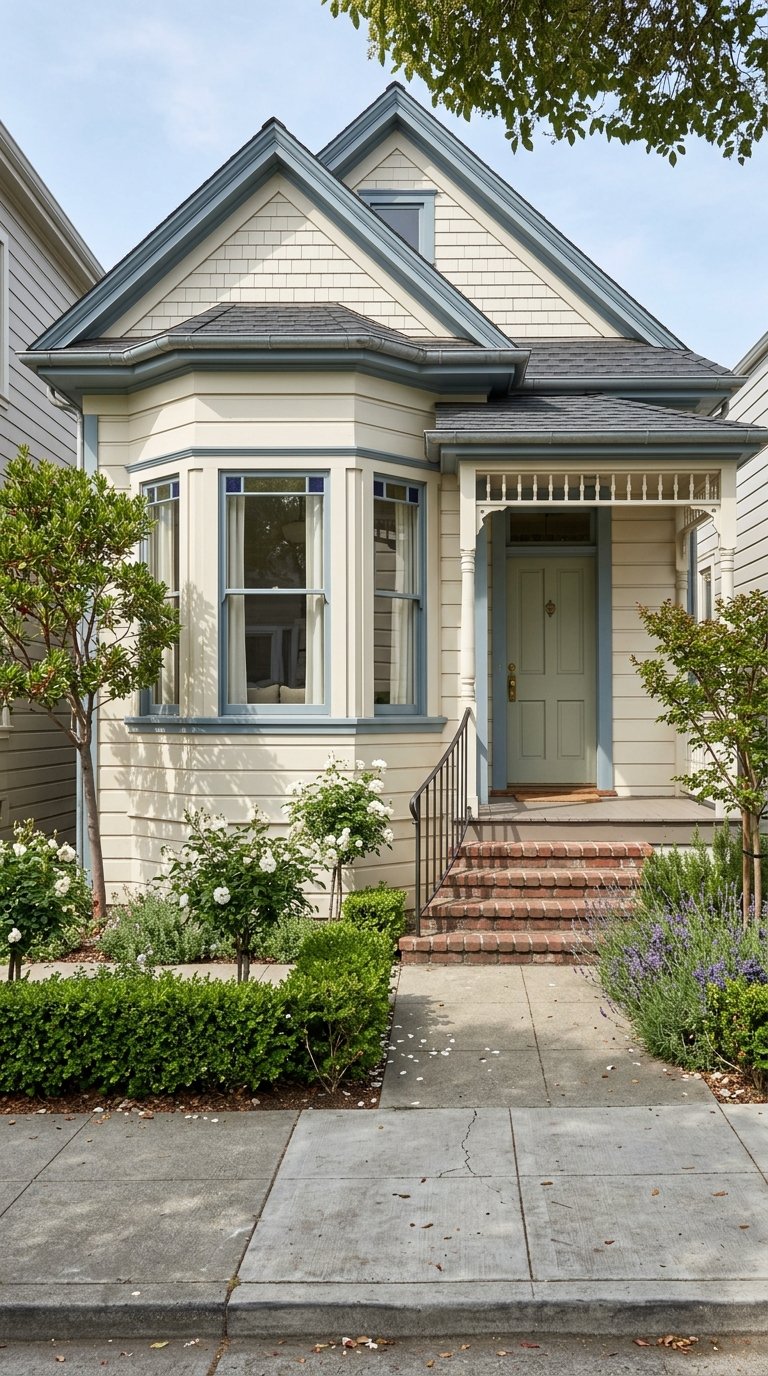
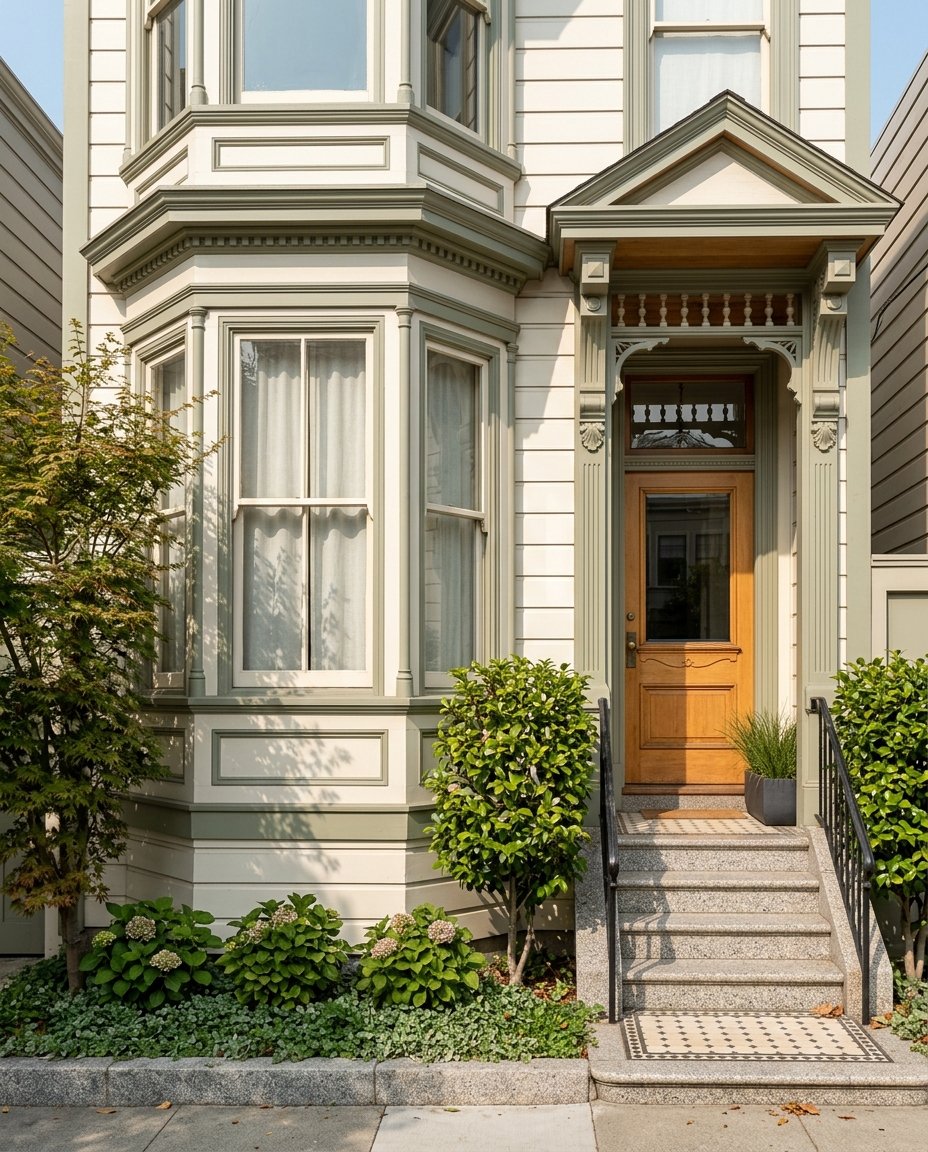
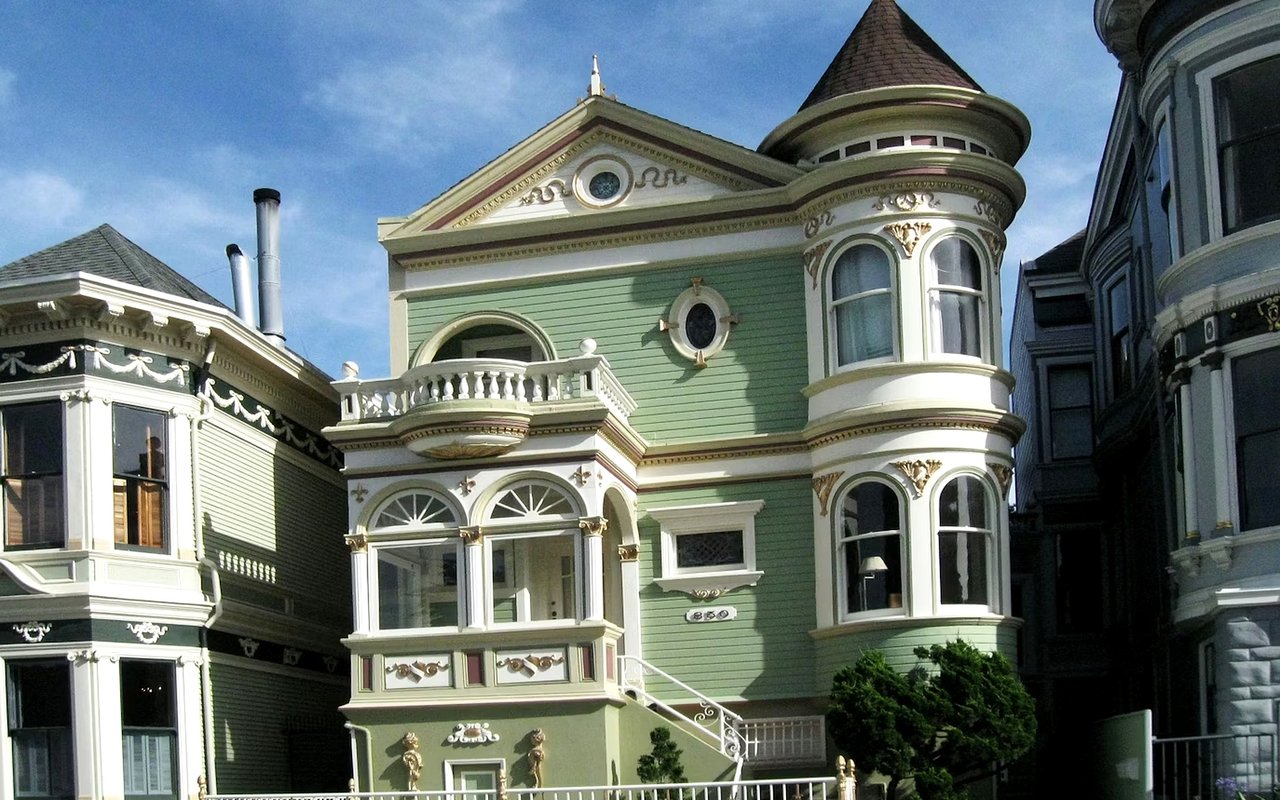
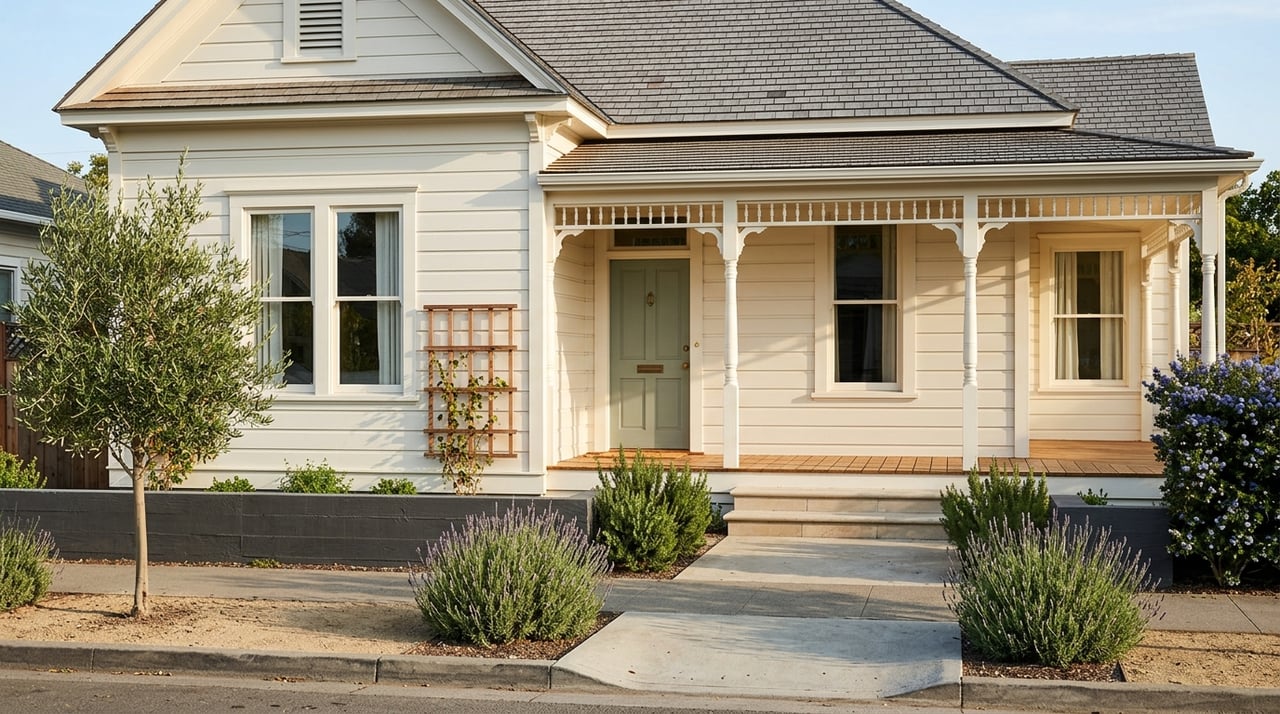
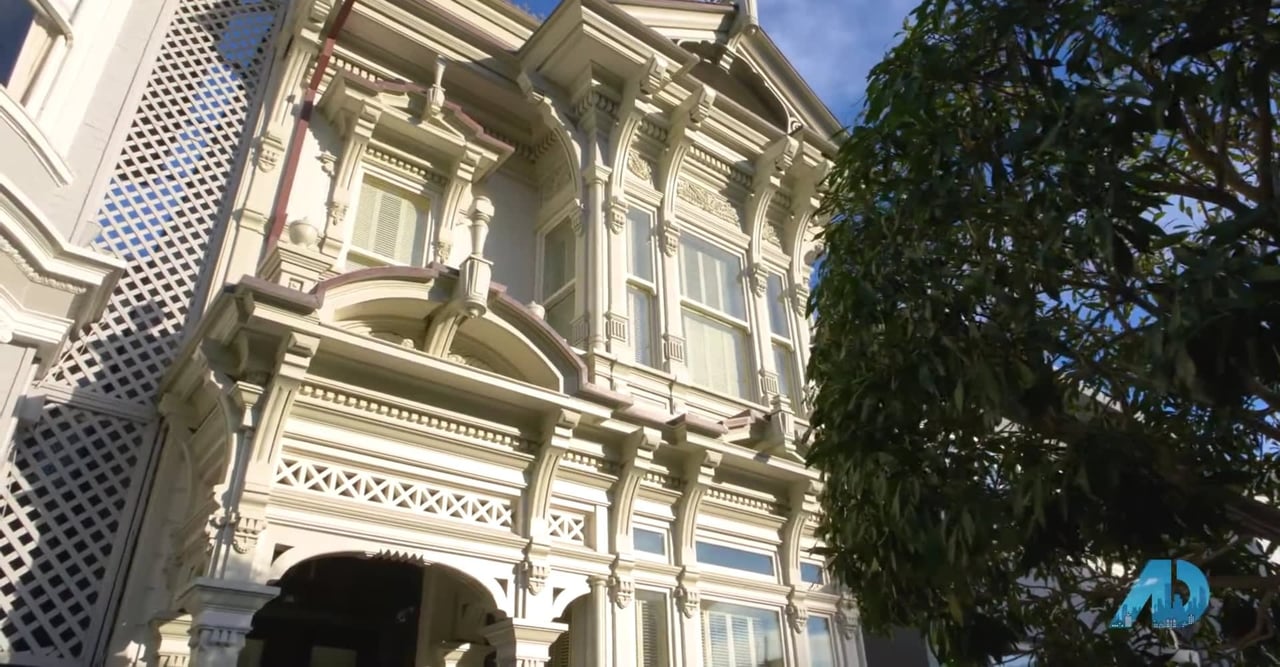
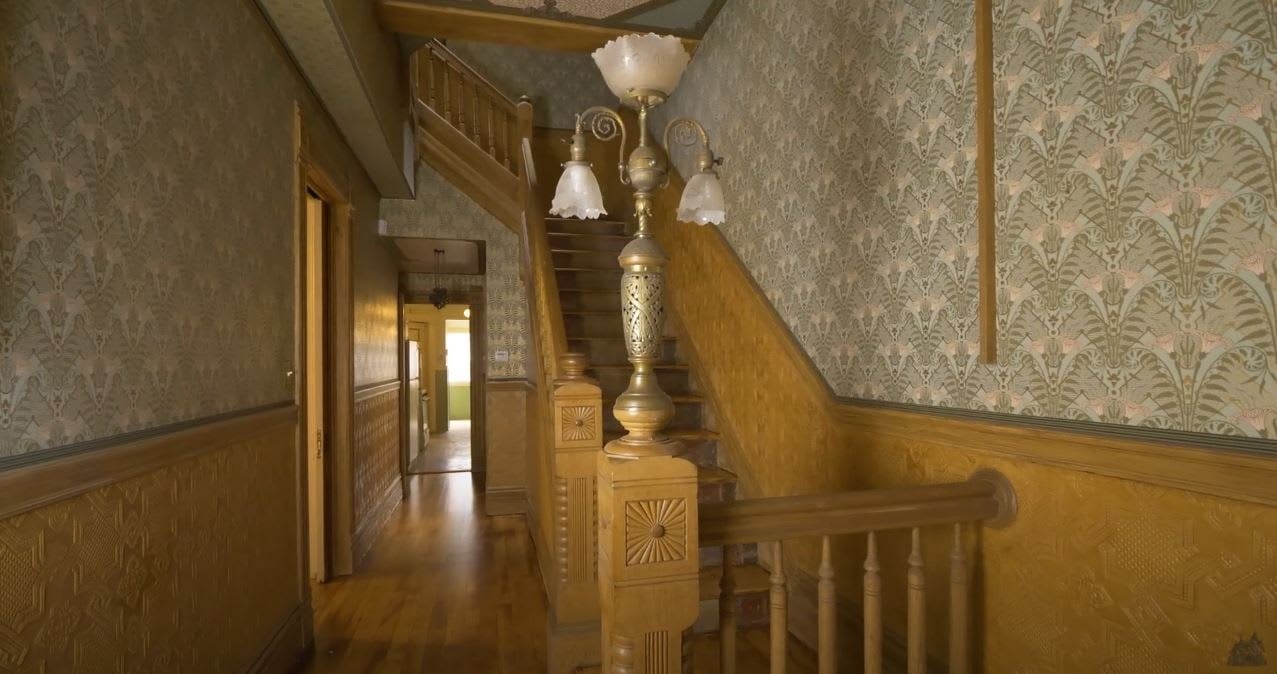
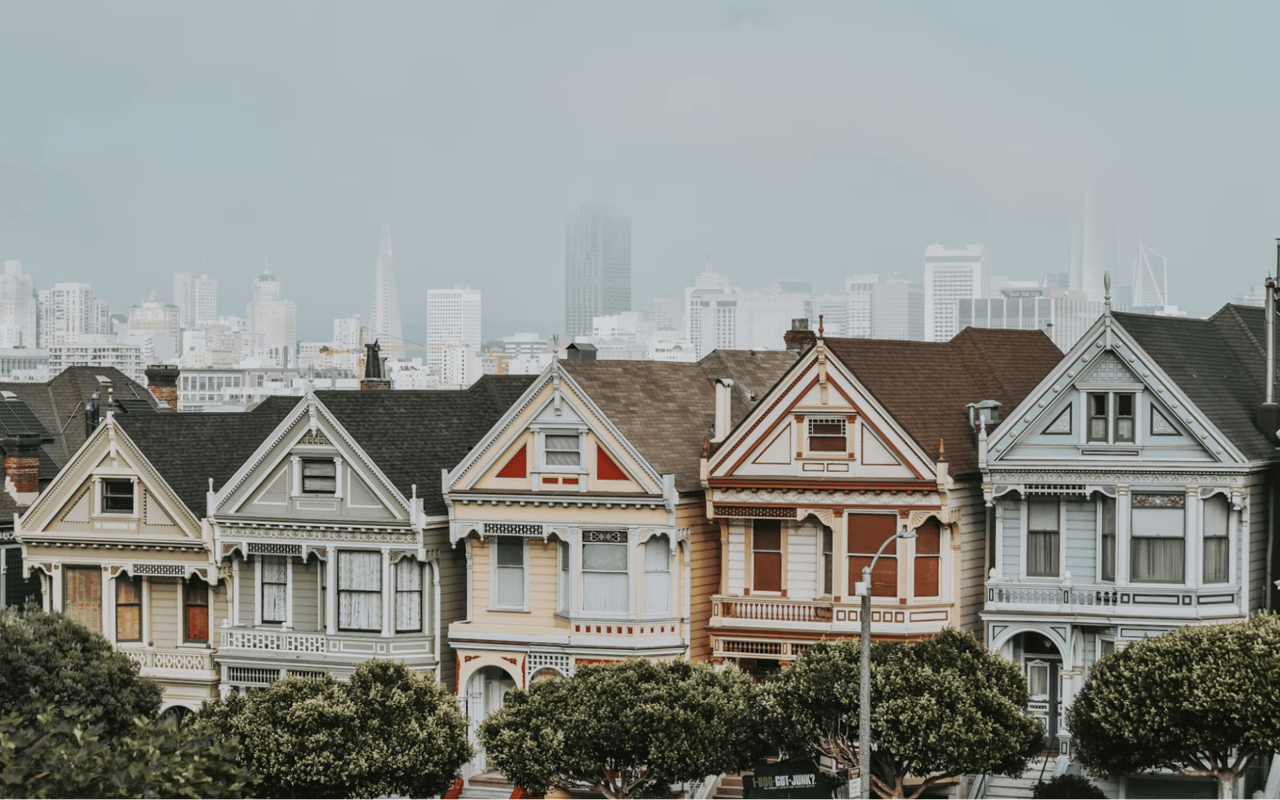
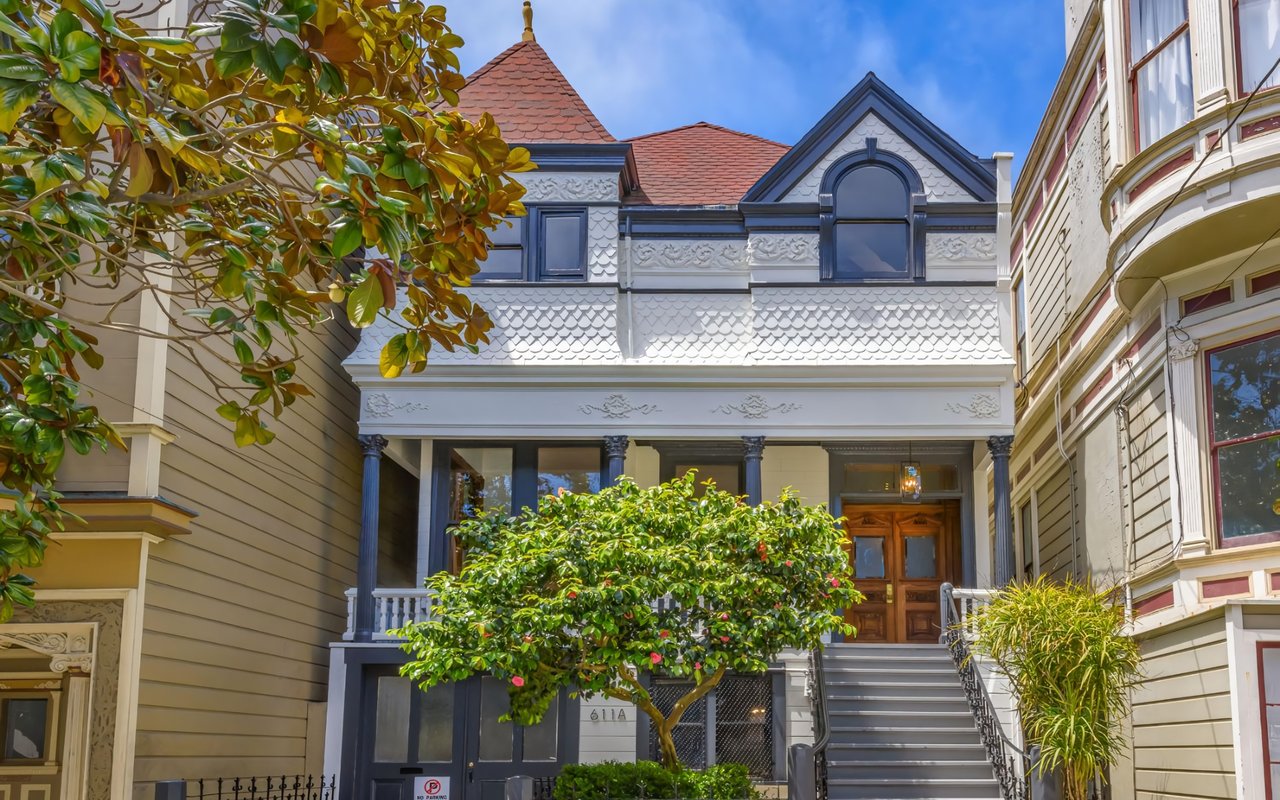
For buyers passionate about classic San Francisco architecture, NoPA offers rich historic housing stock. San Francisco Planning Preservation Bulletins identify Victorian architecture (1860 to 1900) and Edwardian architecture (1901 to 1910) as dominant residential styles in the area.
Victorian Era (1860 to 1900)
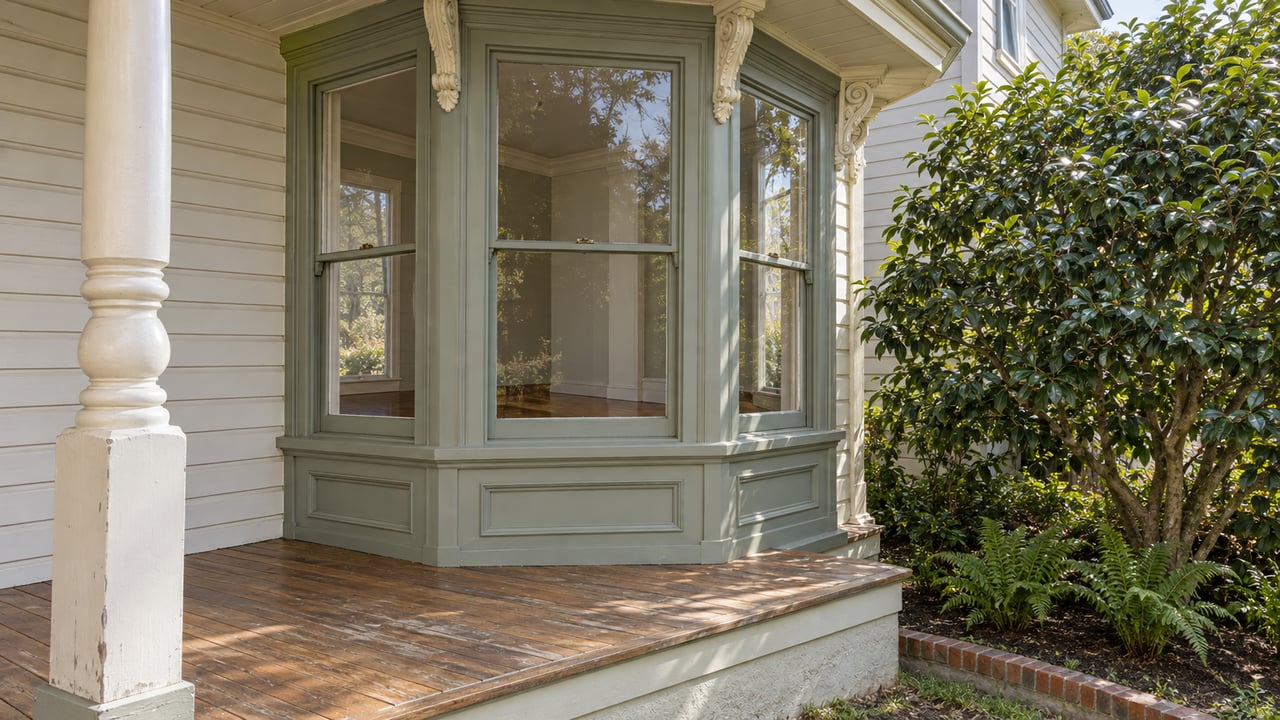
Characterized by ornate wooden corbels, bay windows, decorative millwork, and pitched gables. Sub-styles in NoPA include Italianate, Stick, and Queen Anne single-family homes and flats.
Edwardian Era (1901 to 1910)
Features simpler classical lines, wider floor plans, dentil moldings, and multi-unit flats built during the post-1906 earthquake rebuilding era.
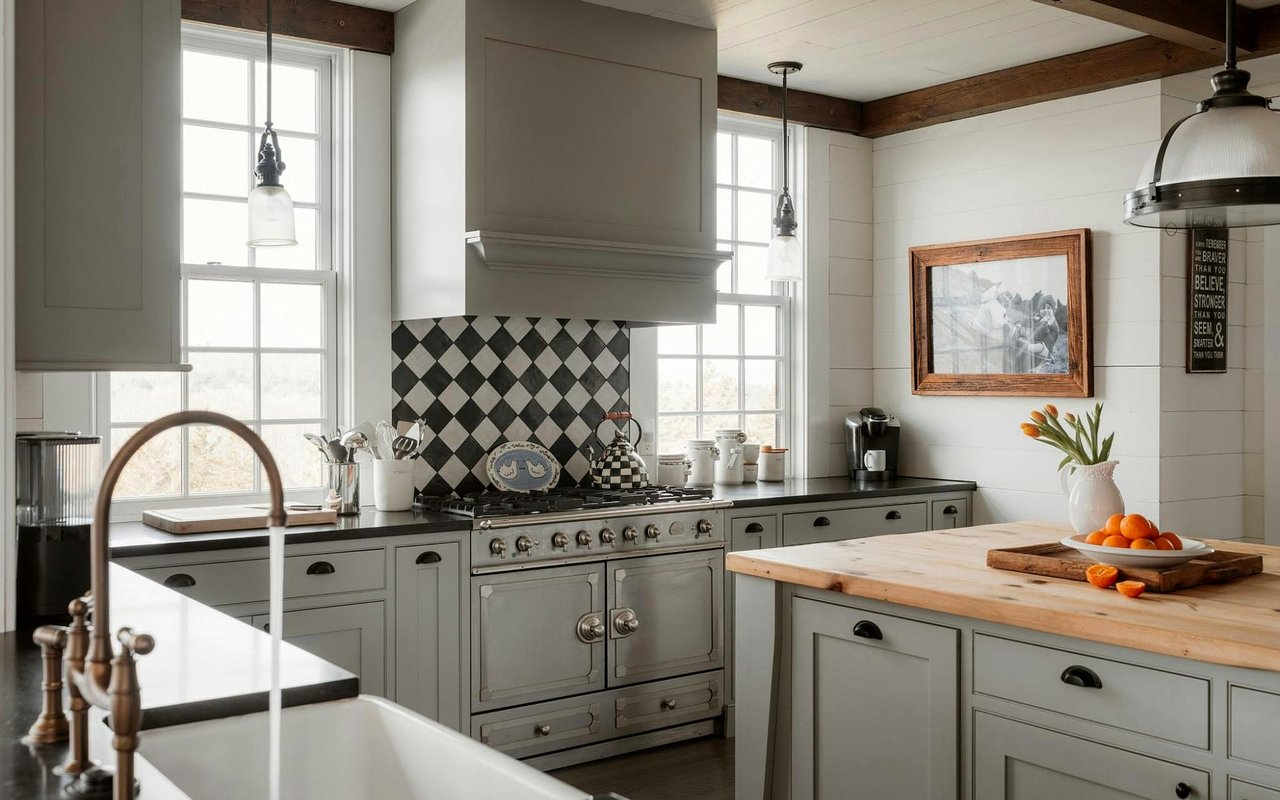
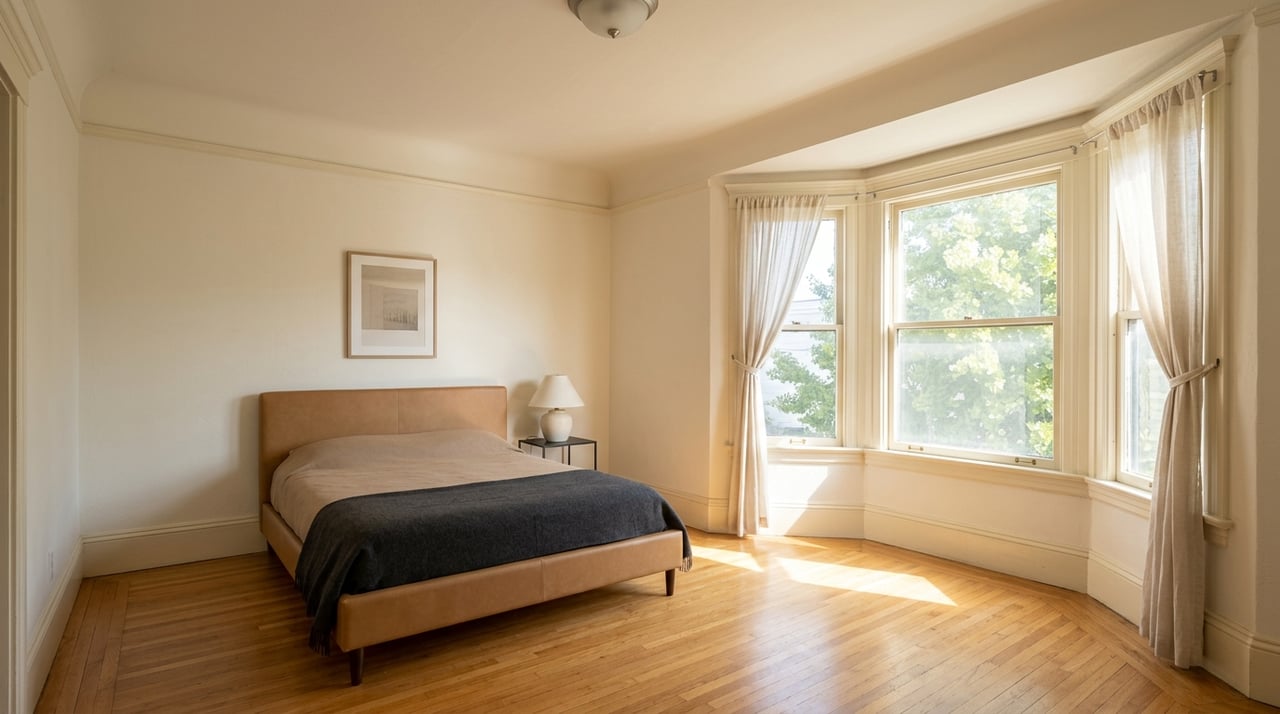
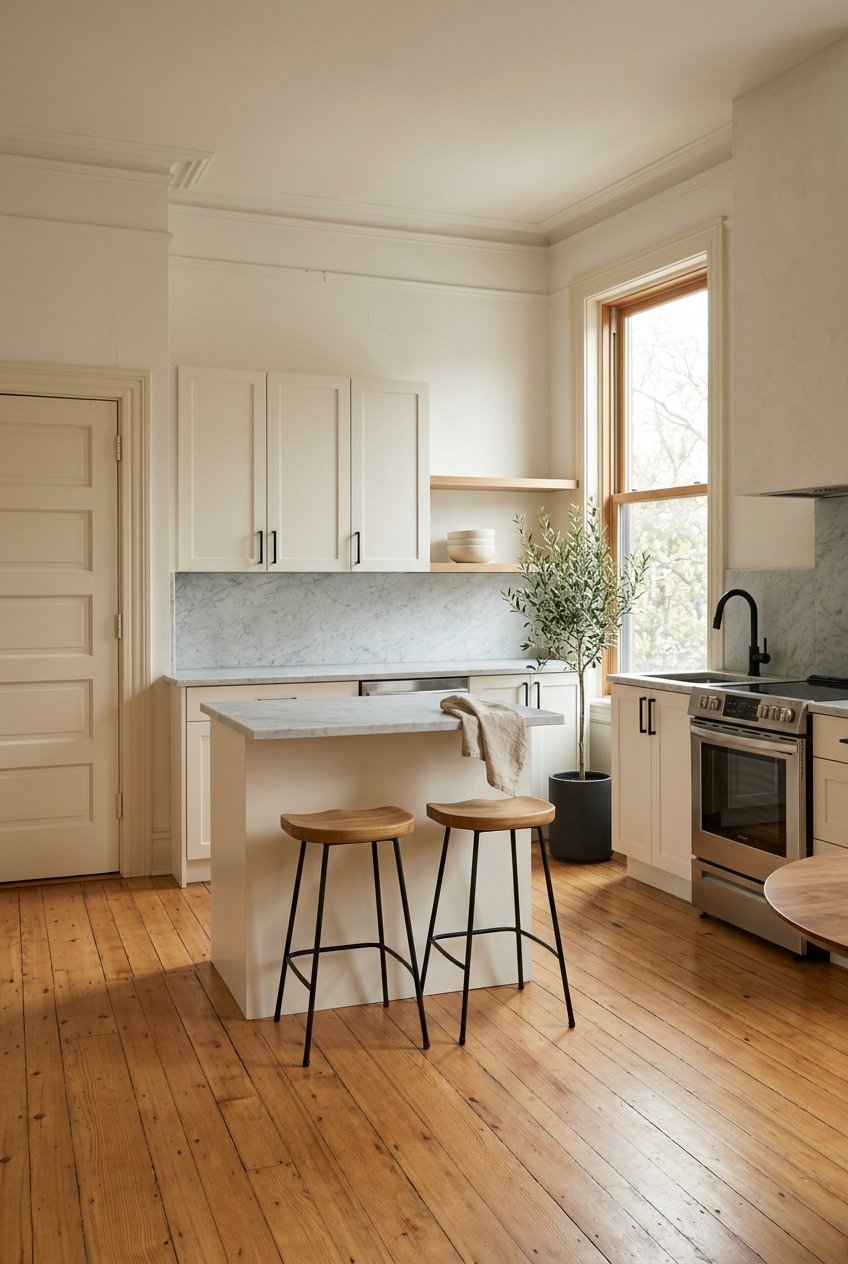
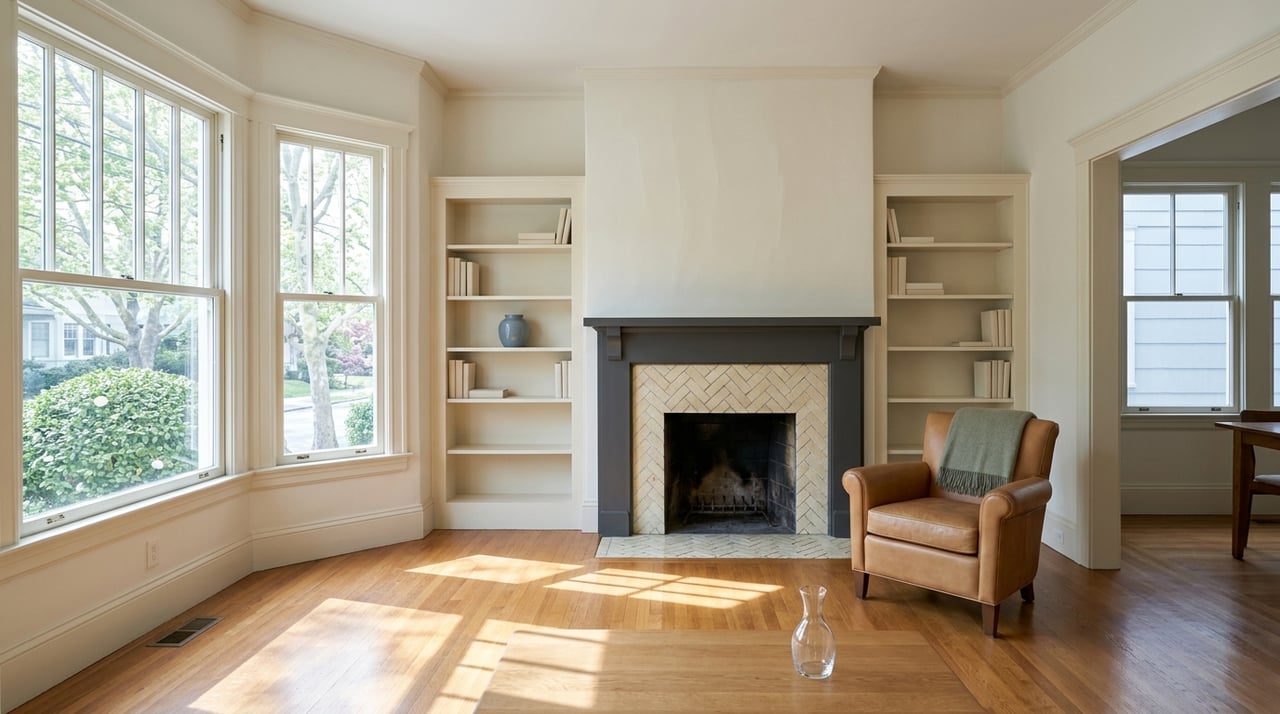
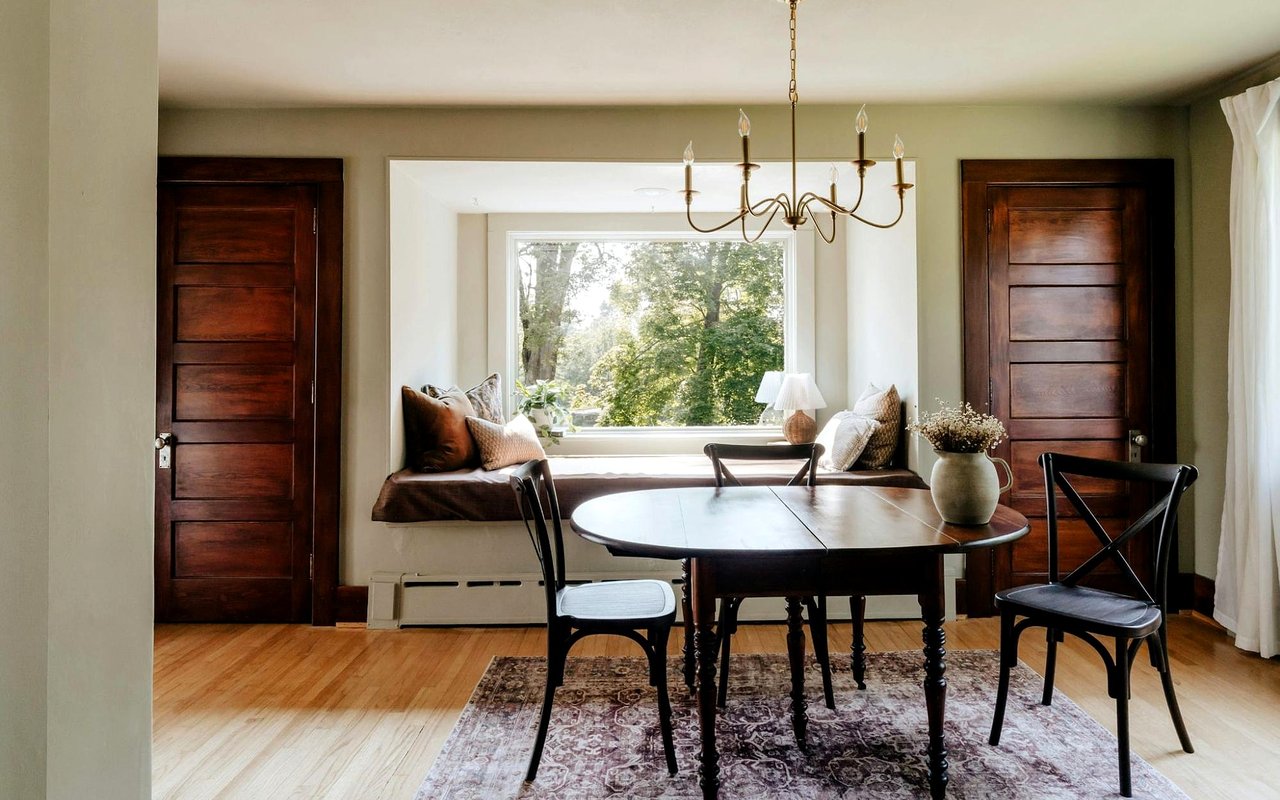
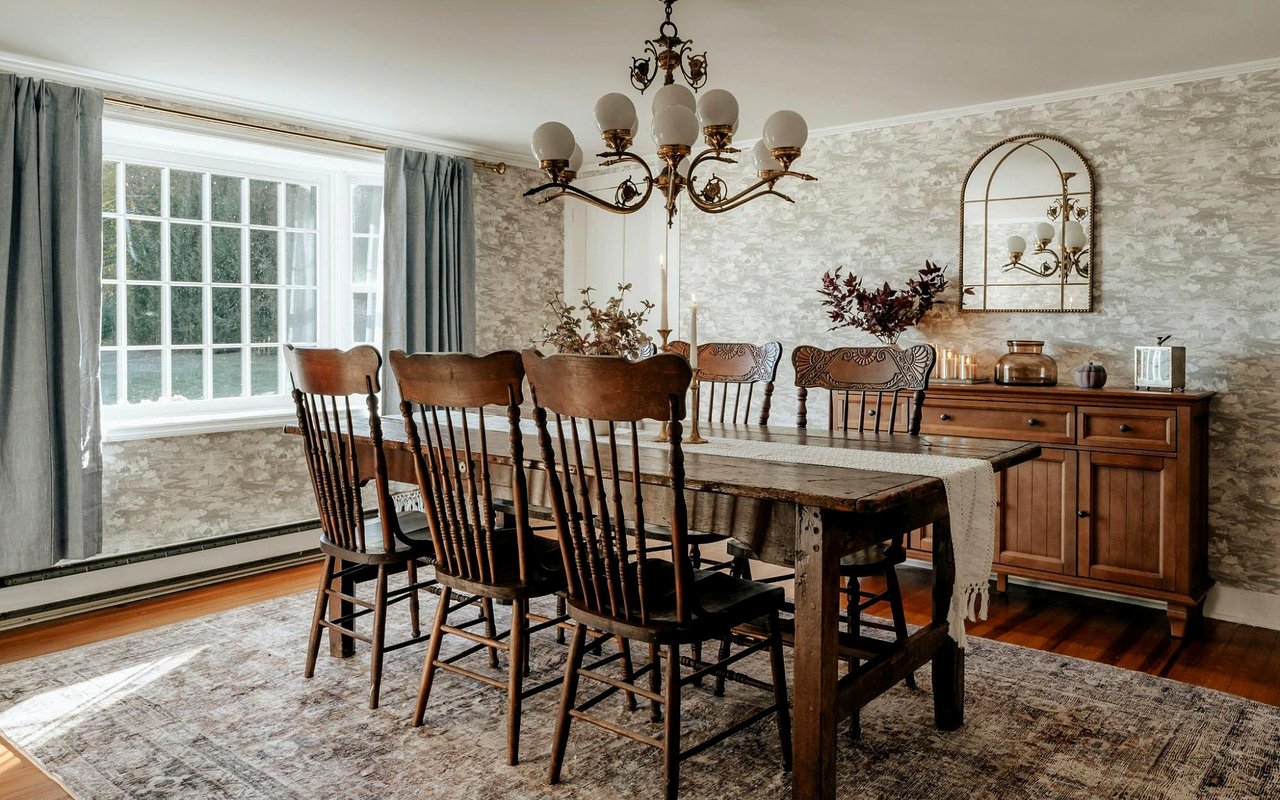
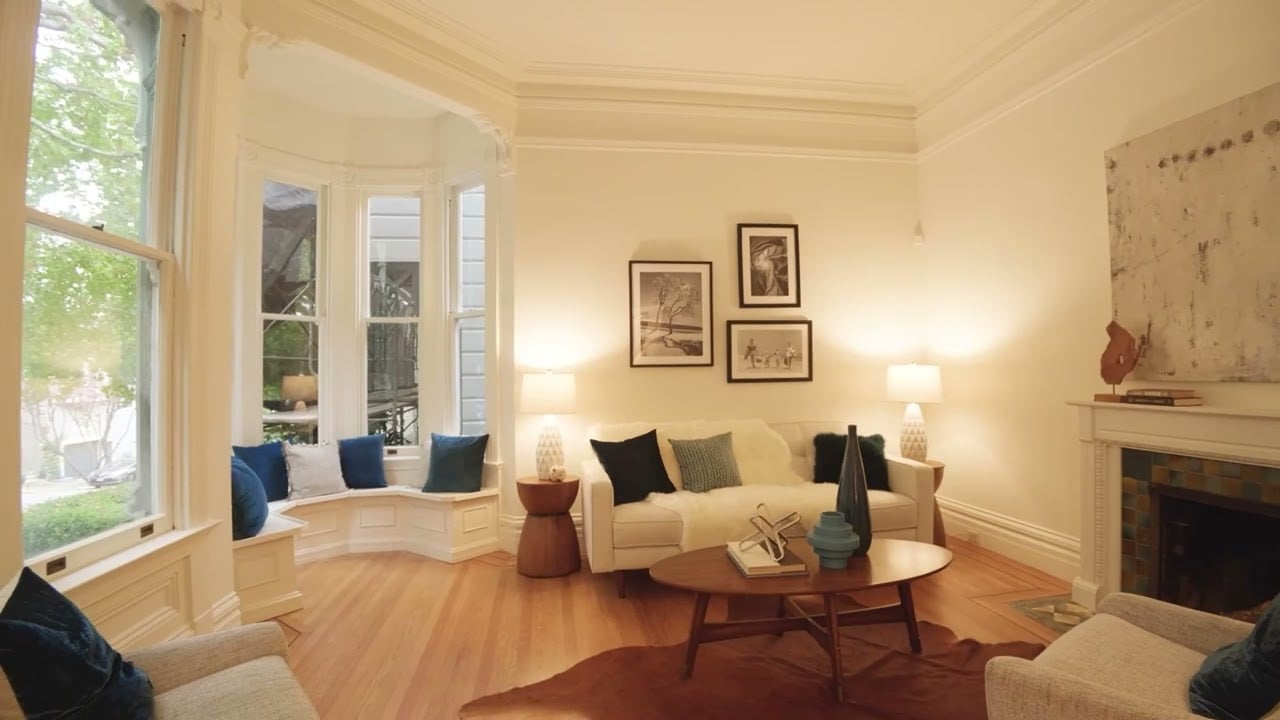
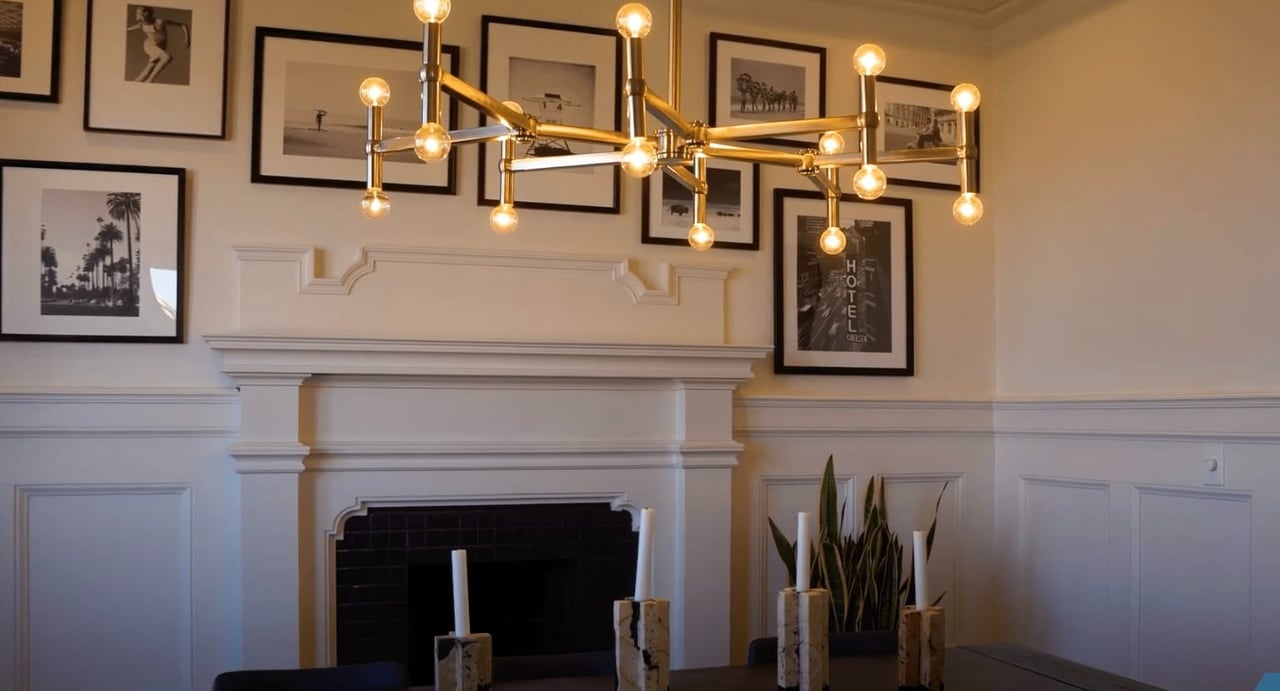
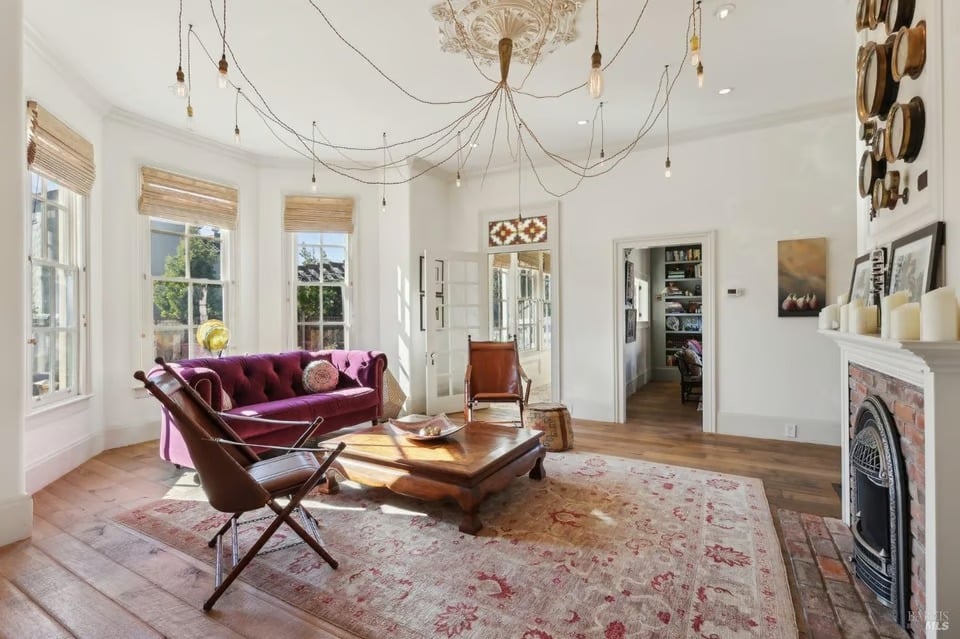
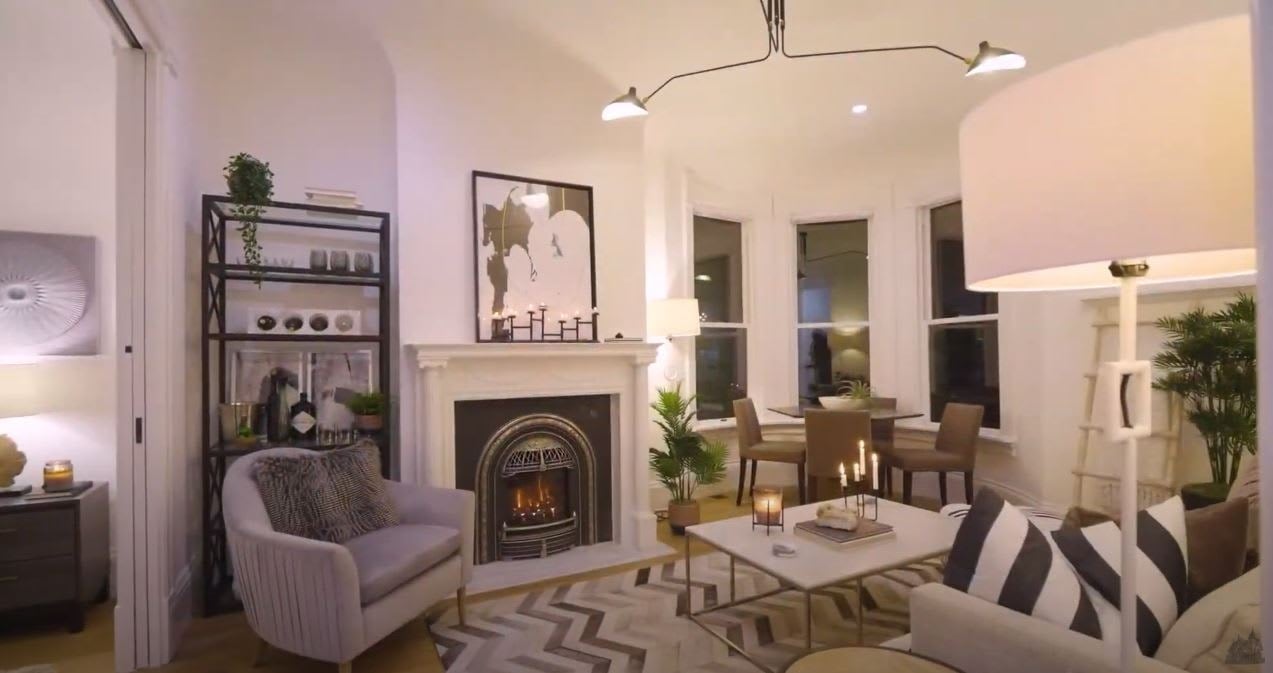
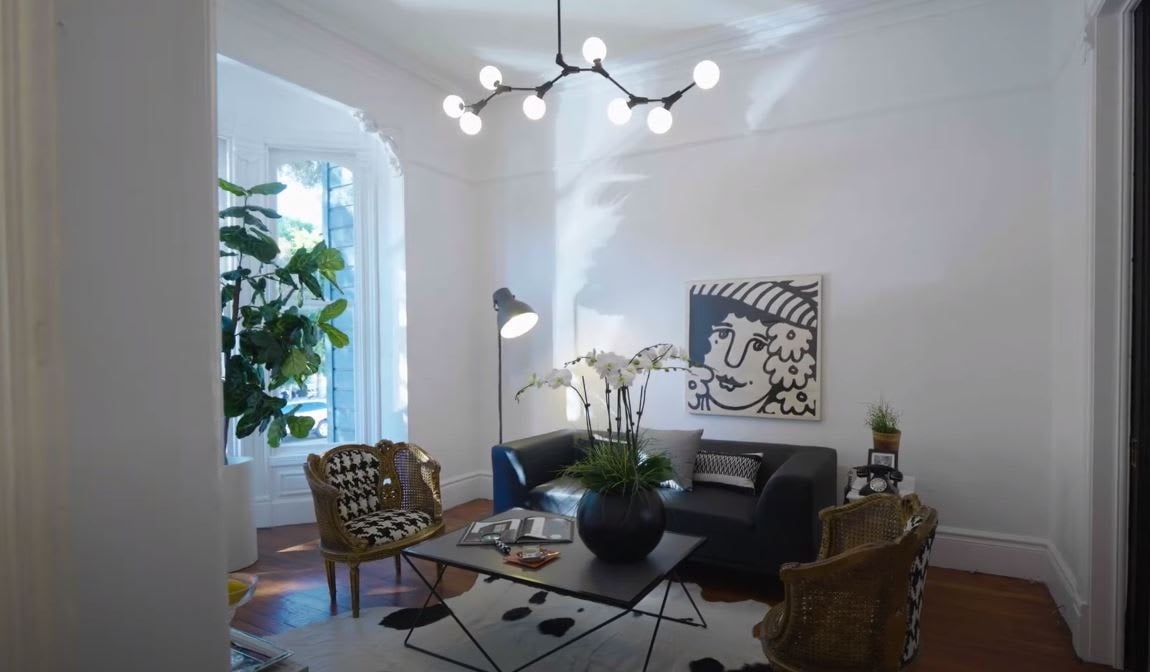
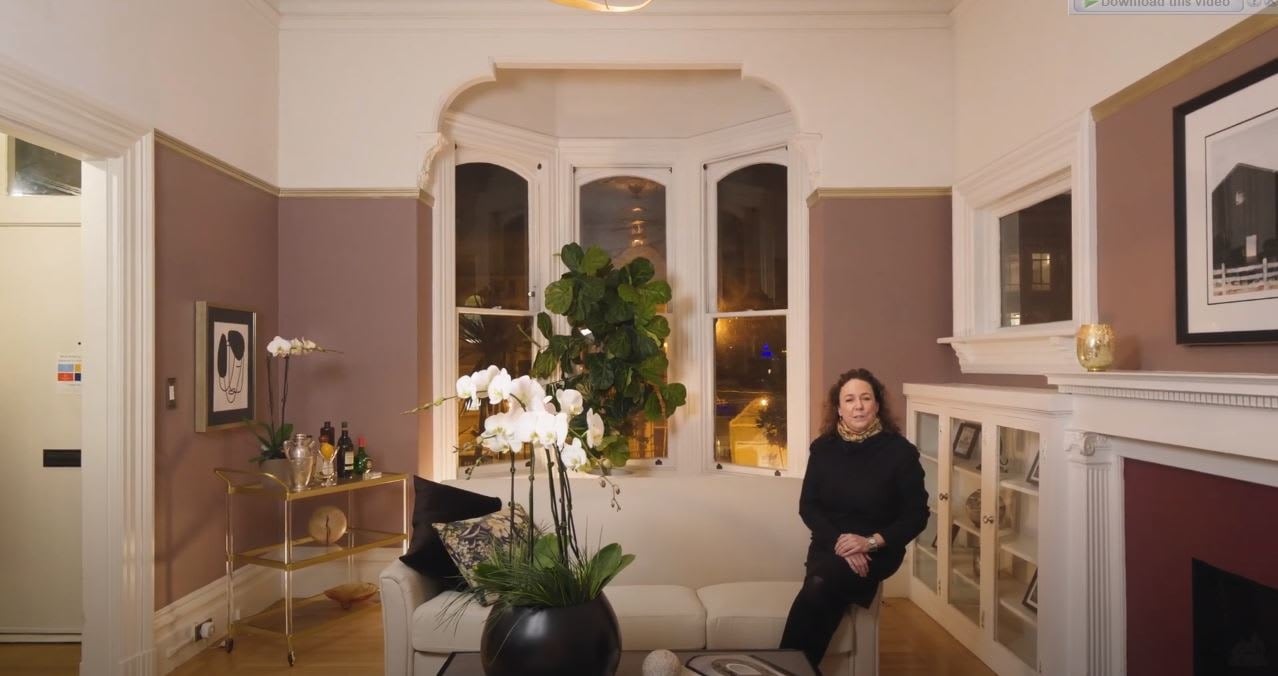
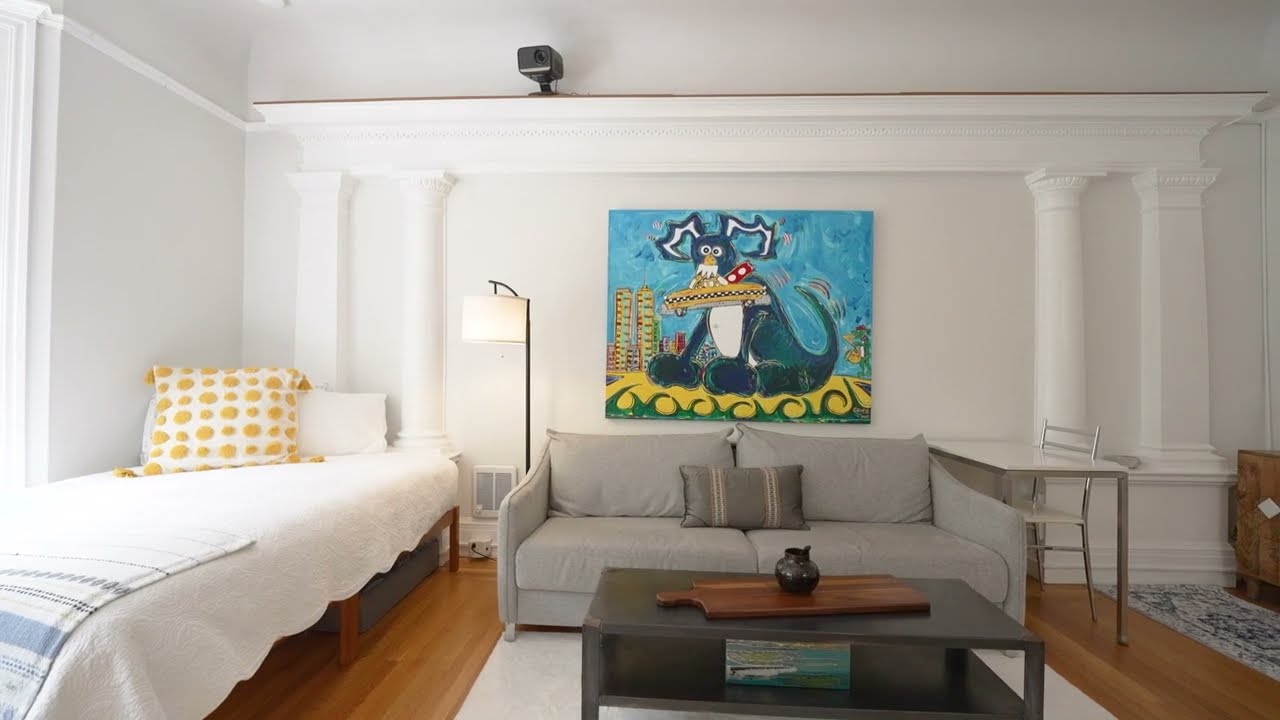
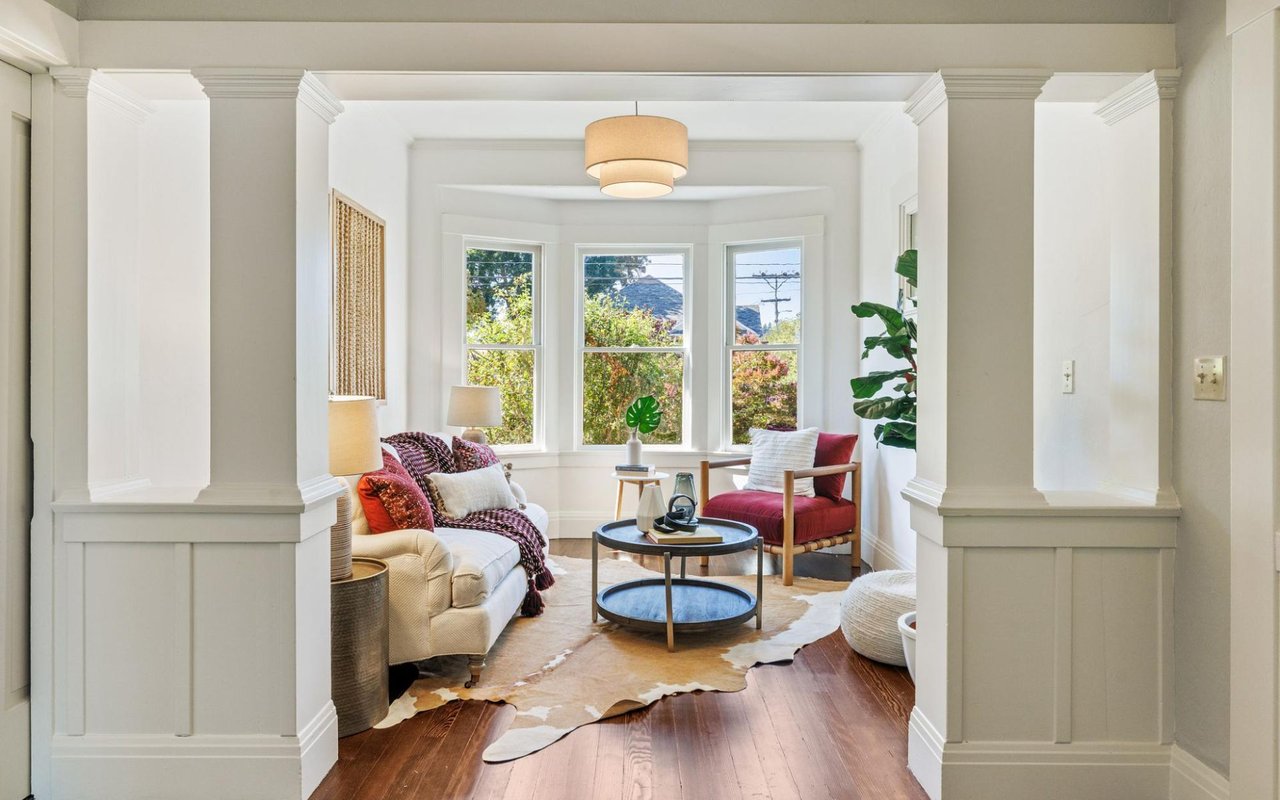
For buyers, this means a housing mix shaped by historic flats and standalone homes featuring coved ceilings, hardwood floors, and pocket doors. For sellers, property valuation is tied to location, structural foundation integrity, and how original architectural elements have been preserved.
Daily Life, Legacy Businesses & Divisadero Corridor
Daily life in NoPA balances quiet residential living with vibrant commercial access. The Divisadero Street commercial strip serves as the neighborhood's spine, featuring acclaimed dining destinations like Nopa, artisanal grocery hubs like Bi-Rite Market, and cozy independent cafes.
Legacy establishments add continuity to daily routines. Sacred Grounds Cafe, recognized by the city for its historical role in North Panhandle coffee and poetry culture, reflects the neighborhood's community spirit.
Panhandle Park Access & Golden Gate Connectivity
The Panhandle is NoPA's primary outdoor amenity. San Francisco Recreation and Parks describes the park as a long greenway spanning three-quarters of a mile in length and one block in width, connecting directly to Golden Gate Park at Stanyan Street.
Featuring paved walking and paved cycling paths, playgrounds, basketball courts, and mature eucalyptus trees, the Panhandle acts as an extended backyard for NoPA residents.
Because Golden Gate Park encompasses 1,017 total acres including the Panhandle, living in NoPA provides direct access to expansive green space, museums, and botanical gardens within a short walk.
Transit Infrastructure & Car-Light Living
Transit connectivity makes NoPA an ideal location for a car-light lifestyle. SFMTA operates key bus routes serving the neighborhood:
- 5 Fulton & 5R Fulton Rapid: Provides 24-hour service connecting NoPA directly to downtown San Francisco, the Financial District, and Ocean Beach.
- 24 Divisadero: Operates 24-hour service along the Divisadero corridor from Marina Green down through Castro and Noe Valley.
- 43 Masonic: Provides daily service from 5 a.m. to midnight connecting the Presidio through NoPA to UCSF Parnassus.
- 6 Hayes/Parnassus: Operates daily from 5 a.m. to midnight through nearby Hayes Valley and park corridors.
Note regarding the 21 Hayes line: SFMTA currently lists the 21 Hayes as suspended, directing riders to the 6 Hayes/Parnassus route instead.
NoPA Home Buyer & Seller Strategic Guidelines
For Historic Home Buyers:
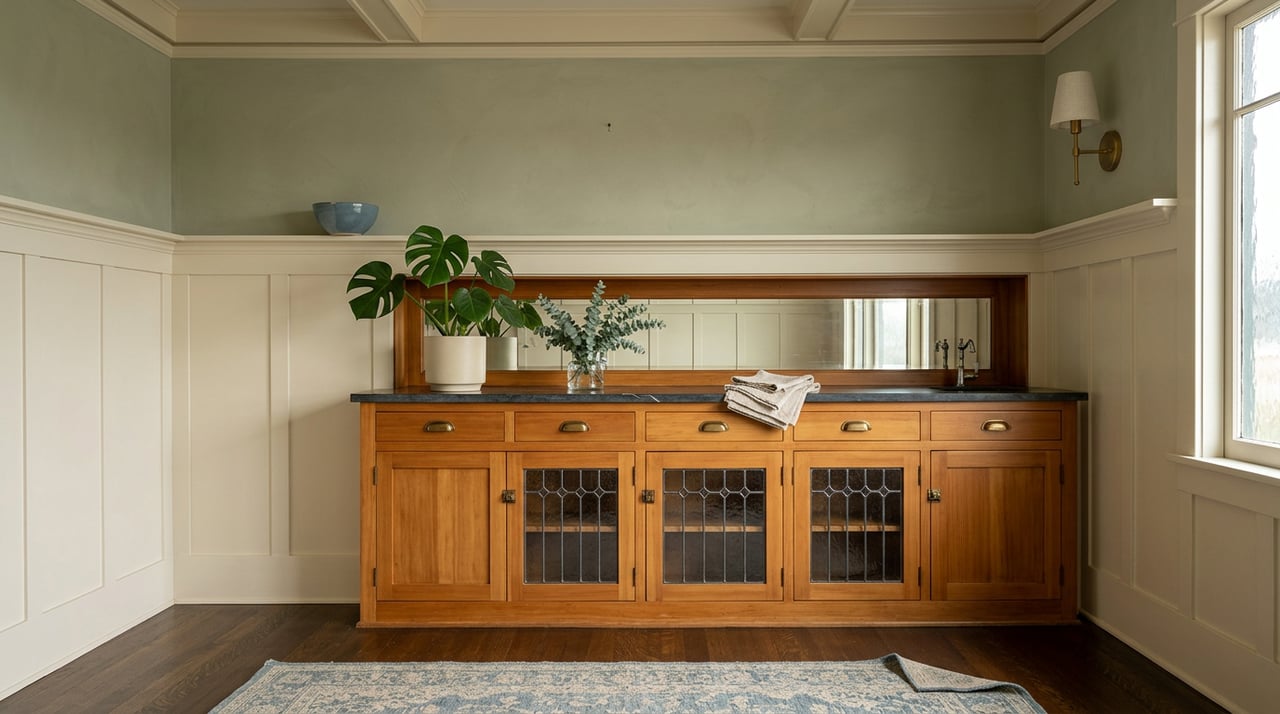
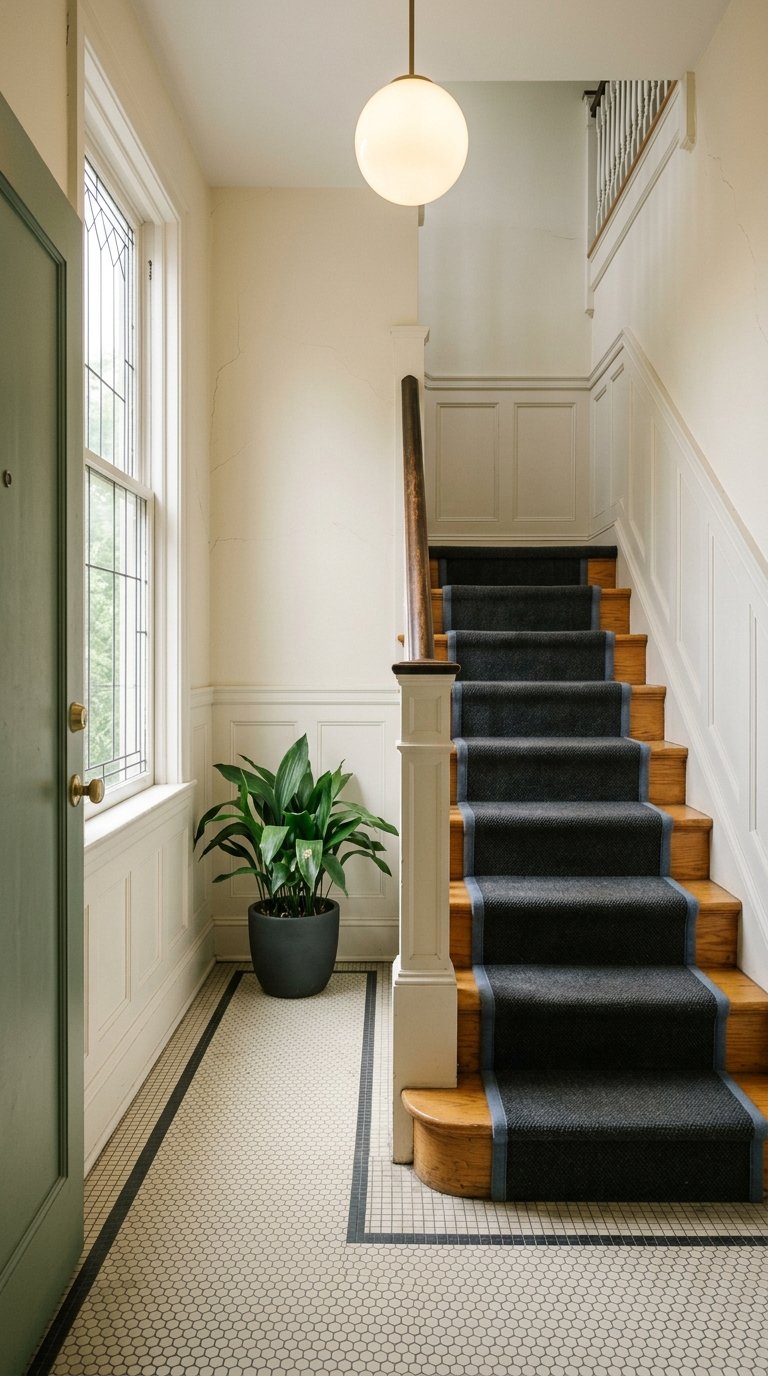
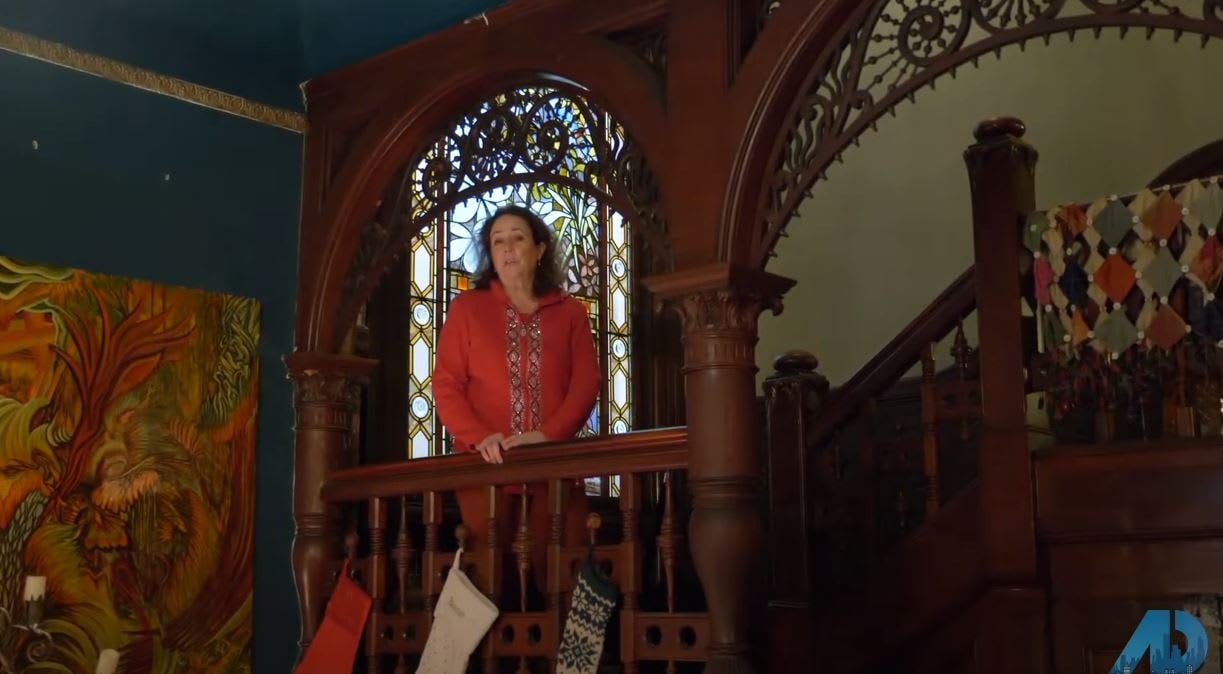
- Inspect original architectural features (pocket doors, wainscoting, stained glass, and millwork).
- Evaluate foundation engineering and seismic soft-story retrofitting status on multi-unit buildings.
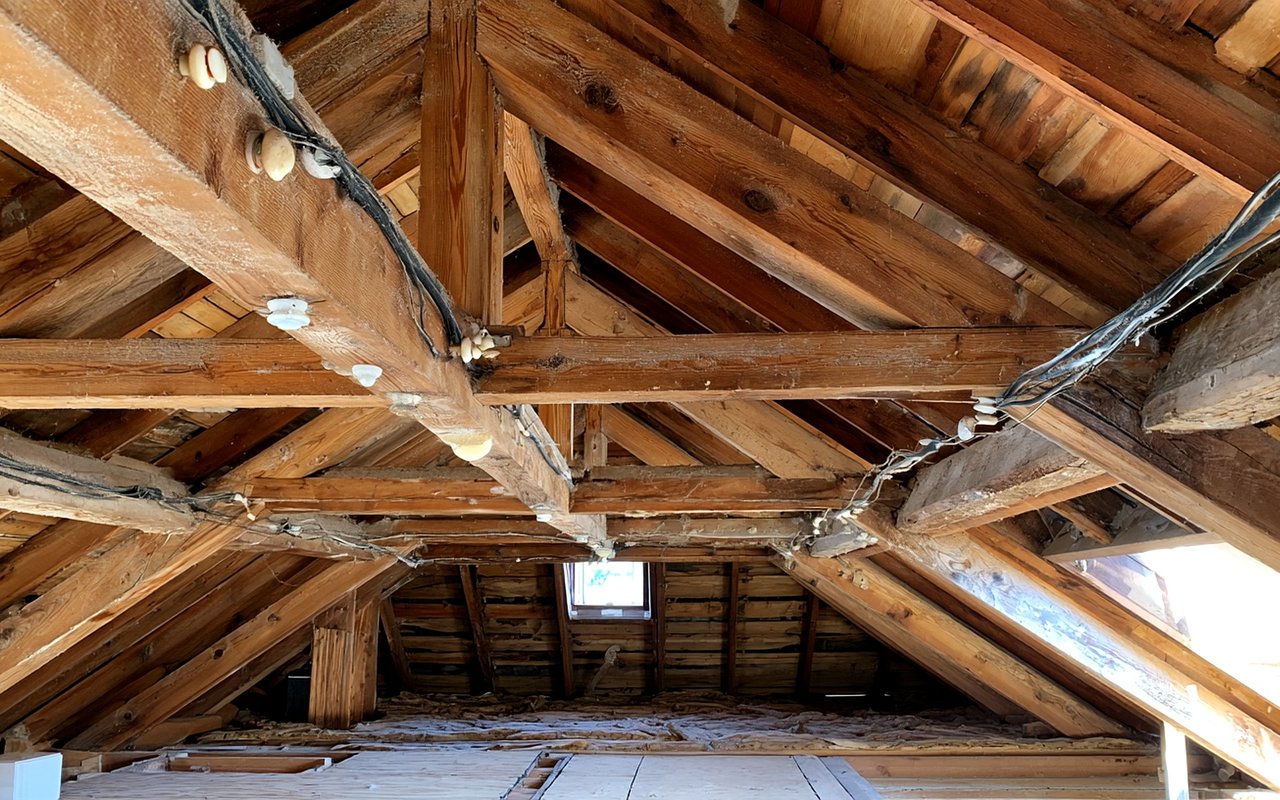
- Check plumbing and electrical upgrades to ensure modern capacity within pre-1926 structures.
- Review HOA reserve health and building maintenance history for tenancy-in-common (TIC) or condo conversions.
For Historic Home Sellers:
- Highlight preserved Victorian and Edwardian craftsmanship in marketing literature.
- Provide buyers with clear documentation of structural, roof, and foundation improvements.
- Position the property around lifestyle benefits: Panhandle access, Divisadero dining, and transit scores.
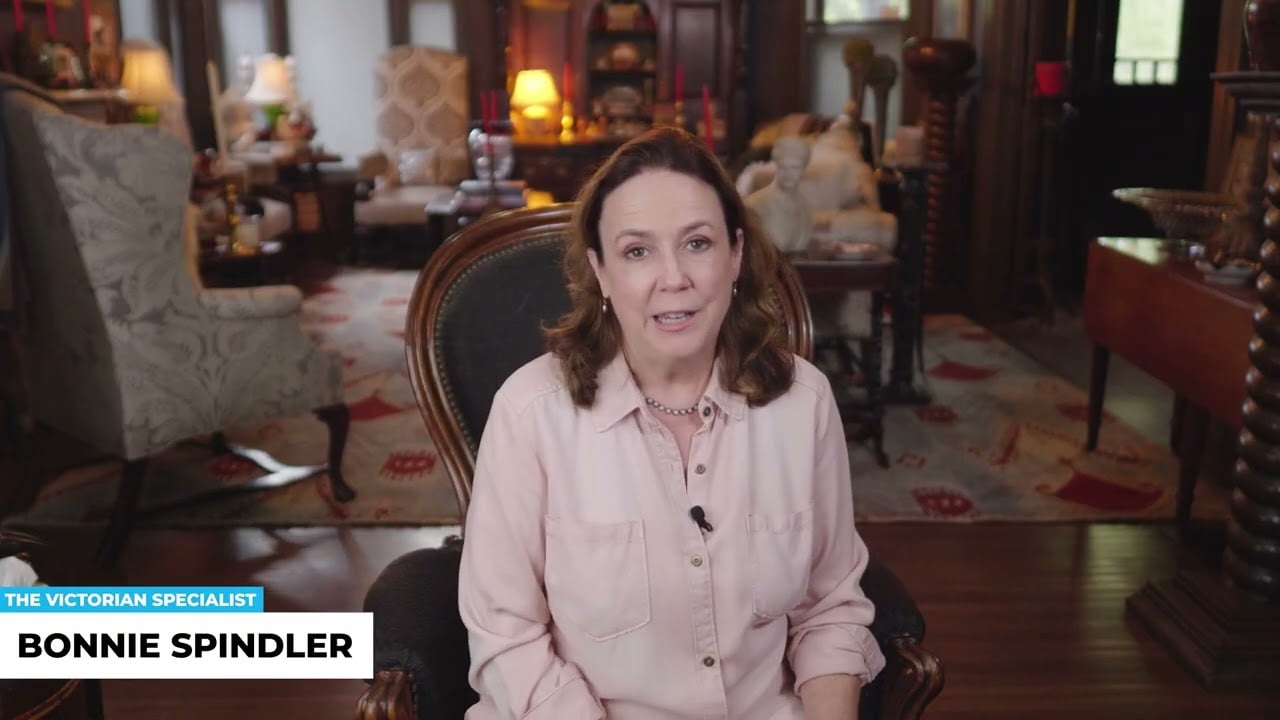
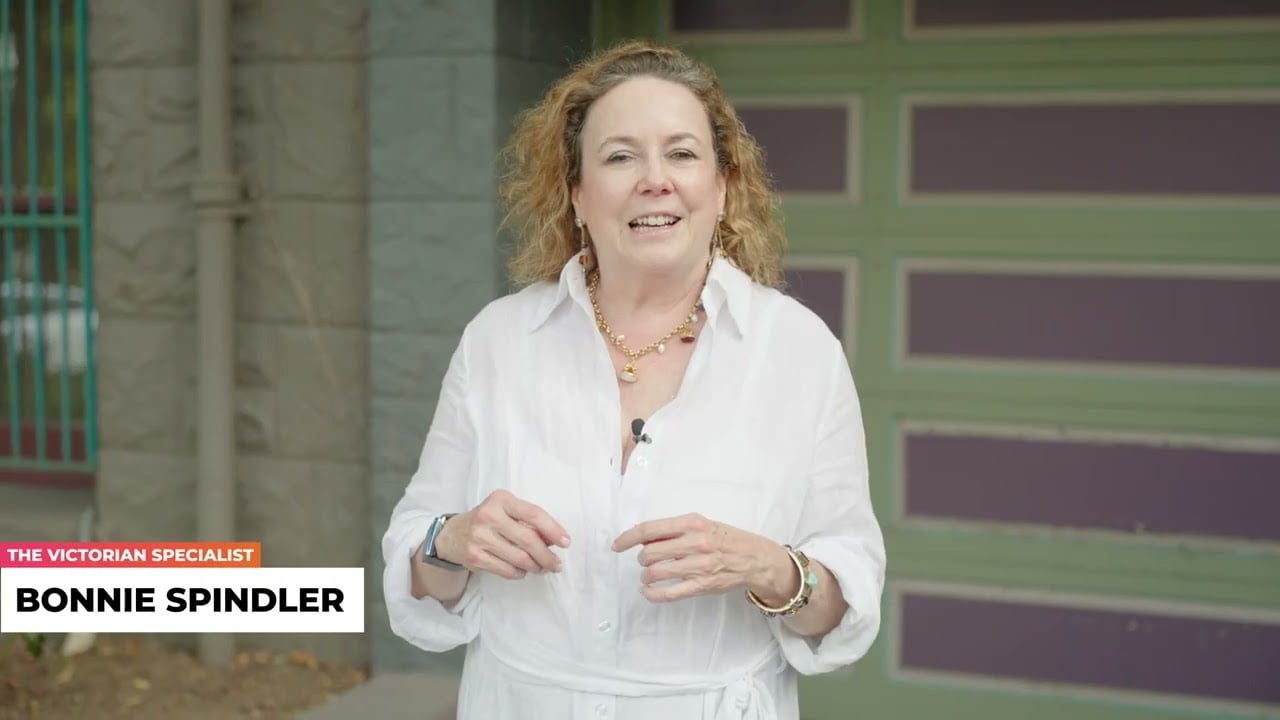
- Partner with a San Francisco preservation specialist like Bonnie Spindler to convey architectural value to buyers.
Frequently Asked Questions About Living in NoPA
What is NoPA in San Francisco?
NoPA is short for North of the Panhandle, a compact residential neighborhood situated north of the Panhandle greenway, bounded by Fell Street, Turk Street, Stanyan Street, and Divisadero Street.
What architectural styles dominate NoPA real estate?
NoPA is defined by pre-1926 two- and three-story Victorian (1860 to 1900) and Edwardian (1901 to 1910) architecture, featuring single-family homes, multi-unit flats, and restored condominiums.
How does living near the Panhandle impact NoPA home values?
Direct adjacency to the 0.75-mile Panhandle park and 1,017-acre Golden Gate Park provides immediate access to green space, walking paths, and bike trails, driving strong long-term real estate demand.
What transit options serve NoPA residents?
NoPA is served by SFMTA bus routes including the 24-hour 5 Fulton and 24 Divisadero lines, the 43 Masonic line, and the 6 Hayes/Parnassus line.
Is NoPA suitable for a car-light lifestyle?
Yes. With a Walk Score of 95/100, extensive MUNI transit lines, bike lanes along Fell and Oak Streets, and neighborhood grocery stores like Bi-Rite Market, NoPA easily supports living without a personal vehicle.
Explore Related San Francisco Neighborhood Guides
Partner With The Victorian Specialist
Ready to Buy or Sell a Historic Home in NoPA?
With over 20 years of specialized experience in San Francisco historic architecture, Bonnie Spindler provides unparalleled guidance for buyers and sellers in North of the Panhandle.