By Bonnie Spindler
After 30 years of helping clients buy and invest in San Francisco real estate, I've watched a lot of people approach investment properties the wrong way. They obsess over timing the market or chasing the single perfect deal, and they miss what actually drives performance: strategy, patience, and a clear-eyed understanding of how different property types behave over time. Whether you're buying your first investment property or expanding an existing portfolio, the fundamentals that matter most are the same ones most investors overlook.
Key Takeaways
- Investment properties perform best with a long-term strategy, not a short-term speculator's mindset
- Property type matters as much as purchase price
- Historic and modern properties behave very differently as investment assets
- Appreciation and ownership flexibility often outweigh short-term cash flow
- Understanding local regulations before you buy is not optional
Why Real Estate Remains a Long-Term Investment
Real estate has served as a core investment asset for generations because it combines tangible value with long-term appreciation potential. Unlike stocks or other paper assets, real estate offers utility, scarcity, and the ability to generate income while holding.
Core advantages investors rely on:
- Historically strong appreciation over long hold periods
- A meaningful hedge against inflation
- Portfolio diversification outside of equities
- The ability to use leverage responsibly to build wealth
That said, real estate is not uniform. How an investment property performs depends heavily on location, property type, and ownership strategy. Two properties on the same block can perform very differently depending on these factors.
Choosing the Right Investment Property Type
One of the most consequential decisions any investor makes is choosing the property type that fits their goals and risk tolerance. Getting this wrong creates problems that compound over time.
Common investment property categories to consider:
- Condominiums
- Single-family homes
- Small multi-unit residential properties
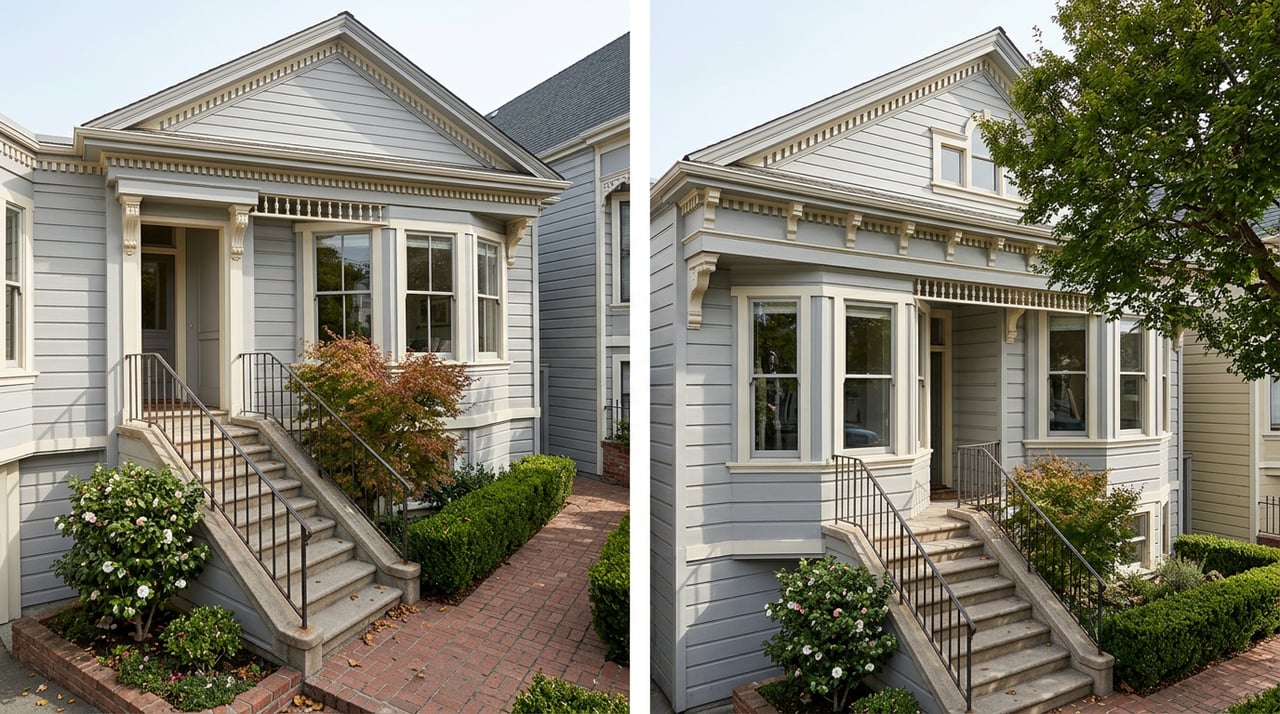
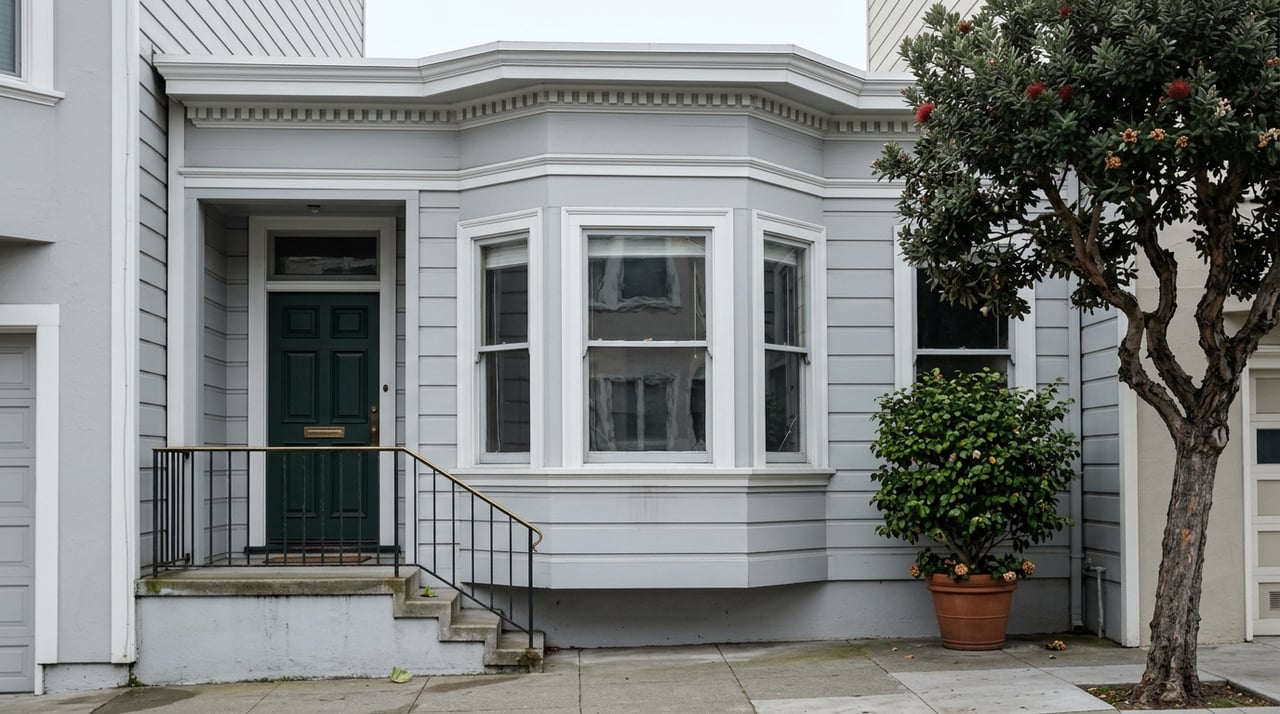
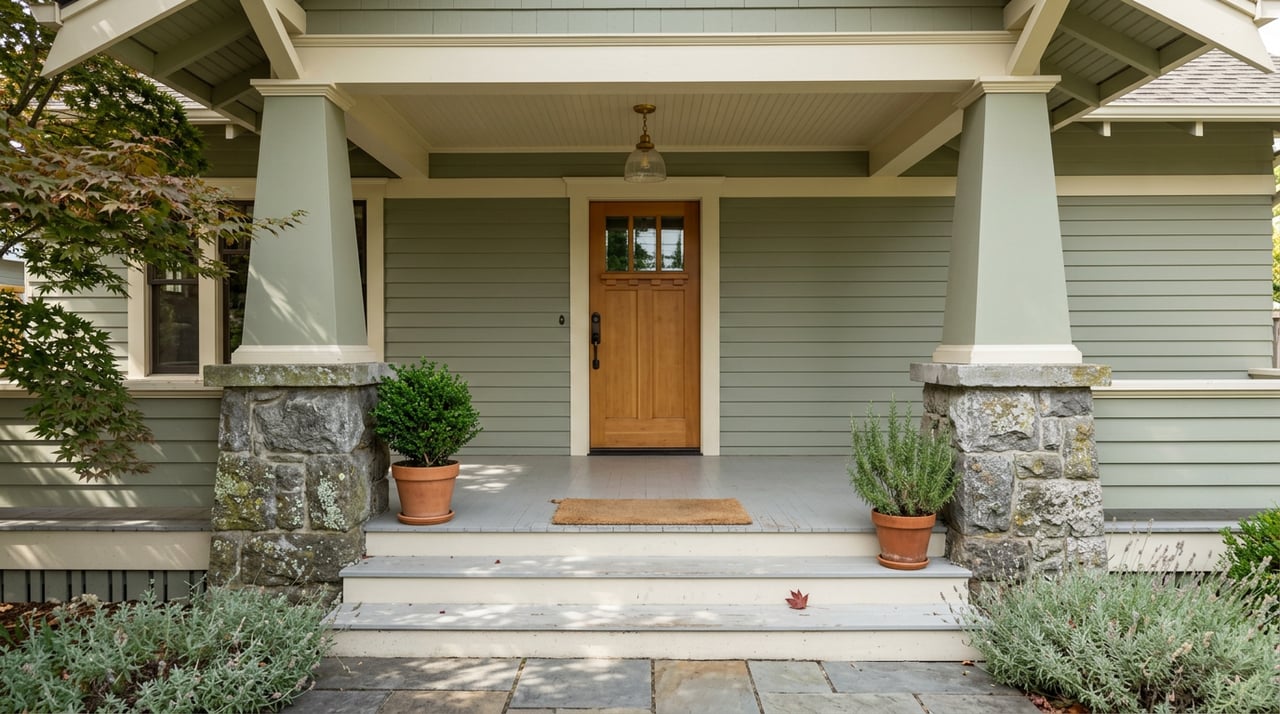
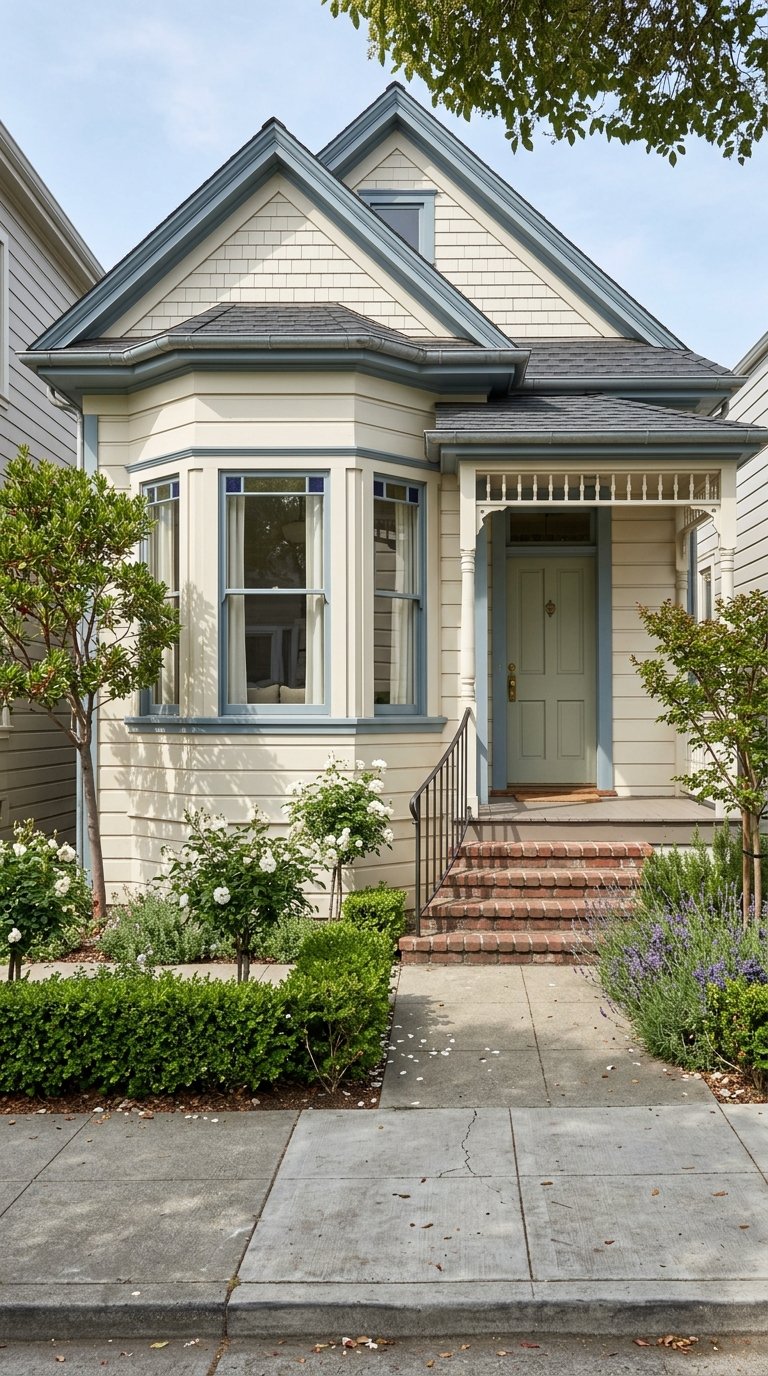
- Historic or character properties
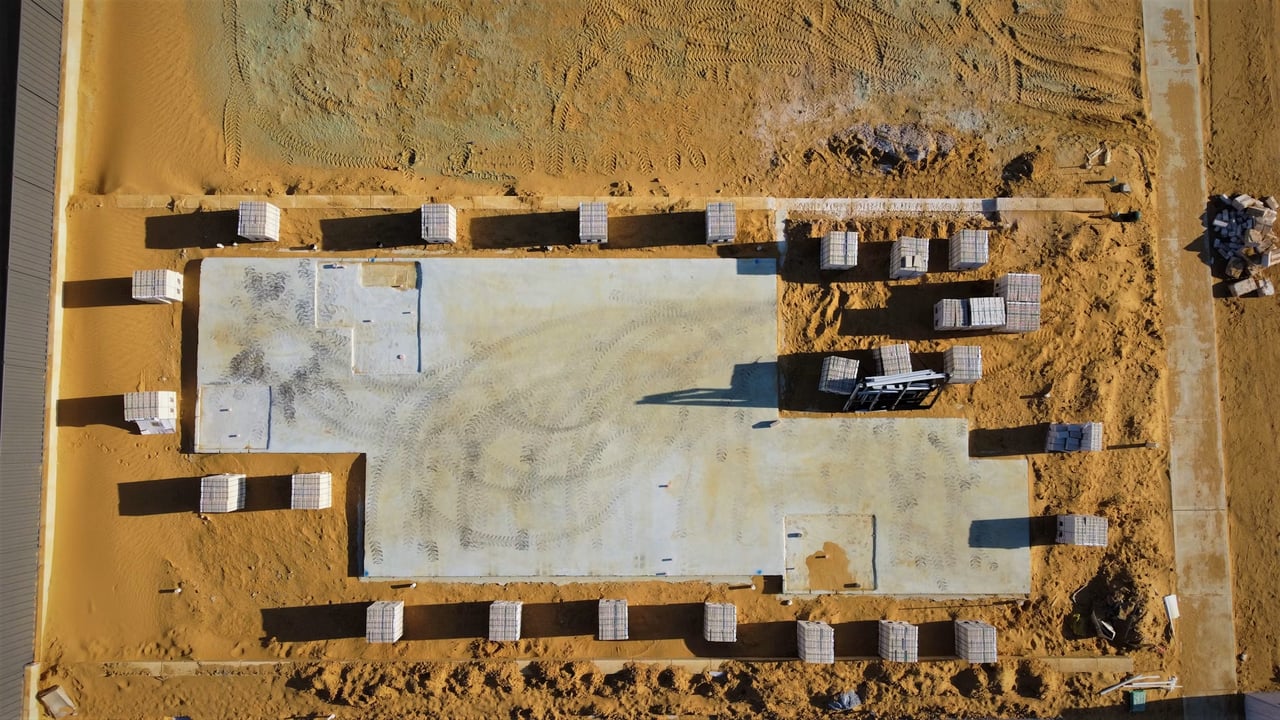
- Newer or modern construction
Each category behaves differently in terms of maintenance demand, appreciation trajectory, tenant quality, and exit strategy. What works well for one investor's timeline may actively undercut another's.
Historic vs. Modern Builds: What Investors Should Know
One of the most consistent questions I get from buyers is whether to pursue a character property or something newer. The answer depends on what you're optimizing for.
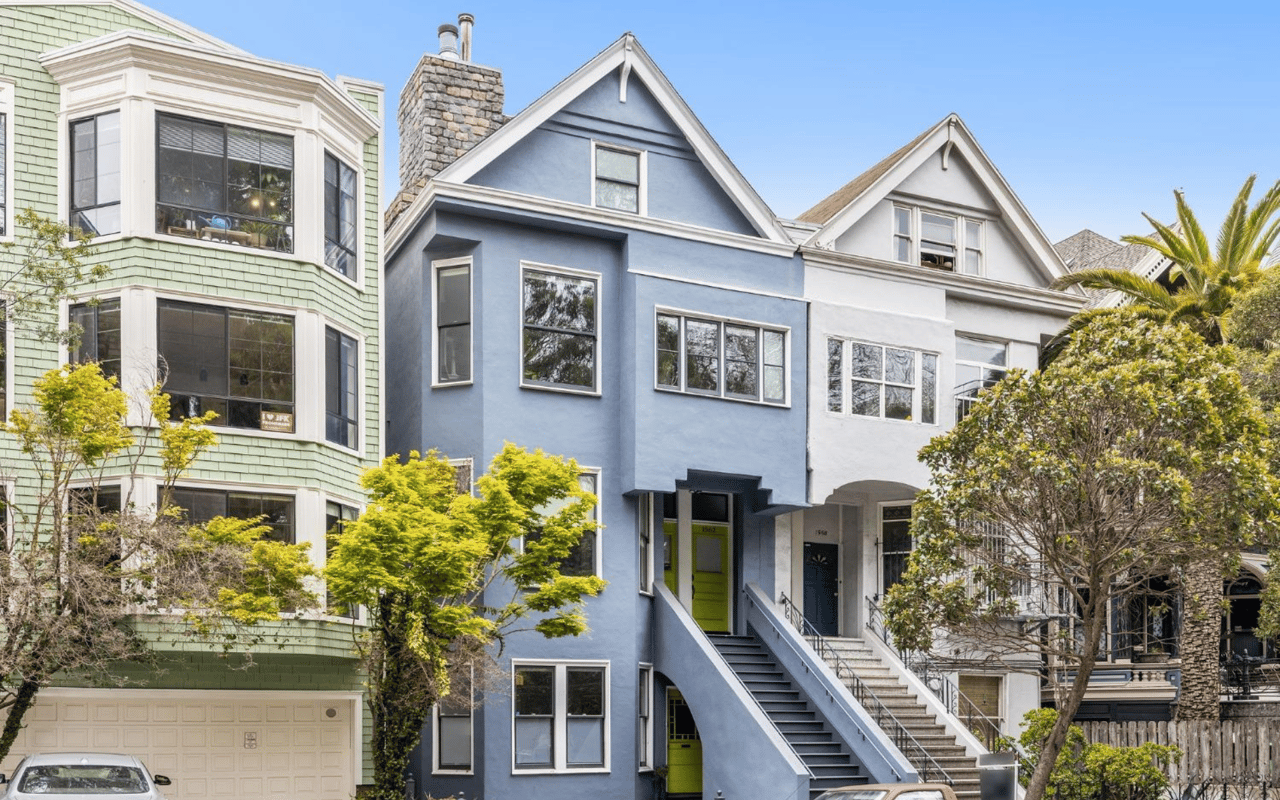
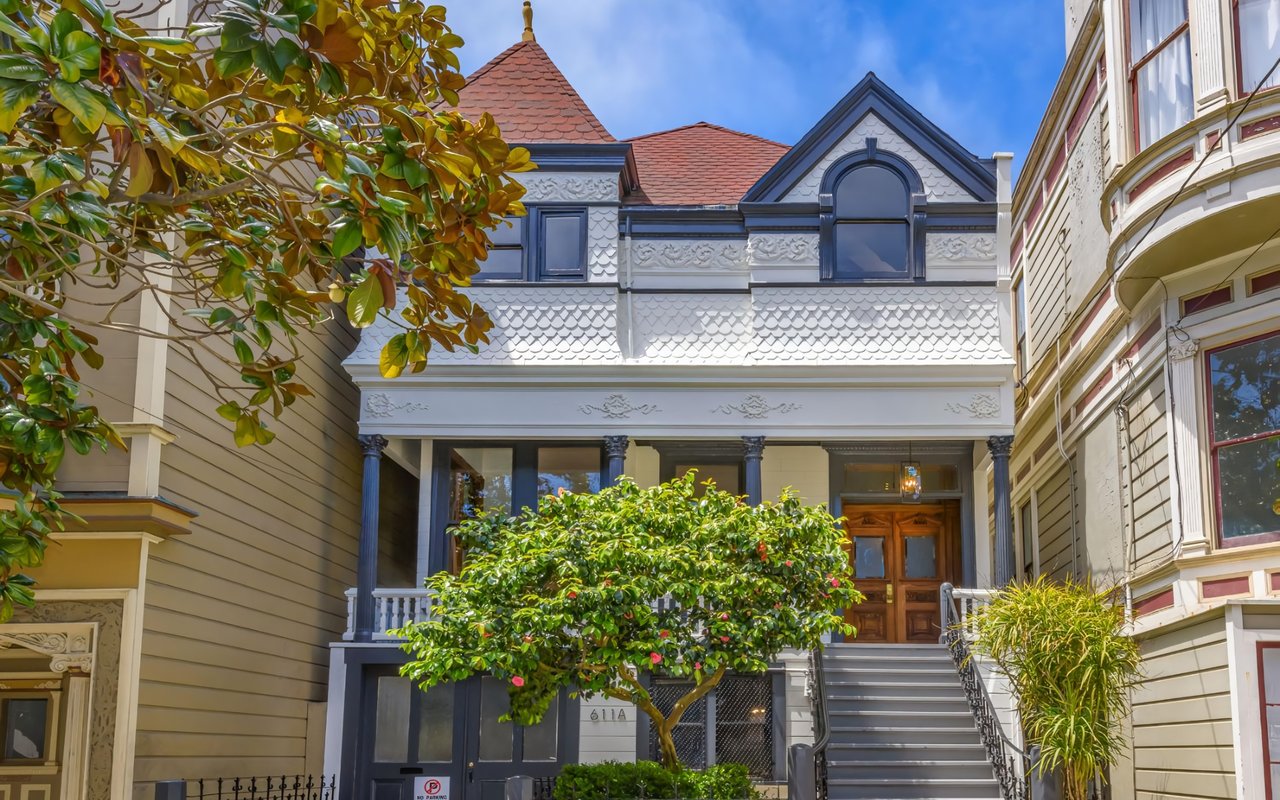
Historic and character properties tend to offer:
- Finite supply that creates long-term scarcity value
- Strong appeal to owner-users and lifestyle buyers willing to pay a premium
- Appreciation that often outperforms over longer hold periods
- A more involved ownership experience that rewards attentive stewardship
- Additional regulatory considerations worth understanding before closing
Modern and newer construction typically offers:
- Lower short-term maintenance costs and more predictable expenses
- Easier day-to-day management
- Strong appeal to renters who prioritize convenience and amenities
- Greater exposure to new supply coming onto the market
- HOA oversight that shapes what you can and cannot do with the property
Historic and character properties tend to reward investors focused on long-term appreciation, while modern builds suit buyers who want near-term predictability and lower management intensity.
Condos vs. Single-Family Homes
This distinction shapes how much control you have over the asset and how it appreciates.
What condo ownership typically means for investors:
- Easier day-to-day management with shared maintenance responsibilities
- HOA fees that directly affect monthly cash flow
- Rental restrictions that may limit your options
- Less exposure to land value appreciation
What single-family ownership offers:
- Direct benefit from land value as the market grows
- Greater flexibility in how you use and eventually sell the property
- Higher personal maintenance responsibility
- A buyer pool that skews toward long-term owner-users at resale
The right choice depends on how actively involved you want to be and how long you plan to hold.
Understand Regulations Before You Buy
Every market operates within a regulatory framework, and ignoring it before closing is one of the most common and costly mistakes investors make. Zoning laws, rental restrictions, tax rules, and tenant protections can all significantly affect how an investment performs year over year.
Before purchasing, get clear on:
- Whether and how the property can be rented
- Owner-occupancy requirements that may apply
- Short-term rental regulations in the jurisdiction
- Local tenant protections that affect your flexibility as an owner
Regulatory awareness protects your downside. It prevents surprises after closing that are difficult or impossible to reverse.
Property Condition and Upgrade Strategy
Condition plays a larger role in long-term performance than most buyers account for. Thoughtful upgrades influence the quality of tenants you attract, your resale value, and how the property appreciates relative to others in the same neighborhood.
Smart upgrade priorities for investment properties:
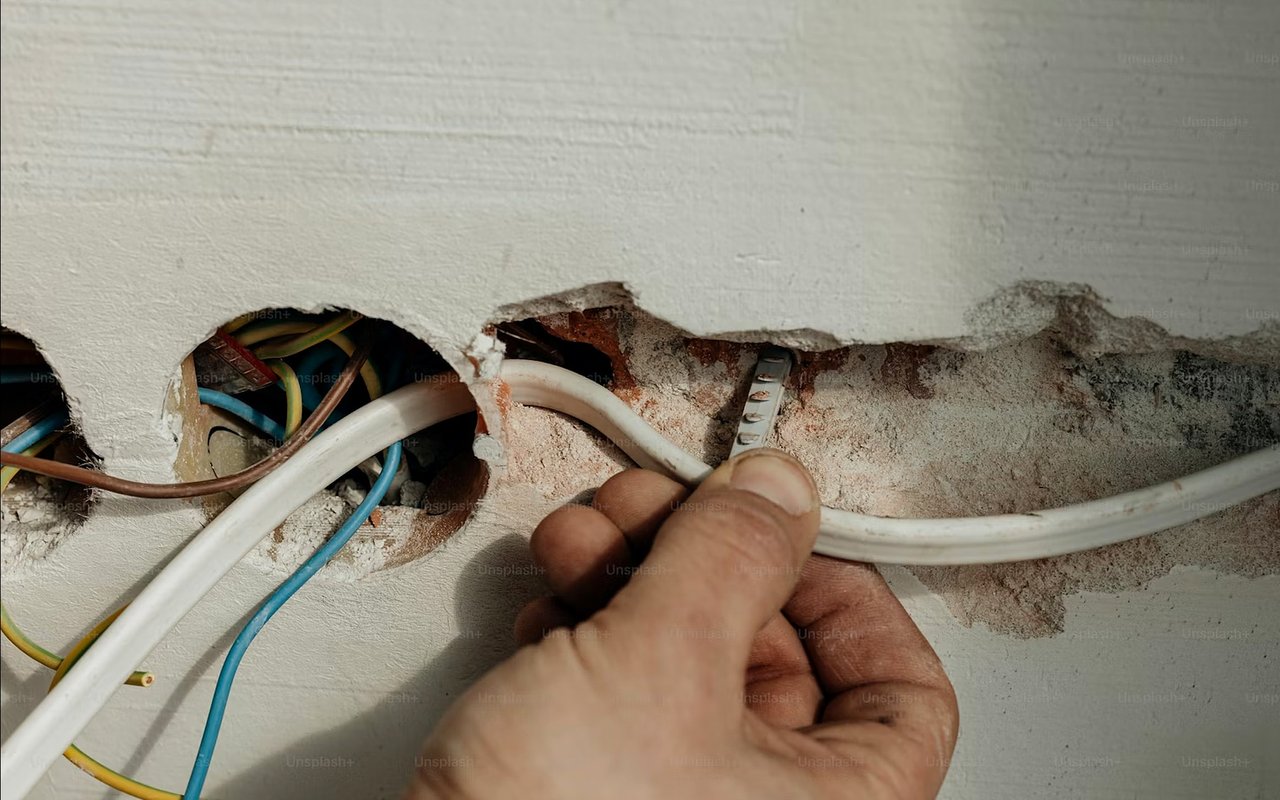
- Structural and system integrity as the non-negotiable foundation
- Energy efficiency improvements that add durable value
- Functional layouts that appeal to a broad range of buyers and tenants
- Market-appropriate finishes that age well without over-customizing
The goal is durability and broad appeal. Over-customization narrows your buyer pool at the moment you need it most.
Timing the Market Strategically
Trying to buy at the exact bottom rarely works, and waiting for it often means missing the window entirely. Successful investors instead watch for opportunity periods: stretches of reduced competition, shifting sentiment, or temporary uncertainty that create favorable conditions for informed buyers.
Better approaches to market timing:
- Monitoring inventory levels for signs of reduced competition
- Watching interest rate trends and how they affect buyer behavior
- Identifying motivated sellers in your target neighborhoods
- Acting decisively when the fundamentals align, rather than waiting for certainty
Real estate rewards informed action. Emotional reactions to short-term market noise rarely produce strong long-term outcomes.
Looking Beyond Monthly Cash Flow
Cash flow matters, but it is not the only measure of a successful investment. Many strong-performing properties deliver their real value through appreciation, tax strategy, and long-term flexibility rather than monthly income.
Additional value drivers worth factoring in:
- Appreciation over time as the core wealth-building mechanism
- Portfolio diversification that reduces overall risk
- The option for future personal use of the property
- Legacy and estate planning considerations for multi-generational wealth
The strongest investment strategies balance income with long-term positioning. Optimizing only for monthly cash flow can lead you toward properties that underperform on every other dimension.
FAQs
Is real estate still a good investment?
Yes, particularly for investors with a long-term outlook and a disciplined strategy. Short-term thinking and real estate rarely mix well.
Which property type performs best?
There is no universal answer. Performance depends on market conditions, your intended hold period, and your specific financial goals. The right property type for one investor may be the wrong one for another.
Should I prioritize appreciation or cash flow?
Most investors benefit from a blend of both, weighted toward whichever aligns with their current financial position and timeline. Few markets offer strong cash flow and strong appreciation in the same property.
Invest in San Francisco Real Estate With Bonnie Spindler
San Francisco is one of the most nuanced real estate markets in the country, and the investors who succeed here are the ones who understand what drives performance at the local level. I've spent over 30 years studying how property type, neighborhood, and historic character interact to shape long-term value in this city.
Reach out to me to learn more about how I help buyers identify and invest in the right San Francisco properties.
Reach out to me to learn more about how I help buyers identify and invest in the right San Francisco properties.