Wondering where you can find classic San Francisco architecture, everyday convenience, and easy park access in one neighborhood? Inner Richmond stands out for exactly that mix. If you are looking for a home with character or thinking about selling a property with history, this neighborhood offers a lot to understand. Let’s dive in.
Why Inner Richmond Stands Out
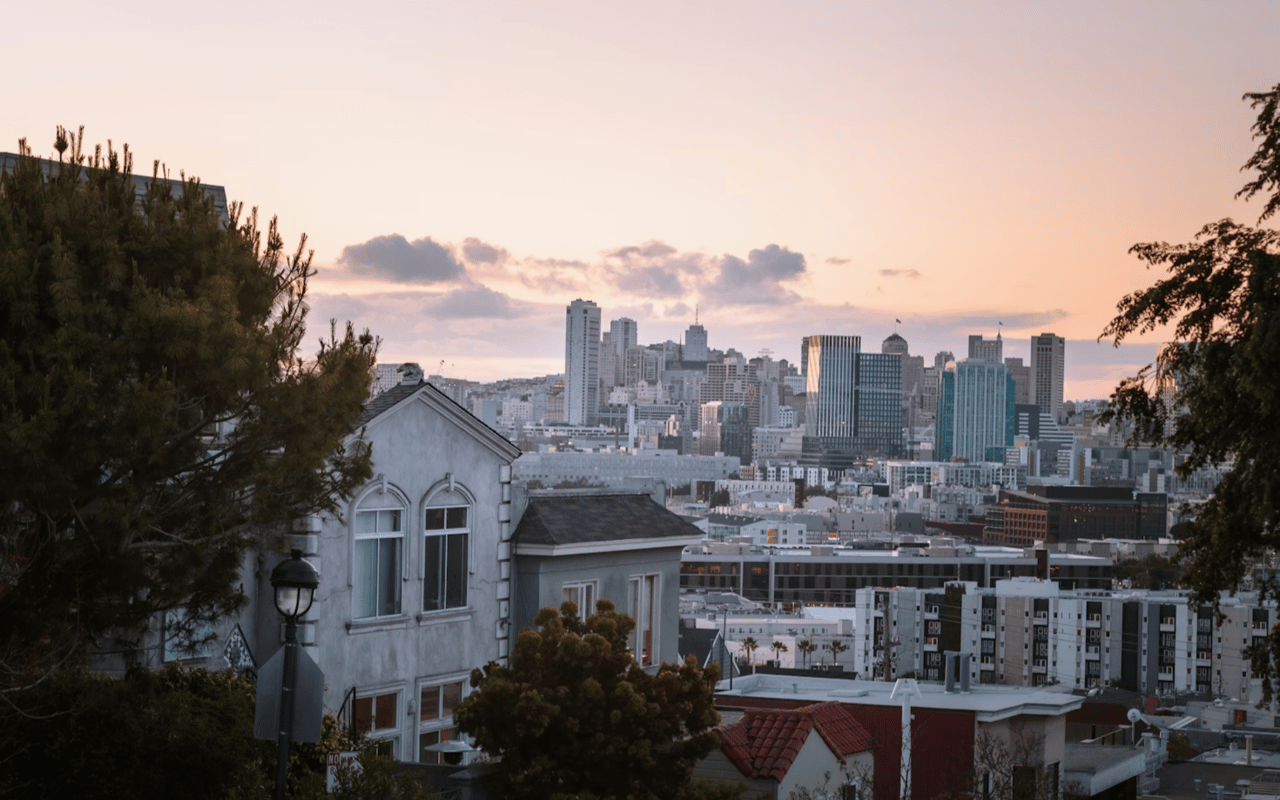
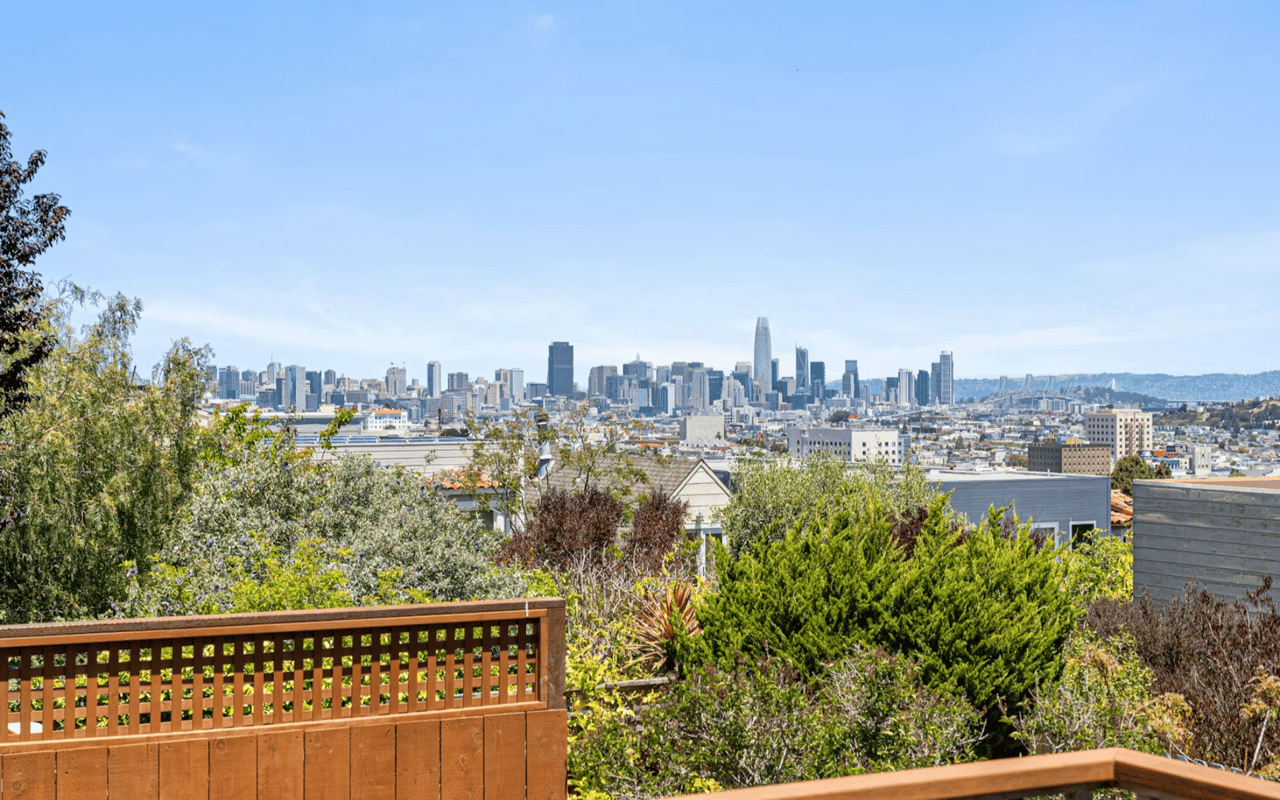
Inner Richmond sits just north of Golden Gate Park and south of the Presidio, giving you a practical west-side location with a strong residential feel. At the same time, it has a busy commercial spine along Clement Street and broad transit access through the neighborhood.
That combination is a big part of its appeal. You get classic San Francisco housing, daily conveniences close by, and one of the city’s best park-adjacent lifestyles.
Inner Richmond Housing Character
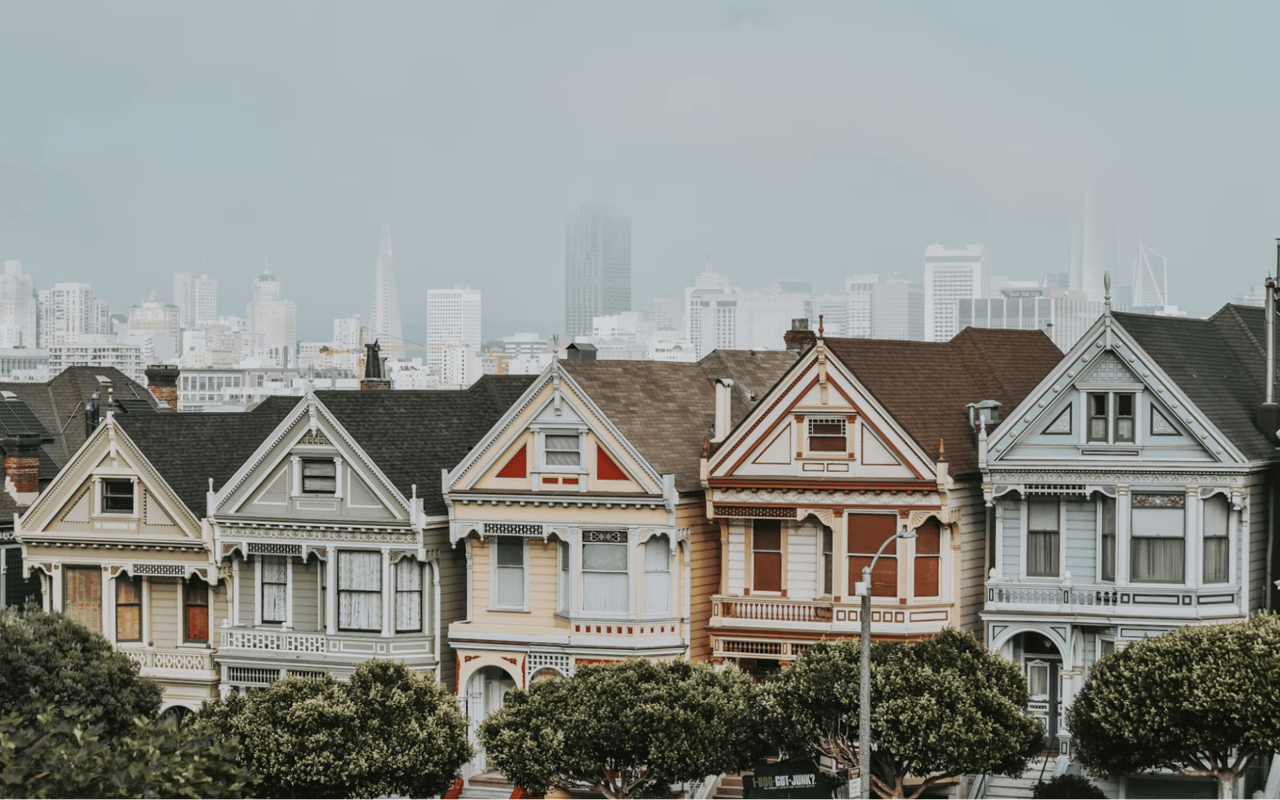
If you picture a neighborhood of only detached houses, Inner Richmond may surprise you. According to San Francisco Planning data, the housing stock is made up mostly of small multi-unit buildings and flats, with single-family homes representing a smaller share of the overall mix.
The neighborhood profile shows 9,980 housing units, with 24% single-family homes, 45% in 2-to-4-unit buildings, 15% in 5-to-9-unit buildings, 13% in 10-to-19-unit buildings, and 4% in buildings with 20 or more units. That blend gives Inner Richmond a denser, more urban feel than some buyers expect on the west side.
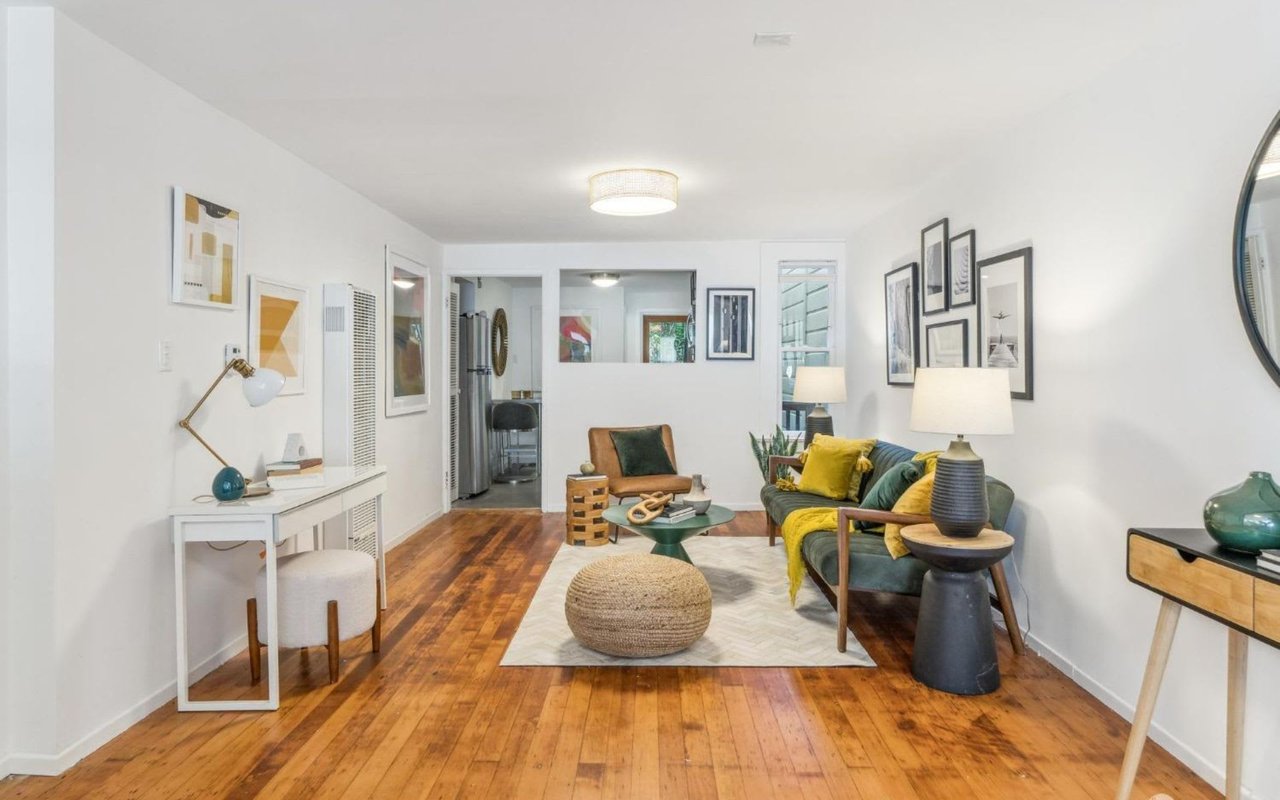
For buyers, this means you may see a wide range of property types, including flats, condos, multi-unit buildings, and single-family homes. For sellers, it means your property is part of a neighborhood where architectural variety is normal and often part of the draw.
Older Homes Shape the Neighborhood
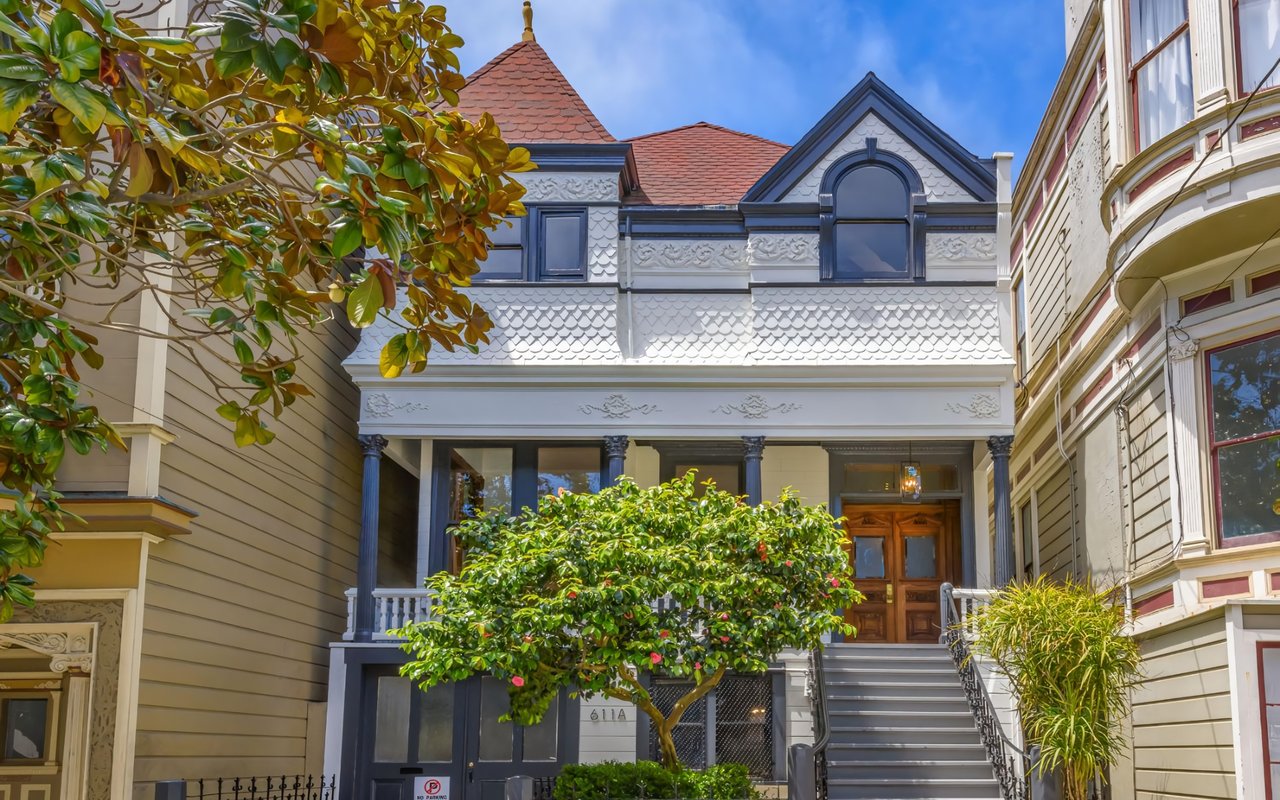
Inner Richmond has deep early-20th-century roots. San Francisco Planning reports a median year built of 1925, and planning case materials describe many homes in the area as dating from roughly 1913 to 1940.
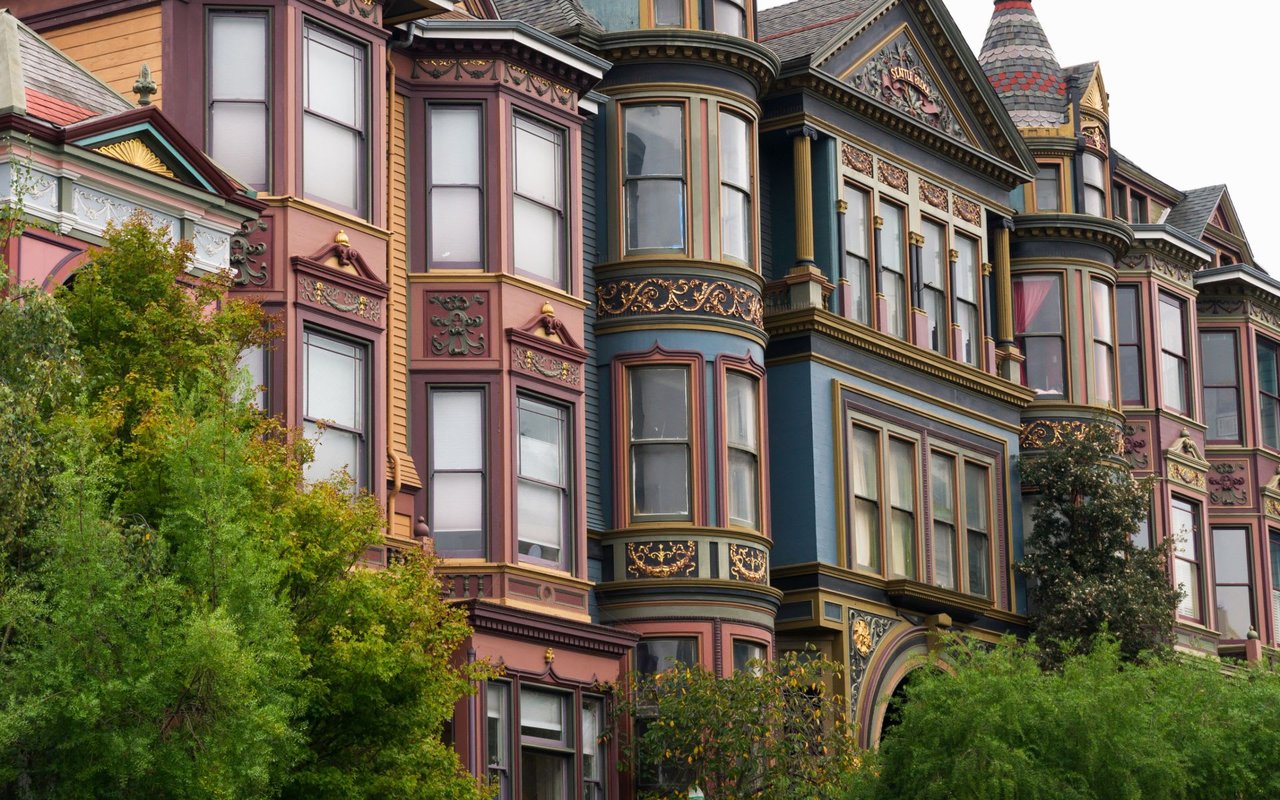
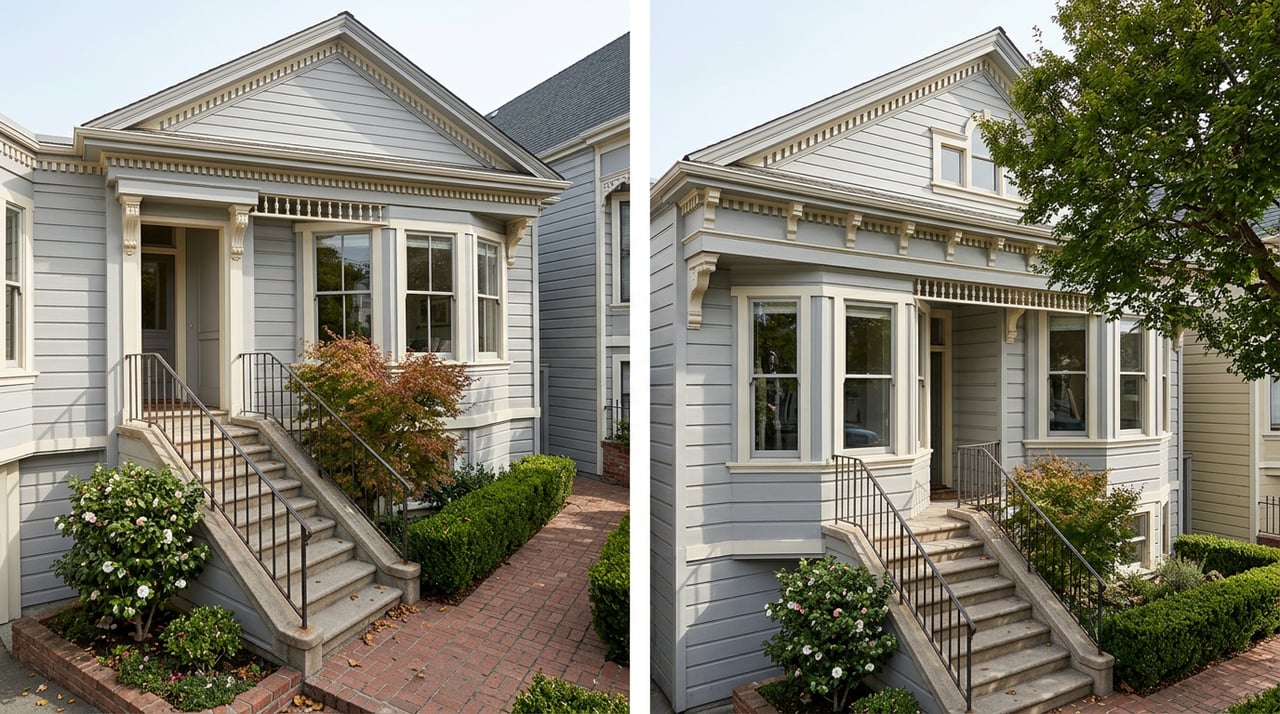
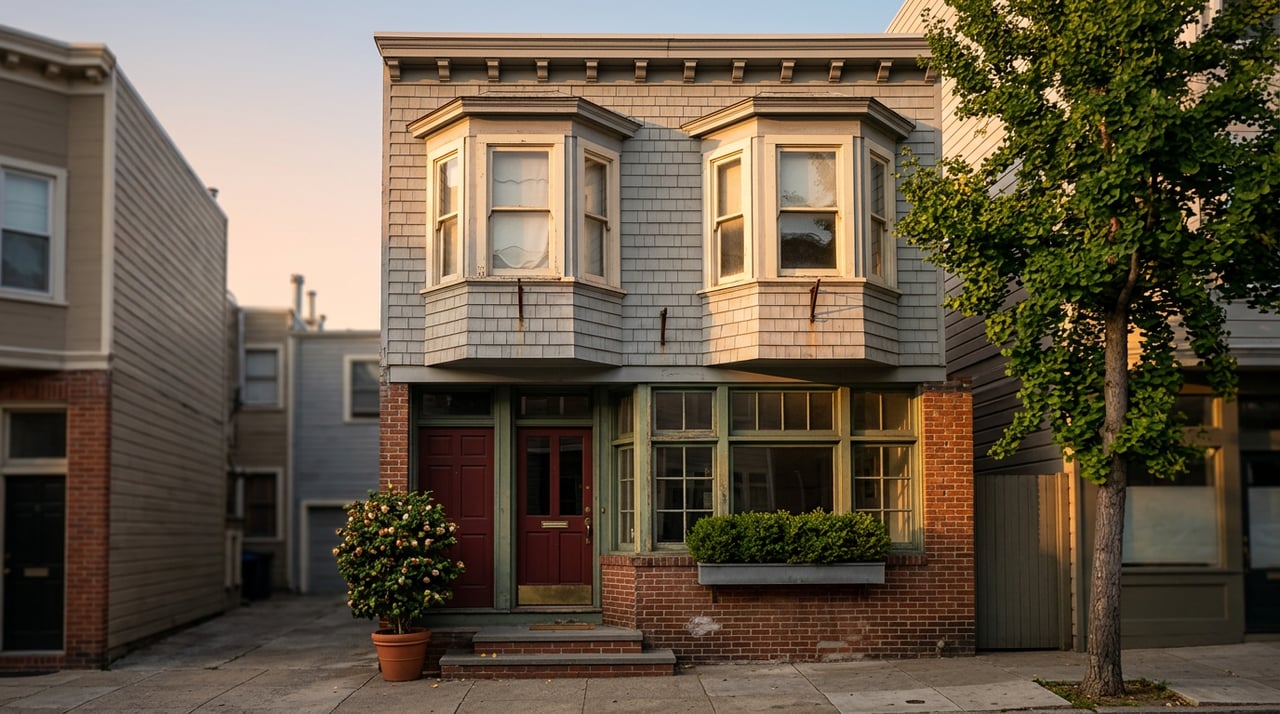
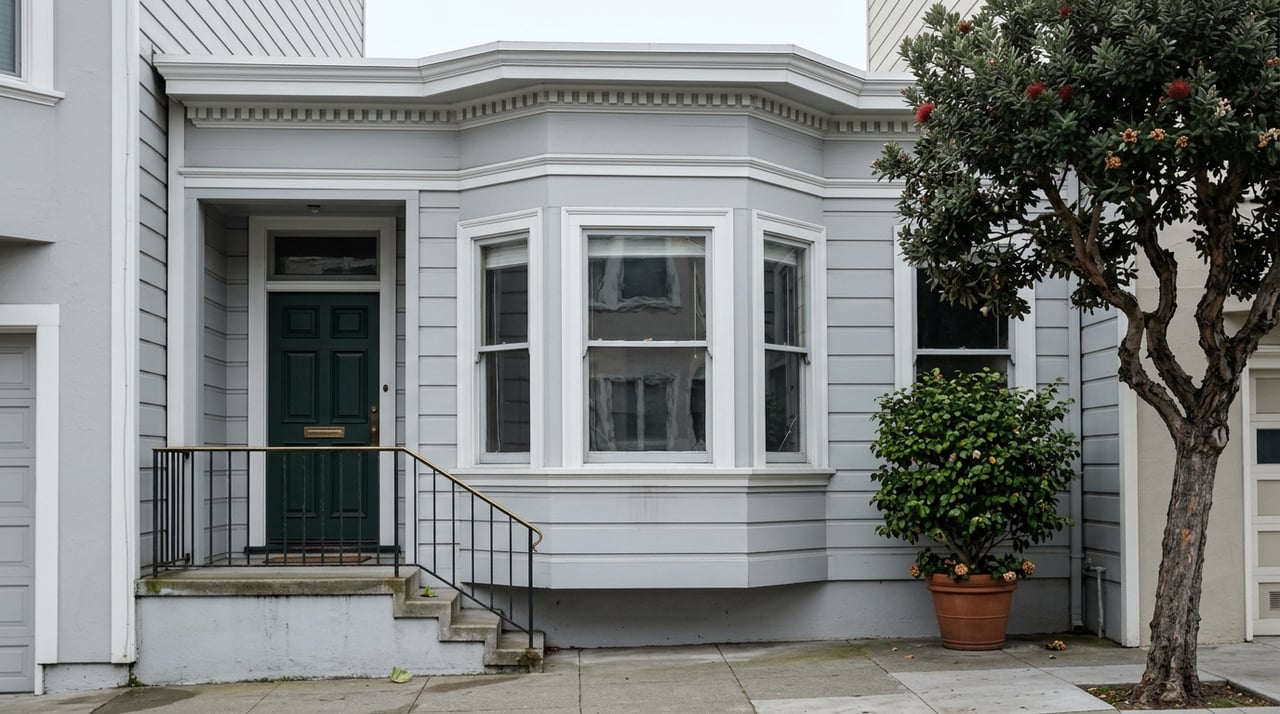
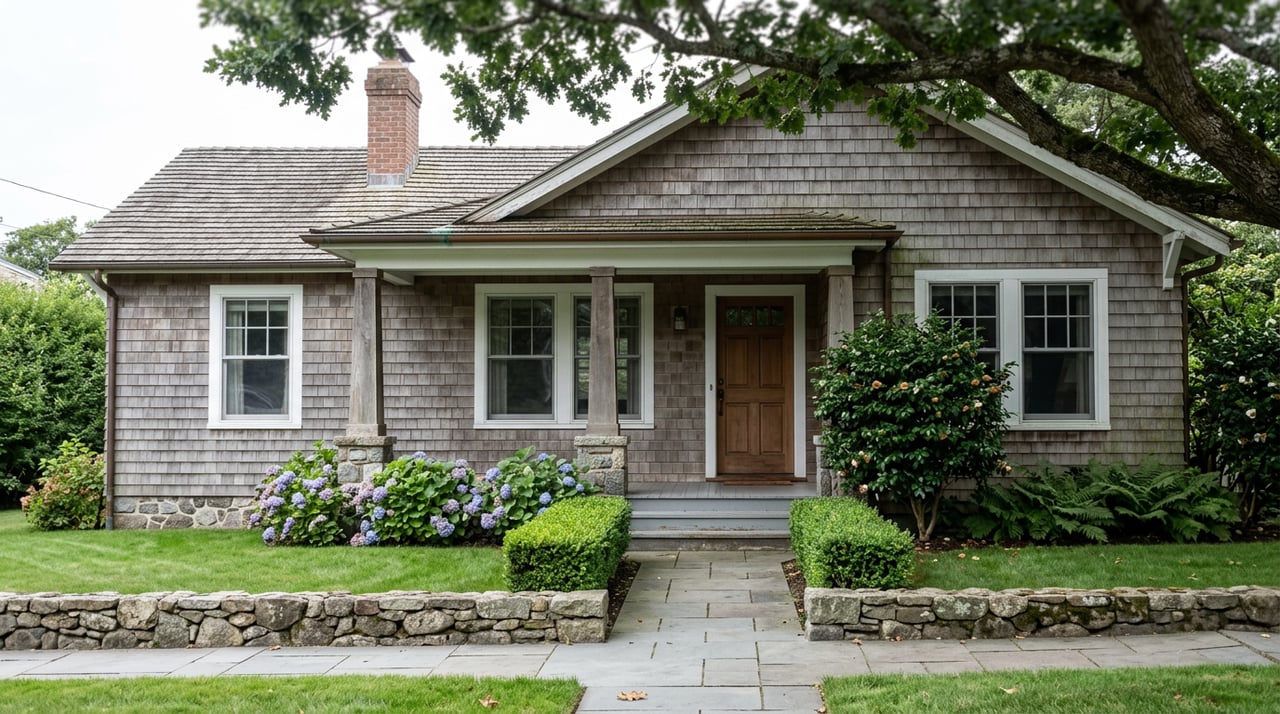
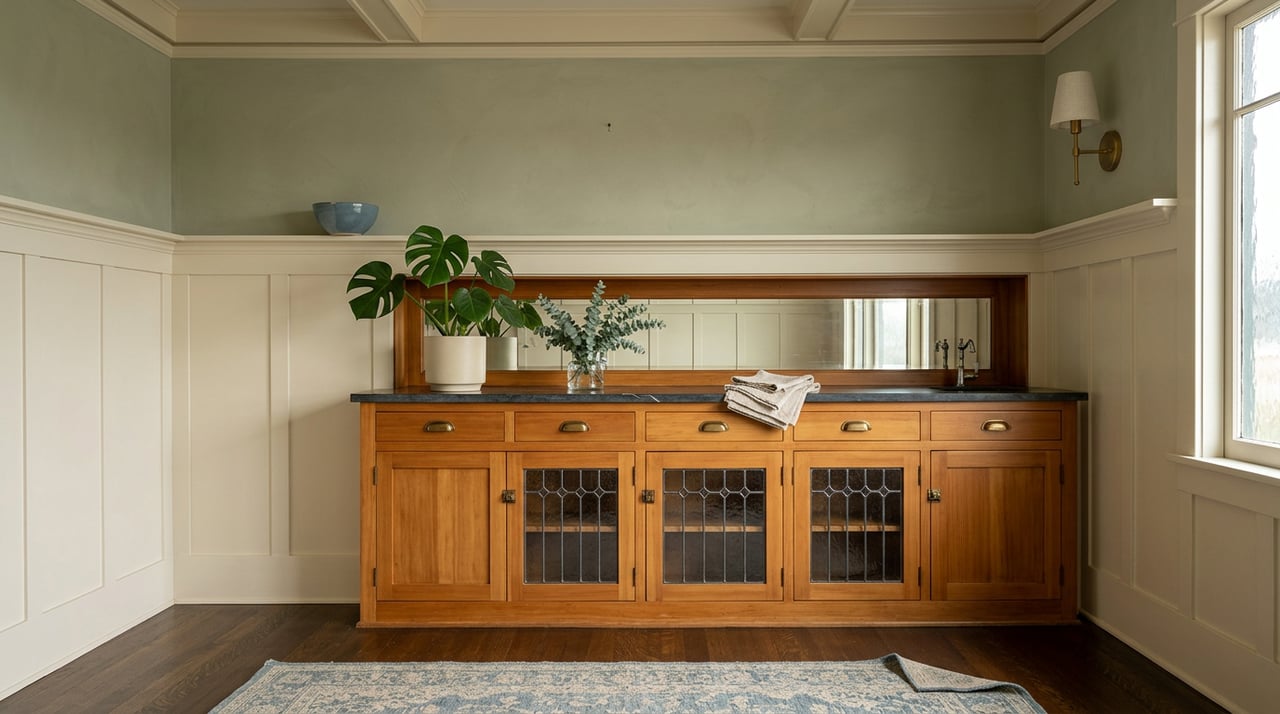
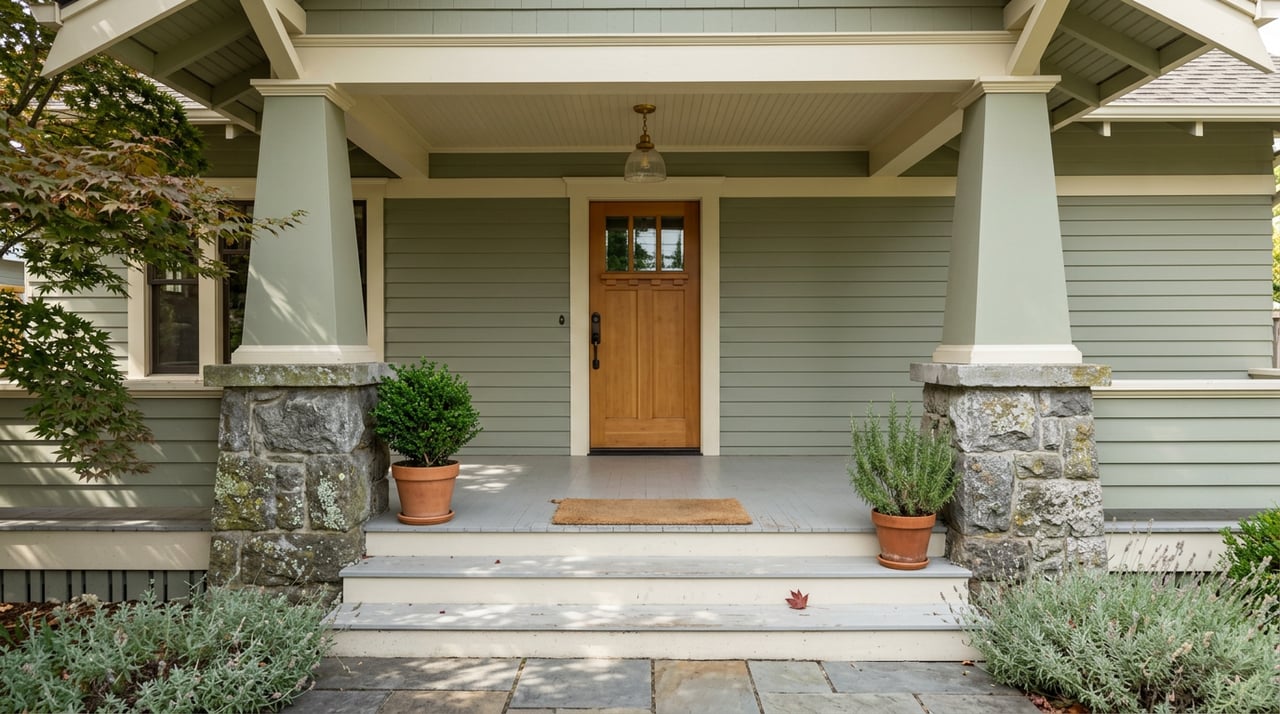
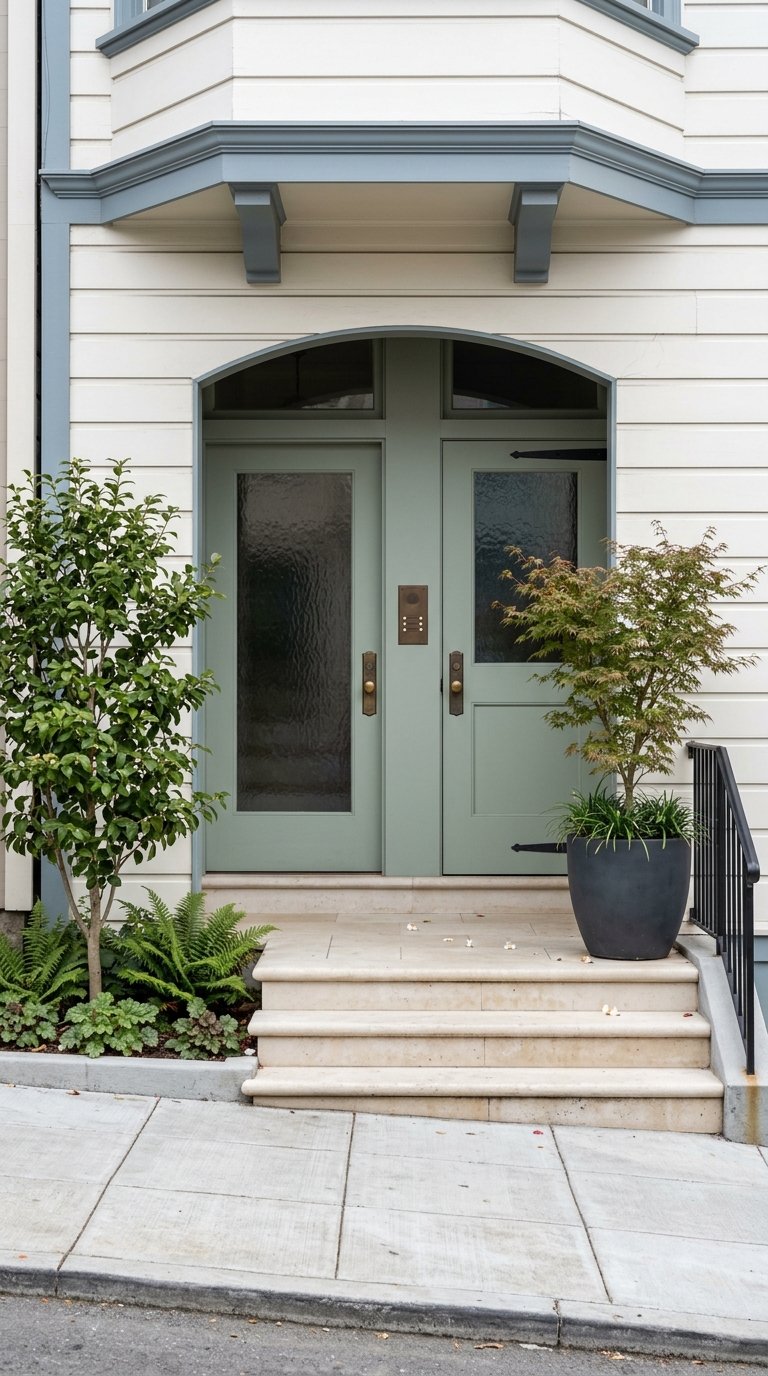
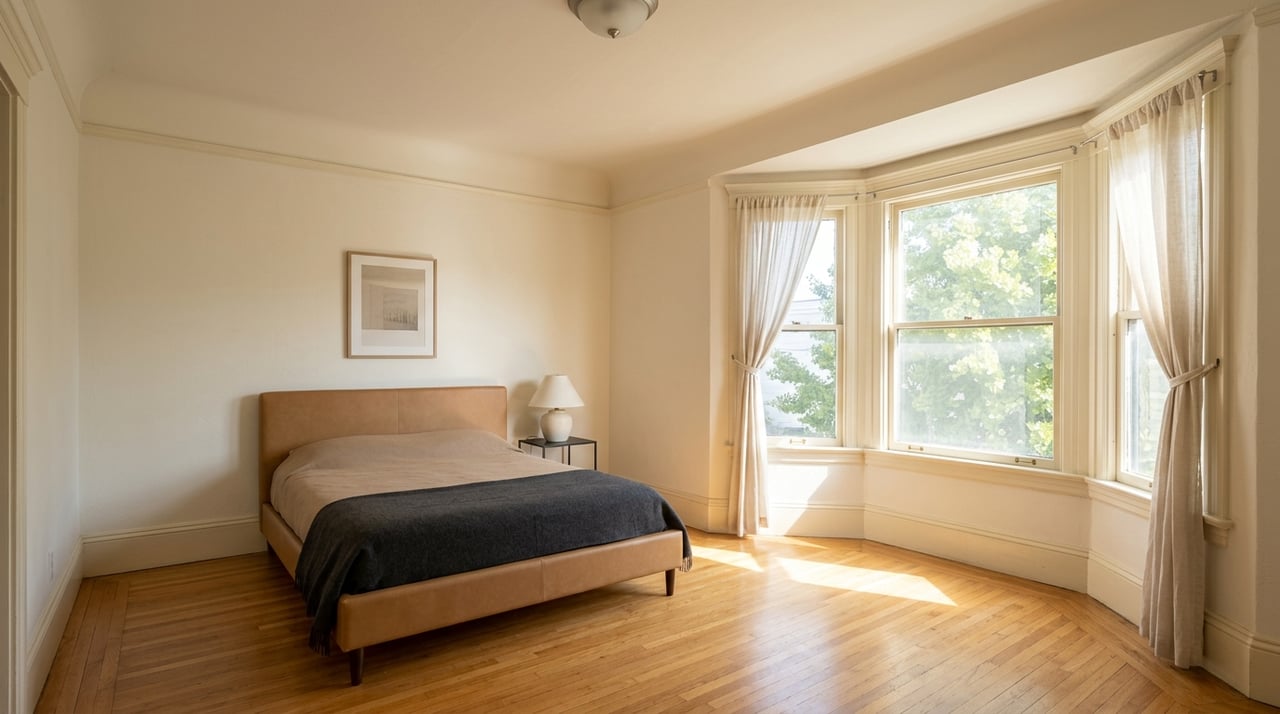
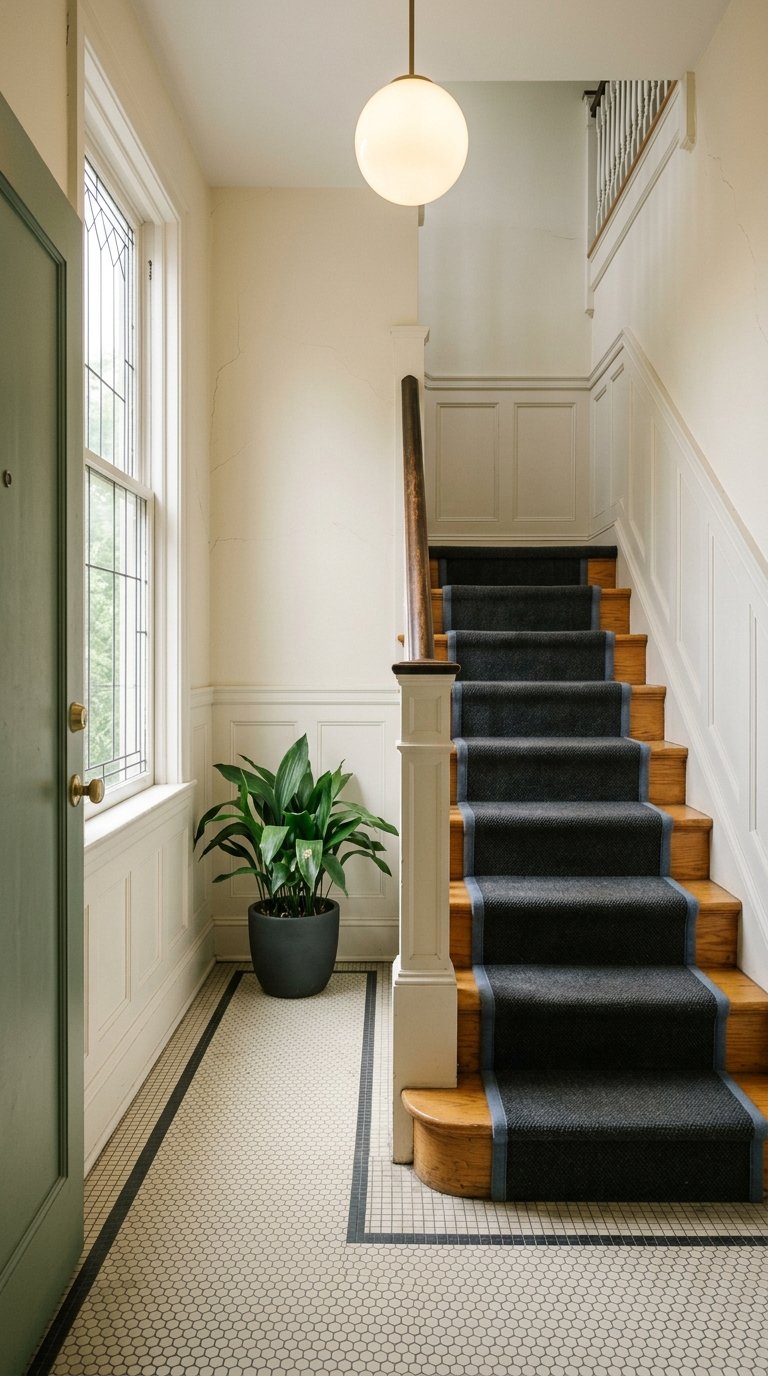
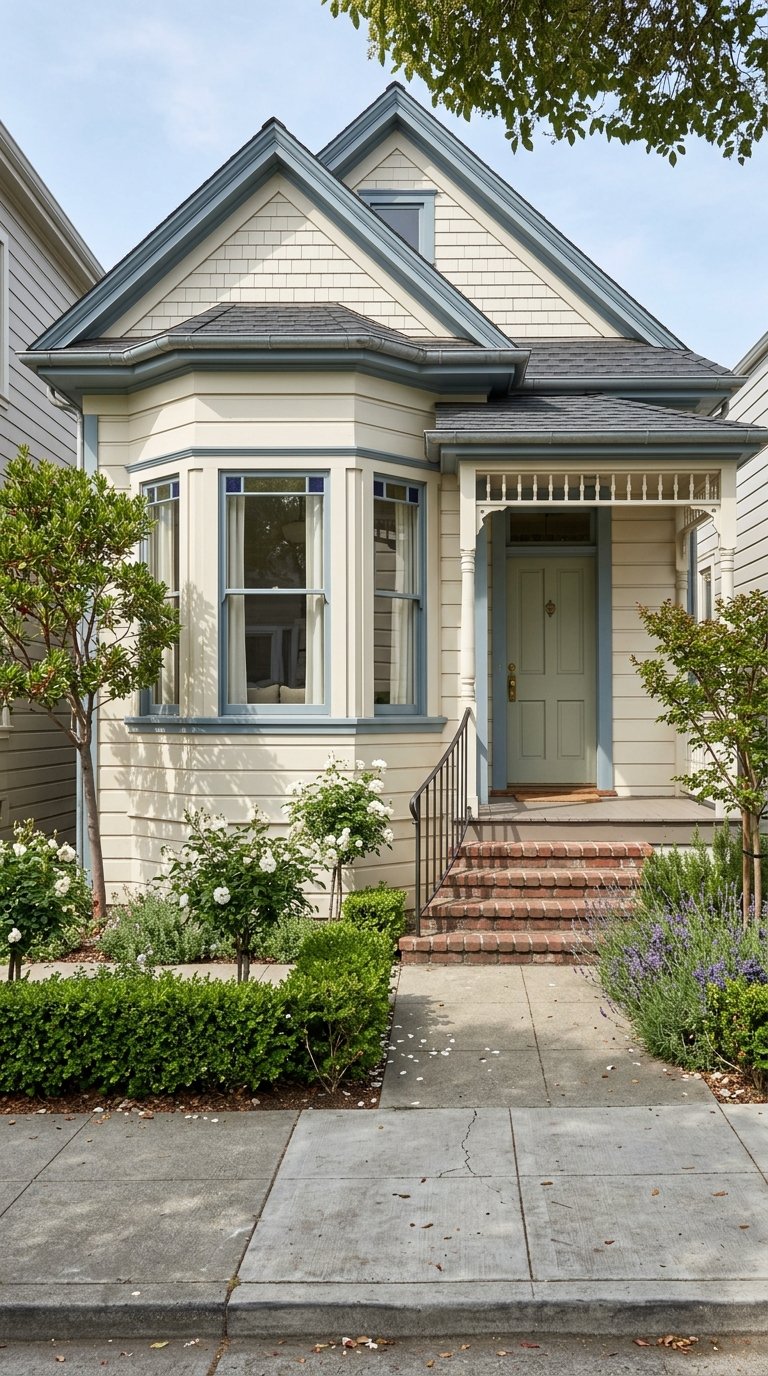
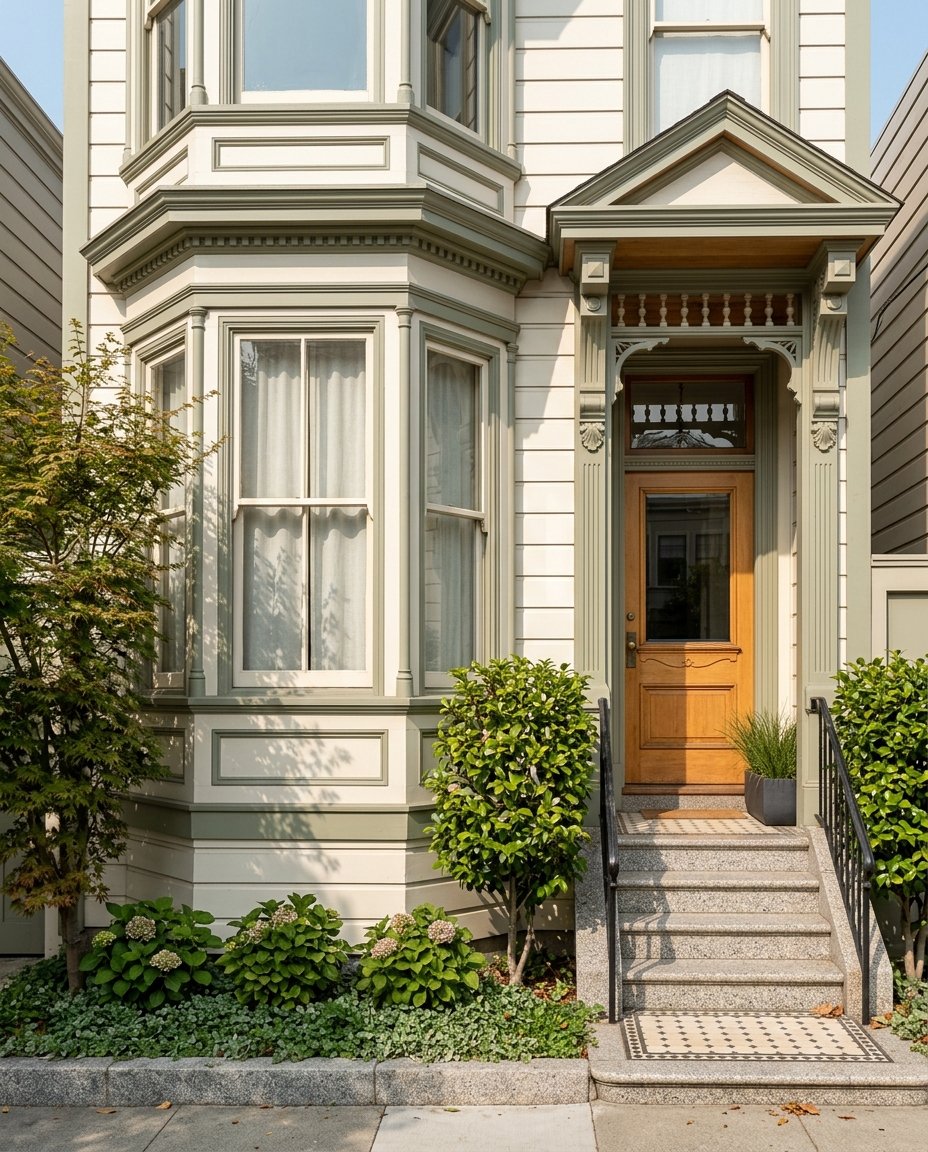
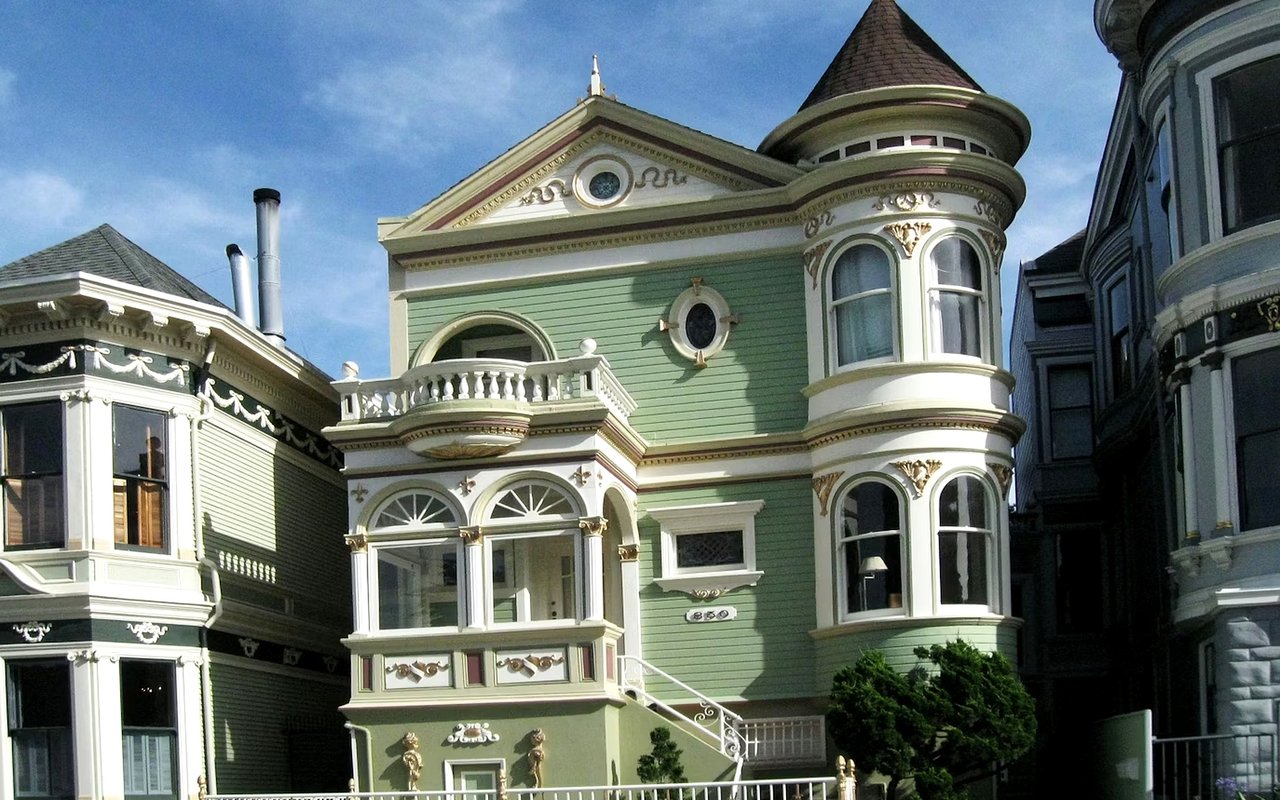
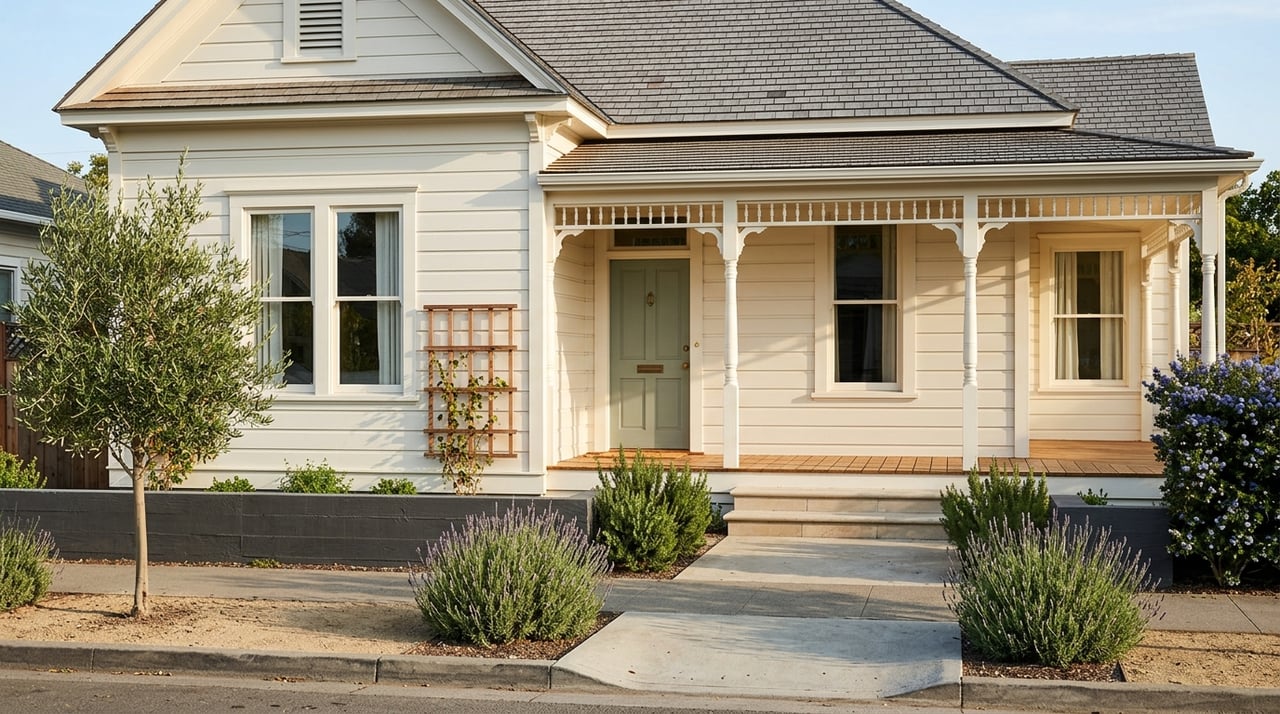
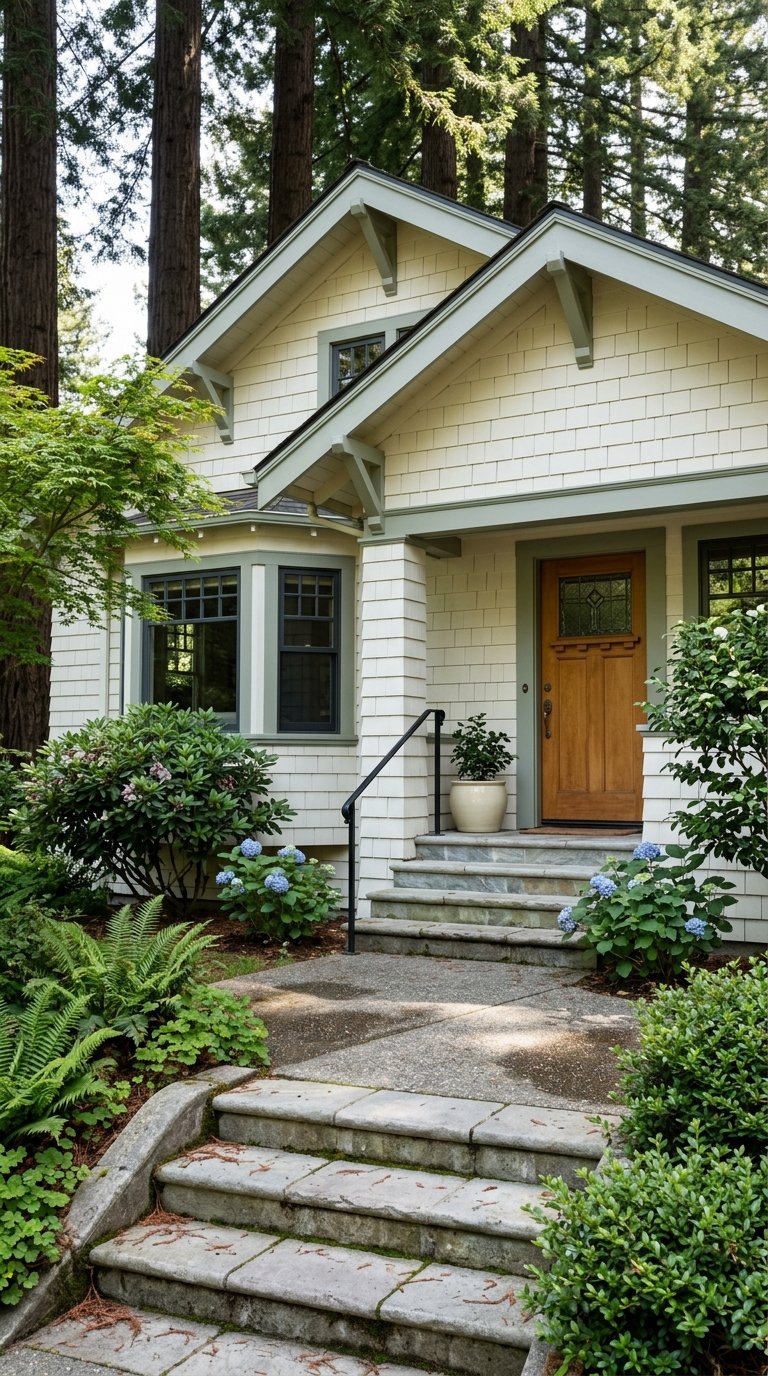
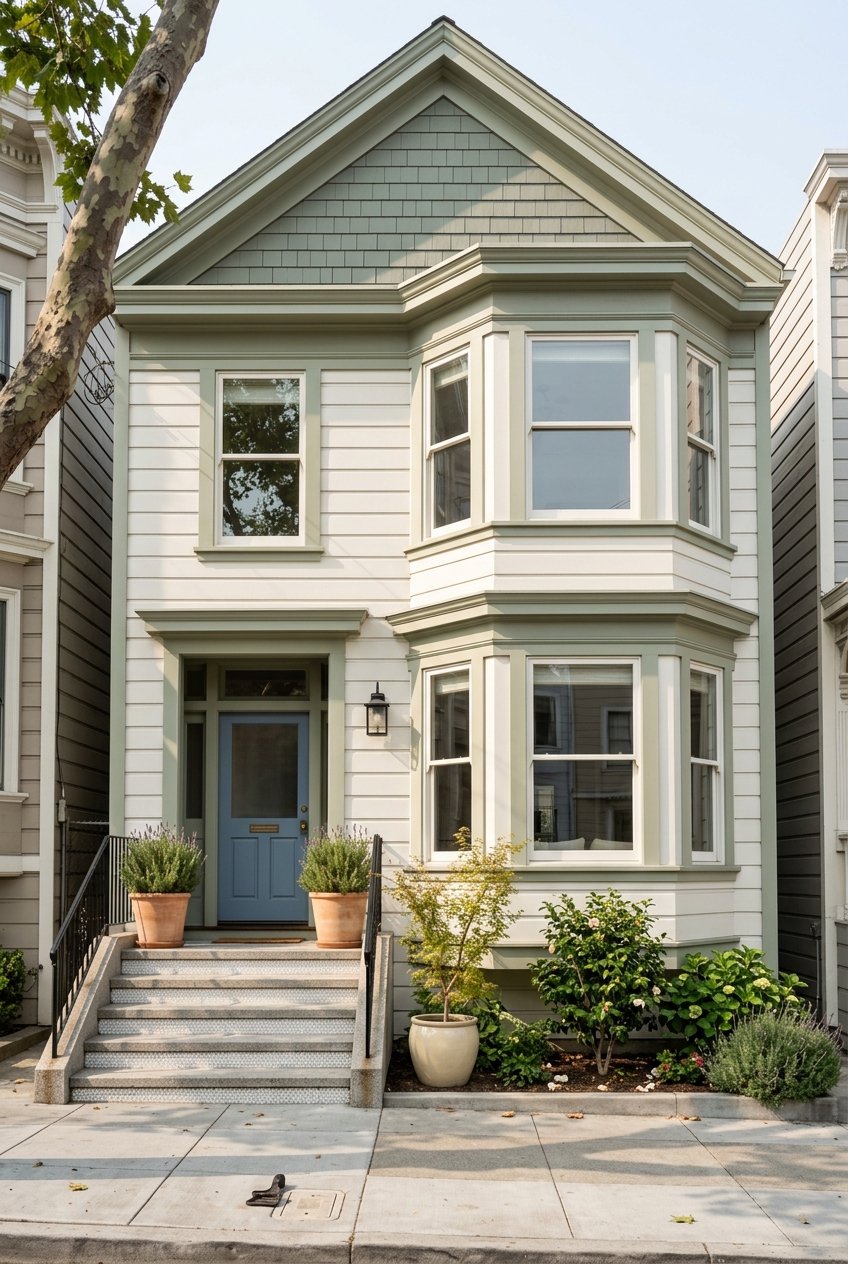
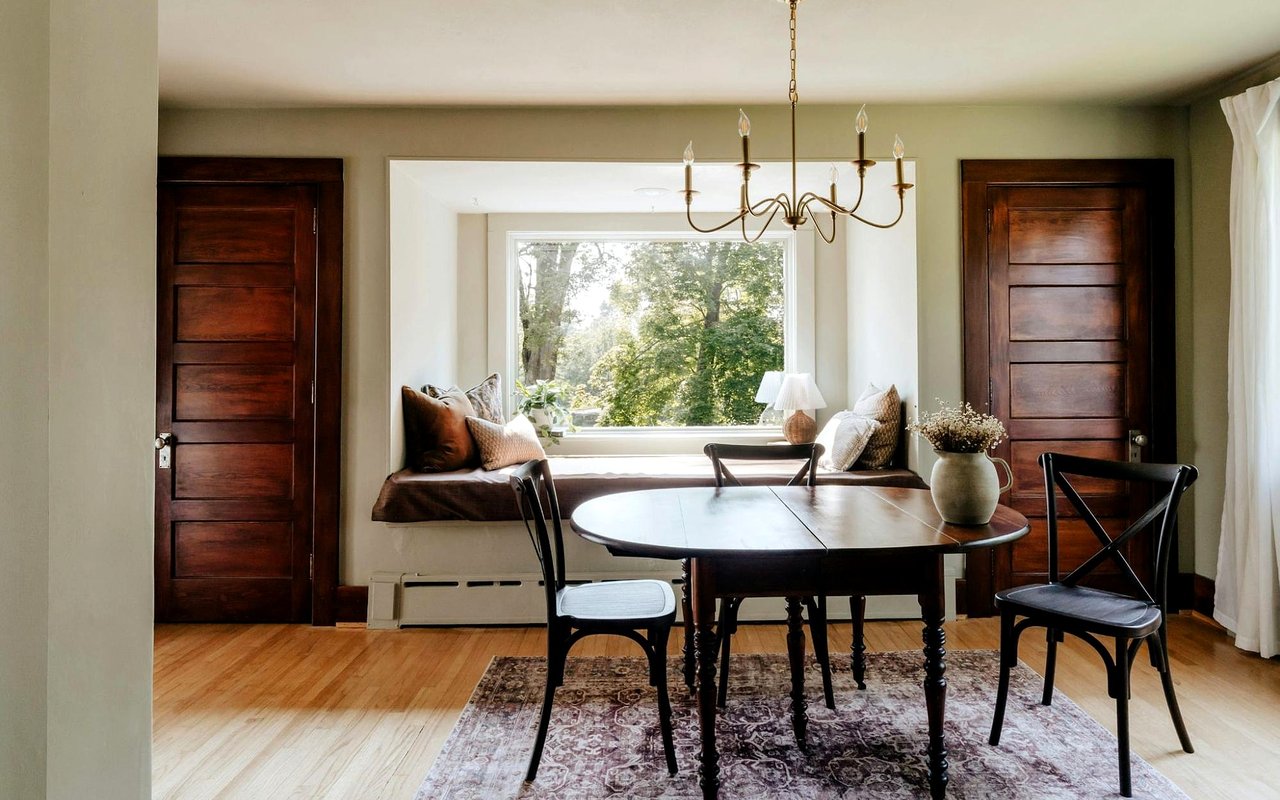
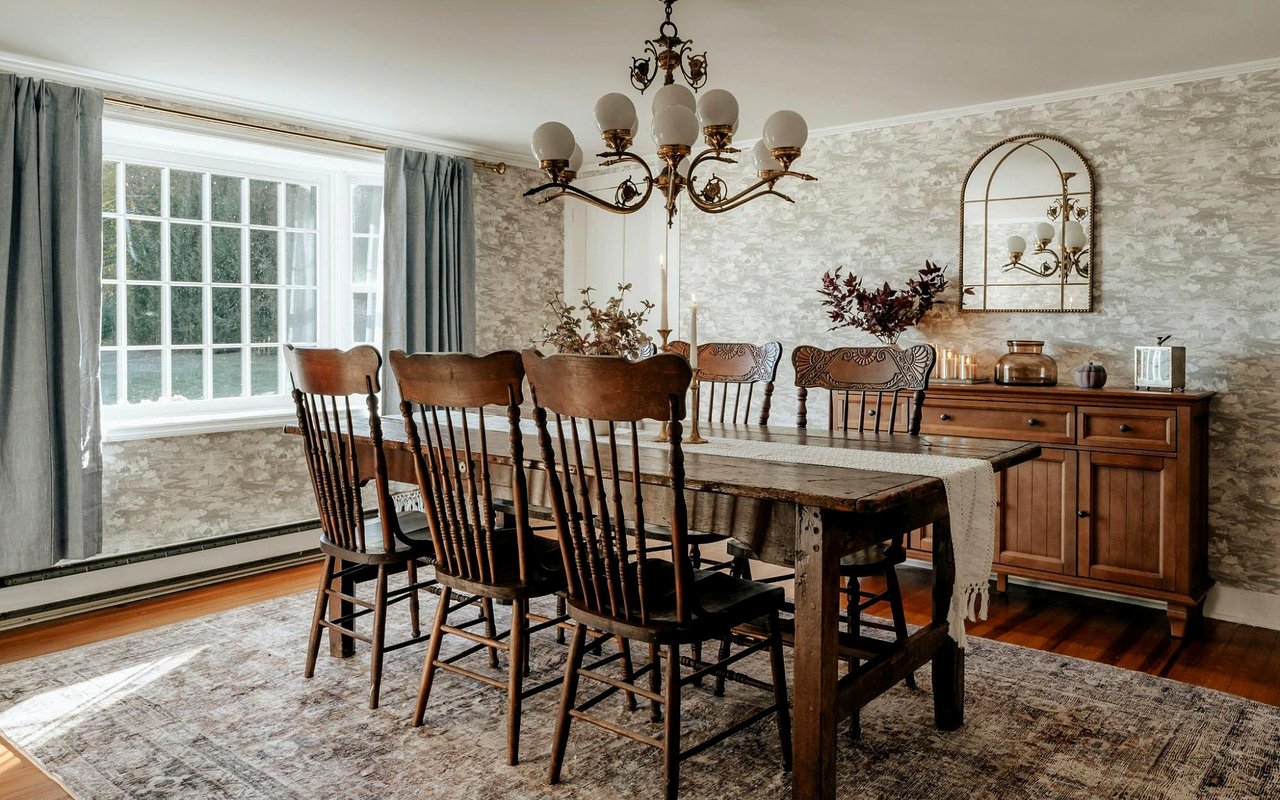
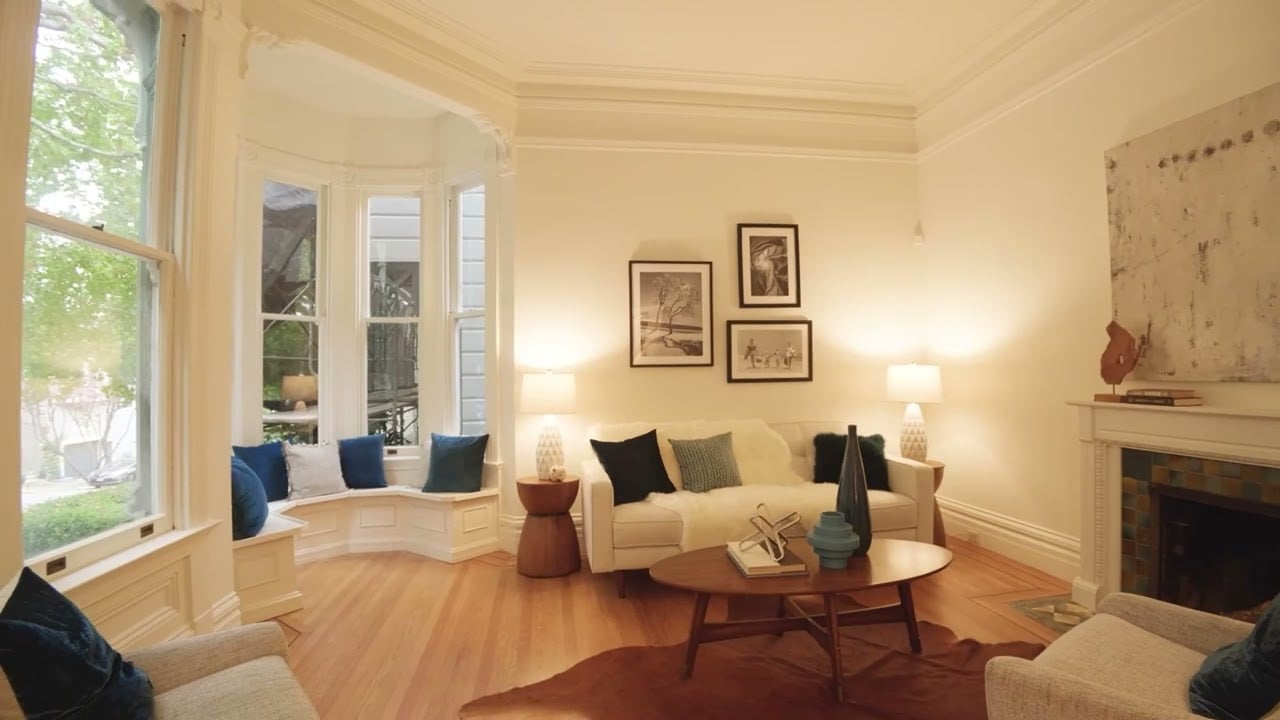
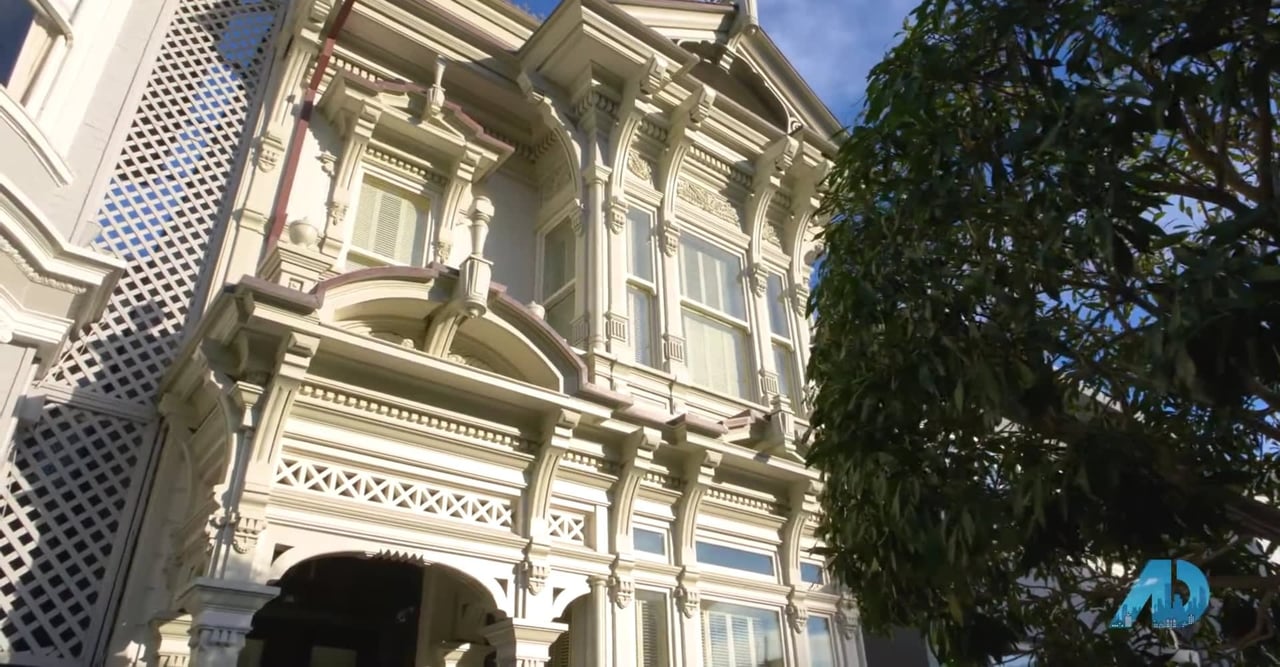
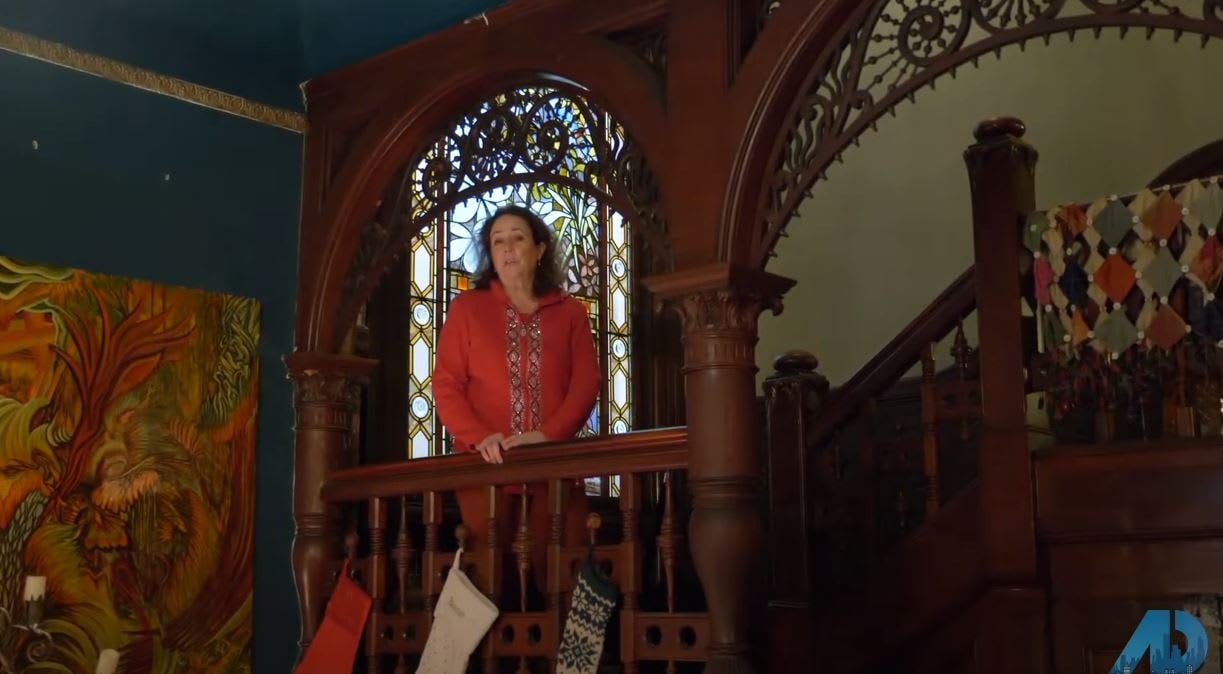
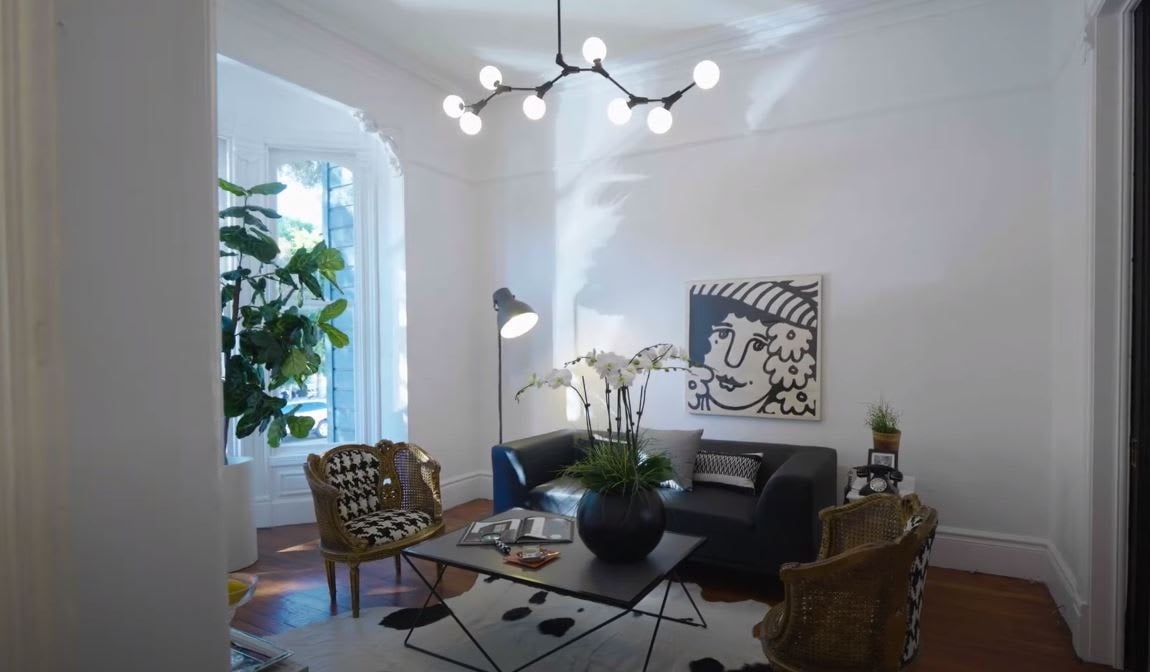
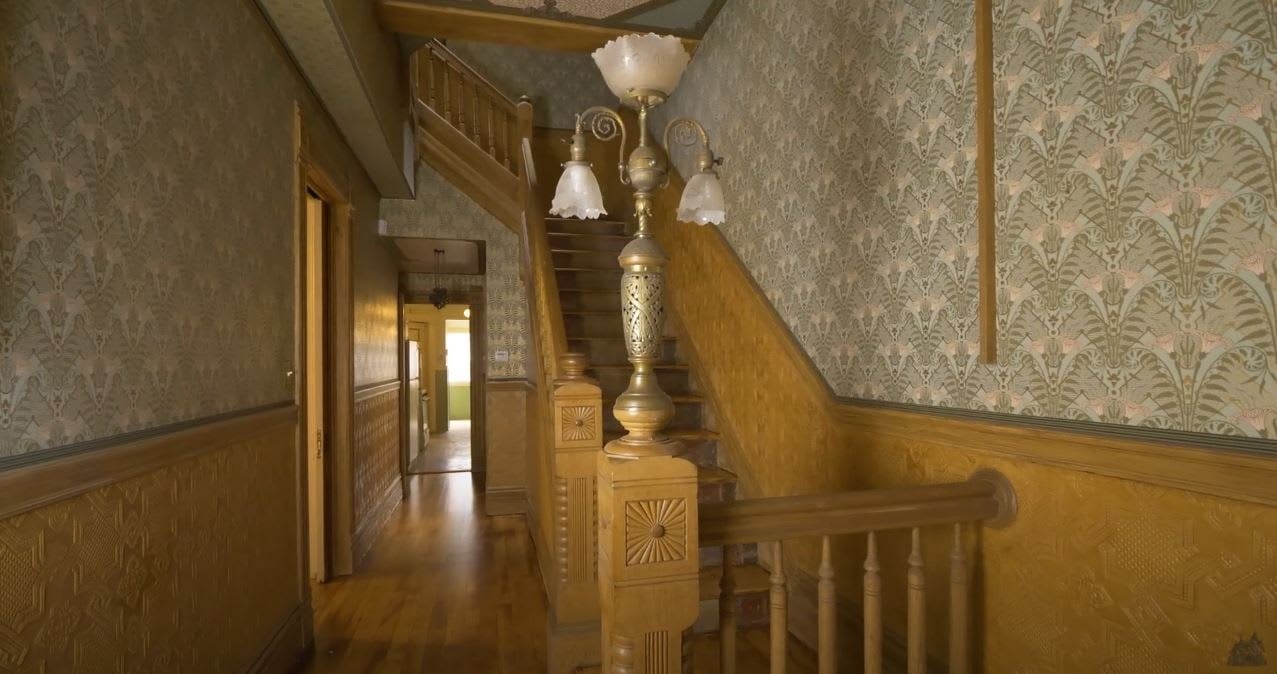
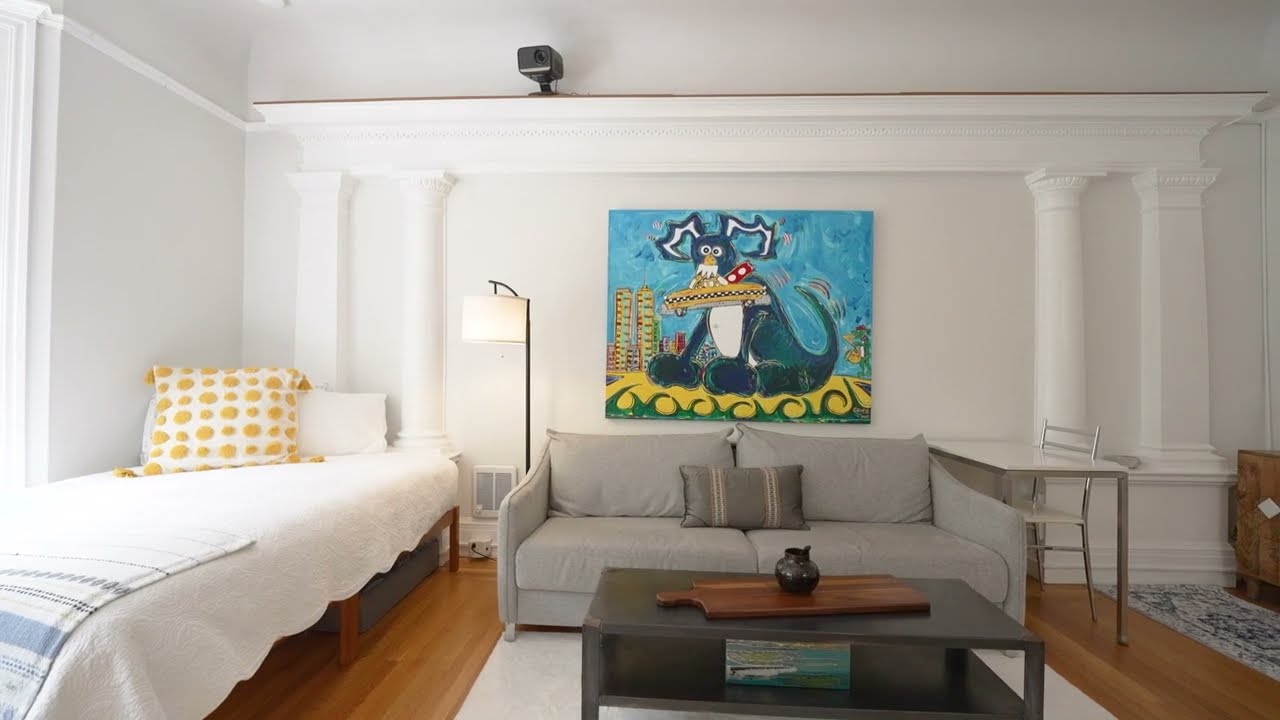
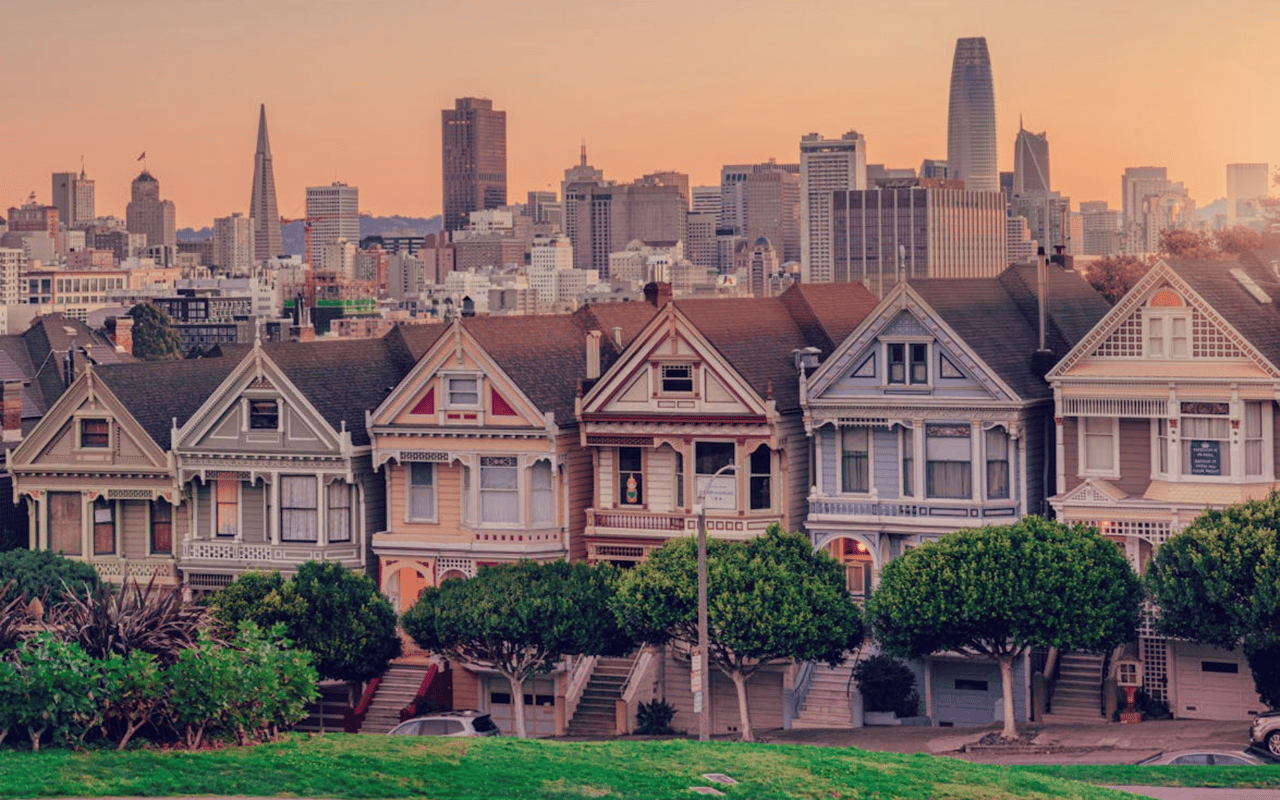
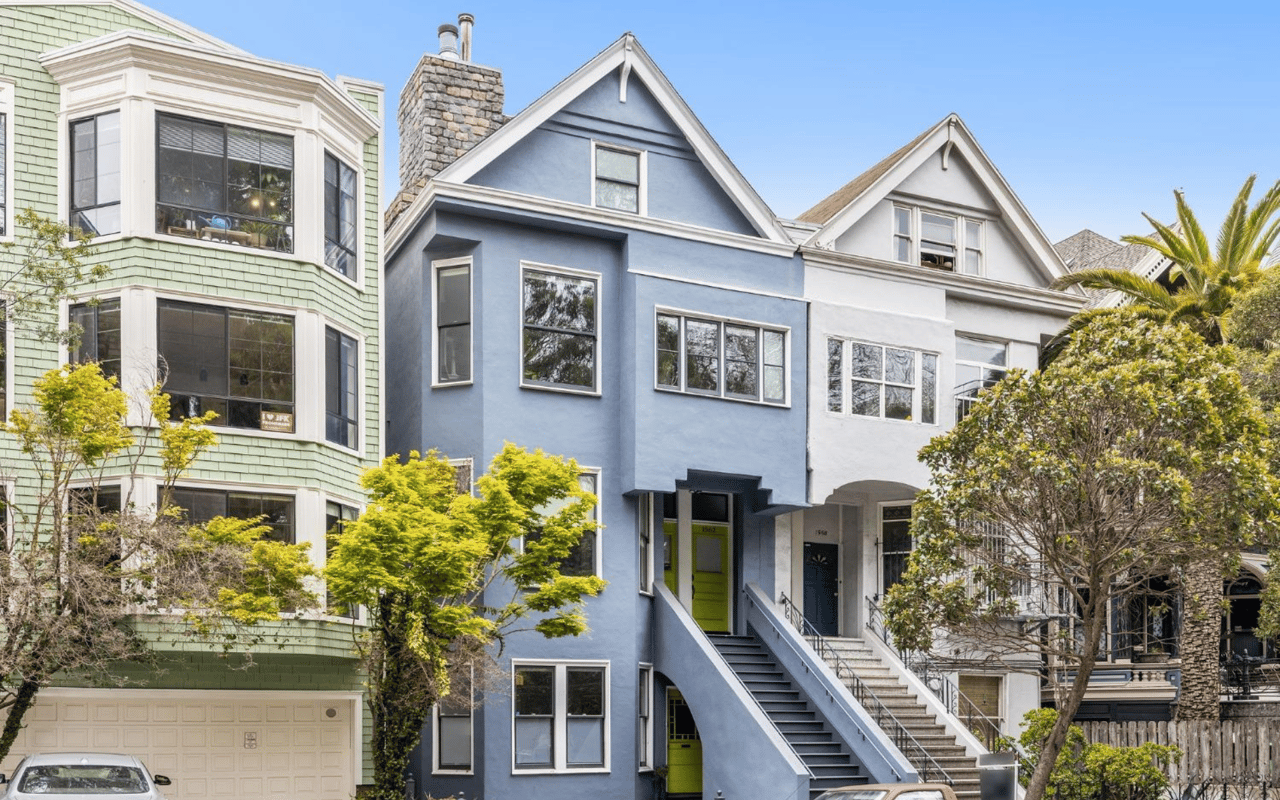
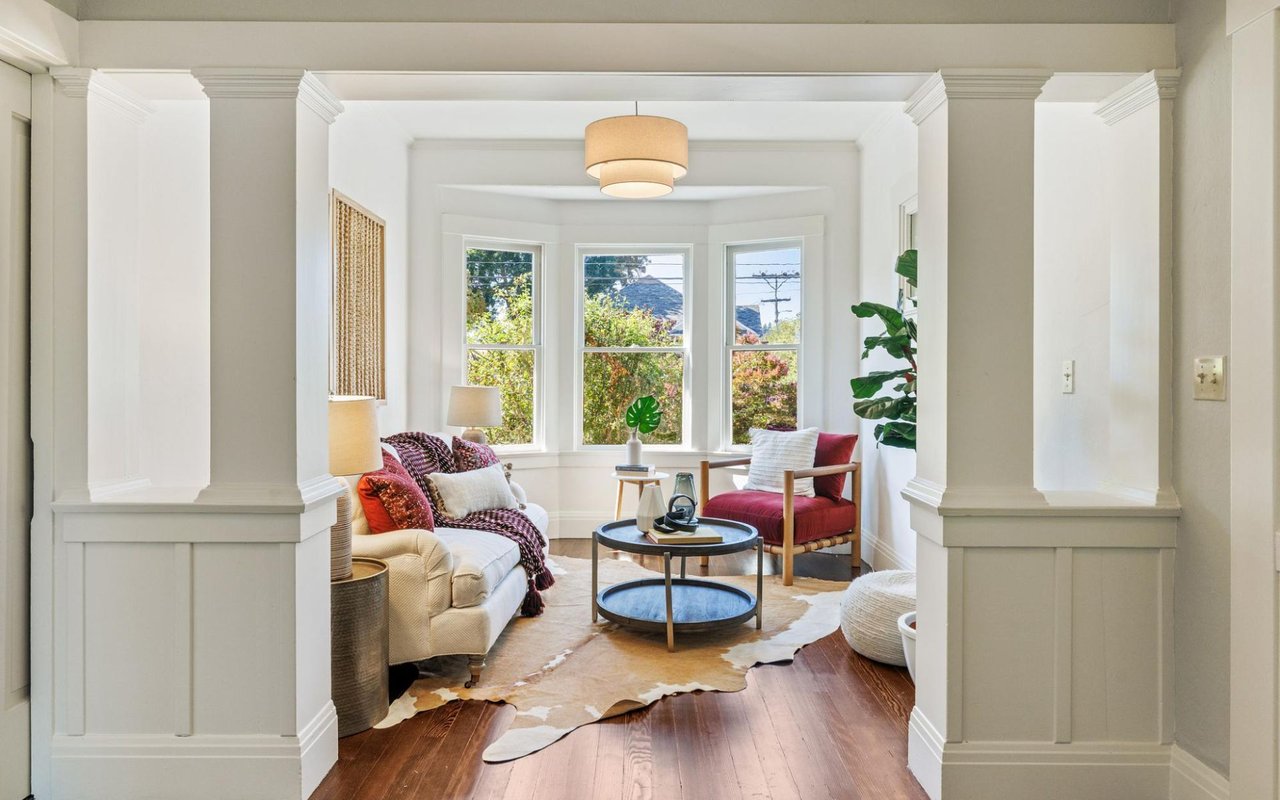
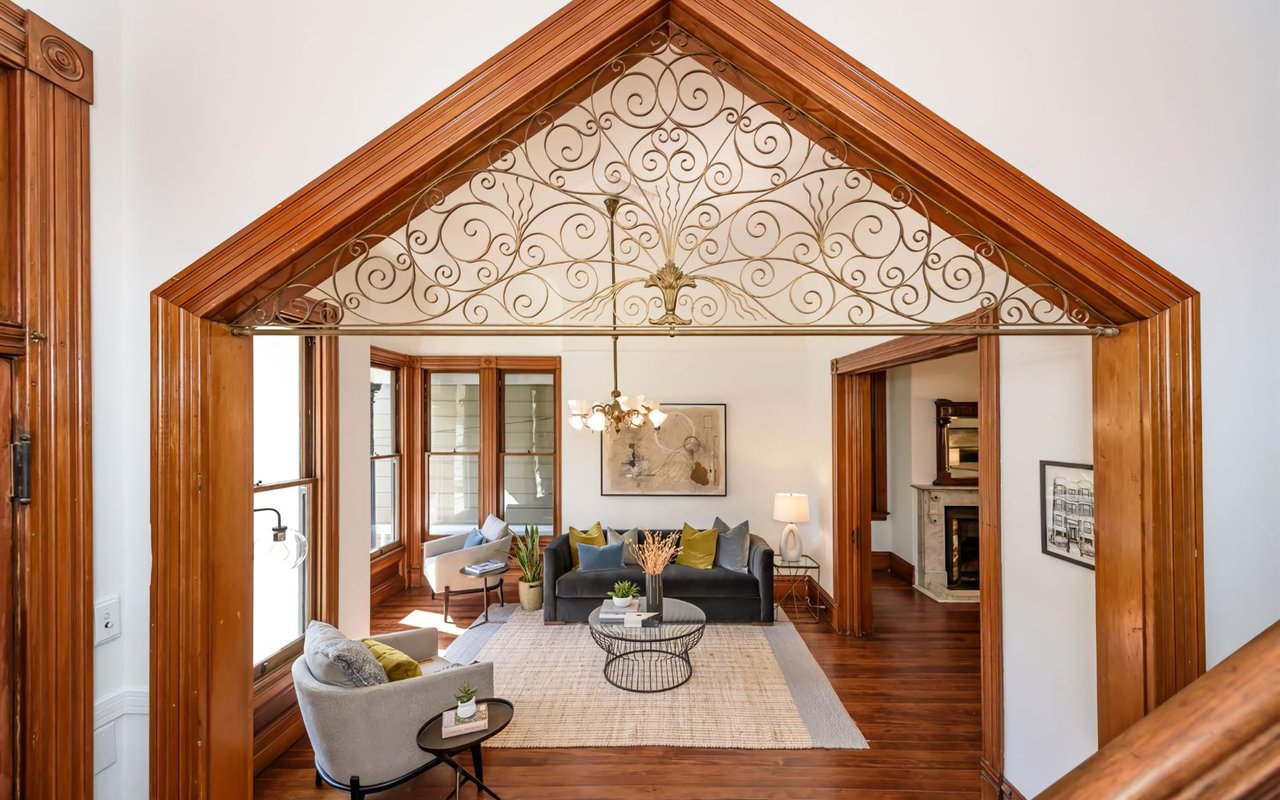
You will often find stucco or wood-clad buildings, two- to three-story homes, flats, and apartments with Edwardian-era detailing. Some blocks also include Craftsman-style residences. The result is a neighborhood that feels visually layered rather than uniform.
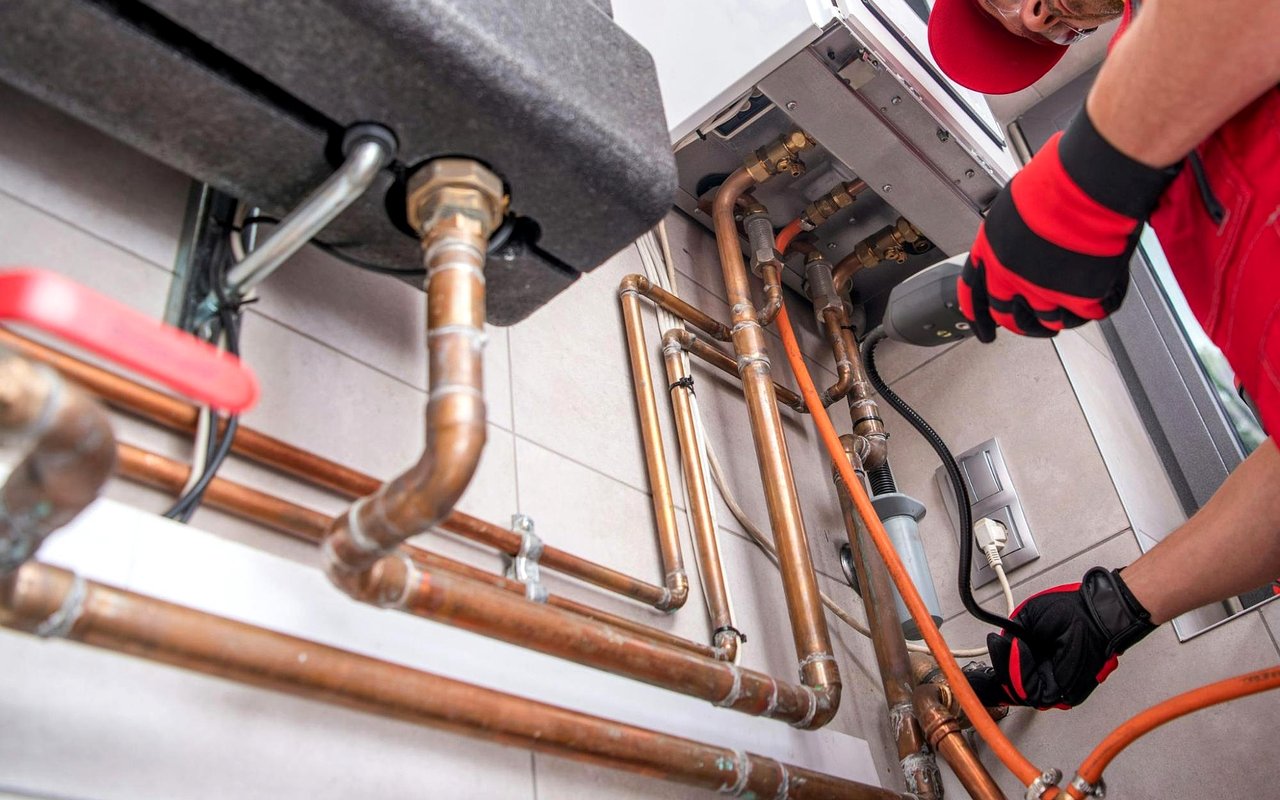
That matters if you are buying or selling here. Older housing stock often brings more questions about condition, maintenance, updates, and disclosures than newer construction does.
What Daily Life Feels Like
A neighborhood can look great on paper and still feel hard to live in day to day. Inner Richmond tends to work well because its commercial life is concentrated in a way that supports everyday routines.
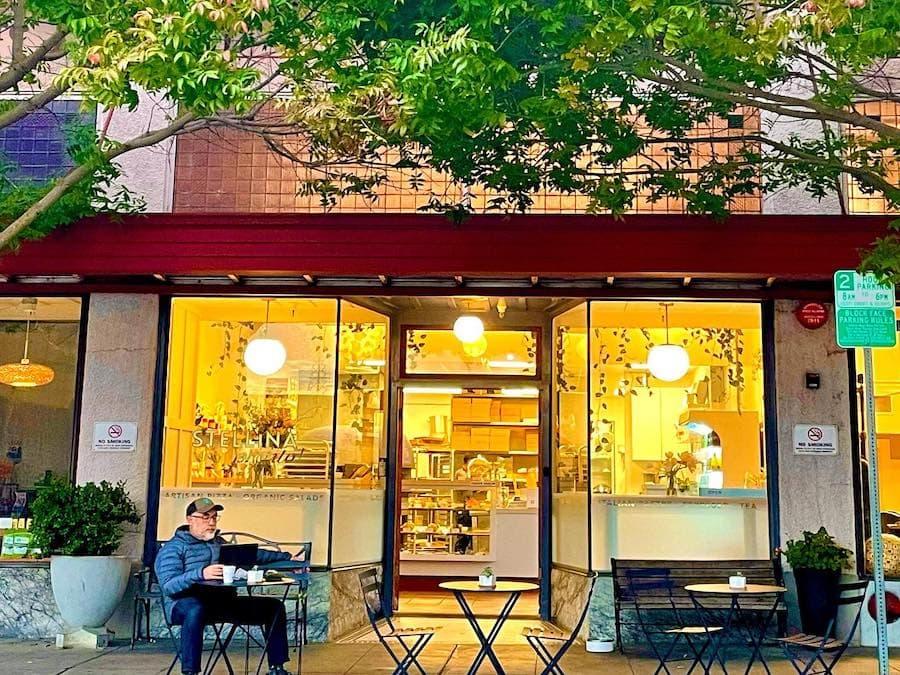
Clement Street is the center of that rhythm. City and merchant sources describe it as a lively corridor with restaurants, coffee shops, groceries, retail, professional services, and personal care businesses spread across more than 15 blocks.
The Clement Street Merchants Association reports 266 registered businesses and more than 50 active merchant members along the corridor. That is a meaningful concentration of local businesses for a neighborhood commercial district.
Clement Street Adds Convenience
For many residents, Clement Street is where errands and neighborhood life overlap. You can grab coffee, pick up groceries, meet a friend for a meal, or take care of small daily tasks without needing to make every stop by car.
SF.gov highlights the corridor’s mix of dim sum, Burmese, Vietnamese, Japanese, coffee, wine bars, and gift-oriented retail. That local, independent flavor helps define Inner Richmond’s identity.
If you are comparing neighborhoods, this is one of Inner Richmond’s strongest lifestyle advantages. It supports a walkable, practical routine while still feeling residential once you step onto the side streets.
Golden Gate Park Is a Real Lifestyle Asset
Some neighborhoods are merely close to a major amenity. Inner Richmond is different because Golden Gate Park can become part of your regular routine.
San Francisco Recreation and Park says Golden Gate Park spans 1,017 acres. Its car-free route runs from Stanyan Street to Ocean Beach and is open 24 hours a day, seven days a week.
That gives Inner Richmond residents unusually direct access to open space, recreation, and cultural destinations. The Music Concourse area includes the de Young Museum, California Academy of Sciences, Japanese Tea Garden, and Observation Wheel.
Park Access Changes Daily Living
This kind of park access is not just nice in theory. It can shape how you spend your mornings, weekends, and even your commute through the city.
If you value walking, biking, or simply having room to breathe nearby, Inner Richmond offers something hard to replicate. It is one of the clearest reasons the neighborhood appeals to buyers who want a car-light urban lifestyle without giving up access to green space.
Transit and Car-Light Living
Inner Richmond also stands out for transit service. SFMTA lists a wide range of Muni lines serving the neighborhood, including the 1 California, 5 Fulton and 5R, 28 and 28R, 31 and express variants, 33 Ashbury/18th Street, 38 and express variants, 43 Masonic, 44 O'Shaughnessy, and 91 Owl.
That level of coverage supports mobility across the city while keeping the neighborhood itself primarily residential in feel. It is one reason Inner Richmond works well for people who do not want to depend heavily on a car.
San Francisco Planning’s neighborhood profile also found that, historically, 42% of workers commuted by transit, 12% walked, and 11% biked. While those percentages are from an older profile, they reinforce the broader point that non-car trips have long been part of life here.
What Buyers Should Notice
If you are shopping in Inner Richmond, it helps to look beyond surface charm. The neighborhood’s appeal often comes from older buildings, varied facades, and flexible housing types, but those same features can make due diligence especially important.
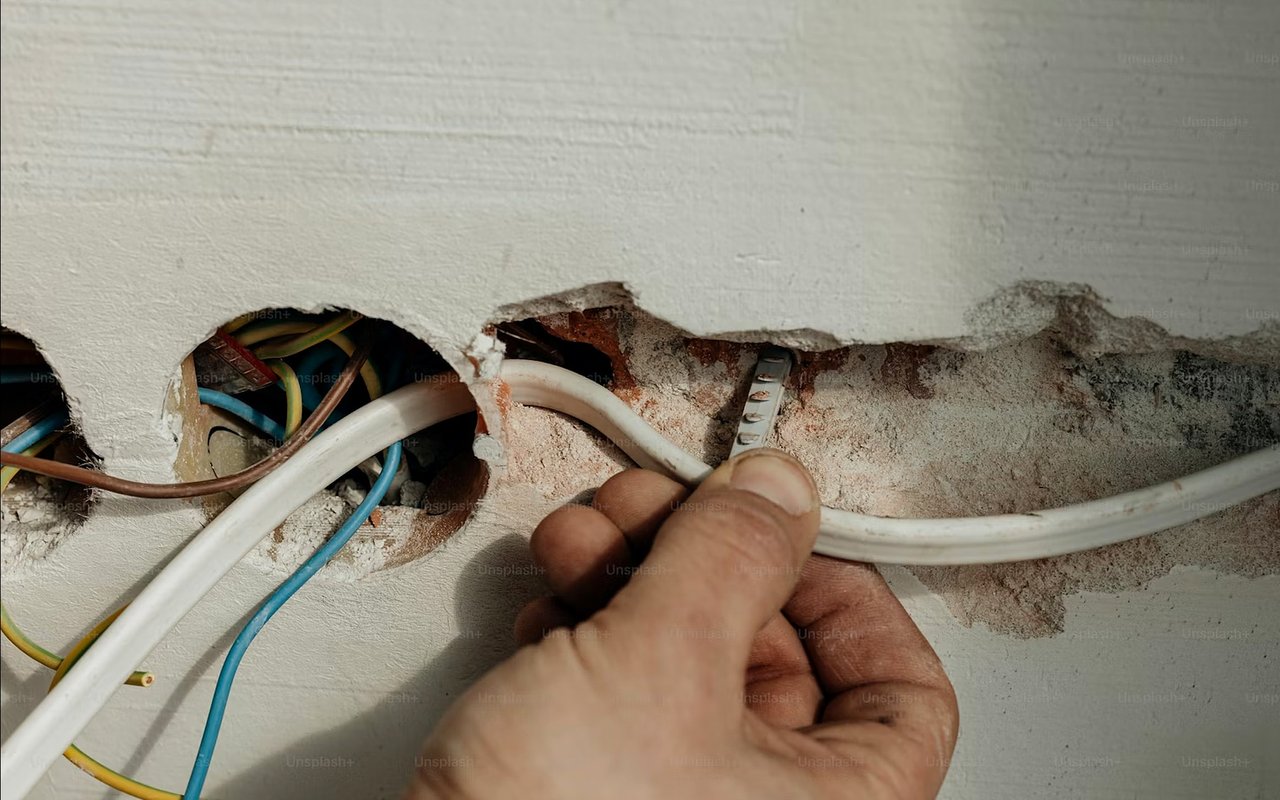
Pay close attention to how a property has been maintained over time. In a neighborhood where much of the housing predates modern construction standards, condition, systems, and renovation history can matter as much as layout and location.
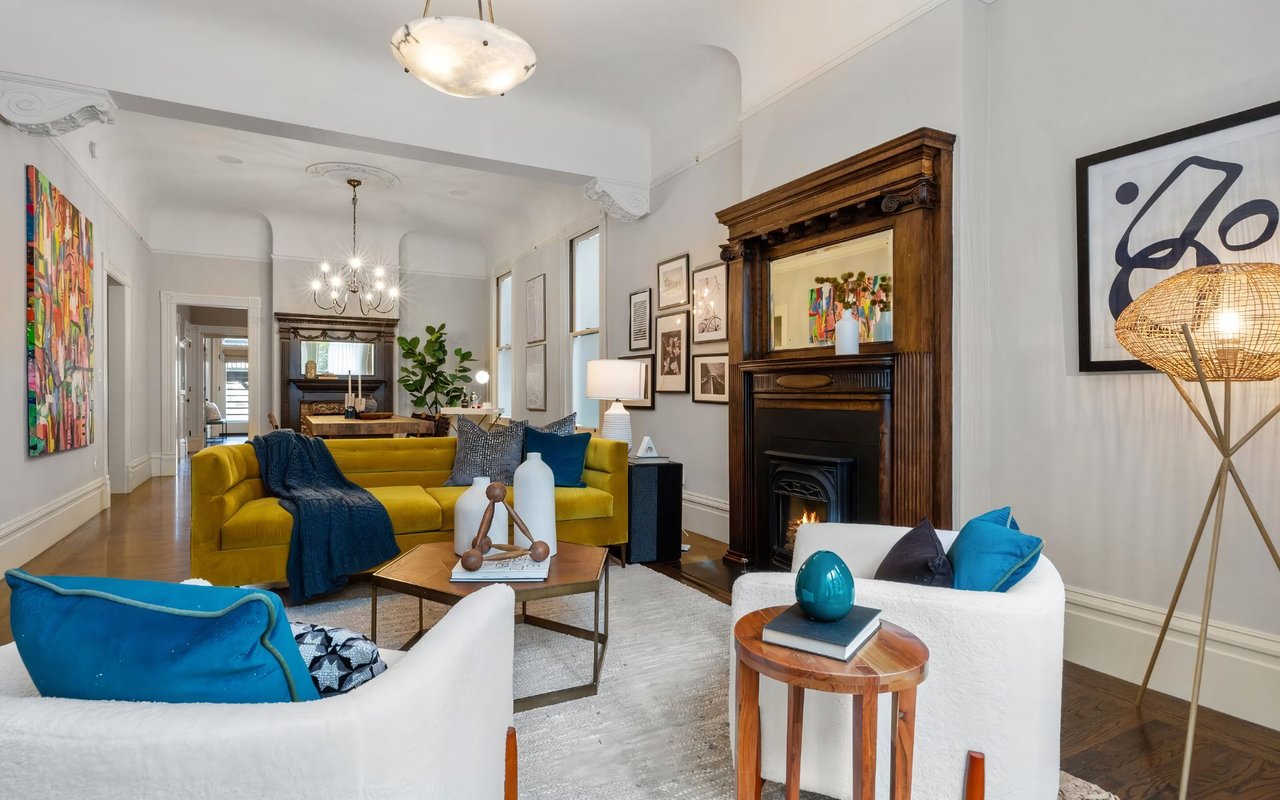
For buyers drawn to Edwardian-era details or other period character, Inner Richmond can be especially compelling. This is the kind of neighborhood where architectural literacy is useful because details, alterations, and building type all affect value and future planning.
What Sellers Should Highlight
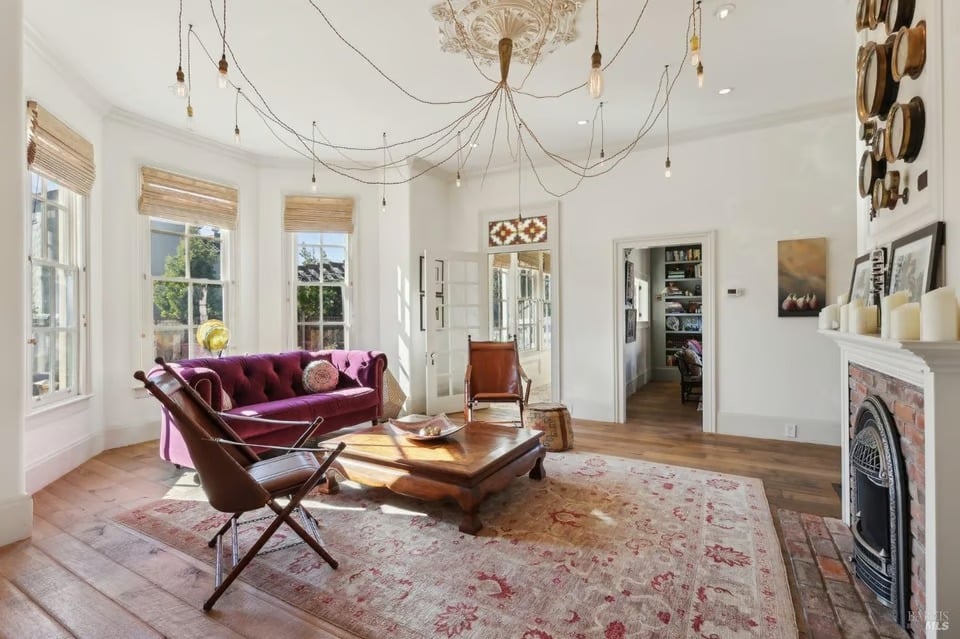
If you are selling in Inner Richmond, your home’s character may be one of its strongest assets. Buyers often respond to original details, early-20th-century design, and the sense that a property belongs to the neighborhood’s architectural story.
At the same time, buyers will want clarity. In an area with older homes, thoughtful preparation, documentation, and a clear presentation of updates can help your property stand out for the right reasons.
Inner Richmond is not just about square footage. It is about location near the park, access to Clement Street, transit convenience, and the lasting appeal of classic San Francisco housing.
Inner Richmond by the Numbers
Here is a quick snapshot of facts that help define the neighborhood:
| Category | Inner Richmond Snapshot |
|---|---|
| Housing units | 9,980 |
| Median year built | 1925 |
| Single-family homes | 24% |
| 2-4 unit buildings | 45% |
| 5-9 unit buildings | 15% |
| 10-19 unit buildings | 13% |
| 20+ unit buildings | 4% |
| Golden Gate Park size | 1,017 acres |
Market Context to Keep in Mind
As a dated market reference, Zillow reported an average home value of $1,905,597 in Inner Richmond as of April 30, 2026, up 7.0% year over year. That same snapshot showed 17 homes for sale and 8 new listings.
Numbers like these can shift, but they help show that Inner Richmond remains a closely watched San Francisco neighborhood. For both buyers and sellers, local property type, condition, and block-by-block context can be especially important here.
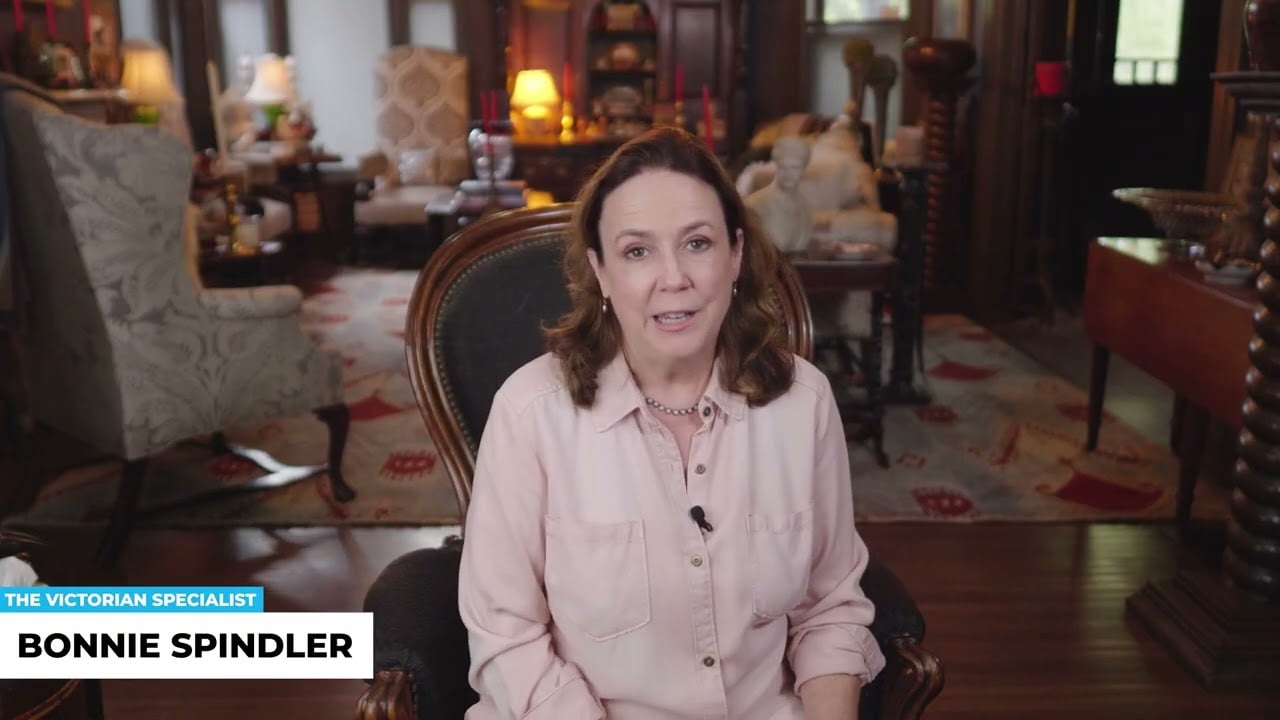
Inner Richmond appeals to people who want classic San Francisco living with a practical daily rhythm. If you are considering buying or selling a character-rich home in this neighborhood, working with someone who understands older housing stock can make the process clearer and more confident. To talk through your next move, connect with Bonnie Spindler.
FAQs
What types of homes are most common in Inner Richmond?
- Inner Richmond is dominated by small multi-unit buildings and flats, with single-family homes present but not the majority.
How old are most homes in Inner Richmond?
- San Francisco Planning reports a median year built of 1925, and planning materials describe much of the housing stock as dating from the early 20th century.
Can you live in Inner Richmond without relying heavily on a car?
- Yes. The neighborhood has broad Muni coverage, a strong Clement Street commercial corridor, and direct access to Golden Gate Park.
What makes Inner Richmond different from other west-side neighborhoods in San Francisco?
- Inner Richmond combines classic early-20th-century housing, a dense mix of small residential buildings, strong transit service, and close daily access to Golden Gate Park.
Why do buyers ask more questions about condition in Inner Richmond homes?
- Because much of the neighborhood’s housing stock is older, buyers often pay closer attention to maintenance, updates, renovation history, and disclosures.