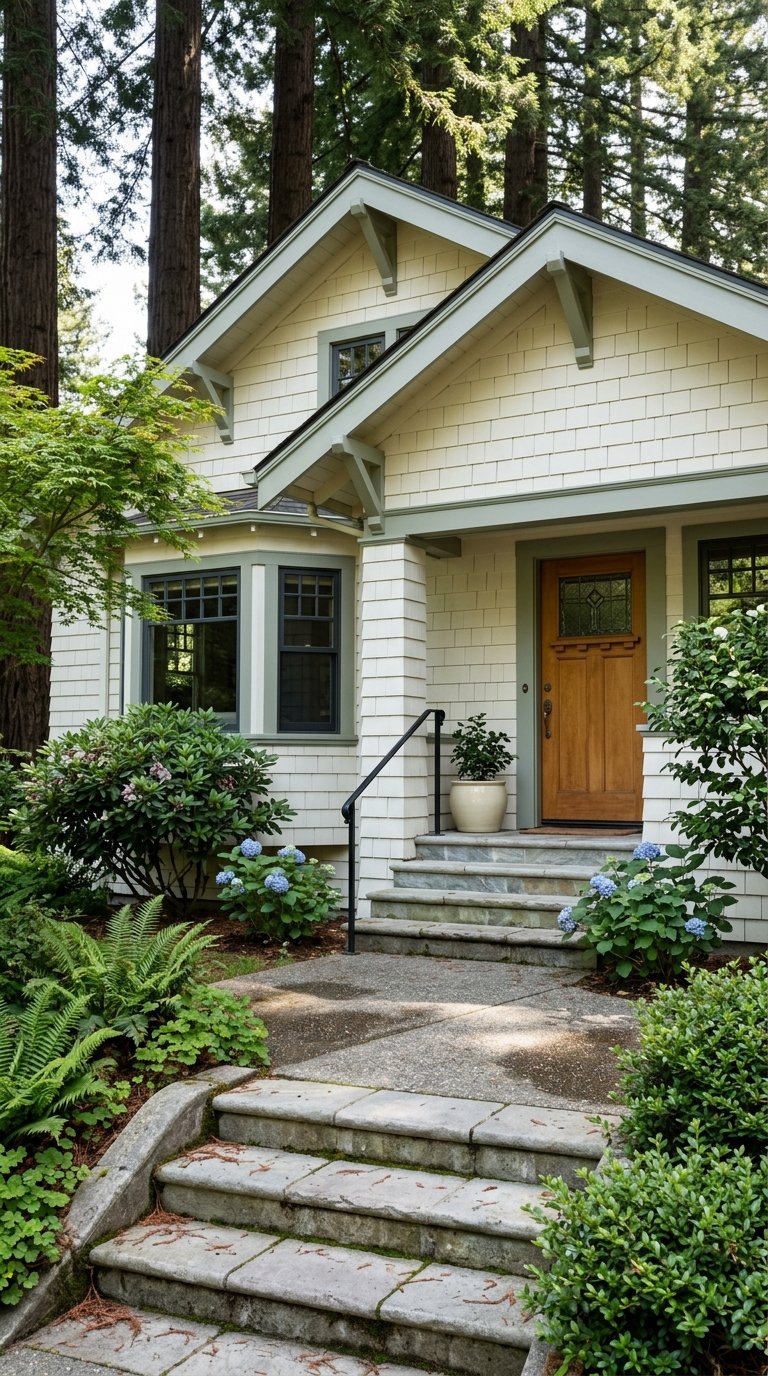
If you want a home with real character but do not want to give up daily access to trails, trees, and a walkable downtown, Mill Valley stands out for a reason. Many buyers are trying to choose between architectural charm and outdoor lifestyle, and this Marin community offers a rare blend of both. From early homes and preservation-minded planning to redwood canyons and everyday convenience, Mill Valley gives you a setting that feels distinctive and grounded. Let’s dive in.
Mill Valley blends history and nature
Mill Valley’s appeal starts with its physical setting and its built environment working together. The city describes a community where residential neighborhoods, commercial areas on the flatter low lands, and a preserved natural setting create its small-town character.
That matters if you are looking for more than square footage. In Mill Valley, older homes, wooded surroundings, and a compact town center are not separate features. They are part of the same experience of living there.
Historic homes add depth and variety
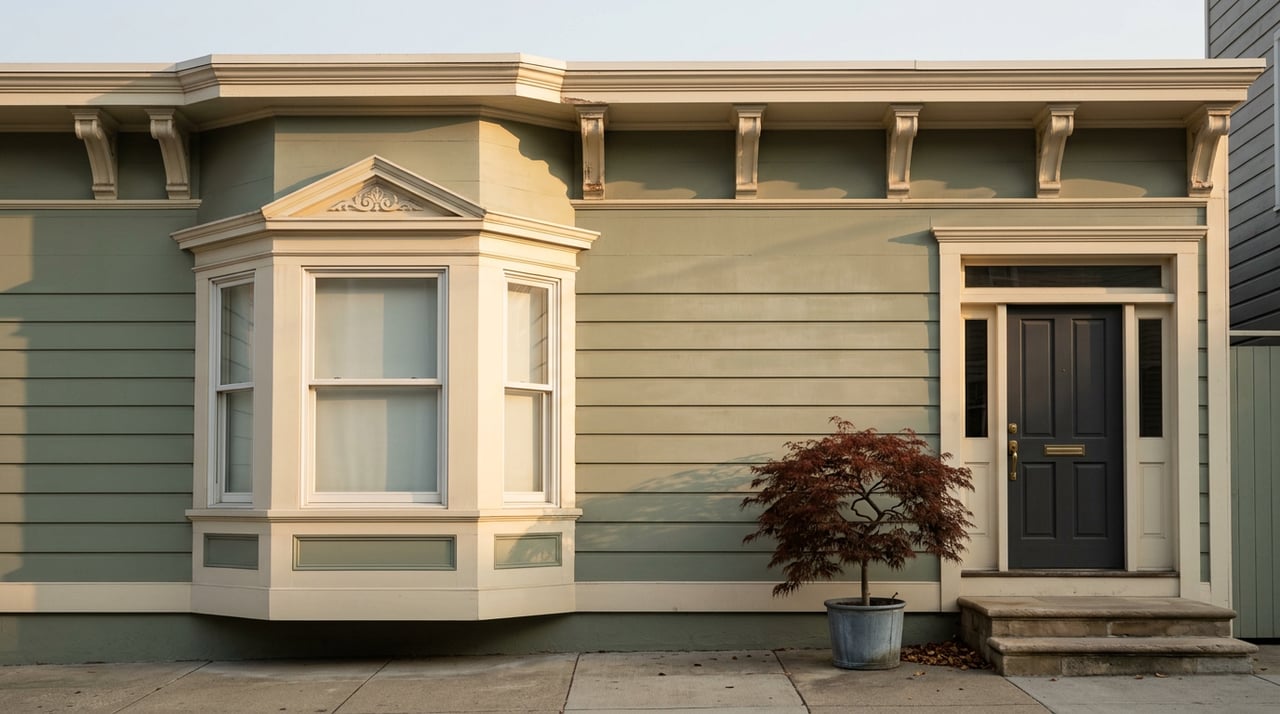
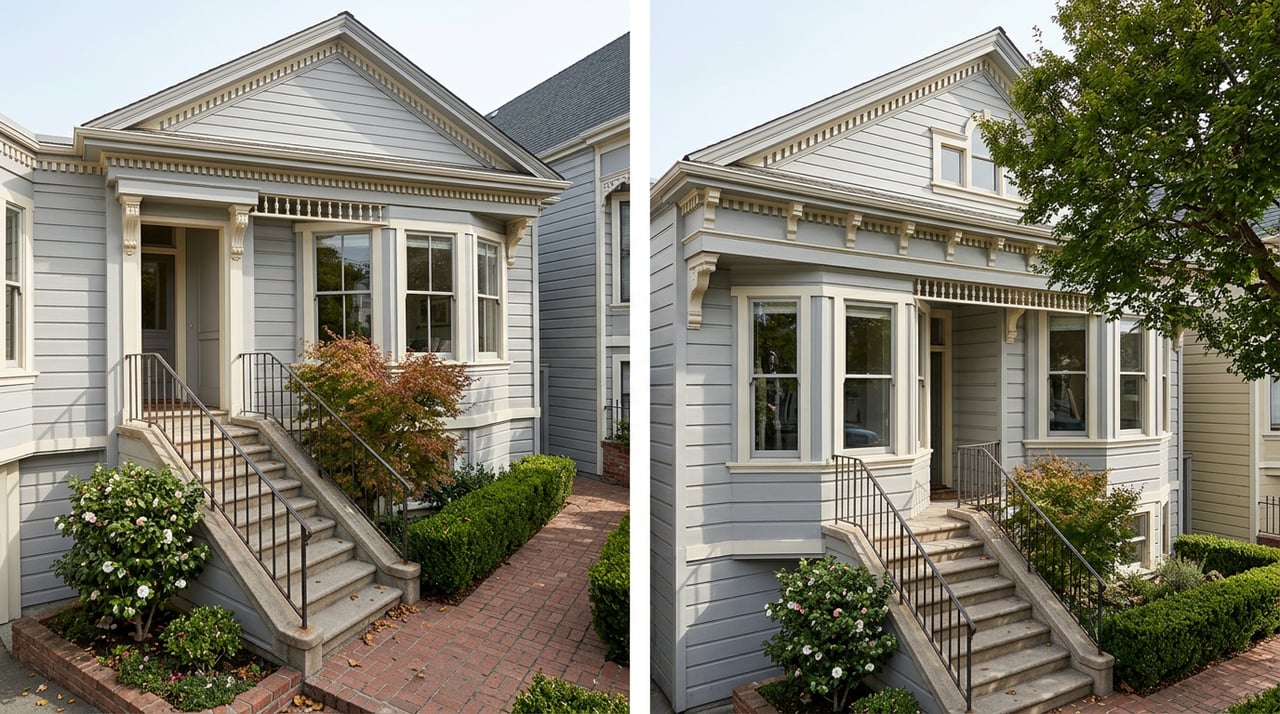
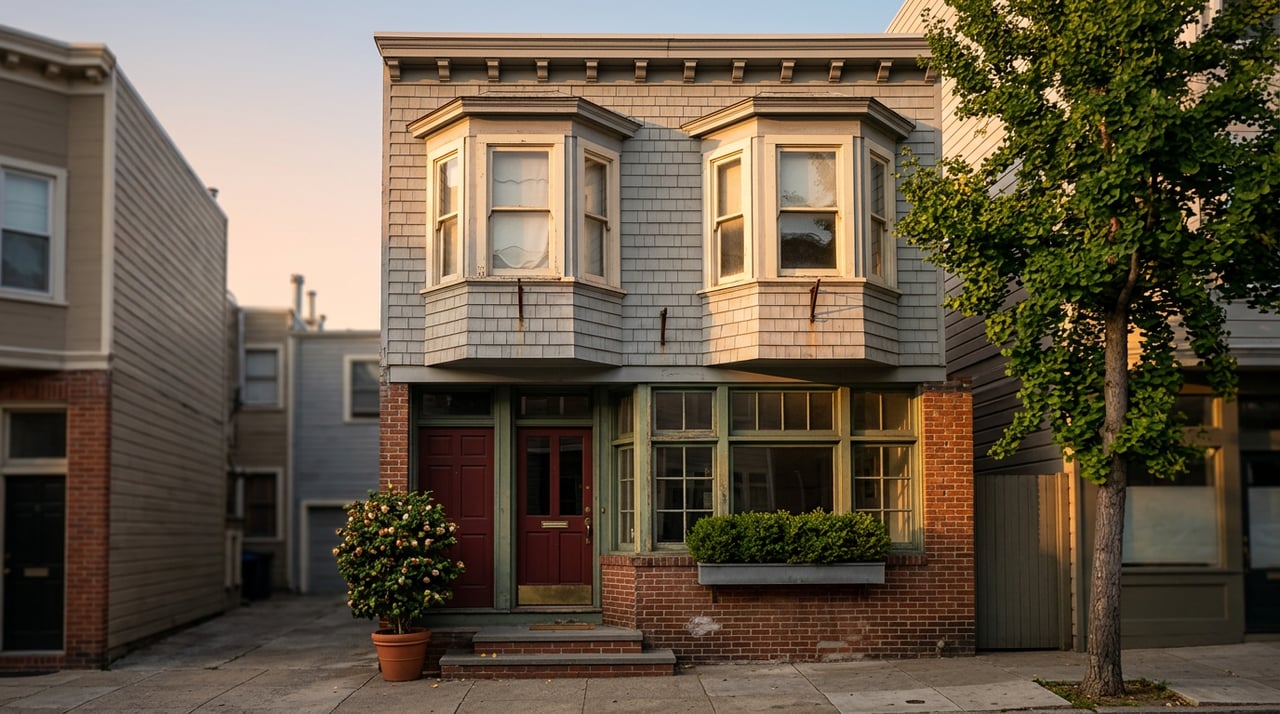
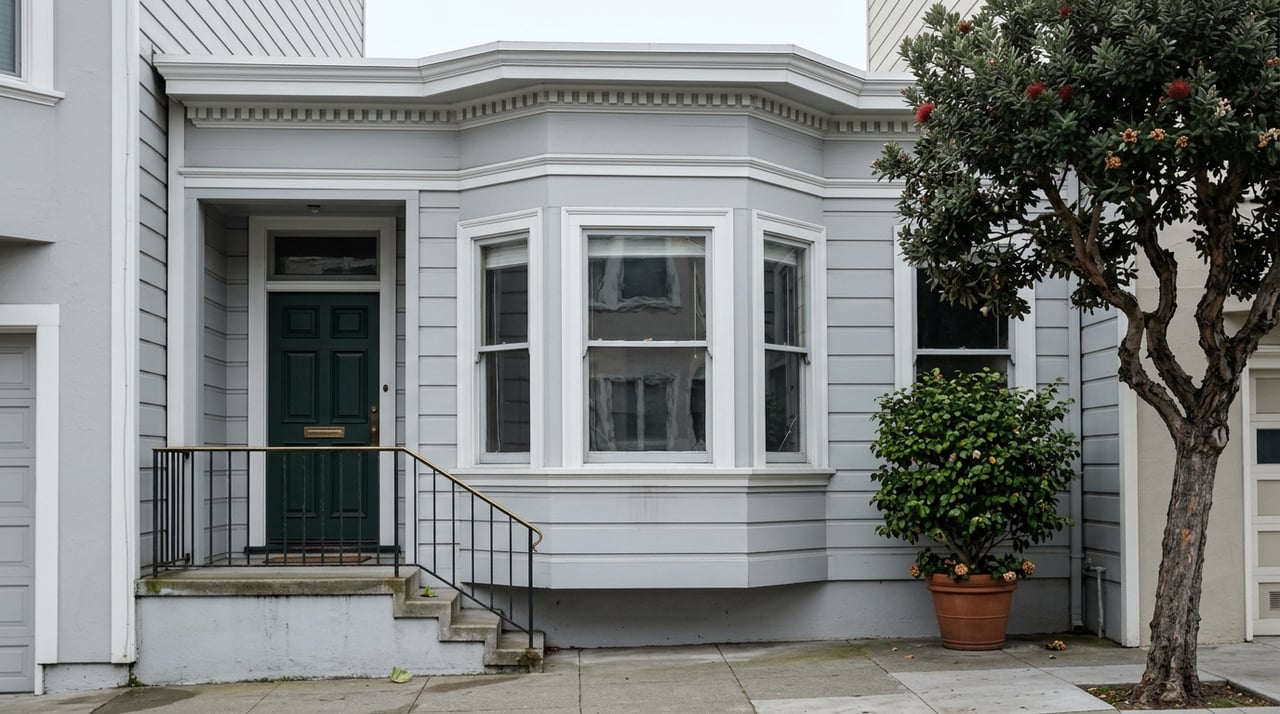
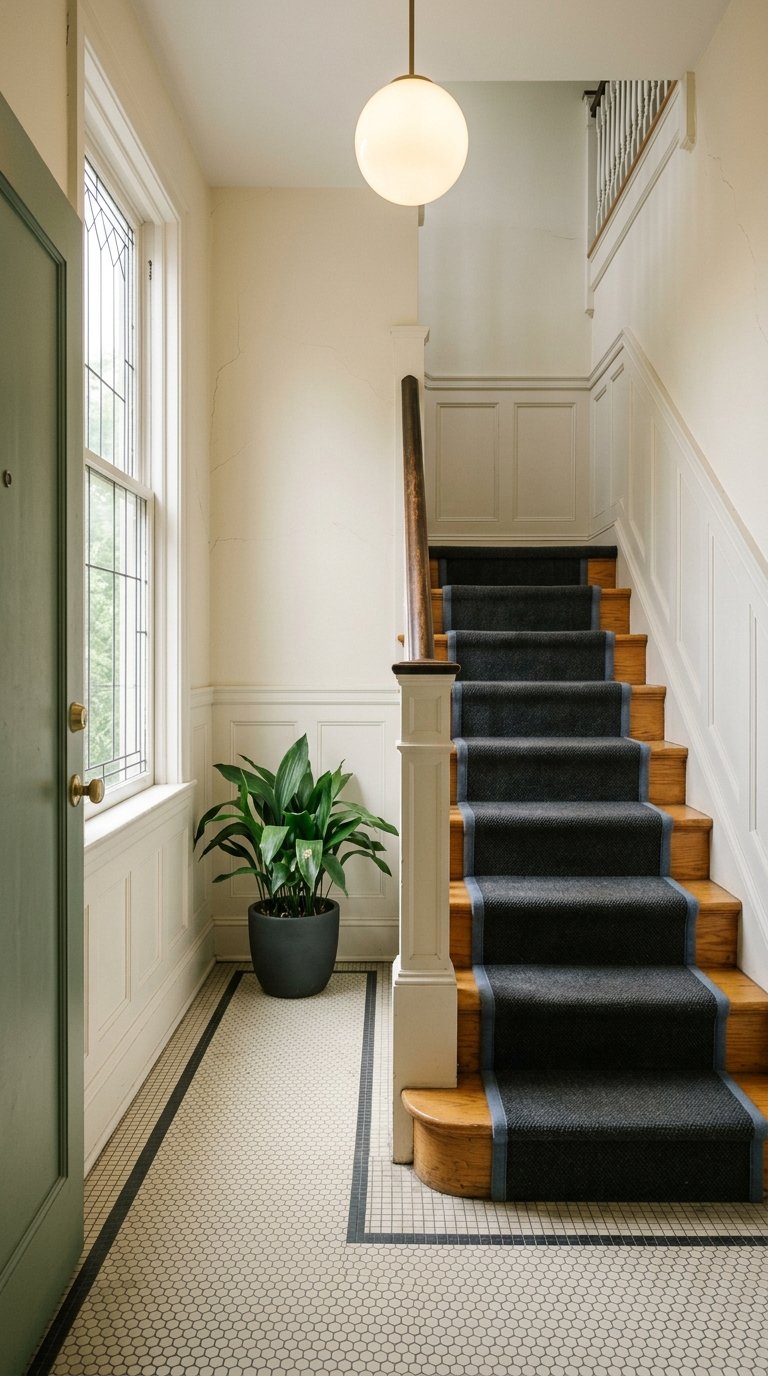
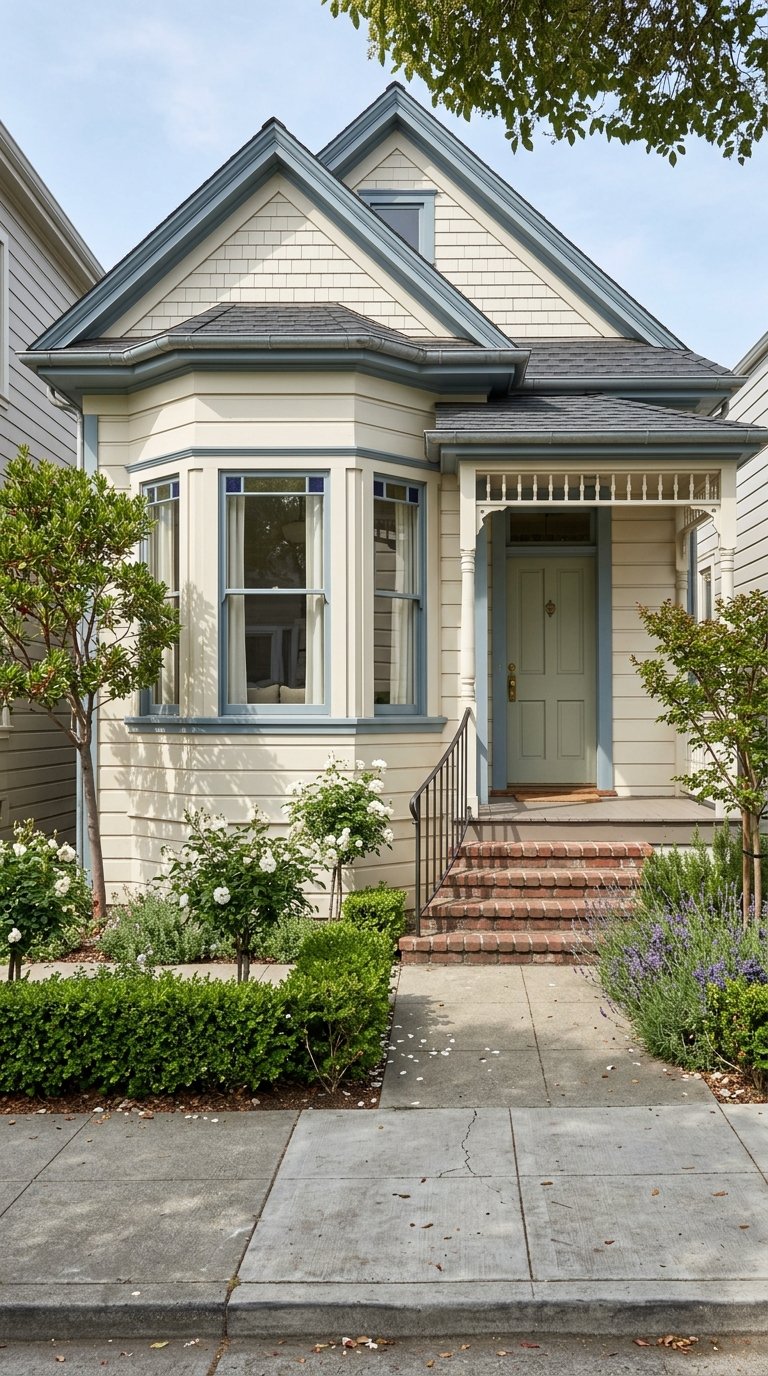
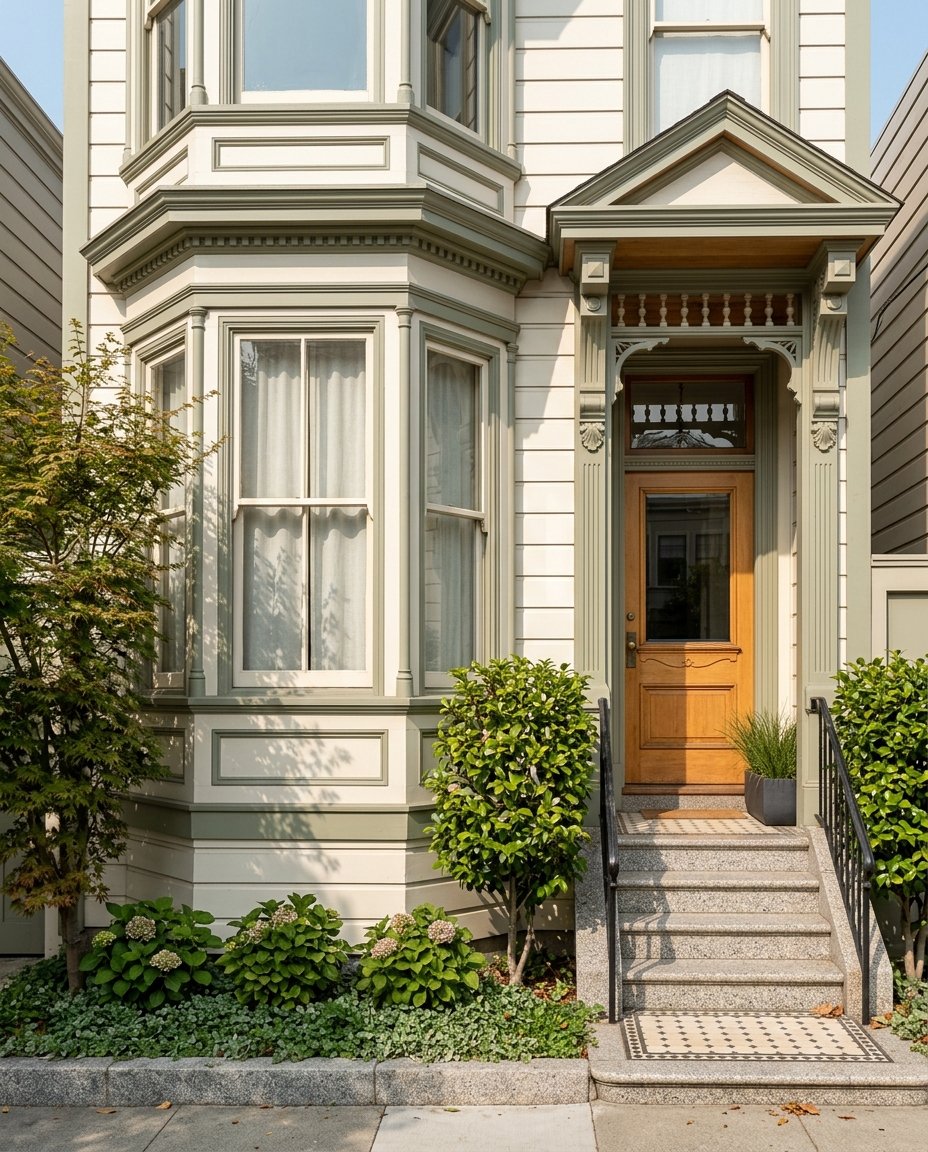
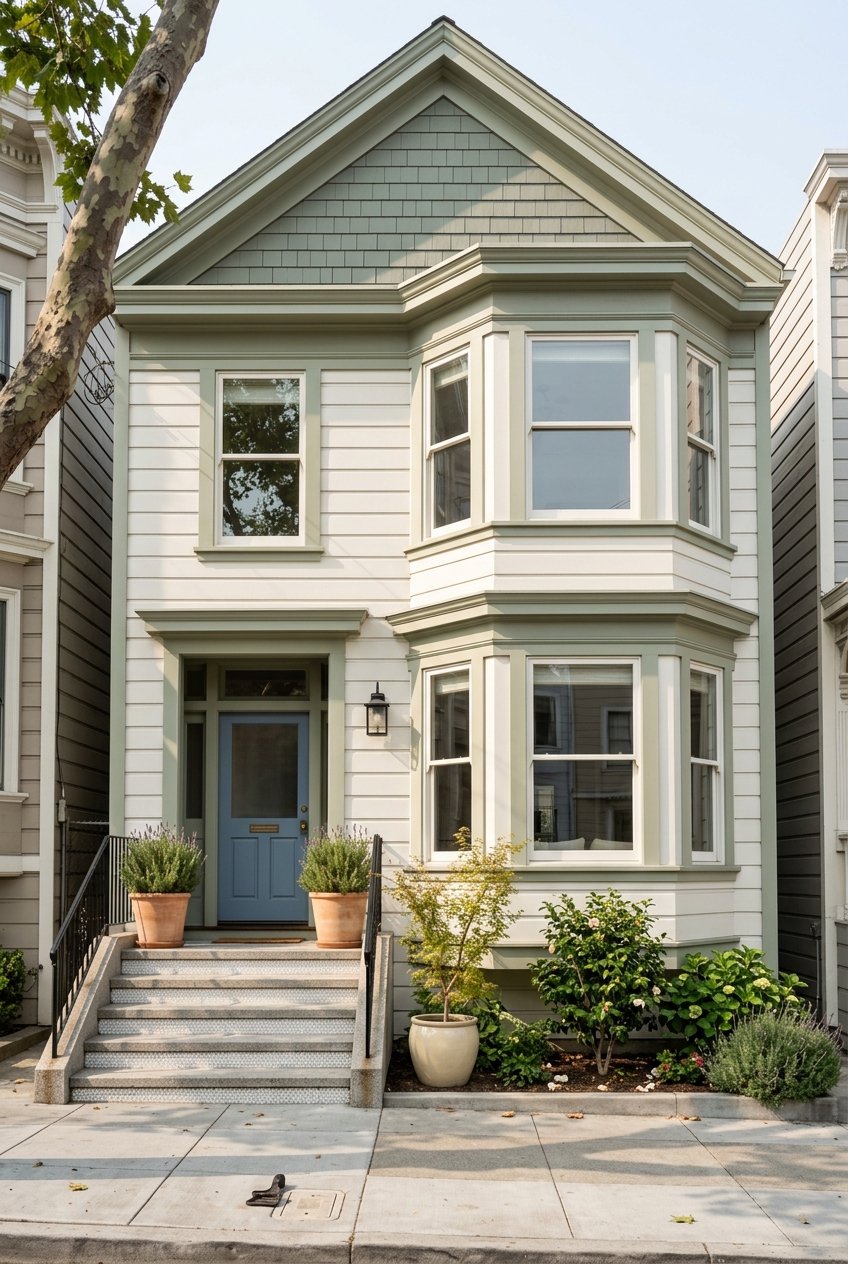
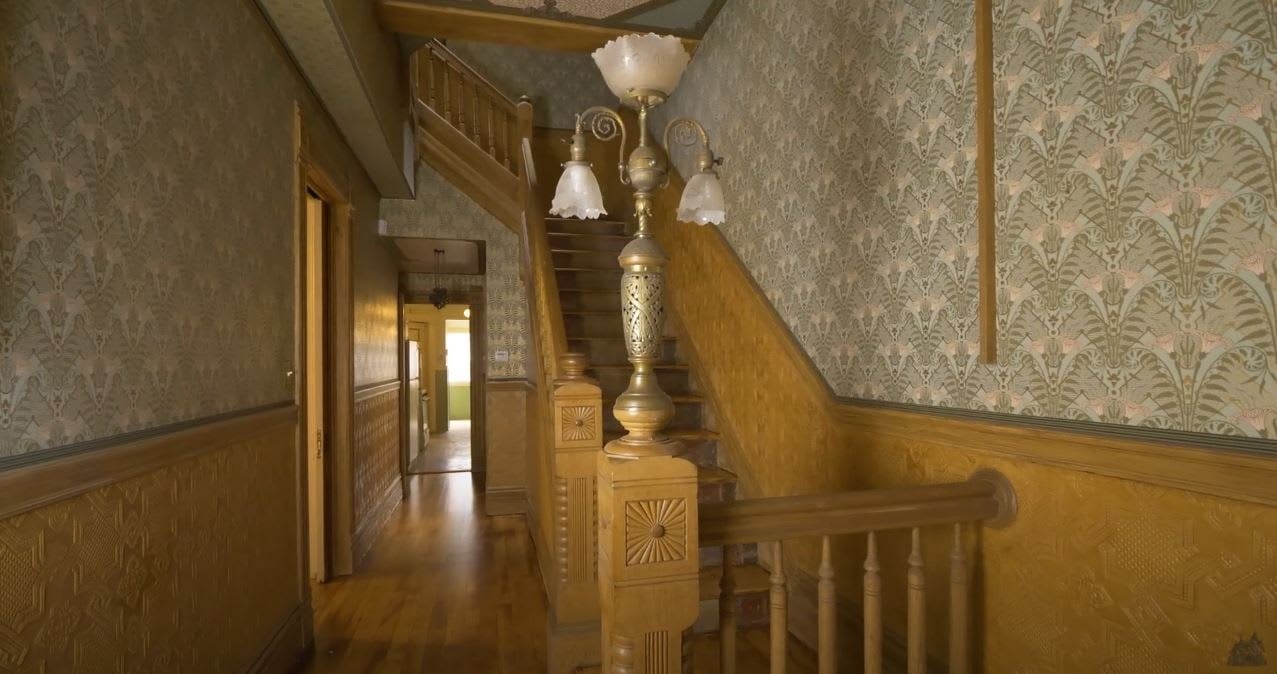
For buyers who love older houses, Mill Valley offers meaningful architectural range. The city’s historic survey evaluated 176 properties and found that the majority represent late 19th- to early 20th-century styles, with about 160 buildings constructed before 1930.
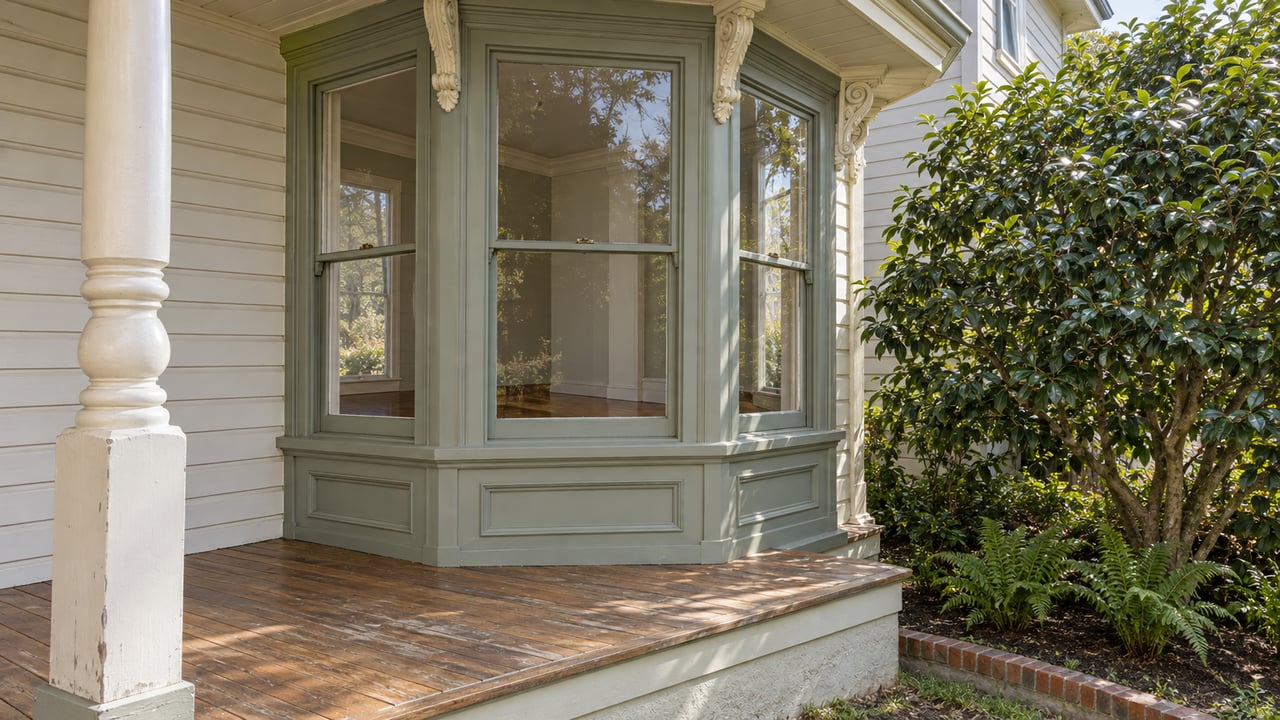
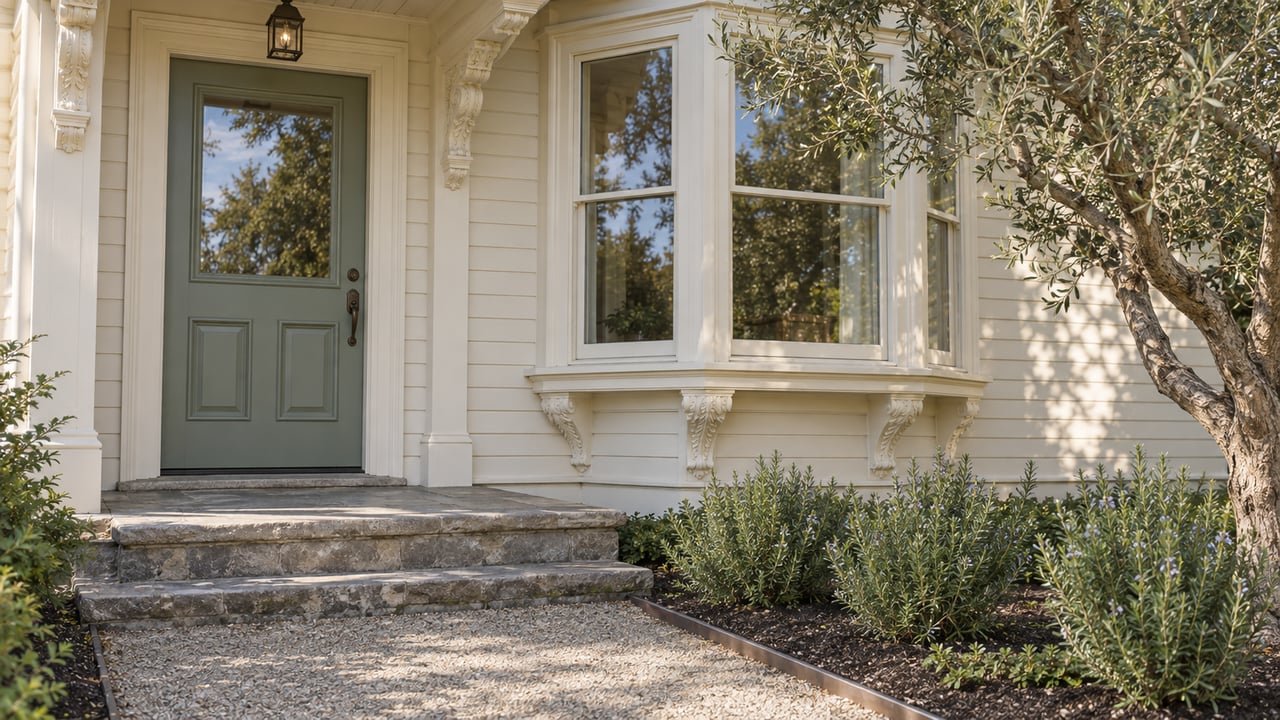
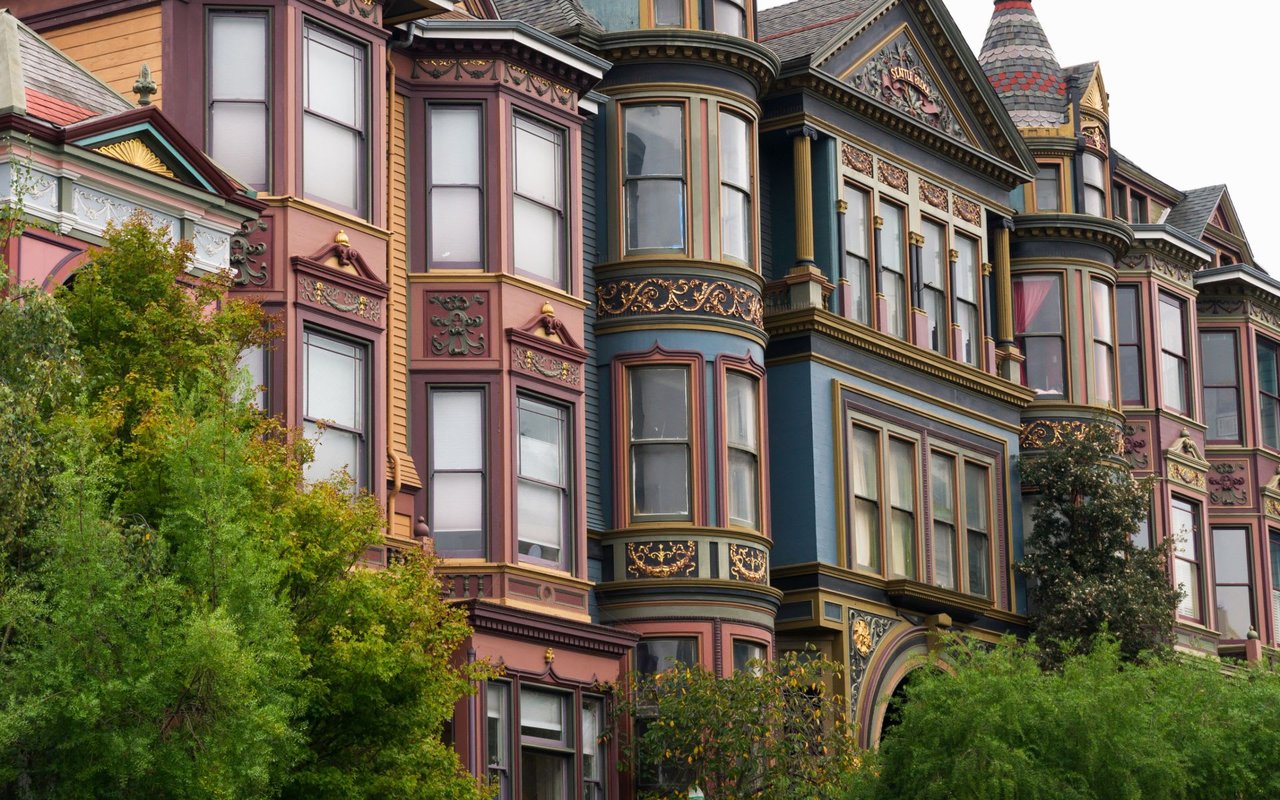
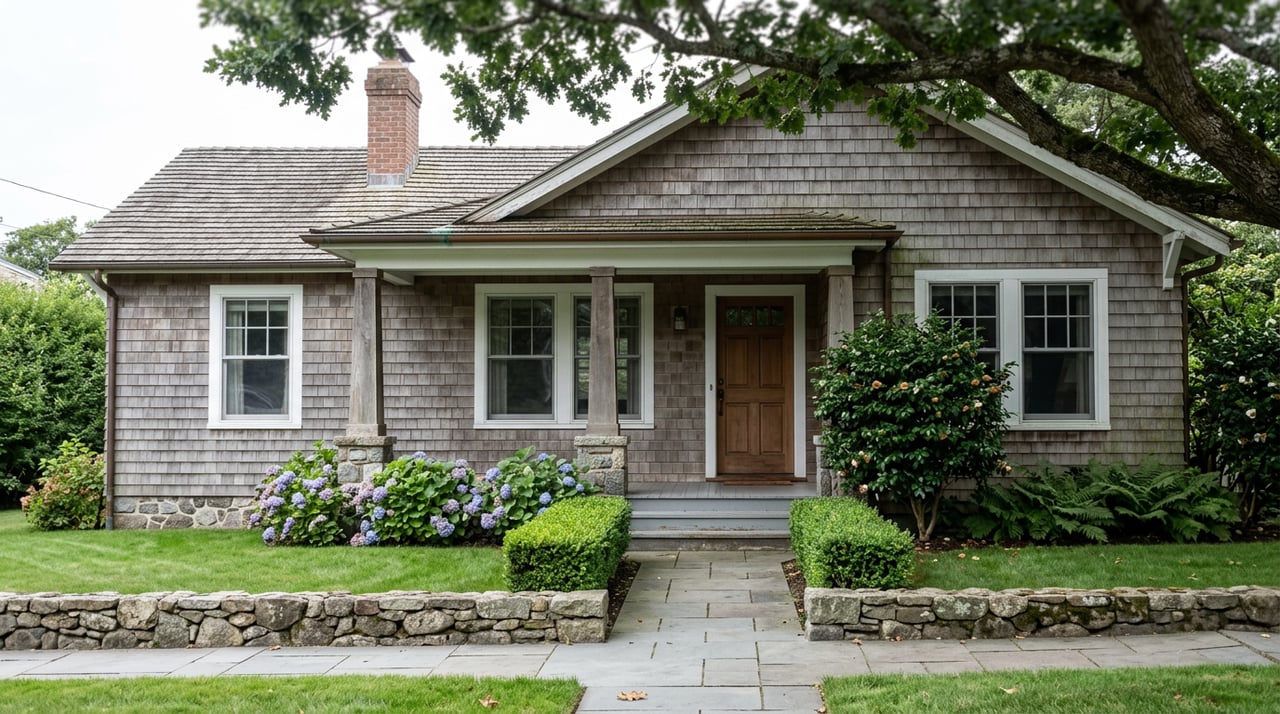
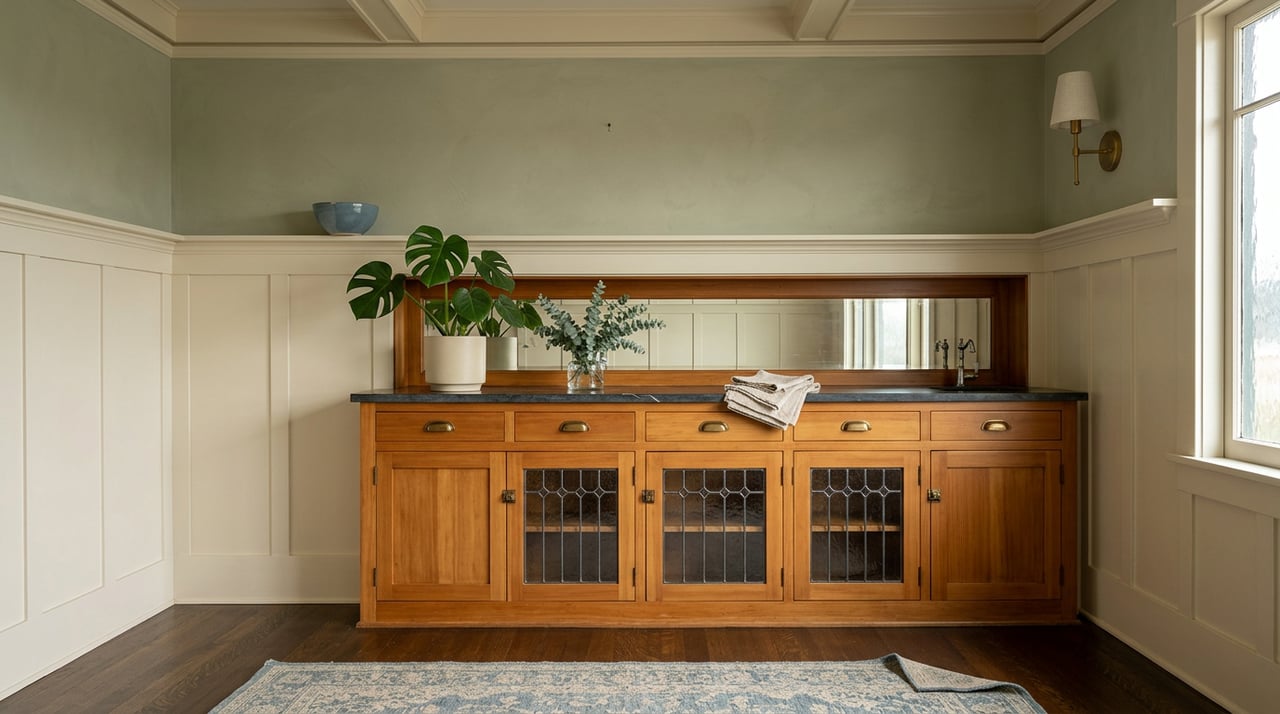
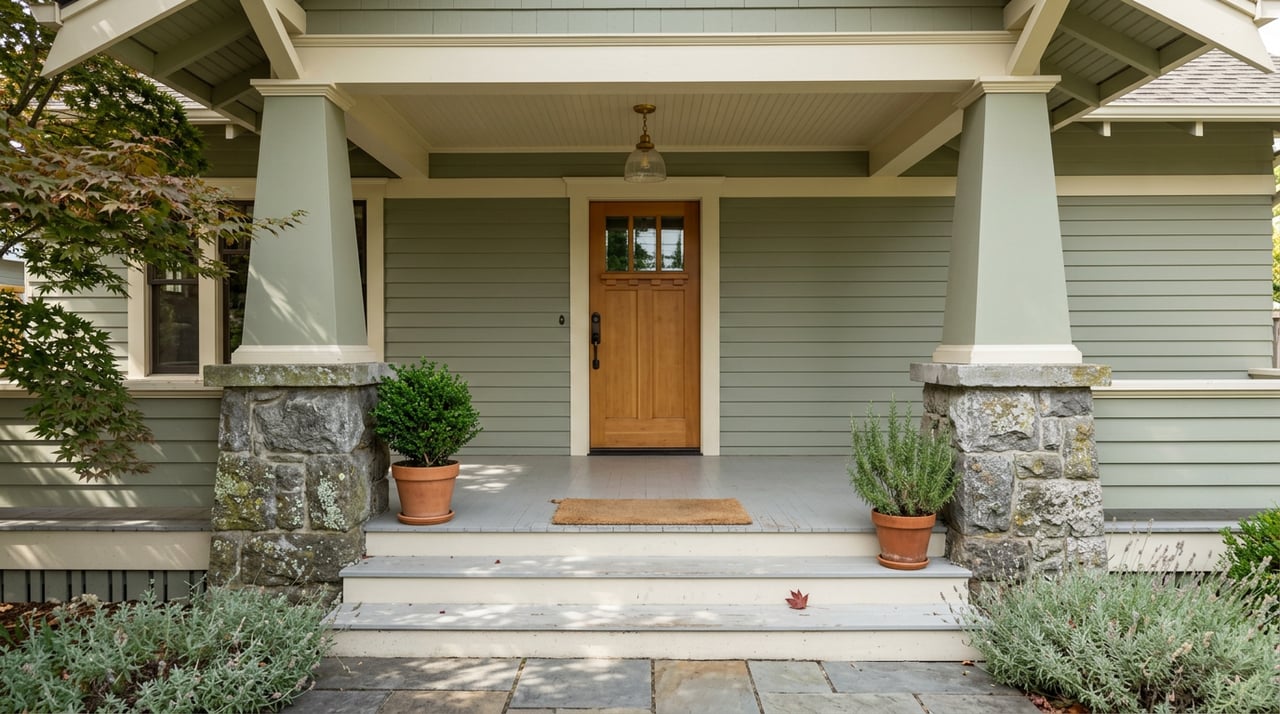
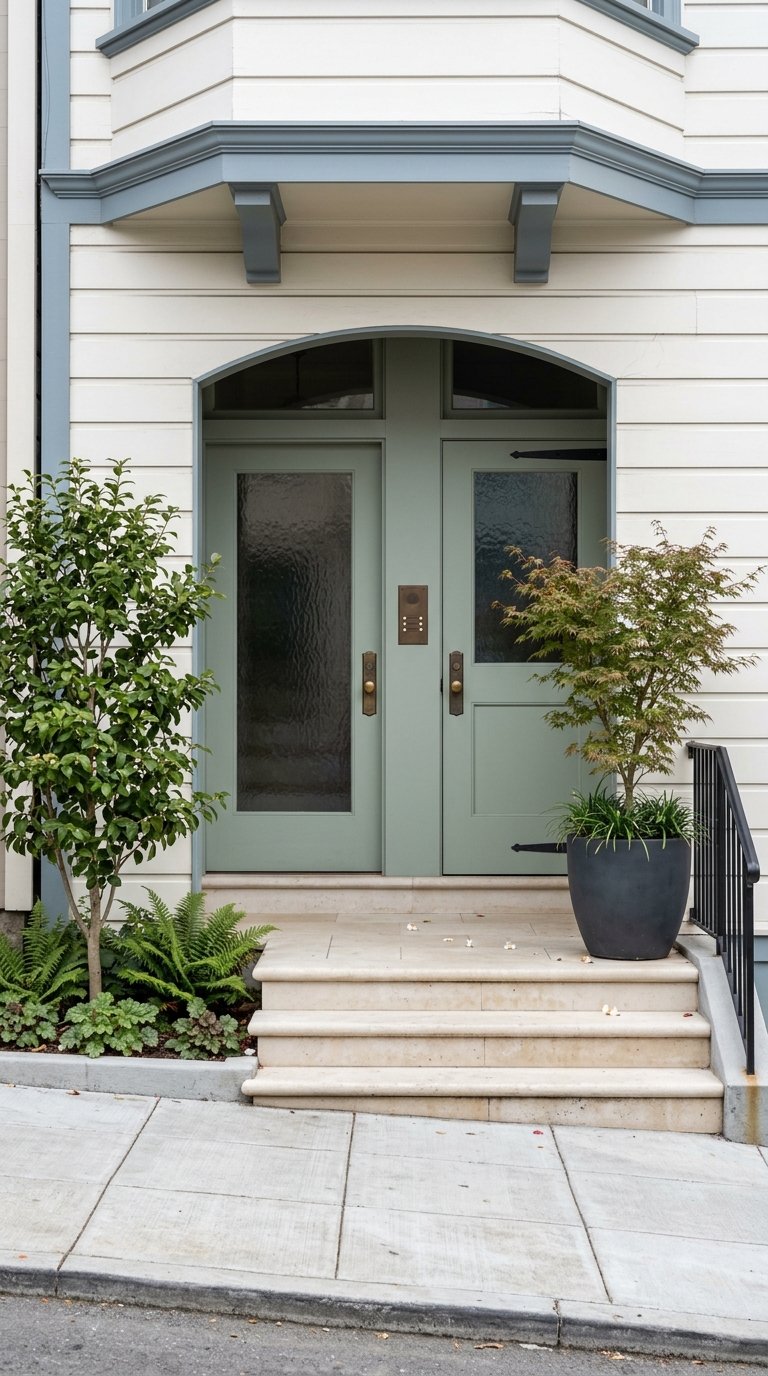
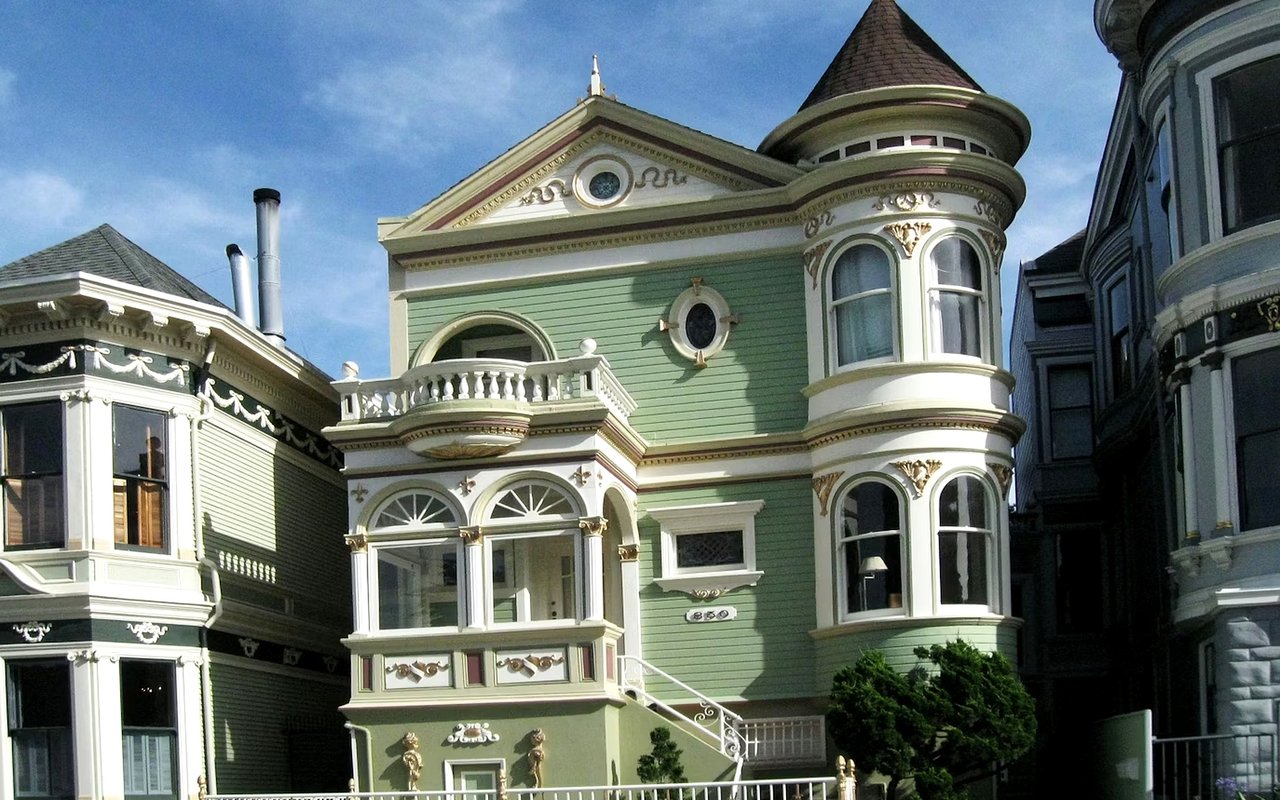
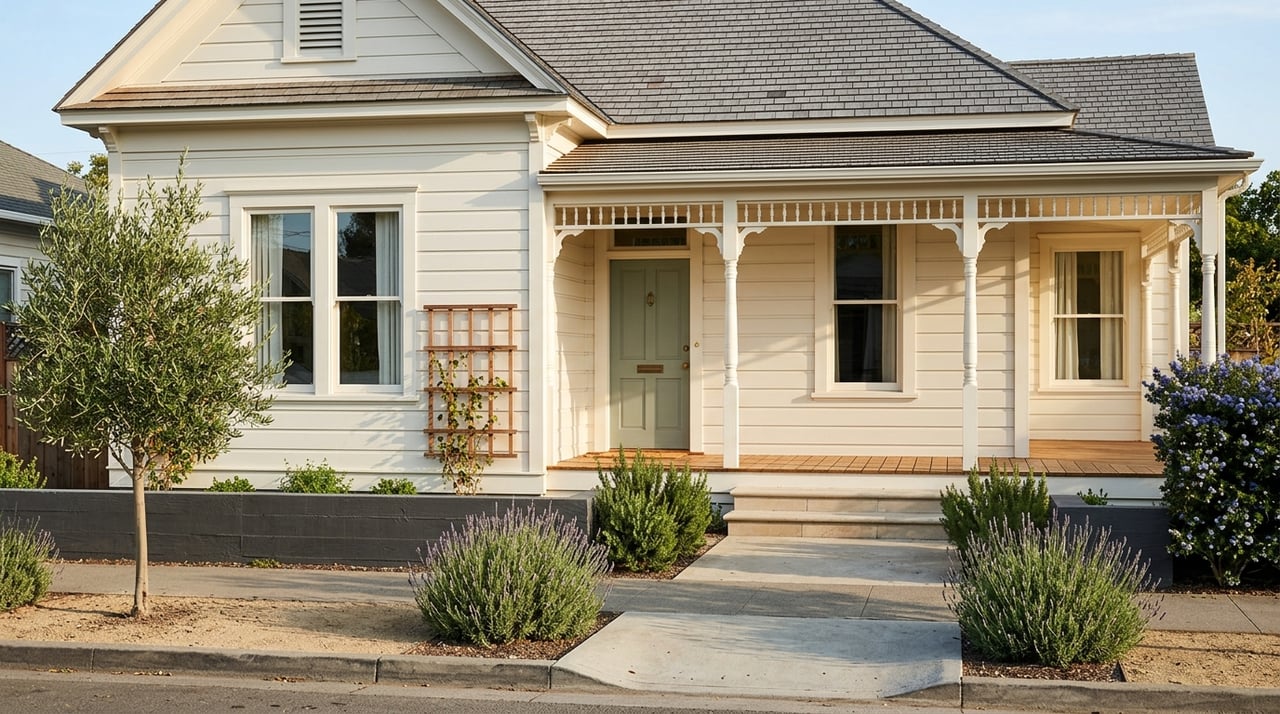
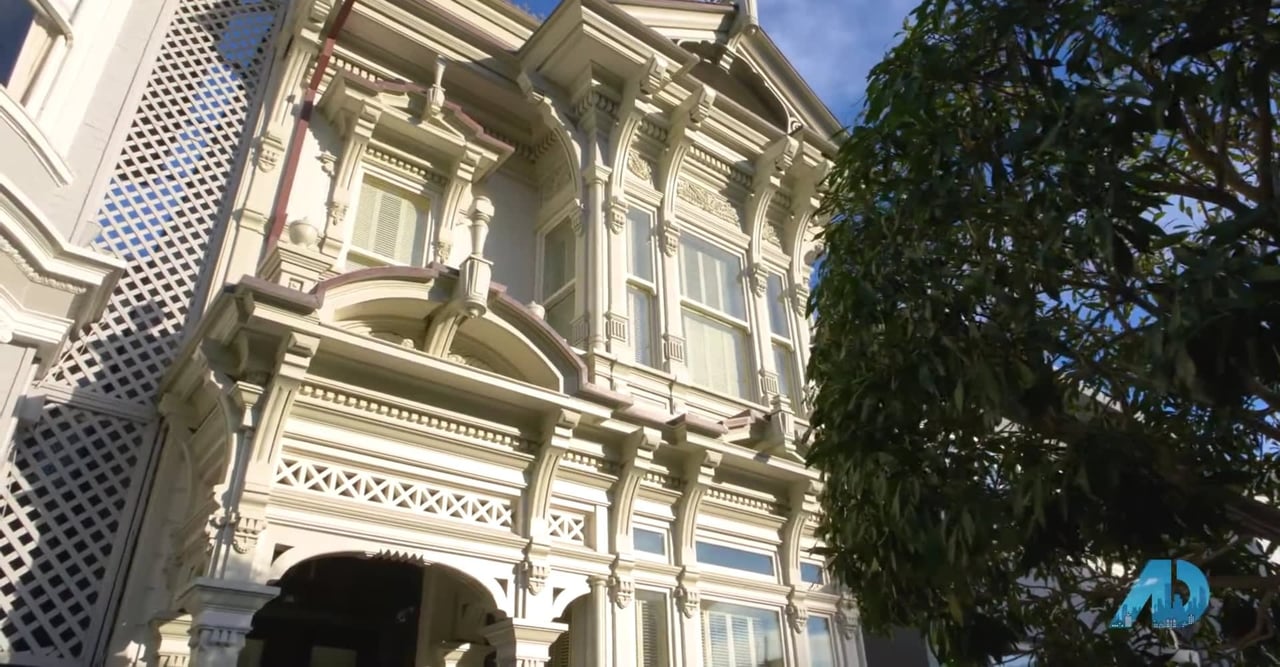
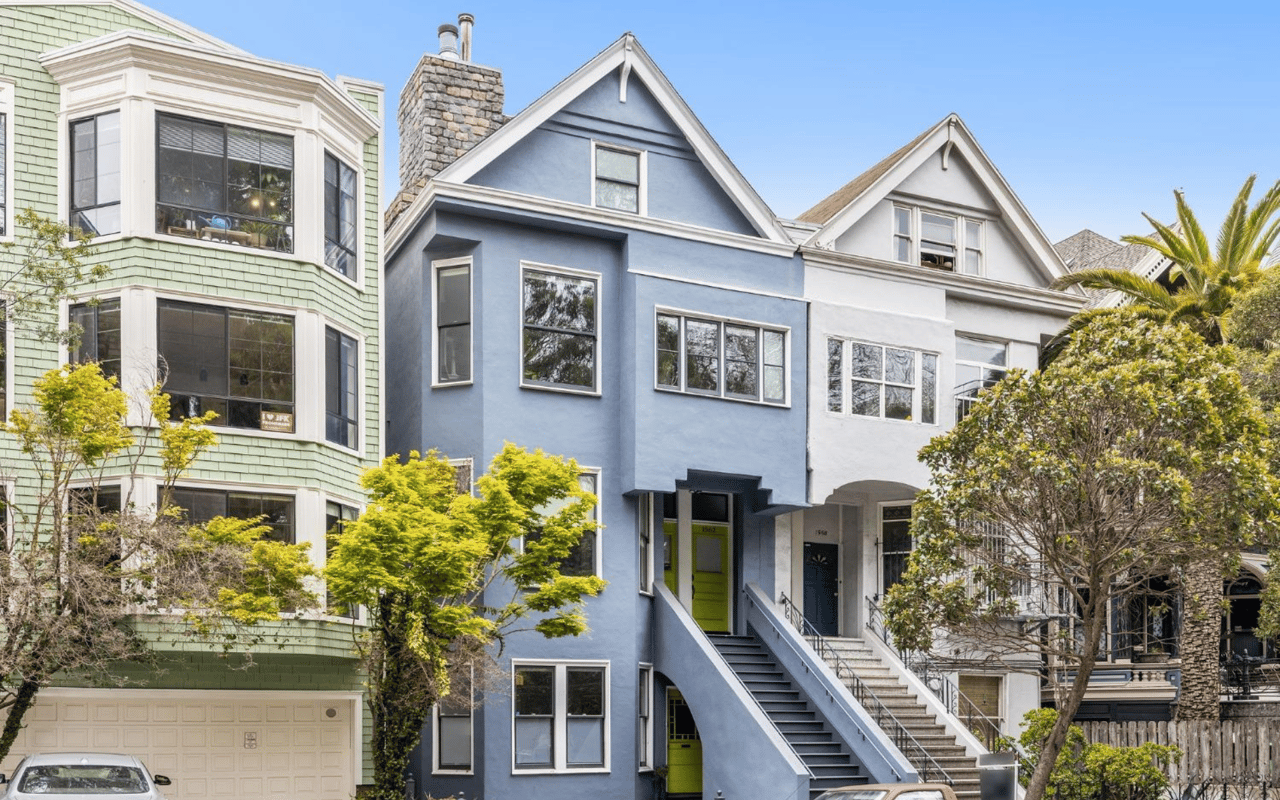
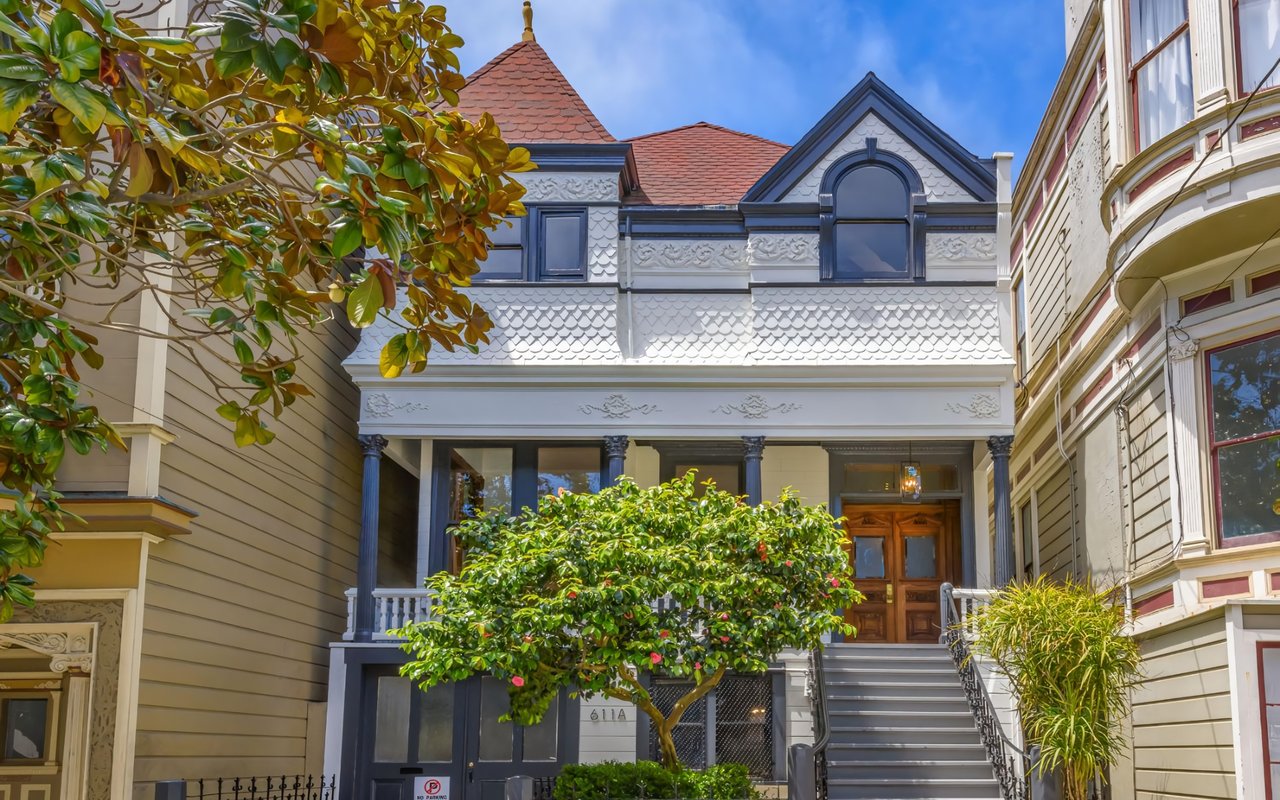
This is not a one-style town. The city documented Vernacular, First Bay Tradition, Queen Anne, Italianate, Second Bay Tradition, Tudor, Craftsman, Colonial Revival, Spanish Colonial Revival, Classical Revival, and Art Deco homes, among others.
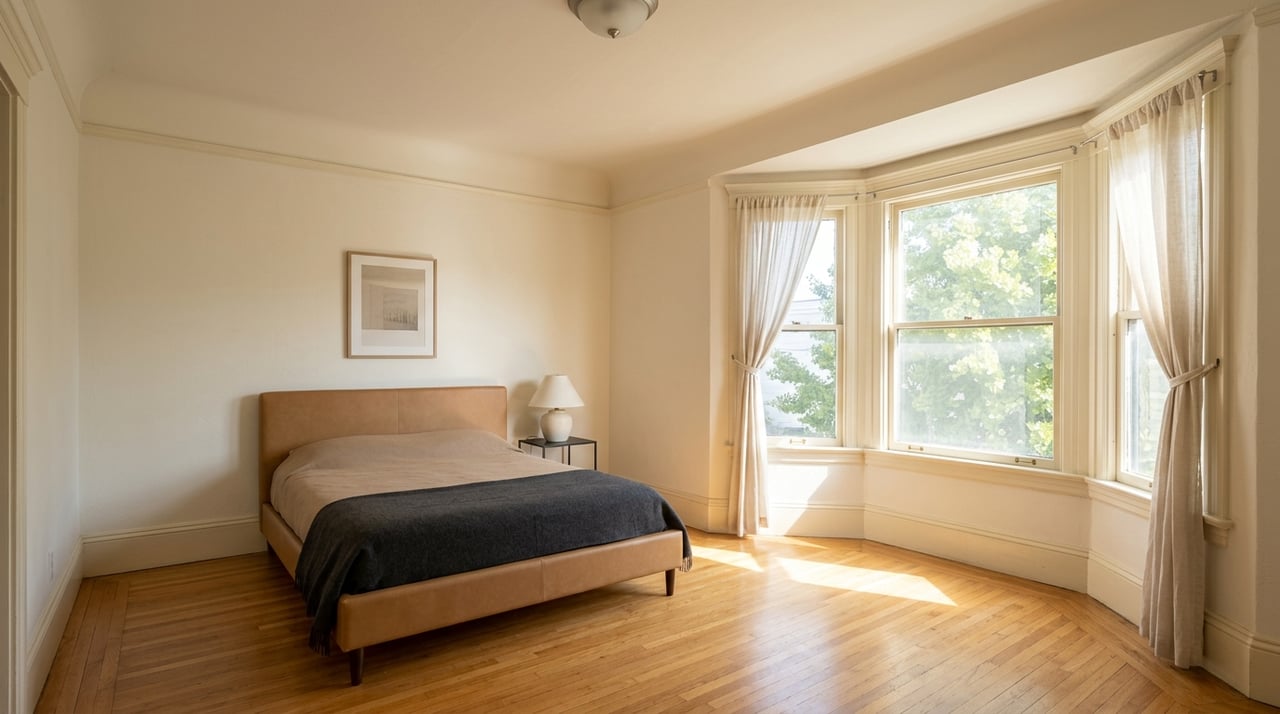
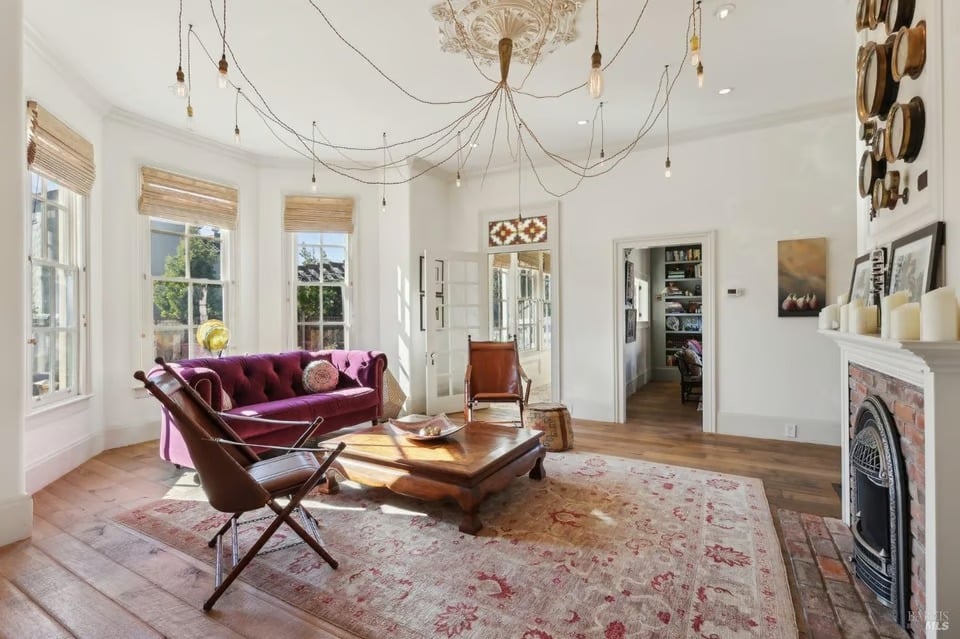
That variety can be especially appealing if you are drawn to period details and a sense of place. Different rooflines, materials, window patterns, and decorative elements give Mill Valley a layered visual character that newer areas often cannot match.
Early neighborhoods still shape the town
Mill Valley’s Historic Context Statement identifies the years from 1900 to 1929 as one of the community’s most active growth periods. Earlier subdivisions such as Sunnyside, Tamalpais Park, and Boyle Park contain strong examples of architecture from that era.
For a buyer, that means the town’s character is not limited to one block or one landmark area. Historic housing is woven into the broader identity of Mill Valley, especially in places that developed during its early growth.
Preservation supports long-term character
Mill Valley’s appeal is also tied to how seriously it treats preservation. The city’s General Plan 2040 includes policies to protect and enhance community character and historic resources, and it commissioned both a Historic Context Statement and a Historic Resources Inventory to better understand its built environment.
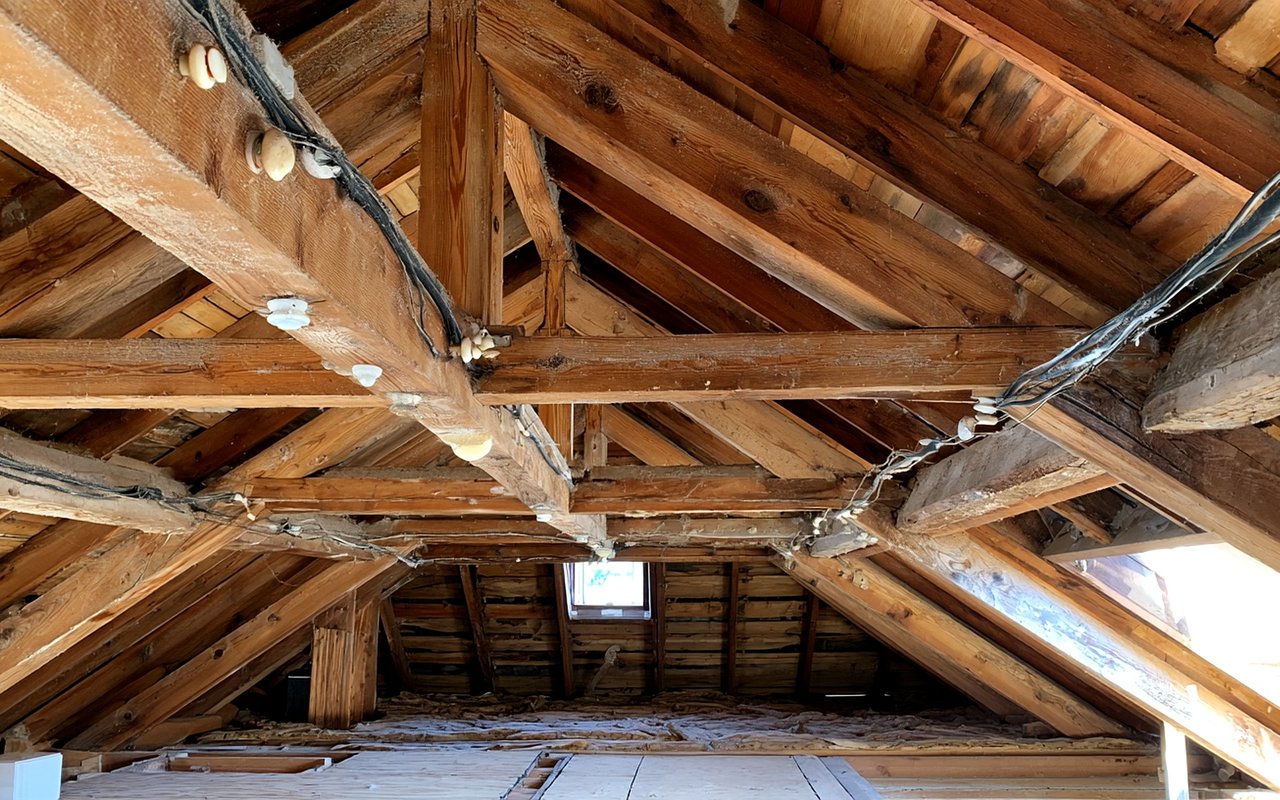
If you are considering an older home, that framework matters. The city notes that major interior or exterior remodels require building permits, and extensive exterior changes also require design review, with CEQA and the municipal code guiding treatment of historic properties.
That does not mean historic ownership is simple. It does mean there is a structure in place that supports stewardship, which many buyers of character-rich homes see as part of the value.
Redwood canyons shape daily life
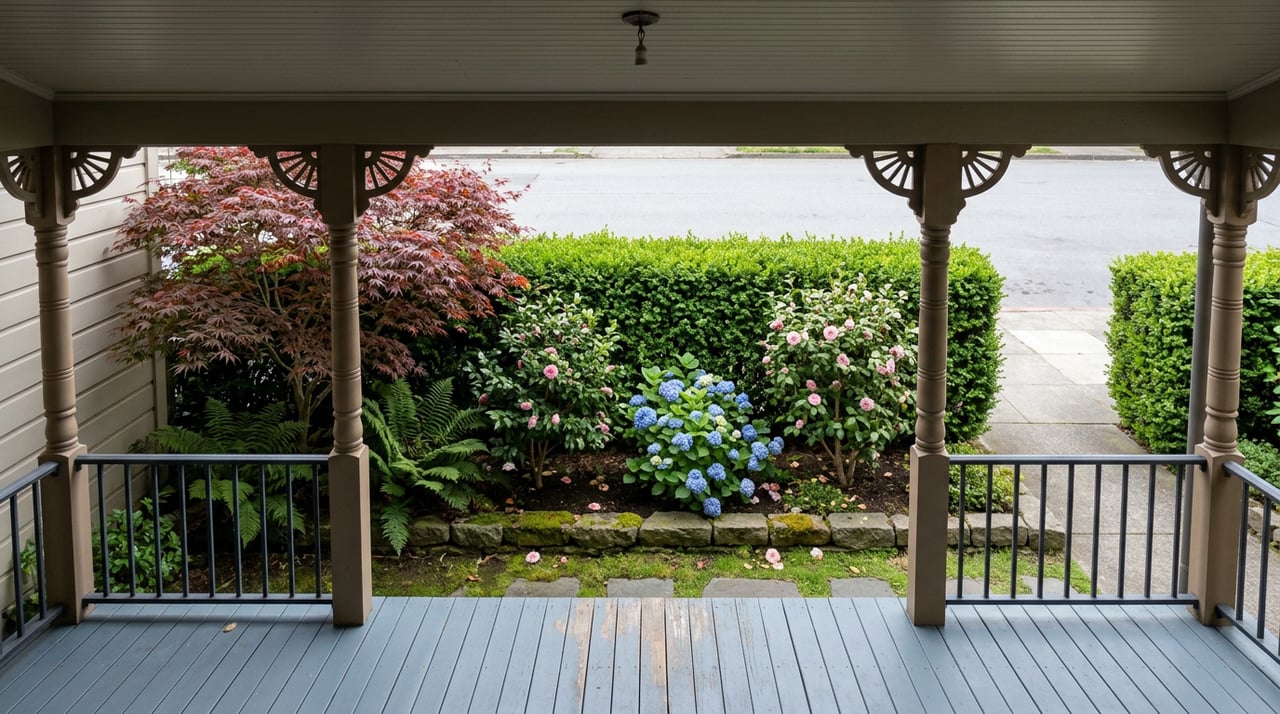
Mill Valley is not just near nature. Nature is part of the town’s daily rhythm. The city says it is nestled among the redwoods and sheltered by Mount Tamalpais, with hillsides and Richardson Bay forming natural edges to urban growth.
Creeks, marshes, redwood groves, heavily forested hillsides, and chaparral are described as commonplace. In practical terms, that setting affects how the town looks, feels, and moves from one area to another.
Canyon neighborhoods feel tucked away
The Cascade and Blithedale Canyon neighborhoods are especially tied to Mill Valley’s identity. According to the city, these areas have narrow, winding roads, mature redwoods and broadleaf evergreens that screen homes from view, and canyon walls that create a contained feeling.
For many nature-focused buyers, that environment is a major part of the draw. You are not just buying a house there. You are buying into a landscape experience shaped by trees, topography, and a strong sense of enclosure.
Open space surrounds the community
Protected open-space preserves around Mill Valley include Blithedale Summit, Camino Alto, Alto Bowl, and Bothin Marsh. The city also notes that many undeveloped parcels remain protected because of steep slopes, proximity to open space, or their role in supporting creeks and trails.
That helps explain why Mill Valley feels visually connected to the land around it. Even as the town has grown, natural features still play a central role in defining where development ends and open space begins.
Parks and trails are part of routine living
In some places, outdoor access feels like a weekend benefit. In Mill Valley, it can be part of your normal week. Several city parks support that nature-forward lifestyle in easy, everyday ways.
Cascade Park and Blithedale Park offer hiking trails and creek access. Old Mill Park sits at Throckmorton and Old Mill Street with creek access and picnic space, while Downtown Plaza adds benches, bathrooms, a café, and picnic tables in the center of town.
That range matters because it supports different kinds of use. You might want a quick walk, a longer trail outing, or just a central outdoor spot to pause during the day.
Regional trail access adds another layer
Mill Valley also sits close to some of the Bay Area’s best-known natural destinations. Muir Woods National Monument protects 550 acres of coast redwoods and is only a few miles from Mill Valley, with access on foot via the Dipsea Trail, according to the National Park Service.
Mount Tamalpais State Park expands that outdoor reach even further. California State Parks says the park includes 6,300 acres of redwood groves and oak woodlands, more than 60 miles of hiking trails, and connections to a 200-mile trail system on neighboring public lands.
For buyers who prioritize outdoor access, this is a meaningful advantage. It is one thing to admire nature from home, and another to have direct connections to parks and trail systems that support regular use.
Downtown stays compact and walkable
Historic-home and nature lovers are often also looking for daily convenience. Mill Valley stands out here too. The city says many residential areas sit next to neighborhood shopping districts, giving residents the opportunity to walk to commercial areas, which it describes as rare in most suburban communities.
That walkability helps tie together the town’s older housing and small-scale commercial core. Instead of feeling spread out, Mill Valley often feels connected by short trips and familiar routes.
Steps, lanes, and paths tell the story
Mill Valley’s historic steps, lanes, and paths are a practical part of that connected feel. The city says there are more than 175 original routes, and that they once helped residents commute by train and ferry, walk to school, visit neighbors, shop downtown, and attend town meetings.
Today, those routes still reinforce the town’s pedestrian character. They also reflect the way Mill Valley developed over time, giving the community a form that feels older, more layered, and more human-scaled than many suburban patterns.
The town center supports daily errands
The city’s design guidelines describe Miller Avenue Main Street as the active center of the corridor, intended to support neighborhood-serving commercial uses on the ground floor and mixed-use development with housing above. That planning approach supports a practical, everyday downtown rather than a purely destination-oriented one.
Mill Valley also reinforces downtown access through parking policy. The Resident Shopper Vehicle Permit is designed to make it easier for Marin residents to shop, eat, and visit downtown, and the city maintains more than 110 employee parking spaces downtown and on Miller Avenue.
The city also emphasizes clear sidewalks as part of a pedestrian-friendly environment. For you as a resident, that means walkability is treated as an ongoing part of how the town functions, not just a branding idea.
Regional access broadens the appeal
Mill Valley’s small-town feel does not mean isolation. The city says it is about 14 miles north of San Francisco, with Highway 101 running along its eastern edge and three freeway interchanges providing access. It also identifies East Blithedale Avenue as a vital corridor between downtown Mill Valley and Highway 101.
Transit adds another layer of flexibility. Golden Gate Transit’s current schedule lists Route 114 as Mill Valley to San Francisco service to the Financial District, and Marin Transit Route 17 runs from Downtown San Rafael to Sausalito via Mill Valley, including stops at the Mill Valley Depot and along East Blithedale.
For many buyers, that balance is key. You can enjoy a setting shaped by older homes, canyon landscapes, and local walkability while still staying connected to San Francisco and the rest of Marin.
Why Mill Valley resonates with the right buyer
Mill Valley appeals to historic-home and nature lovers because its advantages reinforce one another. The older housing stock gives the town visual depth, the preserved landscape creates a distinctive setting, and the compact downtown makes daily life feel more connected and manageable.
If you are drawn to homes with architectural character, it helps to look beyond finishes and room counts. In Mill Valley, the bigger story includes preservation, topography, trails, parks, and a town pattern that still supports walking and everyday use.
That combination is hard to replicate. For buyers who want both stewardship and lifestyle, Mill Valley offers a rare Bay Area mix of period housing, natural beauty, and practical access.
If you are thinking about buying or selling a character-rich home in Marin or elsewhere in the Bay Area, working with someone who understands older housing can make a real difference. Bonnie Spindler brings deep experience in historic and distinctive homes, along with practical guidance on architecture, condition, and long-term value.
FAQs
Why does Mill Valley appeal to buyers who love historic homes?
- Mill Valley has a strong concentration of late 19th- and early 20th-century homes, with about 160 surveyed buildings constructed before 1930 and a wide range of documented architectural styles.
Why does Mill Valley appeal to people who want nature access?
- The city is shaped by redwood groves, creeks, forested hillsides, and nearby open space preserves, with local parks, Muir Woods, and Mount Tamalpais adding easy access to trails and outdoor recreation.
What makes Mill Valley feel walkable compared with other suburban areas?
- The city says many residential areas sit next to neighborhood shopping districts, and Mill Valley also has more than 175 historic steps, lanes, and paths that support pedestrian movement.
What should buyers know about owning an older home in Mill Valley?
- The city has a preservation-minded framework, and major remodels require permits while extensive exterior changes also require design review, so it is important to understand both the home and the local process.
Is Mill Valley connected to San Francisco and the rest of Marin?
- Yes. Mill Valley is about 14 miles north of San Francisco, has Highway 101 access, and is served by Golden Gate Transit Route 114 and Marin Transit Route 17.