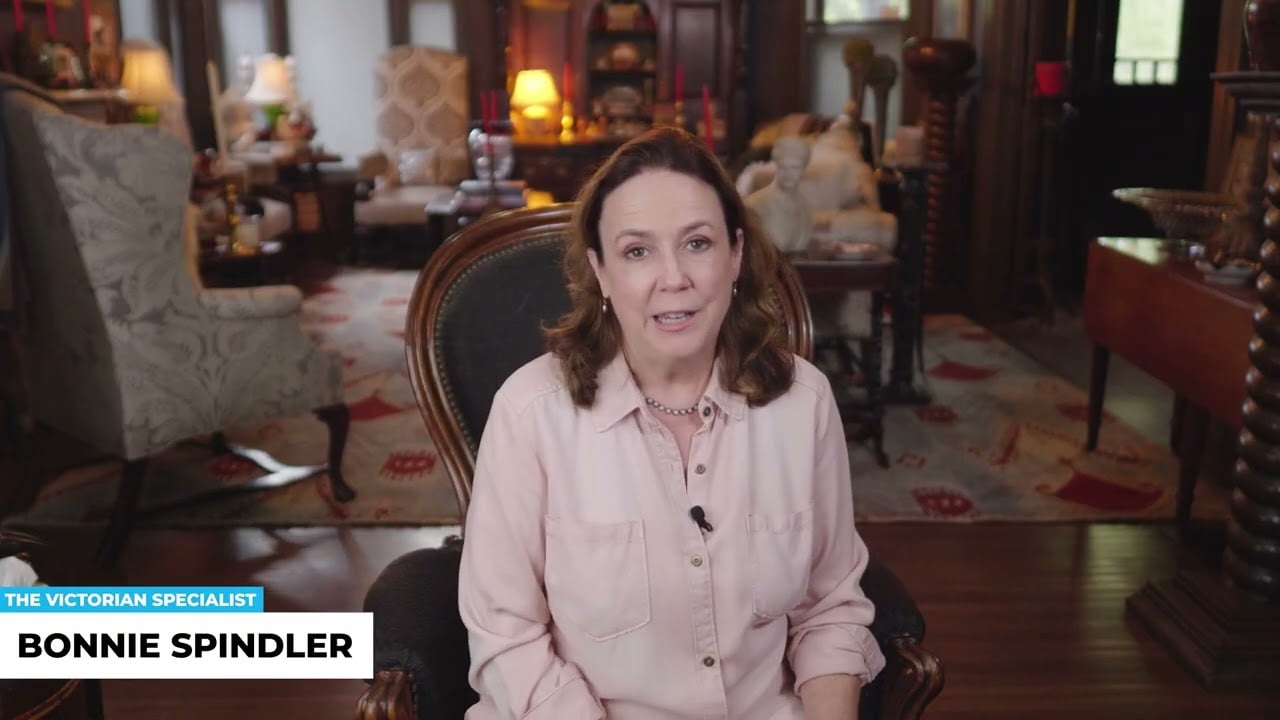
By Bonnie Spindler
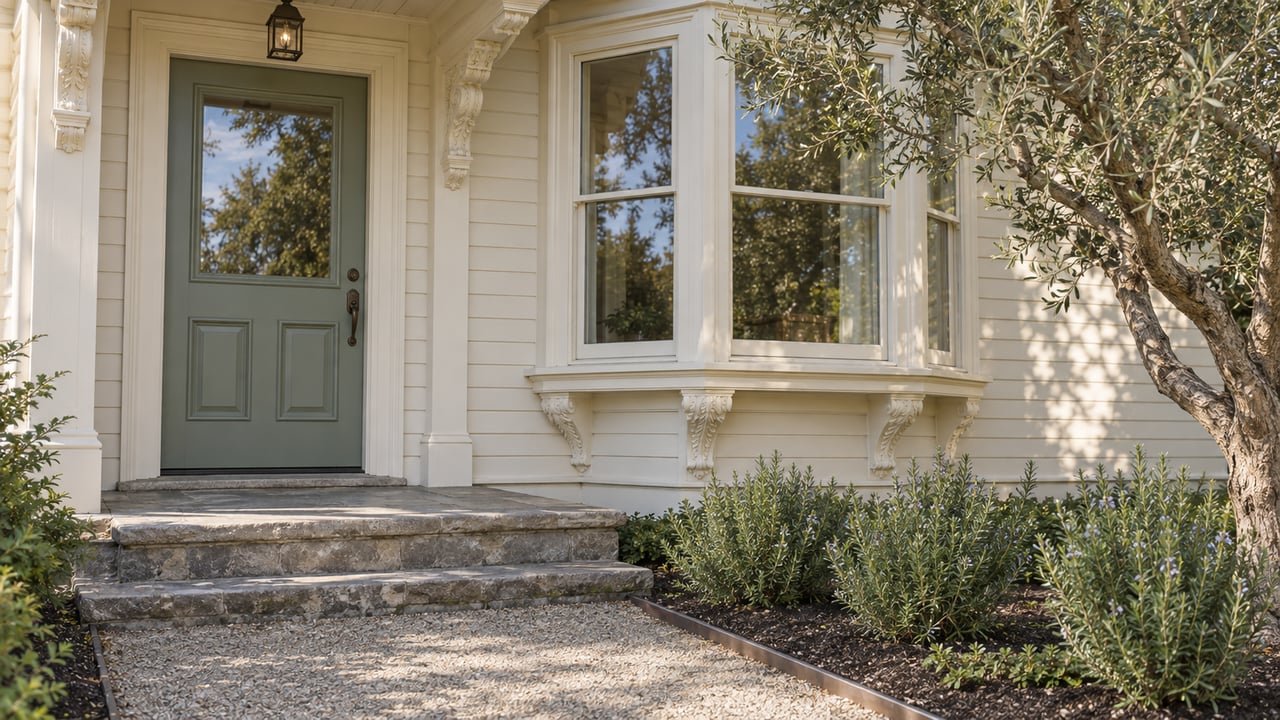
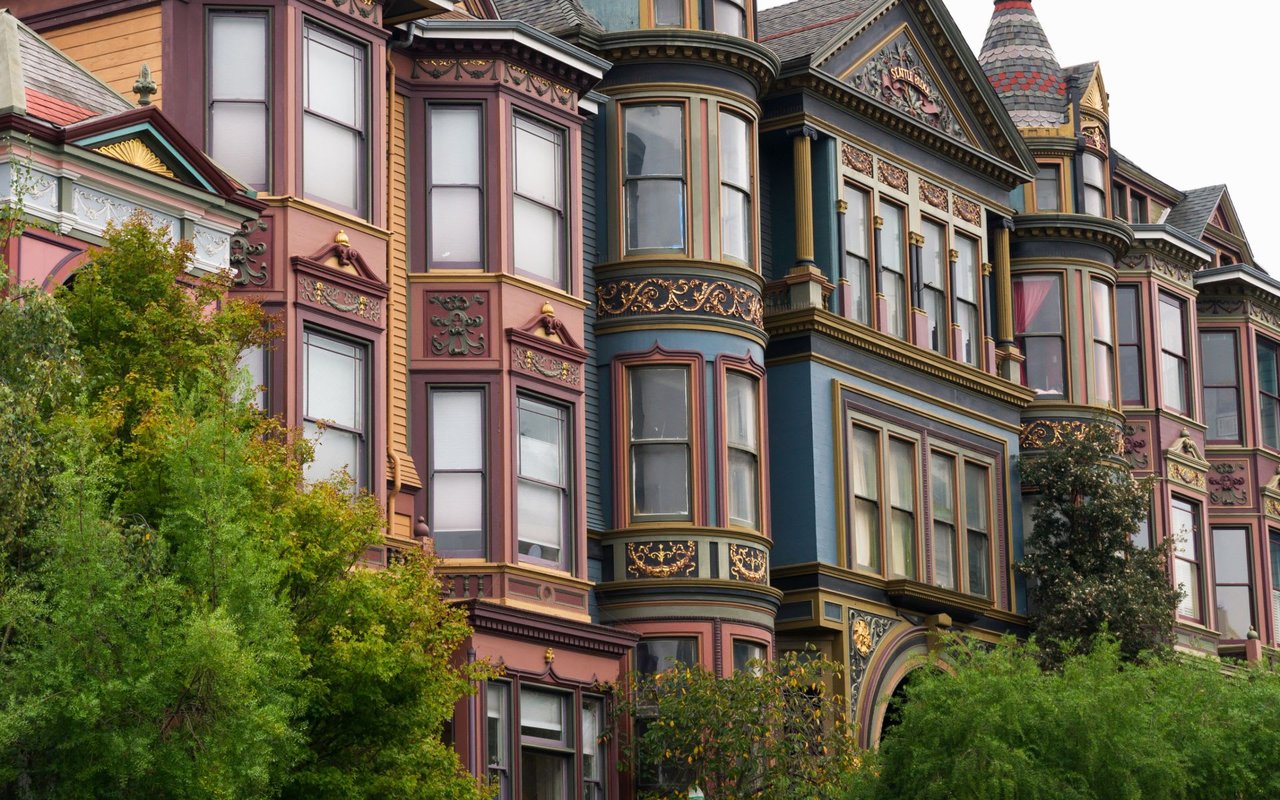
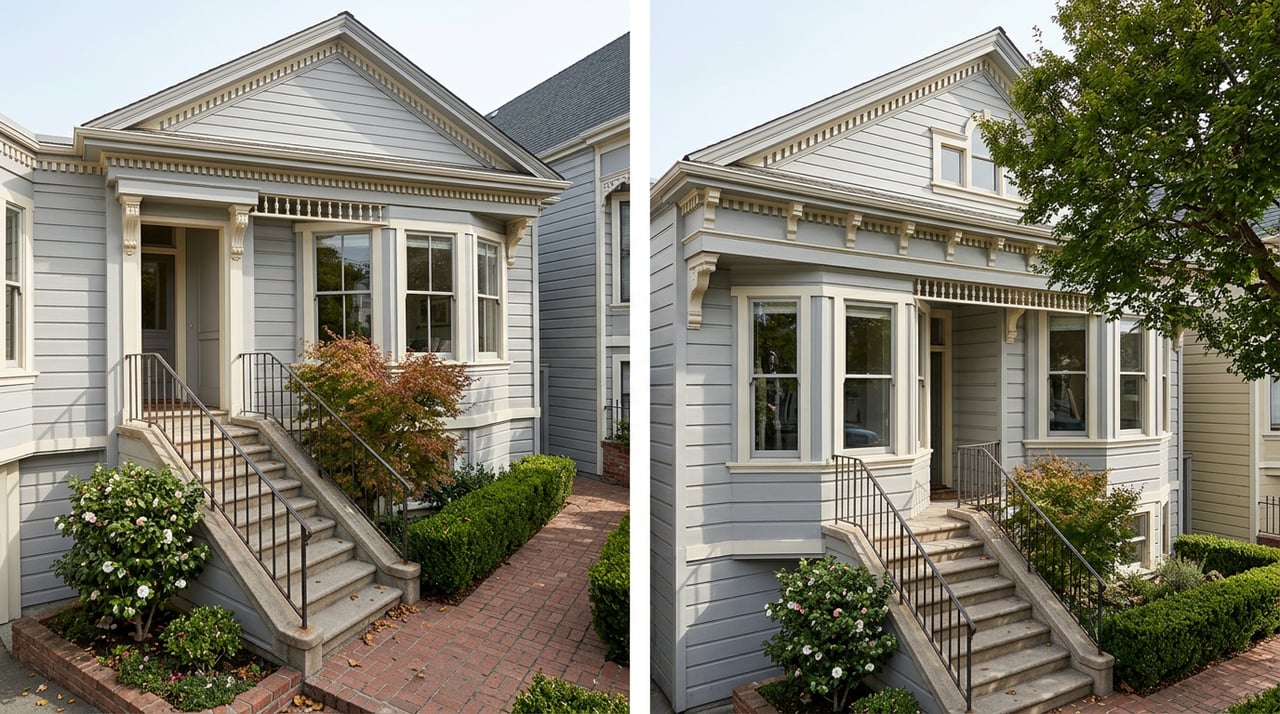
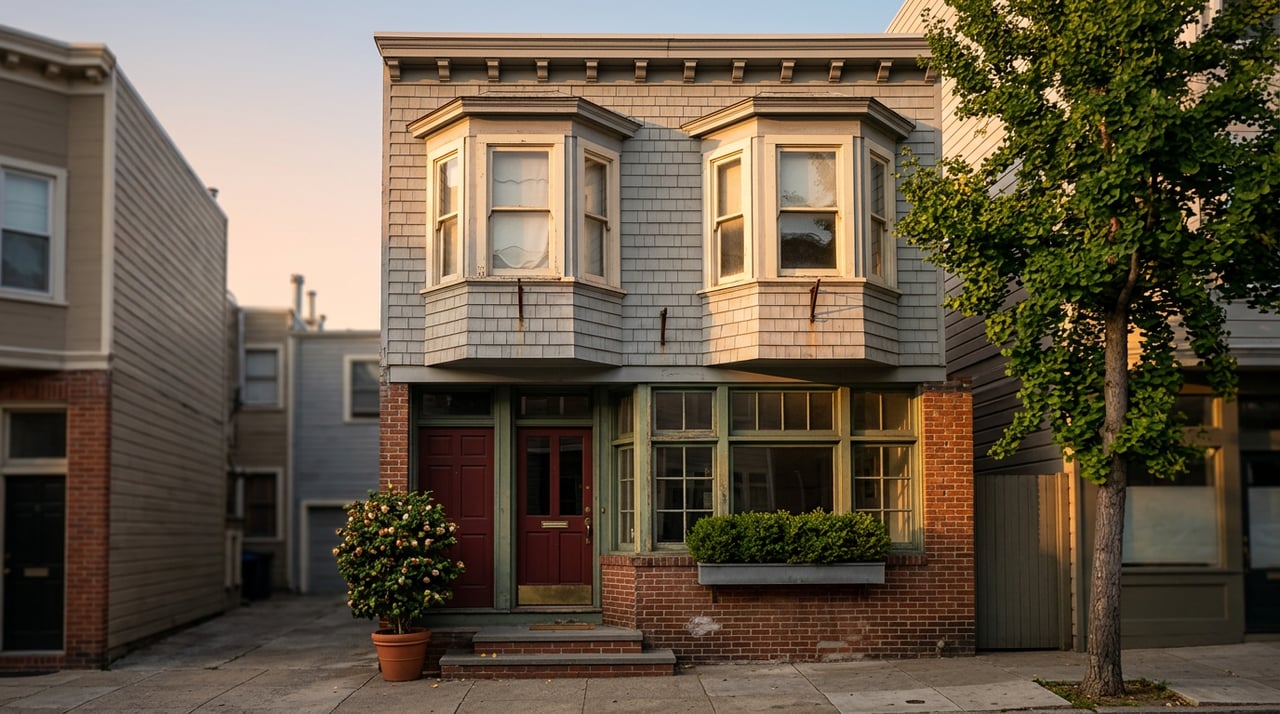
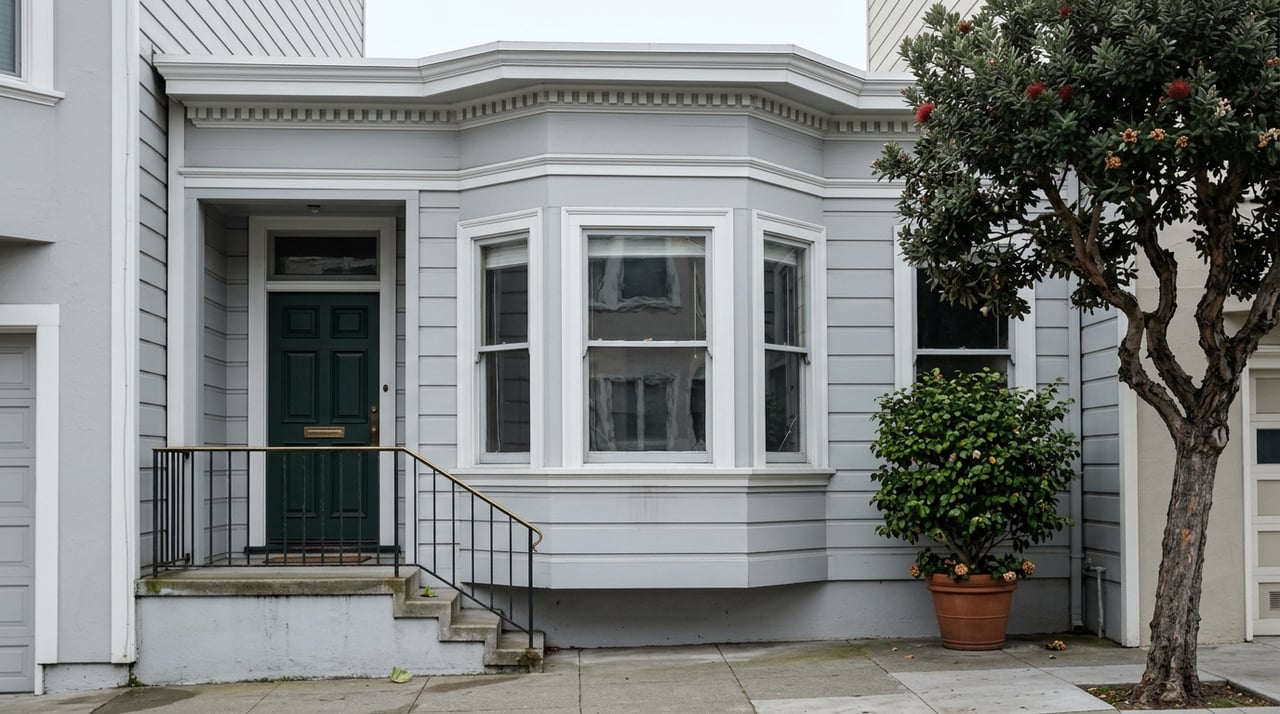
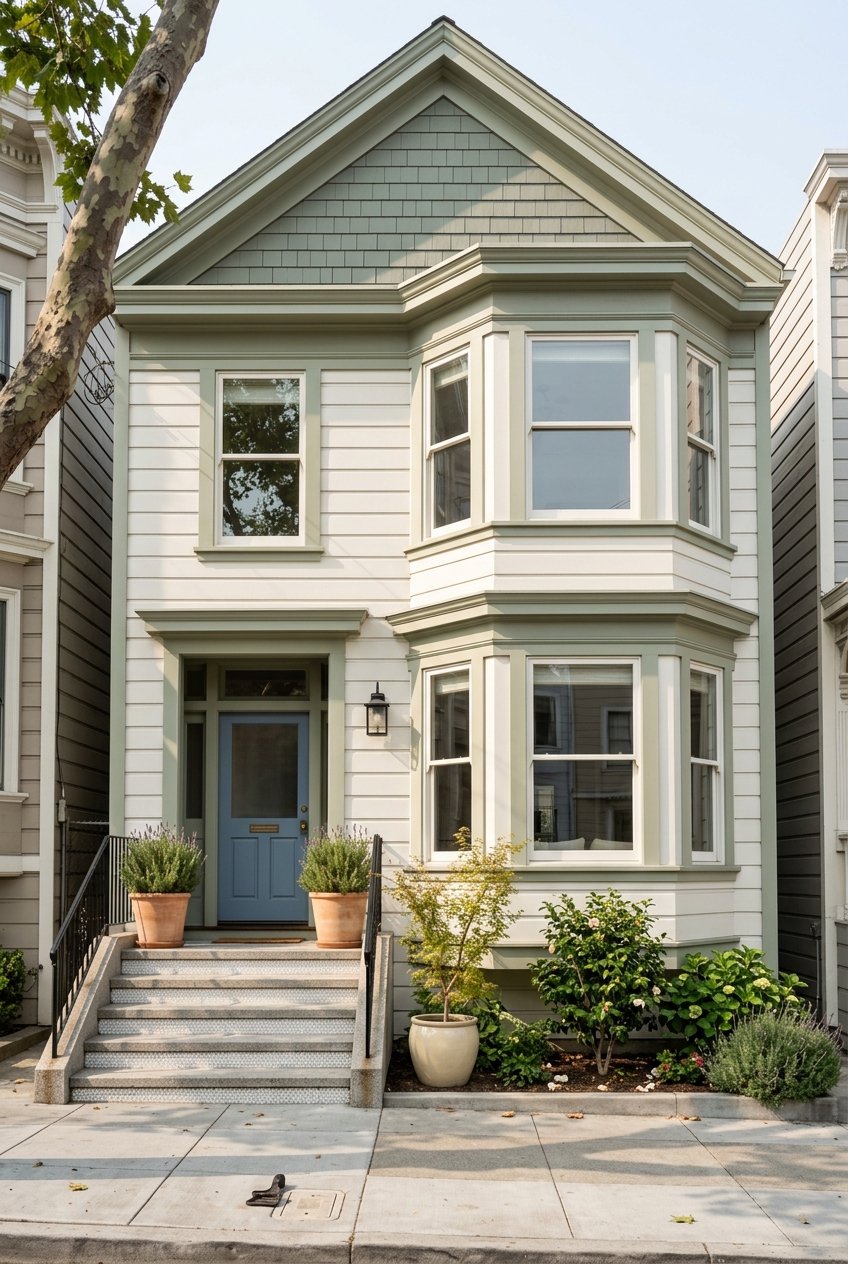
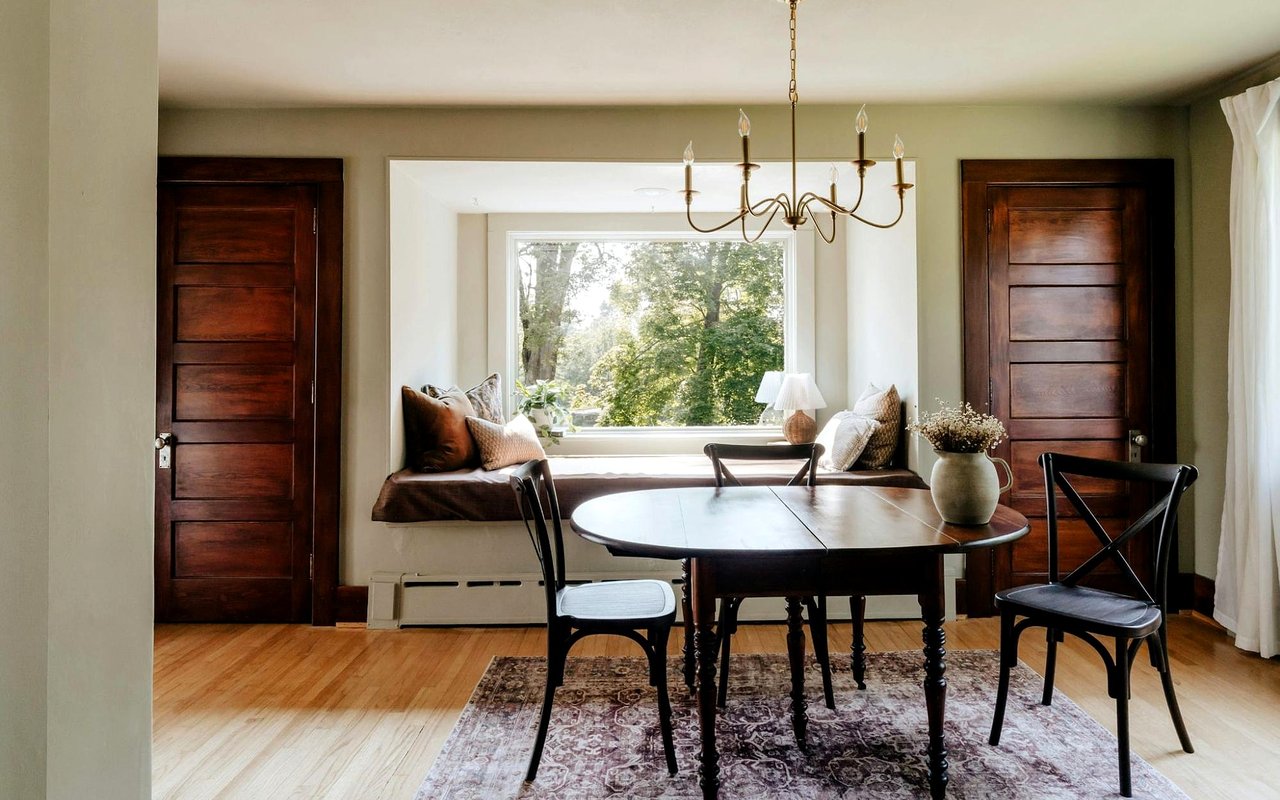
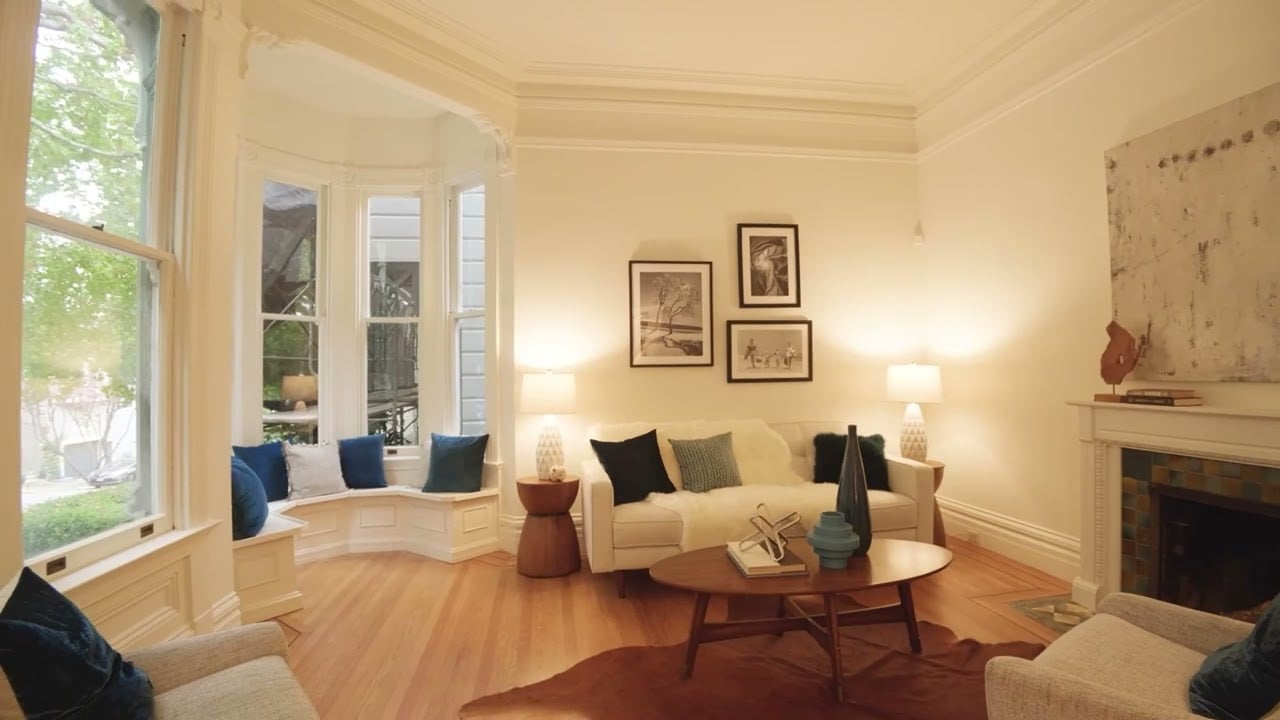
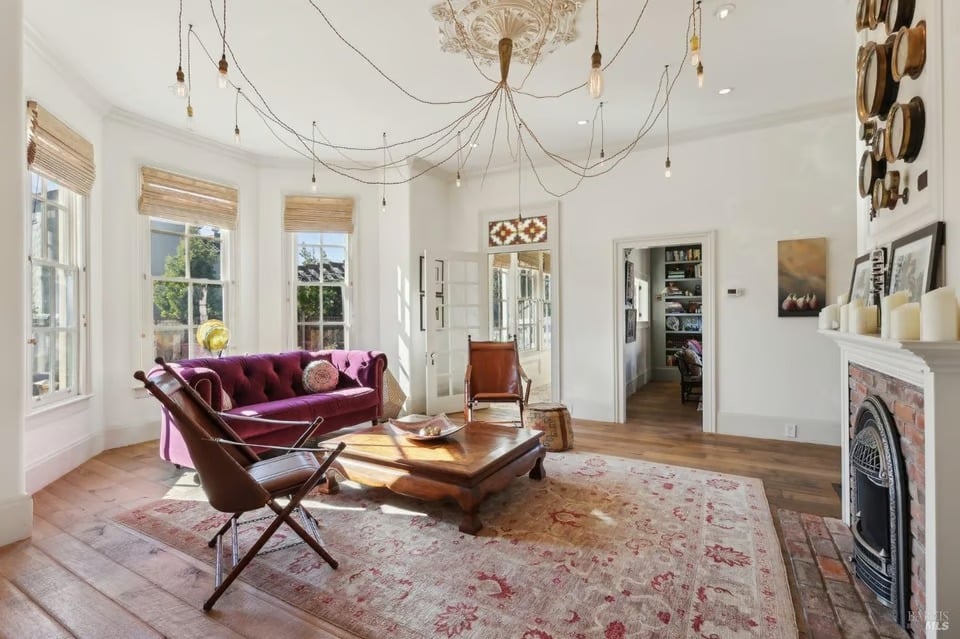
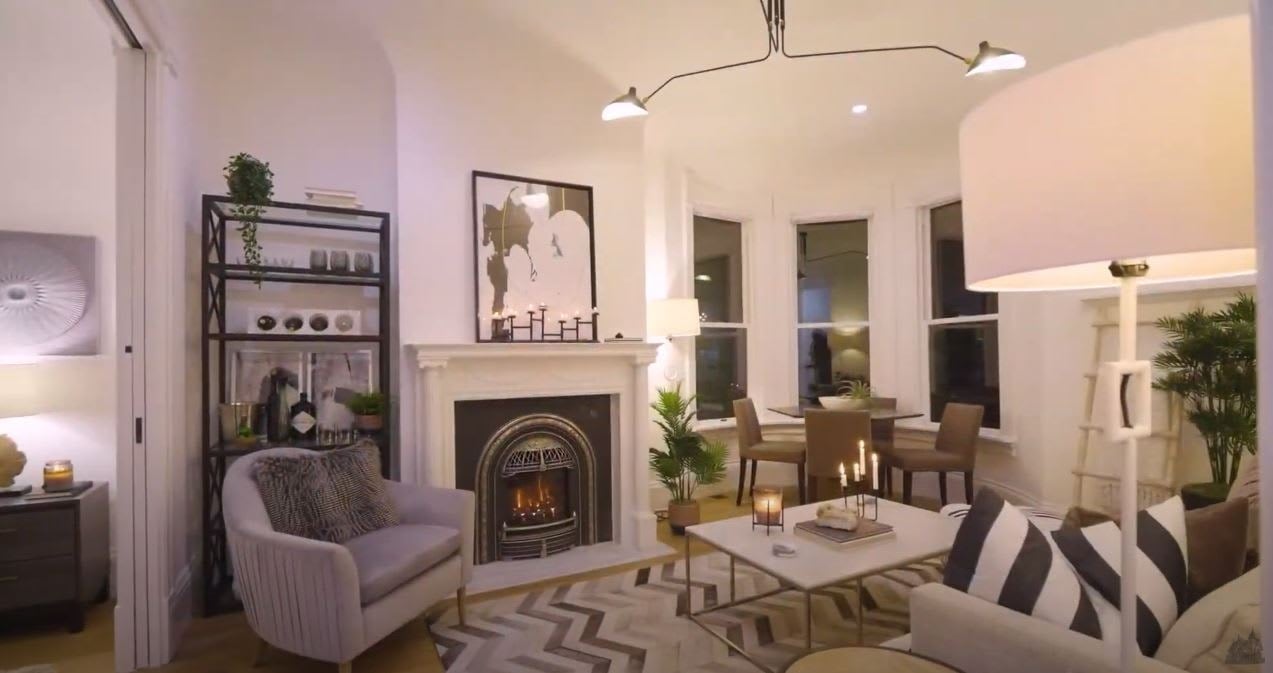
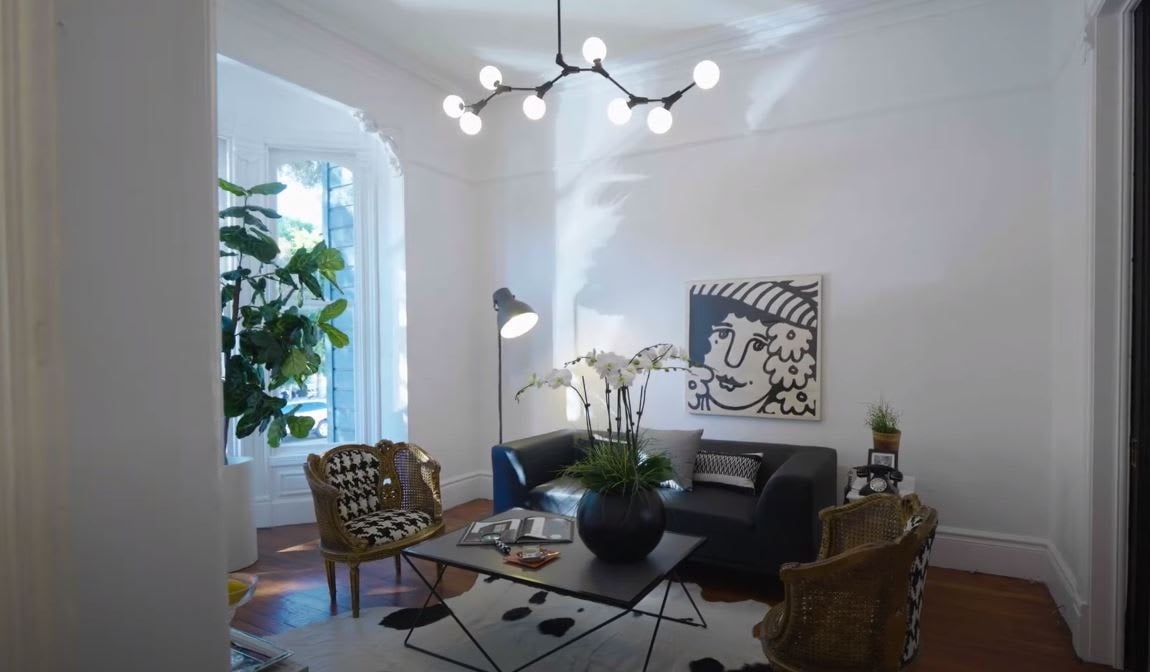
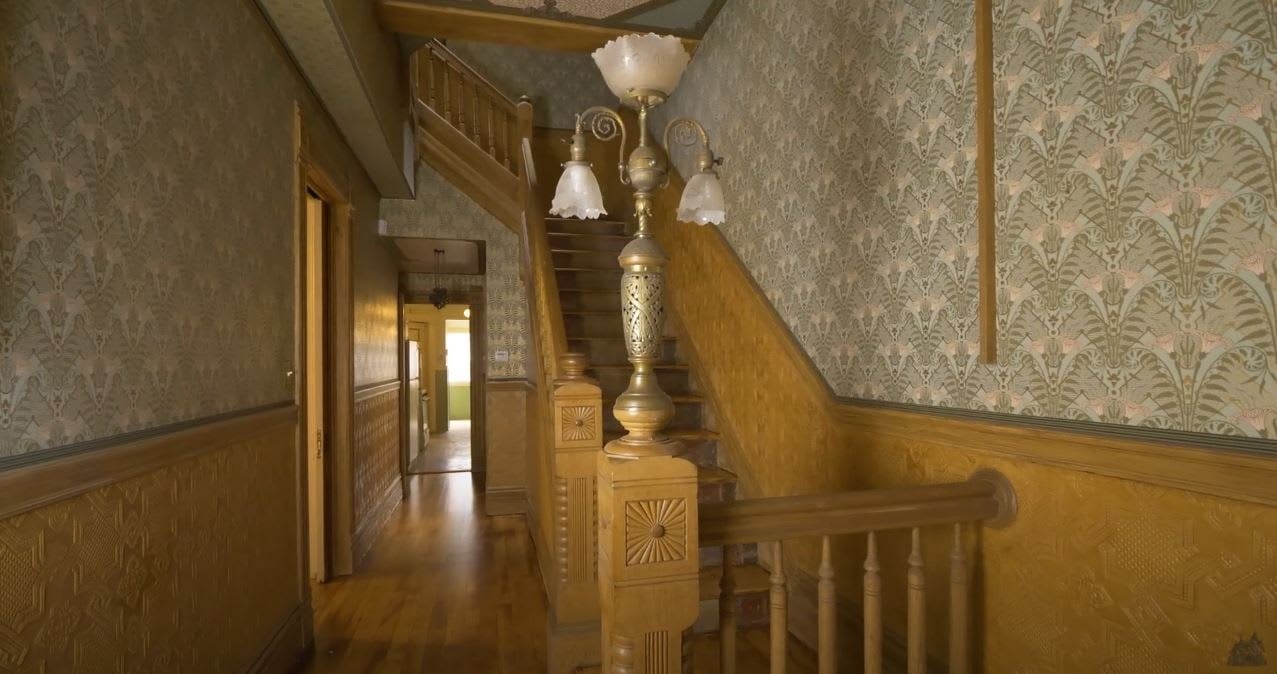
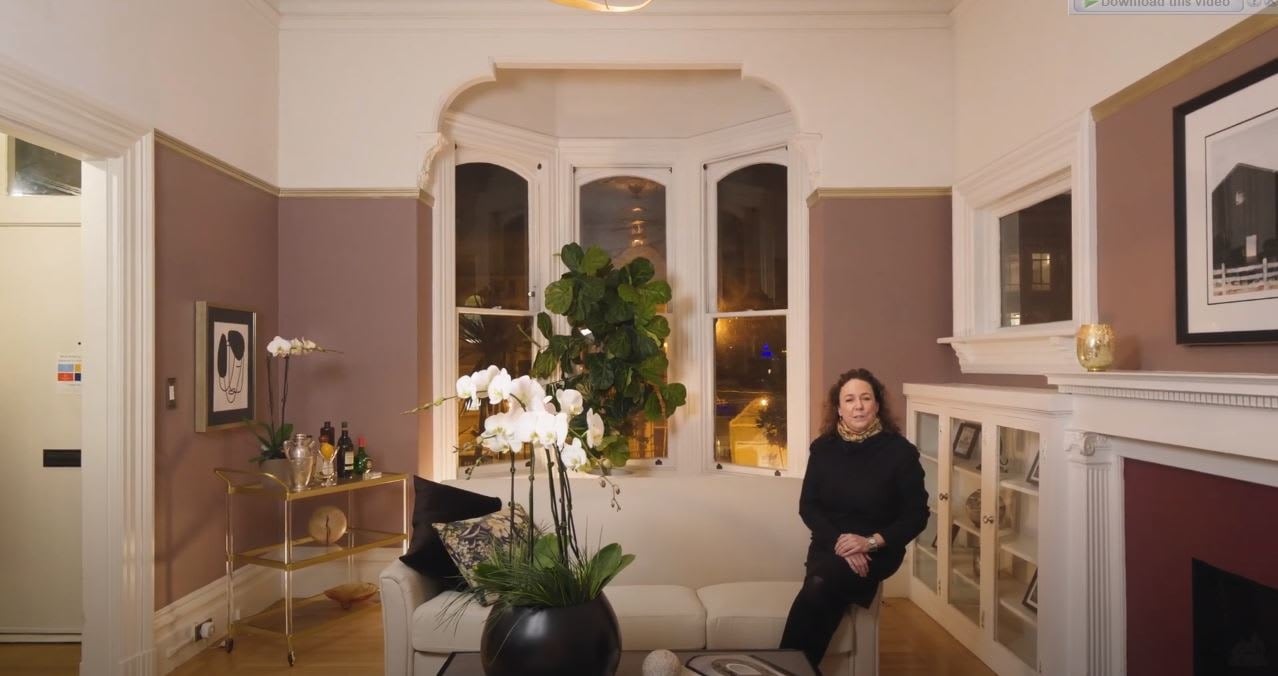
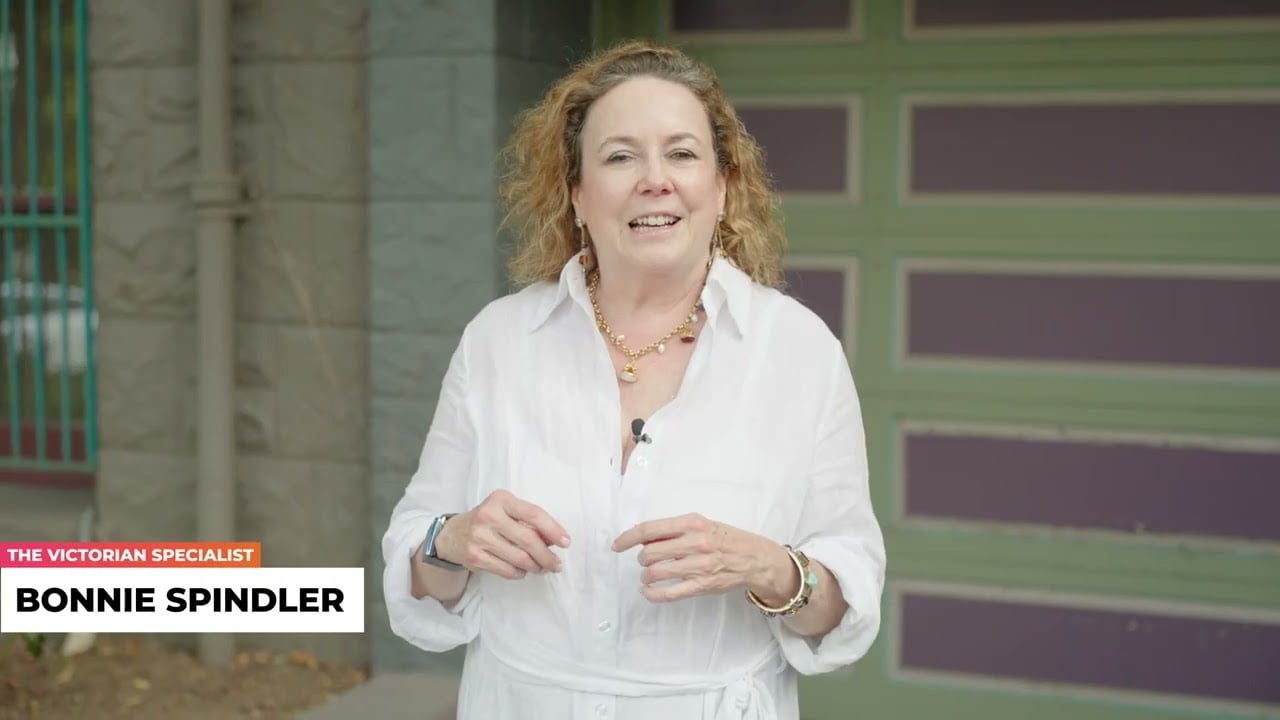
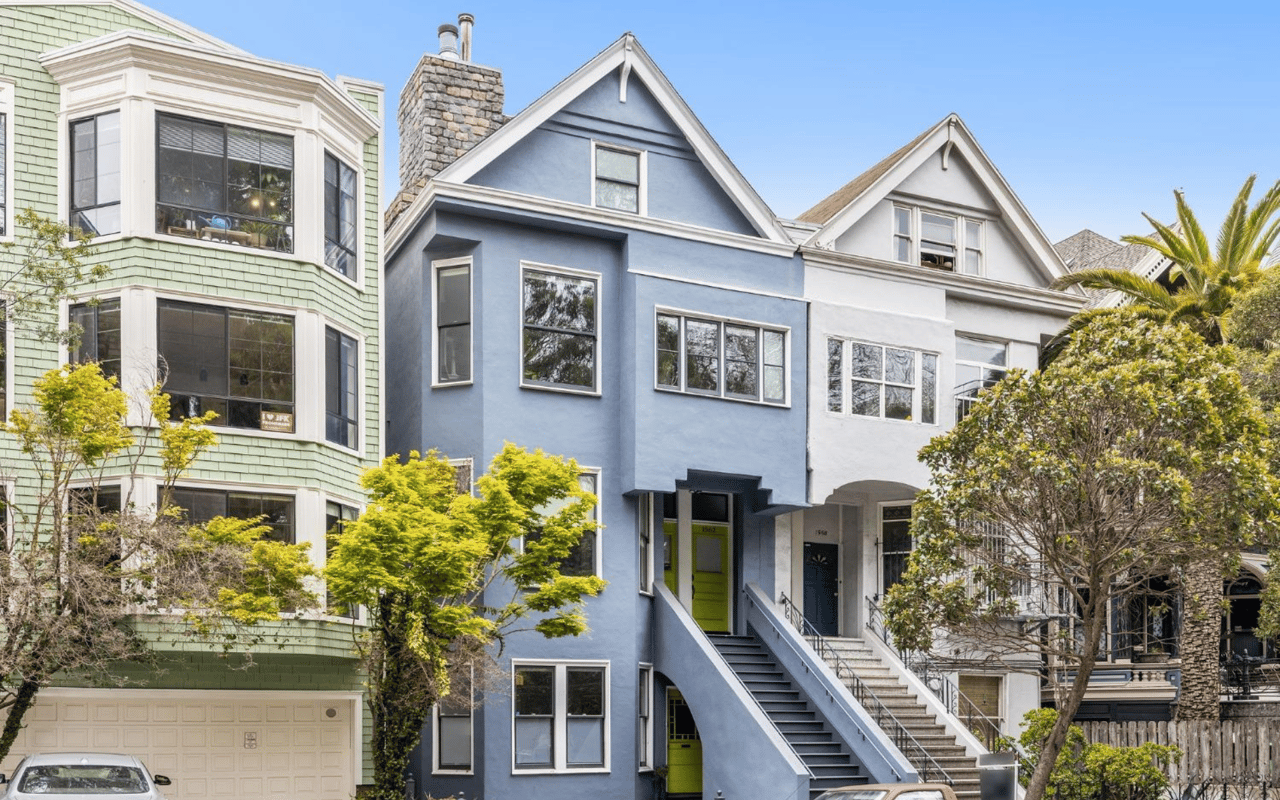
San Francisco's historic homes are unlike anything else on the market. The bay windows, Douglas fir floors, ornate corbels, and hand-crafted woodwork found in Victorian and Edwardian properties represent a level of construction that simply does not exist in modern builds. I have spent more than 30 years specializing in pre-1926 architecture in this city, and I can tell you that buying one of these homes is one of the most rewarding decisions a buyer can make — but it requires a different kind of preparation than purchasing a standard property. Here is what you need to know before you start.
Key Takeaways
-
Historic homes in San Francisco come with unique structural, legal, and financial considerations that buyers need to understand upfront.
-
Neighborhoods like Pacific Heights, Alamo Square, and Haight-Ashbury offer the highest concentrations of well-preserved Victorian and Edwardian properties.
-
The Mills Act can reduce property taxes by 40–60% for eligible historic homes, a benefit most buyers never hear about.
-
Working with a specialist who knows pre-1926 architecture is the single most important decision you will make in this process.
Understand the Architecture Before You Make an Offer
San Francisco's historic housing stock spans several distinct architectural periods, and each one comes with its own characteristics, strengths, and potential maintenance needs.
The main styles you will encounter in San Francisco:
-
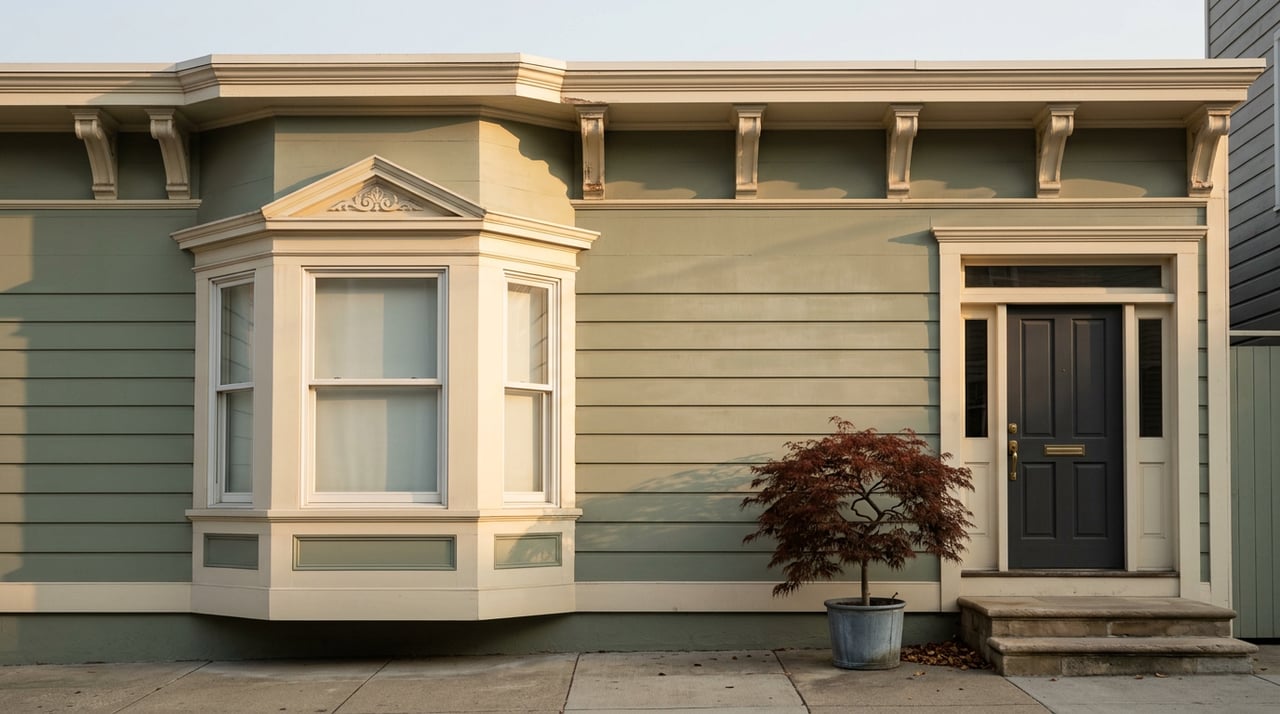
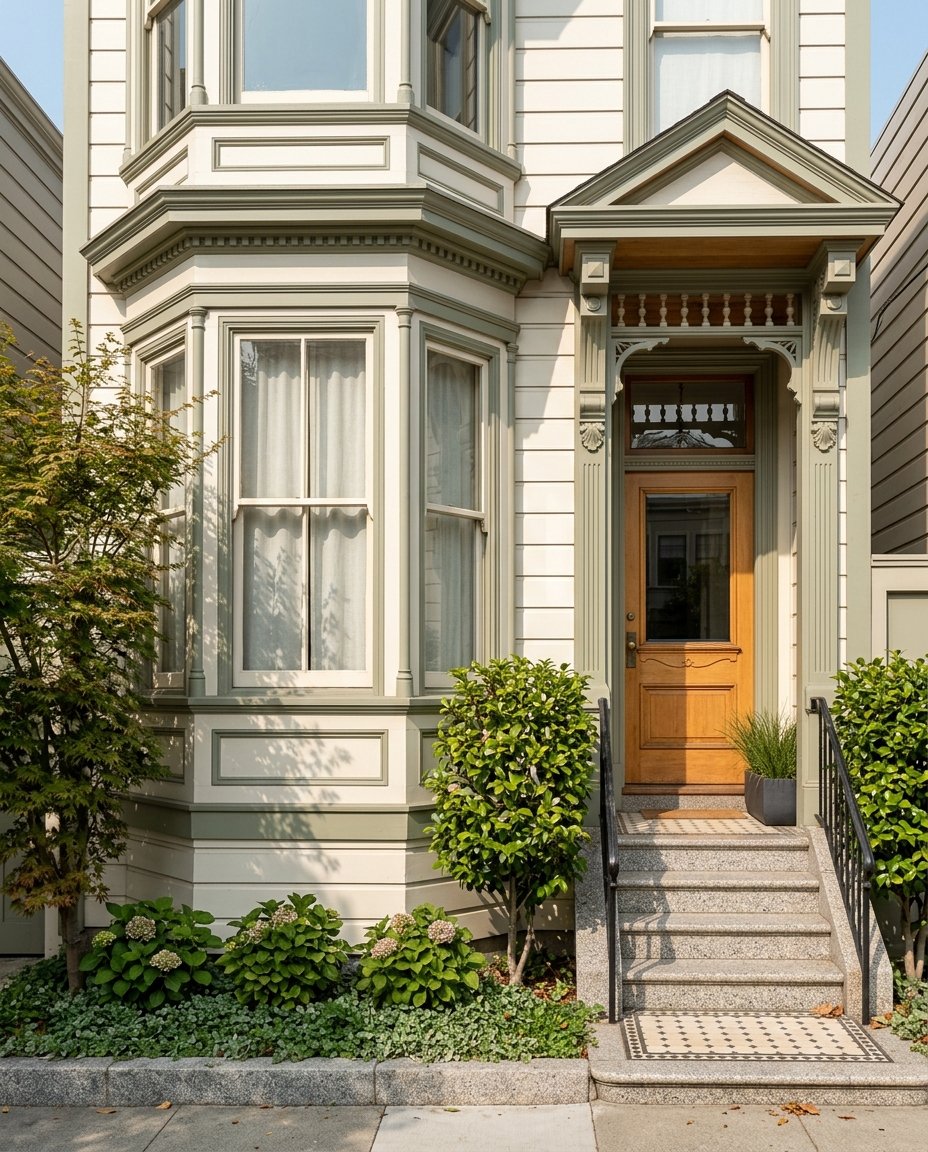
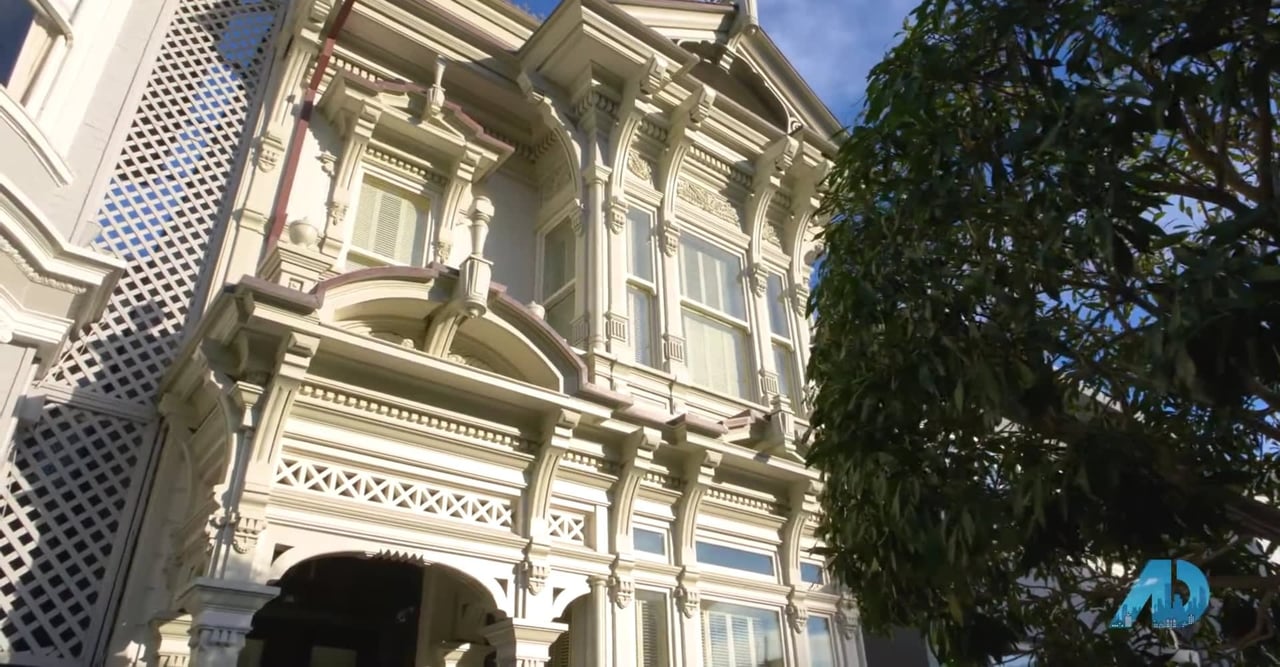
Italianate (1850s–1880s): Tall, narrow facades with bracketed cornices and arched windows. Among the oldest surviving residential architecture in the city.
-
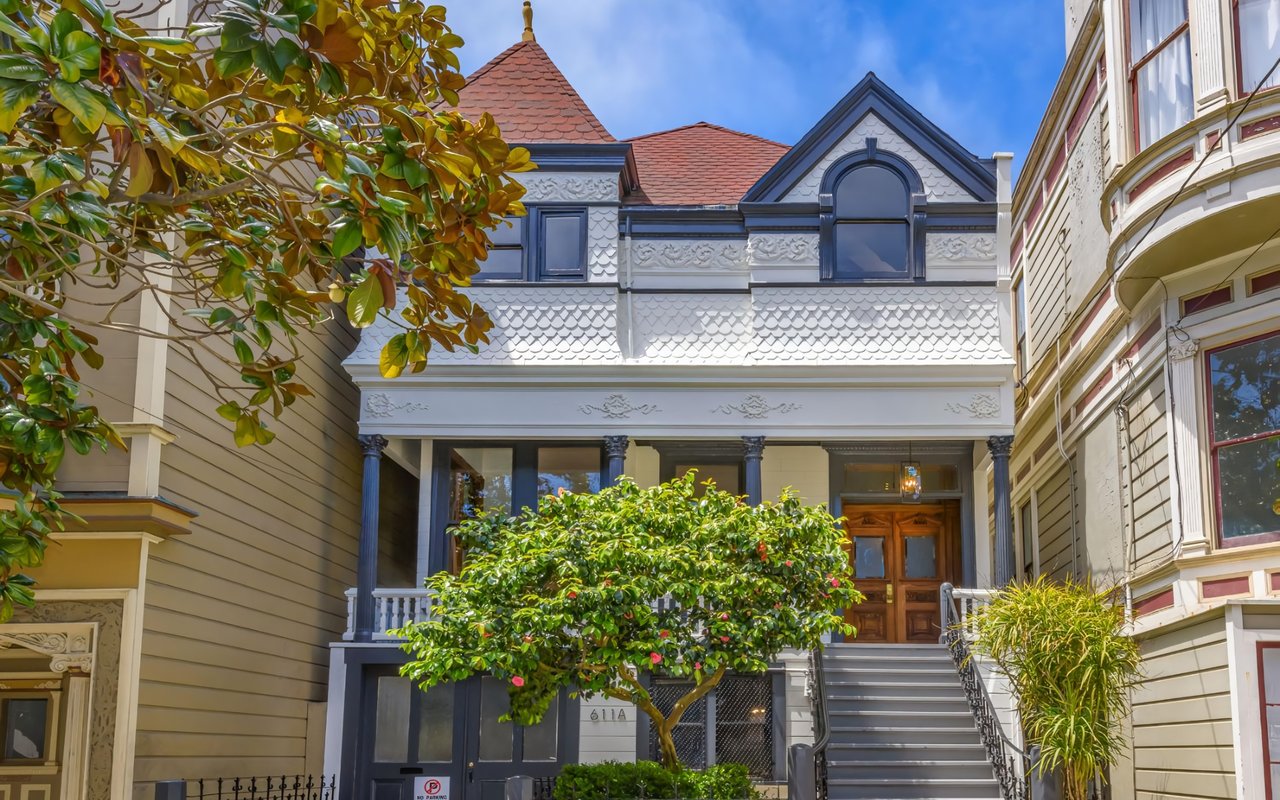
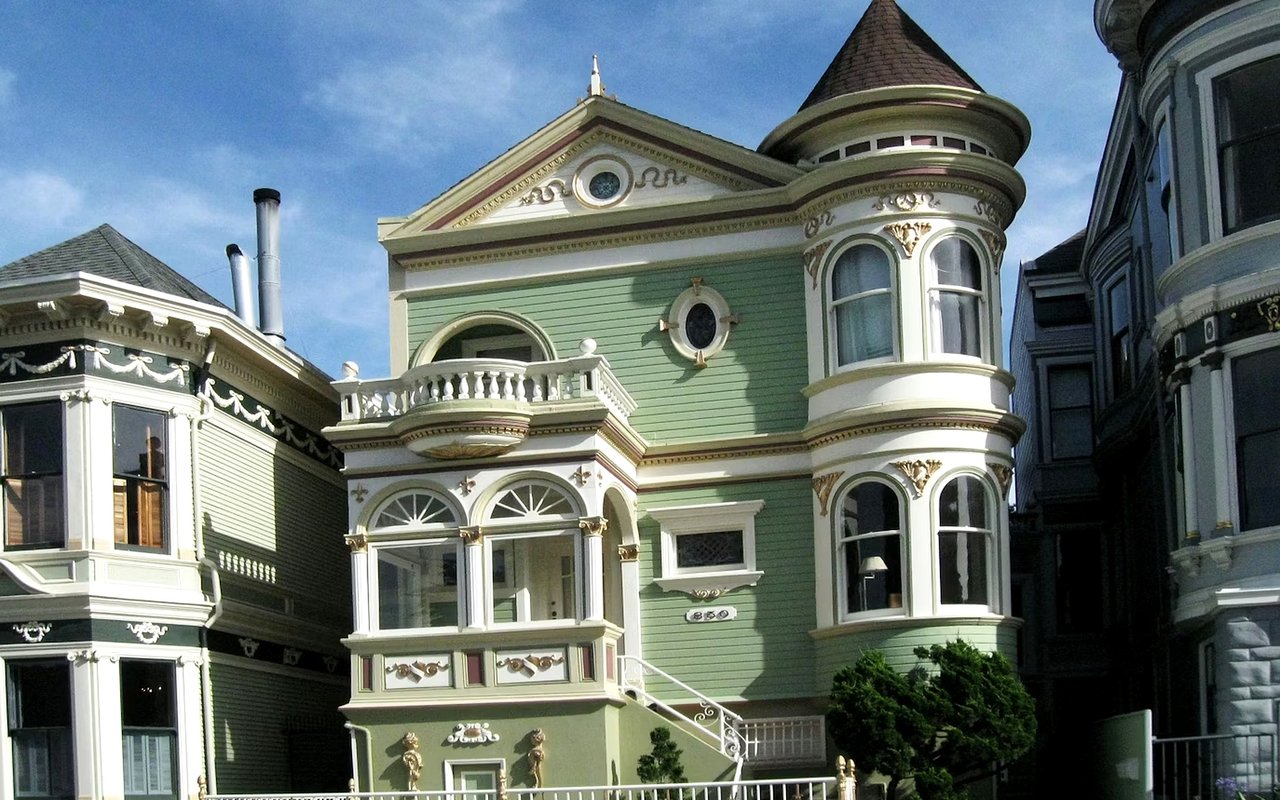
Queen Anne (1880s–1900s): The most ornate of the Victorian styles, featuring turrets, decorative shingles, and wraparound porches.
-
Stick-Eastlake (1880s–1895): Defined by flat surfaces and angular, geometric ornamentation along the exterior framing.
-
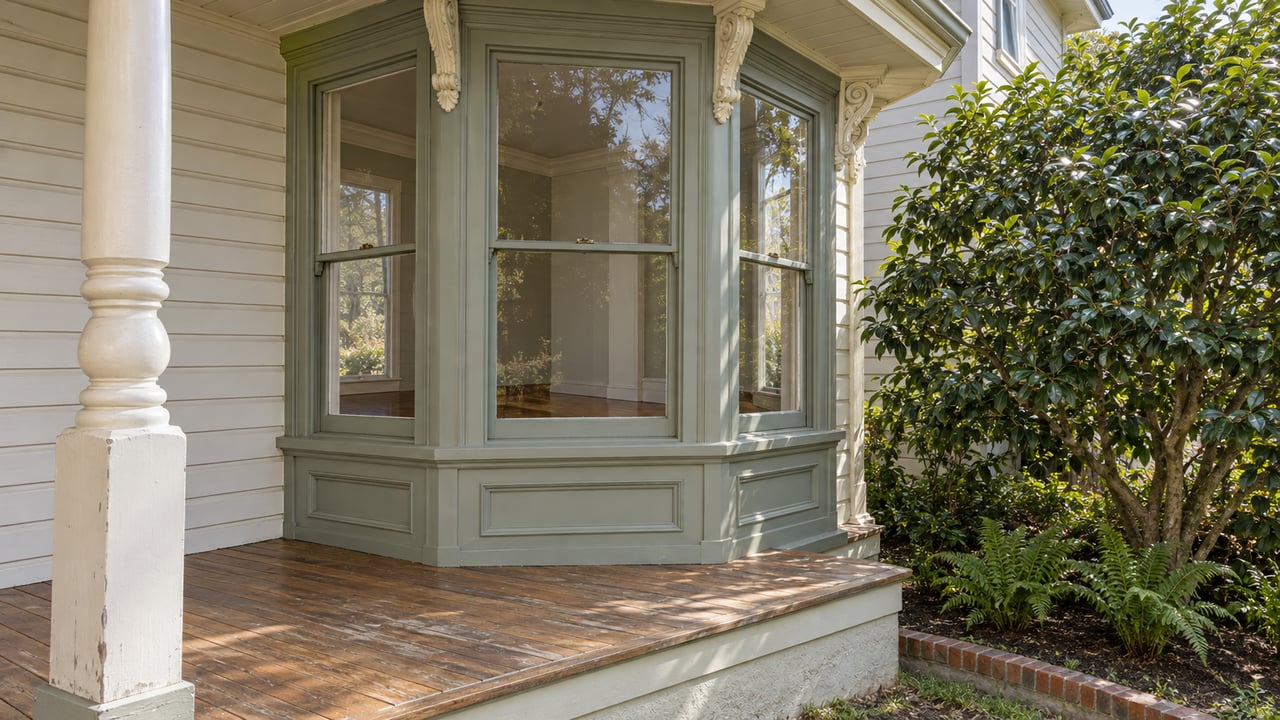
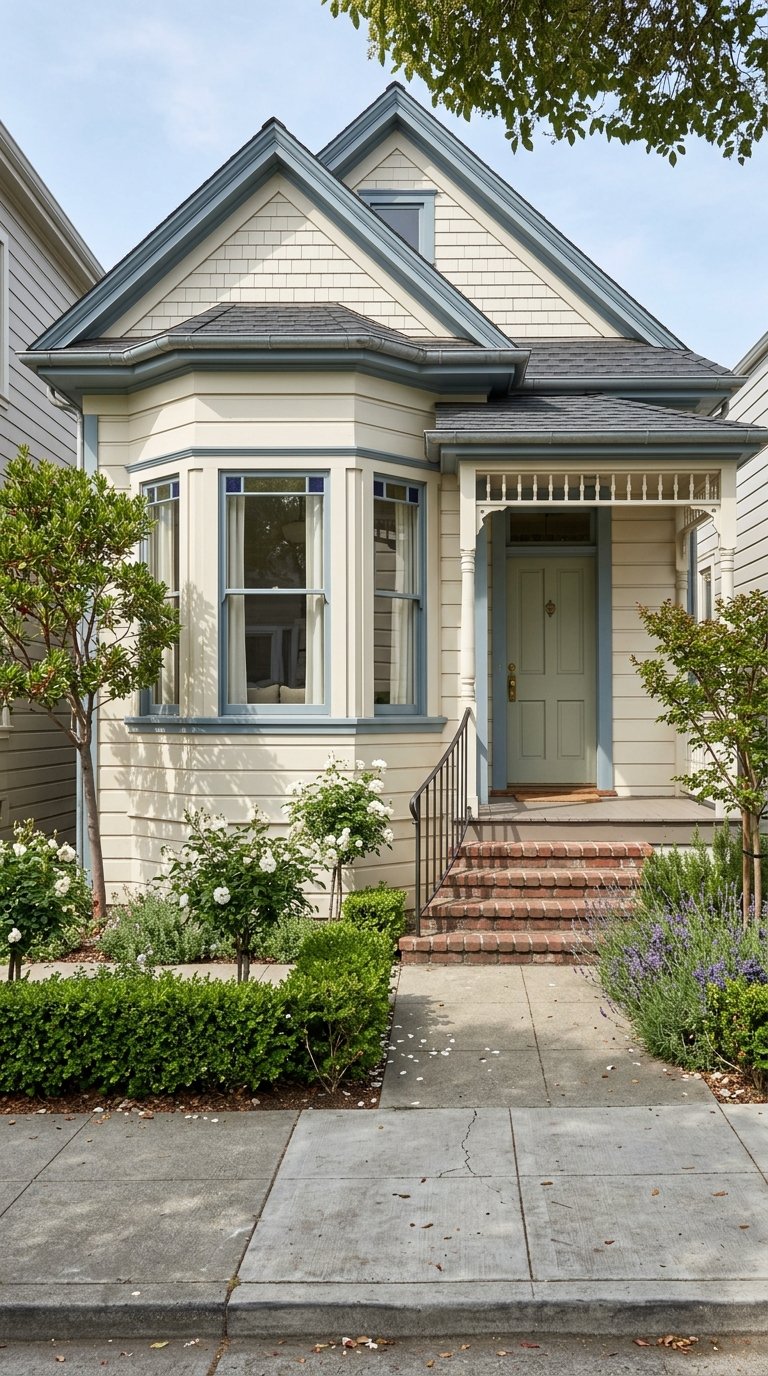
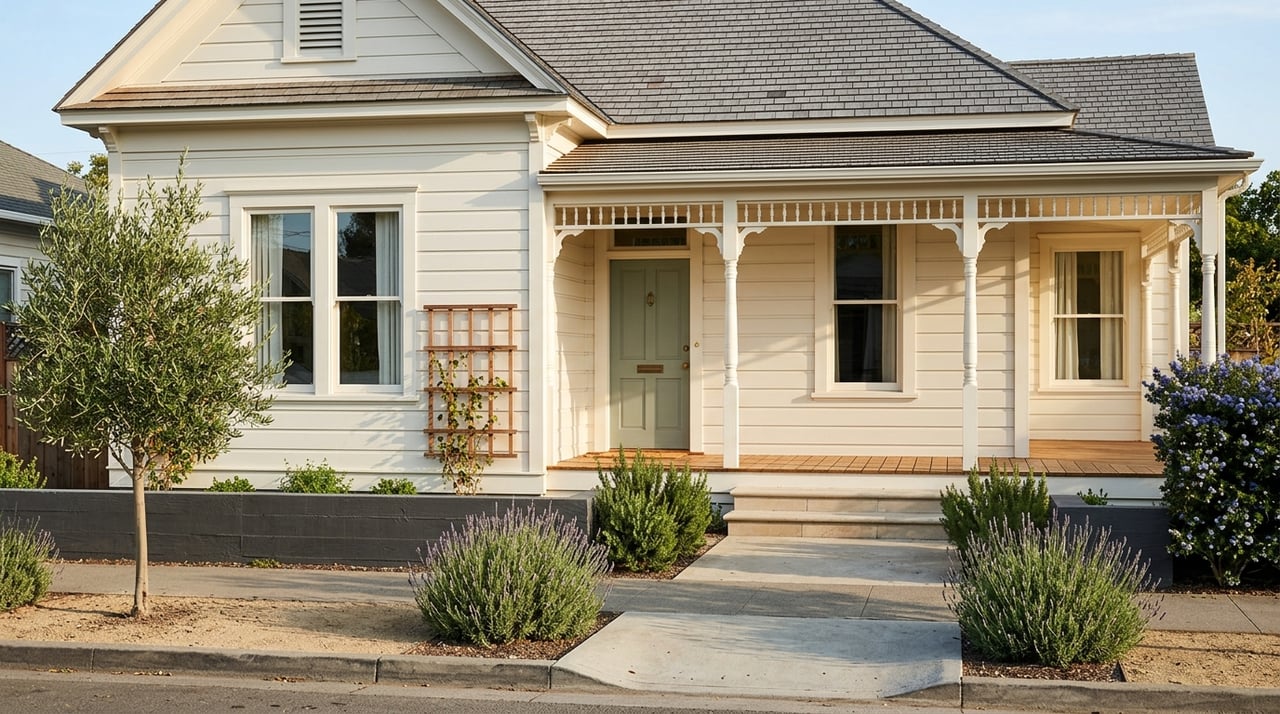
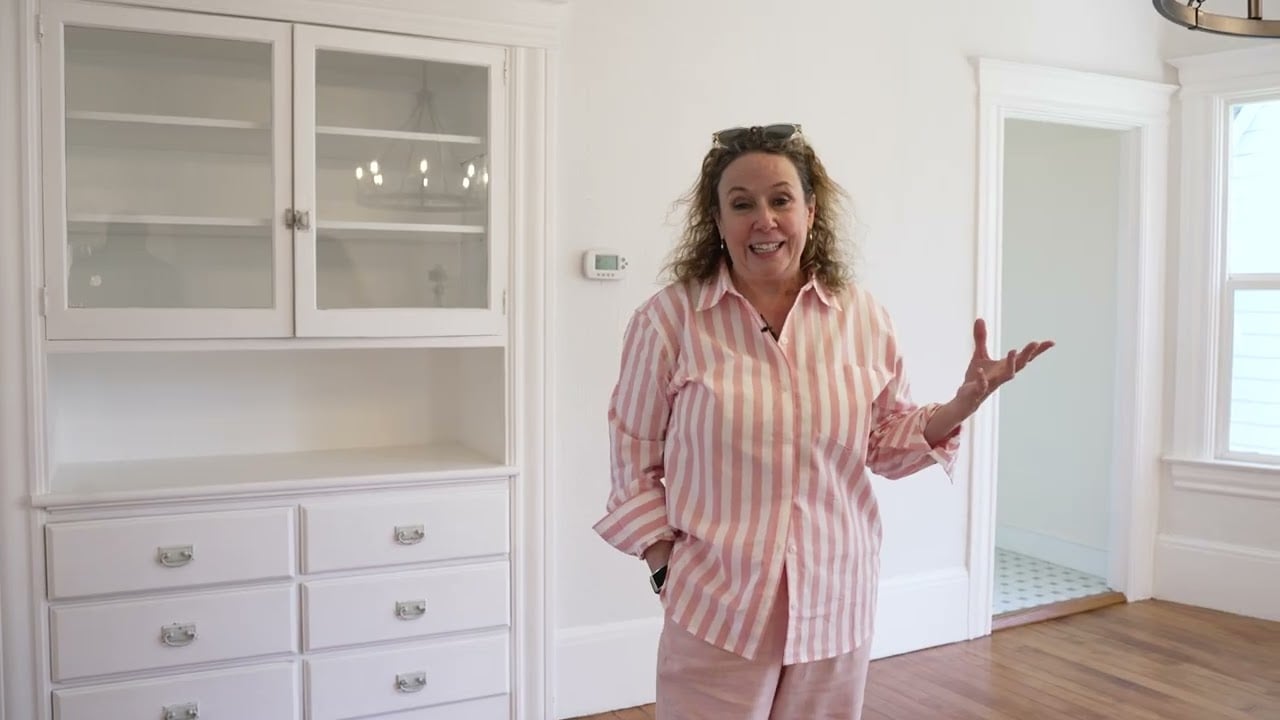
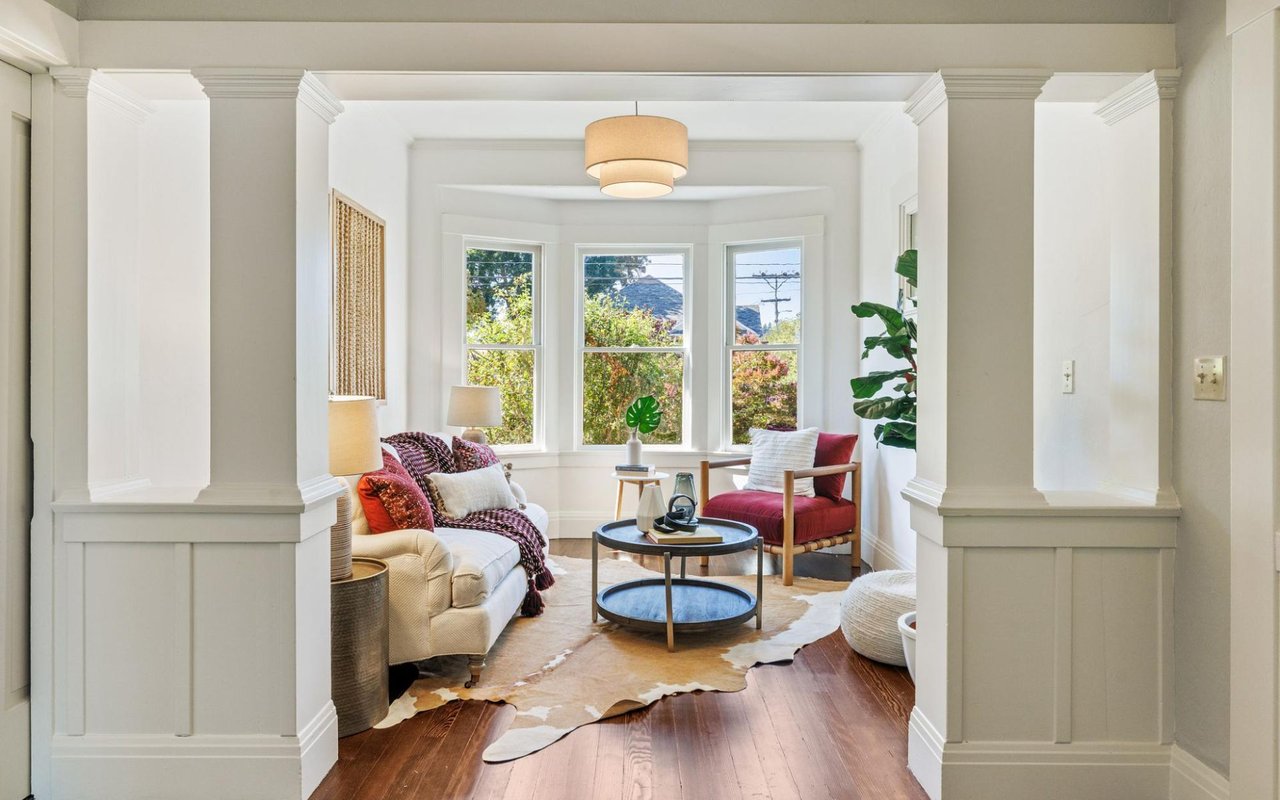
Edwardian (1900–1920s): Built primarily after the 1906 earthquake, these homes feature cleaner lines, boxed bay windows, built-in cabinetry, and more generous room proportions than their Victorian counterparts.
Knowing which style you are looking at matters because each period used different construction methods and materials. Edwardian homes, for example, were built on more solid foundations after the earthquake, which can affect everything from seismic retrofitting costs to renovation scope.
Know the Neighborhoods That Deliver the Best Inventory
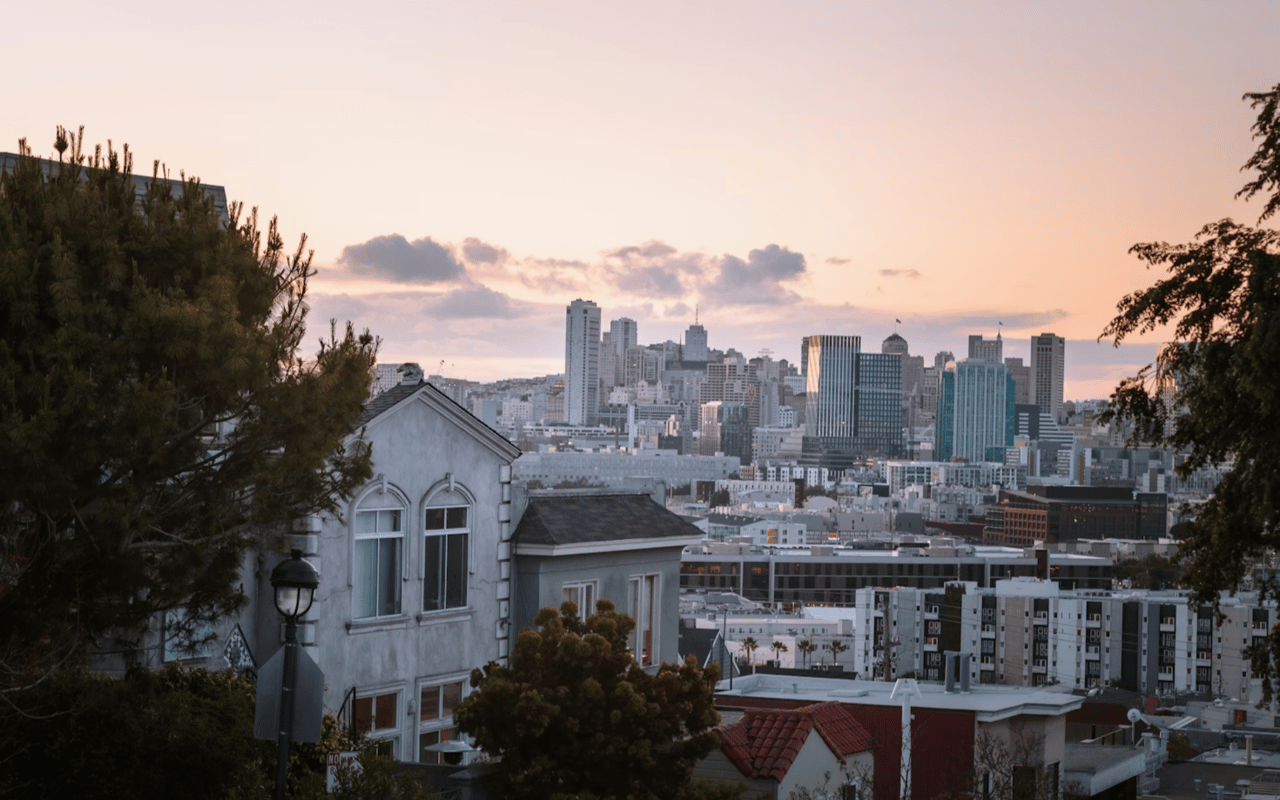
Not every San Francisco neighborhood offers the same quality or concentration of historic properties. I work across the city, and I consistently see the strongest pre-1926 inventory in a handful of key areas.
Neighborhoods with the highest concentration of intact historic homes:
-
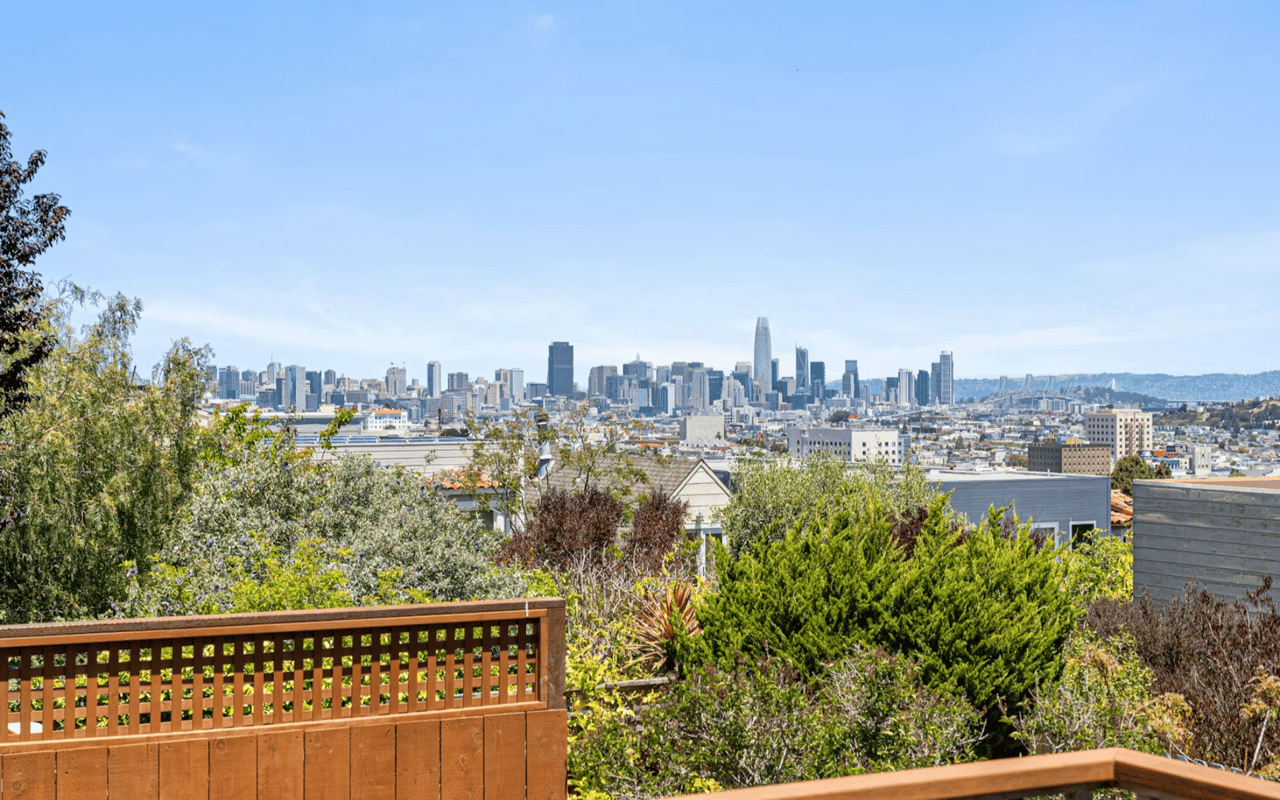
Pacific Heights: Grand Victorian and Edwardian mansions, many with sweeping bay views. Restoration here rewards investment, particularly for Tier 1 landmark properties.
-
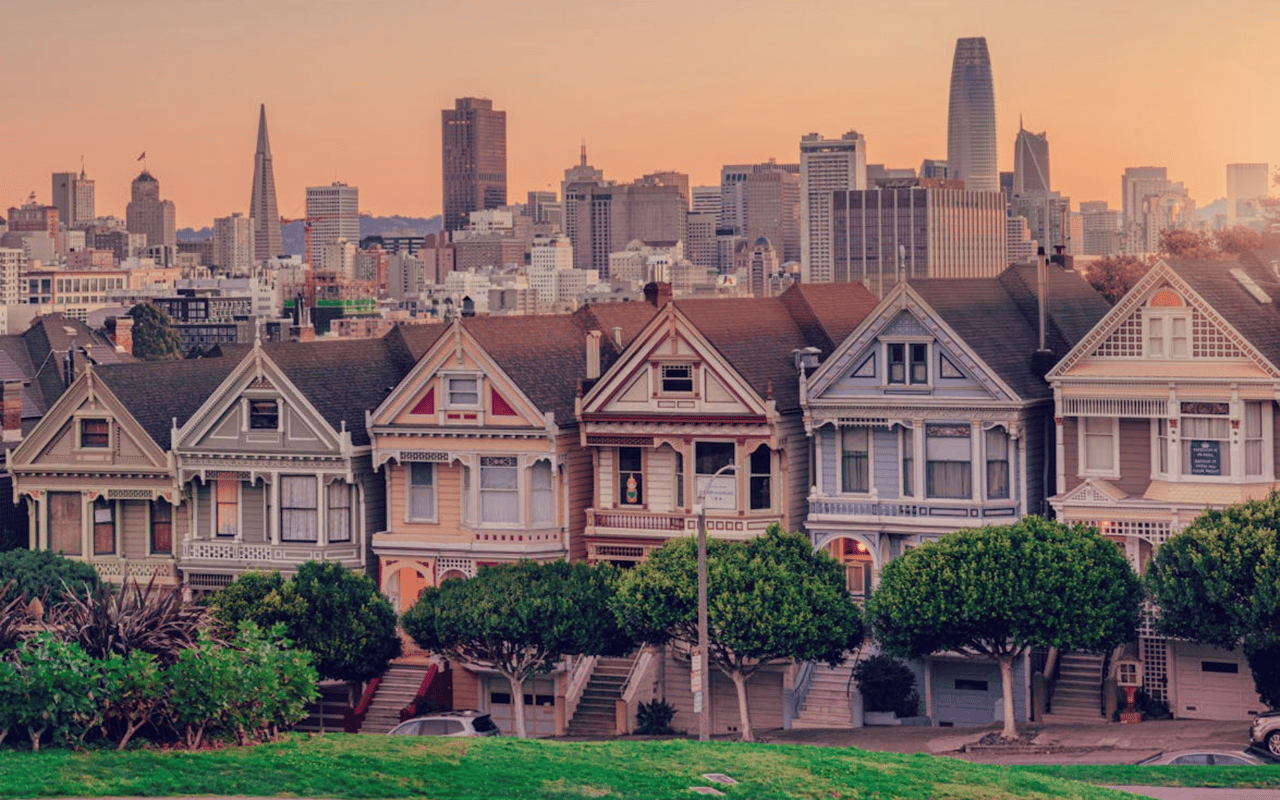
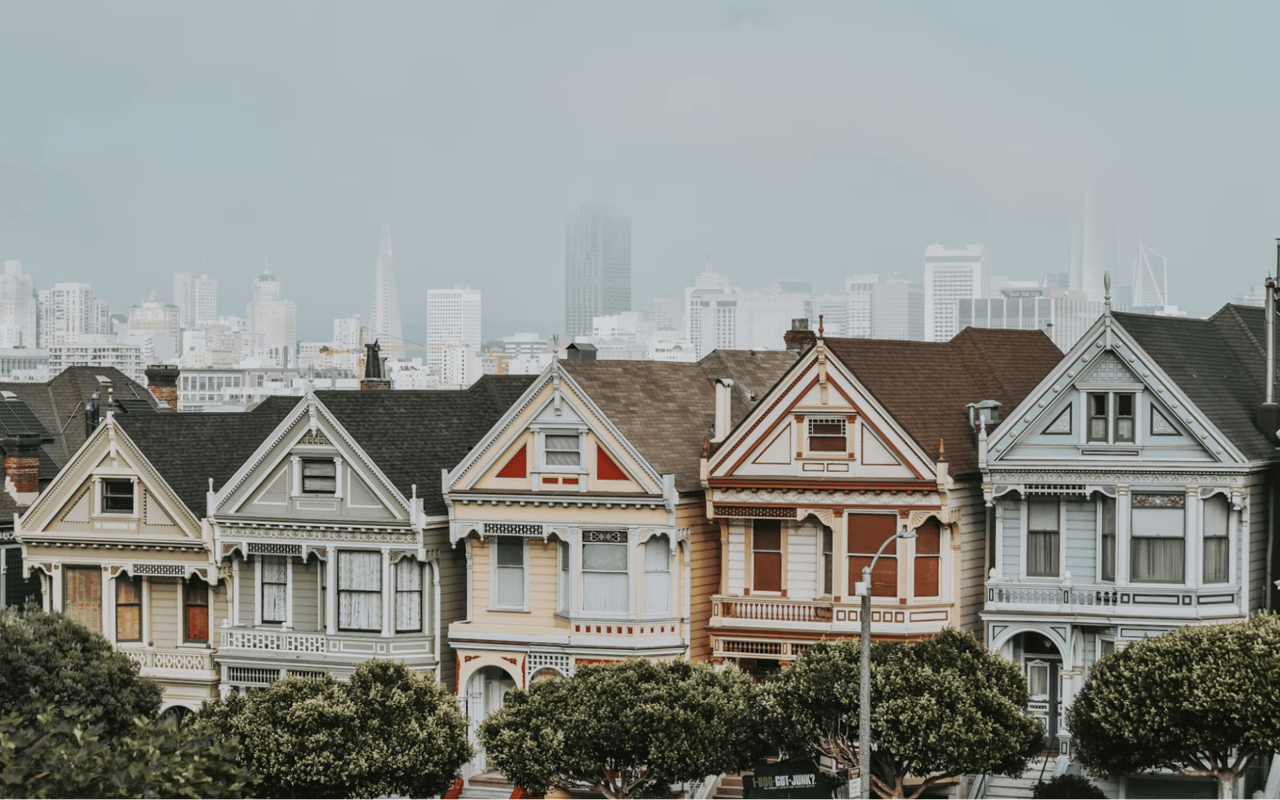
Alamo Square: Home to the famous Painted Ladies and some of the most photographed Victorians in the country. Original corbels and period details in this district carry measurable value.
-
Haight-Ashbury: Colorful Queen Anne and Stick-style homes with strong architectural character and a well-preserved streetscape.
-
The Castro: A mix of Edwardian flats and single-family homes, many with original built-ins and hardwood floors intact.
-
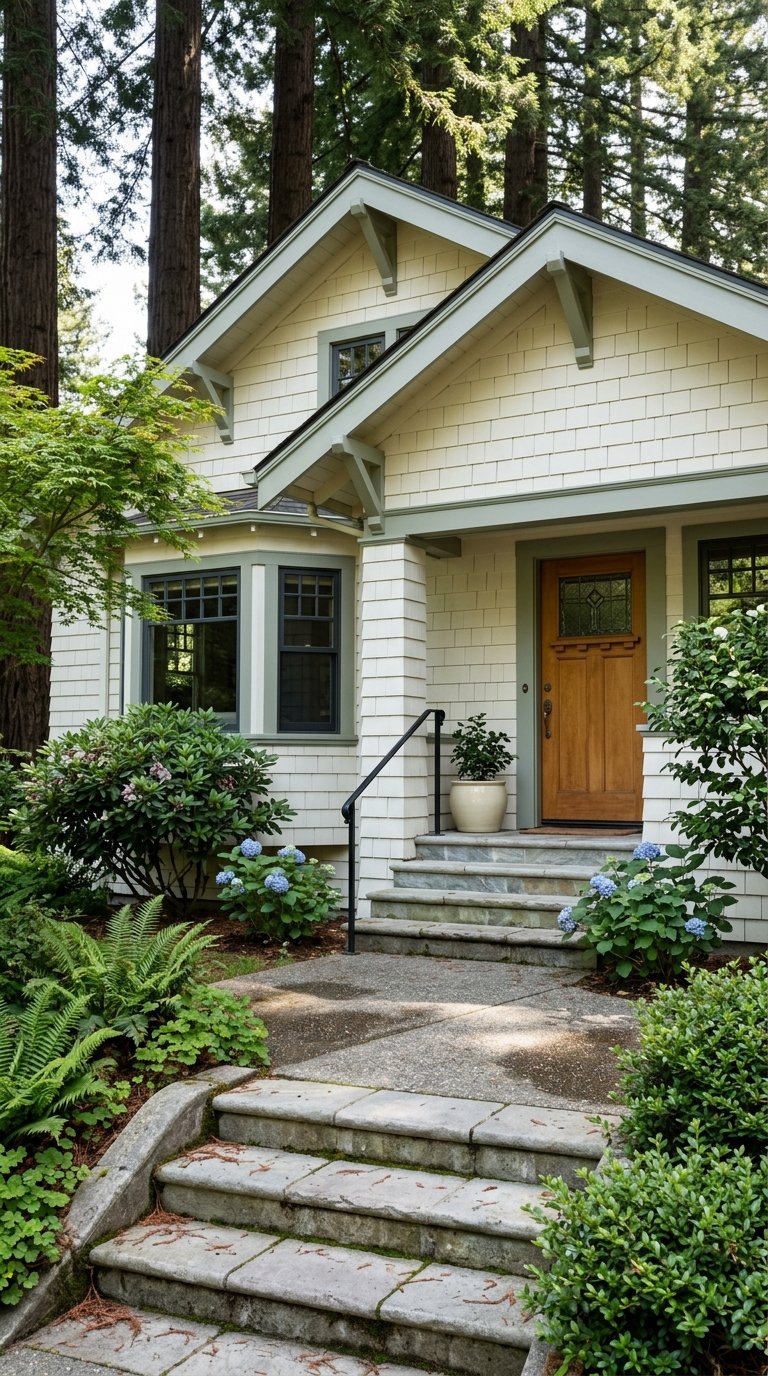
Noe Valley: Craftsman bungalows and Edwardian homes popular with buyers who want character with a more residential pace.
Each neighborhood has its own preservation overlay rules, which affect what you can modify on the exterior. I walk every buyer through what those rules mean for their specific property before they commit.
Factor In the Financial Picture Early
Buying a historic home in San Francisco is a financial decision as much as an architectural one, and there are factors that work both for and against the buyer depending on how well-informed you are going in.
Financial considerations that affect every historic home purchase:
-
The Mills Act: This California preservation program can reduce your property tax bill by 40–60% if your home qualifies as a historic landmark. Most buyers and agents do not know how to pursue this. I do, and I help my clients access it.
-
Foundation retrofitting: Pre-1926 homes use pier-and-post or cripple wall construction. Seismic retrofitting, if not already completed, is a cost to price into your offer and budget.
-
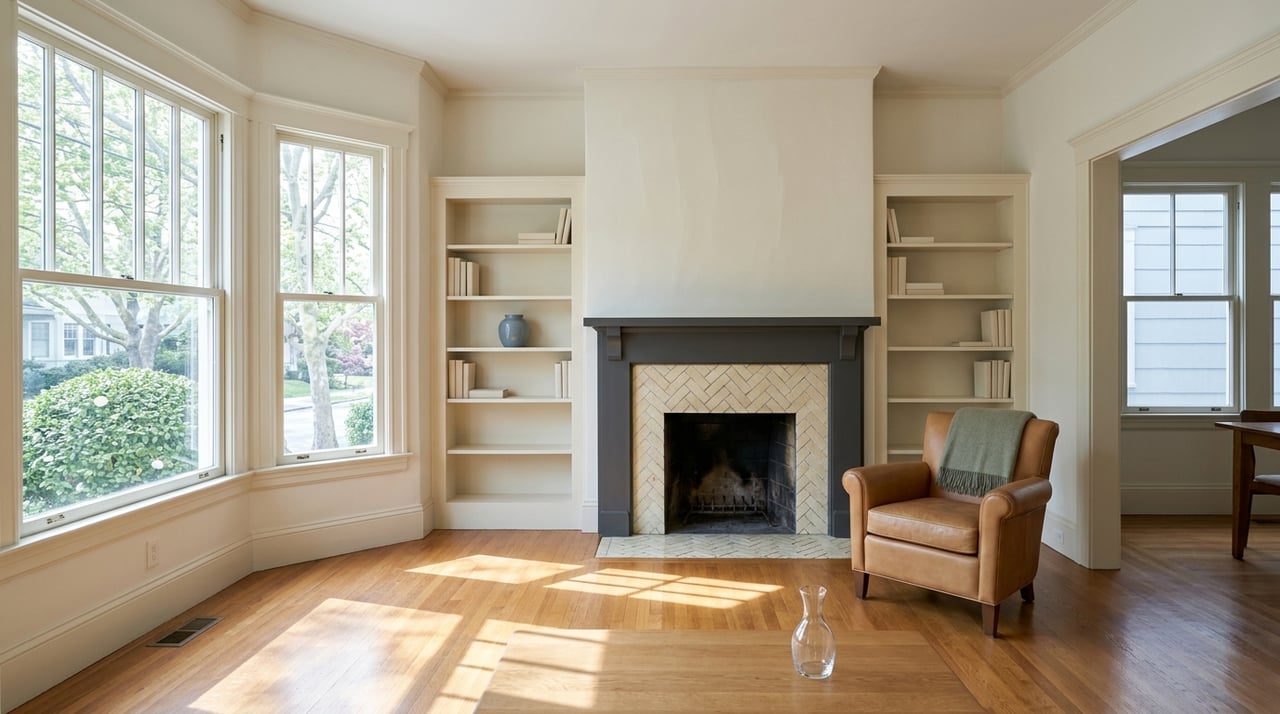
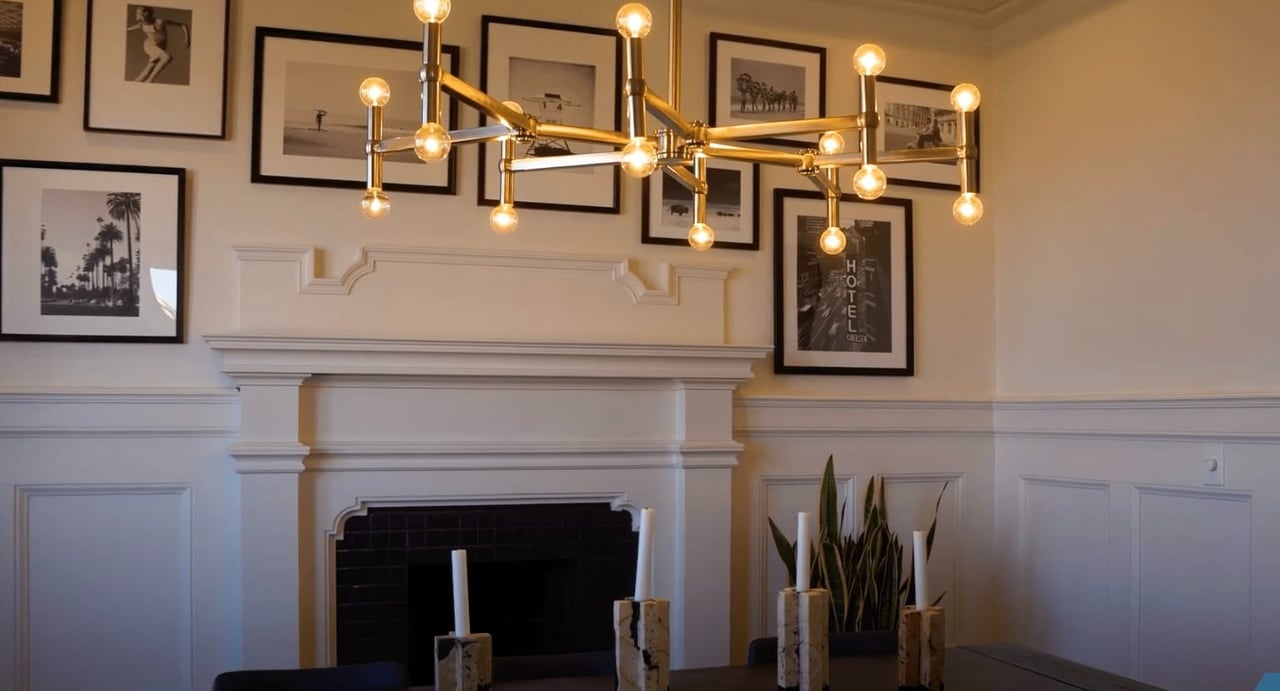
Restoration economics: Original details like intact corbels, medallions, and pocket doors add measurable value in certain neighborhoods. Reproduction work can cost thousands per element and return nothing in markets where buyers do not pay for period accuracy. Knowing the difference protects your renovation budget.
-
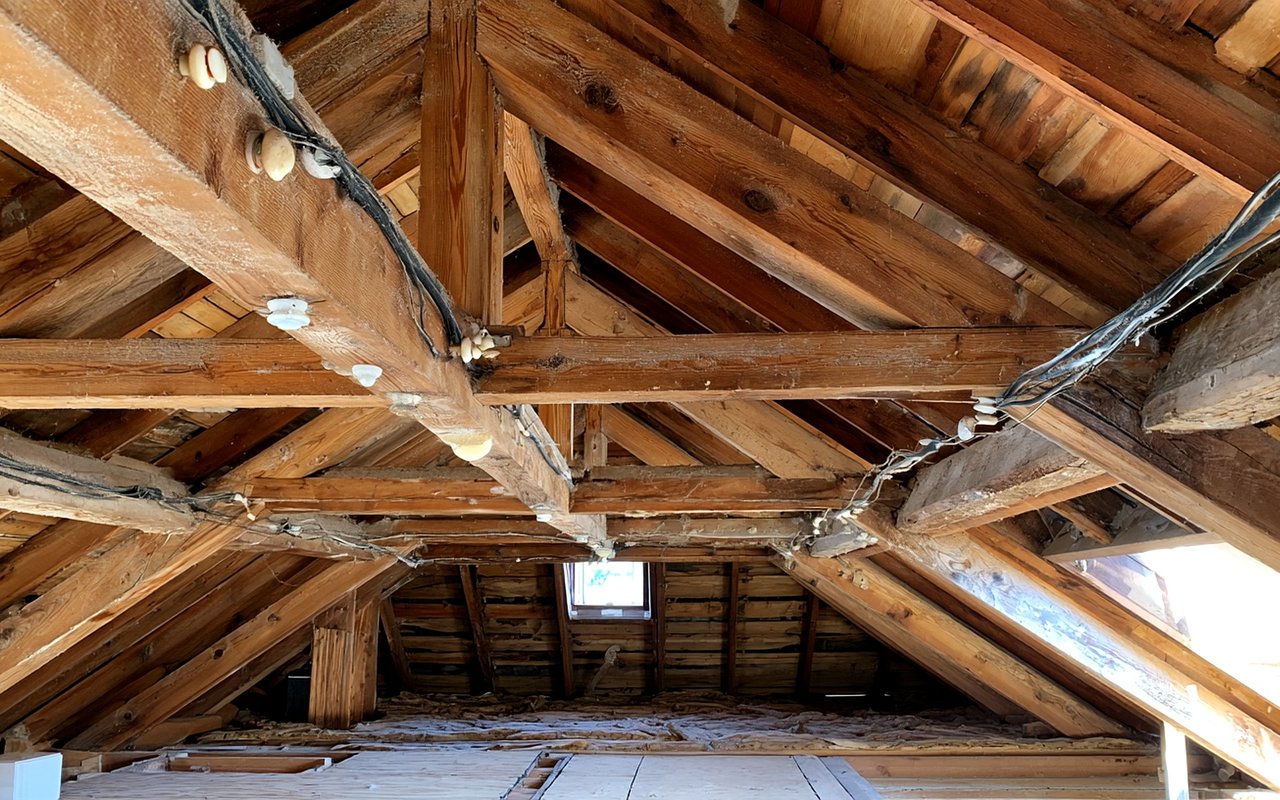
Electrical and plumbing systems: Homes of this age often have knob and tube wiring or aging plumbing that will need updating. These are not dealbreakers, but they need to be scoped before you close.
Frequently Asked Questions
Do historic homes in San Francisco cost more to insure?
They can, particularly if the home has active knob and tube wiring or has not been retrofitted. Insurers look closely at electrical systems, foundation type, and overall condition. Getting a full inspection before you make an offer gives you a clear picture of what you are working with and what may need to be addressed before coverage is bound.
Can I renovate a historic home in San Francisco?
Yes, but the scope of what is allowed depends on whether your property carries an Article 10 or Article 11 designation, or falls within a historic district. Changes to the front facade typically trigger a Historic Resource Review through the SF Planning Department. I help buyers understand these rules before they purchase so there are no surprises after closing.
What is the difference between a Victorian and an Edwardian home in San Francisco?
Victorian homes were built primarily between the 1850s and 1900 and are known for their ornate exterior detailing, steep gabled roofs, and decorative woodwork. Edwardian homes were built in the years following the 1906 earthquake and reflect a shift toward simpler lines, larger rooms, and more practical layouts. Both periods produced exceptional homes, and both require a buyer who understands what they are looking at.
Buy a Historic Home in San Francisco With Bonnie Spindler
Purchasing a Victorian or Edwardian home in San Francisco is one of the most significant investments a buyer can make in this market. These properties hold their value, carry architectural character that cannot be replicated, and connect you to the city's history in a way that no modern build can. I bring more than 30 years of pre-1926 expertise to every transaction, from understanding which details add value to knowing how to structure an offer that accounts for the real condition of the home.
Reach out to me to learn more about how I help buyers find the right historic home in San Francisco.
Reach out to me to learn more about how I help buyers find the right historic home in San Francisco.