By Bonnie Spindler
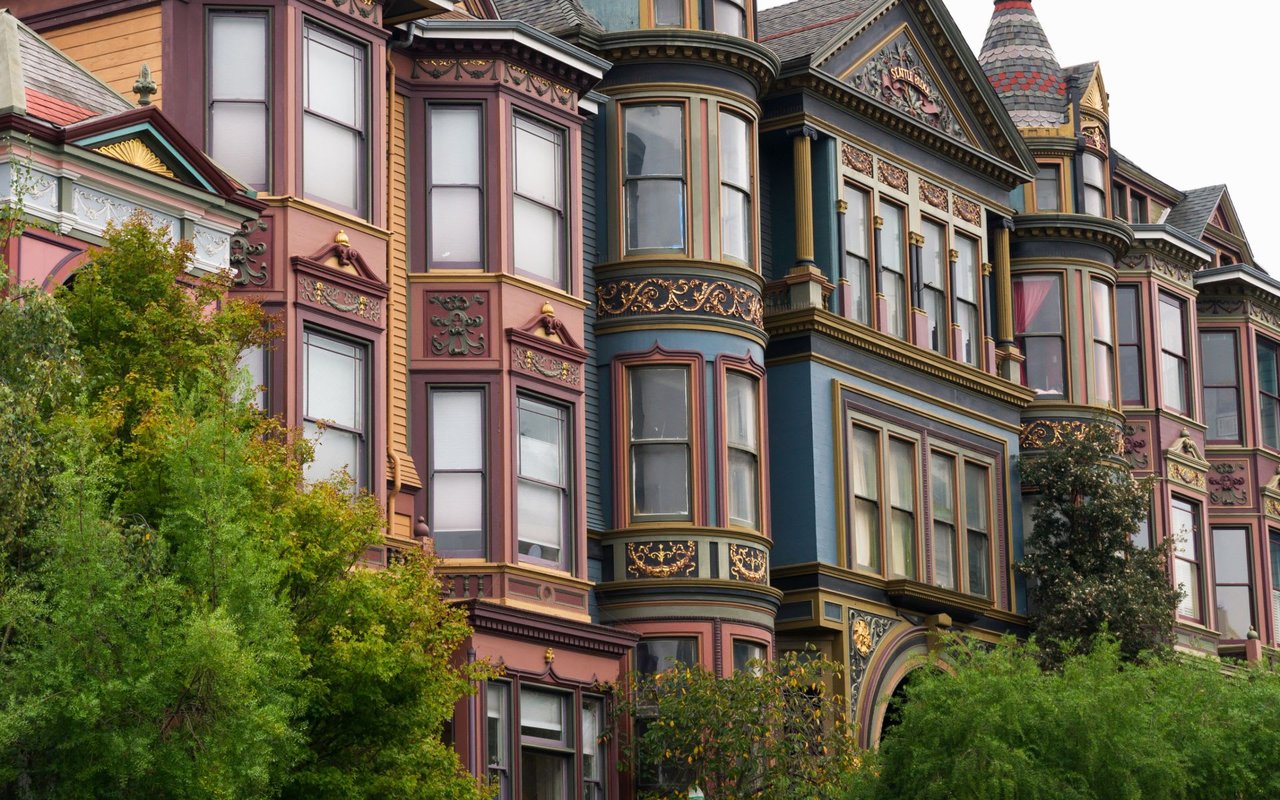
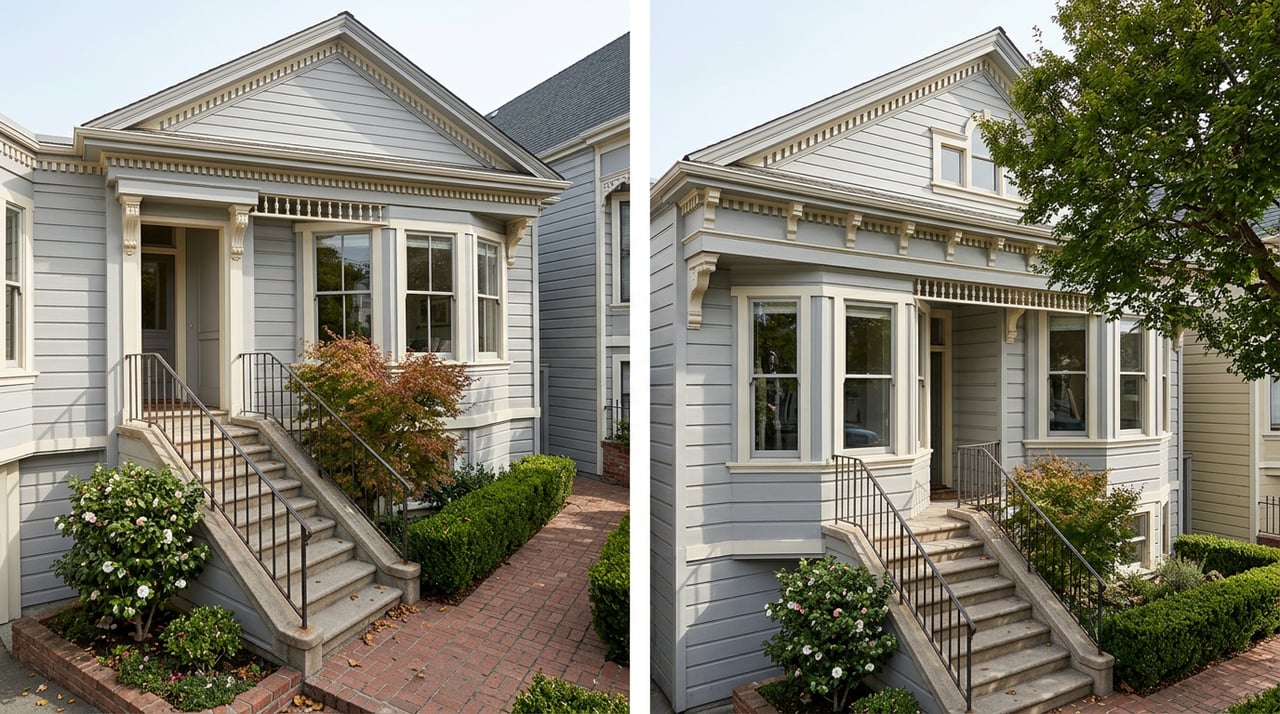
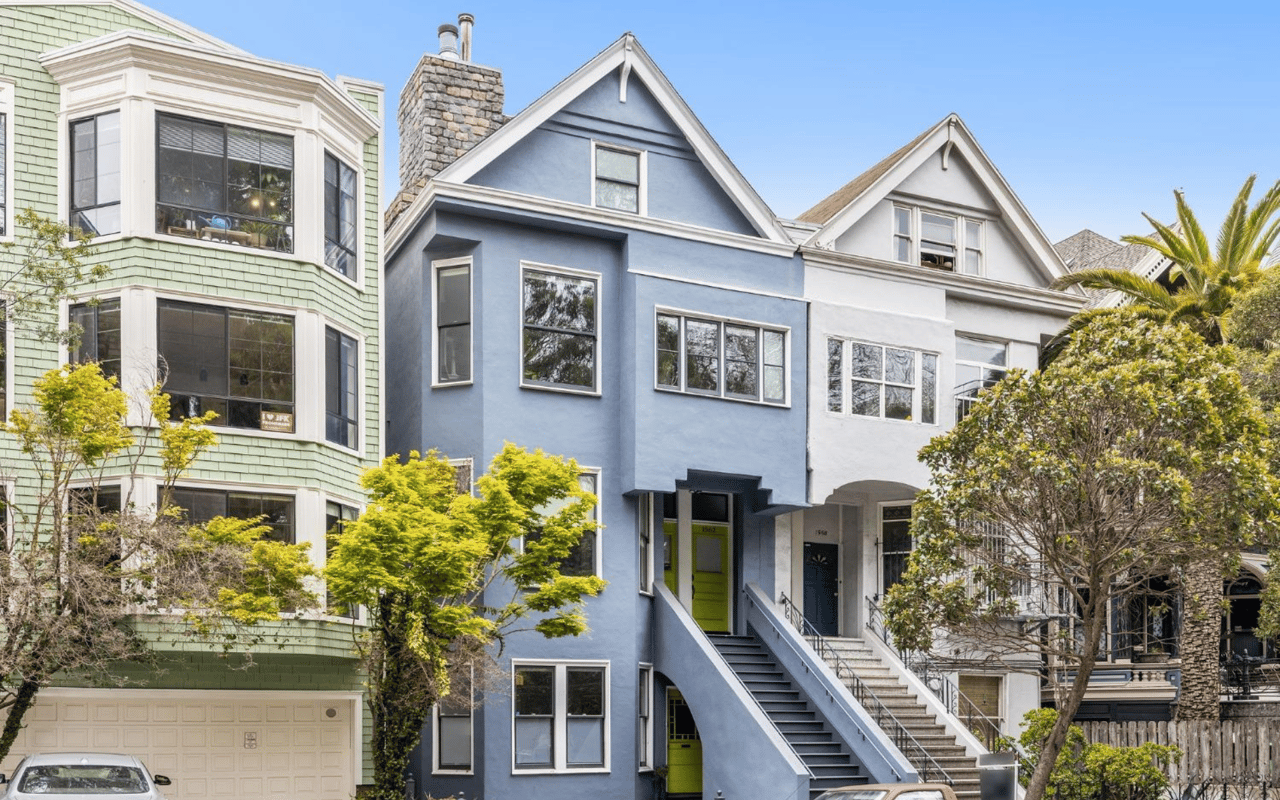
A home inspection on a pre-1926 San Francisco property is a different exercise than inspecting a modern build. The systems are older, the construction methods are specific to the era, and the issues that co me up — from knob and tube wiring to cripple wall foundations — require inspectors who understand what they are looking at. I have guided buyers through hundreds of historic home purchases in this city, and the ones who go in with a clear inspection framework consistently make better decisions. This checklist covers the areas that matter most when you are buying a Victorian or Edwardian home in San Francisco.
Key Takeaways
-
Standard home inspections often miss issues specific to pre-1926 construction — you need inspectors with historic home experience.
-
Foundation type, electrical systems, and roof condition are the three areas that carry the most financial risk in older SF properties.
-
Pest and dry rot inspections are not optional in San Francisco's climate — they are essential.
-
The SF Planning Department's Historic Resource Review process can affect your renovation plans, so understand it before you close.
Start With the Foundation
San Francisco's seismic environment makes foundation condition the first thing I look at in any historic home. Pre-1926 homes use pier-and-post or cripple wall construction, both of which are functional but require specific attention.
What your foundation inspection should cover:
-
Cripple wall condition: Cripple walls are the short wood-framed walls between the foundation and the first floor. Unbraced cripple walls are a seismic vulnerability. Look for evidence of past retrofitting — plywood sheathing and anchor bolts are the standard fix.
-
Pier and post stability: Check that piers are not cracked, settled, or showing signs of moisture damage at the base.
-
Evidence of past movement: Look for diagonal cracks in plaster walls, sticking doors, or uneven floors — all of which can indicate foundation settlement.
-
Soft story risk: Multi-unit Victorians with open ground-floor parking or large openings may qualify as soft story buildings, which carry additional retrofitting requirements under SF ordinance.
A structural engineer inspection, separate from the general home inspection, is worth the investment on any pre-1926 property. I routinely recommend this to my buyers before they remove contingencies.
Inspect the Electrical System Thoroughly
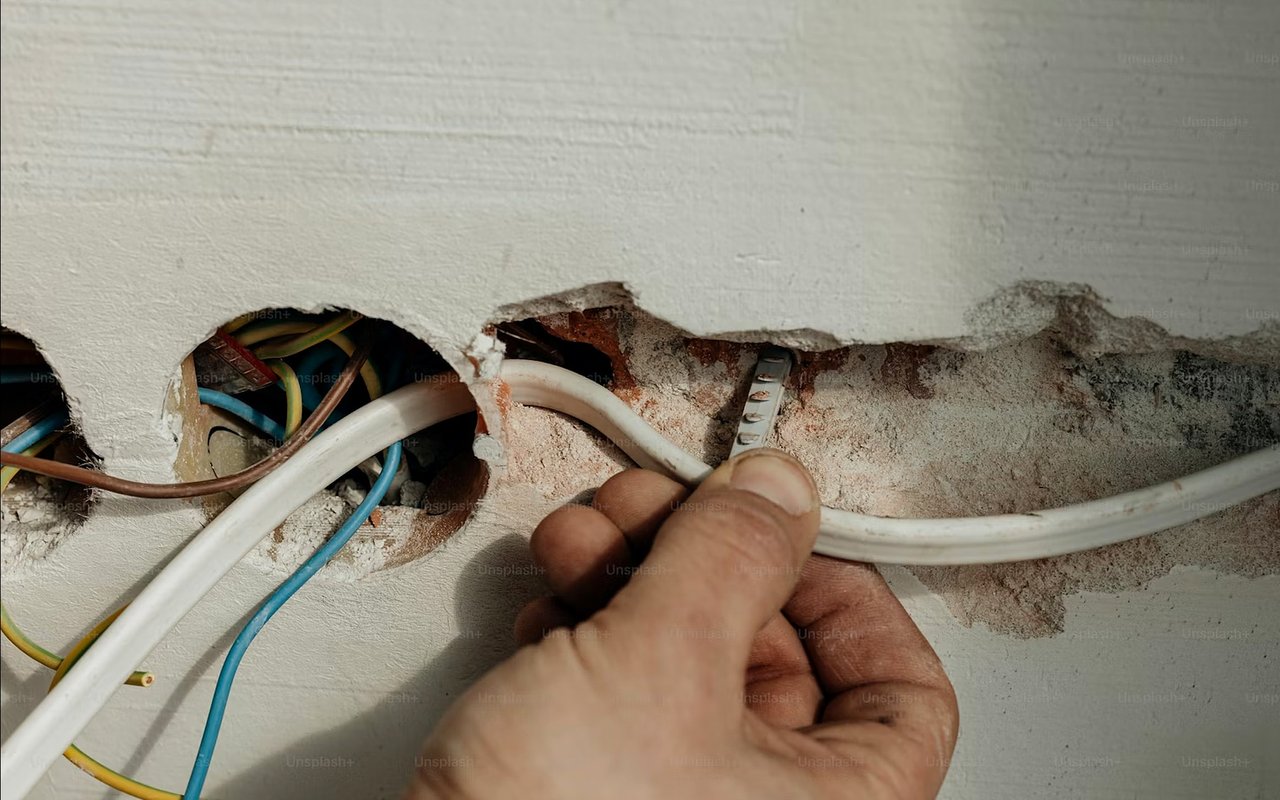
Knob and tube wiring is present in a large share of San Francisco's Victorian and Edwardian homes. It was the standard electrical method from the 1880s through roughly the 1940s, and it remains in active use in many properties that have never been fully rewired.
What to look for in the electrical inspection:
-
Active versus decommissioned K&T: An inspector can identify whether knob and tube circuits are live or have been disconnected. Active K&T wiring will affect your insurance and may affect financing.
-
Unsafe modifications: Decades of patchwork updates often produced improper splices between K&T and modern wiring. These are a fire risk and need to be identified and corrected.
-
Panel capacity: Many older homes still have 60-amp or 100-amp panels. Modern household electrical loads typically require 200 amps. Budget for a panel upgrade if one has not been done.
-
Two-prong outlets: Ungrounded outlets throughout the home are a strong indicator that K&T wiring is still active.
A licensed electrician inspection — separate from the general inspector's walk-through — is something I recommend for any home where K&T is suspected or confirmed.
Evaluate the Roof and Envelope
Water is the primary threat to a historic home's structural integrity, and the roof is where most water problems begin. San Francisco's wet winters and coastal fog create conditions where small failures in the envelope can do significant damage over time.
Roof and exterior inspection points:
-
Flashing at chimneys, valleys, and transitions: These are the highest-risk areas for water intrusion in older roofs. Failed flashing is often invisible from the ground.
-
Gutters and downspouts: Check that they are clear, properly connected, and directing water away from the foundation. Clogged gutters in an older home can lead to moisture wicking into wood framing.
-
Exterior wood condition: Probe window sills, trim joints, and siding for soft spots or dry rot. In San Francisco's climate, paint failure at these joints is often the first sign of a larger moisture problem.
-
Attic condition: Signs of water staining on roof decking or insulation point to past or ongoing leaks. Proper attic ventilation also matters in historic homes where moisture can accumulate in concealed cavities.
Check Plumbing, Pest, and Original Details
Beyond the three major categories above, a thorough inspection of a San Francisco historic home should also cover plumbing, pest activity, and the condition of original architectural details.
Additional inspection areas:
-
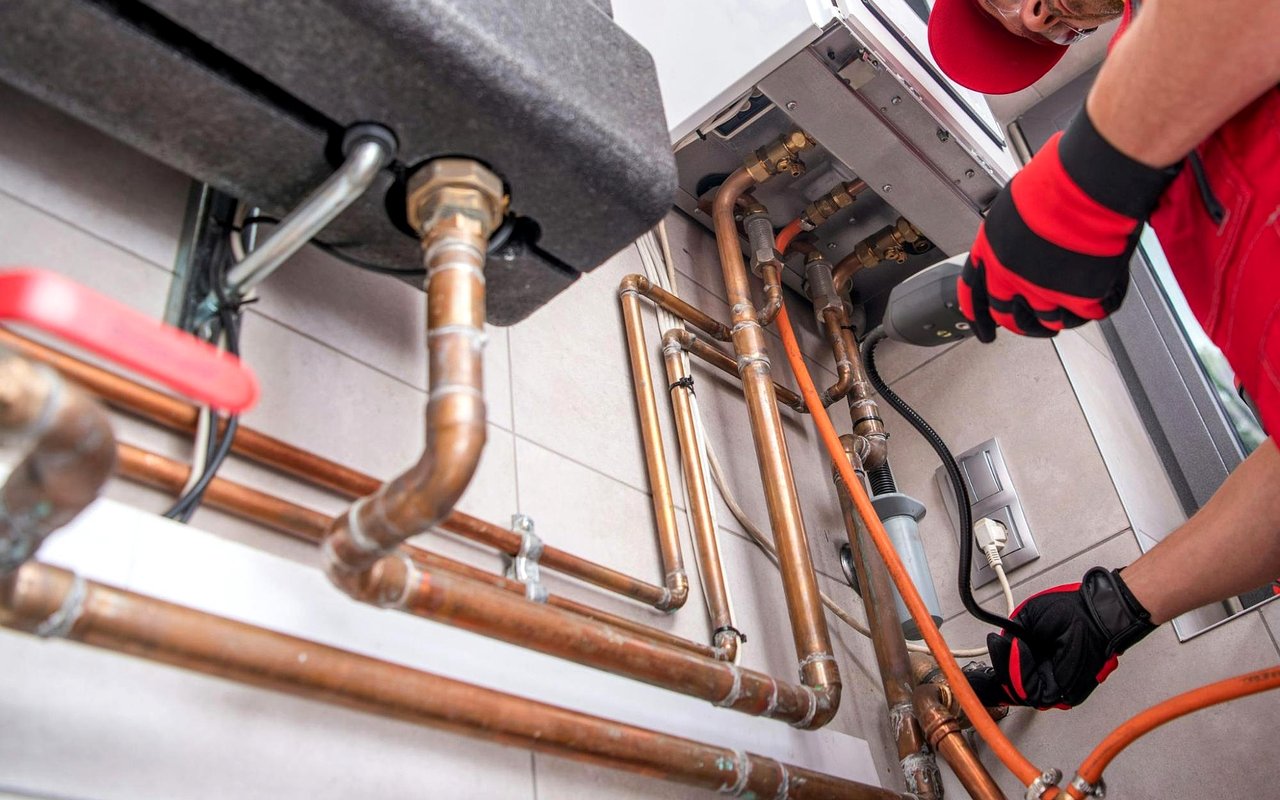
Plumbing materials: Many pre-1926 homes have galvanized steel or lead supply lines. Galvanized pipe corrodes from the inside over time, reducing water pressure and eventually failing. Lead pipes require replacement.
-
Drain lines: Clay sewer laterals are common in older SF properties and can crack, root-intrude, or offset over time. A sewer scope inspection is worth adding to your due diligence package.
-
Pest and dry rot inspection: Required by most lenders and essential in San Francisco's climate. Pay attention to subfloor areas, window framing, and any area where wood contacts soil or masonry.
-
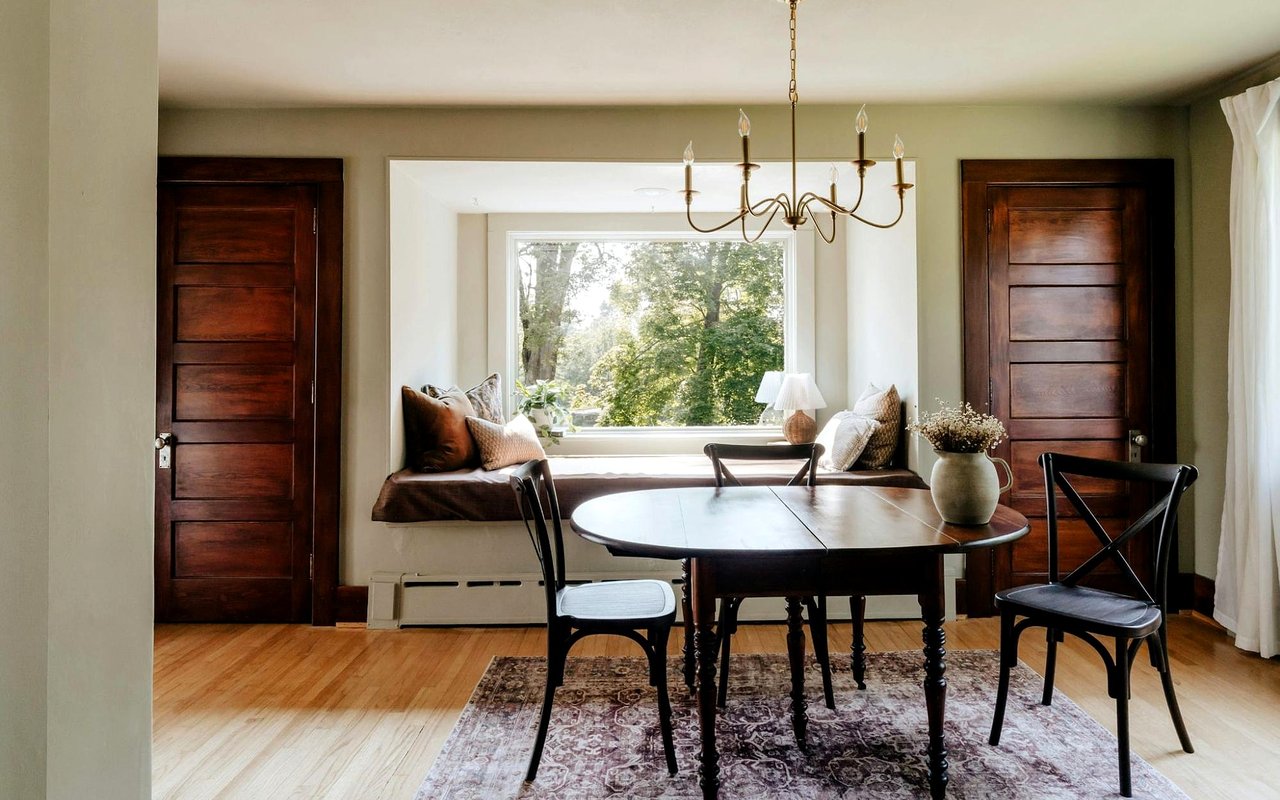
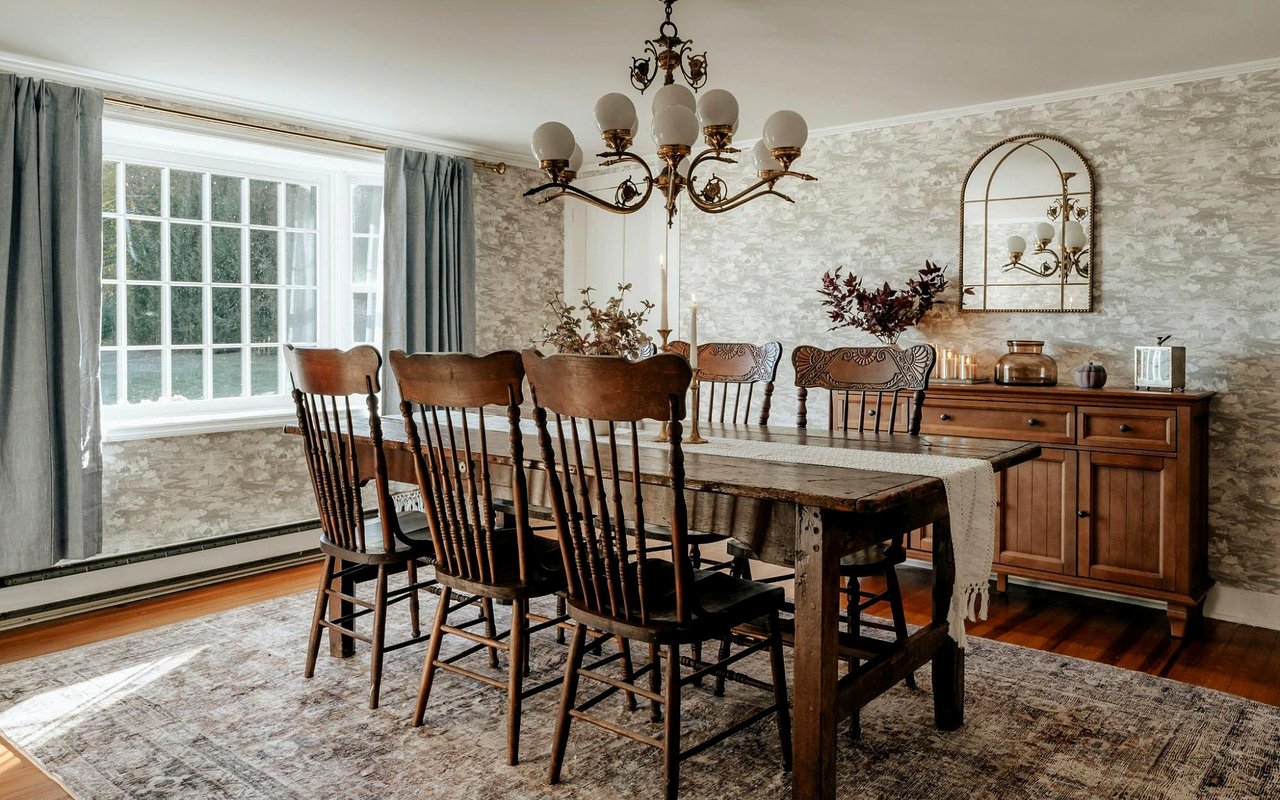
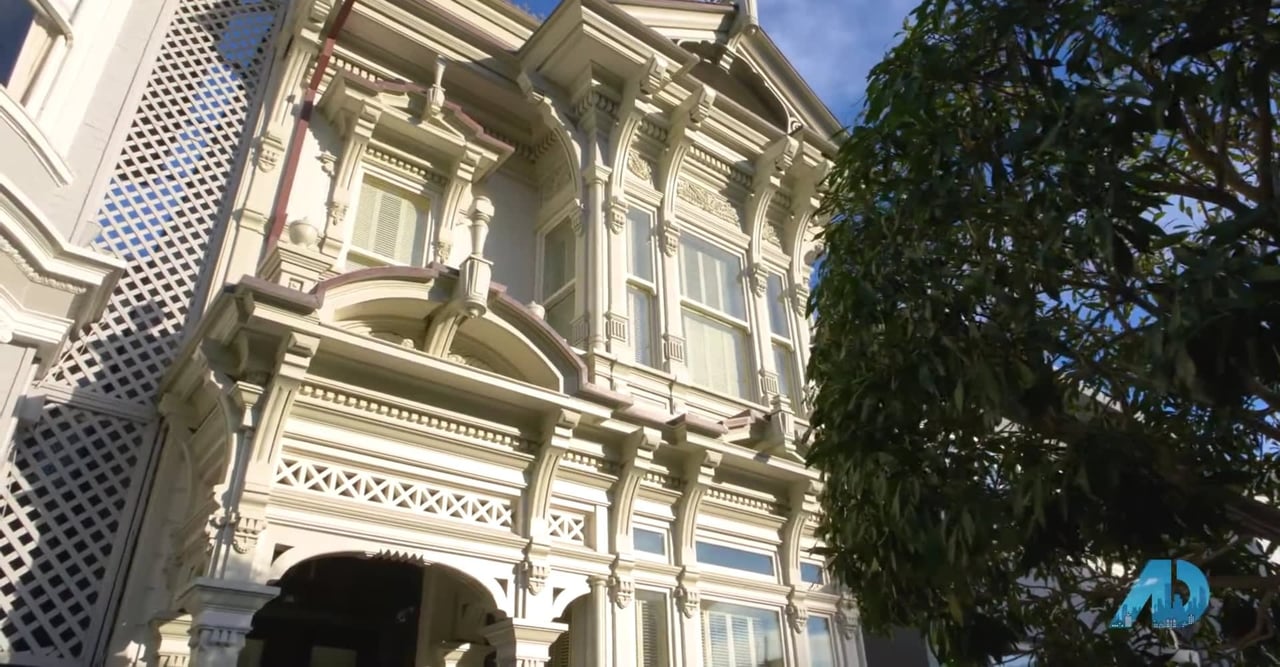
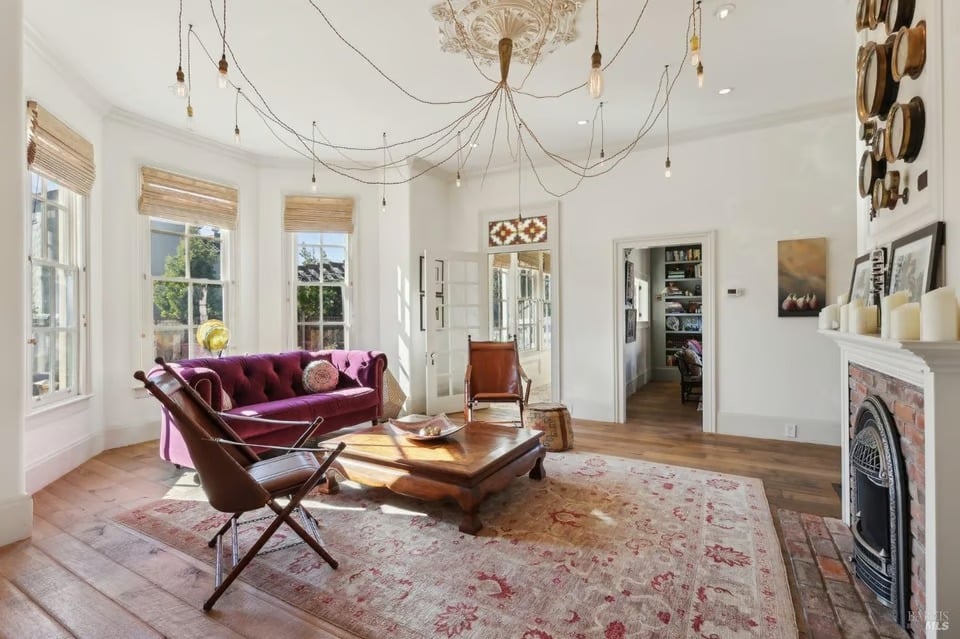
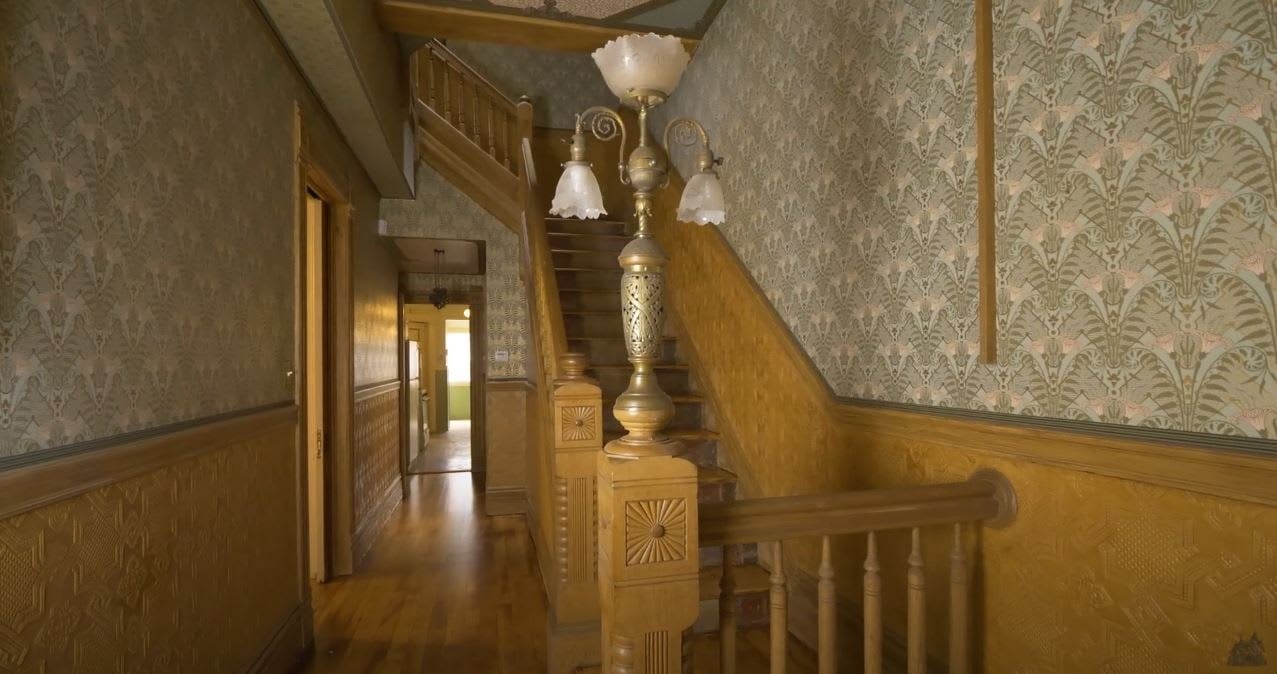
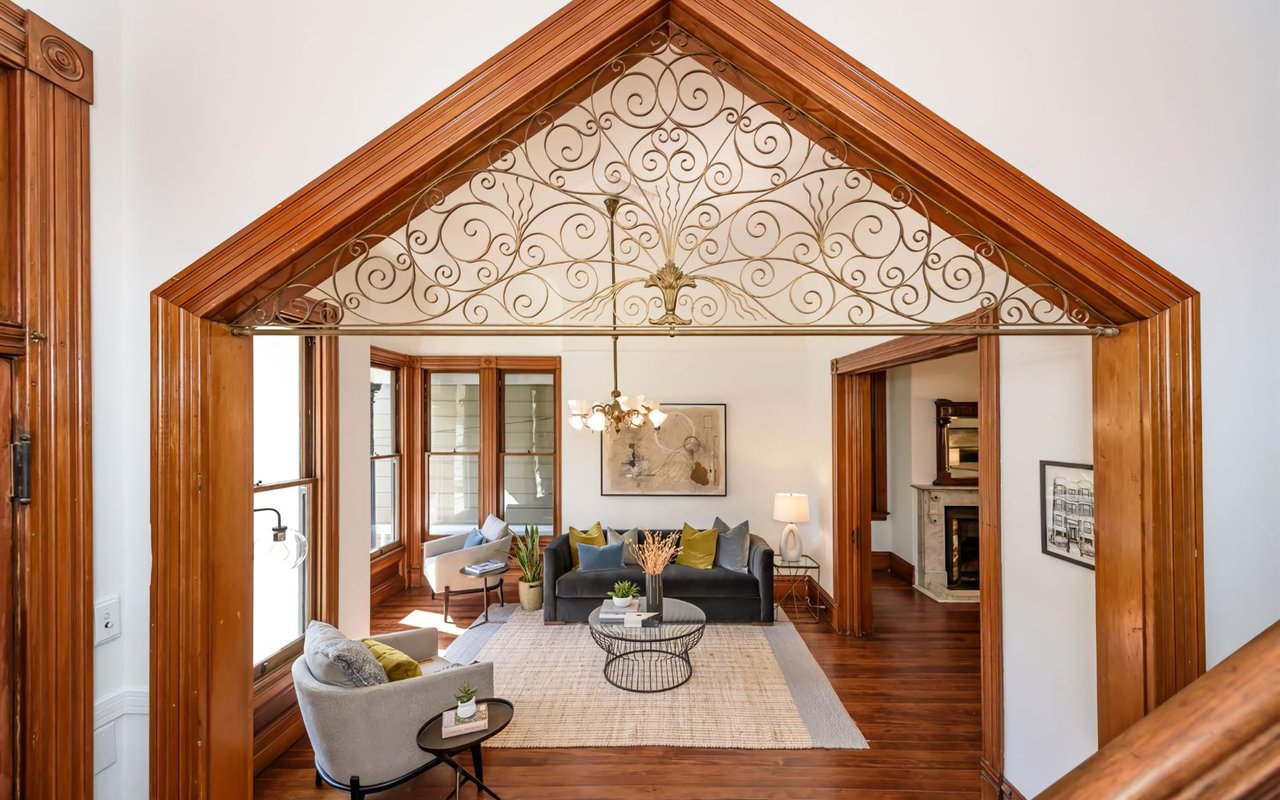
Original details: Note the condition of pocket doors, plaster walls, ceiling medallions, built-in cabinetry, and hardwood floors. Restoration of these elements is possible, but the cost varies significantly based on extent of damage.
Frequently Asked Questions
Do I need a specialist inspector for a historic San Francisco home?
A general licensed home inspector is a starting point, but I strongly recommend working with inspectors who have specific experience with pre-1926 San Francisco construction. The issues that come up — cripple walls, knob and tube wiring, plaster systems, original drainage — require someone who knows what to look for and how to assess severity accurately.
What inspections beyond the standard home inspection should I order?
For most historic homes in San Francisco, I recommend adding a structural engineer report, a licensed electrician evaluation if K&T is present, a sewer scope, and a pest and dry rot inspection. Each one addresses a risk category that the standard inspection alone will not fully cover.
How do inspection findings affect my offer on a historic home?
Inspection findings give you leverage to negotiate a price adjustment or seller credit, request repairs before closing, or make an informed decision to walk away if the scope of work exceeds what the property warrants. I help my buyers interpret what they are reading in reports and structure a response that protects their position.
Work With a San Francisco Historic Home Specialist
Inspecting a Victorian or Edwardian home in San Francisco requires the right team and a clear framework for what to look for. I have spent more than 30 years working with pre-1926 properties in this city, and I know which inspection findings are routine and which ones should change the terms of a deal. My buyers go into every transaction with a full picture of what they are purchasing — and the knowledge to act on it.
Reach out to me to learn more about how I guide buyers through the historic home inspection process in San Francisco.
Reach out to me to learn more about how I guide buyers through the historic home inspection process in San Francisco.