By Bonnie Spindler
If you are buying a Victorian or Edwardian home in San Francisco, there is a good chance the property has knob and tube wiring — or once did, and has been only partially updated. Over 60% of homes in San Francisco were built before 1940, and a large share of those still contain active K&T circuits running alongside whatever modern wiring was added over the decades. I have worked with buyers navigating this issue more times than I can count, and the outcome almost always comes down to one thing: how well-informed the buyer was before they made their offer. Here is what you need to know.
Key Takeaways
- Knob and tube wiring is present in a significant portion of San Francisco's pre-1926 homes and directly affects insurance, financing, and safety.
- Many California insurers are now denying coverage outright for homes with active K&T wiring, which can halt financing entirely.
- Full rewiring of a San Francisco Victorian typically costs $20,000–$40,000 depending on size and accessibility, and it can increase property value.
- Understanding the wiring status of a home before you make an offer is not optional — it is part of the due diligence process.
What Knob and Tube Wiring Is and Why It Matters
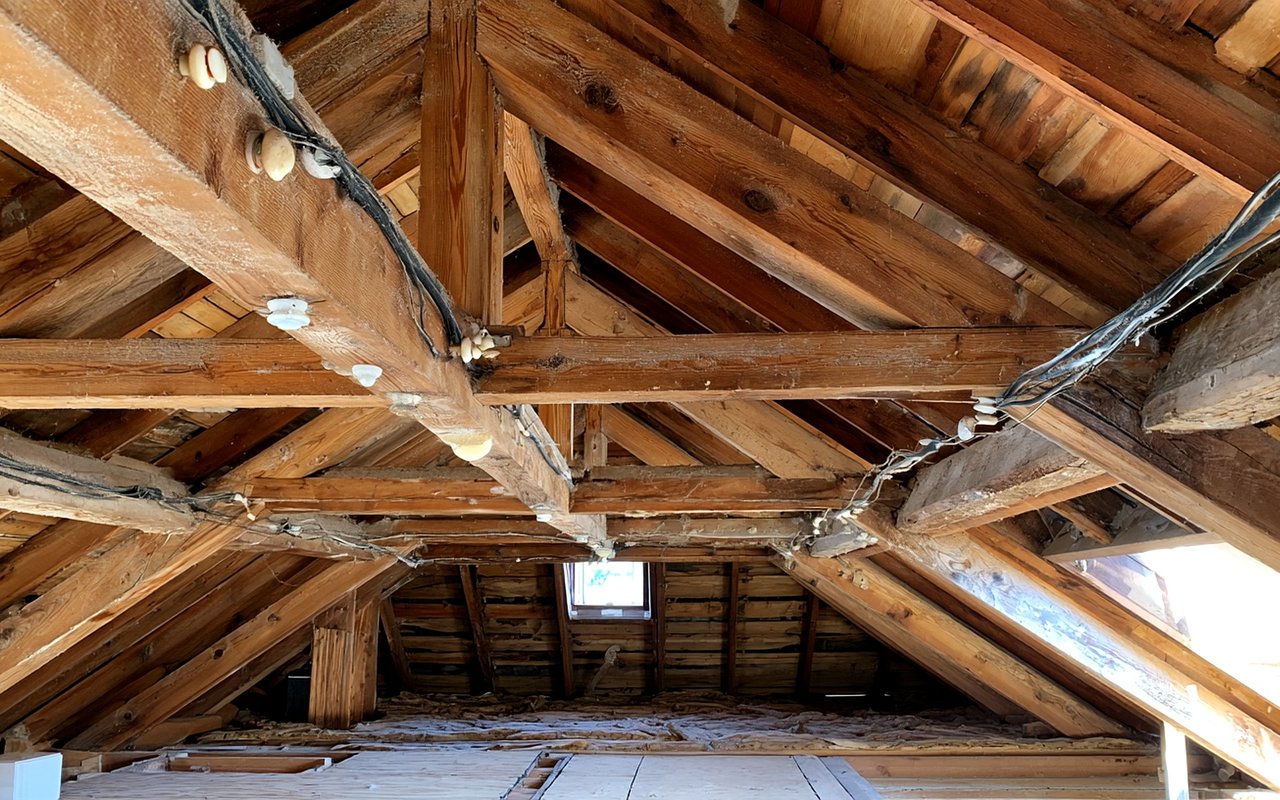
Knob and tube wiring was the standard electrical method used in American homes from roughly the 1880s through the 1940s. It uses ceramic knobs to anchor wires along framing members and ceramic tubes to protect wires where they pass through wood. The system was adequate for its era, but it was designed for a world without refrigerators, dishwashers, air conditioners, or the dozens of devices that run in a modern household.
The core limitations of K&T wiring in a contemporary home:
- No ground wire: K&T systems have no grounding conductor, leaving outlets and circuits vulnerable to electrical surges and shock.
- Low amperage capacity: Most K&T circuits were rated for 15 amps. A modern home with updated wiring typically runs 200-amp service. The gap creates fire risk when old circuits are pushed beyond their design load.
- Decades of modification: In most San Francisco homes, K&T wiring was not replaced wholesale — it was extended and spliced as appliances and rooms were added. Those splices are often improperly done and represent the highest-risk points in the system.
- Insulation degradation: After a century, the cloth and rubber insulation on K&T wiring becomes brittle, cracks, and fails. Heat, moisture, and pest activity all accelerate the process.
How K&T Wiring Affects Insurance and Financing
This is where the issue becomes transactional, and buyers need to understand it before they write an offer. California insurers have significantly tightened their underwriting standards around knob and tube wiring in recent years.
What active K&T wiring means for your purchase:
- Insurance denial: Many insurers will decline to write a homeowners policy on a property with active K&T wiring, regardless of the property's condition in other respects. Without insurance, a conventional mortgage lender will not fund the loan.
- Policy cancellation: Buyers who secure coverage without disclosing K&T wiring risk cancellation after the policy is in force. This is not a technicality — it has real consequences for escrow and ongoing coverage.
- Price impact: Buyers who discover K&T wiring after going under contract often use it to negotiate a seller credit or price reduction to cover rewiring costs. A Bernal Heights property recently sold for $120,000 below asking because buyers anticipated the rewiring expense. A Mission District Victorian at $1.8 million required a $40,000 seller credit to close after K&T was found during inspection.
- Lender requirements: Some lenders will require rewiring to be completed — or at minimum scoped and contracted — before they will fund.
What to Do If the Home Has Knob and Tube Wiring
Finding K&T wiring in a San Francisco home is not automatically a reason to walk away. It is a reason to get more information and price accordingly.
Steps I walk my buyers through when K&T is identified:
- Order a licensed electrician evaluation: A general home inspection will note K&T presence but will not always distinguish between active and decommissioned circuits, or identify unsafe splices. A licensed electrician can map exactly what is live, what has been updated, and what corrections are needed.
- Get a rewiring estimate before removing contingencies: Full rewiring of a San Francisco Victorian typically runs $20,000–$40,000, with larger or more complex homes at the higher end. Knowing the number lets you negotiate accurately.
- Ask about insurer options: Some specialty insurers will write policies on K&T homes with conditions — typically requiring a licensed electrician's safety letter or a commitment to rewire within a defined period. Your agent and insurance broker should be aligned on what will work for the transaction.
- Evaluate the return: Rewiring adds value. A 1905 Victorian that completed full rewiring in one documented case saw an estimated $50,000 increase in market value after the work was done and the home qualified for standard insurance. In San Francisco's market, updated electrical is a meaningful selling point.
Frequently Asked Questions
Can I get homeowners insurance on a San Francisco home with knob and tube wiring?
Some insurers will write coverage, but options have narrowed significantly in California. Many major carriers now deny coverage outright if active K&T is disclosed. The safest path is to get an electrician evaluation and a clear scope of what wiring remains active before you apply for insurance — or before you close.
How do I know if a San Francisco home has knob and tube wiring?
The clearest indicators are two-prong ungrounded outlets throughout the home, ceramic knobs or tubes visible in the attic or basement, cloth-covered wires near light fixtures, and older fuse boxes rather than circuit breakers. A licensed electrician inspection will confirm whether any K&T circuits are still active.
Is rewiring a San Francisco historic home disruptive?
It depends on the scope and the home. In most cases, electricians work section by section to minimize disruption, and the majority of homeowners remain in place during the project. Larger or more complex homes may require a few days elsewhere during the most intensive phases. Coordinating rewiring, patching, and repainting as a bundled project reduces both cost and disruption.
Buy San Francisco Victorian Homes With Confidence
Knob and tube wiring is one of the most common issues I see in San Francisco's pre-1926 housing stock, and it is one of the most manageable when buyers understand what they are dealing with. I help my clients identify K&T wiring early, interpret what inspectors and electricians are telling them, and make offers that account for the real cost and upside of the property. With more than 30 years specializing in Victorian and Edwardian homes in this city, I know this territory.
Reach out to me to learn more about how I help buyers evaluate and purchase historic homes in San Francisco.
Reach out to me to learn more about how I help buyers evaluate and purchase historic homes in San Francisco.