By Bonnie Spindler
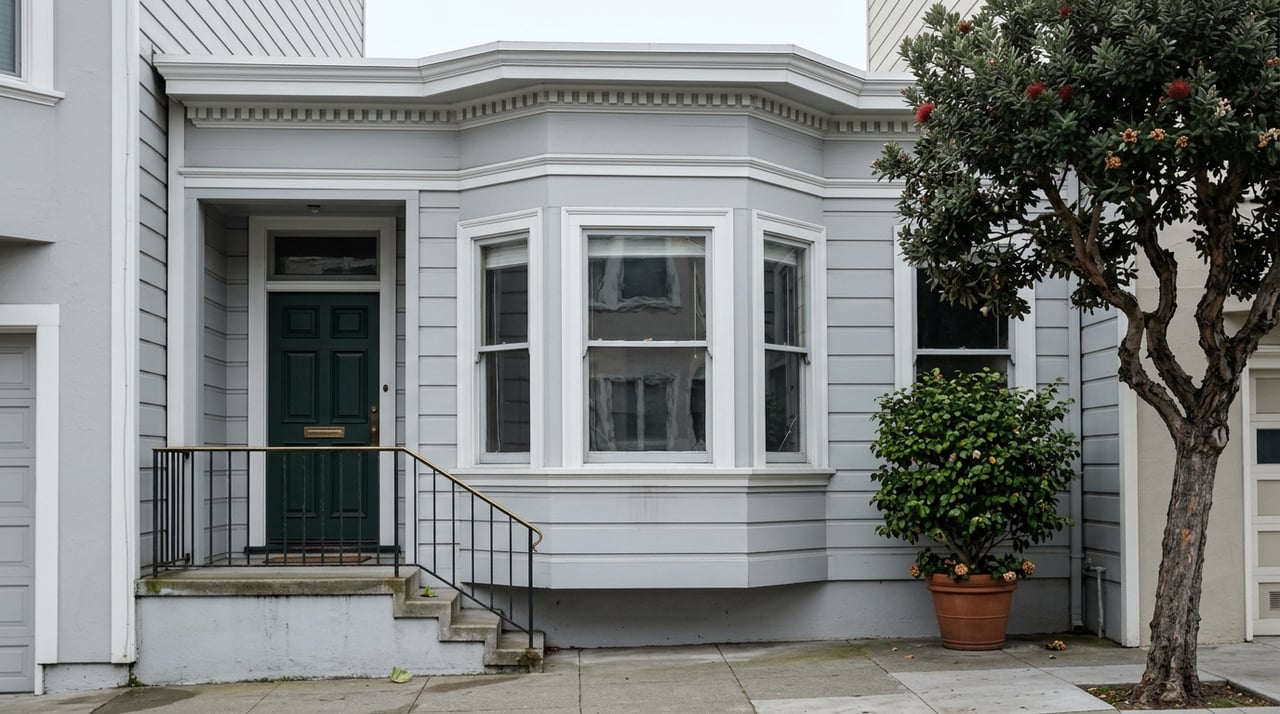
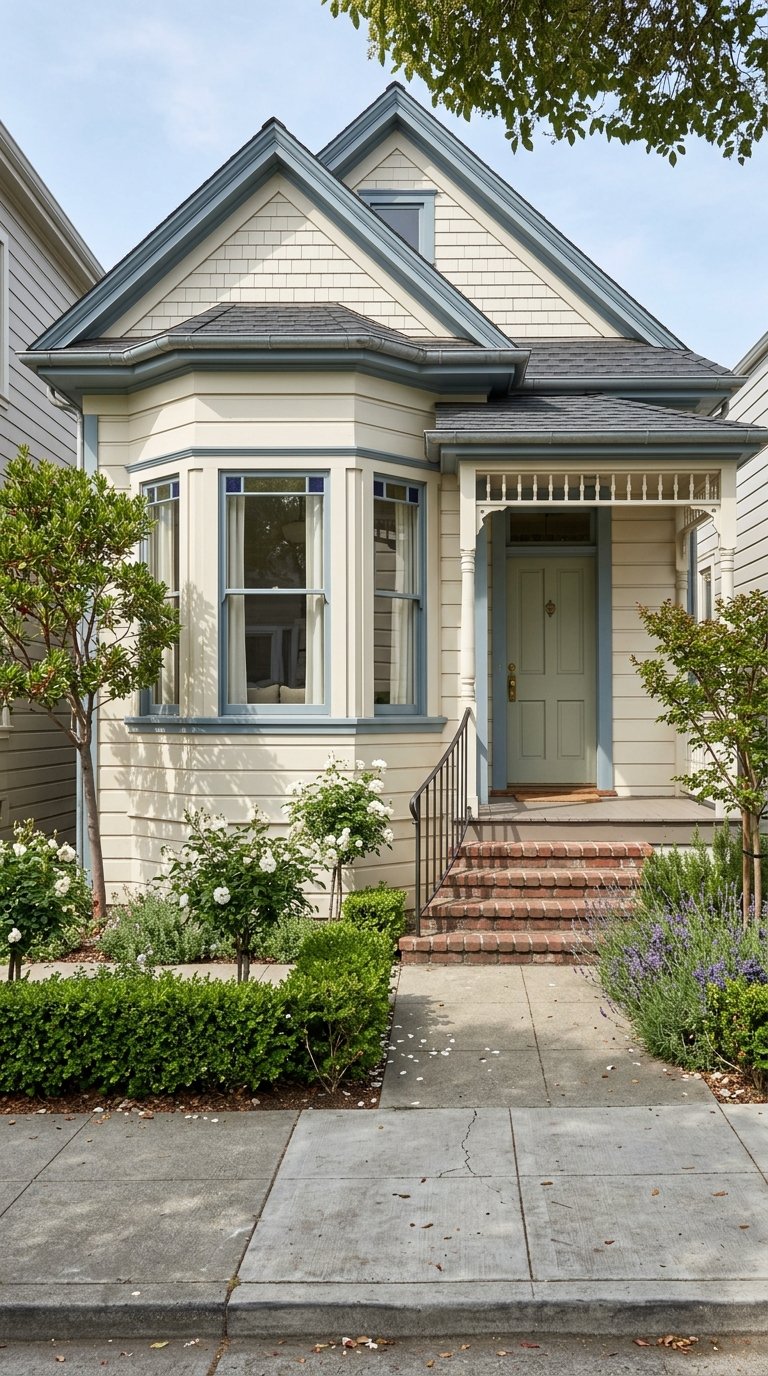
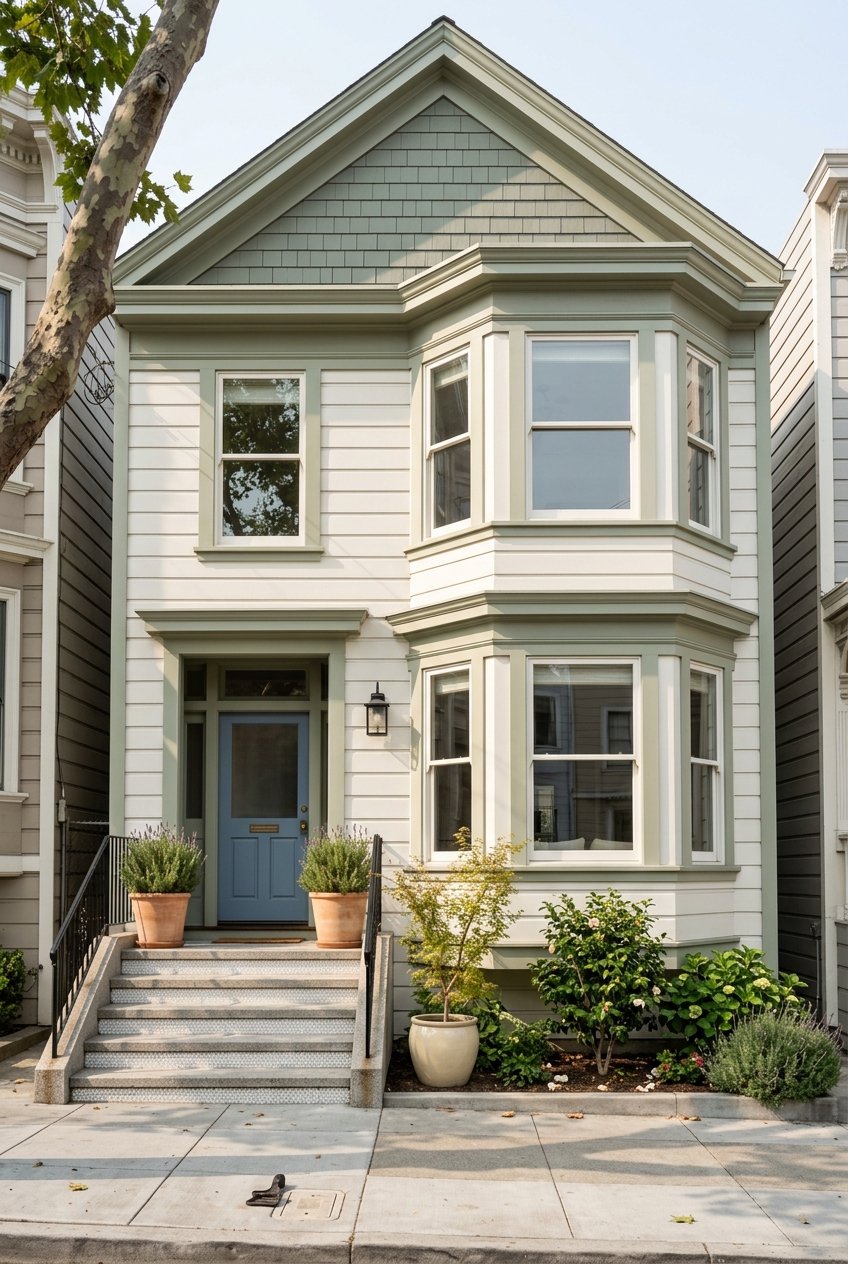
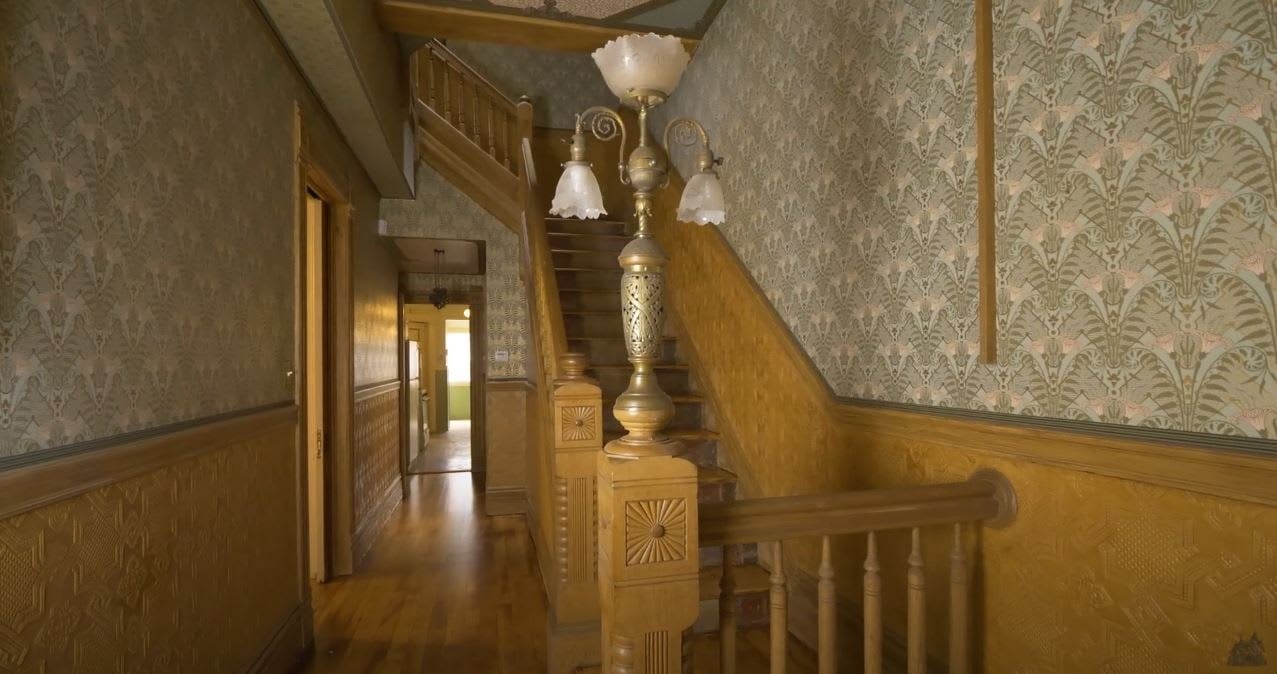
Plumbing is one of the first things I walk buyers through when we are looking at a Victorian, Edwardian, or Mediterranean home in San Francisco. The architecture is irreplaceable. The plumbing, in many cases, is not. Imagine, many early San Francisco feed and drain lines were made out of hollowed-out redwood logs!!! Knowing the difference between a manageable issue and a reason to reconsider is exactly the kind of judgment that separates a well-advised buyer from one who discovers a costly problem six months after closing. Here is what you need to know before you make an offer on a historic home.
Key Takeaways
- San Francisco's Victorian, Edwardian, and Mediterranean homes were built long before modern plumbing standards, and many still carry original or early-replacement pipe materials or outdated standards and technologies. The things we find simple or commonplace today were not standard practice or knowledge in earlier times.
- Galvanized steel and lead pipes, or lead-soldered joints, are the most common legacy materials, each with distinct failure patterns that buyers should understand.
- Sewer lateral condition is one of the most important and frequently overlooked plumbing considerations in historic home transactions. A camera run down a sewer line lets you know if a sewer lateral replacement is in your future.
- Not every plumbing issue is a dealbreaker, but knowing how much it is likely to cost helps with a rational assessment.
The Baseline: What Plumbing Looks Like in a Pre-1926 Home
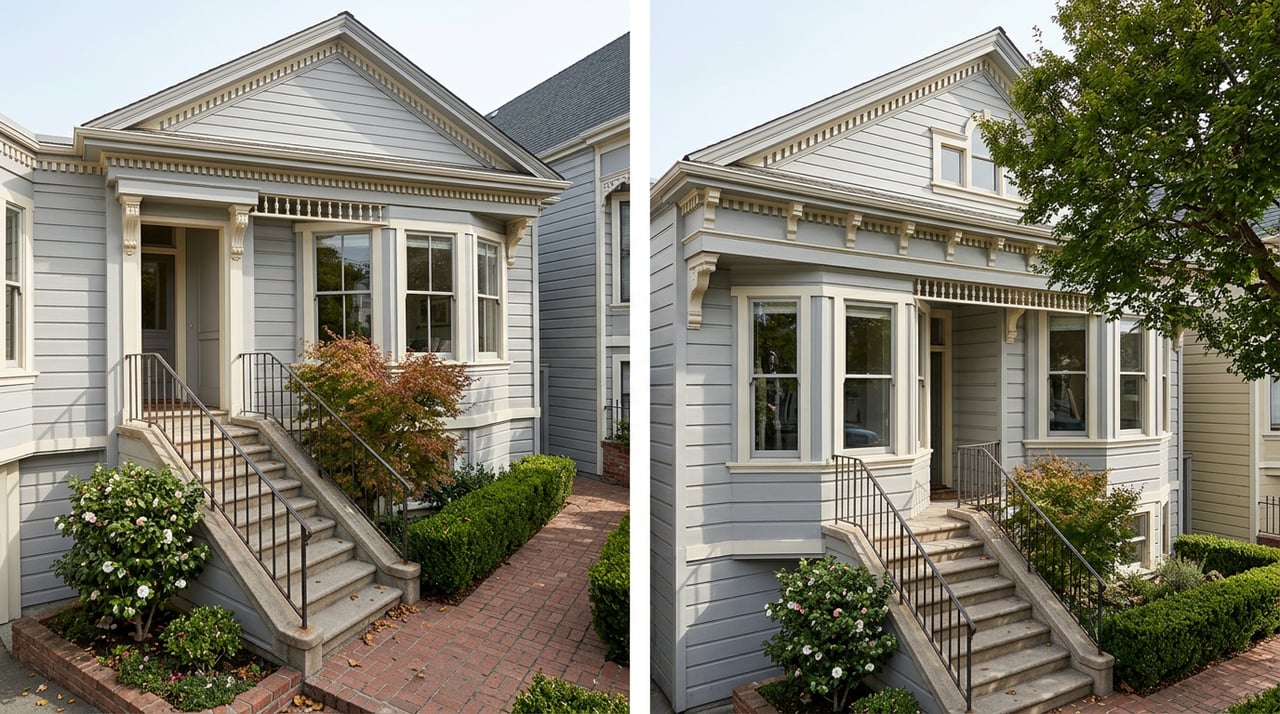
San Francisco's Victorian homes date from roughly the 1840s through 1901, when Queen Victoria died. Edwardian homes date from 1901, when Edward ascended the throne, until 1910 with Edward’s passing. Because there was a massive post-earthquake rebuilding boom during Edward’s reign, San Francisco has many Edwardians. Construction extended into the mid-1920s with Nouveau, First Bay Area Tradition, and Mediterranean styles emerging. None of these homes was built with the plumbing infrastructure we expect today. Original systems relied on lead supply pipes, galvanized-iron drains, and lacked any real concept of modern pressure or venting standards. What a buyer encounters in 2026 depends largely on how many times the plumbing has been touched, updated, or patched in the 100-plus years since.
What to look for during a pre-offer walkthrough:
- Water pressure coming into the home should be approximately 80 psi
- Water pressure at multiple fixtures simultaneously — When running a sink and flushing a toilet simultaneously, causes weak pressure, it can indicate corroded supply lines.
- Discoloration of water at the sink, toilet, or water heater, or visible stains or rust on exposed pipes in basements and crawl spaces, indicates galvanized corrosion
- Evidence of previous leaks or repairs in ceilings, around the base of walls, and under sinks
- Age of the water heater — older units in historic homes can mask broader supply system problems
Galvanized Steel Pipes: The Most Common Legacy Material
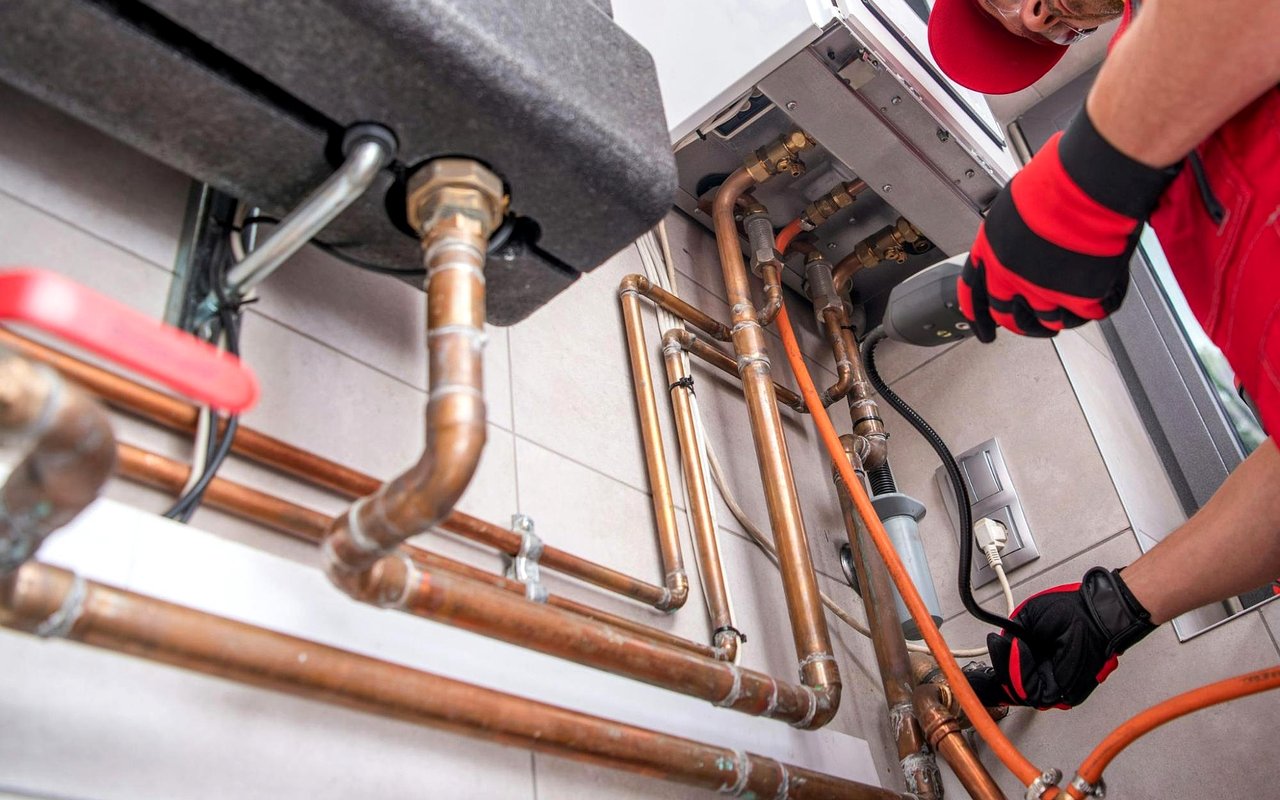
Galvanized steel pipes were the standard replacement for lead in the early to mid-20th century, and a significant portion of San Francisco's Victorian, Edwardian, and Mediterranean housing stock still has them in some form.
The problem is that galvanized steel corrodes from the inside out over time. As the zinc coating breaks down, rust and mineral deposits accumulate inside the pipe walls, eventually restricting water flow and leading to leaks at joints and fittings. Discolored water, low pressure at specific fixtures, and visible rust staining on the faucet, toilet, or sink are all signs that galvanized supply lines are nearing the end of their useful life.
The problem is that galvanized steel corrodes from the inside out over time. As the zinc coating breaks down, rust and mineral deposits accumulate inside the pipe walls, eventually restricting water flow and leading to leaks at joints and fittings. Discolored water, low pressure at specific fixtures, and visible rust staining on the faucet, toilet, or sink are all signs that galvanized supply lines are nearing the end of their useful life.
What this means for buyers:
- Full repiping in copper is the standard remedy, and in a multi-story San Francisco Victorian, that is a meaningful cost. ABS and Pex, at this writing, don’t have a total ban in San Francisco, but both materials face significant local restrictions under the San Francisco Plumbing Code.
- Partial replacement is common but creates mixed-material systems that can still have pressure and corrosion issues
- A plumbing inspection by a specialist familiar with older San Francisco homes is worth the investment before removing contingencies
Cast Iron and Clay Sewer Lines: The Drains Beneath the House
The sewer lateral — the pipe that runs from the home to the city sewer connection at the street — is one of the most consequential and least visible elements of a historic home's plumbing system. In San Francisco's older housing stock, that pipe is most often cast iron or clay, materials that have a functional lifespan of roughly 50 to 75 years under ideal conditions. In practice, soil movement, tree root intrusion, and decades of use create pipe bellies, cracks, and blockages that do not show up without a sewer line inspection.
Signs that a sewer lateral needs attention:
- Slow drains throughout the home, particularly when multiple fixtures are used simultaneously
- Gurgling sounds from drains or toilets after flushing
- Unusually green or lush patches in the yard, which can indicate a leaking sewer line below
- A disclosure package that did not include a sewer scope
A sewer scope — a camera inspection of the lateral — is something I recommend on virtually every historic home transaction I handle unless the seller states that they replaced it.. The cost is modest. The information it provides is not.
When Plumbing Is a Dealbreaker
Most plumbing issues in San Francisco's historic homes are manageable with the right contractor and the right budget. What turns a plumbing finding into a dealbreaker is typically one of three things: the scope of work required relative to the purchase price, the presence of issues that affect the home's livability before repairs can be completed, or evidence of long-term concealed leaks that have caused structural or moisture damage to original fabric of the building.
Situations that warrant serious reconsideration:
- A failed sewer scope showing a fully collapsed or offset lateral that requires street-to-foundation replacement. Often the owner will credit for this work or do the work prior to close of escrow.
- Evidence of active moisture damage to original lath and plaster walls or structural framing tied to plumbing leaks
- A water heater or boiler connected to an unidentified mix of original and replacement materials with no clear documentation of prior work
- Any indication that unpermitted plumbing work has been done in a way that creates code compliance issues at resale
FAQs
Do San Francisco Victorian homes still have lead pipes?
Some do, particularly in older pre-1906 homes where original supply lines were never fully replaced. Lead pipes are more likely to appear in sections of the system that were not touched during later updates. A thorough plumbing inspection by a specialist should identify any remaining lead supply lines.
How much does it cost to repipe a Victorian home in San Francisco?
Full repiping costs vary significantly based on the size of the home, number of units, and accessibility of the pipe runs. In a multi-story San Francisco Victorian, a full copper (or PEX if approved) repipe can range from $15,000 to $40,000 or more. Getting a specific estimate from a plumber experienced with historic homes before removing contingencies is essential.
Is a sewer scope always necessary on a historic home?
Standard home inspections do not include sewer lateral inspection, and the lateral is precisely the element most likely to have reached the end of its useful life in a home built before 1926. The cost of the scope is negligible relative to the cost of a failed lateral. If the seller states they have replaced the sewer lateral, have permits or receipts, it could be forgone.
Buy Your San Francisco Historic Home With Confidence
Plumbing is one of many systems I evaluate with buyers before they commit to a historic home in San Francisco. I have spent more than 30 years specializing in Victorian, Mediterranean, and Edwardian properties, and I know which findings are routine, which are negotiating points, and which are genuine reasons to reconsider. That knowledge changes the outcome of transactions in ways that matter financially and practically.
Reach out to me to learn more about how I guide buyers through the due diligence process on San Francisco's historic homes.
Reach out to me to learn more about how I guide buyers through the due diligence process on San Francisco's historic homes.