California Real Estate Compliance Advisory
California Historic Home Lead Paint & Asbestos Disclosures: 2026 Guide
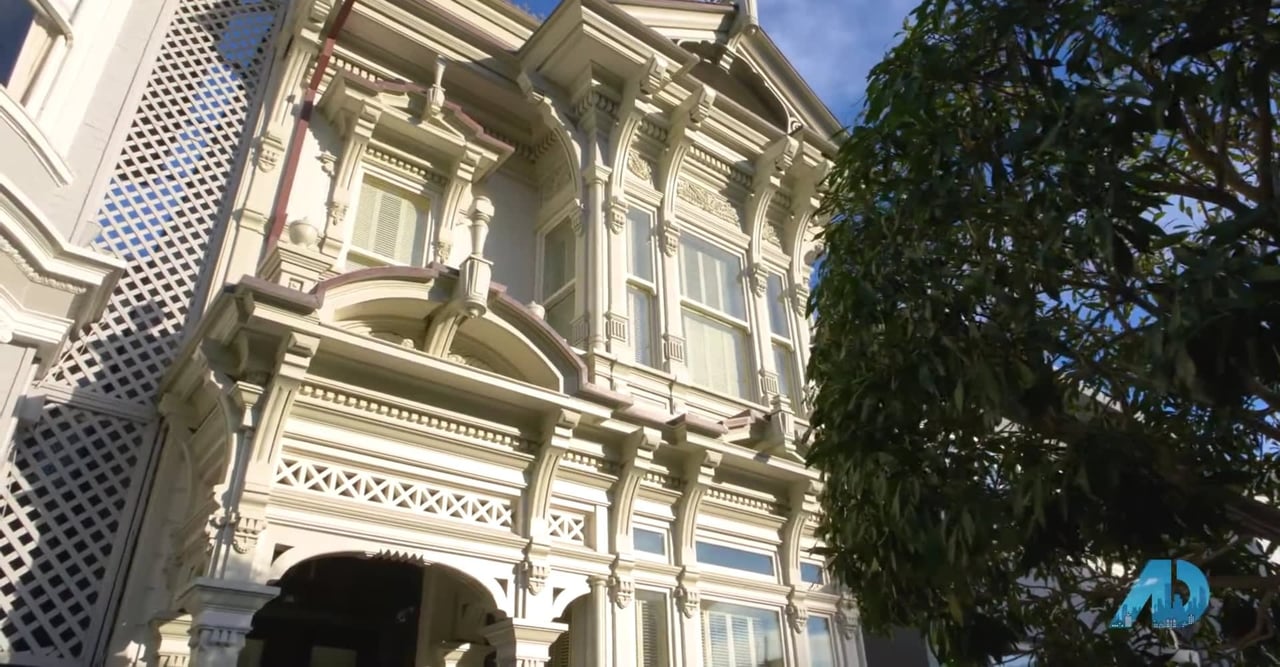
Federal Title X requires sellers of pre-1978 California homes to disclose known lead paint hazards and grant a 10-day inspection window. California law mandates disclosure of known asbestos, though neither law requires mandatory pre-sale testing. In San Francisco Victorians and Edwardians, lead paint lives in original trim and window sashes, while asbestos was introduced during mid-century renovations.
Lead Paint & Asbestos Disclosure Regulatory Matrix
Compliance Factor | Lead-Based Paint Disclosures | Asbestos Material Disclosures |
|---|---|---|
Primary Regulation | Federal Title X (Residential Lead-Based Paint Hazard Reduction Act of 1992) | California Civil Code Section 1102 (Transfer Disclosure Statement) |
Mandatory Pre-Sale Testing | No. Sellers must disclose known hazards only | No. Sellers must disclose known materials only |
Buyer Contingency Window | 10-day statutory window (can be modified by mutual contract agreement) | Standard purchase contract inspection contingency period (typically 7 to 17 days) |
Common SF Historic Locations | Original window sashes, door frames, baseboards, exterior clapboard siding, plaster walls | Basement boiler pipe insulation, 9-inch vinyl floor tiles, black mastic, textured ceiling coatings |
Primary Exposure Trigger | Friction on windows and doors, sanding, scraping, or uncontained renovation | Friable or crumbling insulation, power sanding tile, cutting acoustic ceiling spray |
Remediation Protocol | Lead-safe containment, encapsulation, or certified window replacement | Professional encapsulation or licensed asbestos abatement contractor removal |
Data derived from EPA Title X mandates, California Civil Code Section 1102 disclosures, and San Francisco Department of Public Health guidelines.
Victorian Specialist Advisory
Navigating Historic Disclosures in San Francisco?
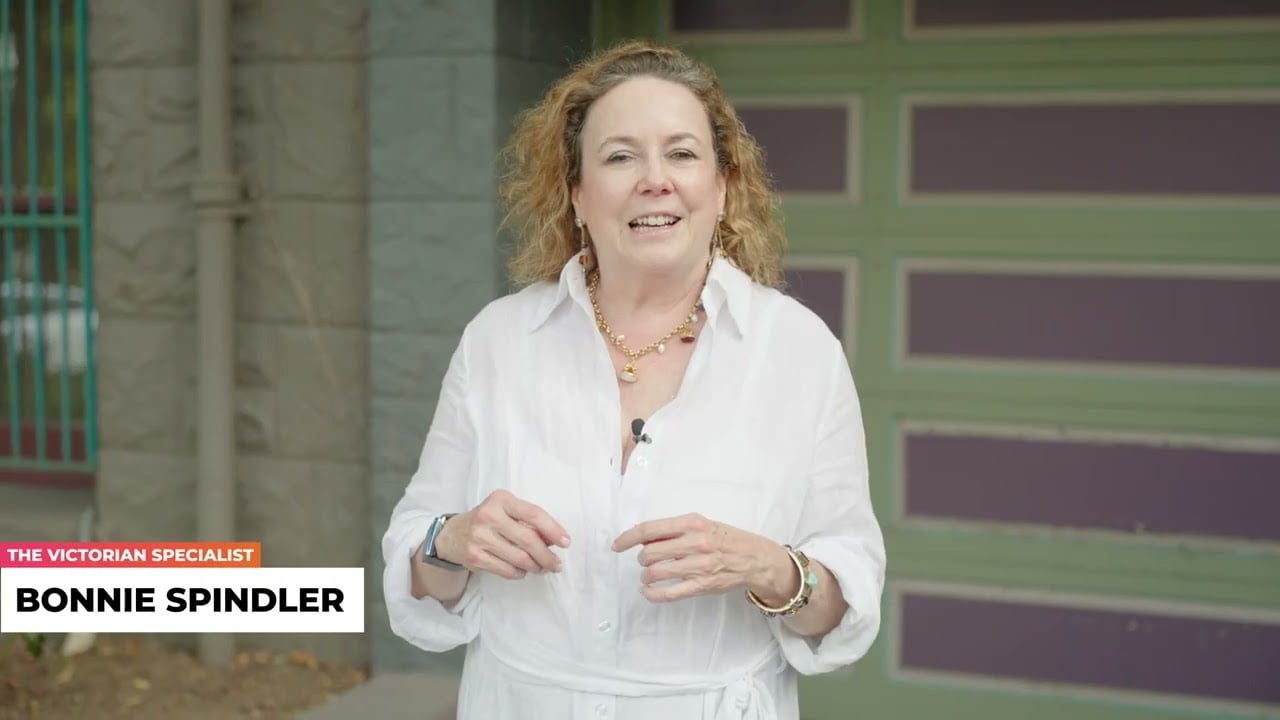
Buying a pre-1926 home requires differentiating legal boilerplate from structural risk. Bonnie Spindler connects clients with certified environmental inspectors and negotiates repair credits before contingency removal.
The Legal Framework: Title X Lead-Based Paint Disclosures
The Residential Lead-Based Paint Hazard Reduction Act of 1992, commonly known as Title X, mandates that sellers of residential properties constructed before 1978 disclose known lead-based paint hazards prior to completing a transaction. Because virtually every Victorian and Edwardian home in San Francisco predates 1926, Title X applies universally across the city's historic housing stock.
Under Federal law, sellers must provide buyers with the EPA pamphlet "Protect Your Family from Lead in Your Home," disclose known lead hazards, and grant a 10-day inspection period for buyers to conduct independent lead risk assessments. While this 10-day window can be modified by mutual contract agreement, it cannot be unilaterally eliminated by the seller.
Key Lead Disclosure Requirements:
- Sellers must disclose actual known hazards. They are not legally obligated to perform pre-sale testing.
- A seller disclosure stating "no known hazards" satisfies legal requirements if no prior testing records exist.
- The statutory 10-day inspection period provides buyers time to hire California-certified lead inspectors.
- State standards require certified assessors for any formal lead inspection or risk audit in California.
Lead Paint Realities in San Francisco Victorian & Edwardian Homes
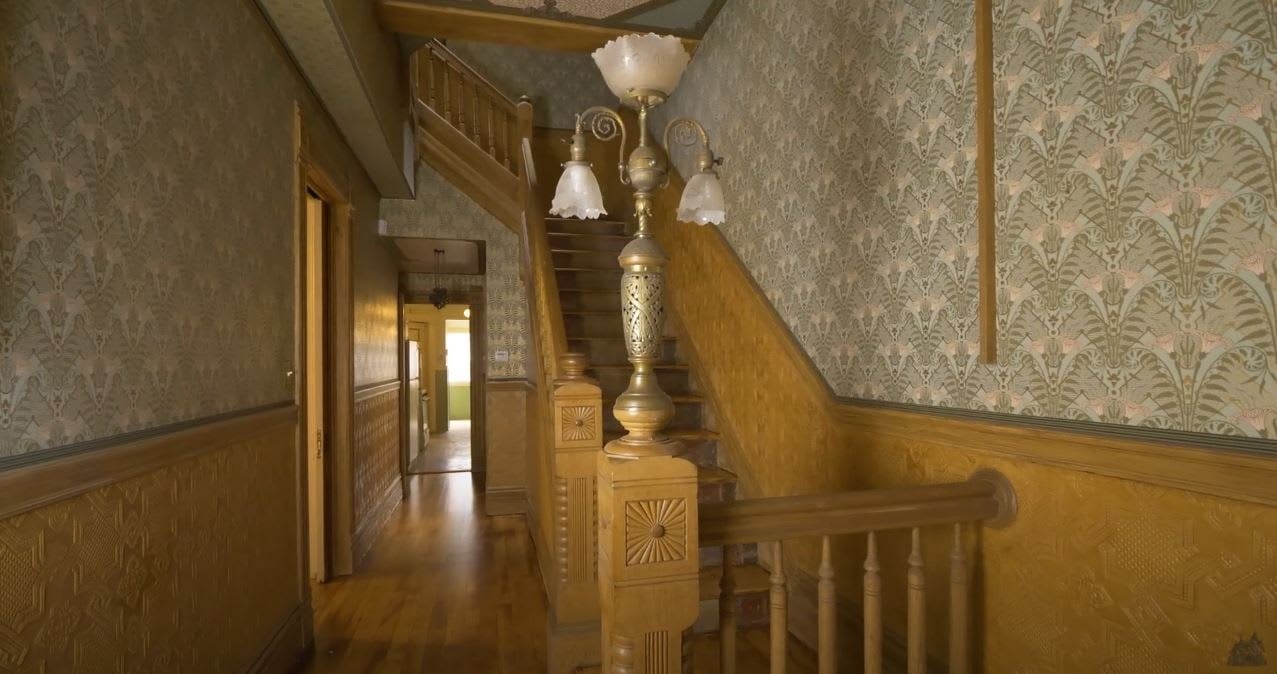
Nearly every pre-1978 residential structure in San Francisco contains lead paint across interior or exterior surfaces. In Victorian and Edwardian homes, multiple paint layers accumulated over decades on original wood millwork, window sashes, clapboard siding, and interior plaster walls.
Intact, undisturbed lead paint poses minimal risk during normal daily occupancy. Elevated risk occurs when painted surfaces are disturbed through power sanding, scraping, uncontained renovation, or mechanical friction along window sills and door frames.
California Asbestos Disclosures & 20th-Century Renovation Risks
California Civil Code Section 1102 requires sellers to disclose known asbestos-containing materials on the Transfer Disclosure Statement (TDS). Unlike Federal lead mandates, there is no mandatory testing requirement for asbestos prior to property transfer. An absence of asbestos disclosures indicates the seller lacks personal knowledge of asbestos, which frequently means no testing was conducted.
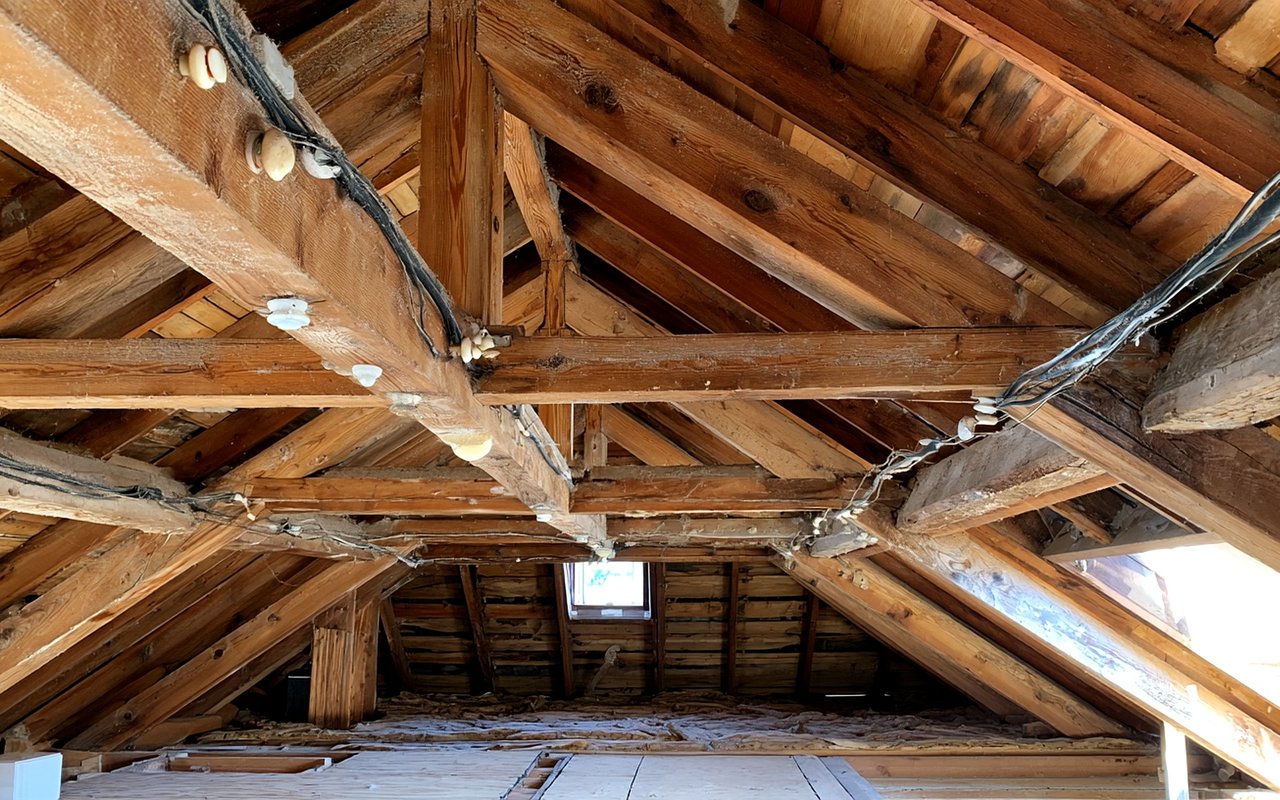
Victorian homes were not originally built with asbestos. Industrial use of asbestos in building products peaked between the 1920s and late 1980s. Consequently, original 19th-century construction is rarely the source of asbestos hazards. Asbestos was introduced into historic homes during mid-20th-century updates, including heating pipe insulation, vinyl floor tiles, acoustic ceiling spray, and energy retrofits.
Practical Inspection Contingency Steps for Historic Home Buyers
Navigating hazardous material disclosures during the purchase contingency window requires strategic action:
Buyer Due Diligence Checklist:
- Review the seller's Transfer Disclosure Statement (TDS) and lead disclosure forms for missing details.
- Commission a certified lead paint inspection if major interior or exterior remodeling is planned.
- Hire a licensed asbestos consultant to sample suspect basement pipe insulation or textured ceilings.
- Factor remediation estimates into contract negotiations to request seller price credits prior to contingency removal.
Frequently Asked Questions About Lead & Asbestos Disclosures
Do I have to test for lead paint before buying a historic home in California?
No. Testing is a buyer option during the contingency window, not a legal requirement. Federal Title X requires sellers to disclose known hazards, but does not mandate pre-sale testing. Buyers desiring certainty should hire a California-certified lead inspector during the inspection window.
Is asbestos always dangerous in a San Francisco historic home?
Not necessarily. Undisturbed, non-friable asbestos materials in good condition present minimal health risk. Health hazards occur when materials become damaged, crumbling, or disturbed during renovation. Certified inspectors can advise whether encapsulation or professional removal is required.
Can I negotiate price reductions or seller credits if lead or asbestos is found?
Yes. Inspection findings frequently serve as grounds to negotiate purchase price adjustments, repair credits, or seller-funded remediation before closing. Partnering with a specialized Victorian agent ensures technical findings are effectively leveraged during contract negotiations.
What is the 10-day lead inspection contingency window in California?
Federal Title X establishes a default 10-day period allowing buyers of pre-1978 properties to conduct lead inspections. This timeline can be extended or modified by mutual contract agreement between buyer and seller.
Explore Related San Francisco Historic Real Estate Guides
Partner With The Victorian Specialist
Navigate Historic Disclosures With Confidence
With over 30 years specializing in San Francisco historic architecture, Bonnie Spindler guides buyers through environmental disclosures, certified inspections, and pre-closing price negotiations.