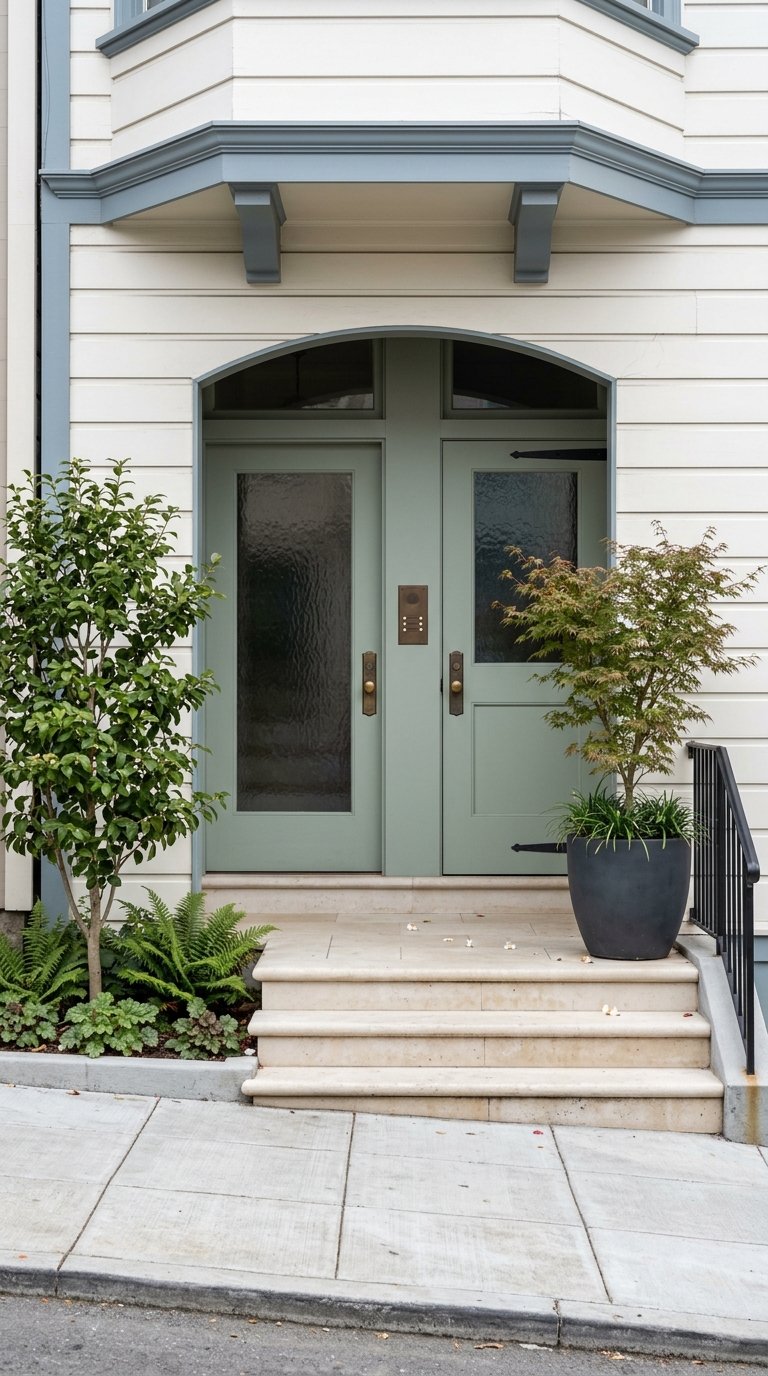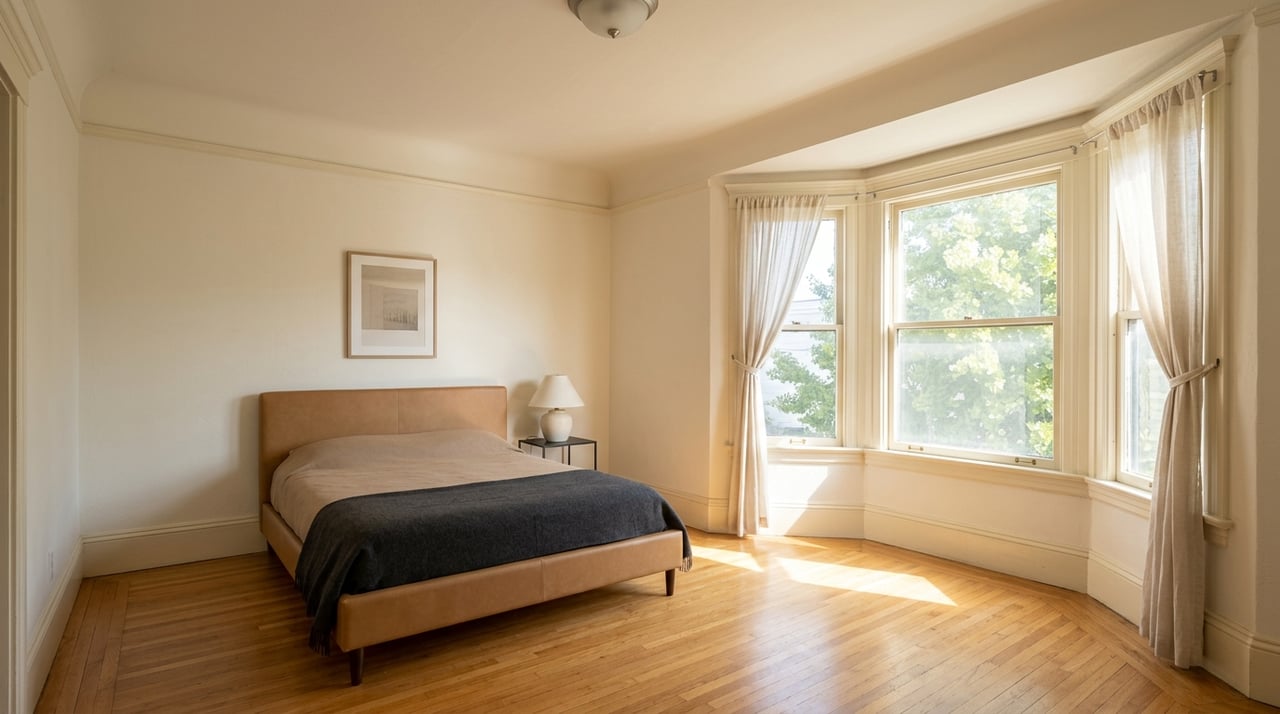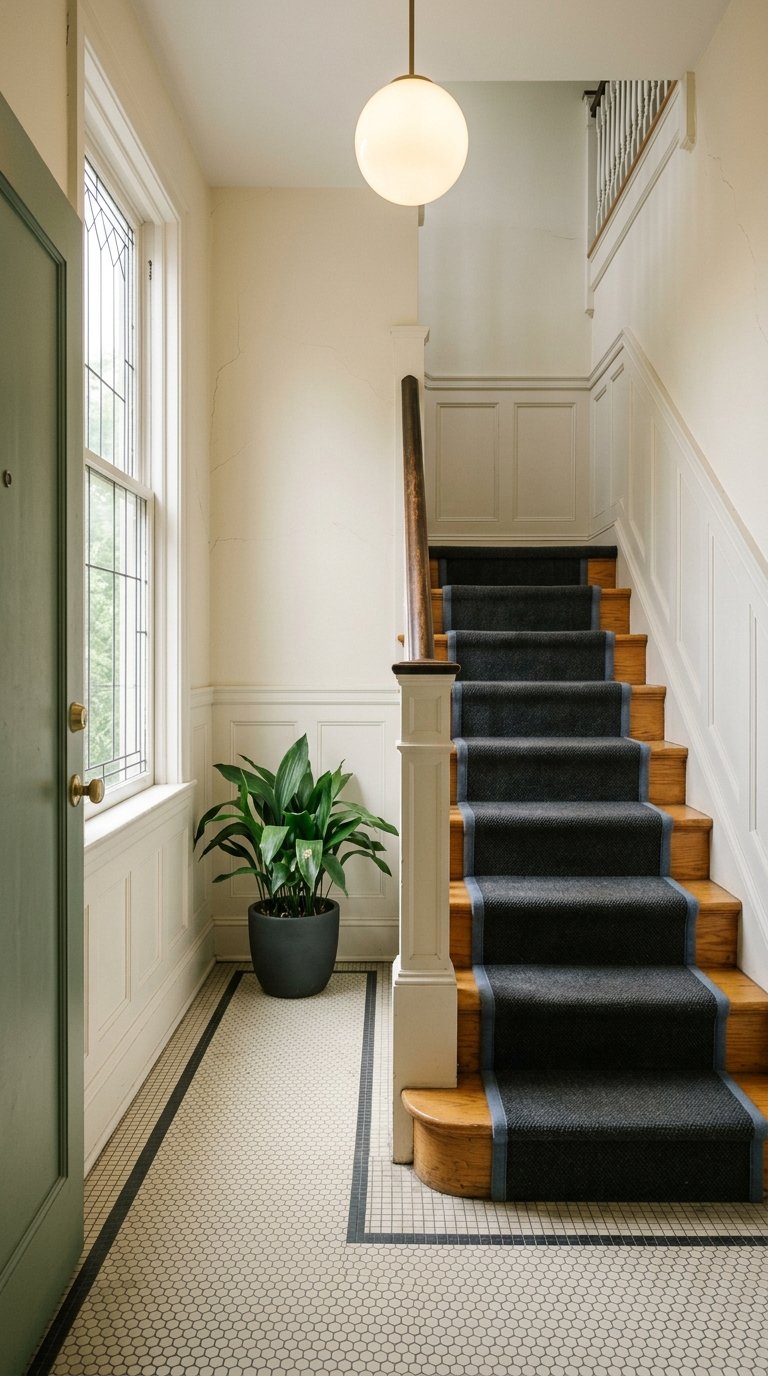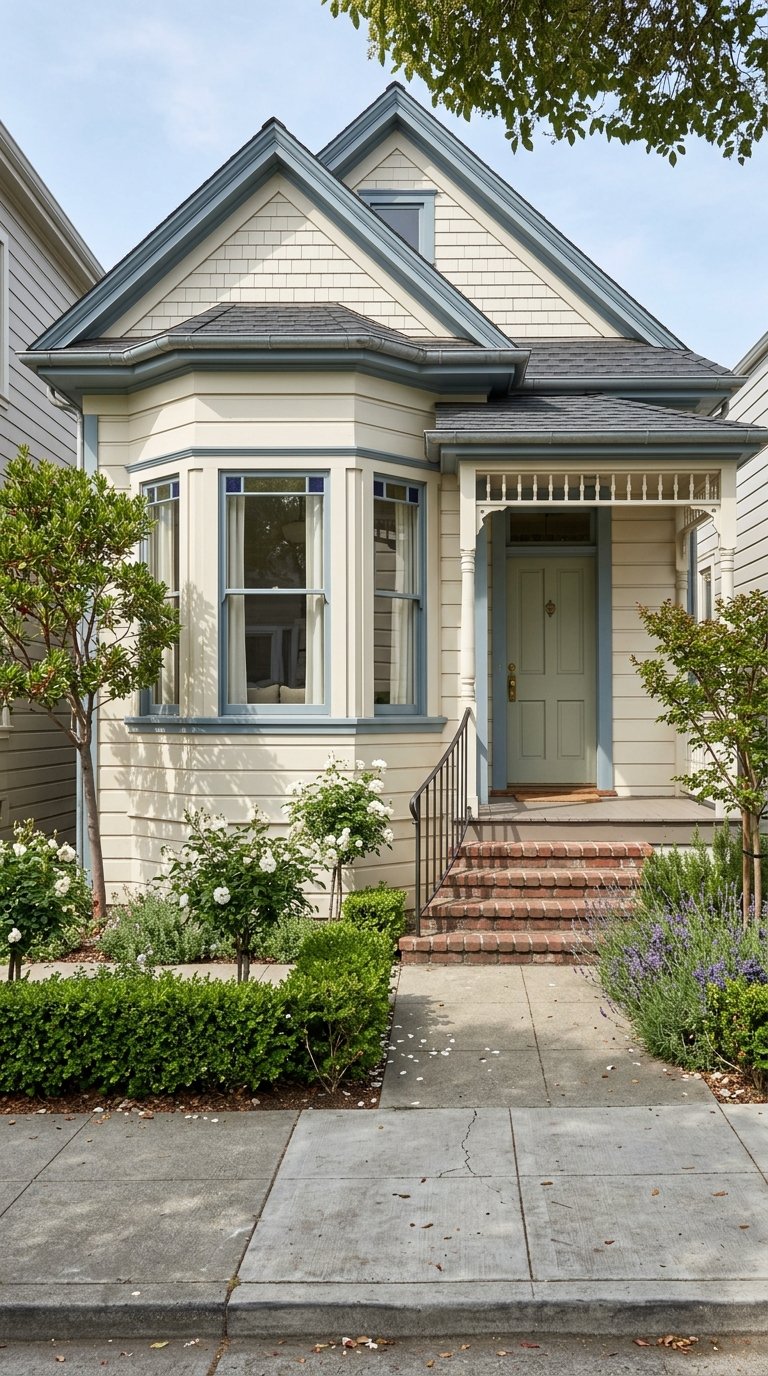
Wondering if that dreamy Alamo Square Victorian is a smart buy or a beautiful headache? If you are drawn to carved trim, bay windows, and the kind of character newer homes rarely offer, you are not alone. But in this part of San Francisco, charm and complexity usually come together, so it helps to know what you are really buying before you fall in love. Let’s dive in.
Alamo Square means more than the Painted Ladies
Alamo Square is one of San Francisco’s Article 10 historic districts, generally bounded by Golden Gate Avenue, Divisadero Street, Webster Street, and Fell Street. The district covers 16 blocks and 281 parcels, and it includes far more than the postcard-famous row on Steiner Street. If you are shopping here, you are looking at a neighborhood shaped by layers of Victorian- and Edwardian-era buildings, not one uniform housing type.
That matters because buyers often expect every beautiful facade to come with the same kind of interior. In reality, two homes on the same block can look similar from the sidewalk and function very differently inside. In Alamo Square, understanding the building type is just as important as loving the curb appeal.
Know the style before you buy
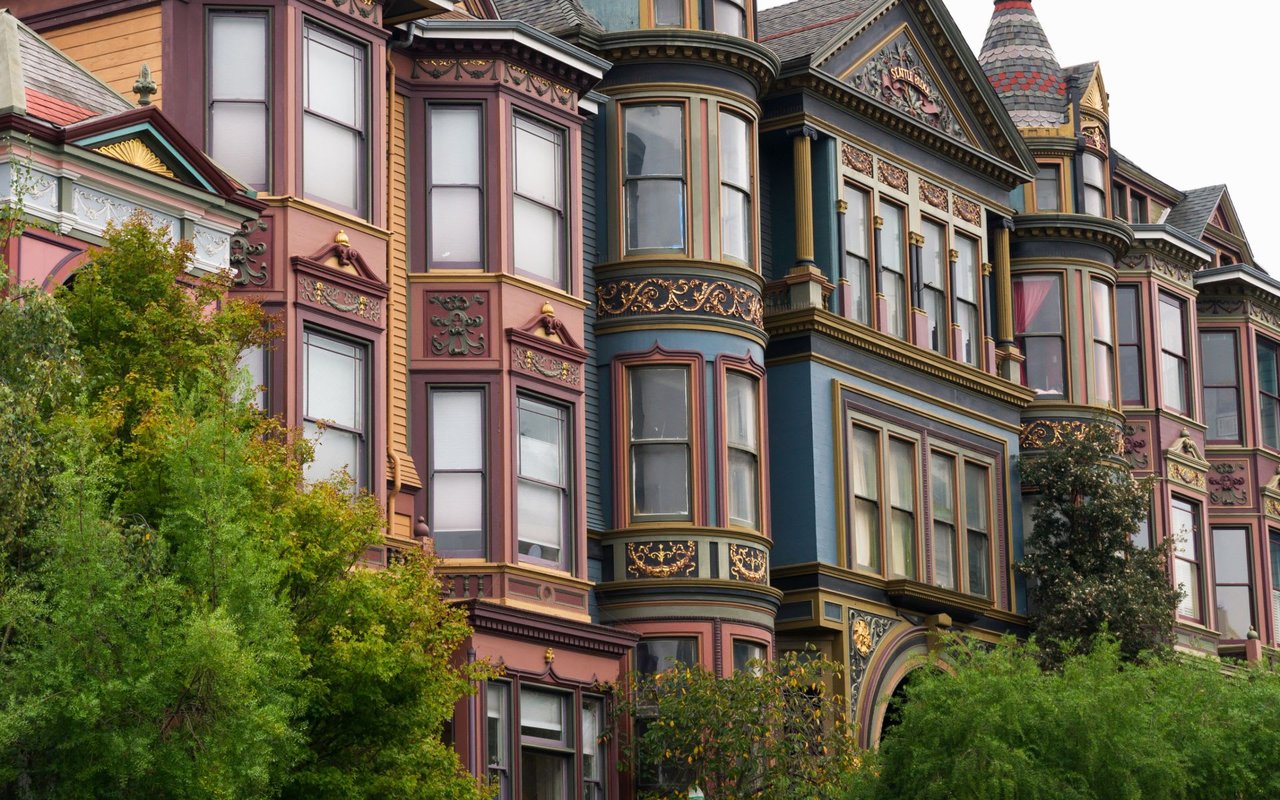
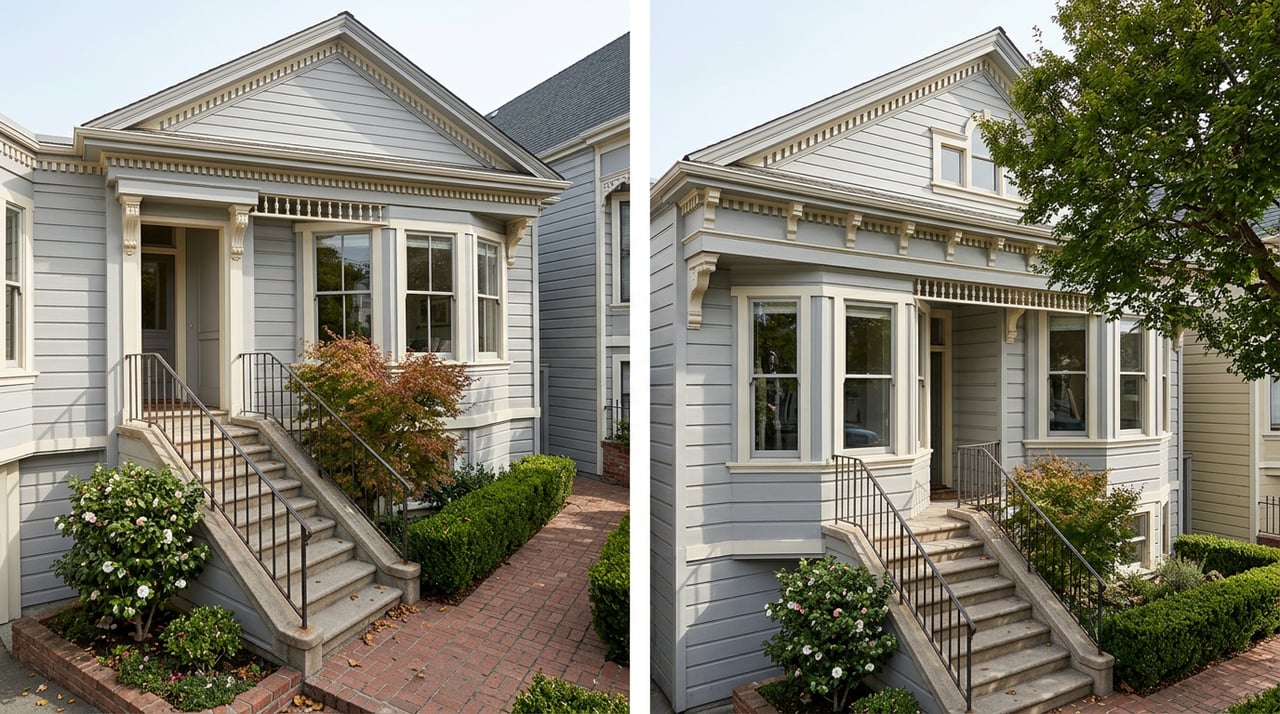
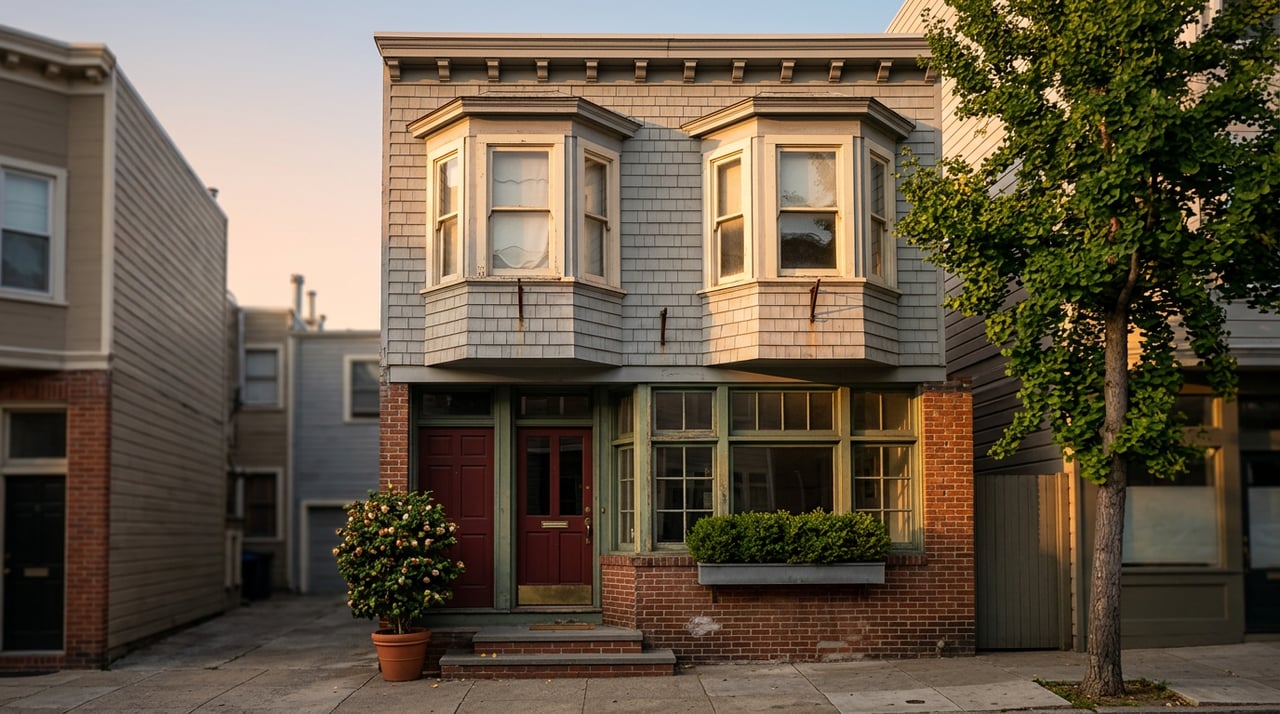
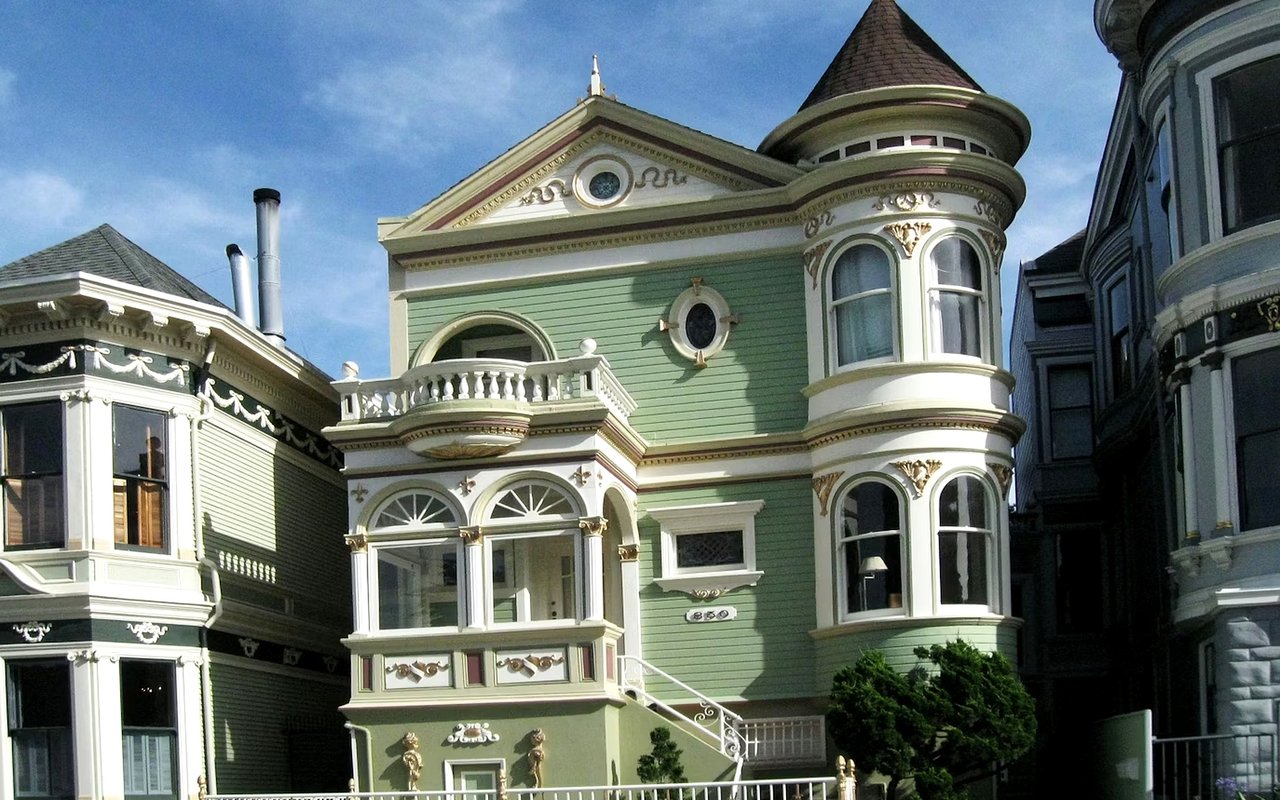
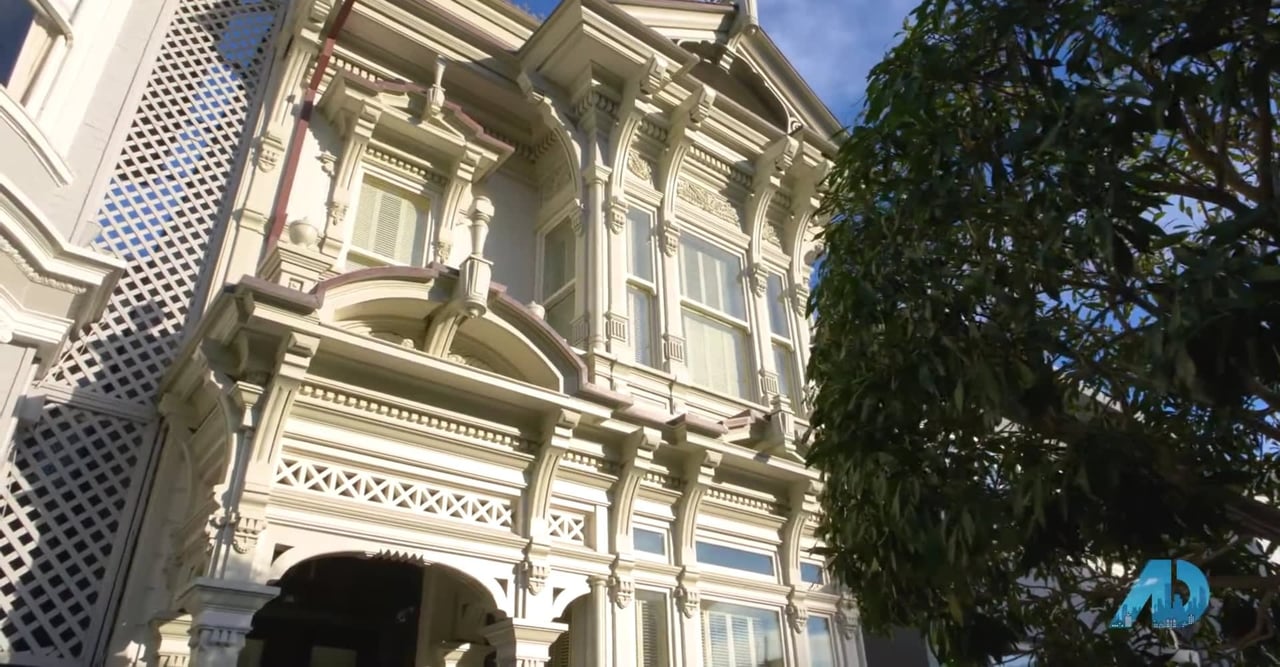
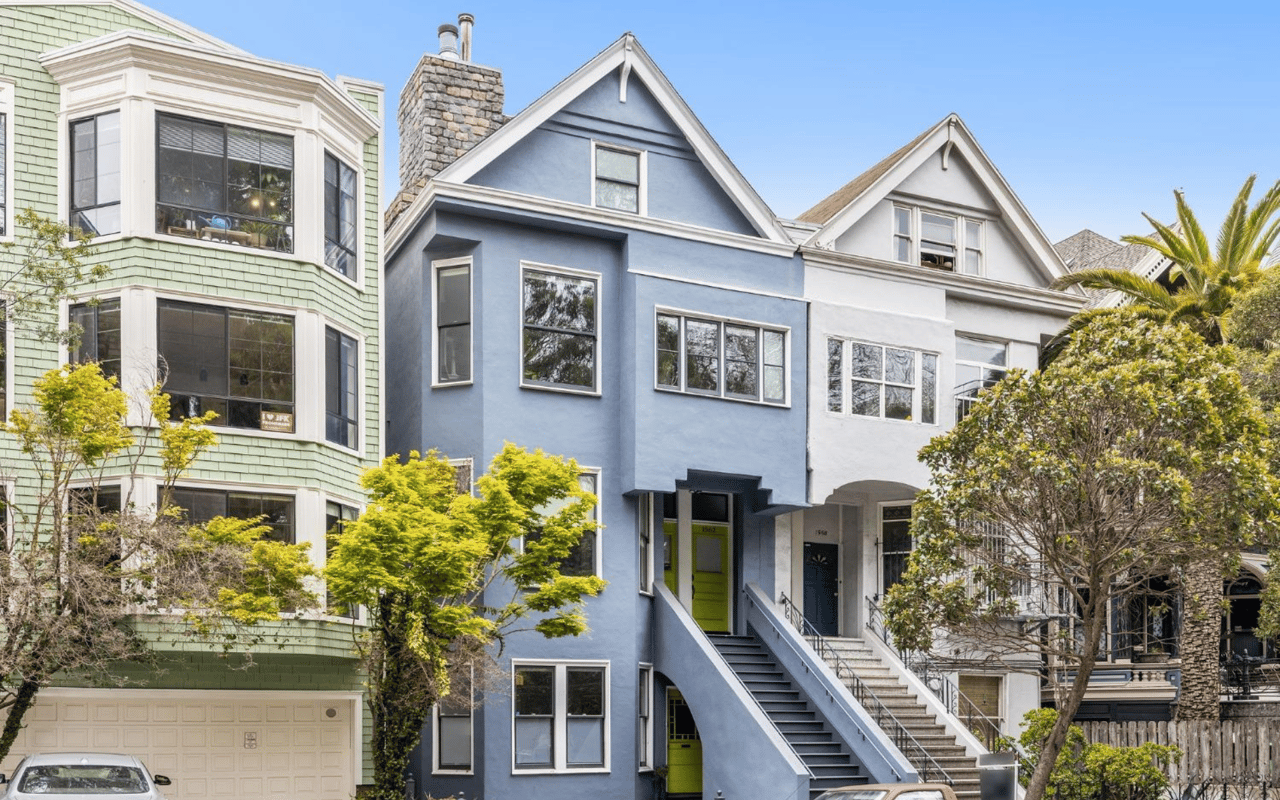
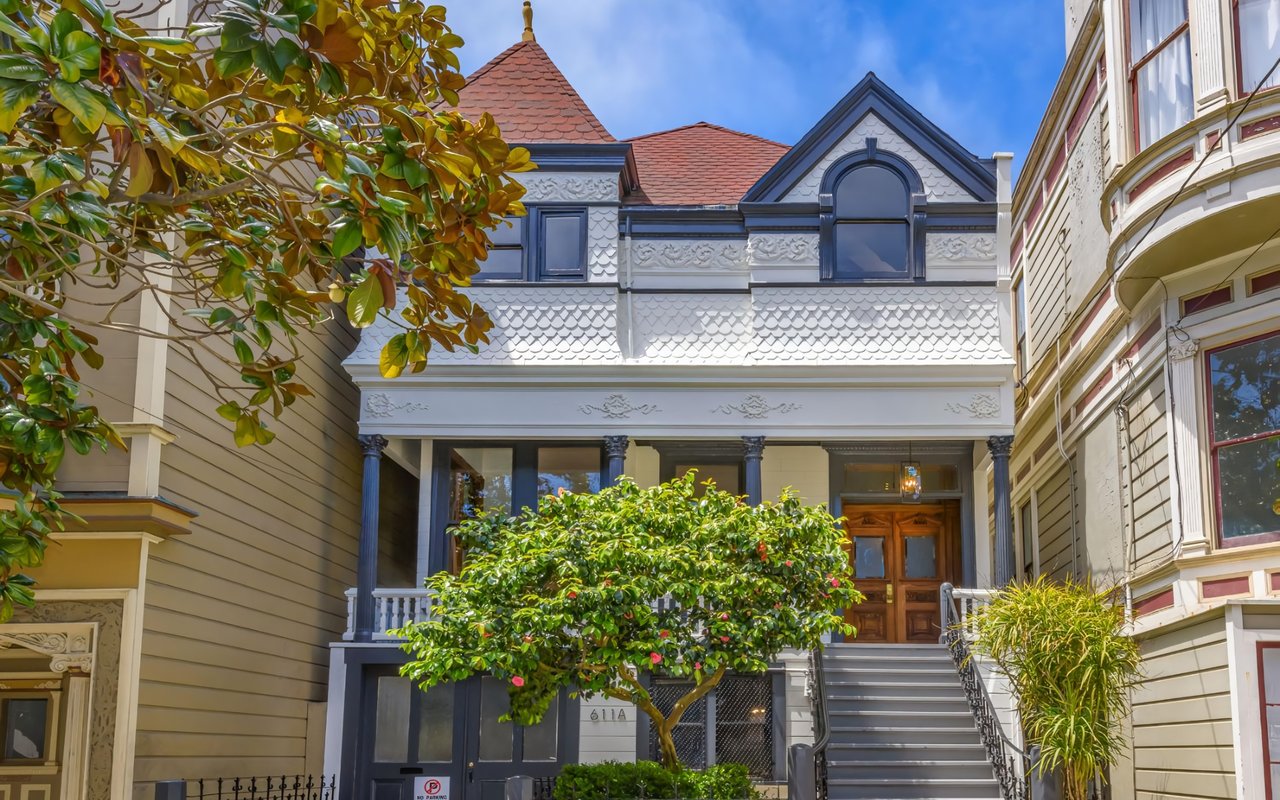
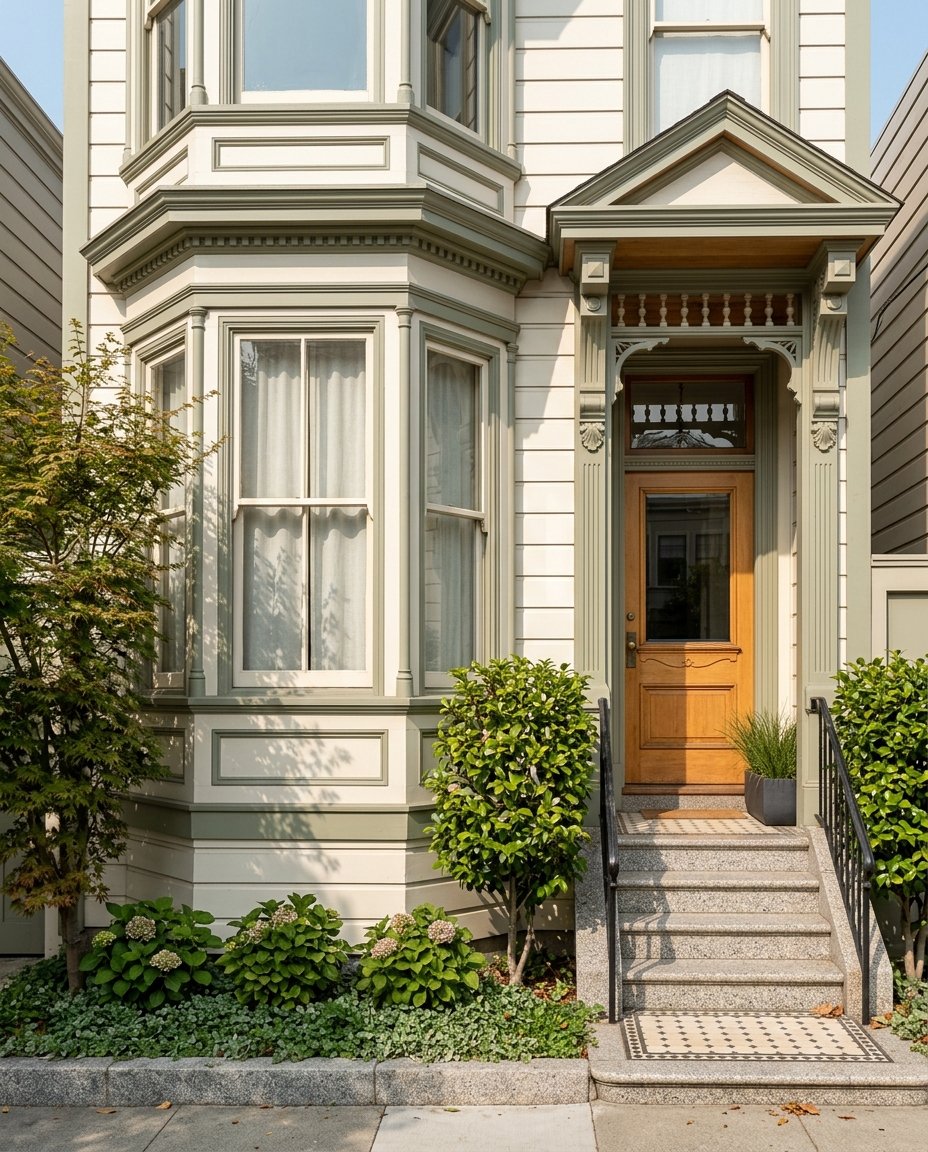
San Francisco planning materials make it easier to read what you are seeing. Victorian-era buildings often have asymmetrical facades, steep roofs, and more elaborate ornament. Edwardian buildings are usually later and more restrained, and in San Francisco they are often associated with flats or multi-unit buildings.
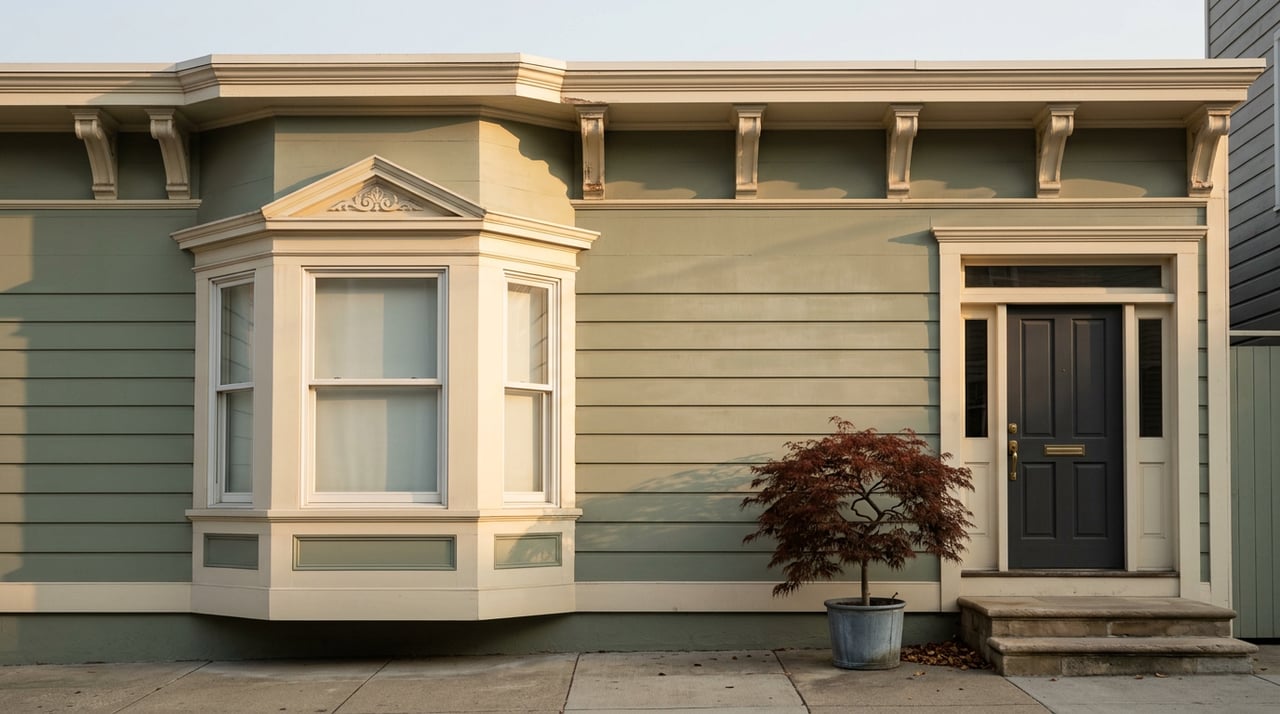
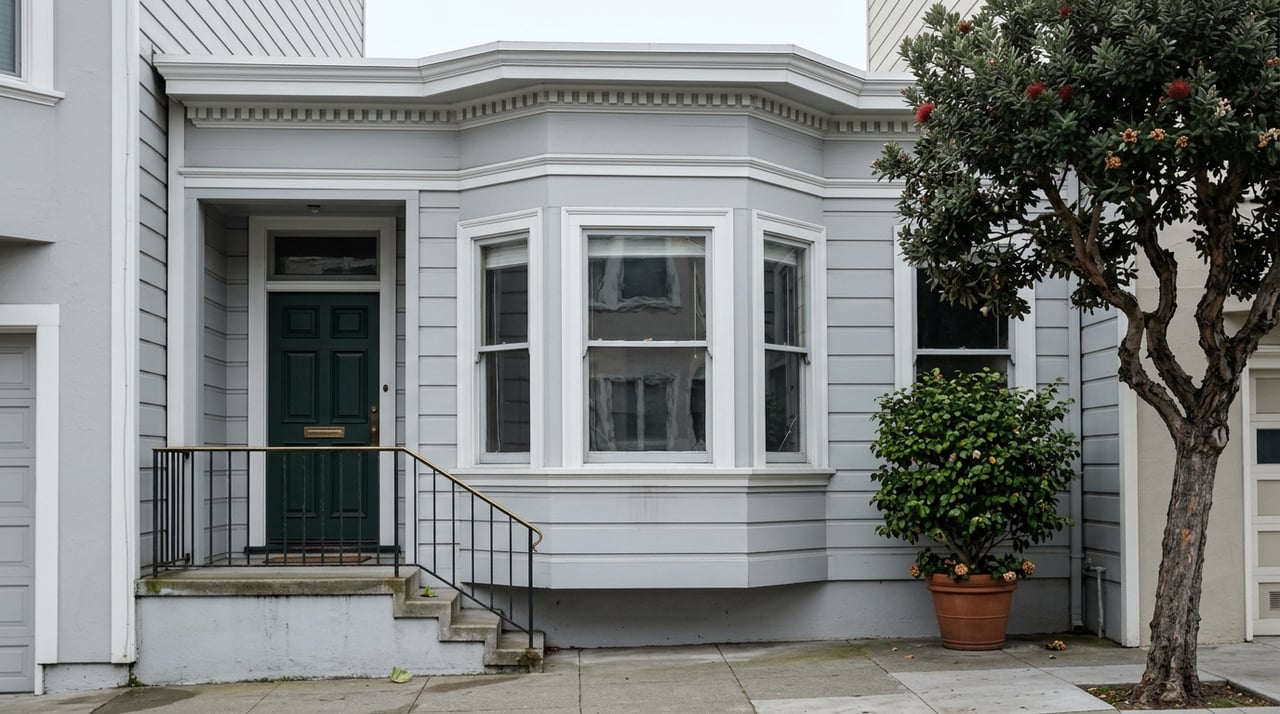
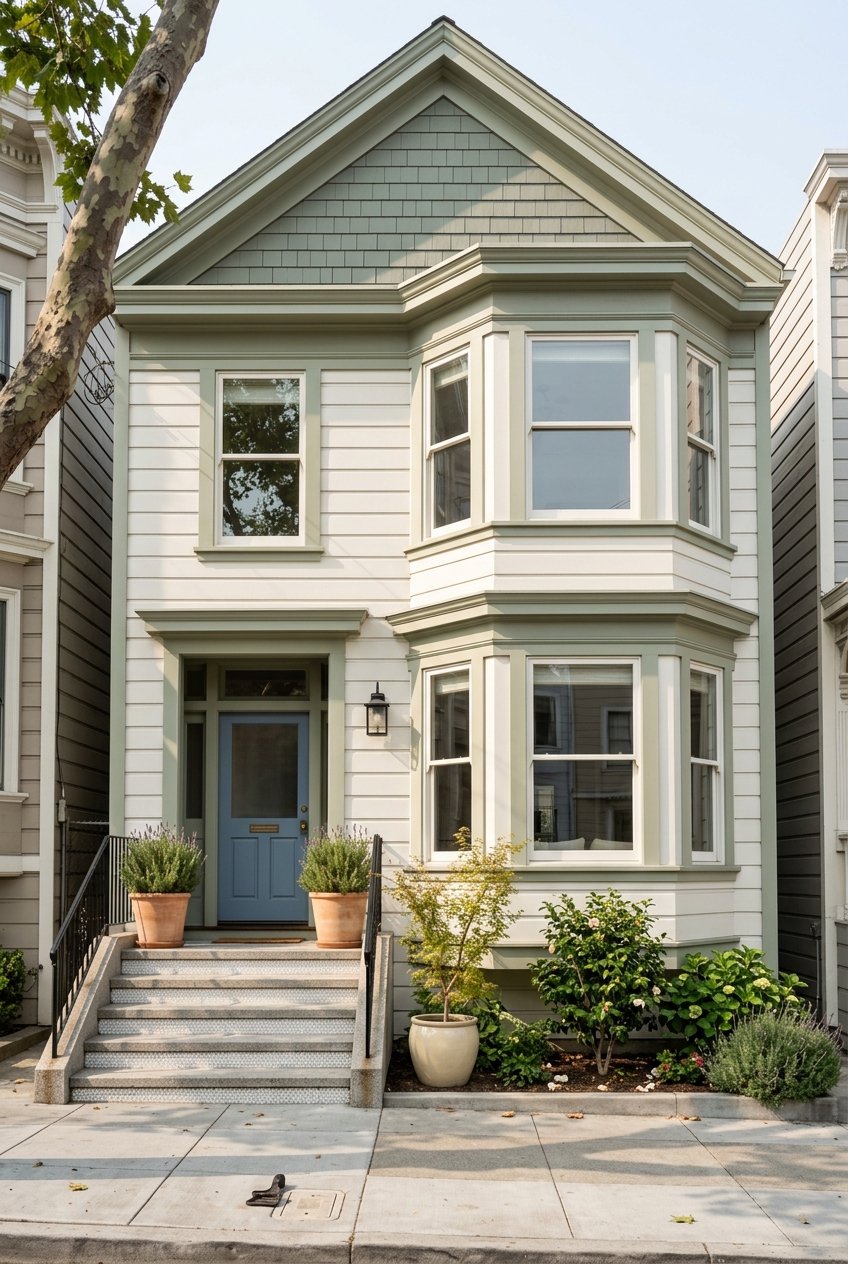
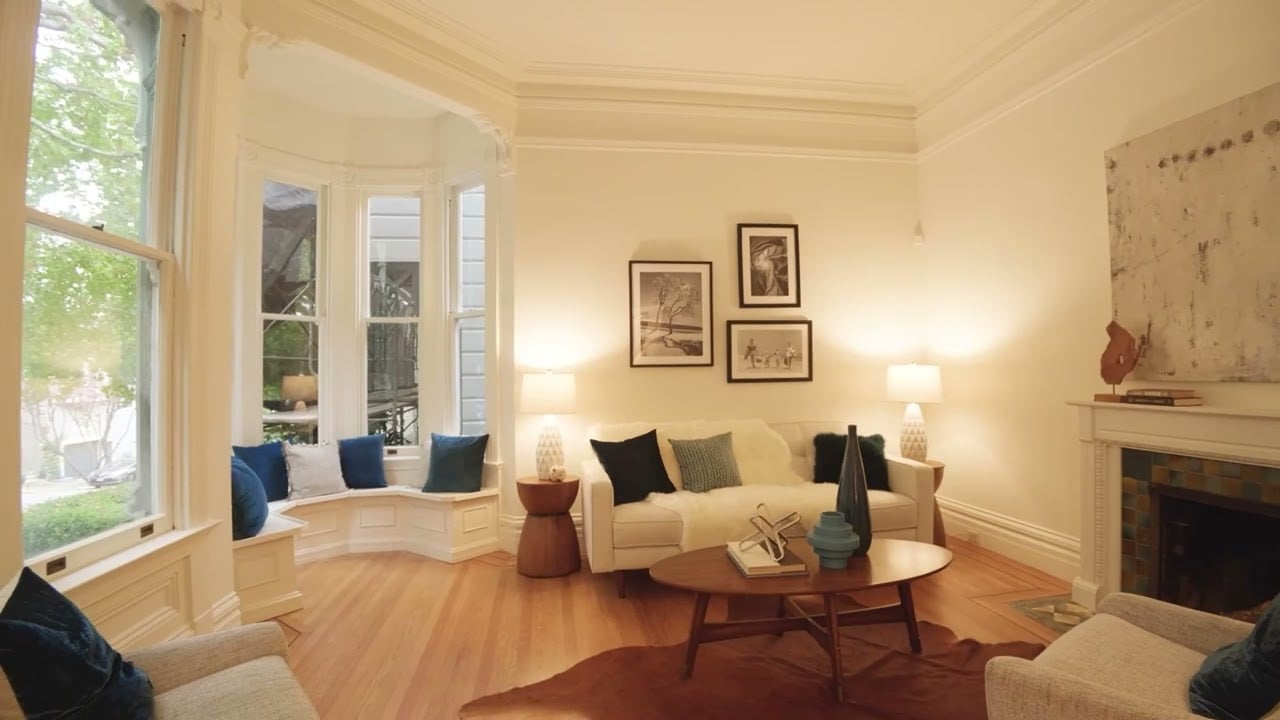
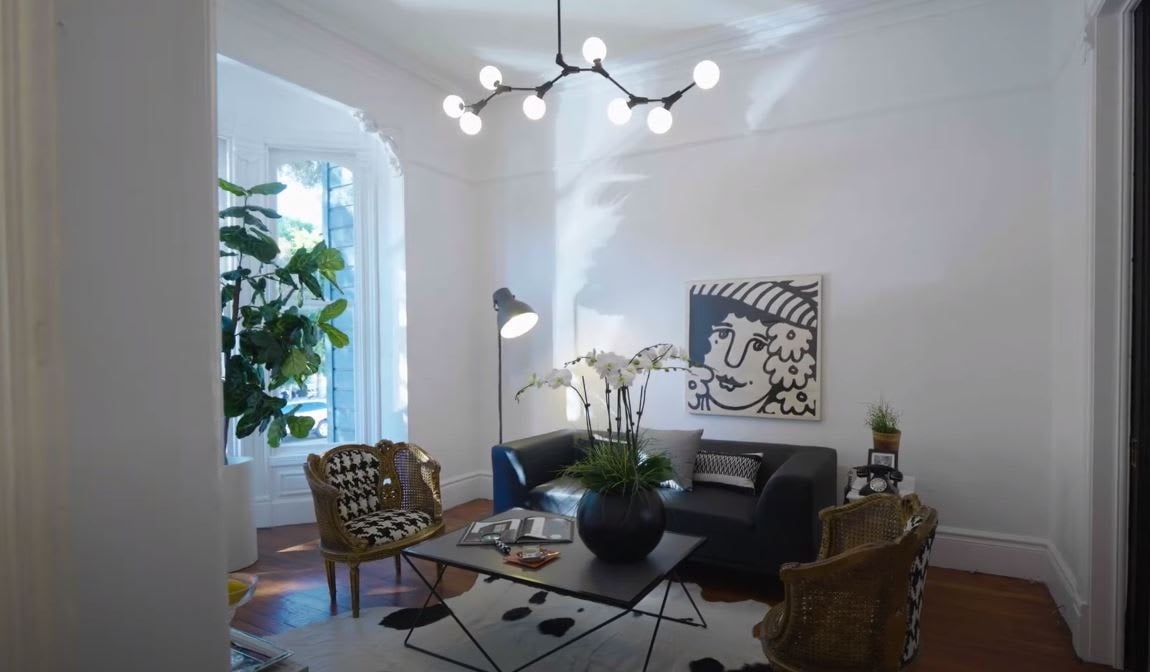
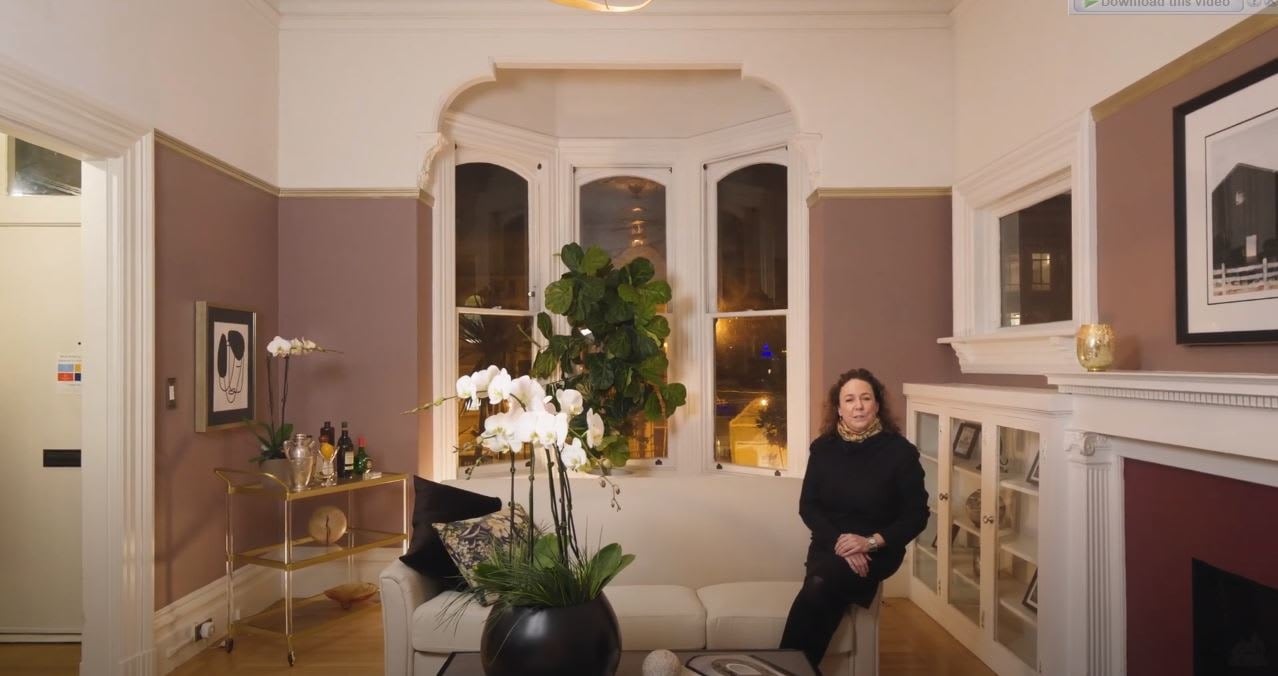
One of the best clues is the bay window. In Alamo Square, Italianate buildings often have angled bays, Stick or Eastlake buildings tend to have stronger rectangular bays, Queen Anne homes often show curved or asymmetrical bays, and Classical Revival or Edwardian buildings may have varied bay shapes with more classical detailing.
Why does this matter to you as a buyer? Because exterior style can hint at the era, layout, and likely renovation history of the property. It will not tell you everything, but it can help you ask better questions early.
Expect layouts that break modern rules
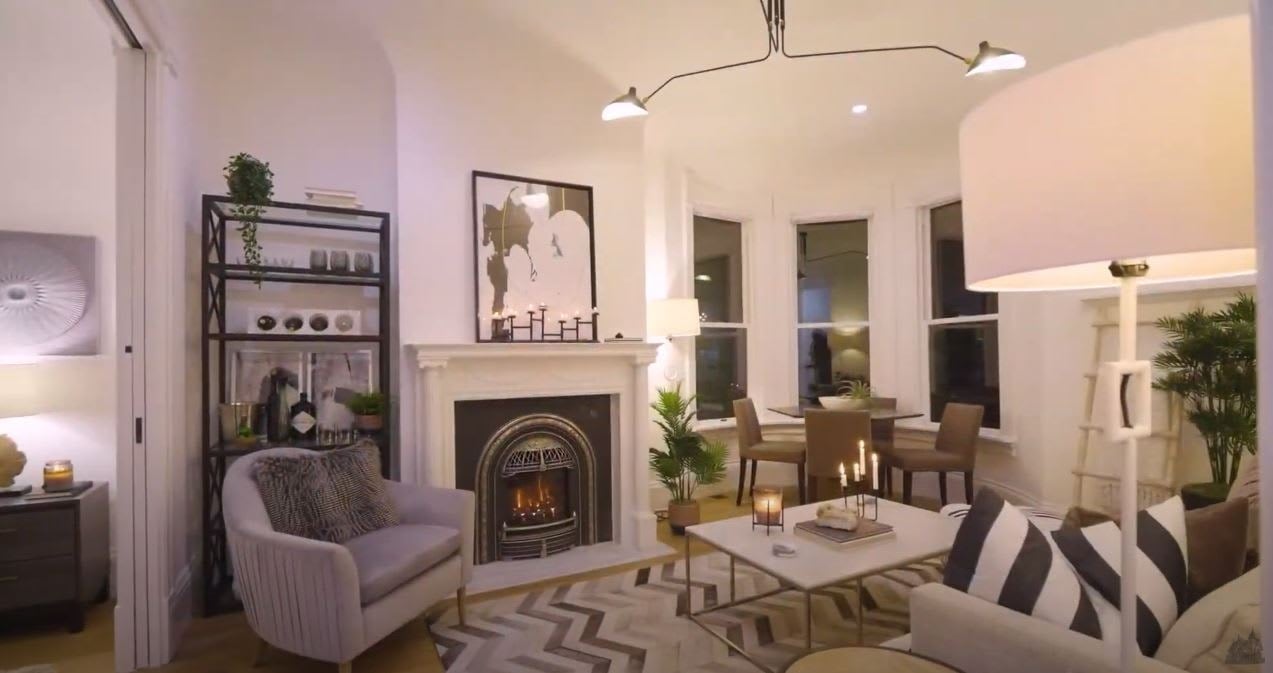
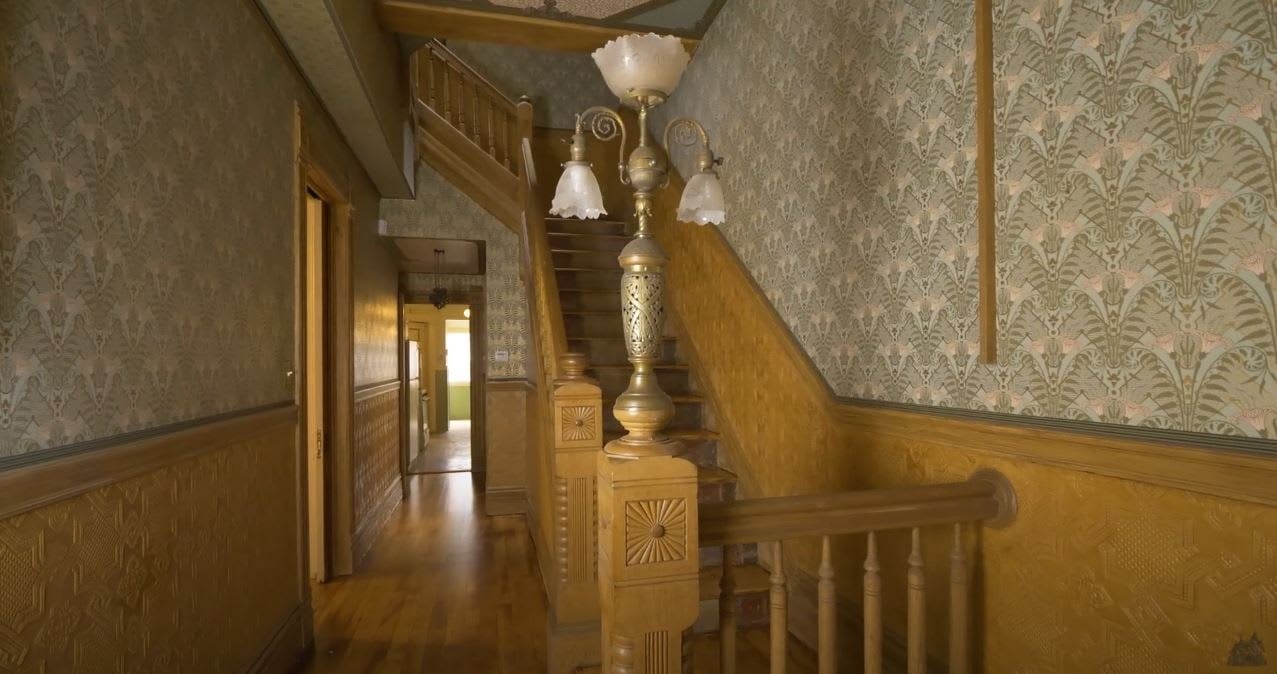
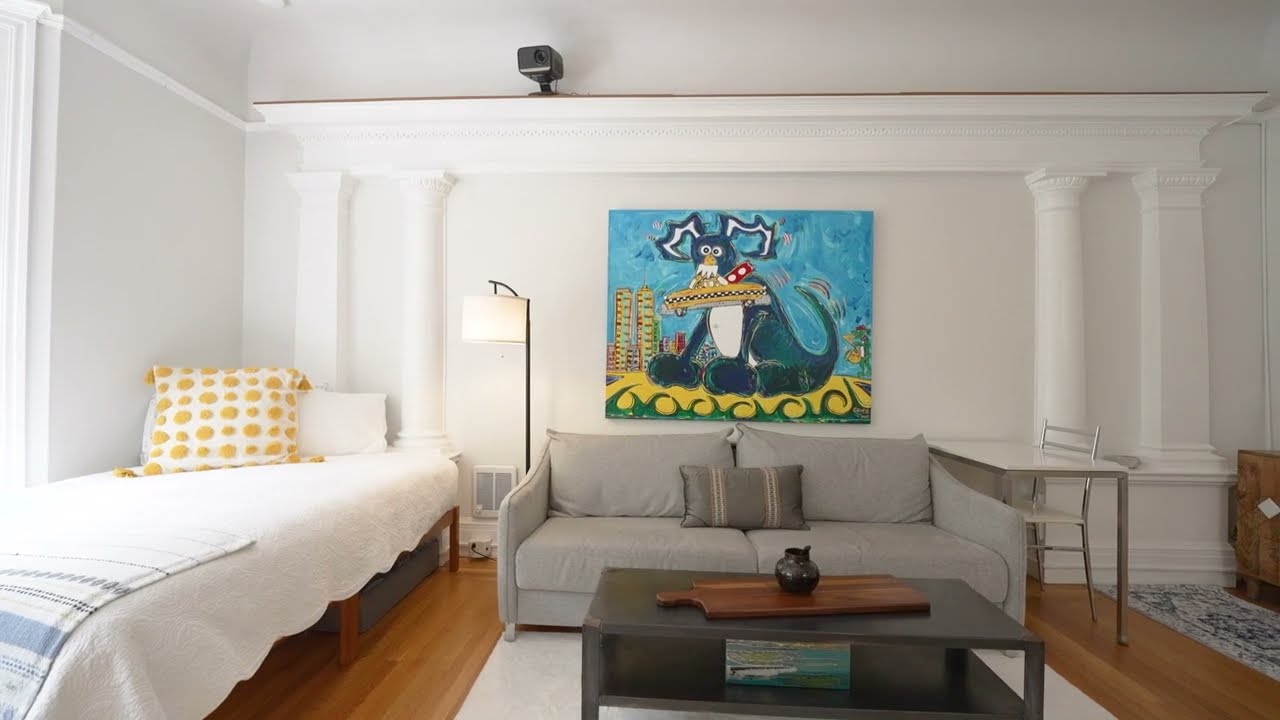
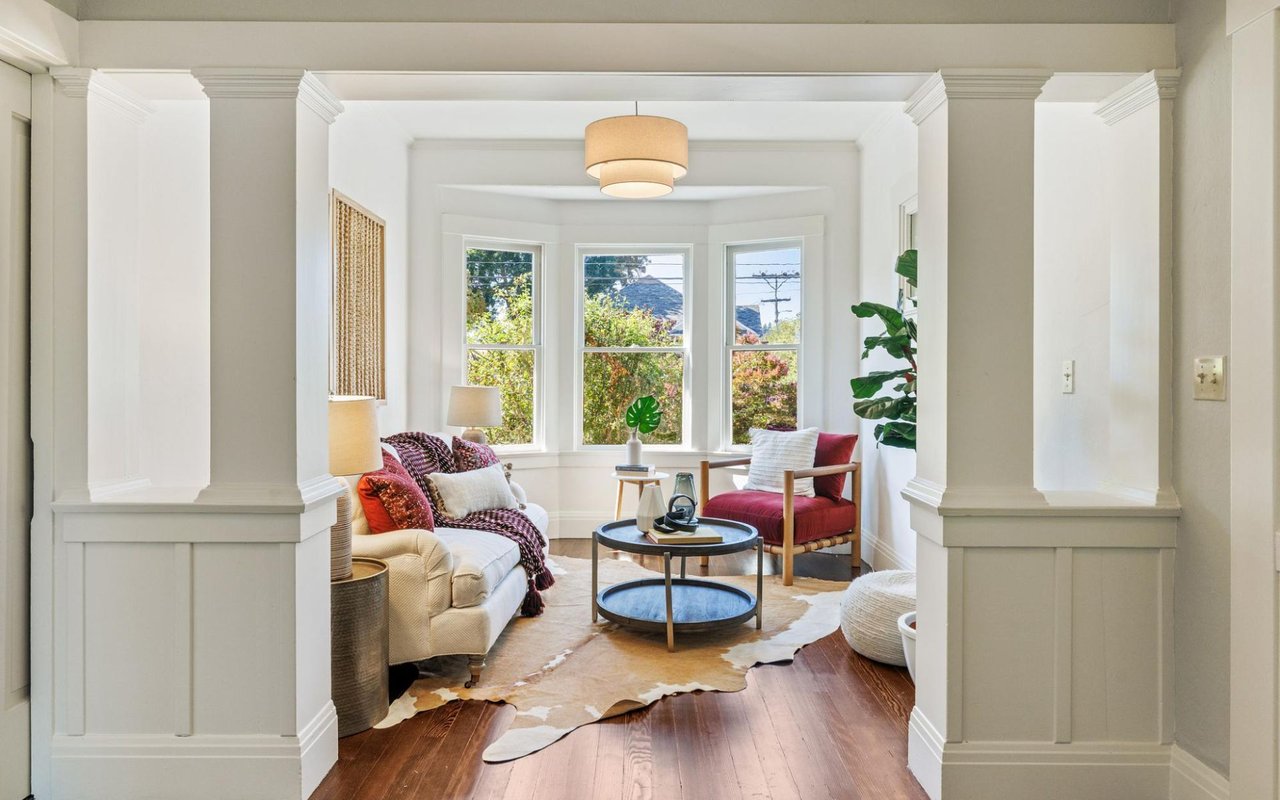
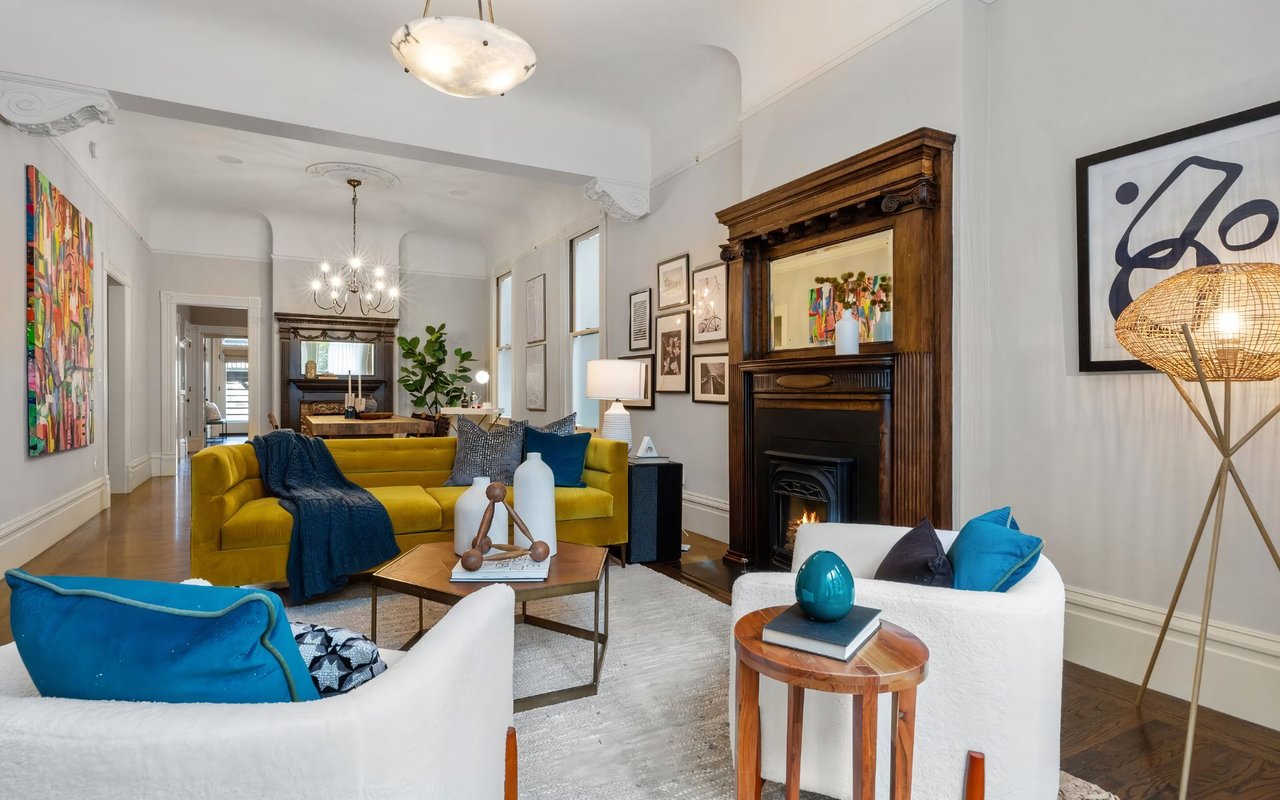
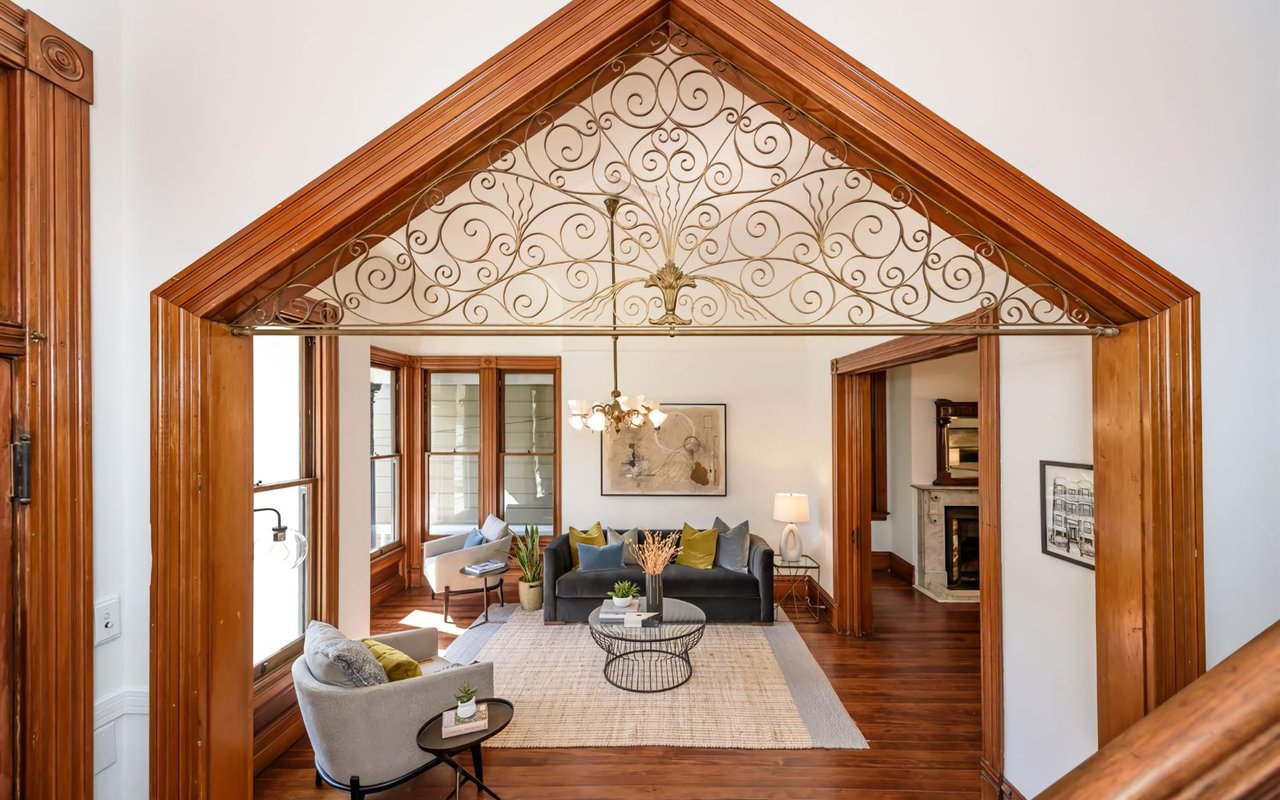
If you are used to newer homes, an Alamo Square Victorian may feel surprising the moment you step inside. Queen Anne floor plans are often asymmetrical and organized around a central staircase rather than a simple, boxy plan. Rooms can flow in ways that feel charming, unusual, or occasionally confusing, depending on how the home has changed over time.
Many older single-family houses in the area were built with raised basements. Those lower levels could have held servants’ quarters, extended-family space, or rental units, and some homes were later divided into apartments during World War II while their exteriors remained intact. That history can show up today as secondary stairs, odd circulation, or layouts that do not match what the facade seems to promise.
In practical terms, do not assume the exterior tells you whether the property is currently configured as a single-family home, flats, or something in between. In Alamo Square, the same handsome frontage can hide decades of reworking. A careful review of disclosures, permits, and the actual floor plan is essential.
Condition matters more than cosmetics
With historic homes, buyers sometimes focus first on decorative details. Those details are part of the appeal, but the bigger issue is often moisture. National Park Service guidance notes that roof and gutter problems, site drainage, plumbing leaks, humidity, and poor ventilation are among the most common causes of deterioration in older buildings.
As you tour homes, look beyond the fresh paint. Warning signs can include mold, stains, flaking paint or plaster, warped or rotted wood, and condensation on windows. These issues do not automatically make a property a bad buy, but they do affect repair planning, budget, and negotiation strategy.
Historic wooden windows deserve special attention too. They are often character-defining features, and preservation guidance generally favors retaining and repairing them when possible. If a house has replacement windows, or if you are considering future upgrades, that detail can affect both preservation review and long-term value.
Disclosures in California deserve real attention
In California, buyers should expect standard residential disclosures, including the seller’s Transfer Disclosure Statement for many residential transactions. That document covers physical condition, hazards, defects, and certain taxes or assessments. The preliminary title report is also a routine part of the process, and it can reveal issues worth understanding before you move forward.
California also requires the buyer’s agent to visually inspect the property for readily observable defects. That does not replace inspections, and it does not uncover everything behind walls or under floors. But in a neighborhood filled with older housing stock, it is one more reason to work with someone who knows how historic properties behave.
For pre-1978 homes, lead-based paint is also a key issue. Federal rules require sellers of most pre-1978 housing to provide any known lead information before sale along with the required lead pamphlet. If you hope to renovate after closing, lead-safe work practices matter because renovation dust can create hazards even when paint is not obviously failing.
Historic district rules can affect your plans
This is one of the biggest surprises for buyers who are new to Alamo Square. Because the neighborhood is an Article 10 historic district, certain exterior changes may require a Certificate of Appropriateness or an Administrative Certificate of Appropriateness from San Francisco Planning. In some cases, review is required even for street-visible work that does not otherwise need a permit.
Ordinary maintenance and in-kind repairs generally do not require a certificate. But exterior window replacements, new garages, and additions can trigger review. Interior remodels are generally less constrained because Article 10 does not specifically designate residential interiors, though planners still encourage retaining historic interior features.
If you are dreaming of opening rooms, adding square footage, or significantly reworking the front facade, do not treat that as a simple after-close project. Before you buy, it is smart to understand what the property can realistically support from both a physical and preservation standpoint.
Renovation starts with investigation
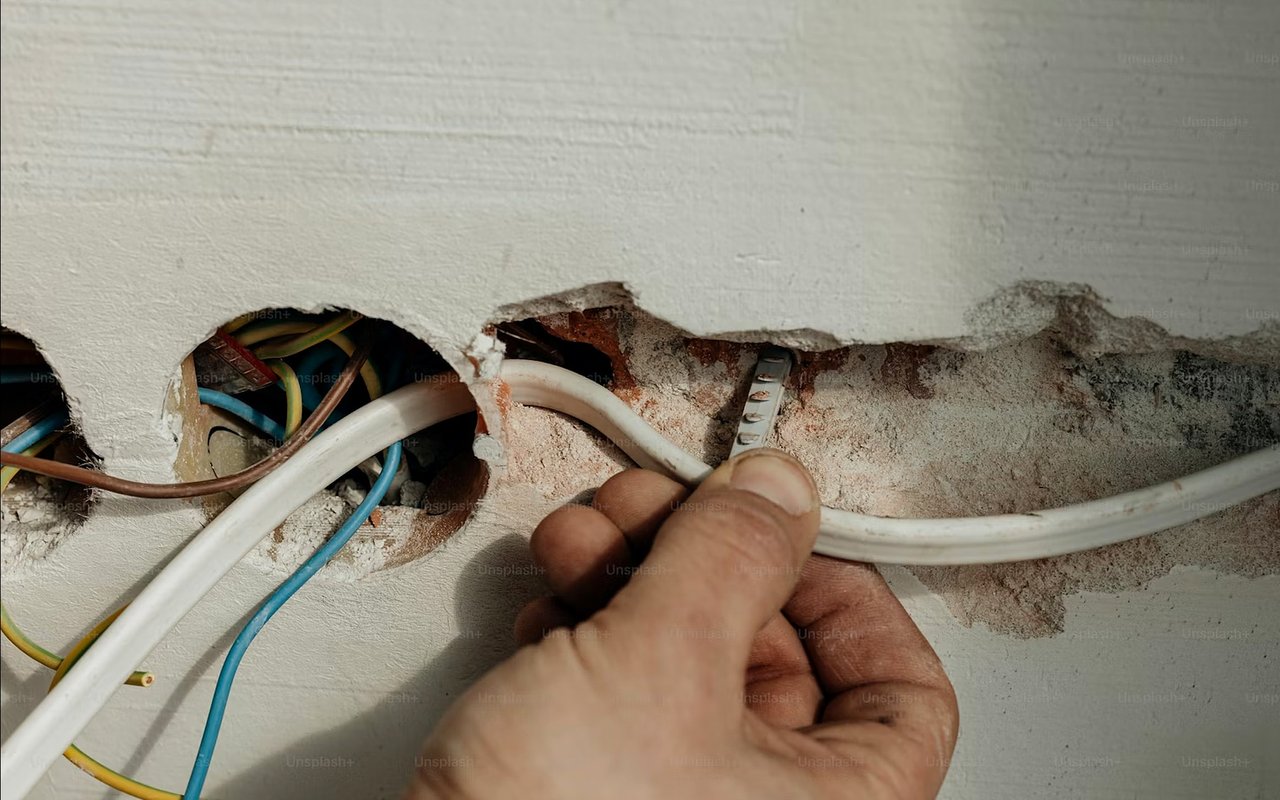
Older buildings often carry hidden layers of change. A home may have had rooms reconfigured, basement areas altered, units added or removed, windows changed, or structural work done at different moments over many decades. That is why San Francisco Planning and preservation guidance both point to understanding the building’s history before deciding what to repair, restore, or replace.
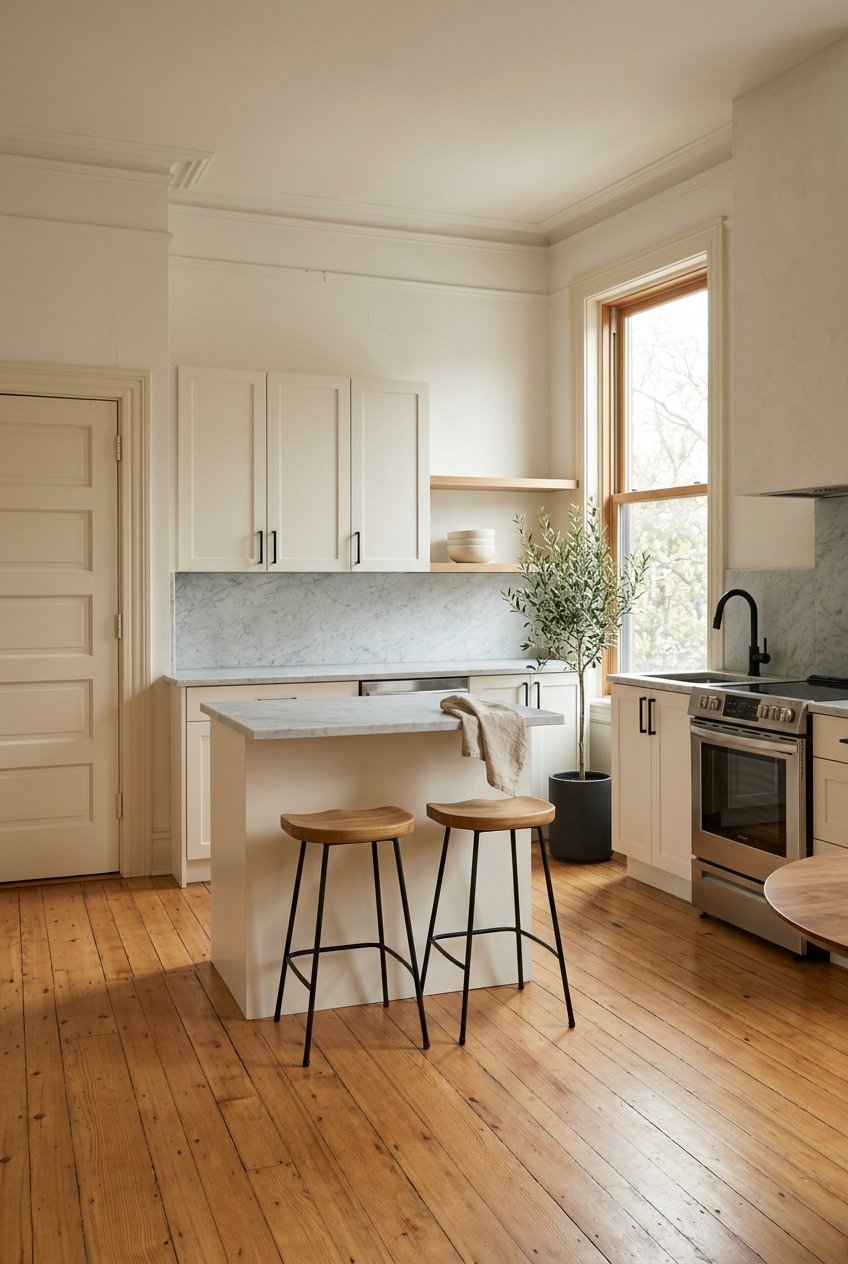
For buyers, that means your renovation plan should start with research, not just inspiration photos. If your goal is to modernize the layout while preserving the house’s best period features, the smartest first step is understanding what is original, what has already changed, and where the real constraints live.
Some historic properties may also have active Mills Act contracts that can provide property tax relief. The tradeoff is an ongoing commitment to restoration and maintenance. If a listing mentions a Mills Act contract, make sure you understand both the benefit and the obligations that come with it.
What the market says about buying here
Alamo Square sits in an upper-tier central San Francisco price band. Recent Redfin data put the neighborhood’s median sale price at $2,099,220 in April 2026. For broader context, Pacific Heights was $2,249,164, Haight-Ashbury was $2,199,183, and Hayes Valley was $924,656 over the same recent period.
Homes here also tend to move quickly. Alamo Square and Pacific Heights were both selling in about 13 days on average, with Haight-Ashbury at about 13 days and Hayes Valley around 15 days. These are broad all-home-types medians, so they are best used as neighborhood context rather than a direct pricing guide for one specific Victorian.
Still, the takeaway is clear. If you want to buy a Victorian in Alamo Square, you are shopping in a competitive market where preparation matters. You need enough time to do careful due diligence, but you also need a clear decision process before the right property appears.
What to check before you write an offer
When you find a house you love, keep your review focused on the issues that matter most in this neighborhood:
- Confirm the current property configuration and actual use
- Review disclosures carefully, including the Transfer Disclosure Statement
- Read the preliminary title report early
- Watch for moisture clues such as stains, rot, peeling paint, or window condensation
- Ask about roof, gutters, drainage, plumbing, and ventilation
- Understand whether windows and exterior features are original, repaired, or replaced
- Check whether planned exterior work could require San Francisco historic review
- Clarify whether the property has a Mills Act contract and what obligations come with it
- Treat old-house layout quirks as a due diligence item, not just a design detail
Why expertise matters with Alamo Square Victorians
Buying a historic home in San Francisco is rarely just about square footage and comps. You are evaluating architecture, condition, preservation rules, disclosures, and the long-term cost of stewardship all at once. In Alamo Square, that mix is exactly what makes the housing stock so special, and exactly why generic advice can fall short.
A good outcome usually comes from asking smarter questions before you buy. When you understand the style, the likely layout history, the condition risks, and the district rules, you can move with more confidence and fewer surprises. That is especially true when the home has been altered over time or when you hope to renovate after closing.
If you are considering a Victorian in Alamo Square and want guidance that respects both the numbers and the architecture, connect with Bonnie Spindler for experienced, preservation-minded support.
FAQs
What makes Alamo Square a historic district in San Francisco?
- Alamo Square is one of San Francisco’s Article 10 historic districts, generally bounded by Golden Gate Avenue, Divisadero Street, Webster Street, and Fell Street, with 16 blocks and 281 parcels.
What should buyers expect from a Victorian layout in Alamo Square?
- Many Victorian and Queen Anne homes have asymmetrical layouts, central staircases, raised basements, and floor plans that may have been reworked over time.
What are common condition issues in Alamo Square historic homes?
- Moisture-related problems are common, including issues tied to roofs, gutters, drainage, plumbing leaks, humidity, poor ventilation, mold, stains, and wood deterioration.
What disclosures matter when buying an older home in San Francisco?
- Buyers should review the Transfer Disclosure Statement, preliminary title report, and any lead-based paint disclosures for pre-1978 homes.
What renovations may require historic review in Alamo Square?
- Exterior changes such as window replacements, new garages, and additions may require a Certificate of Appropriateness or Administrative Certificate of Appropriateness from San Francisco Planning.
How competitive is the Alamo Square housing market?
- Recent data showed a neighborhood median sale price of $2,099,220 in April 2026, with homes selling in about 13 days on average, which points to a fast-moving market.