If you fall for a hilltop home in Buena Vista or Ashbury Heights, you are probably buying more than square footage. You are buying stairs, views, old-house character, and a site that can shape every renovation decision. The good news is that these homes are usually very workable when you understand the neighborhood fabric, the slope, and San Francisco’s review process. Let’s dive in.
Hill Homes Start With Context
Buena Vista North and Ashbury Heights can both feel dramatic, but they are not the same renovation story.
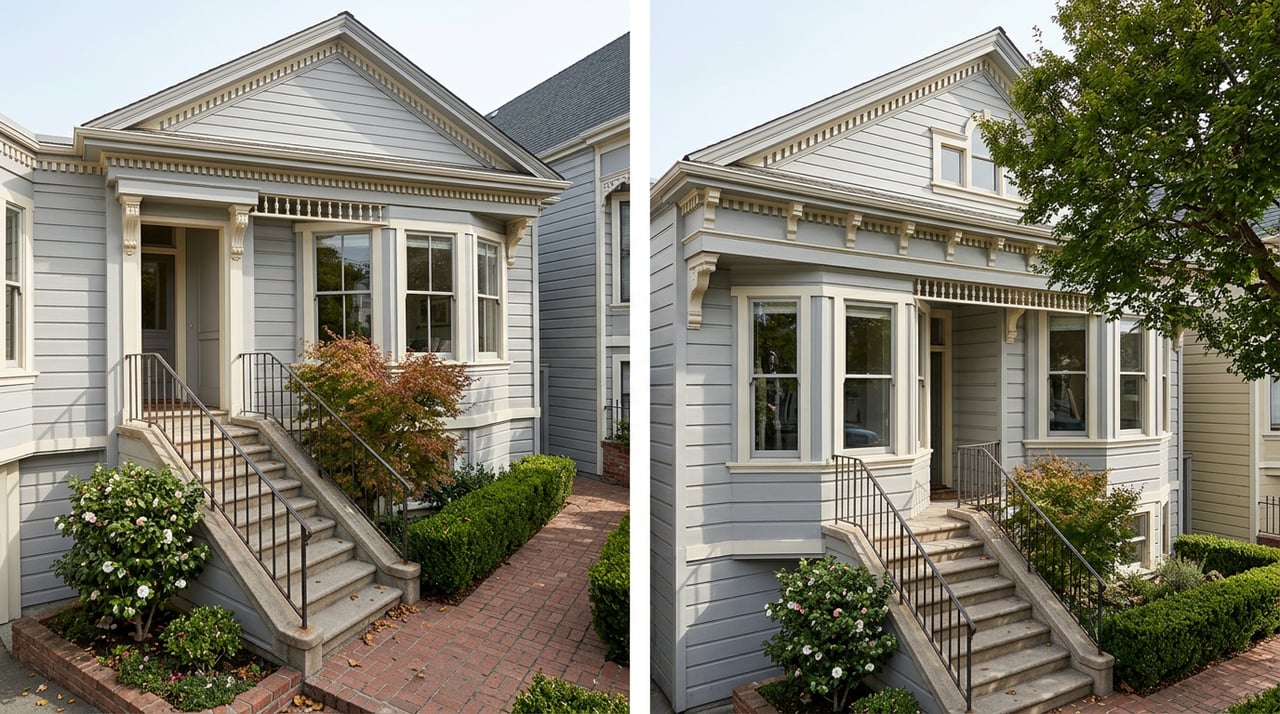
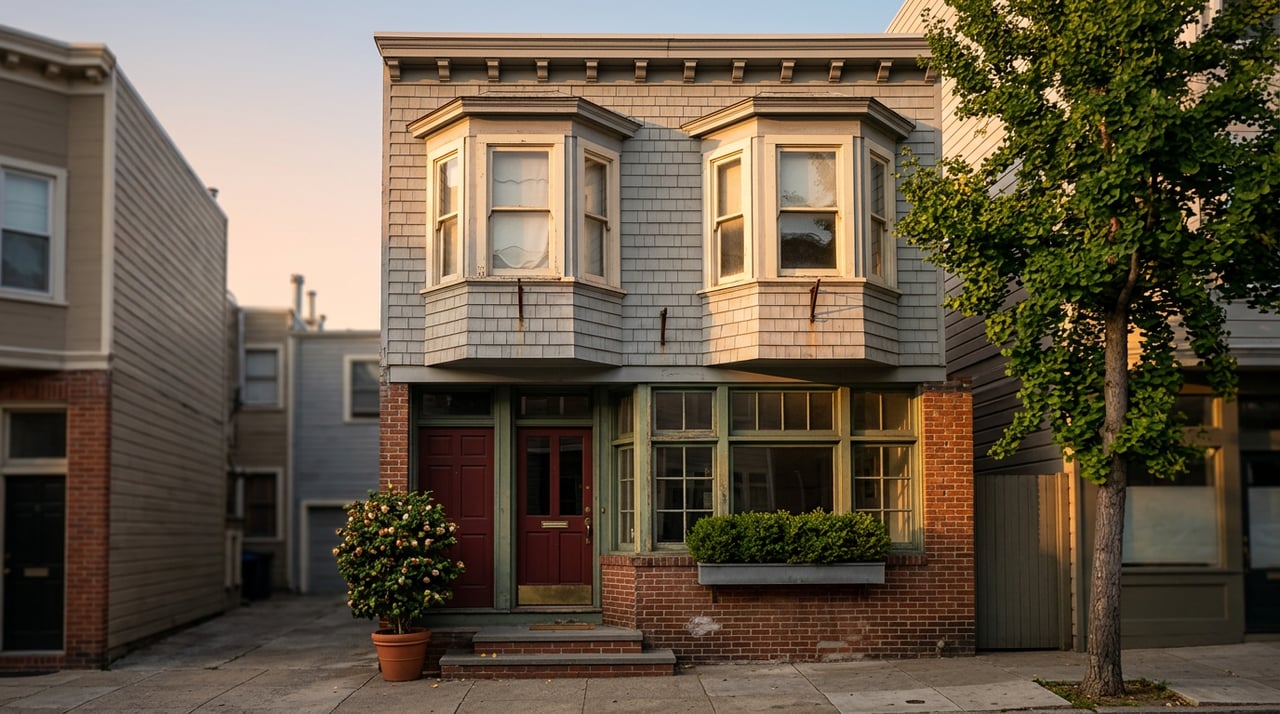
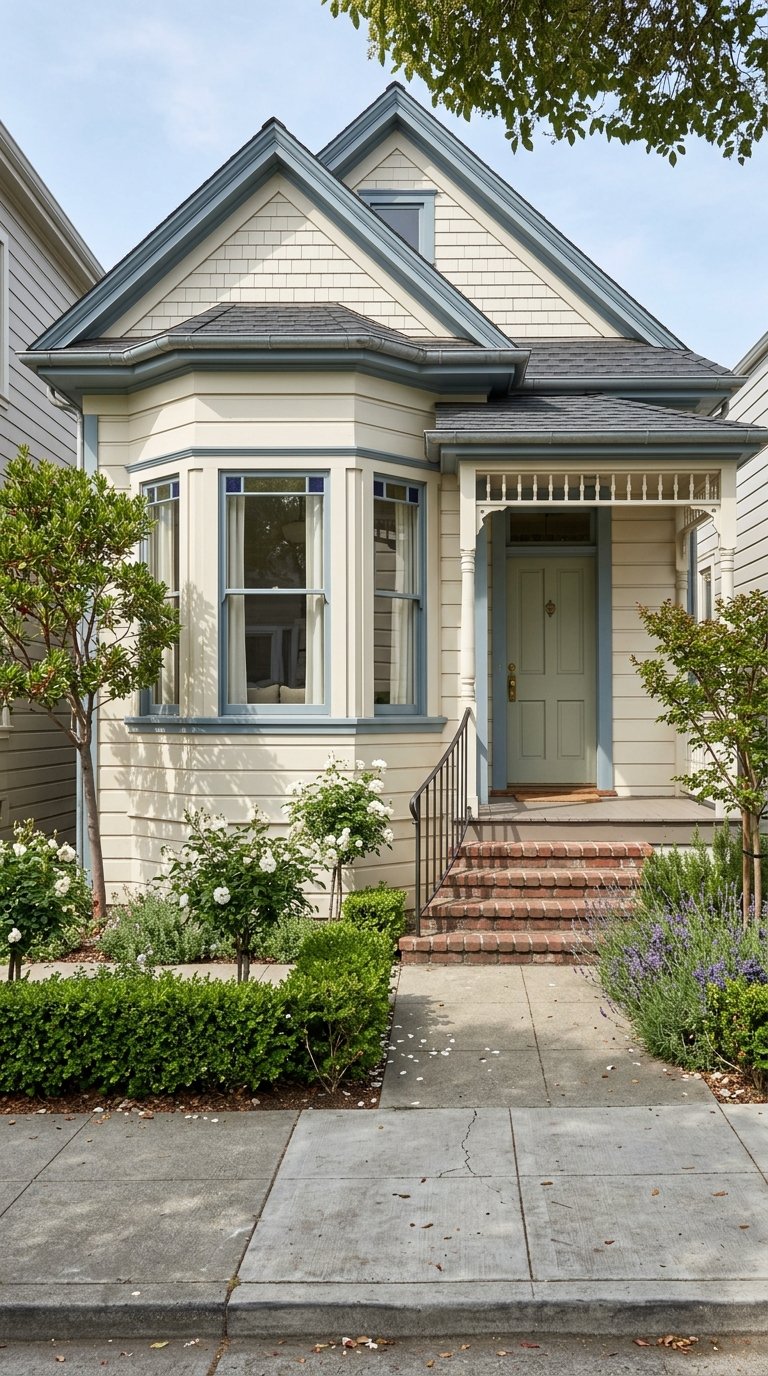
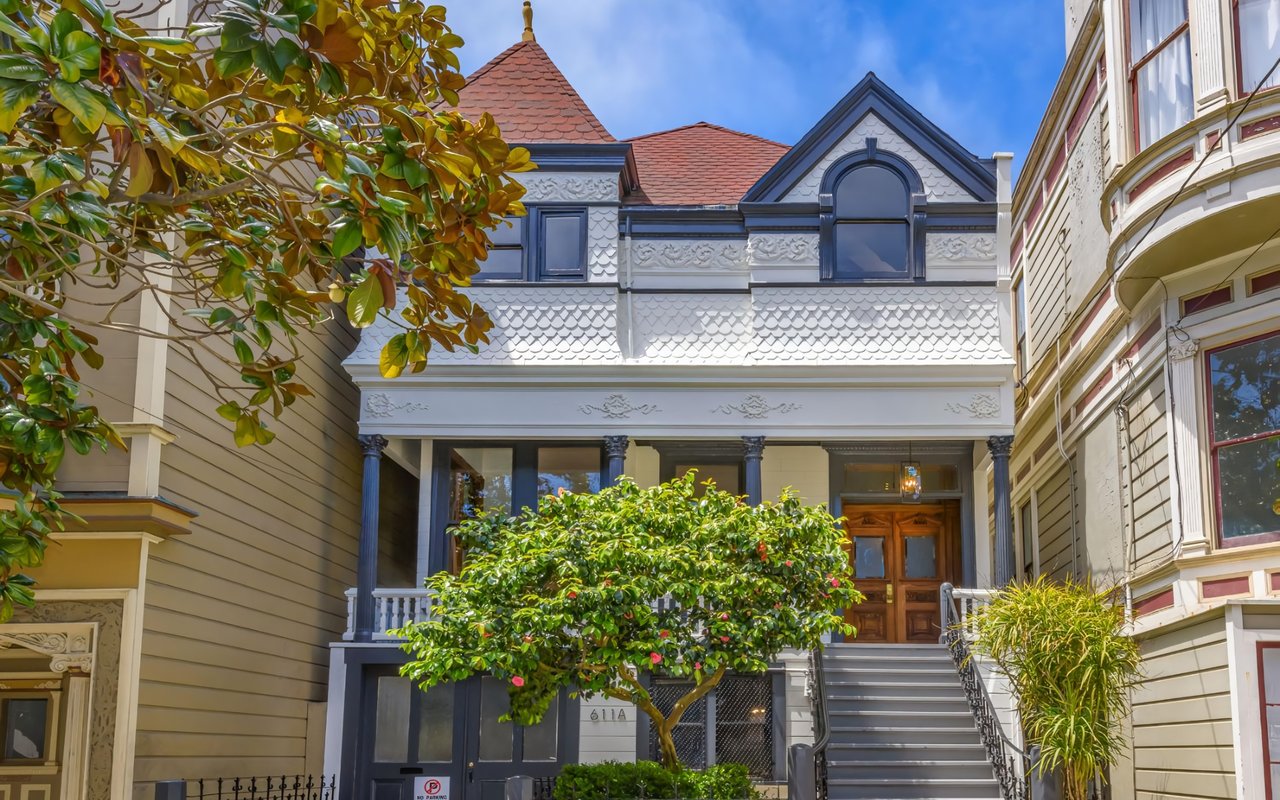
In Buena Vista North, the historic fabric is unusually consistent. A San Francisco Planning evaluation describes the area as small-scale homes and flats, mostly two to three stories, with Shingle, First Bay, Queen Anne, Edwardian, and Eclectic styles. It also notes that 95% of buildings constructed there between 1880 and 1899 were still standing at the time of the 1989 survey.
That kind of continuity matters when you renovate. In a place where the streetscape has stayed remarkably intact, exterior changes often need to work harder to fit the rhythm of the block.
Ashbury Heights is different. A Planning memo tied to 1110 Ashbury Street describes a steeply sloping area near Mount Olympus with a more varied mix of buildings, including homes from the 1930s to 1950s in Mediterranean Revival, French Provincial, Streamline, and Mid-century Modern styles, along with some older Craftsman and Pueblo Revival examples.
For you as an owner, that means Ashbury Heights can be less architecturally uniform from block to block. Renovation still needs to respect the site and surrounding homes, but the design conversation may be more about compatibility than strict repetition.
Why the Hill Changes Everything
On level ground, homeowners often focus first on floor plans and finishes. On a steep San Francisco site, you also need to think about access, drainage, grading, and structural coordination from the beginning.
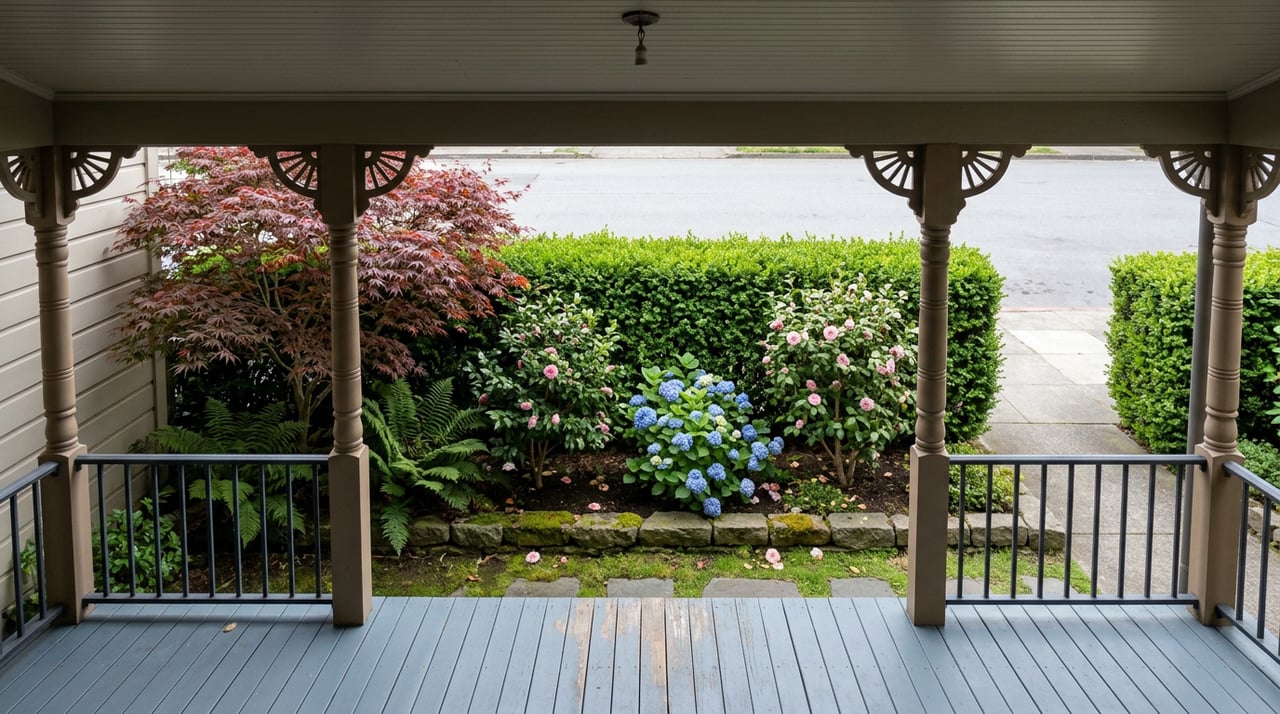
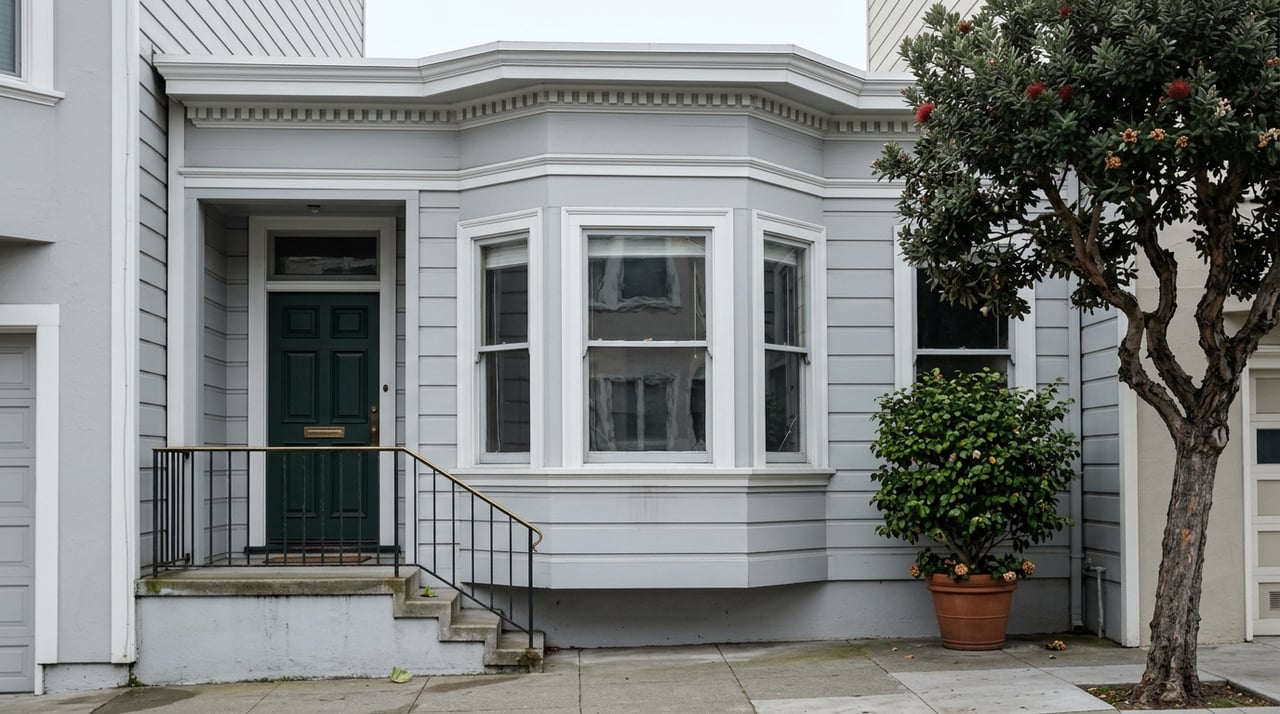
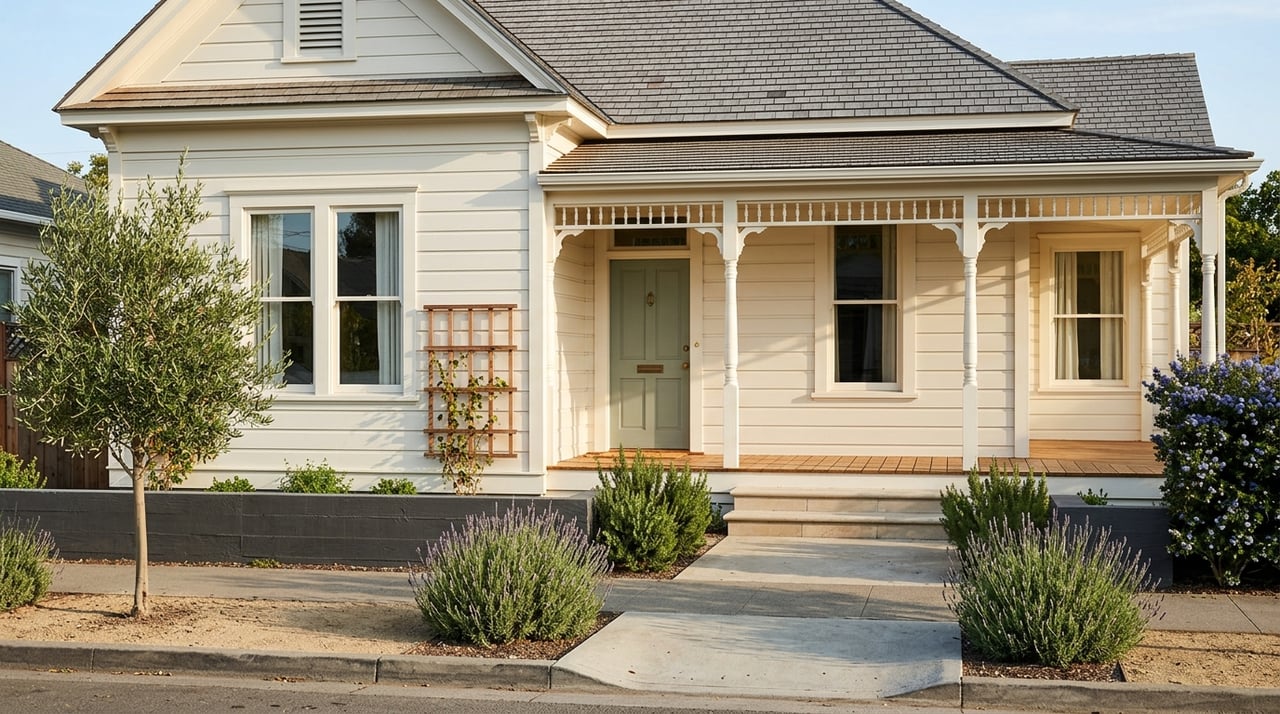
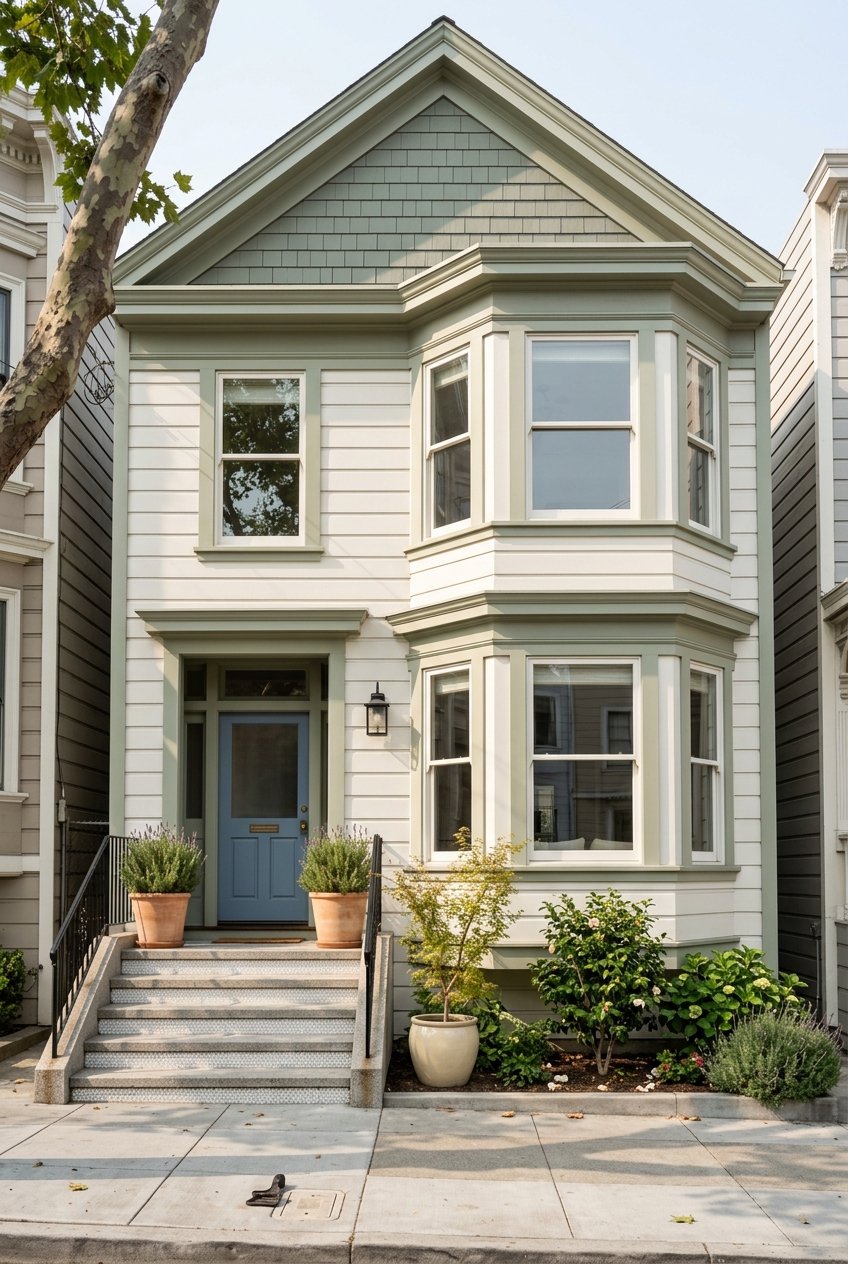
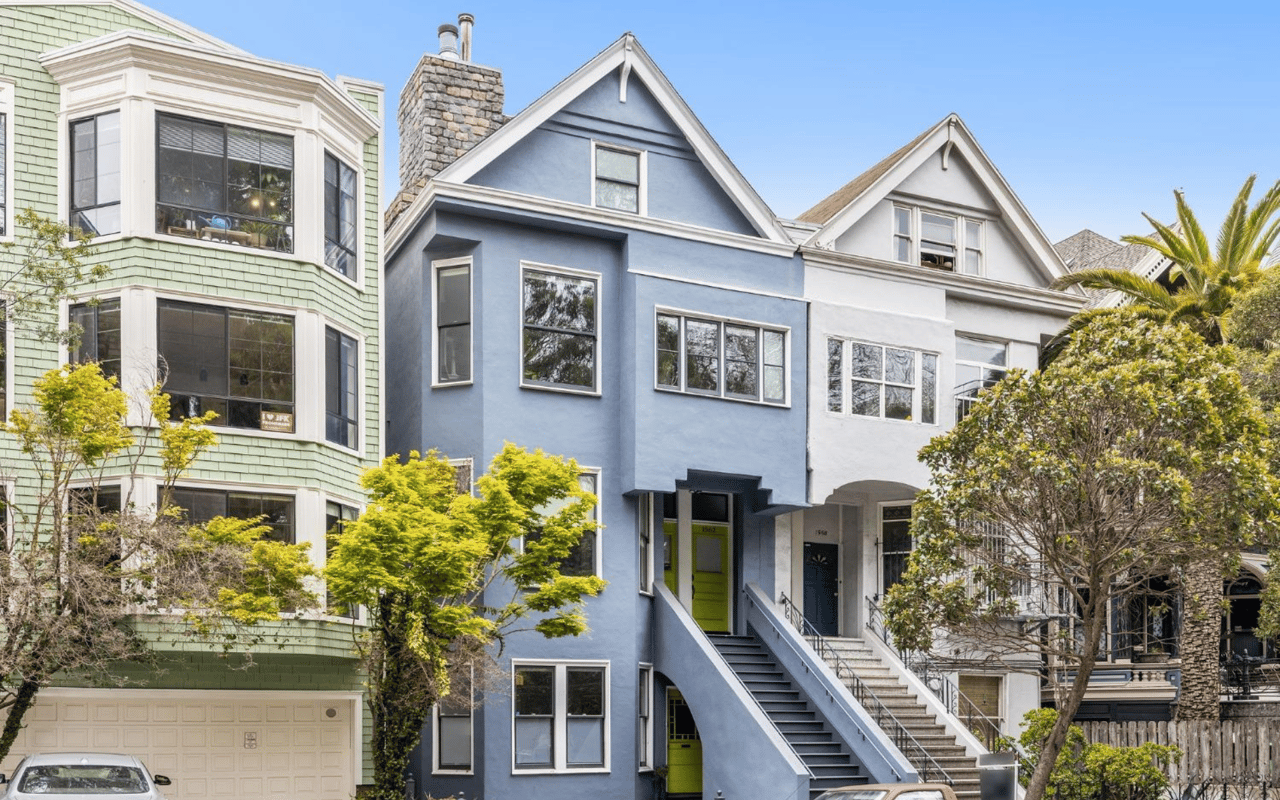
San Francisco’s residential design guidance treats exterior stairs, railings, recessed entries, and setbacks as normal parts of the city’s residential form. On narrow lots, especially on sloped sites, those features are not just functional. They are part of the house’s architectural language.
That matters in both Buena Vista and Ashbury Heights. If you change an entry sequence, rebuild stairs, or alter how the house meets the sidewalk, you may be affecting both usability and neighborhood compatibility at the same time.
Access and Entry Matter More Here
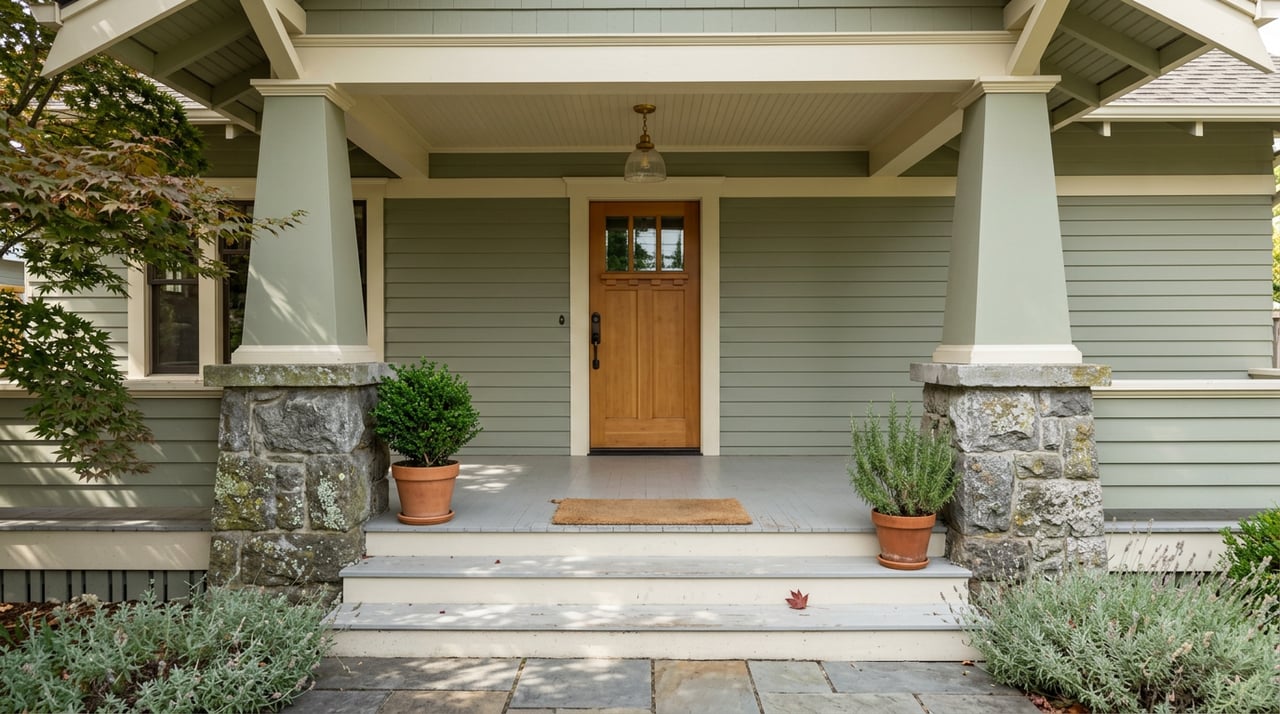
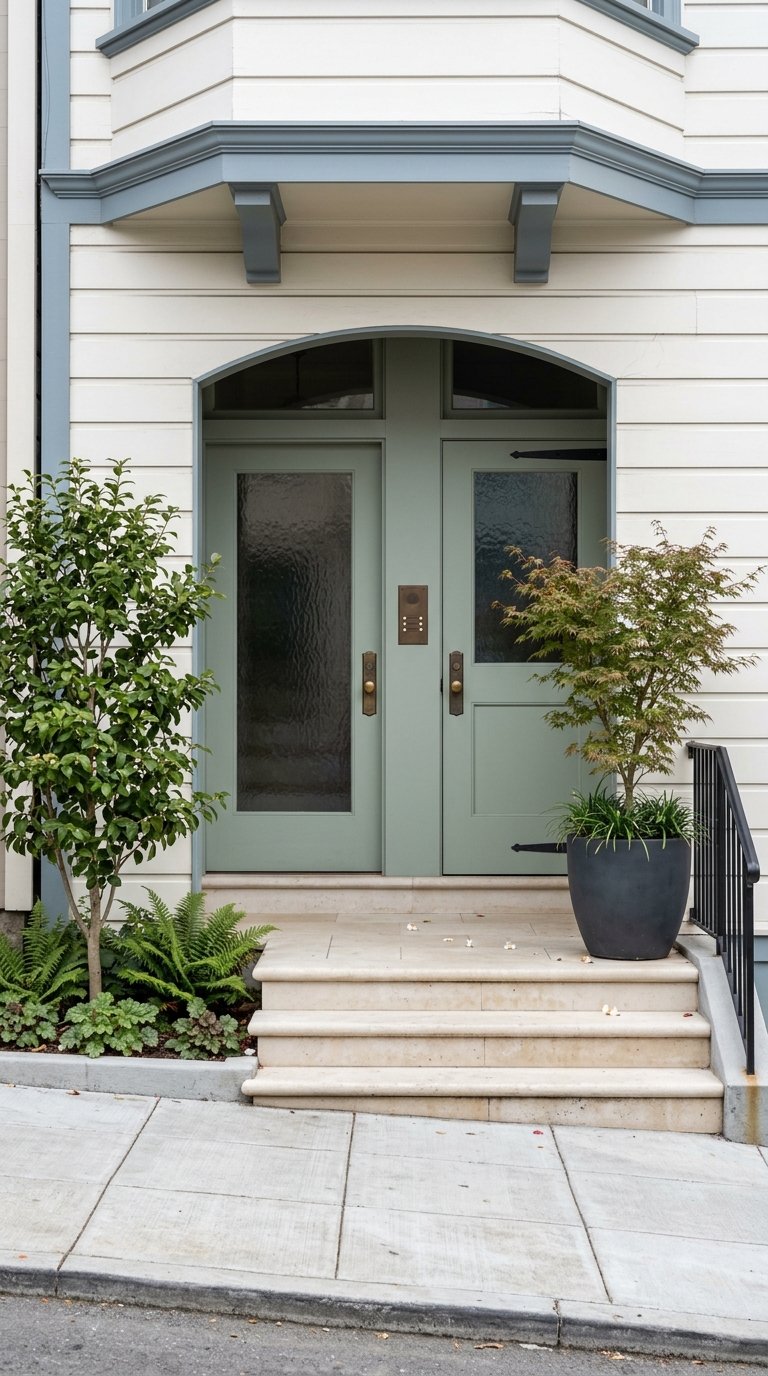
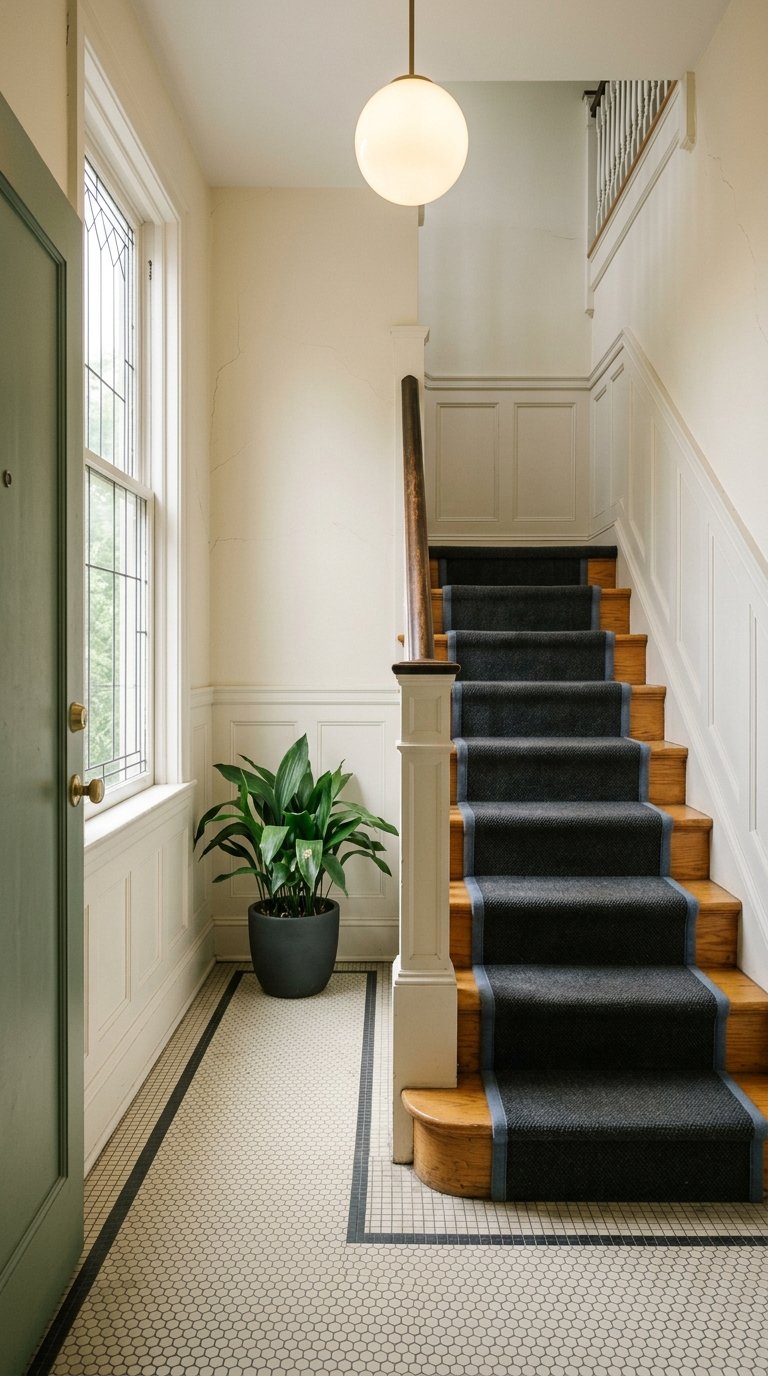
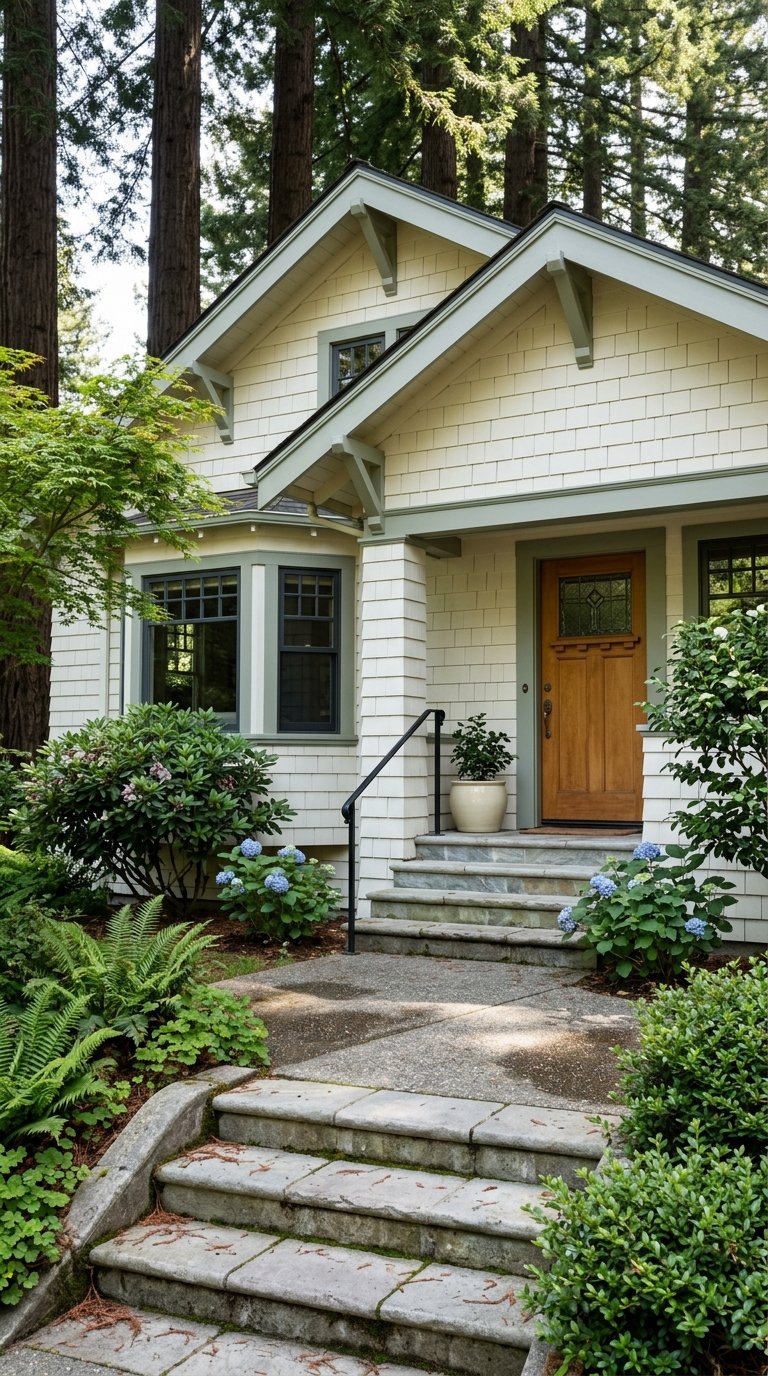
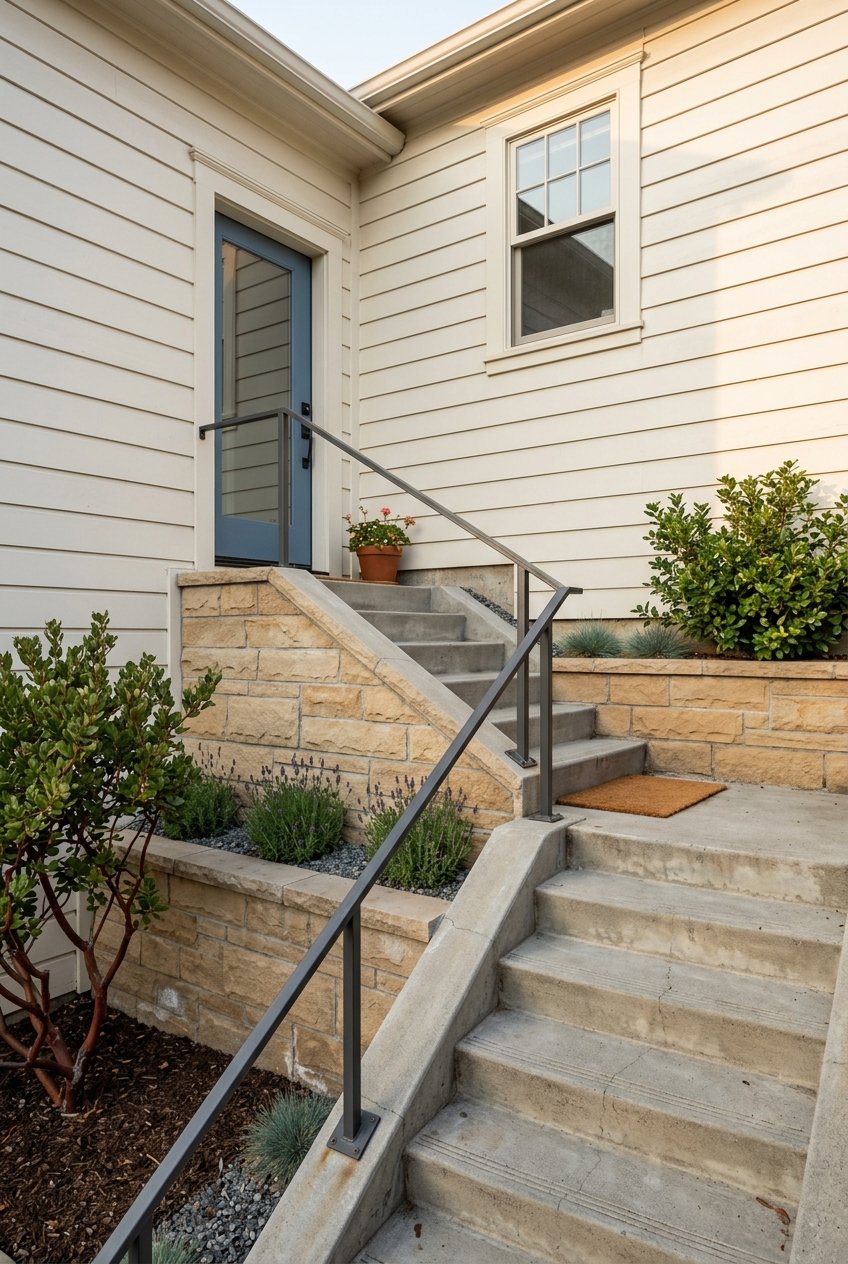
Many hill homes ask you to live with vertical movement every day. Front steps, raised stoops, and terraced approaches are common, and they often shape first impressions more than a flat-front house would.
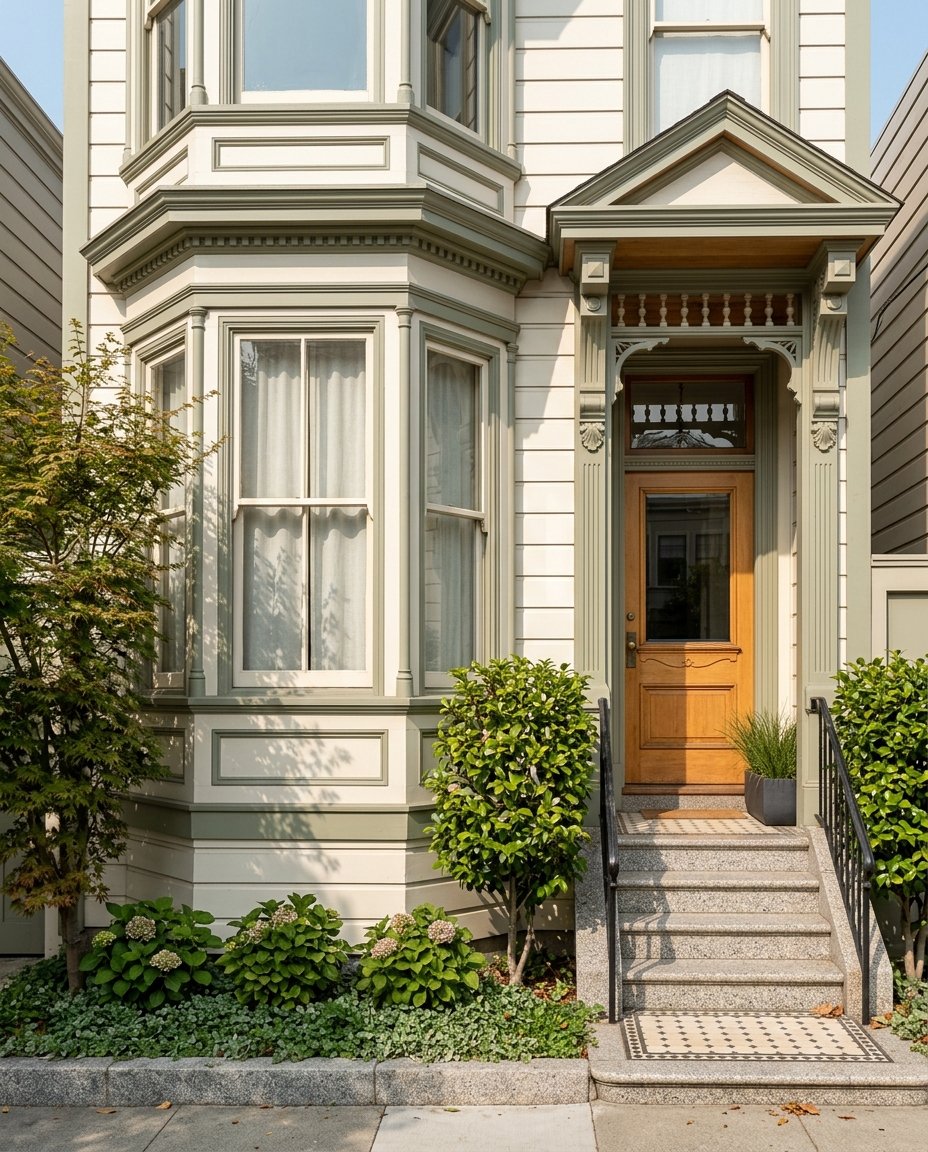
If you are planning work outside, it helps to treat stairs and entries as design elements, not leftovers. In these neighborhoods, the route from sidewalk to front door is often part of what gives the home its character.
Drainage and Slope Review Can Drive Scope
On steeper sites, the invisible parts of a project can become the most important. San Francisco’s Slope and Seismic Hazard Zone Protection Act applies to properties with a local average slope of 25% or greater and is intended to trigger heightened review where landslides, earth movement, drainage issues, and subsidence may be more likely.
In practical terms, this means a project may be shaped by slope stability as much as by design preference. Larger additions, shoring, underpinning, and grading can fall into a deeper review path, while some smaller grading work or grading tied to a valid building permit may not need a separate grading permit.
What Renovations Are Usually Simpler
Not every project has to become a full-scale entitlement exercise. San Francisco’s Department of Building Inspection lists several permit situations that do not require plans, which gives buyers and owners a useful starting point.
Examples include same-size and same-location window replacement, garage door replacement, door replacement, siding repair or replacement, roof rebuilds, repair of less than 50% of decks and exterior stairs, minor dry-rot repair, and kitchen or bathroom remodels that do not change the layout or add new fixtures.
That does not mean these projects are always effortless. It does mean that cosmetic or like-for-like work can be more straightforward than moving walls, changing layouts, or taking on major structural or exterior alterations.
When You Need to Slow Down
The biggest mistake many buyers make is assuming that if a project looks modest, approval will be simple. In hill neighborhoods with older housing stock, the review path often depends on details that are easy to miss early on.
A window replacement is a good example. San Francisco Planning says a window-replacement permit is required for every building in the city, and visible replacements receive additional Planning review.
Historic status is another early checkpoint. Planning says properties in Article 10 Landmarks and Article 10 Historic Districts need a Certificate of Appropriateness or Alteration Permit for exterior changes requiring a permit, and some districts review visible exterior changes even when no permit would otherwise be required.
At the same time, not every historically significant property follows that exact process. Properties that are only in the California or National Register do not need a Certificate of Appropriateness unless they are also Article 10 resources.
Buena Vista Needs Early Historic Checks
This is especially relevant in Buena Vista North. Planning’s 2013 evaluation treated the area as California Register-eligible and as a potential historic district rather than a City-designated Article 10 district.
That is why parcel-specific research matters. You do not want to assume your house follows the same rules as the one a few doors down.
Design Review Goes Beyond Size
San Francisco’s Residential Design Guidelines apply to new construction and alterations in residential districts. The city uses them to preserve historic resources, maintain neighborhood identity, and keep new work compatible with nearby buildings.
For a hill home, that usually means the city is looking at more than square footage. Review can involve how the house sits in the street wall, how stairs and entries are handled, and whether the scale and character of the work fit the surrounding homes.
What to Preserve First
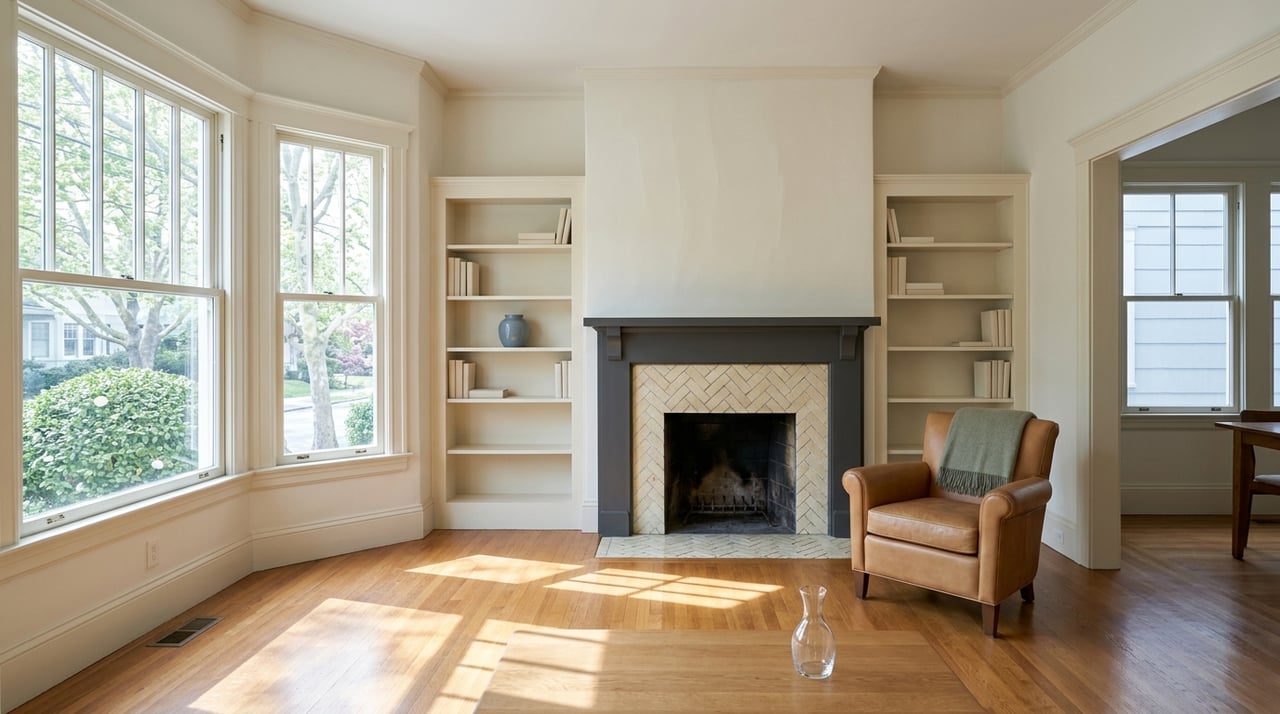
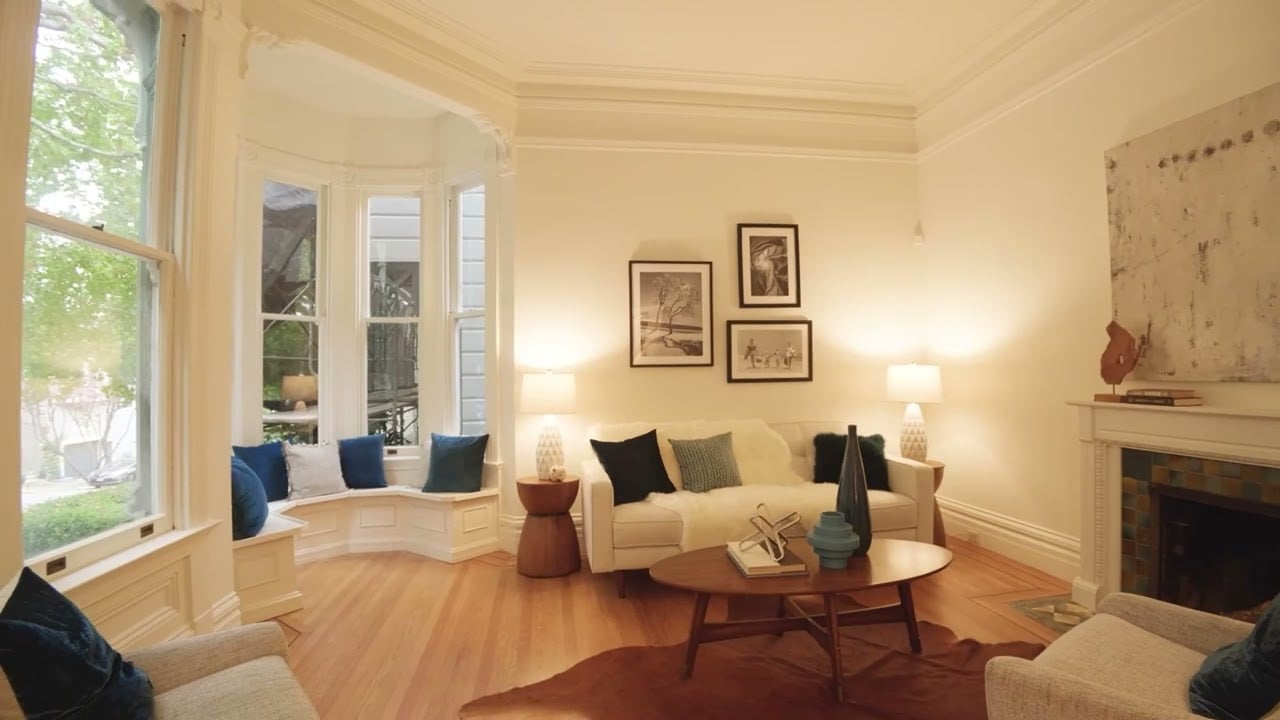
If you are buying an older home here, a smart strategy is often to preserve the street-facing features that do the most visual work. That usually includes window proportions, stair rhythm, entry depth, façade materials, and roofline.
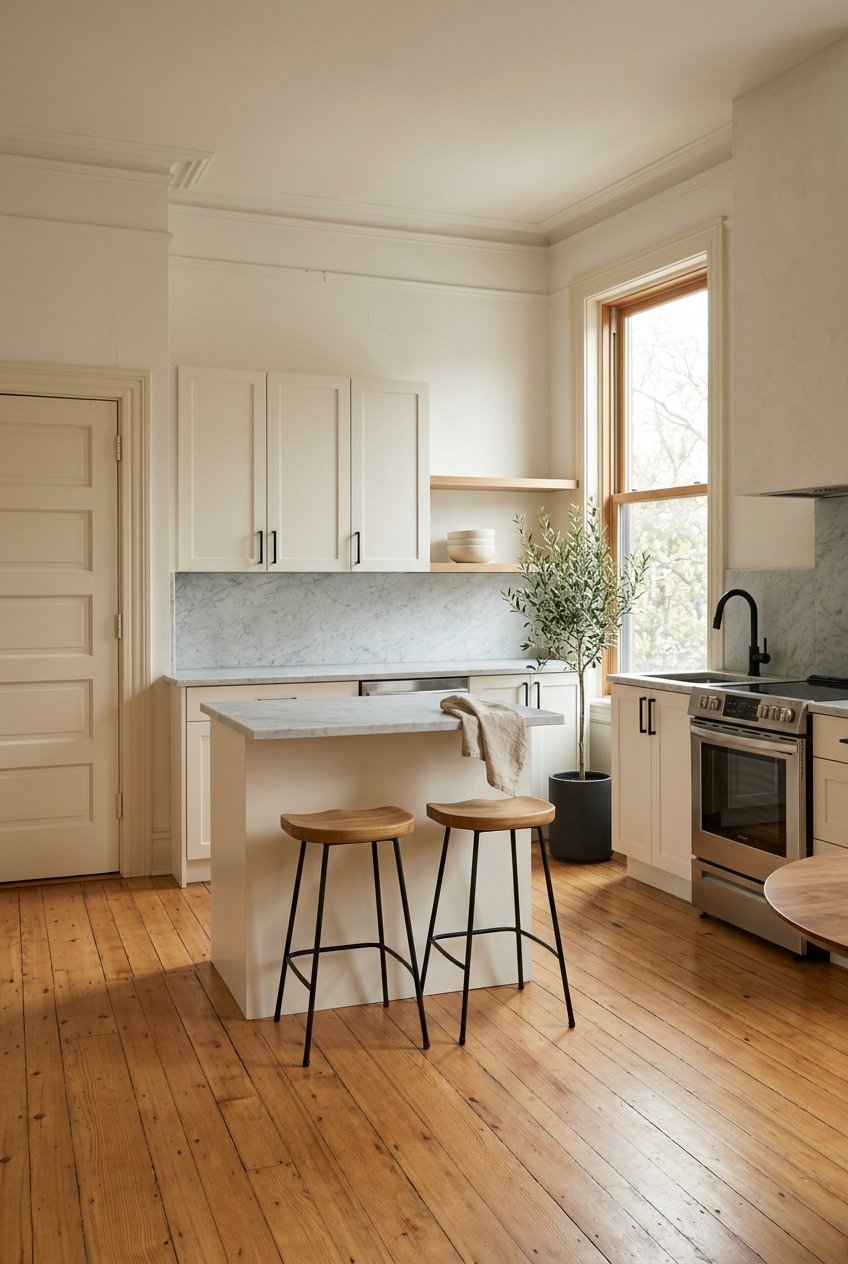
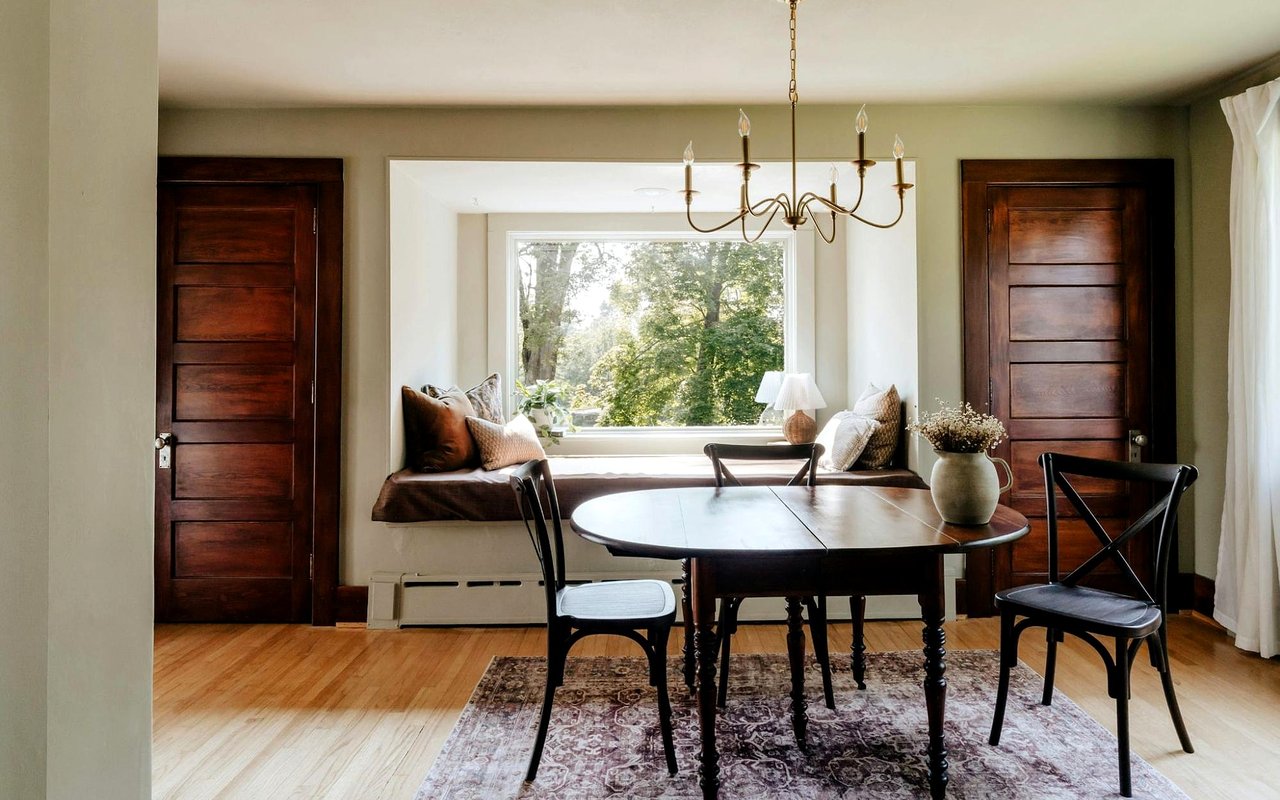
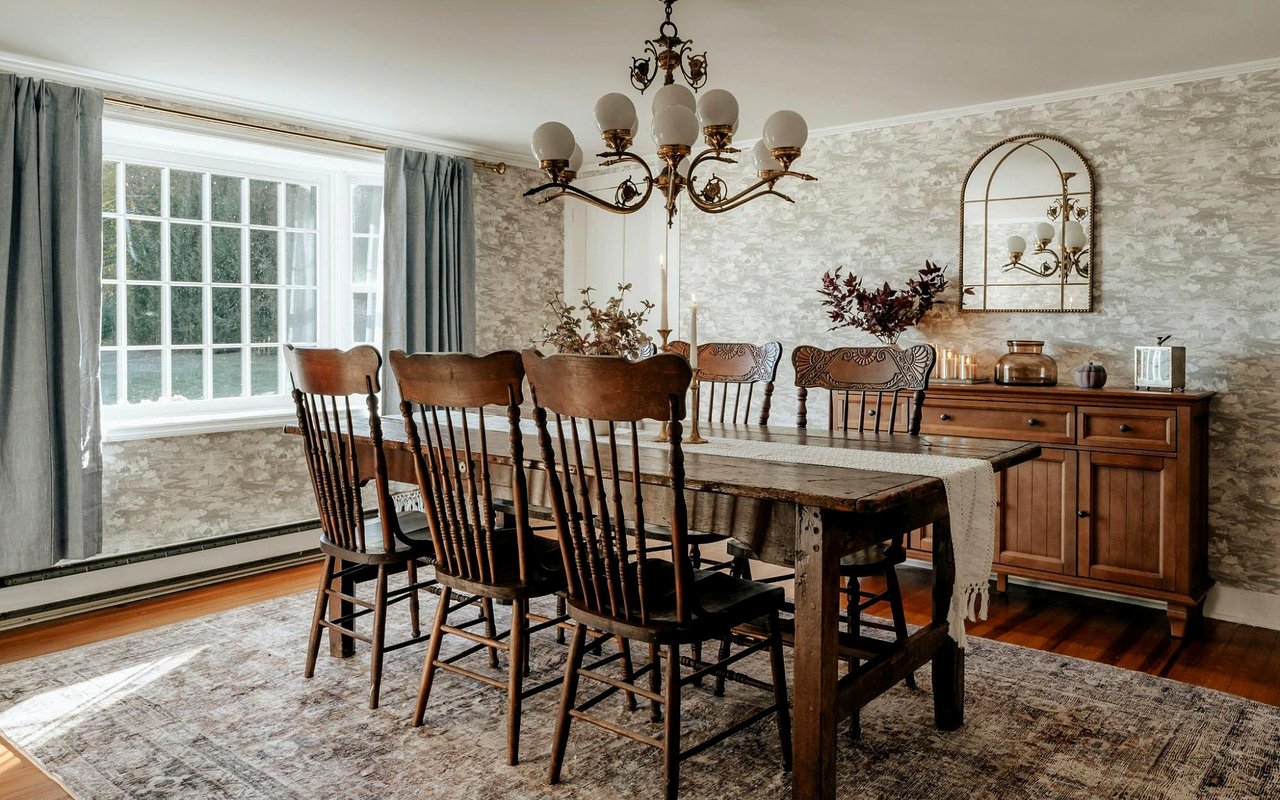
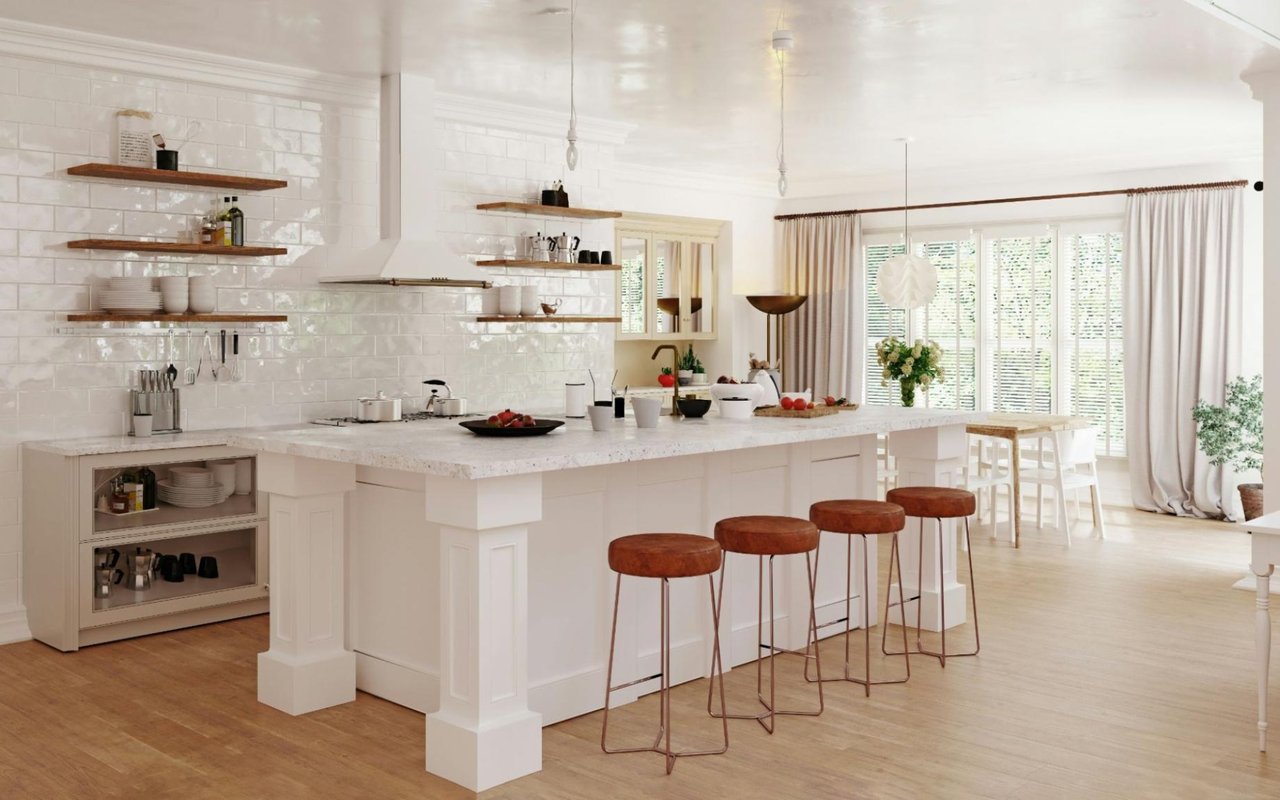
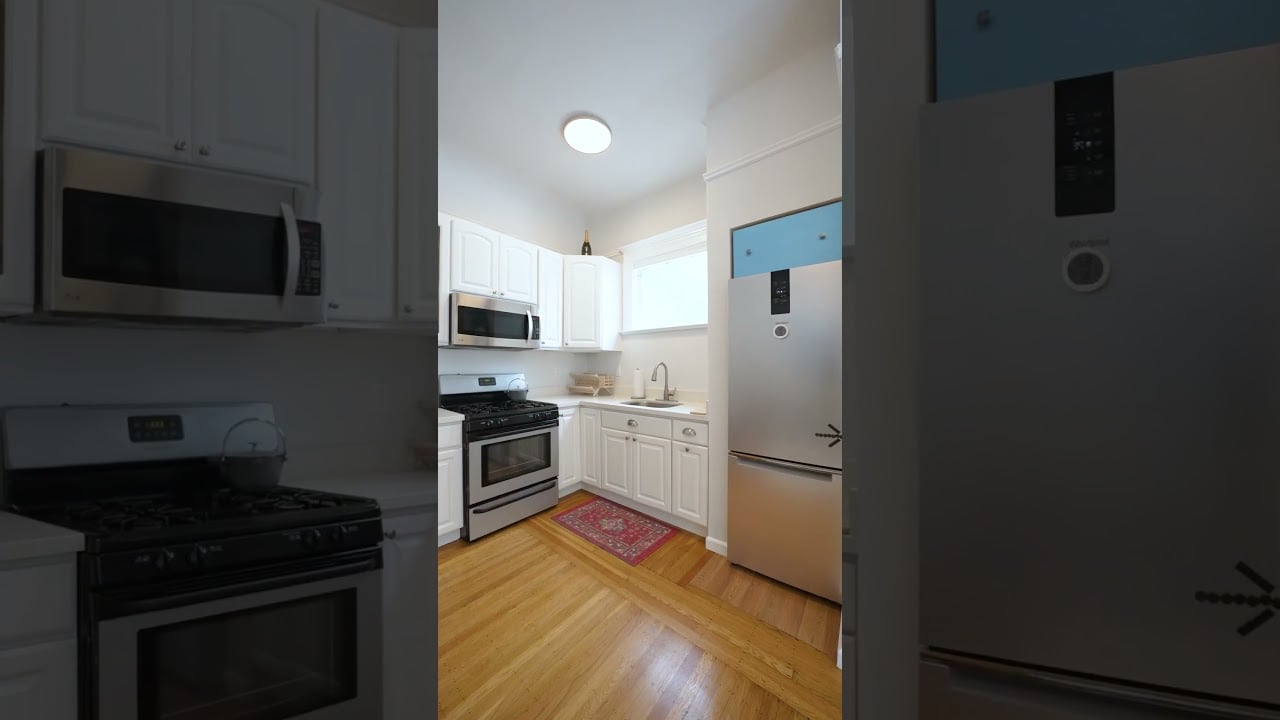
Then focus your modernization where it changes daily life without rewriting the public face of the house. Kitchens, baths, and building systems are often where owners can improve comfort and function while keeping the exterior character more intact.
This approach fits San Francisco’s compatibility-oriented framework. It also tends to align with what draws buyers to these homes in the first place.
Questions to Ask Before You Buy or Renovate
If you are considering a Buena Vista or Ashbury Heights home, ask these questions early:
- Is the parcel an Article 10 landmark or in an Article 10 district?
- Is it only a California or National Register resource?
- What category does the Property Information Map show for the home?
- Does the site fall under slope-protection review?
- Will the scope require plans, over-the-counter review, or full permit review?
- Will exterior changes to windows, stairs, or entries trigger Planning review?
- Does your contractor have San Francisco hillside experience with drainage, retaining walls, stairs, and structural coordination?
These are not technicalities. They are the questions that help you understand timeline, cost, and risk before drawings are locked.
Buena Vista and Ashbury Heights Are Renovatable
The takeaway is not that hill homes are too complicated. It is that they reward informed planning.
Buena Vista often asks for more sensitivity to a strong historic streetscape. Ashbury Heights may present a looser architectural context, but the topography still demands respect. In both neighborhoods, success usually comes from sequencing the work well, understanding the parcel’s review path, and knowing which features define the house’s character.
That is exactly where preservation-minded real estate guidance can make a difference. When you understand the site, the architecture, and the city’s rules before you buy, you can make better decisions about what to change, what to preserve, and what a project is likely to involve.
If you are thinking about buying or selling a character-rich home in San Francisco, Bonnie Spindler can help you evaluate renovation potential with an experienced eye for architecture, preservation, and market value.
FAQs
What kinds of homes are common in Buena Vista North?
- Buena Vista North is known for small-scale homes and flats, mostly two to three stories, with Shingle, First Bay, Queen Anne, Edwardian, and Eclectic styles.
What makes renovating an Ashbury Heights home different?
- Ashbury Heights tends to be more varied by block, with a mix of architectural styles and steeply sloping sites, so compatibility and slope conditions often shape renovation plans.
What slope rules can affect a San Francisco hill-home renovation?
- Properties with a local average slope of 25% or greater may fall under San Francisco’s Slope and Seismic Hazard Zone Protection Act, which can trigger heightened review for structural integrity, drainage, and slope stability.
What home projects in San Francisco may not need plans?
- DBI lists some no-plan exceptions, including same-size and same-location window replacement, door replacement, siding repair or replacement, minor dry-rot repair, certain roof rebuilds, limited deck or exterior stair repair, and kitchen or bath remodels that do not change layout or add fixtures.
What historic-review questions should Buena Vista buyers ask?
- You should check whether the parcel is an Article 10 resource, whether it is only California or National Register listed, and what category appears in the Property Information Map before finalizing renovation assumptions.
What parts of a hill home should you try to preserve first?
- A practical first priority is often the street-facing envelope, including window proportions, stair rhythm, entry depth, façade materials, and roofline, while modernizing kitchens, baths, and building systems where appropriate.