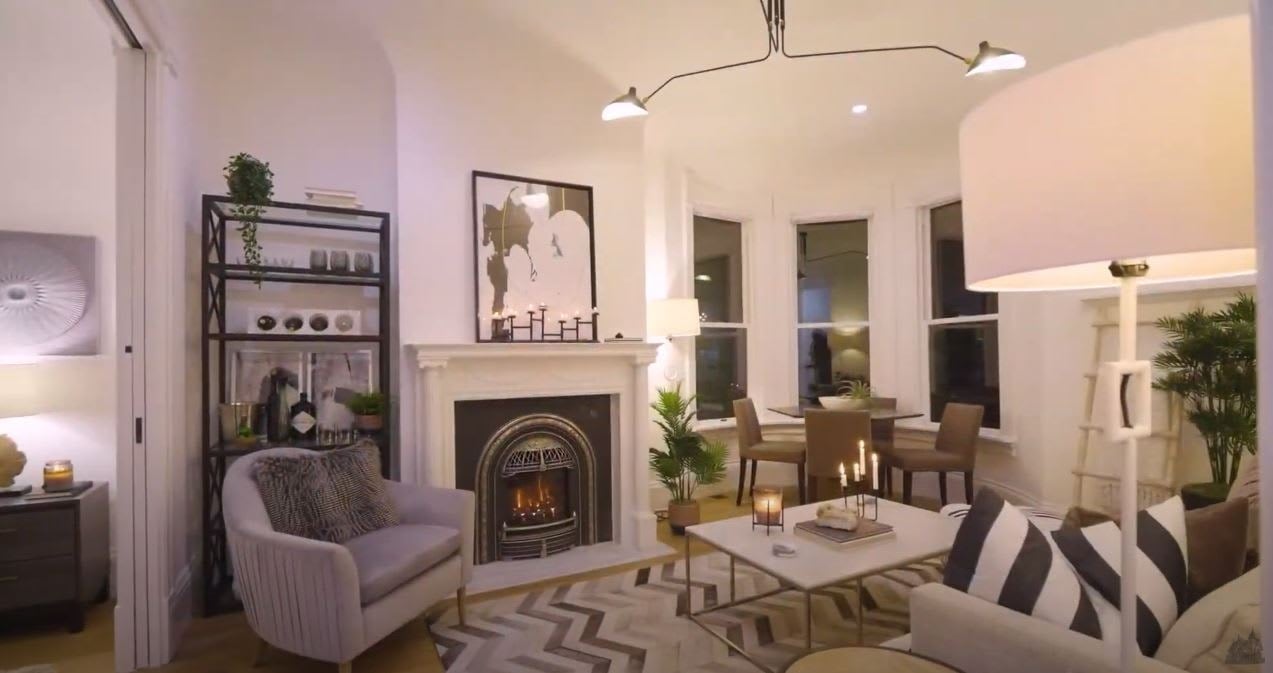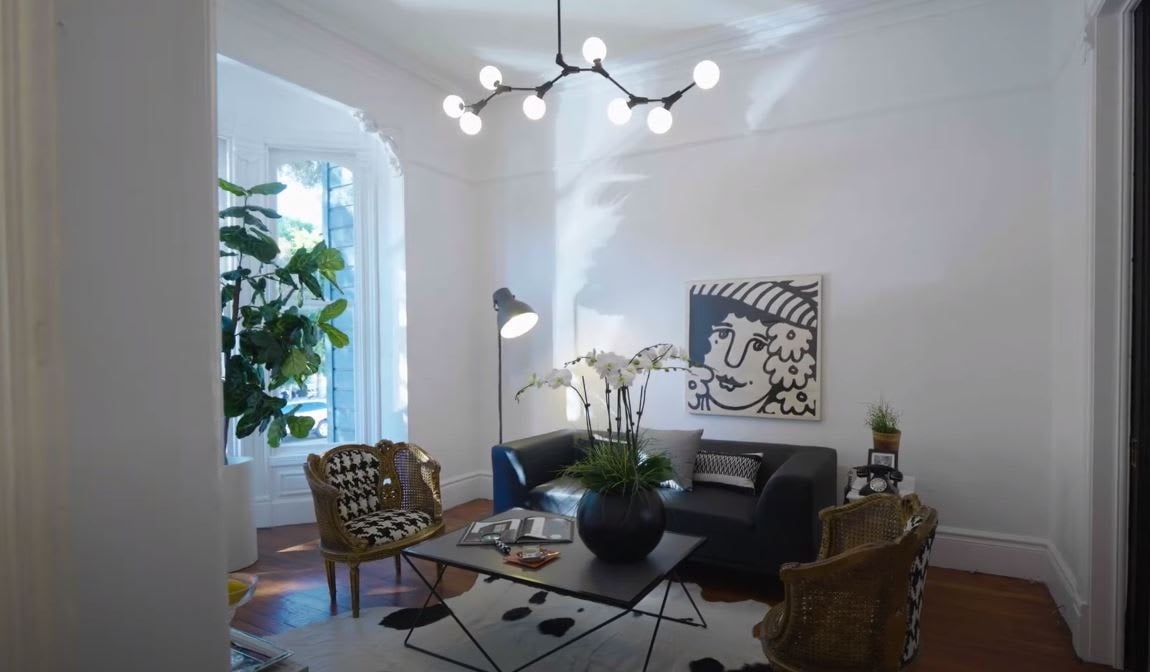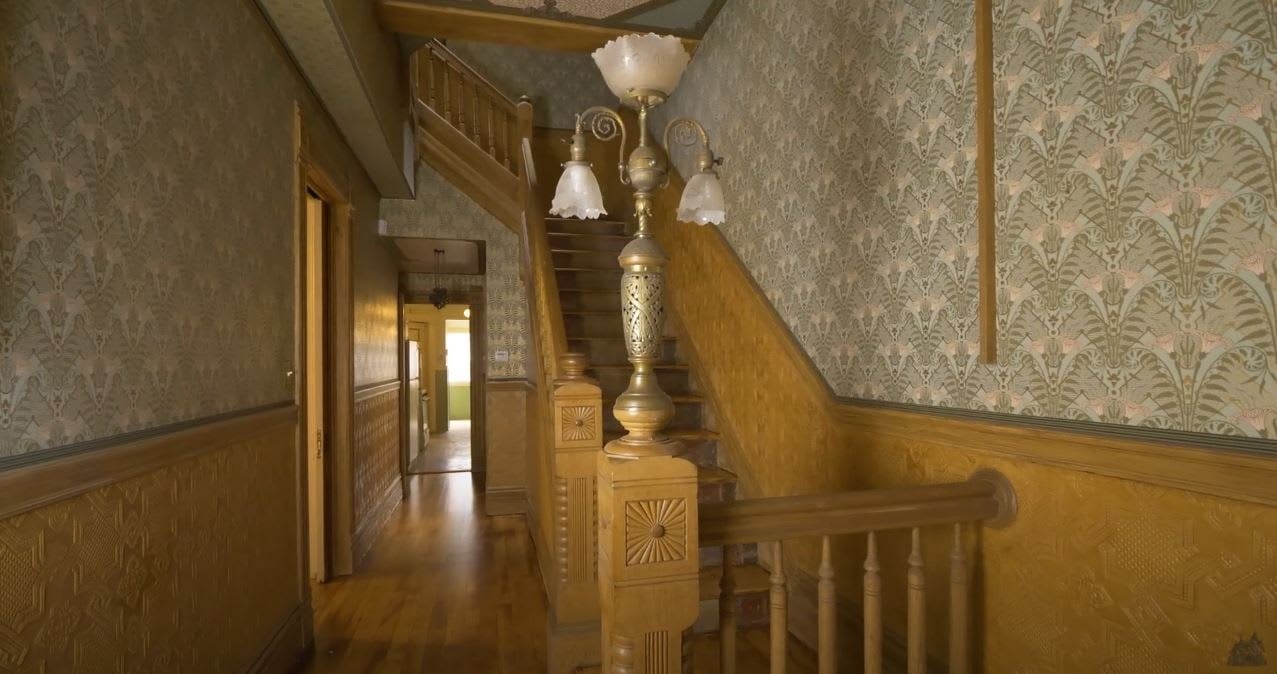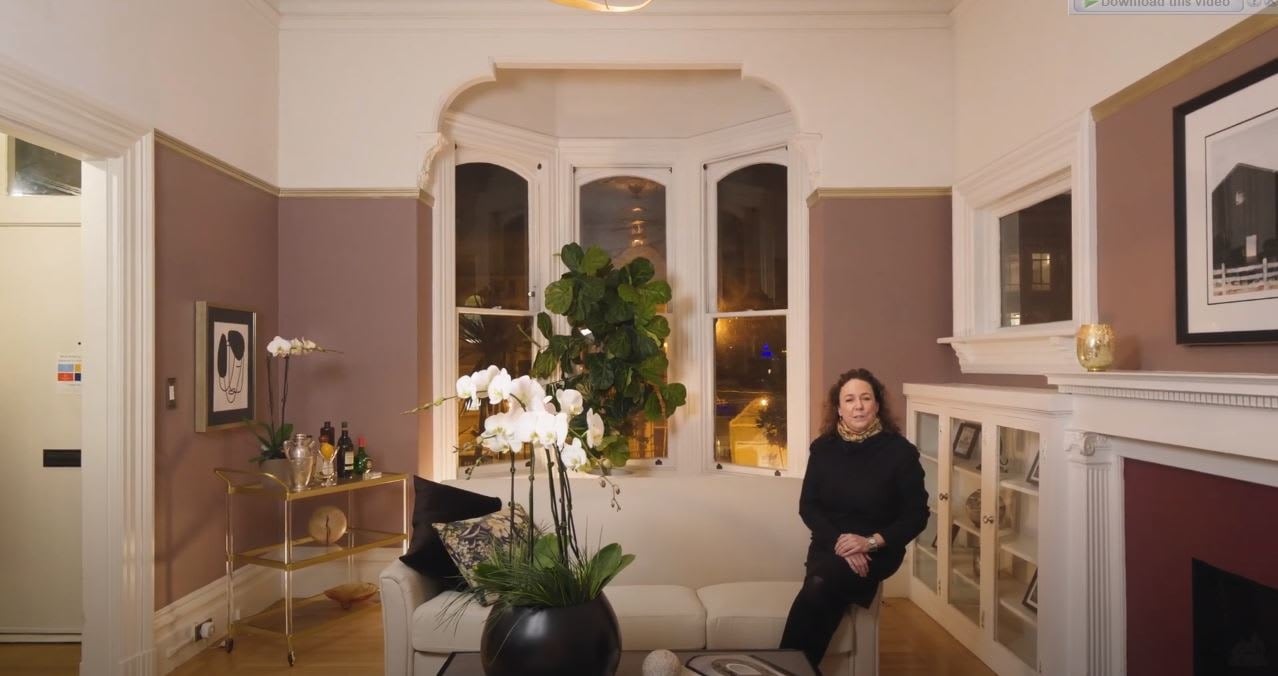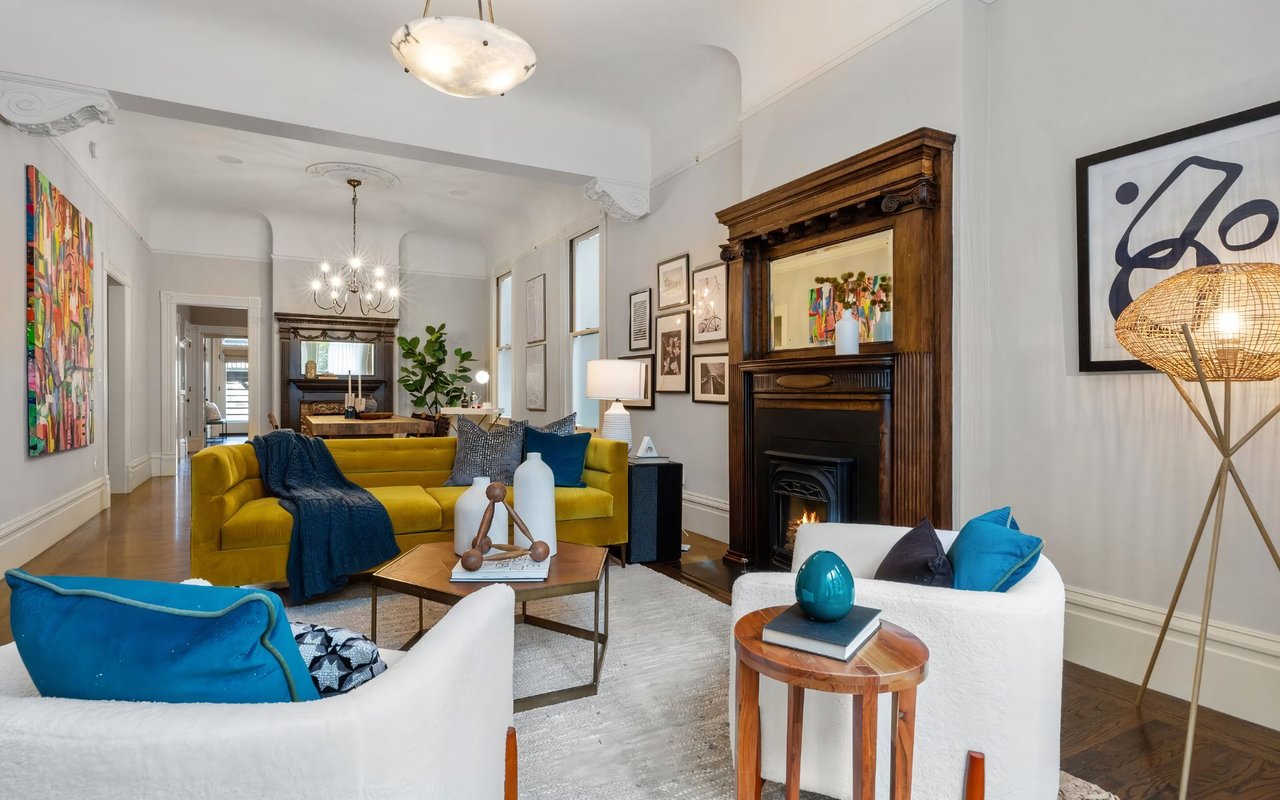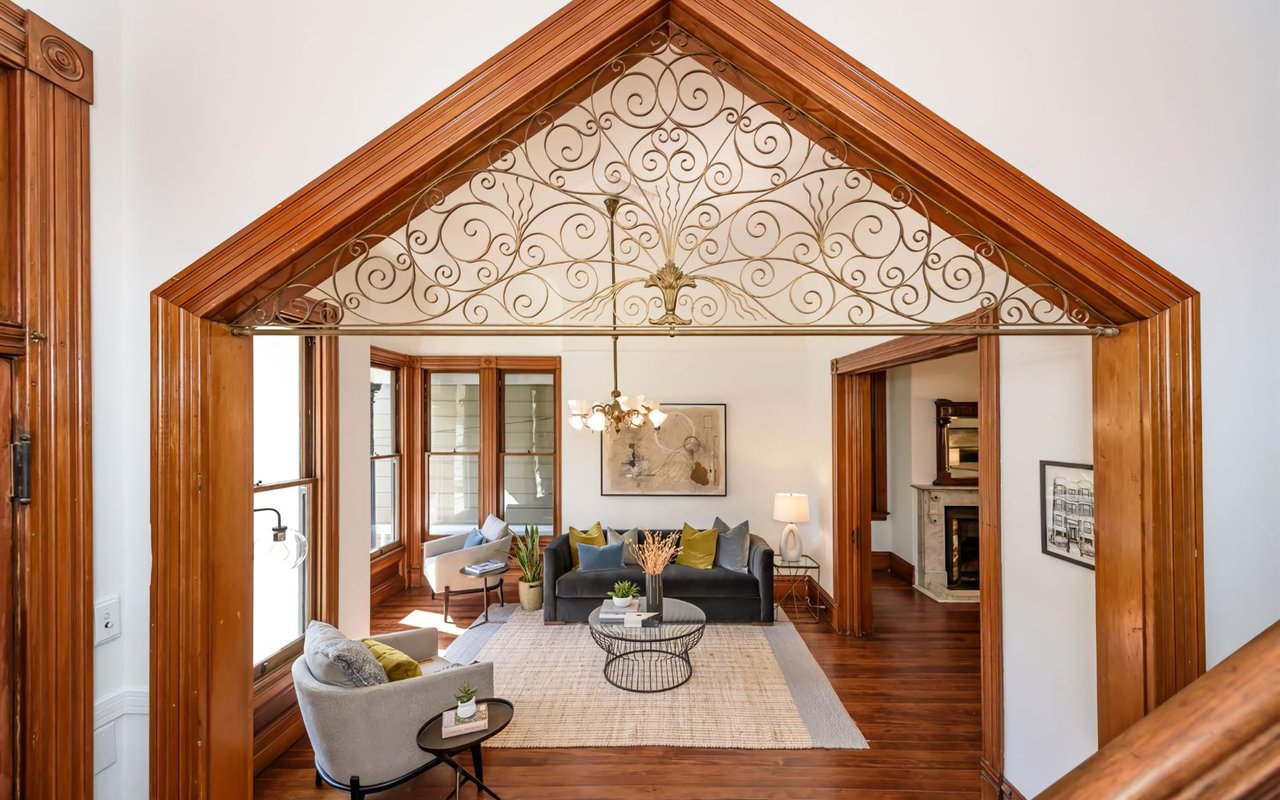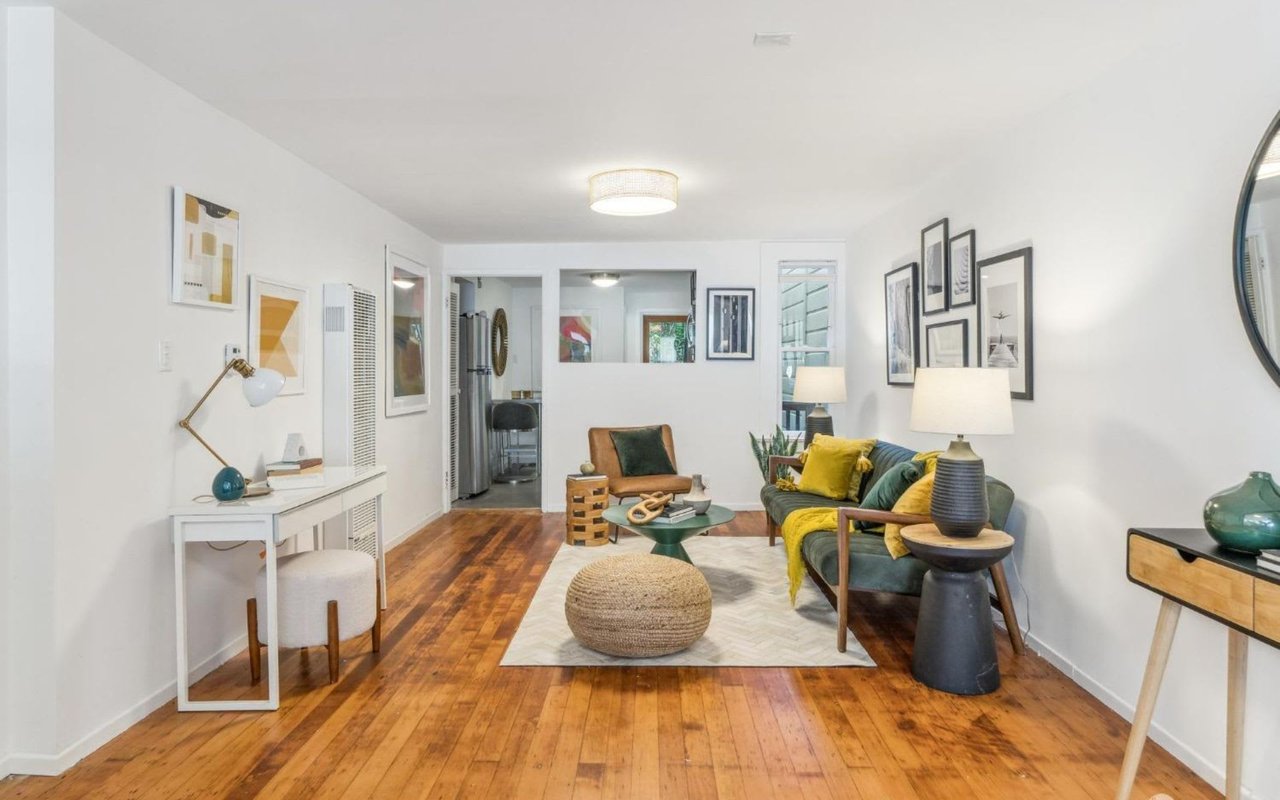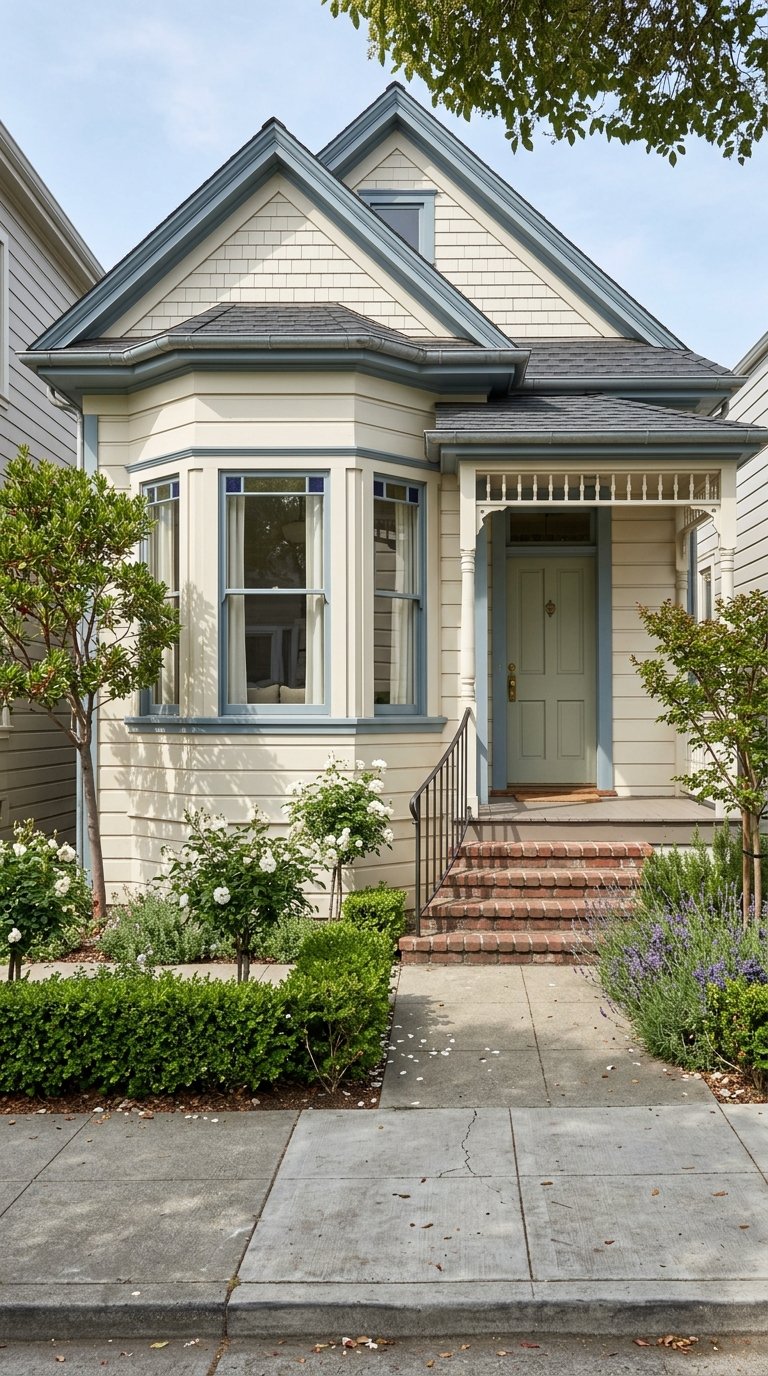
Dreaming of a historic Bay Area home, but not sure San Francisco pricing or renovation rules are the right fit? If you love old-house character, walkable streets, and a stronger sense of architectural continuity, Alameda deserves a close look. For many buyers, it offers a compelling middle ground: rich historic housing stock, practical ferry access, and pricing that can land below many core San Francisco neighborhoods. Let’s dive in.
Why Alameda stands out for historic homes
Alameda is not a place where historic homes are rare exceptions. According to the city’s preservation materials, it has more than 10,000 buildings constructed before 1930, along with a historic preservation ordinance that dates to 1975. The city also maintains a local register of historic monuments, a historical buildings study list, historic signs, and the NAS Alameda Historic District.
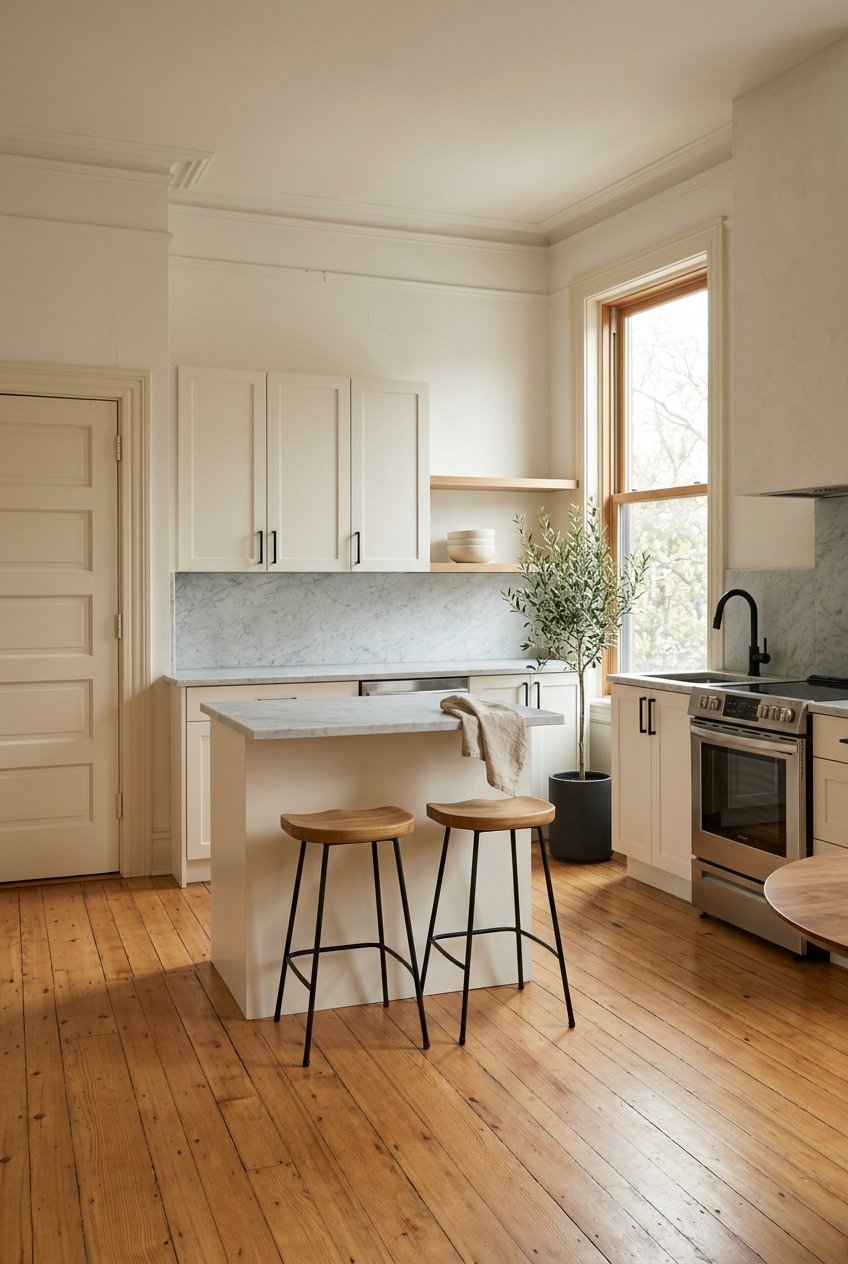
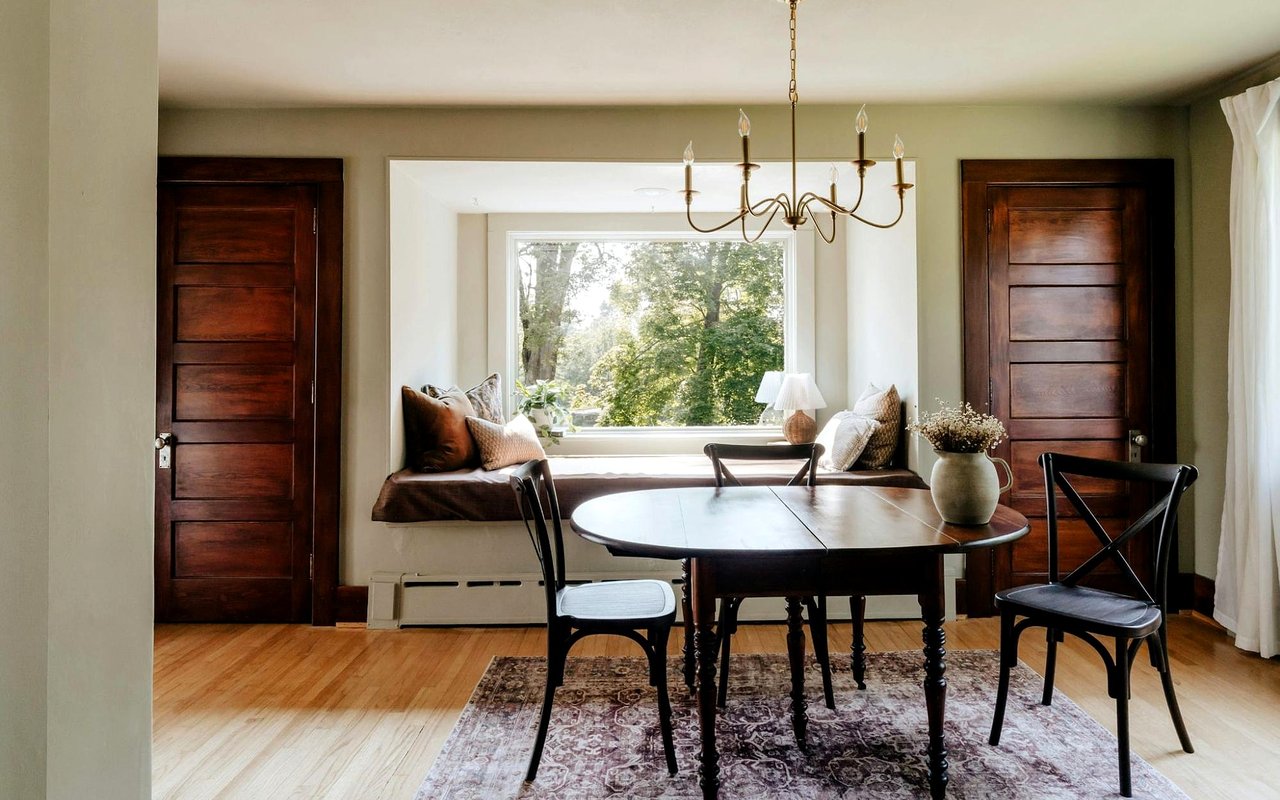
That matters when you are searching for a home with real architectural depth rather than just a few period details. In Alameda, older housing is part of the city’s physical identity. You are not just buying a house, you are often buying into a broader historic streetscape.
What architectural character looks like
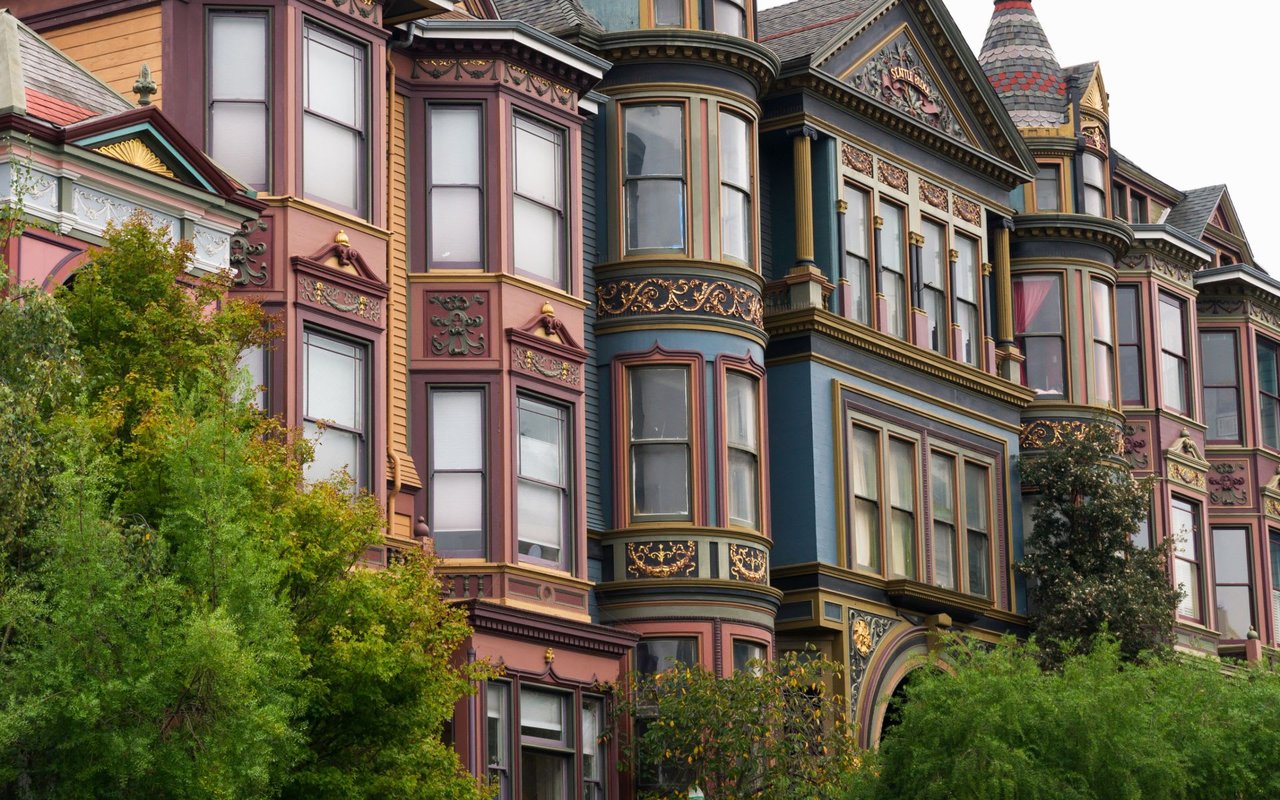
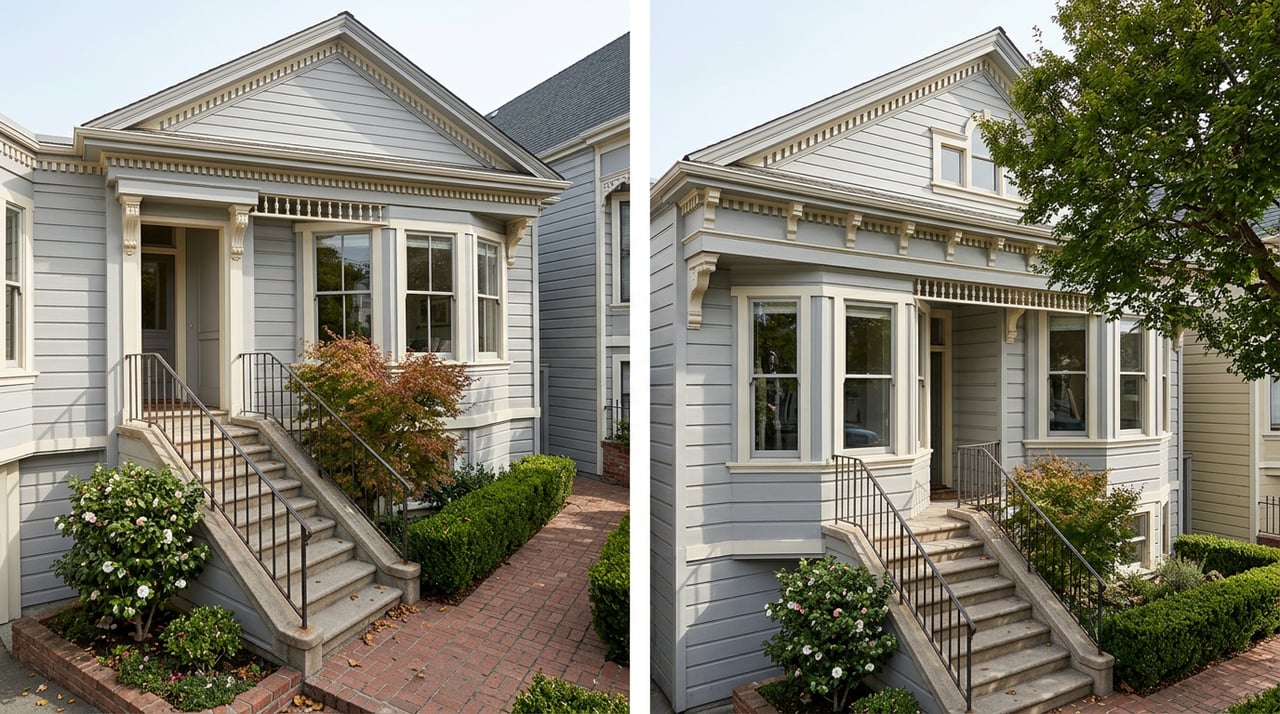
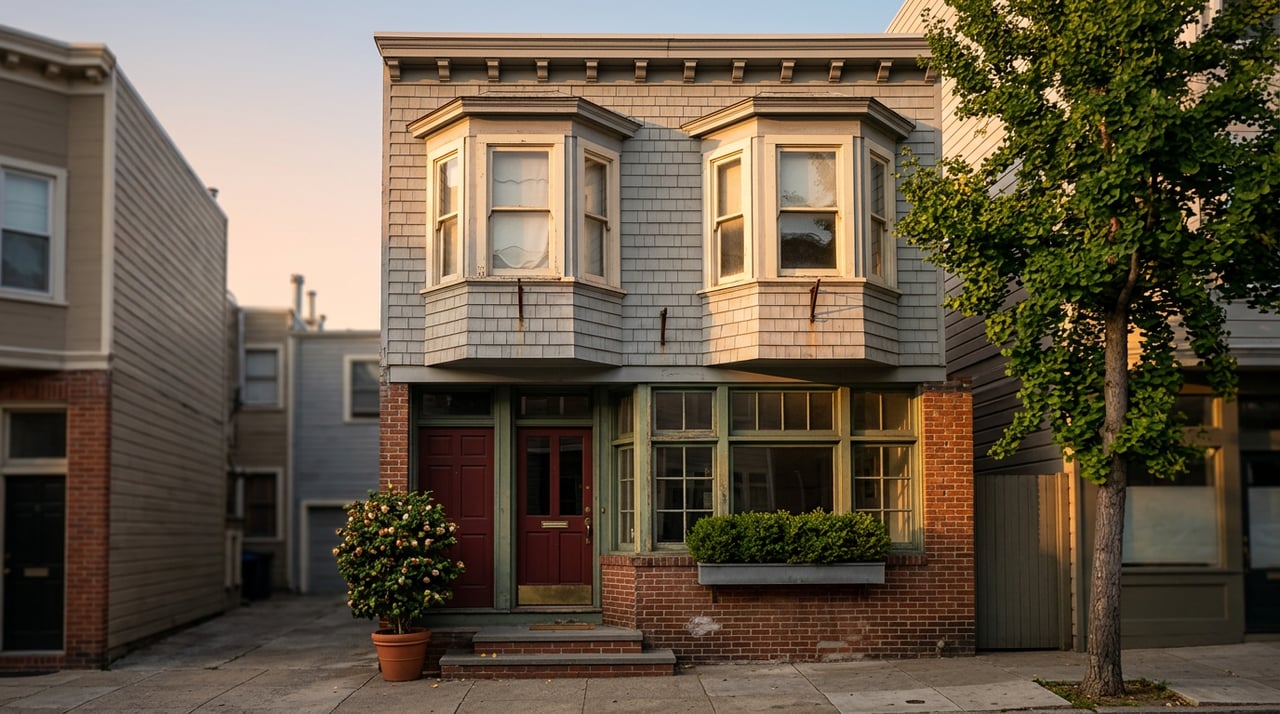
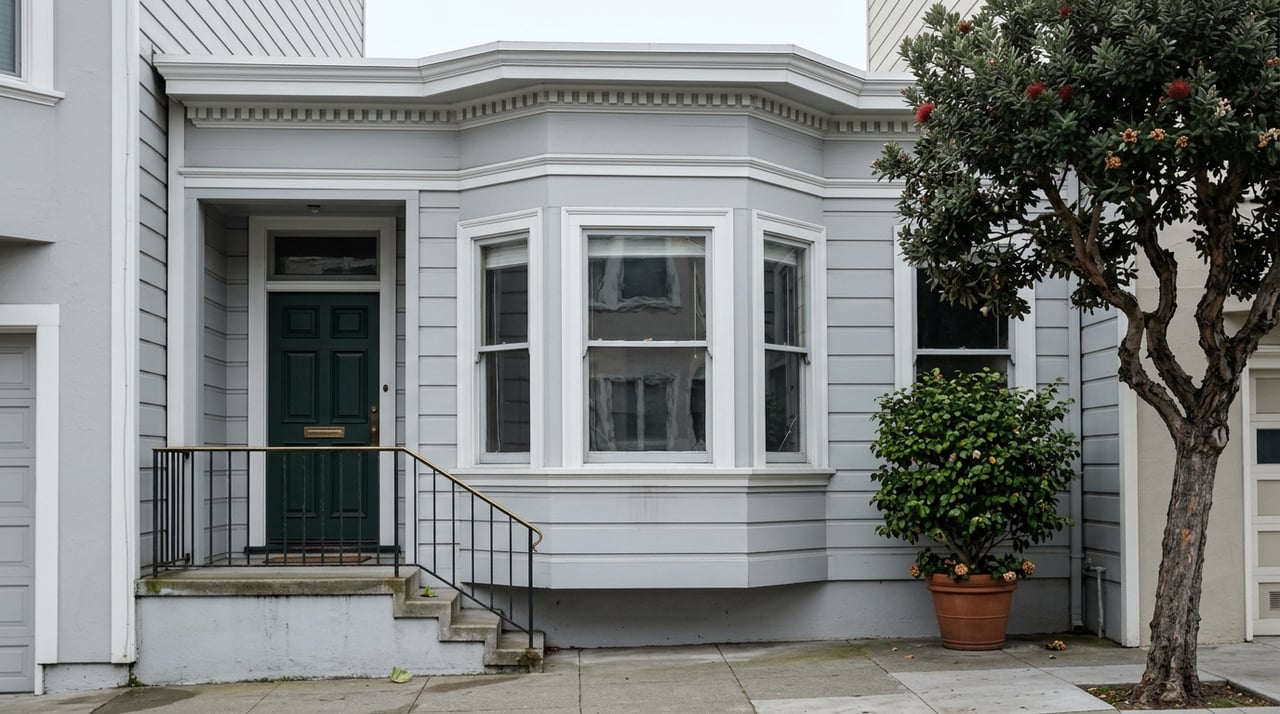
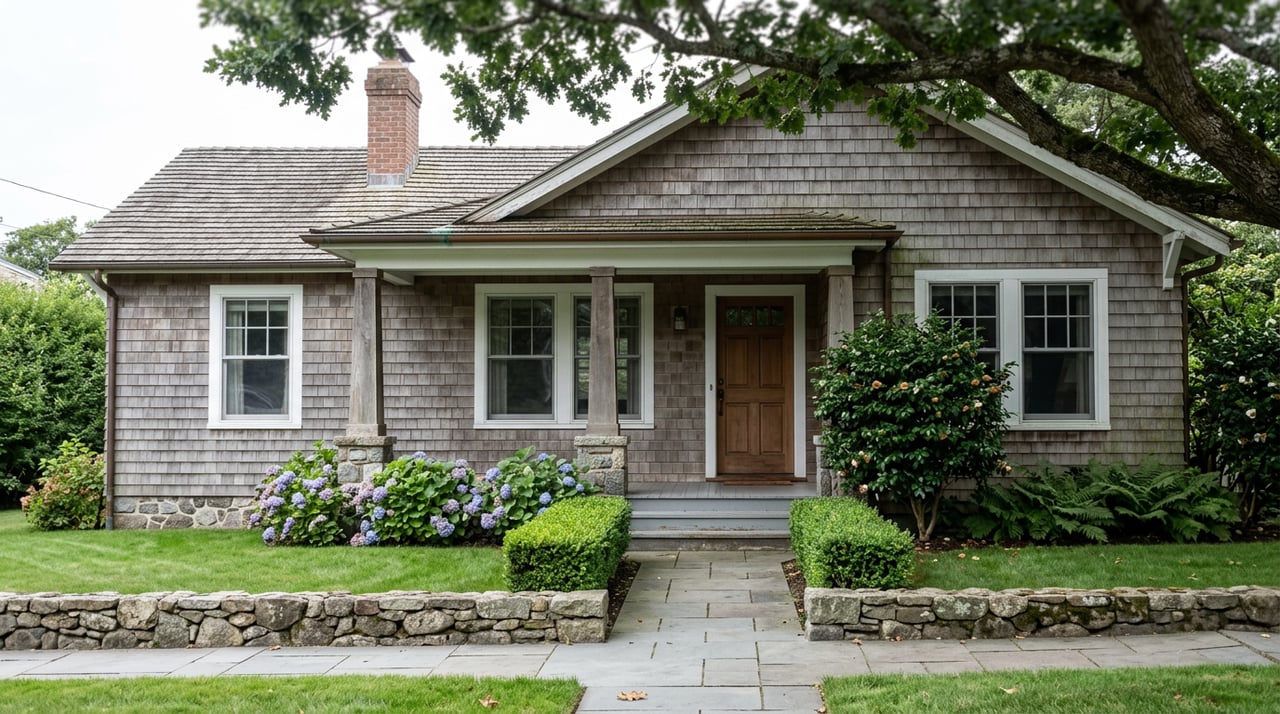
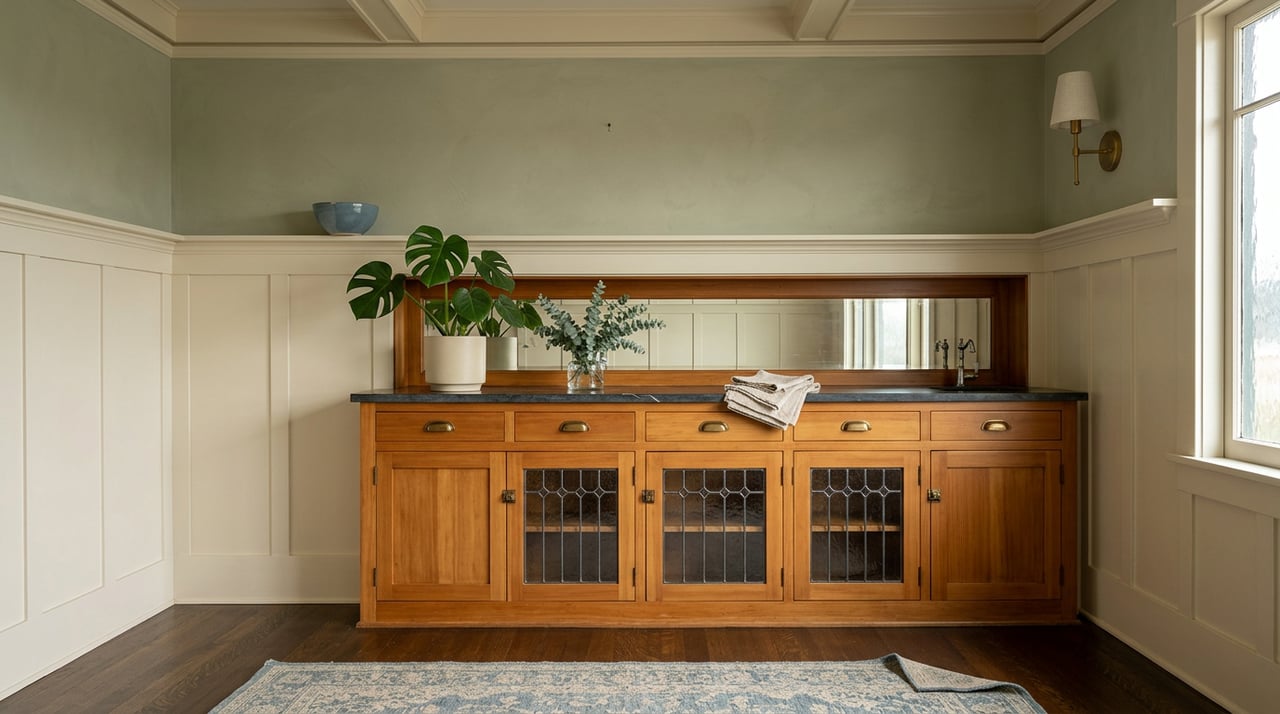
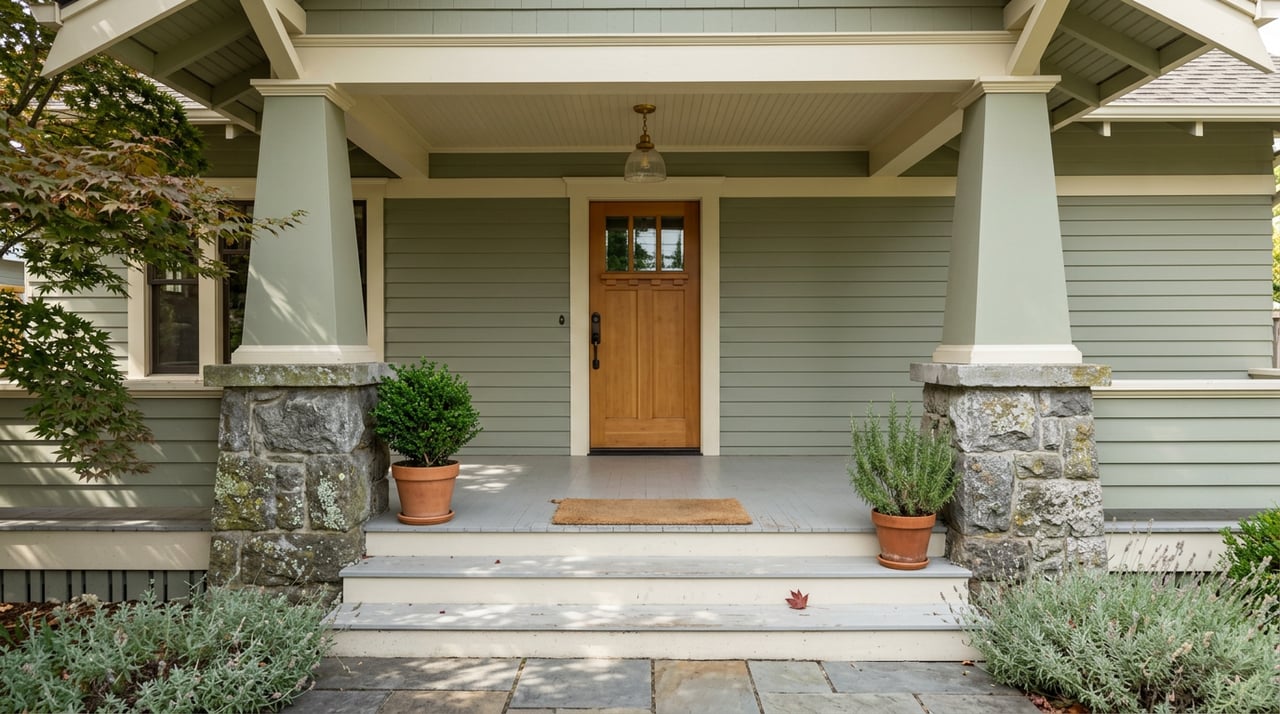
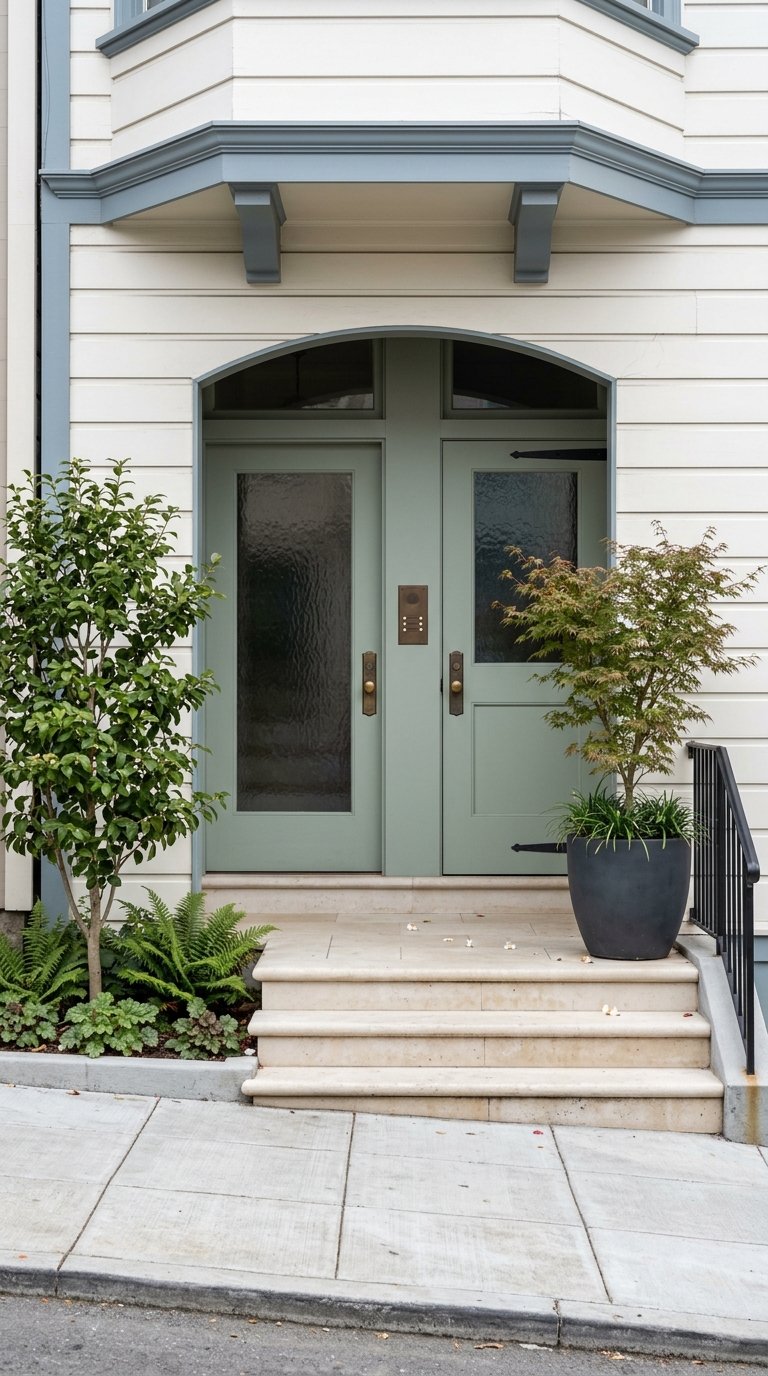
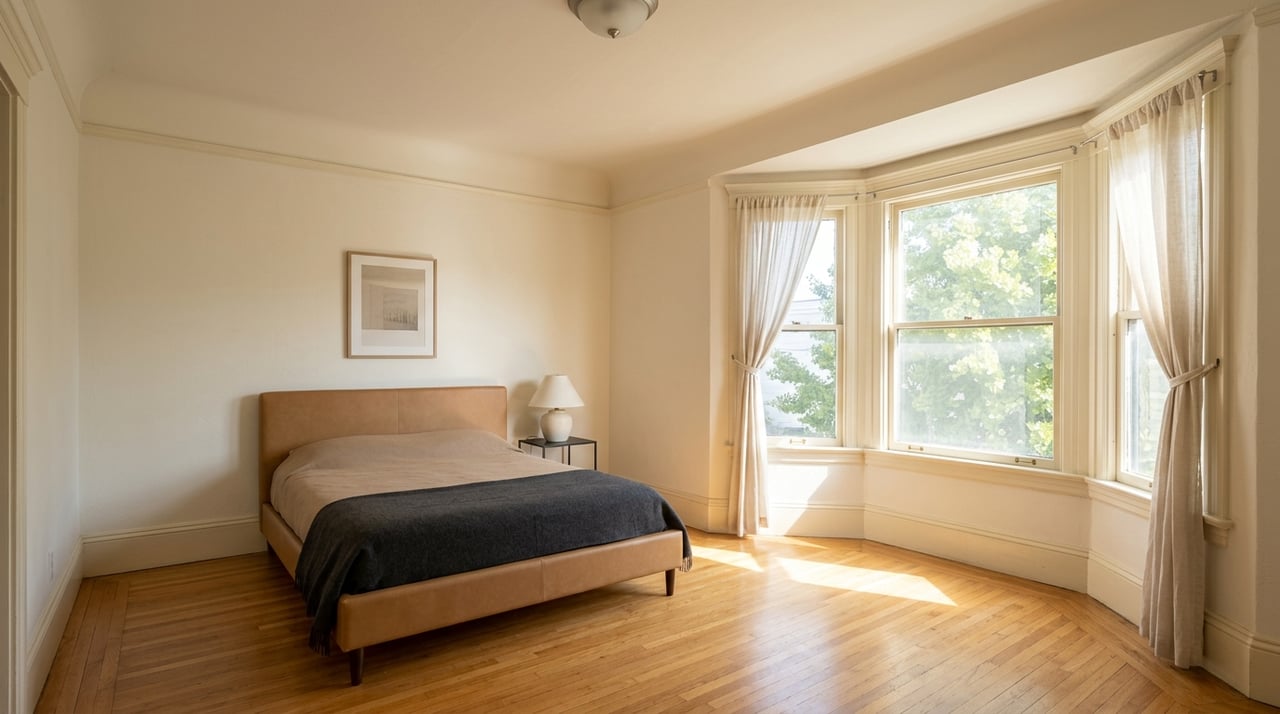
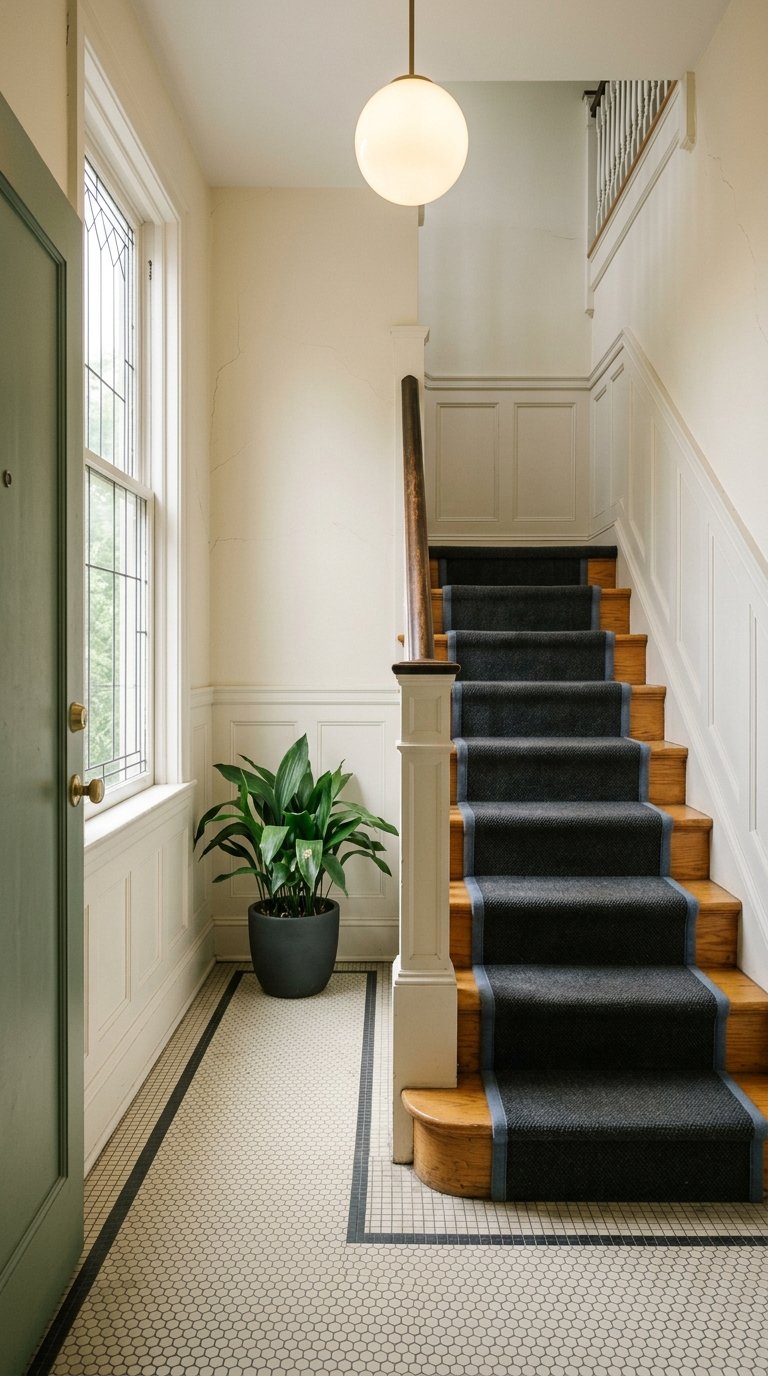
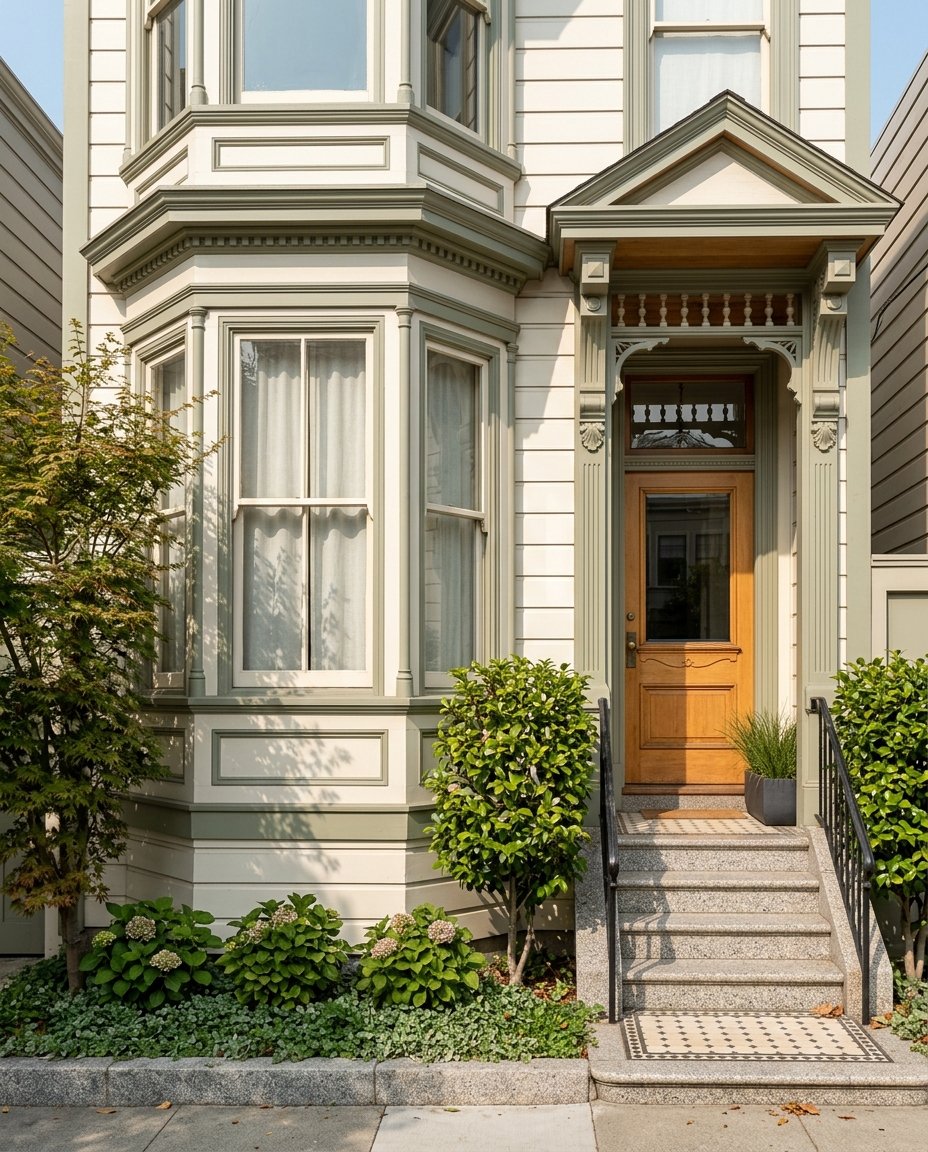
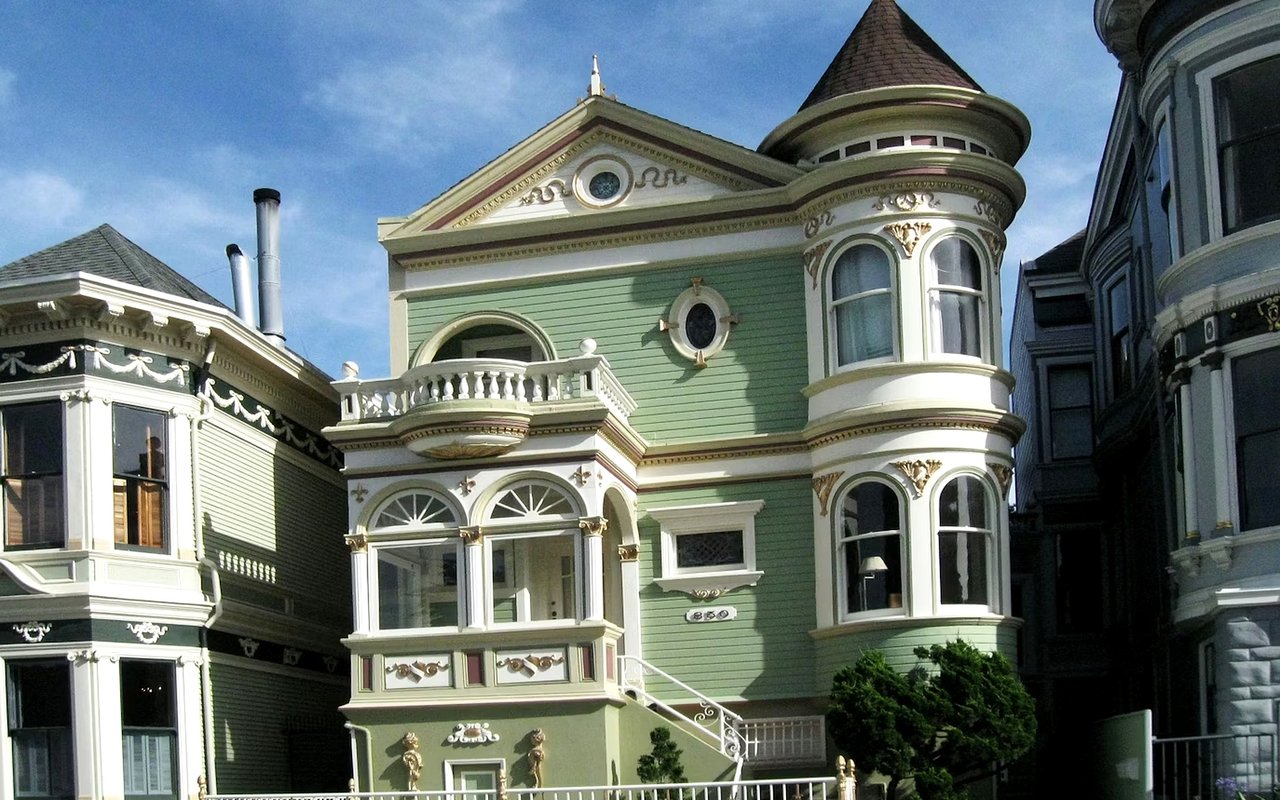
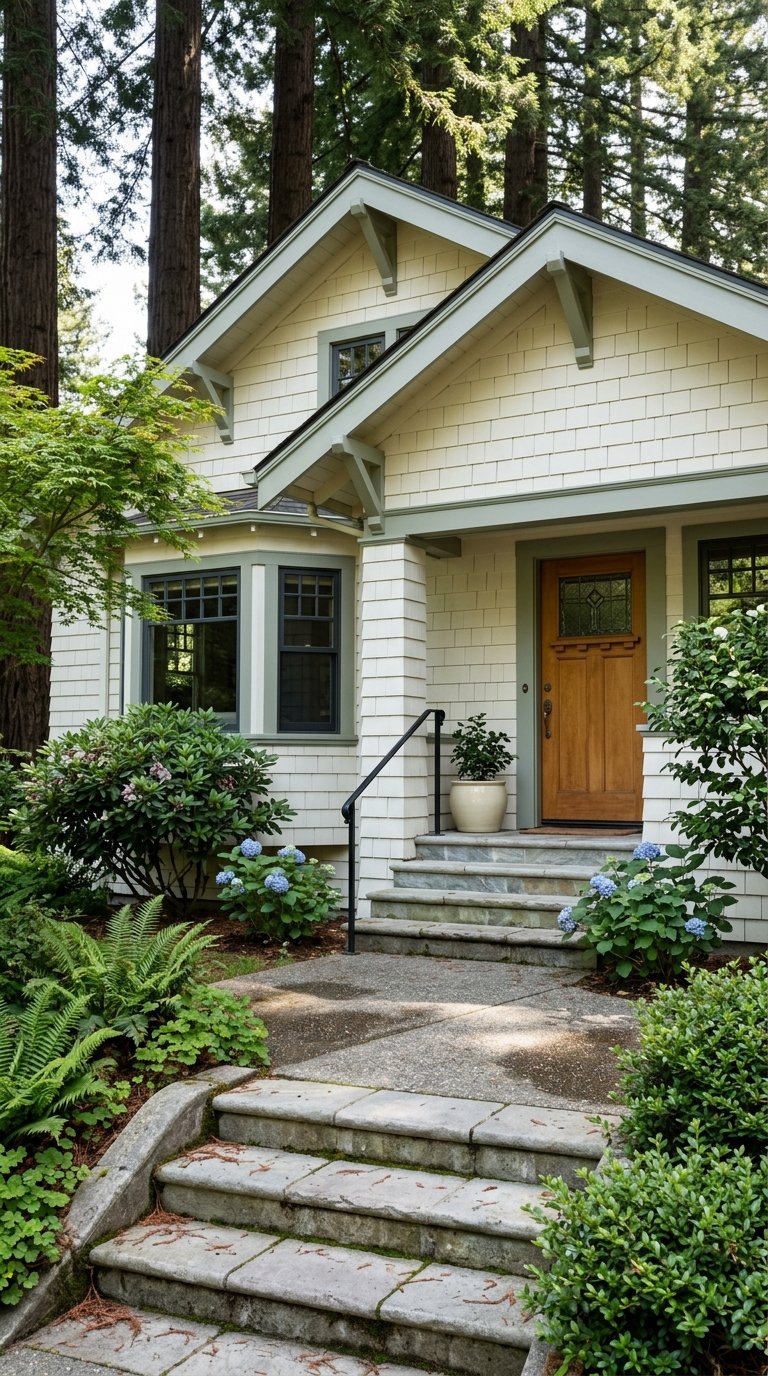
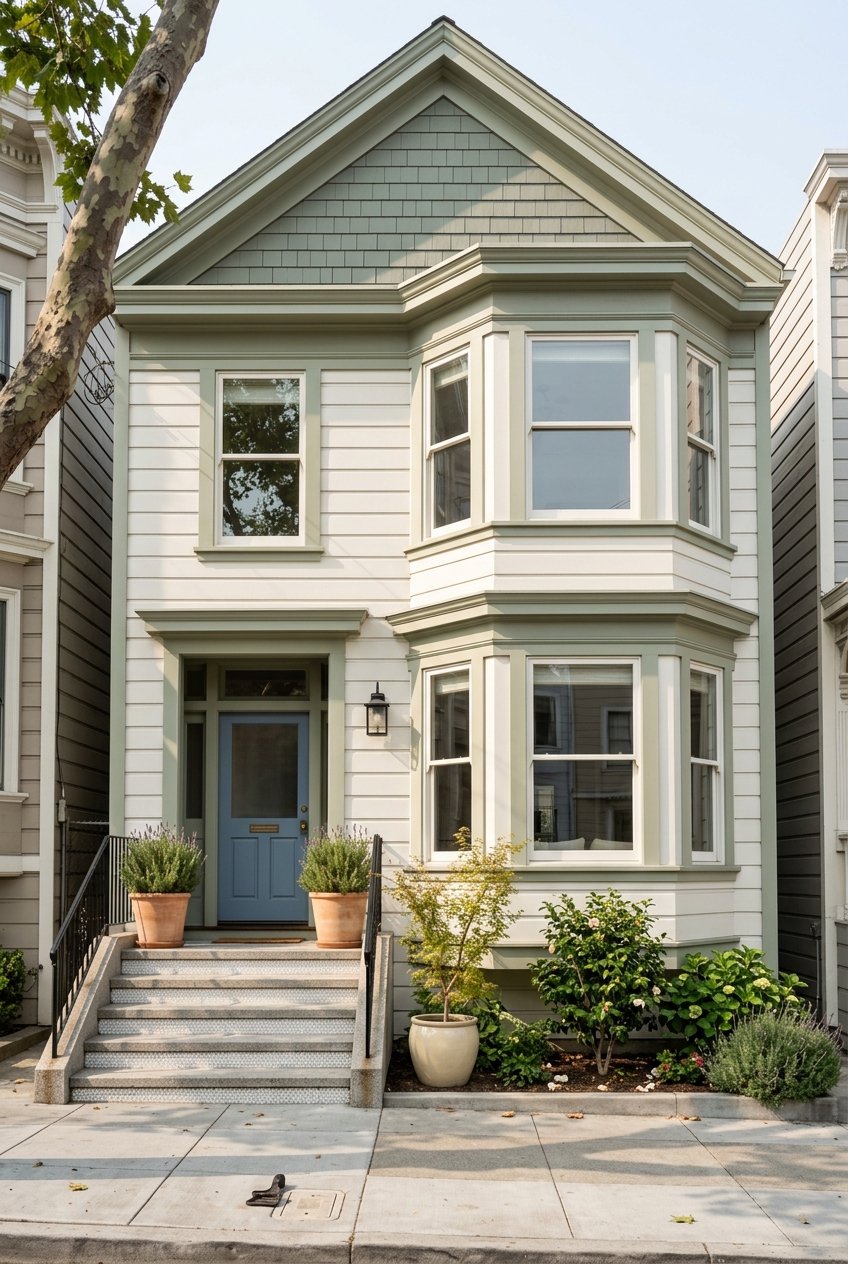
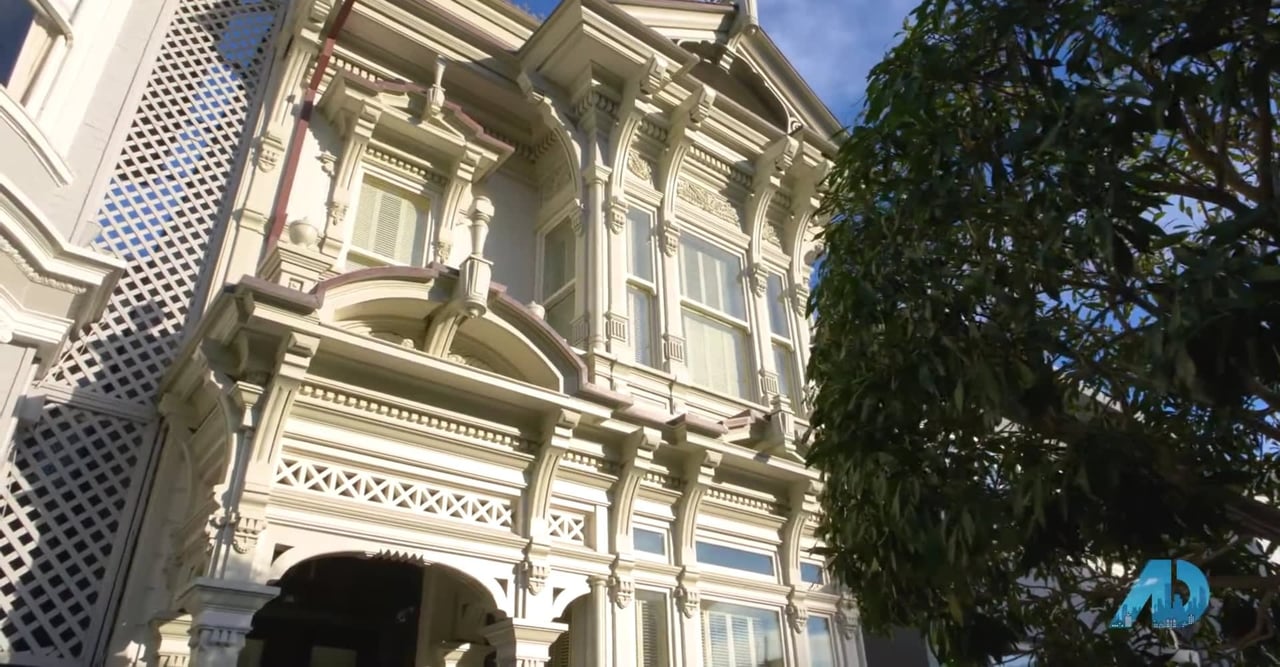
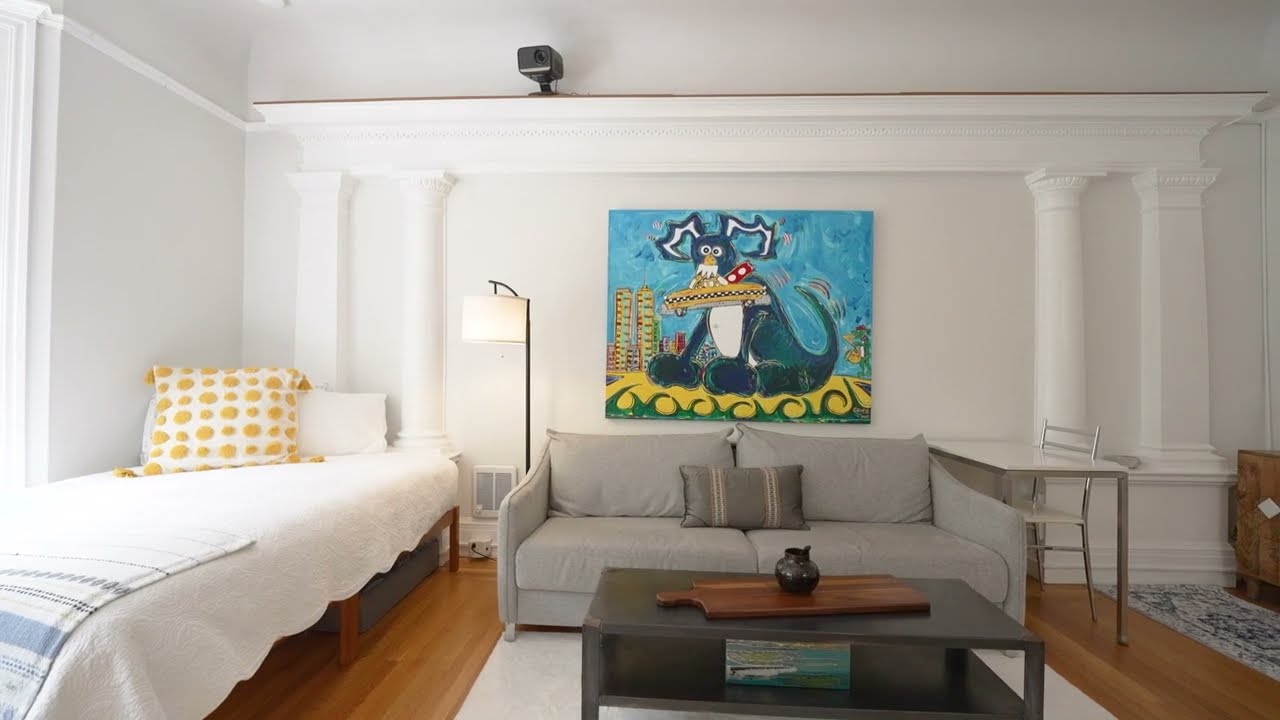
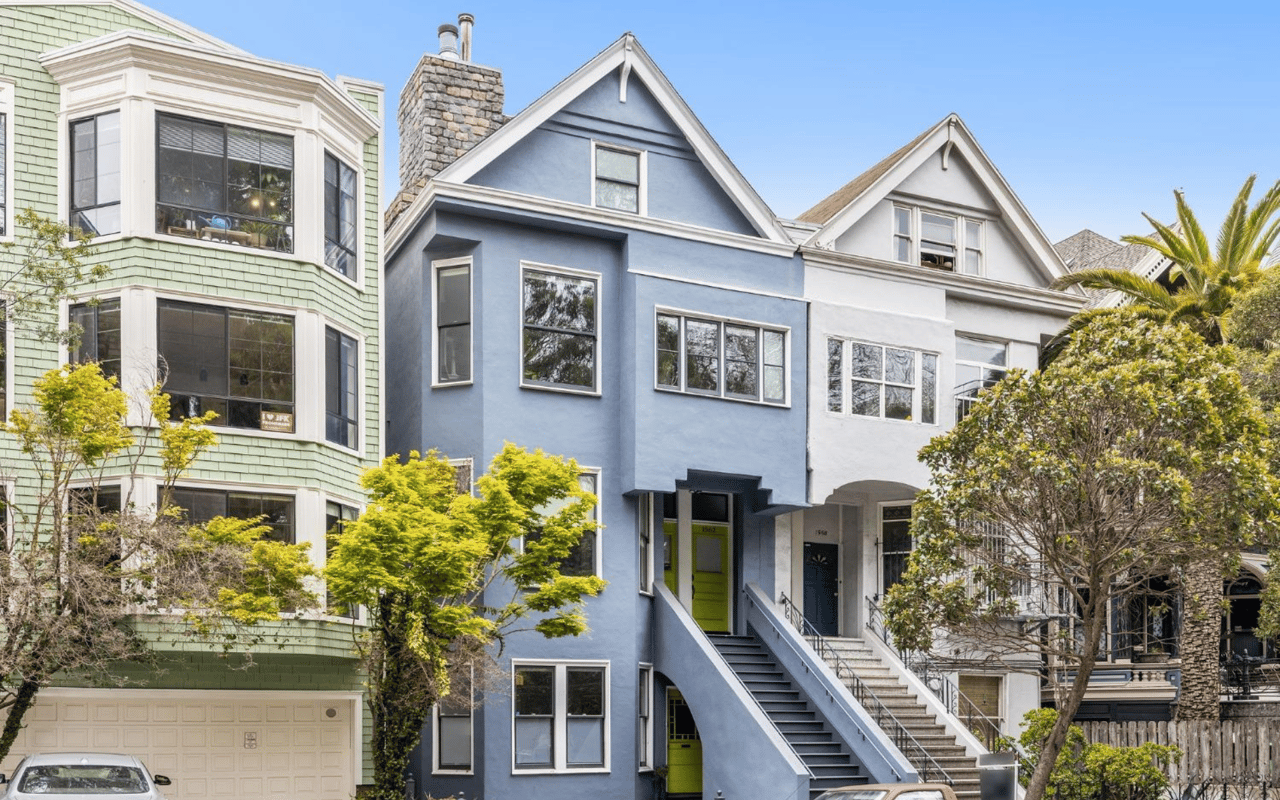
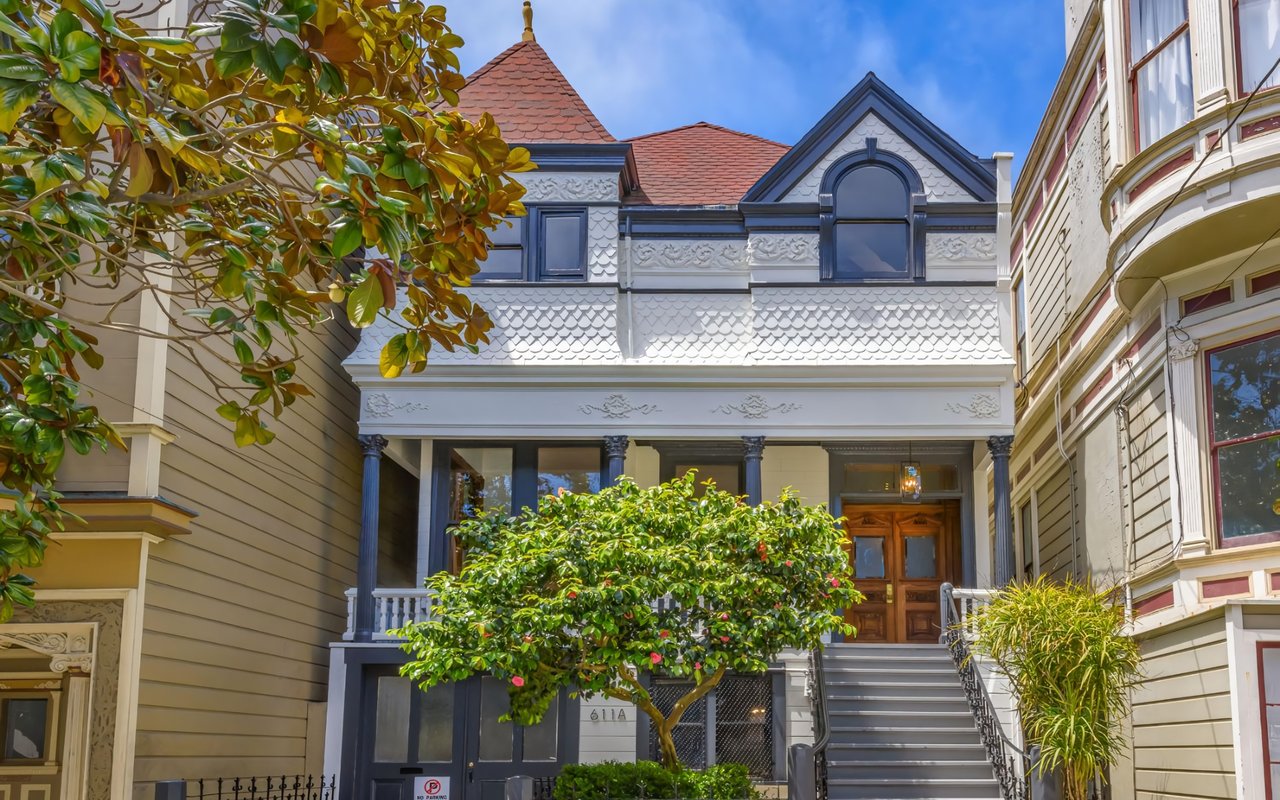
If you are drawn to Victorian and Edwardian-era homes, Alameda has a lot to offer. The city’s residential design guide identifies Victorian, Edwardian, Colonial Revival, Craftsman, Spanish, and Period Revival buildings as historic resources. It also notes that many neighborhoods do not have one single dominant style, which gives Alameda a layered and visually varied feel.
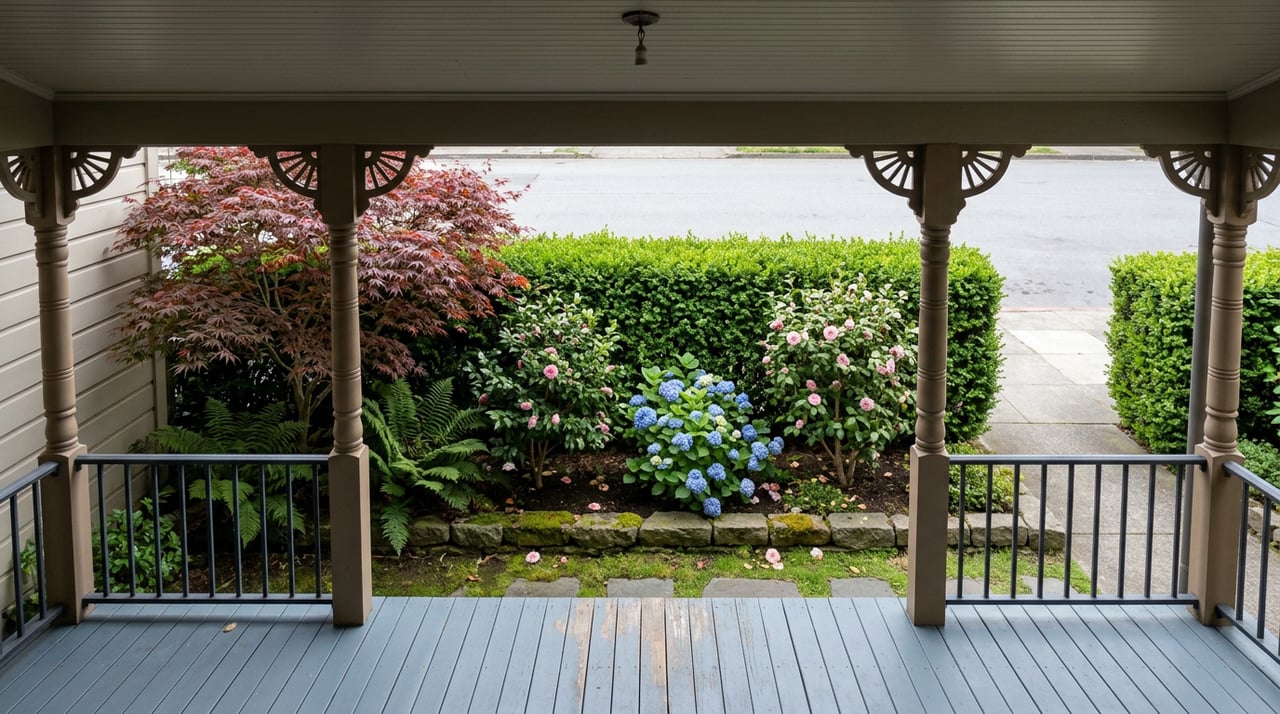
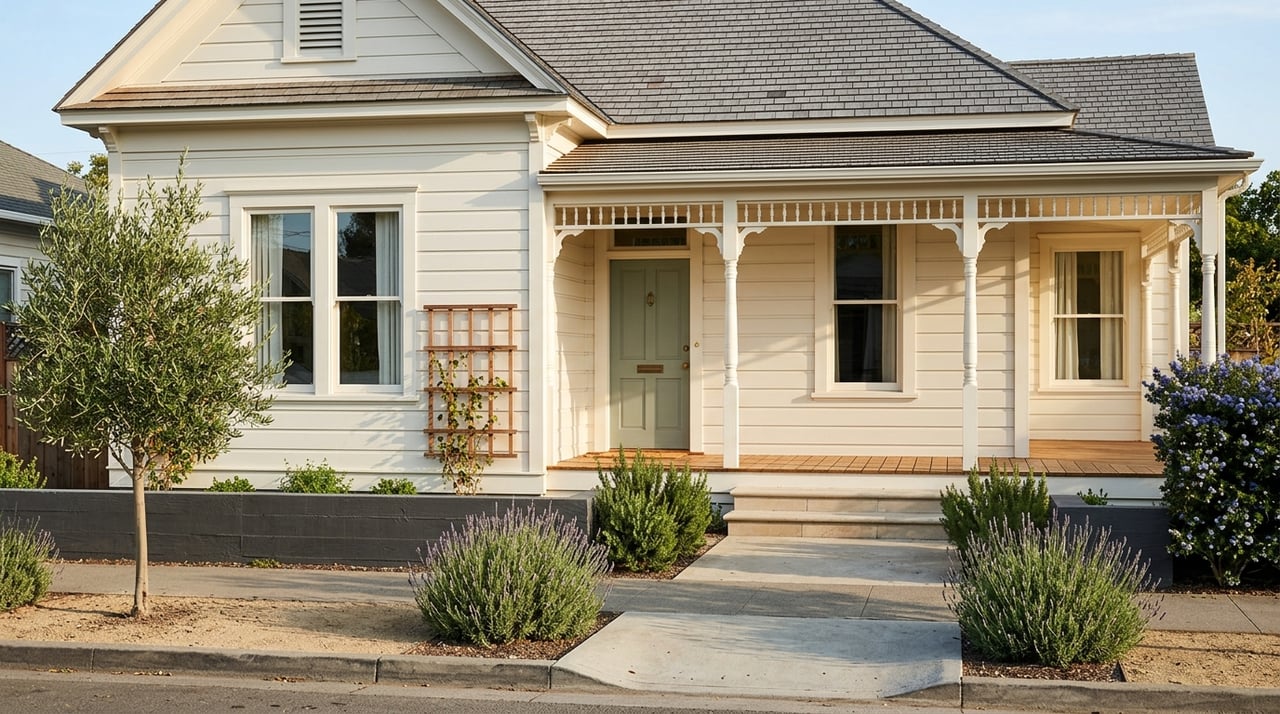
One detail that stands out is how often porches and stoops show up in Alameda’s older neighborhoods. The city specifically notes that Victorian houses with stoops and porches are common, which helps explain why many streets feel social, pedestrian-oriented, and full of personality. For buyers who care about curb appeal and original context, that is a meaningful part of the appeal.
More than single-family homes
Alameda’s historic housing story is broader than detached homes alone. The city’s design manual accounts for single-family detached homes, rowhouses, stacked flats, multiplexes, and commercial blocks. That gives buyers a wider menu of property types than they might expect from a character-home search.
If you are open to a condo-like layout in an older building, a multi-unit setup, or a home near a commercial corridor with strong period character, Alameda offers more variety than a simple bungalow-only market. That flexibility can be especially useful if you want historic character and practical long-term options.
Alameda vs. San Francisco on price
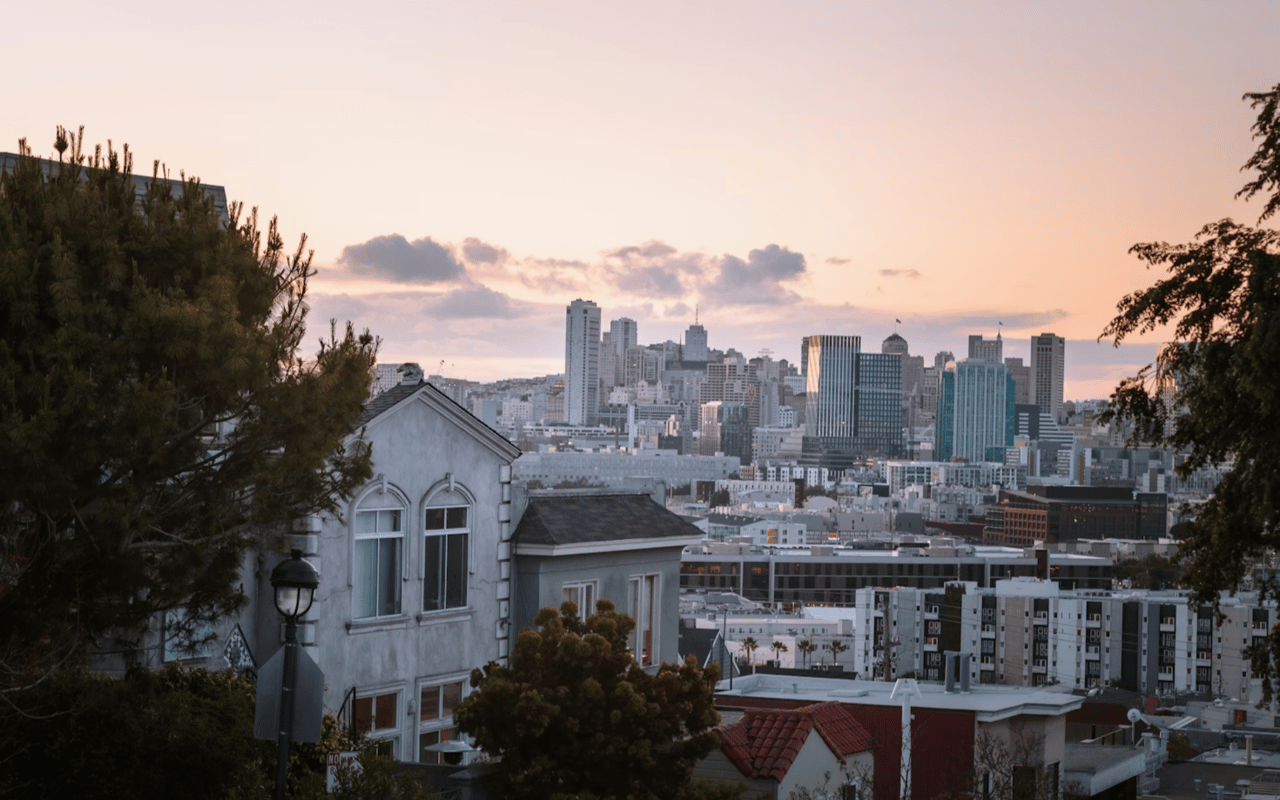
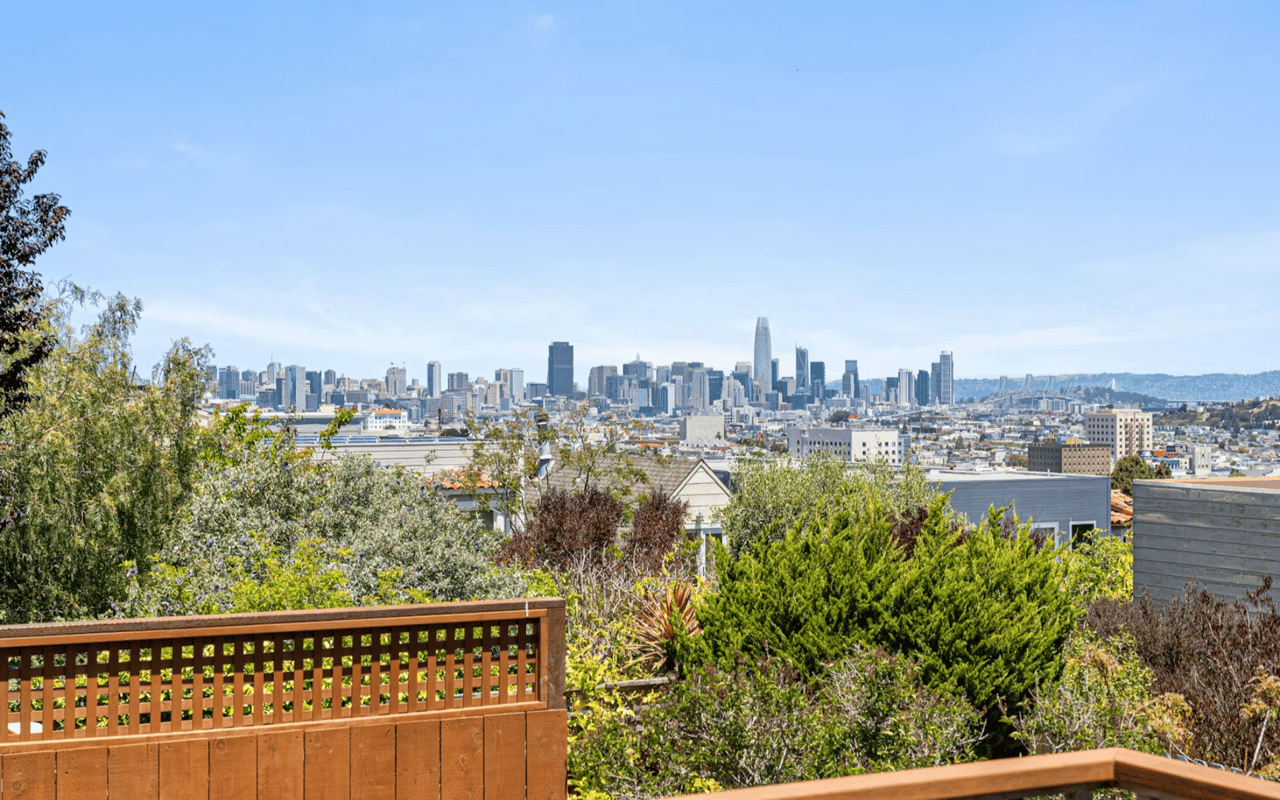
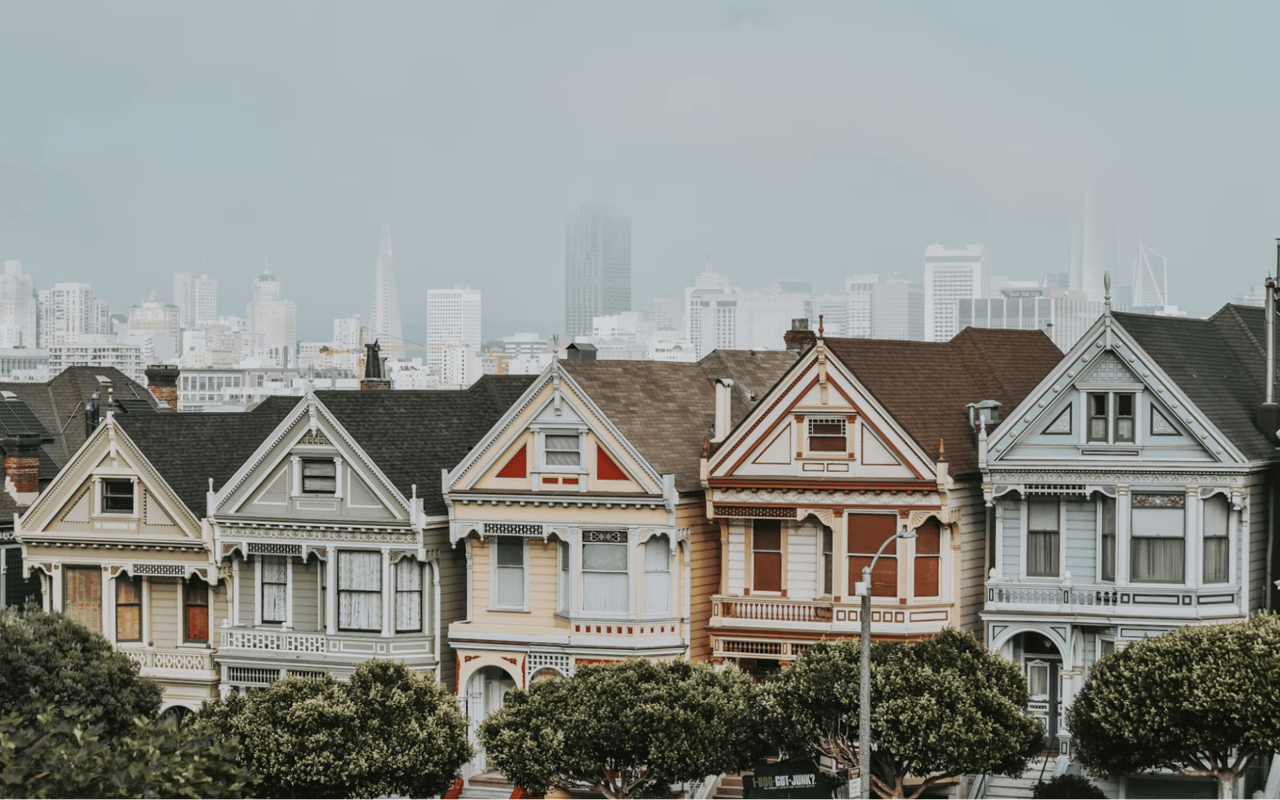
Historic-home buyers often start with San Francisco in mind, then run into the reality of pricing. Recent market data for the three months ending April 2026 show Alameda with a median sale price of $1.1 million, while San Francisco came in at $1.6 million. That does not make Alameda inexpensive, but it does create a different entry point.
At the neighborhood level, the comparison stays interesting. In Alameda, Bronze Coast posted a median sale price of $1.2 million in March 2026 and Gold Coast was $1,474,500. In San Francisco during the same general spring 2026 period, Bernal Heights was $1.6 million, Inner Richmond was $2.0 million, and Noe Valley was $2.3 million.
What that means for buyers
The takeaway is not that Alameda is always cheaper in every case. Both cities have meaningful neighborhood-by-neighborhood variation, and historic homes can command a premium wherever they are. Still, current pricing supports the idea that Alameda can serve as a lower-entry alternative to many historic San Francisco neighborhoods while still offering older architecture and strong visual character.
For buyers who want period homes without jumping straight into some of San Francisco’s higher price points, Alameda can make the math feel more workable. That can free up budget for preservation, repairs, or thoughtful upgrades after closing.
Walkability and ferry access add value
Character is important, but daily life matters too. Alameda’s transportation information shows that the island has bus and ferry service to Oakland and San Francisco, sidewalks on almost all streets, and bikeways across town. The city also notes that while Alameda does not have its own BART station, there are three nearby in Oakland.
For many buyers, the ferry is part of the appeal. Alameda has three ferry terminals: Seaplane Lagoon with direct service to San Francisco, Main Street with service to Oakland’s Short Hop, Downtown San Francisco, and South San Francisco, and Harbor Bay with direct service to San Francisco.
Historic homes with practical access
This is one reason Alameda can feel especially attractive to Bay Area buyers who want old-house charm without giving up connection to job centers and city amenities. The historic housing stock is paired with transportation options that support commuting and everyday mobility. That combination is not automatic in every historic-home market.
The city’s Commercial Streets program adds another practical layer. Core parts of Park and Webster Streets were reconfigured to create more room for outdoor dining, retail, and services, and the Park Street garage sits within a 10-minute walk of nearly all Park Street businesses. The city also identifies the Historic Park Street Business Improvement Area and the West Alameda Business Improvement Area as active district organizations.
Taken together, these features support a simple idea: in Alameda, historic neighborhoods are tied to active commercial corridors and a pedestrian-friendly rhythm of life. If you want architectural character that still works for real day-to-day living, that matters.
Renovation in Alameda requires planning
If you are buying a historic or older home, renovation rules should be part of your home search from the start. Alameda’s preservation framework is clear that this is not a blank-slate remodel market. The city says a Certificate of Approval may be required for work on historic structures, and public hearing review is required for alterations to Historic Monuments, contributing structures in the Park Street business district and Alameda Point, and demolition of pre-1942 structures.
The city also states that all buildings constructed before 1942 are subject to the State Historical Building Code. On top of that, all improvements, including new buildings and most alterations, are subject to Design Review approval. In practical terms, that means your renovation ideas need to be checked against local review requirements early.
Exterior changes often matter most
For many buyers, the biggest question is not whether a house is old. It is whether the property is designated, listed, or located in an area that changes the approval path. In Alameda, that can affect whether a Certificate of Approval is needed.
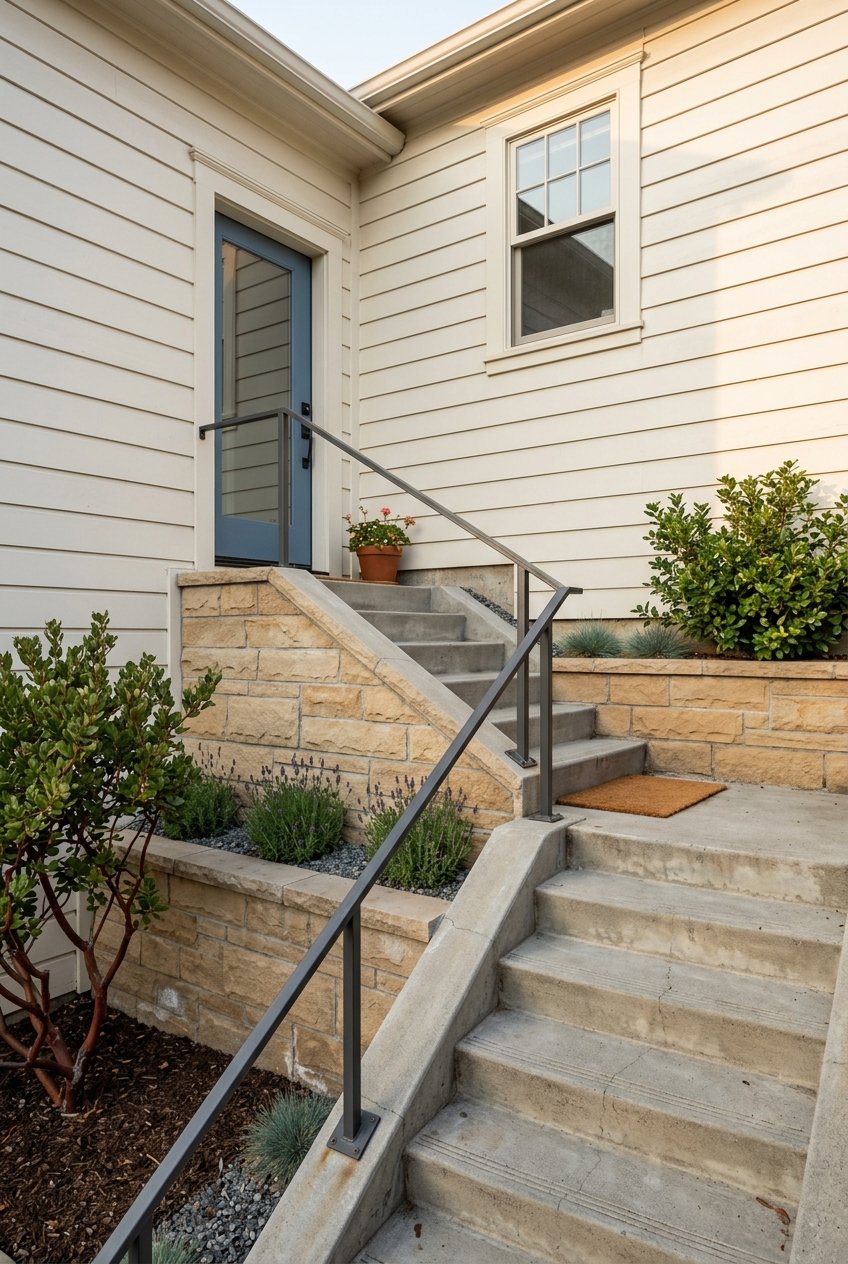
Exterior work deserves especially close attention. Changes to windows, porches, rooflines, and other visible features often trigger review, which makes sense in a city where streetscape character is part of the value. If you love original architecture, this preservation-minded approach may feel like a benefit rather than a burden.
Alameda compared with San Francisco review
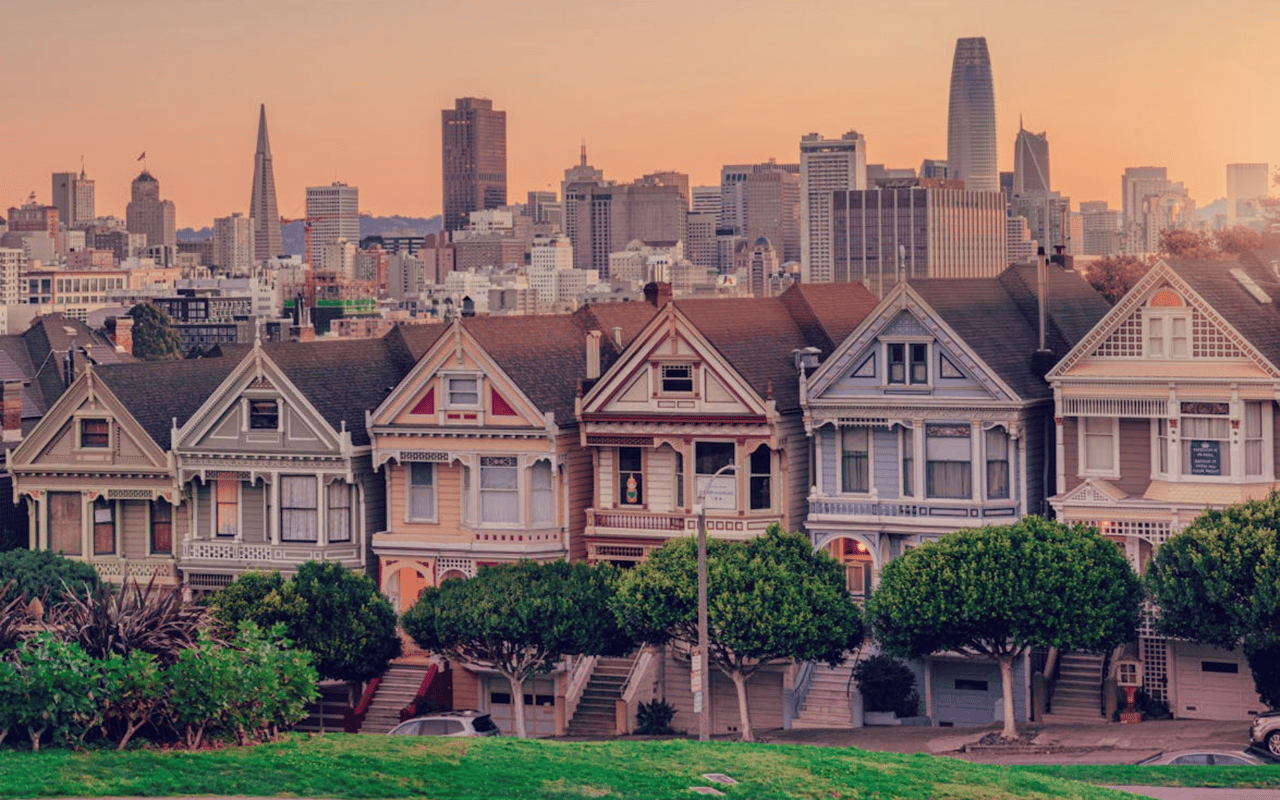
San Francisco also has a layered preservation framework, and in many cases it is even more formal. SF Planning says Article 10 landmarks and all properties within Article 10 historic districts require a Certificate of Appropriateness or Administrative Certificate of Appropriateness for exterior alterations requiring a permit. Some districts also require review for street-visible changes that do not require a permit.
SF Planning further notes that projects involving structures identified as historic resources, or buildings 45 years old or older, should be reviewed by a historic preservation specialist. Even non-designated historic buildings may need CEQA review, and window replacement requires a building permit citywide, with added review when visible from the street.
Why this comparison matters
For buyers weighing Alameda against San Francisco, the practical message is straightforward. Alameda has real preservation review, and you should respect it. San Francisco generally layers on even more formal review in designated areas.
That can make Alameda attractive if you want meaningful historic character and a preservation-minded environment, but you also want a market that may offer a somewhat simpler path than some San Francisco scenarios. The key is to go in with your eyes open about what kind of work you hope to do.
Smart questions to ask before you buy
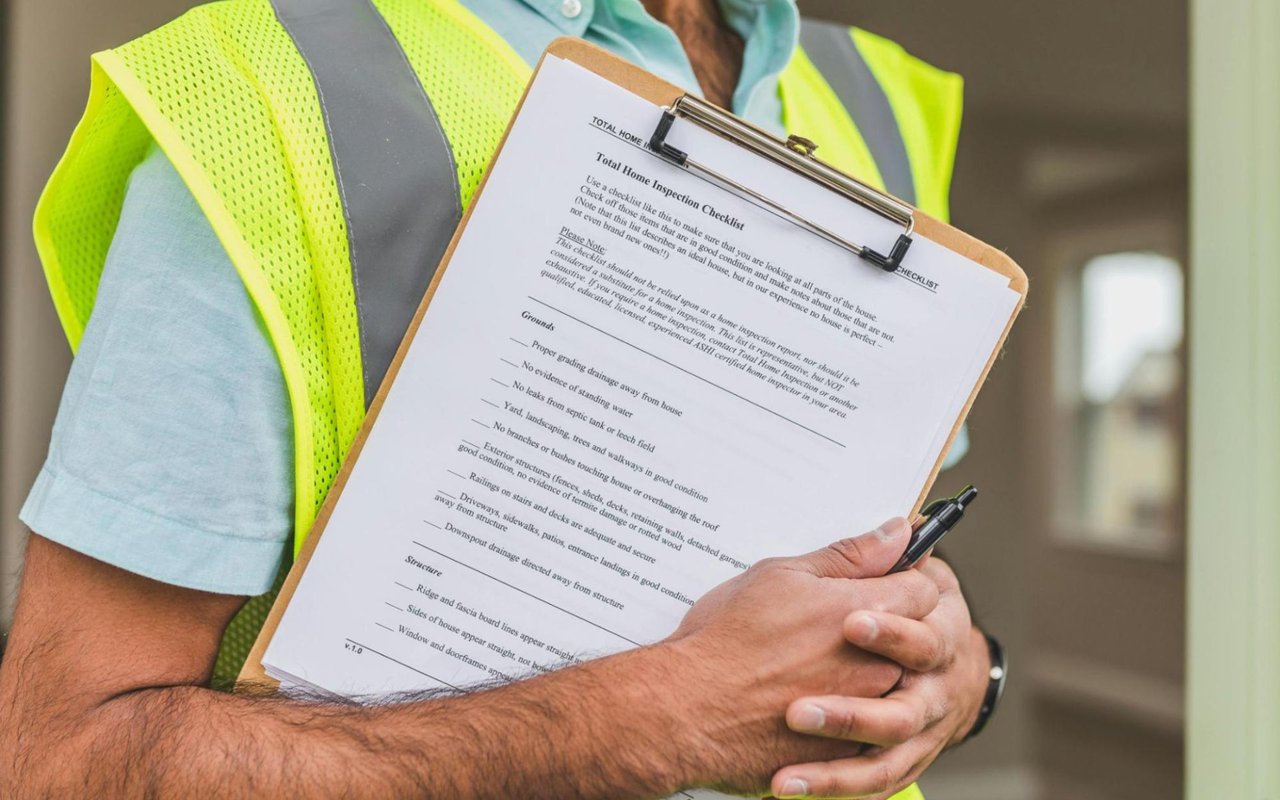
When you tour an older home in Alameda, a few questions can save you time and money later. These are the kinds of issues that shape both your ownership experience and your renovation options.
Ask about historic status
Find out whether the home is simply older, on a local historic list, or located within a historic district. That distinction can directly affect approvals for future work. It can also influence how flexible your project scope may be.
Ask about visible changes
If you are already imagining new windows, porch work, a roof change, or a front exterior update, ask early how those changes are reviewed. Visible exterior work tends to be where preservation and design rules matter most. The more specific your plans, the easier it is to evaluate fit before you buy.
Ask how lifestyle and budget connect
Historic-home ownership is not just about architecture. It is also about whether the home’s setting, commute options, and likely upkeep fit your priorities. Alameda can be especially compelling if you want walkability, ferry access, and historic housing stock at price points that may compare favorably with many San Francisco neighborhoods.
Why Alameda fits preservation-minded buyers
Alameda works well for buyers who see a historic home as both a personal space and a form of stewardship. The city’s housing stock offers visual richness, variety of building types, and a preservation framework that helps protect what makes these homes special. At the same time, its transportation network and commercial corridors support a lifestyle that feels connected and convenient.
If your goal is to own a Bay Area home with genuine architectural character, Alameda belongs on your shortlist. It can offer a thoughtful balance of old-house appeal, everyday function, and pricing that may open doors compared with some better-known San Francisco historic neighborhoods.
When you are evaluating a character property, the details matter. Working with someone who understands architecture, disclosures, renovation implications, and the local market can help you choose the right house for both your taste and your long-term plans. If you are exploring historic homes in Alameda or nearby Bay Area markets, connect with Bonnie Spindler for expert guidance.
FAQs
What makes Alameda appealing for Bay Area historic-home buyers?
- Alameda offers more than 10,000 buildings constructed before 1930, a wide mix of historic architectural styles, walkable commercial corridors, and ferry access to San Francisco and Oakland.
How does Alameda compare with San Francisco on historic-home pricing?
- Recent market data show Alameda at a $1.1 million median sale price versus $1.6 million in San Francisco, which can make Alameda a lower-entry option for buyers seeking older architecture.
What kinds of historic home styles can you find in Alameda?
- Alameda’s historic resources include Victorian, Edwardian, Colonial Revival, Craftsman, Spanish, and Period Revival buildings, with many neighborhoods showing a mix of styles rather than one dominant look.
What renovation rules should buyers know about in Alameda?
- Alameda may require a Certificate of Approval for work on historic structures, public hearing review for certain alterations and demolitions, and Design Review approval for most improvements and alterations.
Why do exterior changes on Alameda historic homes need extra attention?
- Exterior updates such as windows, porches, and roofline changes often trigger review because they can affect the architectural character and streetscape of historic properties.
Is Alameda a good fit if you want both character and commuting options?
- Yes. Alameda pairs historic neighborhoods with sidewalks on almost all streets, bikeways, bus service, and three ferry terminals serving San Francisco and Oakland connections.