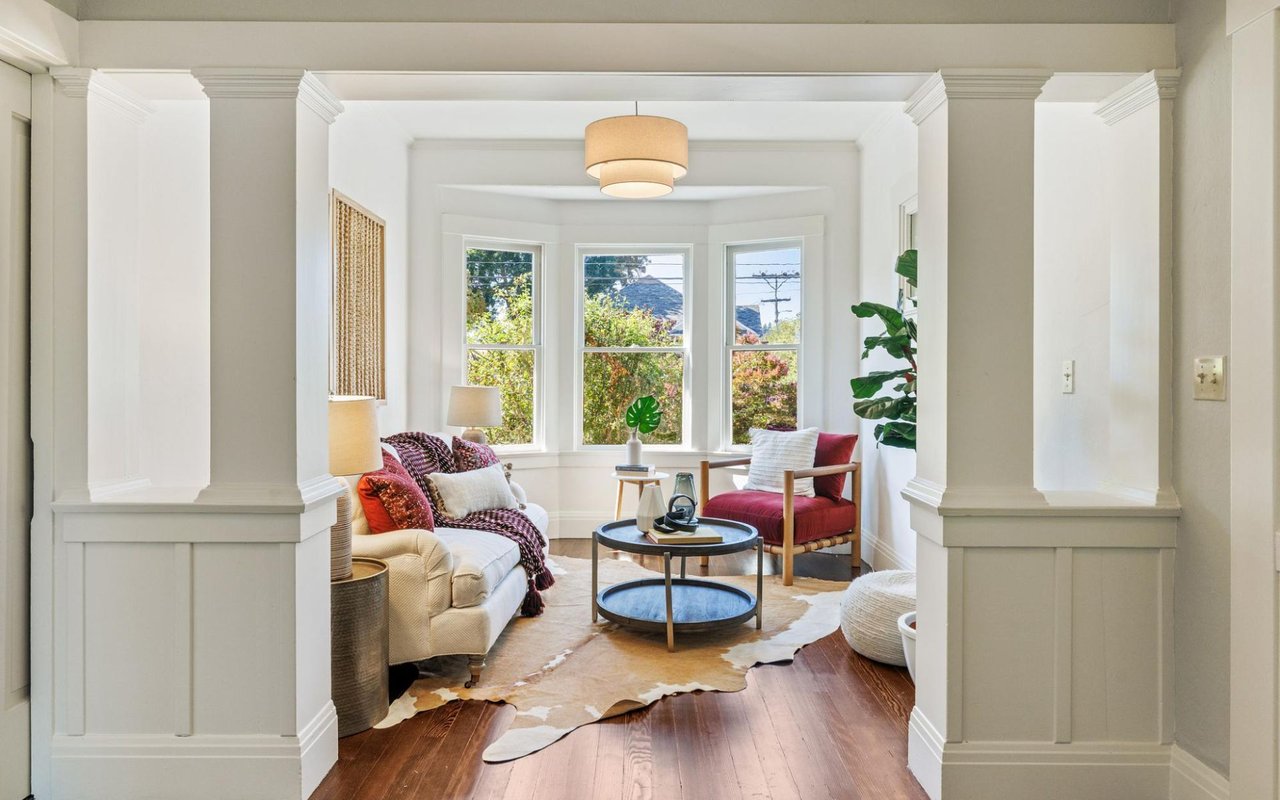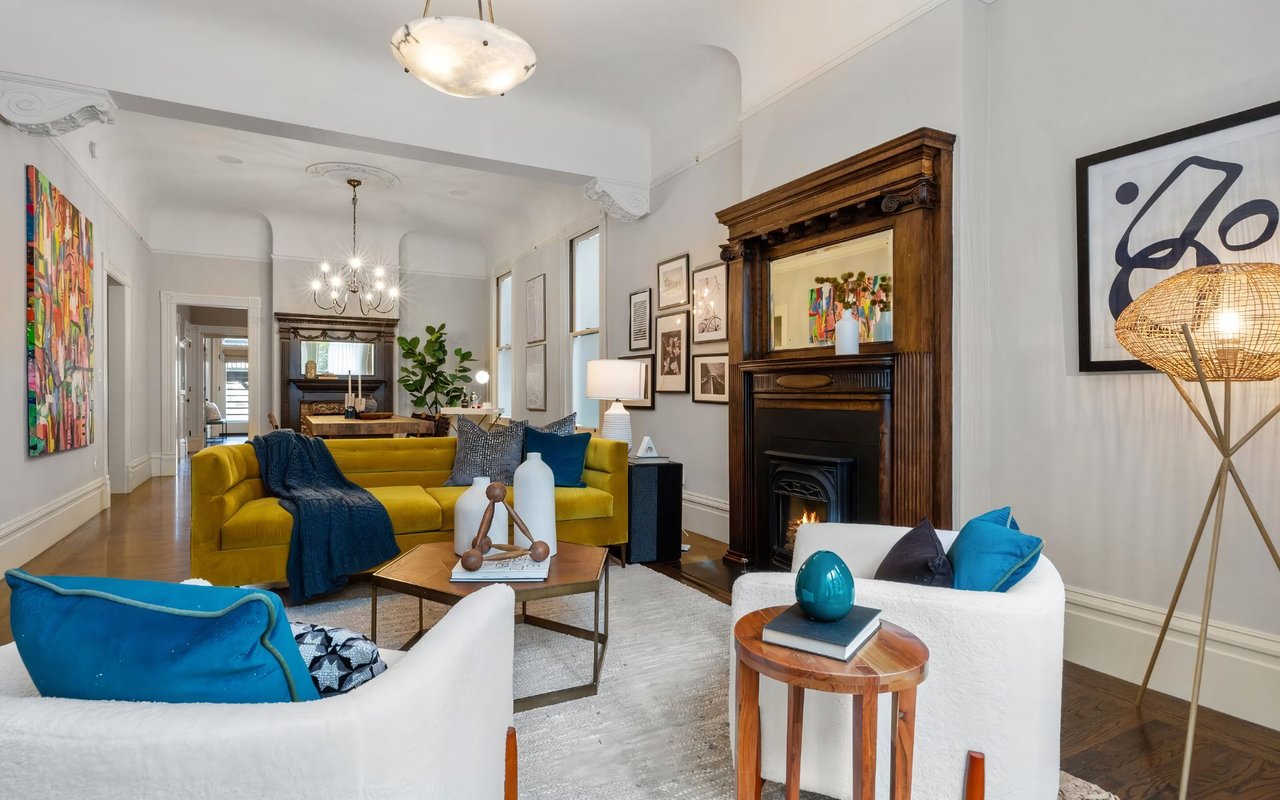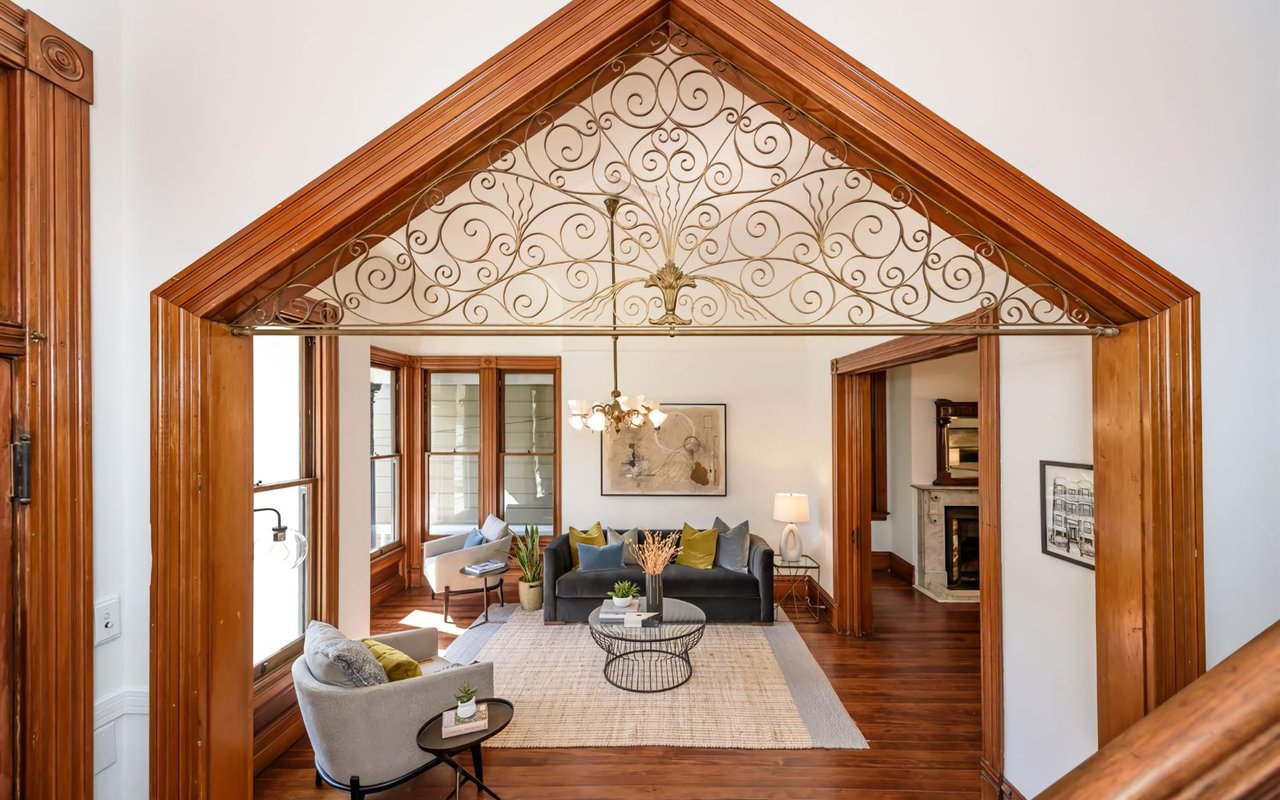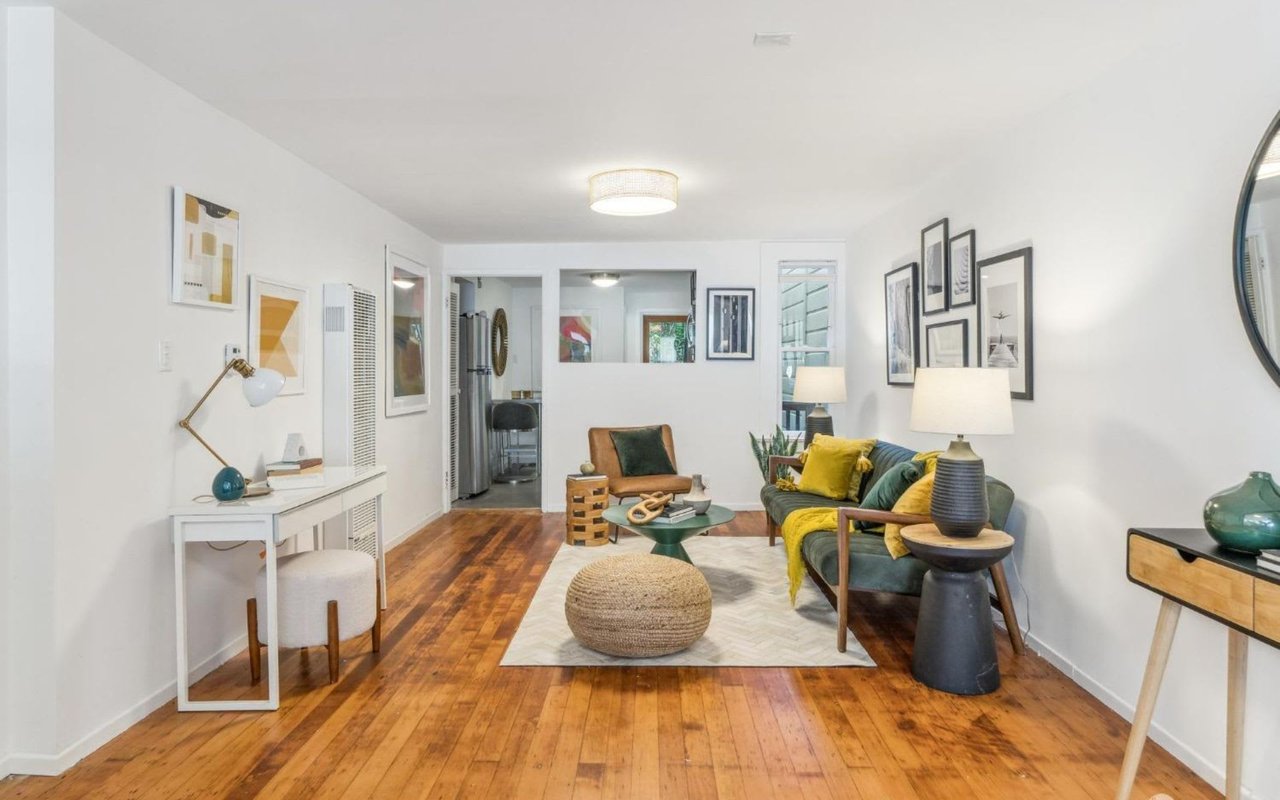
Wondering whether a classic Hayes Valley flat or a newer condo is the smarter move? In this part of San Francisco, that choice often comes down to more than layout or finishes. You are weighing architectural character, maintenance style, rules around changes, and how hands-on you want ownership to feel. If you are trying to decide which path fits your budget and lifestyle, this guide will help you sort through the tradeoffs. Let’s dive in.
Why Hayes Valley Offers Both
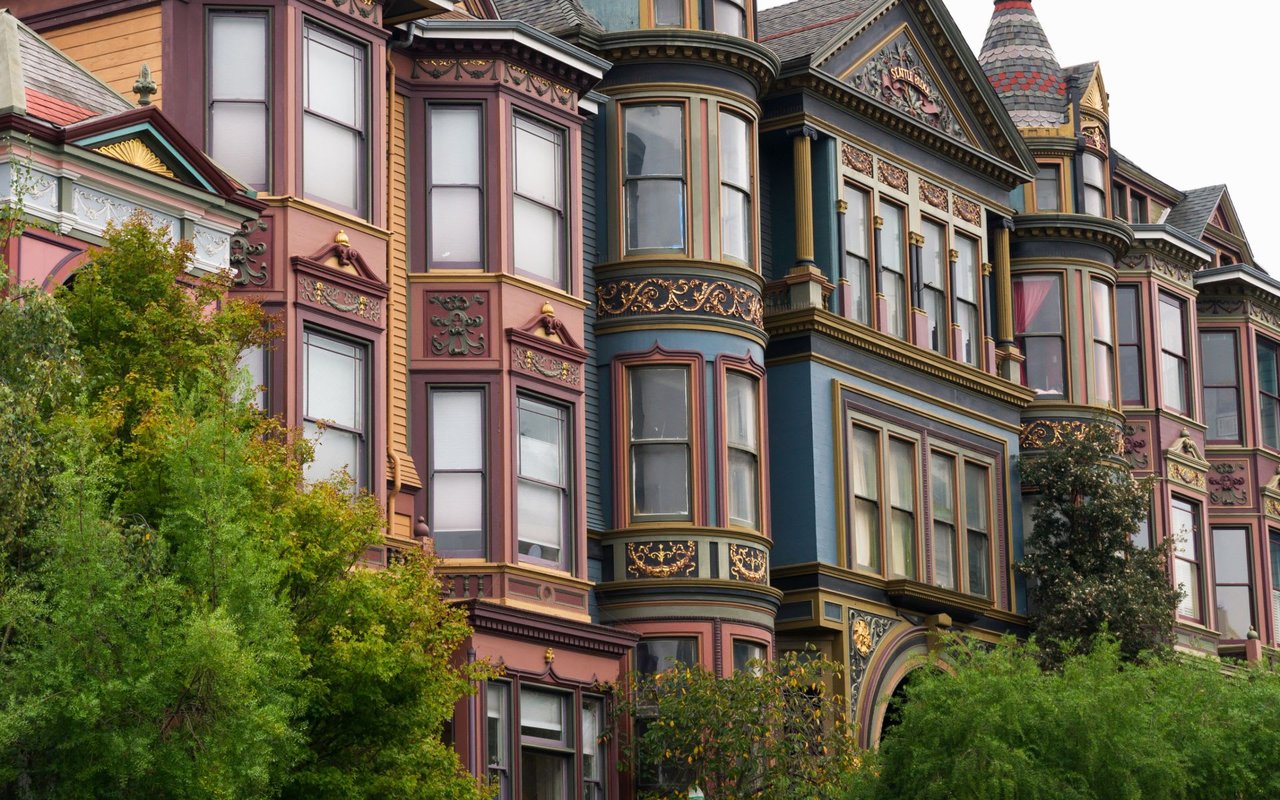
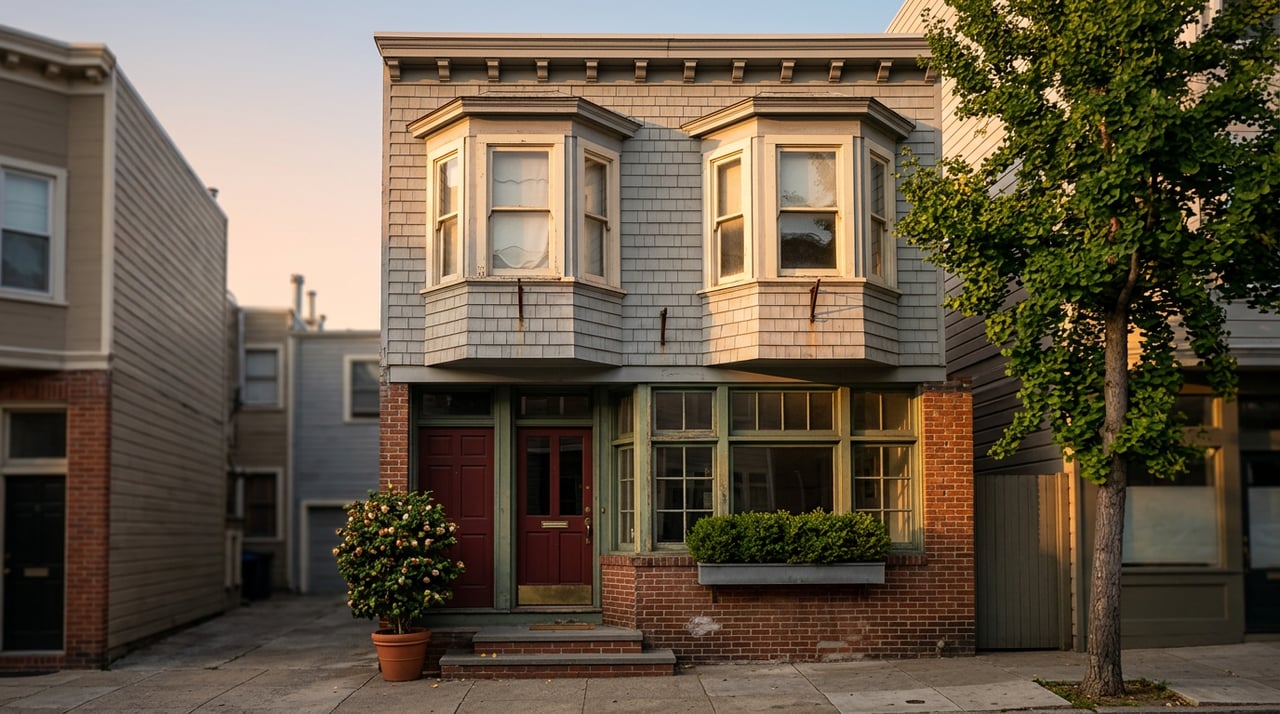
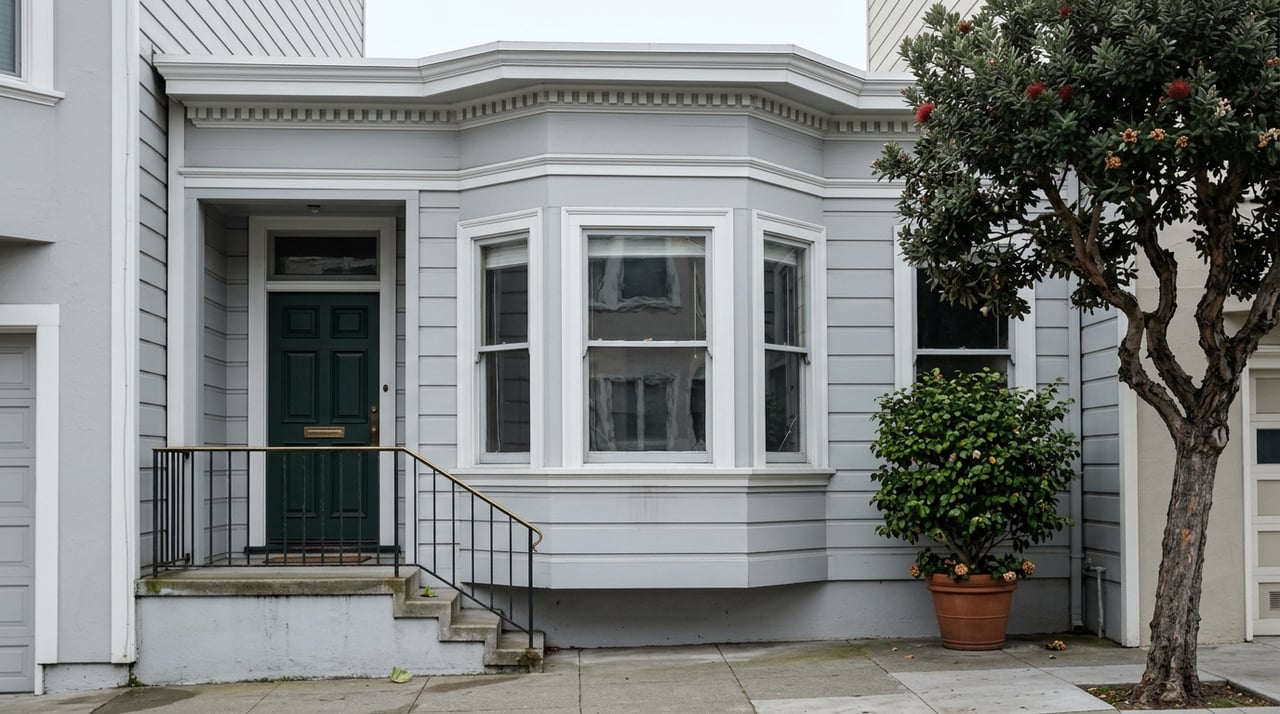
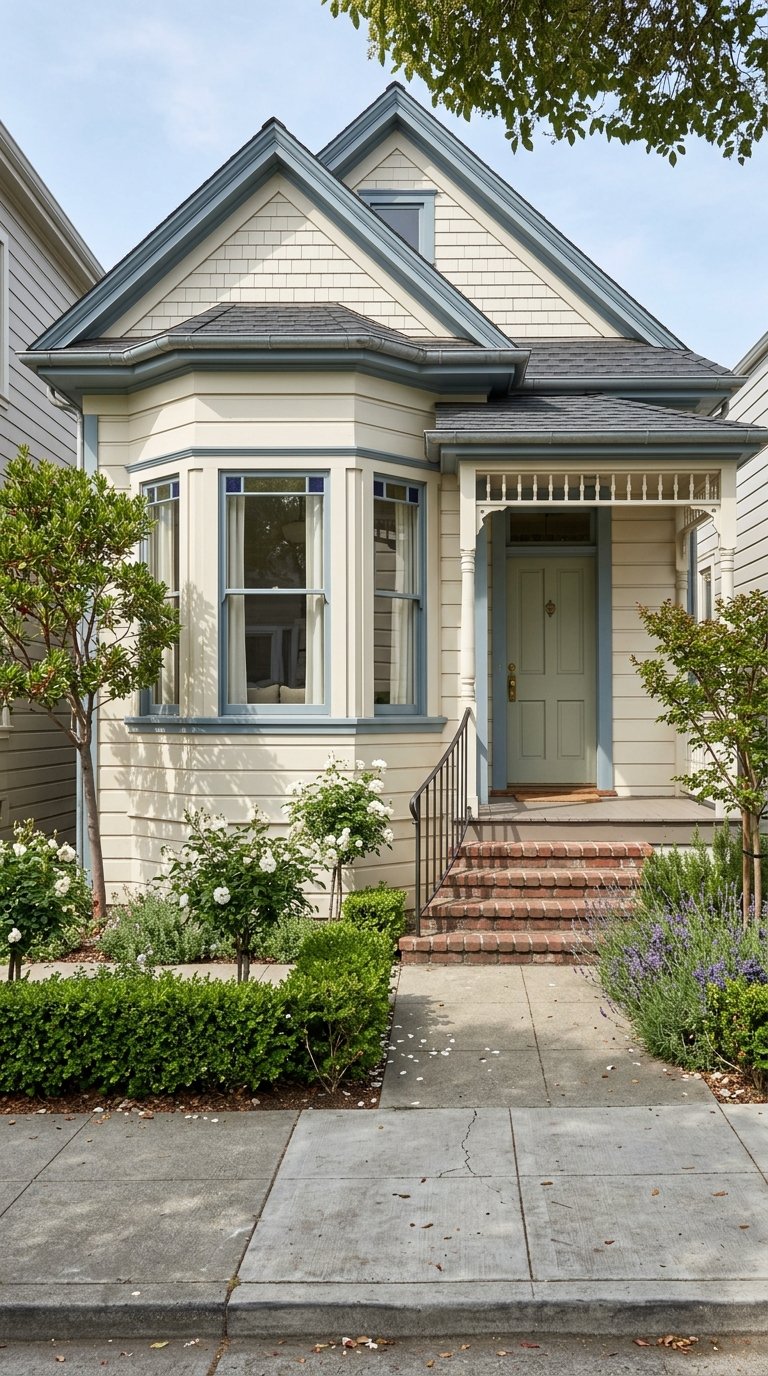
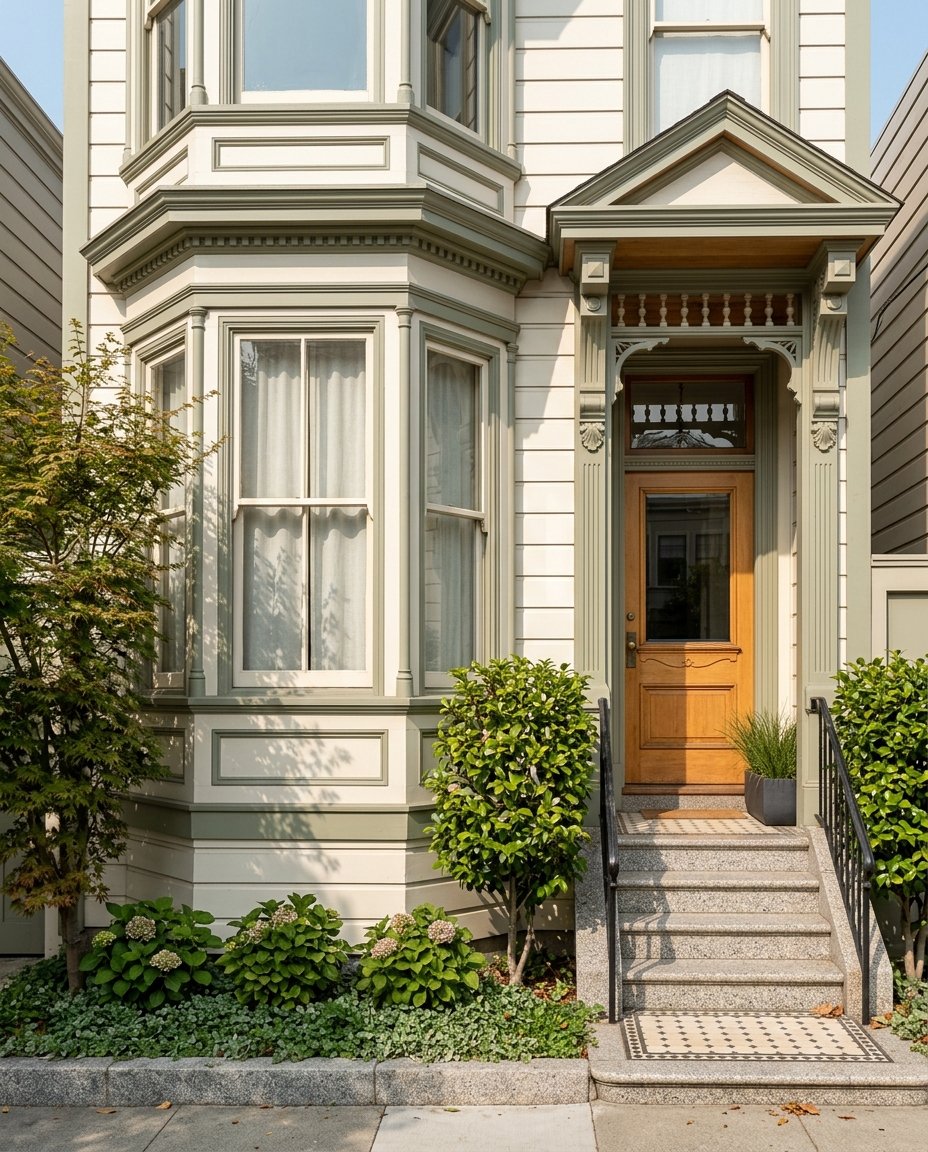
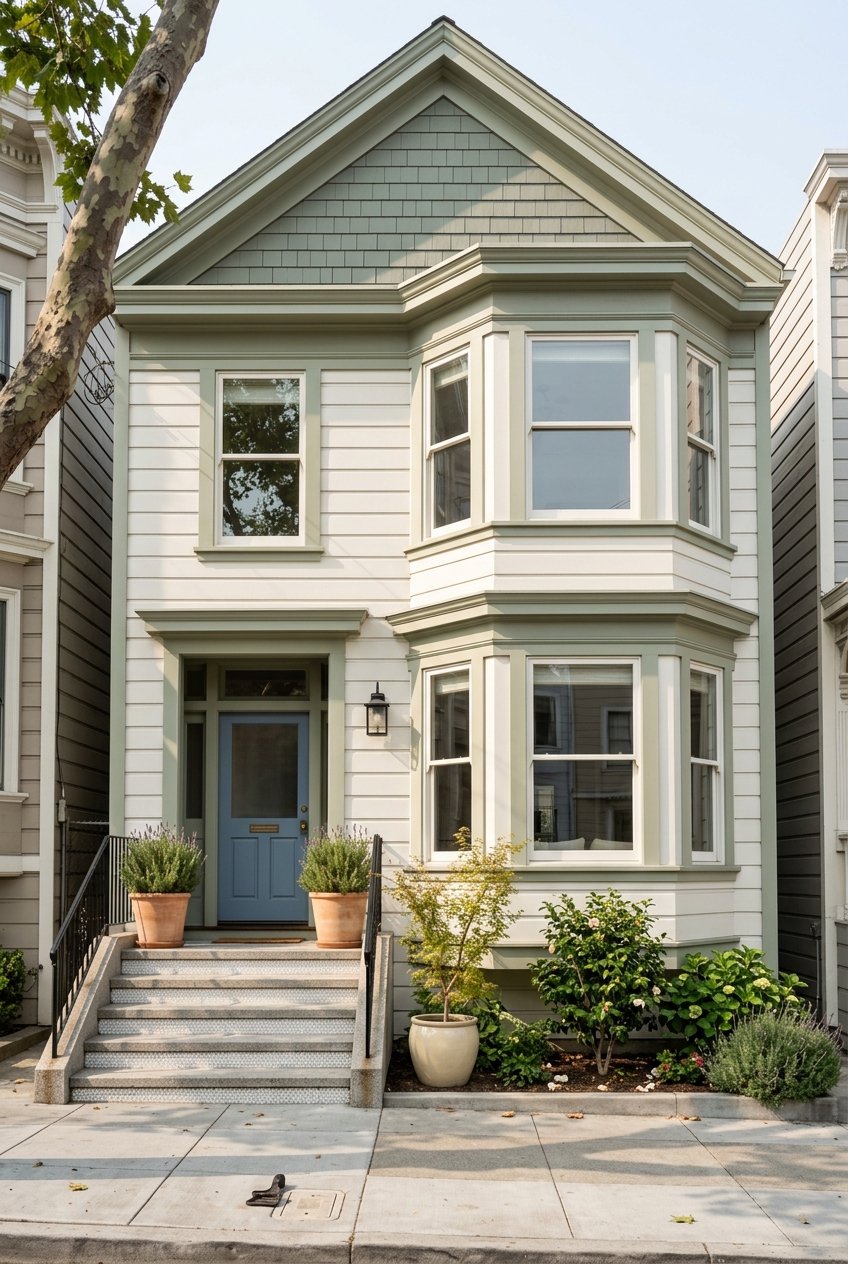
Hayes Valley is one of the clearest places in San Francisco to see older and newer housing side by side. San Francisco Planning describes the Hayes Valley Residential Historic District as a highly intact collection of Victorian and Edwardian residential buildings dating roughly from 1860 to 1920, with many wood-frame structures, bay windows, and ornamented facades.
That older fabric is a big part of the neighborhood’s identity. At the same time, the Market & Octavia planning framework also supports newer housing on post-freeway parcels and other redevelopment sites. That is a major reason you can tour a historic flat on one block and a newer condo building nearby.
For buyers, this creates a very San Francisco decision. You are not just choosing a home type. You are choosing the ownership experience that comes with it.
Historic Flats: Character Comes First
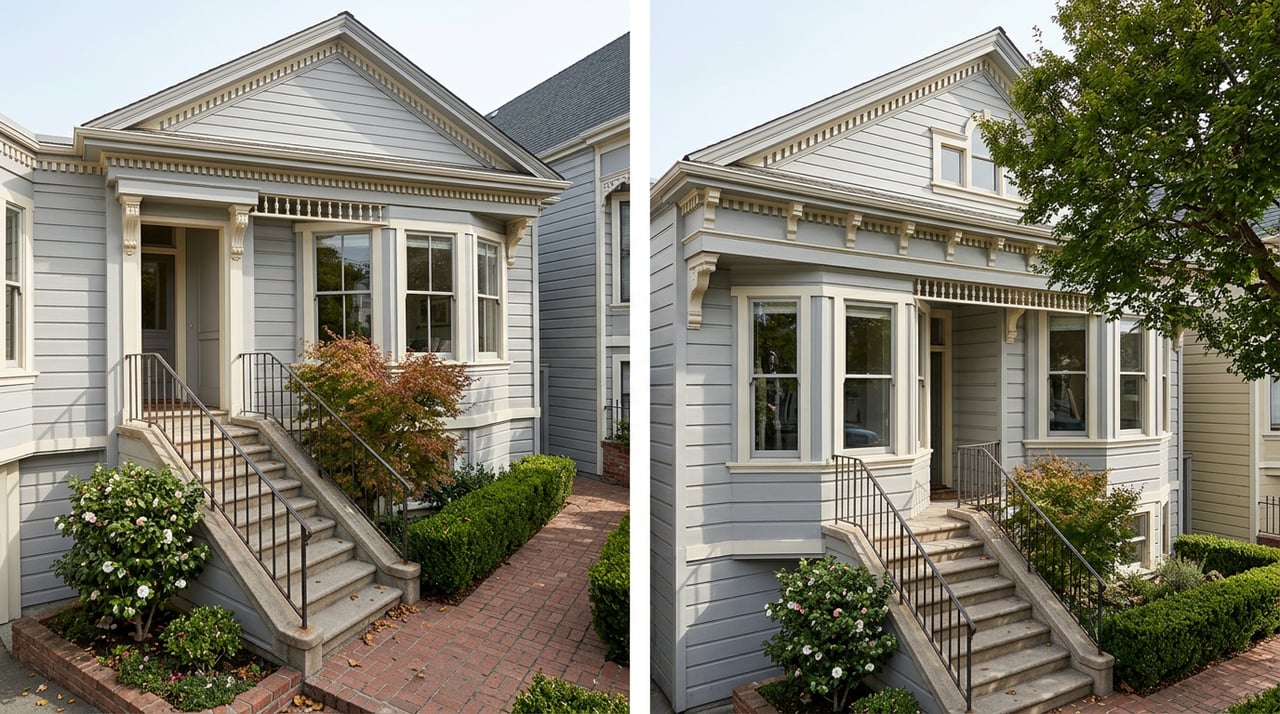
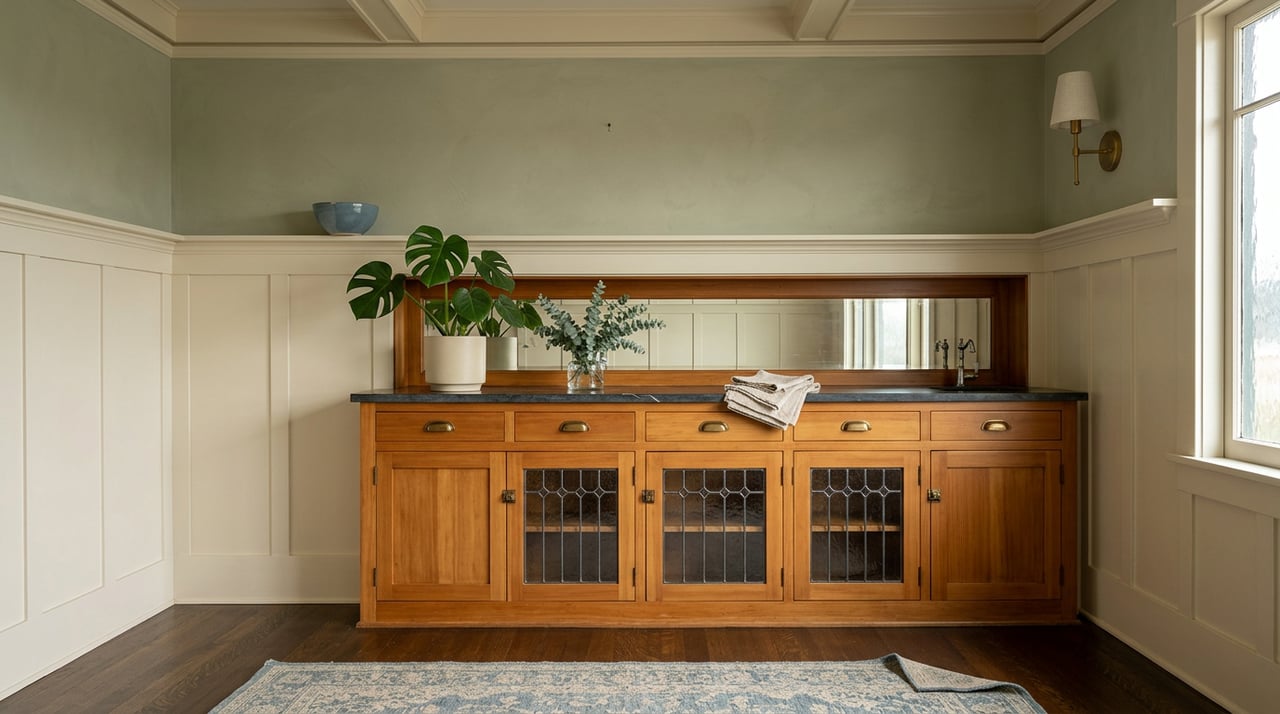
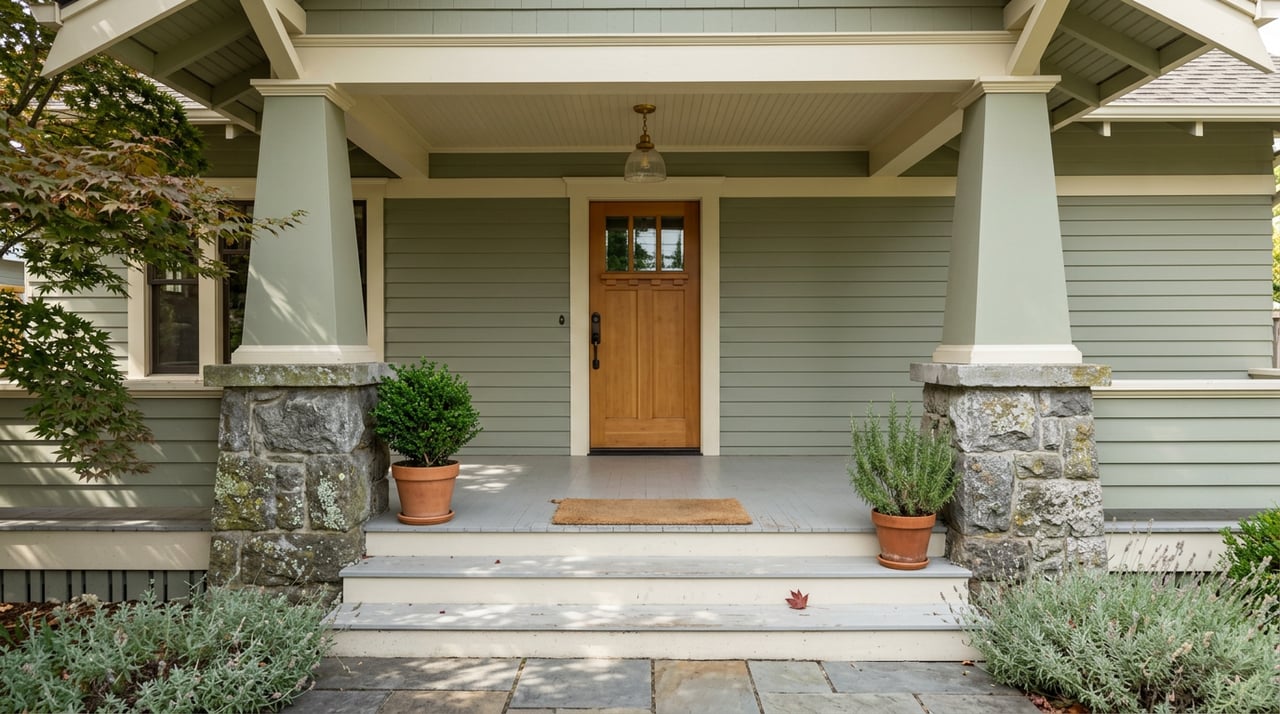
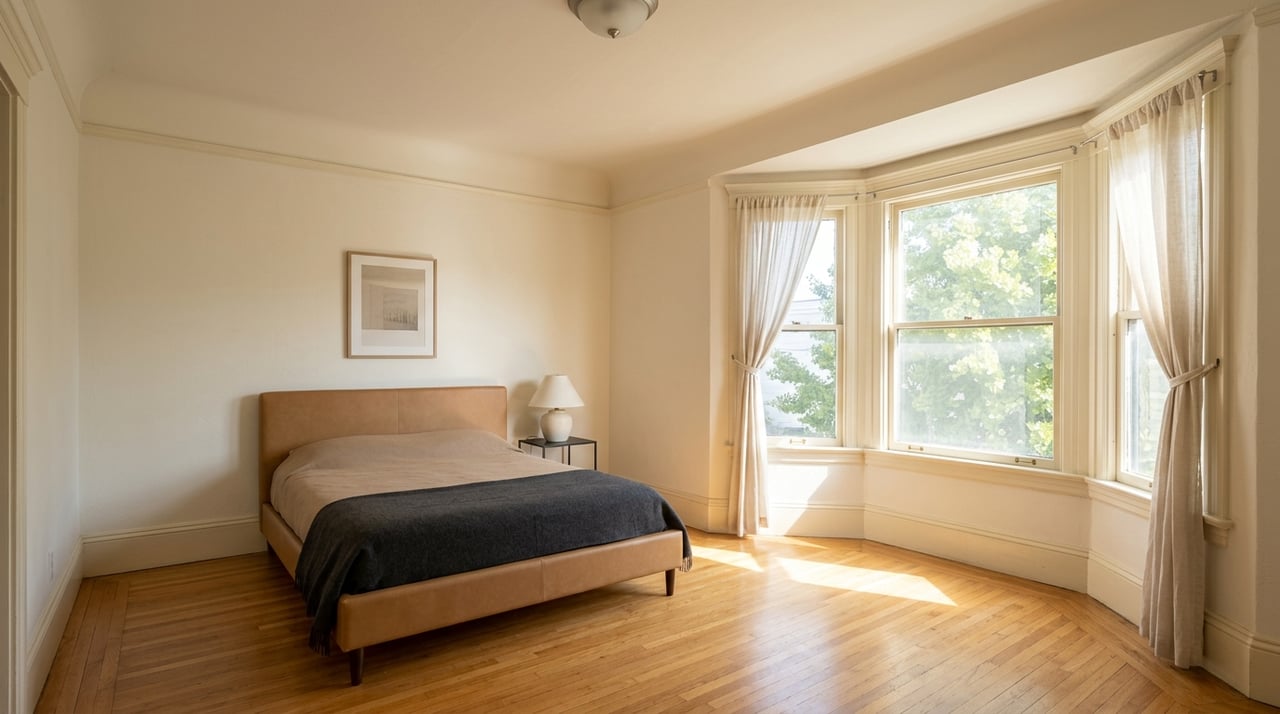
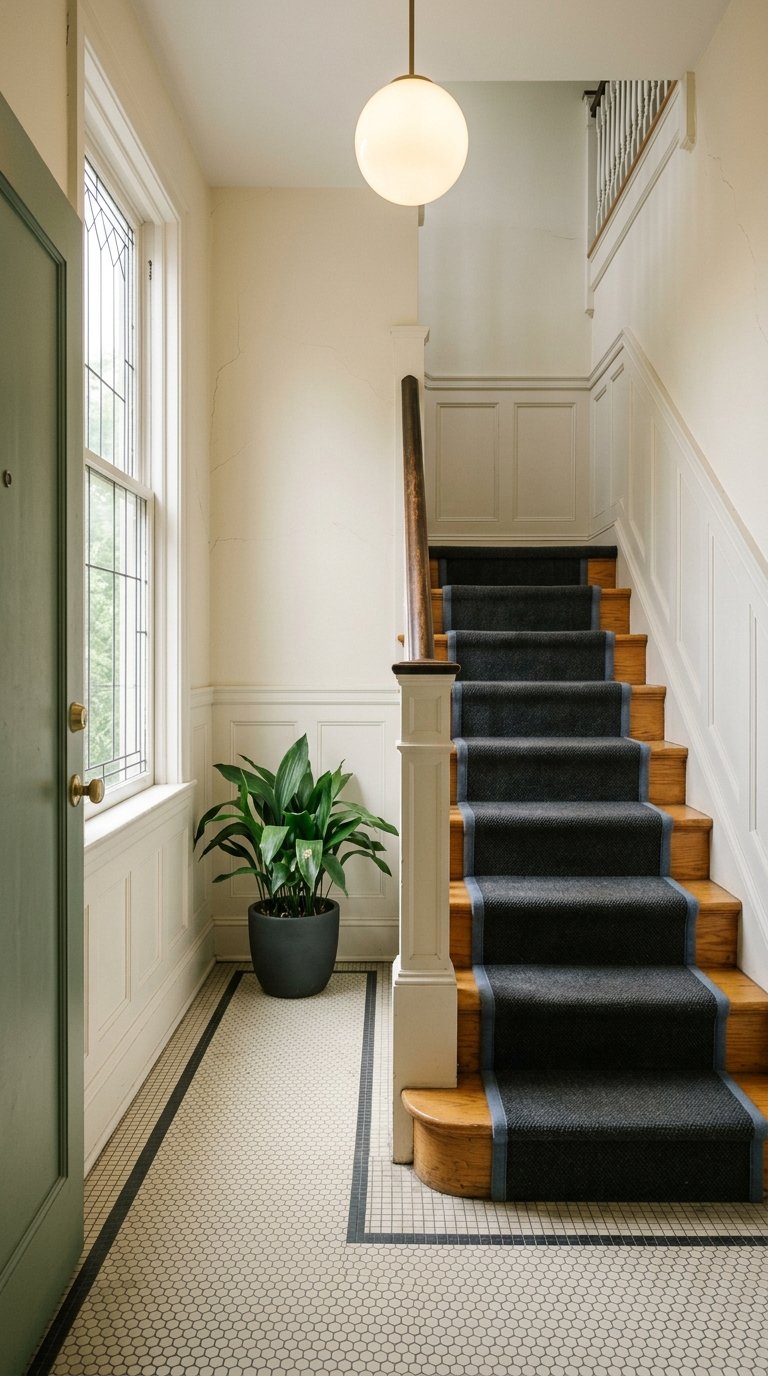
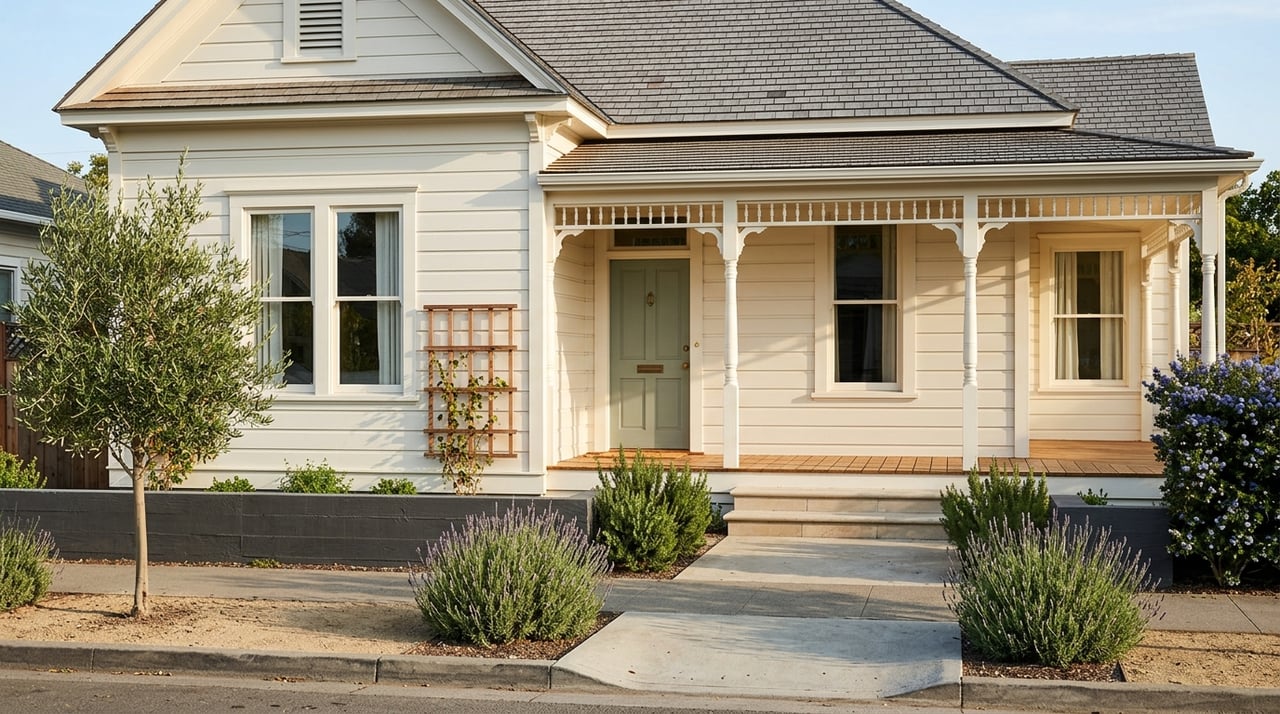
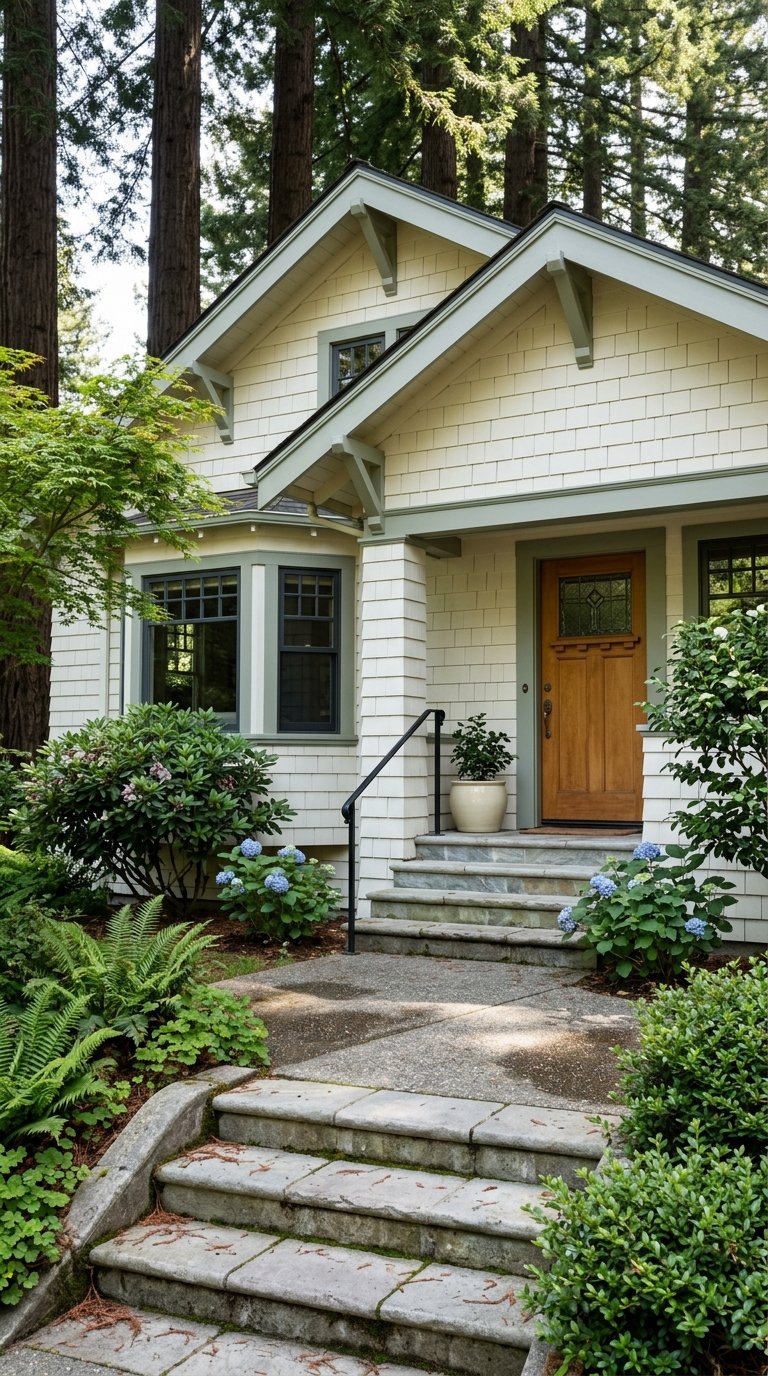
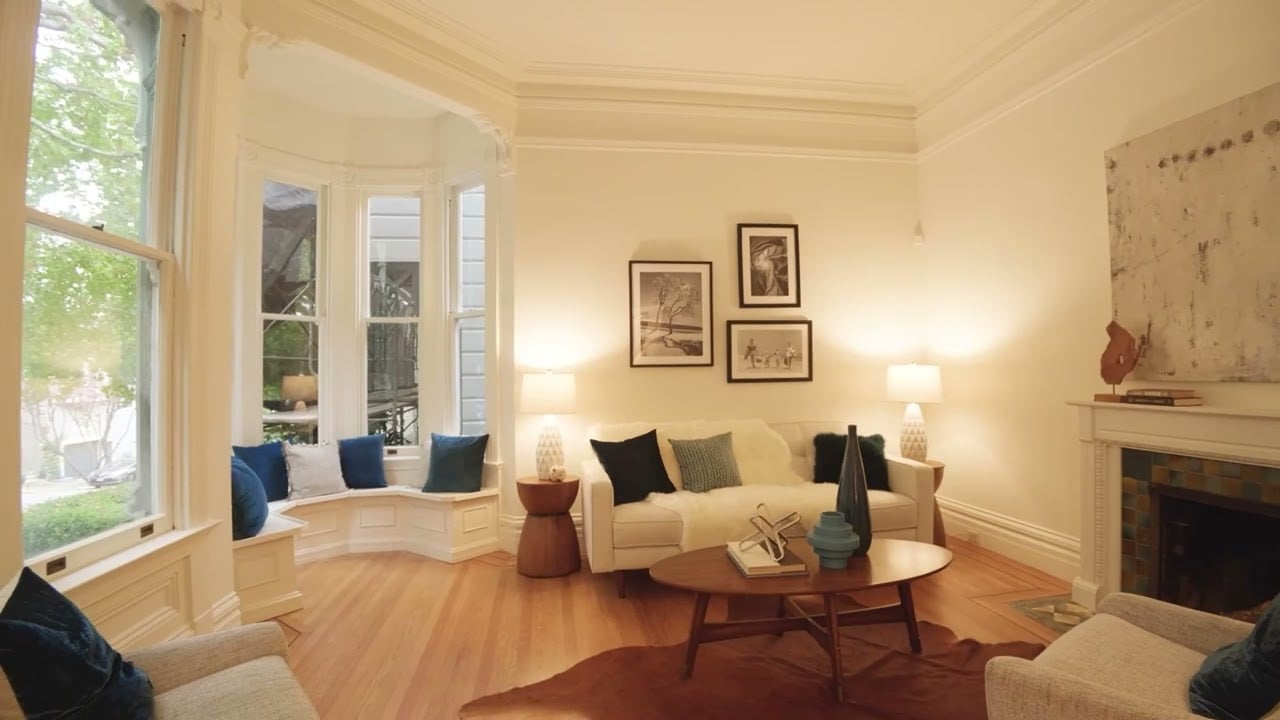
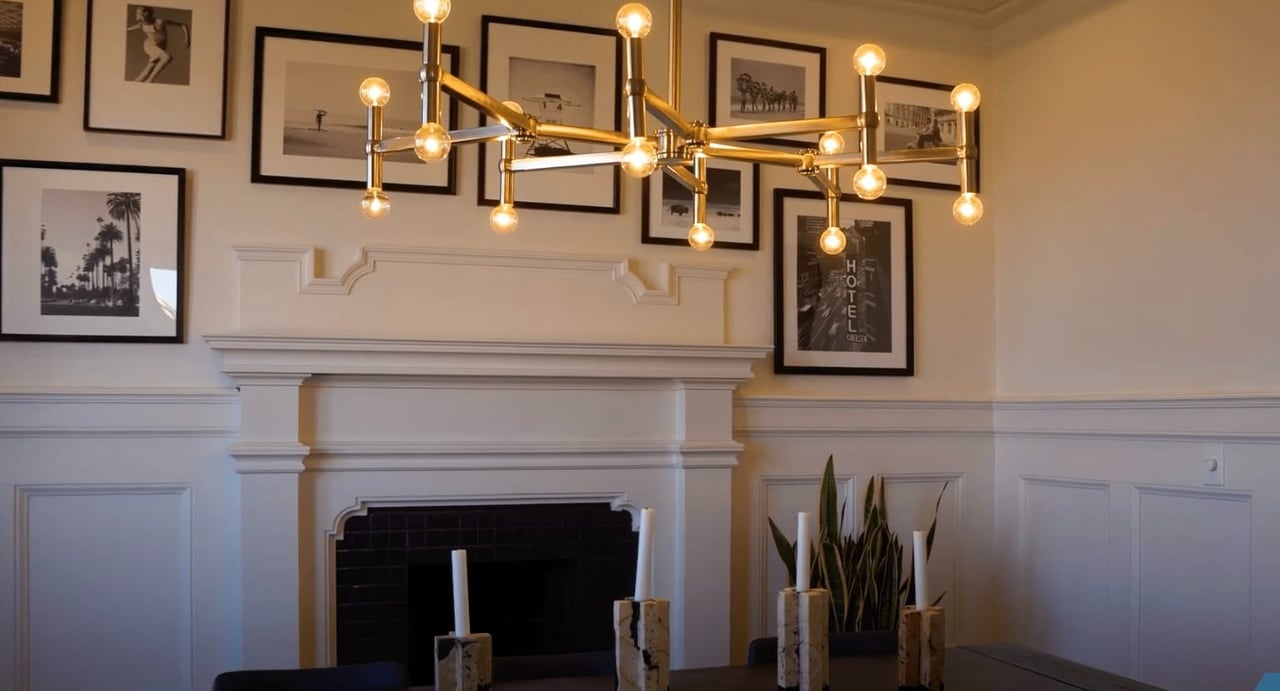
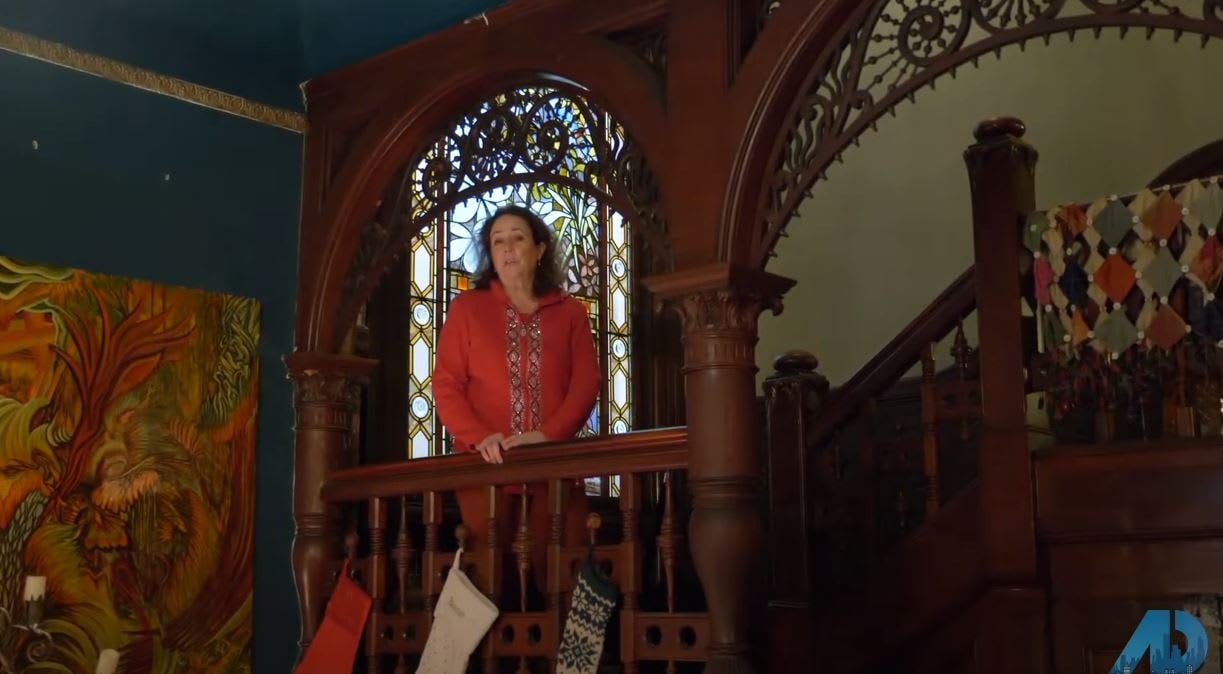
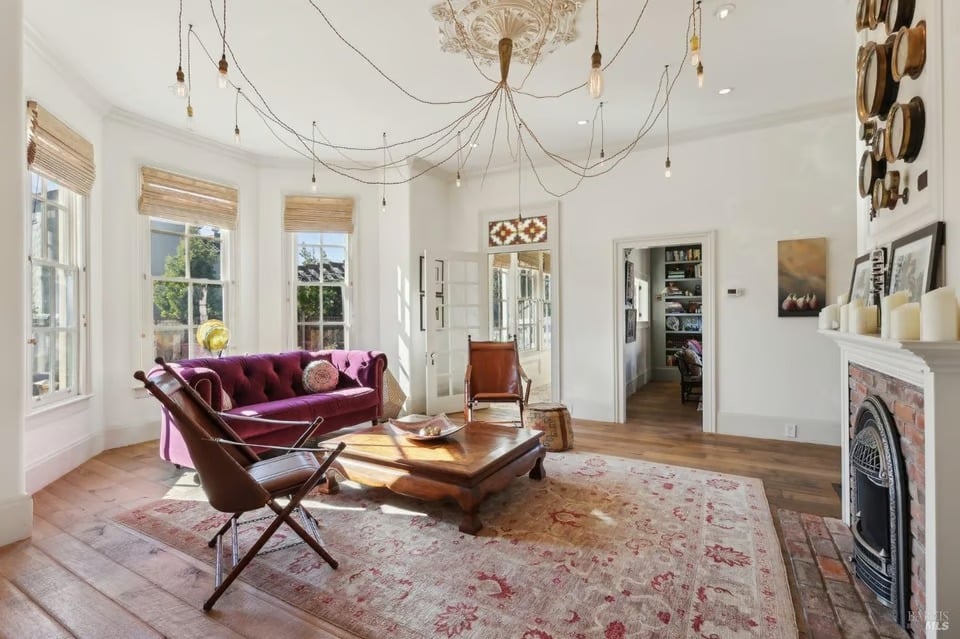
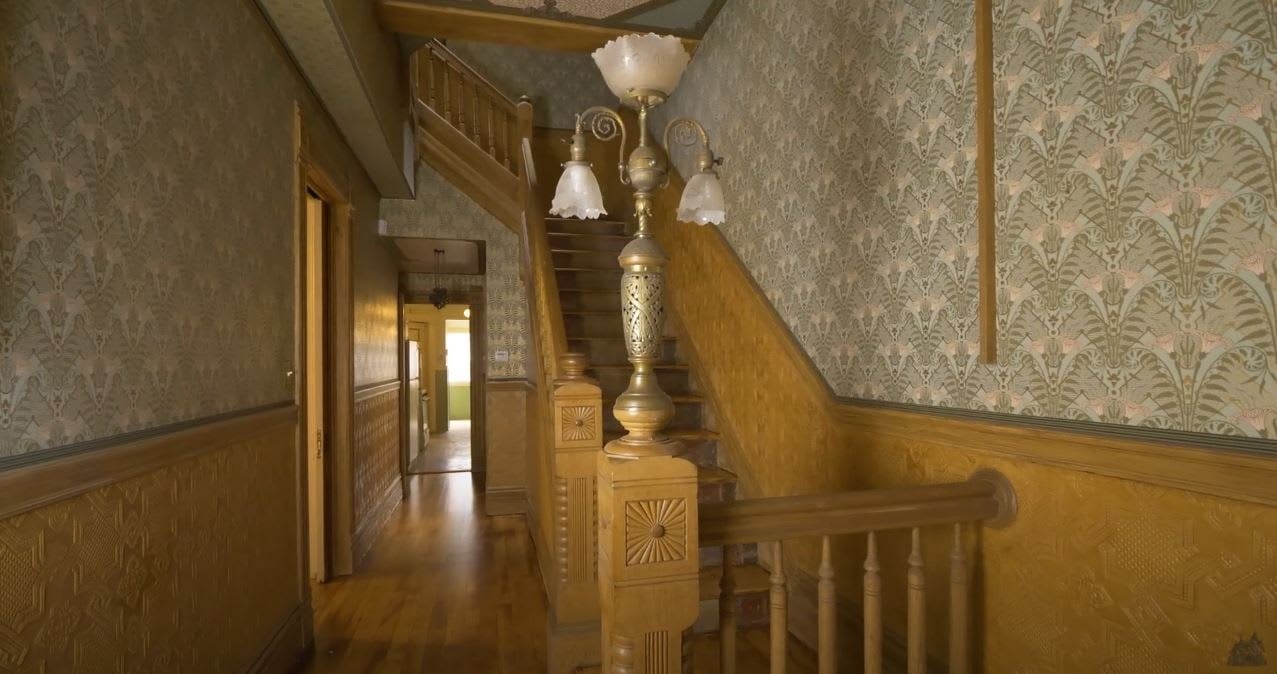
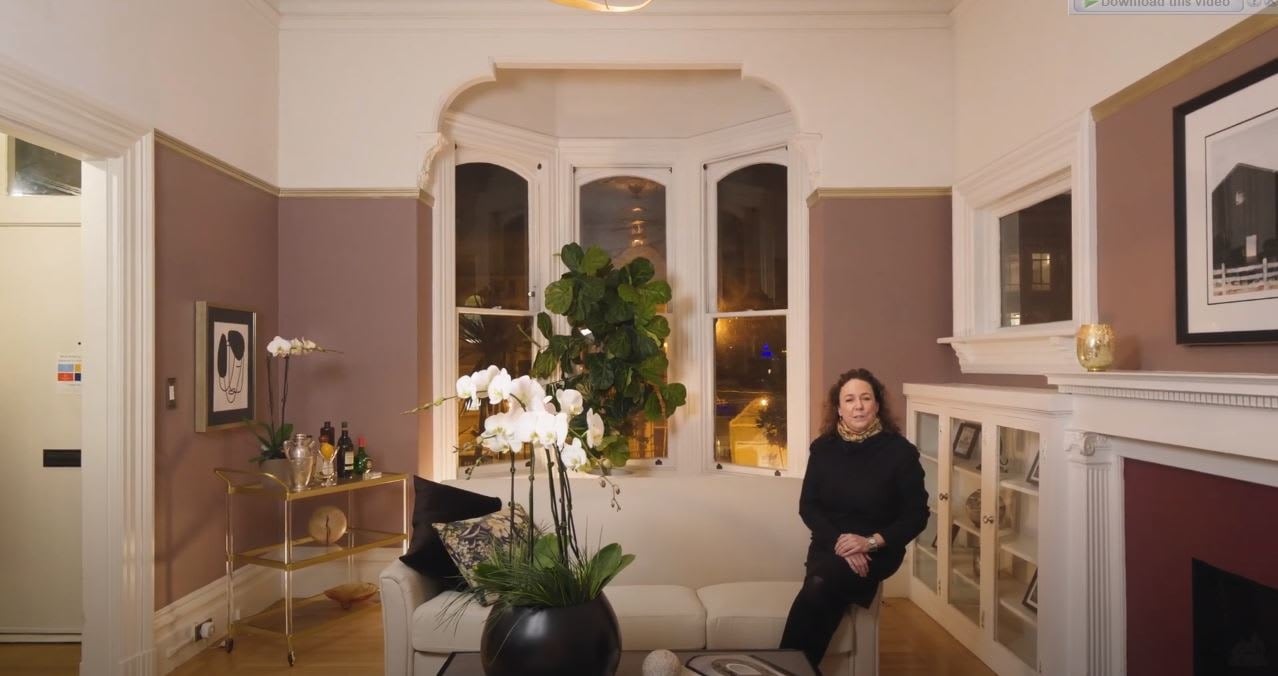
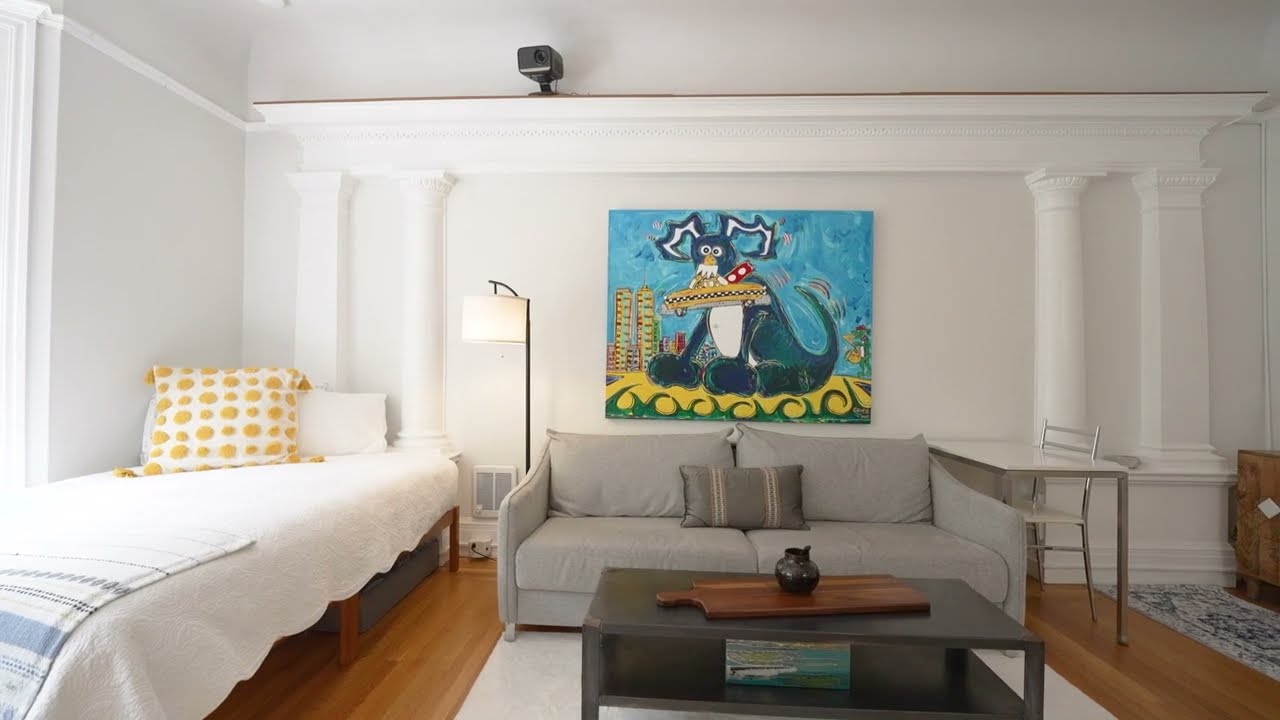
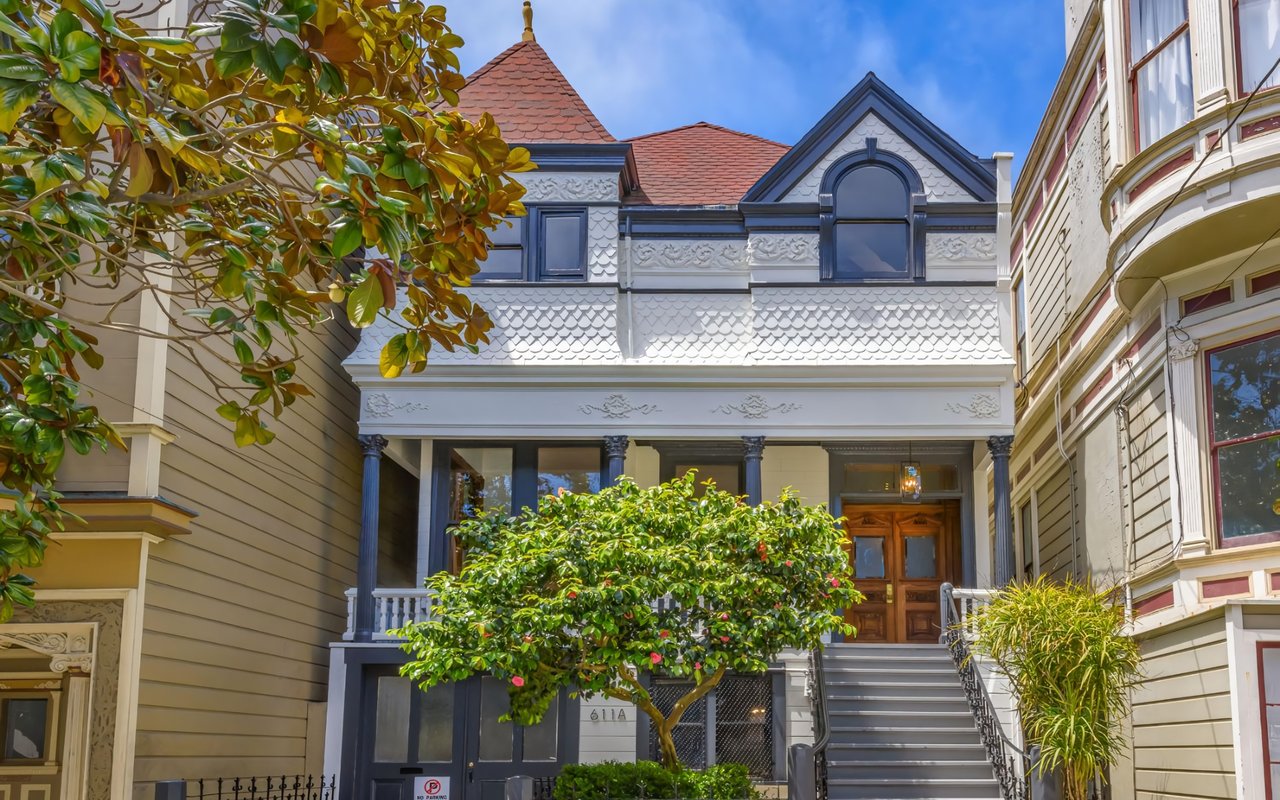
A classic Hayes Valley flat usually means a unit in an older two- or three-story wood-frame building with Victorian or Edwardian details. Think bay windows, tall ceilings, period trim, and a strong connection to the neighborhood’s historic streetscape.
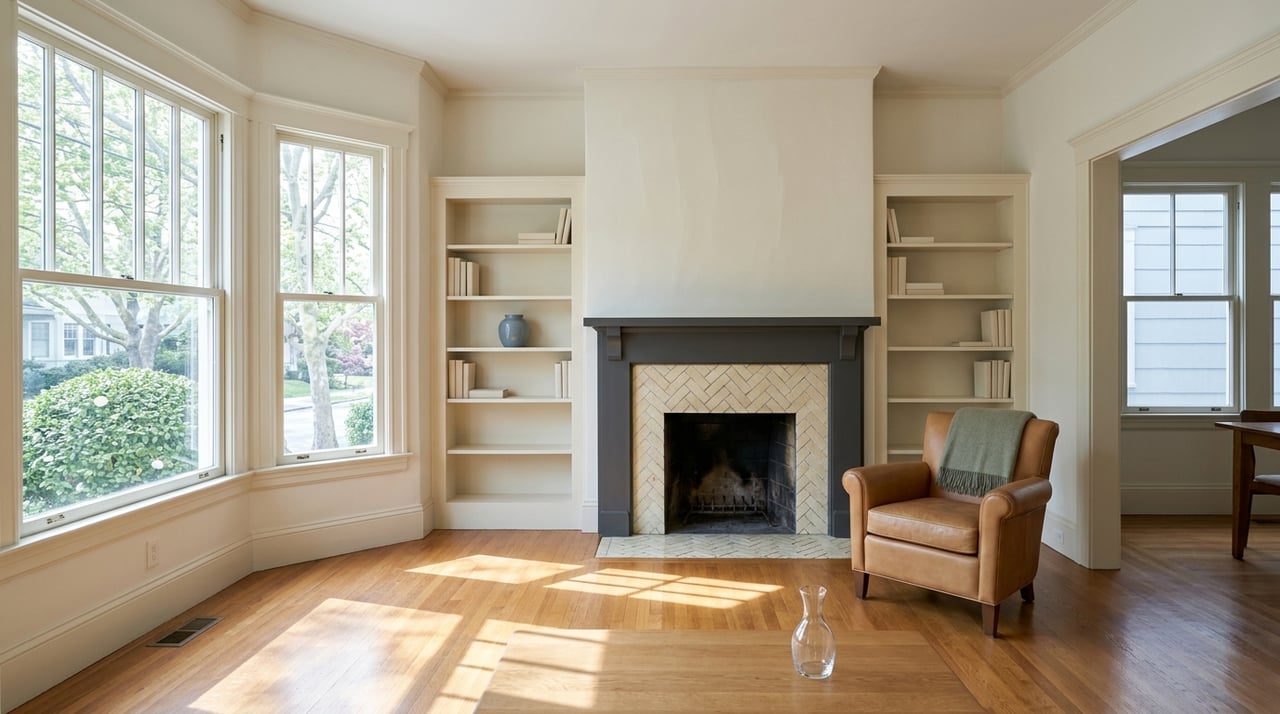
For many buyers, that appeal is the point. These homes often feel distinctly San Francisco in a way that newer construction does not try to replicate. If you care about craftsmanship, original detail, and living in a building with a visible past, a historic flat can be deeply rewarding.
What Makes Historic Flats Appealing
Historic flats offer something hard to manufacture: authenticity. In Hayes Valley, that authenticity is tied to a neighborhood where preservation remains part of the local identity.
You may also feel a stronger connection to the block and streetscape in an older building. When San Francisco Planning describes these areas as highly intact historic resources, it is pointing to the continuity that many buyers value.
What Ownership Can Require
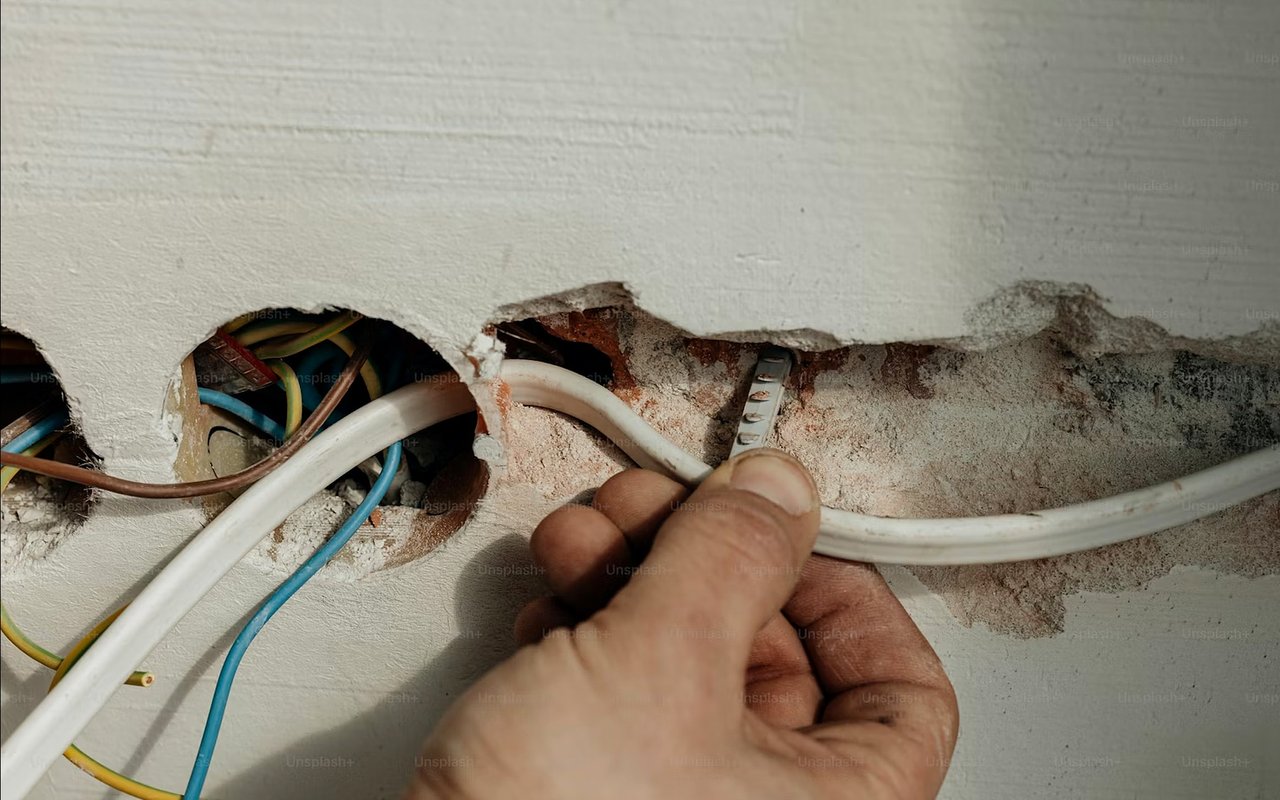
The charm of an older flat often comes with more responsibility. Older buildings may have older systems, ongoing envelope upkeep, and a longer list of future repair items to watch.
If the property is in an Article 10 historic district, exterior changes may require a Certificate of Appropriateness or an Administrative Certificate of Appropriateness. Some street-visible changes may need Planning review even when a permit is not otherwise required. If you like to customize exteriors freely, that is an important factor.
Seismic and Structural Questions Matter
In San Francisco, older wood-frame multi-family buildings deserve extra diligence. The city notes that some older buildings are subject to the Mandatory Soft Story program, which means buyers should confirm retrofit history, check for outstanding compliance issues, and ask about future capital work.
Even when a building is not subject to that specific program, older construction can still mean more attention to structural condition and long-term upkeep. This is not necessarily a reason to avoid a property. It is a reason to review disclosures carefully and understand the building’s maintenance path.
Newer Condos: More Predictable Systems
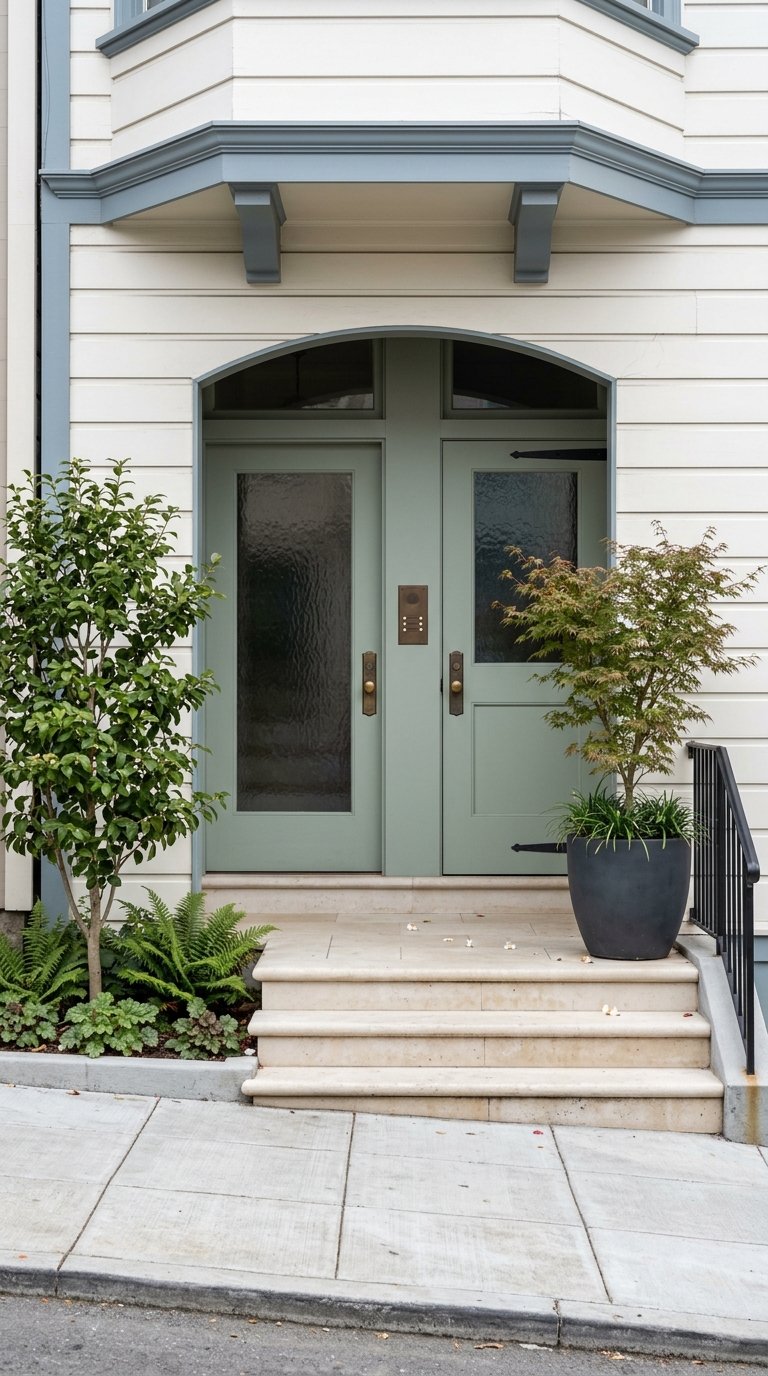
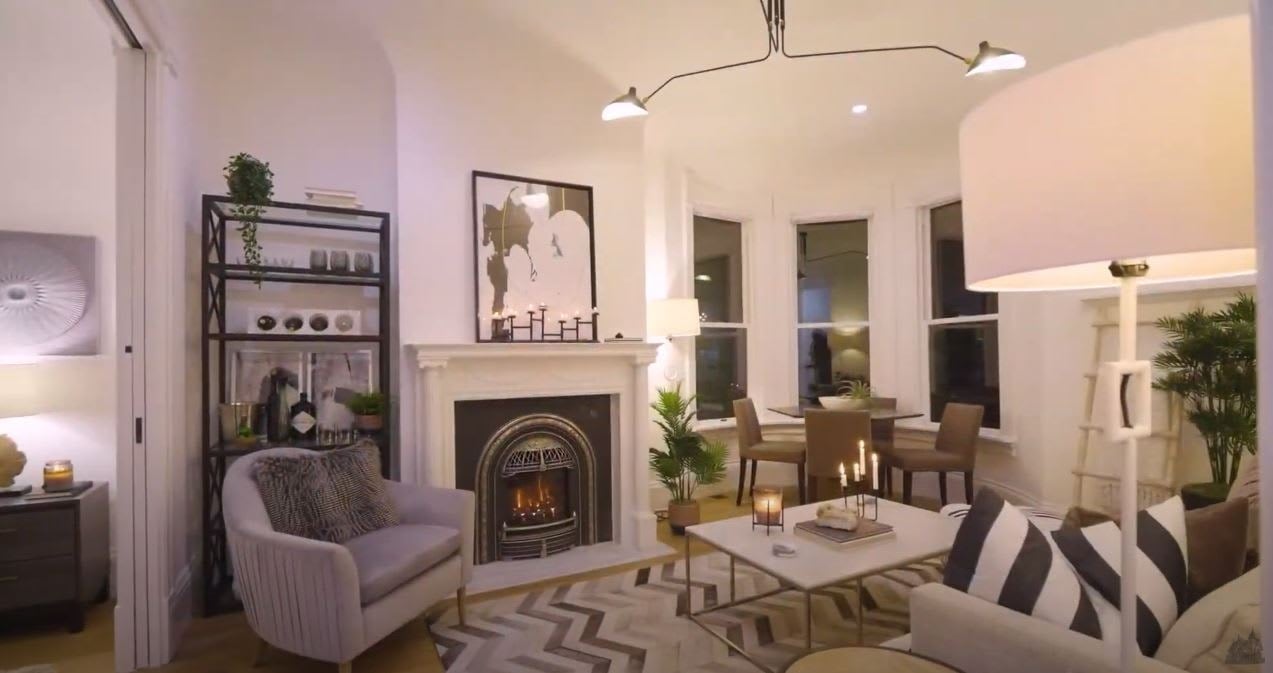
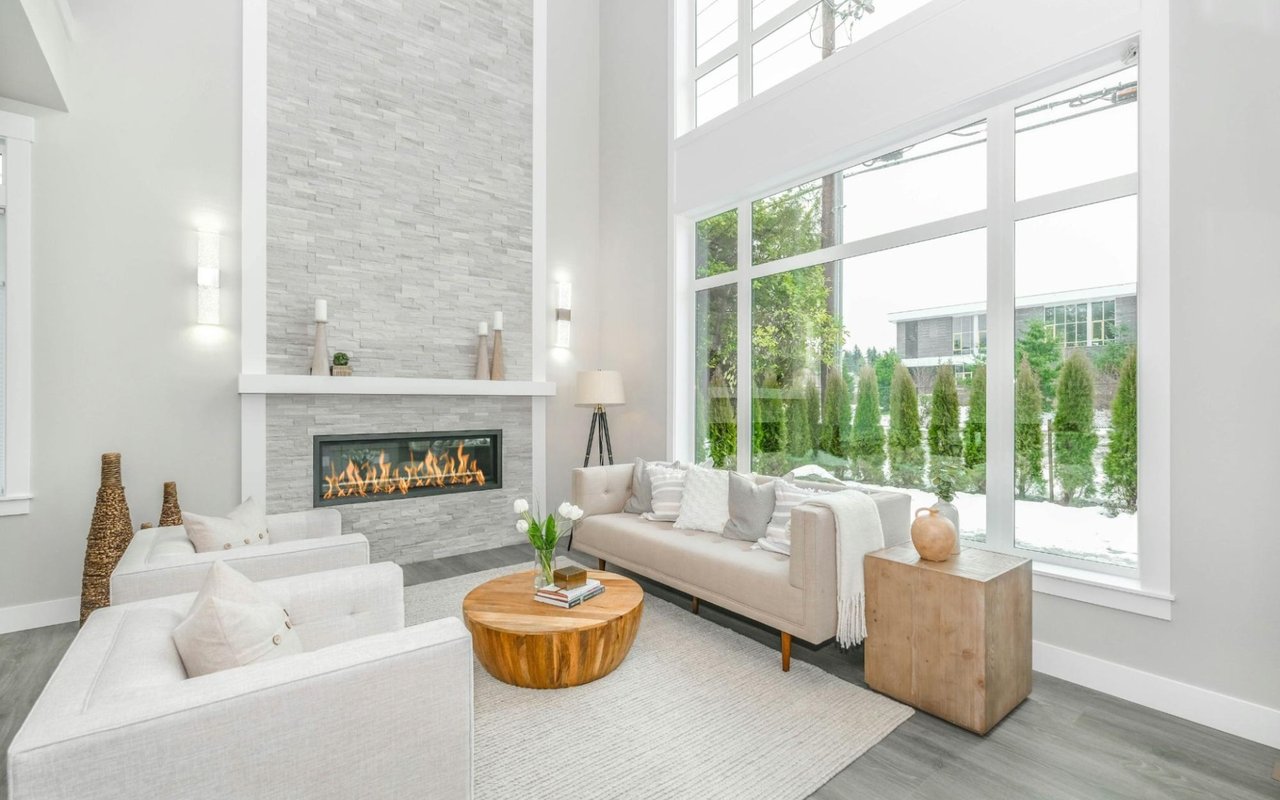
Newer Hayes Valley condos reflect the neighborhood’s infill pattern, especially around the Market & Octavia area. These homes often appeal to buyers who want a more standardized ownership structure and a more current construction baseline.
San Francisco states that the 2022 San Francisco and California building codes apply to permit applications filed on or after January 1, 2023. In practical terms, newer condos are shaped by a more current code regime than the historic flats around them, though each project still needs to be evaluated on its own.
What Buyers Often Like About Newer Condos
A newer condo can offer a simpler day-to-day ownership rhythm. Shared systems and common areas are typically managed through a homeowners association, which can make upkeep feel more organized and budgeting more predictable.
That convenience matters if you would rather not manage as many building-wide issues yourself. For some buyers, that tradeoff is worth paying monthly dues.
HOA Rules, Dues, and Responsibilities
In California, condos are typically part of a common-interest development with an HOA. The HOA makes and enforces rules, and owners generally pay dues and assessments under the governing documents.
California law also generally places common-area repair, replacement, and maintenance on the association unless the declaration says otherwise, while each owner remains responsible for their separate interest. That division of responsibility is one of the biggest practical differences between a condo and a more owner-managed older flat.
Fees Buy Convenience, But Not Certainty
Monthly HOA dues can help cover shared maintenance and long-term repair planning. That can reduce the feeling that every building issue lands directly on your shoulders.
Still, higher dues are not the full story. If reserves are weak, owners can still face special assessments or financing for major work. A newer condo may feel more predictable, but it is still important to review the numbers.
Reserve Studies Deserve Your Attention
Whether you lean historic or newer, reserve planning is one of the most important items to review. The California Department of Real Estate explains that reserve studies estimate the cost of repairing and replacing major common-area components and help buyers evaluate a development’s financial strength.
For a historic flat, reserves can signal whether the building is realistically preparing for roof work or other shared repairs. For a newer condo, reserves can show whether the HOA is planning ahead or pushing costs into the future.
A low monthly fee is not always a win if it means underfunded reserves. A healthy reserve picture can support a more stable ownership experience over time.
How to Compare Flats and Condos
If you are deciding between a Hayes Valley flat and a newer condo, it helps to compare the ownership tradeoffs directly.
| Factor | Historic Flat | Newer Condo |
|---|---|---|
| Main appeal | Architectural character and neighborhood continuity | More standardized ownership and current code-era construction |
| Building style | Victorian or Edwardian, often wood-frame | Newer infill development |
| Exterior changes | May face historic review for street-visible work | Usually governed more by HOA rules and building standards |
| Maintenance feel | More hands-on, especially in older buildings | More shared through HOA structure |
| Budget pattern | Repairs may feel less predictable without strong reserves | Monthly dues create a clearer recurring cost |
| Key risk to check | Structural condition, seismic status, future capital work | HOA finances, reserves, dues, and assessments |
This is why the choice is often less about which is better and more about which fits you. One offers charm and continuity. The other offers convenience and a more formal ownership structure.
Questions to Ask Before You Buy
No matter which path you prefer, ask focused questions early. In Hayes Valley, the right due diligence can save you time, money, and surprises.
Ask These Questions About a Historic Flat
- Is the property inside the Hayes Valley Residential Historic District or Commercial Historic District?
- What exterior changes require Planning review?
- Has the building been evaluated for soft-story or other seismic retrofit requirements?
- What is the condition of the roof, exterior, and shared systems?
- Are reserves funded well enough for future major work?
Ask These Questions About a Newer Condo
- Is the unit part of a condo association?
- What do the CC&Rs say about maintenance responsibility, dues, and assessments?
- Is there a current reserve study?
- How strong are the reserves for future common-area repairs?
- Was the project permitted under the city’s current 2022 building code cycle?
Which Hayes Valley Home Fits You Best?
A historic flat usually makes sense if you value architectural detail, want a home that feels rooted in San Francisco’s past, and are comfortable with more maintenance attention and possible review limits for exterior changes. The reward can be a home with real texture, presence, and lasting character.
A newer condo usually fits buyers who want a more structured ownership experience, clearer monthly budgeting for shared costs, and less direct responsibility for common-area upkeep. The appeal is often convenience, consistency, and a simpler management model.
In Hayes Valley, both choices can be smart. The best fit depends on how you balance charm, control, budgeting, and upkeep.
If you want help weighing a historic flat against a newer condo in Hayes Valley, Bonnie Spindler brings deep San Francisco experience, preservation fluency, and practical guidance for buyers who want to make a confident choice.
FAQs
What is the main difference between a Hayes Valley historic flat and a newer condo?
- A historic flat usually offers more architectural character and a stronger connection to Hayes Valley’s older building stock, while a newer condo usually offers a more standardized ownership structure with HOA-managed common areas.
What should you check before buying a historic flat in Hayes Valley?
- You should confirm whether the property is in a historic district, ask what exterior changes require Planning review, review seismic or soft-story status, and evaluate reserves and future repair needs.
What do HOA dues usually cover in a Hayes Valley condo?
- HOA dues generally support shared maintenance, common-area repair obligations, and long-term reserve planning, though the exact responsibilities depend on the association’s governing documents.
Why does a reserve study matter for Hayes Valley homes?
- A reserve study helps estimate future repair and replacement costs for shared components, which can give you a clearer picture of a building’s financial planning and possible future assessments.
Are newer Hayes Valley condos built under current San Francisco codes?
- Newer condos may be shaped by the city’s current 2022 San Francisco and California building code cycle if their permit applications were filed on or after January 1, 2023.
Which type of Hayes Valley home is better for a hands-off owner?
- A newer condo is often a better fit if you want less direct responsibility for common-area upkeep and prefer a more structured ownership model through an HOA.