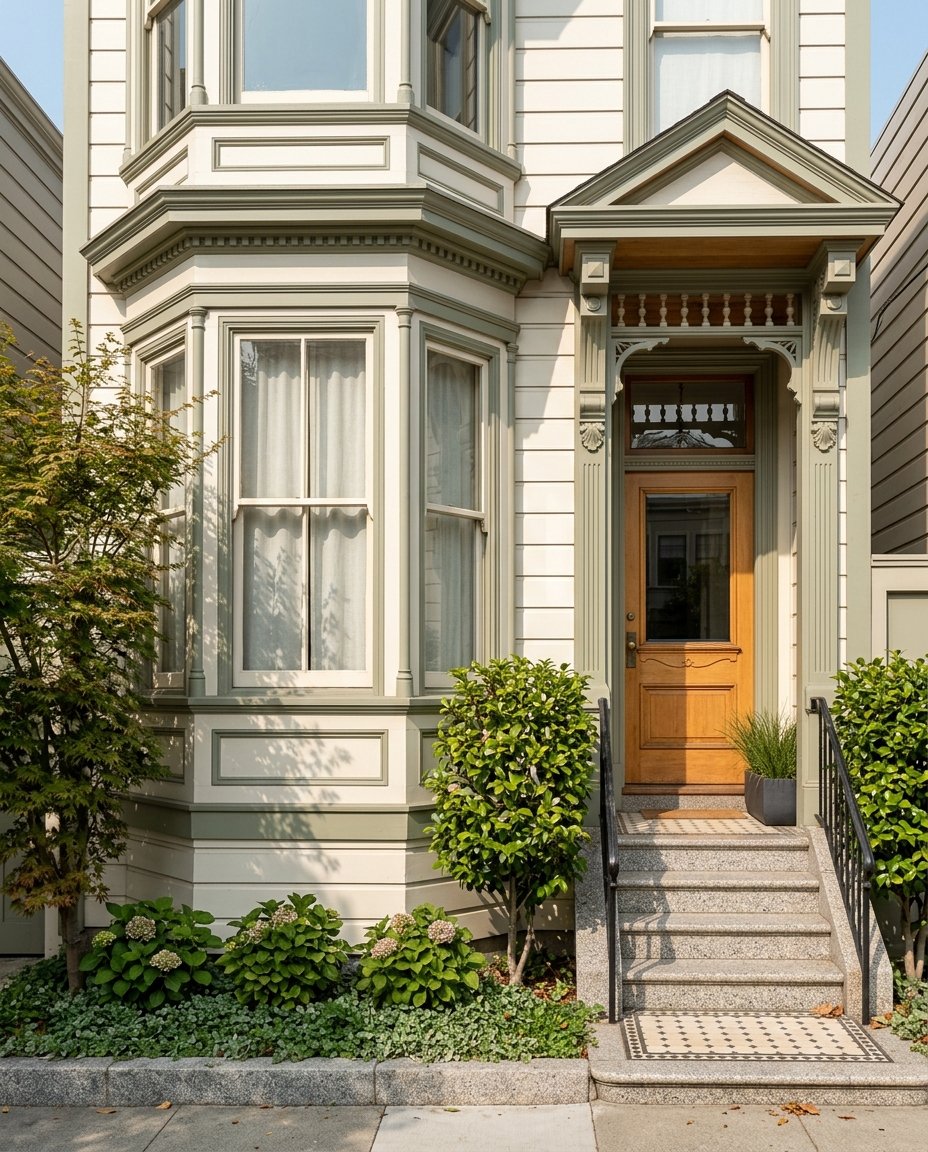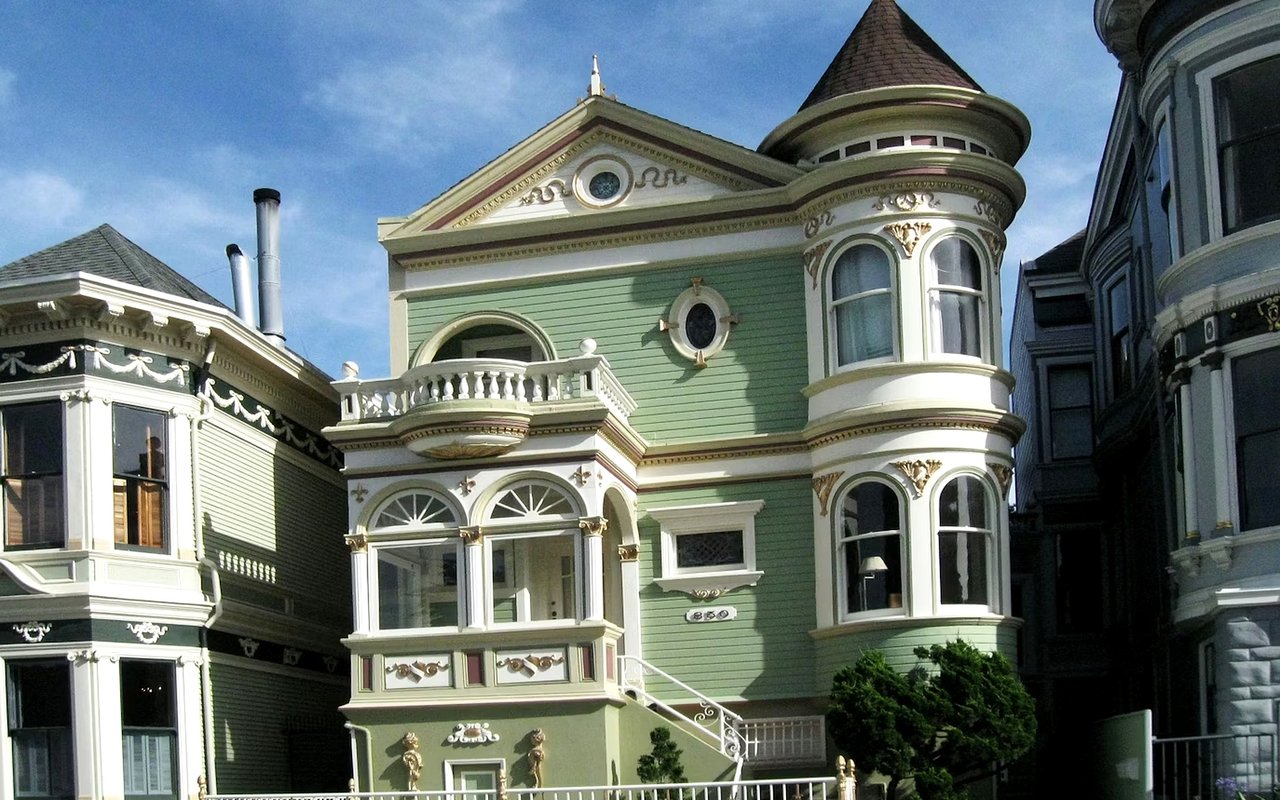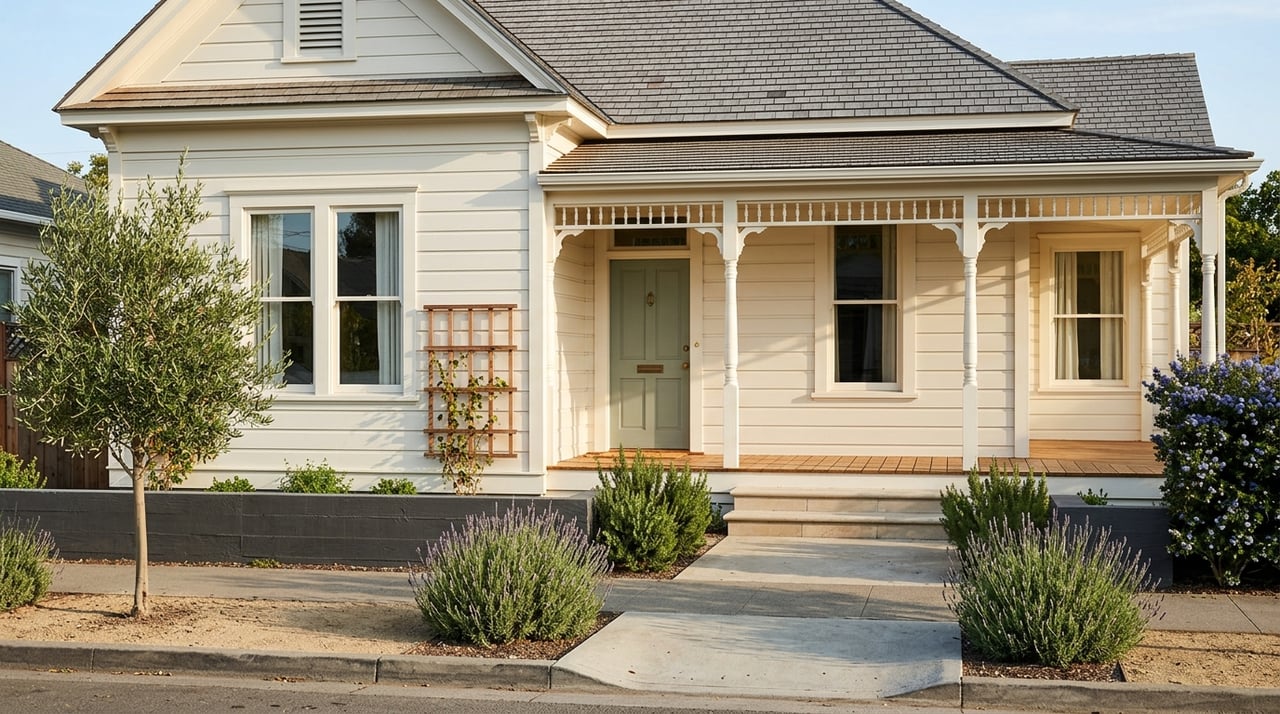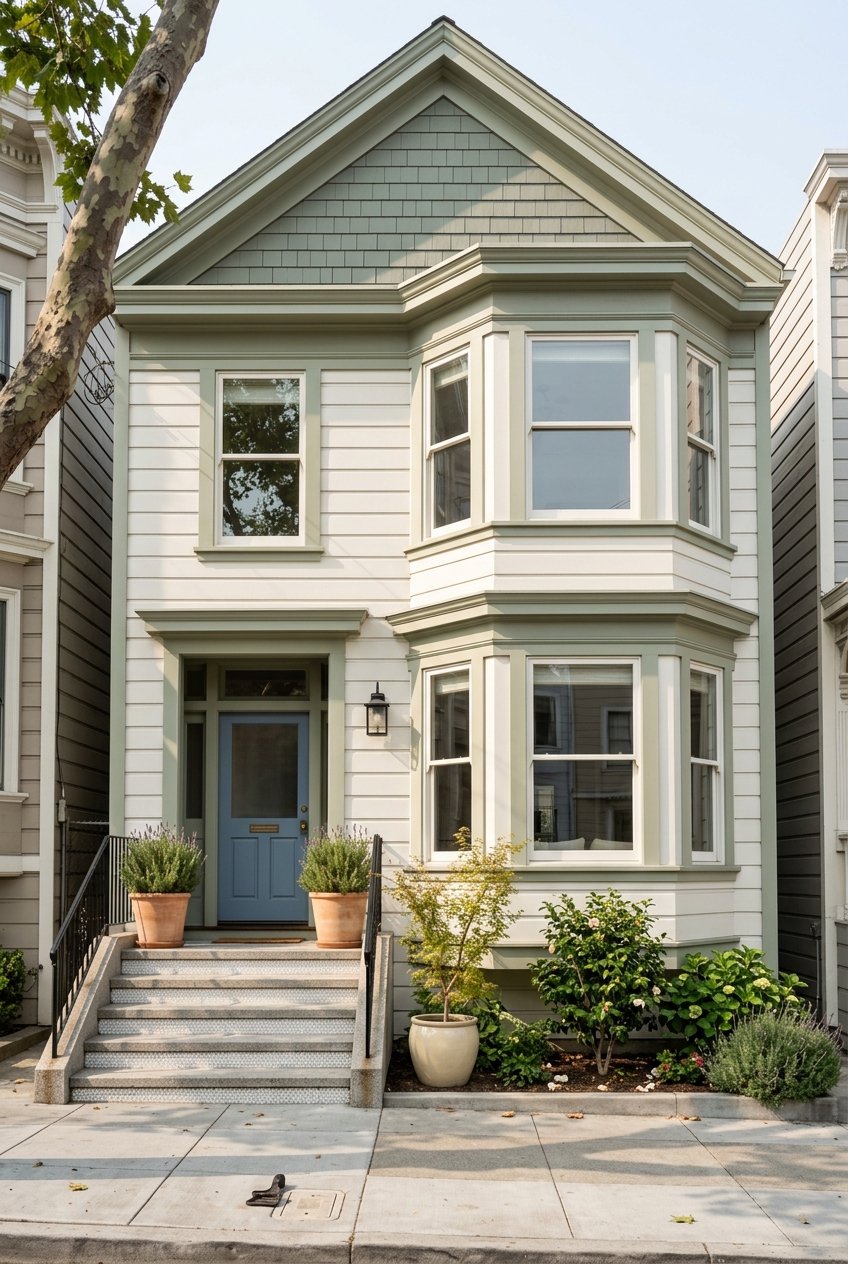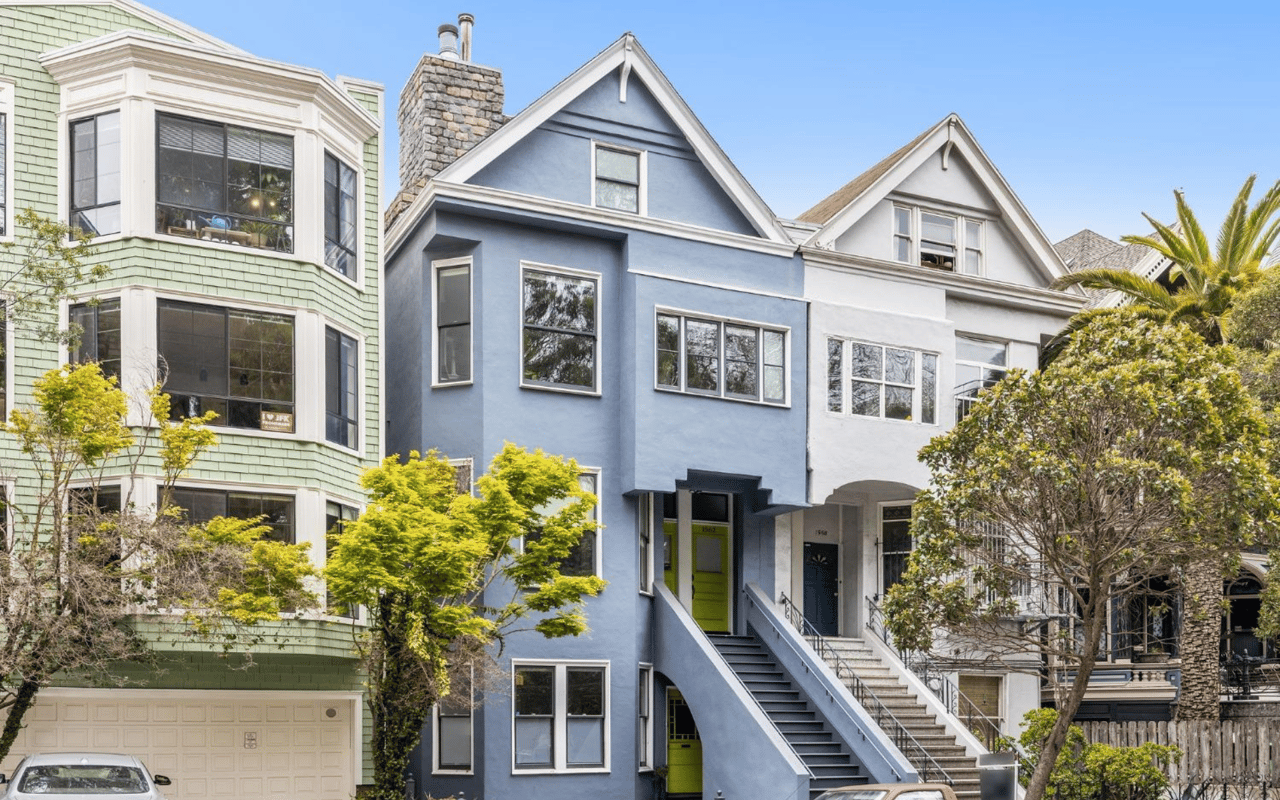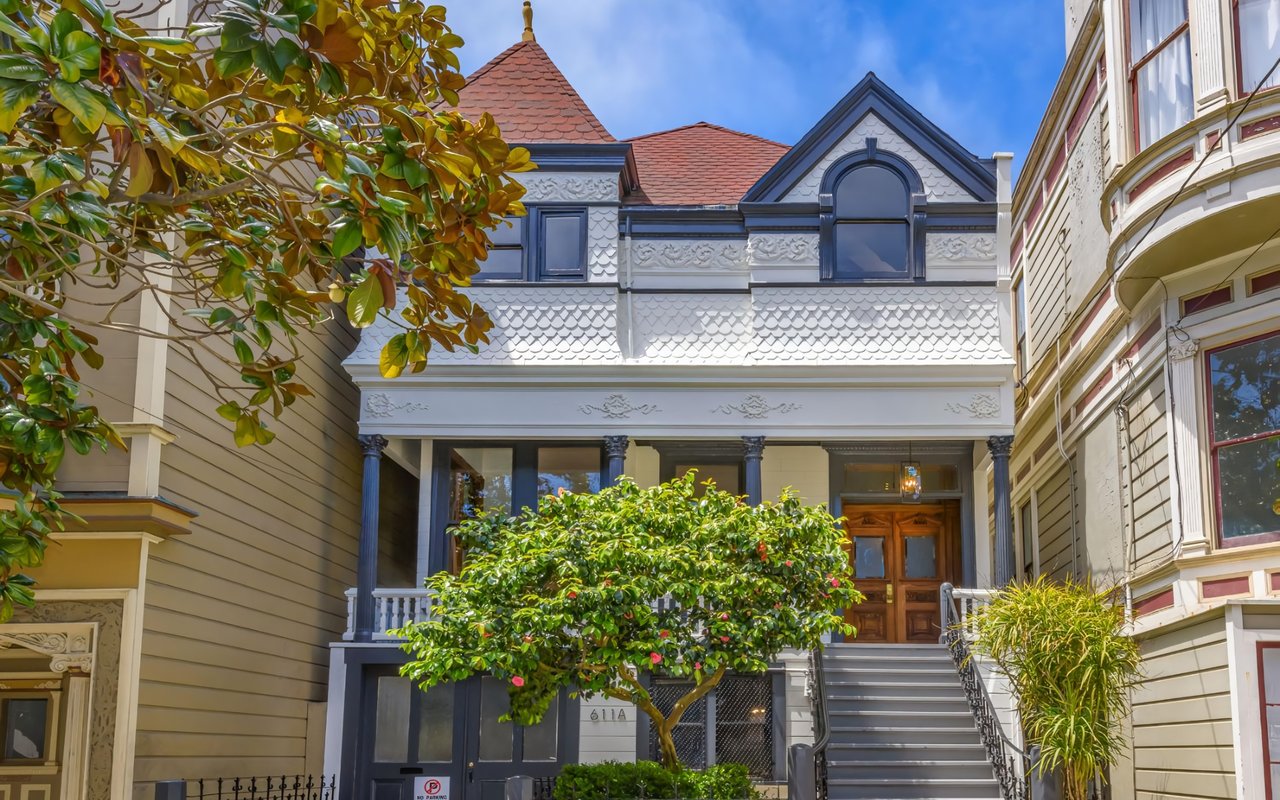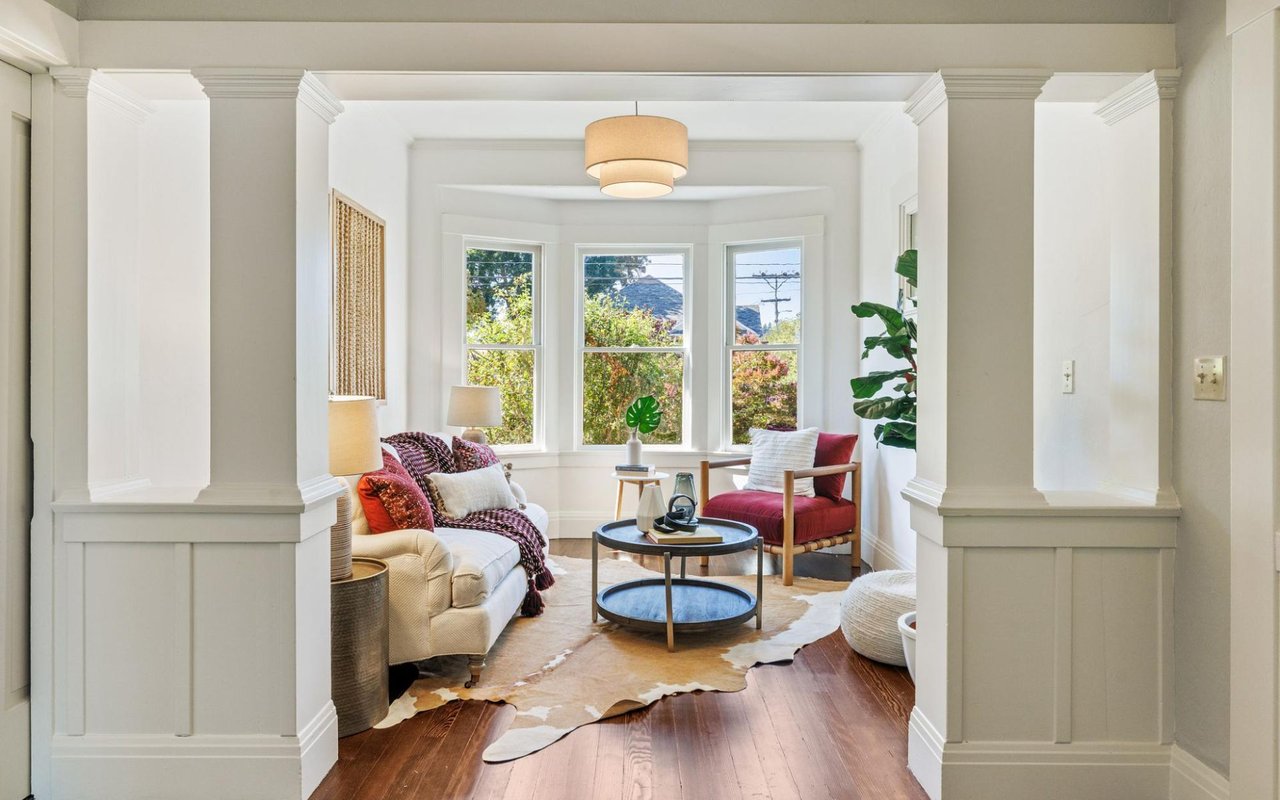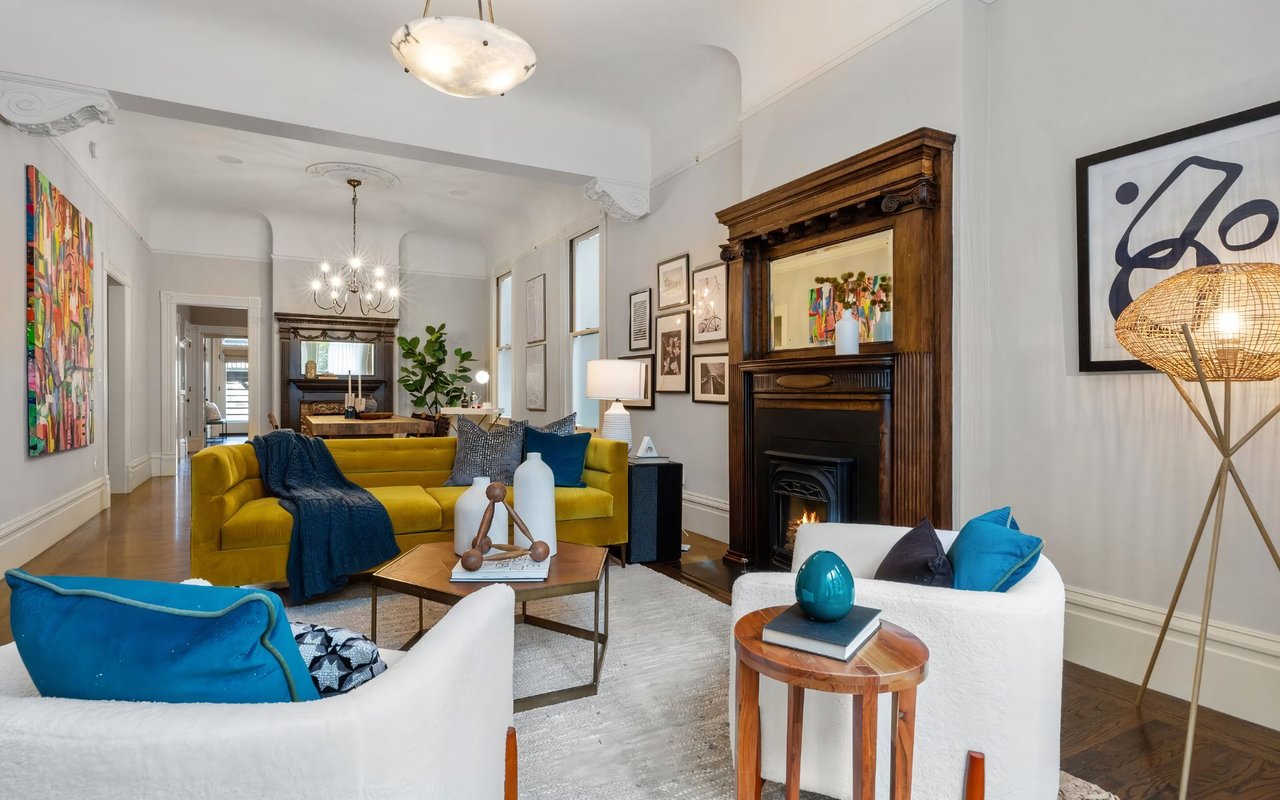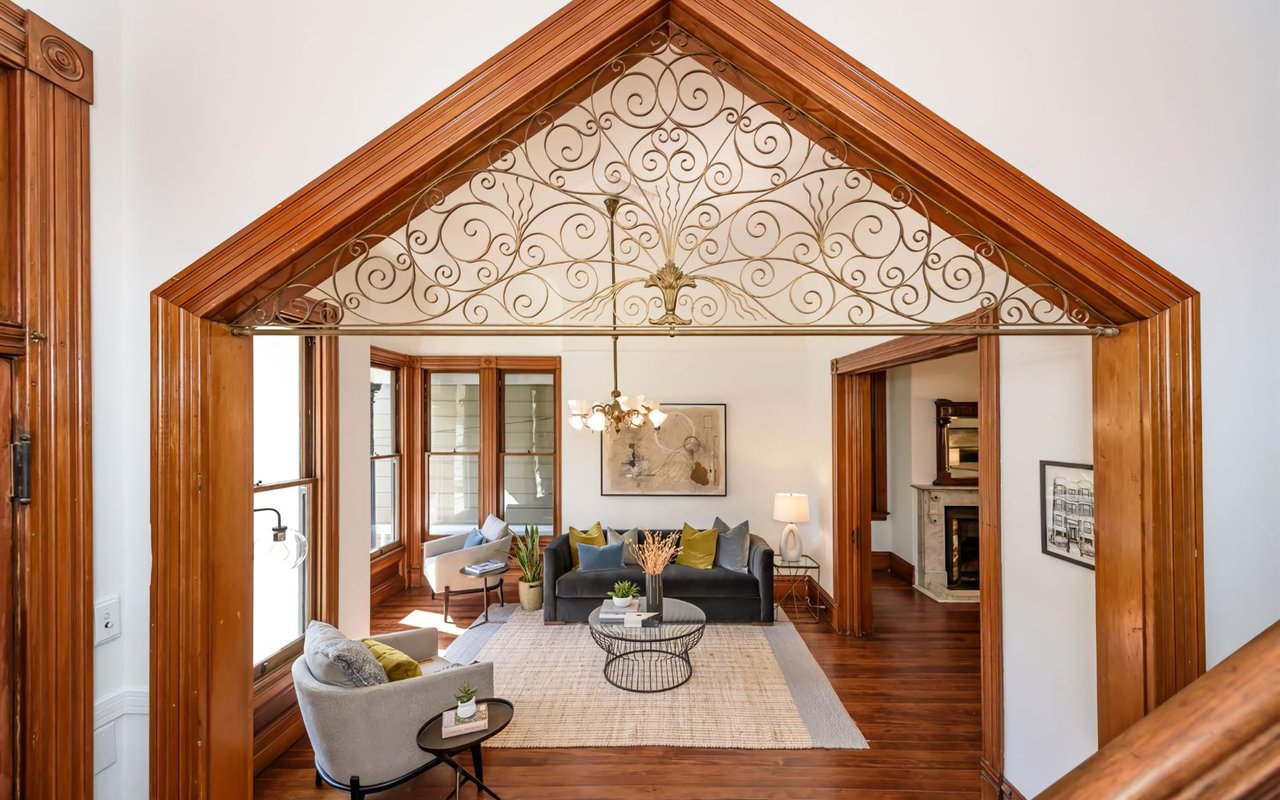
If you are eyeing a duplex, triplex, or fourplex in Cole Valley or Parnassus Heights, it is easy to fall for the charm first. These neighborhoods have the kind of older San Francisco housing stock that feels timeless, but in a small multi-unit deal, the real investment story lives in the details. If you want to buy smart, this guide will help you evaluate legal unit count, rent rules, building condition, and long-term value in a way that fits these highly specific San Francisco submarkets. Let’s dive in.
Why These Neighborhoods Draw Investors
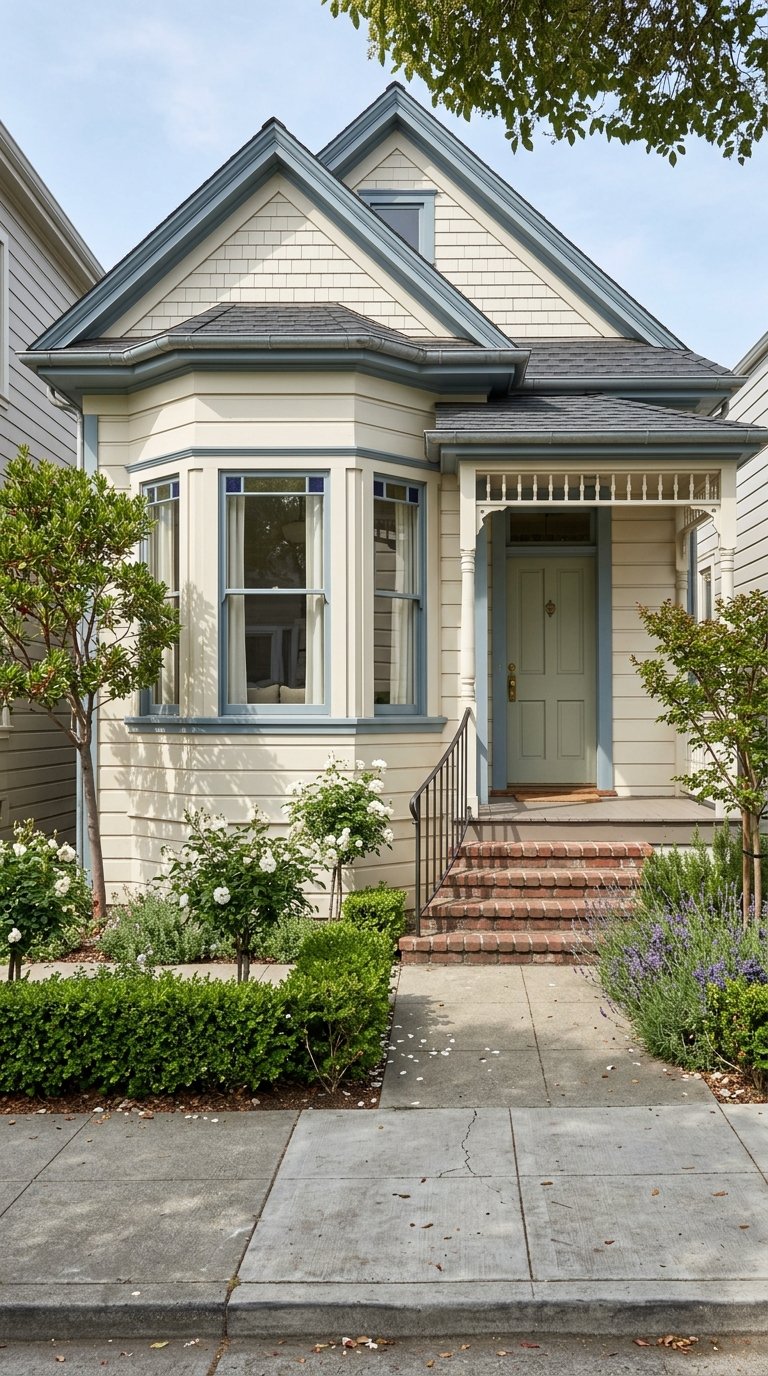
Cole Valley and Parnassus Heights offer something many investors want but rarely find in one place: central location, limited housing supply, and steady demand tied to a major institutional employer. UCSF identifies Parnassus Heights as its original campus, spanning almost six blocks of patient care, research, and education uses. That nearby activity helps support ongoing rental demand in the area.
Cole Valley also functions as more than a residential pocket. The Cole Valley Neighborhood Commercial District runs along Cole Street from Frederick to Grattan, with some parcels north of Carl and south of Parnassus. That mix helps explain why the neighborhood feels both lived-in and service-oriented, which can matter when you are thinking about tenant demand and day-to-day livability.
Recent pricing also shows how competitive these neighborhoods can be. Redfin reported a Cole Valley median sale price of $1,599,462 for the three months ending May 2026, up 17.2% year over year, while Realtor.com said Parnassus Heights homes sold at about asking on average in May 2026. For you as a buyer, that points to a market where scarcity and location can matter as much as short-term upside.
Start With Legal Unit Count
In older San Francisco multi-unit buildings, the first question is often not condition. It is legality. Before you rely on a listing description, you need to confirm how many dwelling units are legally recognized and how the property is zoned.
San Francisco Planning’s residential district summary shows that RH-2 allows two dwelling units per lot and RH-3 allows three dwelling units per lot, while RM districts follow different density rules. That zoning framework can shape what is legal today and what may be possible later. It also affects how you should underwrite the building from the start.
San Francisco Planning warns that using rooms in ways that differ from approved plans can trigger Unauthorized Dwelling Unit requirements along with significant city requirements and costs. That matters in these neighborhoods, where basements, rear rooms, attic spaces, or garden-level areas are sometimes presented as flexible living space. In practice, that extra room may not carry the legal value you think it does.
What to verify before you write an offer
- Certificate of occupancy
- Permit history
- Complaint history
- Zoning district
- Legal dwelling unit count
- Whether any extra space appears to be converted or unpermitted
Understand the Rent Rule Landscape
For many small multifamily buyers, the return profile in San Francisco is shaped as much by regulation as by rent level. In Cole Valley and Parnassus Heights, where many buildings are older, this is especially important.
Most multi-family buildings built before June 1979 are subject to San Francisco rent control and eviction protections. SF.gov states that the allowable annual rent increase for covered units is 1.6% from March 1, 2026 through February 28, 2027. That is a meaningful number for your underwriting because it points toward modest rent growth assumptions, not aggressive ones.
California’s AB 1482 cap is broader and generally limits increases to 5% plus CPI, up to 10%. SF.gov says the applicable AB 1482 cap in San Francisco is 6.3% through July 31, 2026, but local rent control remains stricter where it applies. In other words, if a unit is covered by local rent control, the local rules are usually the limiting factor.
SF.gov also notes that a two-unit property can be exempt from AB 1482 if the second unit was occupied by an owner of the property for the entire tenancy. That kind of detail can materially change your assumptions, so coverage status should be confirmed property by property rather than guessed based on building type alone.
Owner Occupancy Is Possible, But Regulated
A lot of buyers look at a duplex or triplex and think about a future owner-occupancy plan. That can be part of the appeal, but San Francisco does not treat it casually.
Under San Francisco’s owner-move-in rules, the owner or qualifying relative must move in within three months and occupy the unit as a principal residence for at least 36 continuous months. That means future flexibility exists, but it comes with a strict timeline and occupancy requirement.
If your long-term plan includes living in one unit, that strategy should be reviewed early and carefully. It should never be treated as a casual backup plan after closing.
Older Buildings Need Deeper Due Diligence
These neighborhoods are full of character-rich buildings, and that character is part of the draw. It is also why careful due diligence matters so much.
San Francisco’s Department of Building Inspection offers a Permit / Complaint Tracking System that lets you research permit and complaint history by address, permit number, applicant, or keyword. The city says online permit records go back to the 1980s, and records requests can reach building permit job cards back to 1933. For small multi-unit properties, that paper trail can be one of your best tools for confirming original unit count and spotting unresolved issues.
Why the paper trail matters
- It helps confirm whether the current layout matches approved records
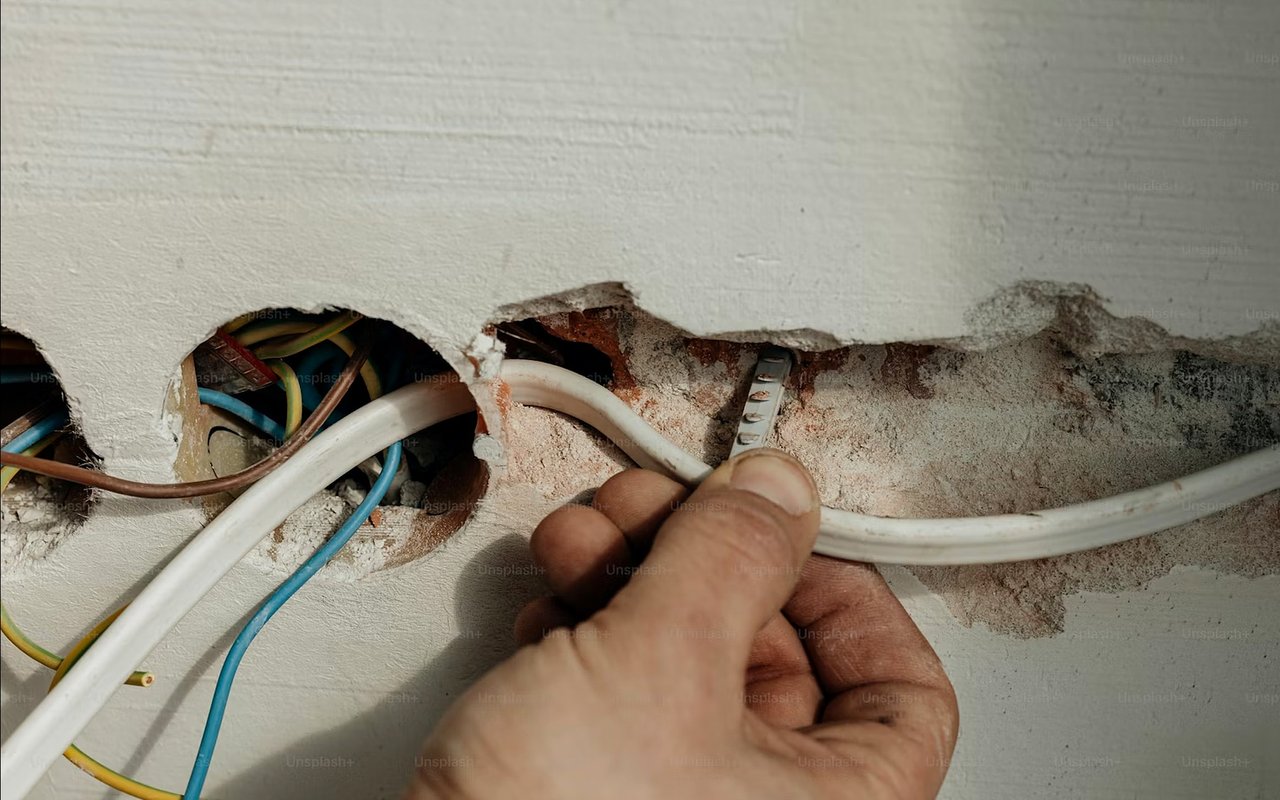
- It can reveal unpermitted remodels
- It can uncover unresolved complaints
- It gives you a stronger basis for pricing and negotiations
Focus on Common-Area Risk
In older multi-unit buildings, the most expensive issues are not always inside the apartments. They often show up in shared systems and exterior components.
San Francisco Housing Inspection Services maintains minimum maintenance standards through periodic inspections and tenant complaints. That means common areas and building systems deserve the same attention as kitchens, baths, and flooring.
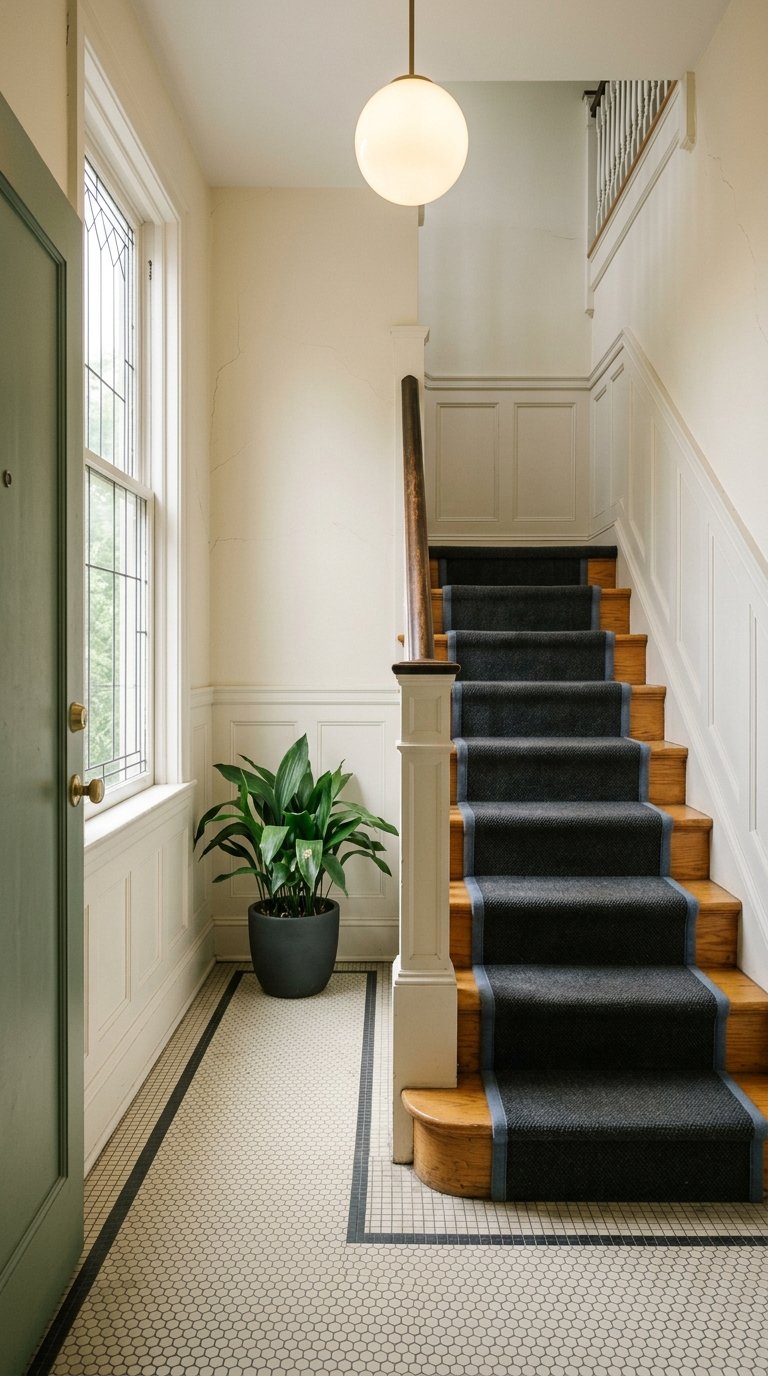
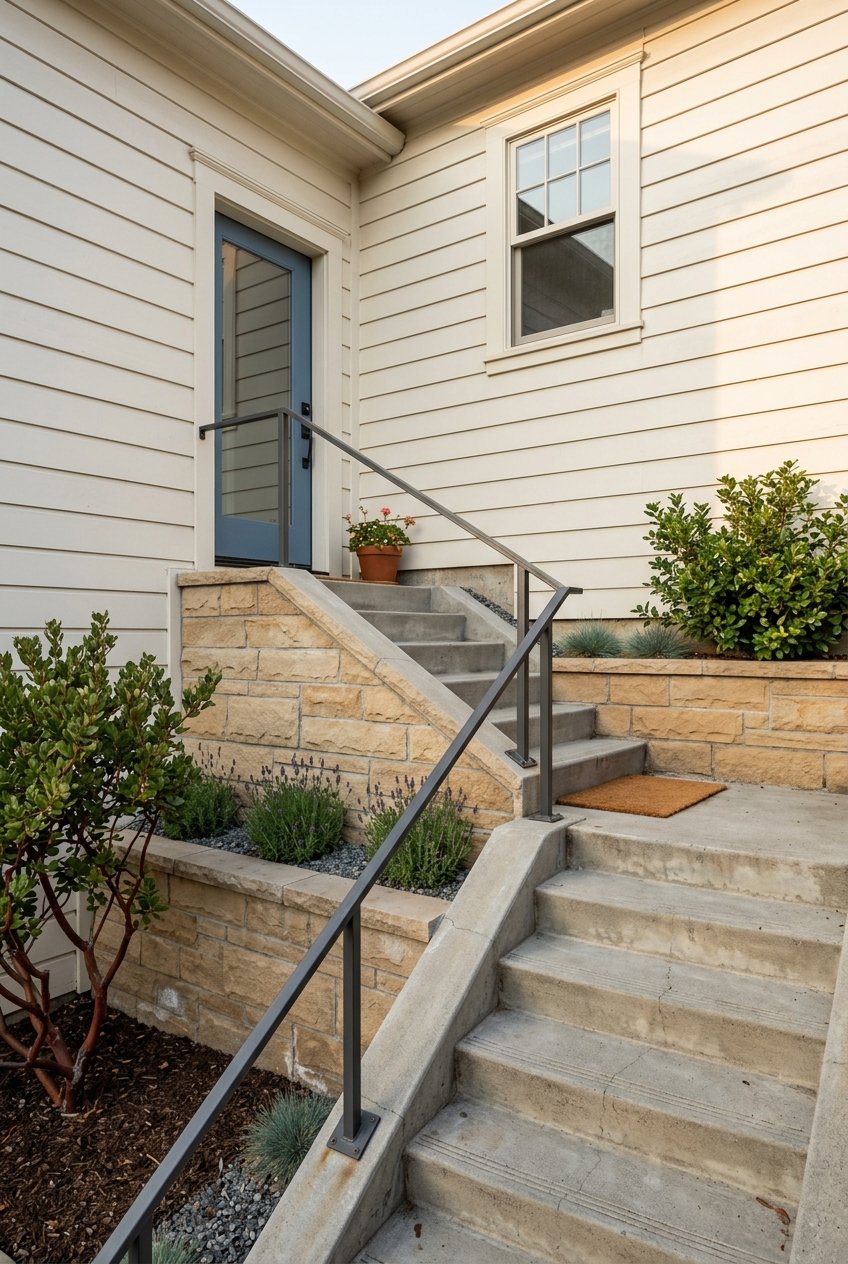
Decks, balconies, stair systems, guardrails, handrails, landings, and fire escapes deserve especially close review. San Francisco Housing Code Section 604 requires qualified inspection of weather-exposed decks, balconies, landings, stair systems, guardrails, handrails, fire escapes, and similar components in apartment buildings and hotels. SF Fire Code also requires fire-escape stairways and balconies to be examined every five years by a registered design professional or another acceptable party.
For you as a buyer, these are often the items that can turn into major escrow negotiation points. They can also reshape your first-year repair budget quickly.
Seismic Risk Still Matters
It is true that San Francisco’s mandatory soft-story retrofit ordinance applies to wood-frame buildings with five or more residential units that were permitted before January 1, 1978 and have a soft-story condition. That means many 2 to 4 unit properties fall outside that specific program.
Still, being outside the ordinance does not mean a building is free of seismic or structural risk. It only means it is not in that mandatory bucket. In a neighborhood full of older wood-frame buildings, you should still view structural review and deferred maintenance analysis as core parts of due diligence.
Renovation Plans Need Realism
A lot of value in older San Francisco multi-unit homes comes from good decision-making, not flashy repositioning. Because rent growth can be constrained on covered units, the strongest strategy is often acquisition discipline, permit clean-up, and selective improvements that reduce future risk.
San Francisco does allow capital-improvement rent increases, but when seismic strengthening is performed, any capital-improvement increase is capped at 10% of the tenant’s base rent in any 12-month period. If you are buying a tenant-occupied building, that means recapturing renovation costs may be slower and more limited than expected.
Upgrades that often make the most sense
- Roof work
- Waterproofing and drainage improvements
- Stair, deck, and balcony repairs
- Systems upgrades
- Seismic work
- Permit clean-up tied to legal use and safety
Historic Status Can Affect Your Timeline
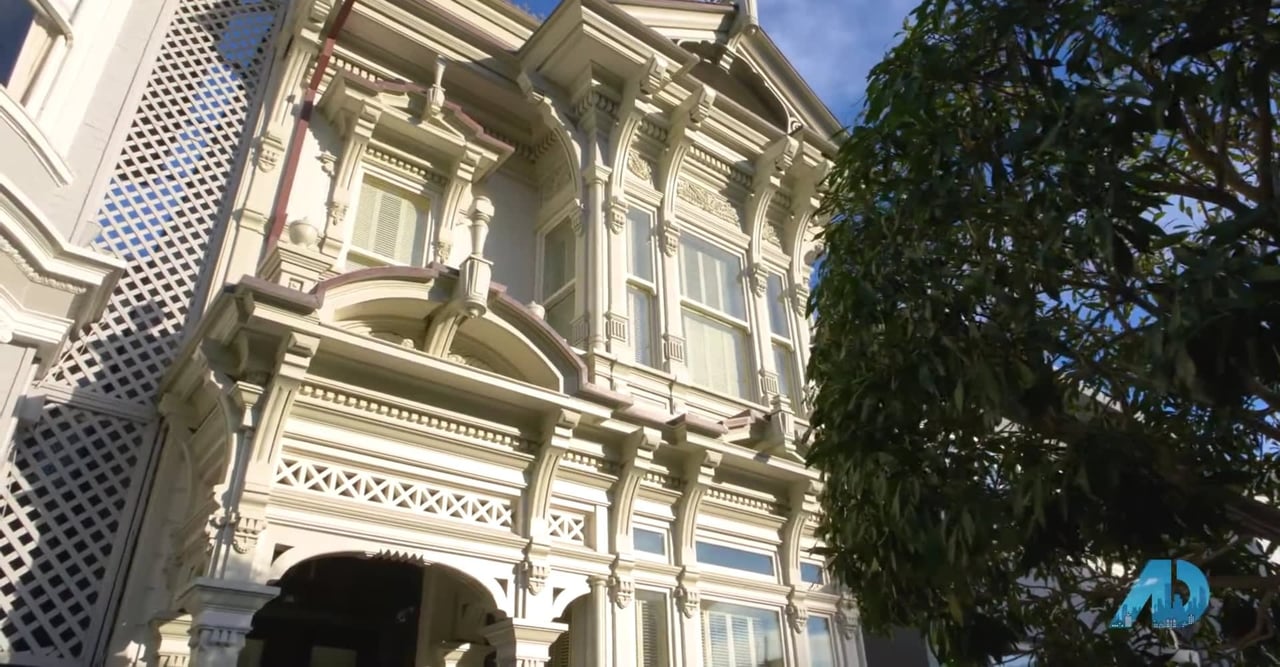
In this part of San Francisco, preservation review can be part of the investment equation. If a building has Article 10 Landmark or Article 10 Historic District status, SF Planning says exterior alterations that require permits may also require a Certificate of Appropriateness or an Administrative Certificate of Appropriateness.
Some districts also require review for visible street-facing work that might not otherwise need a permit. For window replacement, Category A* properties, including City Landmarks and Conservation Districts, are not eligible for over-the-counter approval. If you are budgeting an exterior refresh, these details matter from day one.
That does not mean historic buildings are bad investments. It means the best approach is preservation-aware planning with realistic timing and budgeting.
Pre-1978 Buildings Need Lead Awareness
Many multi-unit homes in Cole Valley and Parnassus Heights were built before 1978. The EPA says pre-1978 housing can contain lead-based paint, and renovation, repair, and painting work can create dangerous lead dust.
If you are planning work on an older building, contractor selection matters. Lead-safe work practices should be built into your renovation plan early, especially if your improvements will disturb painted surfaces.
A Smart Underwriting Mindset
In these neighborhoods, the strongest investment cases usually come from certainty over speculation. A beautiful building near UCSF or the Cole Street corridor may have real long-term appeal, but the returns are often shaped by legal configuration, rent regulation, maintenance needs, and permit history more than by quick upside alone.
That is why small multi-unit investing here rewards a careful, preservation-minded approach. When you understand what is legal, what is deferred, and what is realistically improvable, you can make decisions that respect both the building and your numbers.
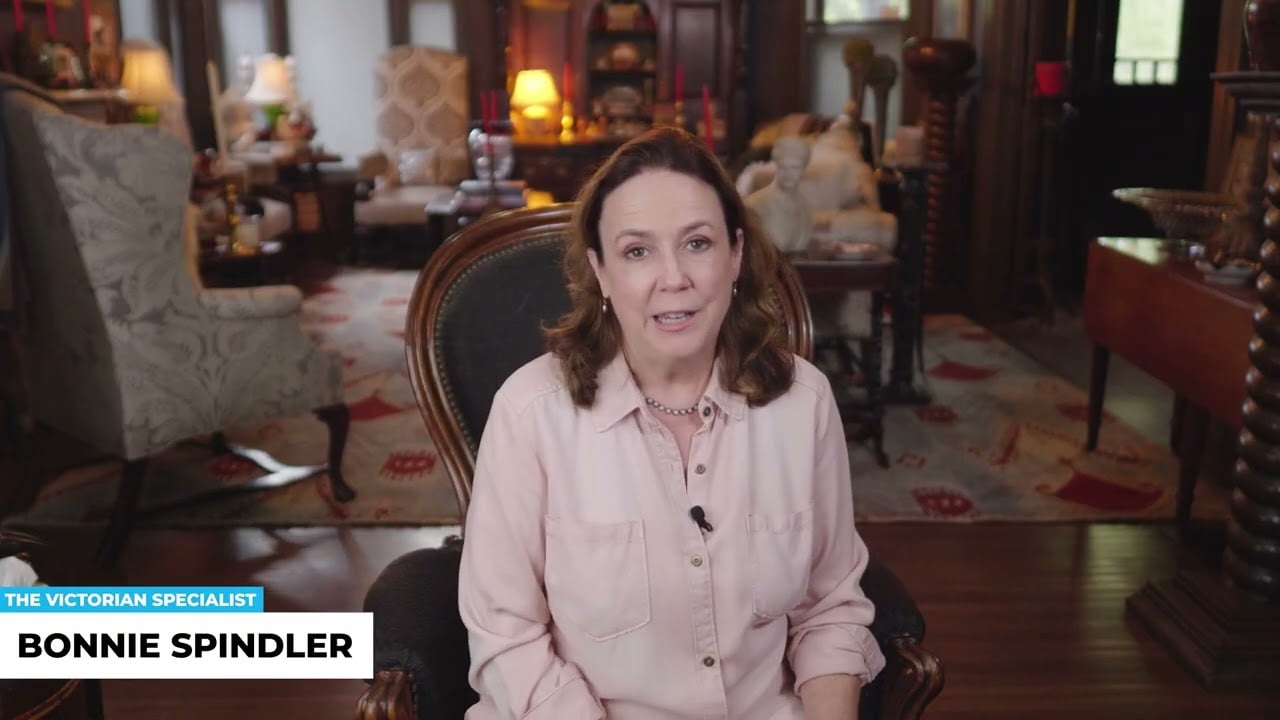
If you are considering a duplex, triplex, or fourplex in Cole Valley or Parnassus Heights, working with someone who understands older San Francisco housing can make the process much clearer. To talk through a property, renovation questions, or a buying strategy for character-rich multi-unit homes, connect with Bonnie Spindler.
FAQs
What should you verify before buying a multi-unit home in Cole Valley or Parnassus Heights?
- You should verify the legal unit count, zoning, certificate of occupancy, permit history, complaint history, and whether any extra space appears to be unauthorized or converted.
How does San Francisco rent control affect small multi-unit investing?
- Most multi-family buildings built before June 1979 are subject to San Francisco rent control and eviction protections, and the allowable annual rent increase for covered units is 1.6% from March 1, 2026 through February 28, 2027.
Can you move into one unit of a San Francisco duplex or fourplex later?
- Yes, but San Francisco owner-move-in rules require the owner or qualifying relative to move in within three months and occupy the unit as a principal residence for at least 36 continuous months.
Why do permit records matter for older San Francisco multi-unit homes?
- Permit and complaint records help you confirm original unit count, identify unpermitted work, and spot unresolved issues that could affect value, financing, or closing.
Do 2 to 4 unit buildings in San Francisco need soft-story retrofits?
- Many 2 to 4 unit buildings are outside the city’s mandatory soft-story retrofit program, but that does not mean they are free of seismic, structural, or deferred-maintenance risk.
How can historic status affect renovations in Parnassus Heights or Cole Valley?
- Historic status can add planning review for exterior work, including cases where a permit alone is not enough, so renovation budgets and timelines should account for preservation review early.