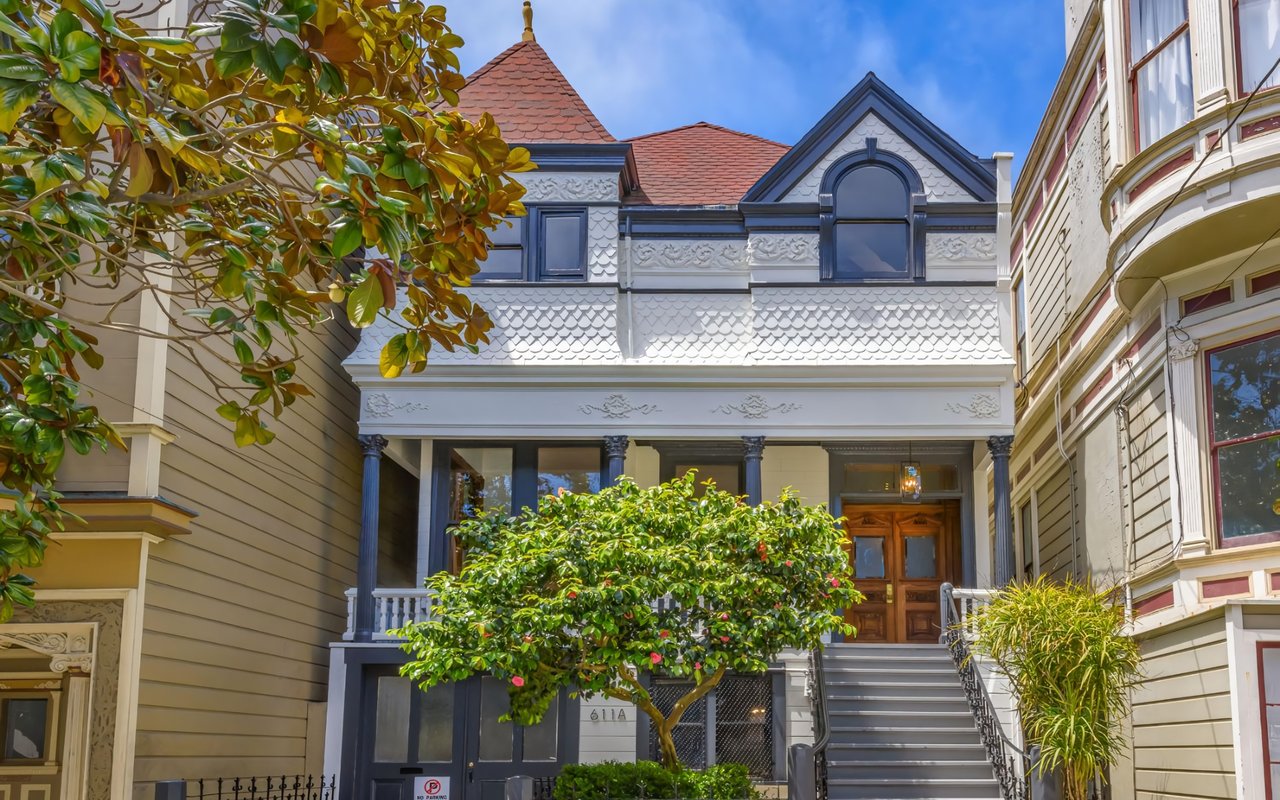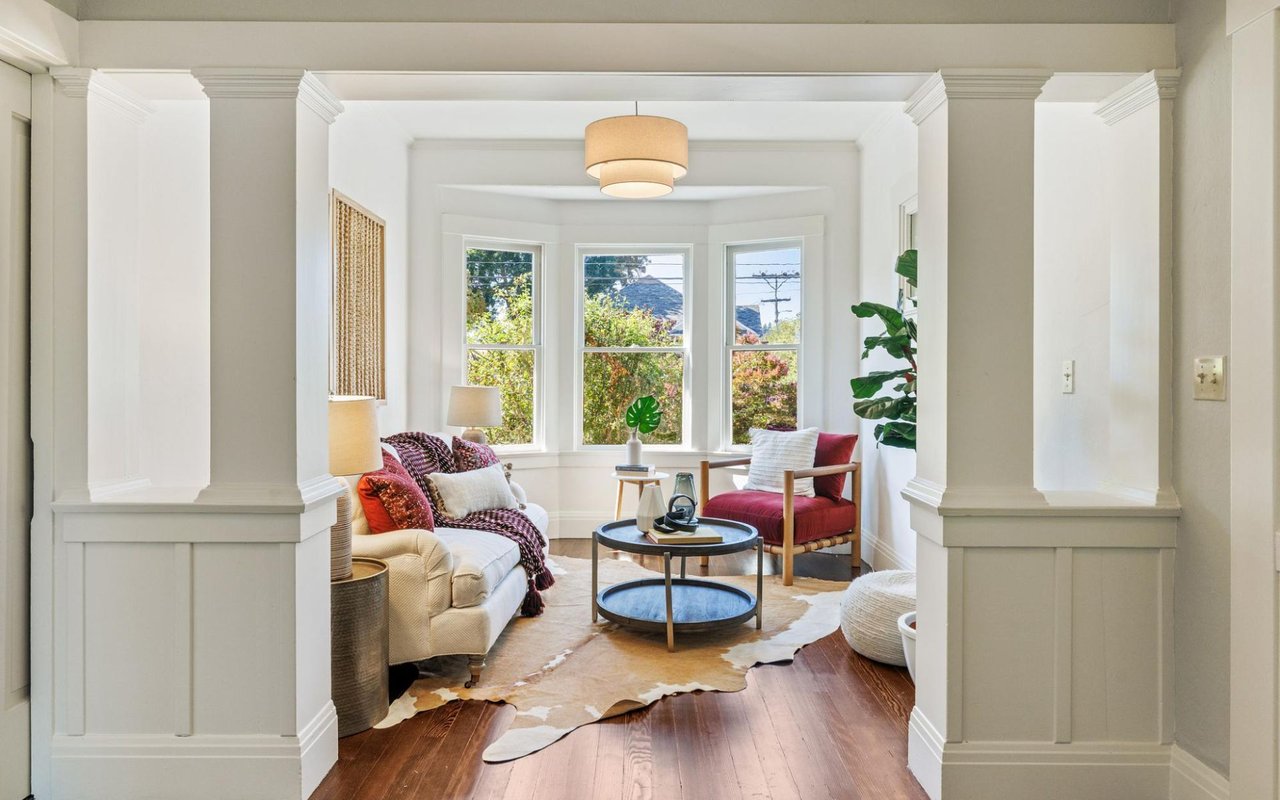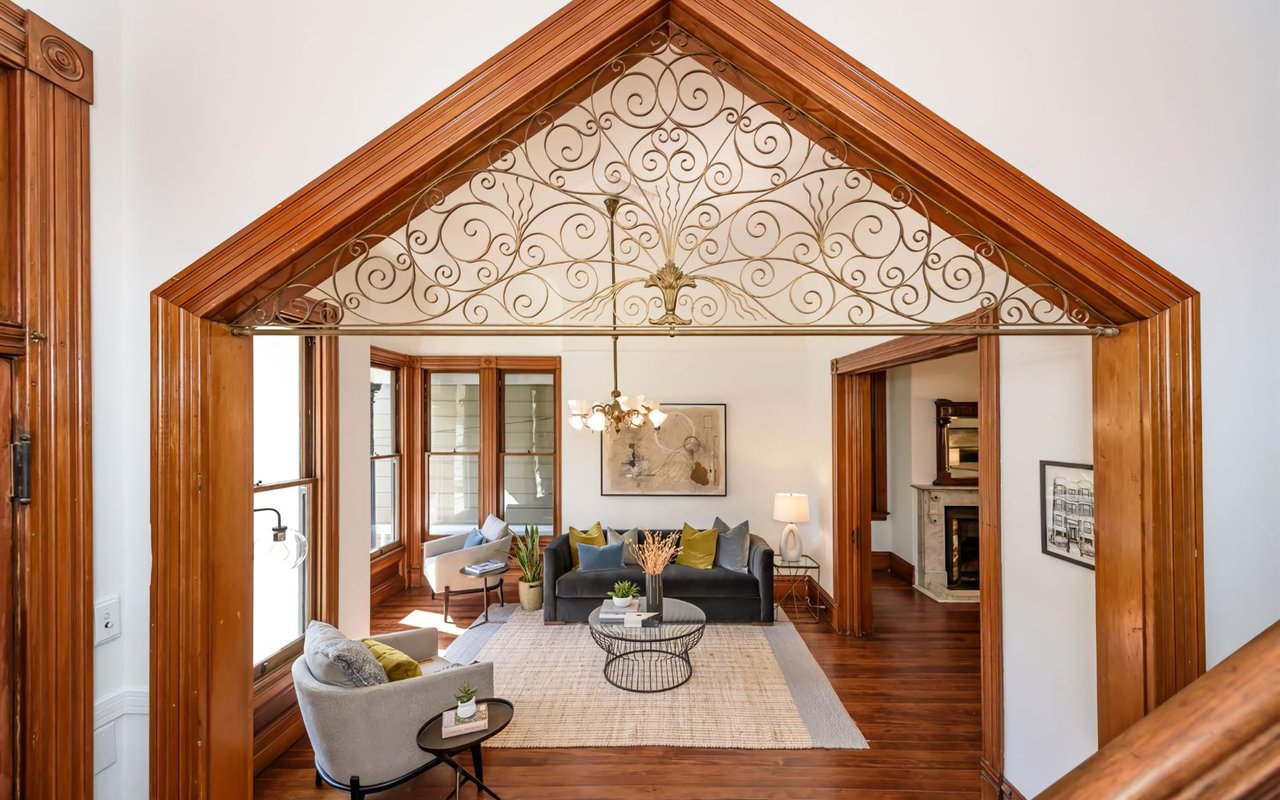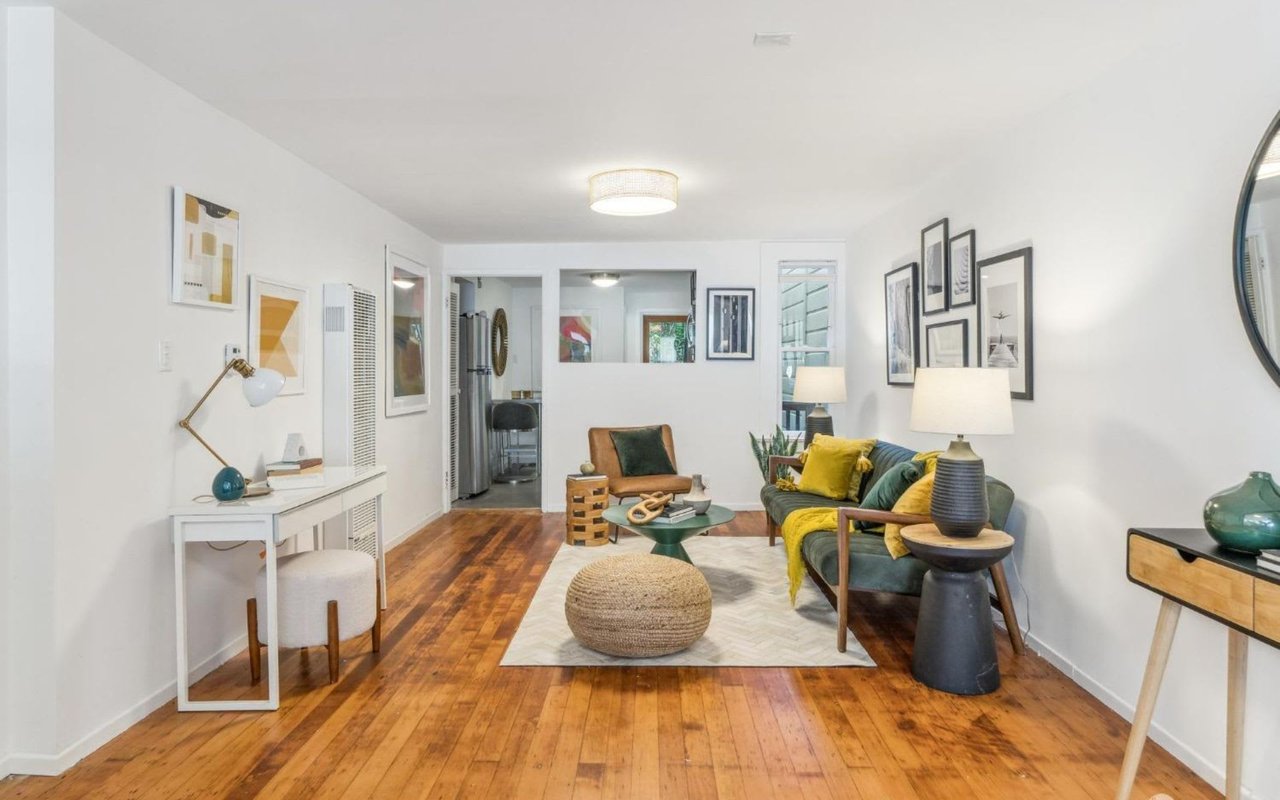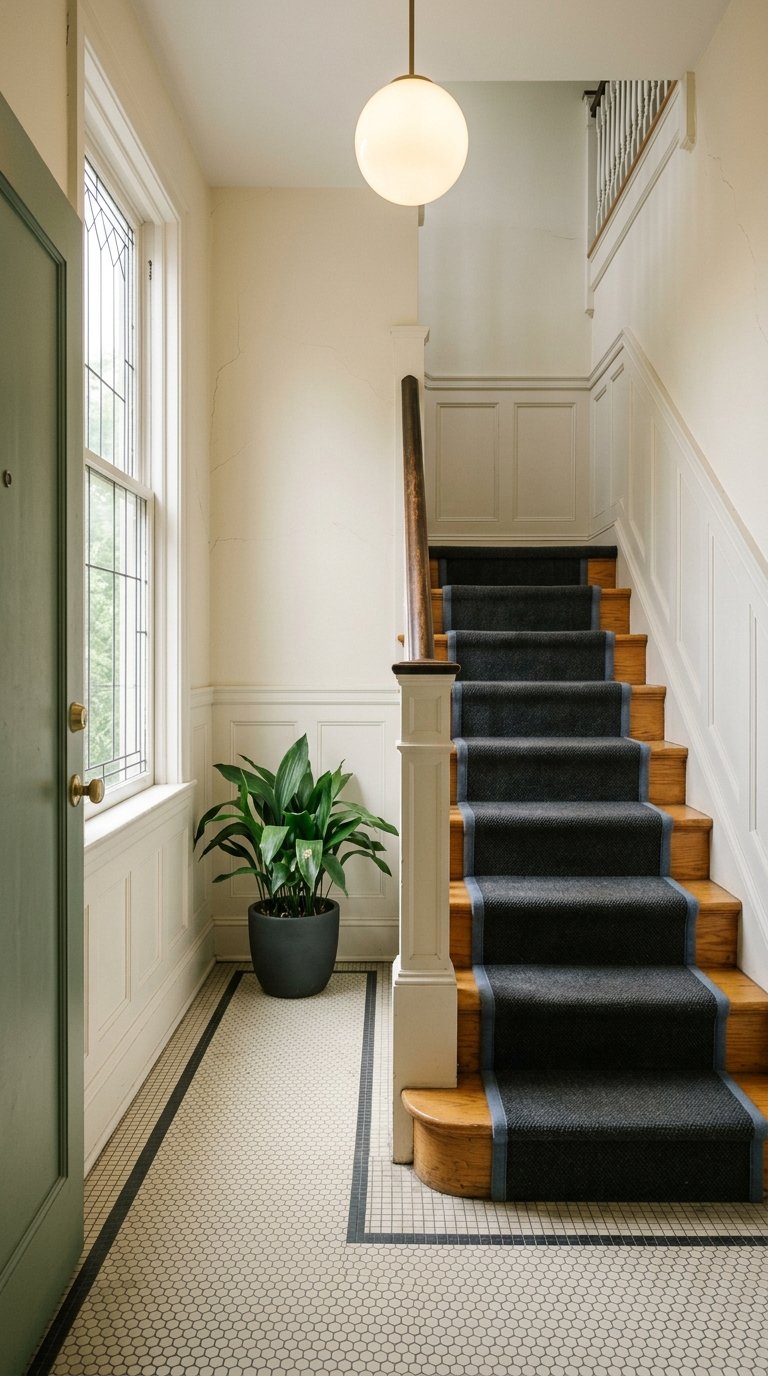
If you are selling a historic home or multi-unit property in Western Addition, a standard listing plan may leave money on the table. This part of San Francisco carries real architectural weight, layered neighborhood history, and rules that can shape everything from prep work to buyer confidence. When you understand what to verify before you list, how to position the property, and which disclosures matter most, you can move forward with more clarity. Let’s dive in.
Why Western Addition needs a tailored sales plan
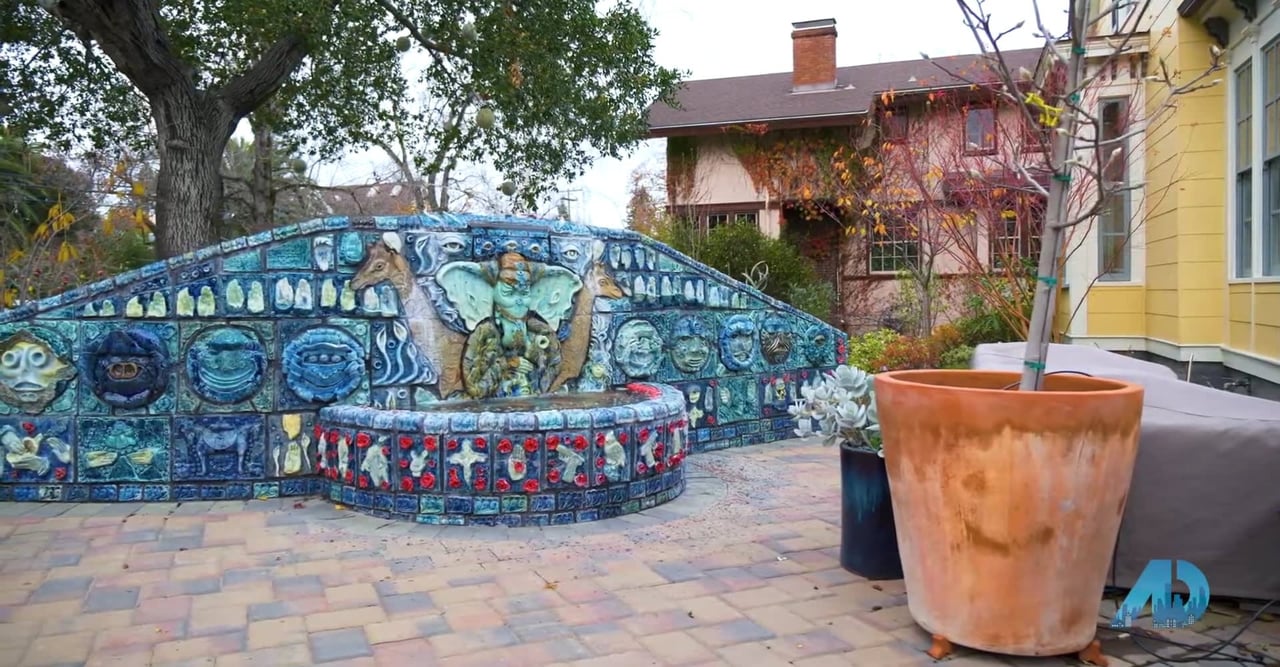
Western Addition is not just another San Francisco neighborhood with older housing stock. SF Planning identifies the area, including the Fillmore, as a place with deep Black, Japanese, and Jewish community history, while also noting the displacement and loss of older housing during mid-century urban renewal and redevelopment.
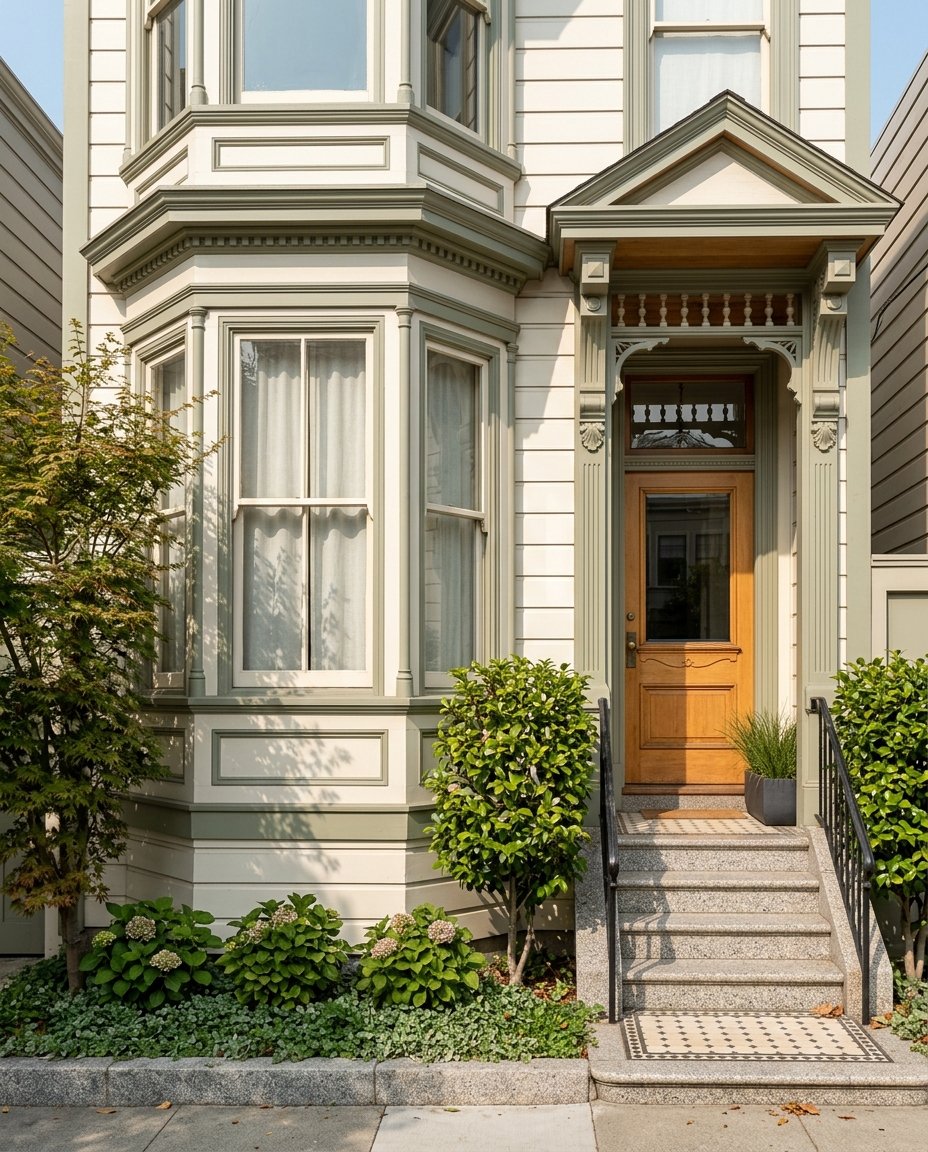
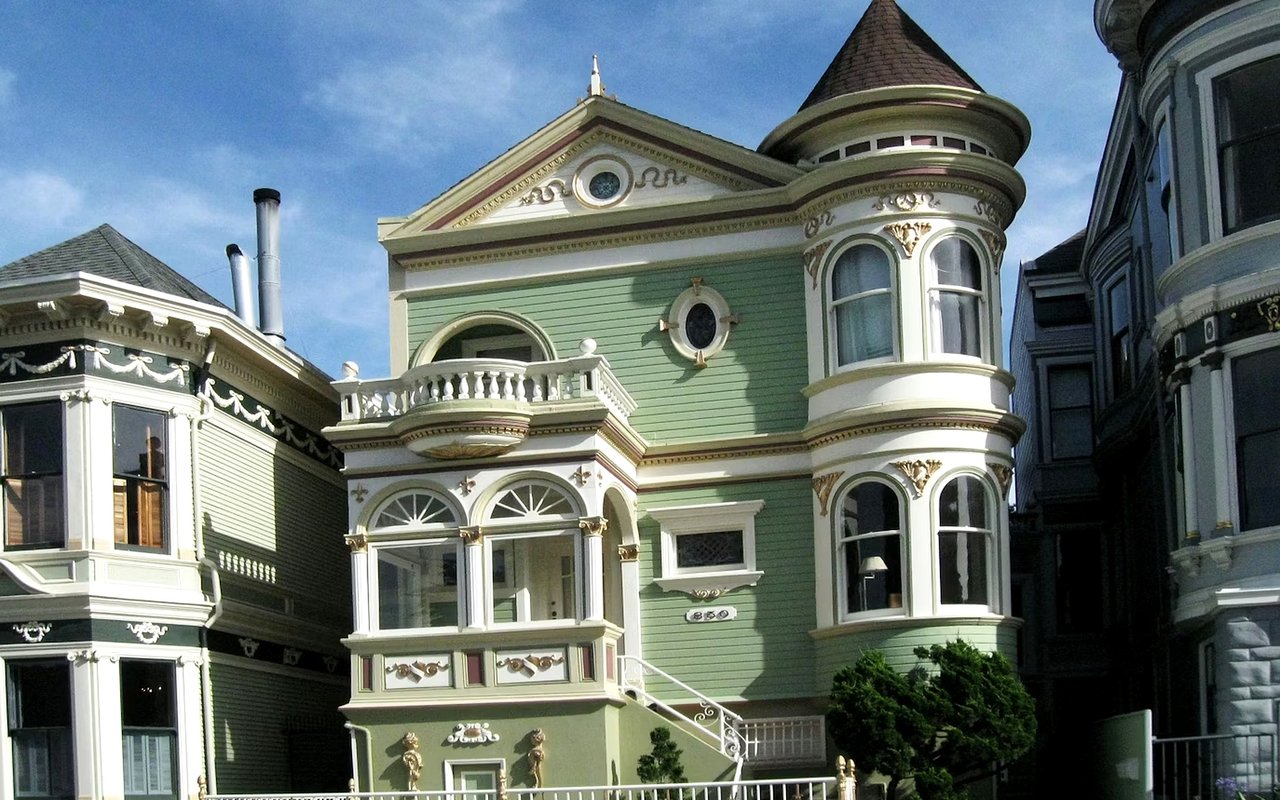
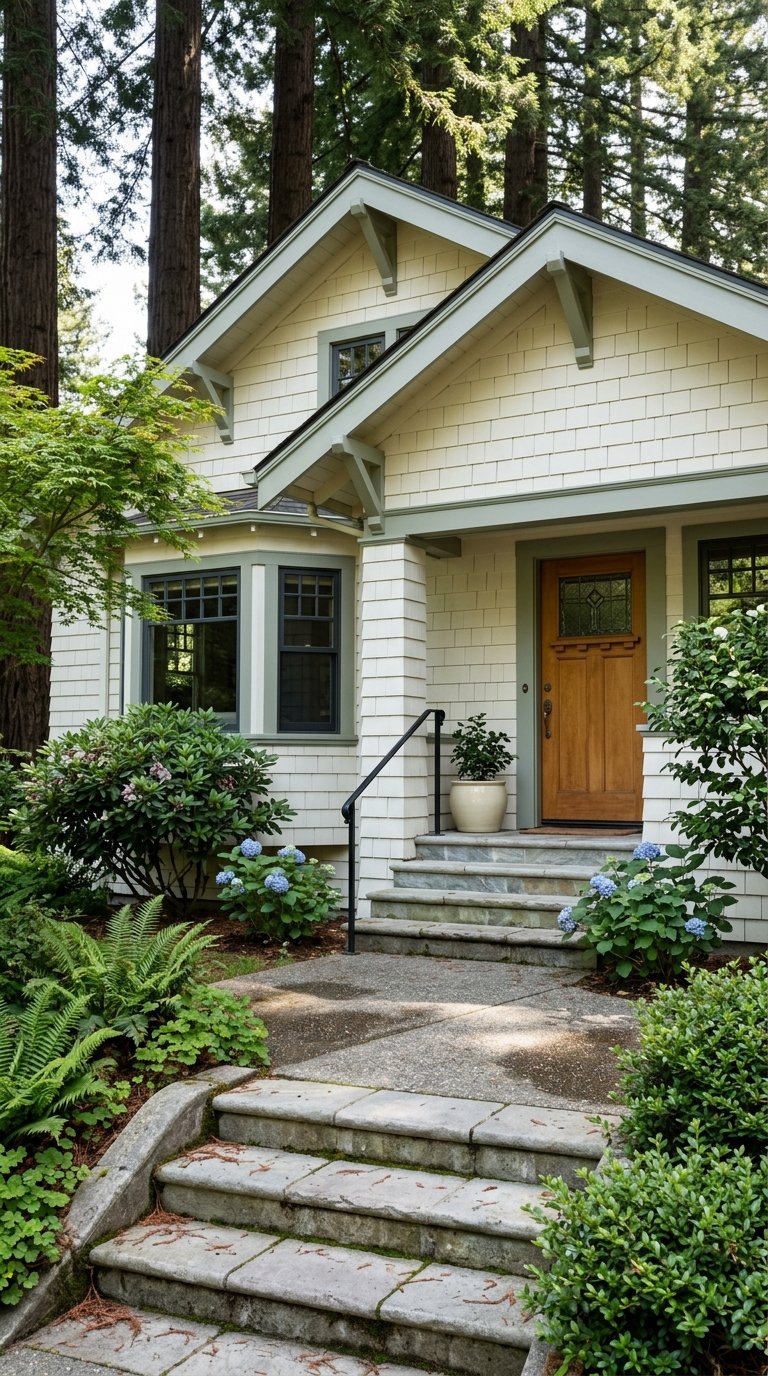
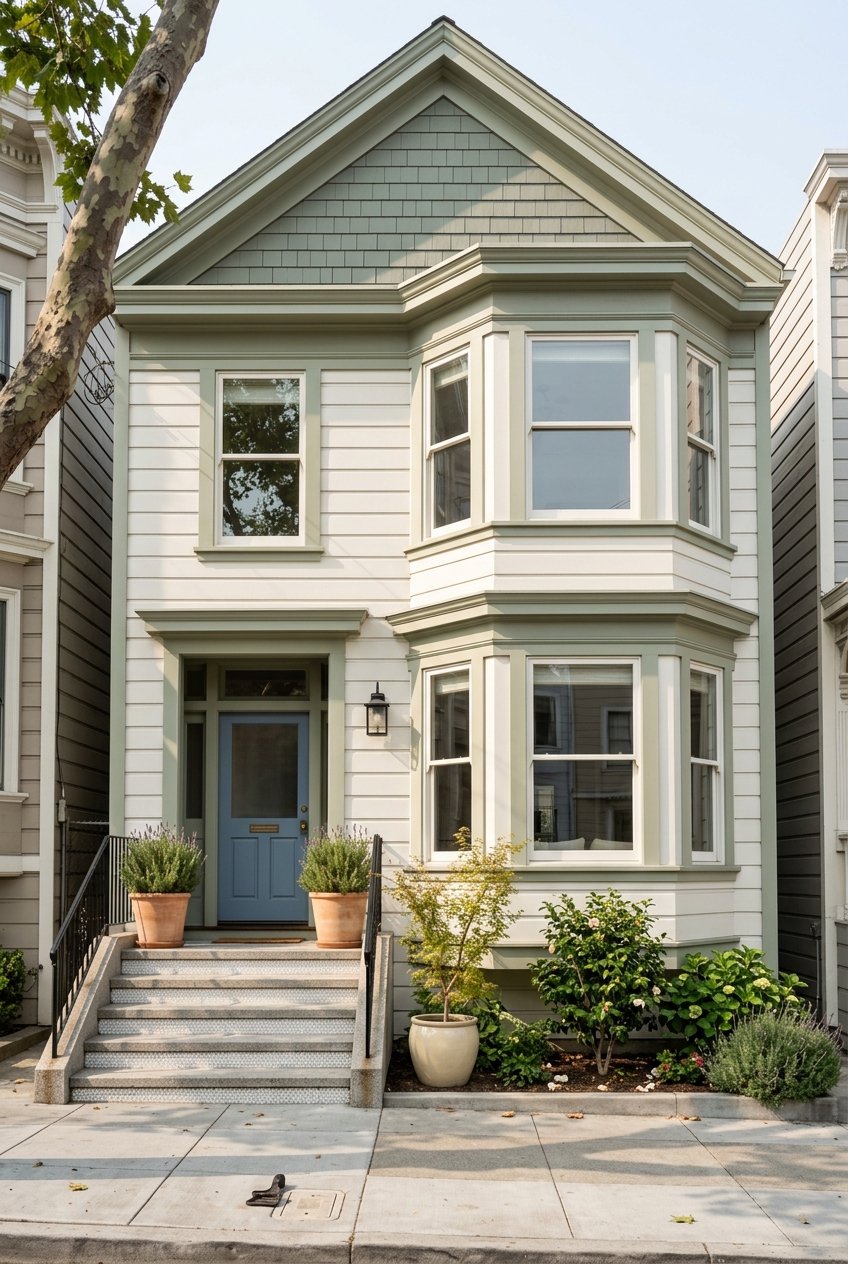
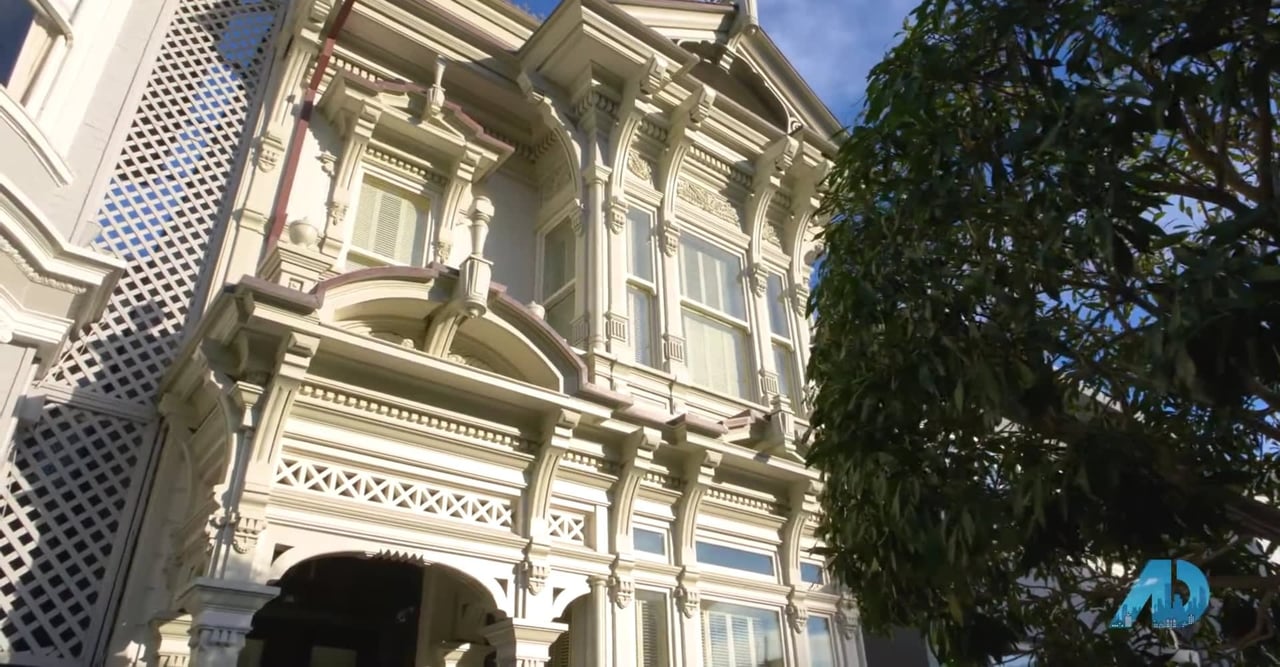
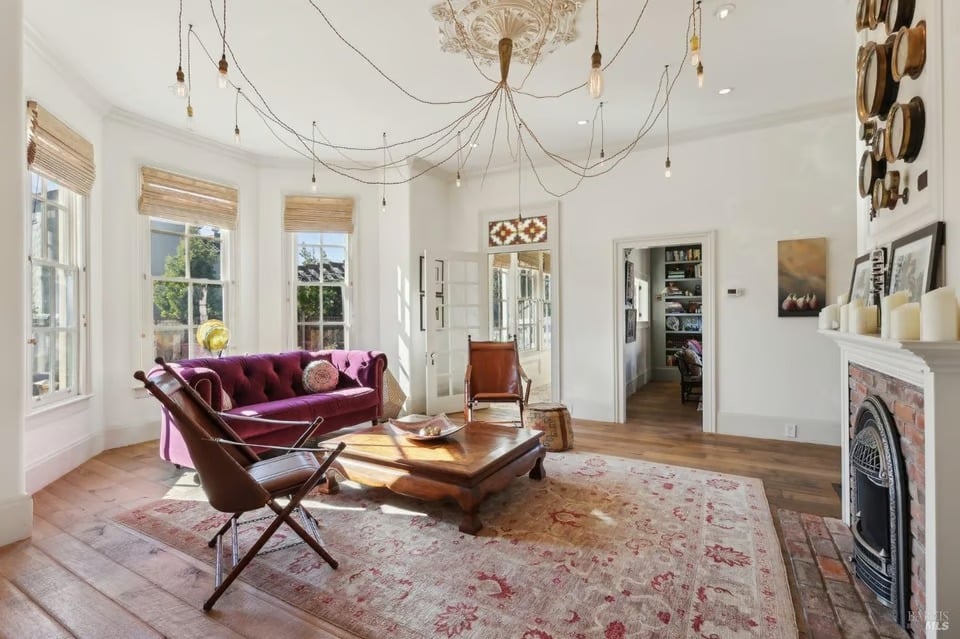
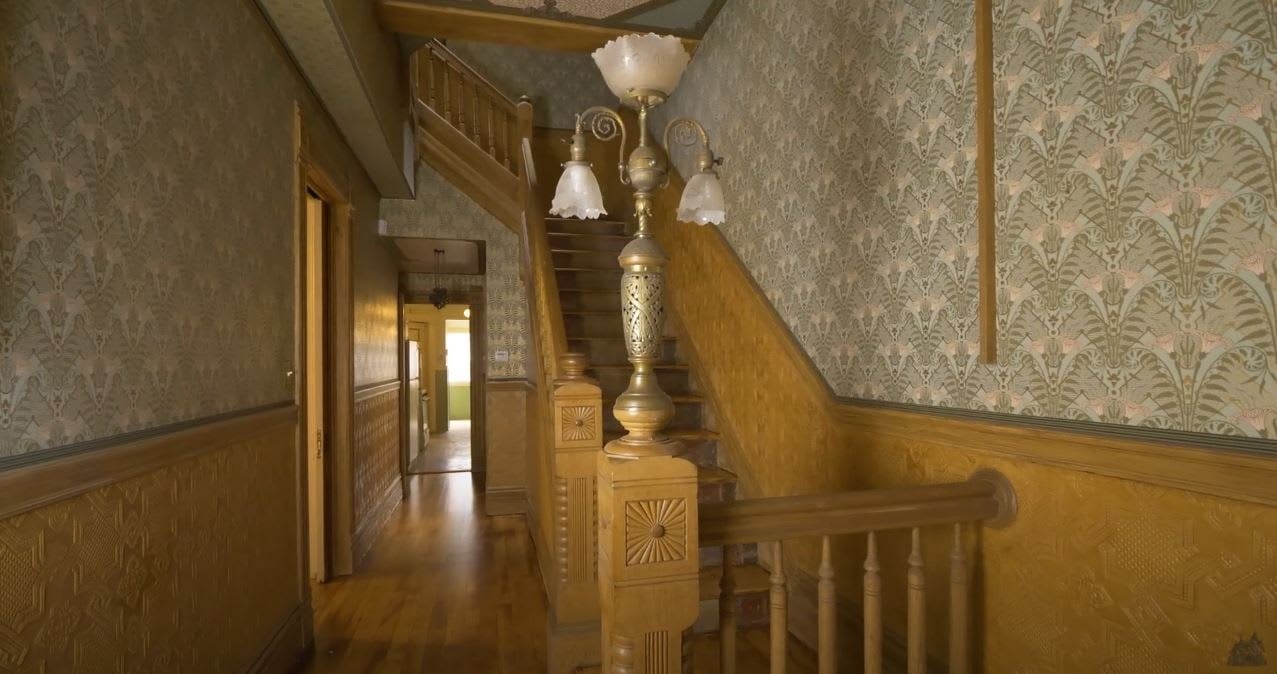
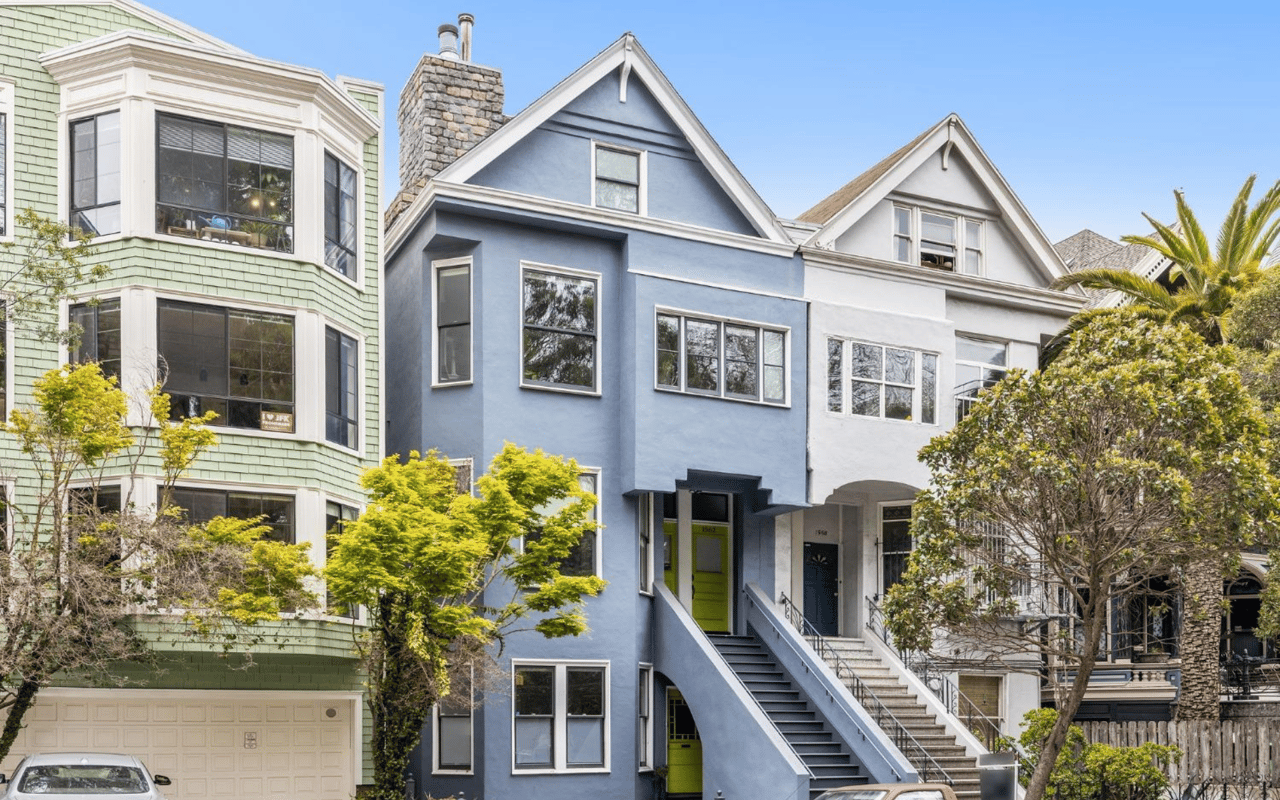
That matters when you sell. A surviving character building may offer more than curb appeal. It can carry architectural significance, cultural context, and scarcity that influence both pricing and marketing.
Some properties in or near Western Addition also fall within designated historic resources, including the Bush Street-Cottage Row Historic District and the Webster Street Historic District listed by SF Planning under Article 10. You should not assume a building is historic just because it is old, or assume it is not because no one has mentioned it before. Historic status needs to be confirmed address by address.
San Francisco’s preservation landscape is broad. SF Planning says the city has more than 300 Article 10 Landmarks, more than 1,110 lots in Article 10 Historic Districts, and more than 3,300 parcels listed in or eligible for the California Register. In a market where distinctive housing is limited, that kind of scarcity can shape buyer demand.
Verify status before pricing
Before photography, staging, or pricing, confirm the property’s preservation status. SF Planning recommends starting with the Property Information Map and the California historical resources database, and the department also notes that many historic buildings have never been formally surveyed.
That early step helps you avoid costly assumptions. If the property is an Article 10 landmark, part of a historic district, or otherwise listed or eligible, buyers may view it differently, and your pre-sale prep may need a more careful approach.
Why designation affects prep
For Article 10 landmarks and historic-district properties, exterior work that requires a permit generally also requires a Certificate of Appropriateness or an Administrative Certificate of Appropriateness. In some districts, even street-visible changes may require review when no permit would otherwise be needed.
That does not mean you should avoid preparing the property. It means your prep should be thoughtful, well-documented, and aligned with the building’s character.
Focus on reversible improvements
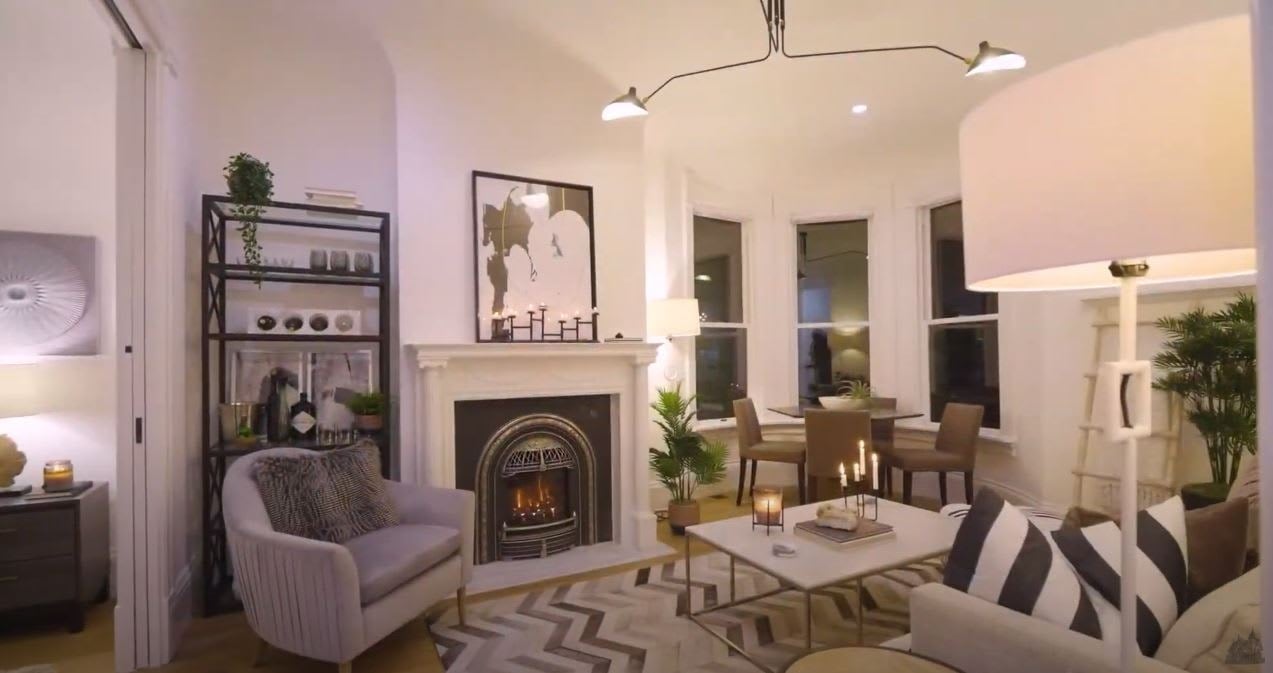
In many cases, the smartest pre-listing work is the least disruptive. Clean-up, paint, lighting, hardware updates, trim repair, and in-kind fixes can improve presentation without erasing original details that may matter to buyers.
SF Planning’s maintenance guidance supports this approach by treating ordinary maintenance and in-kind repairs differently from larger alterations. For many Western Addition sellers, preserving what makes the building distinctive is not just good stewardship. It is good marketing.
Windows, permits, and old-house decisions
Windows deserve special attention in San Francisco. SF Planning states that a building permit is required for window replacement on every building in the city, including non-historic buildings, and visible replacements receive additional planning review.
The department also recommends repairing windows rather than replacing them when possible. For sellers, that can affect budget, timing, and the visual story of the home.
If you were planning a fast cosmetic refresh, window work is one area to slow down and verify first. In a historic or character-rich property, repaired original windows may support the home’s appeal more effectively than rushed replacements.
Pull key documents early
Older homes and multi-unit buildings often raise buyer questions that can be answered quickly with the right paperwork. One of the most important local documents is the Report of Residential Building Record.
SFDBI requires this report before the sale or exchange of any residential building, except for the first sale of newly constructed residential buildings within one year of final completion. Because the report contains building permit history only, it is a core pre-listing document for many Western Addition properties.
Getting this report early gives you time to review the record, spot surprises, and prepare clean explanations for buyers. That can make due diligence feel more organized and less reactive.
Check soft-story status for larger buildings
If you are selling a multi-unit wood-frame building, safety compliance can affect the buyer pool. San Francisco’s Mandatory Soft Story Retrofit Program applies to wood-frame buildings permitted before January 1, 1978 that have five or more residential units, two or more stories over a basement or underfloor area, and an unstrengthened soft or weak story.
Even if your building does not obviously fall within the program, it is wise to resolve the question early. Buyers of older multi-unit properties often want clarity on retrofit status before they get comfortable with value.
A building with unresolved status may still sell, but uncertainty can affect pricing, negotiations, and closing timing. Clear documentation supports confidence.
Understand Mills Act value
Historic status is not always a complication. It can also be a selling advantage when explained correctly.
SF Planning states that local Article 10 or 11 designations, California Register status, and National Register status can qualify buildings for the California Historical Building Code and Mills Act tax savings. If the property already has an active Mills Act contract, SF Planning says that contract runs with the property and remains binding on the new owner.
For the right buyer, that can be meaningful. It adds a concrete financial and stewardship dimension to the property story, especially for purchasers who value long-term ownership of a character building.
Disclosures can shape buyer confidence
Historic and multi-unit sales often involve more diligence than a typical condo or newer single-family property. That is not a problem if you prepare for it in advance.
California’s Transfer Disclosure Statement applies to transfers of single-family residential property, and California broker materials treat that category as one to four dwelling units. The completed statement must be delivered as soon as practicable before transfer of title.
If you accepted title within the last 18 months, California Civil Code also requires disclosure of certain contractor-performed additions, structural modifications, repairs, or other alterations when the work exceeded the statutory threshold. That issue comes up often when an owner completed major work shortly before listing.
The Natural Hazard Disclosure package is another required part of many covered residential transfers. If it is delivered after an offer is executed, the buyer receives a statutory termination period, so timing matters.
Lead-based paint rules for older housing
If the property was built before 1978, federal lead-based paint disclosure rules apply. Sellers, landlords, and agents must disclose known lead information, provide available records and reports, include the required warning statement and pamphlet, and give buyers a 10-day opportunity for inspection or risk assessment.
For multi-unit buildings, known lead records for common areas and other units must also be shared when available. In an older Western Addition property, this is a normal part of diligence and should be handled early and carefully.
Tenant issues can change the sale strategy
If the property is tenant-occupied, your sales plan needs to reflect that from day one. In San Francisco, most residential tenants have just-cause eviction protections, and the city states that these protections apply to most residential properties, including single-family homes, condos, and buildings built after 1979.
That means occupancy is not a side note. Rent history, tenant protections, and any prior eviction activity can materially affect how buyers view the property.
San Francisco also states that the statewide AB 1482 cap is 6.3% for San Francisco, while local protections remain in place where they already apply. For occupied multi-unit properties, buyers will often evaluate not only the building itself but also the regulatory and operational history.
Why occupied buildings need different marketing
An occupied duplex, triplex, or larger building is not marketed the same way as a vacant owner-occupant home. The buyer pool may include small landlords, investors, or buyers seeking flexible living arrangements, and each group looks closely at occupancy terms and building records.
Clear tenant information, organized disclosures, and realistic positioning can help avoid wasted showings and mismatched offers. In this category, precision matters.
Price for structure, status, and story
Western Addition pricing should start with the property’s actual profile, not just nearby sales. Condition, permit history, historic designation, occupancy, retrofit status, and ownership structure all influence value.
Countywide market data help explain why preparation still matters. Redfin reported a May 2026 San Francisco County median sale price of $1.76 million, median 15 days on market, and 115.5% sale-to-list ratio. Realtor.com reported a median listing price of $1.2 million, median 49 days on market, and 111% sale-to-list ratio.
Because those sources track different things, the figures are best viewed as directional rather than identical. Still, they point to an active market where presentation, clarity, and positioning can meaningfully affect results.
Match the buyer pool to the asset
A historic single-family home may appeal most to preservation-minded owner-occupants. A tenant-in-common interest requires different positioning because TIC structures involve undivided interests, occupancy rights, and financing arrangements that must be described carefully.
California DRE guidance notes that certain TIC interests in projects with five or more legal units may require a public report, and TIC agreements typically address occupancy rights, tax apportionment, and financing arrangements. That means the legal structure and the marketing language need to line up closely.
A larger multi-unit building may attract small landlords, investors, or buyers planning to live in one unit while evaluating income potential from the others. Each audience weighs risk, upside, and complexity a little differently.
What a smarter selling plan looks like
For many Western Addition owners, the strongest path to market is not the flashiest one. It is a plan built around documentation, character, compliance, and a clear understanding of who the likely buyer is.
That usually means:
- Verifying historic or district status early
- Reviewing permit history before pricing
- Handling window and exterior work carefully
- Confirming soft-story status for larger wood-frame buildings
- Organizing disclosure documents well before offers
- Addressing tenant and occupancy issues upfront
- Positioning the property for the right type of buyer
When those pieces are in place, you can present the home or building with confidence. Buyers tend to respond well when a distinctive property is marketed with equal parts honesty, strategy, and architectural fluency.
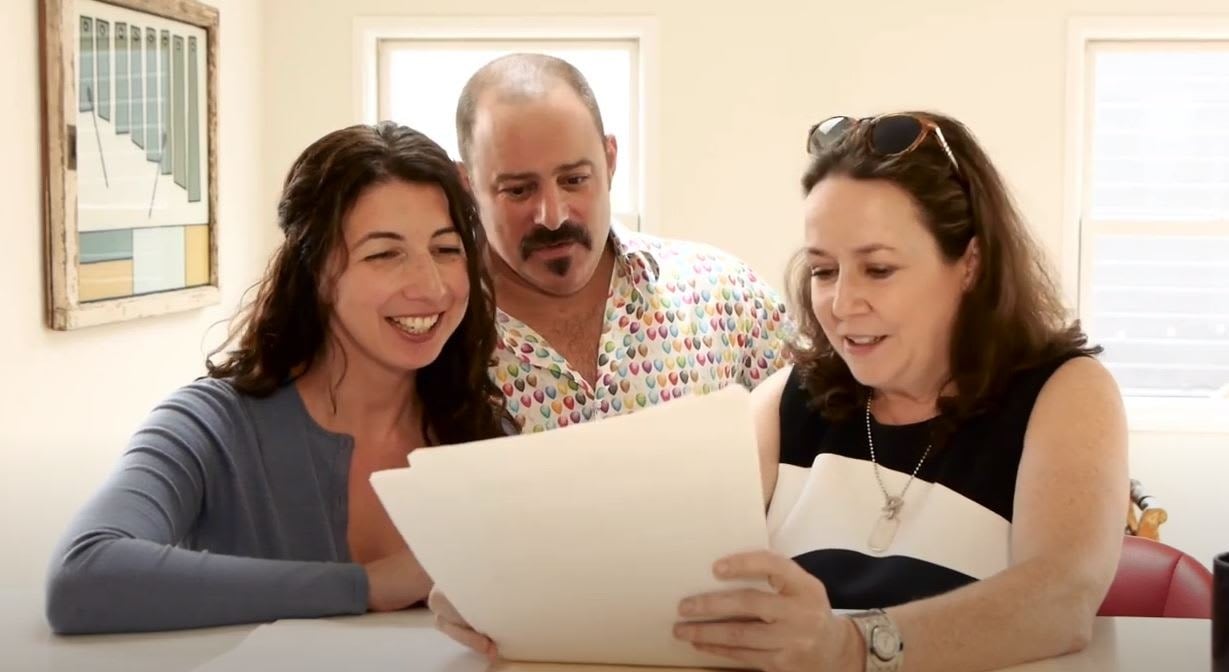
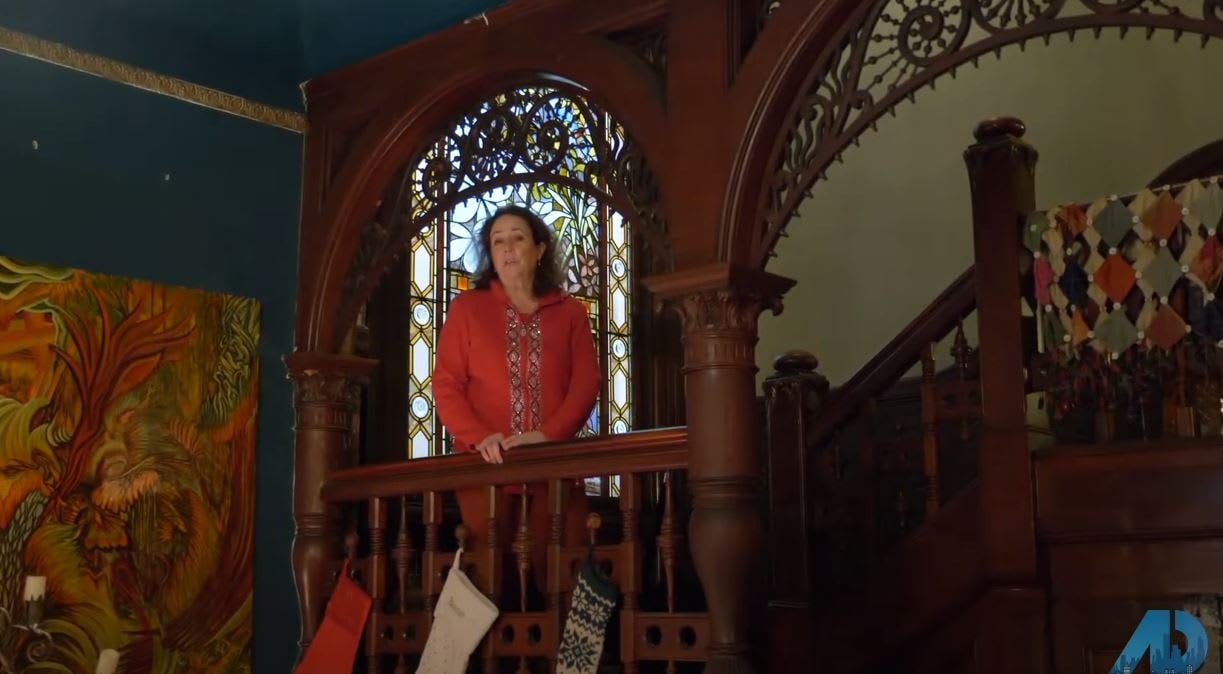
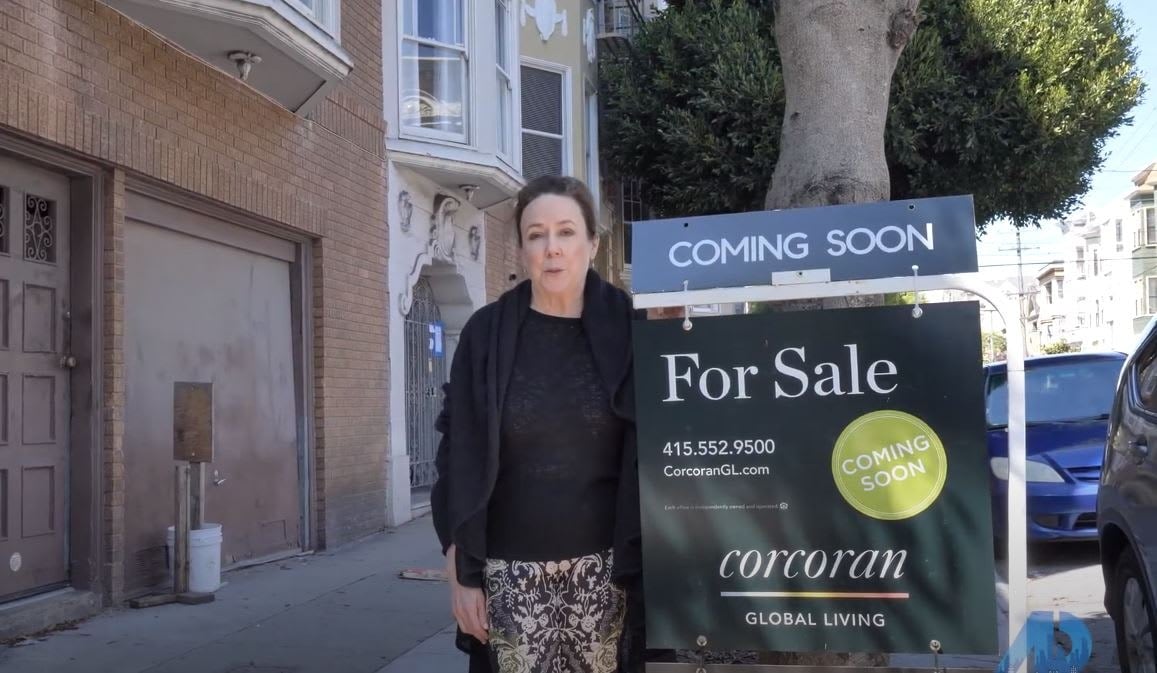
If you are preparing to sell a historic, TIC, or multi-unit property in Western Addition, working with a preservation-minded local expert can make the process far more efficient. To talk through your property’s status, prep, and positioning, book an appointment with Bonnie Spindler.
FAQs
What should you verify before selling a historic property in Western Addition?
- You should confirm whether the property is an Article 10 landmark, located in a historic district, or otherwise listed or eligible in local or California historic resource records before pricing or starting visible exterior work.
What permits matter when preparing a Western Addition historic home for sale?
- In San Francisco, exterior alterations on certain landmark or historic-district properties may require a Certificate of Appropriateness or Administrative Certificate of Appropriateness, and window replacement requires a building permit citywide.
What documents are important when selling an older residential building in San Francisco?
- A Report of Residential Building Record is a key pre-listing document because SFDBI requires it before the sale or exchange of most residential buildings and it shows building permit history.
How does soft-story status affect a Western Addition multi-unit sale?
- For some wood-frame buildings with five or more residential units that were permitted before 1978, unresolved soft-story retrofit status can affect buyer confidence, pricing, and closing timing.
What disclosures apply when selling a pre-1978 property in Western Addition?
- Pre-1978 properties require lead-based paint disclosure, and depending on the property type, sellers may also need to provide a Transfer Disclosure Statement and Natural Hazard Disclosure package.
How do tenant protections affect selling a tenant-occupied property in San Francisco?
- Tenant protections, rent history, occupancy status, and any prior eviction activity can materially shape the buyer pool and should be addressed clearly from the start of the sale process.