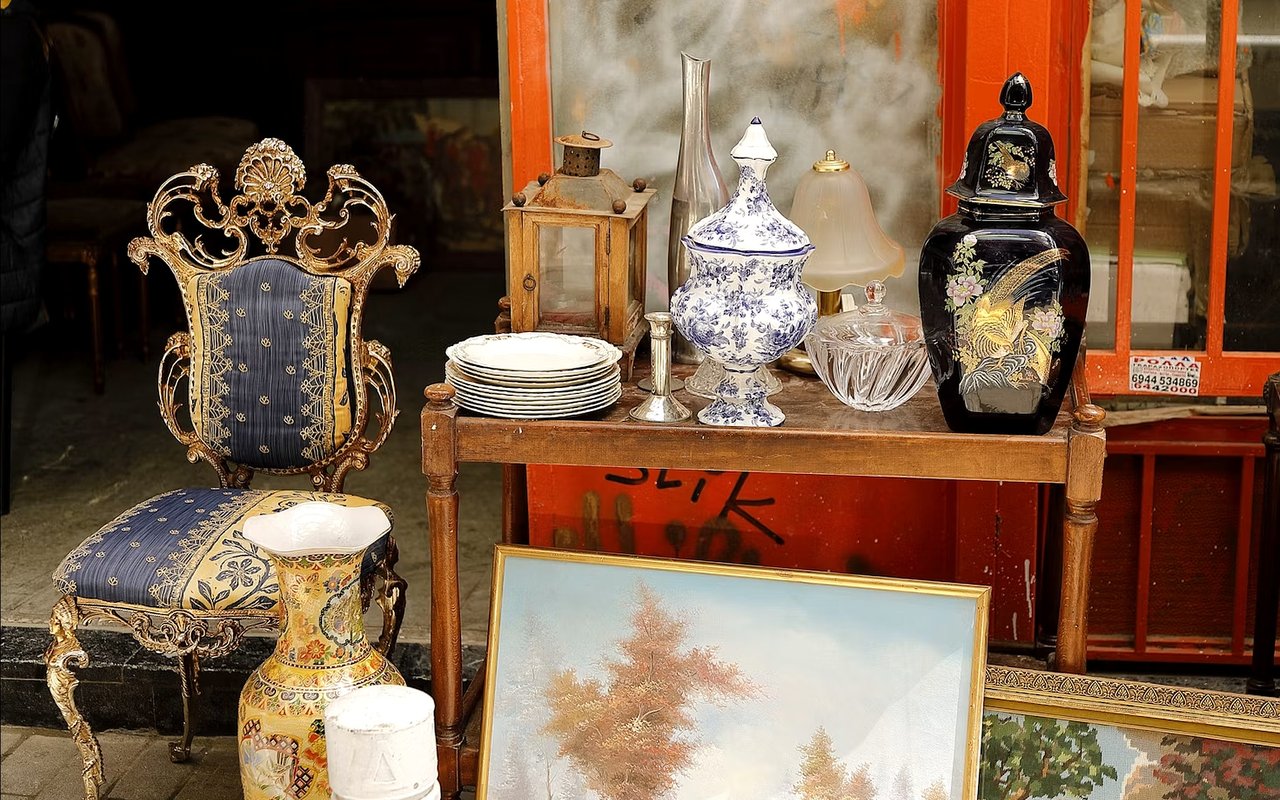
The San Francisco Standard reported that Judith Kaminsky said the week before she shut the register for good, "I'm so tired of cleaning up after Gen Z." She'd run Cookin', the vintage kitchenware shop at 339 Divisadero Street, since before most of her customers were born. On January 1, 2026, after 44 years, she closed it. Not because the neighborhood stopped shopping. Because the math around running a small storefront on that block finally stopped working.
Three blocks away, on the other edge of Alamo Square, a different kind of bet was playing out at the same time. A dark storefront that had sat empty for more than a year finally got a tenant, and that tenant opened a restaurant nobody in San Francisco had quite seen before.
Both things are true about this neighborhood right now. One tells you what's getting harder here. The other tells you where people are still willing to take a chance.
What Actually Closed, and Why
Kaminsky was 80 when she closed Cookin'. She'd been threatening to quit for years, by her own account, and this time she meant it. The reasons she gave a reporter weren't nostalgic. Online retail had eaten into the kind of shopper who used to hunt for a specific antique butter dish or a hand-cranked meat grinder. Kaminsky told The San Francisco Standard that construction on the block had been "tearing up" the neighborhood and had made it harder for customers to park and unload anything they bought. She also said plainly that she was spending too much time on things that had nothing to do with running the business.
That's a specific, unglamorous list. Parking, construction timing, and the shift away from browsing toward same-day delivery. Those challenges can affect other small businesses on that stretch of Divisadero, too. The store's closing highlights the practical challenges of keeping a small specialty shop open on a busy corridor, including parking and construction.
The Empty Room Three Blocks Away Didn't Stay Empty
The corner of Fillmore and Grove had a different problem. The space at 803 Fillmore Street used to house Alamo Square Seafood Grill, which had closed. The room sat dark. A remodel eventually got underway, and in May 2026 it reopened as Polenta, a restaurant devoted to the food of Friuli-Venezia Giulia, the region in northeastern Italy where the borders blur into Slovenia and Austria.
Giulio De Monte Gaspardo had spent years as a sommelier at Bottega in Yountville and had also worked at Bartholomew Winery in Sonoma. He brought in a Friuli-born chef, Michele Gargani, to run the kitchen.
The menu reads like nothing else in the city. Prosciutto San Daniele, aged 36 months, sliced to order on a Berkel slicer. Frico, a potato and Montasio cheese cake that shows up on nearly every review of the place. Goulash. Cotto e kren, roasted ham with fresh horseradish. It's regional Italian food built around Central European and Slavic influences, which is a category San Francisco genuinely didn't have before this spring. Reviewers described it as a neighborhood restaurant rather than a destination room. It's a neighborhood restaurant with an unusually specific point of view, in a space that had been dark long enough that most people on that block had stopped expecting anything to move in.
Divisadero Still Does the Heavy Lifting
None of this means Divisadero has lost its pull. Nopa, at 560 Divisadero, has anchored that corridor since 2006 and still draws a line most nights. Che Fico, Bar Crudo, Souvla, and Little Star Pizza sit within a few blocks of it, and that stretch remains the reason most people who don't live here have heard of this part of San Francisco at all.
What's changed is where the newest bets are landing. For most of the last decade, if you wanted to open something in this part of town, Divisadero was the obvious address. It had the foot traffic and the built-in reputation. Polenta's arrival on the quieter side of the park, as a 44-year Divisadero business closed, adds a restaurant with a distinct regional focus to a residential-feeling block.
| Divisadero corridor | Fillmore edge of the park | |
|---|---|---|
| Long-standing anchor | Nopa, open since 2006 | Alamo Square Seafood Grill, which had closed |
| What just happened | Cookin' closed Jan. 1, 2026, after 44 years | Polenta opened May 2026 in the space Seafood Grill left behind |
| What it signals | Challenges involving online retail, parking, and construction for small independent shops | A new restaurant with a distinct regional focus has opened on a quieter, park-facing block |
What Actually Changes If You Already Live Here
For someone who's lived around Alamo Square for a while, the practical version of all this is smaller than the story around it, but it's real:
- Polenta serves dinner only, Tuesday through Saturday, 5 to 9 p.m. It's closed Sunday and Monday, so it doesn't solve the corridor's Monday-night problem the way Che Fico Alimentari or the grocery stops on Divisadero still do.
- The Cookin' storefront on Divisadero is empty for the first time in most residents' memory of the block. Nothing has been announced to fill it as of this writing.
- If you're the kind of shopper who used to make a special trip for hard-to-find kitchenware, that specific errand no longer has a home in this neighborhood. The nearest equivalent isn't a short walk away anymore.
- If you want to try the new thing on the block, reservations at Polenta go through a phone line rather than an online system, which is worth knowing before you show up expecting to walk in.
None of that is dramatic. It's just what changed on two specific blocks in the same twelve months, and it's the kind of detail that doesn't show up unless you're paying attention to this particular stretch of the city rather than San Francisco's restaurant scene in general.
The Pattern Worth Watching
Put the two stories next to each other and a shape emerges that neither one shows on its own. Divisadero has faced challenges for small, specialty, low-margin businesses. Parking, construction timelines, and the shift to online retail are among the pressures described here; Cookin' closed after four decades. Meanwhile, Polenta's opening brings a new regional restaurant to a quieter, park-facing block.
For residents, the contrast is concrete rather than predictive: one long-running shop has closed, and a new restaurant has opened nearby.
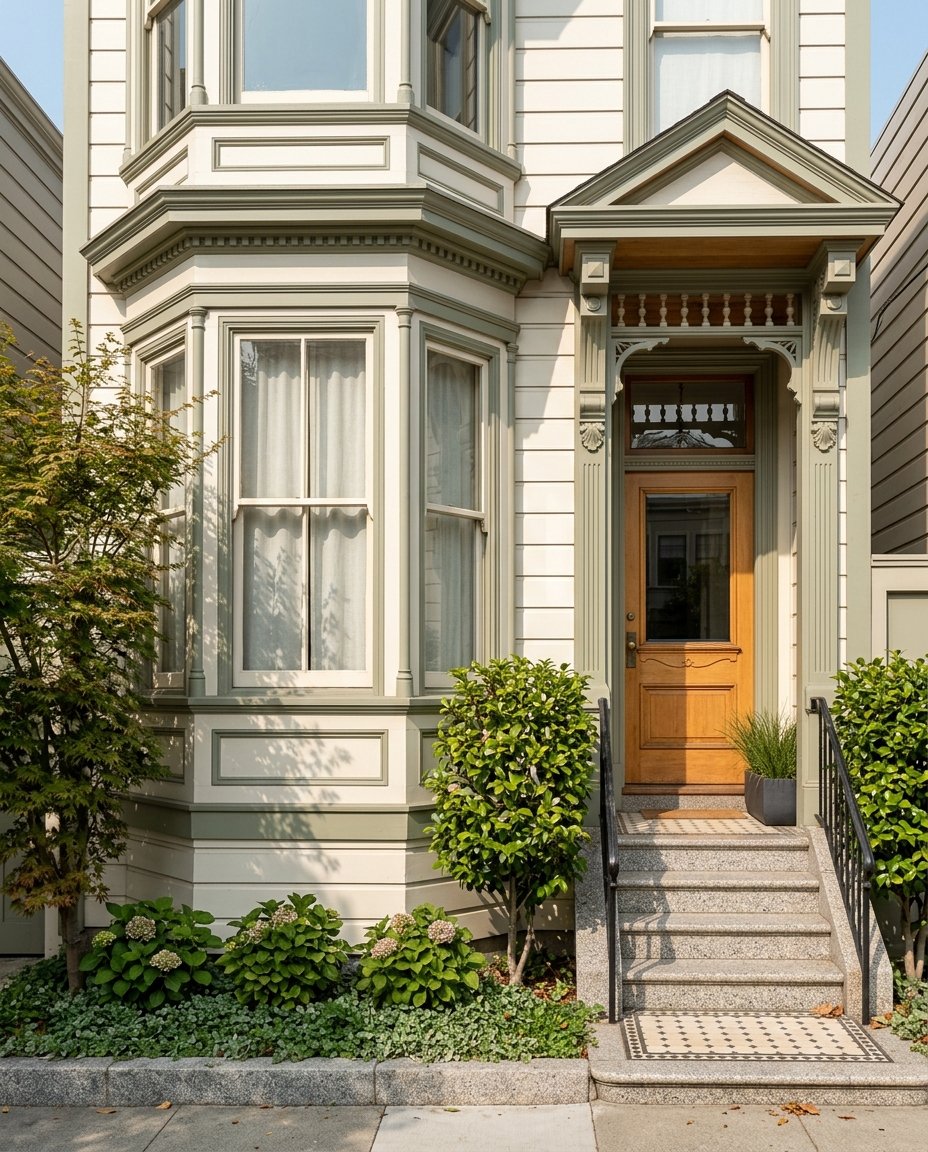
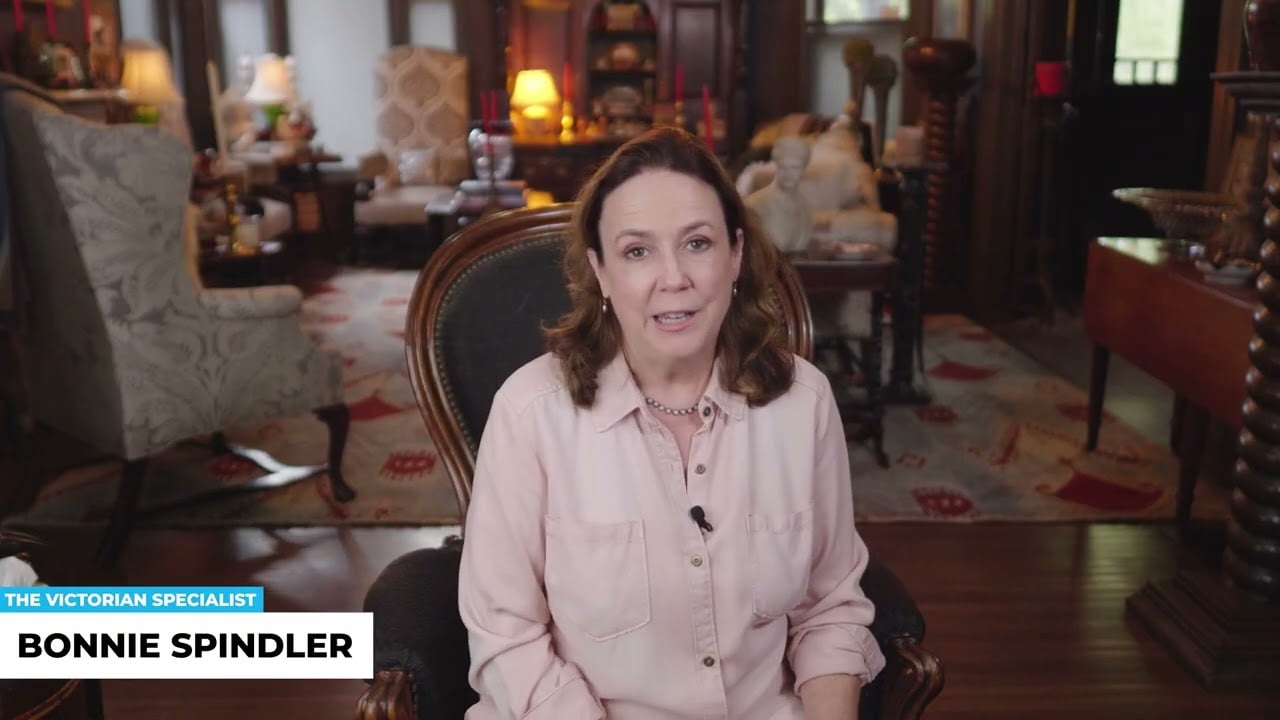
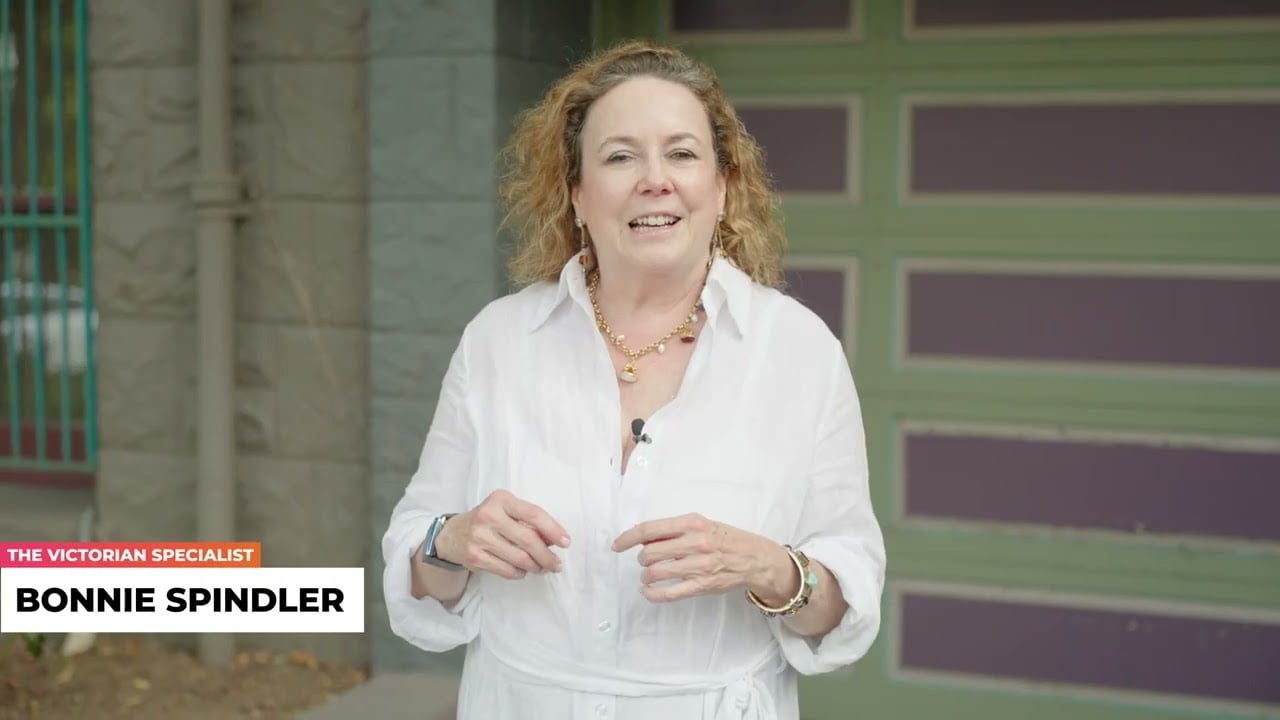
If you're the kind of person who tracks a neighborhood by what's on the corner rather than what a listing says about it, that's worth knowing whether or not you're thinking about a move. And if you are weighing what a Victorian or Edwardian near this stretch of the Western Addition is actually worth given what's happening on the ground right now, that's a conversation Bonnie Spindler has with clients in this exact pocket of San Francisco regularly. Book an appointment when the timing is right.