By Bonnie Spindler
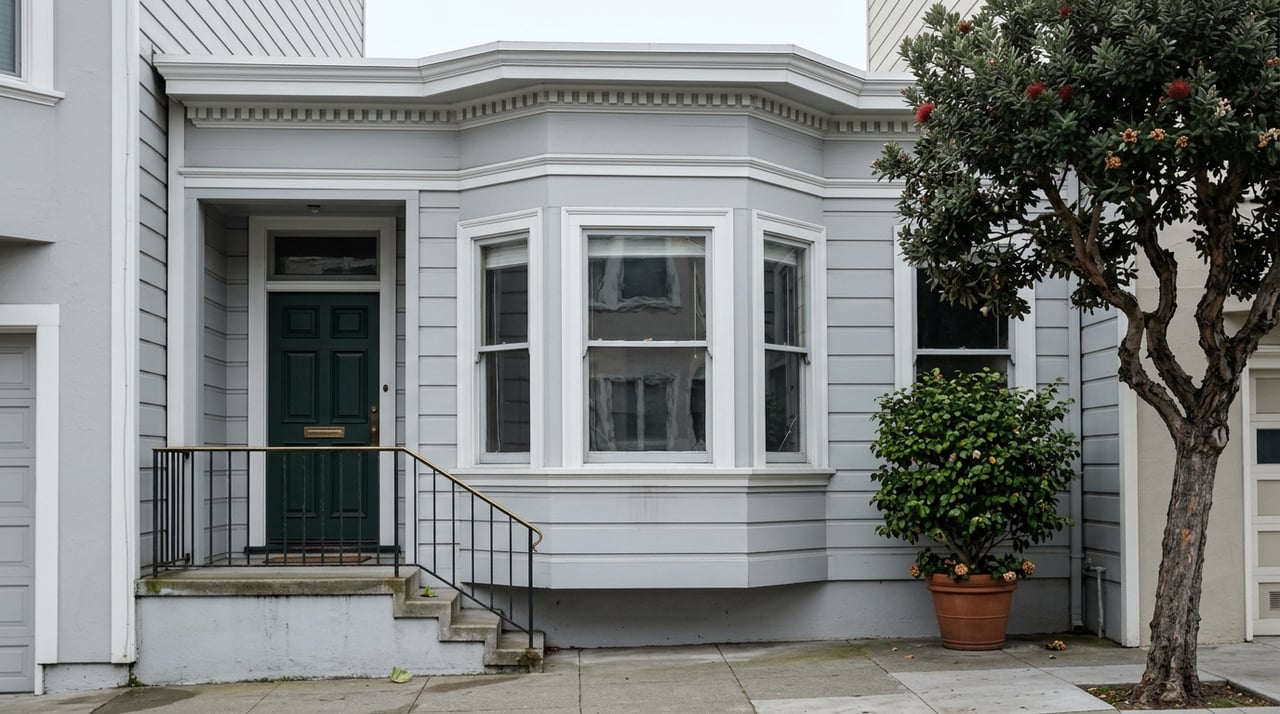
If you own a historic home in San Francisco, the Mills Act may be the most valuable program you have never heard of. It is a California law that can lower your property taxes in exchange for caring for your historic house. As the Victorian Specialist, I have spent 30 years helping owners of San Francisco's older homes, and this is one of the first things I explain to them. Here is what the Mills Act is and how it can save you real money.
Key Takeaways
- The Mills Act is a California program that lowers property taxes on qualified historic homes.
- In exchange, you agree to maintain and preserve your property under set standards.
- San Francisco owners of landmarks and historic district contributors can apply.
- Recent buyers of historic homes tend to see the biggest savings.
What Is the Mills Act?
The Mills Act is a California law, passed in 1972, that lets cities and counties offer property tax relief to owners of qualified historic properties. In return, the owner agrees to restore, maintain, and protect the home. It is widely viewed as the state's strongest financial incentive for private historic preservation.
The Mills Act is a local program, so each city decides whether to take part and sets its own rules. San Francisco participates, which is good news if you own an older home here.
The Mills Act is a local program, so each city decides whether to take part and sets its own rules. San Francisco participates, which is good news if you own an older home here.
Mills Act Basics to Know
- It is a California program, first passed in 1972.
- Cities and counties choose whether to offer it.
- San Francisco takes part and reviews applications each year.
- It trades tax savings for a promise to preserve your home.
How the Mills Act Lowers Your Property Taxes
Normally, your property tax is based on your purchase price under Proposition 13. With a Mills Act contract, the Assessor instead uses an income approach, valuing the home as if it were earning rental income and applying a capitalization rate. For most historic homes, that new value comes out lower.
The savings can be significant, often reducing the taxable value by a large share, though the exact figure depends on your home and its comparable rents. One thing to keep in mind is that the reduction applies to the general tax levy, not every line on your bill.
The savings can be significant, often reducing the taxable value by a large share, though the exact figure depends on your home and its comparable rents. One thing to keep in mind is that the reduction applies to the general tax levy, not every line on your bill.
How the Savings Work
- The Assessor uses an income approach instead of your purchase price.
- The home is valued as if it earned rental income.
- The savings apply to the general tax levy portion of your bill.
- Actual savings vary by property and location.
Who Qualifies in San Francisco
San Francisco limits the Mills Act to genuinely historic properties. Your home generally qualifies if it is a designated city landmark, a contributing building in a local historic district, or listed on the National Register, among a few other categories. Homes with open code violations or unpaid taxes cannot enroll until those are cleared.
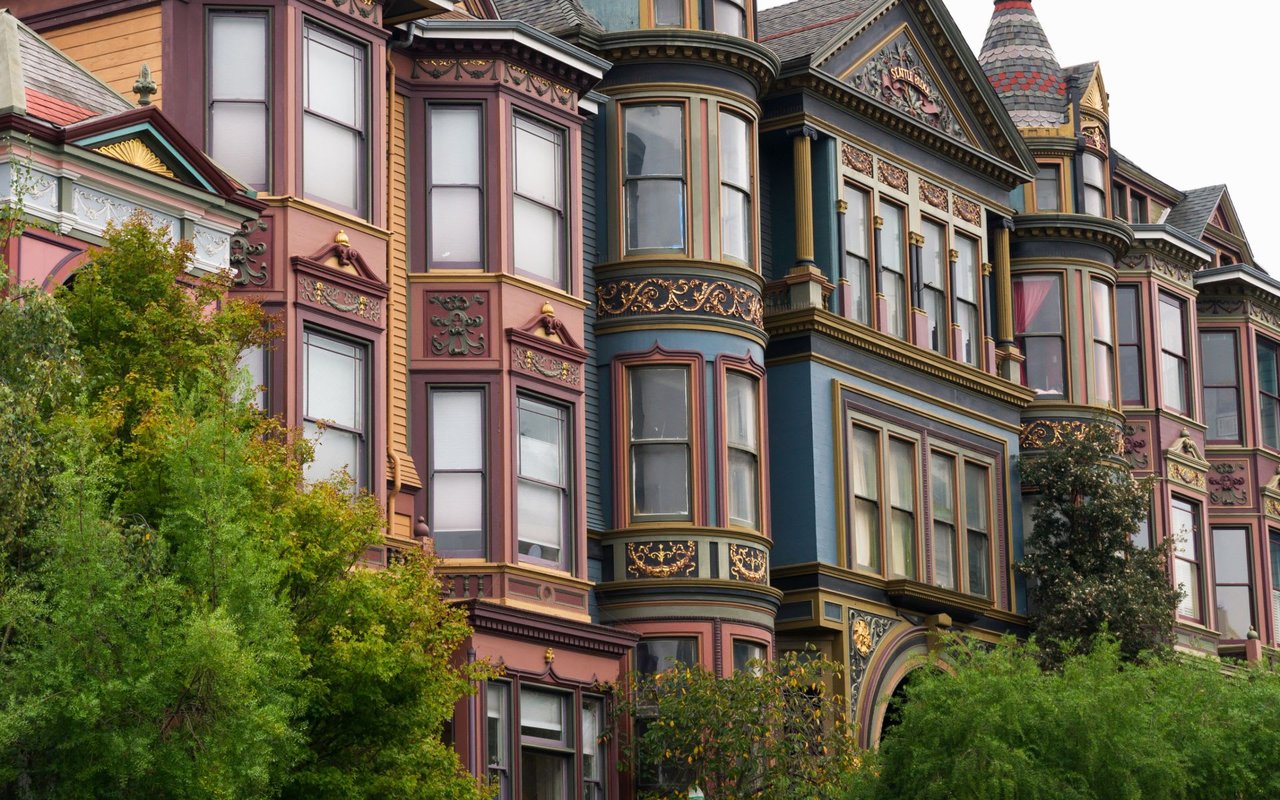
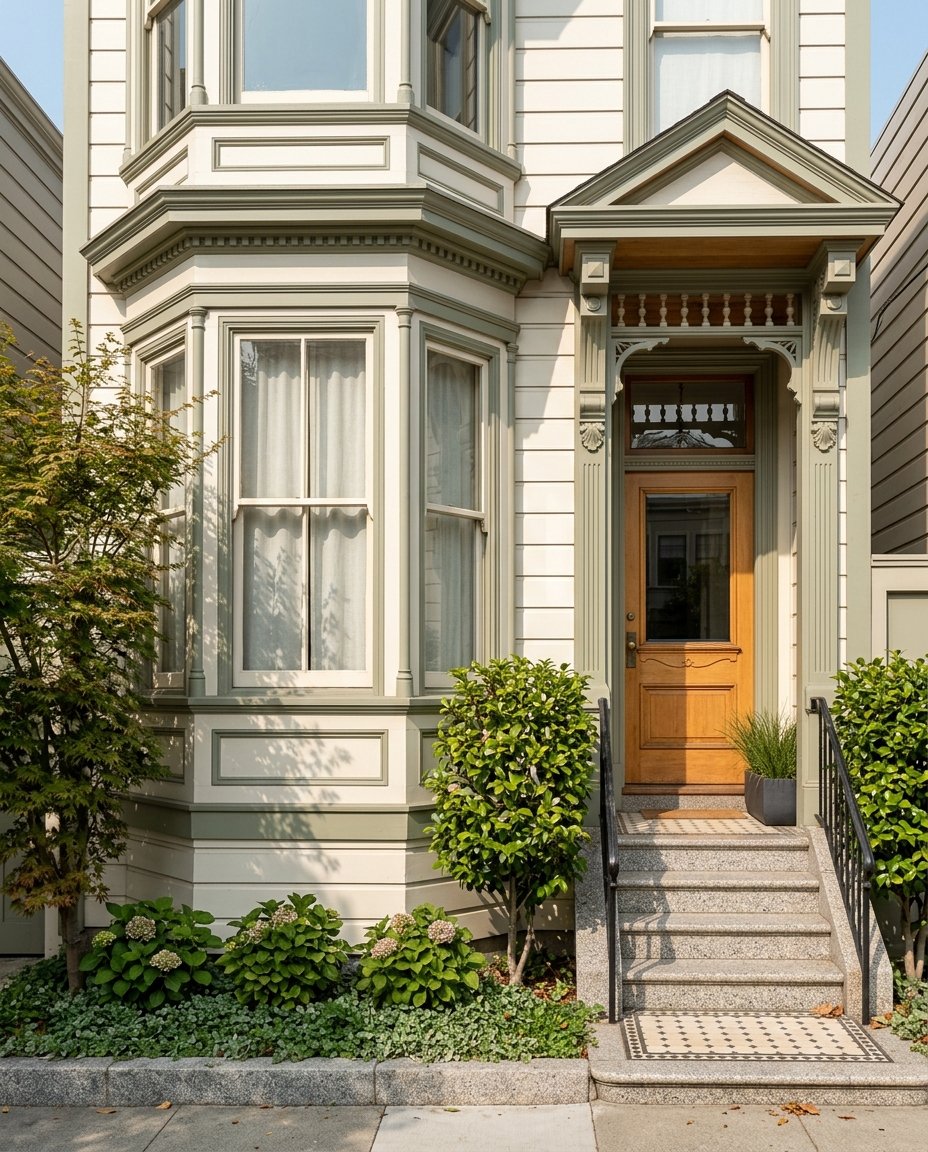
The city also sets value limits, with a cap around three million dollars in assessed value for most homes. Because so many of San Francisco's Victorians and Edwardians sit in historic districts, more homes qualify than owners realize.
The city also sets value limits, with a cap around three million dollars in assessed value for most homes. Because so many of San Francisco's Victorians and Edwardians sit in historic districts, more homes qualify than owners realize.
Which San Francisco Homes Qualify
- Designated San Francisco landmarks.
- Contributing buildings in a local historic district.
- Properties listed on the National Register of Historic Places.
- Homes free of code violations and delinquent taxes.
How to Apply and What You Commit To
Applying in San Francisco runs through the Planning Department. The Assessor reviews the potential tax reduction, the Historic Preservation Commission weighs in on your rehabilitation plans, and the Board of Supervisors gives final approval. It takes some paperwork, but the payoff can last for decades.
A Mills Act contract runs for at least ten years and renews automatically every year, and it stays with the home when you sell. In exchange, you agree to keep up the property to preservation standards, and the city inspects the property periodically, currently about every five years, to confirm you are holding up your end.
A Mills Act contract runs for at least ten years and renews automatically every year, and it stays with the home when you sell. In exchange, you agree to keep up the property to preservation standards, and the city inspects the property periodically, currently about every five years, to confirm you are holding up your end.
What the Mills Act Contract Requires
- A minimum ten-year term that renews each year.
- A commitment to maintain and restore the home to preservation standards.
- Periodic inspections by the city, currently about every five years.
- A contract that transfers to the next owner when you sell.
Is the Mills Act Worth It for Your Home?
For most owners of San Francisco's historic homes, the answer is yes, especially if you bought recently. Because the savings are tied to your assessed value, buyers who purchased at today's prices often see the largest reductions. Owners who have held their homes since before Proposition 13 may see little change.
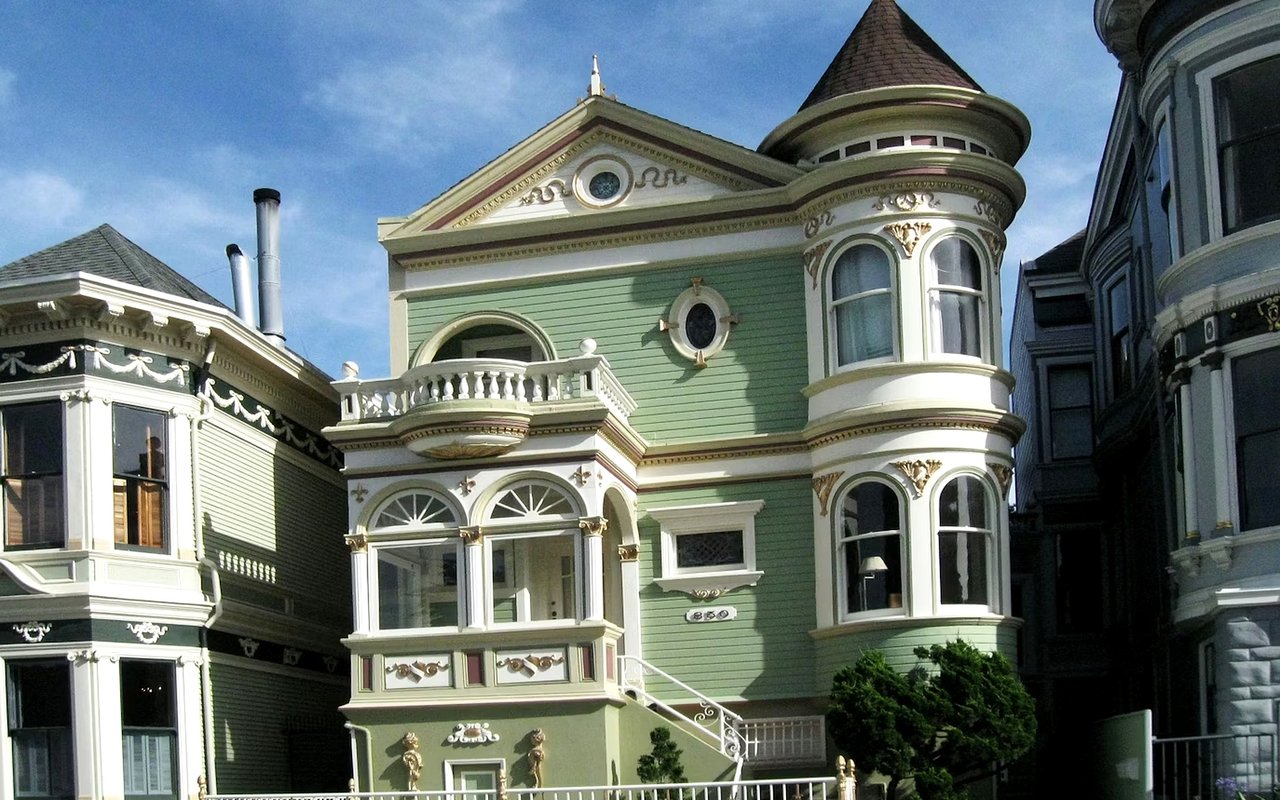
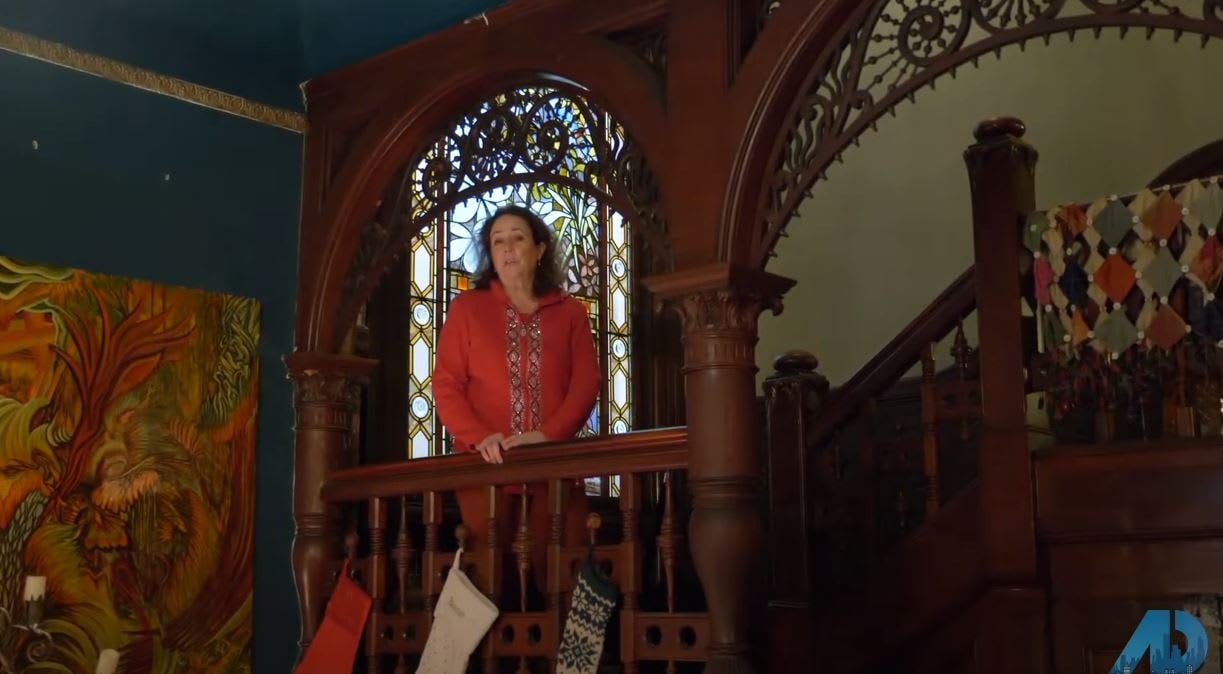
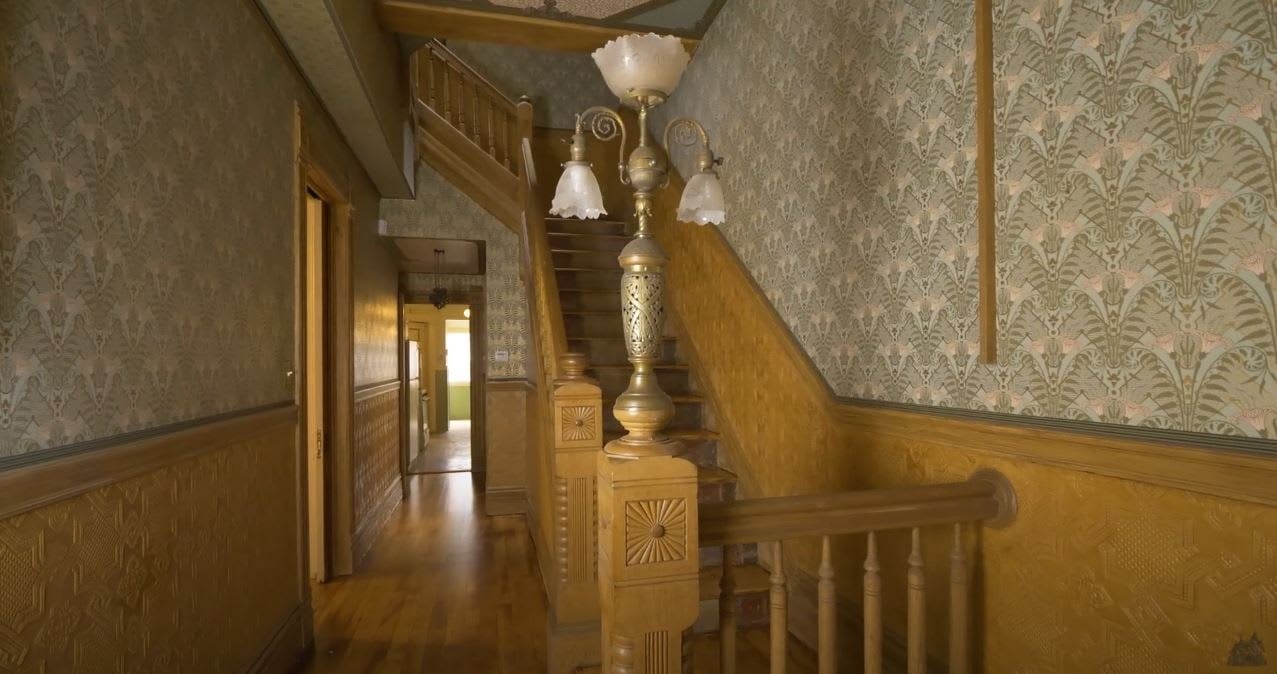
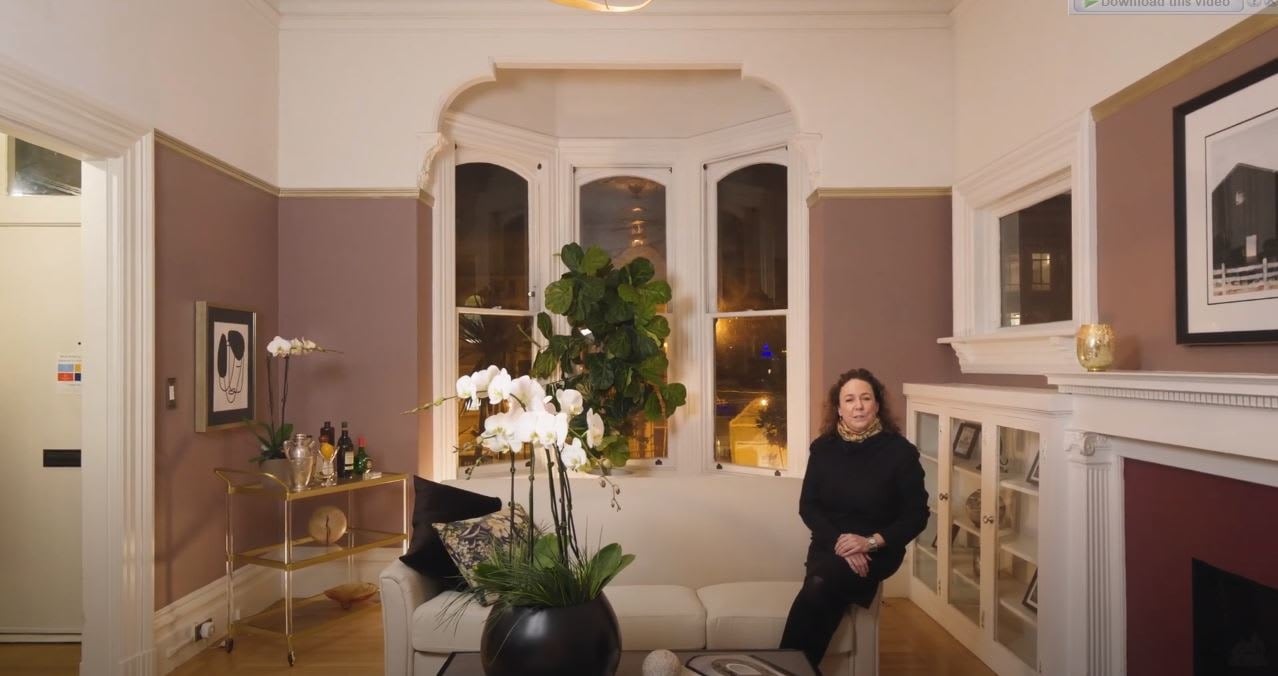
I always tell clients to run the numbers for their specific home before applying, since rental comparables drive the result. As someone who lives in and restores an 1893 Queen Anne Victorian myself, I am happy to help you figure out whether the Mills Act makes sense for you.
I always tell clients to run the numbers for their specific home before applying, since rental comparables drive the result. As someone who lives in and restores an 1893 Queen Anne Victorian myself, I am happy to help you figure out whether the Mills Act makes sense for you.
Who Benefits Most from the Mills Act
- Recent buyers of historic San Francisco homes.
- Owners who have made major improvements.
- People committed to preserving an older property.
- Buyers weighing the long-term cost of a historic home.
Frequently Asked Questions
What is the Mills Act in simple terms?
The Mills Act is a California program that lowers property taxes on qualified historic homes in exchange for a promise to preserve them. In San Francisco, it applies to landmarks and contributing buildings in historic districts, among other categories.
How much can the Mills Act save me?
Savings vary by home, since they are based on an income approach using comparable rents rather than your purchase price. Many owners see a meaningful drop in taxable value, and I always suggest estimating the numbers for your specific property first.
How do I apply for the Mills Act in San Francisco?
You apply through the San Francisco Planning Department, with review by the Assessor and the Historic Preservation Commission and final approval by the Board of Supervisors.
Contact Me Today
The Mills Act is one of the best reasons to feel good about owning a piece of San Francisco history. If you own or want to buy a historic home here, I can help you understand whether this program fits your plans.
Reach out to me, Bonnie Spindler, the Victorian Specialist, and let's talk about your historic home and how to make the most of owning it. I would love to help you protect and enjoy your place in San Francisco.
Reach out to me, Bonnie Spindler, the Victorian Specialist, and let's talk about your historic home and how to make the most of owning it. I would love to help you protect and enjoy your place in San Francisco.