In 2024, a billboard went up on Fell Street near Divisadero with a single line of text: "That car wash should be affordable housing. Bilal Mahmood will fix it." It was paid for by the political group GrowSF, aimed at unseating incumbent Supervisor Dean Preston, and it turned a shuttered Touchless Car Wash into the most photographed eyesore in the district's recent political history. Mahmood won. Two years later, the empty lot at Divisadero and Oak is still empty, but the permits are finally real: construction closures on the sidewalk and part of an Oak Street traffic lane, with an October 19 start date on file with Public Works.
If you live in North Panhandle, you already know this corner. You've walked past the boarded windows for going on five years. What you may not know is what's actually about to rise there, why it took this long, and what it will and will not add to the two blocks of Divisadero that already define daily life here.
The Corner That Became a Campaign Promise
The project has been in the pipeline since 2017. What finally moved it was a stack of policy changes stacked on top of each other. Mahmood's SHADE Act let long-delayed projects use the building code that was in effect when they first applied, instead of restarting compliance every time the code changed during years of delay. For this site, the code had shifted three separate times, adding an estimated 5 to 7 percent to construction costs, or roughly $4 million. Then, earlier this year, the Board of Supervisors lowered the affordable housing requirement for market-rate developments from 20 percent down to 5 percent, which changed the project's math again.
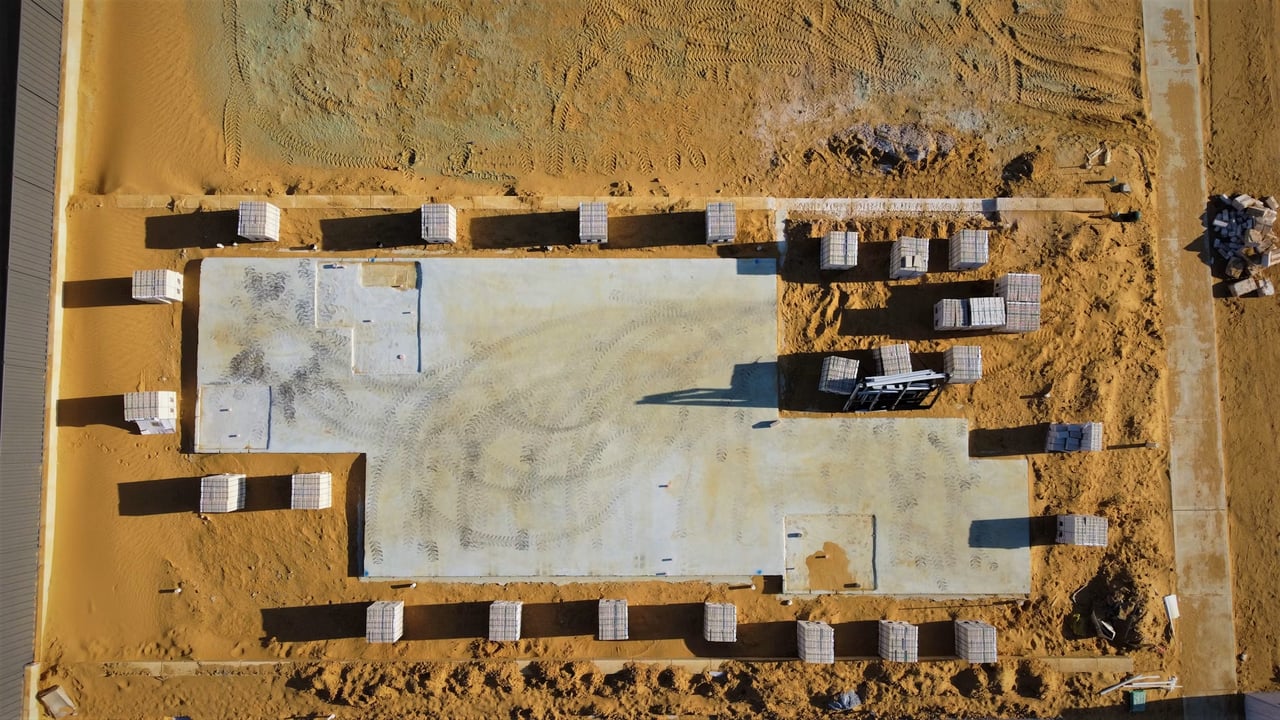
With the numbers finally working, Greystar, the largest apartment developer in the country, stepped in to acquire the site from 4Terra Investments and lined up the financing to actually build. The plan: an eight-story building with 203 apartments, 20 of them affordable, about 1,850 square feet of ground-floor retail, parking for 24 cars, and storage for 144 bicycles. A demolition permit for the old car wash structure is in progress alongside the construction permits.
Context matters here. San Francisco has completed just 405 housing units citywide in all of 2026 so far, and most of those are affordable projects, not market-rate ones. A 203-unit building breaking ground this fall is one of the only significant market-rate projects moving in the entire city this year. That is not a small thing for a street that has watched this particular lot sit vacant since the car wash closed in late 2021.
A Second Building, Same Street, Different Deal
Three blocks south, near Alamo Square, a second project is working through its own approvals. At 650 Divisadero, on the corner of Grove, a ten-story, 98-foot building is planned with 107 affordable apartments. The Young Community Developers and Jonathan Rose Companies are sponsoring it in partnership with the city's Mayor's Office of Housing and Community Development. The city approved entitlements in mid-June, building permits went in during August and are still under review, and the estimated construction cost is around $101 million. Public renderings describe roughly 105,900 square feet of housing and bicycle parking for 72 bikes. Nothing in what's been published so far describes new commercial space.
Put the two projects together and Divisadero is on track to add well over 300 new households within about six blocks of each other, without a comparable jump in the number of places to eat, drink, or shop along the way.
What Two Buildings Won't Change
Here's the number worth sitting with: 1,850 square feet of retail split among 203 new apartments works out to about 9 square feet of commercial space per unit. That's not a corridor expansion. That's a lobby with a coffee counter.
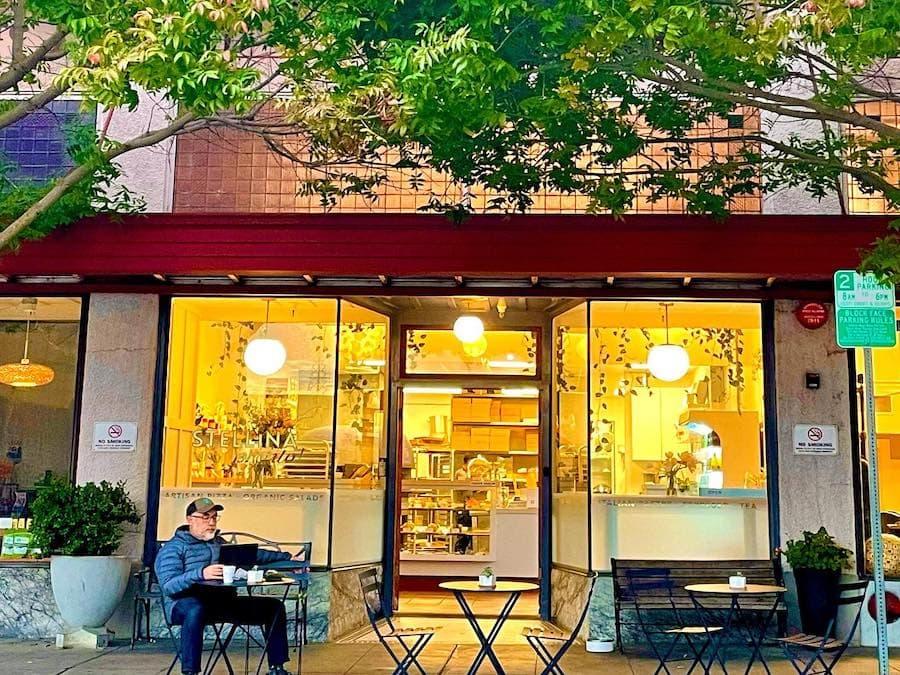
Meanwhile, the businesses that already define this stretch of Divisadero aren't multiplying to match. Nopa, at 560 Divisadero, opened in April 2006 and is marking 20 years on the block this year, still running without reservations and still filling its bar with people willing to wait for a table. A few doors down, Beretta brought its Mission District pizza and cocktail program to 661 Divisadero. Che Fico Alimentari serves pastas and pizzas out of an Italian pantry storefront. Ken, at 252 Divisadero, seats six people at a time for omakase sourced from Tokyo's Toyosu market. Round out the strip with 4505 Burgers & BBQ at 705, Little Star Pizza's deep dish at 846, Souvla's Greek fast-casual at 531, and Sightglass Coffee at 301, and you have a corridor that was already operating close to capacity before anyone broke ground on new housing.
None of that changes because two apartment buildings are going up. What changes is the number of people trying to get a seat. If you've noticed the wait at Nopa creeping longer or the line at 4505 wrapping the corner more often, the math above is a reasonable part of the explanation, and it's worth knowing before you assume every new building on this street comes with a new place to eat attached to it.
The Street Around the Construction Still Runs on Its Own Schedule
None of this pauses the parts of NoPa life that don't depend on storefronts. The North Panhandle Neighborhood Association still hosts a monthly fun run on the first Monday of every month, a two-mile loop around the Panhandle that meets at Matching Half at 7:30 in the morning, with coffee after. The 2026 dates run from February through December. NOPNA also holds community meetings every other month at the Brahma Kumaris Meditation Center on Baker Street, with 2026 sessions scheduled in January, March, May, July, and September, each one opening with social time at 6:30 before the agenda starts at 7.
The neighborhood also already knows what it's like to lose Divisadero for a day. Bay to Breakers closes Divisadero and Fell every year as the race route cuts through on its way into Golden Gate Park, typically shutting down north-south vehicle travel through the corridor from early morning into the afternoon on race day. Residents here have been rerouting around a fully blocked Divisadero for one Sunday a year for a long time. A construction closure that starts this October is a longer disruption, but not an unfamiliar kind of one.
What to Actually Expect This Fall
If you live near Divisadero and Oak, plan for sidewalk closures and a partial lane closure on Oak Street once demolition and construction begin around October 19. The building going up will take time. Eight stories of new construction on a site that sat vacant for five years doesn't move fast, and 4Terra's decade of stalled permitting is a reminder that even well-financed projects in this city can slip their timelines.
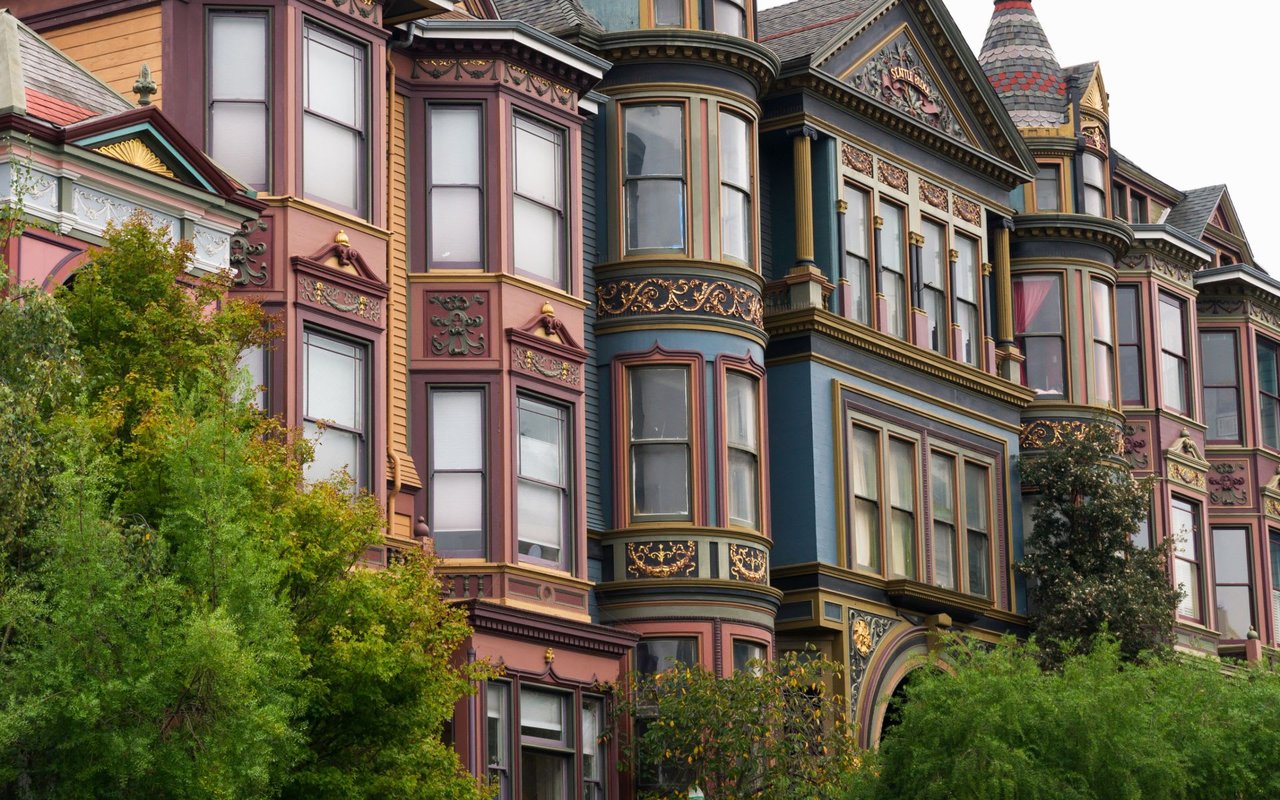
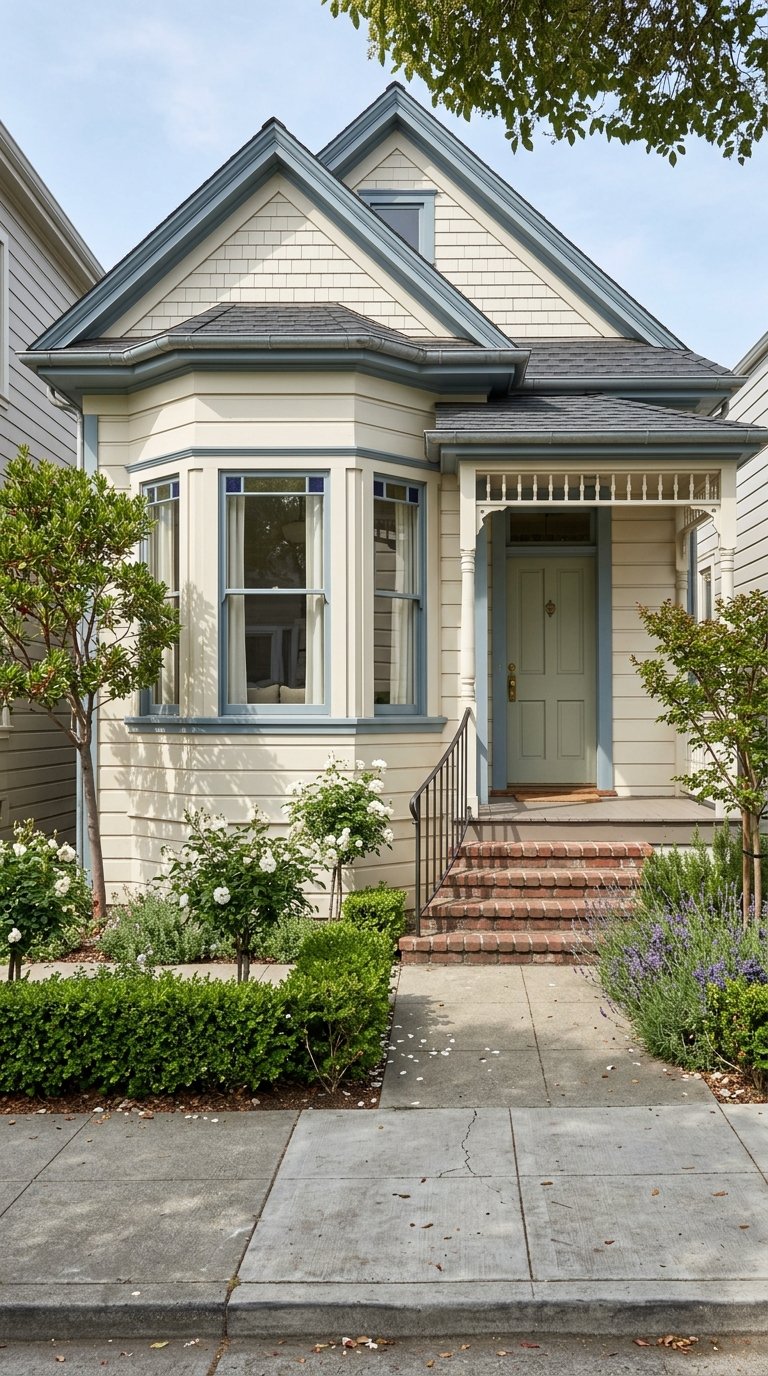
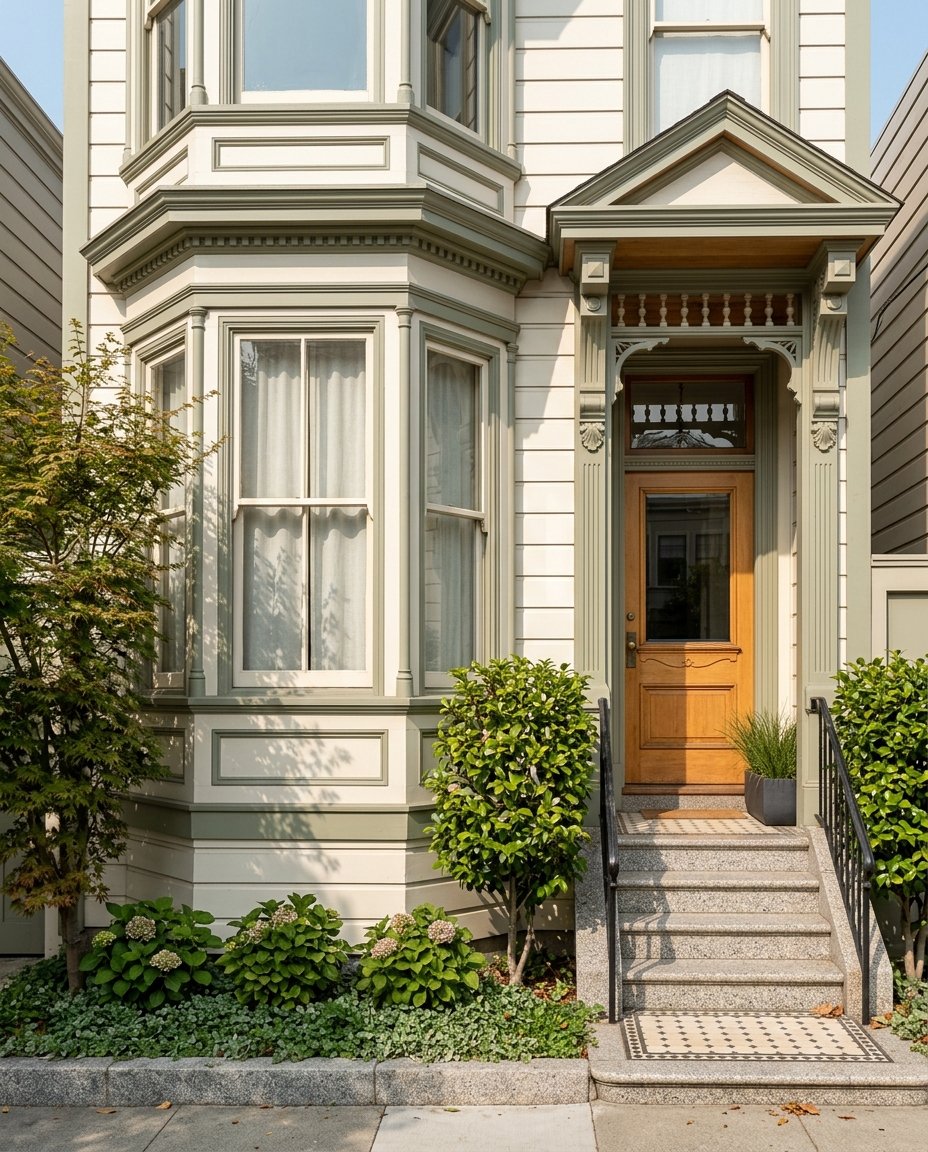
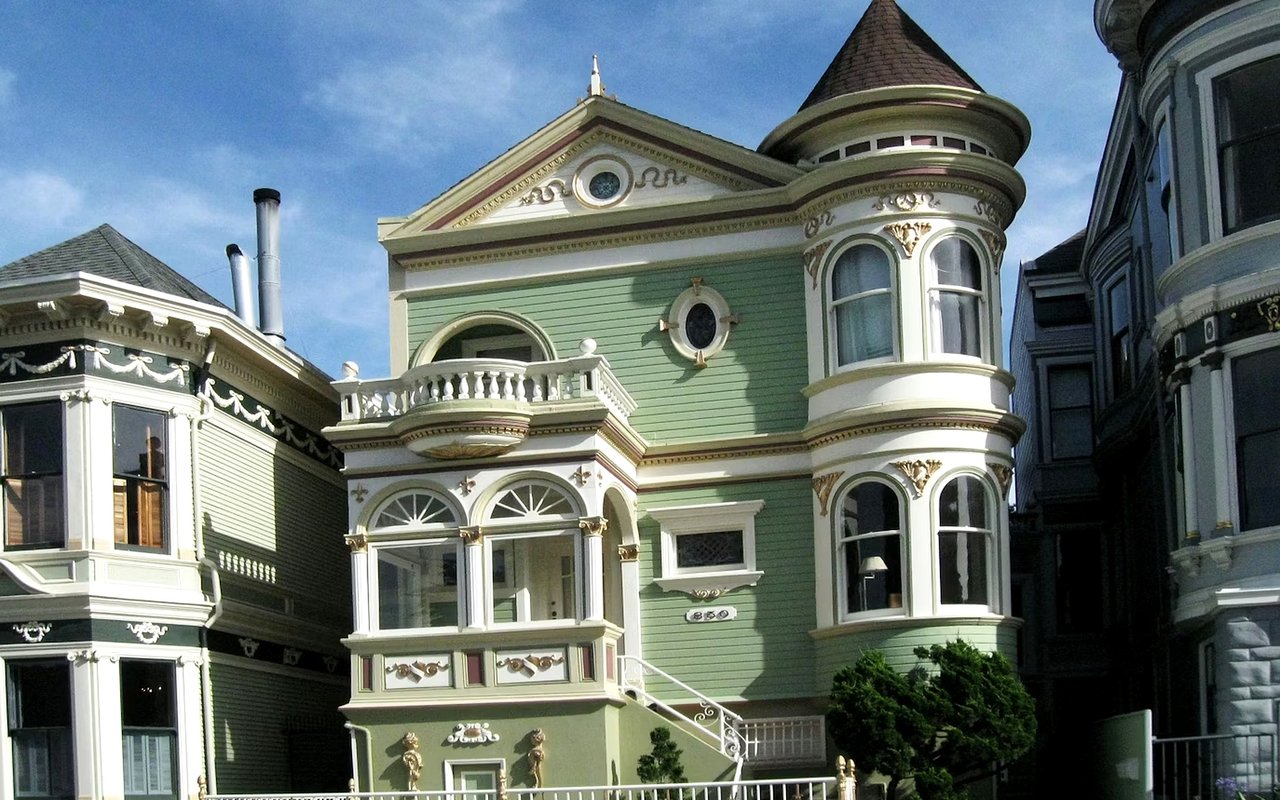
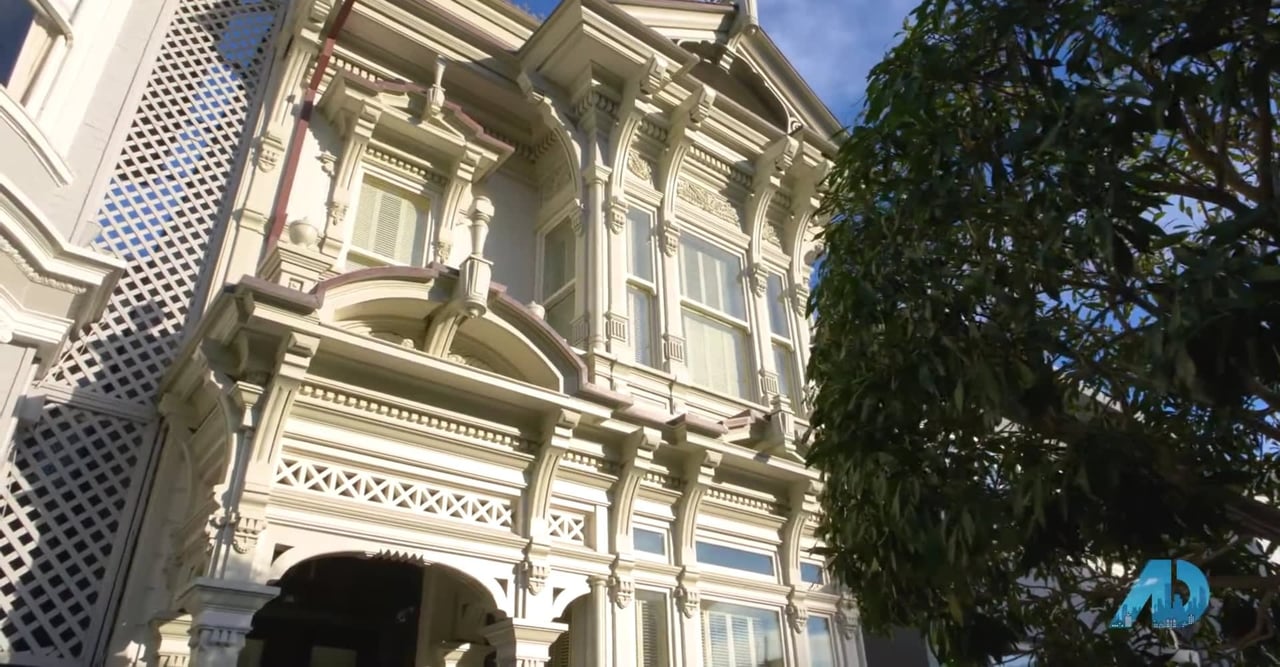
What's less likely to slip is the retail math. A neighborhood watching hundreds of new neighbors move in over the next few years, with almost no new commercial square footage to greet them, is a neighborhood where the existing anchors matter more, not less. That's worth knowing whether you've lived on this block for twenty years or you're weighing whether NoPa's mix of Victorian flats, walkability, and a two-decade-old restaurant scene is the kind of place you want to put down roots.
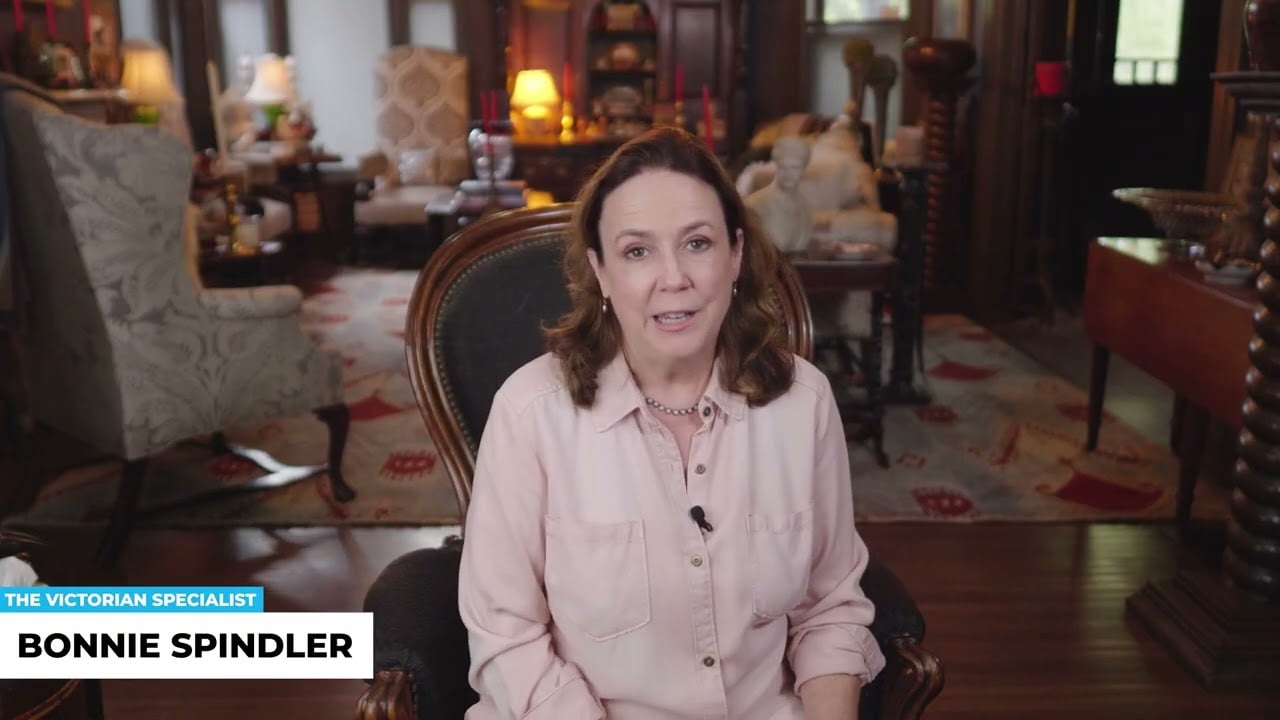
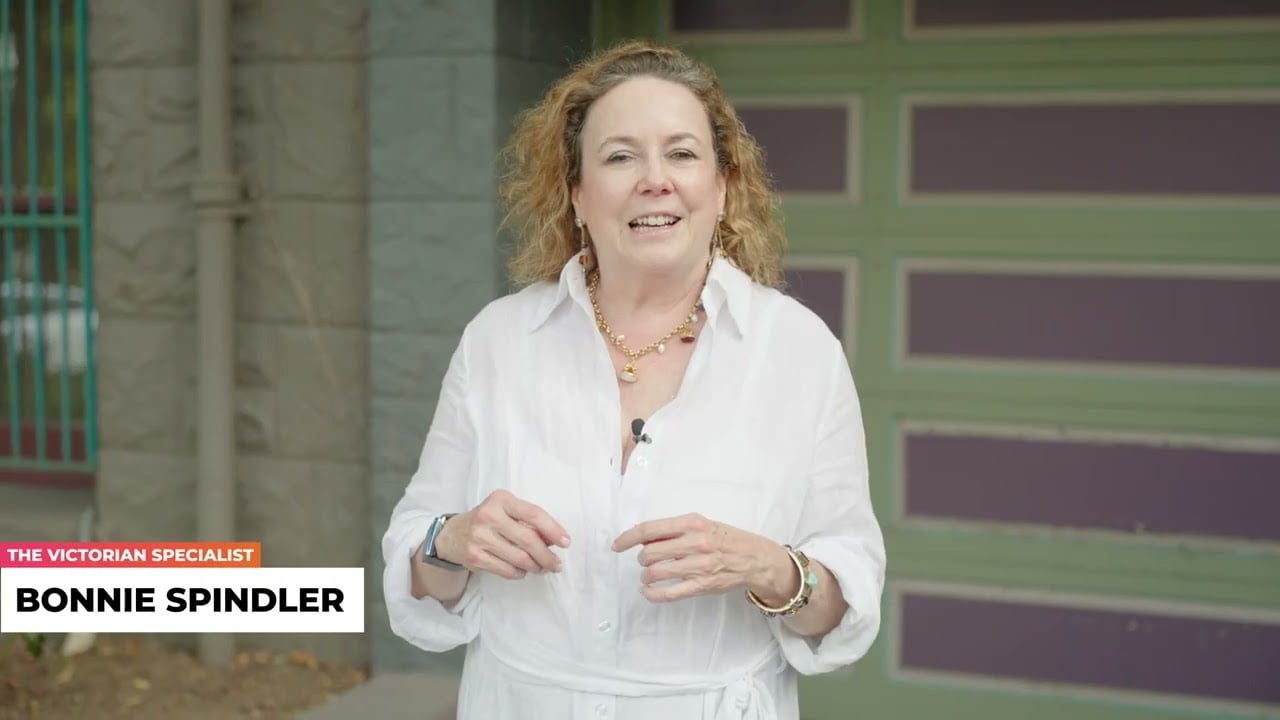
If you're curious what a corridor like this means for property values, or what buying into a block mid-construction actually looks like on paper, that's a longer conversation, and one where local, architecturally literate guidance matters more than a generic market report. Bonnie Spindler has spent more than three decades reading San Francisco's older neighborhoods block by block. If Divisadero's next chapter has you thinking about your own next move here, book an appointment and let's talk about what's actually changing on your street.