On a Wednesday night this spring, a regular racked a game at Family Billiards, the pool hall that has occupied one stretch of Geary Boulevard since the mid-1960s, without knowing it was one of the last seasons the tables would sit there. That is how most of the change on this corridor arrives. Not with a groundbreaking ceremony. With a permit filing that a longtime patron finds out about secondhand.
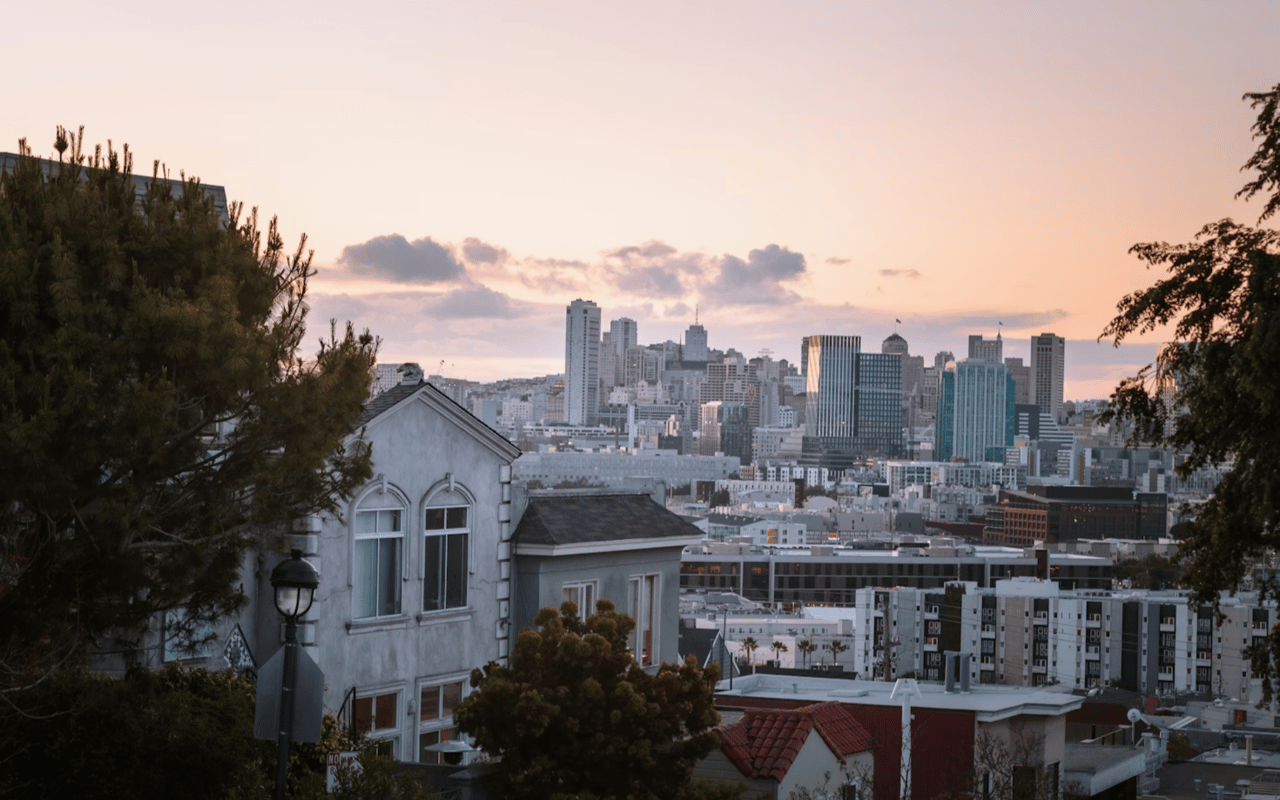
Lone Mountain sits above this argument rather than inside it, but everyone who lives on the hill walks down into it constantly, for the bus, for Trader Joe's, for the fact that Geary is simply where the neighborhood's errands happen. So it is worth being precise about what is actually moving on that street right now, because the two stories running side by side this year tell you something the median-price version of this neighborhood never will: on Geary, institutions with long horizons and deep capital are setting the pace of change, while the ordinary machinery of housing production is still creeping forward one small lot at a time.
The Last Pool Hall Loses Its Address
Family Billiards has been San Francisco's oldest continuously operating pool hall, a room of roughly 17 tables under low light at 2807 Geary Boulevard between Wood and Collins. That run is ending because the Schools of the Sacred Heart, the Catholic K-12 network that includes Convent & Stuart Hall, filed plans for a four-story, 63-foot athletic complex at 2801-2835 Geary Boulevard. The building, designed by TEF Design and wrapped in curtain-wall glass, is set to include a basement lap pool, a second-floor gymnasium with a full basketball court, a rooftop soccer field behind chain-link fencing, and a third-floor performance studio and meditation space, along with parking for 17 cars and 20 bicycles.
News that the site was being redeveloped reached regulars the way most closures do on this stretch: informally, on a weeknight, from someone who had heard it from someone else. The San Francisco Standard reported that Bert Benisch, a real estate agent who had been playing there almost every week for twenty years and helped refurbish the room when it reopened in 2021, called it the cornerstone of the neighborhood's pool scene, the kind of loss that leaves a real gap rather than a redecorated storefront.
The Sacred Heart project is part of a broader pattern of private school expansion across this part of the city, alongside University High School's 46,300-square-foot building in Presidio Heights and French American International School's 36-story mixed-use project in Hayes Valley. Schools with endowments and long-term facilities plans can absorb years of entitlement risk in a way a small business renting month to month cannot. As of early 2026, construction on the Sacred Heart complex was expected to begin within about two years, though a firm start date has not been confirmed.
Three Sites, Different Speeds of Change
The contrast worth sitting with is not pool hall versus gymnasium. It is the difference in how fast institutional capital moves compared to ordinary residential infill on the same corridor.
| Site | What's leaving or waiting | What's replacing it | Status as of August 2026 |
|---|---|---|---|
| 2801-2835 Geary Blvd | Family Billiards, oldest pool hall in the city | 65,370-square-foot Sacred Heart athletic complex | Renderings filed, construction expected within about two years as of early 2026 |
| 2740 McAllister St | A single-family home demolished in late 2020 | A four-story building with three rental units | Permits resubmitted this month, no construction timeline yet |
| 3333 California St | Former UCSF Laurel Heights office campus | Presidio Highlands, 744 residential units including 186 affordable senior units | Entitled, vertical construction expected to begin later this year |
Read across that table and the pace difference is the story. An institution can move from filing to full entitlement to a specific opening plan on something as large as a private school athletic complex faster, in practical terms, than a single vacant residential lot two blocks away can get from a 2020 demolition to a filed permit for three apartments.
The Math on McAllister Street
That second row deserves its own attention because it is the freshest filing on the books. A lot at 2740 McAllister Street, sandwiched between Arguello Boulevard and Willard North, has sat empty since the single-family house that once stood there was torn down in late 2020. New permits resubmitted this month propose a four-story building rising 39 feet, with roughly 5,300 square feet total and about 4,200 square feet dedicated to three rental apartments, plus two parking spaces. The design has already changed hands once, dropping a custom plan from Stanley Saitowitz of Natoma Architects for a more conventional, engineer-drawn version from a South San Francisco firm. The property owner is listed as Min Qui, through MQ Investment and Management Inc.
Three units is not a headline number. That is exactly the point. It is a useful stand-in for how residential infill actually happens in a neighborhood like this, lot by lot, permit revision by permit revision, years after the site went empty. Compare that pace to the citywide picture: between 2005 and 2022, only about 10 percent of San Francisco's new housing was built in the city's state-designated Well-Resourced Neighborhoods, even though those areas cover 52 percent of the city's residential land. Lone Mountain and the blocks around it sit squarely in that well-resourced, under-built category. The gap between land available and housing actually delivered is why Mayor Daniel Lurie's Family Zoning Plan, signed into law in December 2025 after a 7-4 Board of Supervisors vote, specifically targets corridors like Geary for taller, denser buildings, with a stated goal of adding capacity for 36,000 units across the city's western and northern neighborhoods. The McAllister Street project is a small, early test of whether that policy shift actually speeds up projects like it, or whether three units still takes six years from demolition to permit no matter what the zoning code says.
What Still Holds the Neighborhood Together
None of this means the hill itself is unsettled. A few blocks over, Rossi Playground still functions as the recreational anchor for the area, with three tennis courts multi-lined for pickleball, a baseball field, and a pool that reopened in early 2022 after an $8.2 million renovation approved back in 2017. It is the kind of public amenity that does not show up in a permit filing but explains why people who live near the hill stay near the hill. Everyday convenience here still runs through small, specific fixtures like that pool, not through whatever gets built two blocks away.
That is worth naming plainly for anyone reading this from inside the neighborhood rather than researching it from outside. The story of Lone Mountain and the Geary corridor it borders is not one of wholesale transformation. It is a story of a few large, slow-moving institutional projects reshaping specific addresses while the rest of daily life, the pool, the bus line, the walk to Whole Foods, keeps running on its own schedule. If you have lived here long enough to remember Family Billiards before the tables come out, that is the kind of continuity that matters more than any single new building.
A Neighborhood Worth Understanding Before You Need To
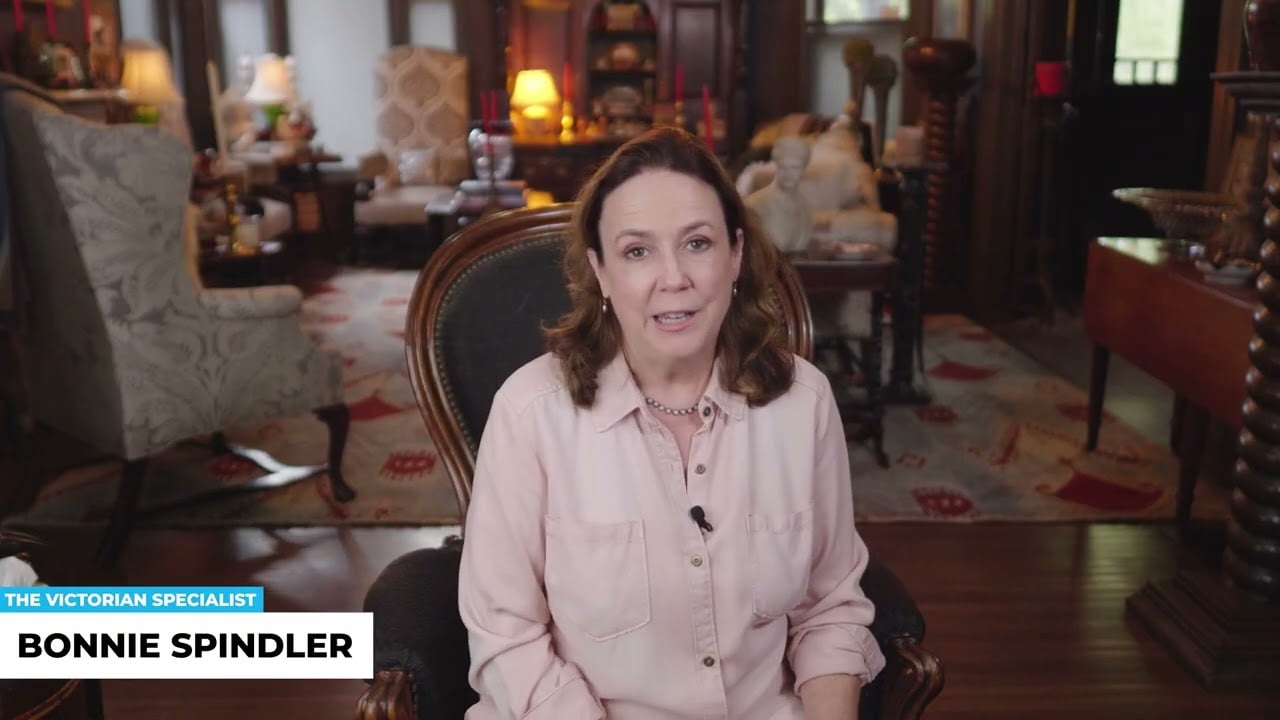
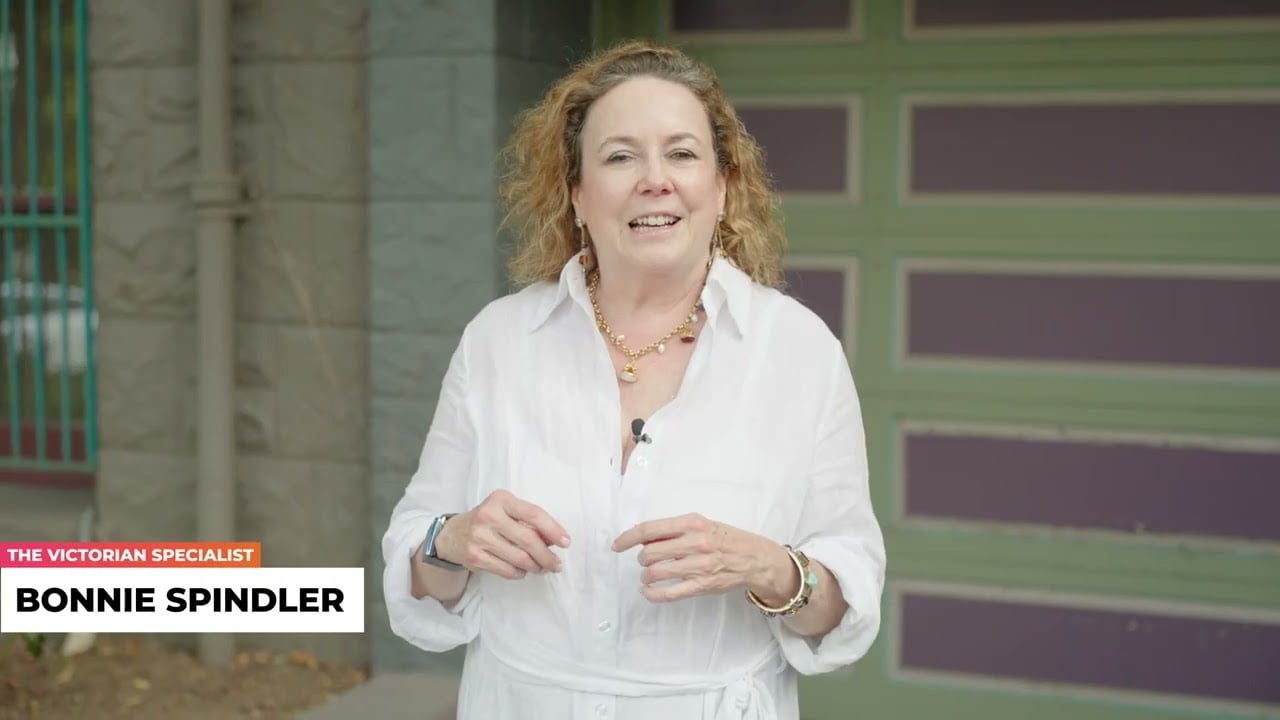
Knowing which forces actually move a market here, institutional expansion versus ordinary infill, is the same knowledge that matters when a property on this hill eventually does come up for sale or purchase. Bonnie Spindler has spent more than three decades reading San Francisco's older, character-rich neighborhoods this closely, and that fluency is exactly what separates informed guidance from a generic market summary. If you are watching this corner of the city and want a conversation grounded in what is actually happening on the ground, not just what the listing portals say, reach out to book an appointment.
This article is general information, not legal, tax or financial advice. Consult a qualified professional about your situation.