By Bonnie Spindler
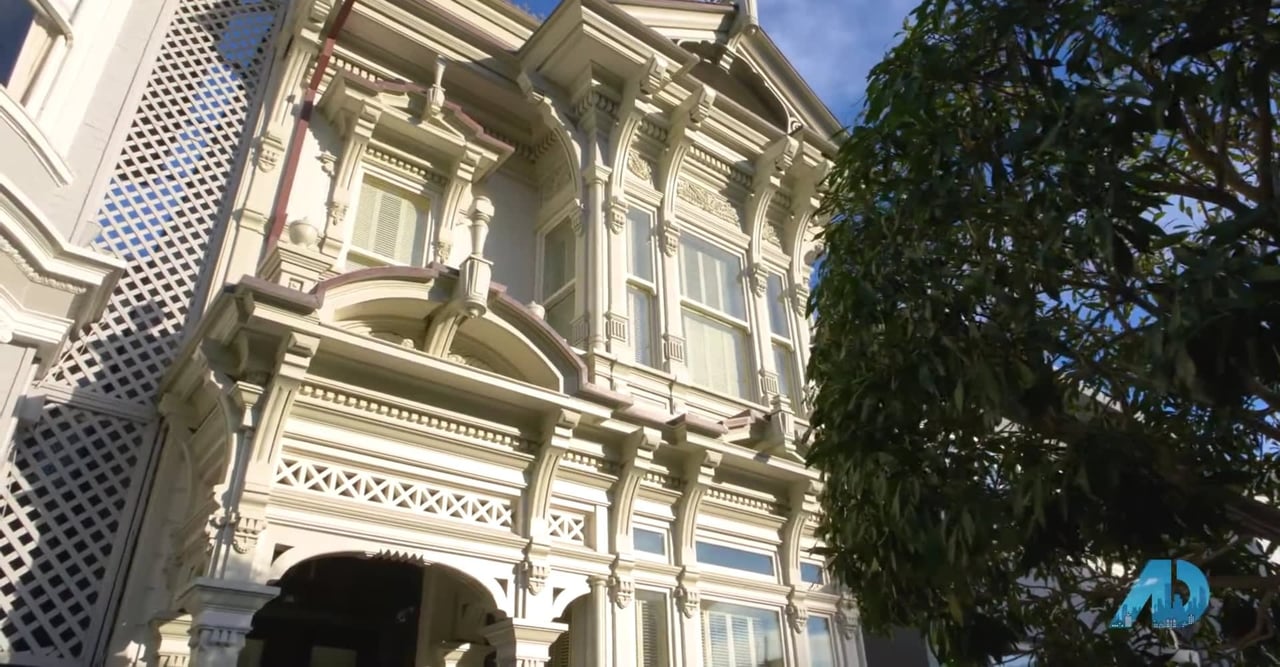
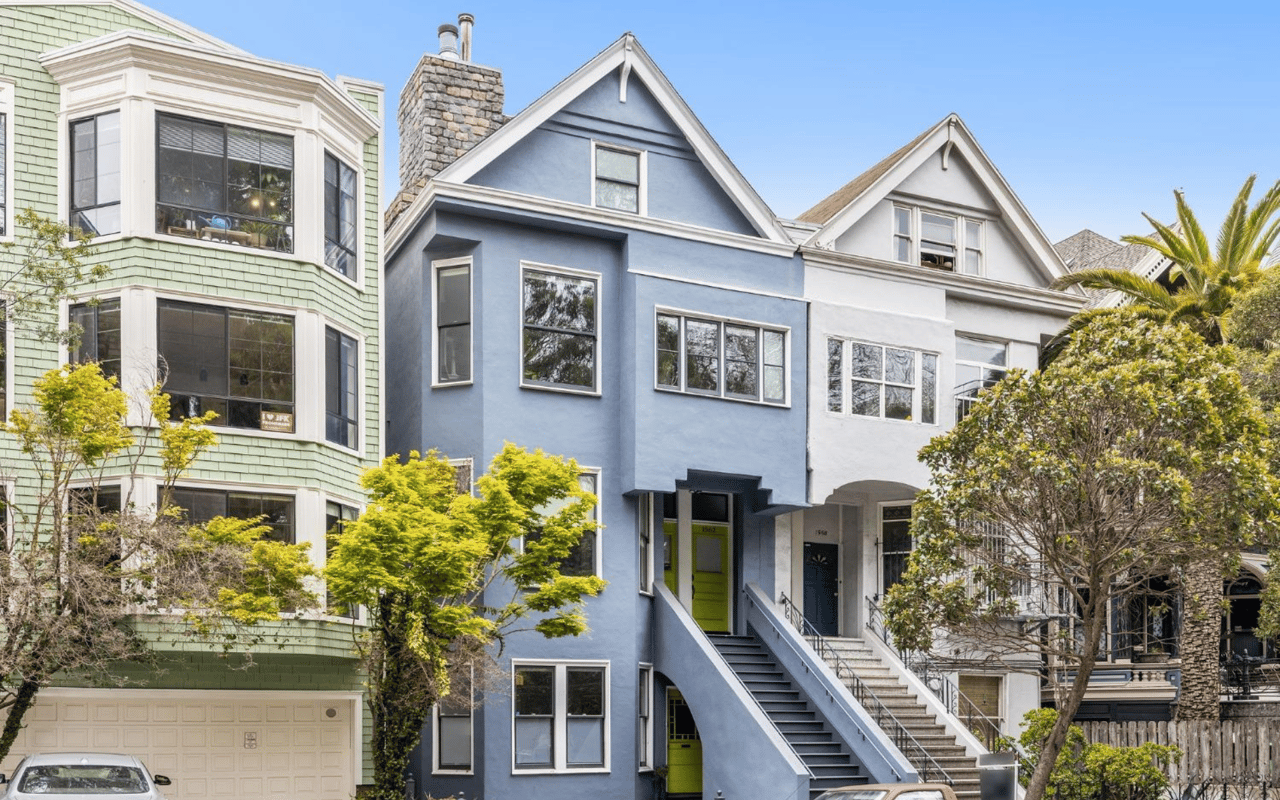
When I help a client buy a Victorian or Edwardian home in San Francisco, I suggest addressing insurance early in the process, well before closing. These properties are different from newer homes in ways that go well beyond age. Rebuilding a carved cornice, matching old-growth wood siding, recreating plaster details, or repairing an ornate bay window can require specialized materials and craftspeople. Add San Francisco's seismic exposure, permitting requirements, and California's changing insurance market, and the right policy becomes an important part of protecting the historic home you are buying.
Key Takeaways
- A standard homeowners policy may not always provide enough protection for the true reconstruction cost of a historic San Francisco residence.
- Replacement-cost coverage, ordinance-or-law protection, and adequate policy limits deserve particular attention.
- Standard homeowners insurance generally excludes earthquake and flood damage, requiring separate coverage when those risks are important.
- Landmark status and historic-district rules can affect how damaged architectural features must be repaired or replaced.
- Buyers should investigate insurance availability and pricing while they are still conducting property due diligence.
Insure the House You Actually Own
One of the first distinctions I explain to buyers is the difference between market value and reconstruction cost. A San Francisco home may be worth several million dollars partly because of its land and location, but addressing your insurance needs means determining the cost to reconstruct the building after a covered loss.
- Replacement cost matters and requires realistic reconstruction estimates that account for the home's size, materials, architectural details, labor, and current San Francisco construction costs.
- Extended or guaranteed replacement coverage adds protection and may provide a cushion above the stated dwelling limit, with some high-value policies offering broader replacement guarantees.
- If a major covered loss requires portions of an older home to comply with current building requirements, ordinance-or-law coverage can help address qualifying code-upgrade expenses.
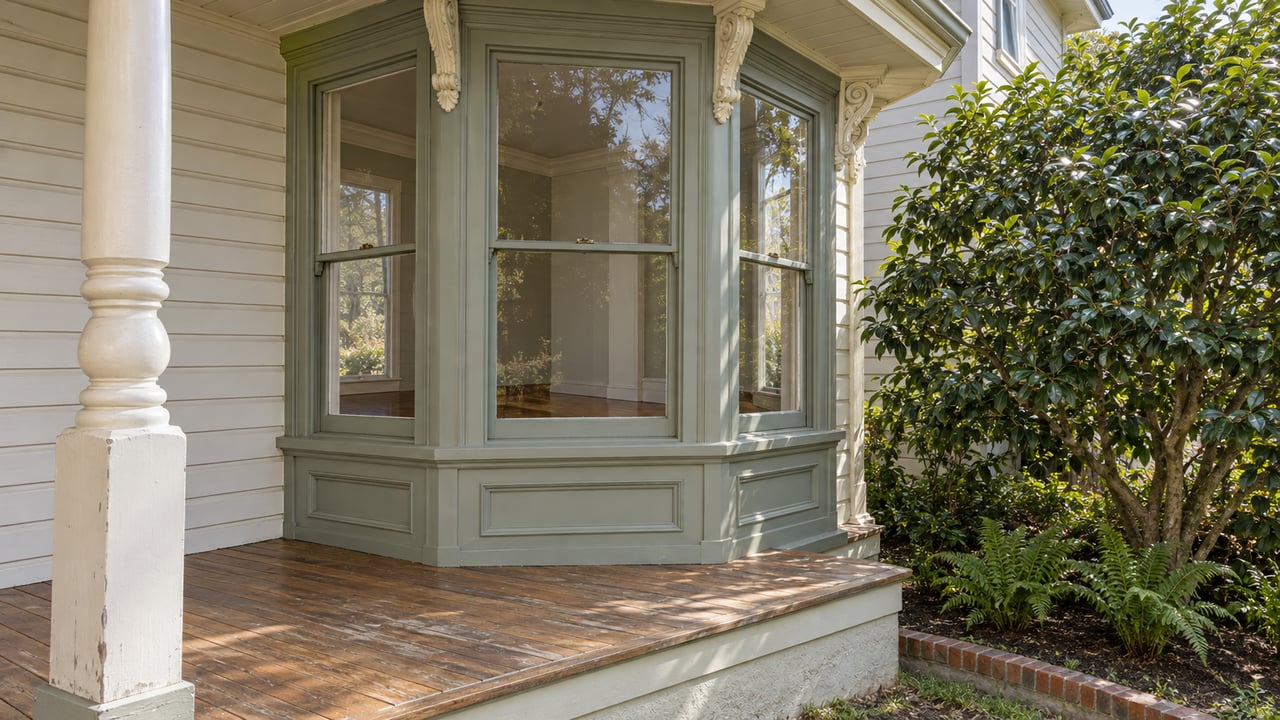
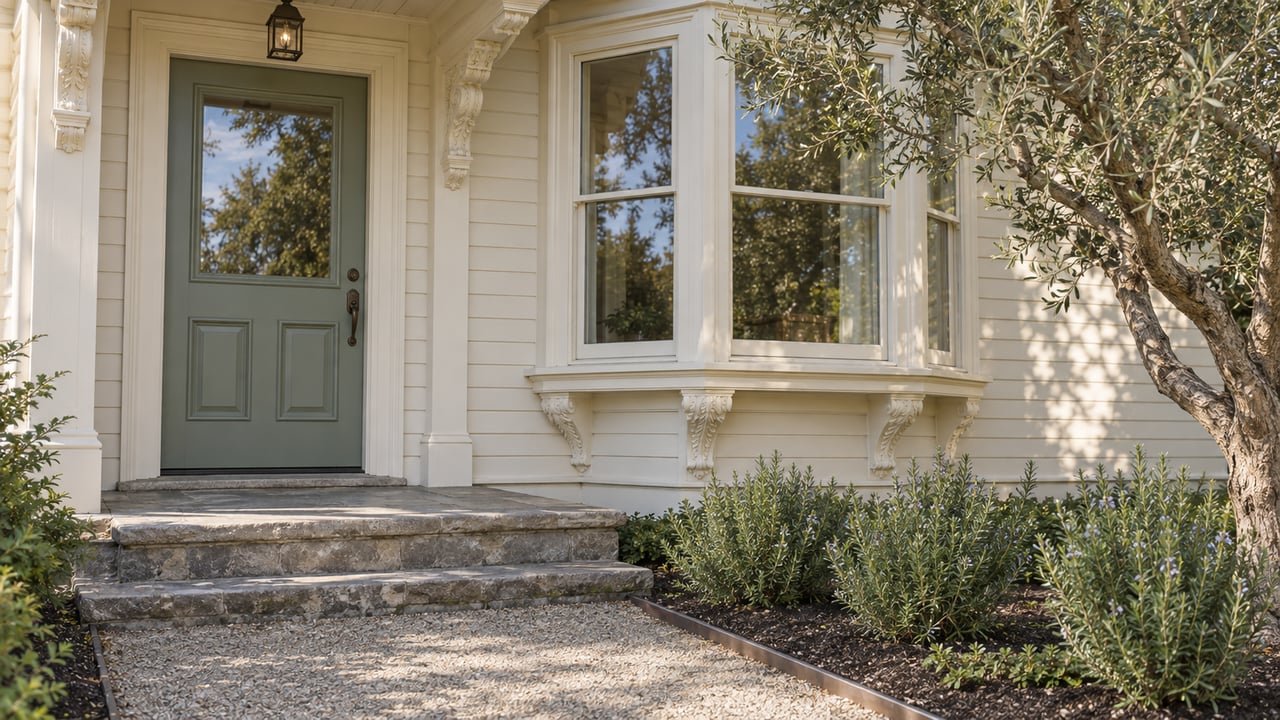
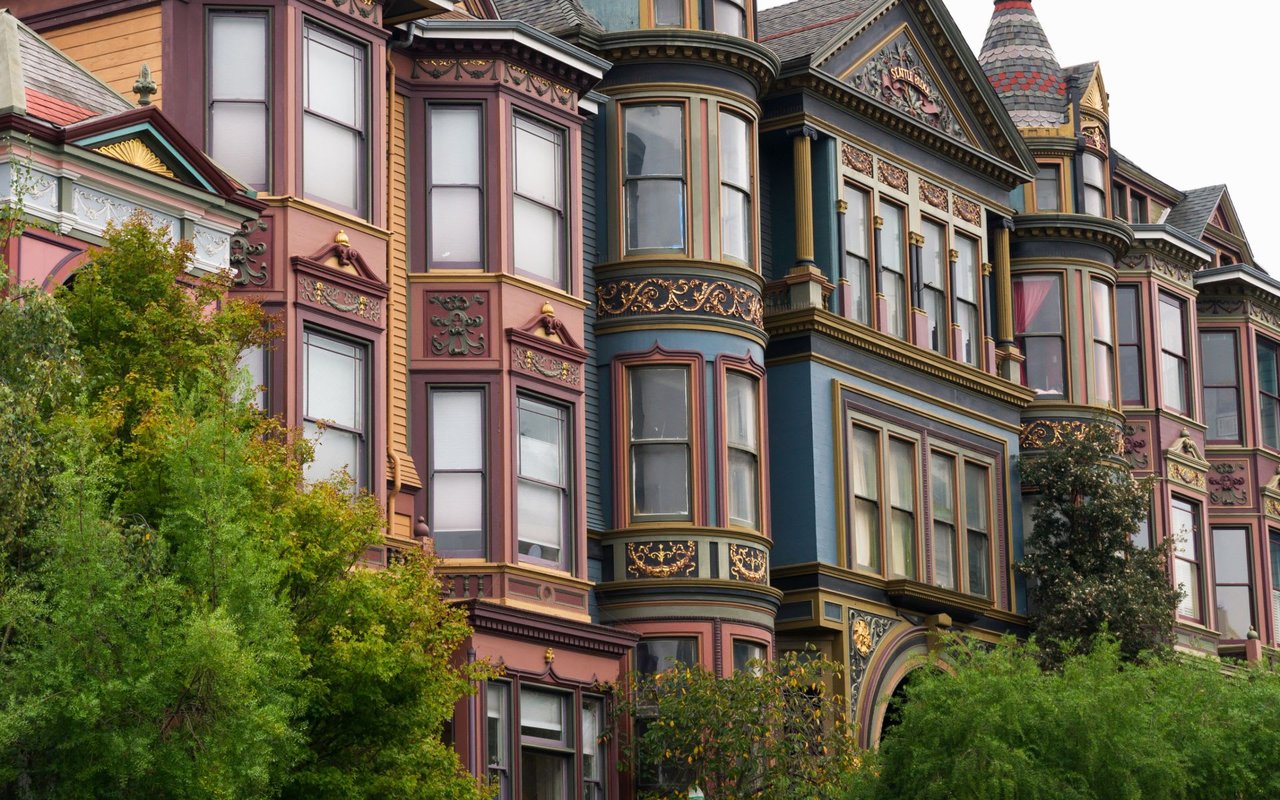
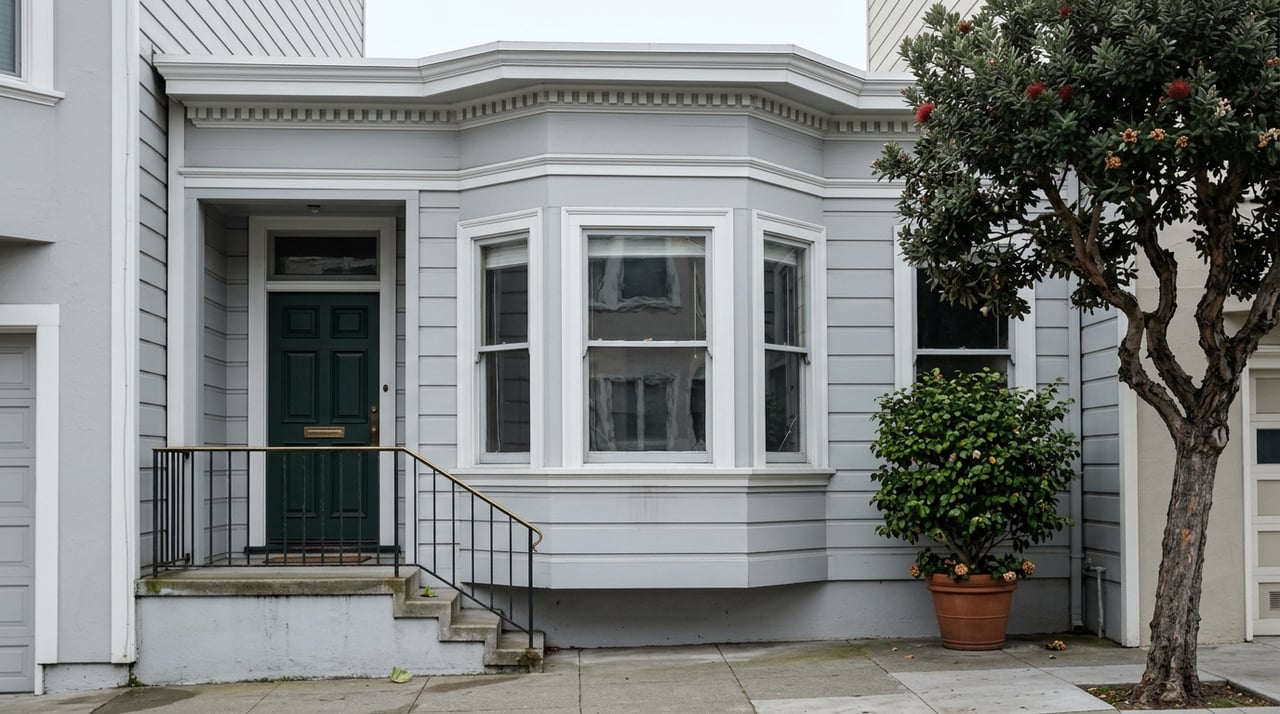
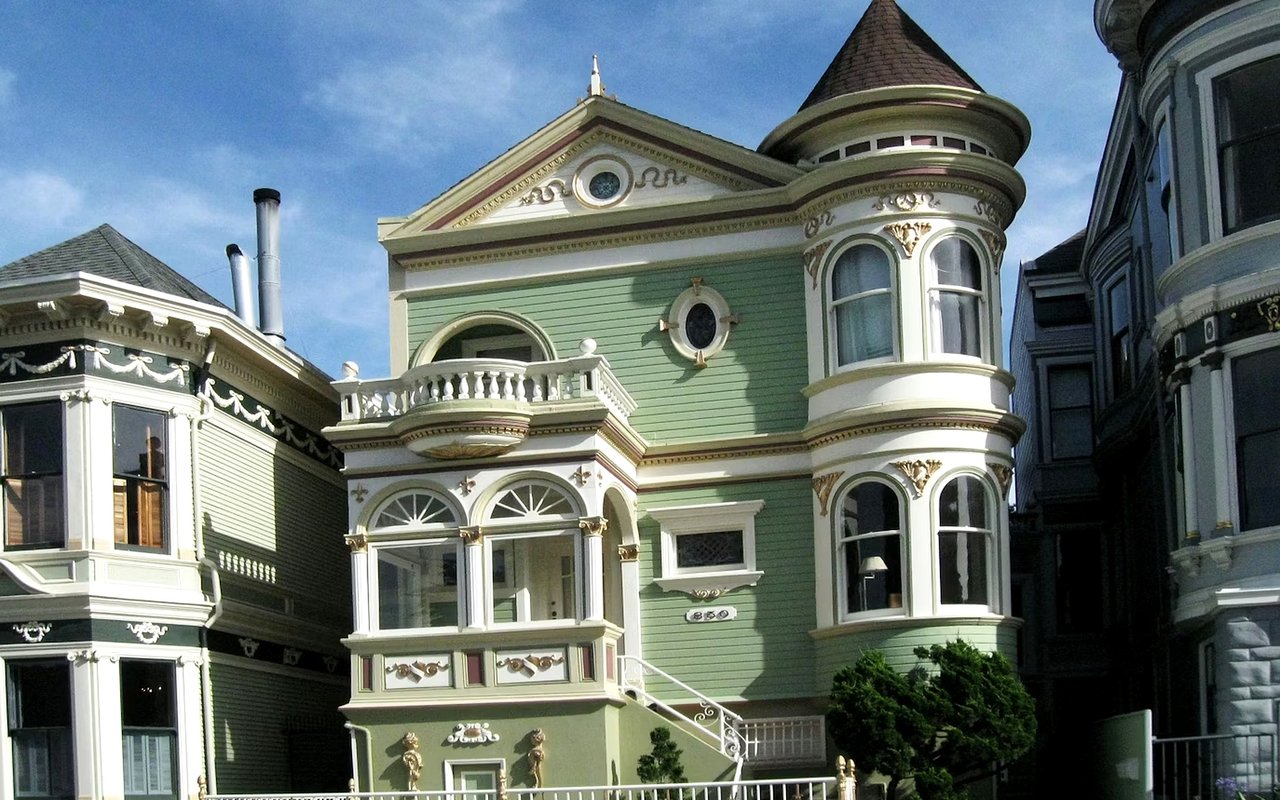
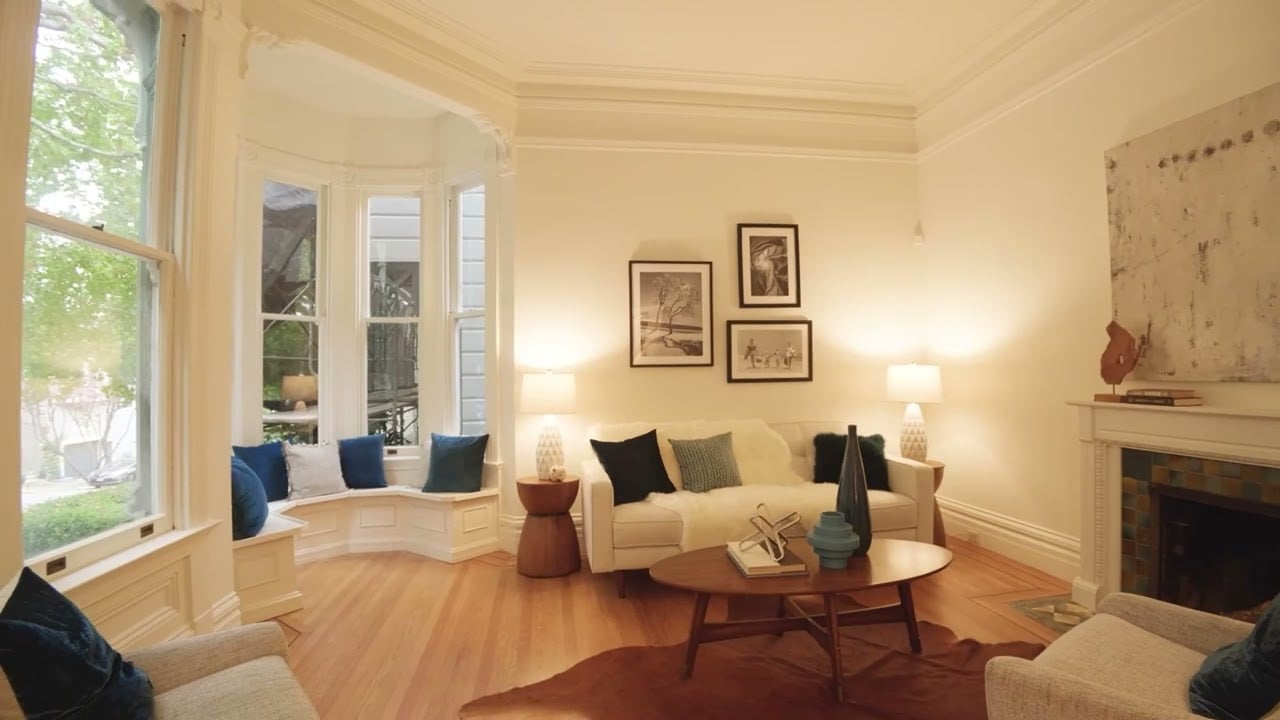
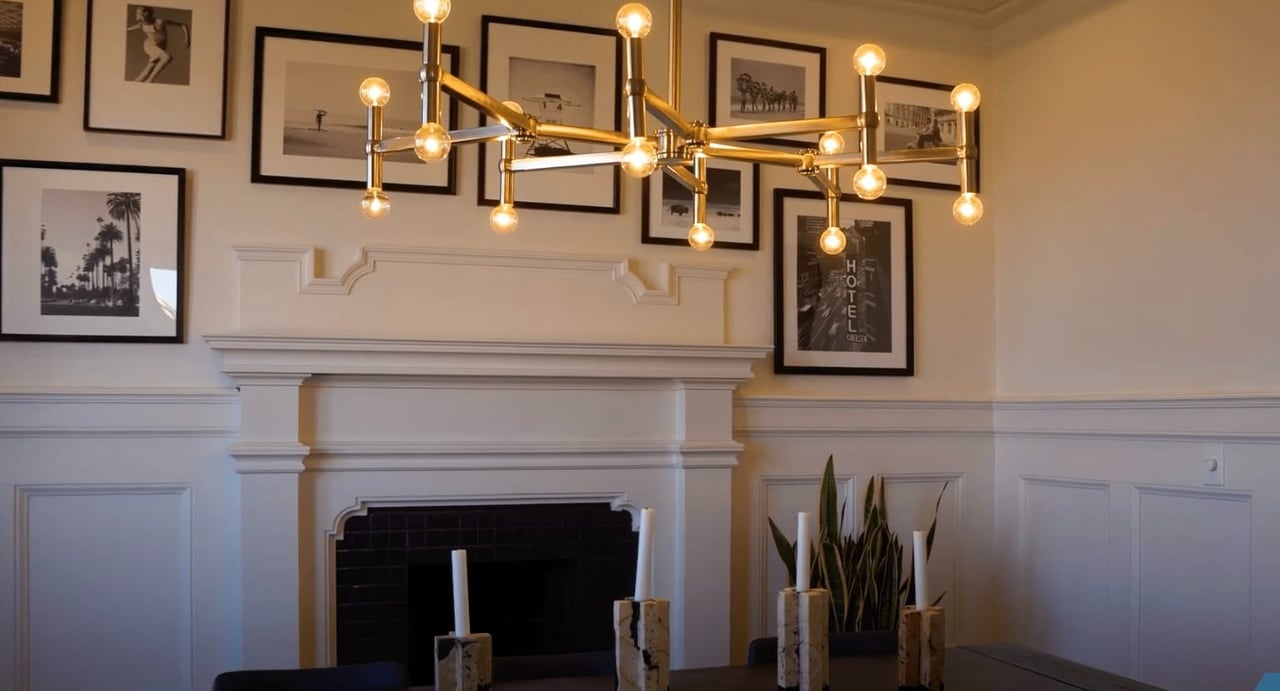
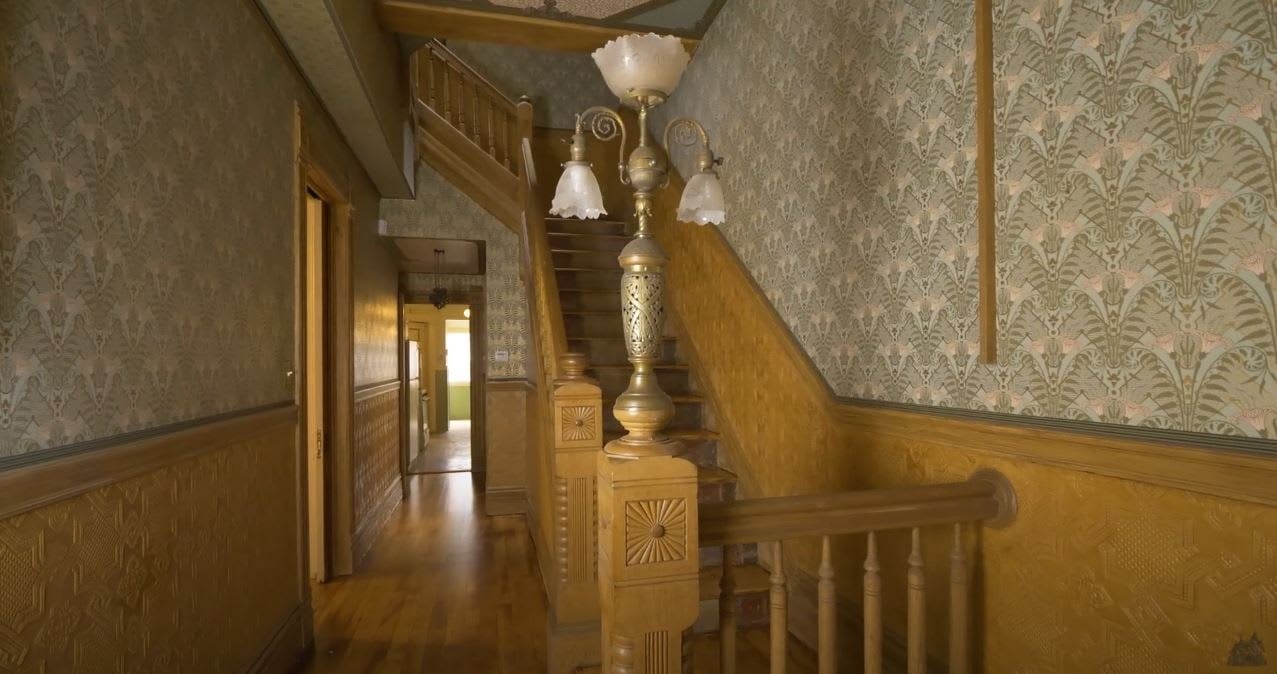
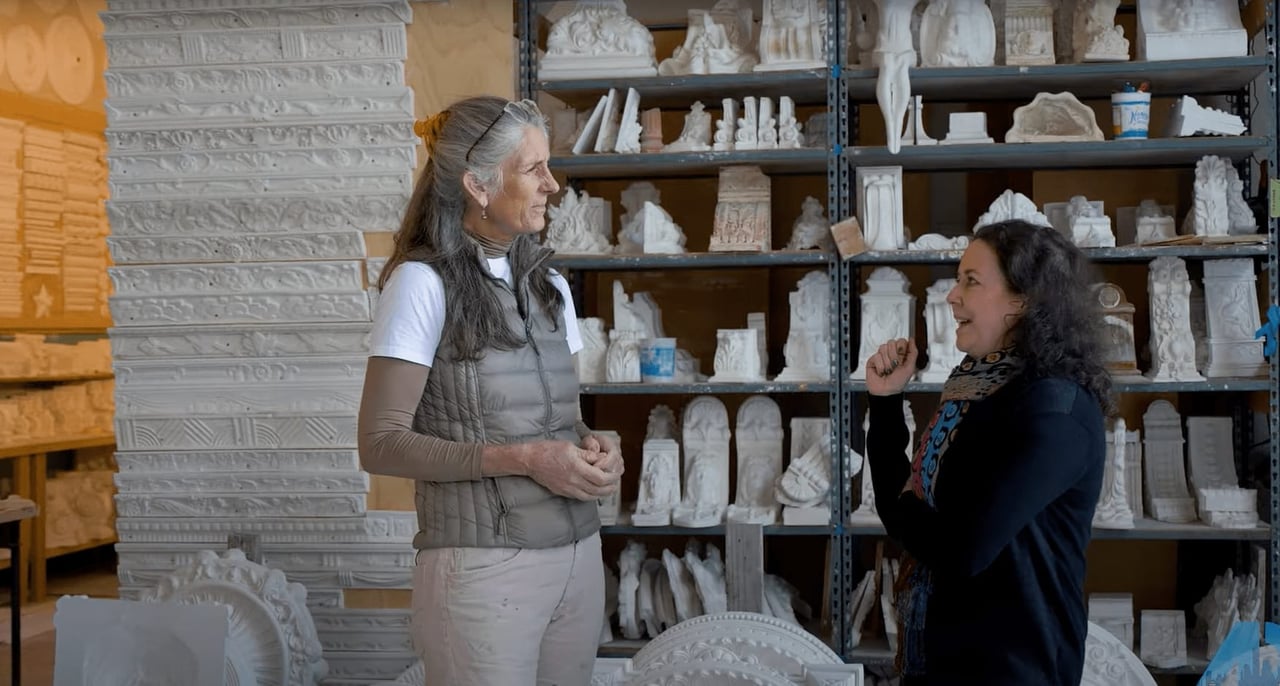
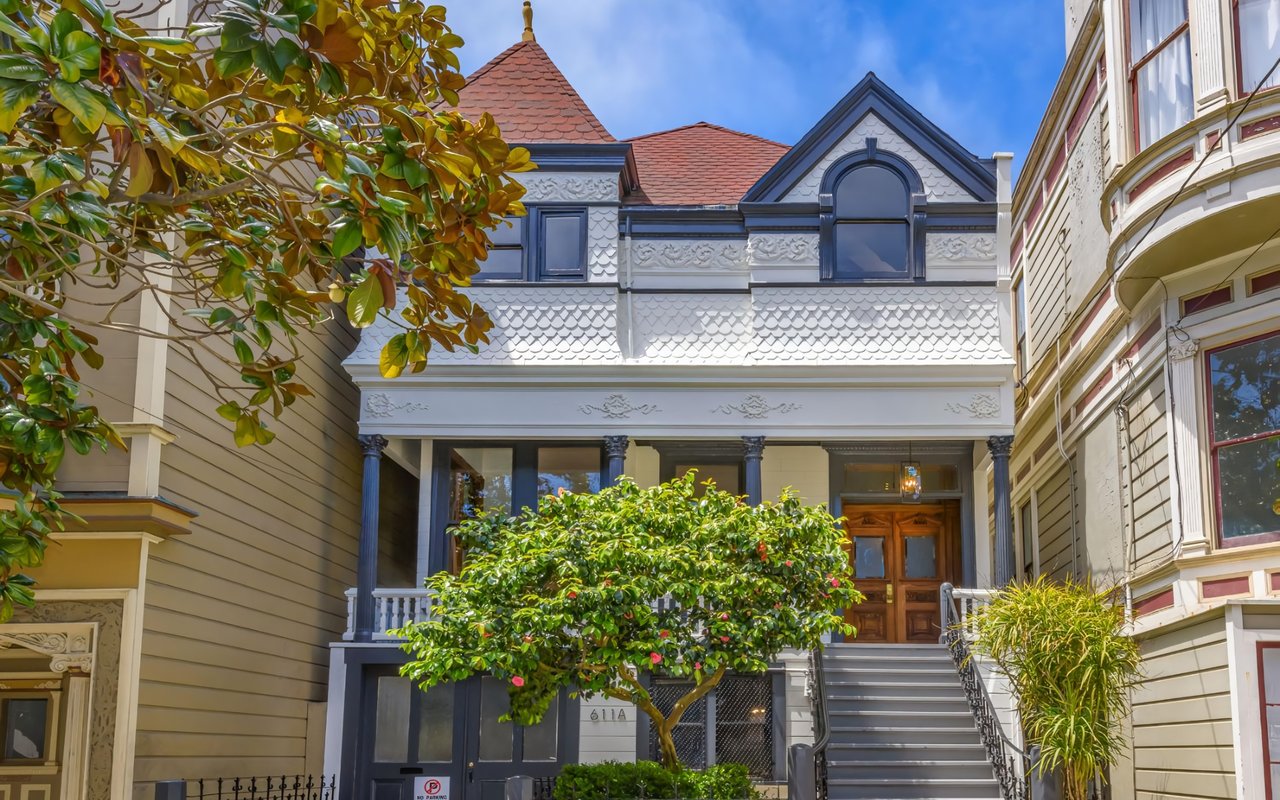
Replacement costs can rapidly drive up the cost of owning a historic property. For example, a new modern door or window can be readily sourced and easily replaced. Replicating period details is a different project, involving specialized material sourcing and niche craftsmanship and expertise.
Work with an insurance broker who understands older, high-value properties rather than one who uses a generic replacement-cost calculator. The goal isn't to insure the purchase price. It is to understand what rebuilding this particular house could realistically involve.
Work with an insurance broker who understands older, high-value properties rather than one who uses a generic replacement-cost calculator. The goal isn't to insure the purchase price. It is to understand what rebuilding this particular house could realistically involve.
Earthquake, Fire, Flood, and California's Changing Insurance Market
No discussion of homeowners insurance in San Francisco is complete without earthquakes. Standard homeowners insurance does not cover the primary structural damage caused by severe (or even moderate) ground movement, so buyers must decide separately about earthquake insurance. Earthquakes are not the only risk worth reviewing. California's homeowners-insurance market has changed substantially in recent years, making property-specific underwriting increasingly important.
- If you purchase residential homeowners insurance, the carrier must periodically offer earthquake insurance, either directly or through an affiliated source such as the California Earthquake Authority.
- Earthquake policies work differently from ordinary homeowners coverage, and deductibles can prove substantial. For higher-value homes and certain older raised-foundation properties, deductible choices may be more limited. Earthquake policies are also limited and do not cover items such as pools, landscaping, masonry features, or detached structures.
- Standard homeowners insurance generally covers fire damage, including damage caused by wildfires. They do not, however, cover flooding. Buyers should review the property's risk exposure and consider federal or private flood insurance where appropriate.
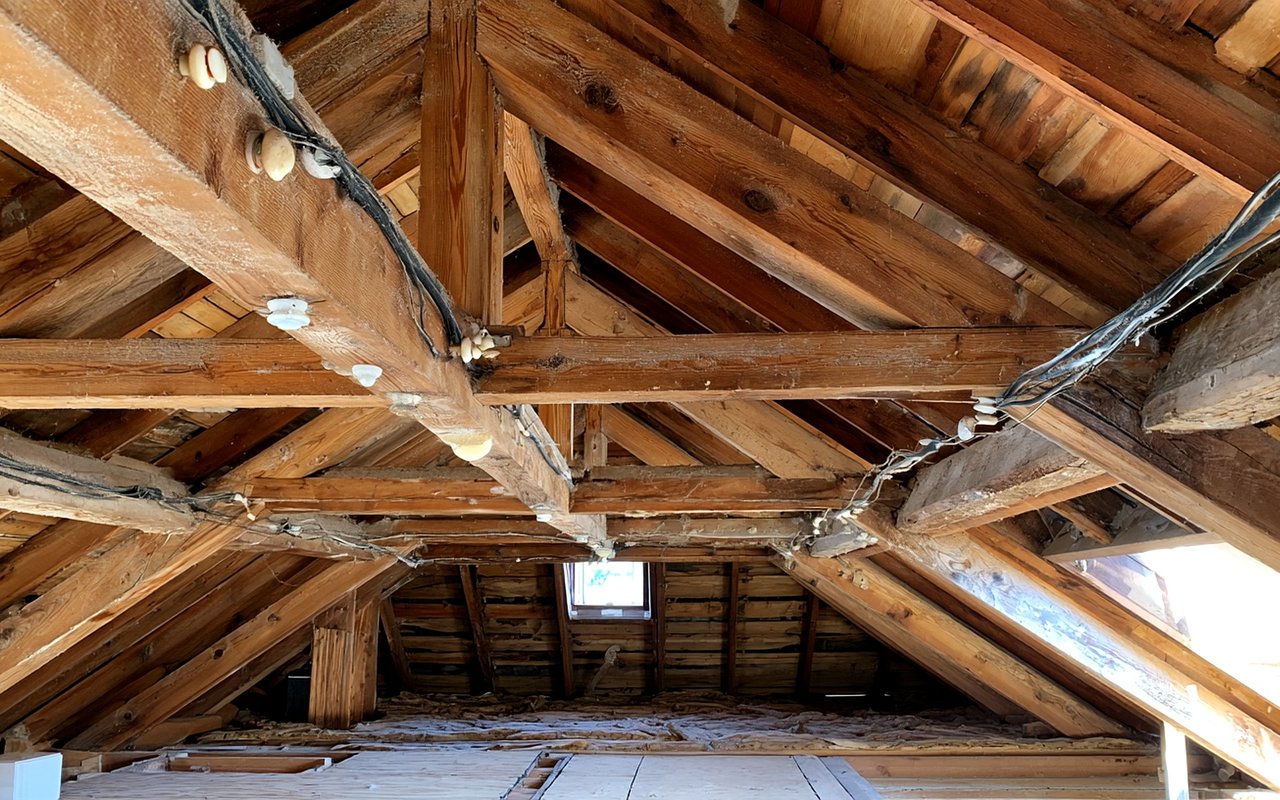
Remember that insurers scrutinize the individual property, and for historic luxury homes, you'll want quotes based on the actual address before you become too deeply attached to the property. A property isn't automatically uninsurable because it is old, but outdated electrical systems, an aging roof, deferred maintenance, or unresolved structural issues may narrow carrier options.
For clients purchasing without financing, coverage is particularly important. You may be freed from lender-based requirements, but the financial exposure remains. Programs such as California's FAIR Plan exist as an insurer of last resort when conventional coverage isn't available, but it's an option you'll want to avoid. Its protection is more limited than a comprehensive homeowners policy so that supplemental coverage may be necessary.
For clients purchasing without financing, coverage is particularly important. You may be freed from lender-based requirements, but the financial exposure remains. Programs such as California's FAIR Plan exist as an insurer of last resort when conventional coverage isn't available, but it's an option you'll want to avoid. Its protection is more limited than a comprehensive homeowners policy so that supplemental coverage may be necessary.
Historic Status Can Change the Cost of a Claim
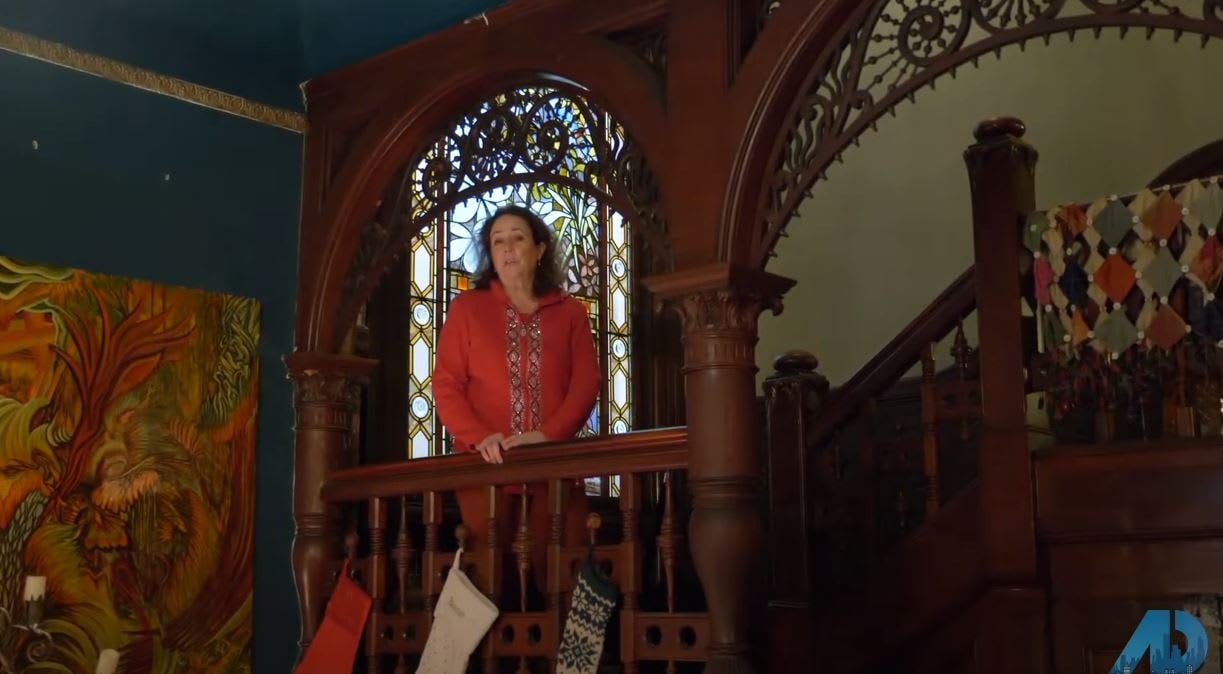
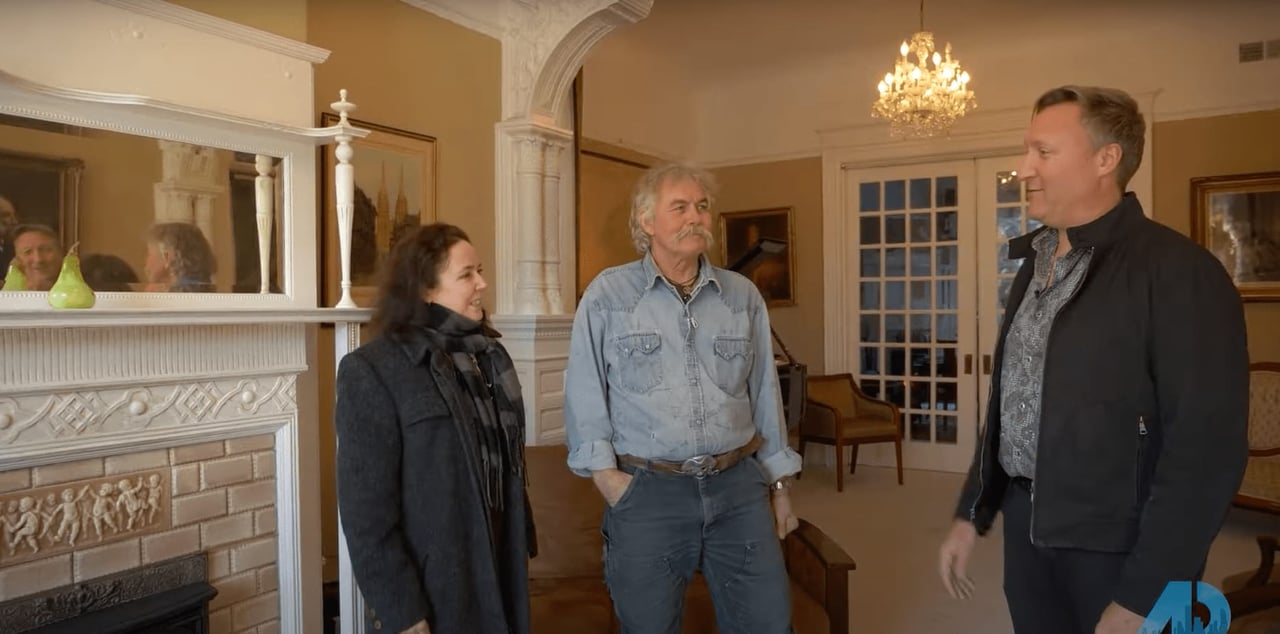
Not every old San Francisco house is a designated landmark, but age and legal historic status are separate issues. A home may be an individual Article 10 landmark, contribute to a historic district, or qualify as another type of historic resource subject to review when alterations are proposed, all of which have an impact on insurance coverage.
- Confirm the home's designation or historic status before choosing coverage, as exterior alterations to designated landmarks and contributing buildings can require additional preservation review.
- When historic features are repaired or replaced, preservation standards often favor retaining original fabric or matching the historic material, form, profile, texture, and appearance. Such processes are not always cheap or covered.
- Architects, structural engineers, preservation consultants, specialized contractors, and a longer approval process may all become part of restoring a seriously damaged historic residence and can add significant costs to historic preservation.
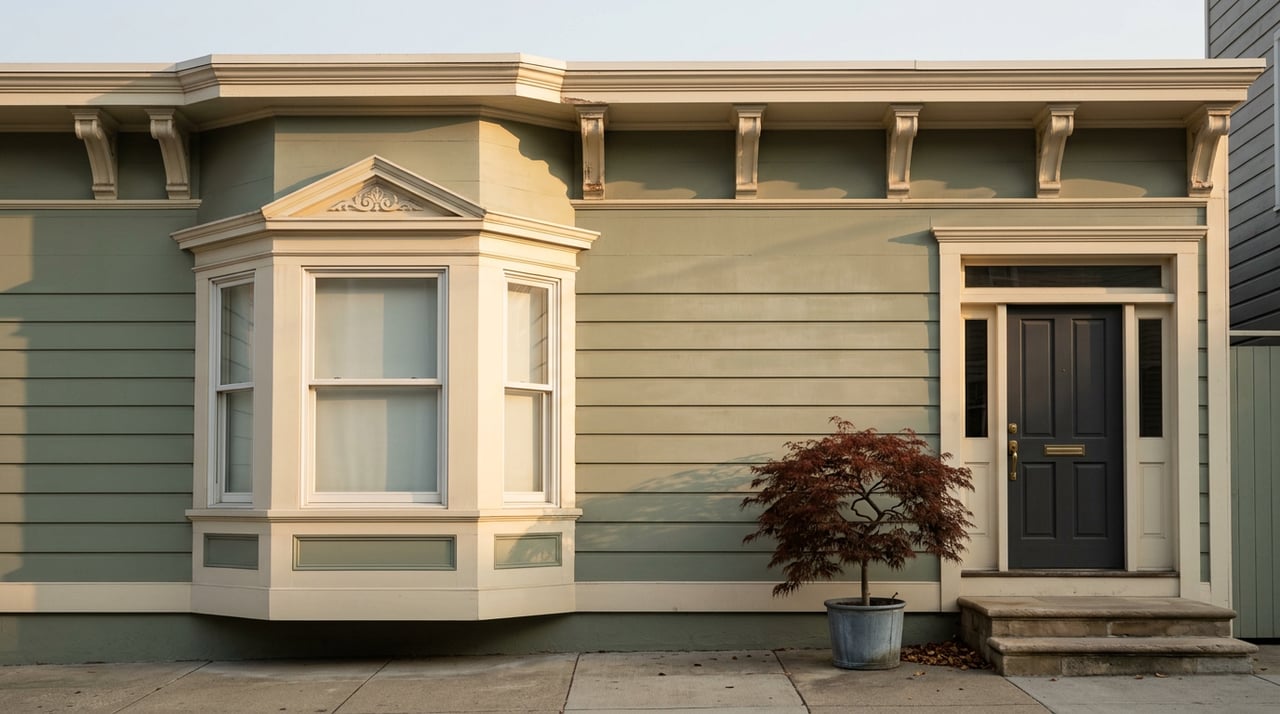
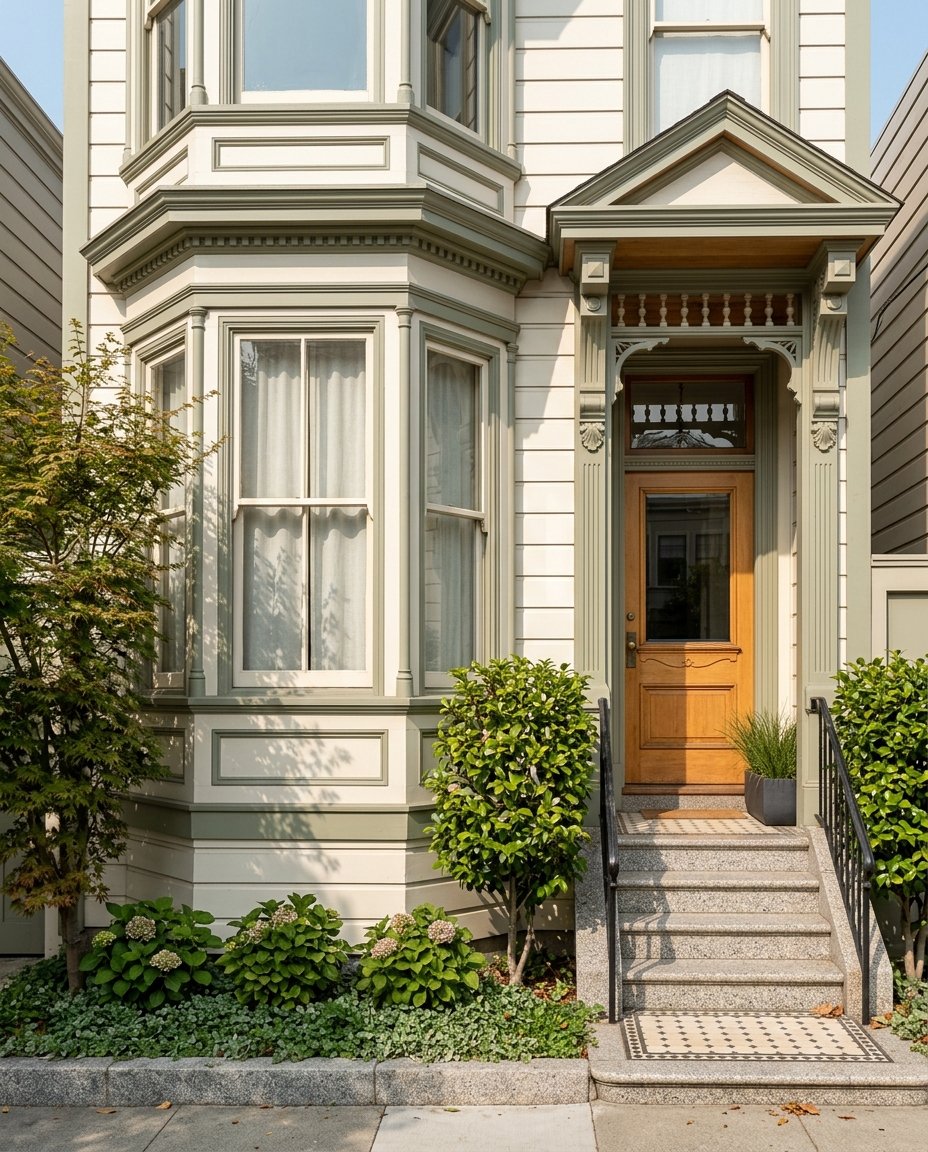
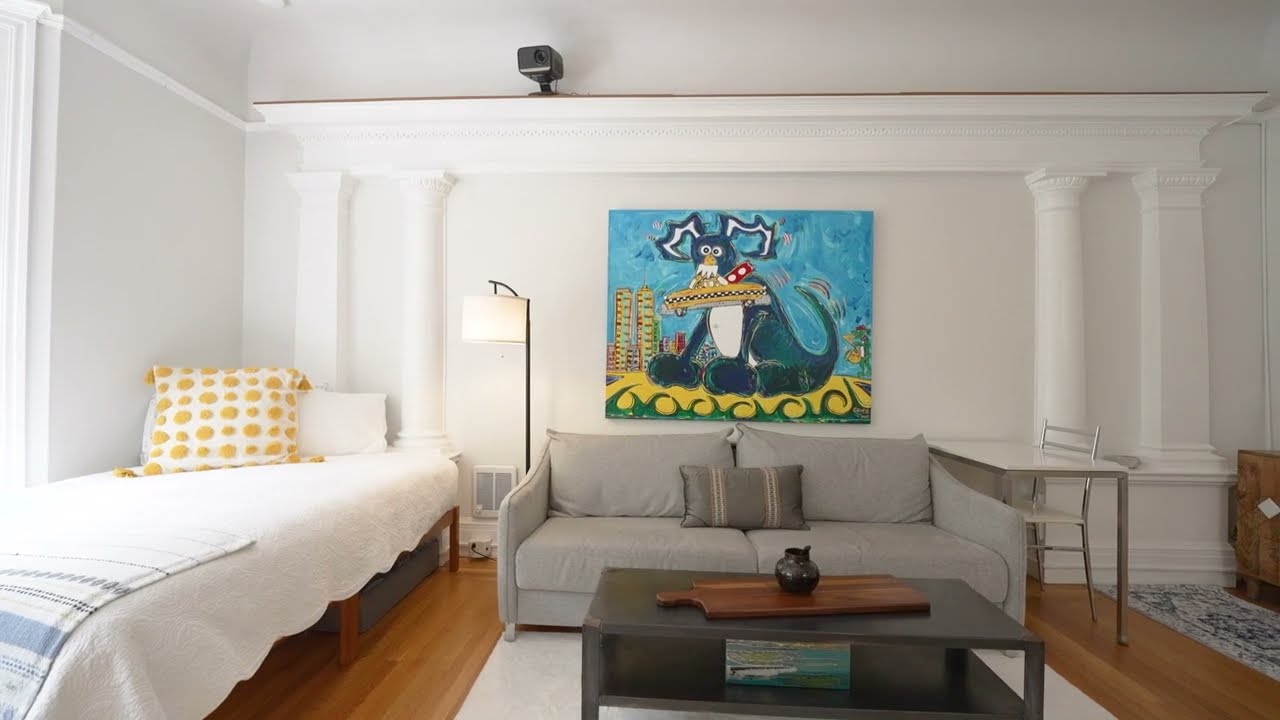
That is why ordinance-or-law protection and a realistic replacement-cost calculation matter so much. The home's character (and long-term value) may depend on its wood windows, siding, masonry, cornice, stoop, or ornamental details. Those are precisely the elements that require additional care after a major loss.
I also encourage buyers to document the house after purchase. Good photographs, architectural plans, renovation records, finish schedules, contractor invoices, and descriptions of custom features can be extremely useful if a future claim requires recreating what was there.
I also encourage buyers to document the house after purchase. Good photographs, architectural plans, renovation records, finish schedules, contractor invoices, and descriptions of custom features can be extremely useful if a future claim requires recreating what was there.
FAQs
Is historic home insurance a separate type of insurance?
Usually not. Many historic homes are insured through standard or high-value homeowners policies with appropriate replacement-cost, ordinance-or-law, and specialty endorsements. Some properties with unusual construction or outdated systems may require a more specialized policy.
Does homeowners insurance cover earthquake damage in San Francisco?
No. Standard homeowners policies generally exclude earthquake damage. Buyers who want that protection need a separate earthquake policy, often offered through a participating insurer or the California Earthquake Authority.
Should I get an insurance quote before making an offer on a historic home?
I recommend starting the insurance review as early as possible and certainly before removing relevant contingencies. For an unusual or high-value historic property, confirming available carriers, reconstruction limits, earthquake options, and expected premiums can prevent a costly surprise later.
Discover San Francisco's Victorian Heritage
Buying a historic San Francisco home means taking responsibility for architecture that has already survived generations of change. The right insurance strategy should recognize that a Victorian or Edwardian residence cannot always be repaired like a conventional modern house. Materials, craftsmanship, preservation requirements, seismic conditions, and rebuilding costs all deserve a closer look.
I encourage buyers to treat insurance as part of property due diligence rather than a closing formality. The goal is to understand not only what the house is worth today, but what it would take to restore its character after a loss. Such clarity makes it much easier to own and preserve one of San Francisco's historic homes with confidence.
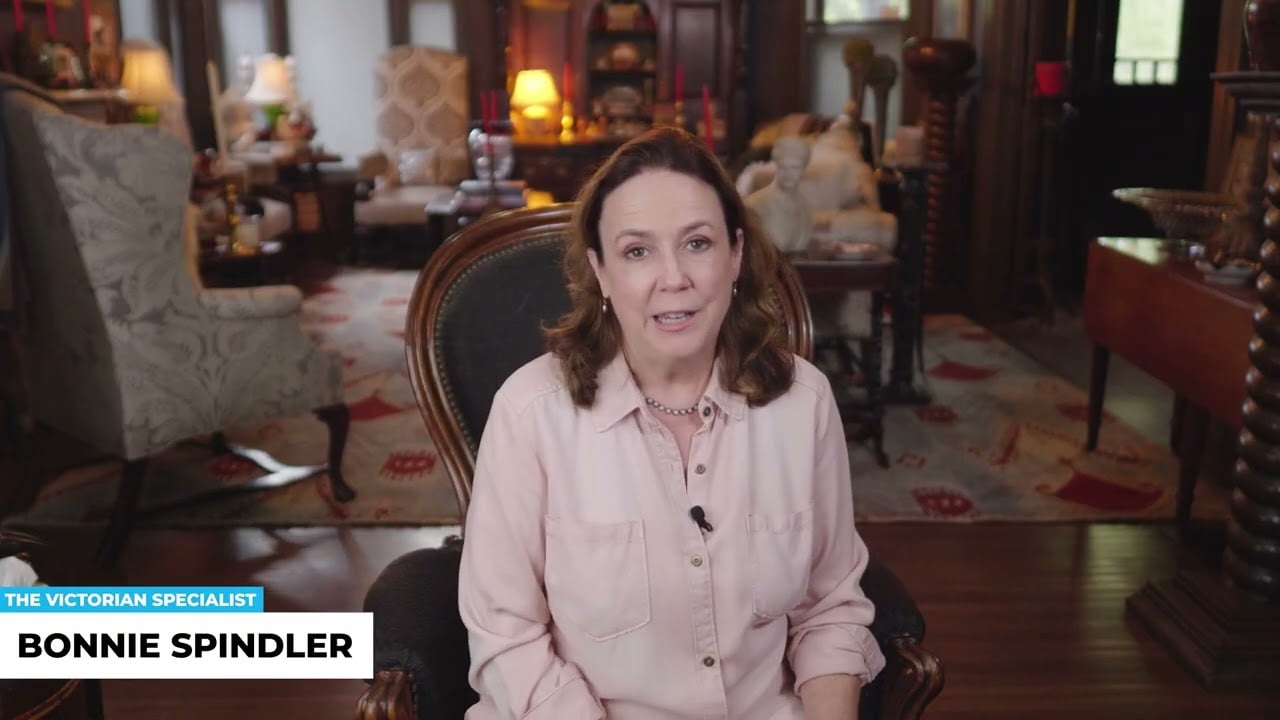
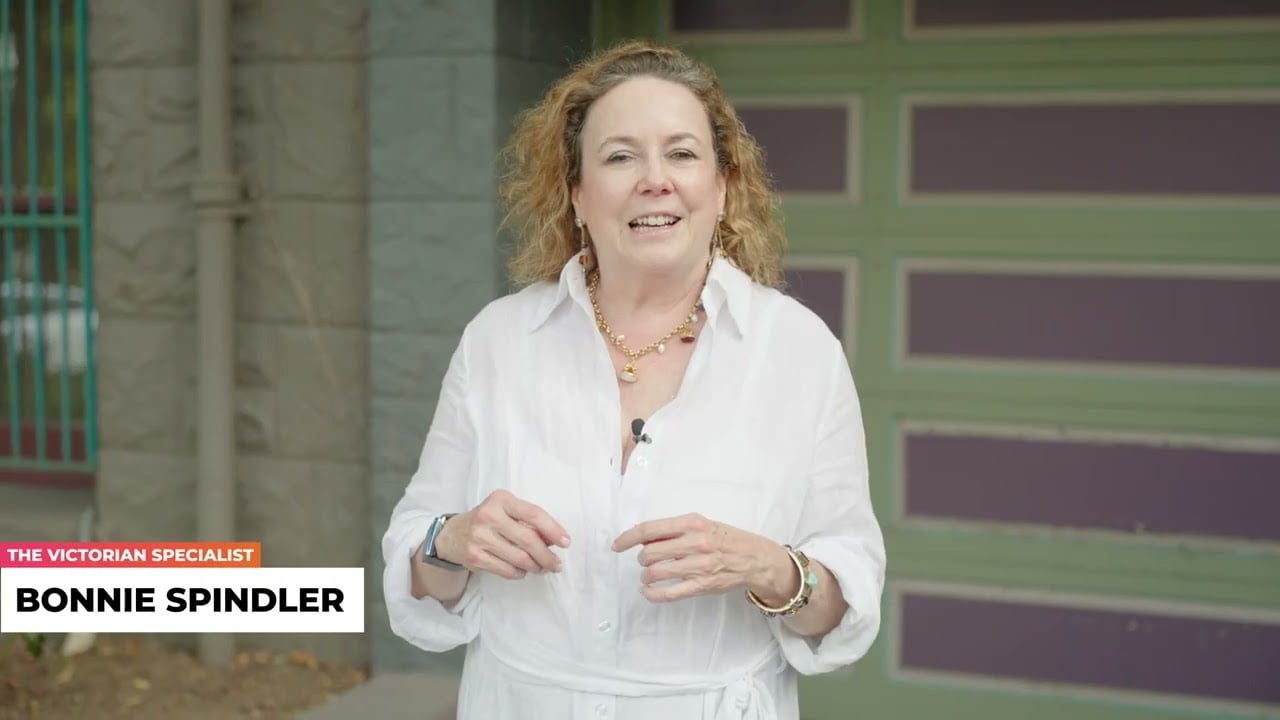
If you're interested in learning more about San Francisco's tapestry of historic homes, contact Bonnie Spindler, The Victorian Specialist, today to start a one-of-a-kind journey into the city's richly layered residential history. As a past president of The Victorian Alliance of San Francisco and SFGate's Top Real Estate Agent in The Bay Area in 2025, Bonnie's extensive knowledge and unmistakable passion for pre-1926 architecture can help you navigate the path to many of San Francisco's most treasured, sought-after properties.
I encourage buyers to treat insurance as part of property due diligence rather than a closing formality. The goal is to understand not only what the house is worth today, but what it would take to restore its character after a loss. Such clarity makes it much easier to own and preserve one of San Francisco's historic homes with confidence.
If you're interested in learning more about San Francisco's tapestry of historic homes, contact Bonnie Spindler, The Victorian Specialist, today to start a one-of-a-kind journey into the city's richly layered residential history. As a past president of The Victorian Alliance of San Francisco and SFGate's Top Real Estate Agent in The Bay Area in 2025, Bonnie's extensive knowledge and unmistakable passion for pre-1926 architecture can help you navigate the path to many of San Francisco's most treasured, sought-after properties.