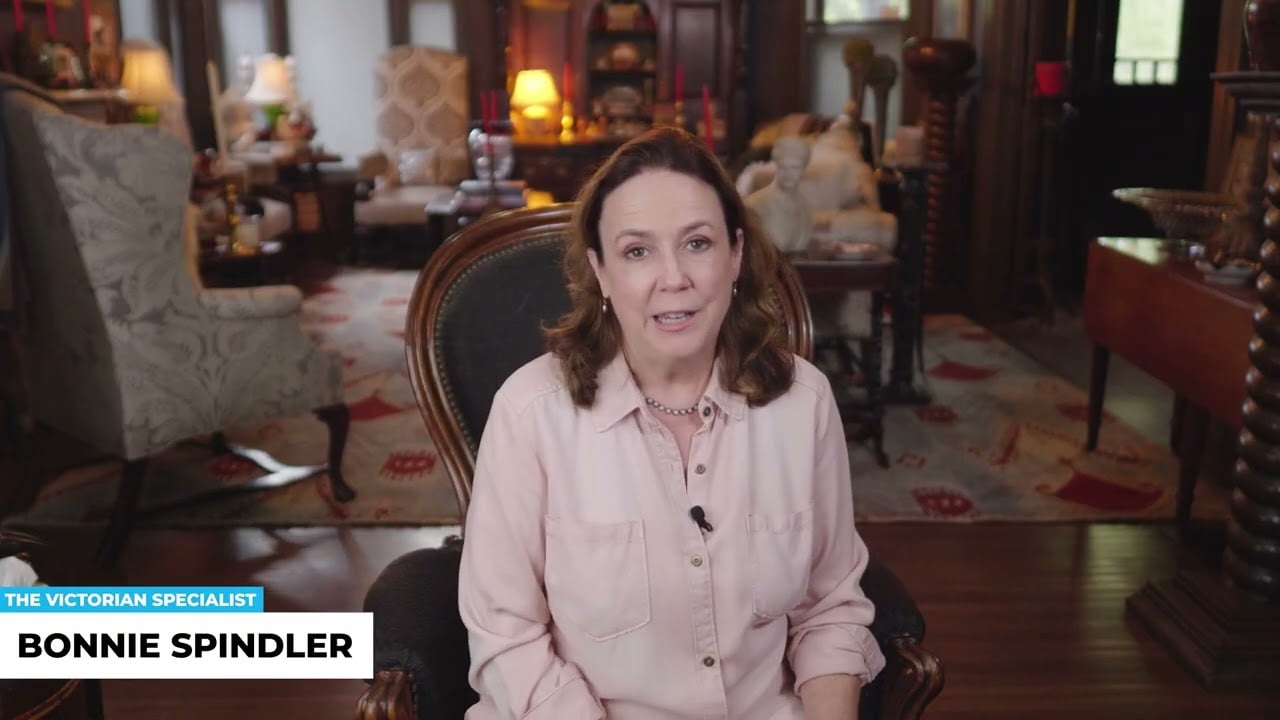
By Bonnie Spindler
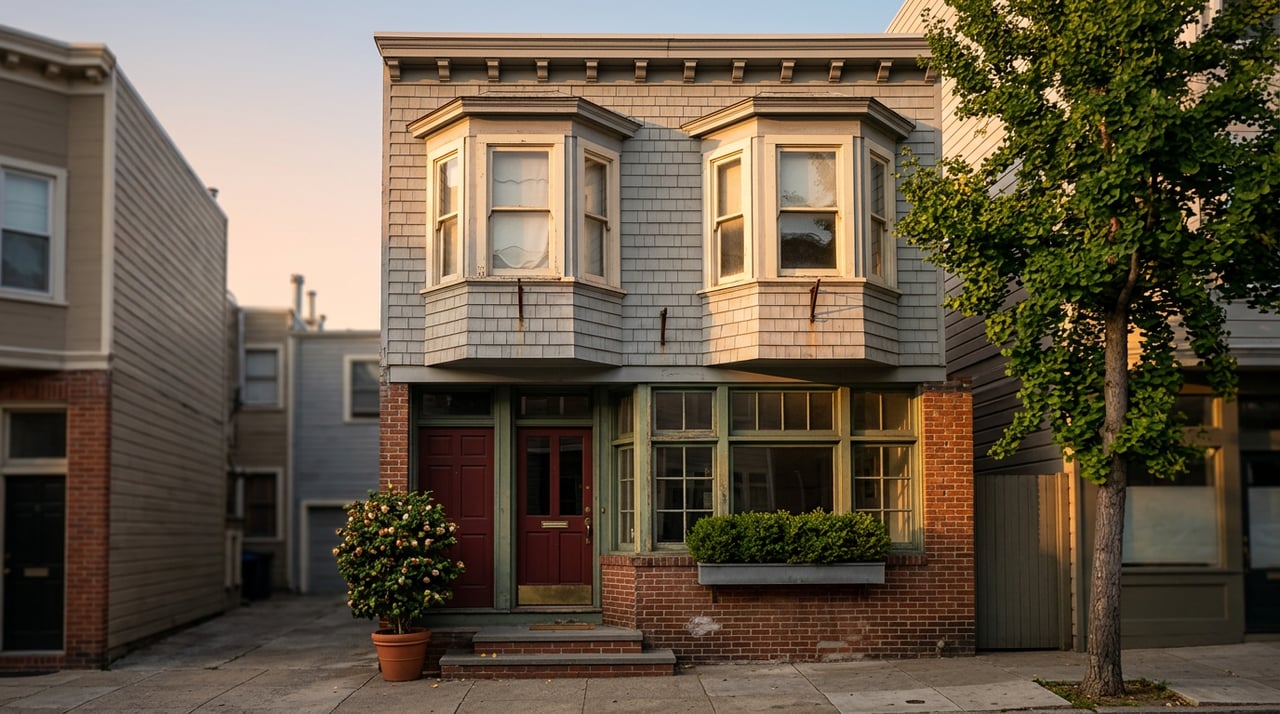
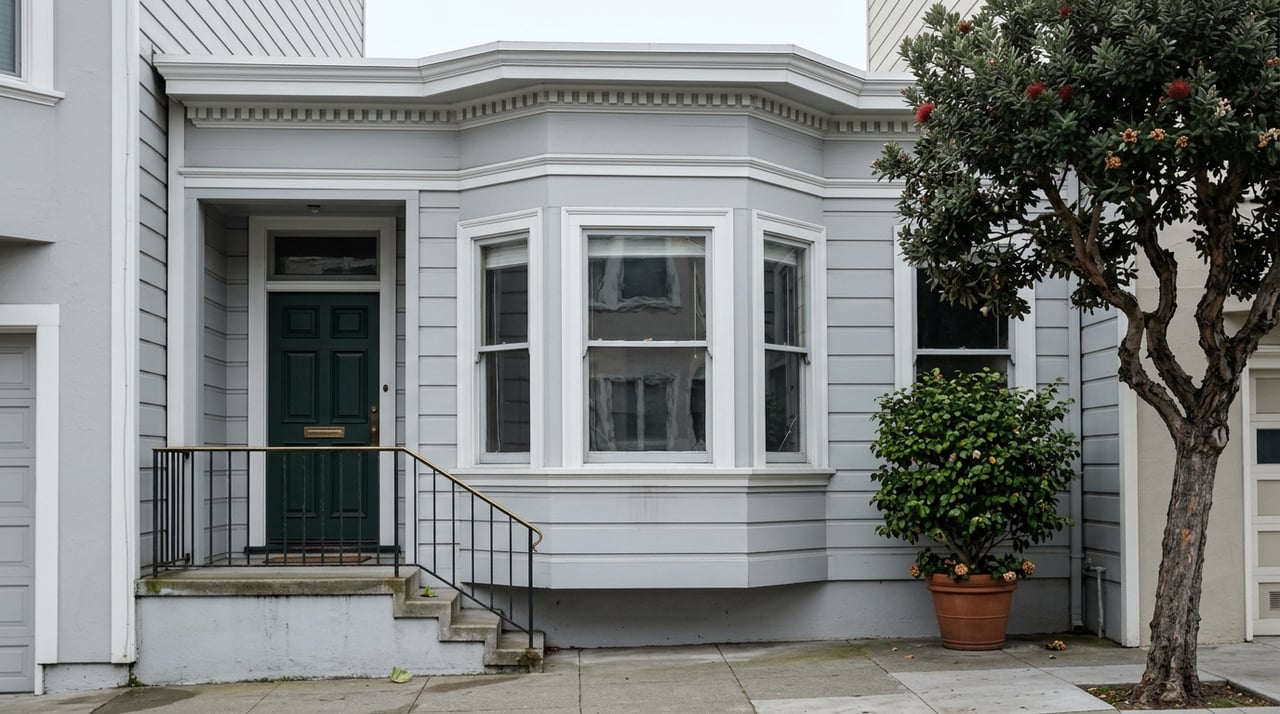
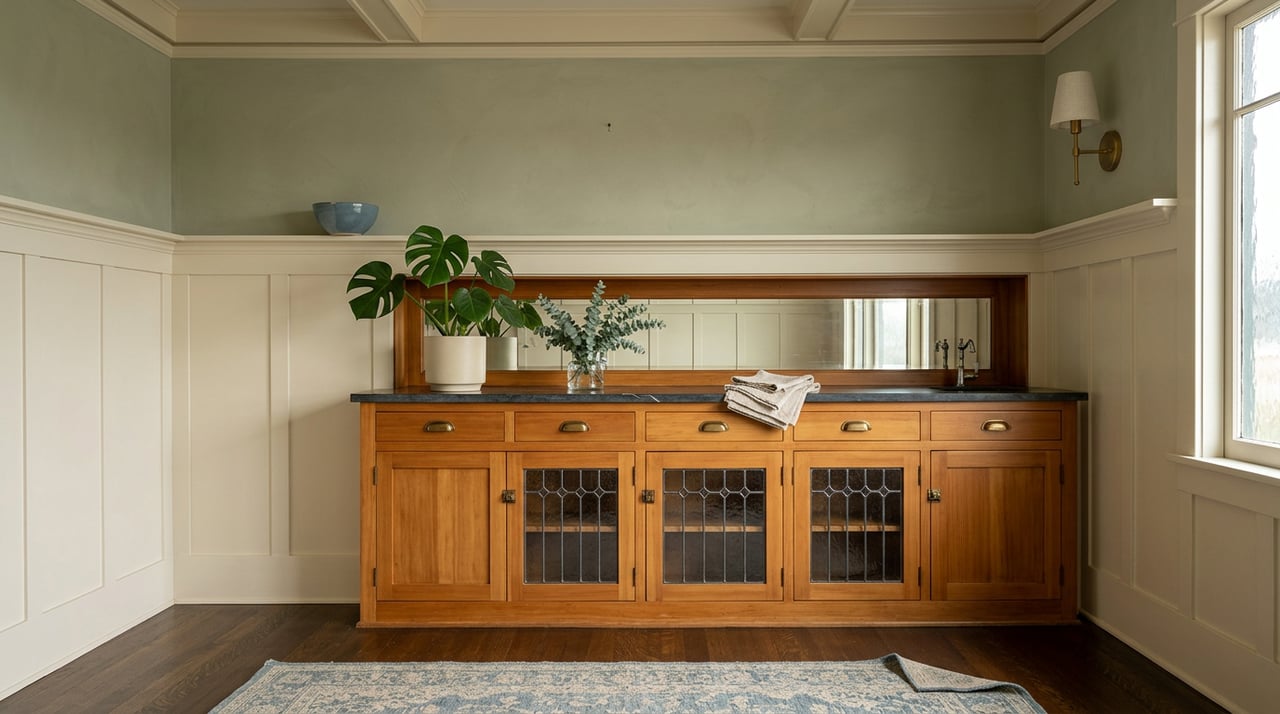
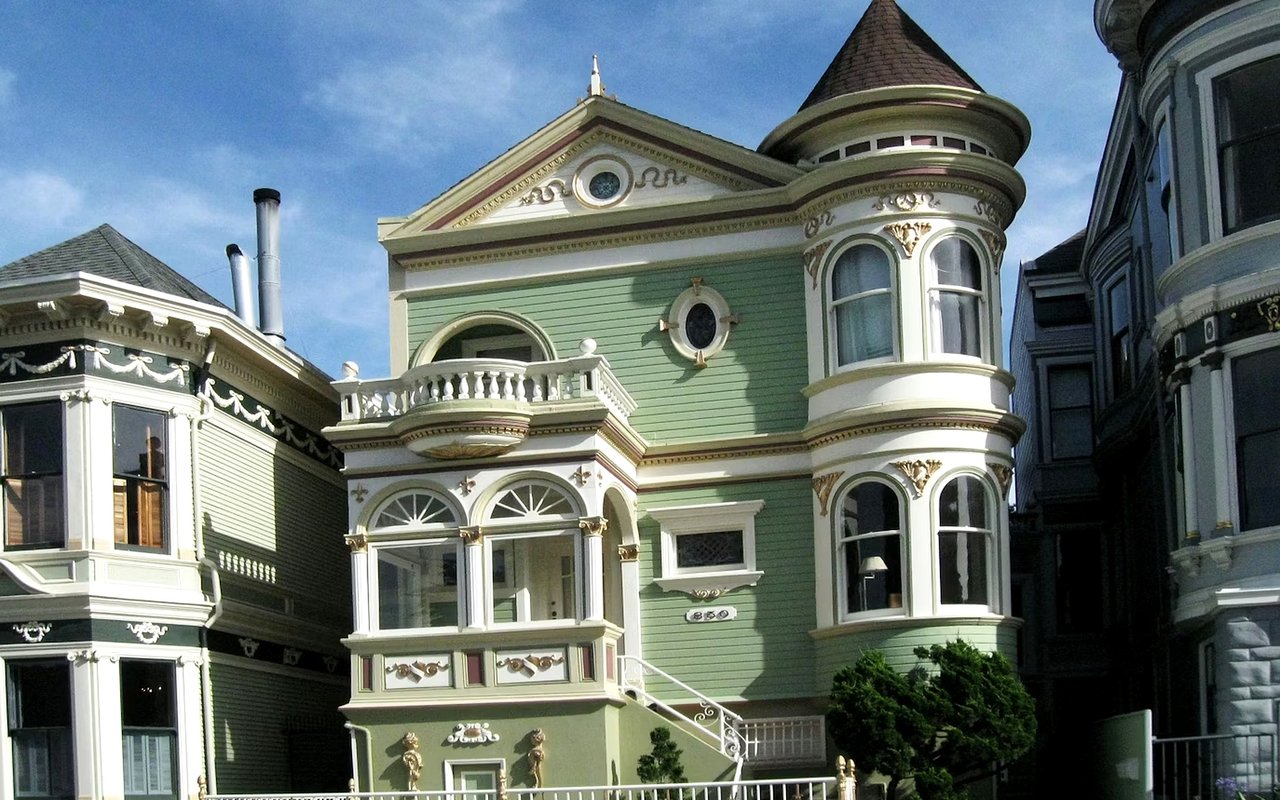
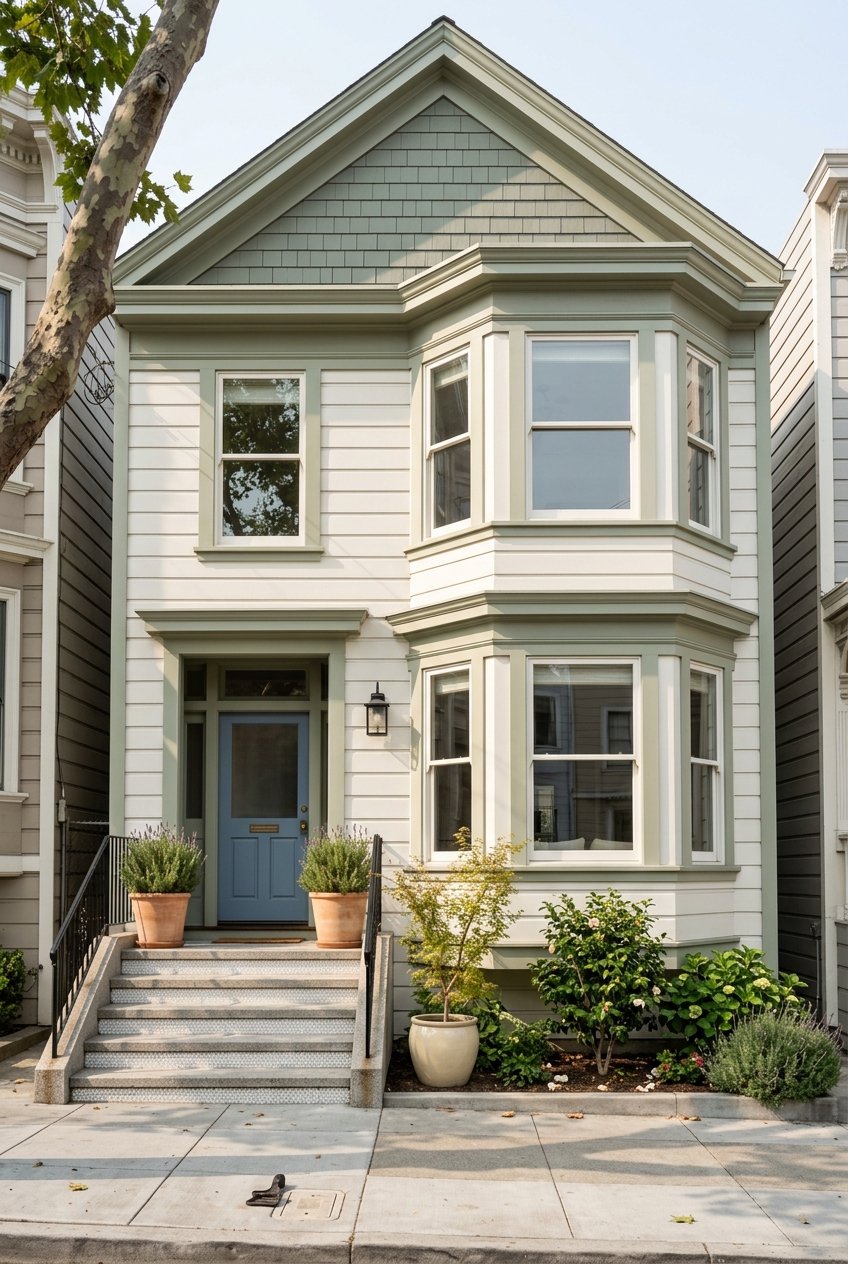
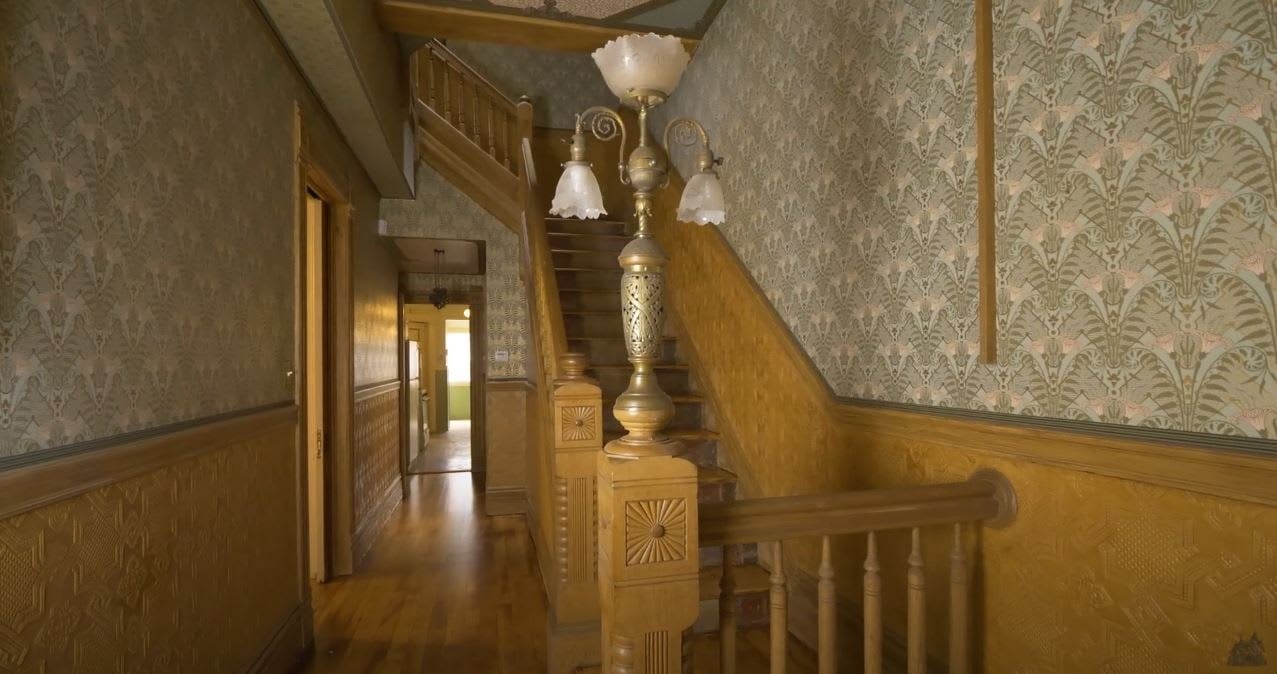
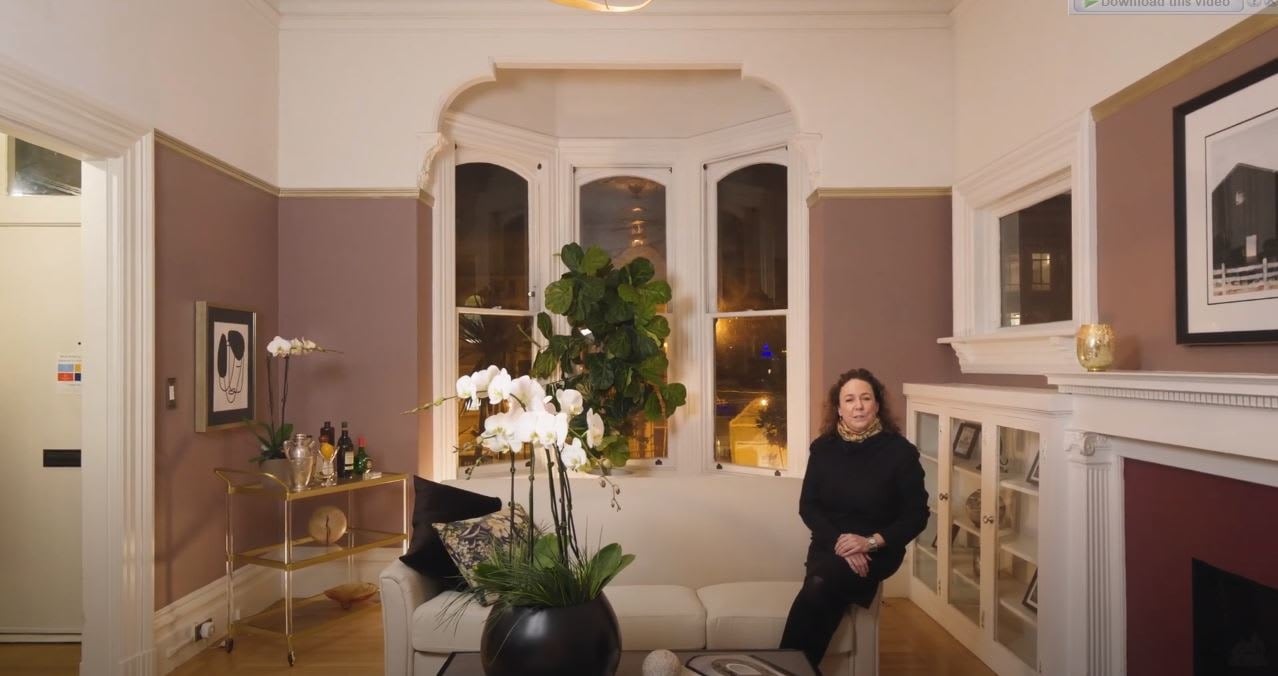
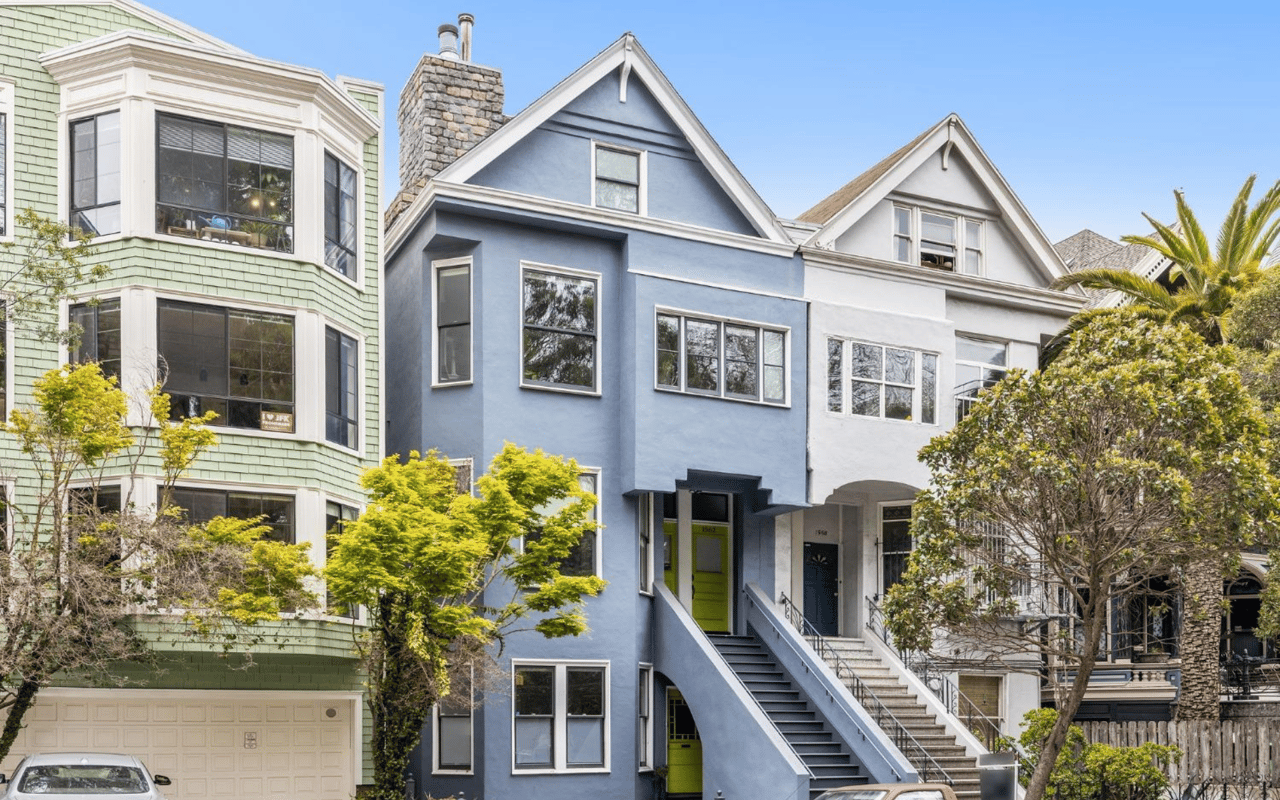
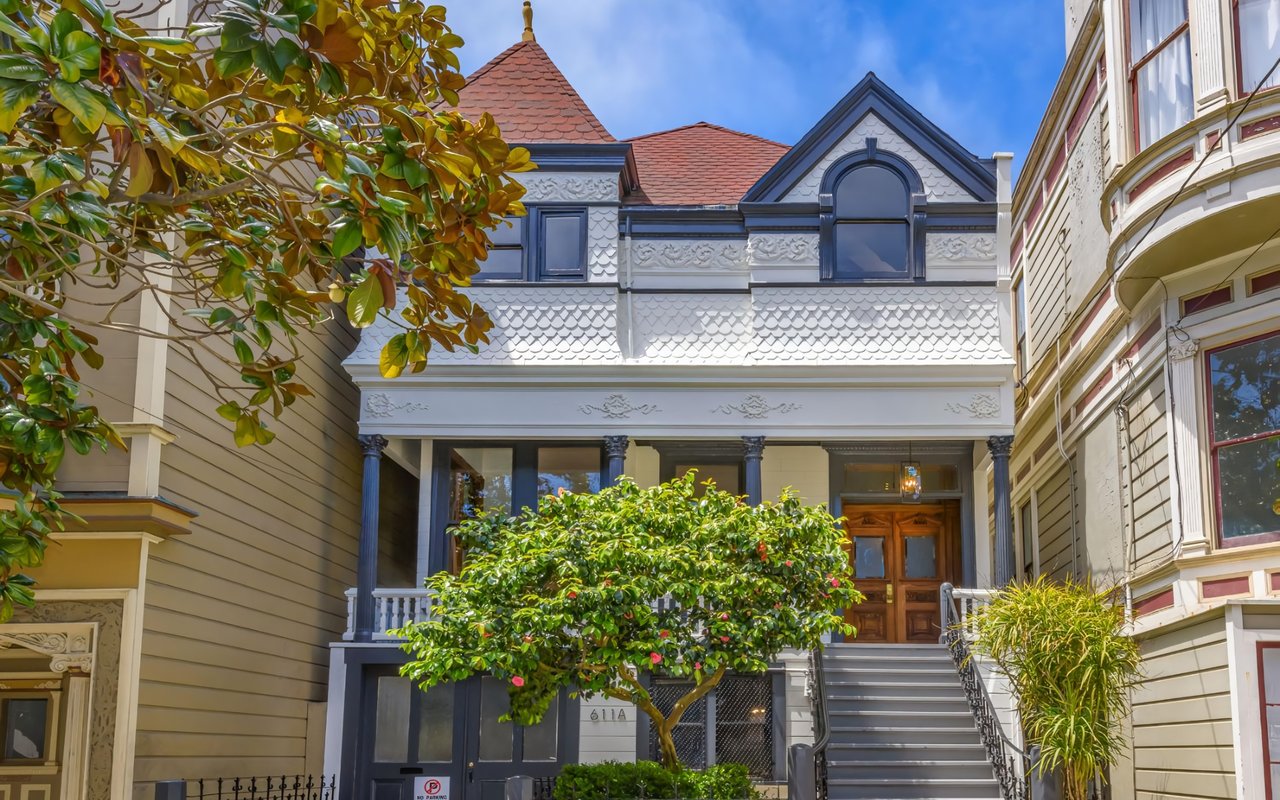
One of the pleasures of owning a Victorian or Edwardian home in San Francisco is the chance to fill it with furnishings and accessories that fully embrace its historic status or accentuate a modernized interior with period finds and embellishments. Fortunately for historic homeowners (or those simply looking for something historic), the city boasts an excellent network of antique dealers, vintage collectives, restoration specialists, and design galleries.
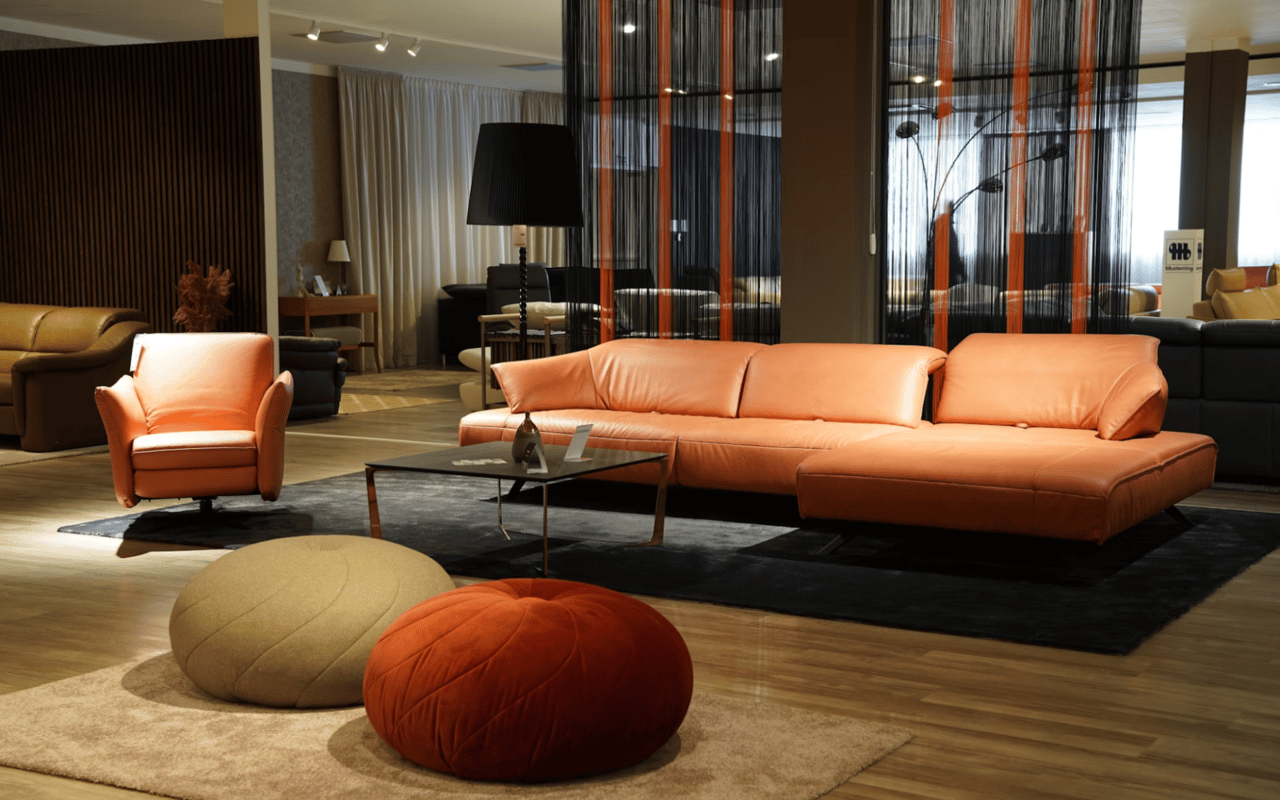
Whether an English cabinet, an old French mirror, a piece of early California art, or a later midcentury modern sofa or chair, these establishments offer an endless array of vintage pieces to match the character of every era of San Francisco residential architecture.
Key Takeaways
- San Francisco offers everything from serious 18th- and 19th-century European antiques to approachable vintage furniture and decorative objects.
- Antonio's Antiques and C. Mariani are particularly useful when restoration craftsmanship matters as much as sourcing.
- Antique & Art Exchange and Daniel Stein Antiques are strong starting points for period furniture and collectible decorative arts.
- Past Perfect, Stuff, De Angelis, and Almond & Co. offer later 20th-century pieces that can work surprisingly well in older San Francisco interiors.
For Period Furniture and Traditional San Francisco Interiors
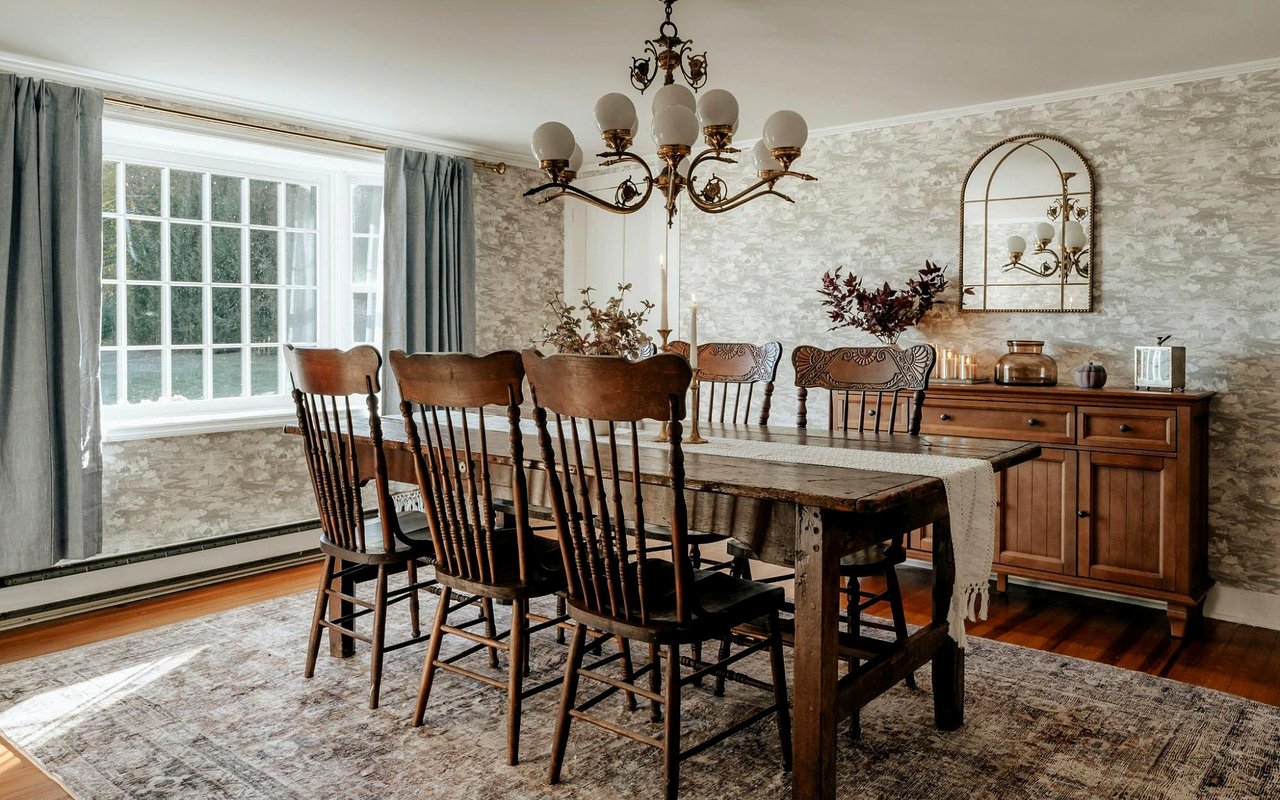
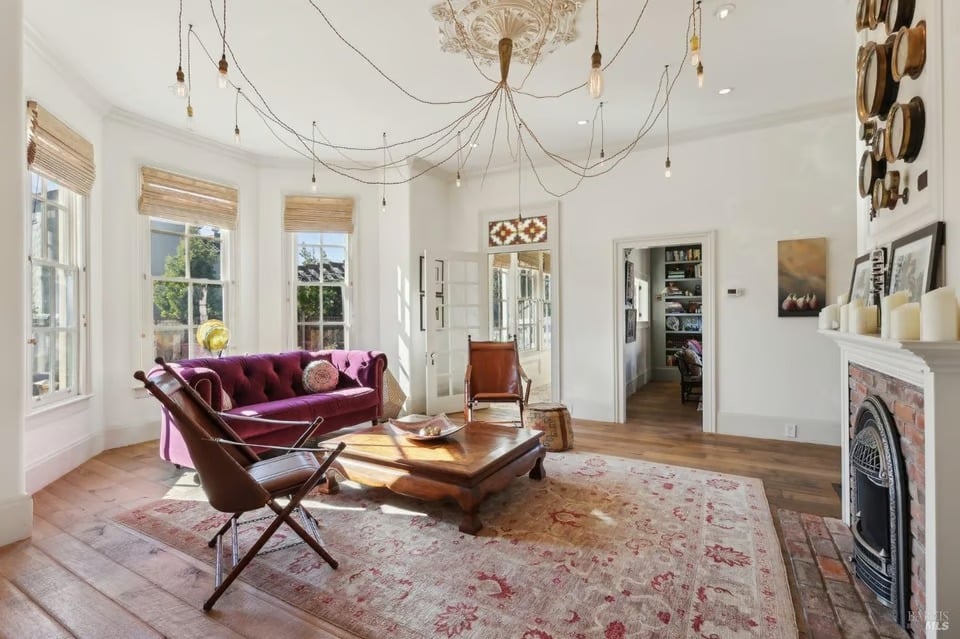
Whether you aim to accurately portray turn-of-the-century San Francisco or acknowledge a home's age and heritage while maintaining modern aesthetics, furnishing a local Victorian or Edwardian home often comes down to finding the right anchoring pieces. From a beautiful cabinet or pair of club chairs to an accent table, mirror, or cache of artwork, a few substantial finds can establish your design ethos. These are the best spots to procure those primary showpieces.
- Antonio's Antiques: A longtime San Francisco resource on Bryant Street, Antonio's combines antique dealing with furniture restoration, refinishing, upholstery, and custom work. Its emphasis on French and English pieces makes it especially relevant to older interiors. If you already own an heirloom that needs repair rather than replacement, this is the kind of specialist worth visiting.
- Antique & Art Exchange: A favorite destination for those wanting choices across periods rather than one narrow specialty. Furniture, mirrors, ceramics, porcelain, lighting, art, and decorative objects allow you to build a room gradually, and the inventory tends to favor pieces with enough presence to hold their own against high ceilings and substantial architectural details.
- Daniel Stein Antiques: For buyers looking at the more serious collecting end of the market, Daniel Stein specializes in 18th- and 19th-century English and Continental furniture and decorative arts. I would consider it for a library, formal living room, dining room, or entry where heritage and craftsmanship are part of the appeal.
For Restoration, Decorative Objects, and the Pleasure of Browsing
Not every visit needs to begin with a specific shopping list. Some of San Francisco's best antique destinations reward wandering, especially if you are looking for accessories that give a historic home character and a decidedly lived-in aesthetic.
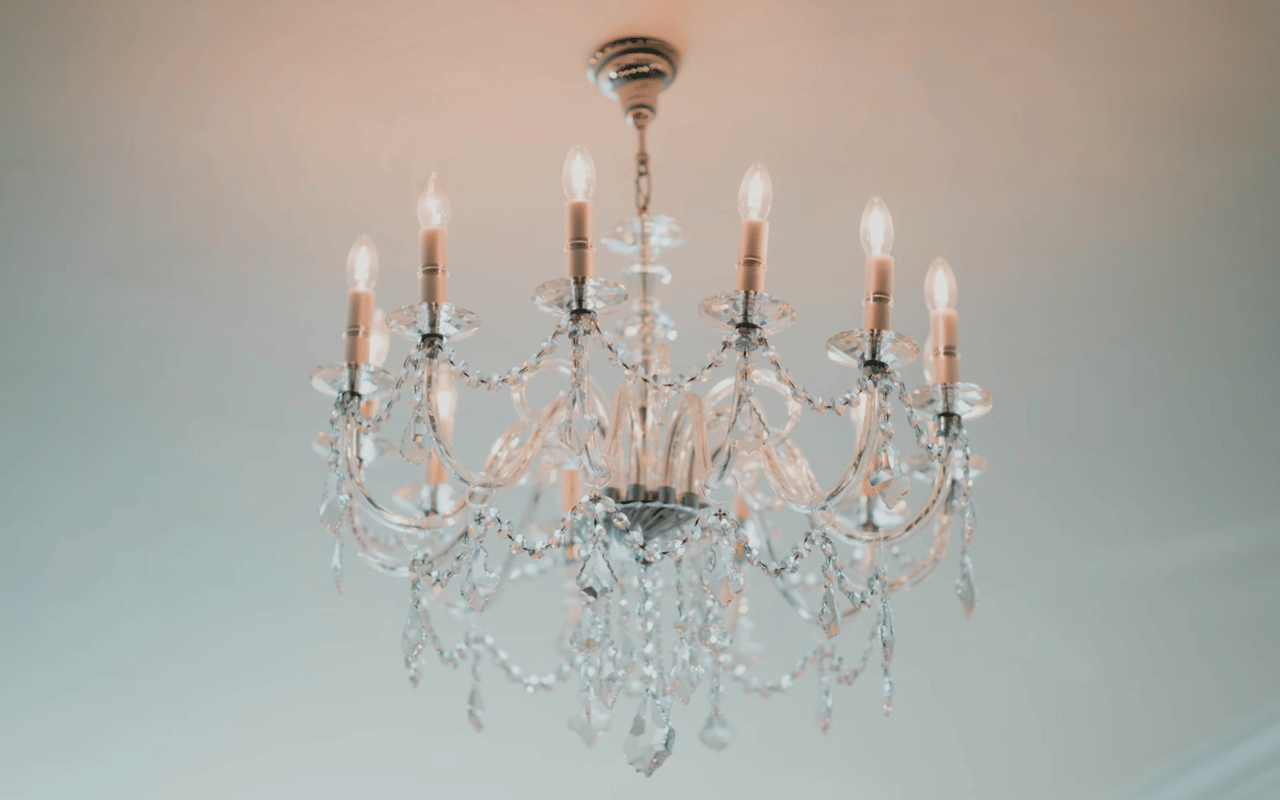
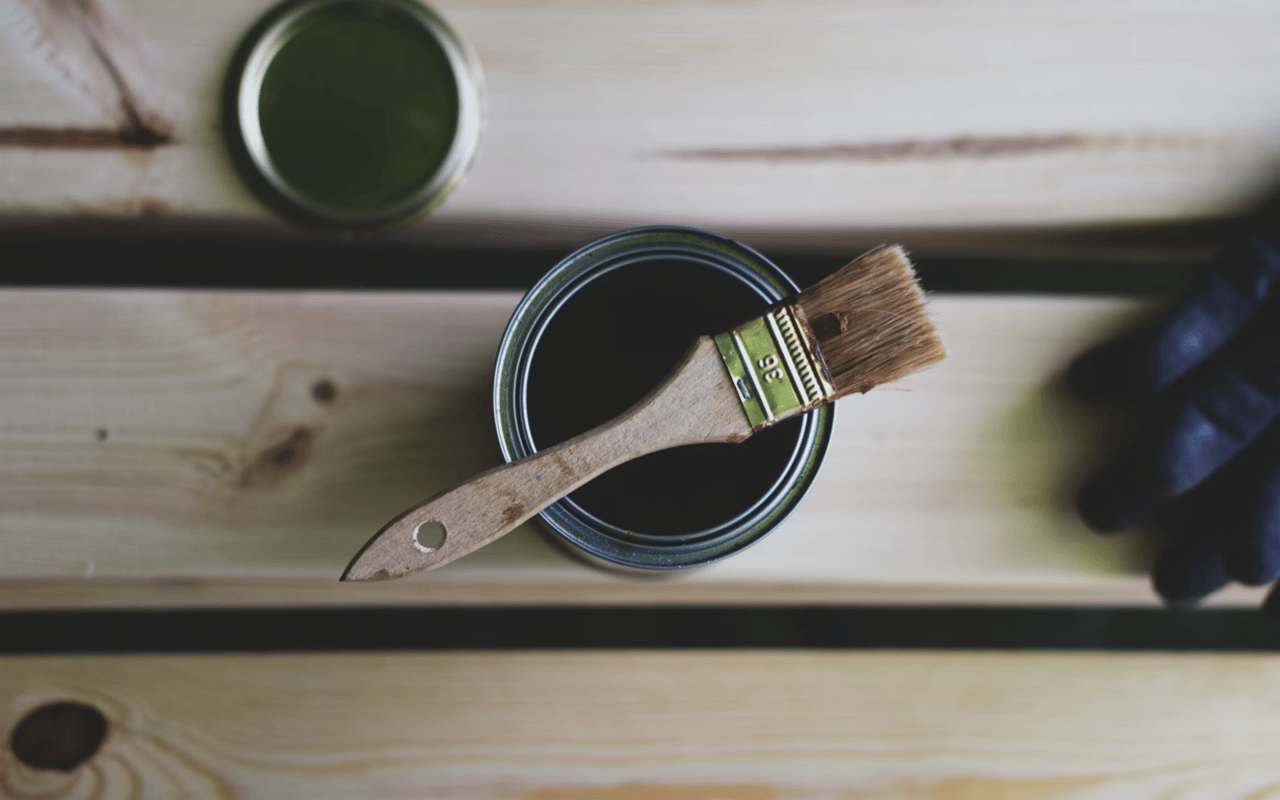
- C. Mariani Antiques, Restoration & Custom: C. Mariani operates at the high end of the market, combining European antiques and decorative arts with restoration and custom fabrication. Furniture, mirrors, lighting, mantels, sculpture, rugs, and architectural-scale pieces make it particularly interesting for owners undertaking a substantial interior restoration rather than merely adding a few accessories.
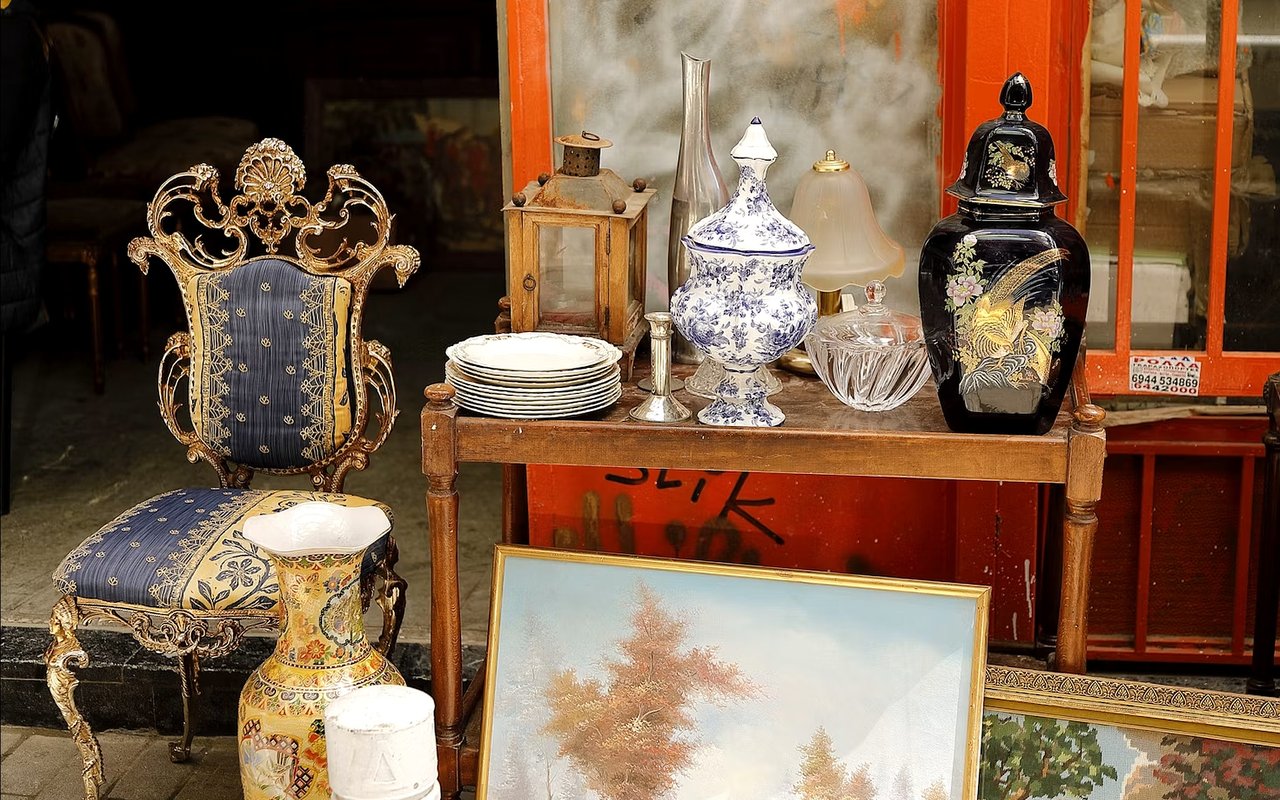
- Grand Central Station Antiques: This 5,500-square-foot Bayshore Boulevard shop is the type of place where I would leave extra time to browse. Its inventory ranges from substantial European furniture to crystal, porcelain, lighting, artwork, rugs, fireplace pieces, and wonderfully eccentric collectibles. Its central appeal is the sense of discovery you'll have when perusing its vast offerings.
- Golden Age Vintage: This SoMa shop offers a broad range of pieces and is particularly interesting for its substantial Asian furniture and decorative objects, including vintage Chinese rosewood and ebony pieces. Those rich woods can work beautifully against the softer tones of a San Francisco Victorian, particularly in a study, dining room, or more eclectic interior.
Vintage and Modern Pieces Can Work in Historic Homes Too
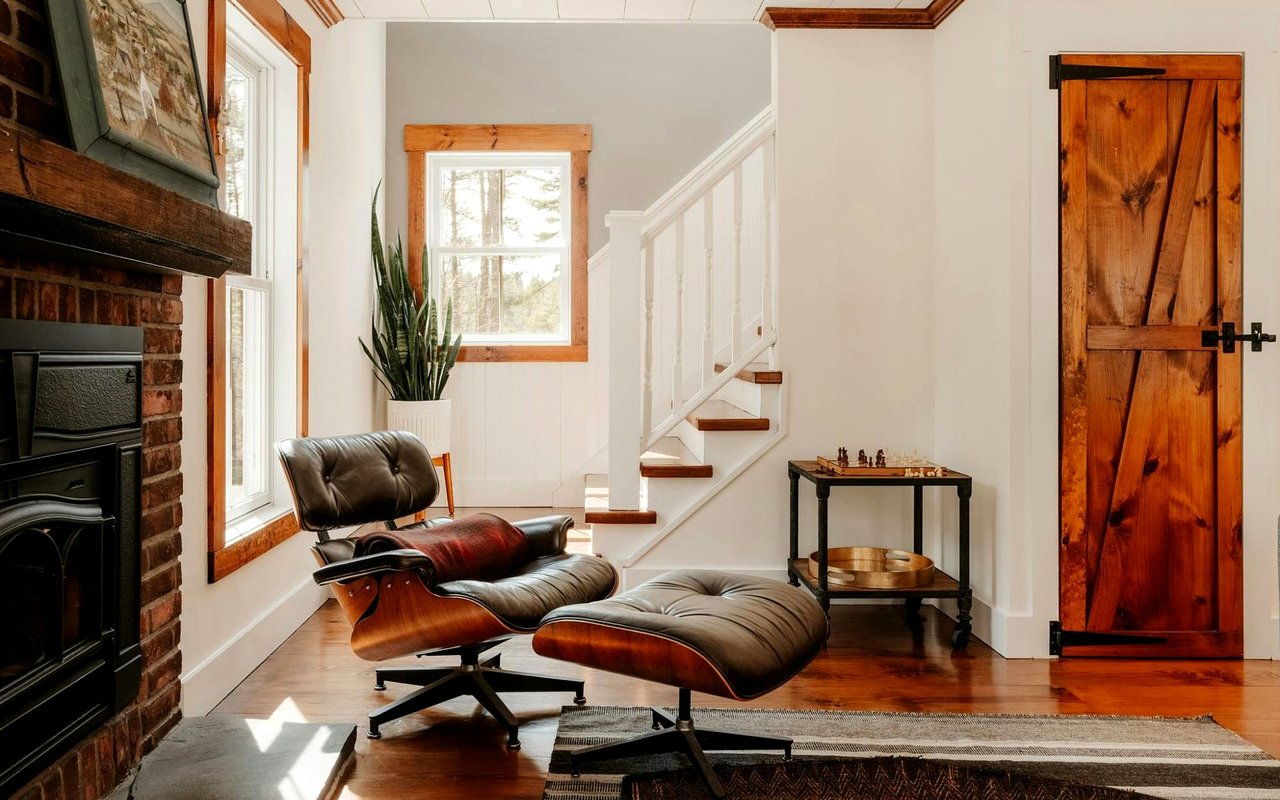
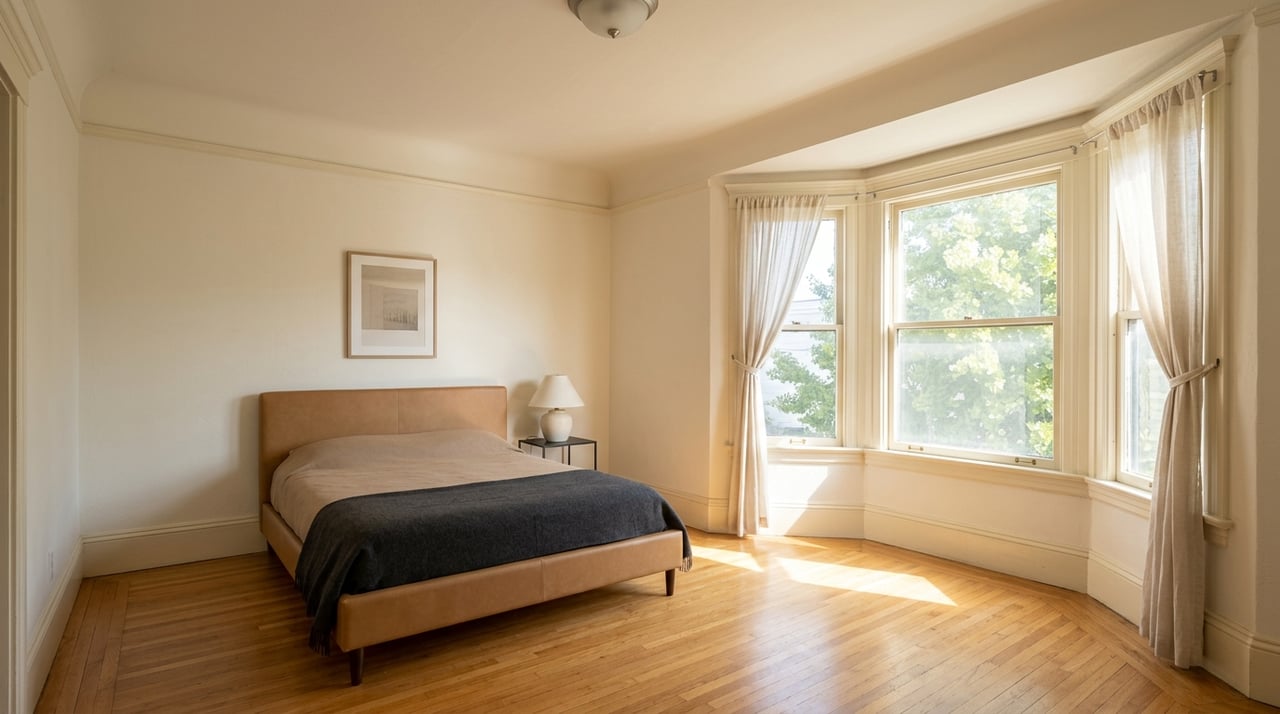
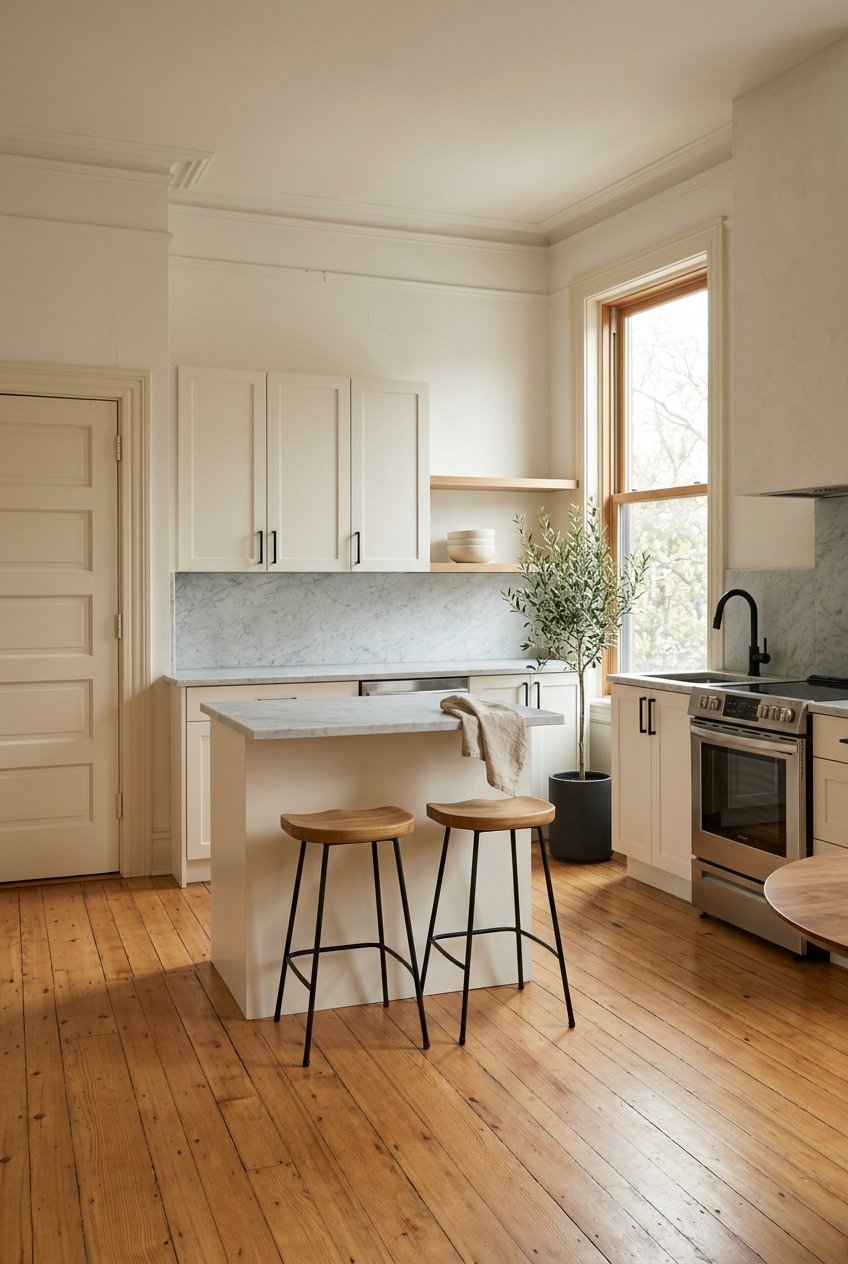
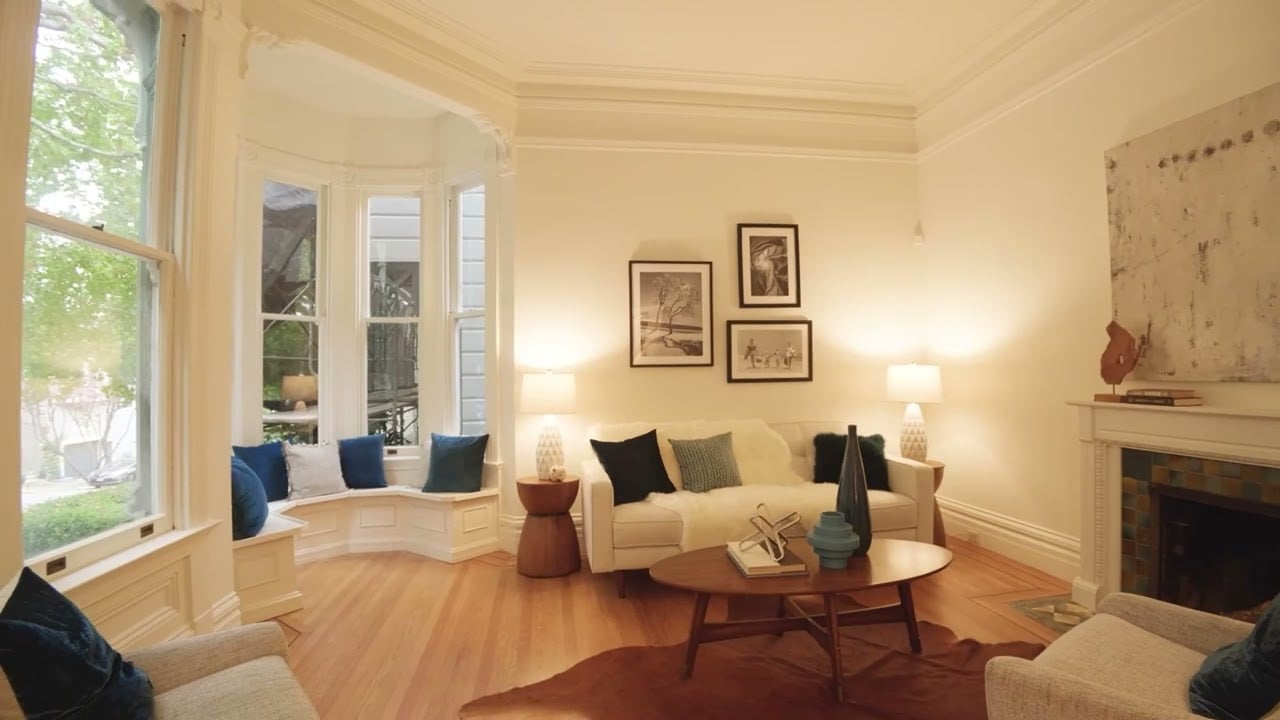
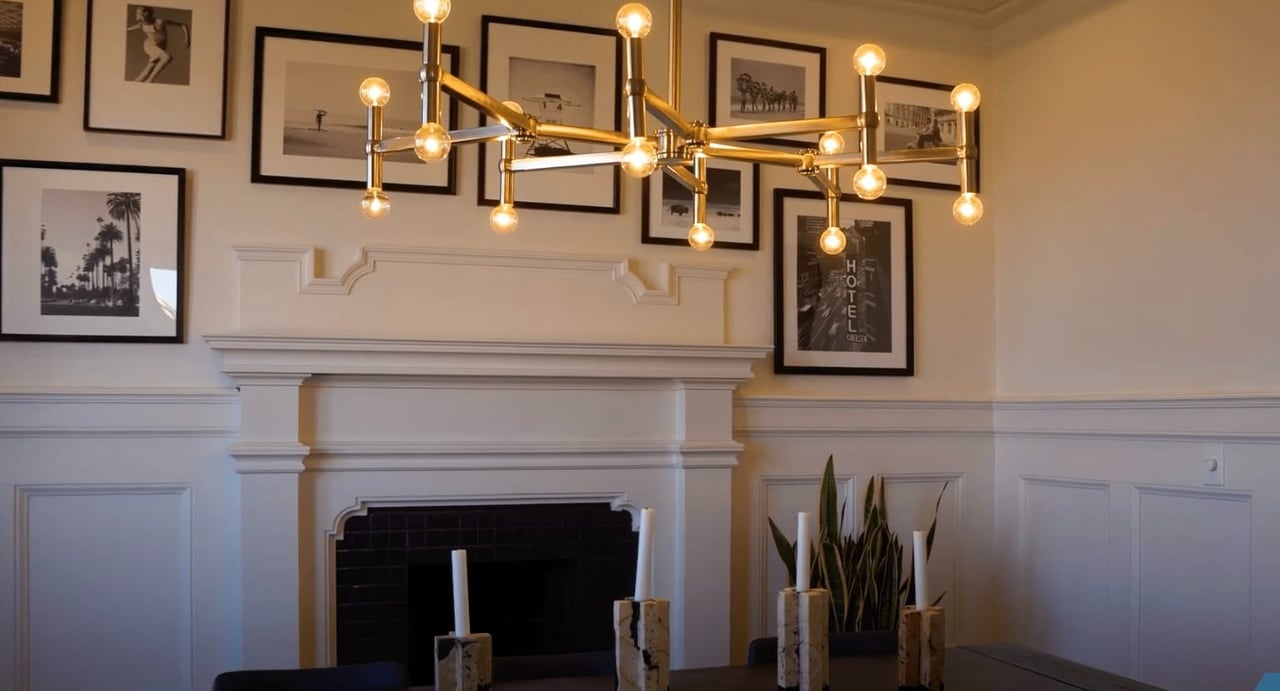
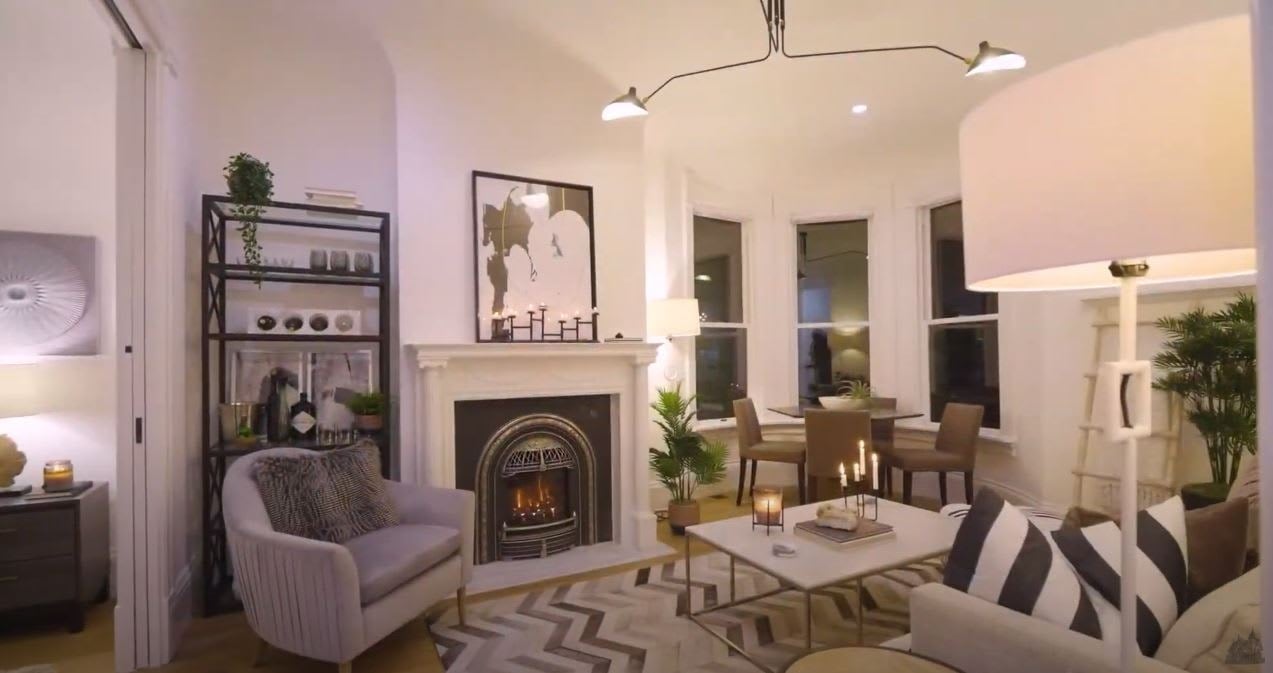
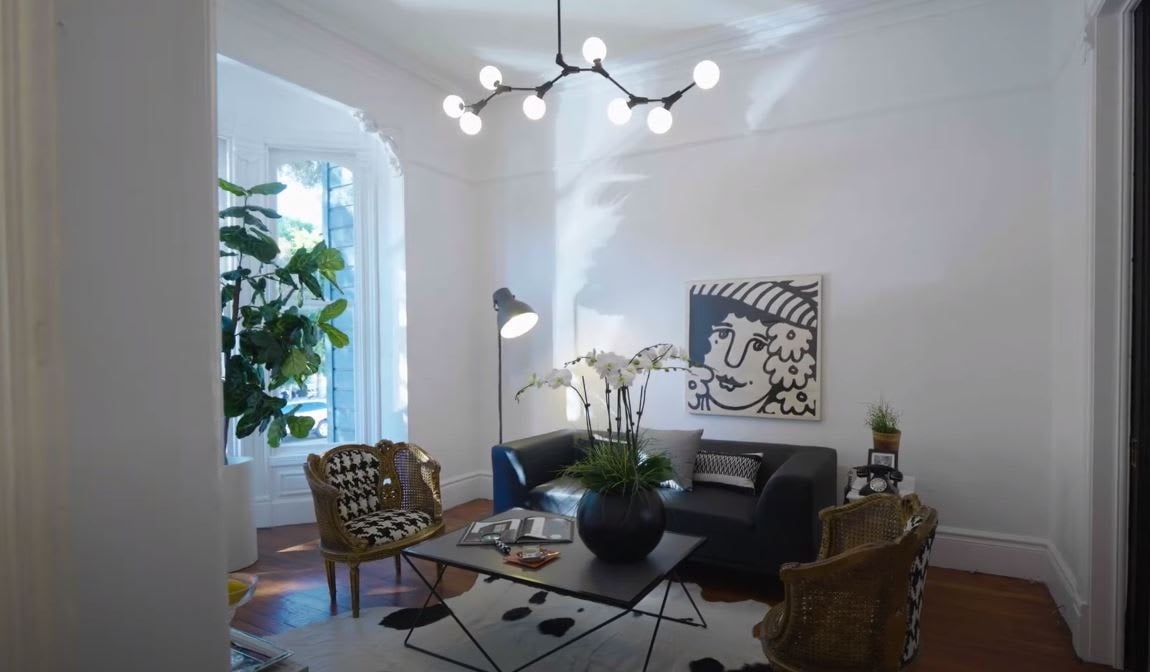
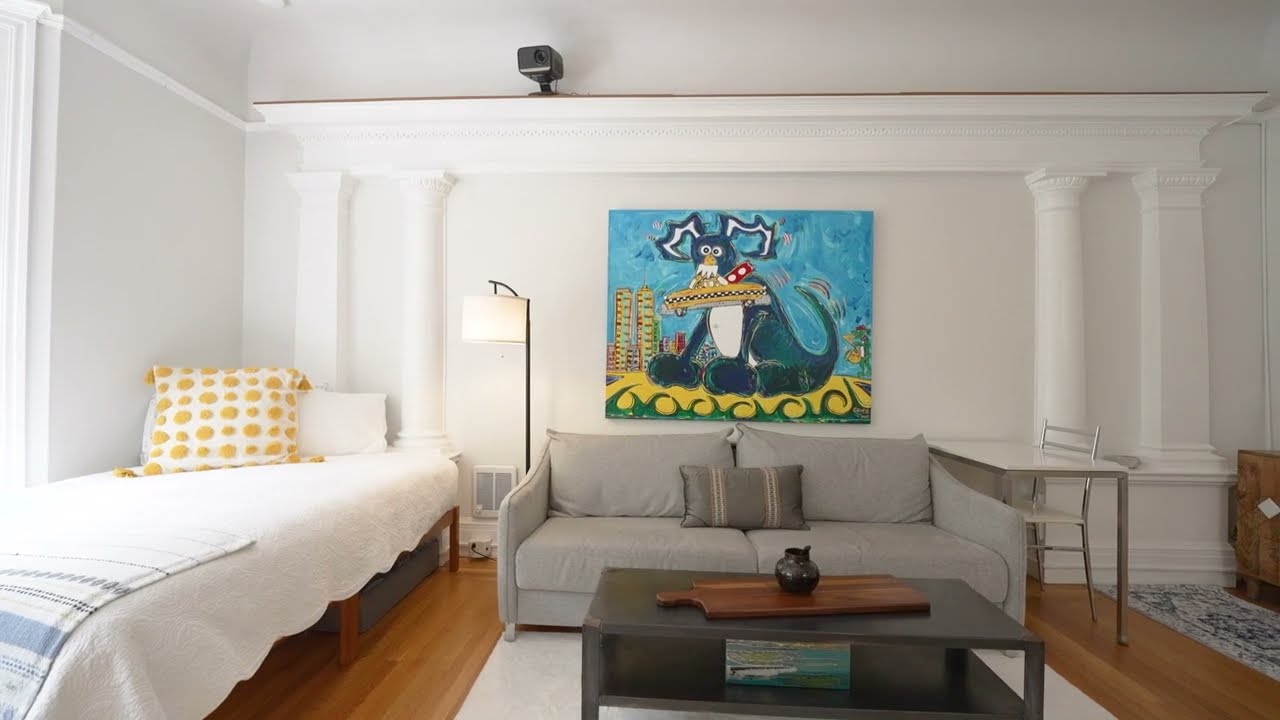
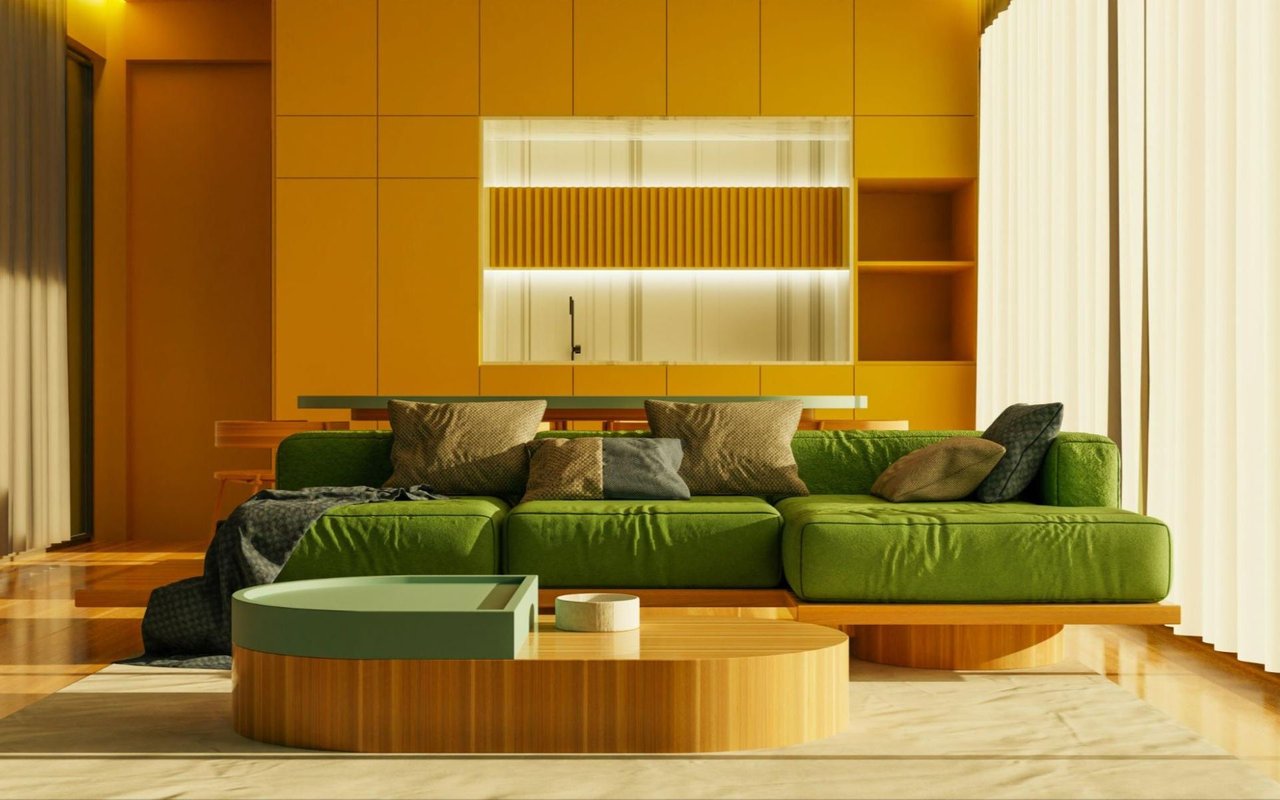
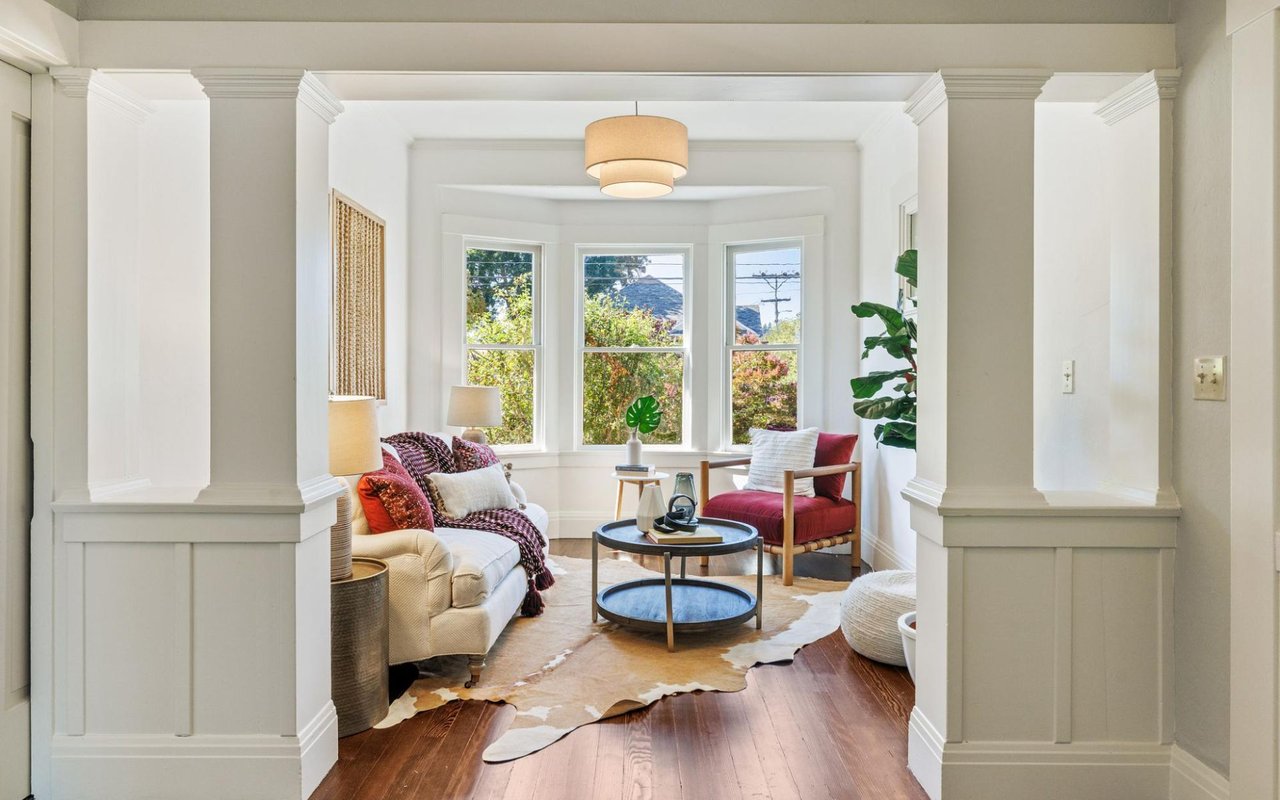
One misconception I frequently encounter is that an 1880s or 1910s house needs exclusively 19th-century furniture. Some of the most successful San Francisco interiors do exactly the opposite, using clean-lined 20th-century pieces to keep ornate architecture from feeling overly formal. Effective in San Francisco because the architecture already conveys so much visually, a restrained modern piece can actually make those historic details more visible.
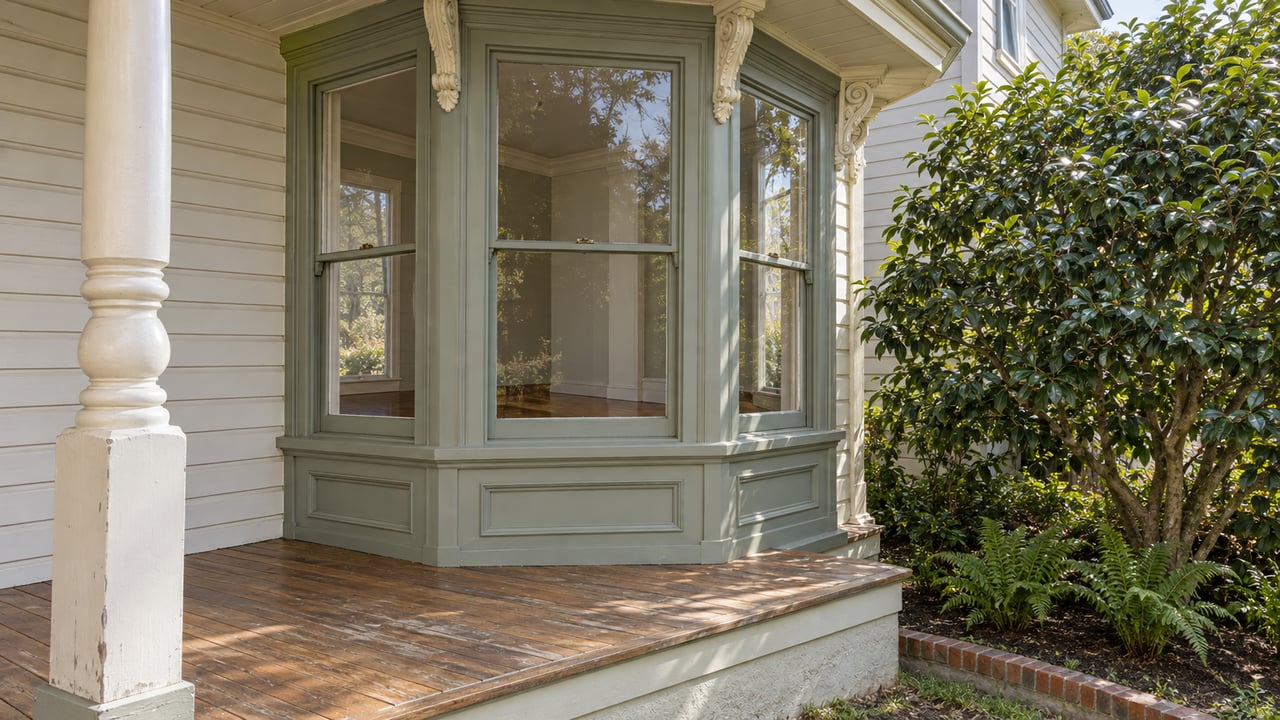
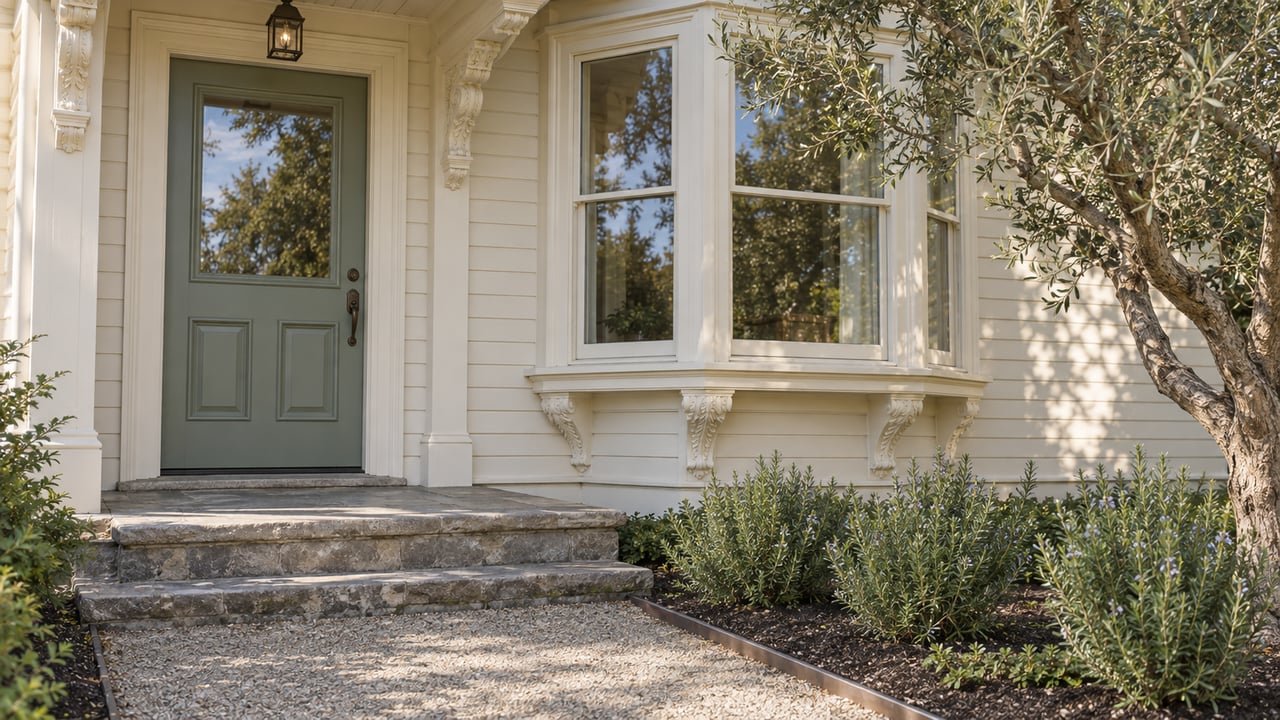
- Past Perfect: Established in 2002, Past Perfect operates as a collective of independent vintage dealers in the Richmond District. Mid-century seating, Scandinavian storage, Asian antiques, lighting, art, and accessories make it one of my favorite places for mixing periods. A Danish cabinet or restrained modern chair can be an excellent counterpoint to Victorian moldings and bay windows.
- Stuff: The current incarnation of the much-loved vintage collective continues the treasure-hunt approach, with multiple vendors offering furniture, lighting, art, rugs, home décor, collectibles, and vintage clothing. It leans heavily toward mid-century and later vintage design, making it useful when an older home needs something relaxed rather than another formal antique.
- De Angelis and Almond & Co.: De Angelis specializes primarily in 20th-century and mid-century furniture, while Almond & Co. approaches vintage design at a more collectible gallery level. Both are worth knowing if your renovation pairs preserved historic architecture with cleaner contemporary interiors.
FAQs
What should I look for when buying an antique?
First, scale matters, so buy for the architecture you have, whether it's a substantial piece for tall ceilings or furniture with a smaller footprint to accommodate a narrow room. Inspect potential purchases thoughtfully, as condition is critical to capturing the right aesthetic. A well-aged patina is part of vintage charm, but moderate to extensive damage, including failing veneer or water damage, is something else entirely.
Can mid-century furniture work in a Victorian or Edwardian home?
Absolutely. The cleaner lines of Scandinavian and mid-century furniture provide contrast with ornate fireplaces, millwork, high ceilings, and bay windows. Past Perfect and San Francisco's modern-design dealers are particularly useful for this approach. One piece of advice: resist buying something merely because it is old. Age does not automatically equal quality, provenance, or suitability, and many times the best antique purchases are the pieces you would want even if the house were twenty years newer.
Where can I find architectural salvage for a historic restoration?
Dedicated architectural salvage inventory changes frequently, so I recommend asking established antique and restoration dealers directly. They often know craftspeople, salvage yards, demolition contractors, and private dealers who handle period hardware, lighting, mantels, doors, and other architectural components.
First, scale matters, so buy for the architecture you have, whether it's a substantial piece for tall ceilings or furniture with a smaller footprint to accommodate a narrow room. Inspect potential purchases thoughtfully, as condition is critical to capturing the right aesthetic. A well-aged patina is part of vintage charm, but moderate to extensive damage, including failing veneer or water damage, is something else entirely.
Can mid-century furniture work in a Victorian or Edwardian home?
Absolutely. The cleaner lines of Scandinavian and mid-century furniture provide contrast with ornate fireplaces, millwork, high ceilings, and bay windows. Past Perfect and San Francisco's modern-design dealers are particularly useful for this approach. One piece of advice: resist buying something merely because it is old. Age does not automatically equal quality, provenance, or suitability, and many times the best antique purchases are the pieces you would want even if the house were twenty years newer.
Where can I find architectural salvage for a historic restoration?
Dedicated architectural salvage inventory changes frequently, so I recommend asking established antique and restoration dealers directly. They often know craftspeople, salvage yards, demolition contractors, and private dealers who handle period hardware, lighting, mantels, doors, and other architectural components.
Discover San Francisco's Victorian Heritage
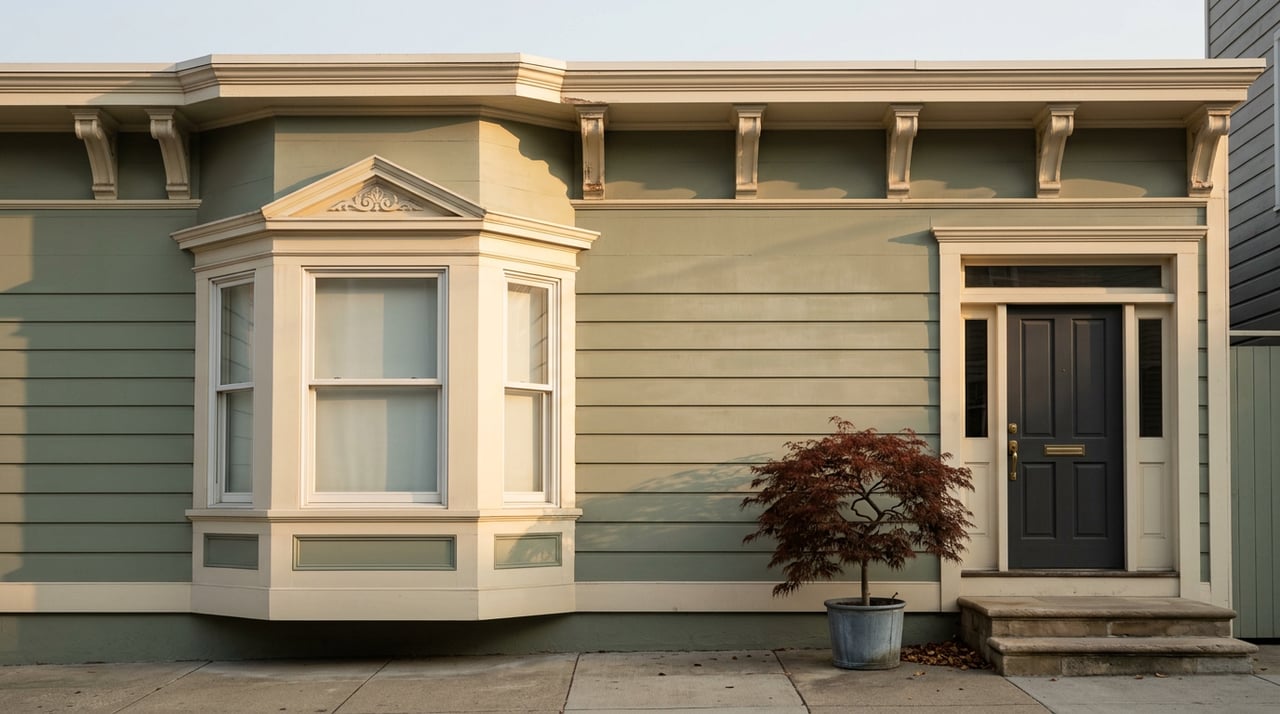
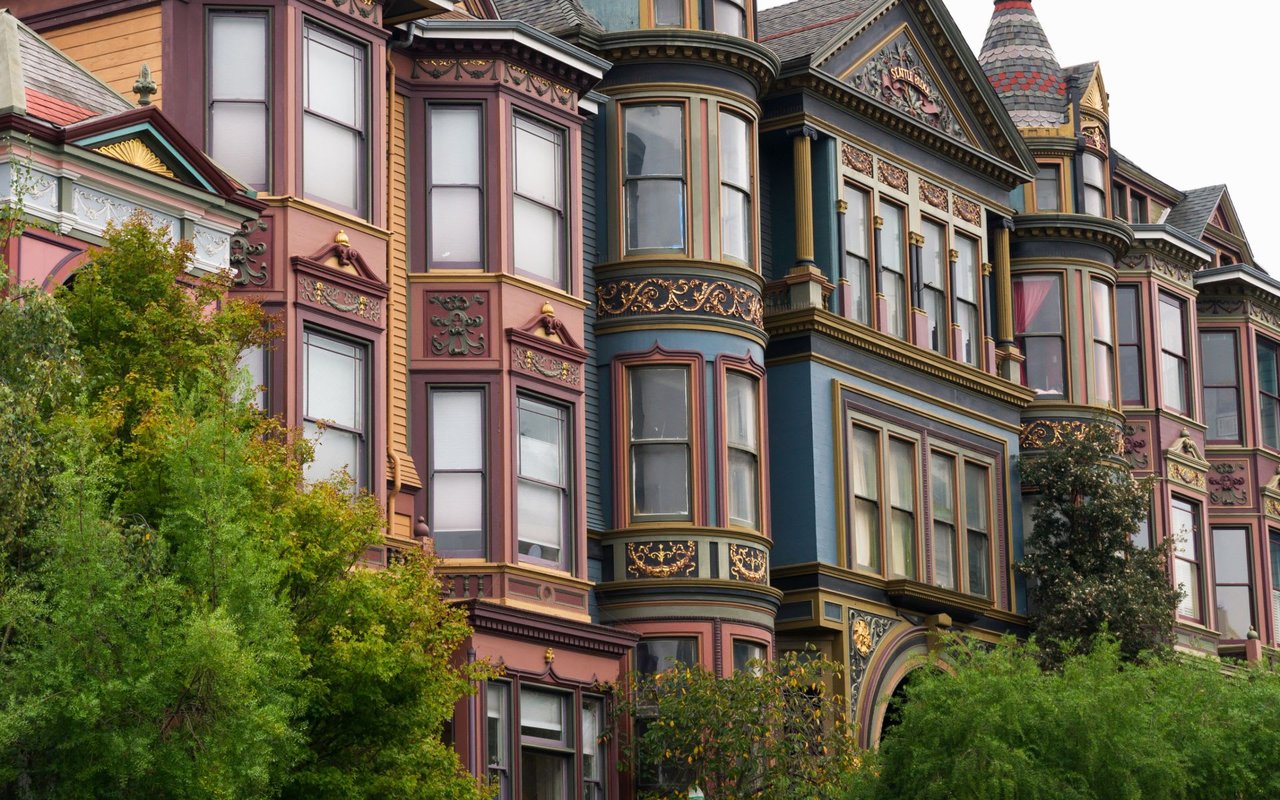
Furnishing a historic San Francisco home should be a gradual process. Victorian and Edwardian houses already contain layers of history, and the best interiors tend to build on that rather than overwhelm it. Finding the perfect furniture piece or accessory after an afternoon of browsing can give a room far more personality than a perfectly coordinated furniture package.
As a San Francisco real estate advisor specializing in pre-1926 homes, I encourage owners to preserve that sense of individuality. Buy pieces because their materials, craftsmanship, and proportions belong in the house, not merely because they fit a particular period. Over time, the result is a curated residential showcase, a residence equal parts stylish and livable, which is exactly how many of San Francisco's great historic homes should feel.
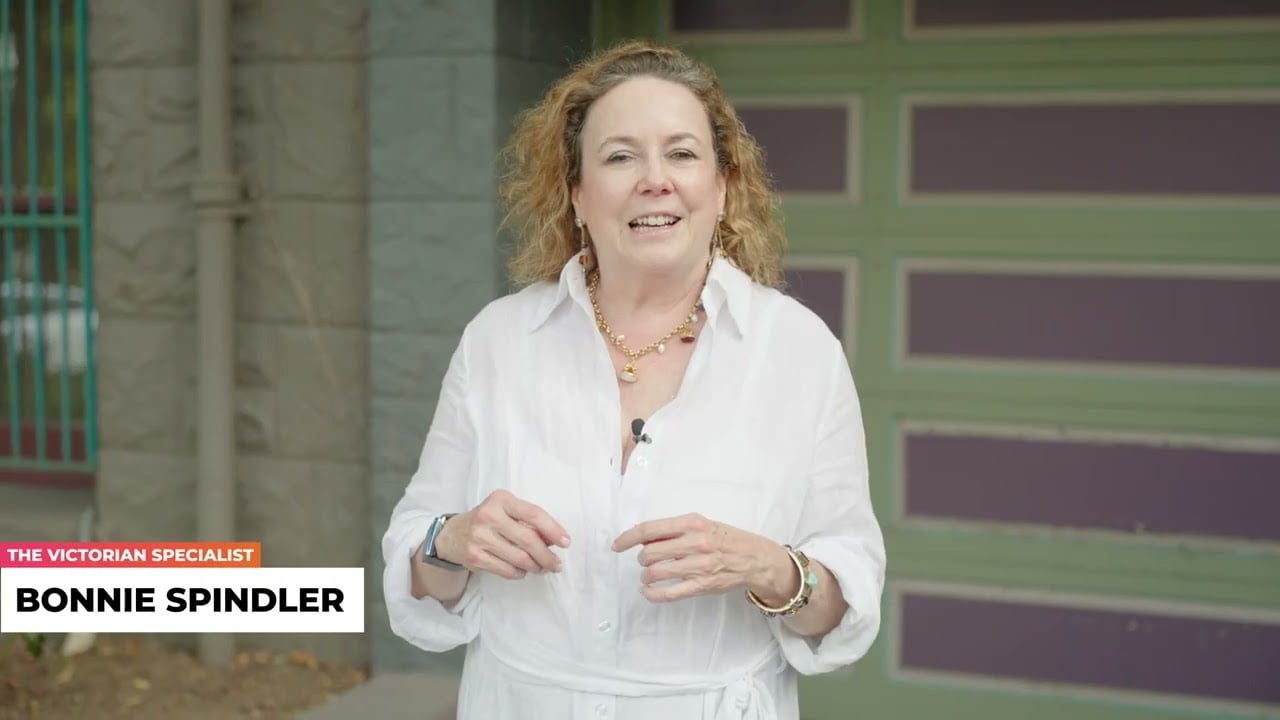
If you're interested in learning more about San Francisco's tapestry of historic homes, contact Bonnie Spindler, The Victorian Specialist, today to start a one-of-a-kind journey into the city's richly layered residential history. As a past president of The Victorian Alliance of San Francisco and SFGate's Top Real Estate Agent in The Bay Area in 2025, Bonnie's extensive knowledge and unmistakable passion for pre-1926 architecture can help you navigate the path to many of San Francisco's most treasured, sought-after properties.
As a San Francisco real estate advisor specializing in pre-1926 homes, I encourage owners to preserve that sense of individuality. Buy pieces because their materials, craftsmanship, and proportions belong in the house, not merely because they fit a particular period. Over time, the result is a curated residential showcase, a residence equal parts stylish and livable, which is exactly how many of San Francisco's great historic homes should feel.
If you're interested in learning more about San Francisco's tapestry of historic homes, contact Bonnie Spindler, The Victorian Specialist, today to start a one-of-a-kind journey into the city's richly layered residential history. As a past president of The Victorian Alliance of San Francisco and SFGate's Top Real Estate Agent in The Bay Area in 2025, Bonnie's extensive knowledge and unmistakable passion for pre-1926 architecture can help you navigate the path to many of San Francisco's most treasured, sought-after properties.