For most of the year, if you wanted a Saturday morning apple from Bernier Farms or a bunch of radishes from Middleton Farm, you walked to the Plaza. That was true in 1978, when Paul Bernier and a handful of other growers started the market as the third certified farmers market in California, behind only Davis and a suburb of Los Angeles. It was still true last September. This September, for the first time in the market's 48-year history, it isn't.
Both the Tuesday and Saturday markets now run out of the Foley Family Community Pavilion at 3 North Street, a $10.4 million rebuild of the old Cerri Building, a cannery and fruit-and-nut warehouse that anchored Healdsburg's agricultural economy for most of the last century. The Saturday market moved there in March. The Tuesday market, the one everyone assumed would stay put because it had always been tied to the Plaza, followed on May 12. The Plaza's fall calendar has included several major events, as the last five weeks show.
Why the Market Left a Spot It Had Occupied Since 1978
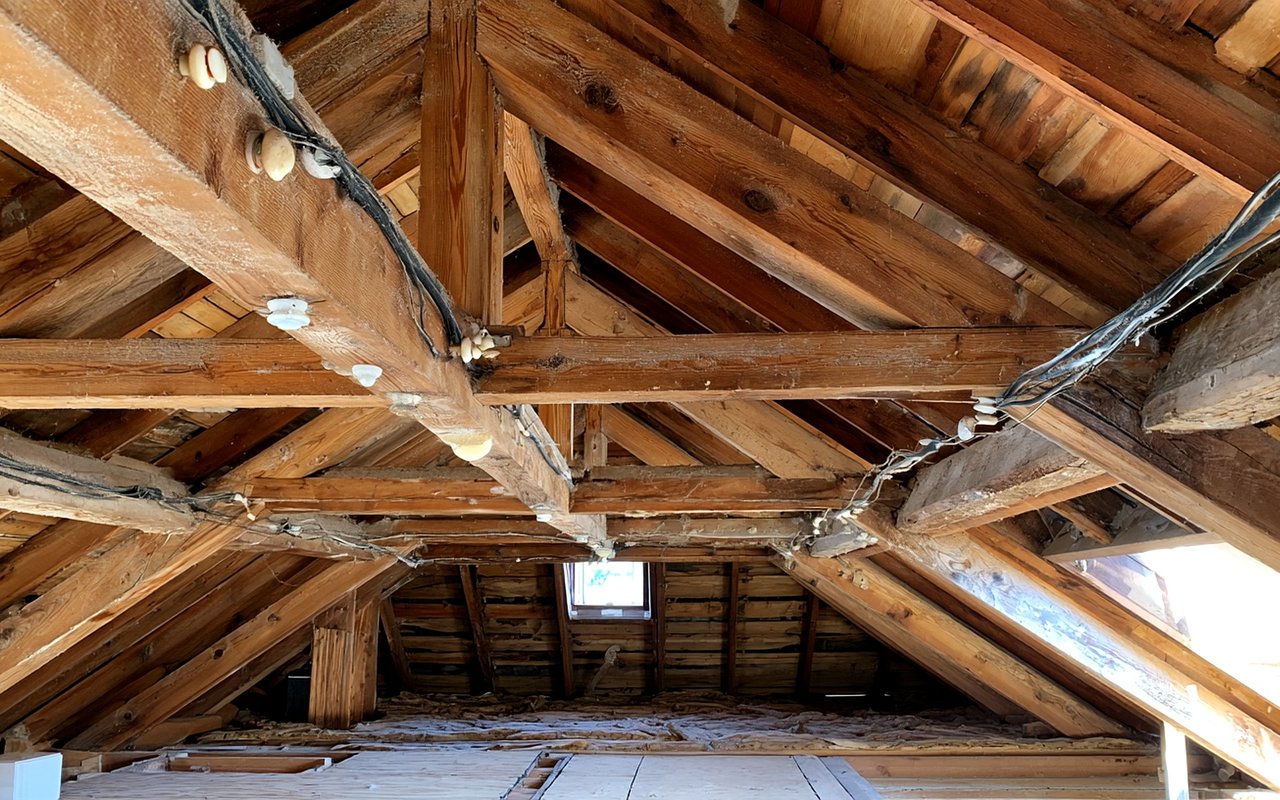
The city bought the Cerri Building in 2005 with plans to tear it down for parking. Public pushback over losing one of the last agrarian-style structures downtown stopped that, and the project sat in planning for roughly twenty years before construction finally started. The result opened in December 2025: a covered pavilion with the original trusses left exposed, plus an adjacent open-air lot, built specifically to give the market a permanent home after decades of shuffling between temporary sites.
The Saturday market's move wasn't controversial. The Tuesday market's was. It had been associated with the Plaza for years, and neither the market's management, its vendors, nor the community particularly wanted to relocate it. The city decided that the new facility built for the market should host both sessions. The Press Democrat reported that Lou Preston, who owns Preston Farm & Winery and has sold at the market for decades, said: "anything to detract from or diversify Healdsburg's wine centricity is a positive."
The move also changed how the city uses North Street. On market days, the city now closes North Street between City Hall and Little Saint, giving vendors and shoppers more room to spread out than the Plaza's fixed dimensions ever allowed. The pavilion's cover also means the market can stay open through weather that used to shut it down. Market organizers note the Saturday and Tuesday sessions have closed only twice in the past decade for extreme rain and wind, and the covered structure is expected to reduce that further. The market currently runs April through November, and while some longtime vendors have pushed for a year-round schedule, market manager Janet Ciel has said there are no plans yet to extend it into the winter months.
The Plaza's Fall Calendar
The Plaza hosted a major event during the last weekend of September.
The Healdsburg International Short Film Festival ran its fifth year September 25 through 27, drawing 398 submissions from filmmakers in 17 countries down to 57 official selections, screened at the Raven Performing Arts Theater. The festival's jury has for several years included Tom Waits, back this year for his fourth turn on the panel, alongside screenwriter Billy Ray. HISFF shared its weekend with the Healdsburg Festival of the Arts, and together the two events closed Center Street and Plaza Street for most of Saturday, September 26.
The season's Plaza calendar includes these events:
| Date | Event | What's happening |
|---|---|---|
| Sept 25-27, 2026 | HISFF (5th year) + Festival of the Arts | Screenings at the Raven Theater; Center and Plaza Streets closed most of Saturday |
| Oct 11, 2026 | Healdsburg Crush | Harvest celebration on the Plaza |
| Oct 25, 2026 | Día de Muertos (10th anniversary) | Community altar at the Plaza gazebo, live music, classic car show, food vendors |
| Nov 26, 2026 | Healdsburg Turkey Trot | Starts at 333 Center St., downtown streets |
The Día de Muertos gathering on October 25 marks ten years of the same tradition, co-sponsored by the city and Corazón Healdsburg. The Plaza gazebo becomes a community altar for the day, with residents invited to add photographs of family members who have passed, alongside the car show and live performances that have become part of the day's rhythm.
The market now operates at the pavilion, while the Plaza hosts the fall events listed above.
What Actually Stayed the Same
Not everything downtown reorganized itself around the market's move. Tacos Y Vino, the weekly Thursday gathering that's been running through the summer and into fall on a near-continuous schedule, September 10, September 17, September 24, and October 1 and 8, hasn't shifted location or format at all. It's the kind of standing weekly plan that doesn't need the Plaza's full footprint and never competed with the market for space in the first place. If your Thursday routine already includes it, nothing about this fall changes that.
The summer concert series, Tuesdays in the Plaza, ran its usual May-through-August window and wrapped before any of this fall's larger single-day events began, which is worth knowing if you're used to treating Tuesday evenings downtown as concert nights. That slot is open again until next summer.
The practical upshot for anyone who already lives here: if your Saturday morning used to start with a walk to the Plaza for tomatoes, it now starts with a slightly longer walk, or a short drive, to North Street, where you'll find more space, a roof over your head if it's raining, and parking that didn't exist at the old spot. And if you're wondering why the last weekend of September felt like more was happening downtown than usual, it's because the festival and arts events brought a lot together.
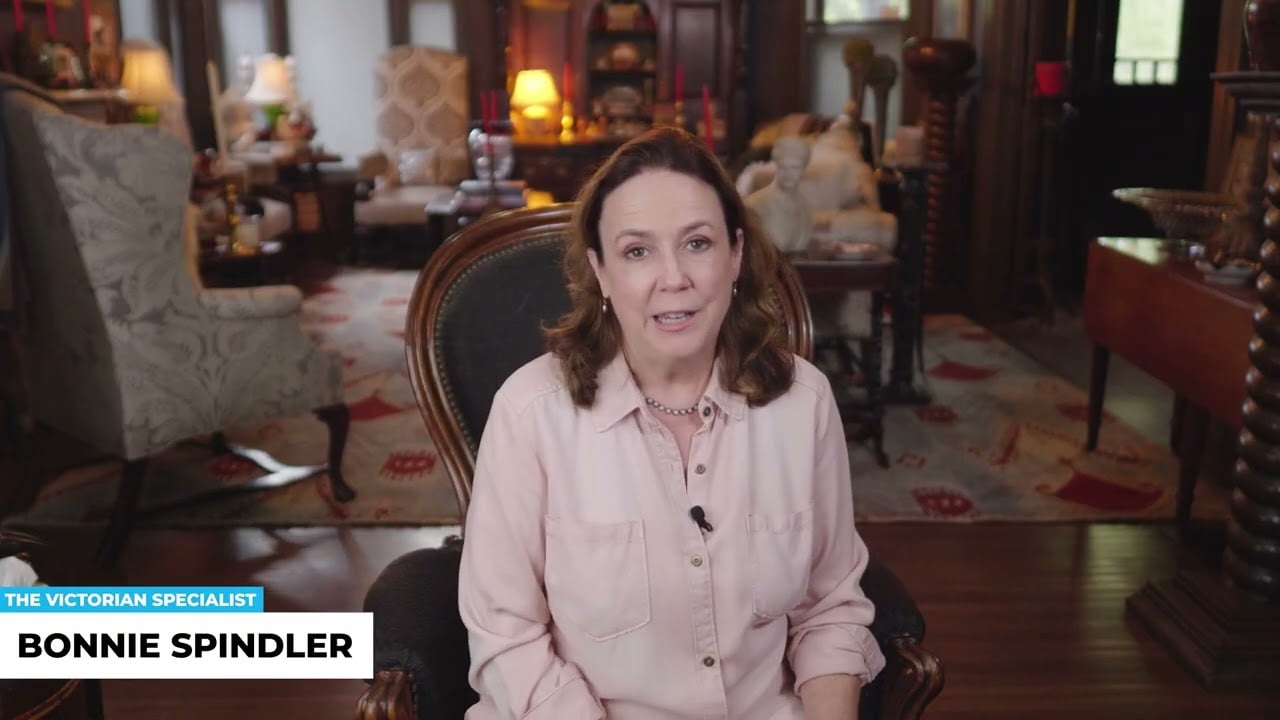
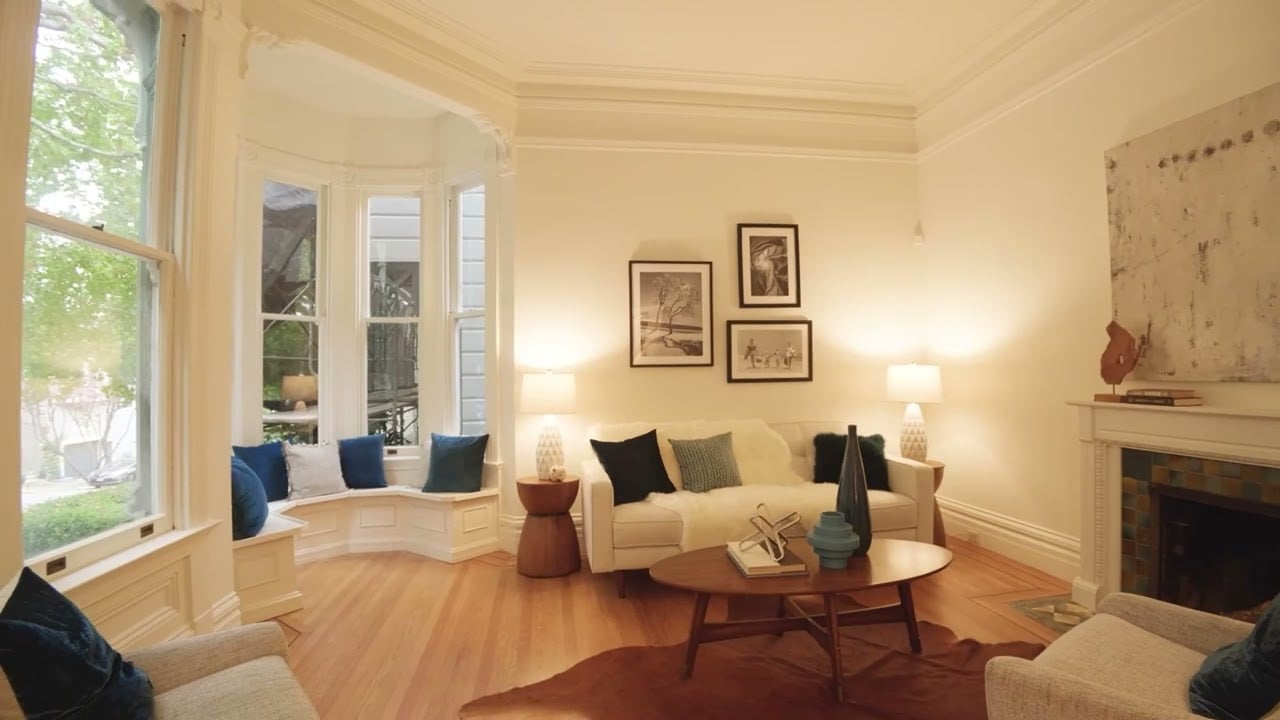
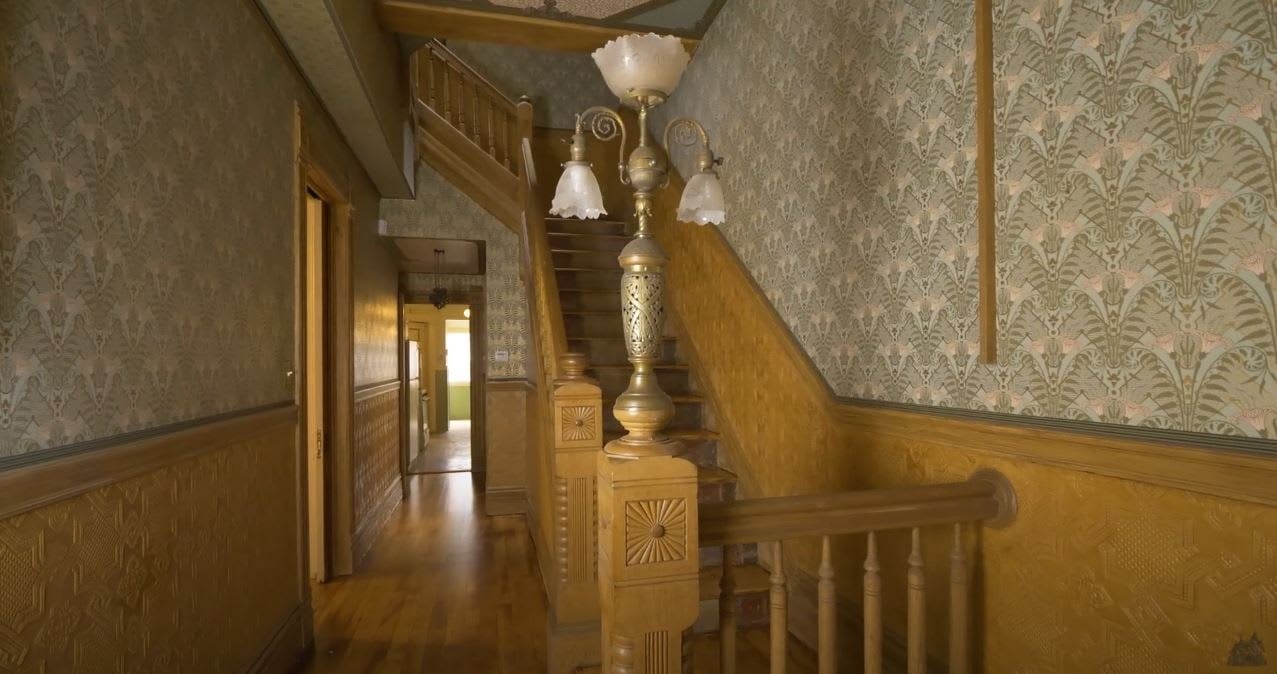
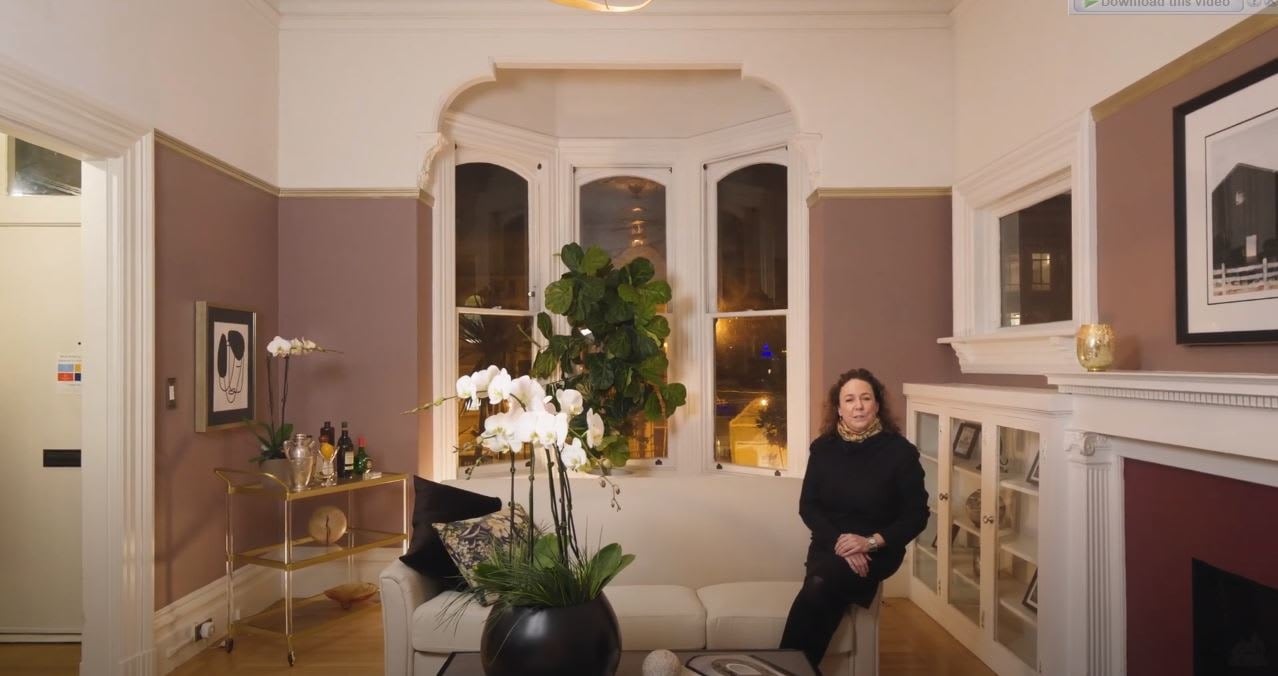
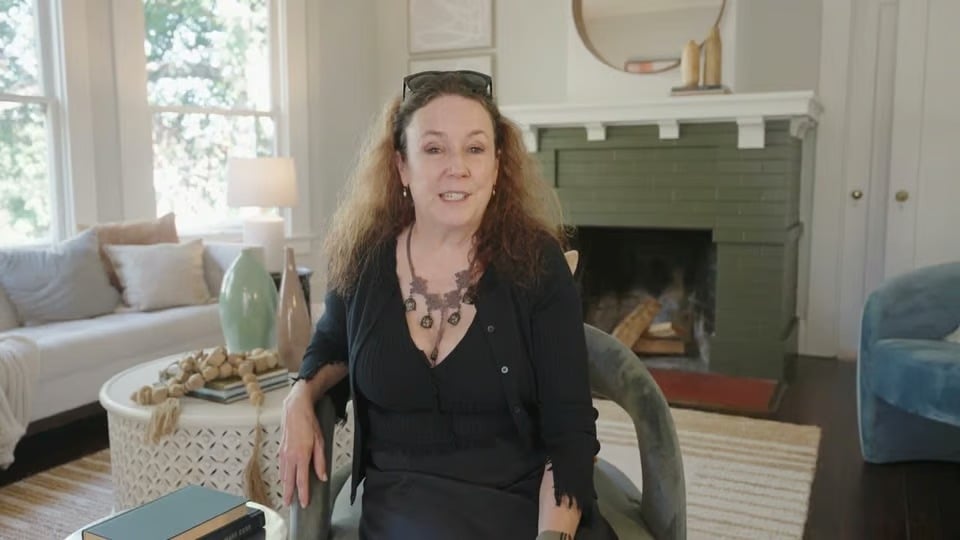
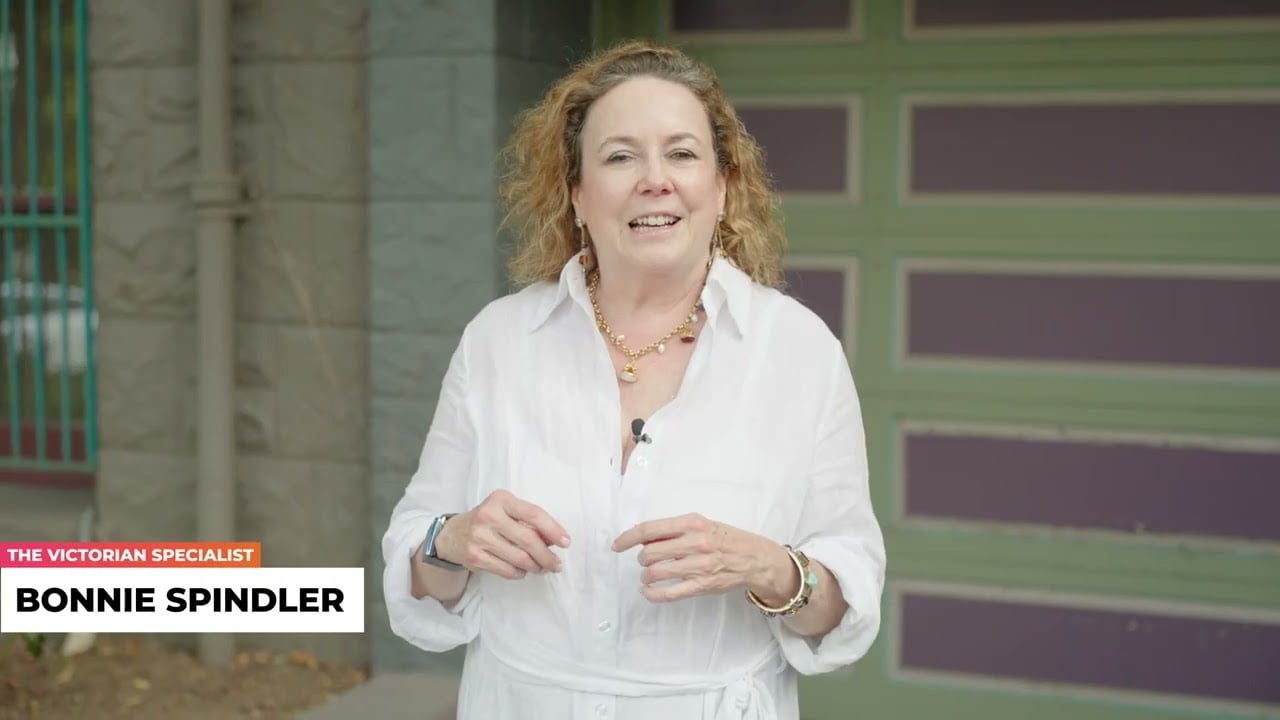
The Foley Family Community Pavilion took nearly twenty years of planning to open, and the argument for saving the old Cerri Building instead of paving it over was that a warehouse built for the county's agricultural history deserved a second life rather than a parking lot. That's the kind of instinct that shows up again and again in Healdsburg's older housing stock, the sense that a building's bones are worth the extra effort it takes to keep them. If you're curious what that instinct actually costs to maintain in a house rather than a civic building, Bonnie Spindler has spent three decades in exactly that conversation.