Most neighborhood roundups treat a new restaurant or a new storefront as a headline in itself, proof that a corridor is still hot. Hayes Valley has had plenty of that kind of coverage over the years. But look closely at what actually opened here this year, and a different pattern shows up. The businesses landing on Hayes and Octavia right now aren't selling a one-time event. They're selling something you do every week, on the same day, at the same hour, without needing an occasion.
A pizza counter built for eating on a park bench. A comedy club that gives shows away for free on a recurring schedule instead of banking on a big sold-out weekend. A hundred-year-old Victorian getting a new tenant whose own opening letter talks about slowing down rather than standing out. None of these are betting on novelty. They're betting that if you live here, you'll come back on a schedule, not because something is new, but because it's now just what Fridays and Saturdays look like.
The Street Already Runs on a Schedule
Start with the part of the neighborhood that isn't a business at all: the street itself. Hayes Street closes to traffic every Friday and Saturday for the Hayes Valley Farmers Market and Shared Spaces event, and according to SFMTA's own September 2026 travel update, that closure is expected to run through the rest of 2026. This isn't a pop-up or a seasonal experiment anymore. It's infrastructure.
| Day | Hours | What it means for you |
|---|---|---|
| Friday | 4 to 10 p.m. | Street closes for evening activation |
| Saturday | 7 a.m. to 10 p.m. | Full-day closure, farmers market runs mornings |
| Outbound 6-Hayes/Parnassus | Rerouted onto Grove Street during closure hours | Plan your Muni ride accordingly |
If you've been caught off guard by the 6 bus suddenly running up Grove instead of Hayes, that's not a glitch. It's the same reroute, every Friday and Saturday, for the foreseeable future. Once a closure gets baked into a transit agency's routing plan for the year, it has stopped being an event and started being a fixture of how the neighborhood actually moves.
That's the backdrop the newest businesses are opening into. They aren't trying to create a moment that pulls people off their normal path. They're slotting into a rhythm that already exists.
A Pizza Built to Be Eaten Standing Up
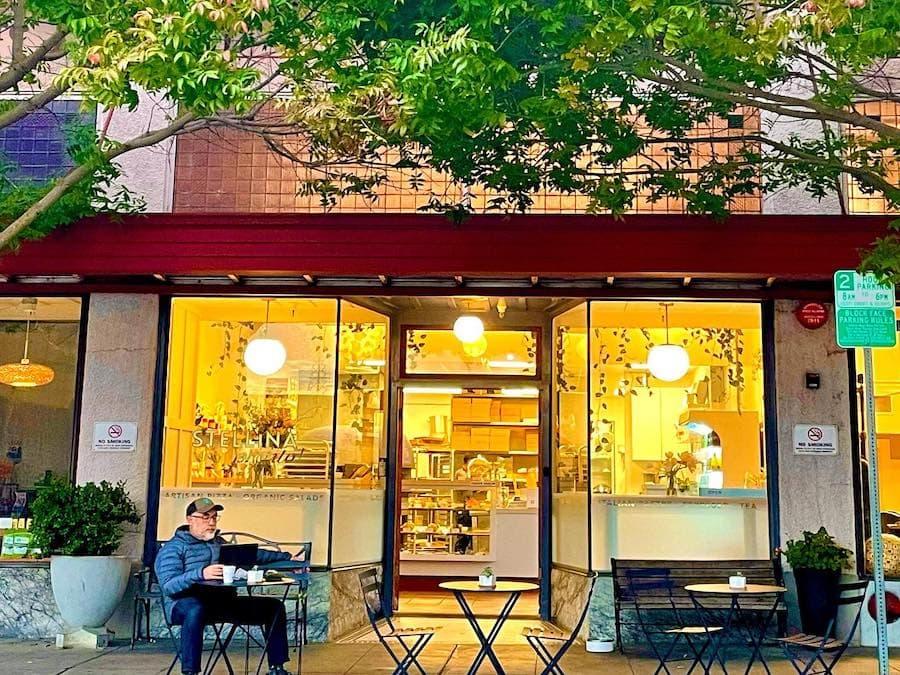
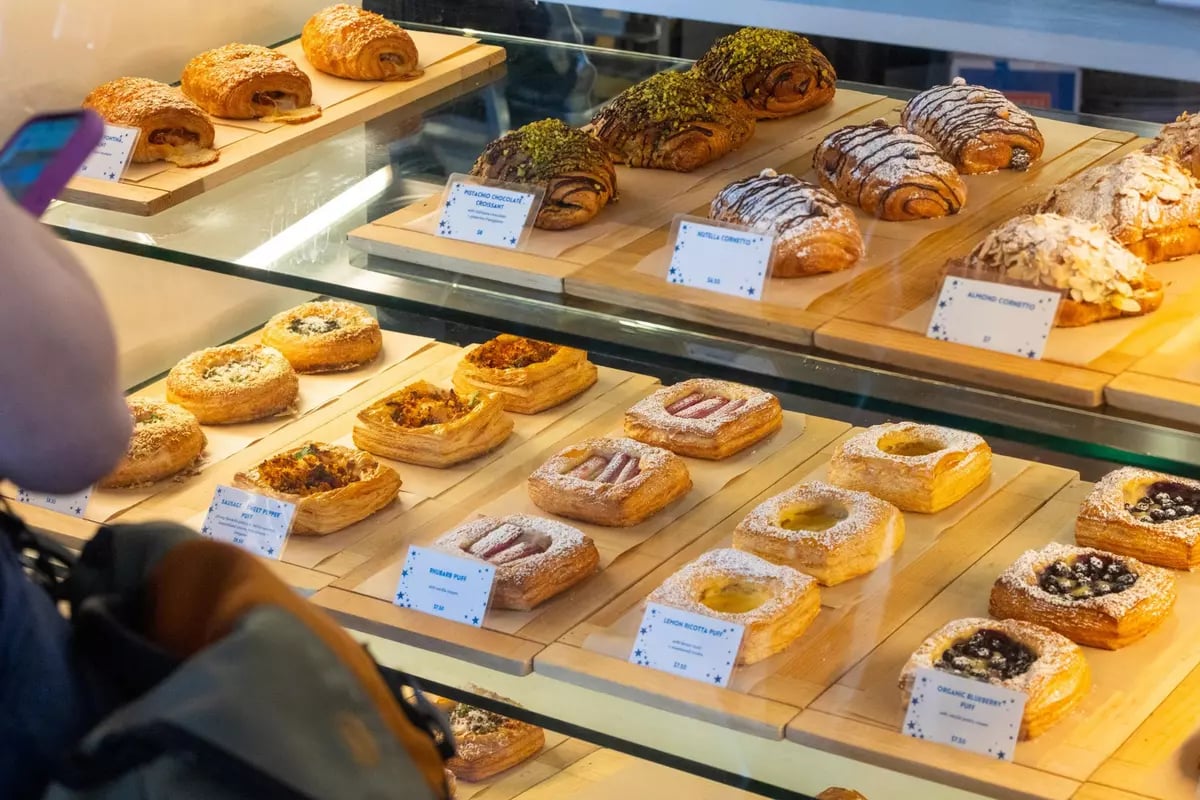
Sforno opened at 514 Octavia Street with a real Neapolitan wood oven and almost no seating. That's not an oversight. It's counter service by design, the kind of setup built for grabbing a pie and walking straight across the street to eat it on Patricia's Green. The menu leans into that: pizzas, calzones, the Italian street-food sandwiches called panozzi, and a folded "portafoglio" pizza priced at $8.50 for exactly the kind of eating you do on the move.
Compare that to what a destination restaurant usually promises. A reservation, a wait, a reason to dress up. Sforno isn't asking for any of that. It's asking you to walk by on a Saturday afternoon, during the same closure that's already routing your bus, and pick up dinner the way you'd pick up a coffee. The business model only makes sense if the neighborhood already has a built-in, recurring foot traffic pattern to plug into, which it does, twice a week, every week, through the end of the year.
Comedy That Doesn't Ask for a Special Occasion
The Function SF opened at 1414 Market Street on the edge of Hayes Valley and Mid-Market, co-owned by comedian Stroy Moyd, the Oakland native who founded HellaFunny, the Bay Area's largest comedy producer. Most comedy clubs live and die on the strength of a single big Saturday night. The Function's signature offering is the opposite: a recurring, largely free "Hayes Valley Comedy Night," running on a weekly schedule with four or five comics on the bill each time, credits ranging from Cobb's and Punch Line to SF Sketchfest.
A club that gives away its regular programming isn't chasing a spike in demand. It's trying to become a habit, something you go to on a normal Tuesday because it's there, not because it's a special occasion you had to plan around. That's a very different business than a one-night blowout, and it only works if enough people already treat the neighborhood as a place they pass through regularly rather than visit occasionally.
The Victorian Getting Its Second Ritual
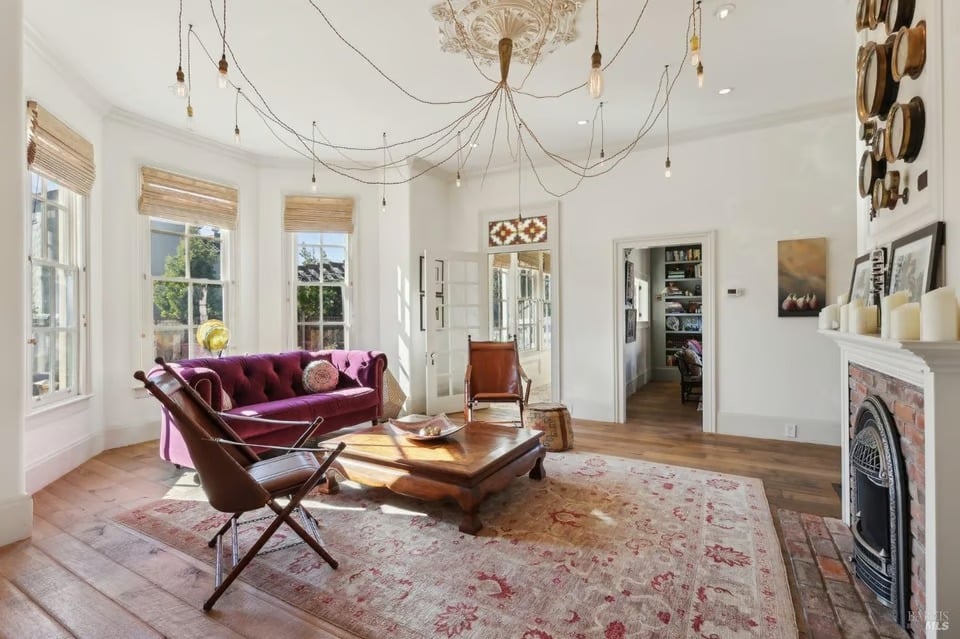
The most telling arrival isn't a restaurant or a club. It's a hundred-year-old building getting a new tenant whose whole pitch is about slowing down.
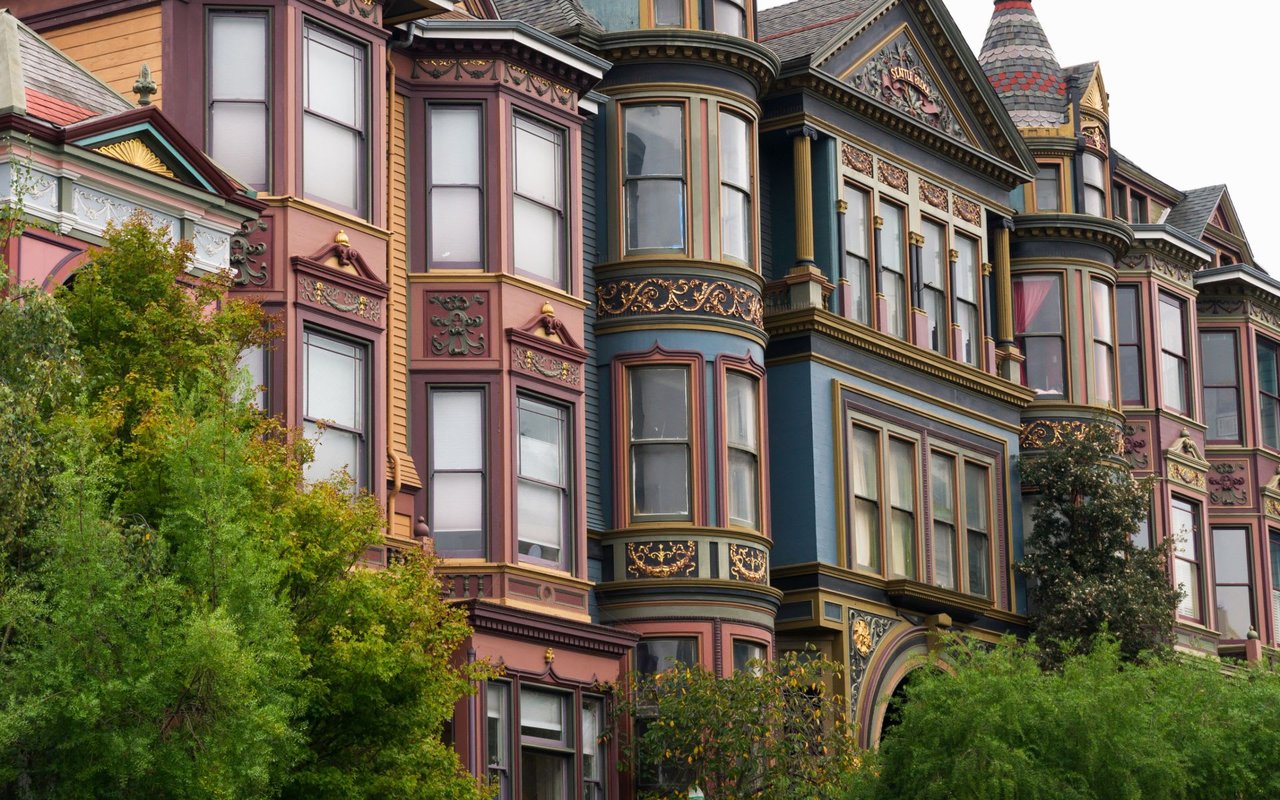
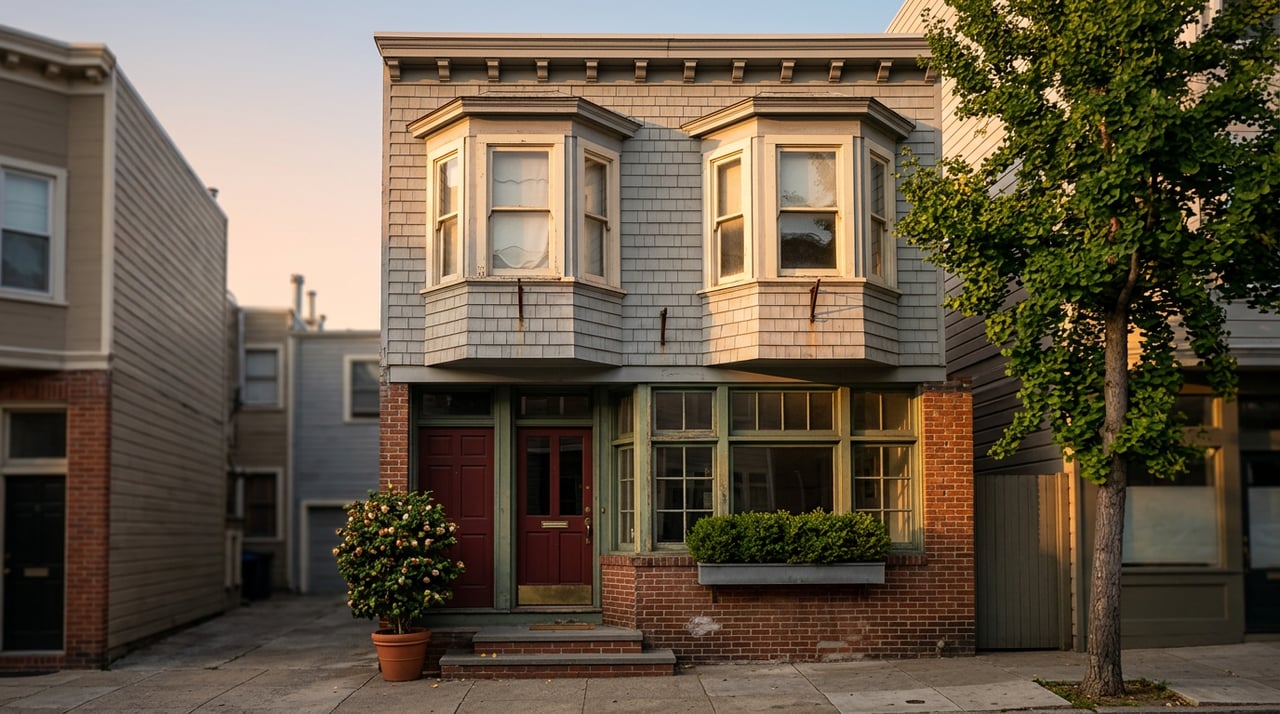
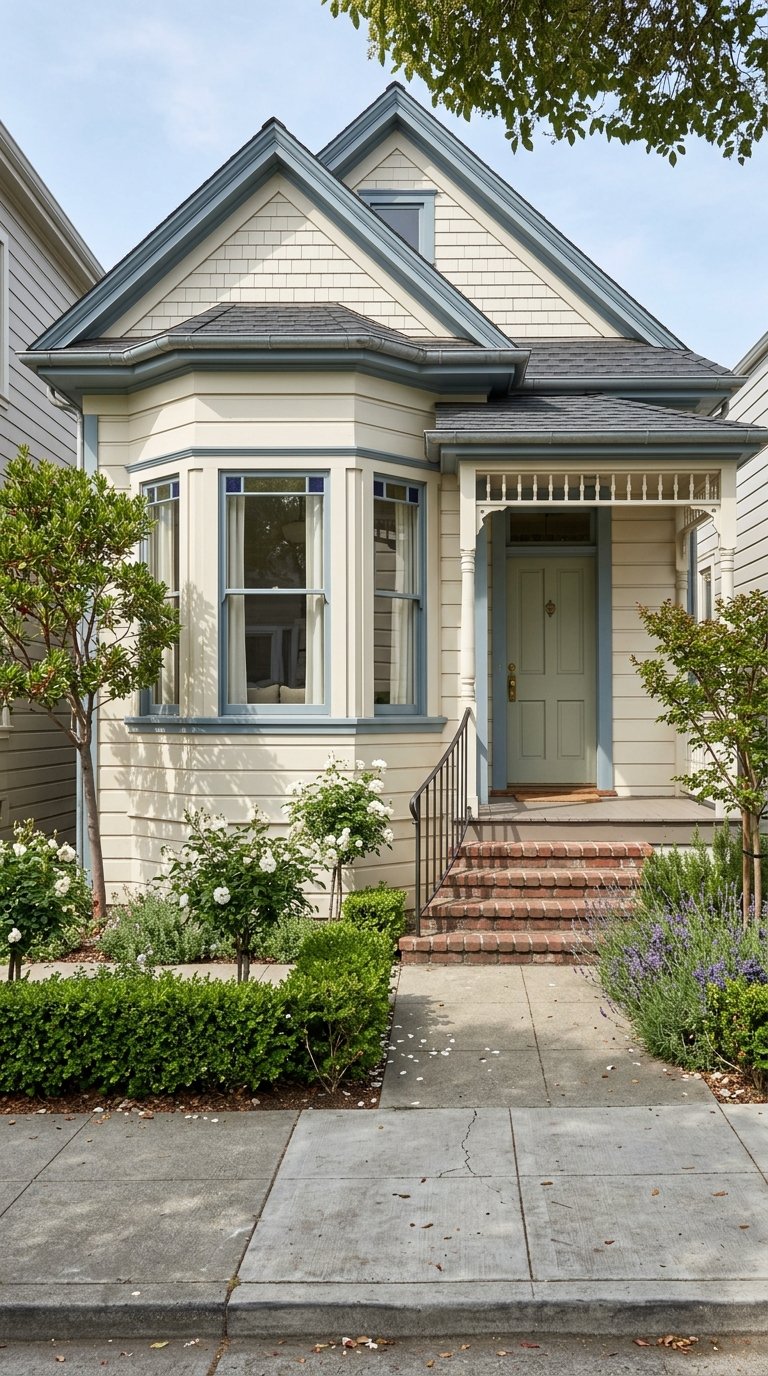
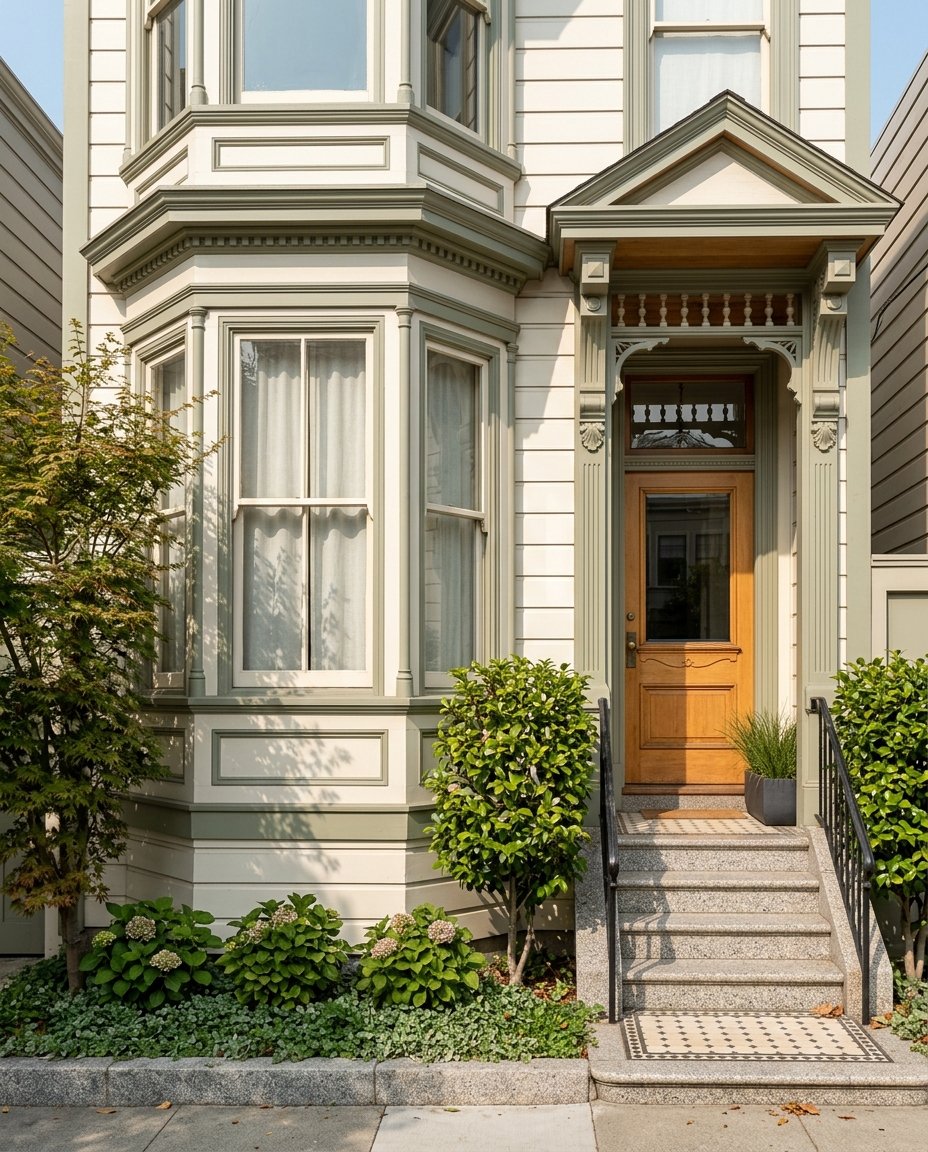
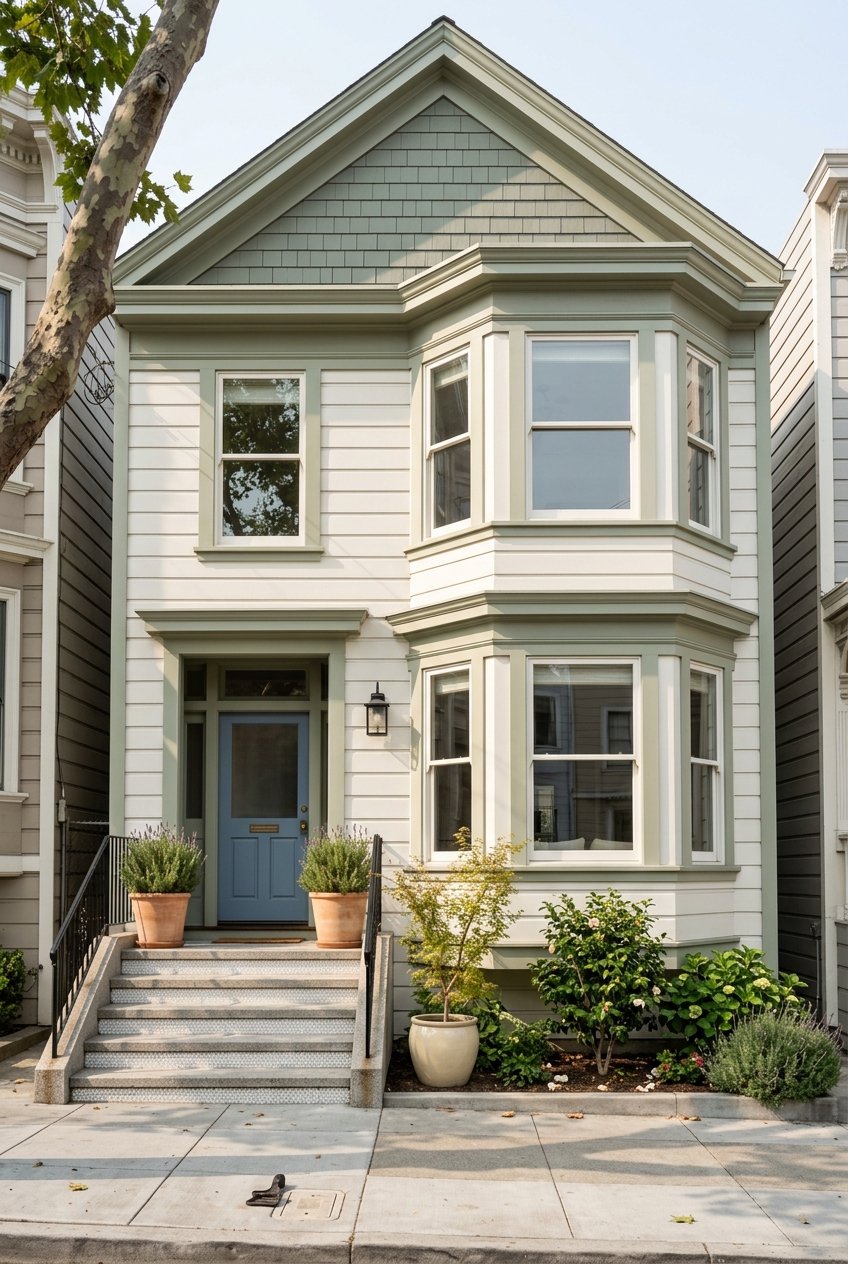
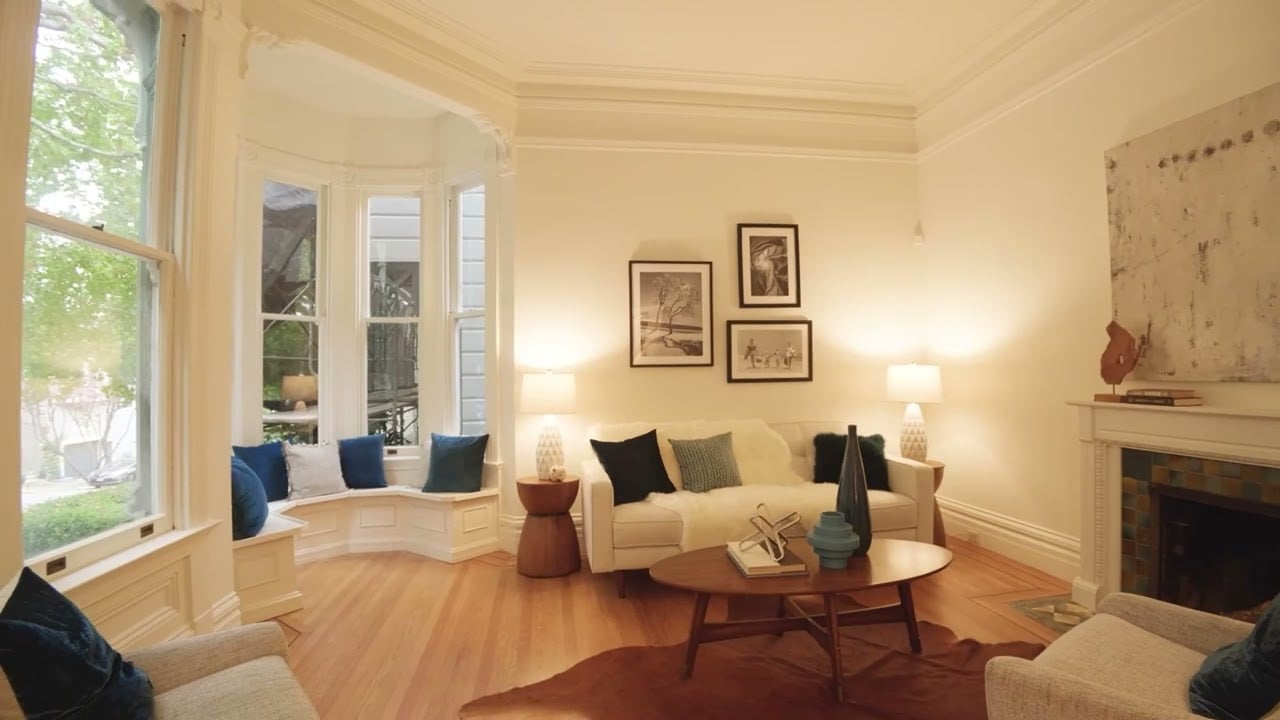
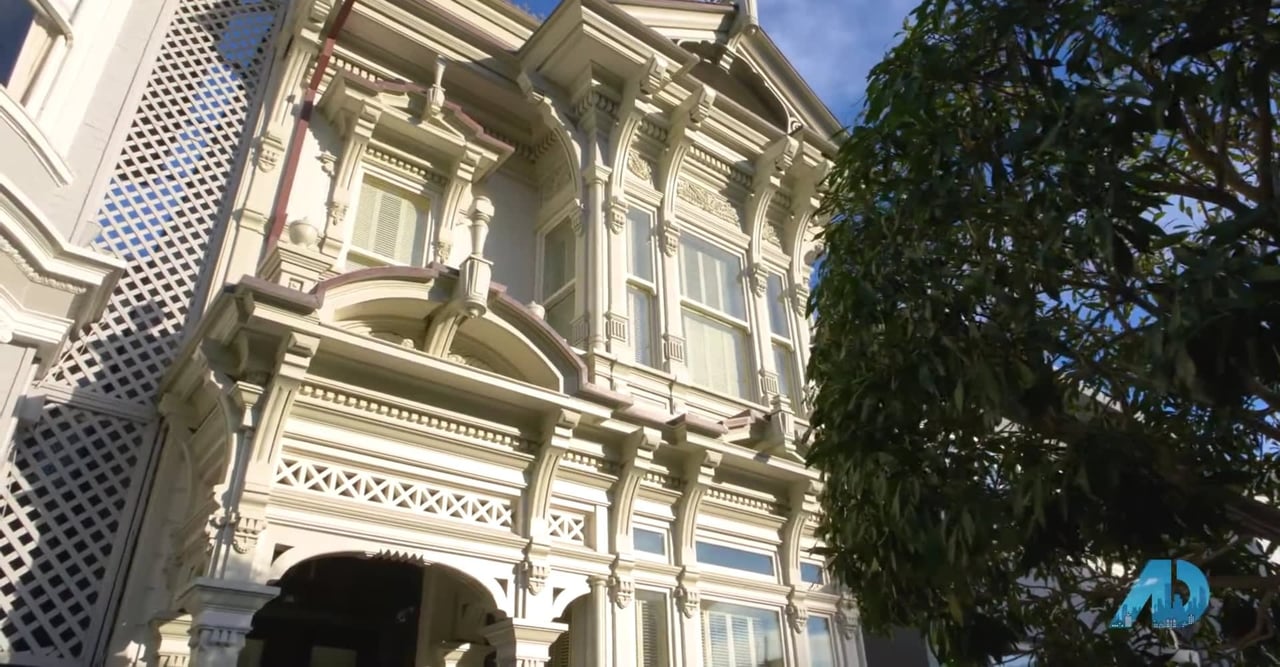
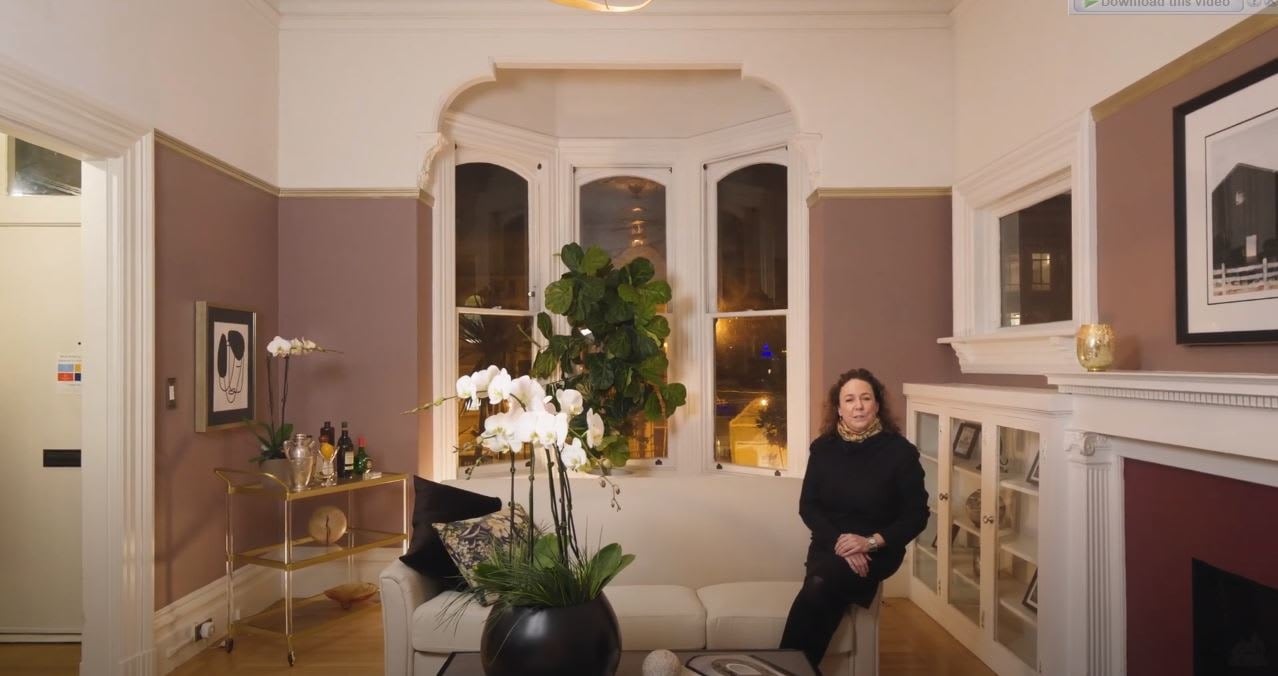
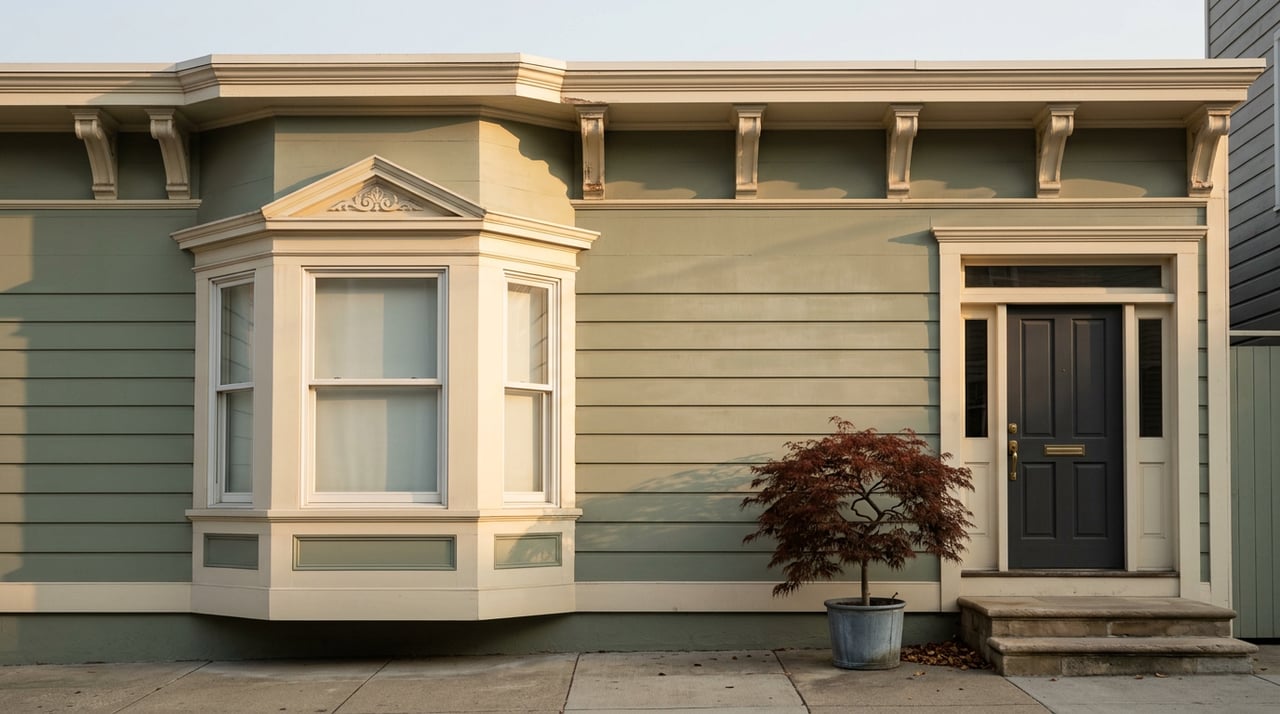
Maison Verbena, the bakery and lifestyle brand that built its reputation inside the Ferry Building, is opening its first flagship outside that location at 437 Hayes Street, occupying roughly 1,300 square feet on the ground floor of a three-story building constructed in 1907. The space previously held Zero& and Amour Vert. The opening is planned in phases starting this spring, and the founders' own letter to customers describes the concept around "the poetry of daily ritual."
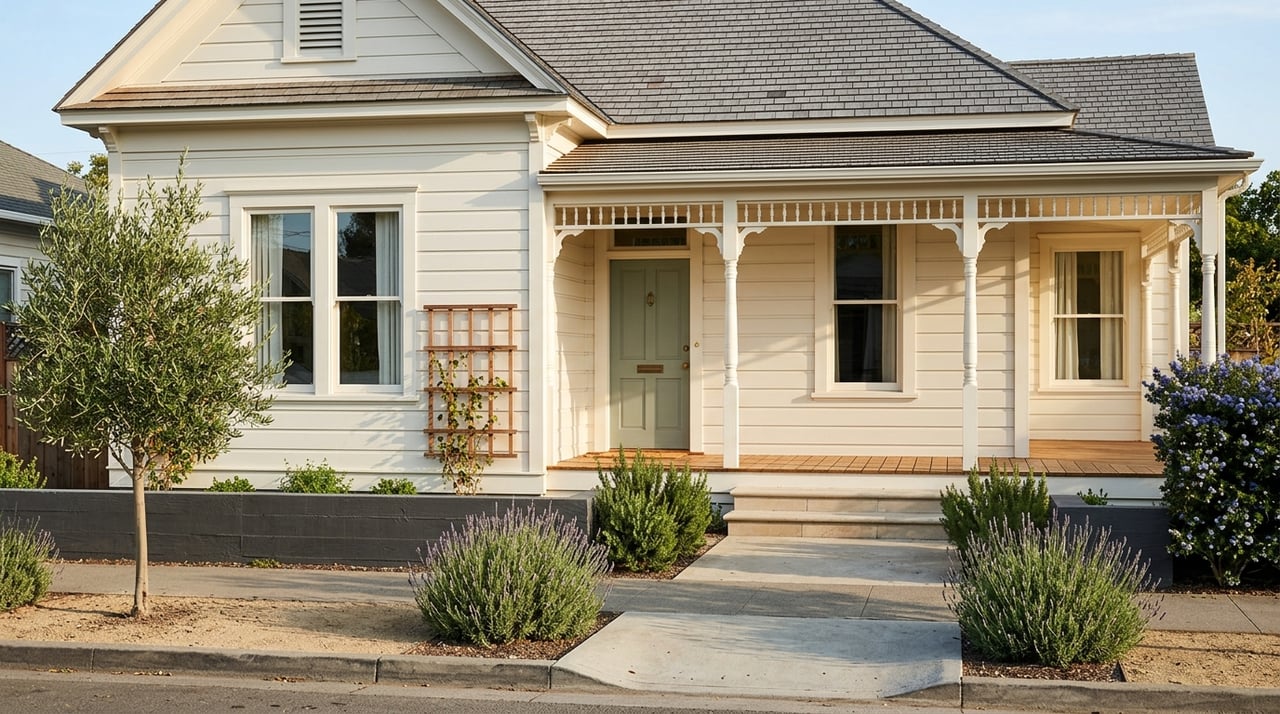
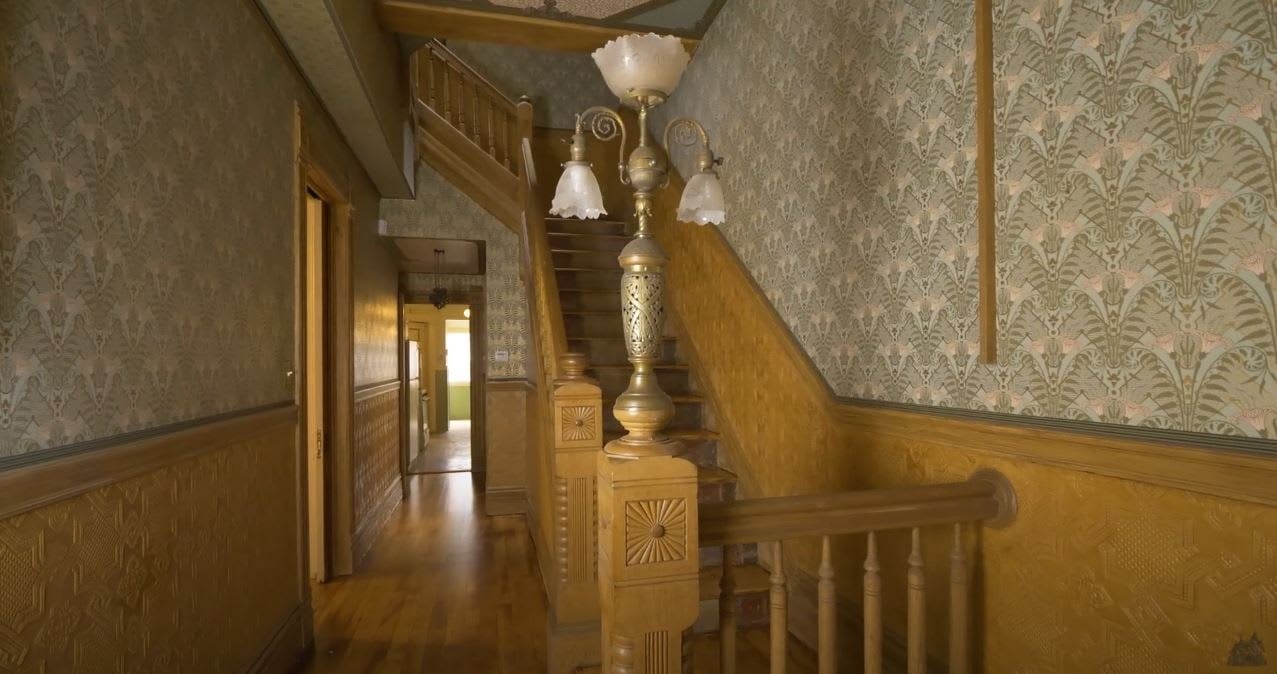
That phrase matters here. A 1907 storefront has survived more than a century of tenants who each thought they were the neighborhood's next big thing. What's moving in now isn't pitching itself as the next big thing at all. It's pitching itself as something you'll fold into your week the way you fold in a walk or a coffee order, inside a building whose bones have already outlasted several generations of businesses that tried to be a spectacle instead.
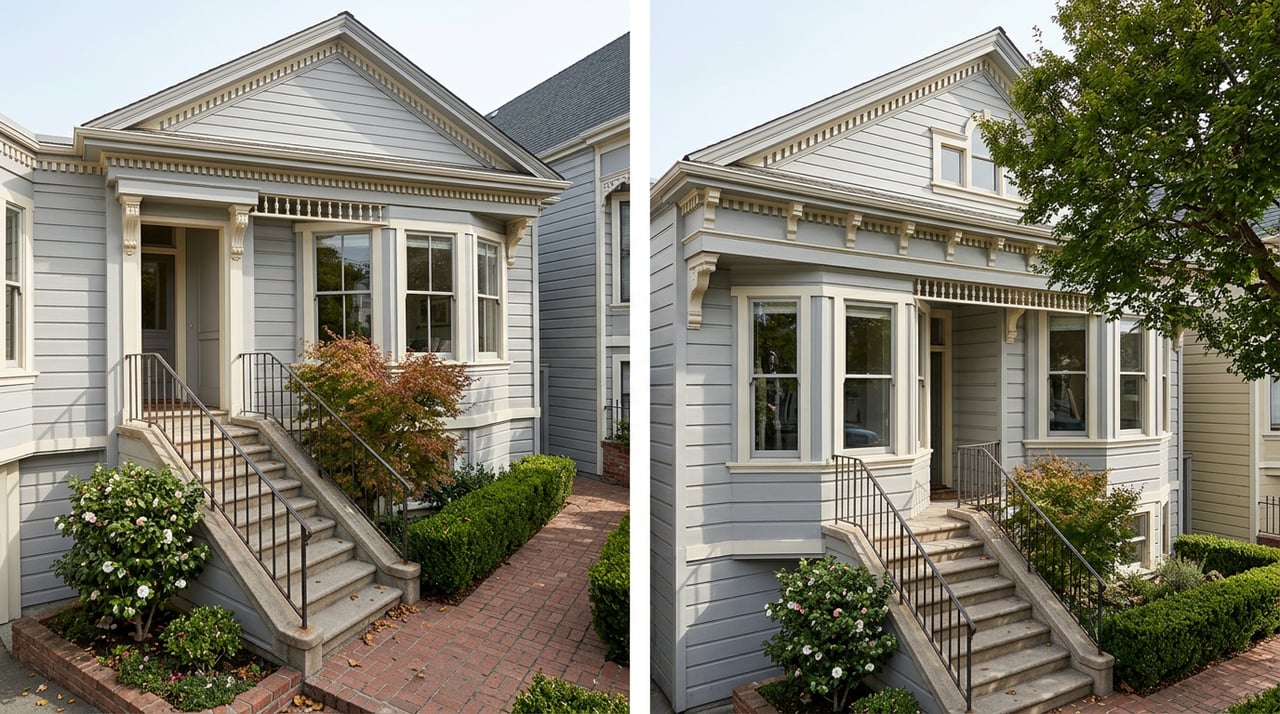
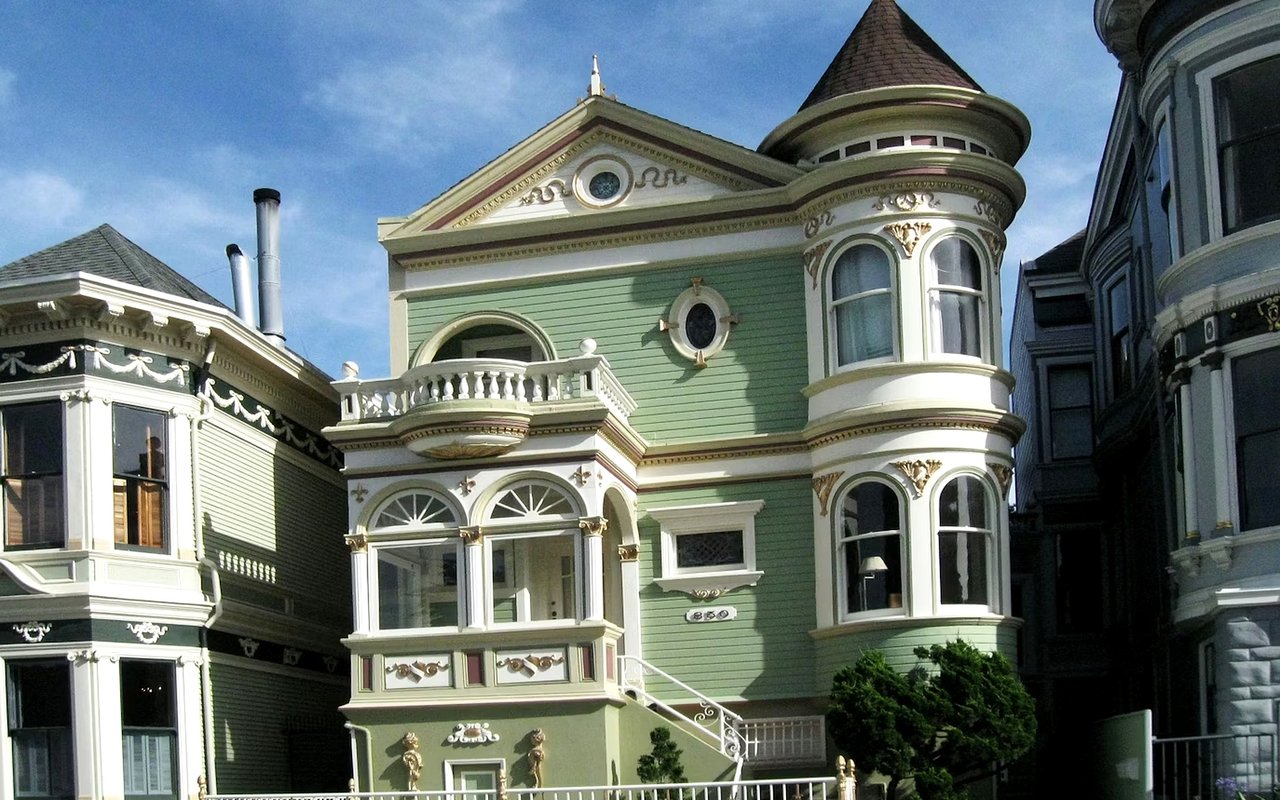
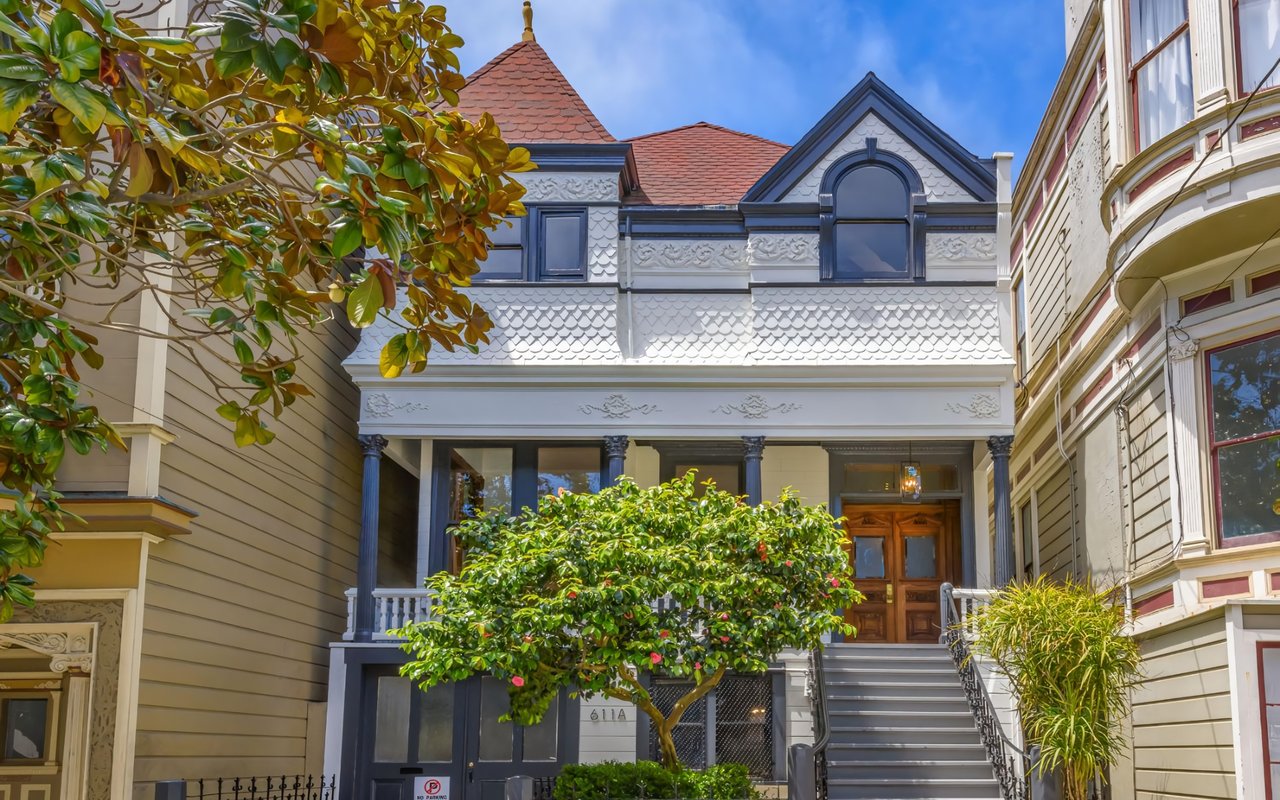
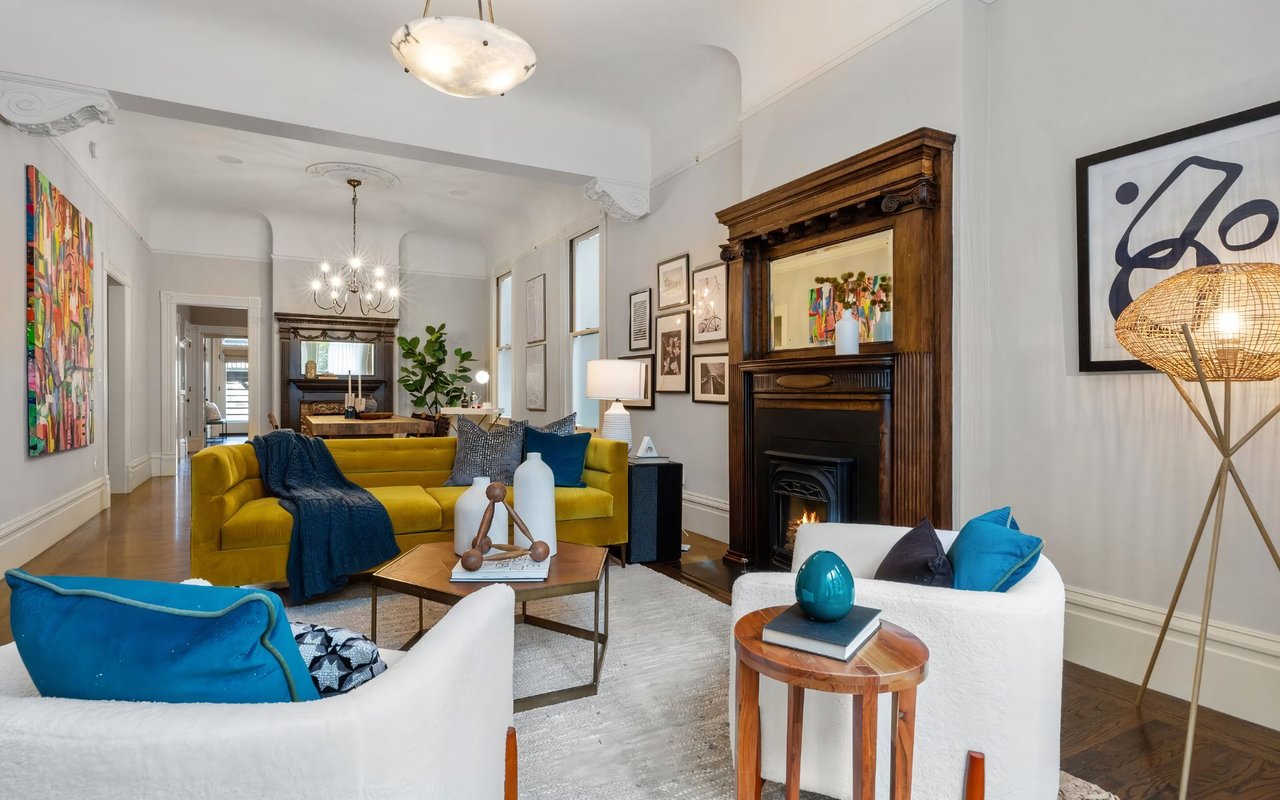
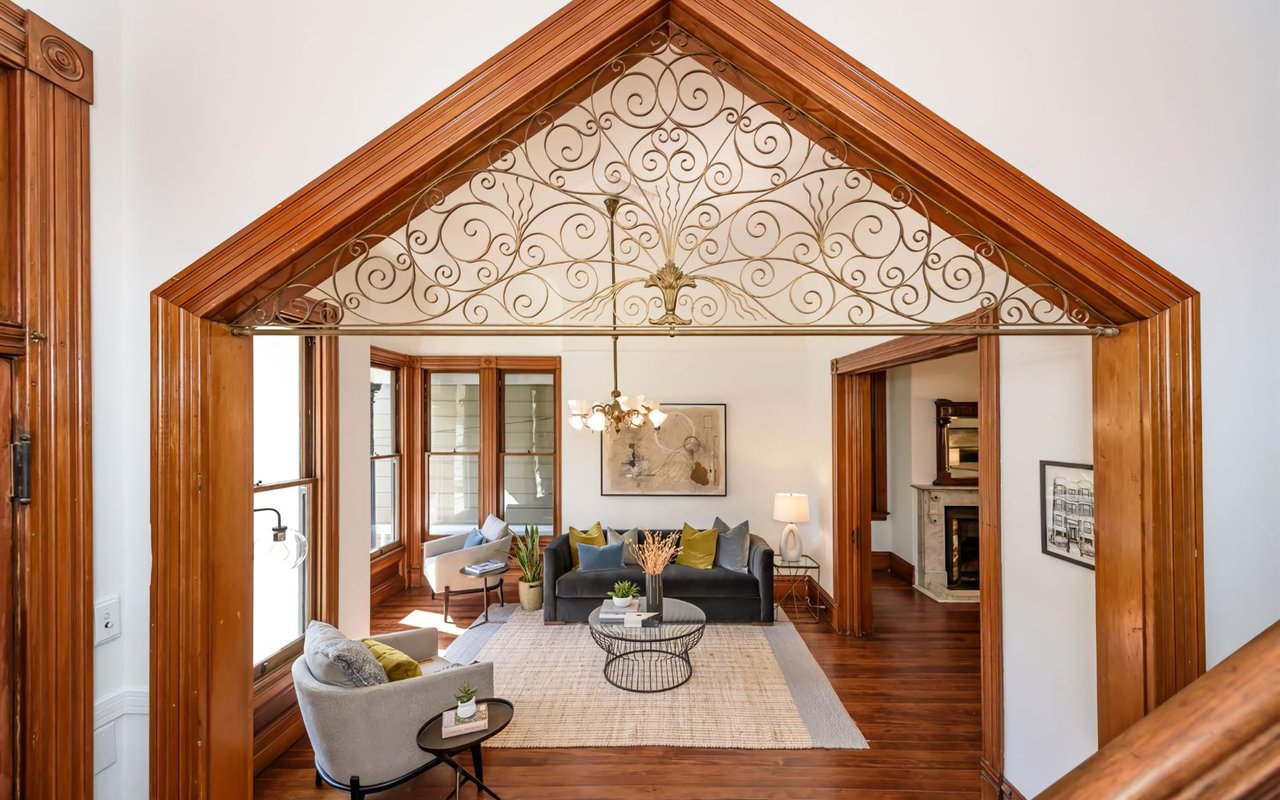
That's the version of historic preservation that actually works over time. Not a building frozen as a museum piece, but one that keeps absorbing new, quieter uses that fit how people actually live now. Buildings like the one at 437 Hayes survive because each new occupant treats the space as a place for daily life, not a stage.
Why This Adds Up to Something
None of these three businesses are competing with each other, and none of them are chasing the same customer at the same hour. But they share a bet that the loudest version of a neighborhood, the one built on grand openings and one-night buzz, isn't actually what makes a corridor durable. What makes it durable is a schedule people can set their week by: a closure that predictably reroutes your bus, a pizza counter built for a five-minute stop, a comedy show that doesn't need an occasion, a storefront whose new tenant is explicitly building for repetition rather than spectacle.
If you already live in Hayes Valley, you've probably noticed this without naming it. The neighborhood's newest arrivals aren't asking you to make a special trip. They're asking you to keep doing what you already do, just with slightly better pizza and a free show on the way home.
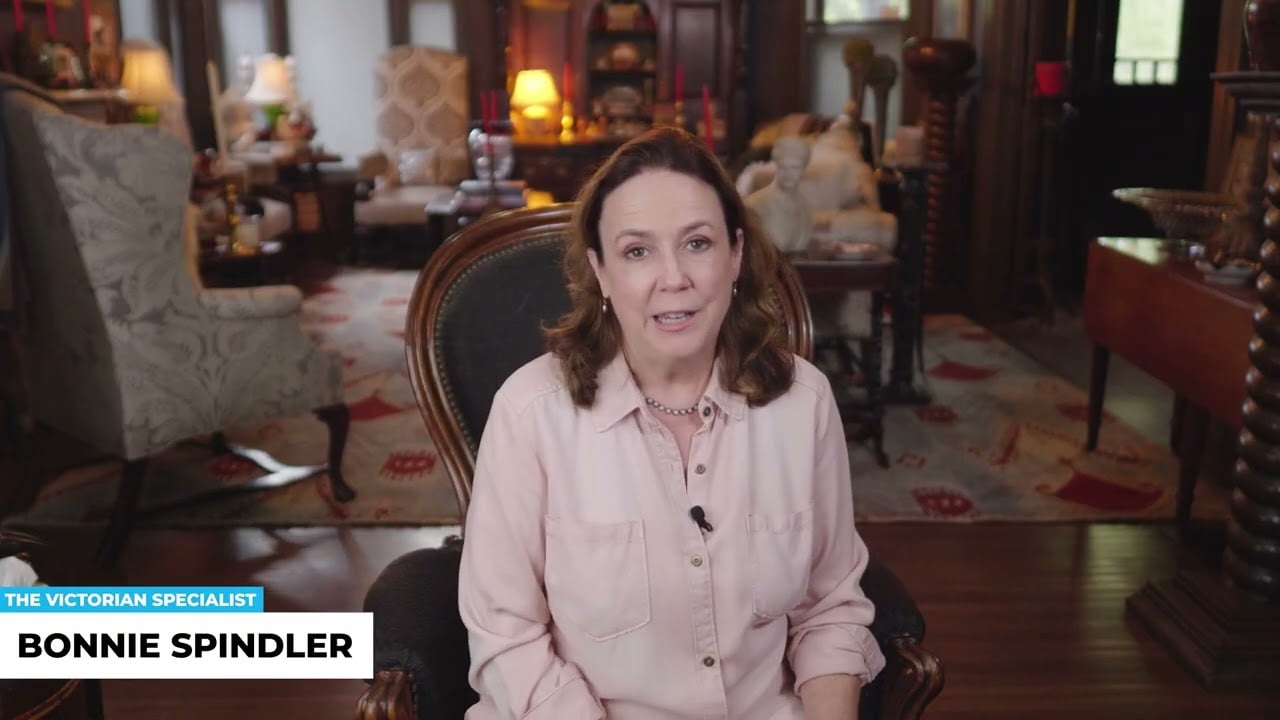
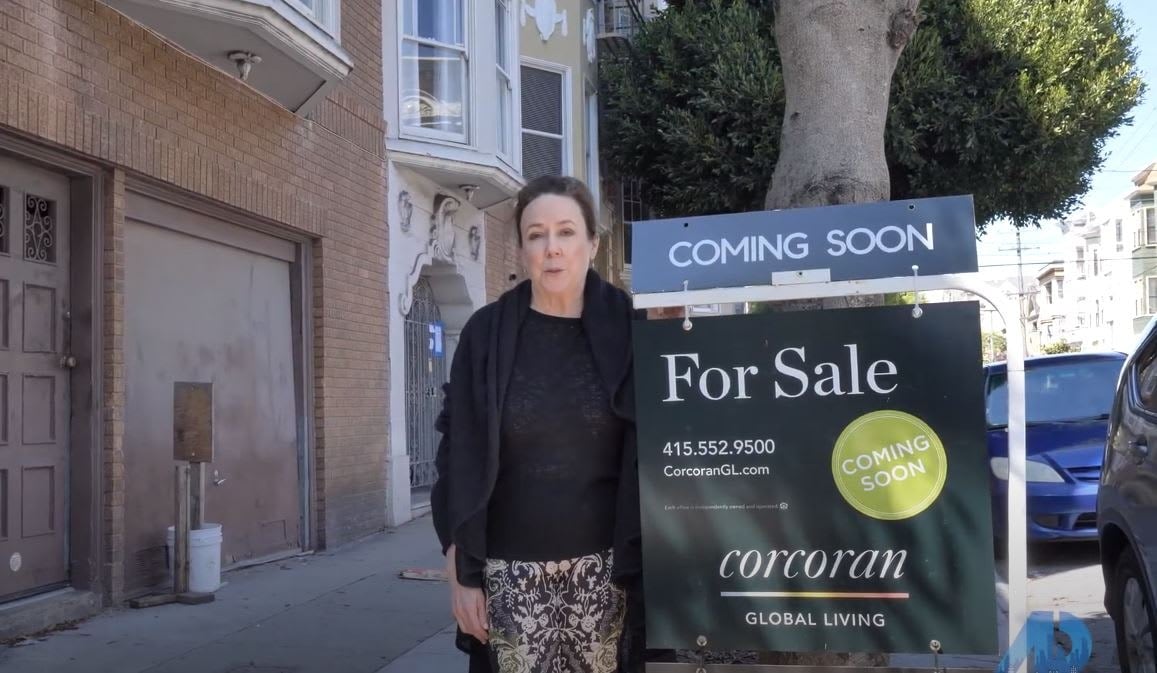
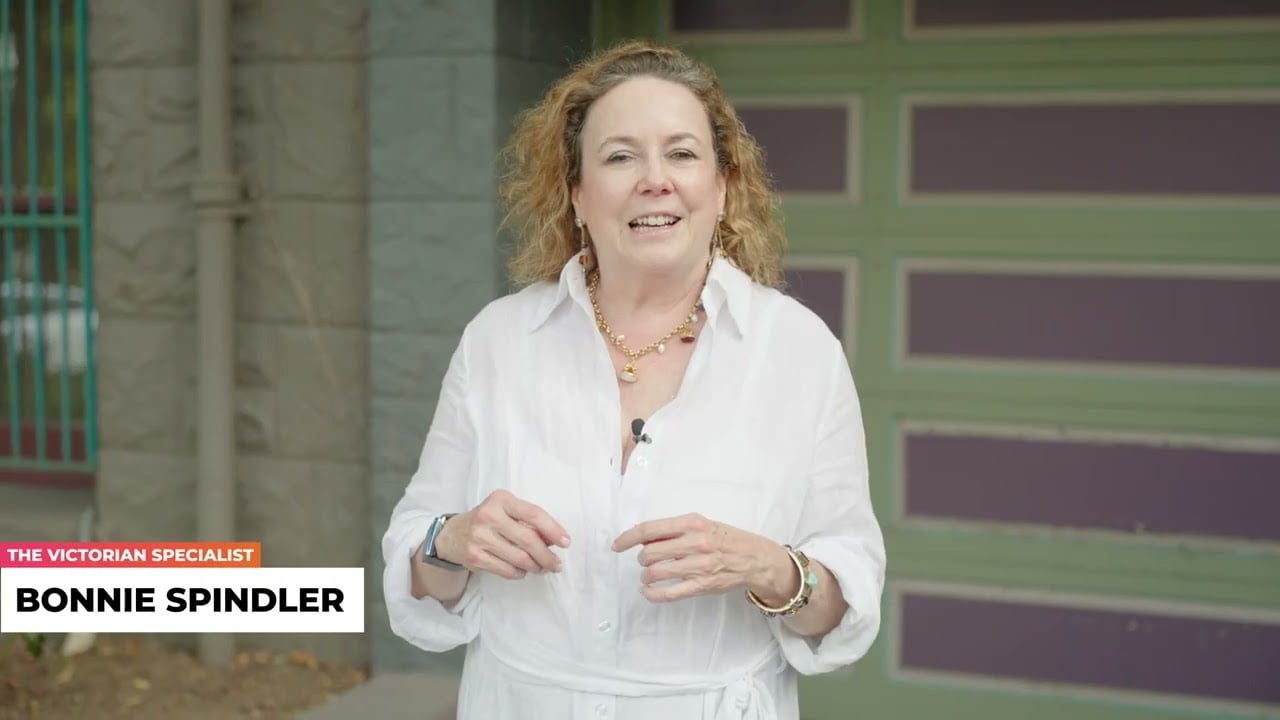
That instinct, building for the long habit rather than the one-time headline, is the same instinct that keeps a hundred-year-old Victorian standing through a dozen different tenants. It's also exactly the kind of thing worth understanding if you ever find yourself looking at one of these older buildings and wondering what it actually takes to give a historic space a life that lasts past the next trend. If that's a conversation you want to have, about this building or any other pre-1926 property in the neighborhood, Bonnie Spindler has spent more than three decades reading exactly that kind of structure and can help you figure out what's underneath the paint.