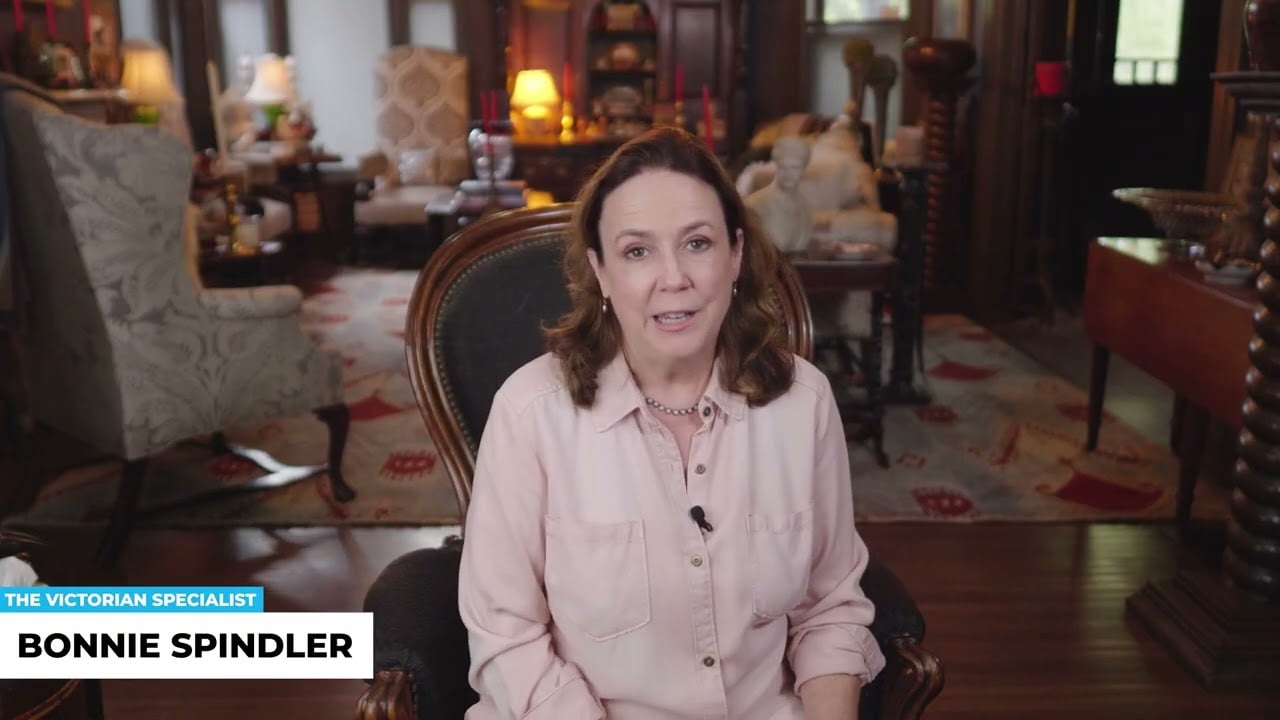
By Bonnie Spindler
If you are looking at a historic home in San Francisco, you may hear the words “historic district” during your search. For many buyers, that can raise questions: What does it mean? Can I remodel the house? Can I replace the windows? Can I add on? Will I be able to make the home my own?
After more than 30 years specializing in San Francisco real estate, particularly Victorian and historic homes, I have learned that understanding the history and regulations of a property before you buy it can make all the difference.
As the Victorian Specialist, I work with buyers and sellers who appreciate San Francisco's extraordinary collection of historic homes—from Italianate Victorians and Queen Annes to Edwardians and other architecturally significant properties. Historic districts are an important part of what keeps these neighborhoods special, but they also come with rules that every homeowner should understand.
Let's look at what a historic district means and how it can affect owning a home in San Francisco.
Key Takeaways
- A historic district is a defined area recognized for its historical and architectural significance.
- San Francisco has several types of historic districts, including Article 10 historic districts.
- Exterior alterations to properties within certain historic districts may require additional review and approval.
- A building's historic status and classification can affect how proposed changes are reviewed.
- Historic-district protections help preserve the architectural character of San Francisco neighborhoods.
- Some qualifying historic properties may be eligible for Mills Act property-tax benefits.
- Understanding the regulations before buying can help you make a more informed real estate decision.
What Is a Historic District?
A historic district is a defined geographic area that has been recognized for its historic, architectural, or cultural importance. Groups, sometimes neighborhood organizations or historic groups conduct the research and apply for the status.
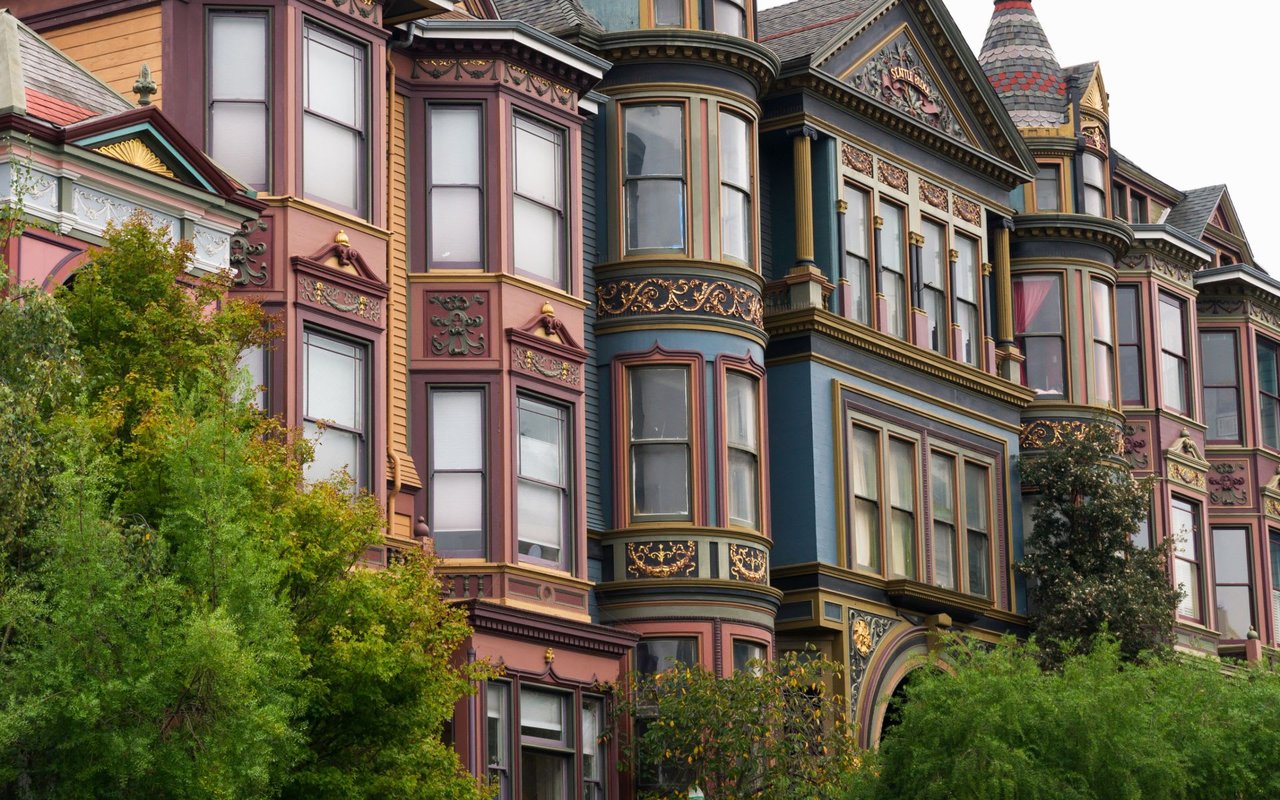
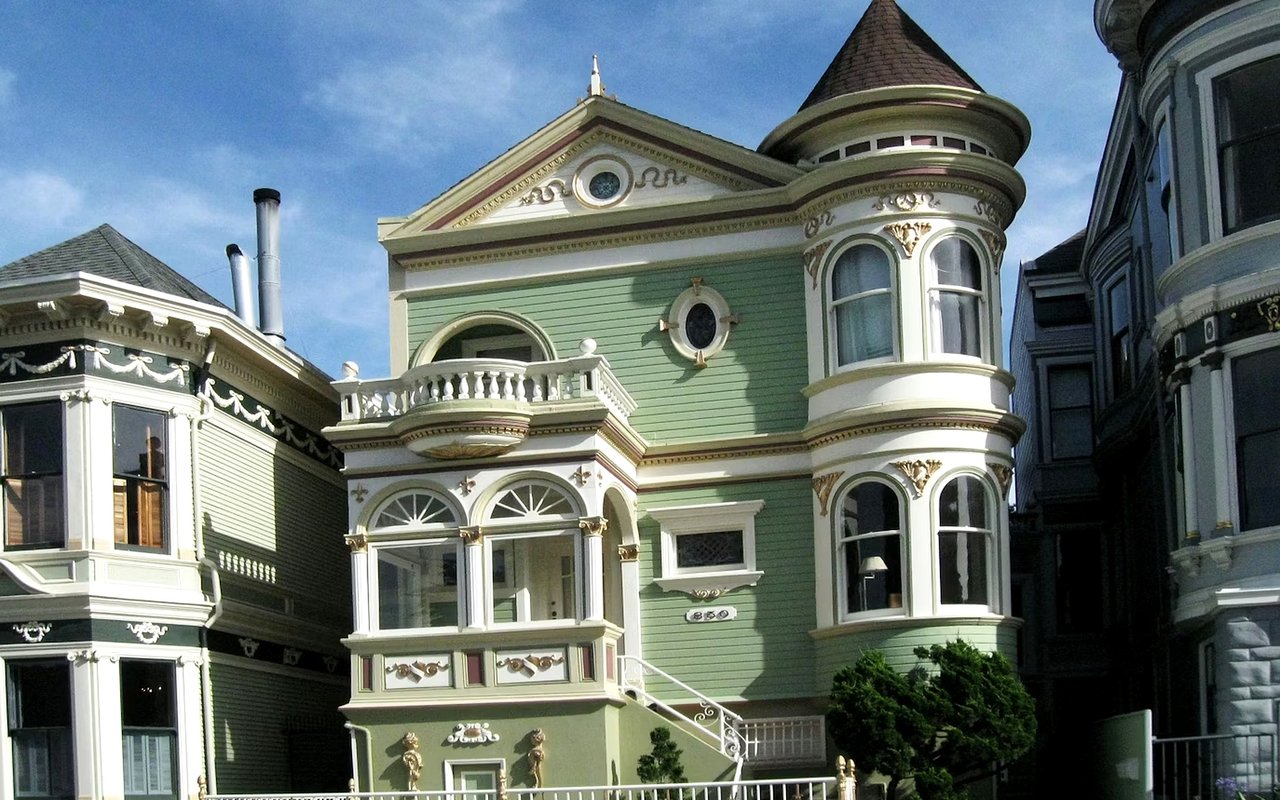
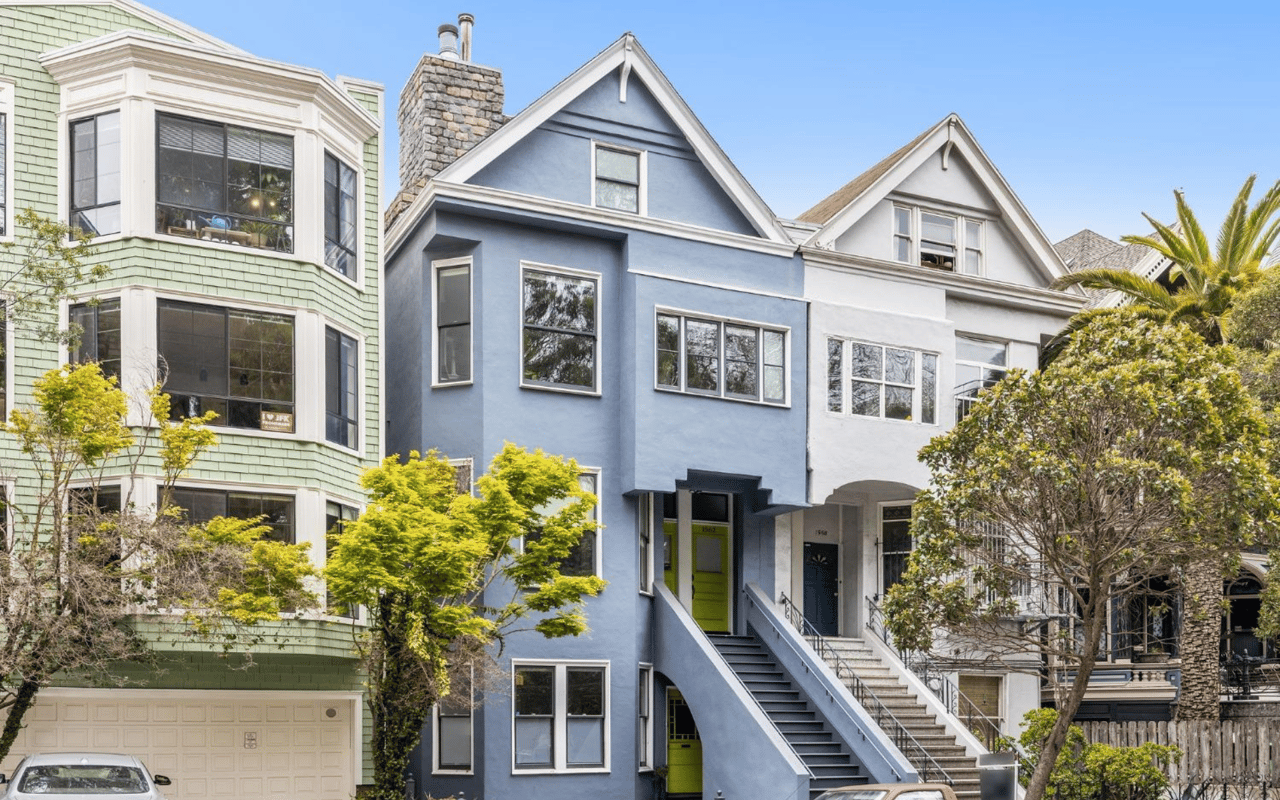
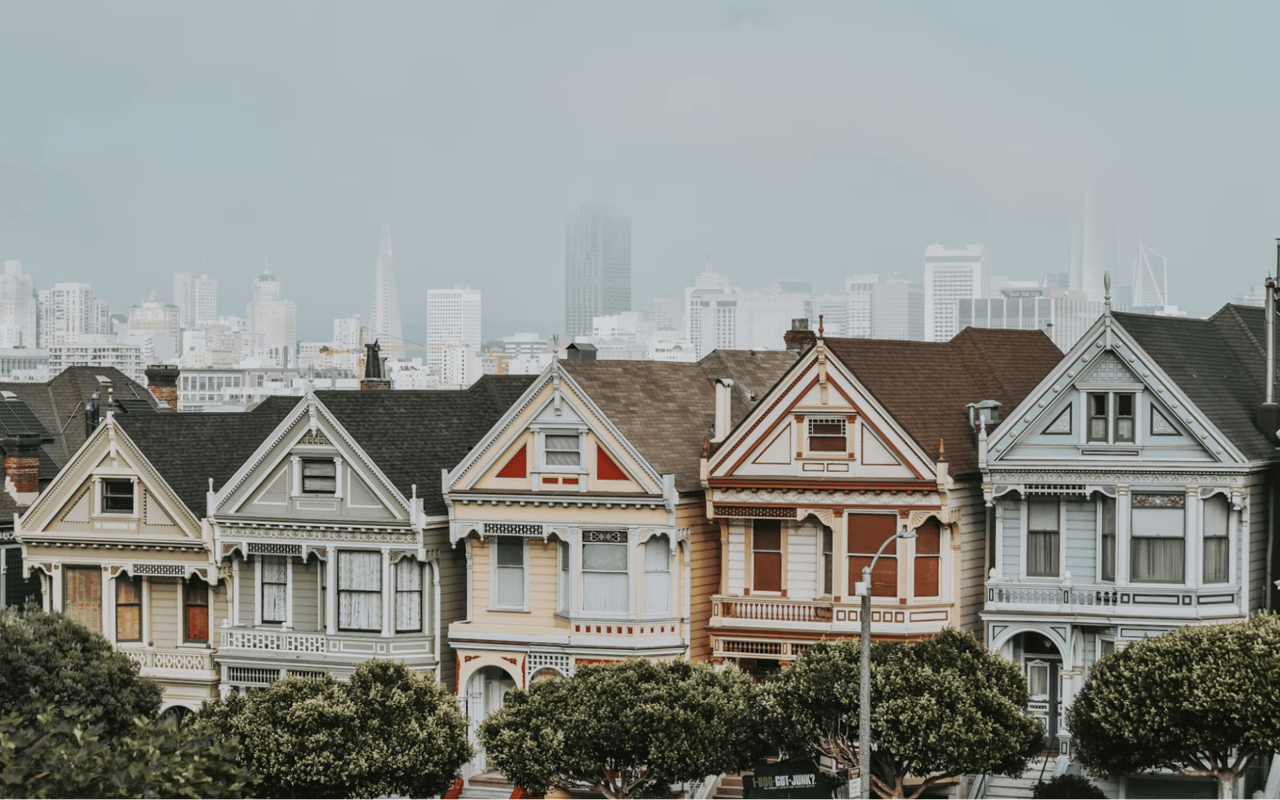
San Francisco is famous for its historic neighborhoods and remarkable collection of Victorian homes. Some streets have retained an extraordinary level of architectural continuity, with homes that were built more than a century ago still defining the character of the neighborhood today.
Under Article 10 of the San Francisco Planning Code, certain areas and individual properties receive historic protection because of their architectural and historical significance. This may be due to the architect, builder, or early owner or resident.
One important distinction is that not every building within a historic district contributes to the district in the same way.
Buildings may be classified as contributory or non-contributory, depending on their significance to the historic character of the district. That classification can affect how the City evaluates proposed exterior alterations.
San Francisco is famous for its historic neighborhoods and remarkable collection of Victorian homes. Some streets have retained an extraordinary level of architectural continuity, with homes that were built more than a century ago still defining the character of the neighborhood today.
Under Article 10 of the San Francisco Planning Code, certain areas and individual properties receive historic protection because of their architectural and historical significance. This may be due to the architect, builder, or early owner or resident.
One important distinction is that not every building within a historic district contributes to the district in the same way.
Buildings may be classified as contributory or non-contributory, depending on their significance to the historic character of the district. That classification can affect how the City evaluates proposed exterior alterations.
Historic District Basics
- A historic district protects the character of a defined neighborhood.
- Article 10 provides significant historic-preservation protections in San Francisco.
- Properties within a district may have different historic classifications.
- A property's classification can affect the review of proposed alterations.
- Historic-district regulations should be investigated before purchasing if you have plans to remodel or expand.
- Applies only to the exterior of a property, not the interior.
San Francisco's Historic Preservation Process
San Francisco's historic properties are subject to a combination of planning, building, and historic-preservation regulations.
The San Francisco Planning Department plays an important role in administering these regulations, while the Historic Preservation Commission reviews certain projects involving historic resources.
This does not mean that you cannot make changes to a historic home.
It means that the City may look carefully at changes that could affect the property's historic character—particularly work that is visible from the street or changes to significant architectural features.
This is especially important in San Francisco because the exterior details of our historic homes are often what make them architecturally significant.
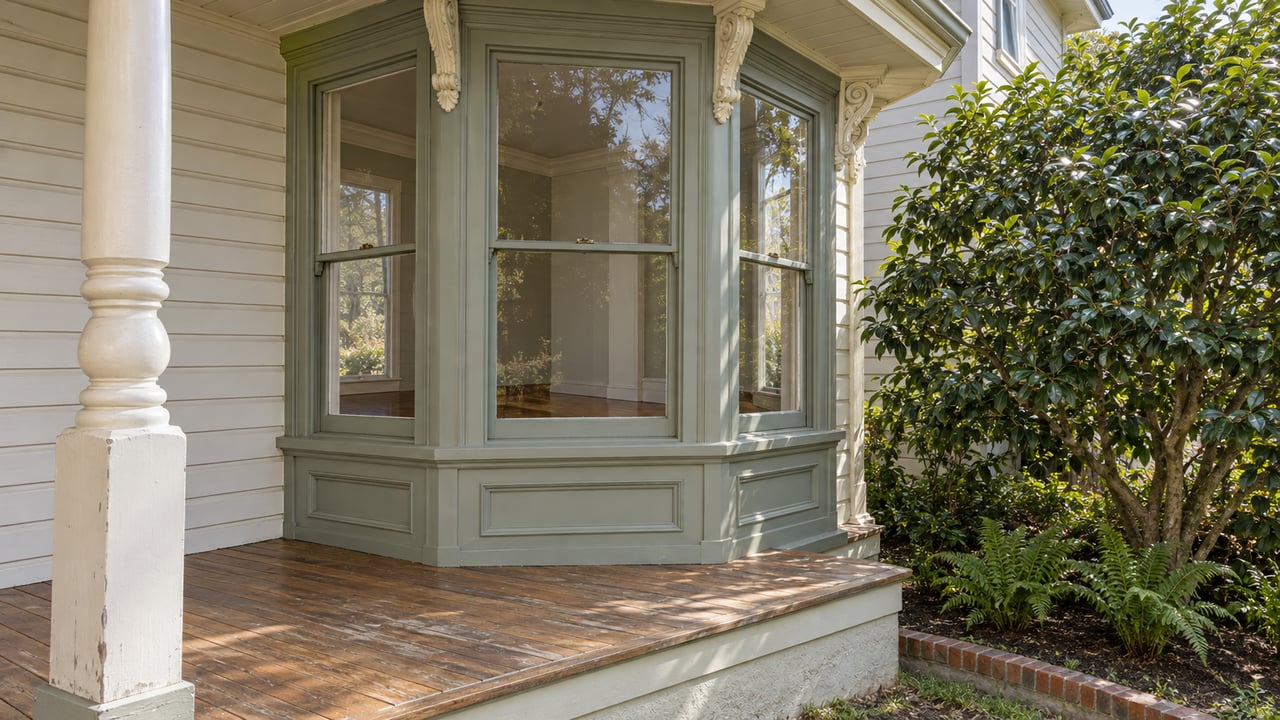
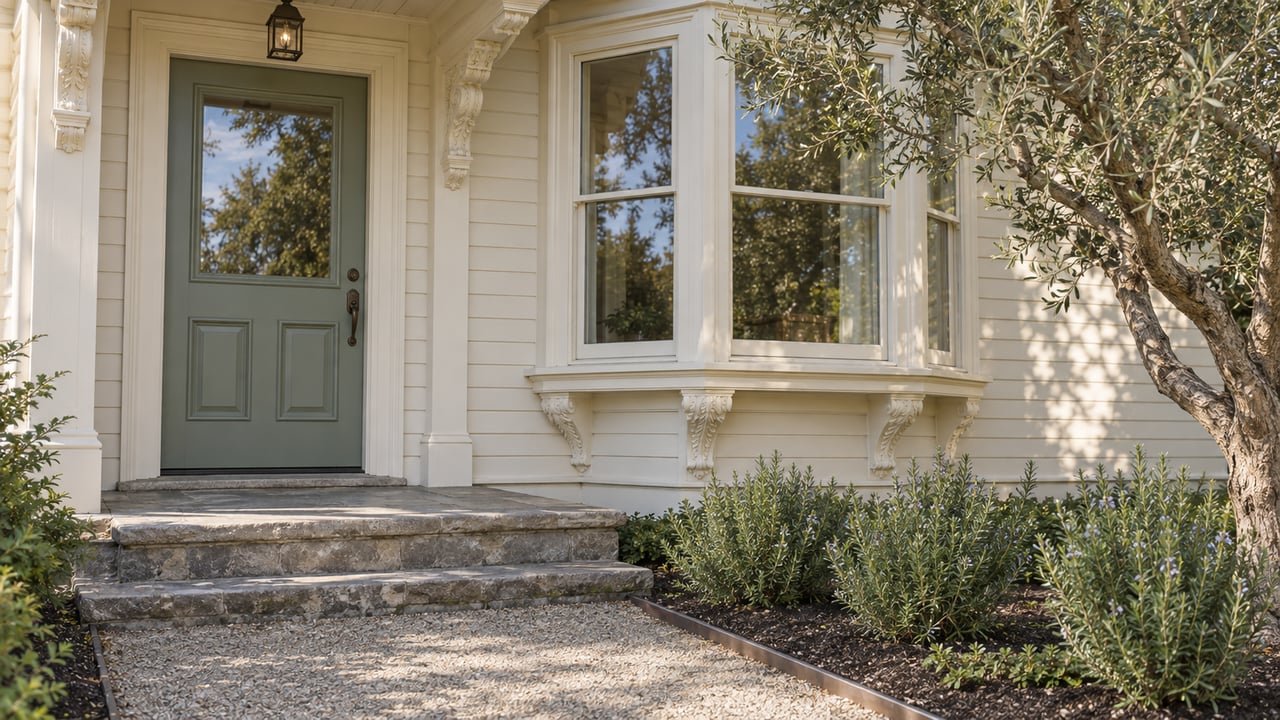
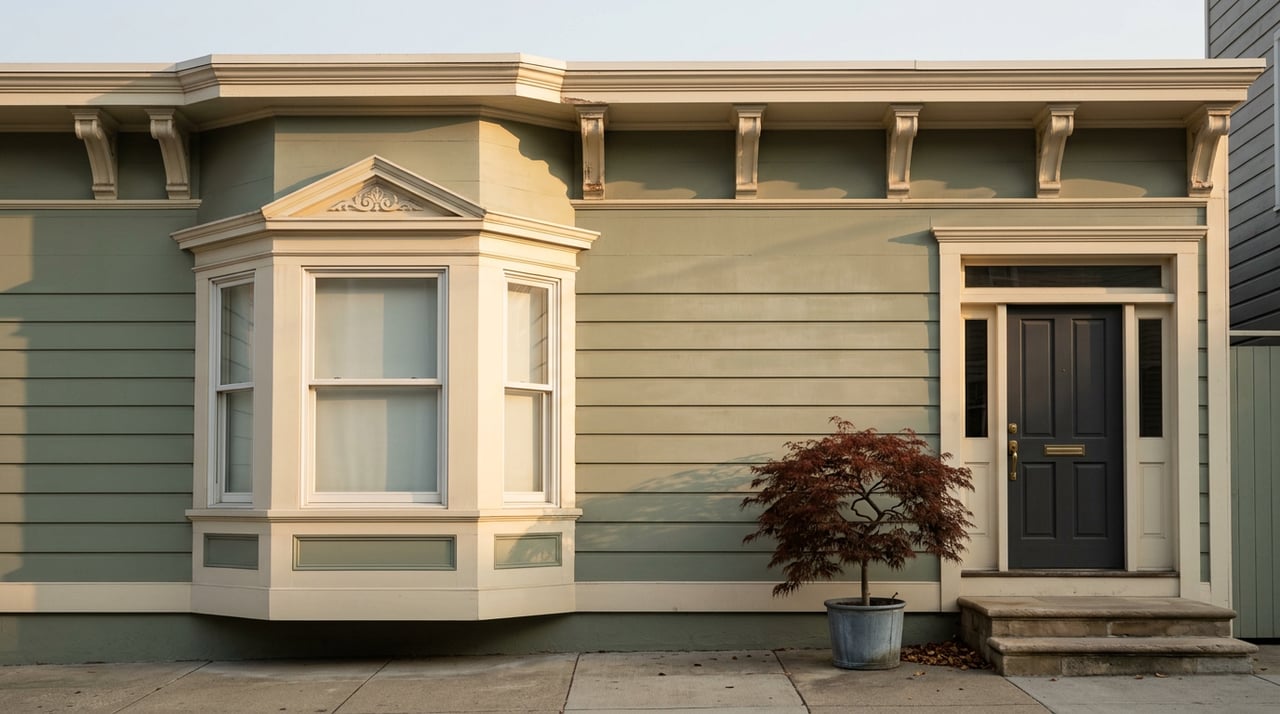
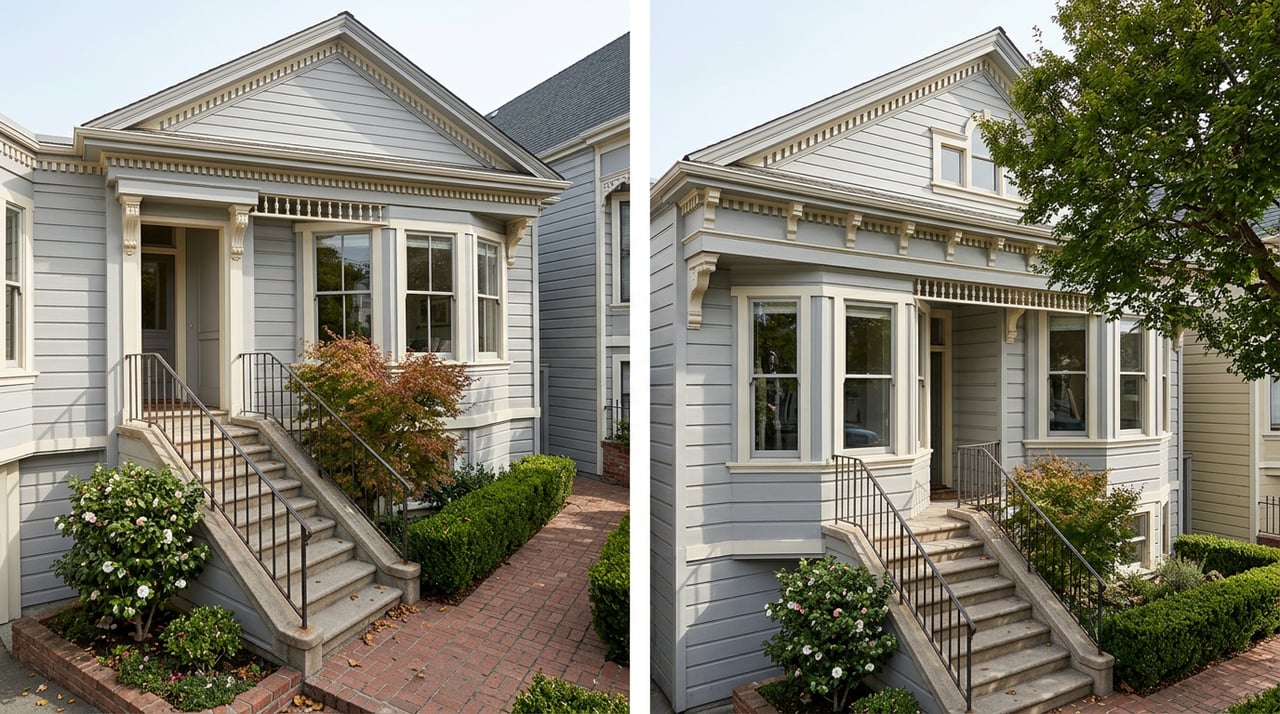
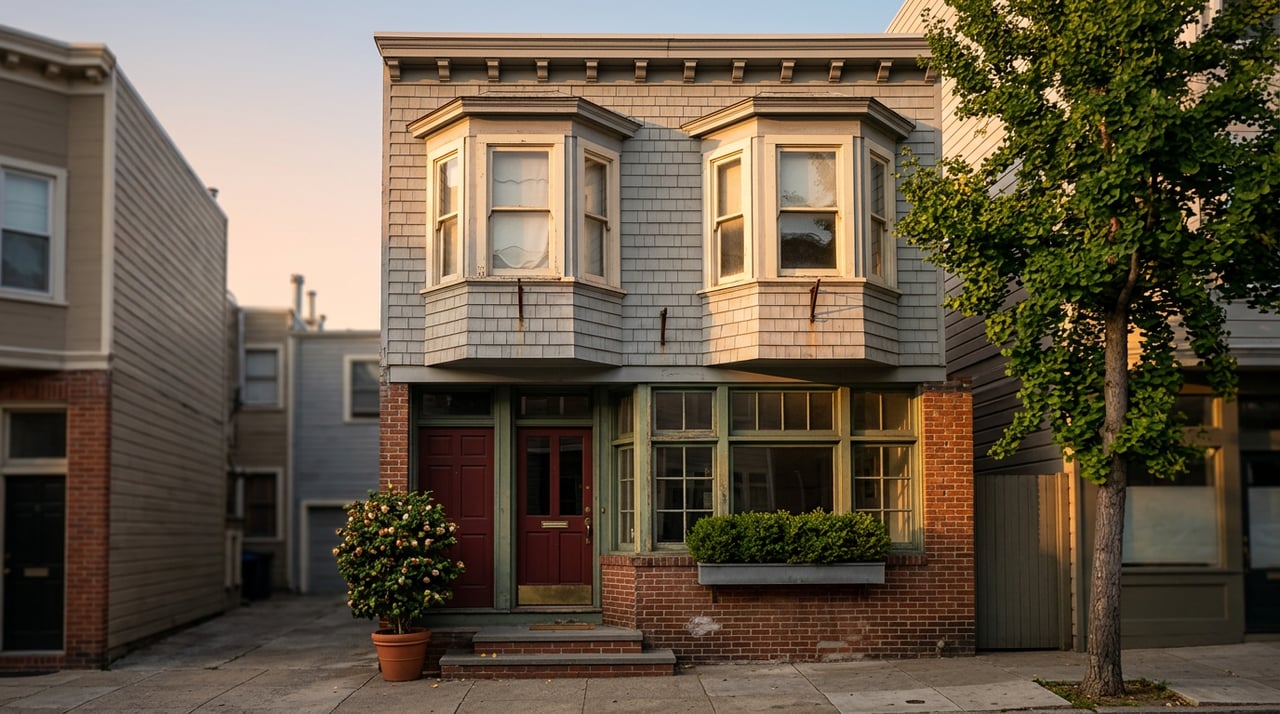
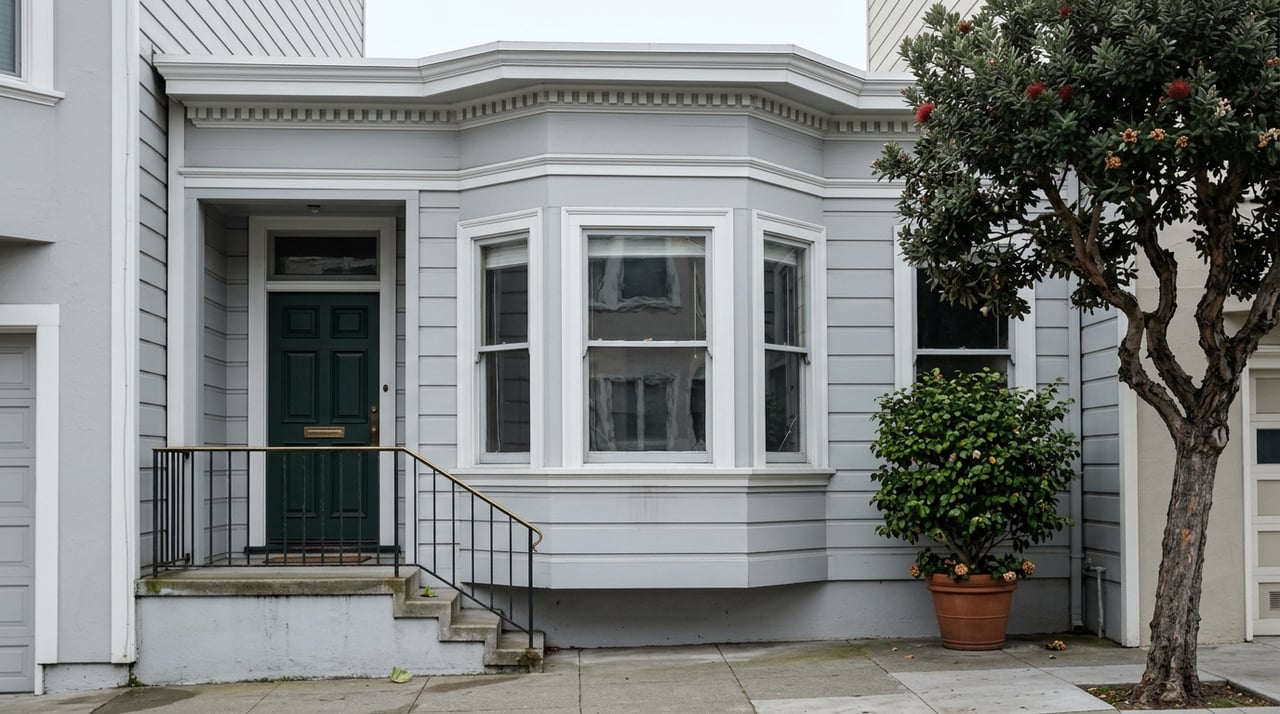
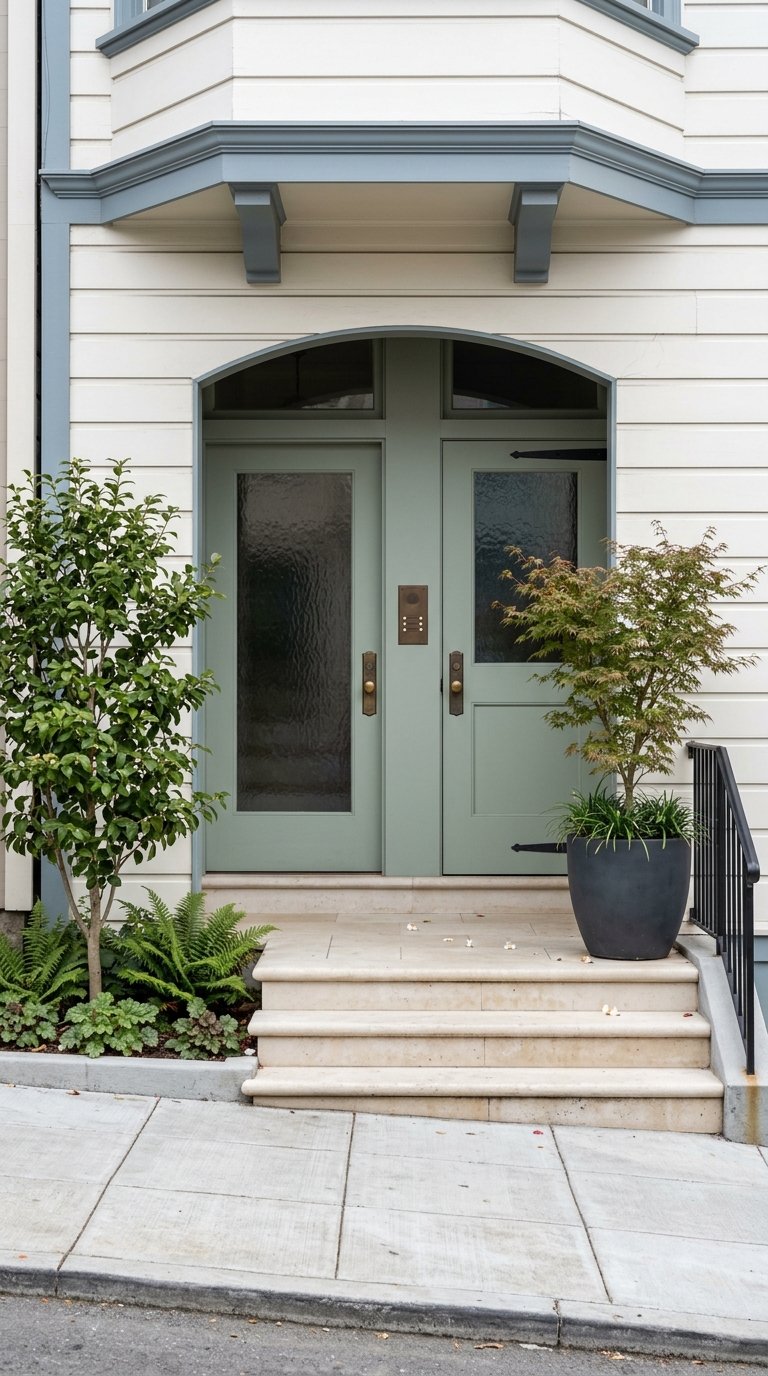
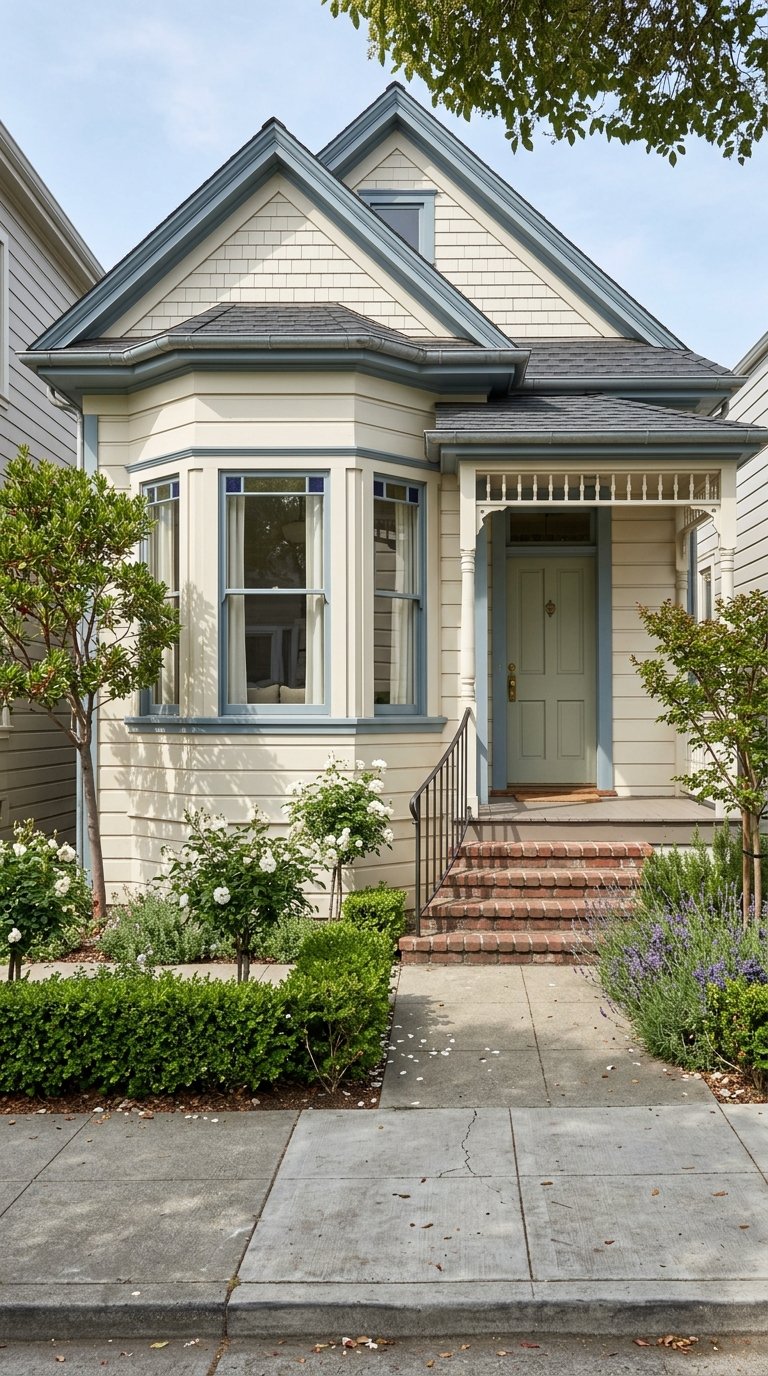
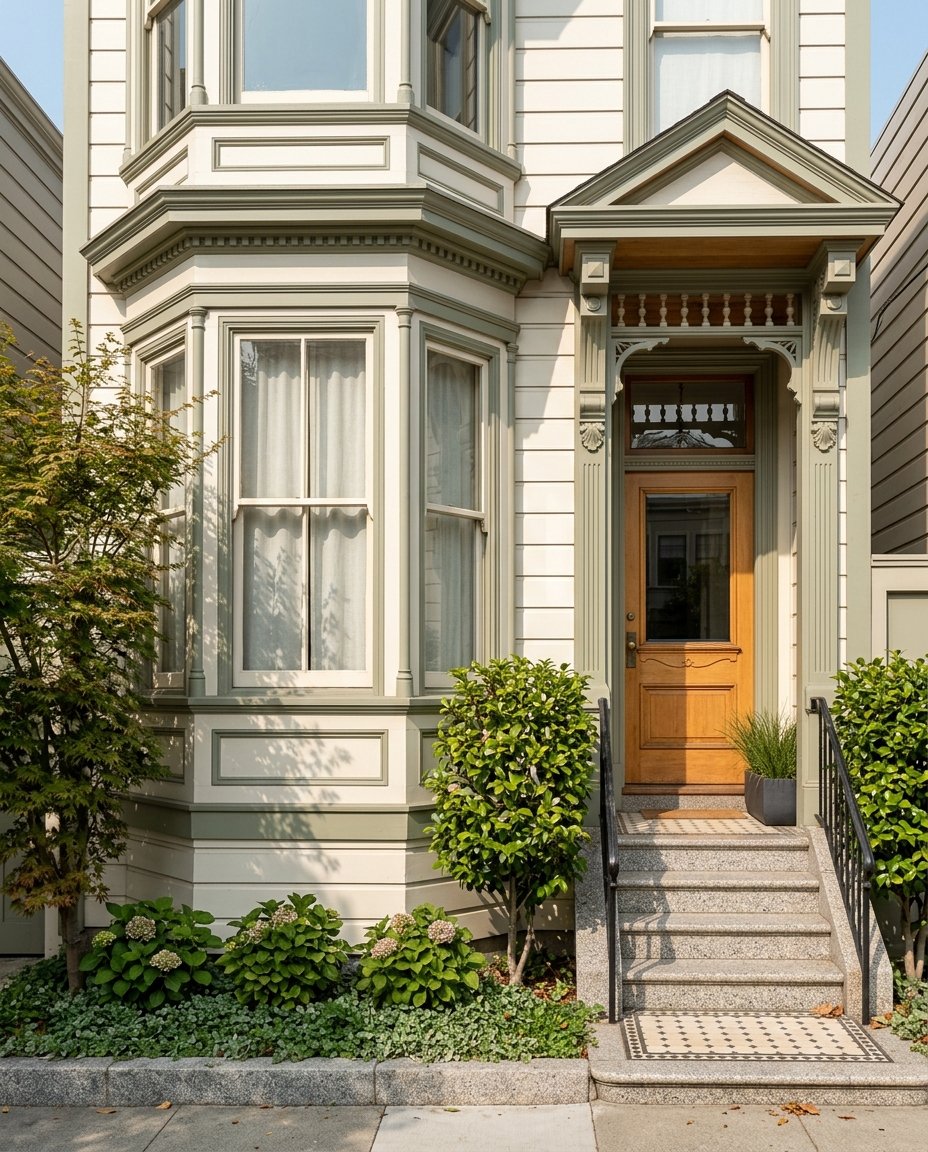
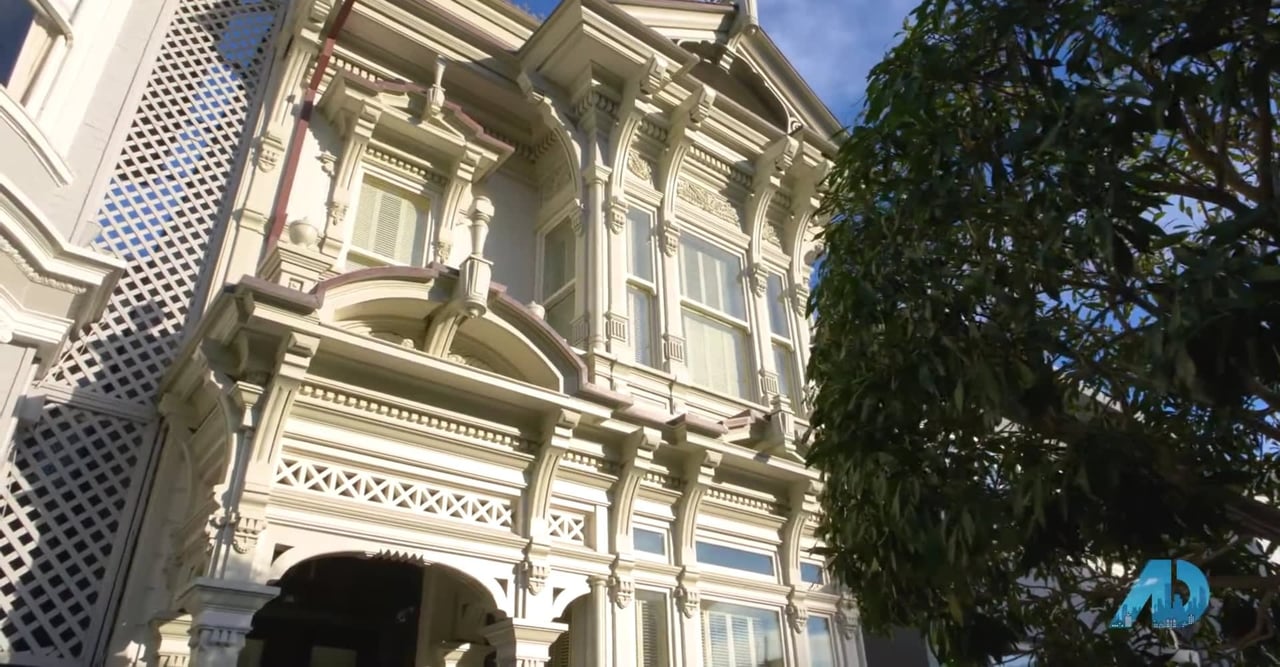
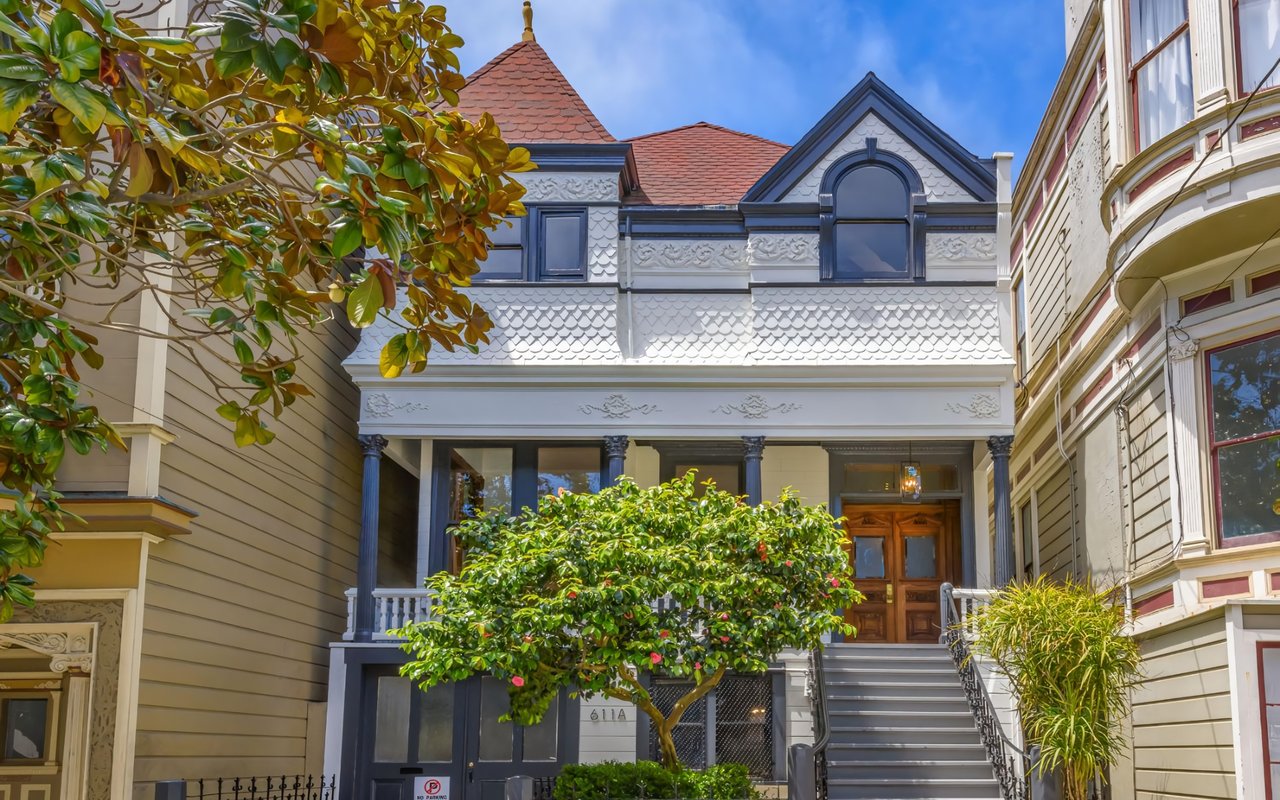
Think about the things that make a Victorian recognizable: the windows, cornices, bay windows, exterior ornamentation, siding, doors, rooflines and other architectural details. Those elements can be an important part of the preservation review process.
The San Francisco Planning Department plays an important role in administering these regulations, while the Historic Preservation Commission reviews certain projects involving historic resources.
This does not mean that you cannot make changes to a historic home.
It means that the City may look carefully at changes that could affect the property's historic character—particularly work that is visible from the street or changes to significant architectural features.
This is especially important in San Francisco because the exterior details of our historic homes are often what make them architecturally significant.
Think about the things that make a Victorian recognizable: the windows, cornices, bay windows, exterior ornamentation, siding, doors, rooflines and other architectural details. Those elements can be an important part of the preservation review process.
Who Reviews Changes?
Depending on the property and the proposed work:
- The San Francisco Planning Department administers applicable planning and preservation regulations.
- The Historic Preservation Commission reviews certain projects involving historic resources.
- Article 10 establishes protections for designated historic resources and historic districts.
- Other preservation regulations may apply depending on the property's location and status.
This is one reason I encourage buyers to investigate a historic property before purchasing it if they already have a specific renovation in mind.
What Can You Change in a Historic Home?
This is probably the question I hear most often.
The answer is: it depends on the property, its historic status, the location of the proposed work, and exactly what you want to change.
Historic preservation does not mean that you have to live in a time capsule.
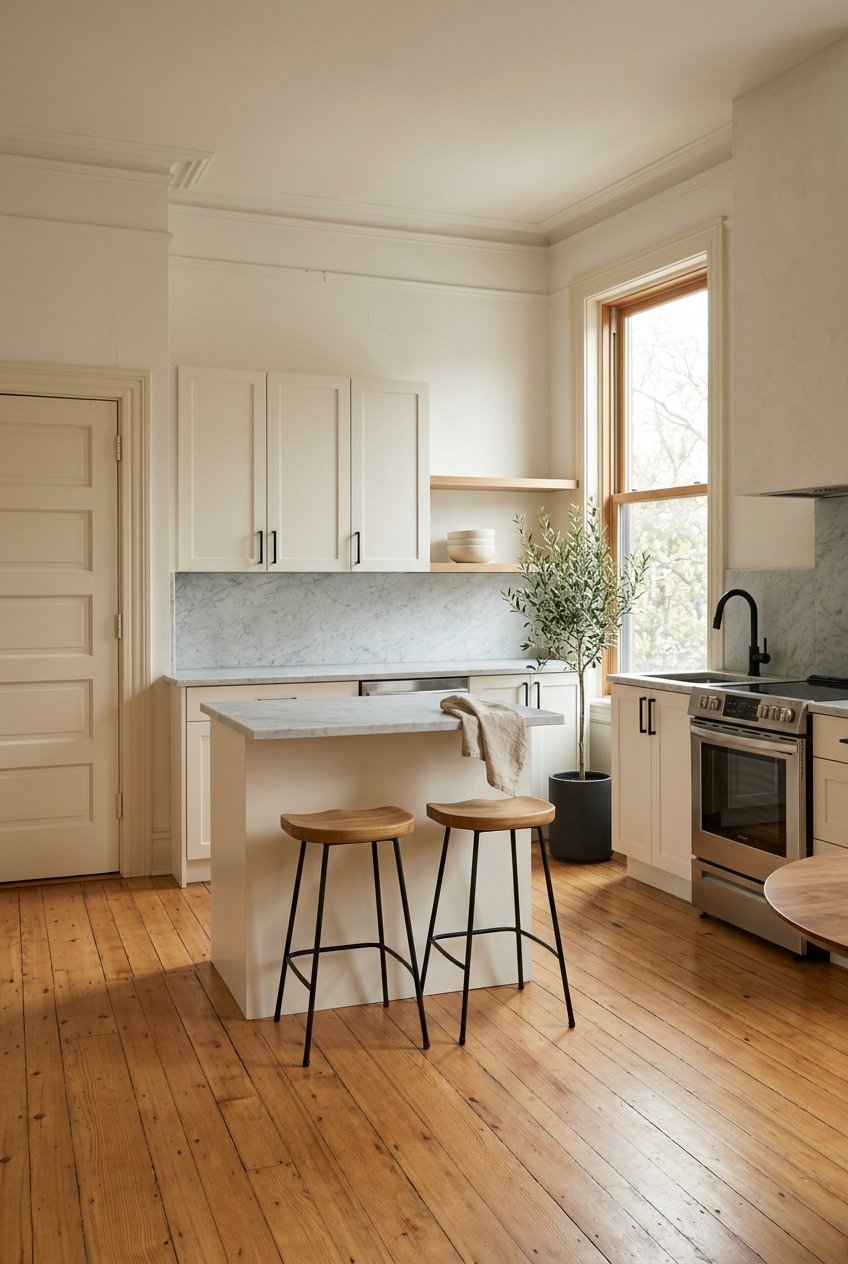
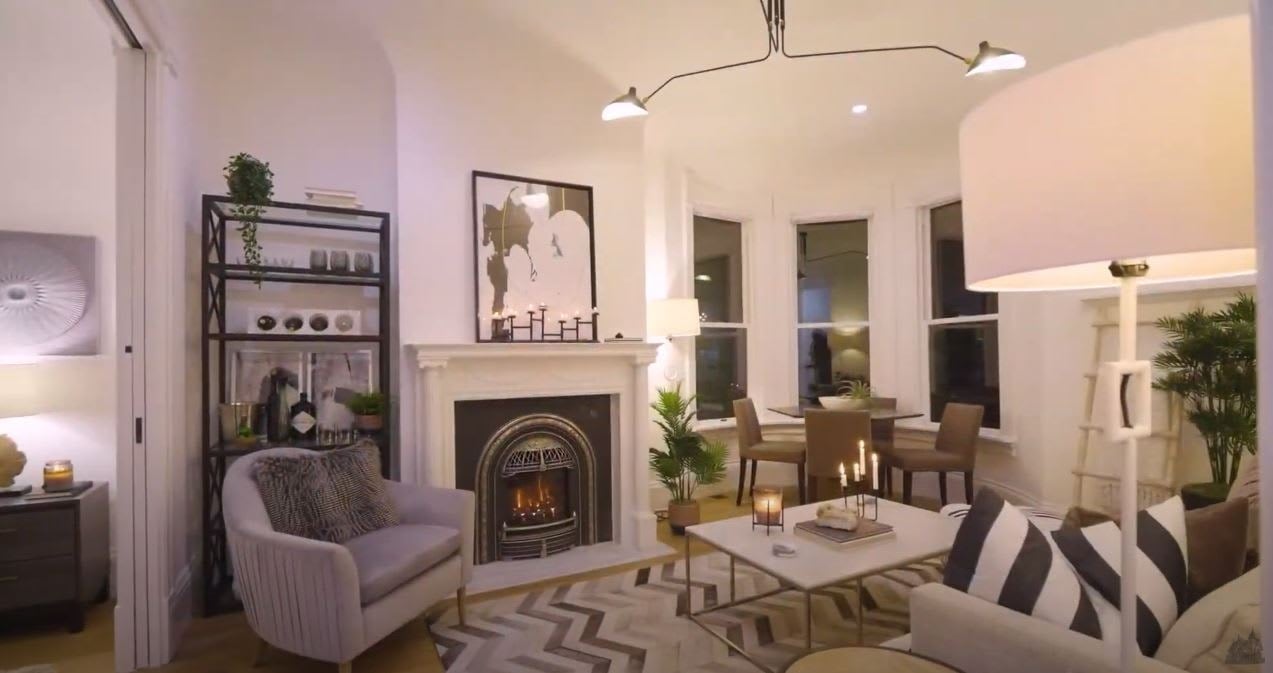
Many historic homeowners make significant improvements to their properties. Kitchens are updated. Bathrooms are remodeled. Systems are modernized. Homes are made more functional for contemporary living.
The key is understanding which changes may require additional review.
The answer is: it depends on the property, its historic status, the location of the proposed work, and exactly what you want to change.
Historic preservation does not mean that you have to live in a time capsule.
Many historic homeowners make significant improvements to their properties. Kitchens are updated. Bathrooms are remodeled. Systems are modernized. Homes are made more functional for contemporary living.
The key is understanding which changes may require additional review.
Exterior Changes
Exterior work is where historic-preservation regulations can become particularly important.
Depending on the property, proposed work may include review of:
Depending on the property, proposed work may include review of:
- Window replacement
- Changes to exterior doors
- Alterations to significant architectural features
- Exterior additions
- Changes to the façade
- New construction
- Changes visible from the public right-of-way
- Demolition
A Certificate of Appropriateness may be required for certain work involving an Article 10 historic resource.
The important point is that you should not assume that a project will be approved—or that it will be prohibited—without looking at the specific property and the proposed scope of work.
The important point is that you should not assume that a project will be approved—or that it will be prohibited—without looking at the specific property and the proposed scope of work.
What About Interior Remodeling?
This is where many buyers are pleasantly surprised.
Historic-preservation regulations generally focus much more heavily on the exterior and on historically significant features than on ordinary interior remodeling of a private residence.
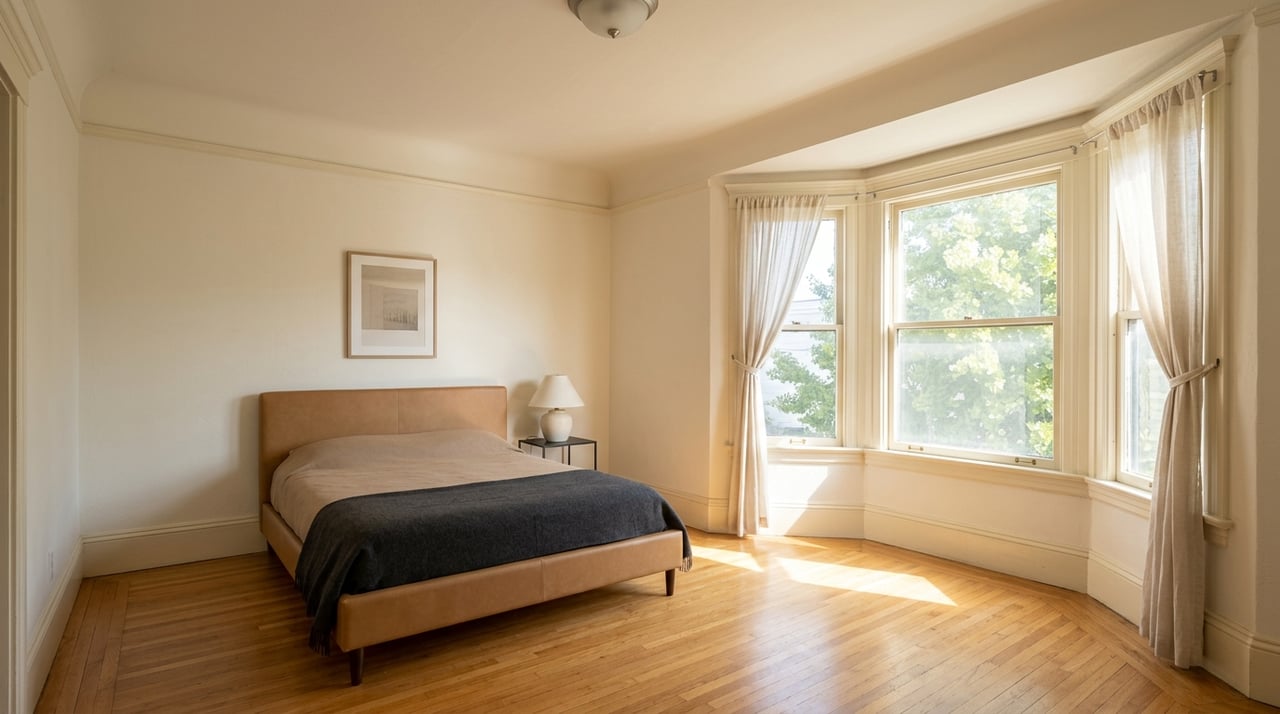
That means you may have considerable flexibility when updating the interior of a historic San Francisco home.
Of course, building codes, permits and other regulations can still apply. And some properties may have additional protections.
My advice is always the same: understand the property before you make assumptions about what you can or cannot do.
Historic-preservation regulations generally focus much more heavily on the exterior and on historically significant features than on ordinary interior remodeling of a private residence.
That means you may have considerable flexibility when updating the interior of a historic San Francisco home.
Of course, building codes, permits and other regulations can still apply. And some properties may have additional protections.
My advice is always the same: understand the property before you make assumptions about what you can or cannot do.
Why Historic Districts Matter to San Francisco Real Estate
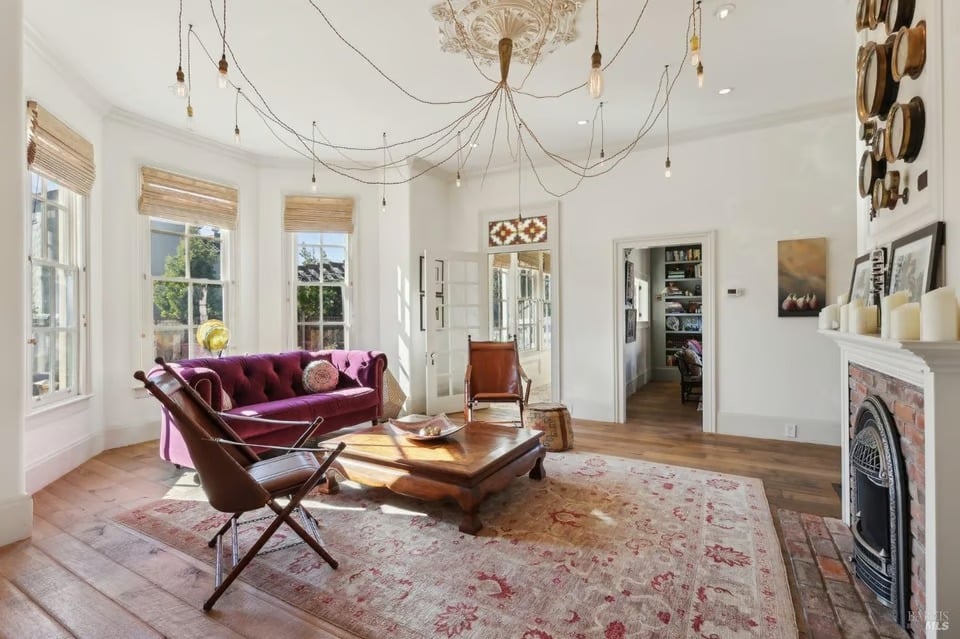
There is a reason buyers from around the world are attracted to San Francisco's historic neighborhoods. The architecture is about what makes us special and Victorian and Edwardian homes are part of the architectural identity of the city.
Historic-district protections help preserve that identity.
When you purchase a home in a historic district, you are not only purchasing an individual property. You are purchasing a home within a neighborhood whose architectural character may be protected for generations.
That can be a significant benefit. It affects a home’s value and the vitality of the neighborhood.
Imagine buying a beautiful Victorian home on a block where the surrounding houses have maintained their historic character for decades. The preservation regulations that may limit certain changes to your property can also help protect the character of the properties around you.
For buyers who love historic architecture, that can be a very good thing.
Historic-district protections help preserve that identity.
When you purchase a home in a historic district, you are not only purchasing an individual property. You are purchasing a home within a neighborhood whose architectural character may be protected for generations.
That can be a significant benefit. It affects a home’s value and the vitality of the neighborhood.
Imagine buying a beautiful Victorian home on a block where the surrounding houses have maintained their historic character for decades. The preservation regulations that may limit certain changes to your property can also help protect the character of the properties around you.
For buyers who love historic architecture, that can be a very good thing.
The Mills Act and Historic San Francisco Homes
Another important consideration for owners of qualifying historic properties is the Mills Act.
The Mills Act is a California program that can provide property-tax benefits to owners of qualifying historic properties in exchange for a commitment to preserve and maintain the property.
Not every historic home automatically qualifies, and there are application requirements and preservation obligations.
But if you are buying a historic home in San Francisco, it is certainly worth asking whether the property has an existing Mills Act contract or whether it may qualify for the program.
For some homeowners, the potential tax savings can be significant.
The Mills Act is a California program that can provide property-tax benefits to owners of qualifying historic properties in exchange for a commitment to preserve and maintain the property.
Not every historic home automatically qualifies, and there are application requirements and preservation obligations.
But if you are buying a historic home in San Francisco, it is certainly worth asking whether the property has an existing Mills Act contract or whether it may qualify for the program.
For some homeowners, the potential tax savings can be significant.
Buying a Historic Home in San Francisco
If you are considering purchasing a Victorian or other historic home, I recommend doing your homework before you fall in love with a renovation plan.
Start by understanding:
Start by understanding:
- Is the property located within a historic district?
- What type of historic designation applies?
- Is the property considered contributory or non-contributory?
- Are there existing preservation restrictions?
- Are there previous permits or approved alterations?
- Does the property have a Mills Act contract?
- What changes are you considering?
- How might those changes be reviewed?
This is particularly important if you are purchasing a home because you already have plans for an addition, major exterior renovation, window replacement or other substantial project.
A historic home can be an extraordinary opportunity, but you want to understand what you are purchasing.
A historic home can be an extraordinary opportunity, but you want to understand what you are purchasing.
Selling a Historic Home in San Francisco
Historic status can also be an important part of a San Francisco home sale.
The right buyer may specifically be looking for a Victorian, Edwardian or architecturally significant home. For that buyer, the historic character isn't a drawback—it is one of the reasons they are interested in the property.
When selling a historic home, it is important to understand and communicate:
The right buyer may specifically be looking for a Victorian, Edwardian or architecturally significant home. For that buyer, the historic character isn't a drawback—it is one of the reasons they are interested in the property.
When selling a historic home, it is important to understand and communicate:
- The property's architectural history
- Its historic designation
- Its district classification, if applicable
- Significant original architectural features
- Previous alterations and permits
- Any Mills Act status
- Applicable preservation requirements
Marketing a historic property effectively requires more than simply describing the number of bedrooms and bathrooms.
You are telling the story of the house.
And in San Francisco real estate, the story matters.
You are telling the story of the house.
And in San Francisco real estate, the story matters.
Frequently Asked Questions
What is a historic district in San Francisco?
A historic district is a defined area recognized for its historical or architectural significance. Properties within certain San Francisco historic districts are subject to preservation regulations intended to protect the character of the neighborhood.
Does a historic designation mean I cannot remodel my home?
No. Historic designation does not mean that you cannot remodel your home. Interior remodeling of a private residence may have considerable flexibility, while certain exterior alterations may require historic-preservation review in addition to standard permits.
Can I replace the windows in a San Francisco Victorian?
Possibly, but window replacement can receive particular scrutiny when the windows are historically significant or visible from the street. Before replacing original Victorian windows, it is important to determine the property's historic status and the applicable regulations.
What is a Certificate of Appropriateness?
A Certificate of Appropriateness is a historic-preservation approval used for certain projects involving properties subject to Article 10 protections. Whether one is required depends on the property and the proposed work.
What is the Mills Act?
The Mills Act is a California historic-preservation program that can provide property-tax benefits to qualifying historic-property owners who agree to meet preservation and maintenance requirements.
Are all Victorian homes in San Francisco historic?
No. A home may be architecturally old or Victorian in style without having a particular historic designation. The age, architectural significance, location and official historic status of an individual property all matter.
Work With a San Francisco Historic Home Specialist
San Francisco's historic homes are one of the reasons I fell in love with real estate in this city.
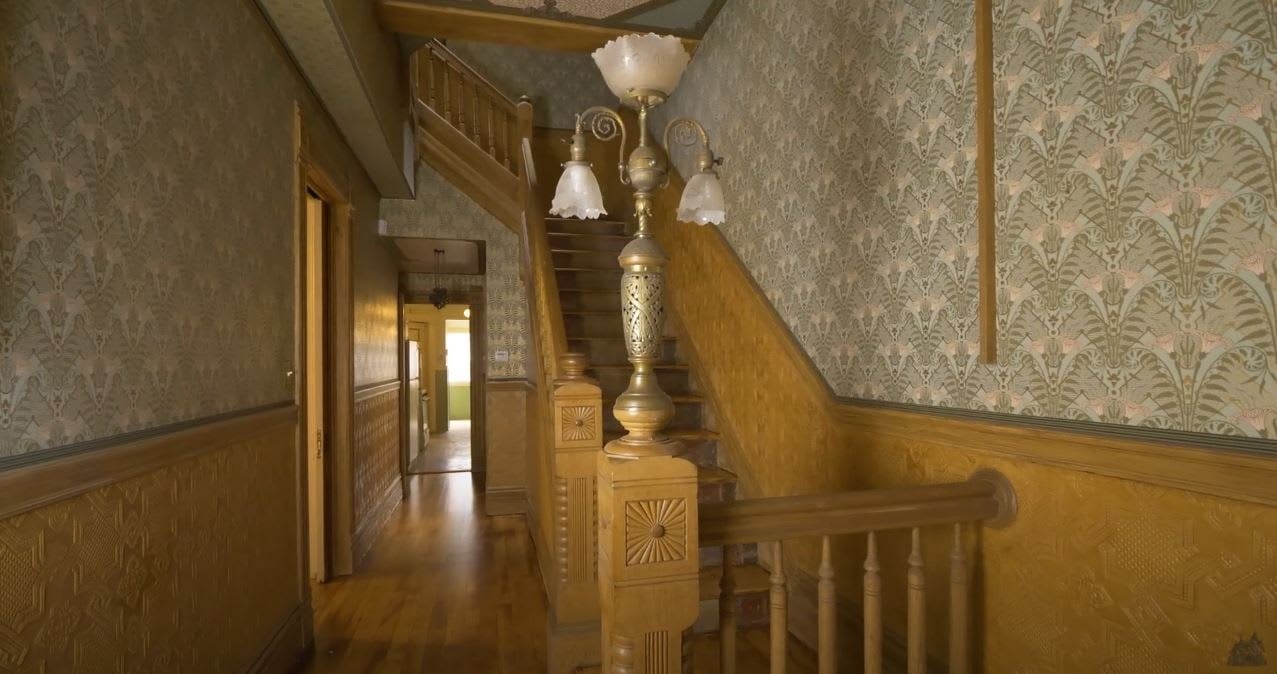
After more than 30 years in the business, I still get excited when I walk through a beautiful Victorian and see the craftsmanship that went into creating it more than a century ago.
These homes require a little more knowledge. There may be preservation regulations to understand, architectural details to protect and additional questions to ask before you buy or begin a renovation.
But that is also what makes them special.
If you are thinking about buying or selling a historic home in San Francisco, I would be happy to help you understand the property, the neighborhood and the issues that may be important to your decision.
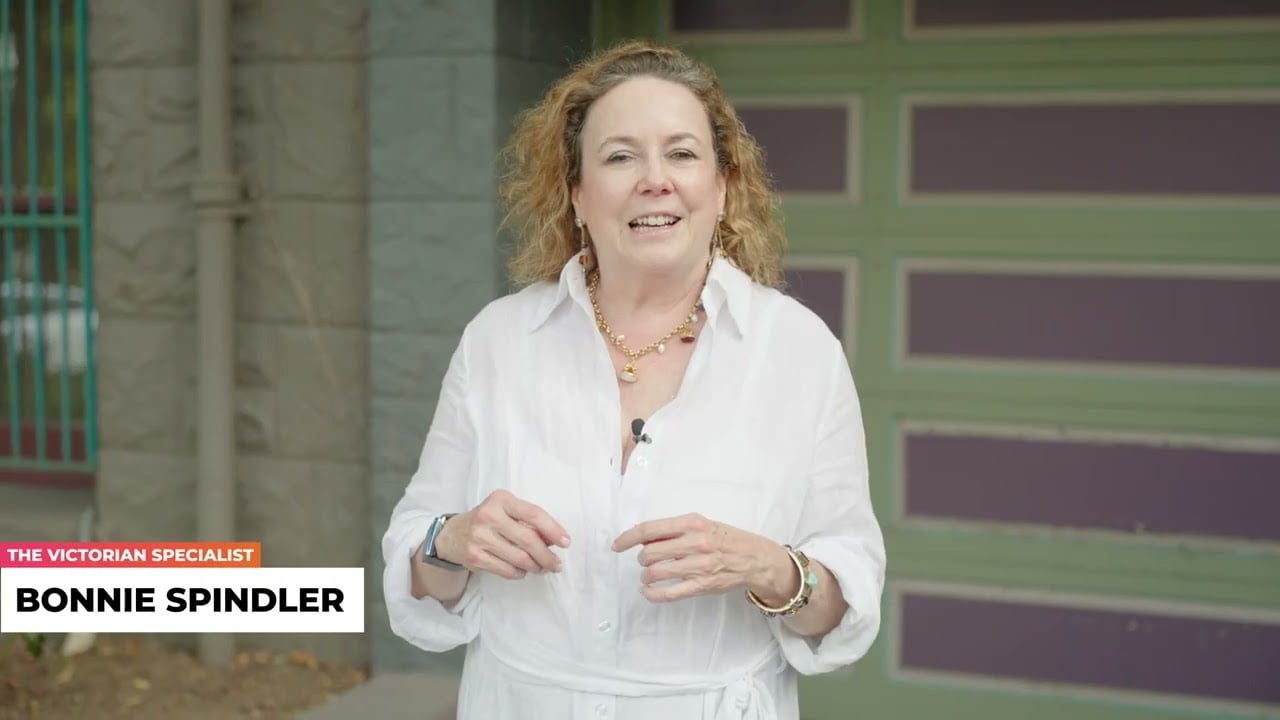
I am Bonnie Spindler, the Victorian Specialist, specializing in San Francisco's historic homes and real estate.
Whether you are looking for a classic San Francisco Victorian, an Edwardian, a home in a historic district, or simply want to understand the historic property you already own, I would love to talk with you.
Bonnie Spindler – The Victorian Specialist
San Francisco's historic homes have stories to tell. I help my clients understand the story before they make their next move.
After more than 30 years in the business, I still get excited when I walk through a beautiful Victorian and see the craftsmanship that went into creating it more than a century ago.
These homes require a little more knowledge. There may be preservation regulations to understand, architectural details to protect and additional questions to ask before you buy or begin a renovation.
But that is also what makes them special.
If you are thinking about buying or selling a historic home in San Francisco, I would be happy to help you understand the property, the neighborhood and the issues that may be important to your decision.
I am Bonnie Spindler, the Victorian Specialist, specializing in San Francisco's historic homes and real estate.
Whether you are looking for a classic San Francisco Victorian, an Edwardian, a home in a historic district, or simply want to understand the historic property you already own, I would love to talk with you.
Bonnie Spindler – The Victorian Specialist
San Francisco's historic homes have stories to tell. I help my clients understand the story before they make their next move.