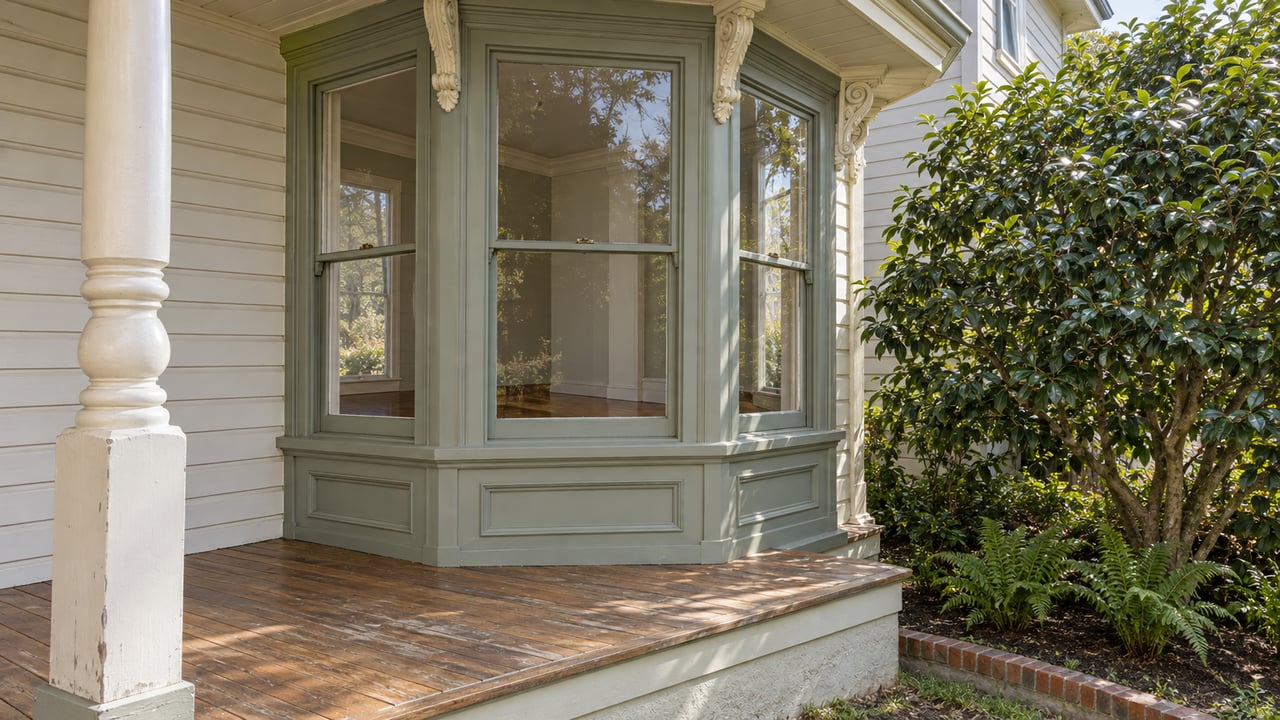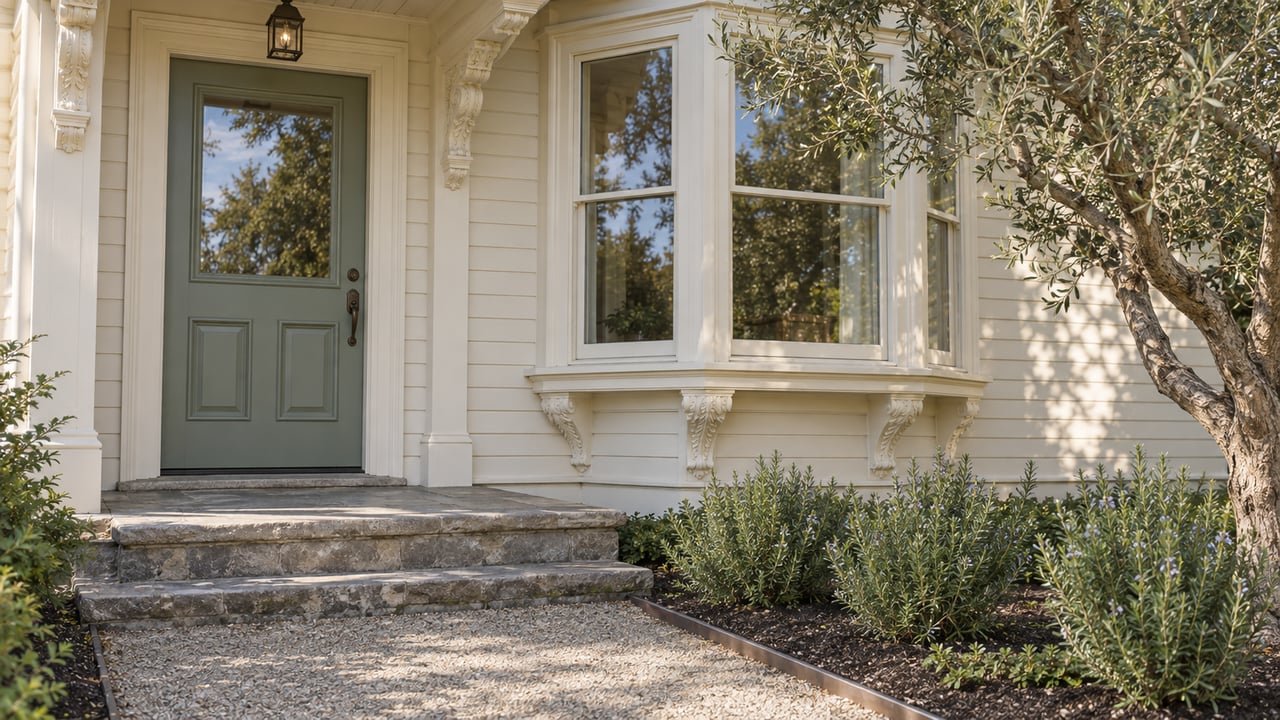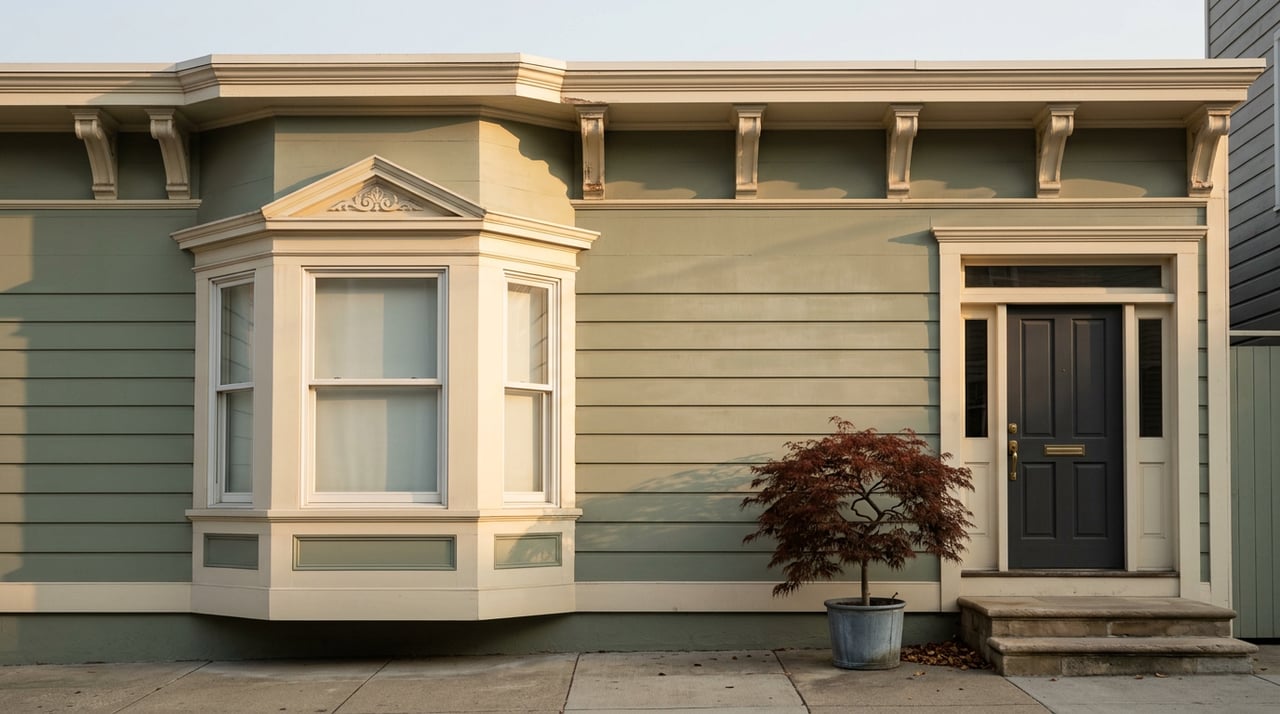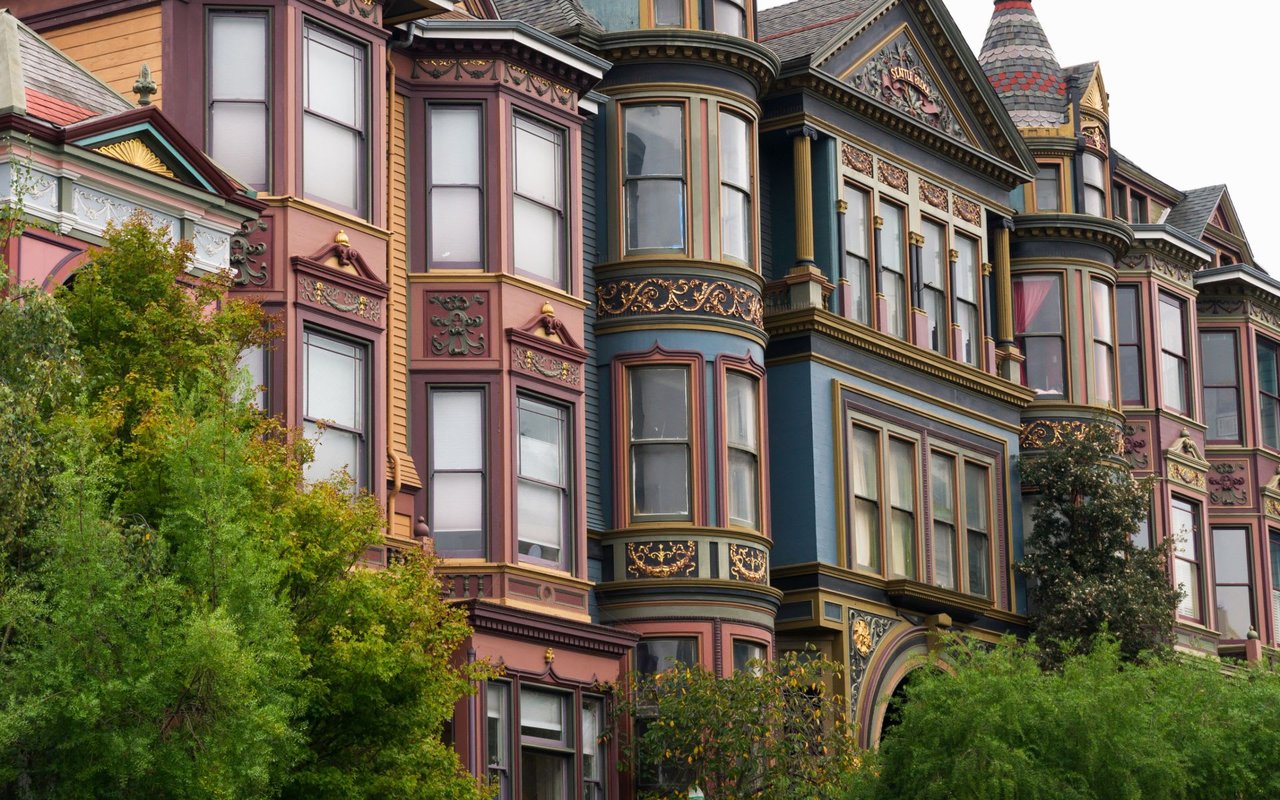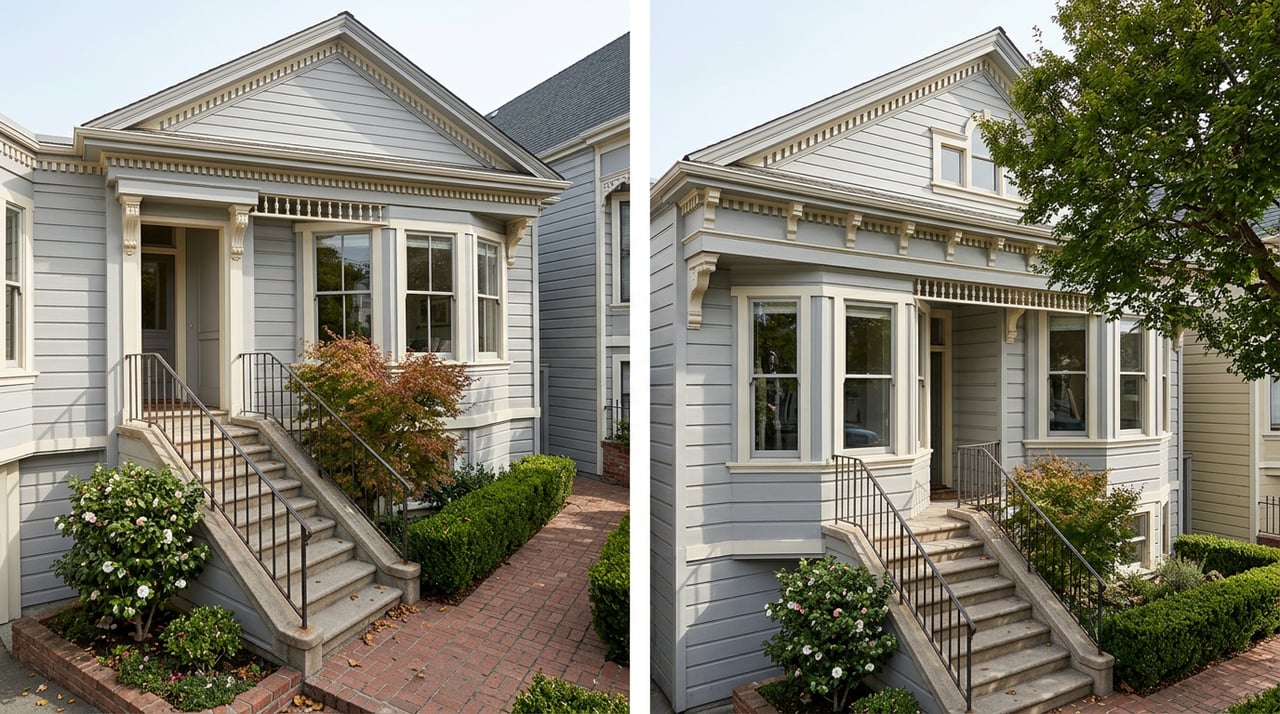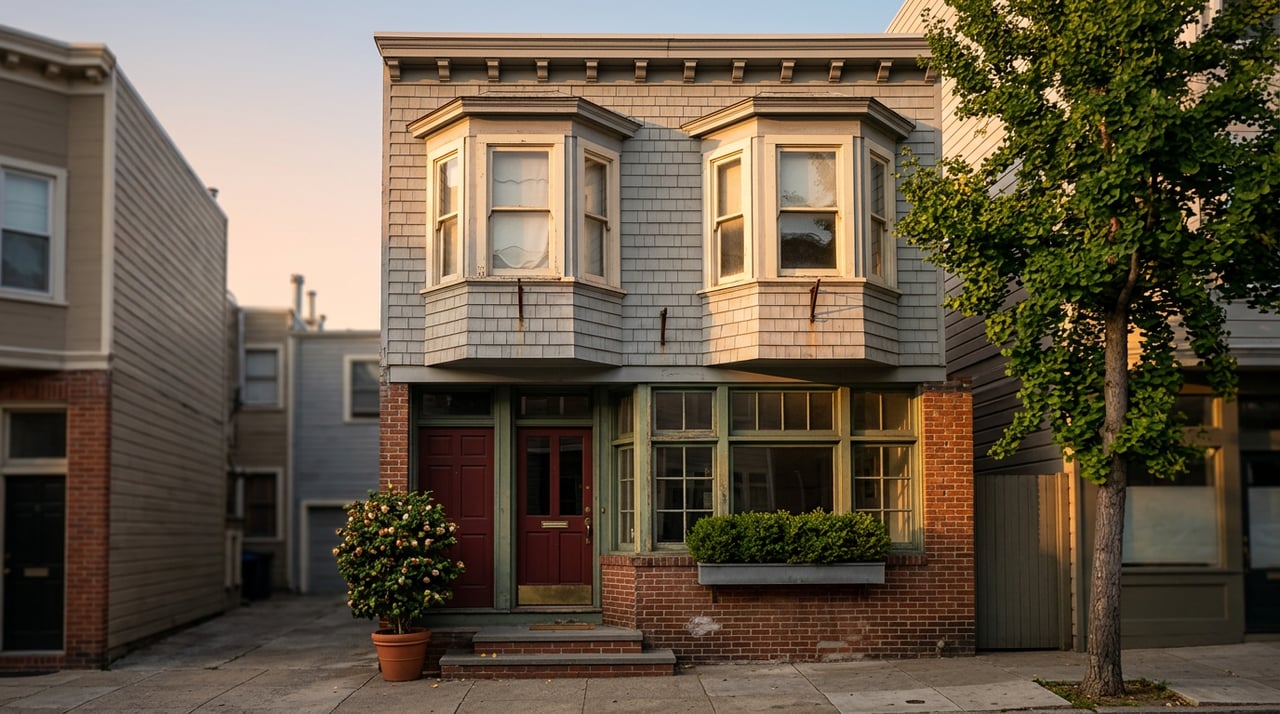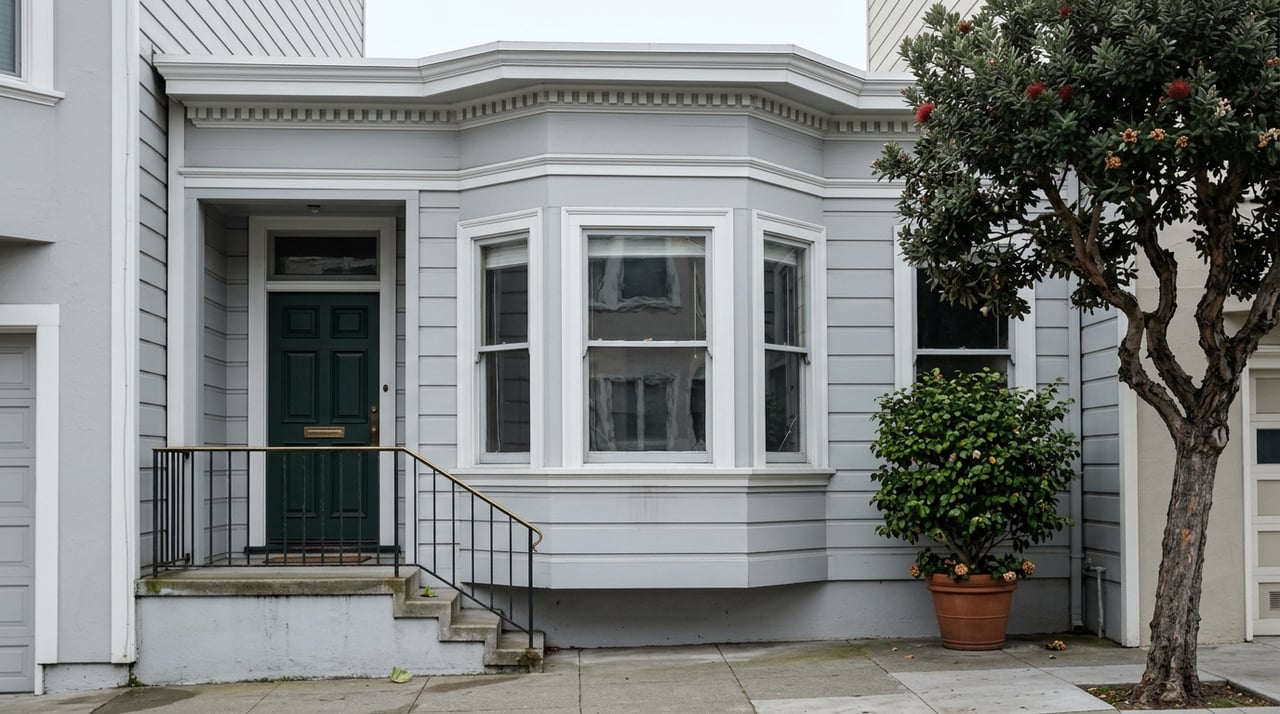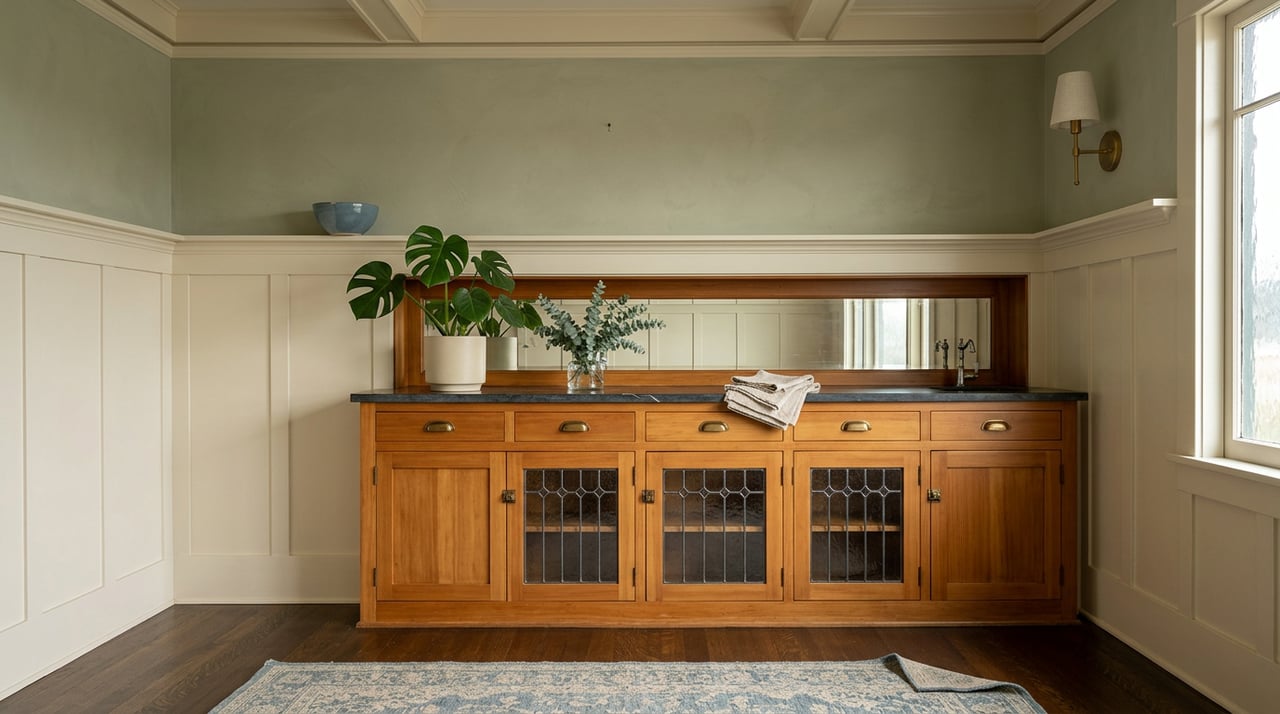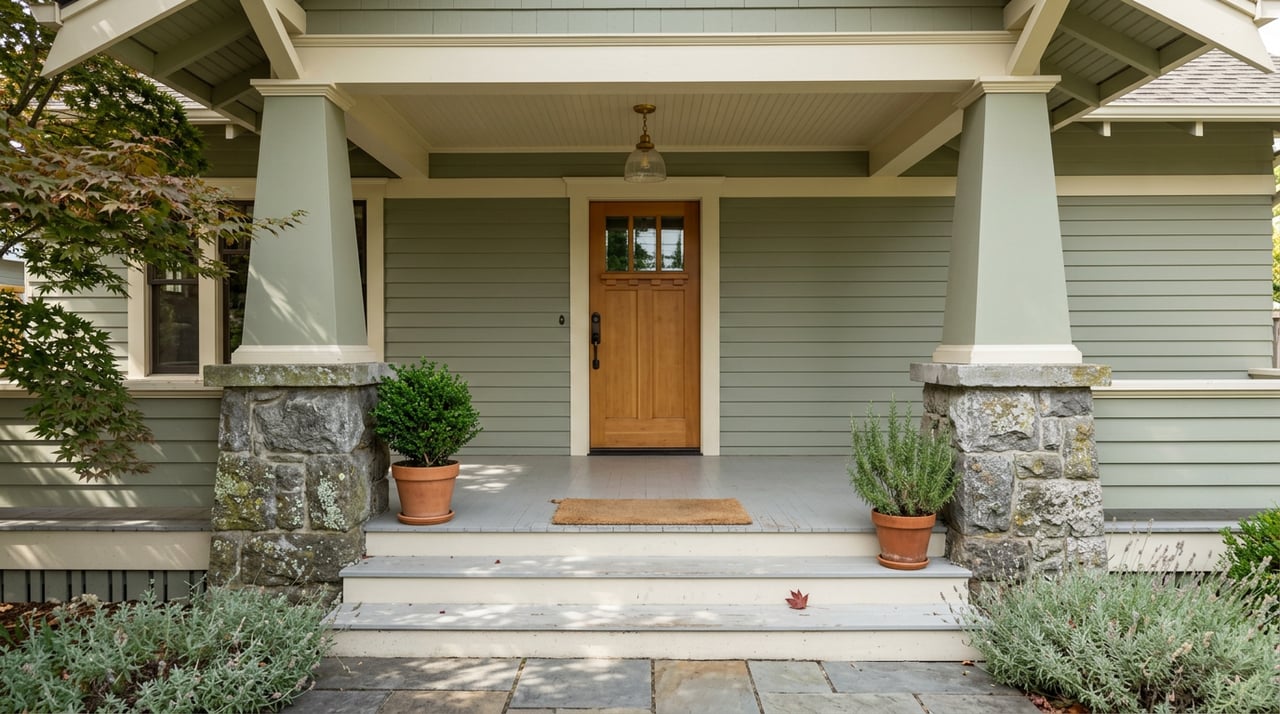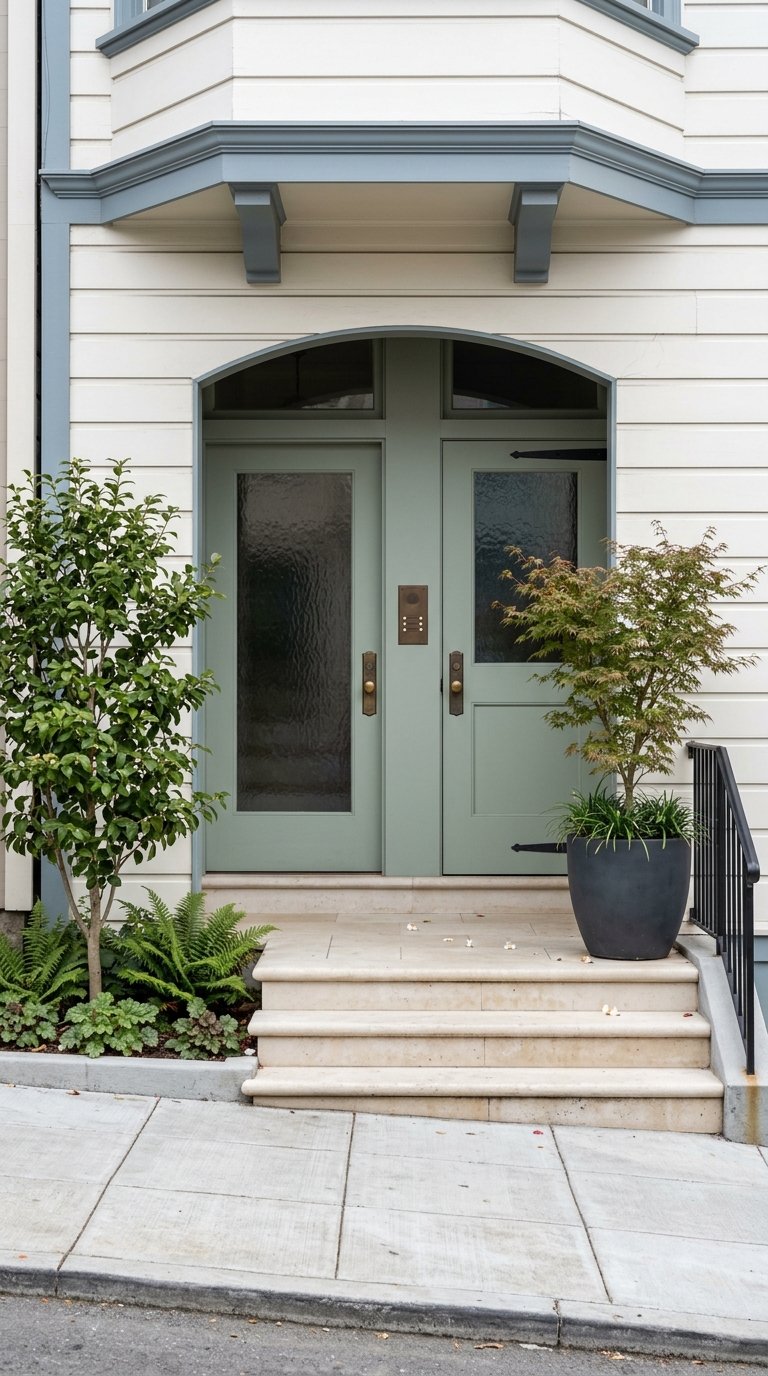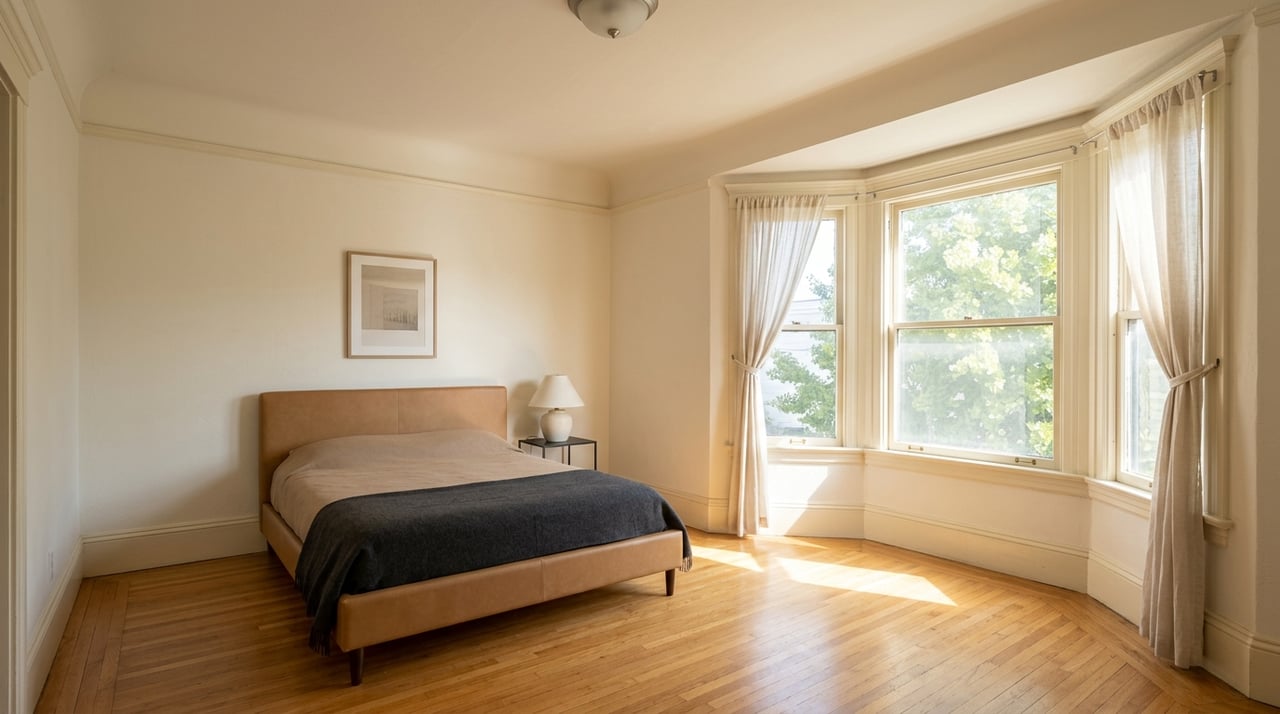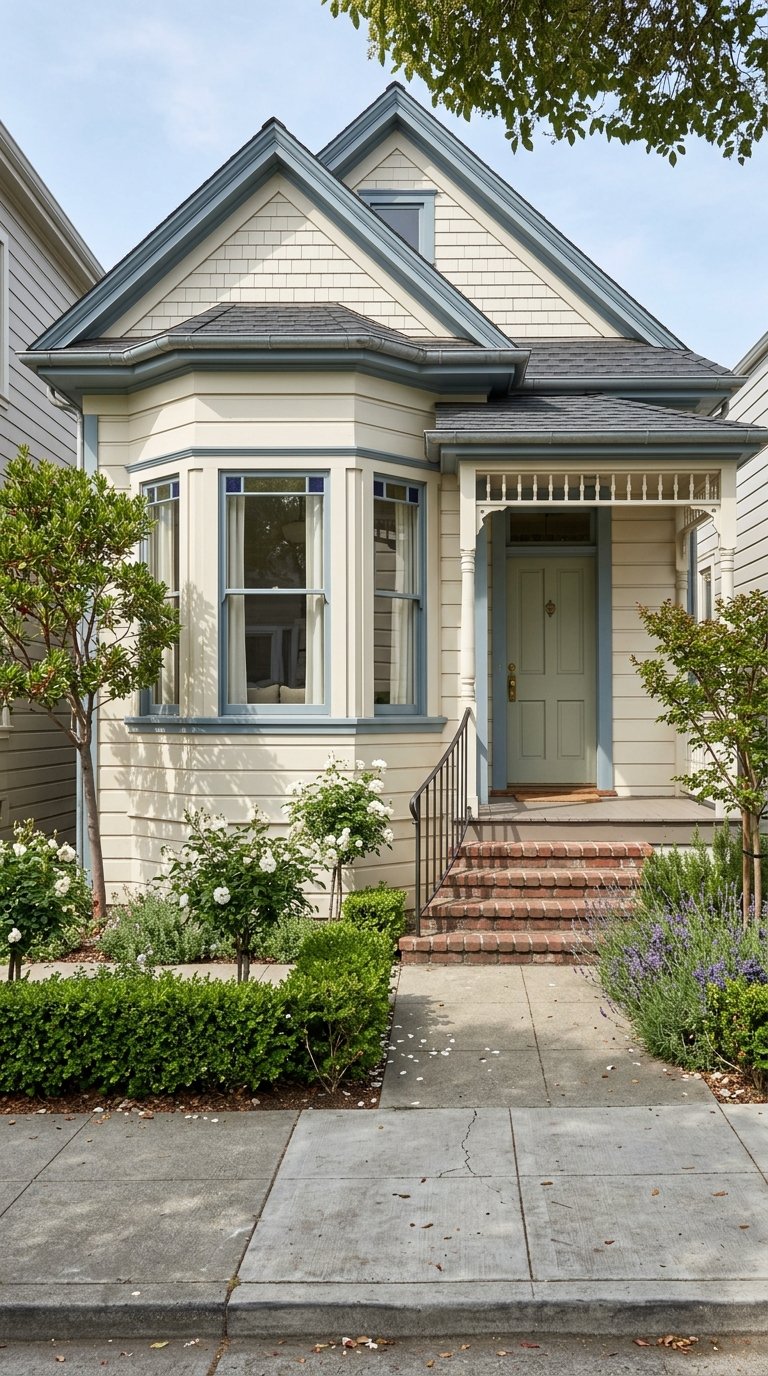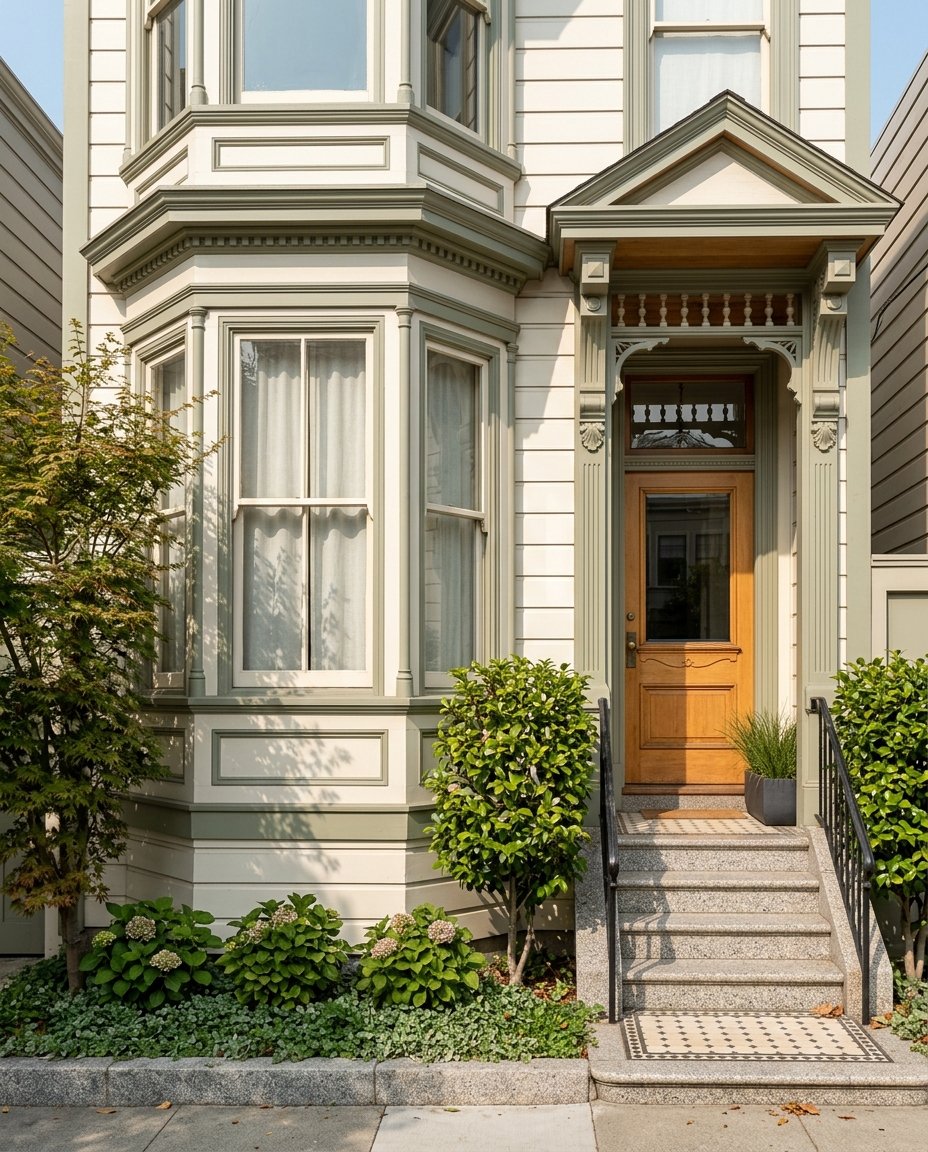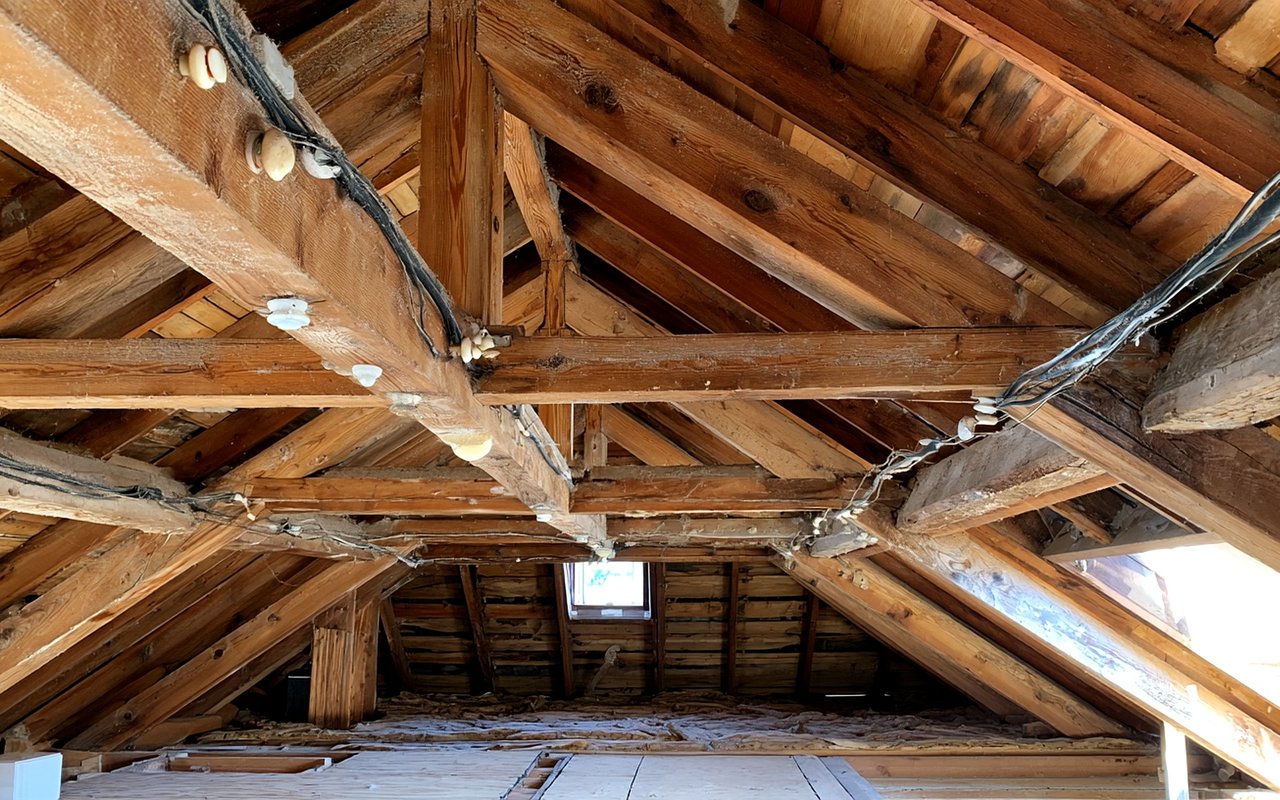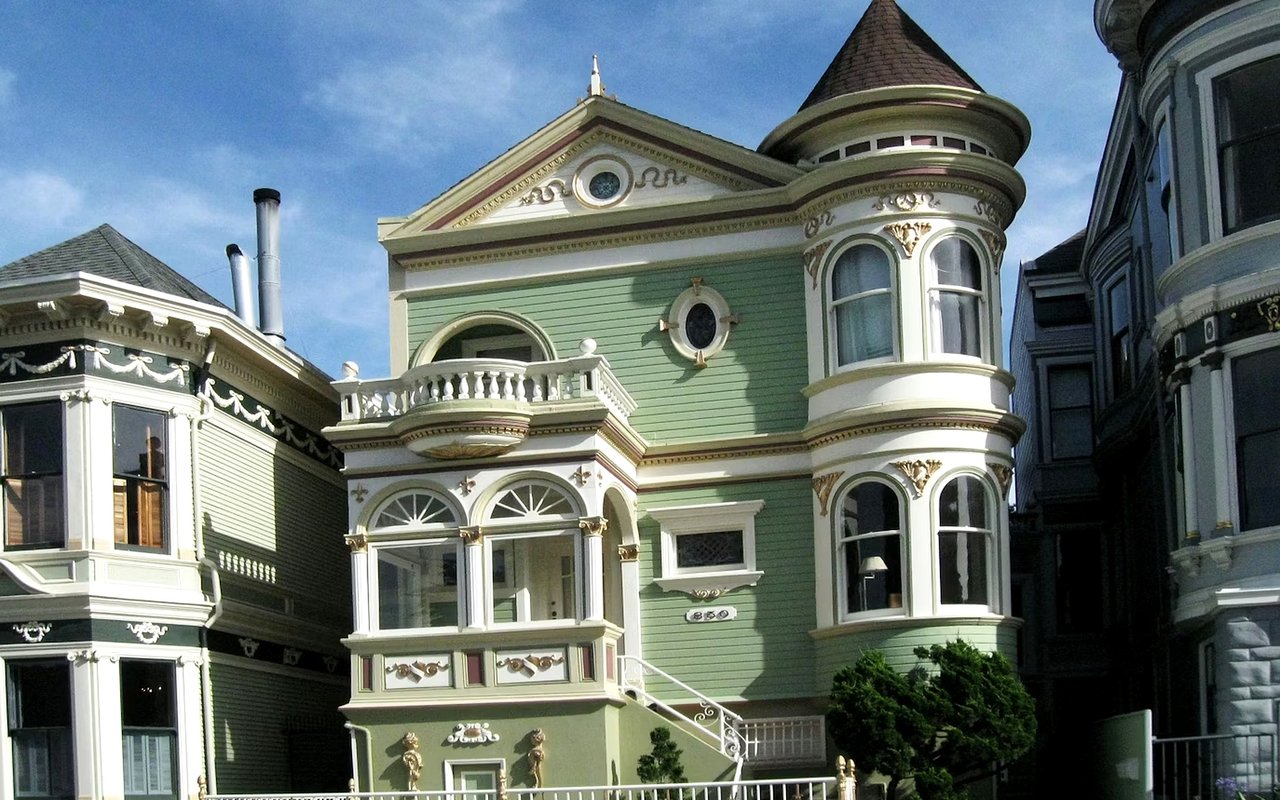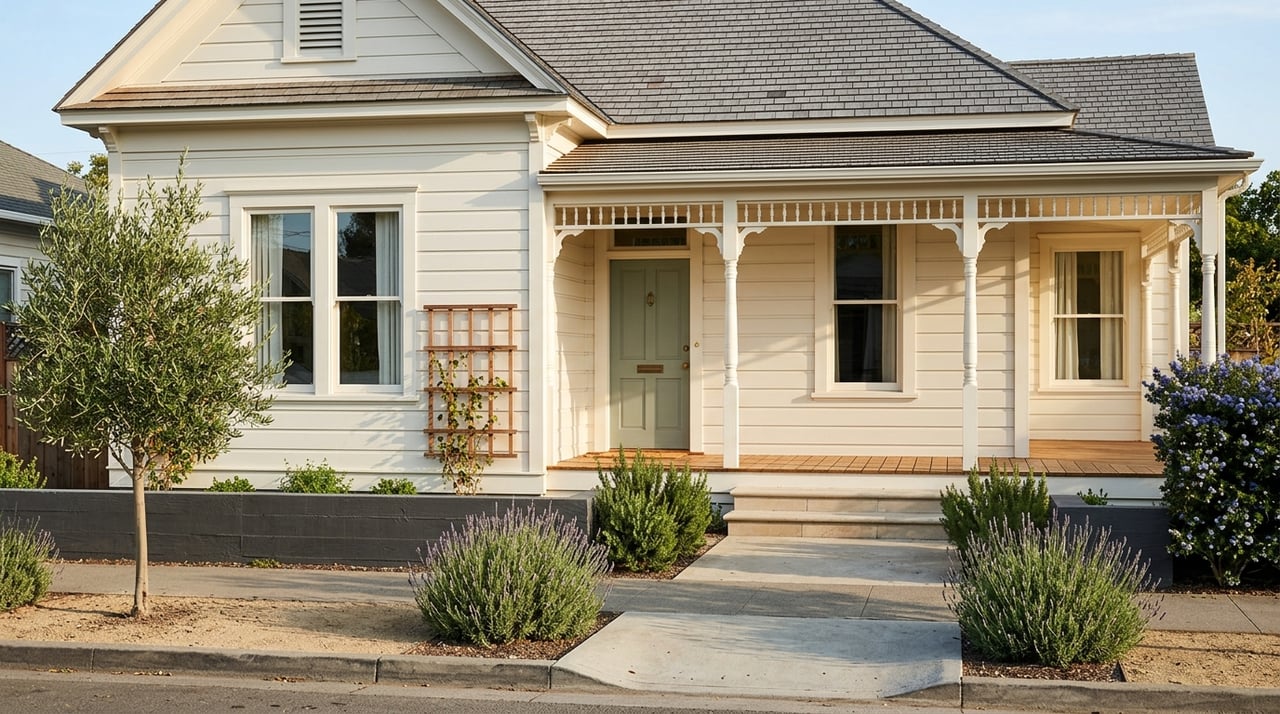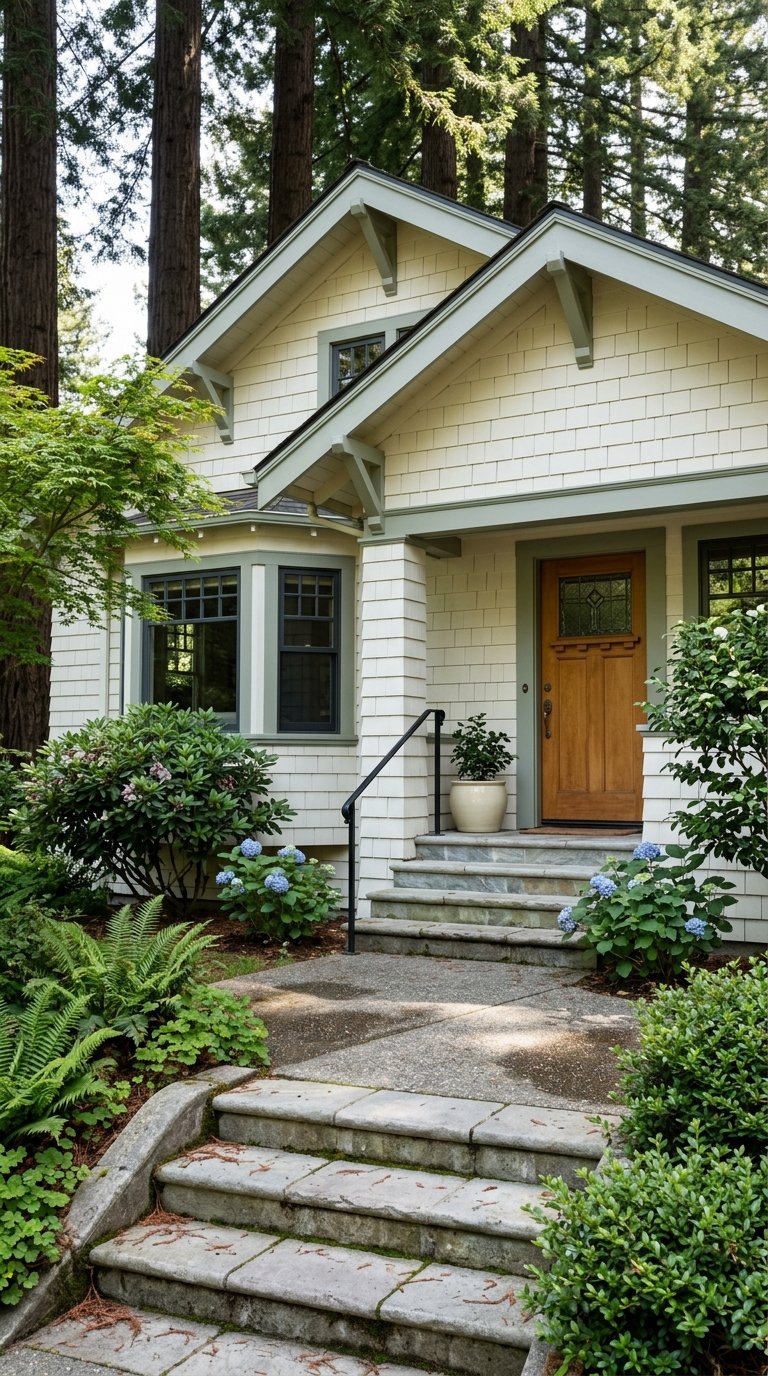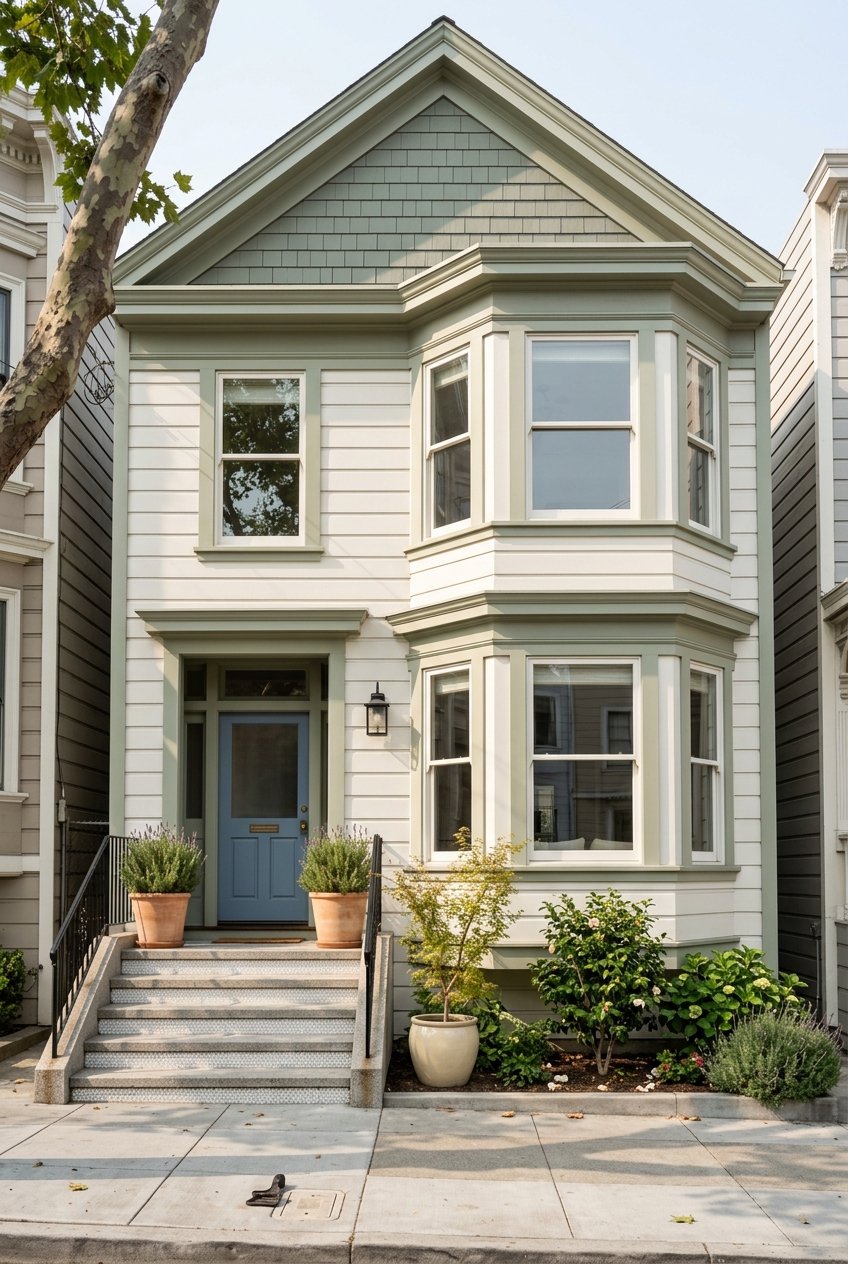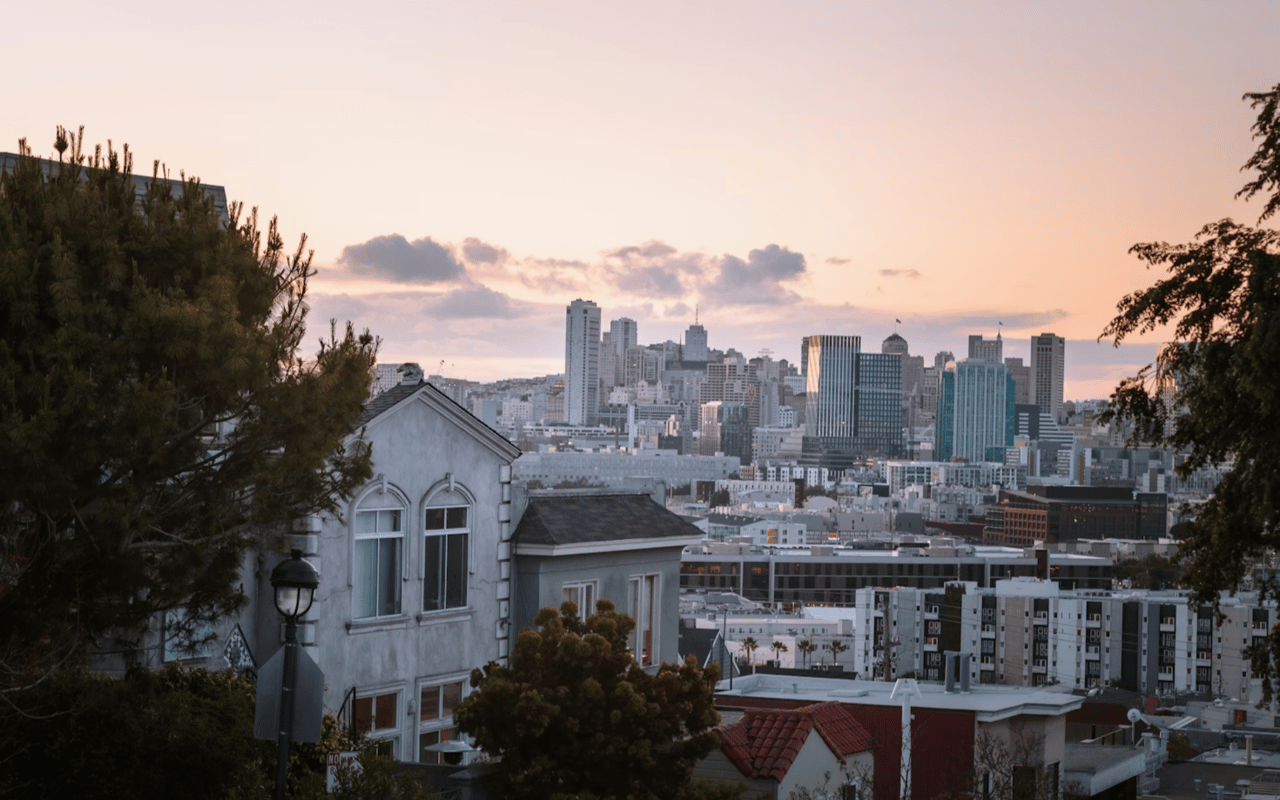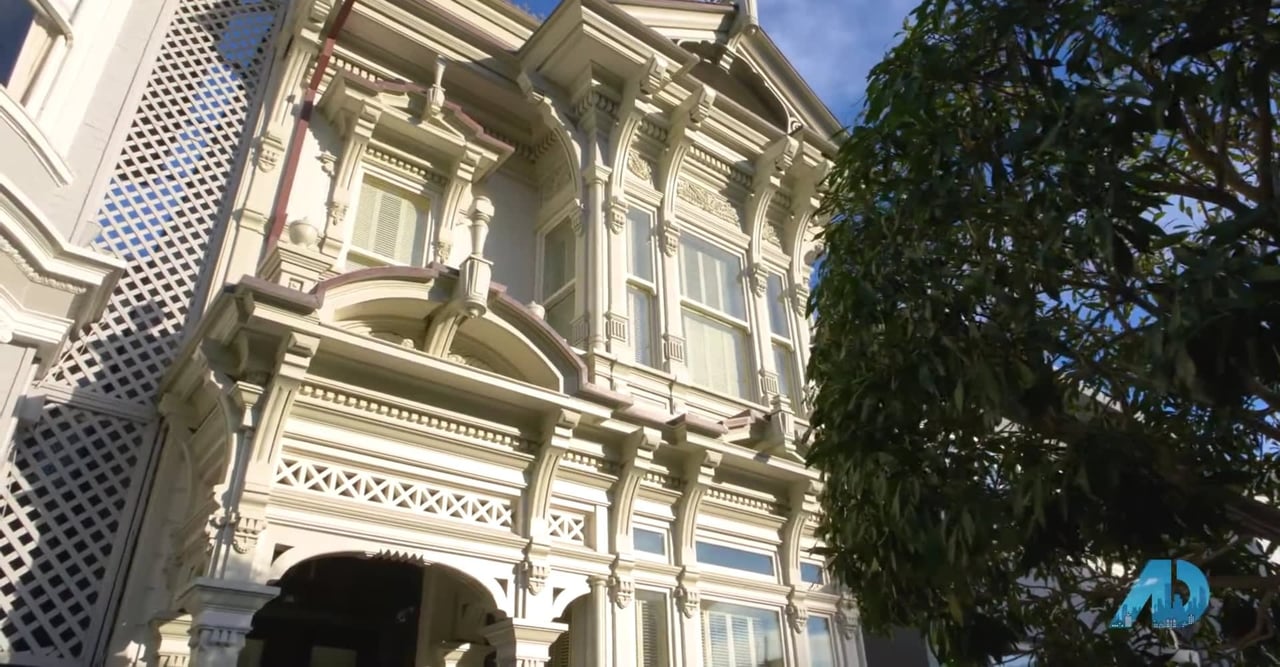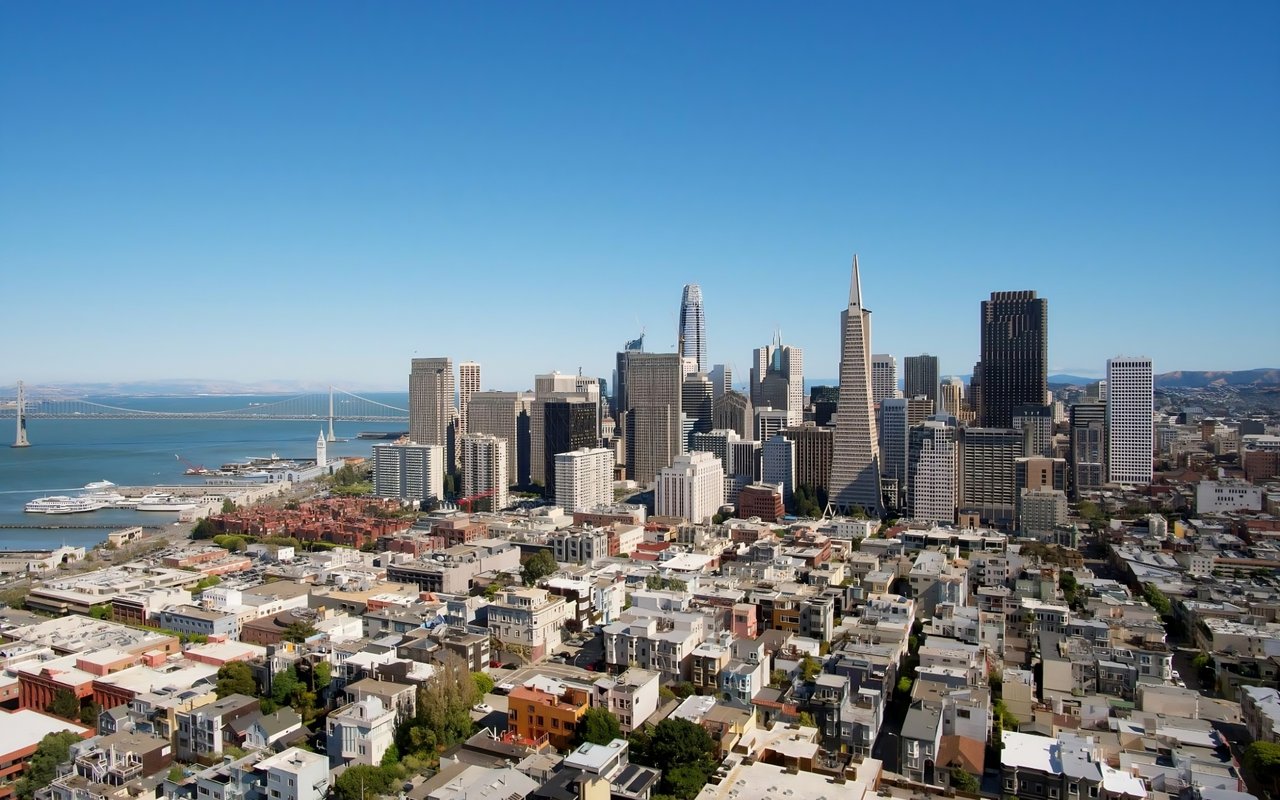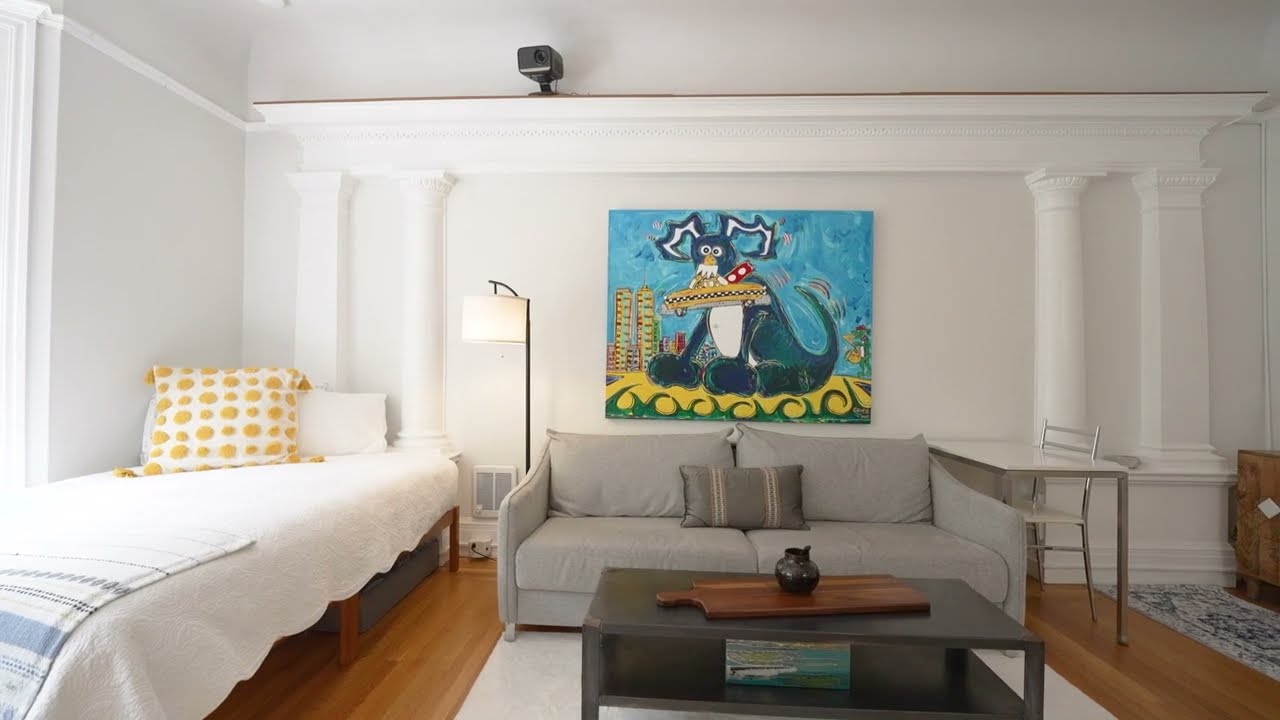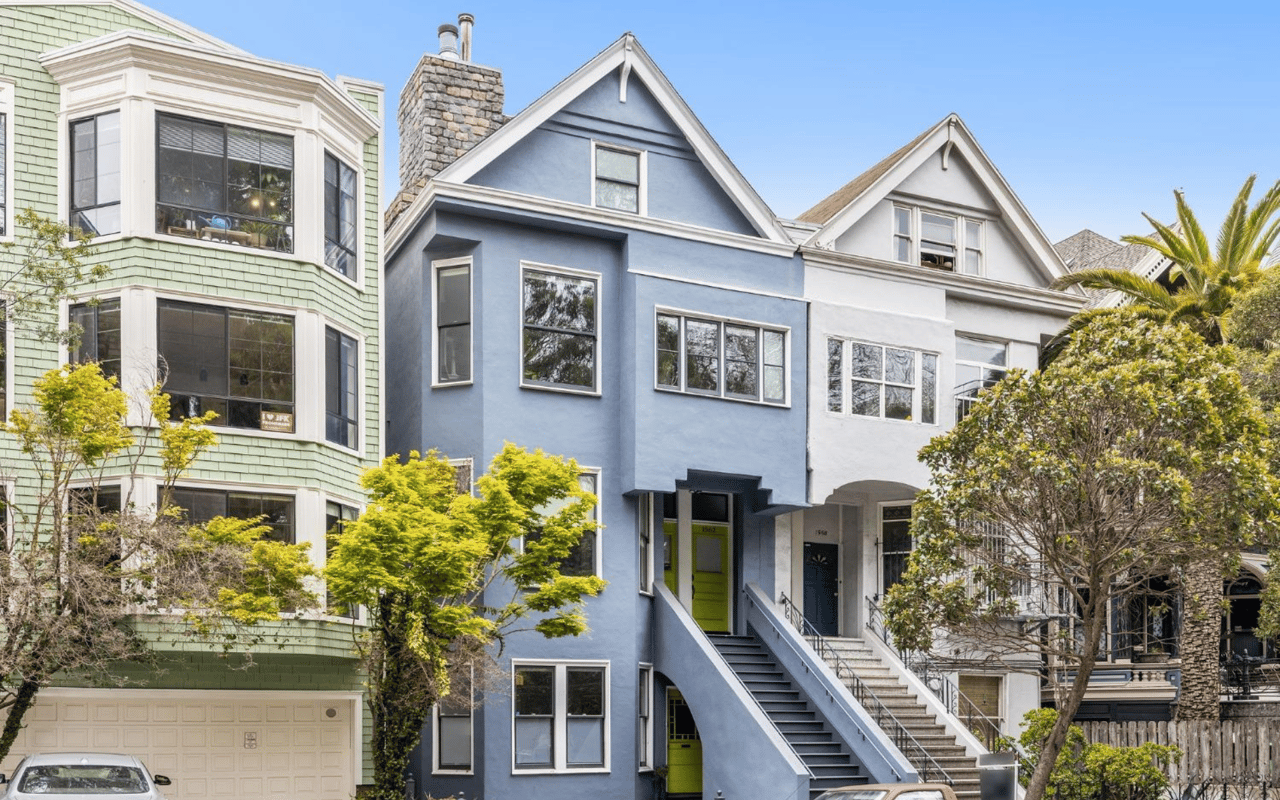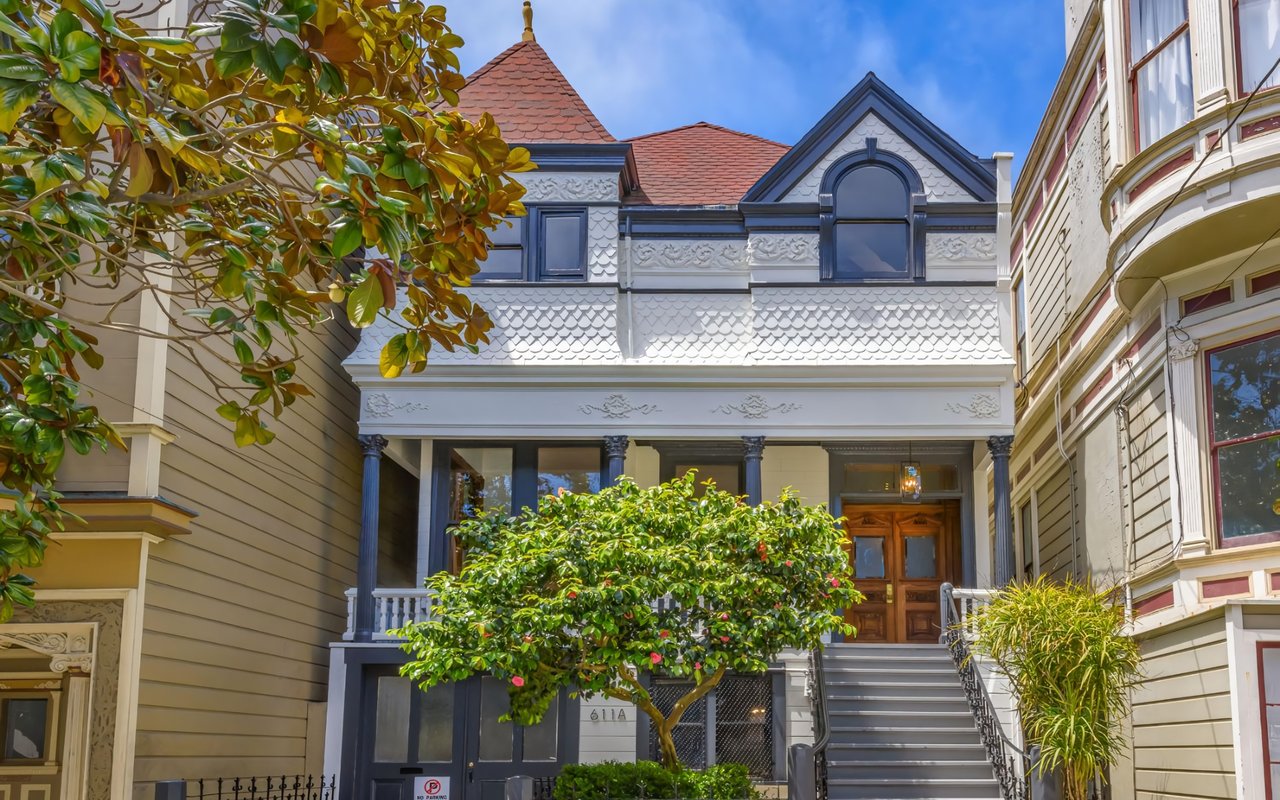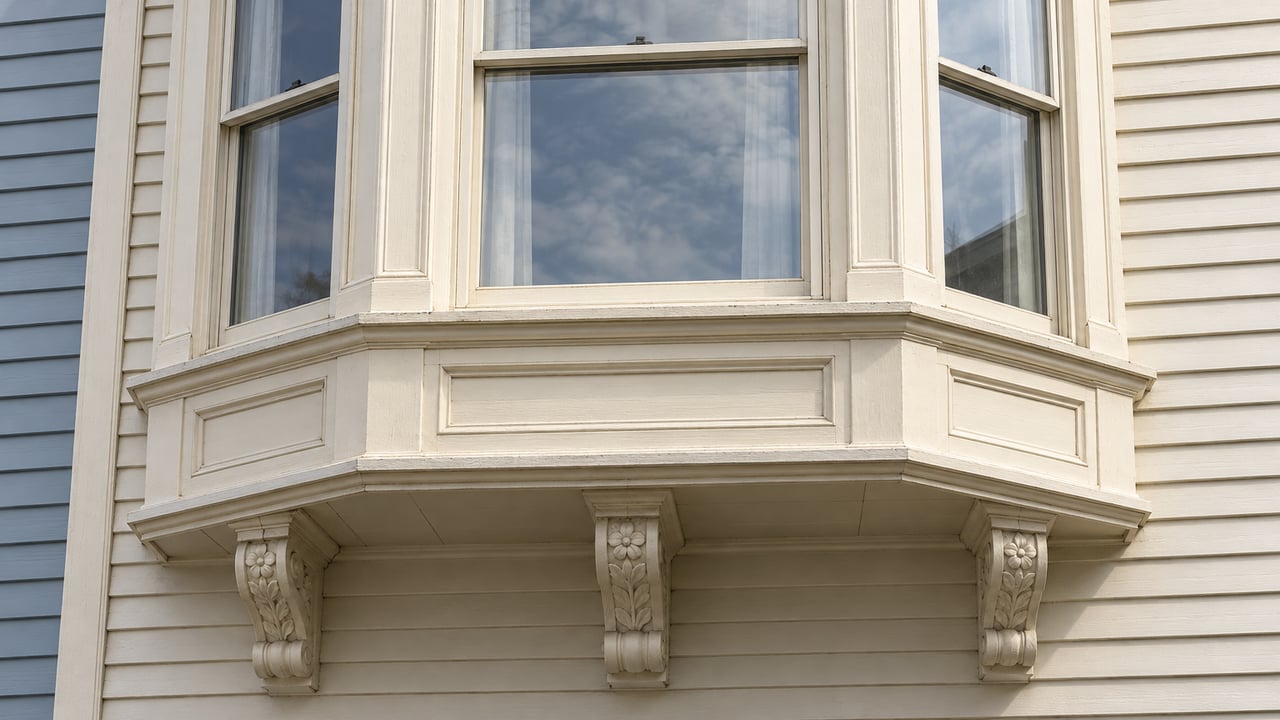
If a San Francisco Planning flyer landed at your door this month, here's the question it doesn't answer: is your building inside one of the new lines, or is it the house next door? District 8 Supervisor Rafael Mandelman and the Planning Department are proposing six new Landmark Districts in Duboce Triangle. The notice went to property owners, business owners and occupants. It describes each proposed district as a "representative collection" of Italianate, Stick-Eastlake, Classical Revival, Craftsman, or Queen Anne residential buildings built between 1875 and 1913.
The flyer doesn't name the six districts, and it doesn't include a map. So the two community forums later this month are the first public chance to ask where the boundaries go.
Small Lines Across the Whole Neighborhood
According to Planning's event page for the forums, the six districts range "from 3 buildings to approximately 50 buildings."
Compare that with what the neighborhood already has. The Duboce Park Landmark District, the Triangle's existing district, holds nearly 90 residential buildings plus the park itself. Planning's own designation ordinance counts 87. Even the largest of the new proposals would be about half that size, and the smallest is three buildings.
Districts that small cover single rows, not whole neighborhoods. A block could easily end up with a handful of protected facades in the middle and ordinary review on both sides. So it matters more who looks at the boundaries before they're finalized, and that starts with the forums:
- In person: Wednesday, Oct. 21, 2026, 5 to 7 p.m., Gazebo Room, CPMC Davies Campus, 601 Castro Street. Enter at plaza level above the ER department; Planning asks that you not enter through the ER or the hospital.
- Online: Thursday, Oct. 22, 2026, 5 to 7 p.m. Get the Zoom link by emailing [email protected].
- Accommodations: Assistive listening, captioning and interpreters need at least 72 hours' notice, per the flyer.
According to Planning, staff will cover the designation process, the "preservation incentives and responsibilities" that come with it, and how the public can take part. The flyer also offers one-on-one meetings with Planning staff for anyone with questions about a specific property.
So far, only one of the six has been described in public, and the source is the neighborhood association. The Duboce Triangle Neighborhood Association's October/November newsletter reports that Planning is considering a new historic district covering 15 properties on Beaver Street. It says outreach to affected neighbors is underway and adoption is targeted for December.
What the Park Blocks Already Went Through
The Triangle has done this once already. The Duboce Park Landmark District took effect July 12, 2013, after Mayor Ed Lee signed the designation on June 28 of that year. Its ordinance draws the line along the west side of Steiner Street, the south side of Waller Street, the rear property lines facing Duboce Park, and the park entrances at Carmelita, Pierce and Potomac Streets.
The 2013 district held together because so much of it came from one builder. According to the ordinance, Fernando Nelson designed and built about half of its properties, including nearly all the houses on Carmelita and Pierce. When one builder shapes a whole stretch of street, drawing the boundary is easy.
The rest of the Triangle isn't so uniform. Builders and styles change from street to street, and in places from house to house. Five styles across nearly four decades, 1875 to 1913, is what you get when a neighborhood was built in waves. It also explains why the new proposal comes as six pieces, not one big circle.
Where the 2022 Survey Was Already Looking
The best public clue to the kinds of groupings Planning cares about is the Duboce Triangle Historic Context Statement, dated August 26, 2022. It identified several candidate districts. These were earlier survey recommendations, and nothing published so far confirms that any of them are among the current six. They do show the scale the survey had in mind:
- Fernando Nelson Fourteenth Street: 851, 855, 859–861, 865, 871, 875 and 879 14th Street, plus 74–76 Henry Street.
- Duboce Park Queen Anne/Classical Revival Rowhouses: 557, 563, 569 and 573–575 Duboce Avenue.
- Fourteenth and Walter Street Classical Revival Flats: both sides of 14th Street between Sanchez and Walter, and both sides of Walter north to mid-block.
- S.A. Born Castro Street: the west side of Castro between Duboce Avenue and 14th Street, possibly with more properties on Duboce and Divisadero.
- Hillside Homestead Association: the western third of the Triangle, bounded by 14th Street, Noe Street, Market Street and Castro Street.
Two of those candidates come down to a few street numbers, and one is a row of Nelson-built houses on a single block of 14th Street. A three-building district is the same kind of thing: a coherent run of facades that Planning considers worth reading together. The same document also recommended expanding an existing California Register-eligible district west from Noe to Castro, generally to 14th Street, leaving out the CPMC Davies Campus and McKinley Elementary.
What Changes for a Building Inside a Line
Planning describes landmark designation as a framework for reviewing physical changes. According to Planning, that framework is meant to make review thoughtful and consistent without freezing a place in time, and designated places can keep evolving. In practice, a new window, a rear addition or a facade repair on a building inside a district gets a review that a building across the property line doesn't. With districts this small, that difference can land between next-door neighbors.
Designation also opens up two programs Planning points to. According to the Planning historic preservation FAQ, local, state and federal designations qualify a building to use the California Historical Building Code and to apply for Mills Act property-tax savings. On Planning's preservation incentives page, the Historical Building Code is described as an alternative code that allows flexibility in rehabilitation. The Mills Act is a contract with local government that exchanges commitments to rehabilitate, restore, preserve and maintain a building for reduced property taxes.
The fine print matters, and Planning states it plainly. Designation by itself doesn't change property taxes. Savings only apply once a Mills Act contract with the City is in effect. Planning frames these incentives as something owners of landmark properties or contributing buildings in historic districts may be eligible for. Lower taxes don't follow automatically.
From Forum to Ordinance
The October forums are outreach. No votes happen there. Under Planning's landmark designation program, a district needs these steps before it becomes official:
- Community outreach, which is the current stage, including the Oct. 21 and Oct. 22 forums.
- A public hearing at the Historic Preservation Commission.
- A public hearing at the Board of Supervisors, where final approval takes a majority vote.
- The mayor's signature.
No Commission or Board hearing dates for the Duboce Triangle districts have been published yet. DTNA's December adoption target is the only timeline in print. If December holds, about two months separate the first public forum from adoption. Once hearings are scheduled, the boundary maps will matter even more, because those are where the lines get argued over.
The Rest of the Triangle's October
The forums fall in a busy stretch of the neighborhood calendar, and several dates sit within a few blocks of each other. The Friends of Duboce Park calendar lists:
- Tuesday, Oct. 13, 6:30 to 8 p.m.: DTNA public meeting at the Harvey Milk Center for the Arts, 50 Scott Street.
- Pumpkin carving in Duboce Park, 11 a.m. to 1 p.m.: The calendar lists it as Saturday, Oct. 24 in one place and Sunday, Oct. 25 in another, so check with the organizers before you bring the kids and a carving kit.
- WiggleFest, Oct. 25, noon to 4 p.m.: At Duboce Avenue and Steiner Street, according to the calendar. DTNA's newsletter gives a different time, so it's worth confirming.
DTNA's newsletter also mentions a planned "Landmarks of the Triangle" series, which could become a running record of the buildings at the center of this proposal.
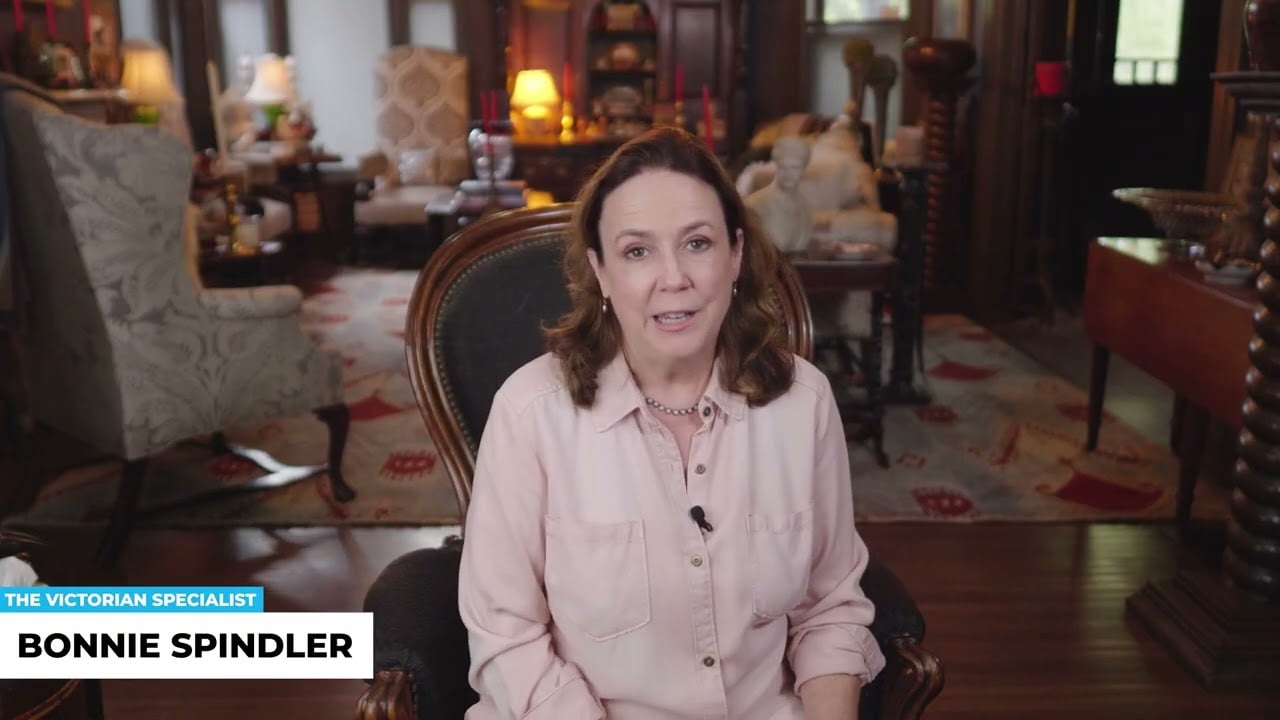
Bonnie Spindler, a past president of the Victorian Alliance, has spent more than 30 years working with San Francisco's Italianate, Stick-Eastlake and Queen Anne homes and the review that comes with them. If you want to know how a landmark district line could affect your building on Beaver, 14th, Walter or anywhere else in the Triangle, Bonnie Spindler can walk you through what designation and the Mills Act involve for your property. Book an Appointment before the December adoption target arrives.
This article is general information, not legal, tax or financial advice. Consult a qualified professional about your situation.