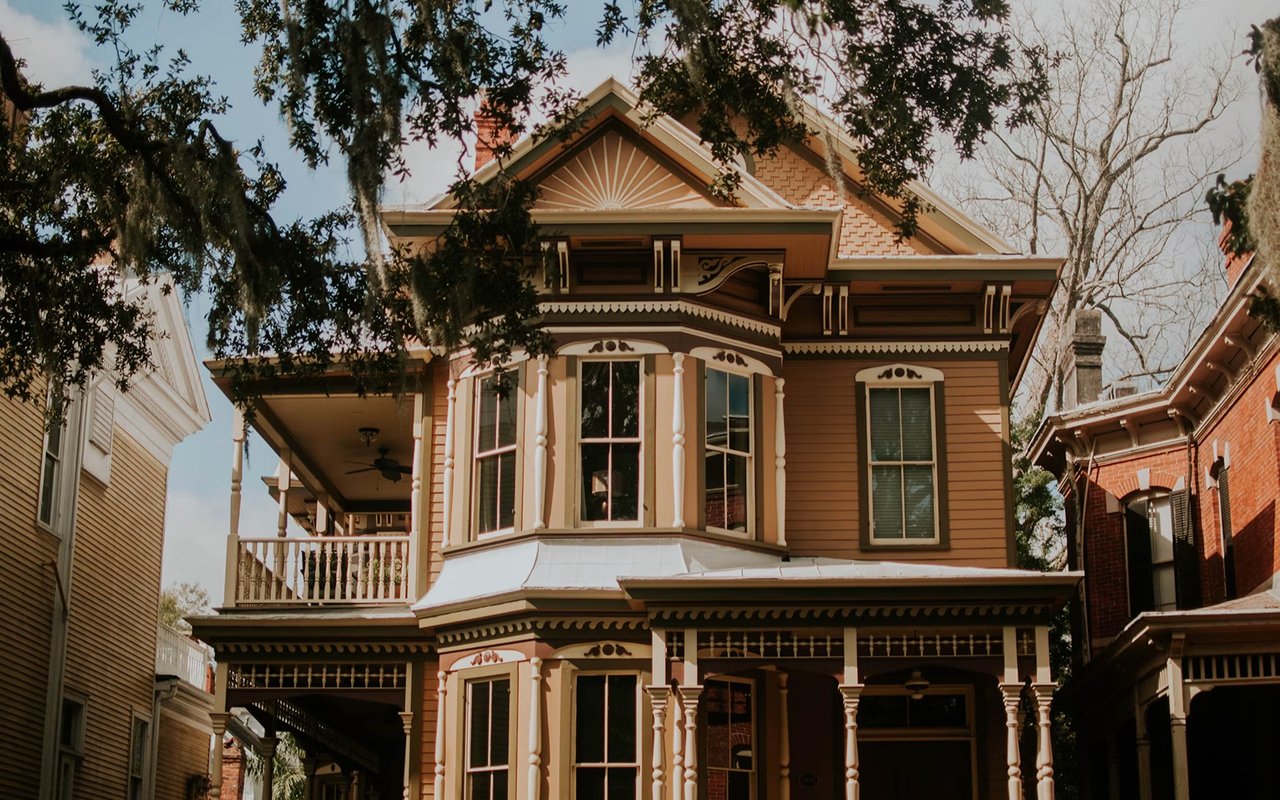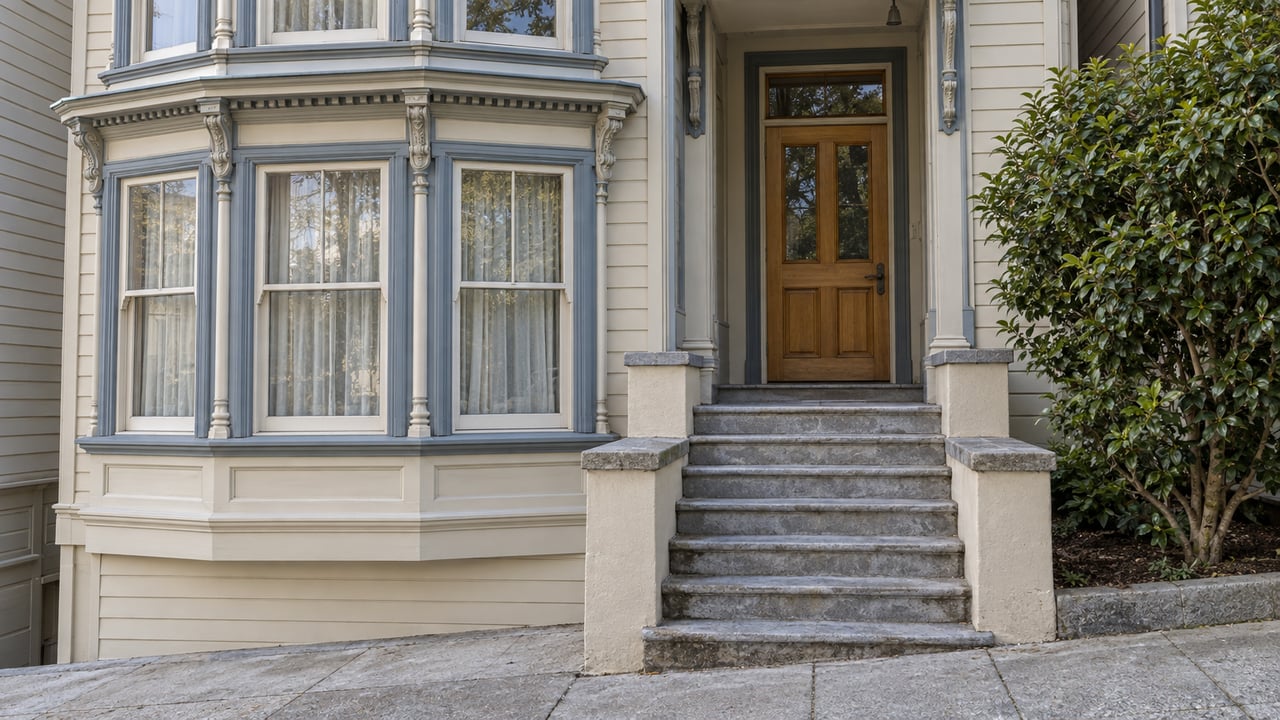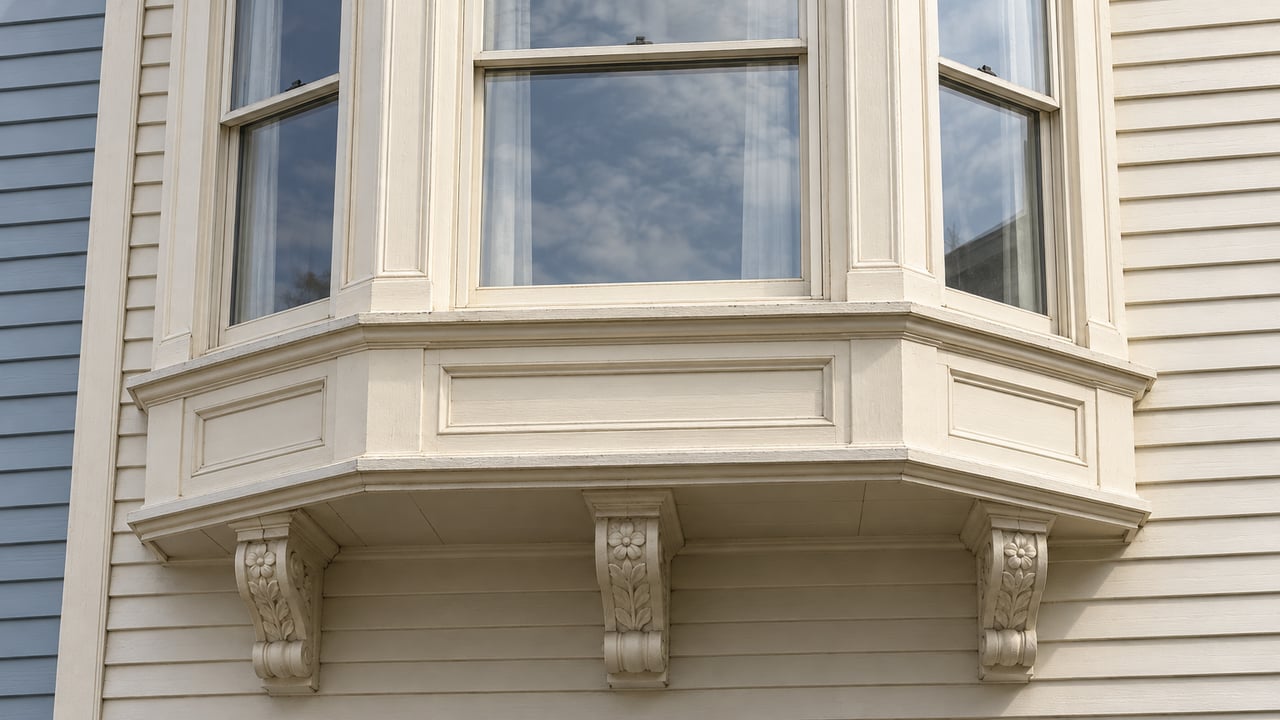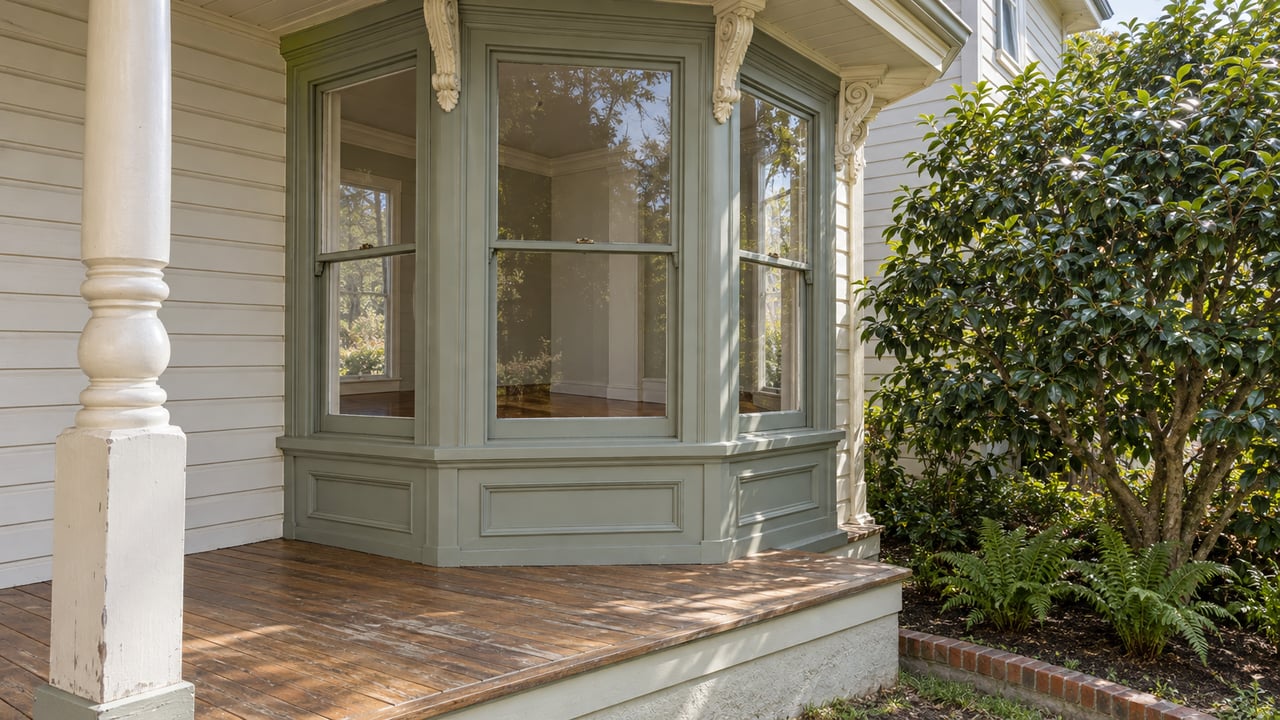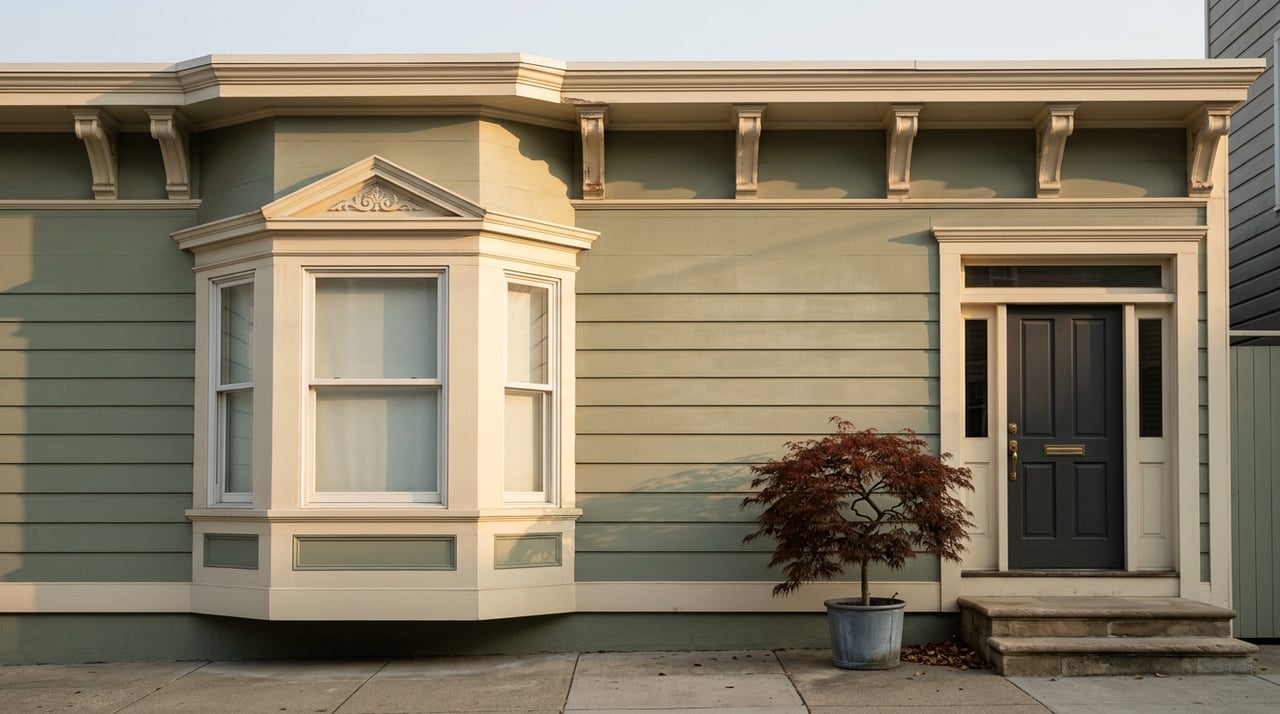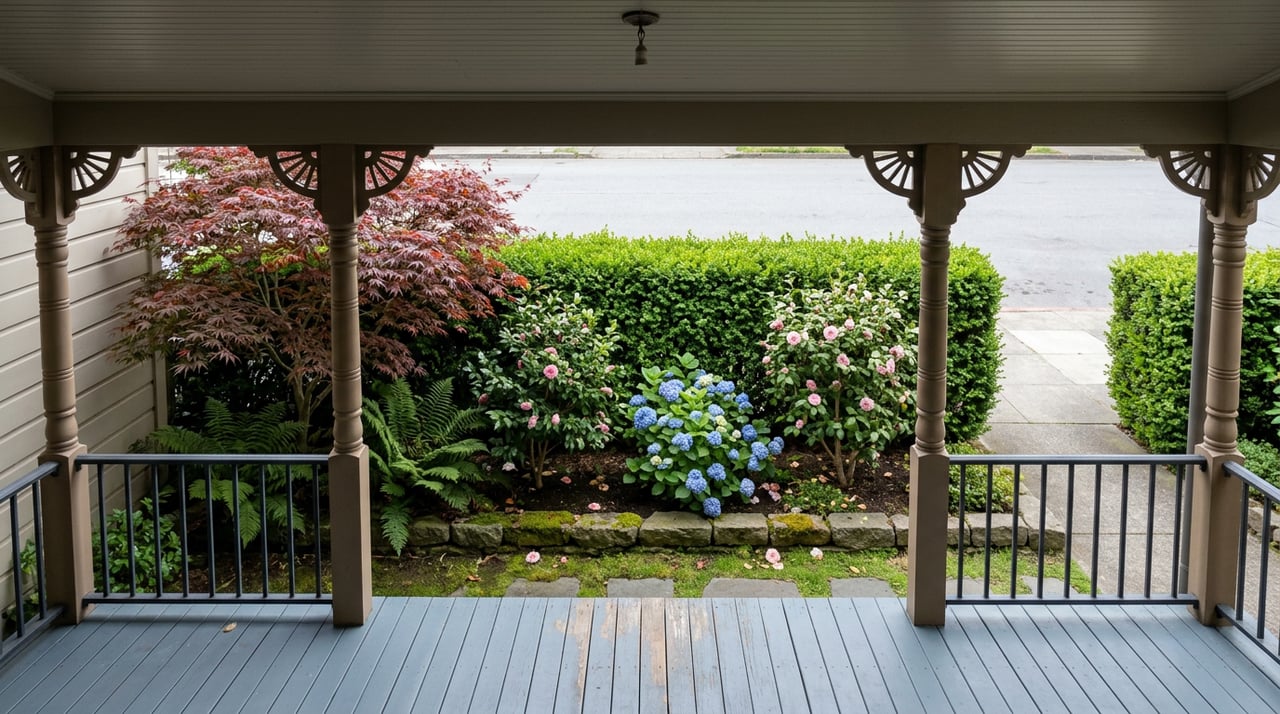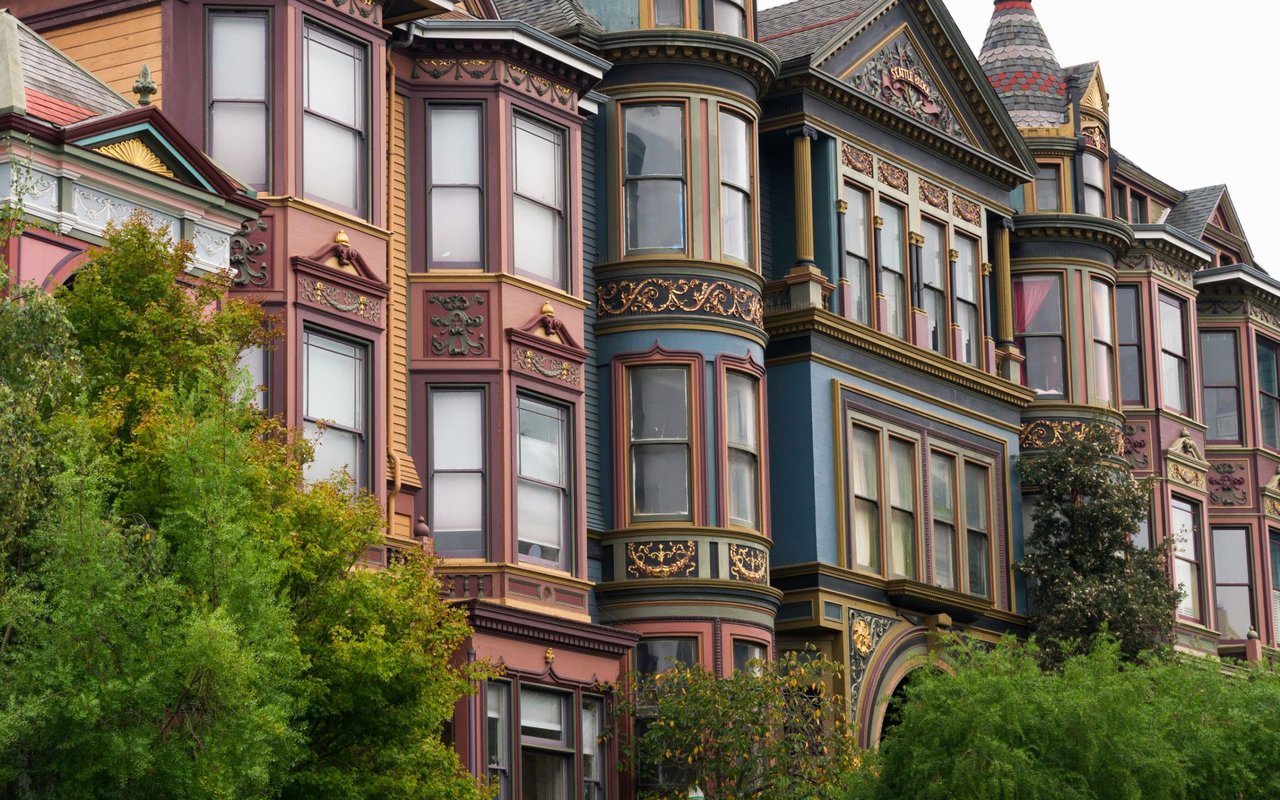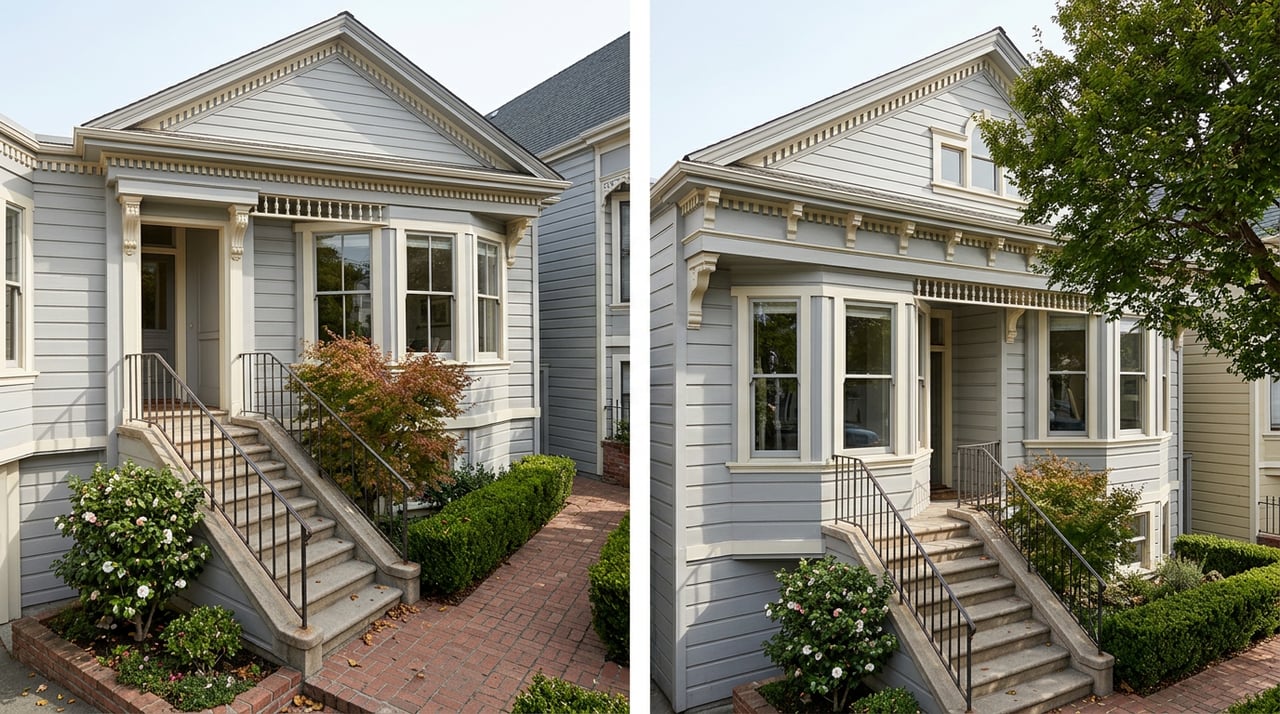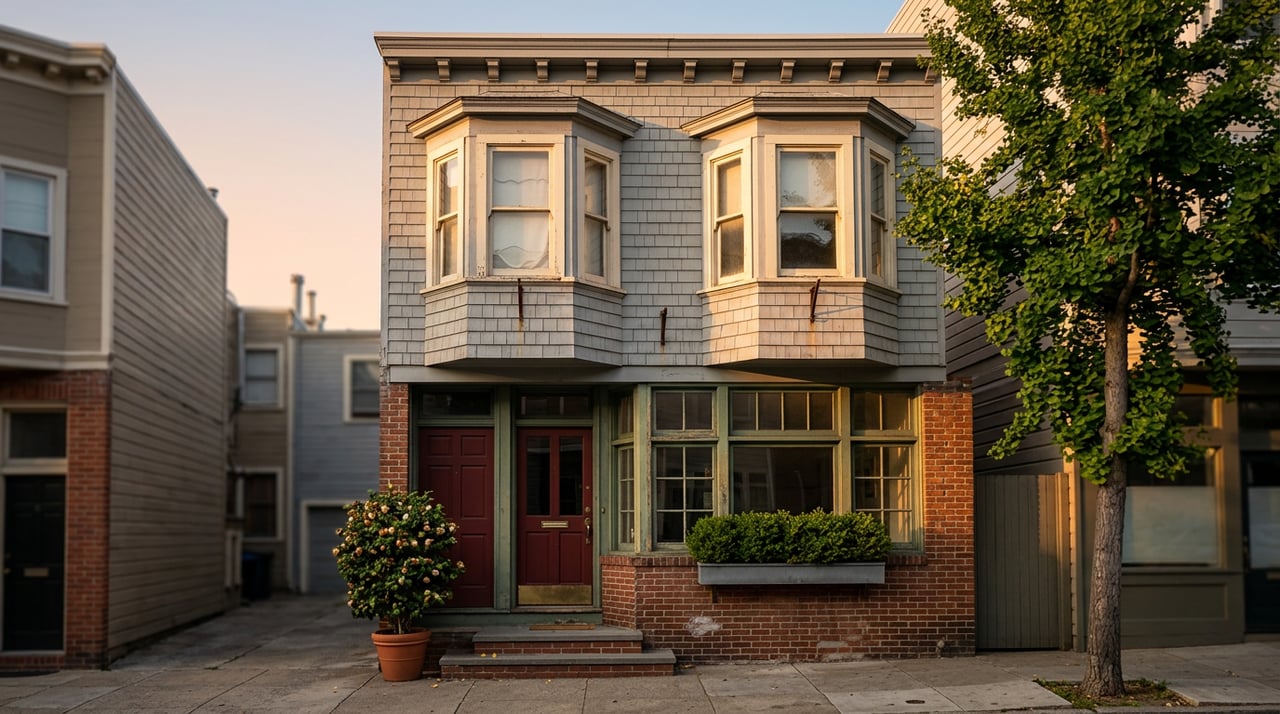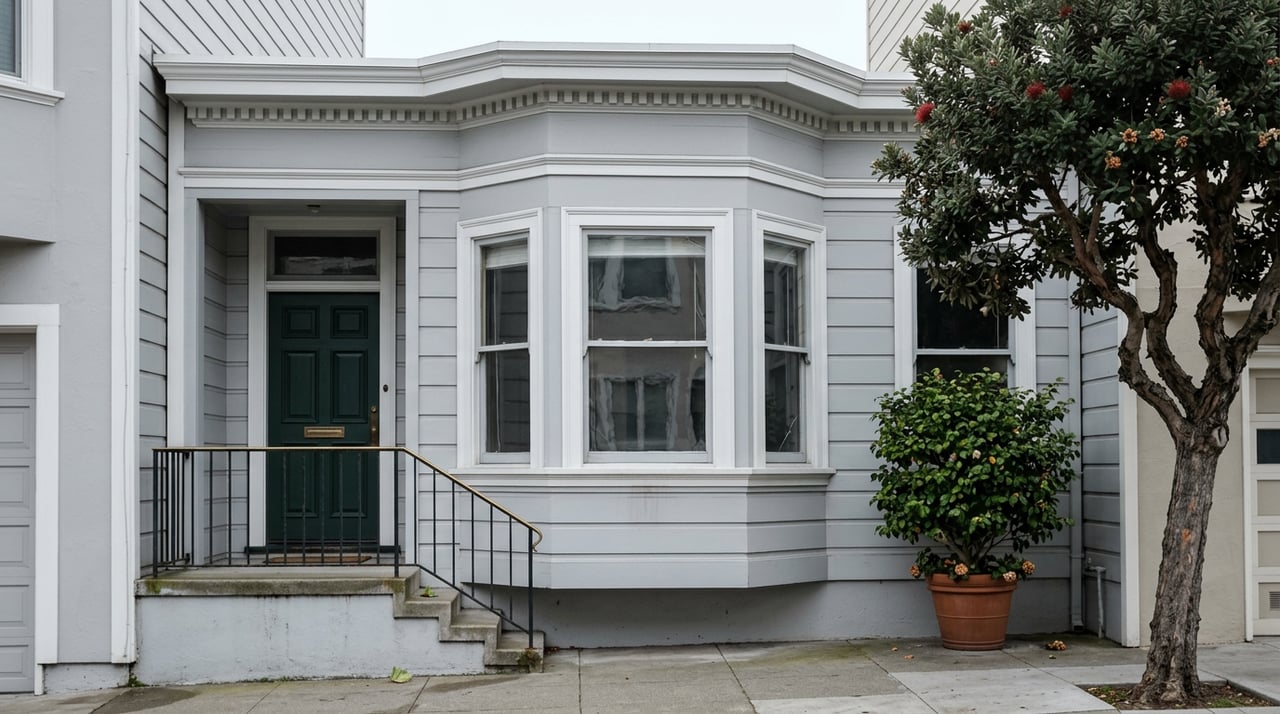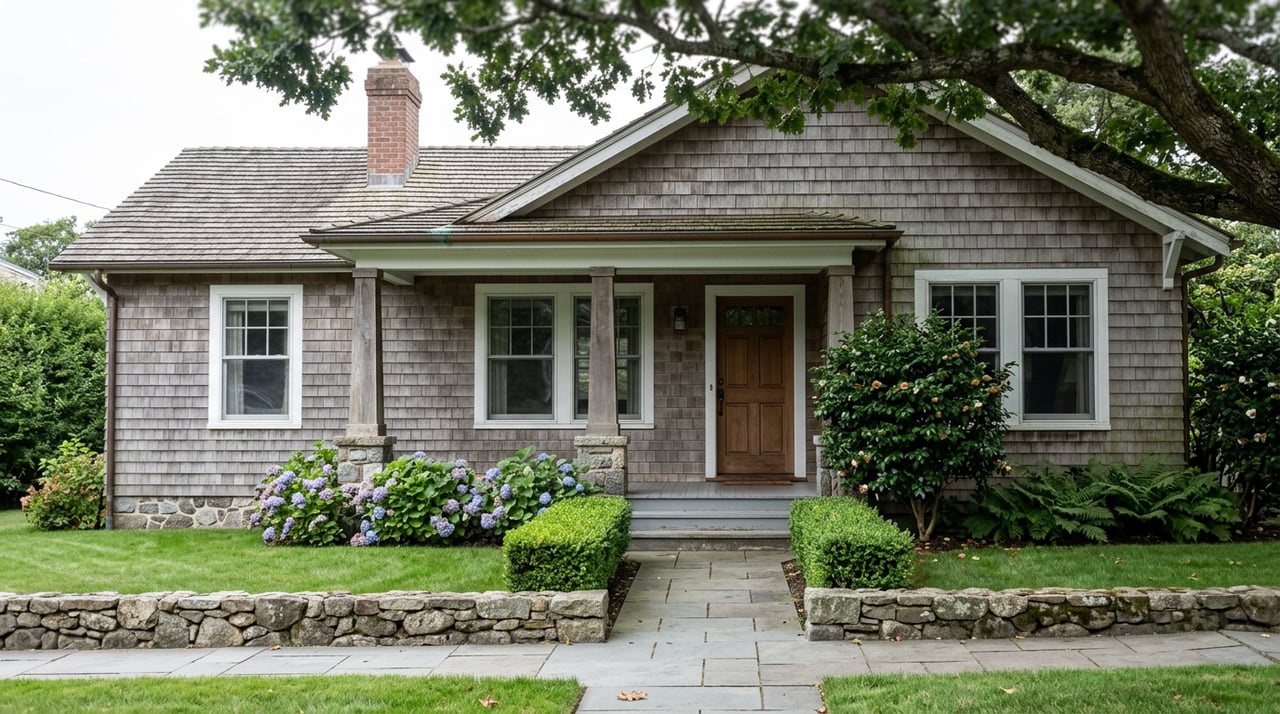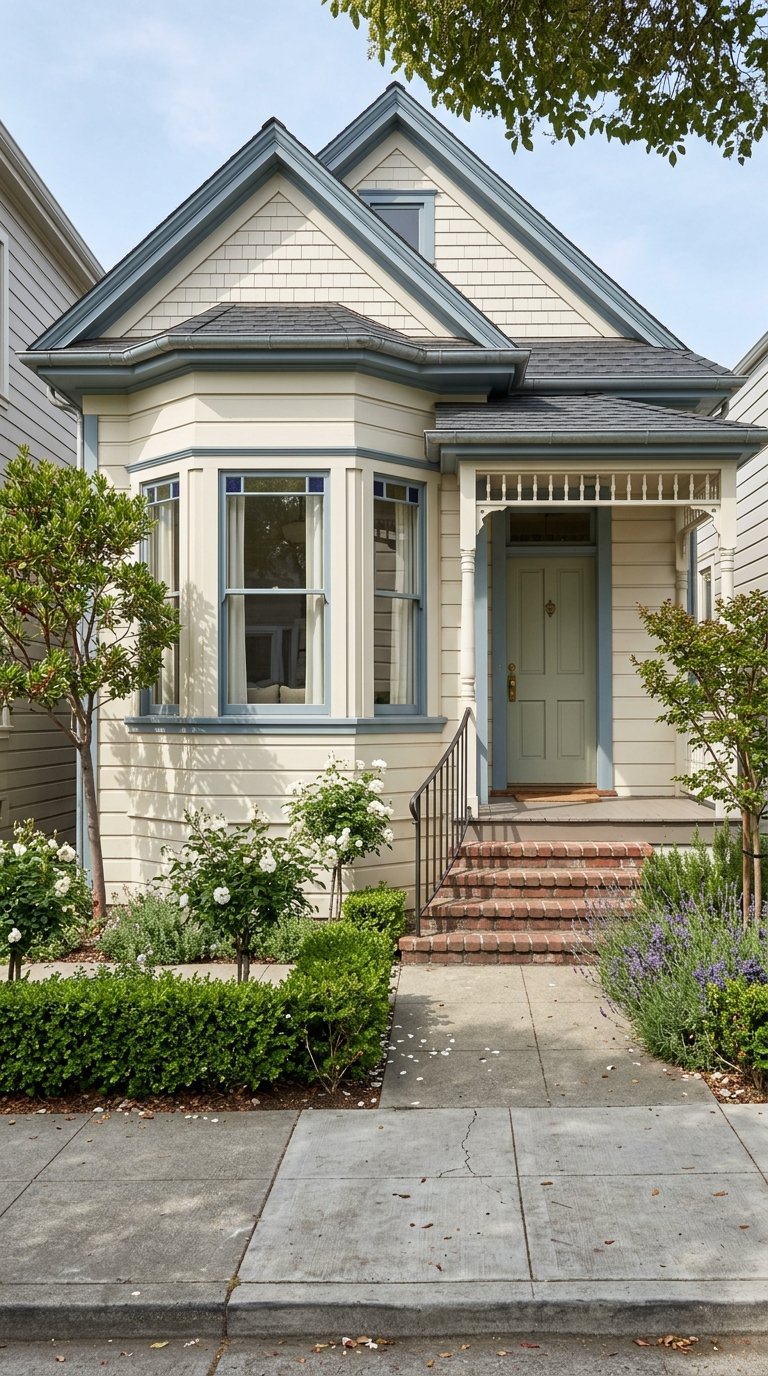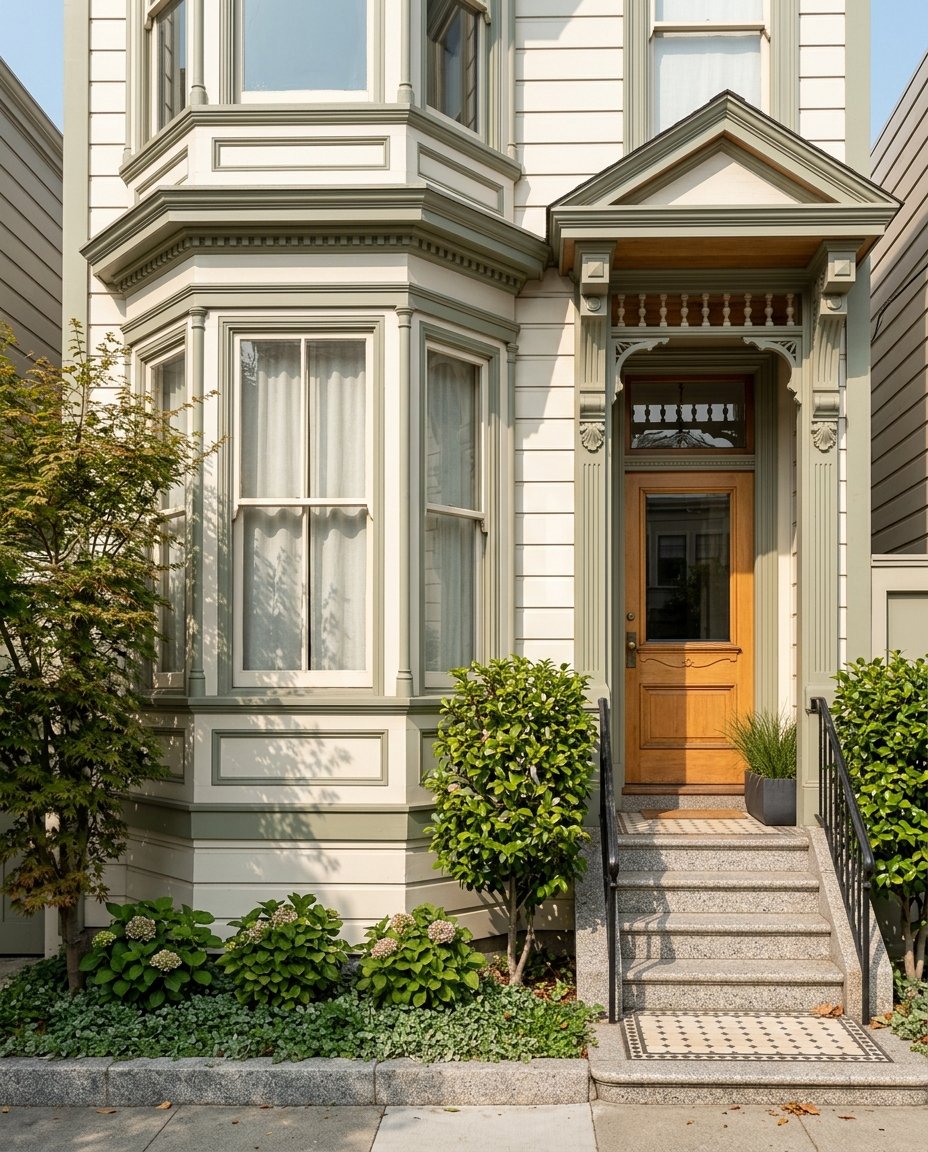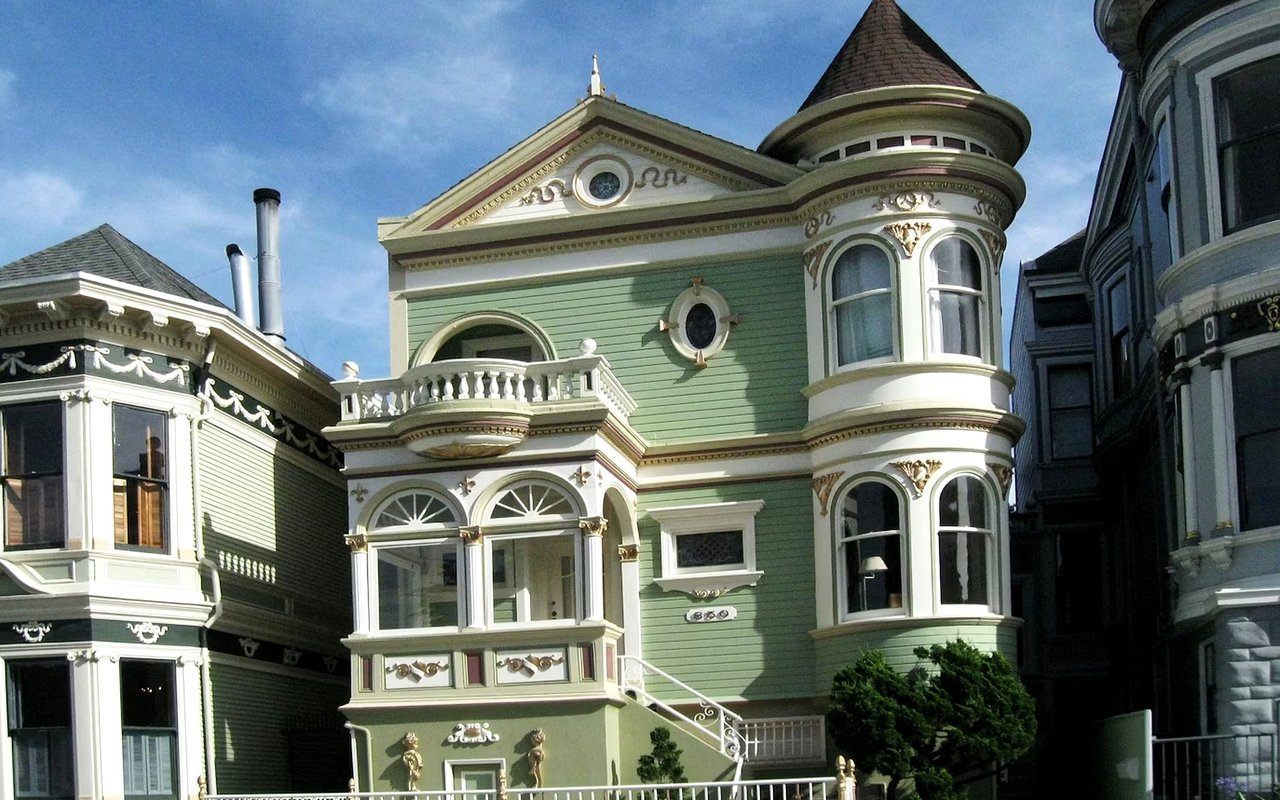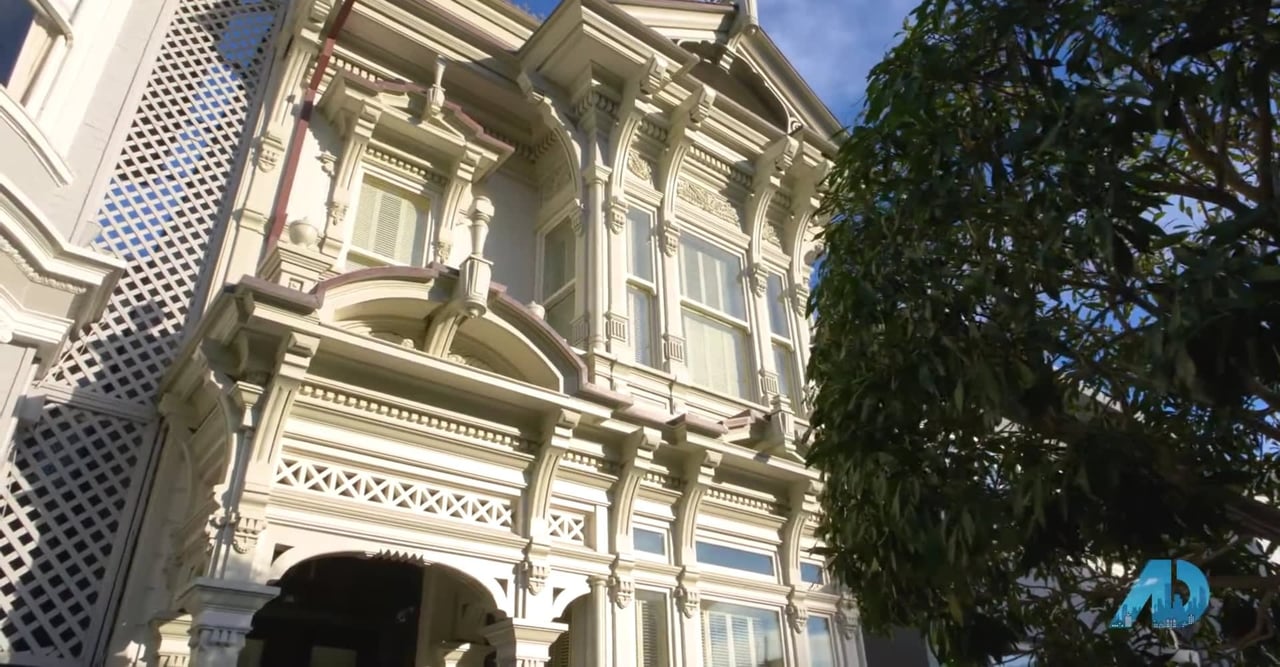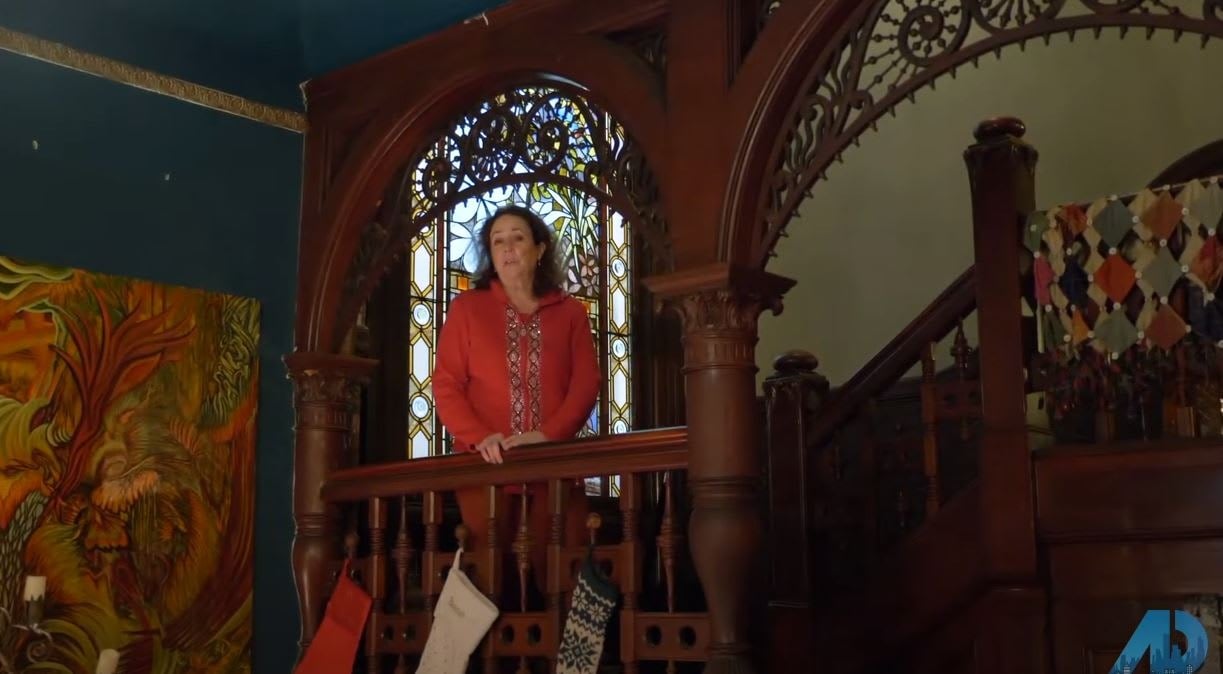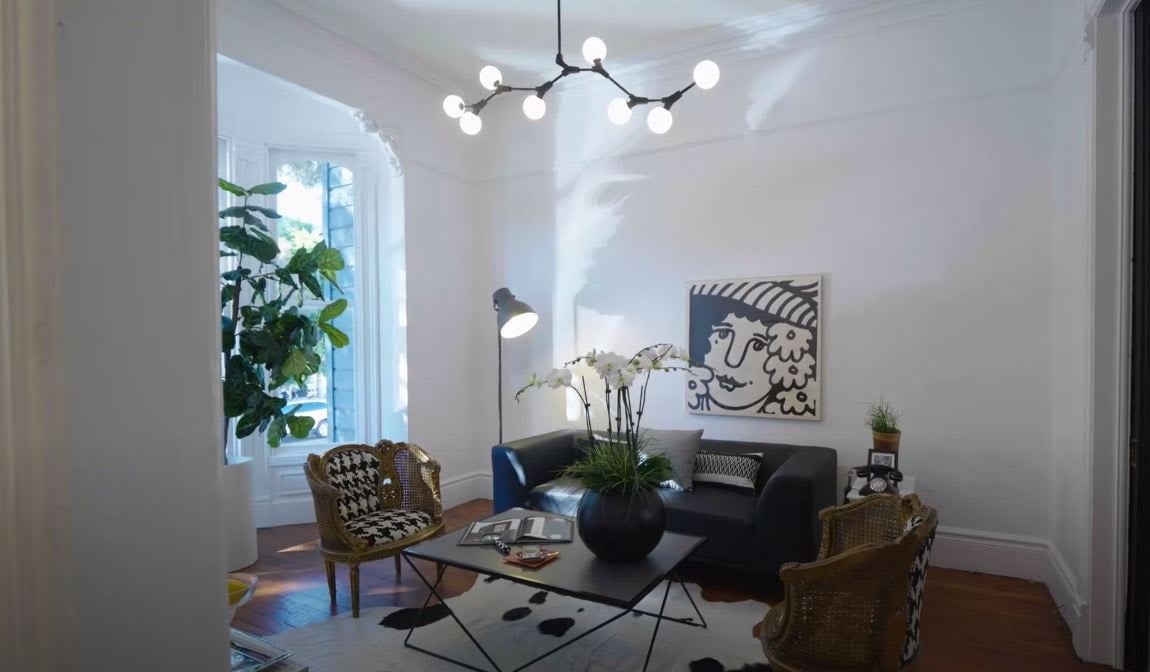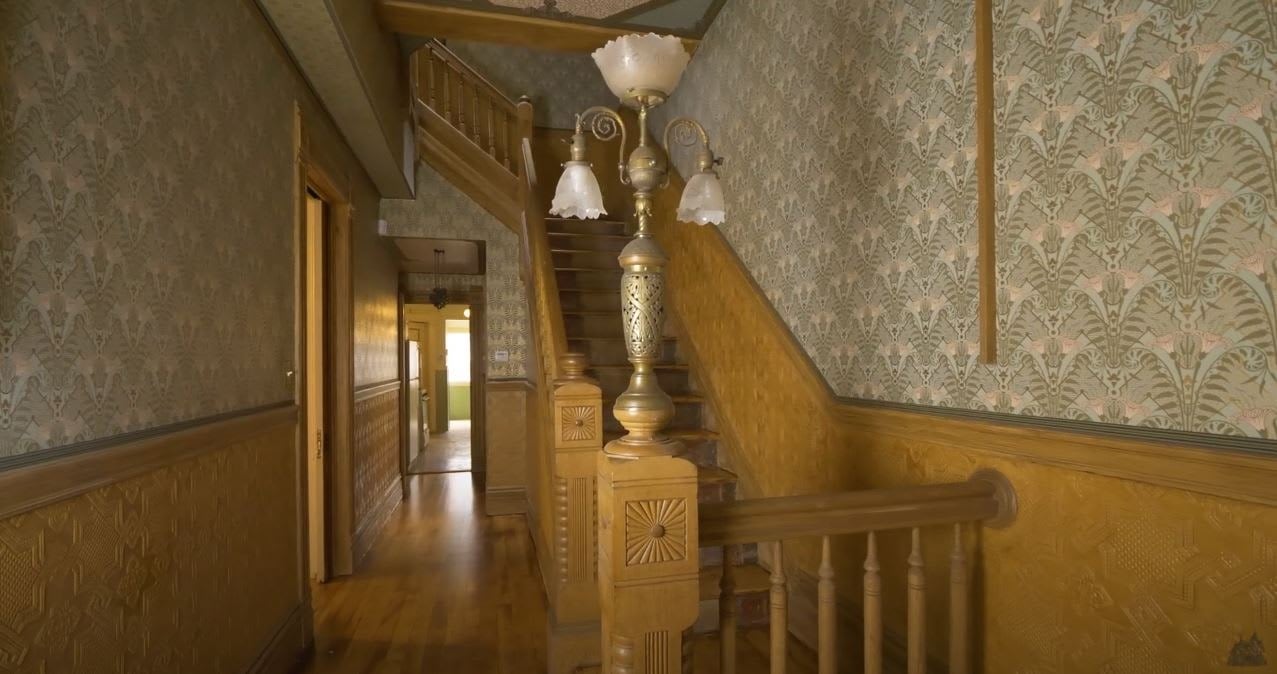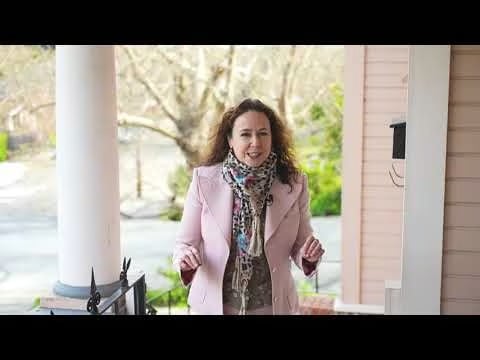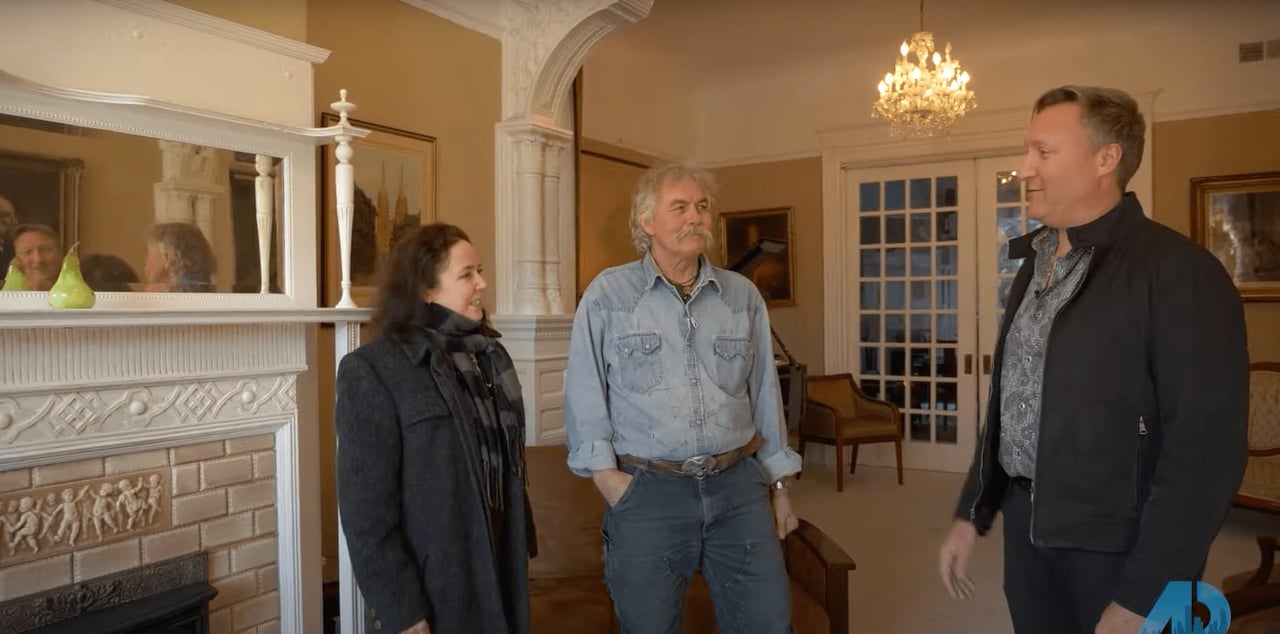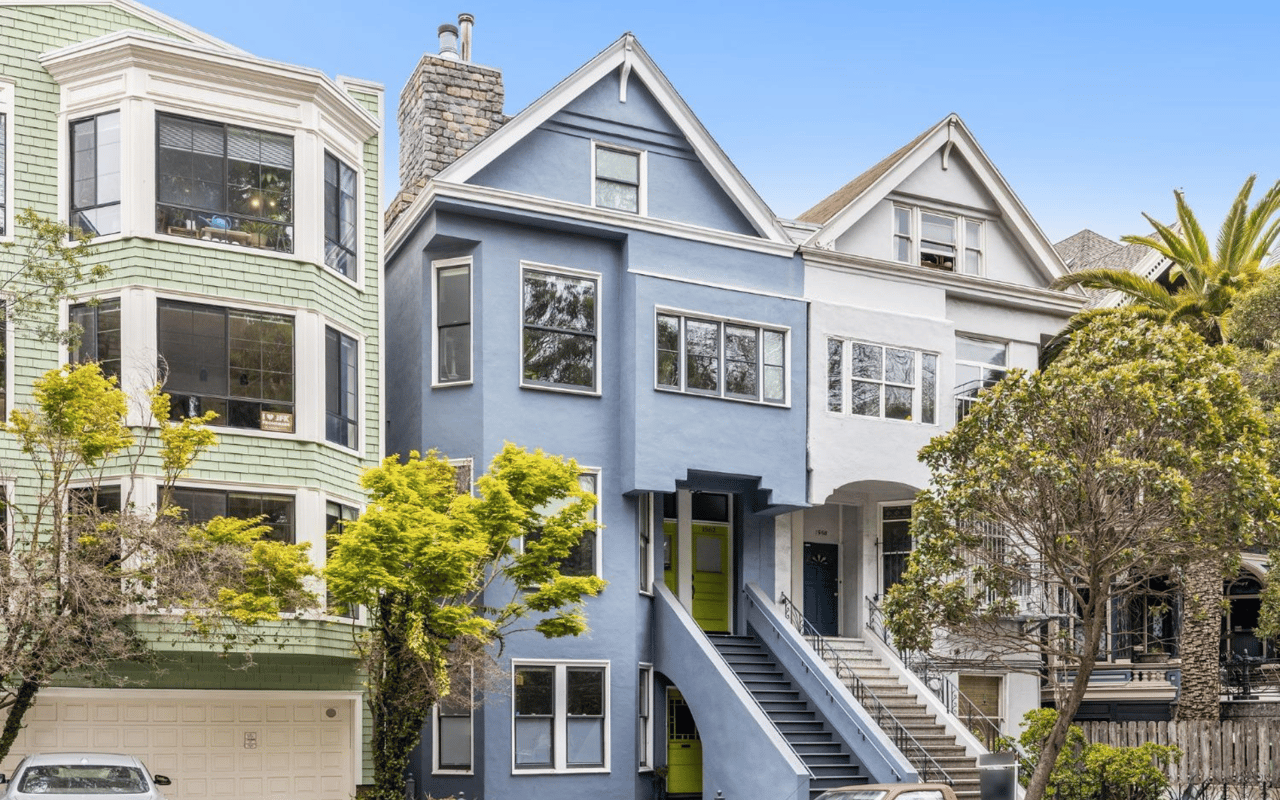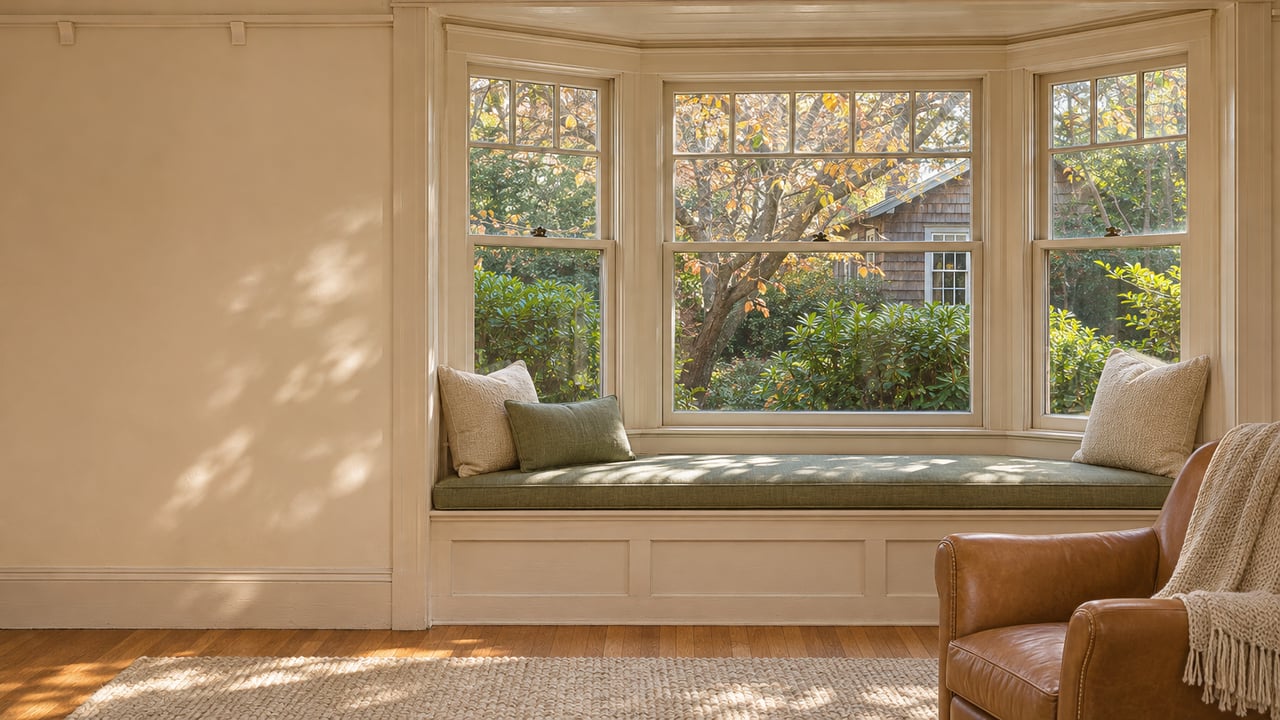
At 58 Madrone Avenue stands a redwood summer house built in 1888 with broad two-story verandas. Its National Register nomination calls the Dolliver House a California version of the Stick-Eastlake style. It was built by Gustave Nagel, who went on to build the Larkspur Hotel in 1895 and remodeled it in 1912, when it became the Blue Rock Inn. Ten other Madrone Avenue addresses appear beside it on the city's historic list.
That clustering is the most useful thing to know when comparing an older Larkspur house with a home across the creek in Greenbrae. Larkspur's period houses sit on a few particular streets. Its sales are so few that citywide numbers can't price any one of them. For a pre-1930 house in Larkspur, compare streets, not the town.
Larkspur's monthly numbers swing on a handful of sales
Larkspur is a small market. In September 2026, the BAREIS MLS closed-sales report by area recorded seven residential closings in Larkspur, at an average price of $2,830,929 and an average of 15 days on market. Greenbrae had one closing that month, at $1,802,000.
At that volume, one sale can set the month. BAREIS MLS data charted by TrendGraphix shows Larkspur's average sold price per square foot as low as $648 and as high as $1,555 in single months between August 2025 and October 2026. October 2026 came in at $1,270. Those swings reflect which houses happened to close each month. A month led by a large hillside house and a month led by a small condo produce very different averages, even if neither house changed in value.
The county figures are steadier and more useful for context. The California Association of Realtors reported a September 2026 median of $1,678,750 for existing single-family homes in Marin. That was up 1.7% from a year earlier, with 2.2 months of unsold inventory. For September 2026, BAREIS reported a Marin median sale price of $1.45 million and a median of 18 days on market, counting residential property types only. Both numbers describe a county with little inventory. Neither tells you what a 1908 cottage on Monte Vista Avenue is worth. For that you need to know where Larkspur's old houses are.
The rail town left its houses on a few streets
Larkspur grew as a railroad town. C.W. Wright subdivided ranch land into lots and lobbied for a station to help sell them. The North Pacific Coast line's wooden depot was replaced by a Northwestern Pacific station in 1929, according to the National Register nomination for Downtown Larkspur. That nomination describes a historic streetscape running from modest Queen Anne houses to California bungalows. In 1982 the state designated downtown Larkspur a historic district, and it was listed on the National Register, with a period of significance from 1880 to 1930, according to a city preservation document.
Larkspur's Historic Resources Inventory, approved by City Council Resolution 33/08, reads as a map of where the town's period buildings stand, and its entries bunch together. Madrone Avenue has eleven listed house addresses, from 47 to 222 Madrone, plus a separate entry for the stone wall in front of 118 and 124. The Dolliver House is one of them, and its nomination places it among the summer houses that late-nineteenth-century San Francisco businessmen built in Marin.
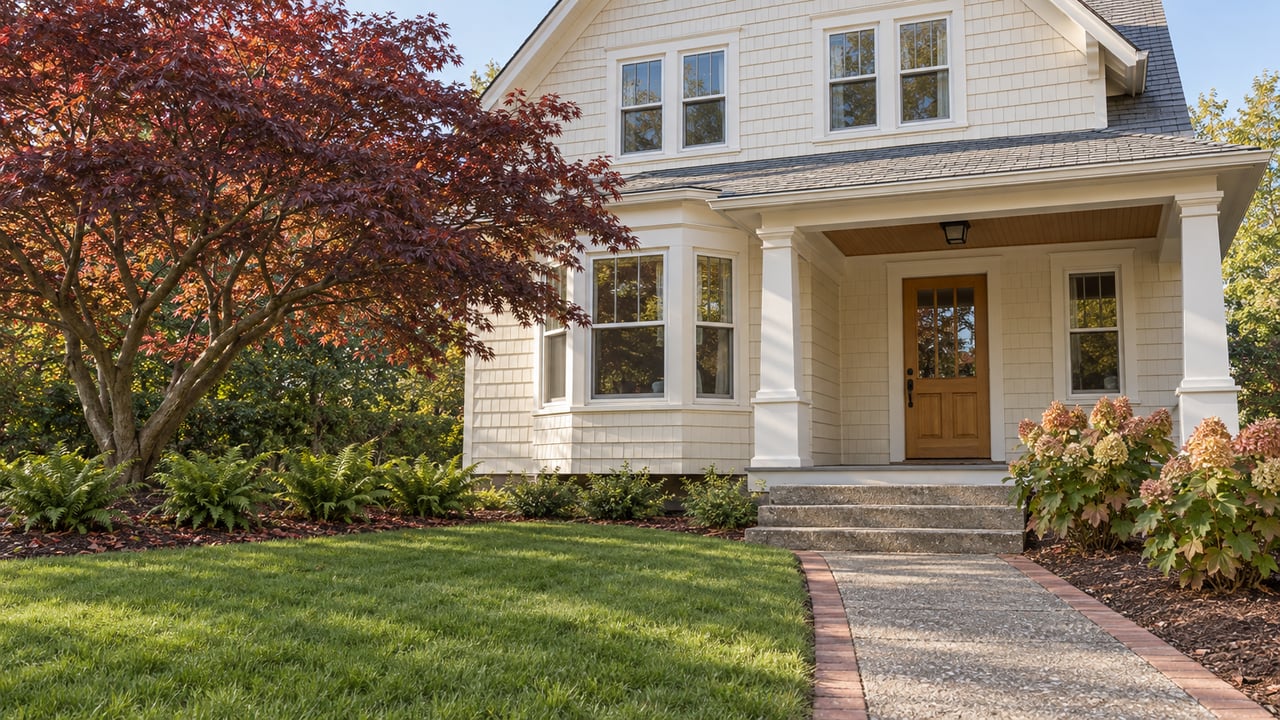
Monte Vista Avenue in Baltimore Park has eight listings, running from 9 to 250 Monte Vista. Charles and Ida White built 9 Monte Vista, Whiteacres Cottage, in 1908, and a city history article calls it one of the first homes in Baltimore Park. Murray Lane has three listed houses, at 5, 7 and 9.
The list also records the setting around the houses: the Arch Street Steps, the Baltimore Avenue Palms, the Baltimore Park Station site, the old railroad platform and right-of-way behind 552 Magnolia, and stone walls along stretches of Magnolia Avenue. In those blocks the rail era survives in walls, steps and palms as well as in individual houses. The same city article dates William J. Kennedy's house at 130 Magnolia to around 1907 and presents its restored wraparound porch as typical of early Larkspur houses. Downtown, the Marin Independent Journal's centennial coverage dated the Blue Rock Inn to 1895 and City Hall at Magnolia and King to 1913.
So two "older homes in Larkspur" of similar size can stand in very different settings. One sits on a block of rail-era houses with its stone walls and steps intact, and the other is a period house among later homes a few streets away. The September average counts them as the same thing, which is why a comparison of older Larkspur houses has to start with the street.
Greenbrae was planned and built as one piece
Greenbrae started from a single purchase. According to the Anne T. Kent California Room, Niels Schultz Sr. bought the land from the Archdiocese in the mid-1940s. Ground was broken for the first home in 1946 at Sir Francis Drake Boulevard and La Cuesta, and the community was laid out to keep the large oaks and add planted strips along the boulevard. By 1947, 90 homes were occupied and 107 more lots were ready to build on. Bon Air shopping center opened in 1952 as part of the same plan, according to Marin Magazine.
Greenbrae's entries on the historic list are on the water. The inventory names houses on Boardwalk #1 with names like "The Star," "The Redwing," "The Standard," "The Sea Gull" and "The Mooring." Marin Magazine described the Greenbrae Boardwalk in 2025 as 48 homes on pilings, reached from parking by a half-mile boardwalk. Because Greenbrae's streets were laid out together and built up within a few years, a comparison there can start at the neighborhood level and hold up. Larkspur's houses went up lot by lot across the half century from 1880 to 1930, so a comparison there begins on Madrone, Monte Vista or Murray Lane and works outward. Greenbrae's oaks and postwar plan and Larkspur's redwood verandas are two kinds of history, and each is read at its own scale.
Quick answers
Where are most of Larkspur's listed historic houses? The city's inventory groups many of them on Madrone Avenue, on Monte Vista Avenue in Baltimore Park and on Murray Lane, with more entries along Magnolia Avenue.
How old is Greenbrae? Its first home broke ground in 1946, and Bon Air shopping center opened in 1952.
Why does Larkspur's price per square foot jump around so much? Only a handful of homes close each month, seven residential sales in September 2026 for example, so the mix of houses that sell sets the average.
If you're weighing a house on Madrone Avenue against a home in Greenbrae, the comparison starts on the block, with the walls, steps and houses that have stood there since the trains ran. Bonnie Spindler has spent more than 30 years in real estate helping buyers read older houses at that scale. Book an appointment to go through the streets and recent sales behind the houses on your list. You can also see more of the area on the Greenbrae/Larkspur neighborhood page or follow the creek path that ties the two together.